
Feeling unwell while traveling is a source of anxiety for anyone. In particular, many foreign travelers worry about questions like, “How do I get to a hospital in Japan?”, “Will I be able to communicate?”, or “How much will it cost?” In this article, we will clearly explain how to find a hospital, the process of receiving medical care, costs, what to prepare in advance, and frequently asked questions, so that foreign travelers can use medical facilities in Japan with peace of mind.
*If you purchase or book products introduced in this article, a portion of the sales may be returned to FUN! JAPAN.🚅Book your Shinkansen ticket with NAVITIME Travel! 👉 Click here
🛫Book your flight ticket with NAVITIME Travel! 👉 Click here
😄Enjoy a more convenient trip to Japan with NAVITIME eSIM!👉Click here
👉Book Hotels & Ryokan on JAPANiCAN🏨

How to Find a Hospital While Traveling in Japan: How to Find Hospitals and Medical Institutions for Foreign Travelers
There are several ways to find a hospital in Japan. Choose the method that best suits your symptoms and situation.
Use the JNTO Medical Institution Search Website
The Japan National Tourism Organization (JNTO) provides a website where foreign travelers can search for medical institutions.
Reasons to Use the JNTO Medical Institution Search Website
- You can search for nearby medical institutions by region (prefecture, city, or ward)
- You can search by medical department and available languages (such as English, Chinese, Korean, etc.)
- You can check accepted payment methods in advance
- You can also search for hospitals certified by the JMIP (Japan Medical Service Accreditation for International Patients)
Even if you are visiting Japan for the first time, you can conveniently check the conditions in advance and find a medical institution that meets your needs.
- JNTO Medical Institution Search Website: https://www.jnto.go.jp/emergency/jpn/mi_guide.html
Reference: Japan National Tourism Organization (JNTO), JMIP (Japan Medical Service Accreditation for International Patients)
Use Local Government Medical Information Websites
Many local governments provide information websites where foreign travelers and residents can search for medical institutions.
For example, in Tokyo, the medical institution guidance service "Himawari" provides information on medical departments suitable for your symptoms and medical institutions with foreign language support. Tokyo also has a "Tokyo Medical Information for Foreigners" website, where you can find information on how to find medical institutions and about the Japanese medical system. Similar services may be available in other prefectures, cities, or wards, so it is also recommended to check the official website of the local government where you are staying.
Reference: Bureau of Social Welfare and Public Health
Consult Your Travel Insurance Support Desk
If you have overseas travel insurance, contact your insurance company's support desk (many are available 24 hours).
Reasons to Consult Your Travel Insurance Support Desk
They may be able to recommend medical institutions affiliated with your insurance company. To make the inquiry process smoother, it is a good idea to have your insurance policy number and the insurance company's contact information ready in advance.
The insurance support desk can also provide advice based on the urgency of your symptoms, so it is worth consulting them first.
Ask the Hotel Front Desk
If you are staying at a hotel, asking the front desk staff is one of the easiest options.
Reasons to Ask the Hotel Front Desk
- If you explain your symptoms, they may help you find the appropriate medical department
- You can also check whether a reservation is necessary and how to get there (on foot, by taxi, etc.)
Even if you are worried about the language barrier, hotel staff may be able to assist with interpretation or guidance.
Search for Hospitals and Clinics on Google Maps
You can quickly search for nearby medical facilities using Google Maps.
Reasons to Use Google Maps to Find Hospitals and Clinics
- By searching with keywords such as "clinic," "hospital," or "English," you may find it easier to locate medical institutions that offer services in foreign languages.
- You can also contact them directly via the phone number or website link provided.
Don’t decide based solely on reviews—be sure to check the official website for consultation hours, available languages, and reservation methods!
Which Department Should You Visit at a Hospital in Japan?

The department you should visit depends on your symptoms. Use the following as a guide if you are unsure.
| Department | Examples of Main Symptoms Treated |
Internal Medicine |
Fever, cough, general malaise, etc. |
Dermatology |
Itchy skin, rashes, etc. |
Otorhinolaryngology (ENT) |
Symptoms related to the ears, nose, or throat |
Ophthalmology |
Symptoms related to the eyes |
Dentistry |
Symptoms related to the teeth or inside the mouth |
Orthopedics |
Symptoms related to bones, joints, or muscles |
If it is difficult to determine which department to visit, you can first go to Internal Medicine and, if necessary, be referred to a specialist.
Reference: Morishima Pediatric and Internal Medicine Clinic
・For more details, check this article 👉How to Find Hospitals and Clinics in Japan: Which Department to Visit? How Does the Consultation Work? Complete Guide to Medical Care in Japan
How to Visit a Hospital in Japan at Night or on Holidays
Health problems can occur at any time, regardless of the time or day. It’s important to know what to do if you need help at night or on holidays.
Clinics Are Often Closed at Night or on Holidays
Many clinics are closed at night or on holidays. Be sure to check opening hours in advance and look for medical institutions (such as emergency hospitals or doctors on duty) that offer night-time or holiday services.
On municipal websites or medical facility search services, you can find facilities available on the day. In some areas, you can call the Emergency Medical Consultation Center (#7119) to get advice on whether you should call an ambulance or visit a hospital immediately, depending on your symptoms. You can also check the official website of your local municipality for information on medical institutions that provide night-time and holiday services.
Reference: Morishima Pediatric and Internal Medicine Clinic
If It’s an Emergency, Call 119
If you have symptoms that may be life-threatening, do not hesitate to call an ambulance.
- The number to call an ambulance in Japan is 119, which is also used for fire emergencies.
- If someone is unconscious, having difficulty breathing, or experiencing severe pain—any symptoms that may be life-threatening—call for emergency assistance immediately.
The Tokyo Fire Department and Osaka Municipal Fire Department provide 24/7 emergency call services in English, Chinese, Korean, Portuguese, and Spanish. There is no charge for calling an ambulance via 119, but you will be responsible for any medical treatment costs at the hospital.
Reference: Tokyo Fire Department, Osaka Municipal Fire Department
The Process of Visiting a Hospital in Japan
Here is a basic overview of what to expect when visiting a Japanese hospital for the first time.
① Reception

At the reception, present your insurance documents (such as your travel insurance certificate) and identification, and explain your symptoms. If it is your first visit, you may be asked to fill out a registration form for first-time patients.
② Fill Out the Medical Questionnaire
You will be given a medical questionnaire to fill out, where you will need to provide information such as your current symptoms, medical history, medications you are taking, and any allergies.
③ Consultation and Examination

You will have a consultation with a doctor. If necessary, tests such as blood tests or X-rays may also be conducted.
④ Payment
After your consultation and any tests, you will pay the fees at the payment counter.
⑤ Receiving Medication
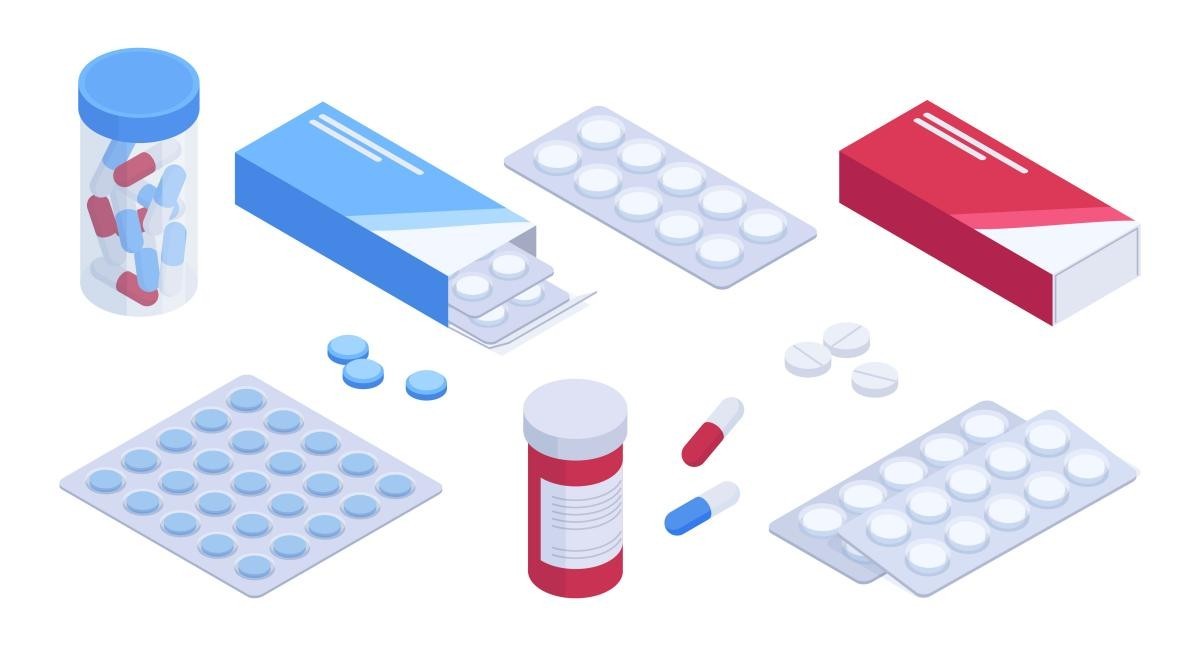
If you are prescribed medication, the method of receiving it will differ depending on the medical facility.
- In-house prescription: You can receive your medication directly at the hospital counter.
- Out-of-hospital prescription: You will be given a prescription, which you take to a nearby pharmacy to receive your medication.
Reference: Gan Medi
- For more details, check this article 👉 How to Find Hospitals and Clinics in Japan? Which Department Should You Visit? How Does the Consultation Work? A Complete Guide to Japanese Medical Information
Questions About Costs, Payment, and Overseas Insurance Coverage at Japanese Hospitals
You may be worried, wondering, "How much does it cost to go to a hospital in Japan?" If you do not speak Japanese and cannot arrange for a medical interpreter, you may also incur interpreter fees, so it is important to understand the basics of medical costs and payment methods in advance.
Travelers Are Generally Responsible for All Medical Expenses
Japan's public health insurance is for people covered by the Japanese public health insurance system, so short-term foreign visitors are generally required to pay the full cost of medical care themselves.. Depending on the treatment, costs can be high, so please be aware.
Reference: Ministry of Health, Labour and Welfare
You May Be Able to Use Overseas Travel Insurance
If you have travel insurance, you may be able to receive coverage for medical expenses. At affiliated medical institutions, you may even be able to receive cashless treatment, so be sure to check your insurance company's contact information and support details before your trip.
Keep Your Receipts and Medical Itemised Statements
Receipts and medical statements are usually required when making a claim on your overseas travel insurance. Be sure to keep them after your visit.
Check in Advance Whether Credit Cards Are Accepted
Some medical institutions only accept cash. For peace of mind, check at the reception or payment counter in advance to see if credit cards are accepted.
What to Prepare Before Going to the Hospital

To ensure a smooth visit, it is recommended to prepare the following items in advance. However, please note that some medical institutions may not accept patients without a medical interpreter, so check beforehand.
- Passport (photo identification)
- Overseas travel insurance information (insurance certificate, emergency contact)
- Medications you are currently taking (medication notebook or the actual medicine)
- Information about your medication (ingredient names, photos of the medicine, etc. — providing this information in English is even better)
- A memo explaining your symptoms (when they started, what symptoms you have; using a translation app is also recommended)
Reference: Tokyo Metropolitan Hiroo Hospital
How to Ask About Over-the-Counter Medicine at a Drugstore
If you are experiencing mild symptoms, you may consider purchasing over-the-counter medicine at a drugstore before going to a hospital. When consulting with a pharmacist or registered salesperson, providing the following information will help the process go smoothly.
- When your symptoms started
- Medications you are currently taking
- Any allergies
- Whether you are pregnant
- Any questions you have about the medicine
Frequently Asked Questions About Hospitals During Your Trip to Japan
Q. Can foreign travelers receive medical care at hospitals in Japan?
Yes, foreign travelers can receive medical care at hospitals in Japan. However, the availability of foreign language support and the procedures for receiving care may vary depending on the medical facility, so it is recommended to check in advance. Also, as short-term foreign visitors are generally not covered by Japan's public health insurance, you will generally need to pay for medical expenses out of pocket.
Q. Can I receive medical care in English at hospitals in Japan?
This depends on the medical facility. In urban areas and at facilities listed on medical institution search services for foreign travelers, English support is often available, but it is best to check in advance.
Q. Do I need my passport when going to a hospital?
You may be asked to present identification, so it is recommended to bring your passport with you.
Q. Can I use a credit card at hospitals in Japan?
This varies by medical facility. Some places only accept cash, so please check at reception.
Q. What should I do if I become unwell at night?
Look for a medical facility that offers nighttime or holiday medical services, or consult the staff at your accommodation.
Q. Can I receive medical care even if I don't speak Japanese?
Yes, even if you do not speak Japanese, you can receive care at medical facilities that offer foreign language support. However, not all facilities provide this service. It is best to check in advance which languages are supported and whether medical interpreters are available. You can also use translation apps or medical institution search services that support foreign languages to find suitable hospitals. Writing down your symptoms beforehand will help you communicate more clearly.
Q. Can I use travel insurance at hospitals in Japan?
This depends on your insurance company. At affiliated medical facilities, you may be able to receive cashless treatment, so please check with your insurance support desk in advance.
Check in Advance Before Visiting a Hospital During Your Trip to Japan
Even if you become unwell during your trip to Japan, knowing the right information will help you stay calm and handle the situation. If you keep these points in mind before your trip, you’ll be able to respond without panic if something happens. Enjoy your trip to Japan with peace of mind.
👉Book Hotels & Ryokan on JAPANiCAN🏨





Comments