
What is Japanese culture? When asked this question, many people imagine a wide and astonishingly diverse range of “Japanese culture,” from traditional arts and customs that reflect the four seasons and have been nurtured throughout history, to modern pop culture such as manga, anime, and games.
This article provides an overview of Japanese culture, introducing a comprehensive list of cultural elements that best represent Japan, including traditional performing arts, kimono, traditional crafts, food culture, and annual events. It serves as a complete guide for those who want to learn about Japanese culture in depth.
*If you purchase or make a reservation for the products or services introduced in this article, FUN! JAPAN will receive a commission from the sales proceeds.
Traditional Japanese Clothing: Kimono
Kimono
Kimonos are probably one of the first things that comes to mind for most people when they think of Japan.
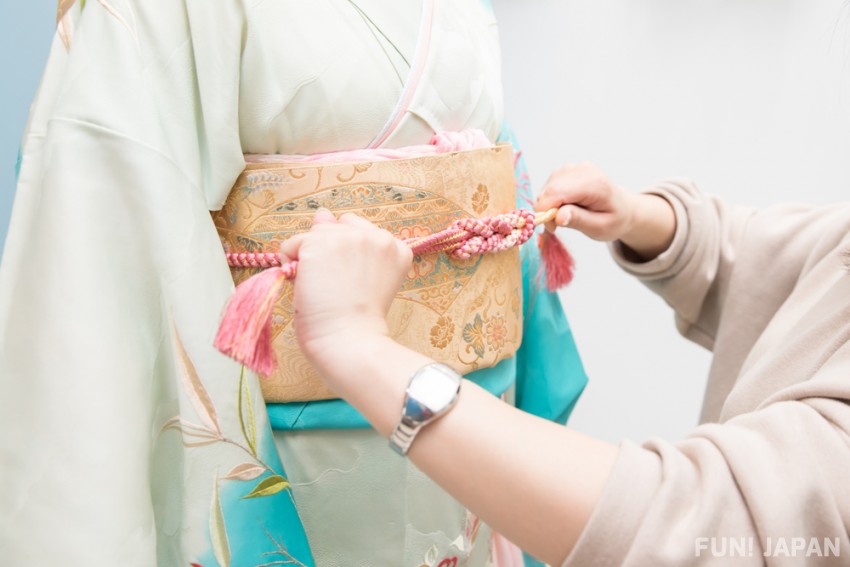
Known for their exquisite design and detail, the kimono is essentially a long robe, secured at the waist with a broad sash called an obi. Especially for women, the color combination of the kimono and obi expresses a sense of the season and individuality.
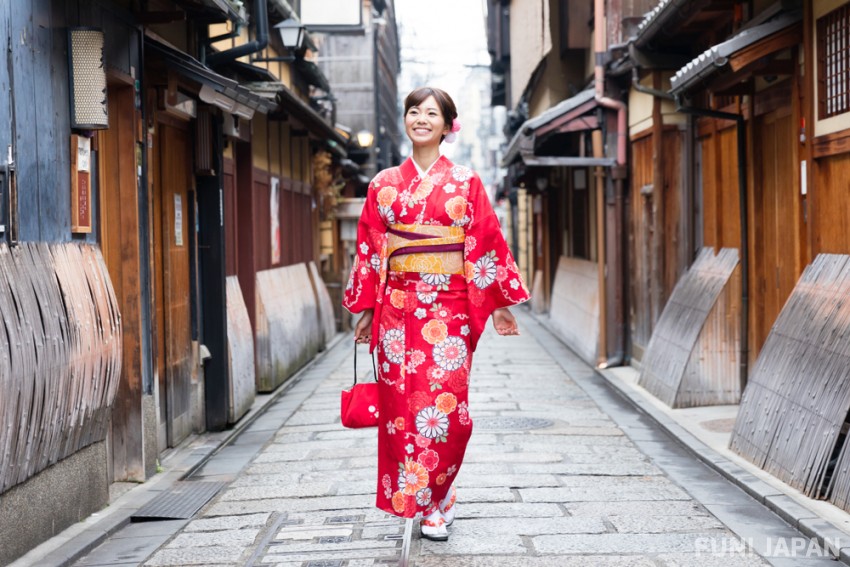
Kimono used to be commonplace in Japan, although nowadays, Japanese people usually only wear them for weddings, formal ceremonies or festivals. It takes several hours to get dressed properly in a kimono and that’s with someone to help you, unless you know the rope yourself, but if you get the chance to try one on, this is an experience not to be missed. At a rental shop often found around tourist spots, professional staff will help you put on a kimono, and there are shops where you can rent complete sets of undergarment, accessories, and hair accessories.
Yukata
The yukata is a type of traditional Japanese clothing that is more casual than the kimono. Today, yukata are mainly made from cotton or polyester, and unlike kimono, which require several layers of undergarments, yukata can be worn easily with just basic underwear. Originally, the yukata evolved from the “yukatabira,” a robe worn after bathing, but nowadays it is widely enjoyed as comfortable wear at summer festivals, fireworks displays, and ryokan inns.
In tourist destinations such as Tokyo and Kyoto, more and more shops offer yukata dressing services.
Related articles
- Now you can be a Japan guru too! Yukata v.s. kimono - comparing the features and differences from 4 perspectives
- Traditional Kimono: A Guide to Formal Dress Etiquette
- How to Wear a Japanese Kimono
- Beautiful Kimono Pattern! What is each Pattern for? What does each Pattern Mean?
Japanese Cuisine (Washoku)
Japanese Cuisine
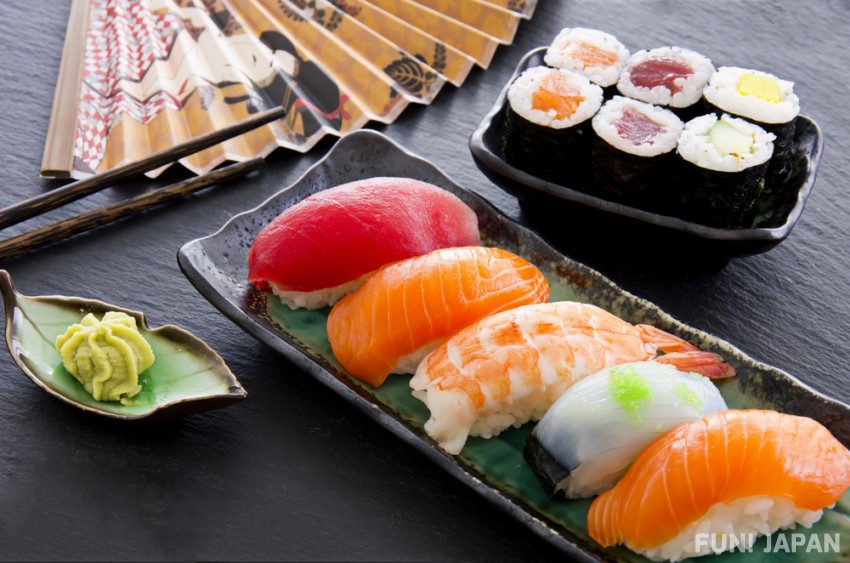
Japanese cuisine is popular all over the world and is registered as a UNESCO Intangible Cultural Heritage as "Washoku".
Sushi is the most well-known, but other famous dishes include sukiyaki, ramen, and soba. In addition, Japan is an island country, so you can catch a lot of fresh seafood. It is common to eat fresh fish and shellfish raw. If you come to Japan, be sure to try sashimi and kaisendon!
Another recommended gourmet meal during your visit to Japan is charcoal-grilled Wagyu beef "Yakiniku". "Yakitori" is charcoal-grilled chicken or wild meat. "Tempura" is fish and vegetables coated in a thin batter and deep-fried. "Teppanyaki" is meat and vegetables grilled on an iron plate. There are also sukiyaki, okonomiyaki, unagi-don or eel rice bowl, Japanese sweets...the list goes on and on.
Washoku
“Washoku” refers to the entire food culture of Japan, which has developed within the country’s natural environment and climate. In 2013, it was registered as a UNESCO Intangible Cultural Heritage as “the traditional dietary culture of the Japanese.”
Washoku is characterized by the use of fresh, regionally distinct ingredients and cooking methods that bring out their natural flavors, a meal structure based on “ichiju-sansai” (one soup and three side dishes) for nutritional balance, careful attention to seasonal presentation and choice of tableware, and a deep connection with annual events such as New Year’s celebrations. Washoku is not just about the food itself, but also encompasses views of nature, customs, and etiquette, making it a symbol of Japanese culture.
For more details, please see our article introducing washoku.
Matcha
Matcha is a traditional Japanese beverage made by grinding tea leaves into a fine, vibrant green powder using a stone mill. It is deeply connected to the Japanese tea ceremony. When hot water is added and whisked with a bamboo chasen, matcha produces a rich aroma and mellow umami flavor.
Today, matcha is enjoyed both in Japan and abroad for its health benefits and relaxing effects. In recent years, modern variations such as matcha lattes and matcha sweets have become popular, allowing people to enjoy matcha in a wide variety of styles.
For more about the history of matcha and famous production regions, please see our article introducing matcha.
Wagashi
Wagashi, or traditional Japanese sweets, trace their origins back to the Jomon period several thousand years ago, with mochi being one of the earliest forms. Later, through cultural exchange with China and the spread of tea ceremony culture, the ingredients and methods of making wagashi diversified.
Modern wagashi skillfully use ingredients such as beans, glutinous rice, agar, chestnuts, and persimmons to express the four seasons not only through taste but also through color, shape, and aroma. Popular types include namagashi (fresh sweets often served with tea), manju, monaka, yokan, and senbei. Many regions across Japan have their own unique local wagashi.
For a detailed explanation of the history and ingredients of wagashi, please see the article below.
Ramen
Ramen is a noodle dish that originated in China but has evolved uniquely in Japan. With the spread of food culture in the 1950s, different regions developed their own distinctive broths and noodles, and today, a variety of flavors such as miso, soy sauce, salt, and pork bone (tonkotsu) are well established. Regional specialties like Sapporo miso ramen from Hokkaido, Hakata tonkotsu ramen from Fukuoka, and Kitakata ramen from Fukushima are especially popular.
In addition, cup ramen, which can be prepared simply by adding hot water, and instant ramen, which requires minimal cooking, are widely available in Japan. These convenient forms of ramen have become a familiar taste enjoyed at home, in the workplace, and even overseas.
Foods Originating in Japan
There are quite a few Western-style and Chinese-style dishes that may look like they originated overseas but were actually created in Japan. These range from Western dishes that have been adapted to suit Japanese tastes, such as Napolitan spaghetti, Doria, and Omurice, to Chinese dishes that have been arranged in a Japanese style and established as unique Japanese cuisine, such as Tenshinhan and Shrimp with Chili Sauce. The variety is extensive.
These dishes are beloved in Japanese homes and are served in a wide range of places, including cafés and Western-style restaurants. For more details, please see our article introducing foods that originated in Japan.
Local Cuisine and B-Grade Gourmet
Japan is home to a wide variety of local cuisines that have developed over time, shaped by each region’s climate, ingredients, and history. These include soups and fermented foods from areas with a strong miso culture, river fish dishes popular in mountainous regions, and seafood dishes that have flourished along the coast. Each area retains a distinct food culture unique to its land.
In recent years, so-called “B-Grade Gourmet” dishes—affordable, local comfort foods—have been attracting attention. Local ramen, yakisoba, rice bowls, and flour-based dishes are easy to enjoy and have become popular among travelers for their approachable flavors.
Japanese Sake
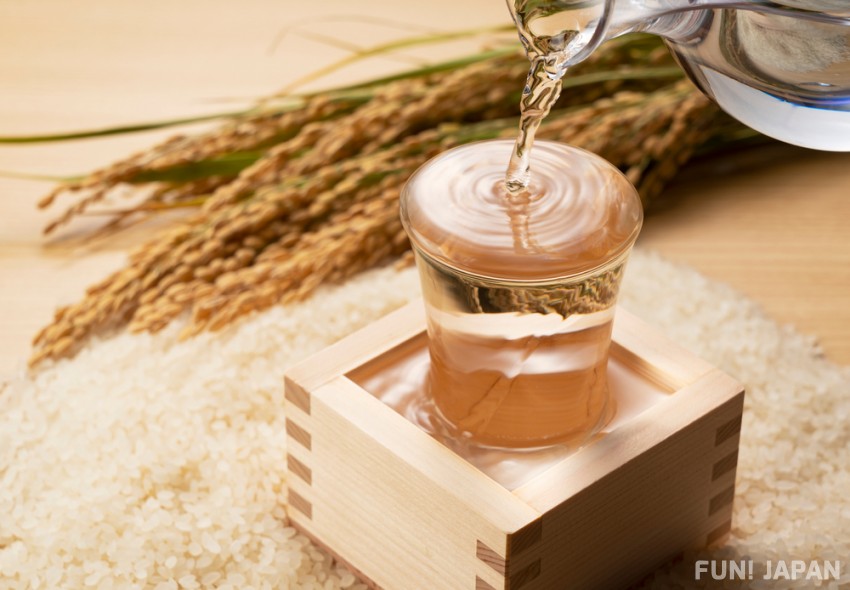
Sake is loved around the world with the words SAKE and Japanese Sake. A Japanese brewed sake made from high-quality rice, koji and clean water. Sake can be enjoyed at Japanese restaurants, restaurants, izakayas, bars, etc., as well as observing the manufacturing process at the brewery where it is produced.
🍣Private Tokyo Sushi-Making Class at 100-Year-Old Sushi Bar(byFood)Join your host Kazuki at his 100-year-old sushi restaurant in Shinjuku-ku to learn the craft of sushi making!
Related articles
- Trivia about Japanese food that you should know before going to a Japanese inn or restaurant
- Delicious! Fun! Enjoy the atmosphere of a Japanese festival at the "Kura Sushi" global flagship store
- All-You-Can-Eat Wagyu Beef? You Can Even Pour the Lemon Sour Yourself? 4 Recommended Hot-Topic Yakiniku Restaurants in Tokyo
Seasonal events: cherry-blossom viewing, autumn-leaf viewing, summer festivals, etc.
Japan has four distinct seasons, and there are events that take place at specific times through the year. Cherry-blossom viewing, autumn-leaf viewing, and summer festivals are especially popular among foreign tourists.
Hanami (cherry blossom viewing)
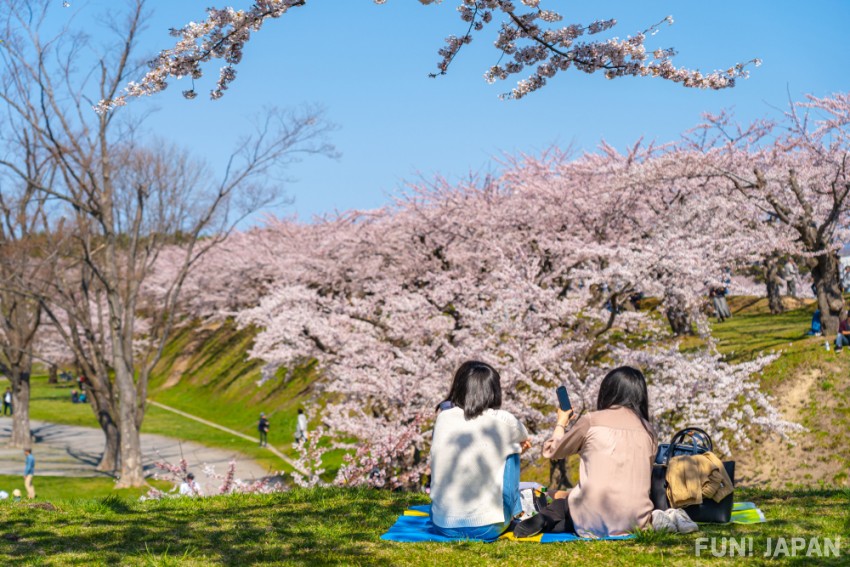
Japan is also known for its beautiful four seasons - cherry blossoms in spring, fresh green in summer, red leaves in autumn, and snow in winter.
Every spring, Japanese people celebrate the beauty and delicacy of sakura or cherry blossom as they bloom for just a couple of weeks. The pale pink blossoms are a beautiful sight contrasted against the almost black boughs of the tree, and it is customary to bring a picnic and enjoy the atmosphere under the cherry blossoms. Hanami or cherry blossom viewing is held all over Japan, and cherry blossom festivals are held at famous cherry blossom spots and parks in various places, including Hirosaki in Aomori Prefecture and Kakunodate Bukeyashiki in Akita Prefecture.
Cherry blossoms start blooming in Okinawa from late February to early March, and move northward to Honshu and Hokkaido as the weather warms. Because of Japan's vertically long topography, in Tokyo it often blooms at the end of March, but in Hirosaki in Aomori and Hokkaido it doesn't bloom until early May.
Summer festivals
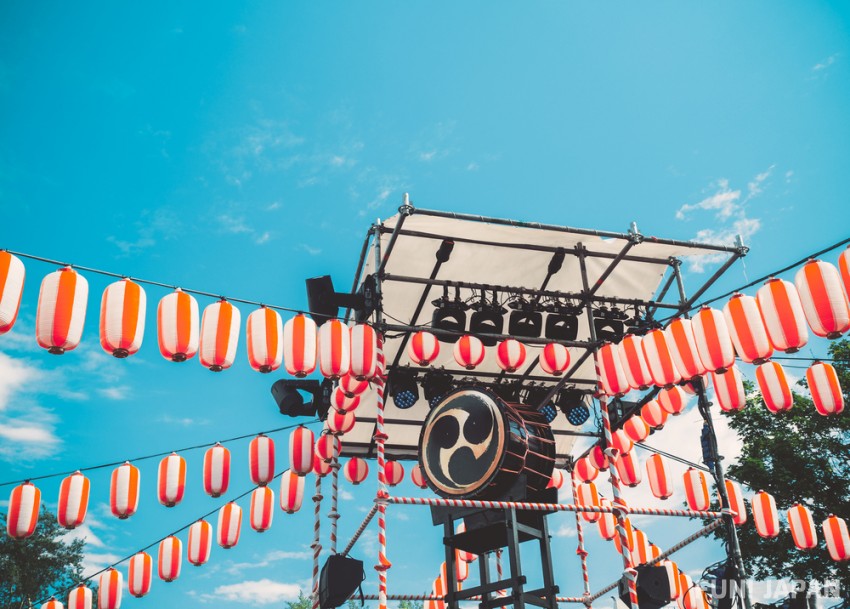
Summer festivals are held all over the country in summer. People enjoy watching the mikoshi procession or enjoy street food and games. There are also festivals where spectacular fireworks are set off at night. Among them, the "Tohoku 6 Festivals*" held in the Tohoku region are some large-scale events that attract many tourists and are famous even in Japan. If you go in early August, you can participate in multiple Tohoku summer festivals in one week!
*Aomori Nebuta Festival, Akita Kanto Festival, Morioka Sansa Odori, Yamagata Hanagasa Festival, Sendai Tanabata Festival, and Fukushima Waraji Festival
Momijigari (autumn-leaf viewing)
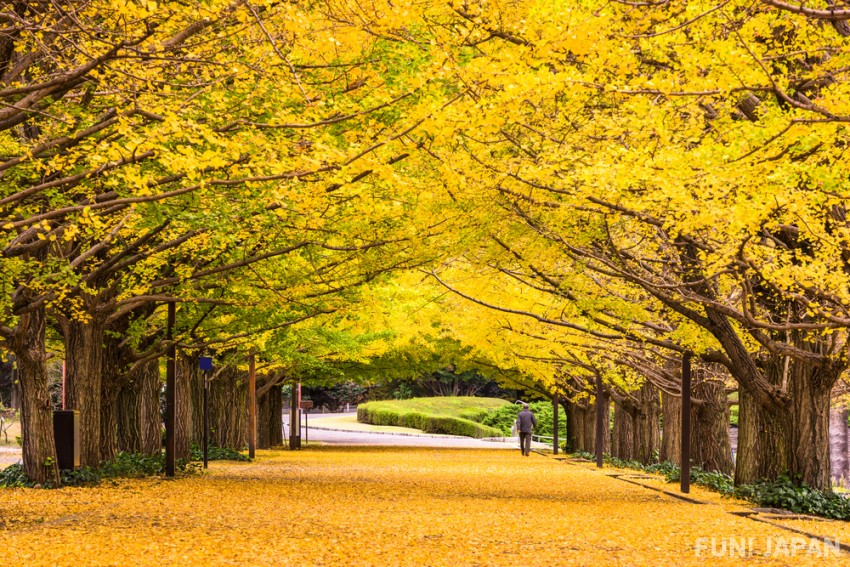
Autumn leaves viewing is also popular. You can see the scenery of Japanese gardens, parks, mountains and lakes dyed red with autumn leaves. The tree-lined road turns into a yellow carpet as the golden ginkgo leaves fall down. The best time to see the autumn leaves is from mid-September. Traveling south from Hokkaido in the north, the autumn foliage season reaches as far south as Tokyo, Osaka, and Kyushu from around October to November.
Related articles
- Visiting Japan During Sakura Season? Check this Article! - "Ohanami" Manners & What to Bring!
- You can see fireworks in both summer and winter in Japan! "Japan's Top Three Fireworks Festivals" & 3 best "Japan's No. 1" Fireworks Festivals
- 【Japanese Culture】Summary: basic knowledge that you should know before going to see autumn leaves in Japan
- Where to see the best autumn leaves spots in Tokyo? From parks, Japanese gardens, to shrines
Traditional Japanese architecture
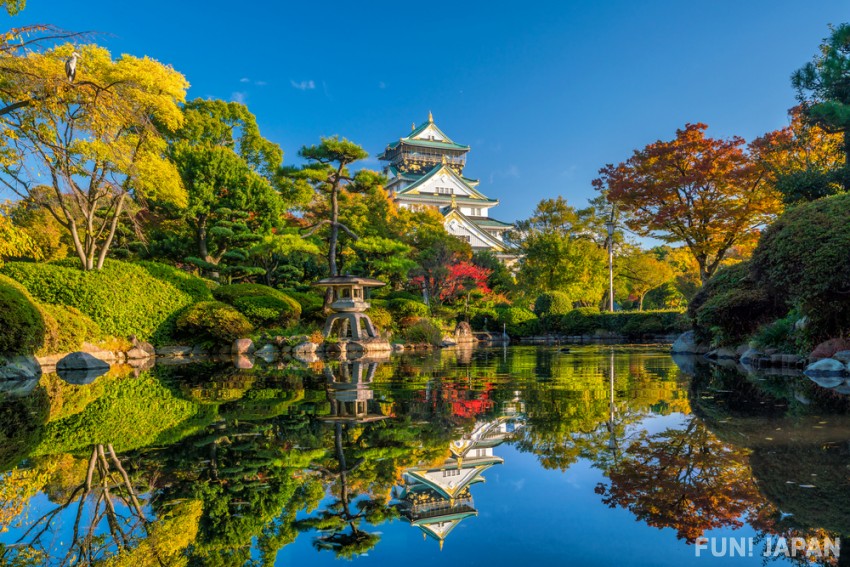
Japan is a country with over 2,000 years of history. For this reason, many of the old buildings such as gardens, shrines and temples, castles, and old mansions still remain as they were in the past, making it the perfect tourist destinations if you up for expericing traditional Japanese culture and history. For example, representative examples include Rikugien (garden) in Tokyo, Kiyomizudera (shrines and temples) in Kyoto, and Osaka Castle (castle) in Osaka. You can come into contact with Japanese Shinto and Buddhism at temples and shrines, and learn about Japanese history and culture at castles. It is also recommended to visit the Japanese garden where the flowers of the four seasons are in full bloom.
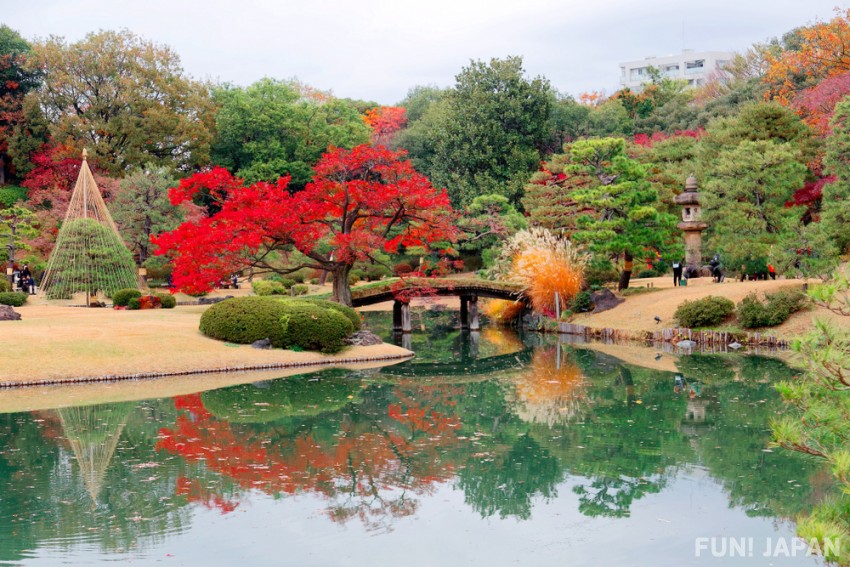
Horticulture in Japan has a long and illustrious history, and a garden here isn’t just a garden. For centuries, gardens were designed according to Buddhist philosophy and many still contain Buddhist elements such as a temple. Japanese gardens are meant to be designed with harmony in mind, so each element is carefully chosen and placed to balance and complement the others. This is why in almost any Japanese garden you can expect to find features such as trees, plants, carp ponds, stones, and wooden bridges, all combining to create a stylized and idealized version of Nature.
For example, among the types of Japanese gardens, one of the oldest styles is the "Karesansui" (枯山水). Karesansui is a garden constructed mainly of stones, without using water from rivers or ponds. Originally developed as a Zen Buddhist temple, it was created based on the idea that by meditating while looking at the garden as a "garden that connects this world and the world after death", one can go to paradise. Also, one of the characteristics and attractions of a Japanese garden is its harmony with itself and the scenery of the four seasons. There is a garden that reproduces the scenery that actually exists, and a garden that features seasonal flowers such as cherry blossoms and plums and autumn leaves.
Related articles
Japanese traditional performing arts
Traditional performing arts are performances of theater, music, and dance that have been handed down from ancient times in Japan. It is mainly divided into theater, performing arts, dance, and music.
Engeki (Theater)
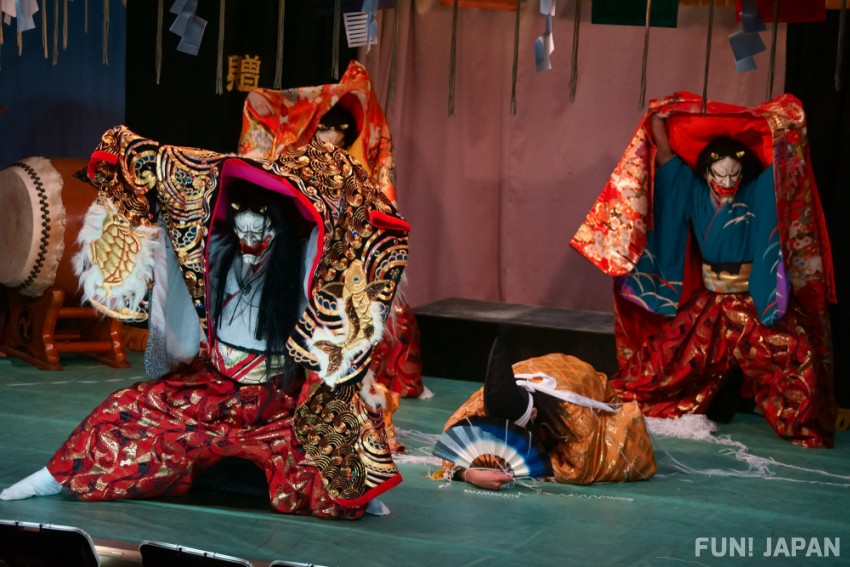
“Theater” is a stage production in which live performances are performed and stories are told. There is a wide variety of traditional performing arts, such as "Kabuki", which is famous overseas and represents Japan's traditional performing arts, "Nohgaku", a musical theater with supernatural themes in Noh masks, and "Bunraku" (Ningyo Joruri), in which a puppeteer manipulates puppets to the accompaniment of a shamisen accompaniment and narration.
Engei (performing arts)
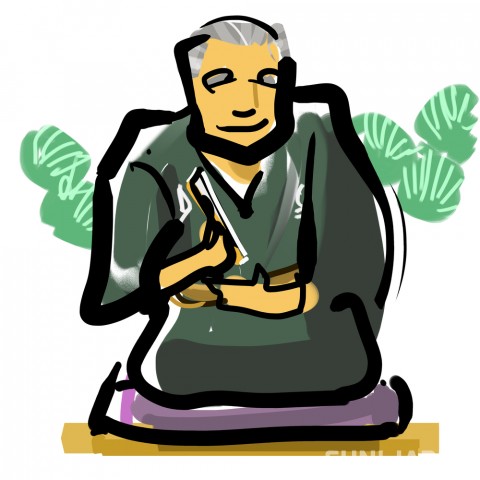
A "Yose" is a public entertainment hall where Japanese performing arts are shown to the audience. “Engei” is a general term for popular performing arts that are presented to audiences using storytelling, singing, and magic. For example, "Rakugo" where one person plays many roles and tells comic stories, "Kodan" where a storyteller tells history while using a fan, and "Manzai" where a pair of comedians entertains the audience, are some famous Japanese performing arts.
Buyo (dance)
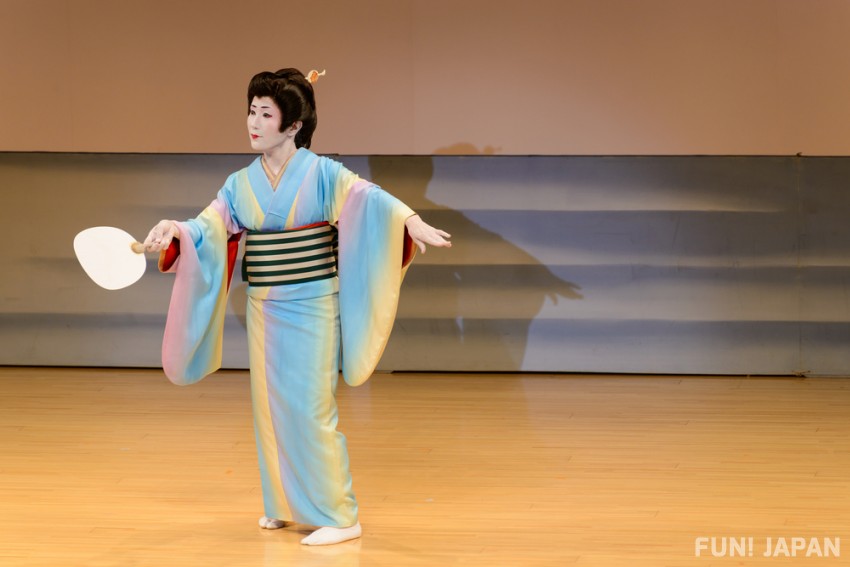
"Nihon buyo" developed based on the techniques of Kabuki dance. Japanese dancers in kimonos dance while moving fans and palms splendidly. Sometimes it depicts scenery, and sometimes it reproduces the appearance of various roles with beautiful movements of the body.
Three Japanese Artistic Accomplishments
Japan is a country that values history, tradition, and the spirit of hospitality, and there exist three major traditional artistic performances collectively called "Sando" (三道 - three 'arts'). Tea ceremony (茶道 / Sado - art of the tea), calligraphy (書道 / Shodo - art of writing), flower arrangement (華道 / Kado - art of flower), and incense (香道 / Kodo - art of the scent) are the main ones. The 'Sando' often refer to tea ceremony, flower arrangement, and incense, and calligraphy is sometimes included in the 'Sando'.
Tea Ceremony (Sado)
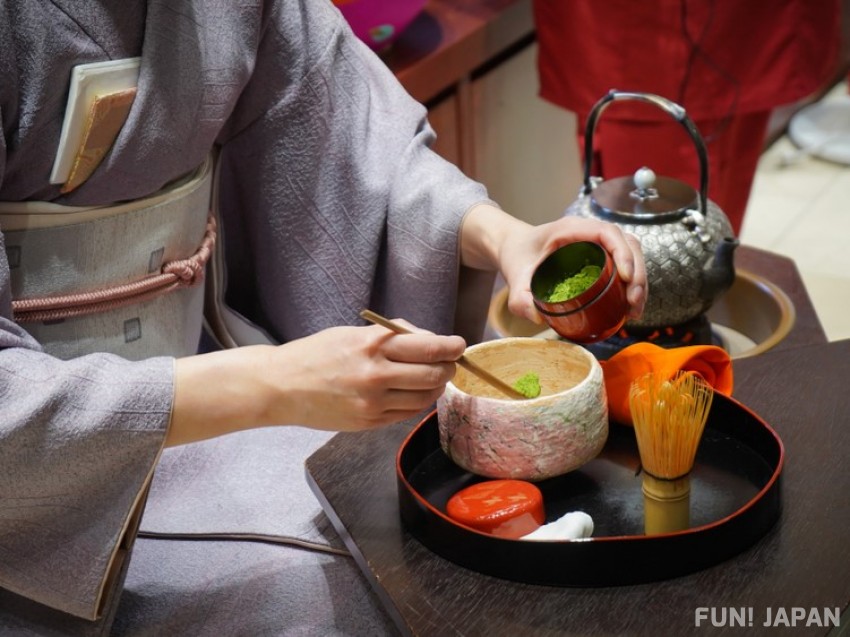
For many visitors, experiencing the Japanese tea ceremony is one of the highlights of their trip. The tea ceremony is a prescriptive and highly formalized ritual, performed as a kind of meditation and as a way of honoring guests and bringing people together. Many elements of Buddhism are incorporated into the tea ceremony. If you get a chance to take part, you will be able to try some bitter, yet delicious powdered matcha green tea which has been whisked with hot water during the ritual.
🌸Traditional Tea Ceremony in Ginza(byFood) Experience a traditional tea ceremony in an authentic tea house in bustling Ginza, Tokyo.
🌸Private Kyoto Tea Ceremony and Sweets Experience(byFood) Enjoy a traditional Japanese tea ceremony in Kyoto, Japan’s iconic city for ancient culture!
Calligraphy (Shodo)
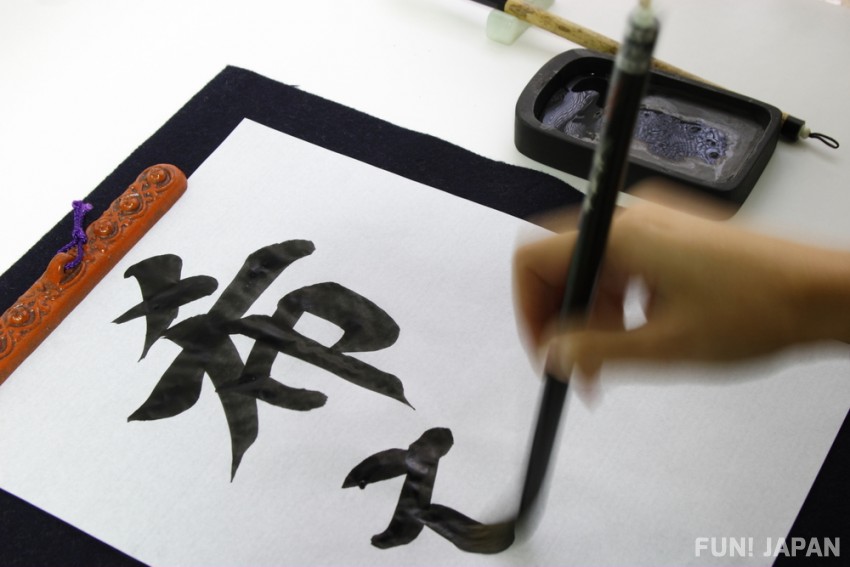
Japan has a long tradition of creating some of the most beautiful calligraphy in the world as the Chinese characters used to write the language naturally lend themselves to the elegant inky brushstrokes used in this amazing craft. It takes years of study and practice to become proficient, and calligraphy is also seen as a way of relaxing and meditating as well as a creative pursuit. On a trip to Japan, you can learn the basics of Japanese calligraphy yourself, or simply buy some brushes or traditional ink paintings as souvenirs.
Ikebana or flower arrangement (Kado)
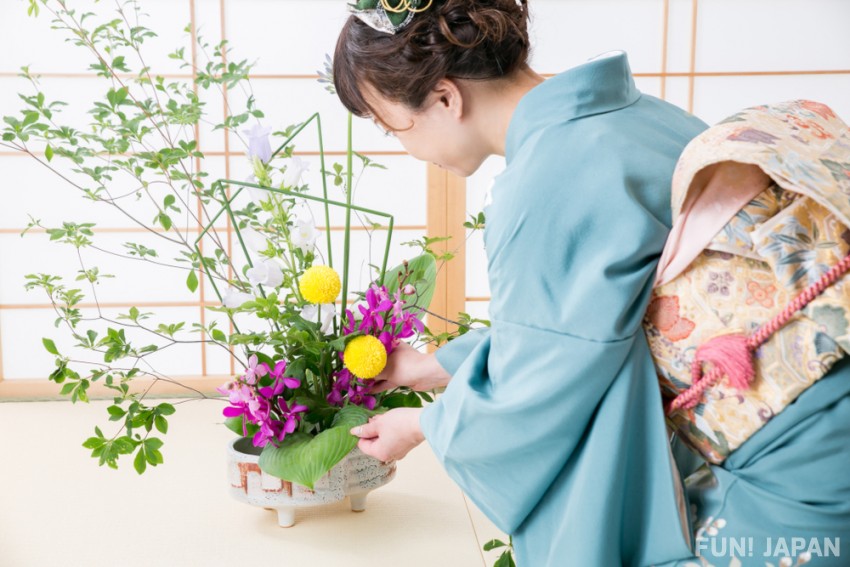
Ikebana or "Kado" is an ancient art of flower arranging that has its origins in Buddhist altar offerings. It is one of the three Japanese classical arts of refinement. The aim of Ikebana is to balance different elements to make a harmonious and aesthetically pleasing arrangement. It emphasizes form, minimalism and combining nature and humanity. There are many ikebana shows, often in parks or temple grounds, but if you stay in a traditional Japanese inn, you are likely to find an ikebana arrangement in the alcove in your room.
People who express Japanese Traditions
Sumo Wrestlers
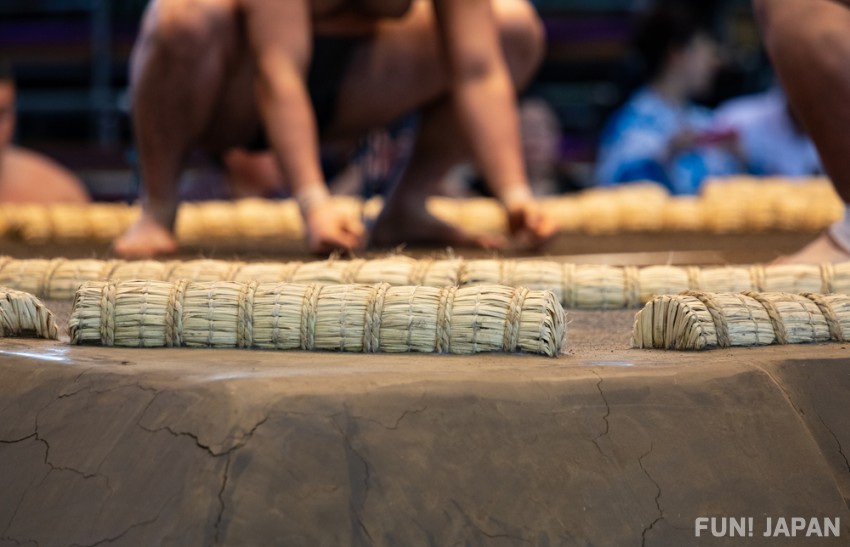
Sumo is Japan's national sport and one of the most traditional sports. Two sumo wrestlers, wearing silk loincloths called "mawashi" face off one-on-one on a sacred Dohyo (土俵 - the ring) stage. Before and after the battle, there are various rituals and behaviors, from when the sumo wrestlers and enter the ring to when they leave after the showdown. Sumo wrestling originated from Shinto rituals, an ancient Japanese religion. In addition, the highest ranked sumo wrestler, "Yokozuna" (横綱), is said to have derived from a special shimenawa woven from white hemp that was only allowed to be worn by particularly strong wrestlers at the time.
👉Sumo Wrestler Challenge and Lunch in Tokyo(byFood)Catch a rare glimpse behind the scenes of sumo, Japan’s national sport. Take a seat at Yokozuna Tonkatsu Dosukoi Tanaka to enjoy lunch alongside a sumo match before battling a former sumo wrestler.
Geisha and Maiko
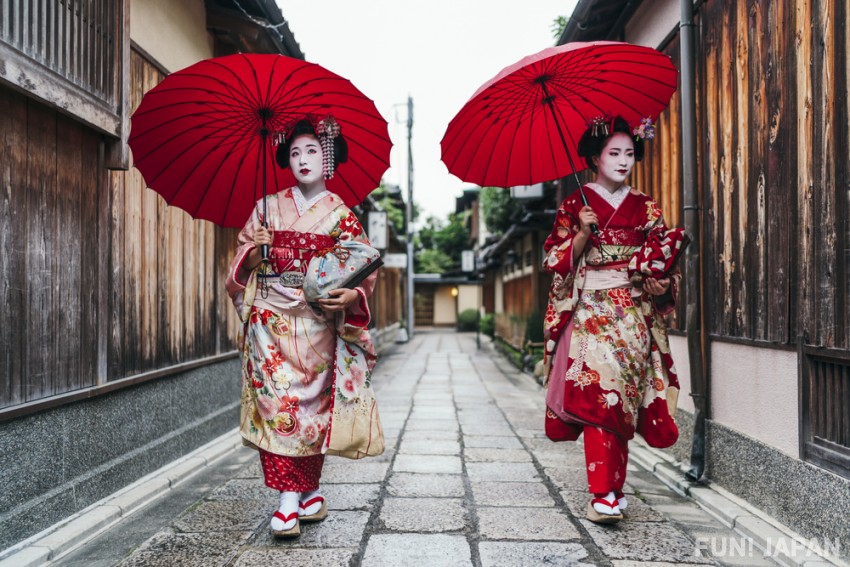
Geisha are the women wearing of kimono and special makeup, who entertain guests with performing the ancient traditions of art, dance and singing. Maiko is an apprentice geisha in Kyoto and Western Japan. They also sing, dance and play the traditional Japanese instruments for the guests. You can meet them mainly in Kyoto or a few in Kagurazaka or Asakusa, Tokyo.
Kabuki Actors
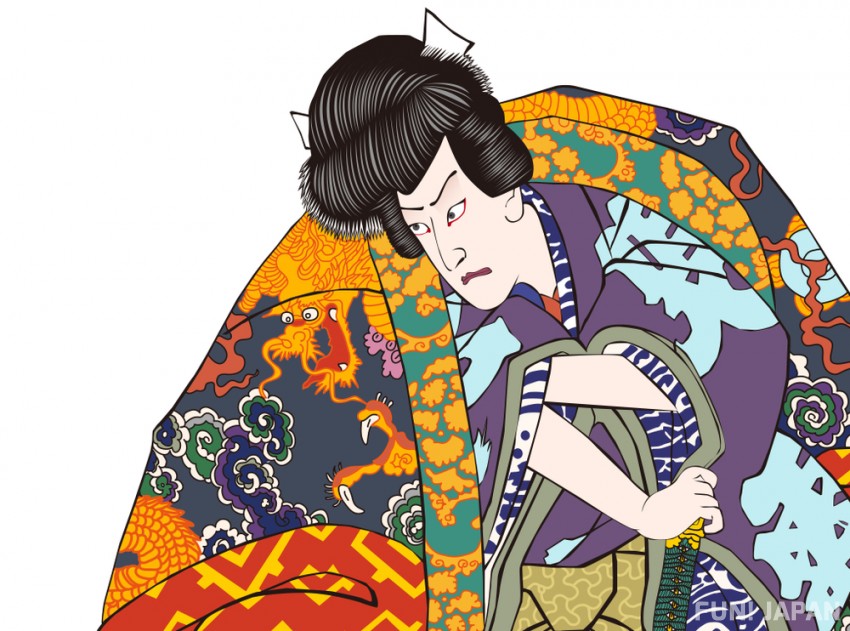
Kabuki is an age-old tradition of Japanese theatre, produced and played since the 17th century. Originally, kabuki was performed by women and young boys. However, mid-17th century, the style of kabuki changed and became a male-exclusive world. Since then, kabuki actors proudly carry the tradition and portray both male and female roles in a play. The art of kabuki is usually passed down generation to generation, from fathers to their sons. As such, there are many famous “kabuki families” in Japan that have a long-standing tradition of performing on stage.
Traditional Japanese Crafts
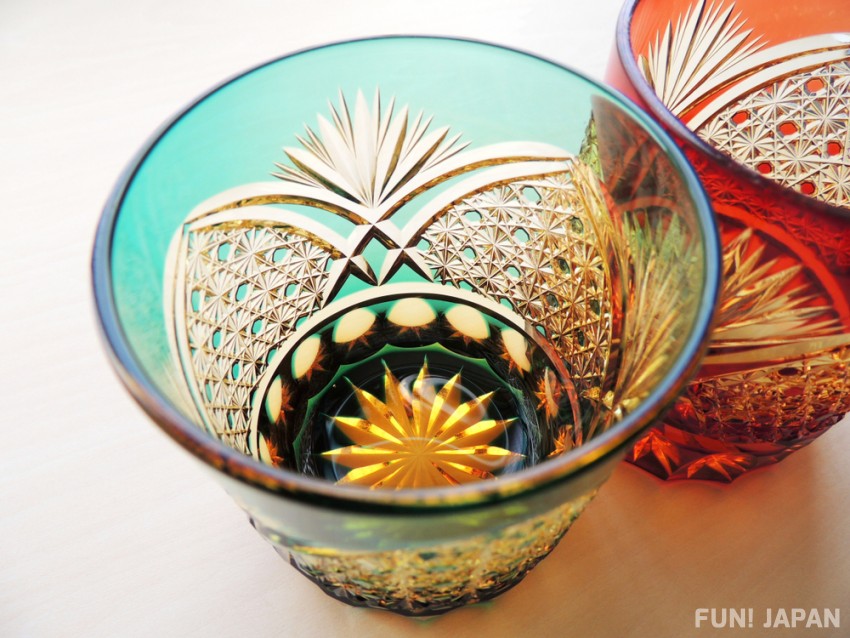
Japanese traditional crafts are handicrafts that have been produced mainly by hand using traditional techniques that have been used for over 100 years. Among them, there are 240 “traditional crafts” designated by the Minister of Economy, Trade and Industry that satisfy all five conditions (as of January 2023).
These wonderful crafts are sophisticated thanks to the spirit that has been maintained over the years and the craftsmen's skills and commitment. Nowdayas you can find a wide variety of crafts, from items that are used in everyday life to those that have been developed based on their artistic value.
For example, "Edo Kiriko", which expresses various patterns by cutting into the surface of glass, "Ningyo - Kokeshi", a traditional local toy, "Orimono (textiles)", which are produced with techniques unique to each region and are comfortable to the touch and durable, "Washi (Japanese paper)" and "Kanazawa foil" used in art works, various "ceramics" with painting, etc. If you have the chance, how about buying one as a local souvenir?
Washi
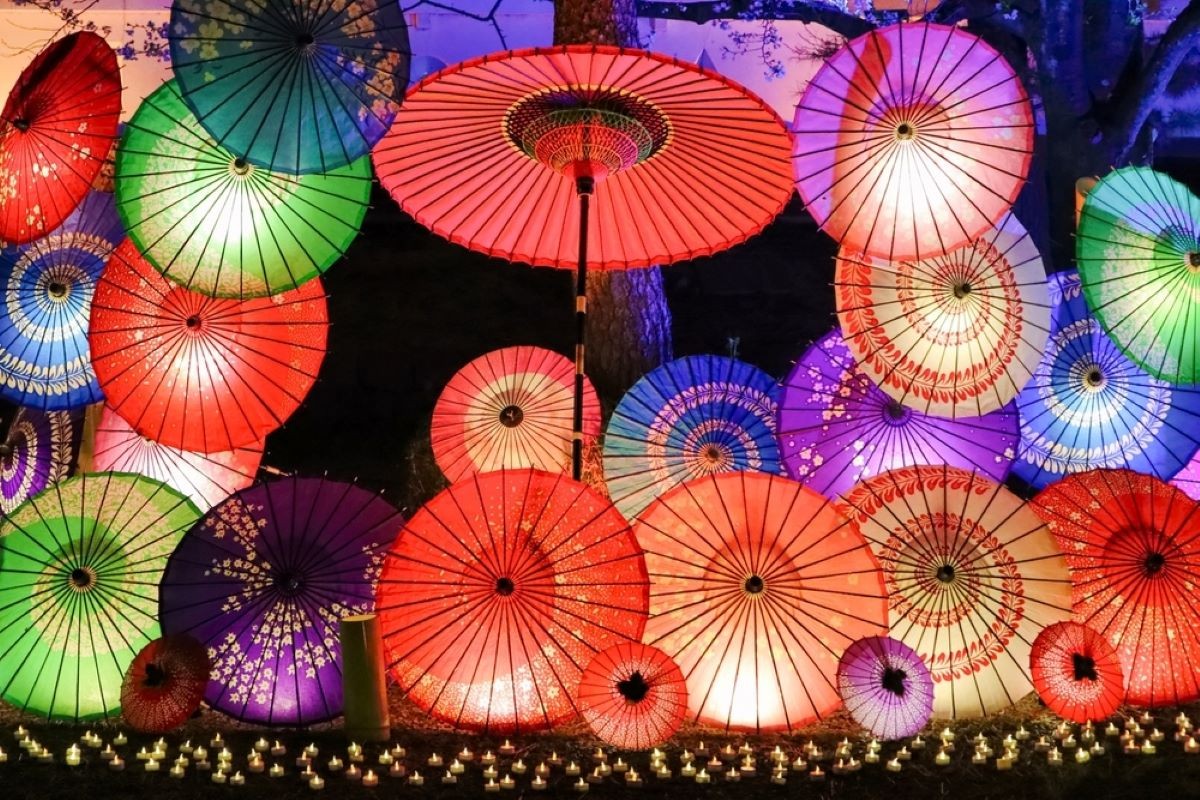
Washi, a material deeply rooted in Japanese aesthetics and traditional culture, is believed to have originated from China. During the Heian period (794-1185), it was popular among the nobility, and from the Kamakura period (1185-1333) onwards, as the political center shifted from the nobility to the samurai, the use of washi also spread in the world of the samurai. Furthermore, during the Edo period (1603-1868), it became widespread among the common people. Items such as Japanese umbrellas and shoji screens are made from washi.
With the spread of Western paper in modern times, washi experienced a temporary decline, but it has been revived due to the reevaluation of traditional culture, and now products that incorporate new technologies and designs are also being produced. In addition, Japanese hand-made washi technology was registered as a UNESCO Intangible Cultural Heritage in 2014, and has gained international recognition.
👉Unraveling the Types and History of "Washi", Japan's Intangible Cultural Heritage!
Wagara (Traditional Japanese Patterns)
Wagara refers to traditional Japanese patterns such as Ichimatsu (checkered), Asanoha (hemp leaf), Seigaiha (blue ocean waves), and Karakusa (arabesque). These patterns have been used in all aspects of daily life, including kimono, obi sashes, furoshiki wrapping cloths, and architectural decorations. Beyond their visual beauty, these motifs carry meanings such as wishes for children’s growth, prayers for longevity and prosperity, and hopes to ward off misfortune. They have long been cherished as auspicious symbols throughout history.
In recent years, these patterns have gained worldwide attention through anime and fashion, and are loved as visual designs that symbolize Japanese identity. For more about the meanings and history of representative wagara patterns, see our detailed article on the subject.
Traditional Colors
Japan’s “traditional colors” are a unique palette nurtured through ancient dyeing techniques, the changing seasons, and the culture of painting and clothing. The names of these colors are deeply connected to their materials and origins, such as the noble purple made from the roots of the murasaki plant, the deep red dyed with madder root, and ultramarine obtained by grinding mineral pigments.
During the Heian period, the art of layering thin silk fabrics to express the seasons, known as “kasane no irome,” developed. This gave rise to seasonal colors such as cherry blossom pink in spring, nadeshiko pink in summer, autumn foliage red, and silvery gray in winter.
Traditional colors, which delicately capture the transitions of nature, are one of the cultural symbols of Japanese aesthetics. For more details, please see our article introducing traditional colors.
🔵[Traditional Culture] Traditional Colors of Japan: A List of Representative Colors
Lacquerware
Lacquerware is a traditional Japanese craft in which wooden vessels are finished by repeatedly applying sap from the lacquer tree. It is characterized by a deep luster and smooth texture unique to lacquer, and is highly practical due to its lightness and durability. Lacquerware has long been valued as everyday tableware and is now also highly regarded as art.
Lacquer techniques have existed in Japan since the Jomon period, and decorative methods have evolved over time. Each production area has inherited its own unique style, such as Aizu lacquerware from Fukushima, Yamanaka lacquerware and Wajima lacquerware from Ishikawa Prefecture.
The appeal of lacquerware and the characteristics of each production area are explained in detail in the following article.
Traditional Dolls and Kokeshi
Traditional Japanese dolls include Hina dolls and Gogatsu dolls, which are displayed to wish for children’s healthy growth, as well as local dolls that reflect the customs and beliefs of various regions. Made from materials such as paper, clay, wood, and cloth, these dolls are not only appreciated as works of art but are also still cherished in daily life and annual events today.
Additionally, kokeshi dolls, which originated in the Tohoku region, have long been cherished as souvenirs and toys from hot spring resorts. The facial features and patterns differ depending on the production area, and even among kokeshi dolls, the atmosphere can vary greatly, which is part of their charm.
For a detailed introduction to the history and types of traditional Japanese dolls and kokeshi, please refer to the following article.
Pop Culture|Japanese Culture
Japanese pop culture refers to modern Japanese culture that has developed mainly around everyday entertainment such as manga, anime, video games, and character culture. Works born from unique storytelling and rich imagination attract many people, and today, this genre has grown to have fans all over the world. In addition to enjoying the works themselves, there are many ways to engage with pop culture, such as collecting related merchandise, attending events, cosplaying, and visiting real-life locations featured in the works, known as “pilgrimages to sacred sites” (聖地巡礼 / seichijunrei).
Anime
Japanese anime is one of the country’s cultural exports that boasts worldwide popularity thanks to its unique visual style and storytelling. Studio Ghibli’s works, which have been loved for many years, continue to be supported by people of all ages, and Aichi Prefecture’s “Ghibli Park” attracts many fans from both Japan and abroad.
At the same time, new creators such as Makoto Shinkai, director of “Your Name.,” and Mamoru Hosoda, director of “Summer Wars,” are constantly emerging and expanding the possibilities of animated films with innovative approaches.
In addition, anime adaptations based on manga are produced with high quality, and hit titles such as “Demon Slayer: Kimetsu no Yaiba,” “Jujutsu Kaisen,” and “Dandadan” continue to be released. With its ever-expanding range of genres and styles, Japanese anime now leads the world of entertainment.
🌳A Complete Guide to “Ghibli Park,” Aichi Prefecture’s Popular Tourist Attraction!
Manga
Japanese manga captivates many readers with its compelling stories and unique characters, and has now become a beloved culture around the world. The foundation was laid by Osamu Tezuka, known as the “God of Manga,” followed by artists such as Fujiko F. Fujio, creator of “Doraemon,” who expanded manga into an entertainment enjoyed by both children and adults.
In the 1980s and 1990s, masterpieces such as “Dragon Ball,” “ONE PIECE,” “SLAM DUNK,” and “Detective Conan” were born one after another and are still loved today, marking what is known as the golden age of Japanese manga. In the 2000s, titles like “Demon Slayer: Kimetsu no Yaiba,” “Attack on Titan,” and “Tokyo Revengers” became social phenomena.
Even now, new works continue to emerge in a variety of genres, and the “Manga Taisho” award, which selects the most representative works of the year, is a major topic every year. Japanese manga, read across generations and borders, has become a driving force in global pop culture.
Video Games
Japanese video game culture saw major development starting with the release of Nintendo’s Family Computer (Famicom) in 1983. Nintendo went on to create innovative consoles such as the Super Famicom, Game Boy, and Wii, and today, the Switch 2 is causing a worldwide sensation. In the 1990s, legendary consoles like Sega’s Sega Saturn and Dreamcast, as well as Sony’s PlayStation, made their mark on gaming history and greatly expanded the home video game market.
Japan’s game companies are also highly regarded as global brands, producing numerous masterpieces: Nintendo’s “Super Mario,” Square Enix’s “Final Fantasy” and “Dragon Quest,” Capcom’s “Monster Hunter” and “Street Fighter,” and Sega’s “Sonic” and “Like a Dragon” (formerly known as "Yakuza") among others.
Characters
Japanese character culture has expanded greatly, not only through characters that appear in anime and manga, but also thanks to original characters created by companies and theme parks. A prime example is Sanrio, which has produced many beloved characters such as Hello Kitty, My Melody, and Kuromi. Their adorable designs have fans all over the world.
Recently, Chiikawa, a character born from a manga that originated on social media, has become explosively popular, with numerous specialty shops opening across Japan. Among theme park characters from Japan, Duffy, who was born at Tokyo DisneySea(R), is especially popular, attracting many fans from overseas who come in search of merchandise.
😺Dreams, happiness, and healing await! Go meet the characters of Sanrio Puroland
✨Chiikawa-yaki opens in Yokohama! What limited-edition goods and flavors are available?

Comments