
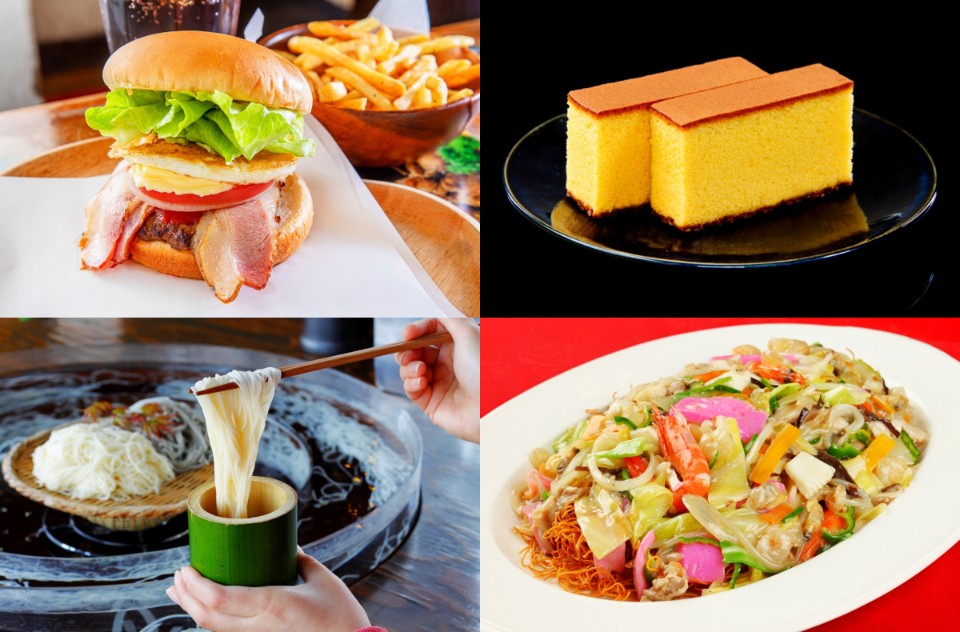
Nagasaki Prefecture is the only port town in Japan that served as a gateway for international exchange throughout the Edo period. As Chinese, Dutch, Portuguese, and other cultures blended together, Nagasaki developed its own unique food culture. From Champon, which has its roots in Chinese cuisine, to Castella, which originated from Portugal, and even Sasebo Burgers influenced by American culture, Nagasaki is a city where you can enjoy a wide variety of gourmet foods all in one place. In this article, we will introduce 17 recommended dishes, from classic Nagasaki specialties to local gourmet foods in areas like Sasebo, as well as sweets and desserts.
🏨Book your stay with JAPANiCAN! 👉Click Here
Where to Enjoy Nagasaki Gourmet? Recommended Area Guide
Nagasaki Station Area
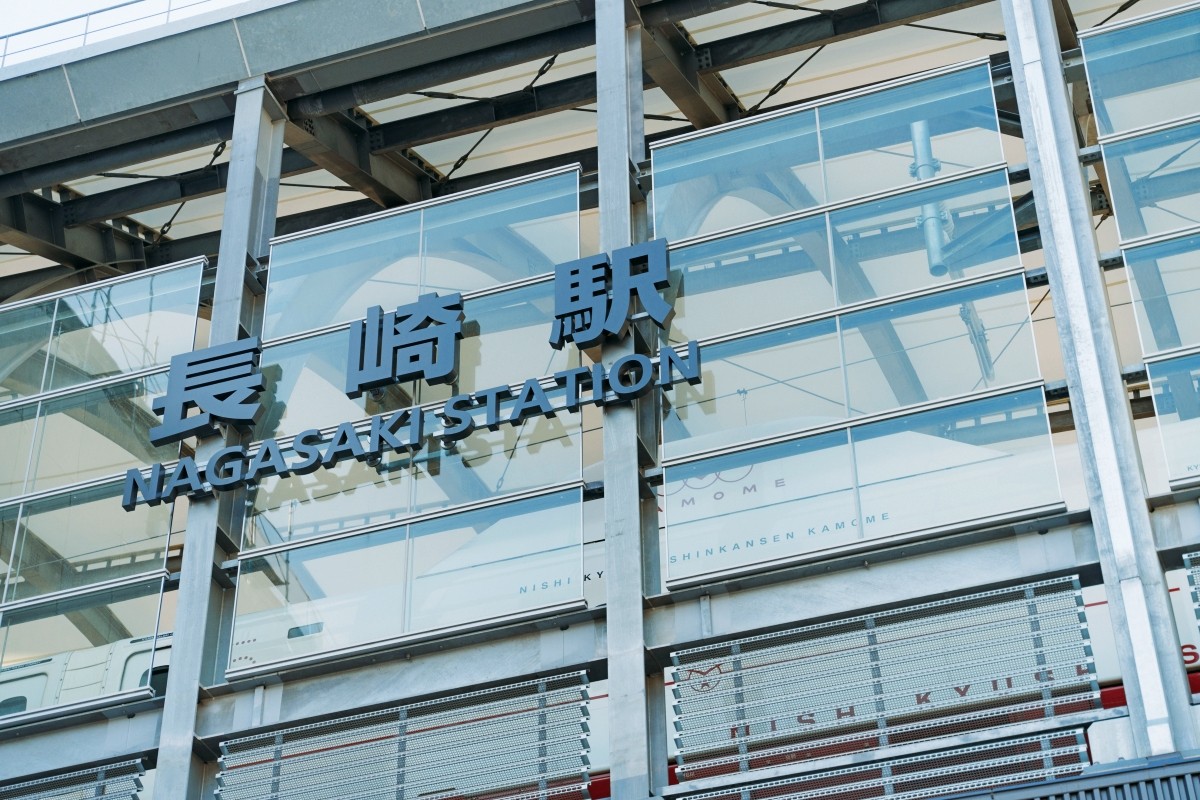
This is the gateway for sightseeing in Nagasaki. Right in front of the station, you will find "Nagasaki Kaido Kamome Market," a complex with 56 shops including a local gourmet zone where you can try Nagasaki specialties and stores selling Nagasaki souvenirs. With its convenient location and easy access, this area is perfect for quickly enjoying Nagasaki cuisine while sightseeing.
Hamamachi Arcade Area
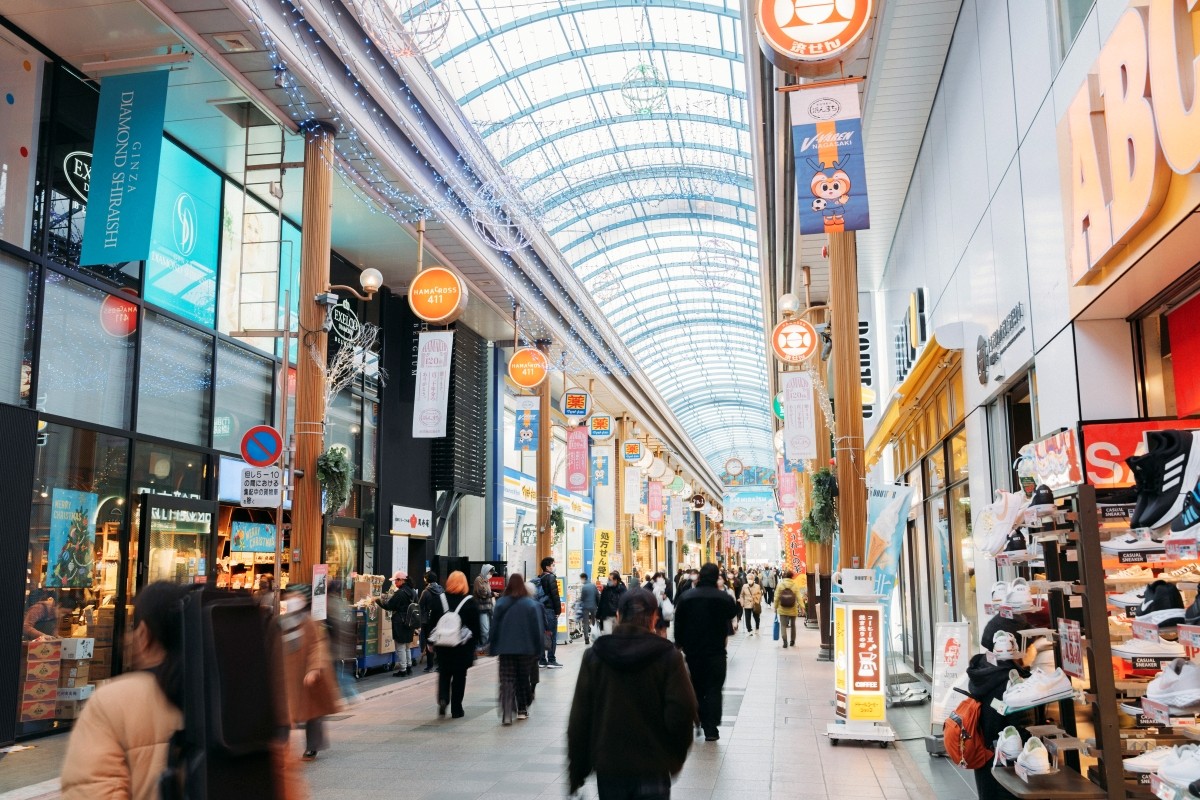
This is the largest entertainment district in Nagasaki, with about 700 shops lining the streets. Within walking distance, you will find famous Nagasaki gourmet spots such as the long-established Castella shops "Fukusaya" and "Bunmeido," as well as "Iwasaki Honpo," known for its Kakuni Manju (braised pork buns). In addition to gourmet food, there are also department stores, making it a great area for shopping. Since it is an arcade, you can enjoy your visit even on rainy days.
Shianbashi Area
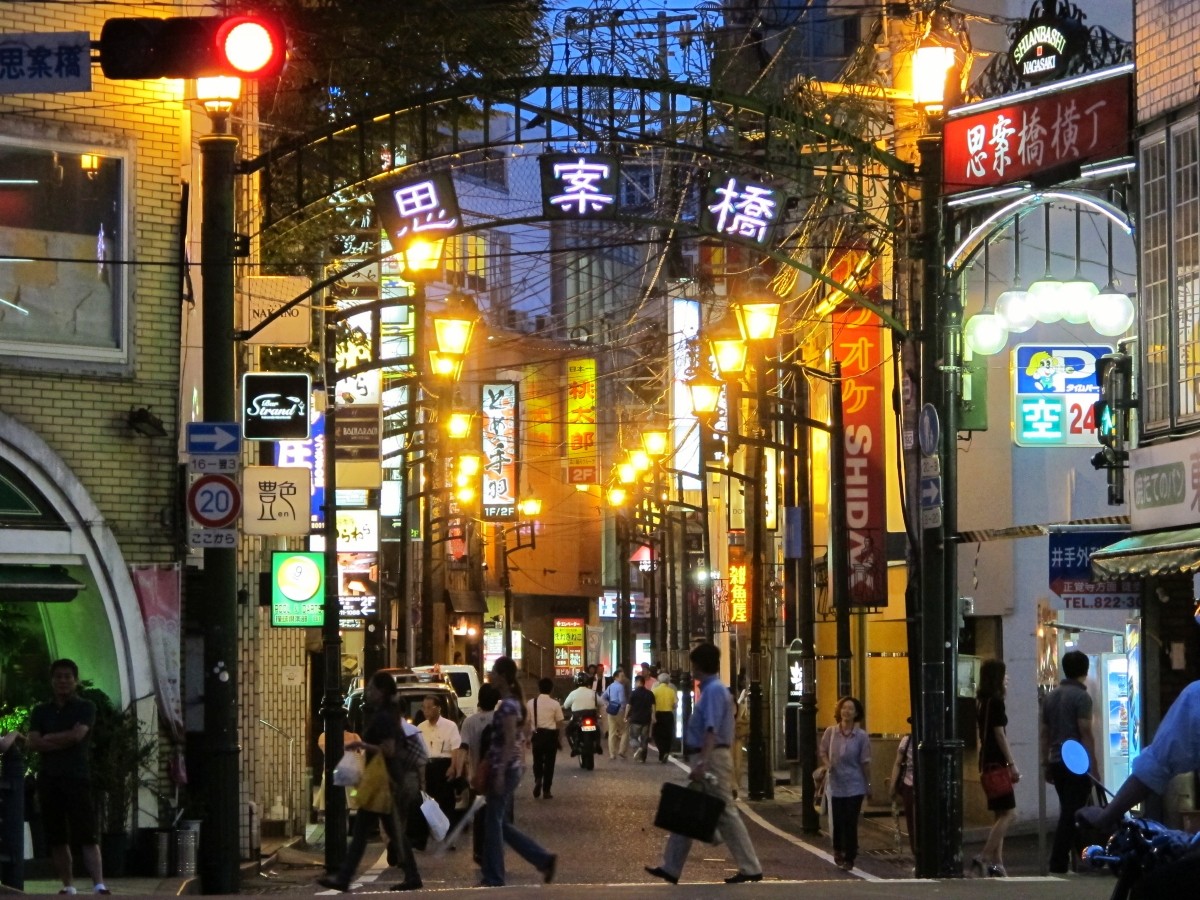
This retro area, known as the “Kitchen of Nagasaki,” is a popular spot for bar hopping that retains the charm of old Japan. Lined with izakaya and kappo restaurants, you can enjoy fresh local seafood and regional sake. It is conveniently located just a 3-minute walk from the Hamamachi Arcade. The atmosphere is enhanced by over 100 beautiful lanterns, giving it a lively downtown feel that becomes even more vibrant from evening into the night.
Nagasaki Shinchi Chinatown
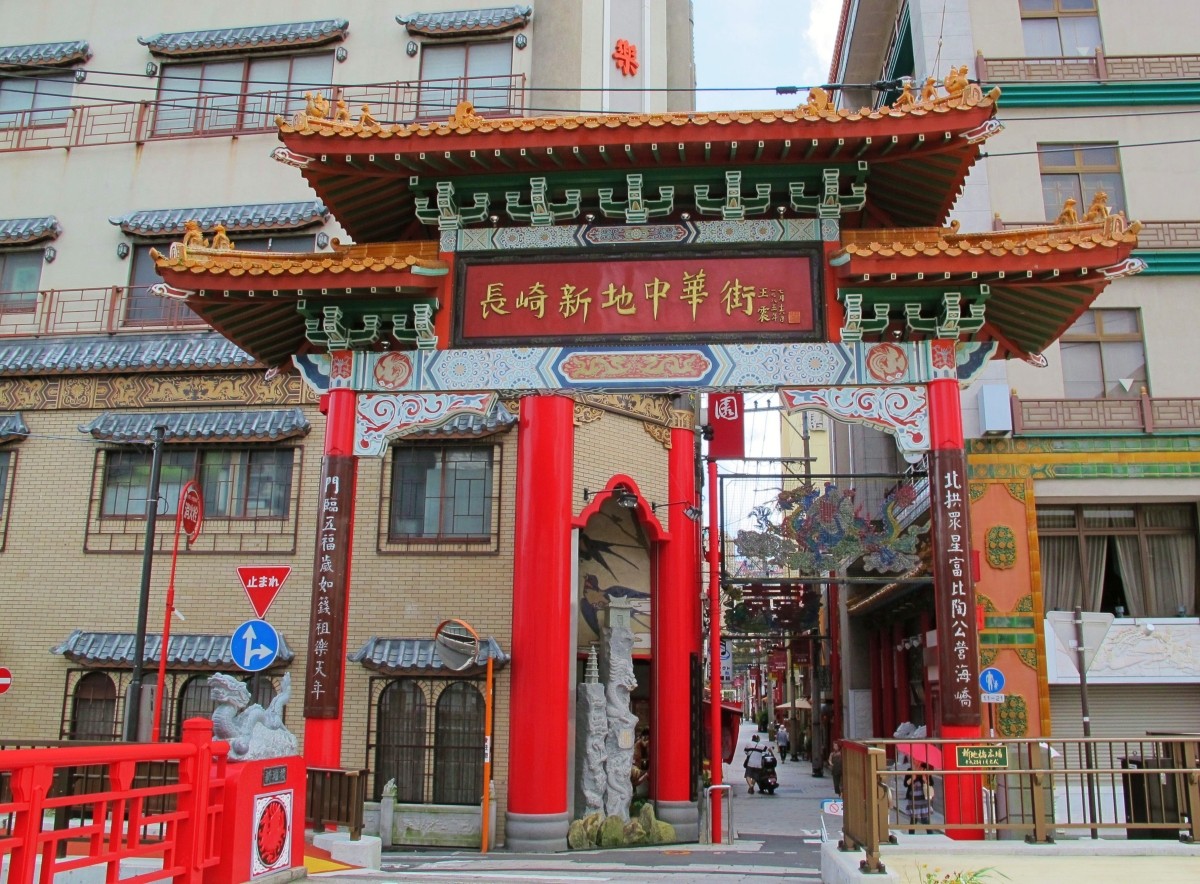
This is one of Japan’s three major Chinatowns, alongside Yokohama and Kobe. The area is filled with street food such as steamed pork buns, kakuni man (braised pork belly buns), and spring rolls. The “Nagasaki Lantern Festival,” held during the Lunar New Year, is a major event where about 15,000 colorful lanterns light up the city, attracting many visitors.
Must-Try! Classic Nagasaki Gourmet
Nagasaki Champon
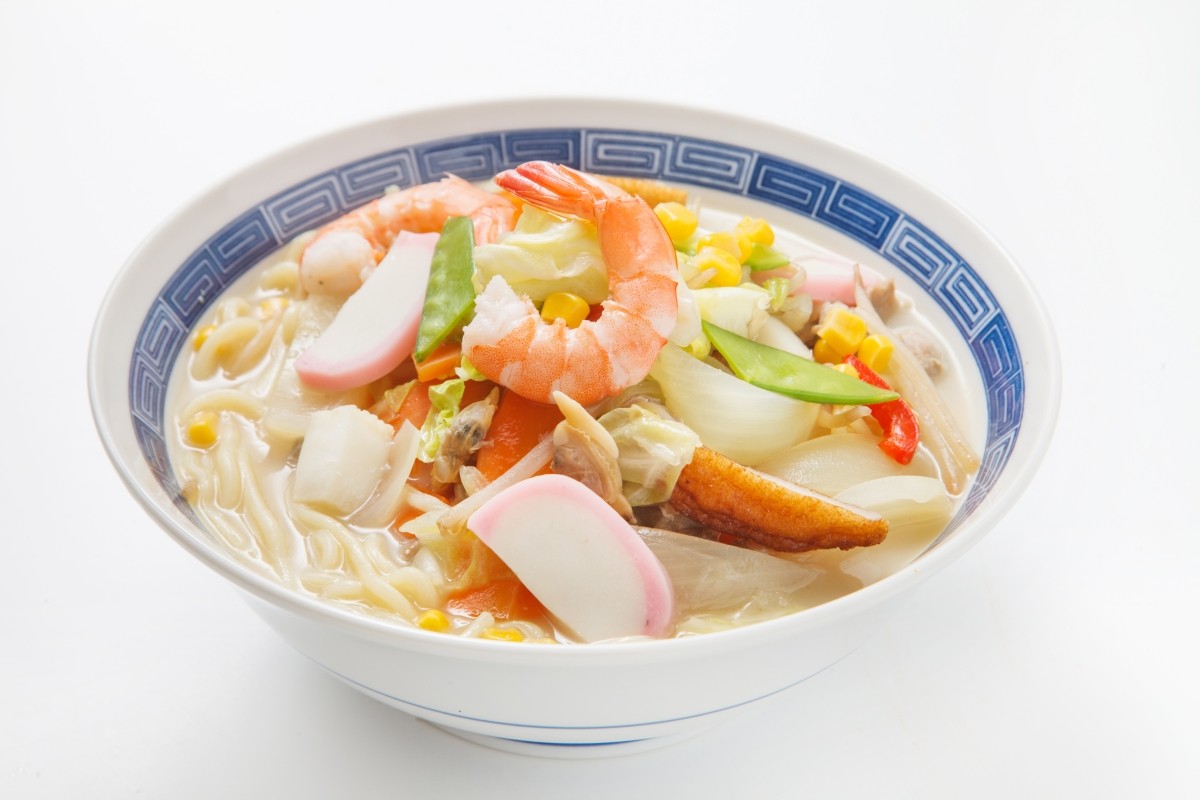
When it comes to Nagasaki cuisine, “Champon” is the signature dish. Thick noodles are served in a rich pork and chicken bone broth, topped with generous portions of pork, shrimp, squid, kamaboko (fish cake), cabbage, bean sprouts, and more. The restaurant “Shikairou,” known as the birthplace of Champon, also features a Champon Museum that you can visit for free, making it a recommended sightseeing spot.
Sara Udon
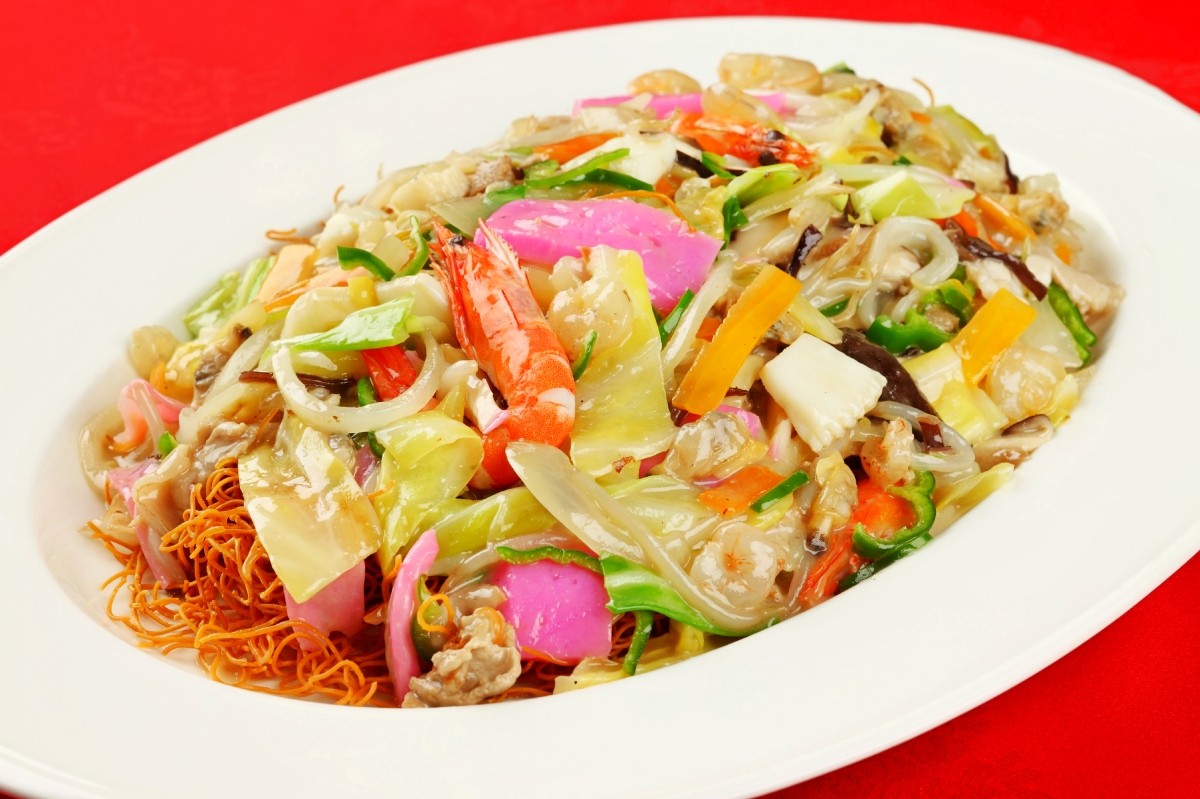
This is another famous Nagasaki specialty, as popular as Champon. Like Nagasaki Champon, it is said that the founder of “Shikairou” created this dish by serving soup-less noodles on a flat plate for delivery orders. The crispy noodles are topped with a thick, savory sauce filled with stir-fried seafood, pork, and vegetables. The Nagasaki style is to finish the dish with a splash of Worcestershire sauce or vinegar.
Nagasaki Wagyu
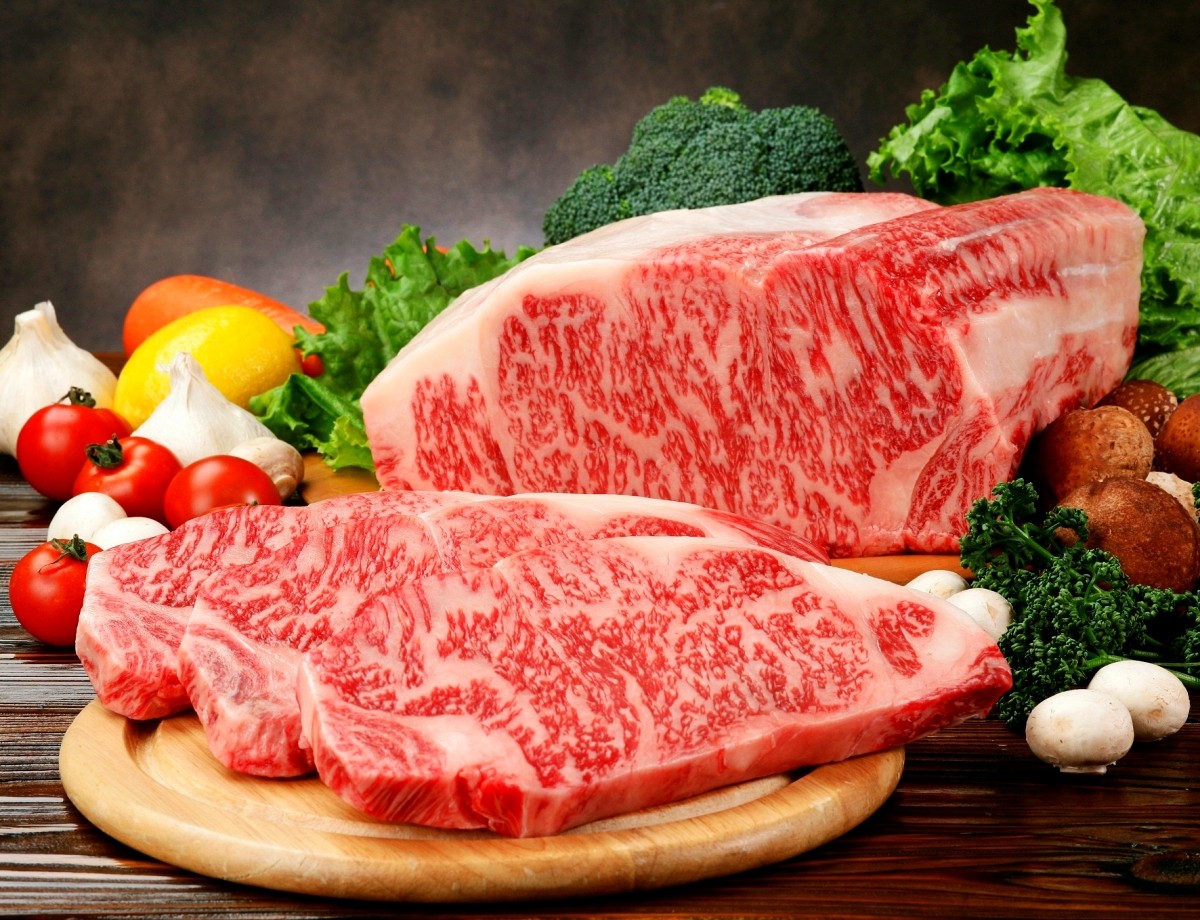
This premium wagyu beef has won top prizes at national branded beef competitions. It is known for its fine marbling, rich flavor, and melt-in-your-mouth fat. Many restaurants in Nagasaki City serve it as sukiyaki or shabu-shabu, and it is a must-try for meat lovers.
Toruko rice
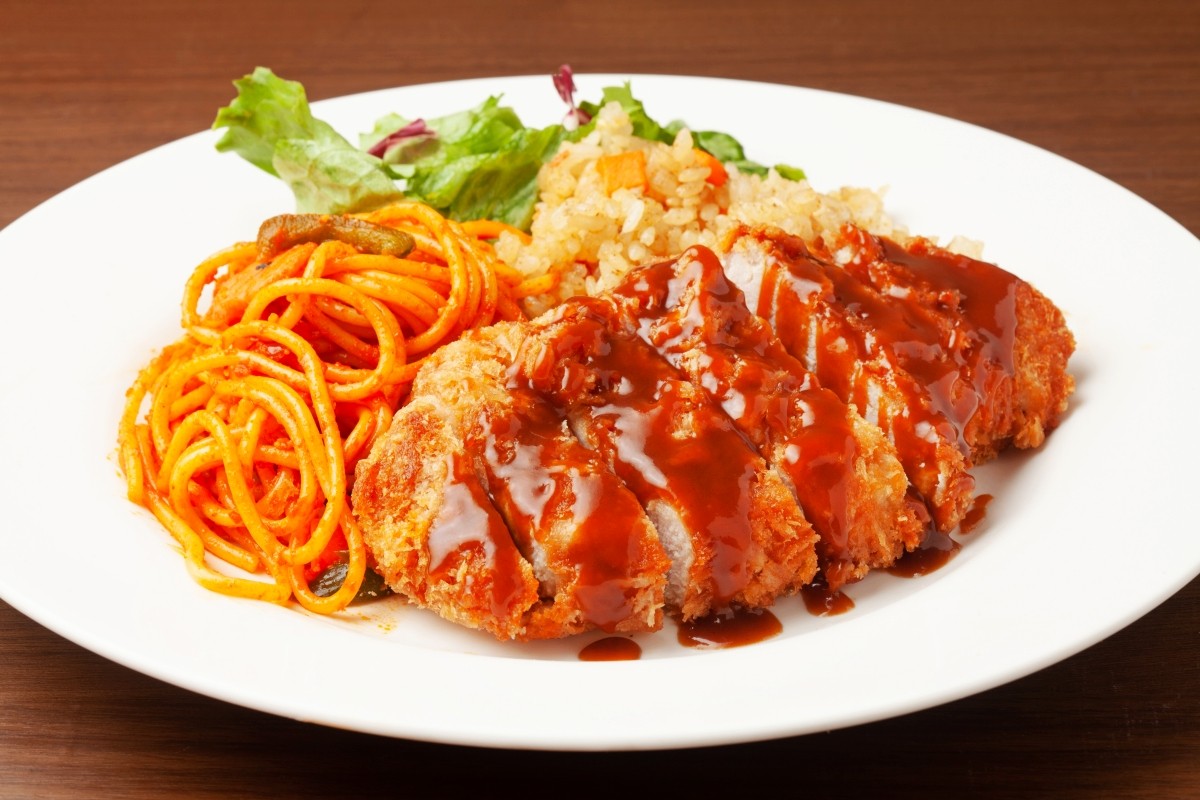
This Nagasaki specialty is often called an “adult’s kids’ meal,” featuring pilaf, spaghetti, and pork cutlet all served together on one plate. There are various theories about the origin of the name: one suggests that the pilaf was made to resemble Turkish pilaf and thus called Turkish Rice, while another says that the combination of spaghetti, tonkatsu, and pilaf represented three colors, leading to the name “tricolor” (torikoro), which eventually became “Toruko.” The dish is visually impressive and highly photogenic, making it popular on social media.
Sasebo Gourmet | Local Dishes to Try When Visiting Sasebo
Sasebo Burger
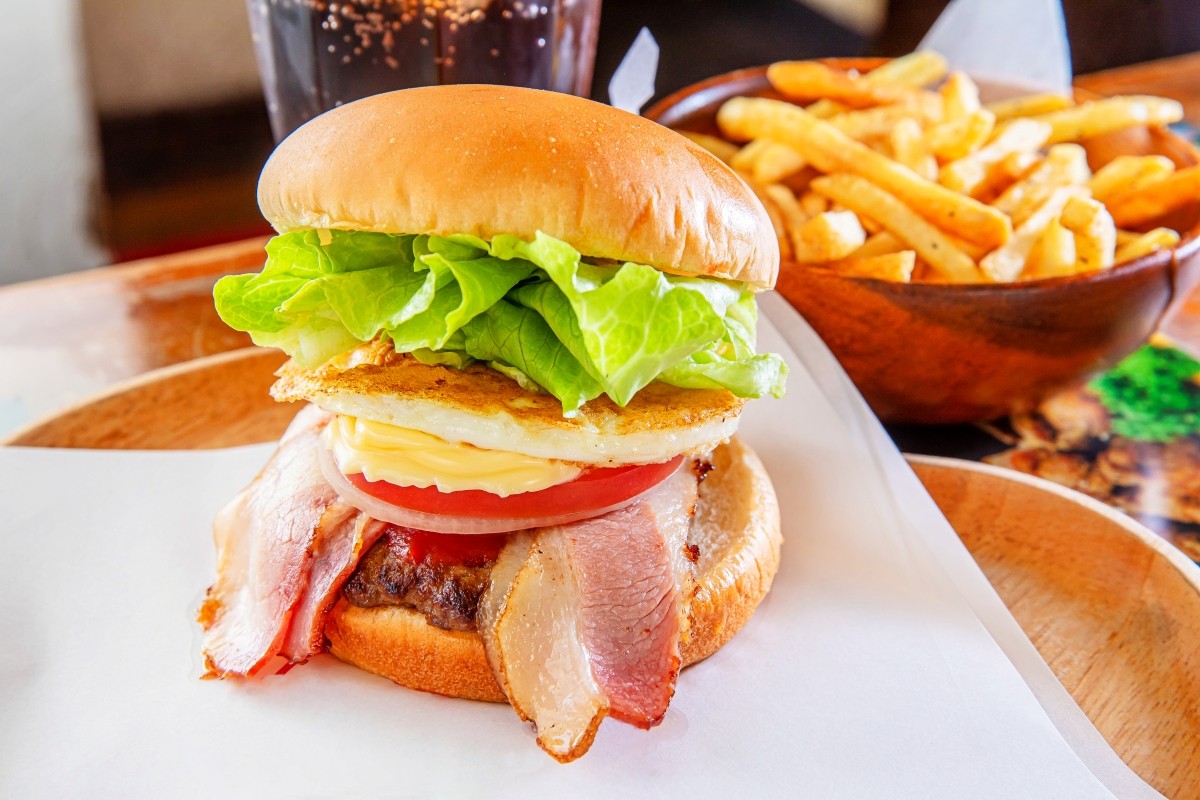
The origin of the “Sasebo Burger” dates back to around 1950, when the recipe was taught directly by the US Navy base. Sasebo Burgers are larger than regular hamburgers, making them especially satisfying. The classic style features a thick, juicy beef patty, a slightly sweet original mayonnaise sauce, and a bacon and egg topping.
Lemon Steak
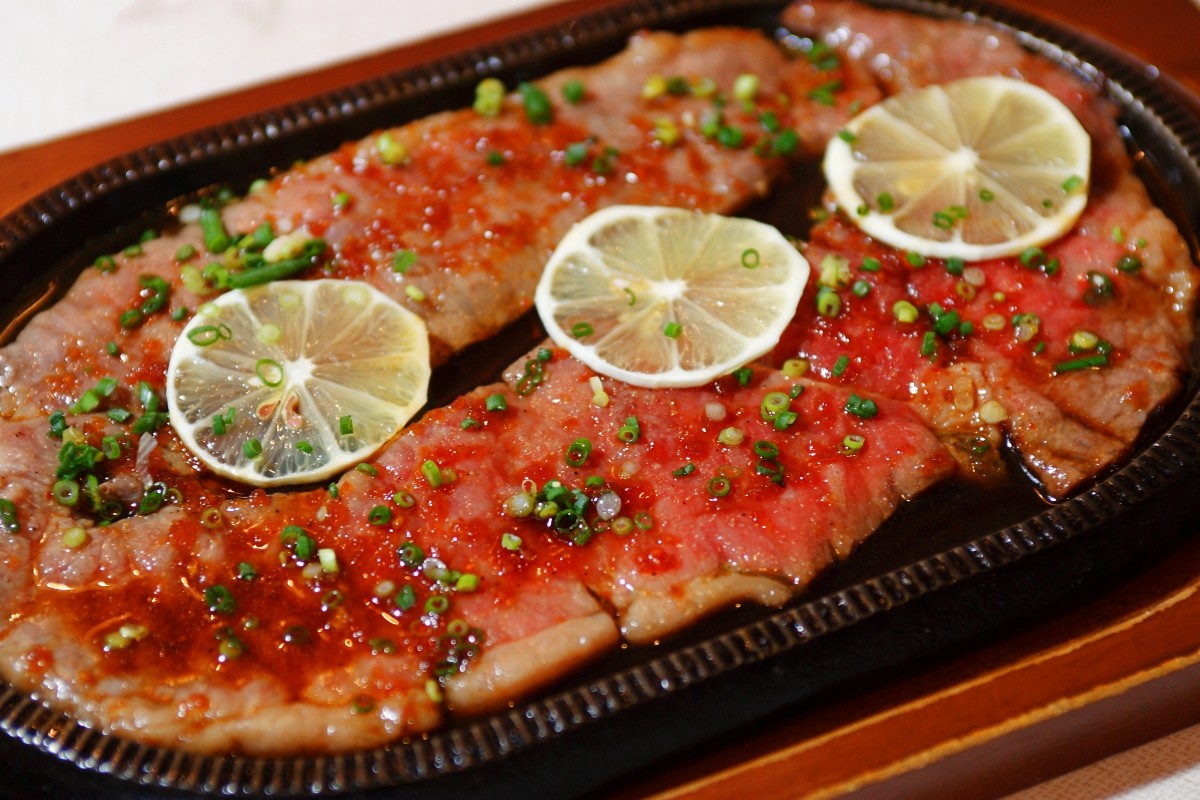
This steak, which originated in Sasebo, features thinly sliced beef enjoyed with a lemon-flavored soy sauce-based sauce. As Western cuisine became popular under the influence of the US military base, this dish was created as a Japanese-style adaptation. The Sasebo way is to mix the remaining sauce on the hot plate with rice and savor every last drop.
Sailor’s Beef Stew
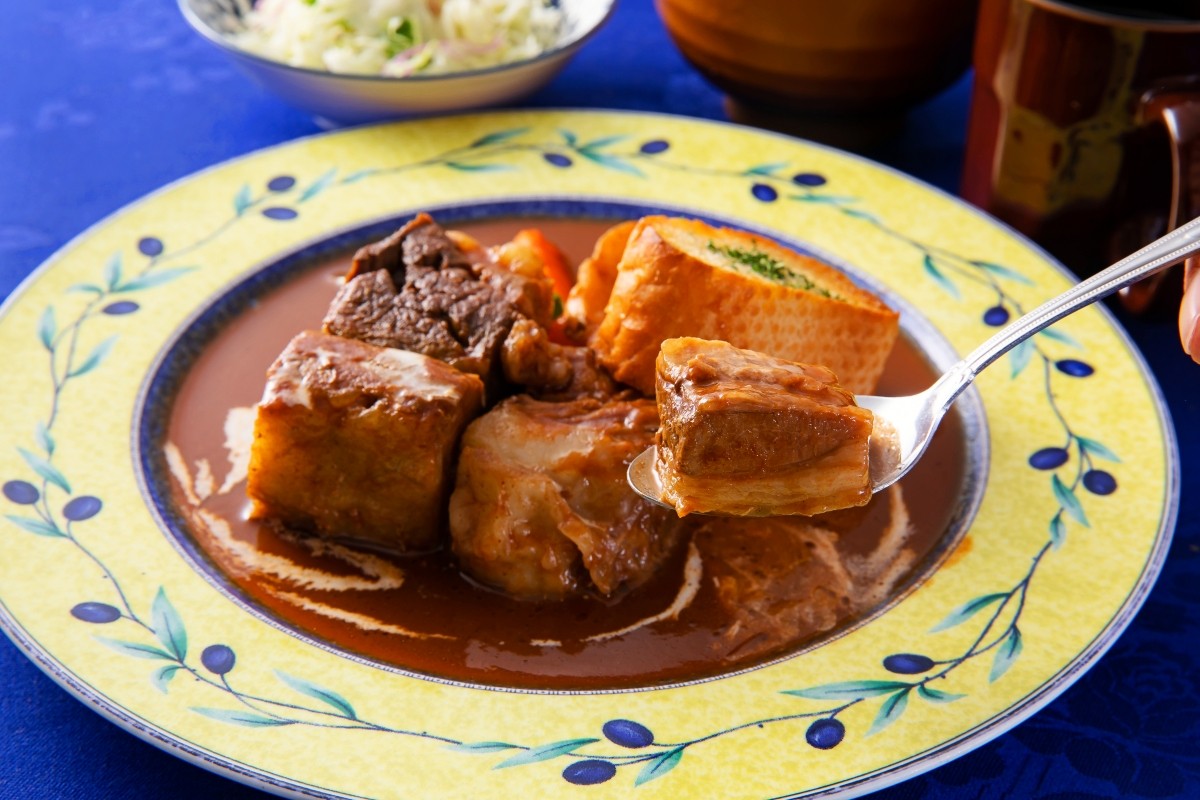
This beef stew is said to have been brought to Japan by Heihachiro Togo, who had ties to Sasebo, after he encountered it while studying in the United Kingdom. The rich stew, simmered with red wine and demi-glace sauce, is filled with tender, slow-cooked beef.
Sailor's “Nyuukou Zenzai”
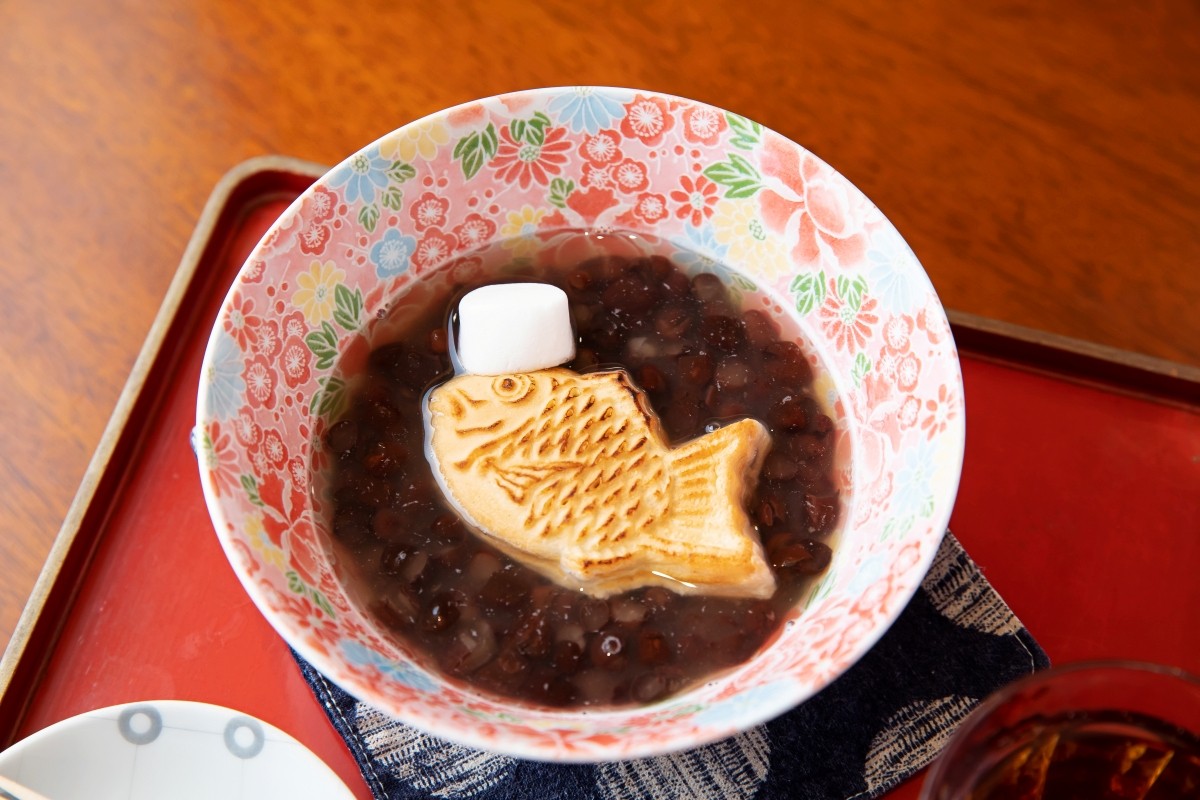
“Zenzai” is a traditional Japanese dessert consisting of sweet red bean soup with mochi or shiratama rice dumplings.
The origin of this dish comes from the former Imperial Japanese Navy, which would serve zenzai made with stored sugar and red beans to welcome sailors home after long voyages. This warm and gently sweet treat is perfect for autumn and winter, and some shops also offer a chilled version in summer.
Enjoy Local Gourmet on Nagasaki’s Remote Islands and Countryside!
Goto Udon
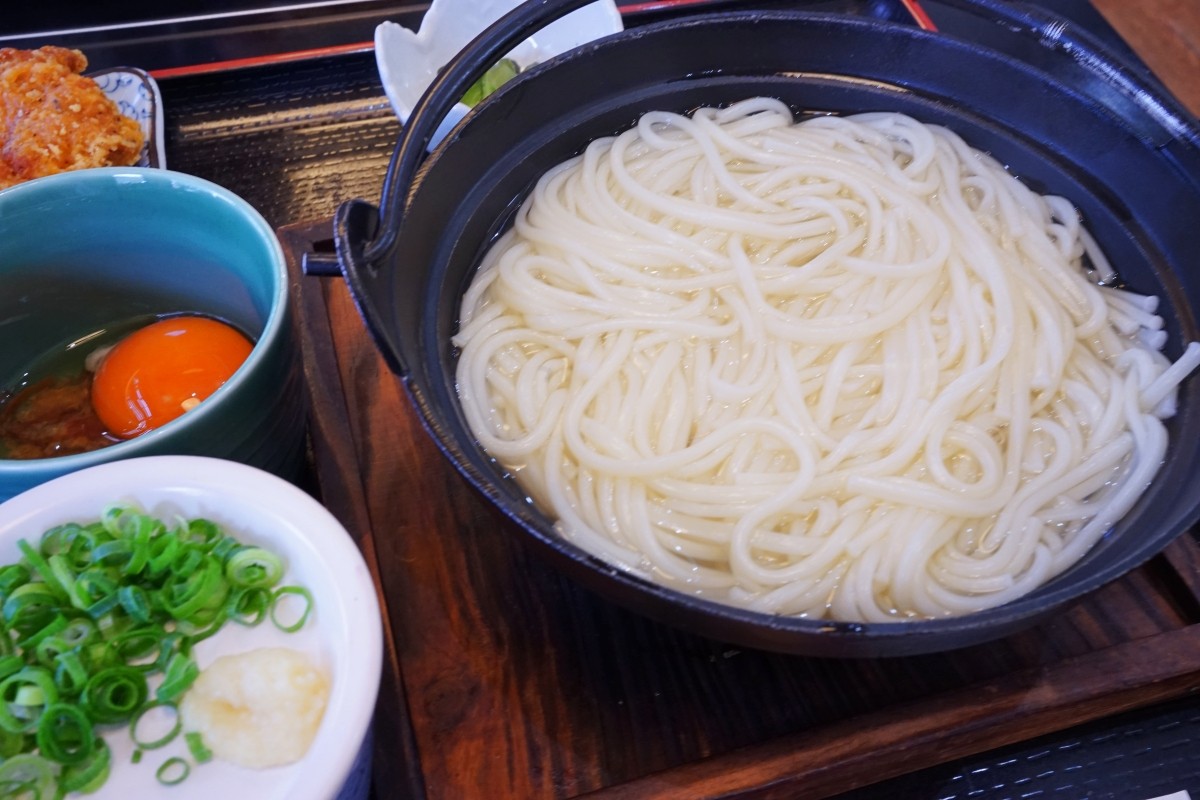
Goto Udon is made with camellia oil and is known for its thin noodles that are both firm and smooth. Along with Sanuki Udon from Kagawa Prefecture and Inaniwa Udon from Akita Prefecture, it is considered one of the top three udon varieties in Japan. The traditional way to enjoy it is called “Jigoku-daki.” In this style, you scoop the noodles directly from a bubbling pot and dip them into a savory broth made from Flying Fish (Agodashi).
Shimabara Hand-Stretched Somen
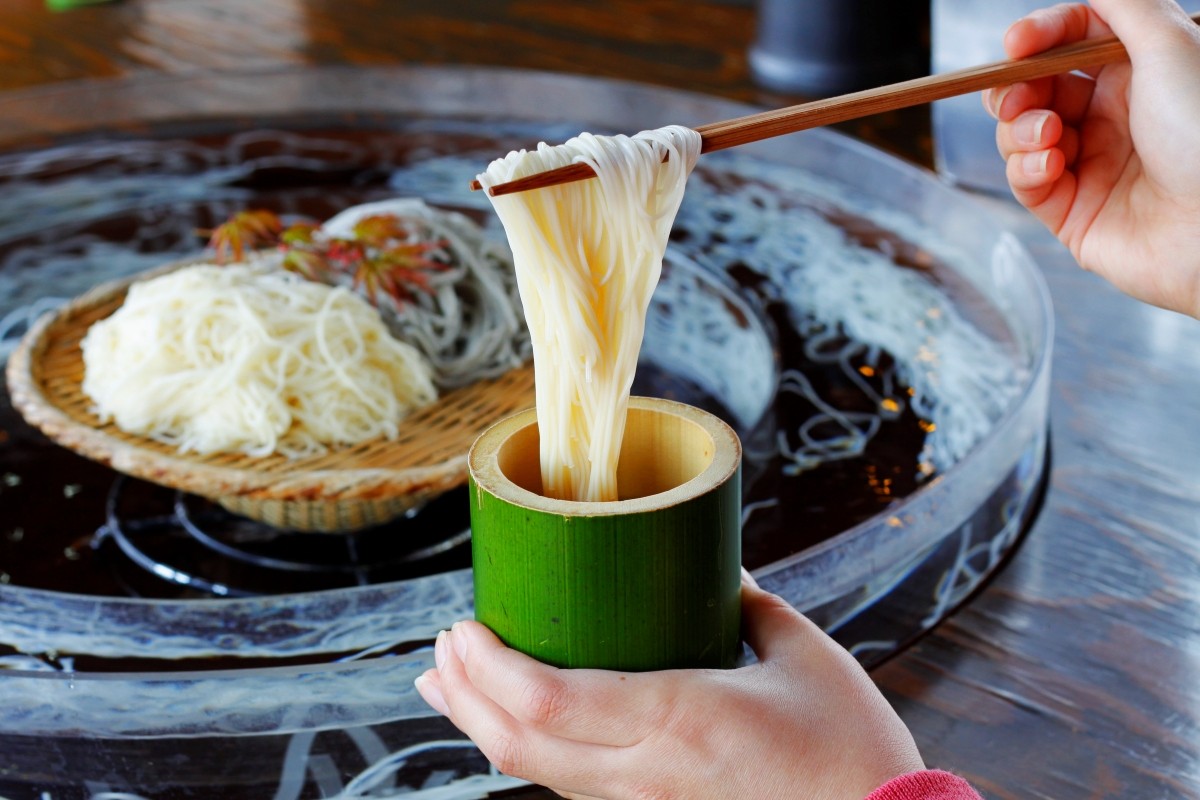
The Shimabara Peninsula is a major production area, accounting for about 30% of all hand-stretched somen noodles in Japan. Its high quality has earned it a place among the top three somen varieties. The noodles, made with the pure spring water of Unzen, are known for their firm texture and smoothness.
In summer, they are enjoyed cold in a zaru style, while in winter, they are served in soup as “nyumen.”
Guzouni
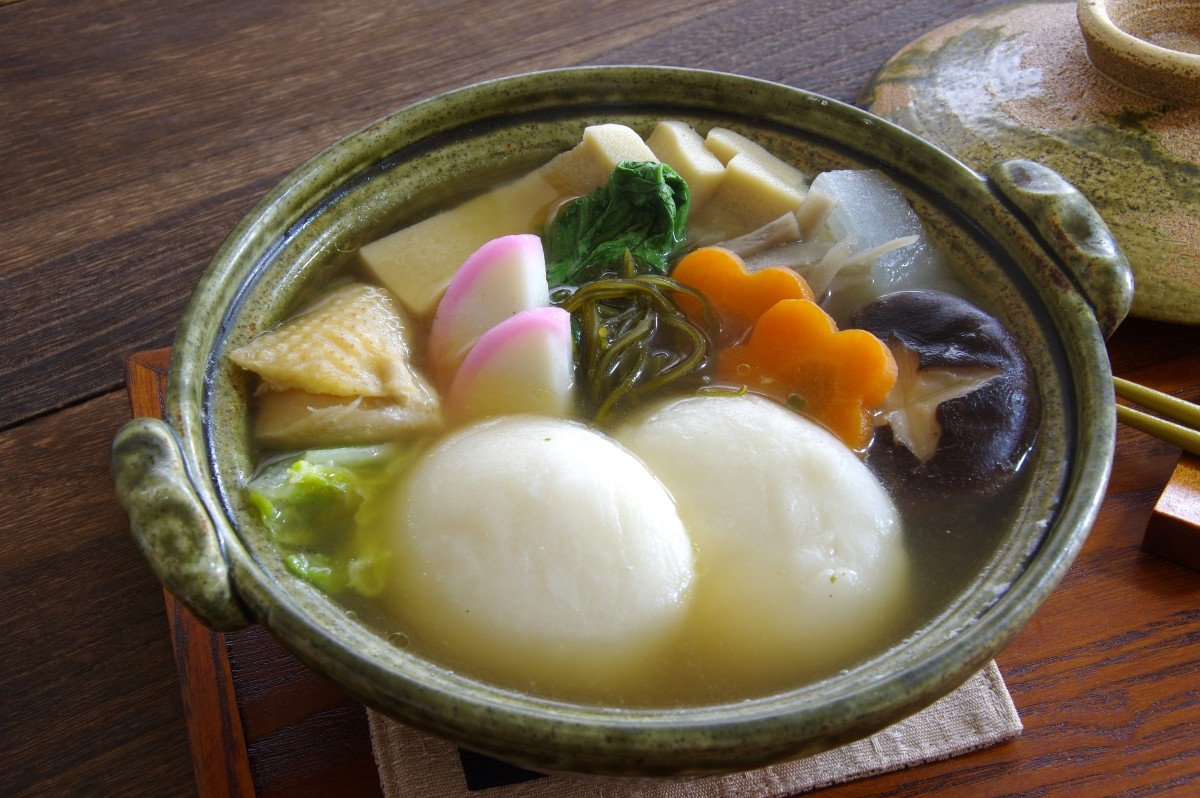
Zouni is a traditional Japanese soup enjoyed during the New Year, with mochi rice cakes as the main ingredient. The ingredients and seasonings vary by region. In the Shimabara area, "Guzouni" is a local specialty where more than ten ingredients such as chicken, burdock root, lotus root, shrimp, and others are simmered together with round mochi in a soy sauce-based broth. This dish has a long history and is said to have been used as provisions by Amakusa Shiro during the Shimabara Rebellion, a peasant uprising that took place in the Shimabara and Amakusa regions in 1637.
Iriyaki
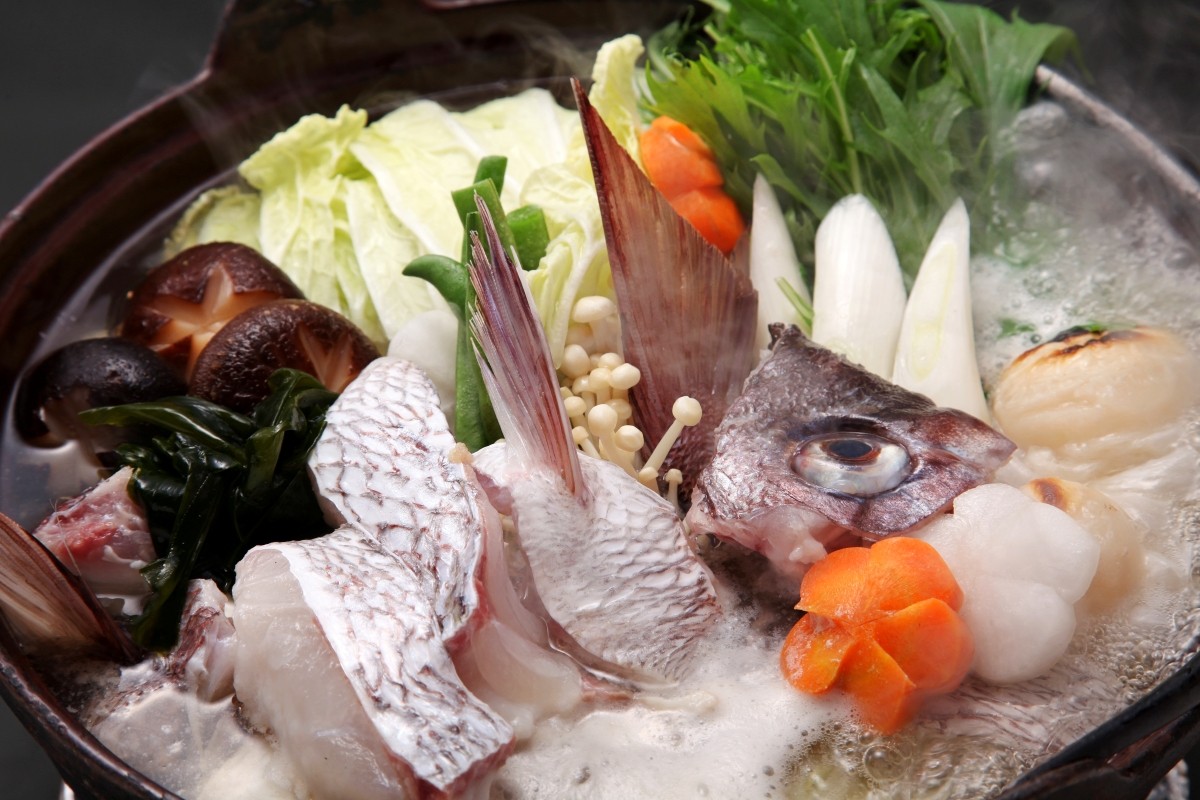
This hot pot dish, originating from the fishing communities of the northwestern islands of Nagasaki Prefecture such as Hirado, Iki, and Tsushima, features freshly caught local fish (either fish heads or fillets), vegetables, and tofu simmered in a soy sauce-based broth. The recipe is simple but offers a deep and rich flavor. If you visit these remote islands, be sure to try it at a local eatery.
Omura Sushi
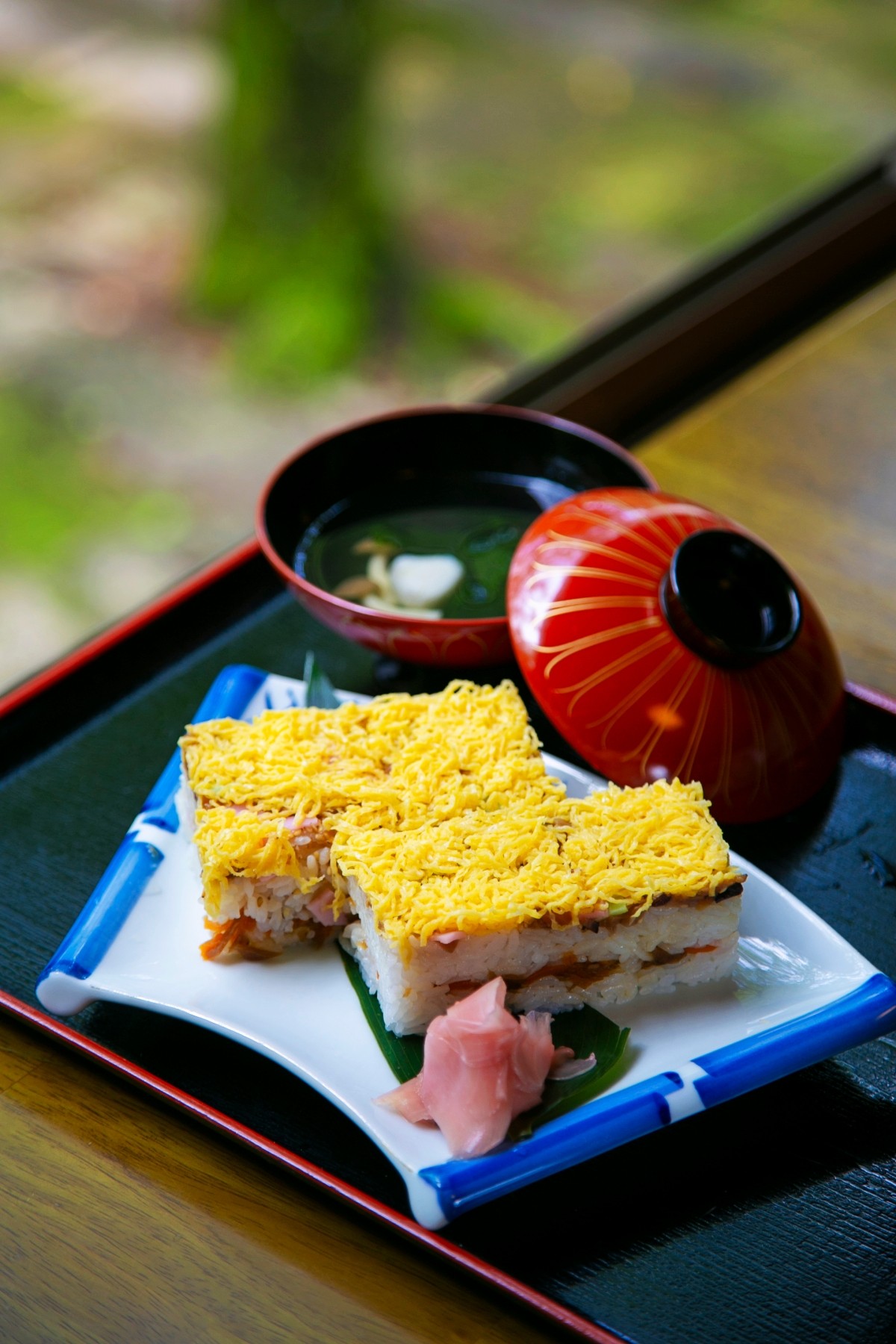
This is a type of pressed sushi, where vinegared rice and various toppings are layered and pressed together in a wooden mold. Colorful ingredients such as sea bream, shiitake mushrooms, and shredded omelet are layered, creating a beautiful cross-section when sliced. Omura Sushi is a local specialty of Omura City with a history of over 400 years. If you pass through Omura City, where Nagasaki Airport is located, be sure to pick some up at a roadside station or souvenir shop.
Nagasaki Local Sweets
Castella
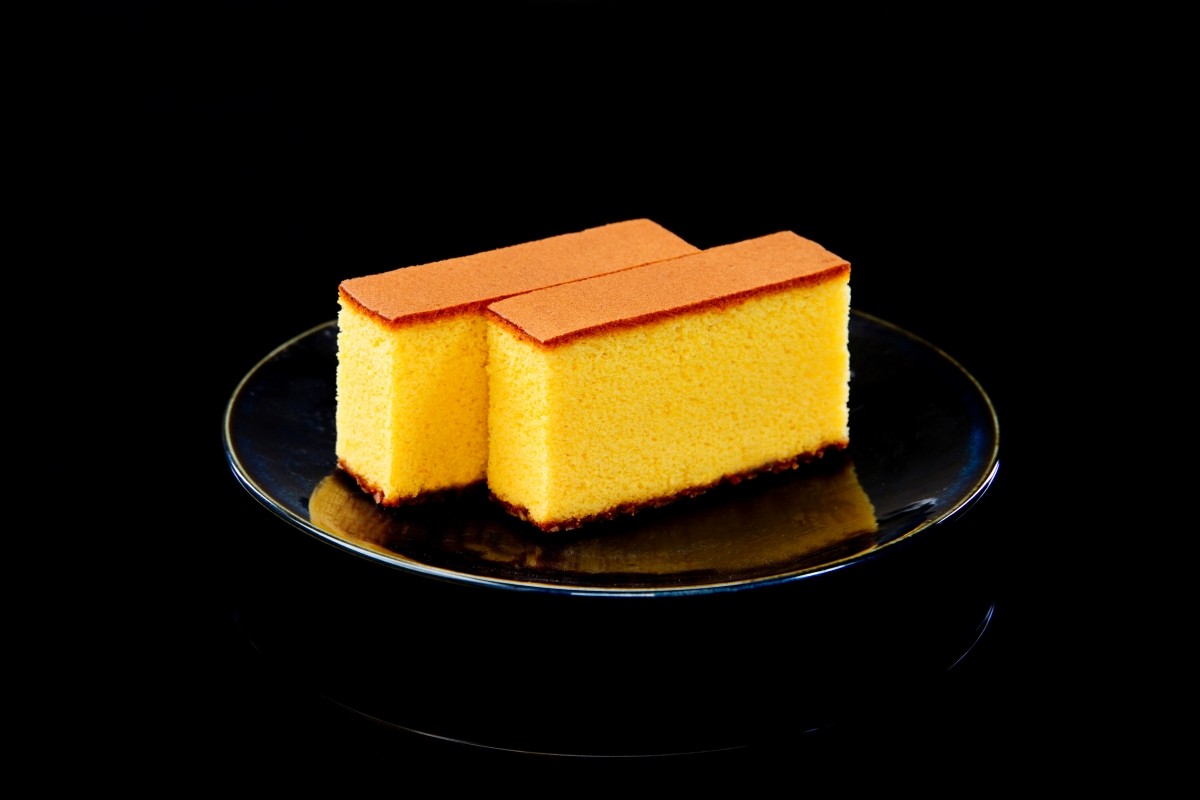
This sponge cake, which originated in Nagasaki, was adapted by the Japanese from a baked confection brought by Portuguese missionaries in the 16th century. Made with simple ingredients—eggs, sugar, flour, and starch syrup—Castella is known for its unique Japanese touch: a crunchy layer of coarse sugar crystals called "zarame" on the bottom. It is also fun to compare the flavors of long-established shops such as Fukusaya and Bunmeido, both of which have been in business since the Edo period.
Chirin Chirin Ice Cream
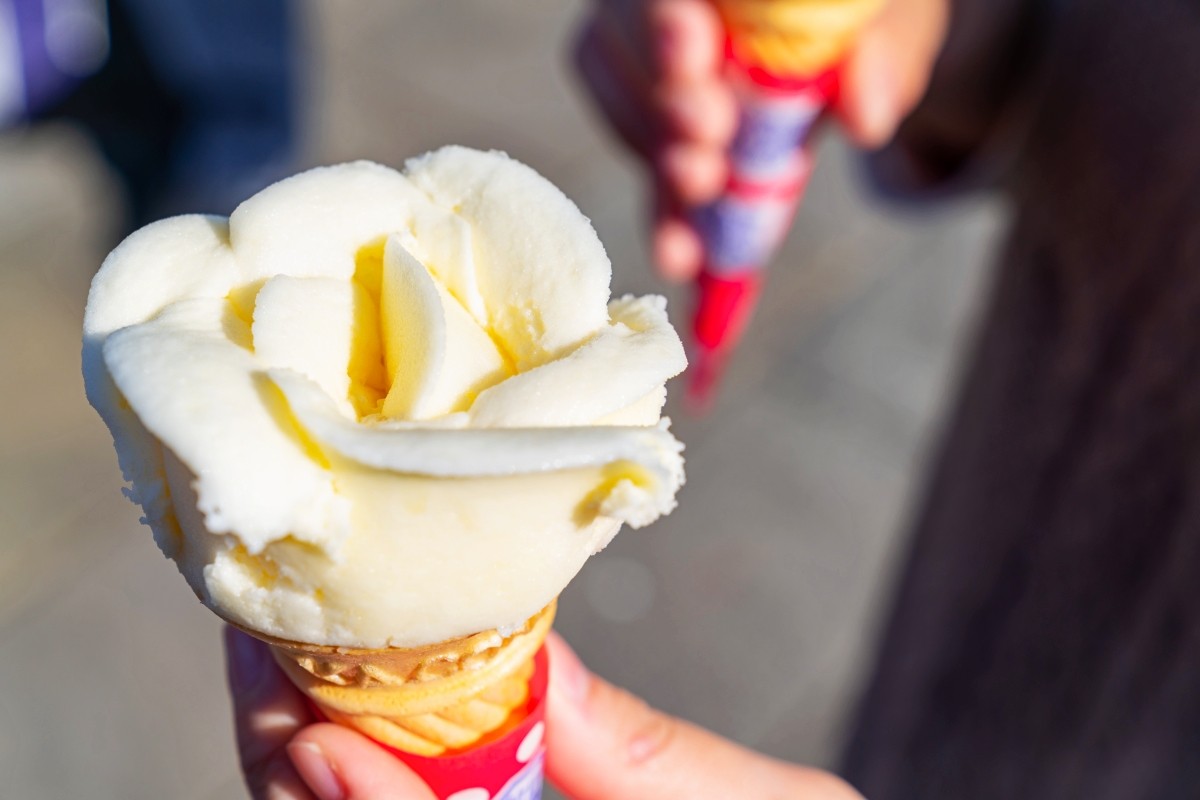
Chirin Chirin Ice Cream is a mobile ice cream treat said to have gotten its name from the “chirin chirin” ringing sound of the bell used by vendors as they rode around selling it by bicycle.
Its refreshing texture is somewhere between sherbet and ice cream, giving it a light and smooth taste. The charming presentation—shaped like rose petals—makes it so photogenic that you’ll want to snap a picture before taking a bite. Sold from street stalls around the city, it’s definitely worth trying if you happen to come across one.
Nagasaki Milkshake
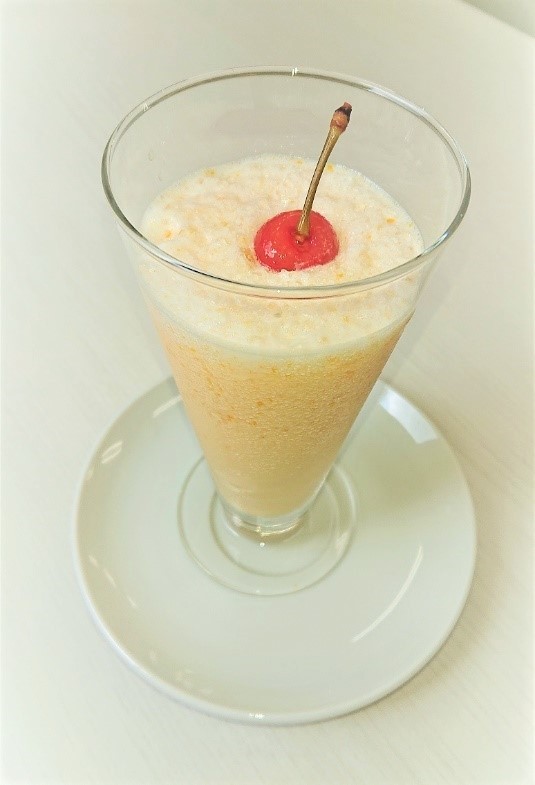
When you think of "milkshake," you probably imagine a drink, but in Nagasaki, you can enjoy a "milkshake you eat," which is served as a semi-frozen sherbet. It has a texture lighter than ice cream but richer than sorbet and is often served at Showa retro-style cafes. It also pairs perfectly with fruit, and varieties made with fruit, such as mango milkshake and banana milkshake, are especially popular.
Kankoro Mochi
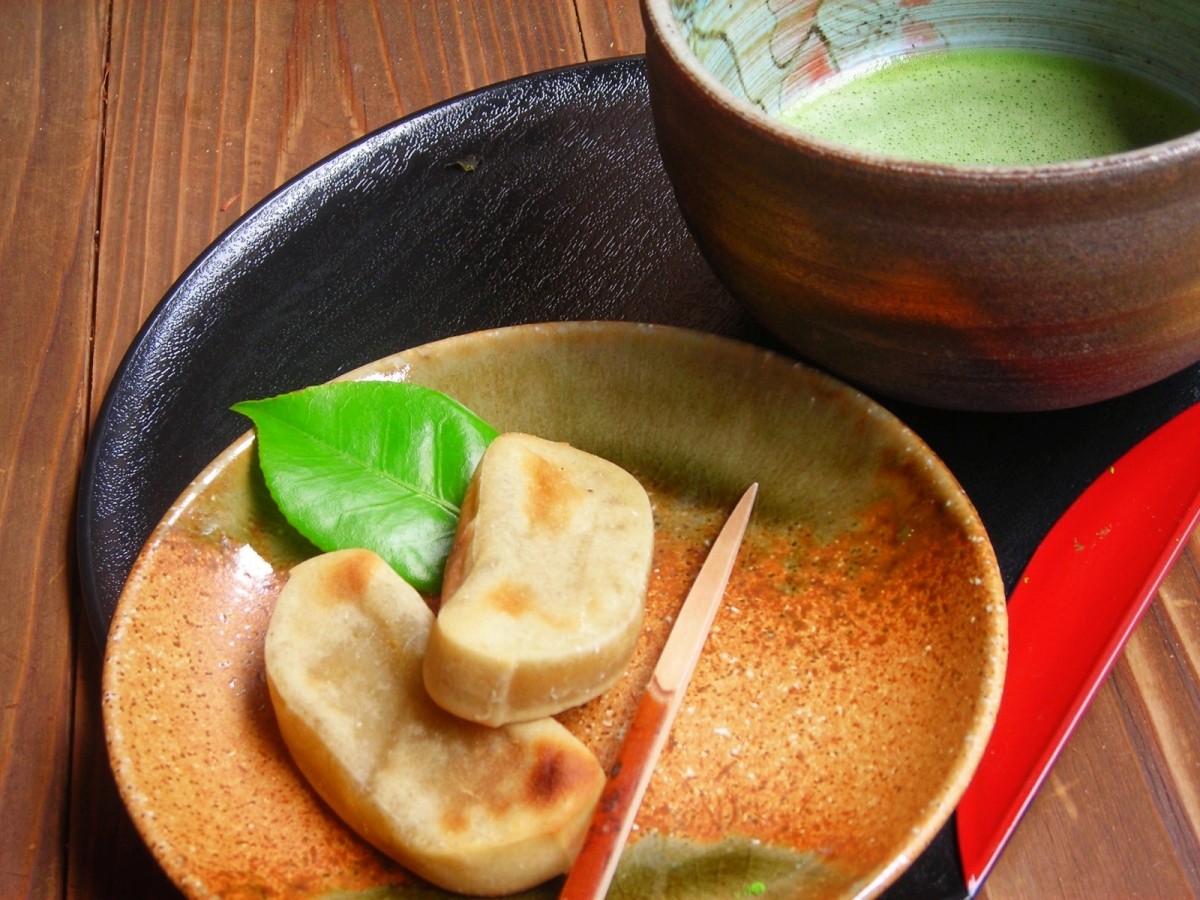
This is a traditional confection from the Goto Islands. It originated as a preserved food made by combining sun-dried sweet potatoes with glutinous rice. The outside is crispy and fragrant, while the inside is chewy and soft. Its appeal lies in the simple, natural sweetness of the sweet potatoes, and it is recommended to enjoy it with a splash of soy sauce.
Nagasaki offers a wide variety of unique gourmet foods that have developed through its rich history of cultural exchange. Be sure to try some of these local specialties when you visit.


Comments