
Your journey to Japan might begin with a single photo you stumbled upon on social media. In this series, "Journeys Inspired by a Single Zekkei Photo," we’ll dive deep into the allure of the places where these breathtaking images were captured, together with Shiho, a scenic producer who knows Japan’s beauty inside and out. We’ll also share travel tips along the way.
This time, we’re featuring the snowy landscape of Toyama Prefecture, specifically the mountain village of Gokayama. Let’s take a peek into this warm, enchanting scene—an idyllic Japanese landscape bathed in magical light that will make you forget the cold.
*“Zekkei” is sometimes used in English to describe breathtaking sights in Japan. Shiho introduces these places to the world as “breathtaking sights.” The term refers not just to beautiful scenery, but to moments so stunning they take your breath away.
🏨Book your stay with JAPANiCAN! 👉Click Here
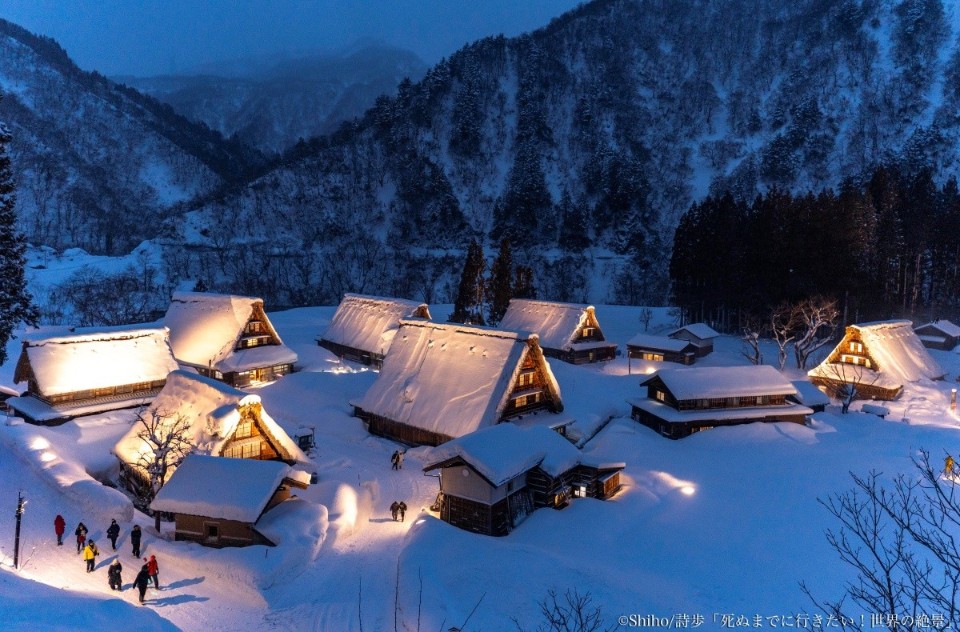
This Issue’s Photo: Winter in Toyama, “Gokayama Light-up”
A Magical Snowy Night: The Moment World Heritage Gokayama is Illuminated
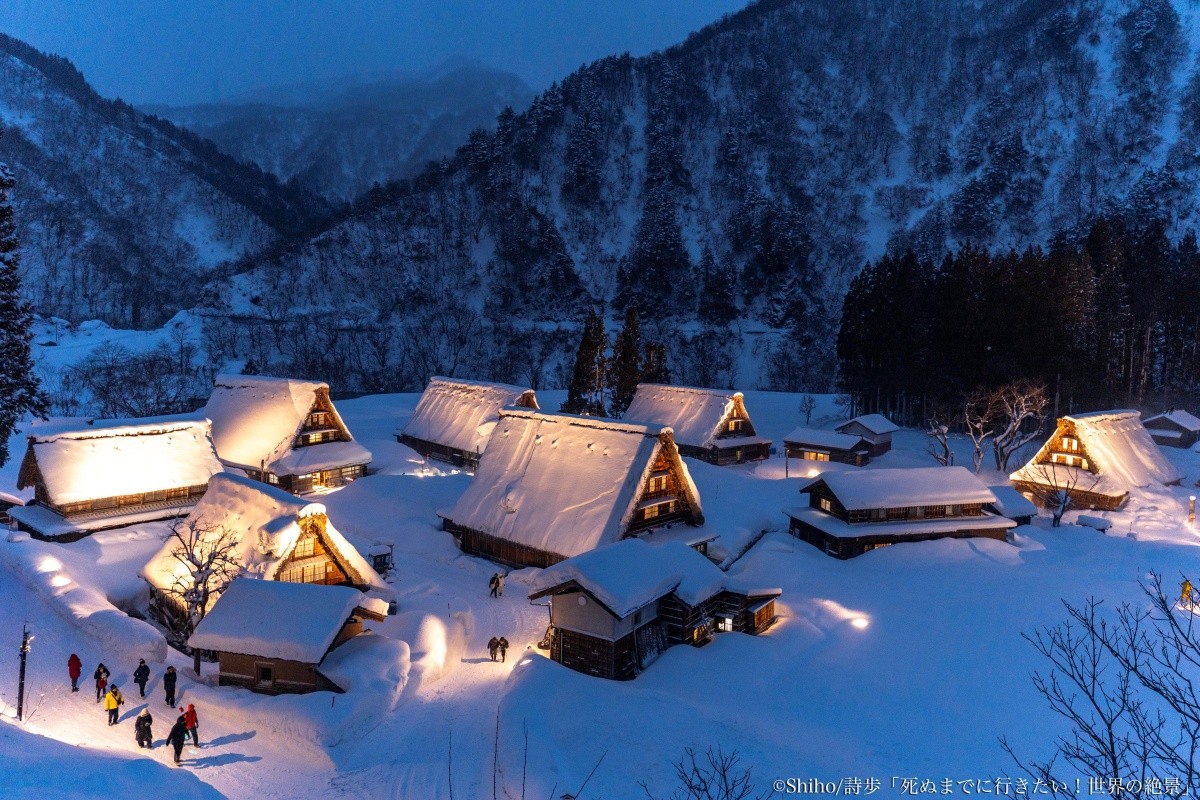
From the steep, snow-covered roofs, gentle light spills from the windows, making the village appear to float in the darkness—like stepping into a Japanese folktale. Compared to Shirakawa-go in neighboring Gifu Prefecture, Gokayama in Toyama Prefecture is less crowded with tourists, allowing you to savor the solemn beauty of this Zekkei in peaceful silence—a truly luxurious experience unique to Gokayama.
Zekkei Photo by Zekkei Producer, Shiho
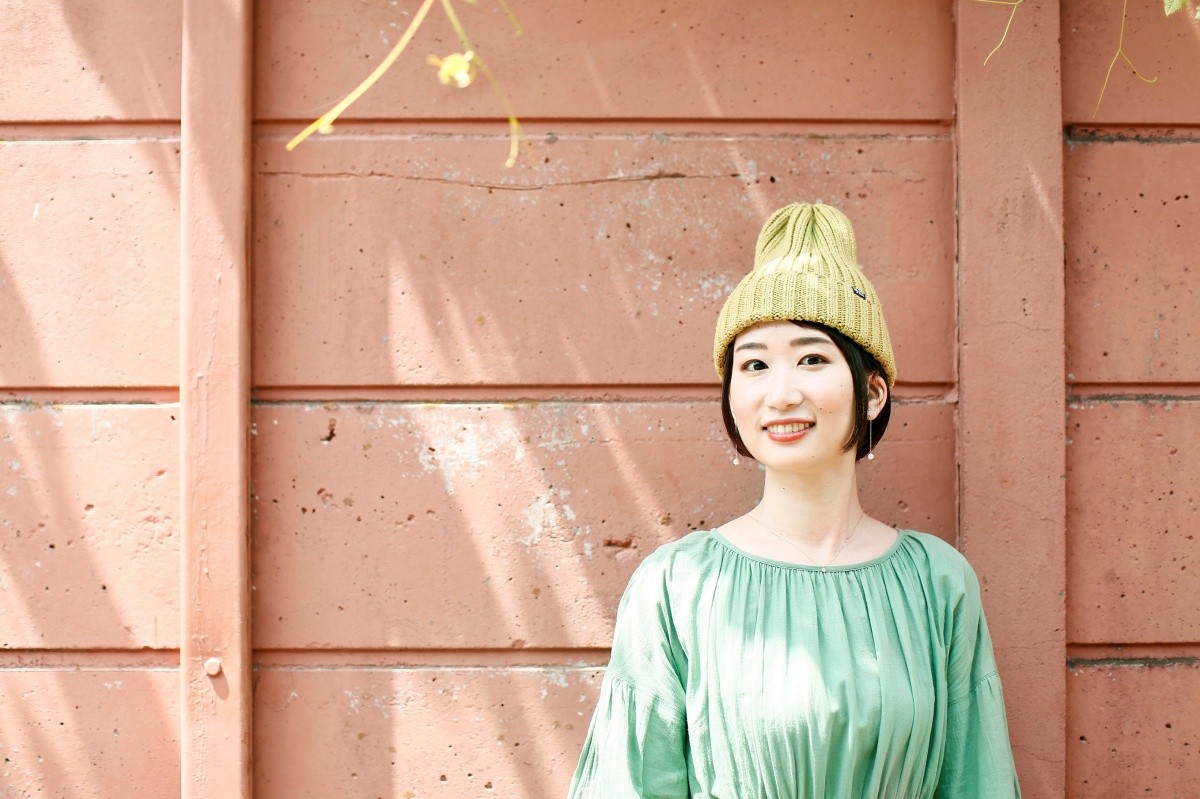
Producer of “Places to Visit Before You Die! Breathtaking Sights of the World.” Her book series has sold over 630,000 copies. With over one million followers on social media, she now travels not only across Japan but around the world, sharing beautiful landscapes as an advisor for tourism promotion to local governments and companies.
A Zekkei Journey to Gokayama, Toyama
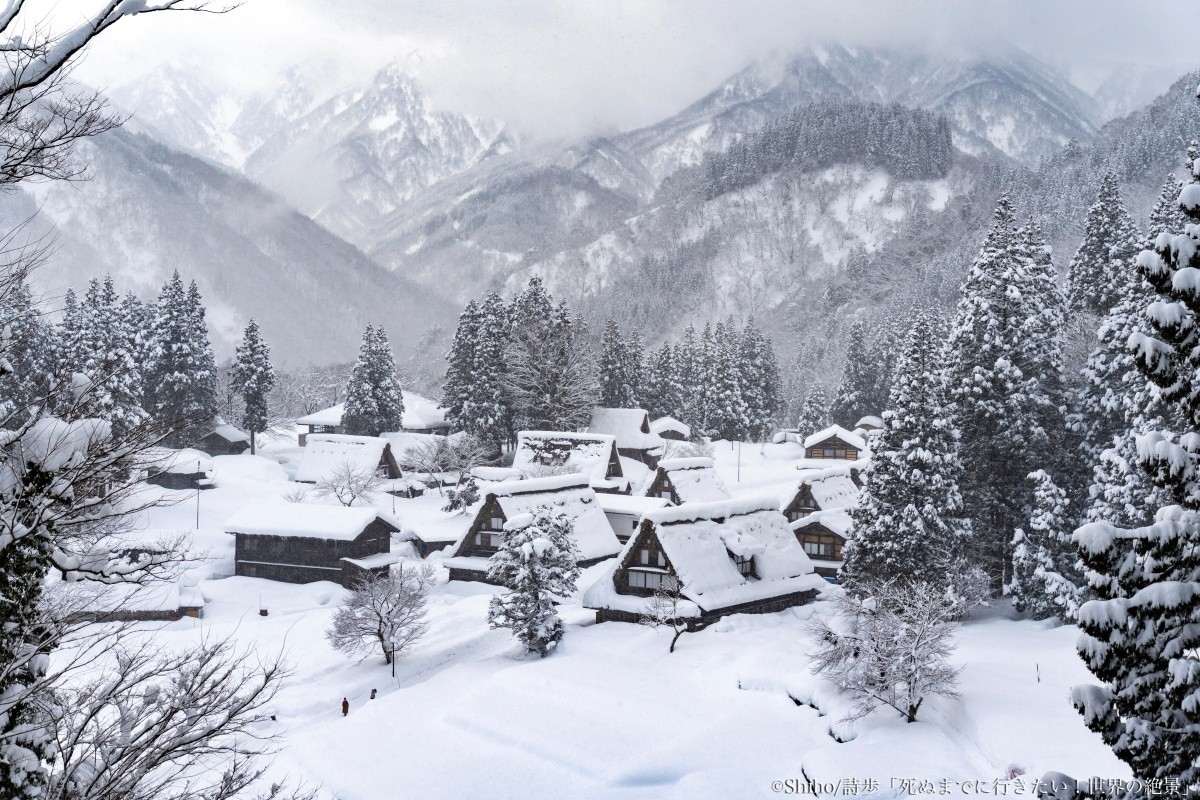
Gokayama Ainokura Gassho-zukuri Village
There are still many regions in Japan that remain largely unknown to travelers. One such place is Toyama Prefecture in the Hokuriku region, facing the Sea of Japan. Only about 0.6% of international visitors make it here, making it a perfect destination for those seeking Japan’s hidden gems.
Within Toyama Prefecture, Gokayama is located in the southwestern area and consists of about 40 villages, and among them, “Ainokura Gassho-zukuri Village” and “Suganuma Gassho-zukuri Village” are registered as UNESCO World Cultural Heritage sites, together with “Shirakawa-go” in Gifu Prefecture.
From here, we’ll introduce the Zekkei journey through Gokayama and how to enjoy it, as discovered by Shiho during her visit.
Day 1 09:20 – From Tokyo Station to Shin-Takaoka Station by Shinkansen
Take the Hokuriku Shinkansen from Tokyo Station to Shin-Takaoka Station—about three hours. The Japanese way is to buy an ekiben (station bento) and enjoy it on the train. As you travel, the scenery outside gradually turns whiter, transforming into a snow-covered mountain landscape.
Normally, it takes about 50 minutes by car from Shin-Takaoka Station to Gokayama, but due to heavy snowfall, the expressway was closed and the journey took longer than expected. Especially in winter, if you have plans before or after your visit, be sure to allow extra time. For those not driving, the “World Heritage Bus” runs from Takaoka Station or Shin-Takaoka Station to the World Heritage sites of Gokayama (Ainokura and Suganuma). The ride takes about 1 hour 20–30 minutes, making it a convenient option for tourists who don’t drive.
World Heritage Bus
Official Website: https://www.kaetsunou.co.jp/company/sekaiisan/
Day 1 14:00 – Suganuma Gassho-zukuri Village
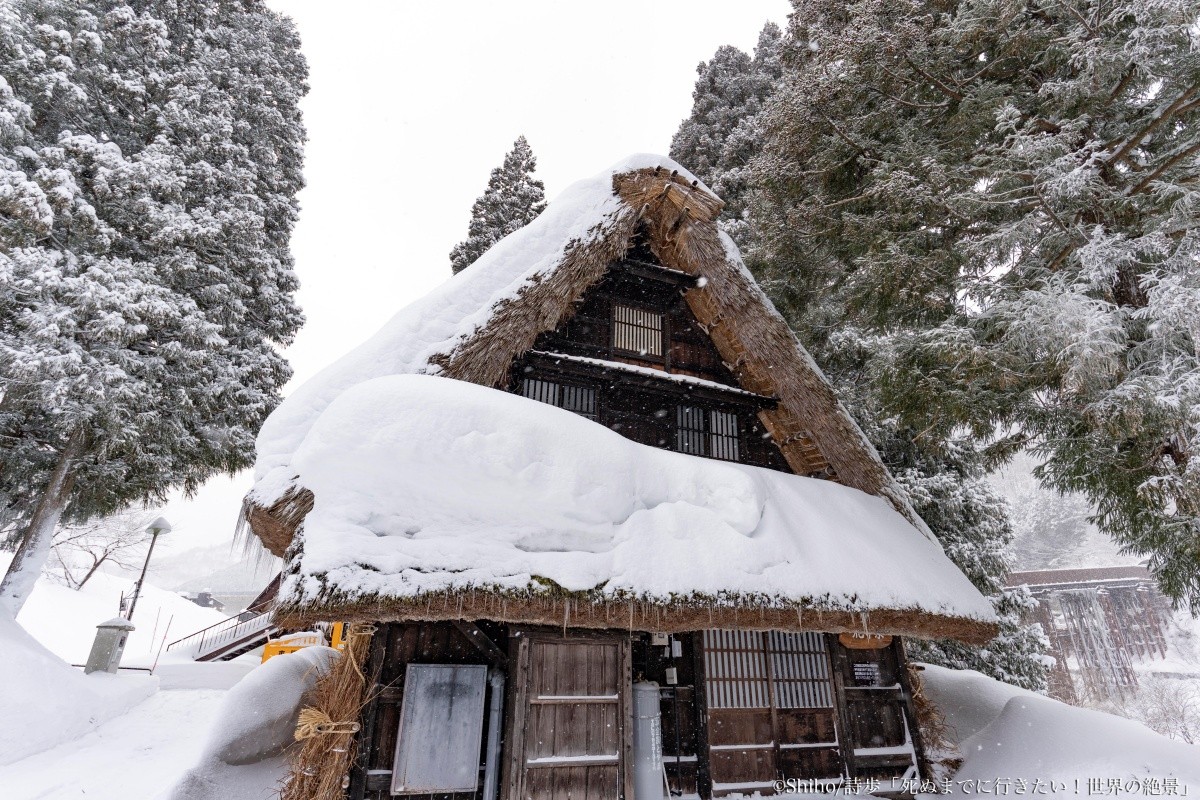
In the early afternoon, we arrived at Suganuma Gassho-zukuri Village in Gokayama!
The distance from the village to the observation spot is about a 5 to 10-minute walk, but there is also an elevator available. Once you reach the observation spot, you’ll be greeted by a magical scene straight out of a fairy tale, with rows of gassho-zukuri houses blanketed in deep snow.
“Gassho-zukuri” refers to a traditional Japanese architectural style characterized by steeply pitched, thatched triangular roofs. Located in a mountainous area at high elevation, this region is covered by several meters of snow in winter. The triangular roofs are a clever adaptation by the people of the past, designed to withstand the weight of heavy snow and make it easier for the snow to slide off.
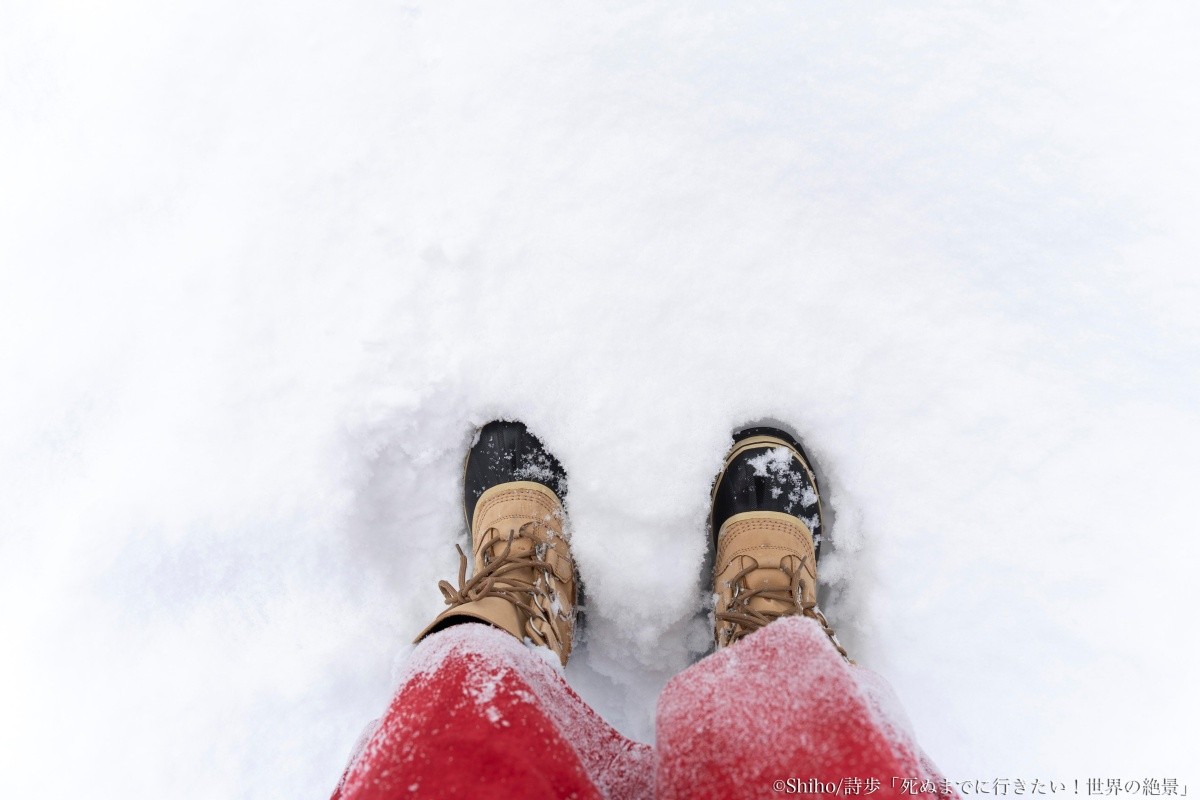
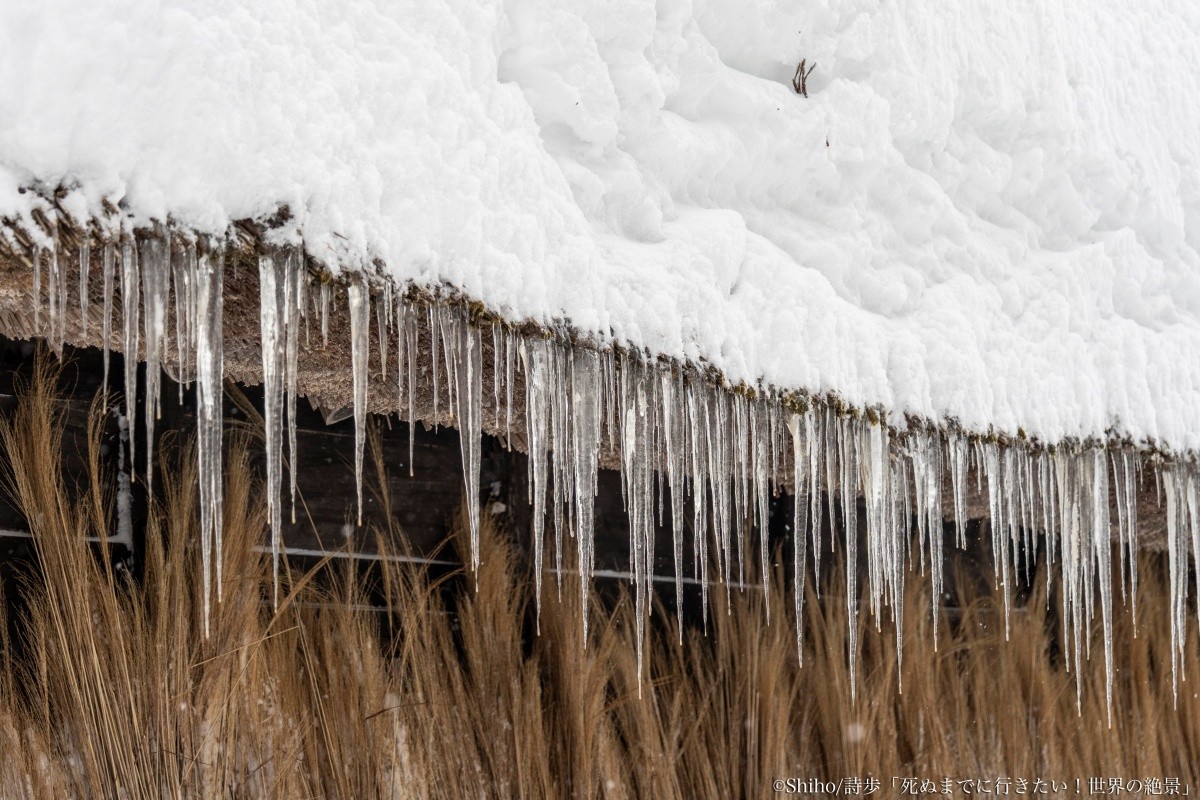
As you stroll through the village, you can enjoy the fun of walking on snow and take photos of the world enveloped by snow and gassho-zukuri houses. Whether it’s the snow piled on the roofs or the icicles forming along the eaves, every scene is picture-perfect. Some of the houses in the village are still inhabited, and the way of life that has been passed down for hundreds of years continues here to this day. Walking along the narrow snow-covered alleys, you can feel a tranquility as if time is flowing slowly.
Day 1 14:30 - Gokayama Restaurant Gorobei
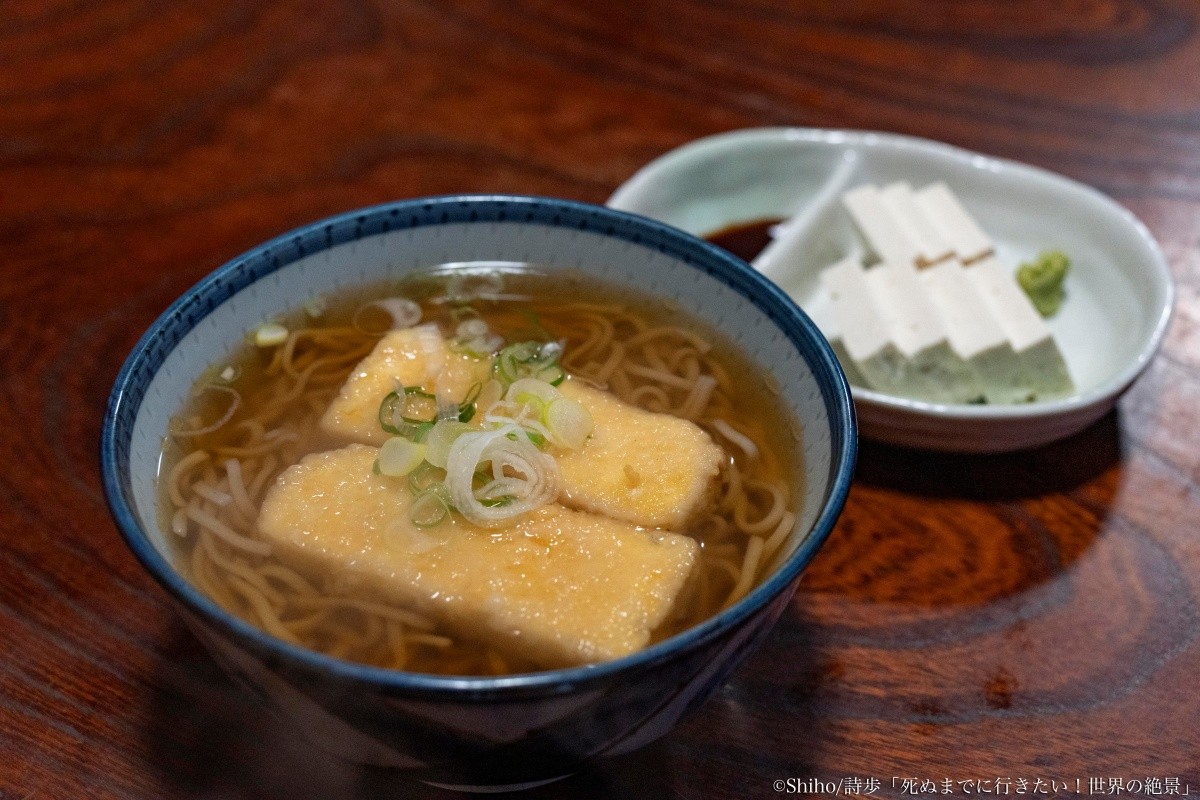
There are four restaurants where you can dine inside gassho-zukuri houses. This time, we visited “Gokayama Restaurant Gorobei,” which is run by locals. Shiho’s recommended Gokayama specialties are “agedashi tofu soba” and “gokayama tofu sashimi,” both made with the famous Gokayama tofu. Normally, tofu is known for its softness, but this Gokayama tofu is so firm that it’s said “it won’t lose its shape even if tied with rope”—and I could see why!
According to the locals, Gokayama’s unique food culture, which developed when the area was once called an “isolated land,” is still alive today. “Gokayama Tofu,” salt-grilled “Iwana” (Japanese char) raised in clear streams, and the local sake “Sanshoraku” are must-tries. Autumn vegetables such as daikon radish and red turnip are also recommended.
Gokayama Restaurant Gorobei
Official Website: https://www.goro-bei.com/
Day 1 17:00 – Gokayama Light-up
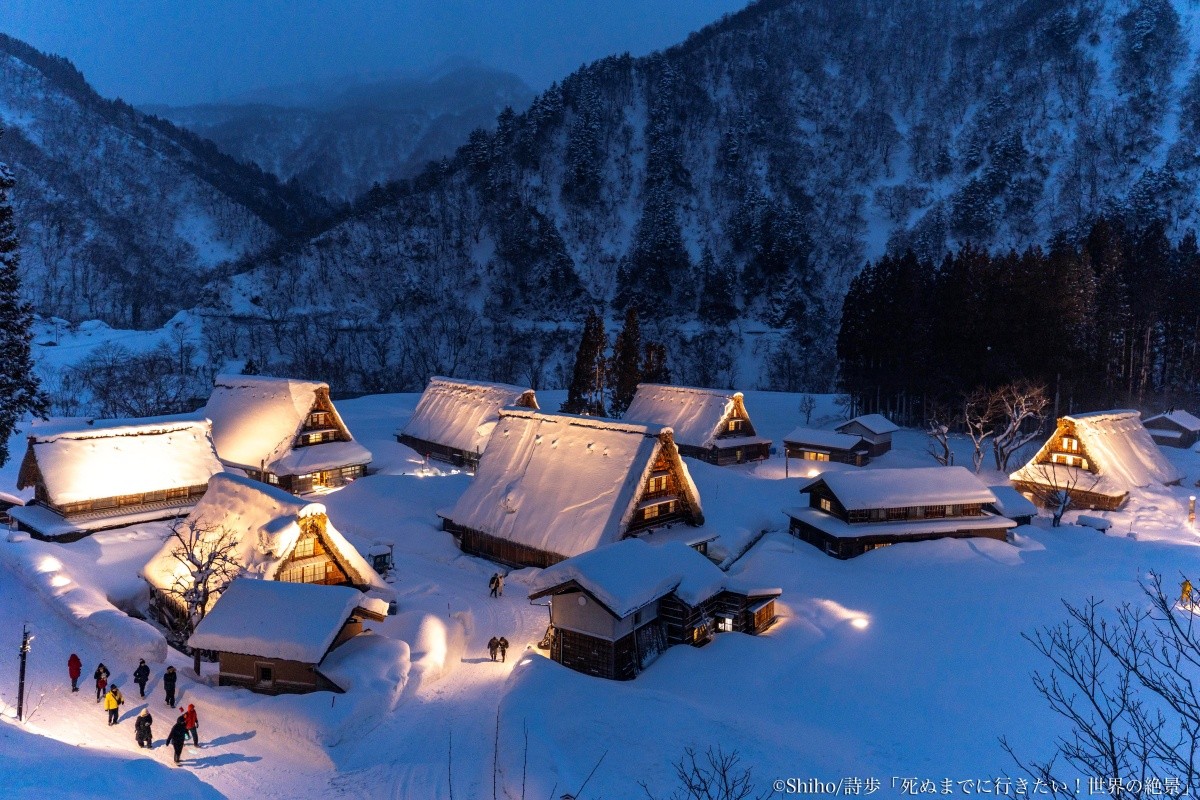
In winter, both the Ainokura and Suganuma villages host the limited-time “Gokayama Light-up” event. The event dates vary each year, and the schedule and production differ for each village. The location where these stunning photos were taken was Suganuma Village.
The sight of gentle light spilling from the windows of steeply sloped roofs blanketed in pure white snow, with the village floating in the darkness of night, is truly magical—almost as if it belongs to another world. Compared to Shirakawa-go in neighboring Gifu Prefecture, Gokayama attracts relatively fewer tourists, allowing you to enjoy the majestic scenery in serene silence—a unique luxury that only Gokayama can offer.
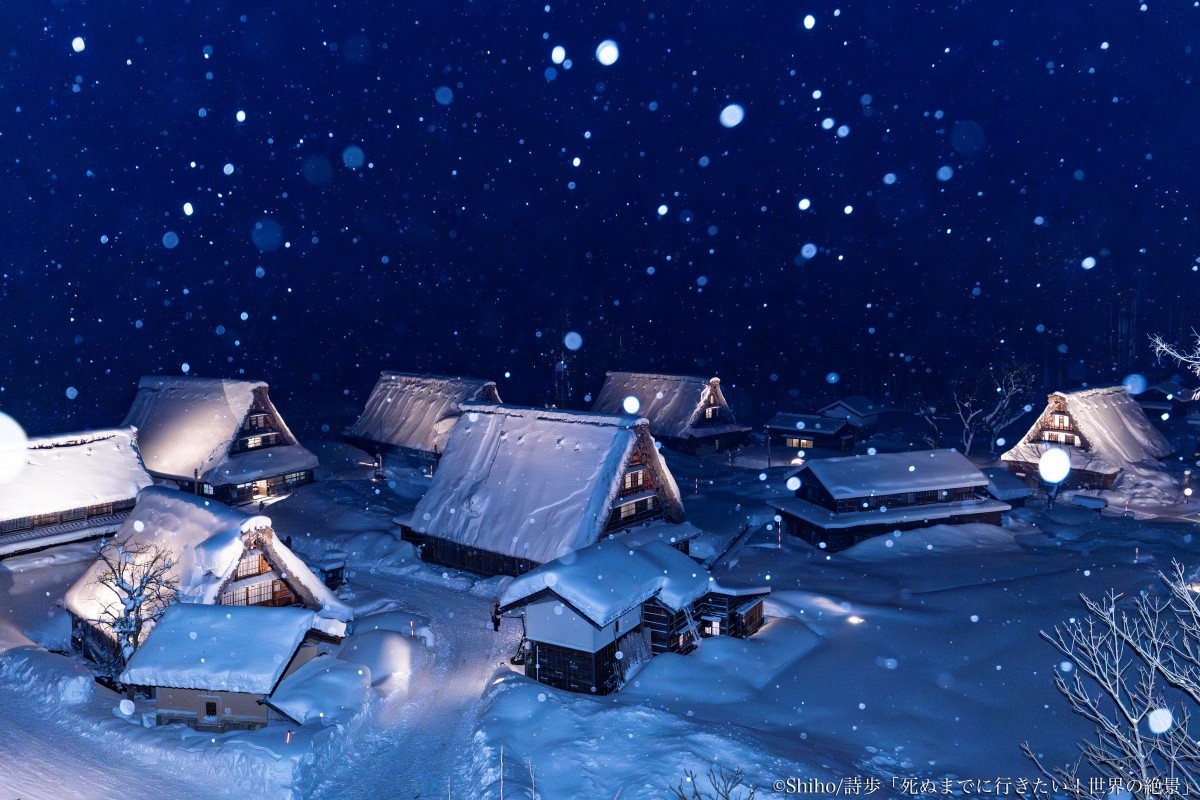
The best spot for photography is partway up the sidewalk along the national highway, where you can get an overhead view of the village. By avoiding the three houses in the foreground and shooting from near the center, you can achieve a well-balanced composition. I also recommend shooting during the blue hour, when the mountains in the background are beautifully visible.
💡Tips for Photographing Snowy Scenery from scenic producer Shiho (for DSLR cameras)
① For night photography, using a tripod will help you capture clearer images.
② If you want to capture falling snow as round particles, use a flash or strobe!
③ To emphasize the blue of the sky, adjust the white balance to shift the color tone toward blue.
Day 1 Accommodation – Gokayama Gassho-no-Sato Arai-ke
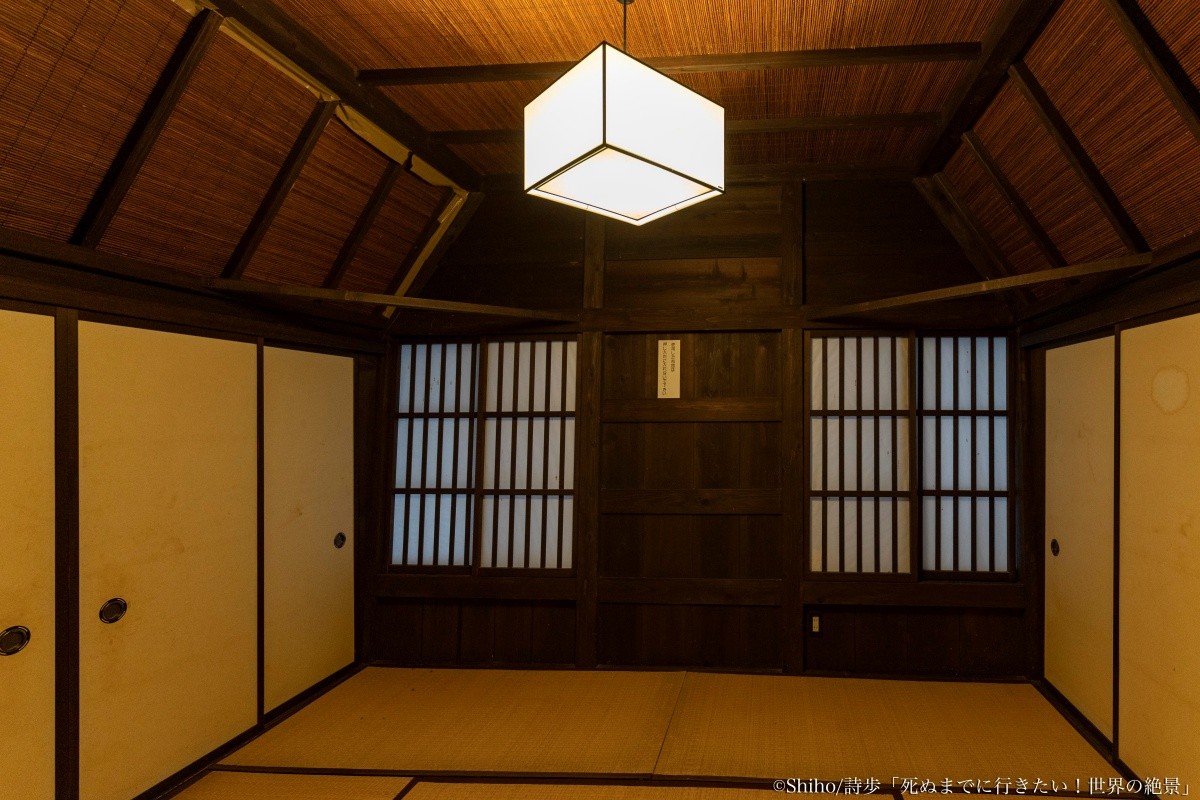
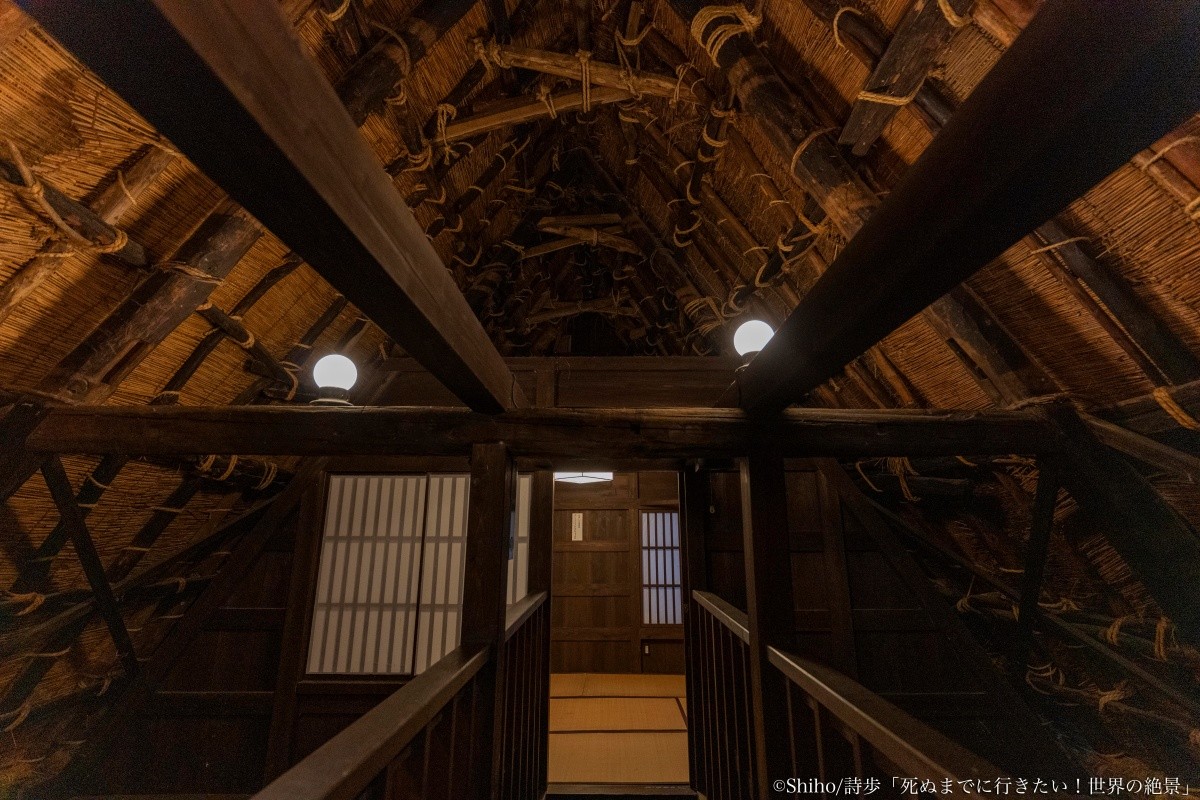
If you visit Gokayama, staying overnight in a privately rented gassho-zukuri cottage is a must-try experience. This time, I stayed at “Gokayama Gassho-no-Sato Arai-ke.” Spending a night inside an authentic gassho-zukuri house is a rare and precious opportunity. It allows you to explore during the quieter hours of night and early morning.
On the second floor, you can see up close the impressive thick beams and pillars of the ceiling, a testament to the wisdom and skill of those who came before us. While dinner is not provided, there is an irori (traditional hearth), so you can bring local ingredients such as iwana (char) and enjoy a warm meal grilled over charcoal.
Gokayama Gassho-no-Sato Arai-ke
Official Website: https://www.gokayama.jp/stay/
Day 2 11:00 - Ainokura Gassho-zukuri Village (Observation Spot)
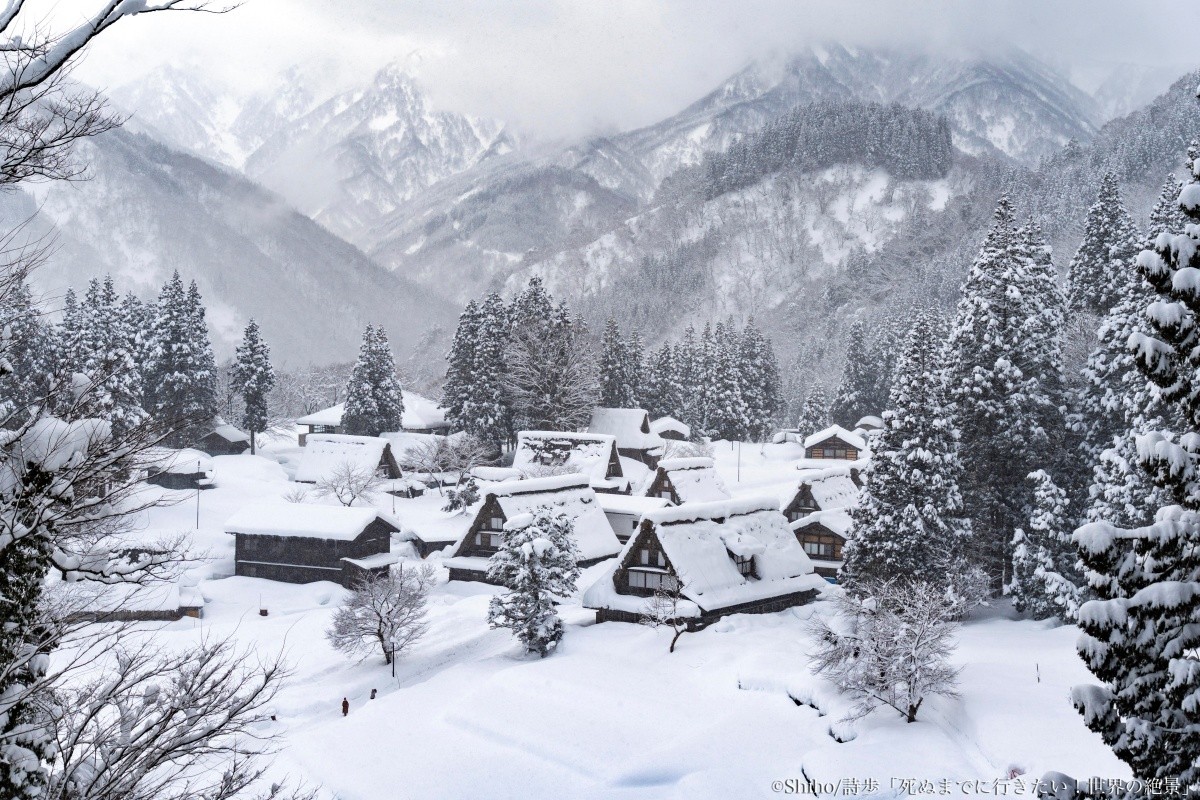
Ainokura Gassho-zukuri Village
The next day, head to Gokayama’s other World Heritage site, Ainokura Gassho-zukuri Village.
Like Suganuma Village, Ainokura also has various tourist facilities such as guesthouses and restaurants scattered throughout. While Suganuma has nine gassho-zukuri houses, Ainokura has 20 gassho-zukuri houses lined up. Climb the path to the observation spot for about 5–10 minutes, and you’ll be rewarded with a panoramic view of the snow-covered gassho-zukuri village below. The scenery here is different from Suganuma, allowing you to enjoy the unique charm of each village.
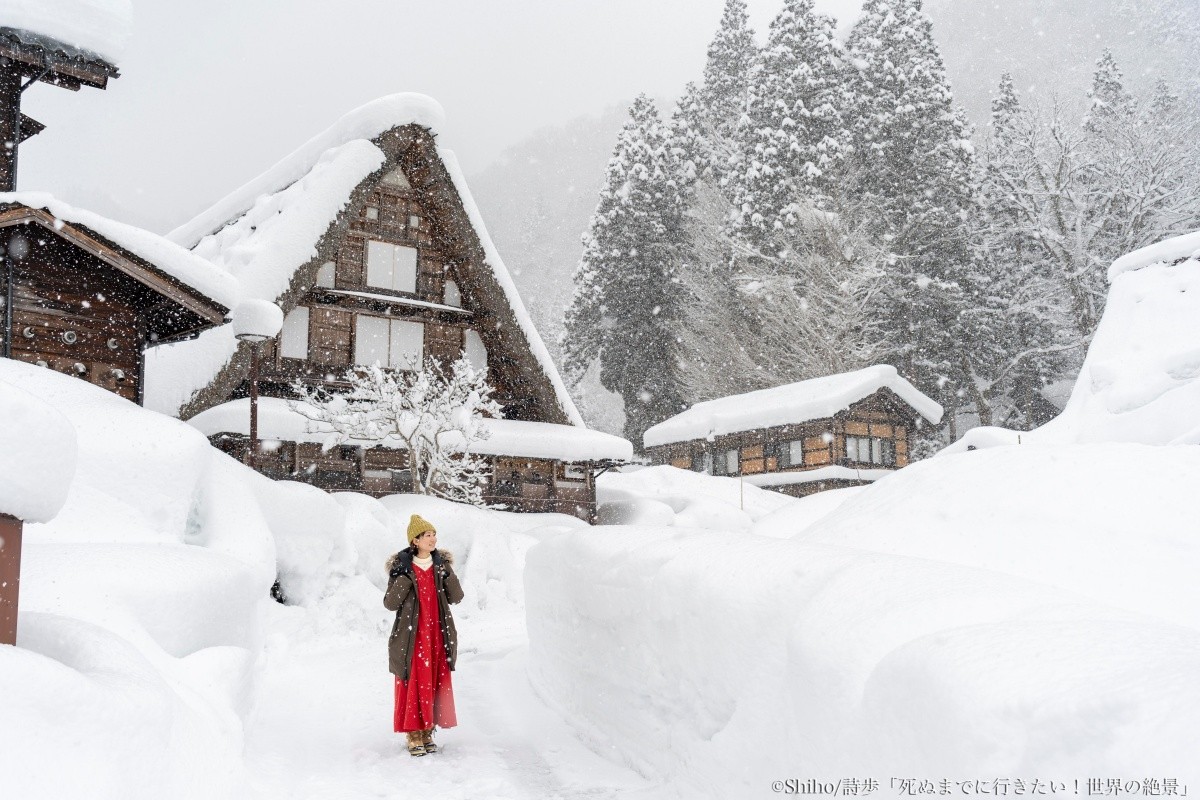
It’s the perfect spot for those who want to take photos with the snowy gassho-zukuri houses as a backdrop while enjoying their various architectural styles. Since this is a heavy snowfall area, wearing clothing in a standout color will help highlight the depth of the snow in your photos.
Day 2 13:00 - Shogawa Gorge: Sightseeing Boat
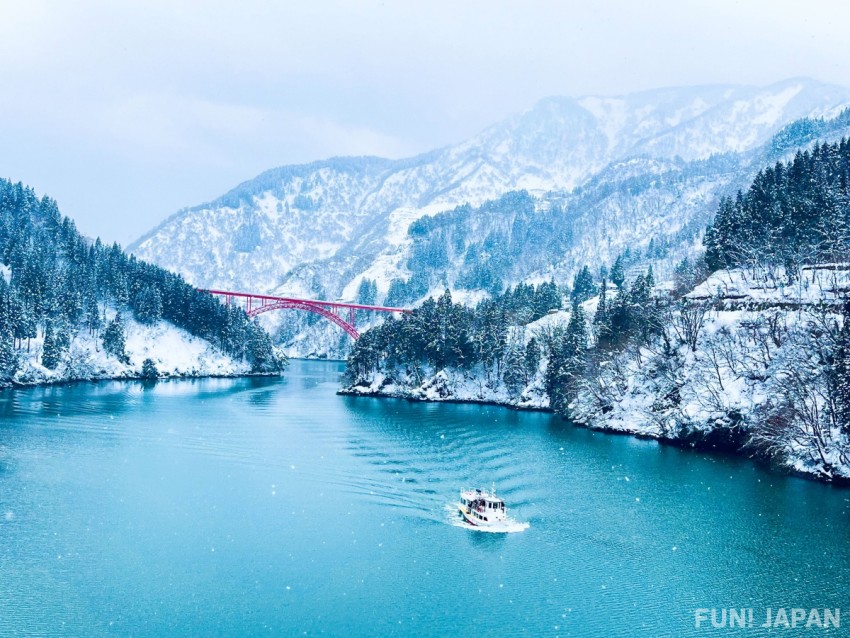
If you’re visiting Gokayama, another place you should definitely add to your itinerary is Shogawa Gorge. In the days when Gokayama was an isolated region, the only means of transportation during winter was by boat across the Shogawa River.
Today, you can enjoy the seasonal beauty of the gorge aboard the Shogawa Gorge Sightseeing Boat. Especially in winter, the leisurely cruise through a snowy landscape reminiscent of an ink painting is breathtakingly beautiful and will make you forget your everyday life.
💡Travel Tips from JTB, the Travel Professionals
There is a hidden hot spring inn, Oomaki Onsen Kanko Ryokan, which can only be reached by the Shogawa Gorge Sightseeing Boat. If you’re interested in secluded spots, try the “Oomaki Onsen Course” on the Shogawa Gorge Sightseeing Boat to visit Oomaki Onsen♪
Oomaki Onsen Kanko Ryokan
Official Website: https://www.oomaki.jp/
Day 2 15:00 - 19HITOYASUMI: Gokayama Bobera Mont Blanc
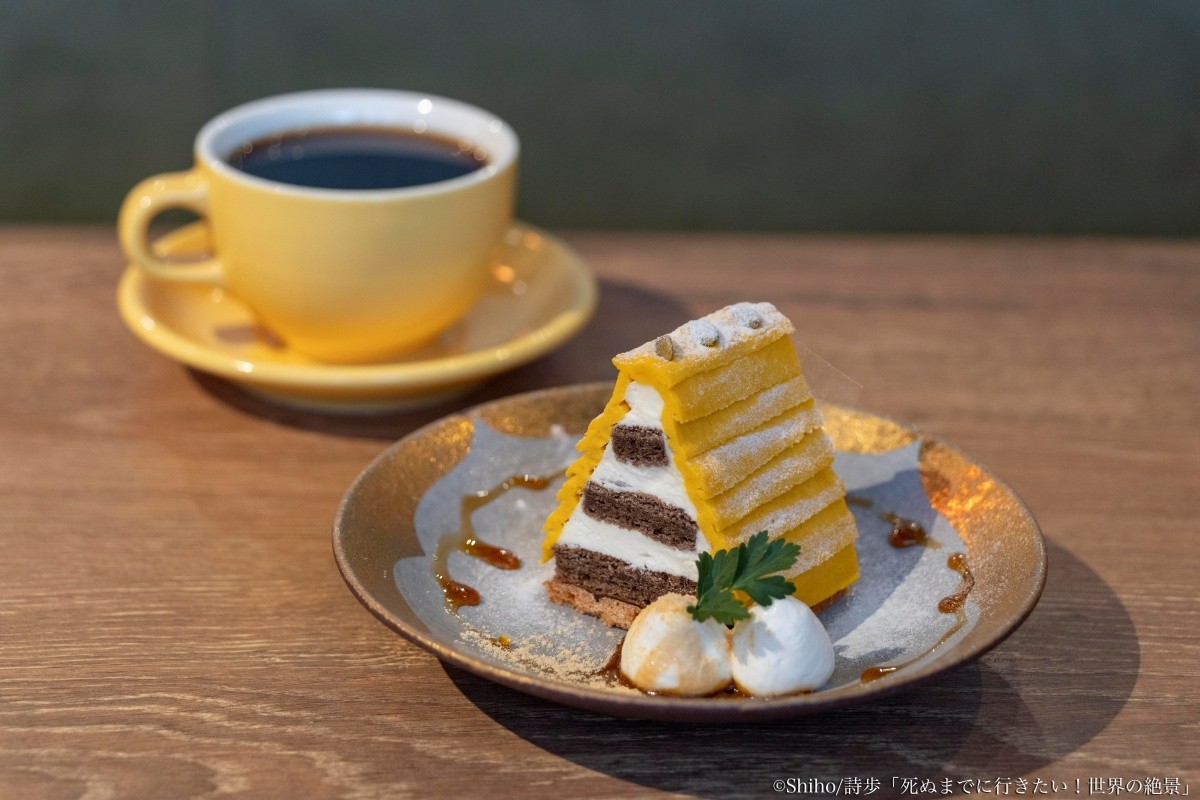
A café you’ll want to stop by at the end of your trip. With its high ceilings and spacious atmosphere, you can enjoy handmade sweets and house-roasted coffee.
The recommended item is the Mont Blanc made with “Bobera,” a pumpkin specialty of Gokayama. Its adorable appearance, inspired by the gassho-zukuri houses, is also part of its charm. The gentle sweetness is accented with a hint of rum, making it a treat for adults.
19HITOYASUMI
Official Website: https://19hitoyasumi.shop/
The Allure of Gokayama, as Told by Scenic Producer Shiho
The Miraculous “Few Minutes” She Waited for in a Blizzard
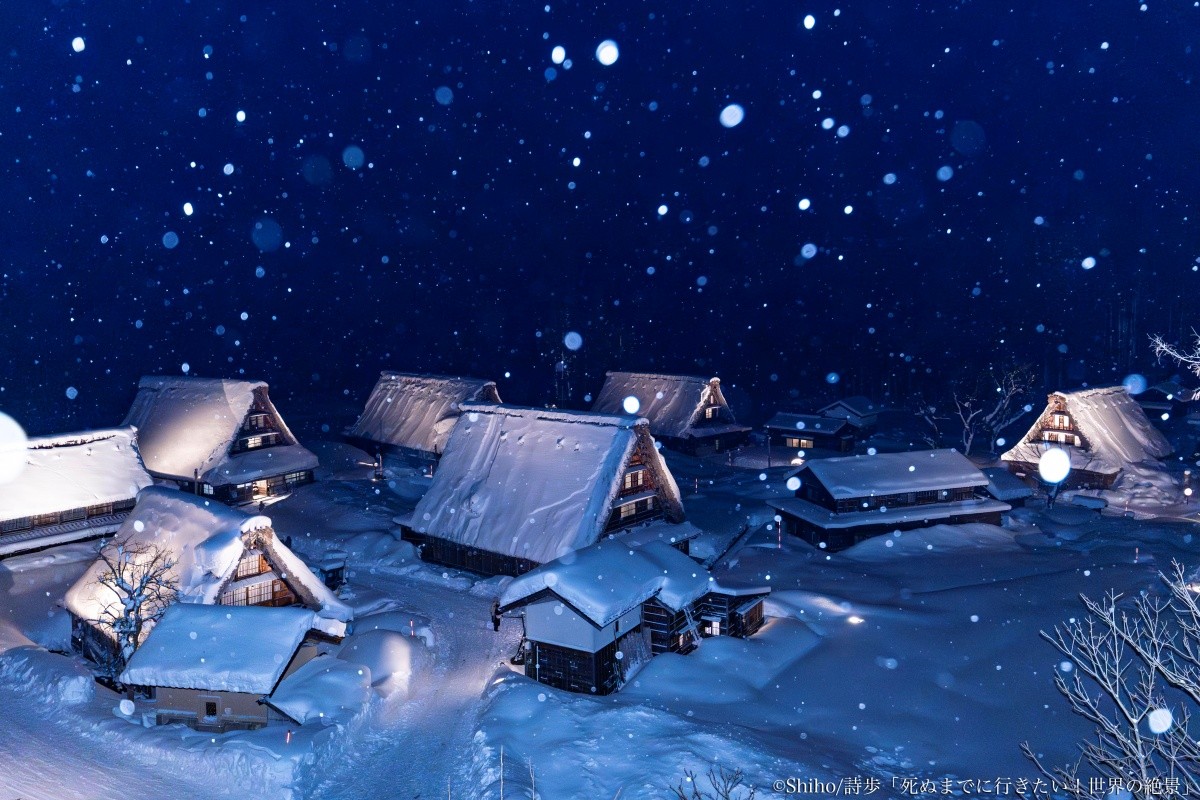
In fact, this photo shoot was far from easy. At 5:00 p.m., when the illumination began, a blizzard hit the area, and we were forced to abandon the shoot and take shelter. However, Shiho didn’t give up. Constantly checking the weather forecast and the conditions outside, she seized the moment when the blizzard briefly subsided and returned to the shooting spot.
“The way the snow falls changes every moment depending on the strength of the wind and the size of the snowflakes. To capture the ‘perfect shot’ I envision, it’s most important to persist until the very end.”
Shiho says. She persevered outdoors in subzero temperatures until the illumination ended at 8:00 p.m., continuing to press the shutter despite the freezing cold. That’s how she captured this photo, which conveys both tranquility and warmth.
A Different Charm from Shirakawa-go: The “Beautiful Japanese Scenery” of Gokayama’s Suganuma Village
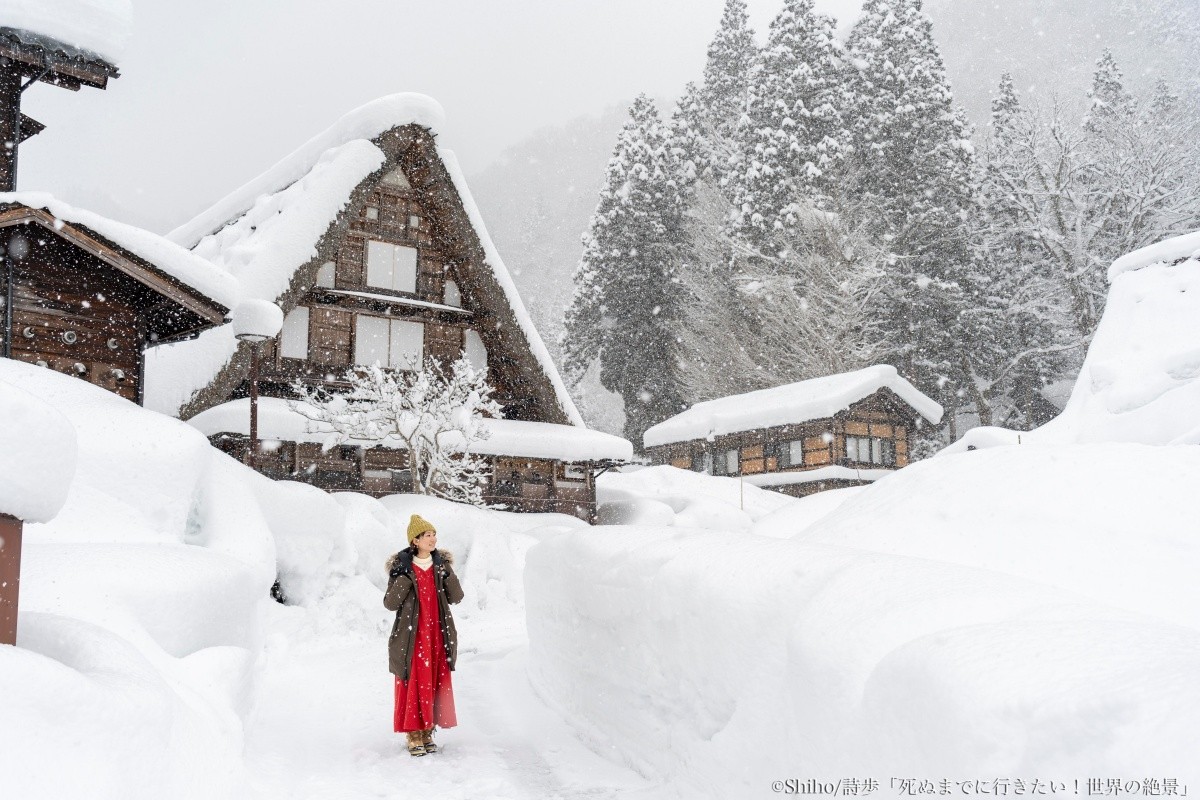
Shiho shared that Suganuma Village in Gokayama, where she photographed this time, has a unique charm as a “living World Heritage Site” where people’s lives still continue today.
“The beautiful scenery was born as a result of the village being formed to take advantage of the unique terrain. The beauty of this landscape isn’t artificial; there’s a story behind why it took this form out of necessity, and I find beauty in that narrative.
And most importantly, there are still people actually living in those thatched-roof houses. You can feel the emotions of the residents and the hardships of living deep in the mountains—those human aspects. Because it hasn’t been overly commercialized as a tourist spot, you can feel these essential qualities even more deeply. That’s one of the greatest appeals of the Gokayama region.”
She also said that this trip became an opportunity to discover a new side of Gokayama compared with her previous visits.
“I have visited Toyama in winter several times before, but this time, since I visited on a particularly snowy day, I was able to get a deeper sense of how the local residents live during winter. Even on such a heavy snow day, I was reminded that Gokayama, which is easily accessible from Tokyo by Shinkansen and bus, is a highly recommended destination for tourists seeking snowy landscapes.”
Gokayama
- Address:
- Ainokura Gassho-style Village: Ainokura, Nanto City, Toyama Prefecture
- Suganuma Gassho-style Village: Suganuma, Nanto City, Toyama Prefecture
- Access:
- From Komatsu Airport: [Bus] About 40 minutes by Komatsu Airport Limousine Bus to Kanazawa Station, then about 1 hour by Hokutetsu Bus (reservation required) from Kanazawa Station
- From Tokyo Station: [Train & Bus] About 3 hours by Hokuriku Shinkansen to Shin-Takaoka Station, then about 1 hour 5–20 minutes by World Heritage Bus from Shin-Takaoka Station to “Suganuma” or “Ainokuraguchi”
- Illumination Information:
- From dusk to 8:00 p.m. (held about five times a year)
- For detailed schedules and more information, please check the official website
https://gokayama-info.jp/
Other Recommended Scenic Spots & Tourist Attractions in Toyama
Besides Gokayama, Toyama is dotted with breathtaking scenic spots.
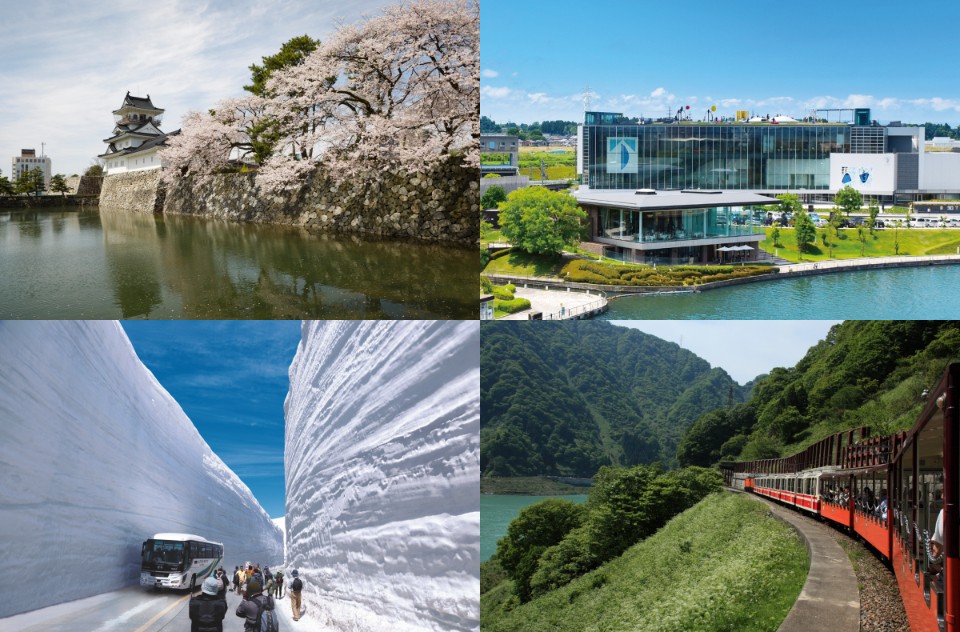
One especially recommended spot is Amaharashi Coast. It is a rare place in the world where you can see the 3,000-meter-class Tateyama Mountain Range across the sea, and on clear winter days, you can witness the divine sight of the snow-capped mountains floating above the blue ocean. “Fugan Canal Kansui Park,” home to what is said to be the world’s most beautiful Starbucks, and the “Toyama Glass Art Museum” as an indoor scenic spot, are also highly recommended.
The true charm of Toyama lies in the fact that you can encounter stunning landscapes in the mountains, by the sea, and in the city alike.
🏨Book your stay with JAPANiCAN! 👉Click Here

Related Articles
- Toyama Sightseeing Guide|10 Classic Spots & Model Courses by Train and Bus Recommended by Locals
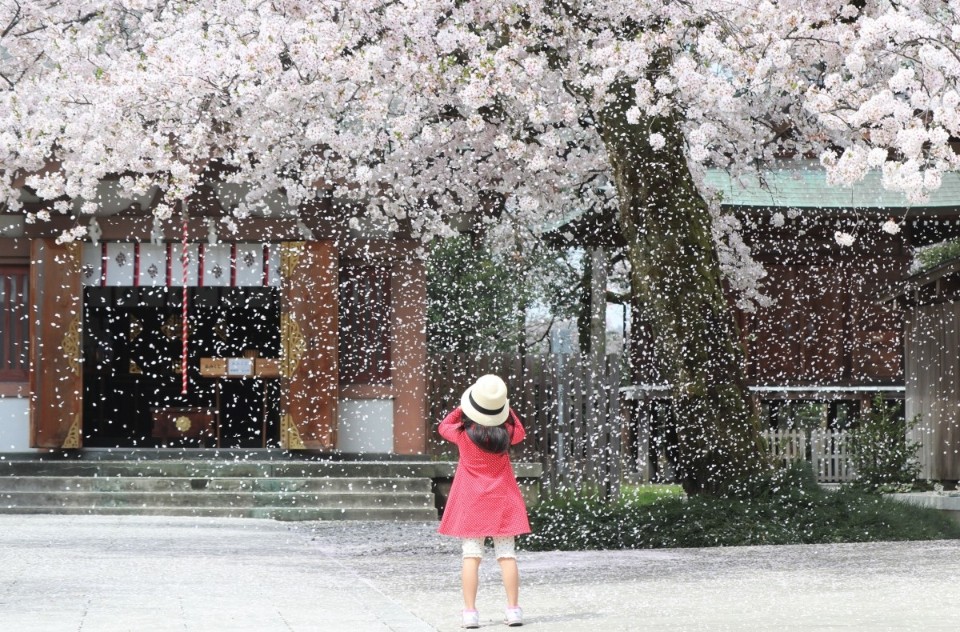
- 14 Best Cherry Blossom Spots in Toyama: A Local’s Guide to Stunning Photo Locations and Bloom Forecast
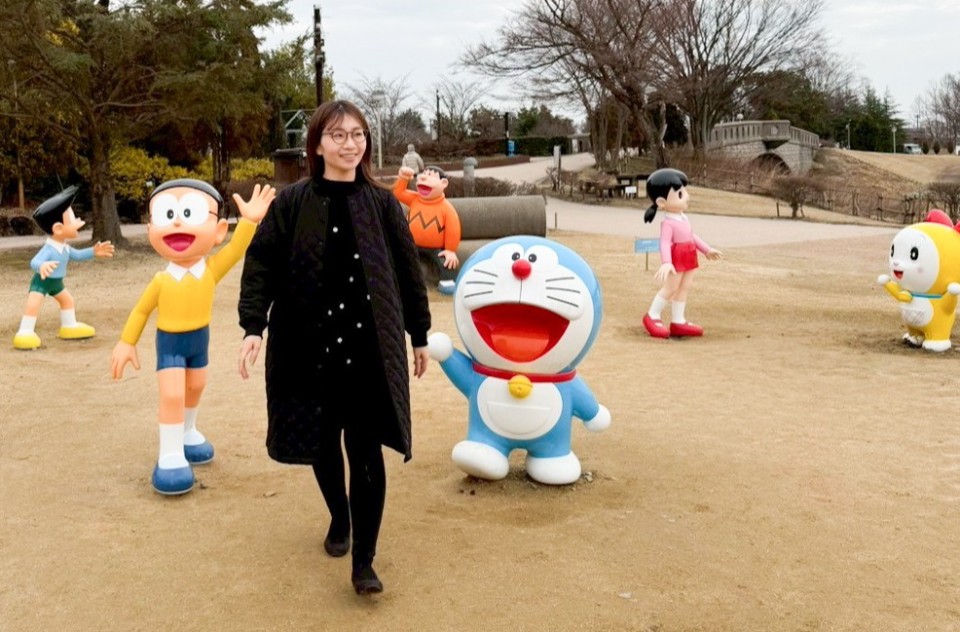
- If you're a Fujiko F. Fujio fan, head to Toyama! A complete guide to spots where you can meet the characters, souvenirs, and model courses
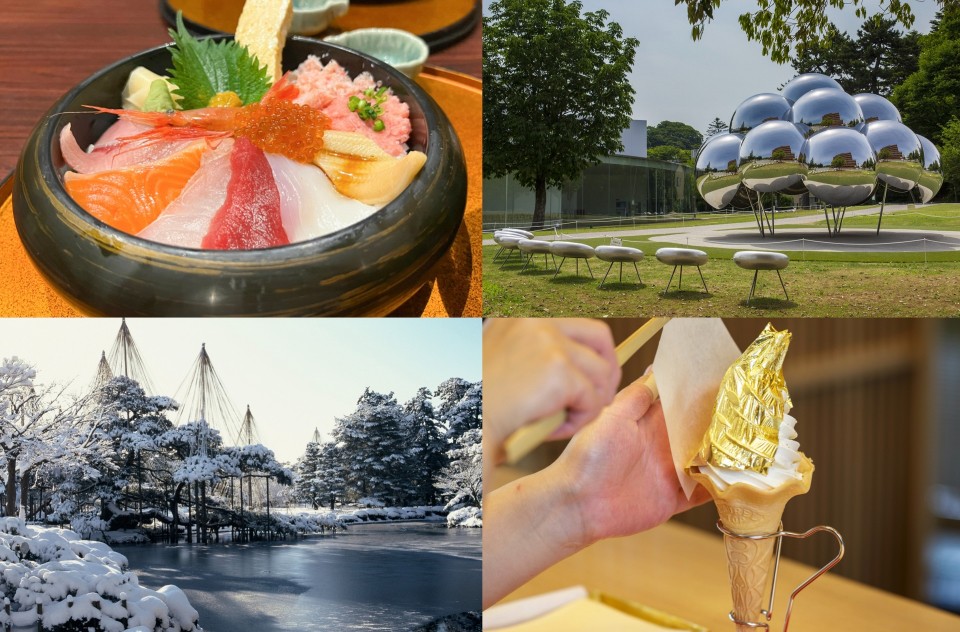
- A Complete Kanazawa Travel Guide by Locals: Hidden Gems, Must-Try Instagrammable Food, and a 2-Day/1-Night Model Itinerary
- [Gifu] Shirakawa-go Through the Four Seasons: Stunning Scenery, Things to Do, and Best Photo Spots
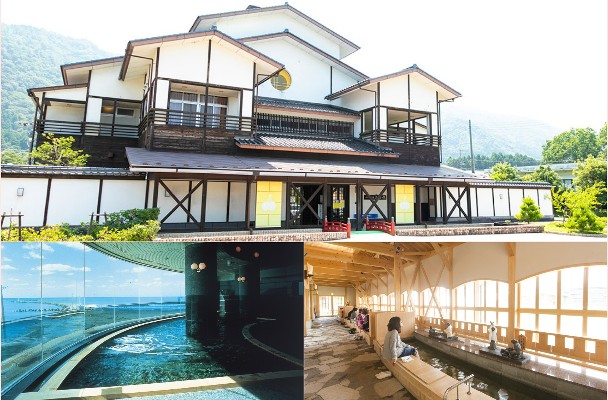
- 3 recommended hot springs in Fukui Prefecture, Japan! Is the hot spring inn from Spirited Away here?!
【Tohoku’s Breathtaking Views】Vote to Win a Digital Gift👇👇👇


Comments