
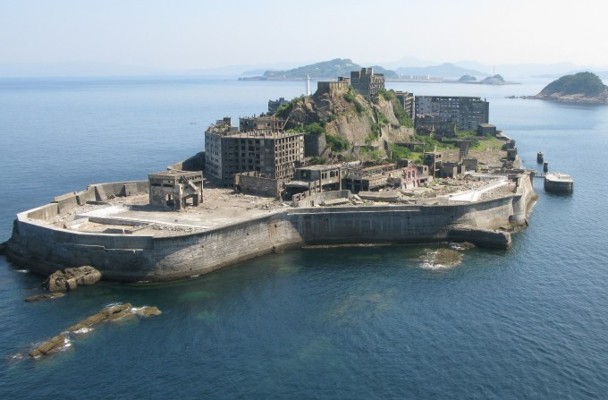
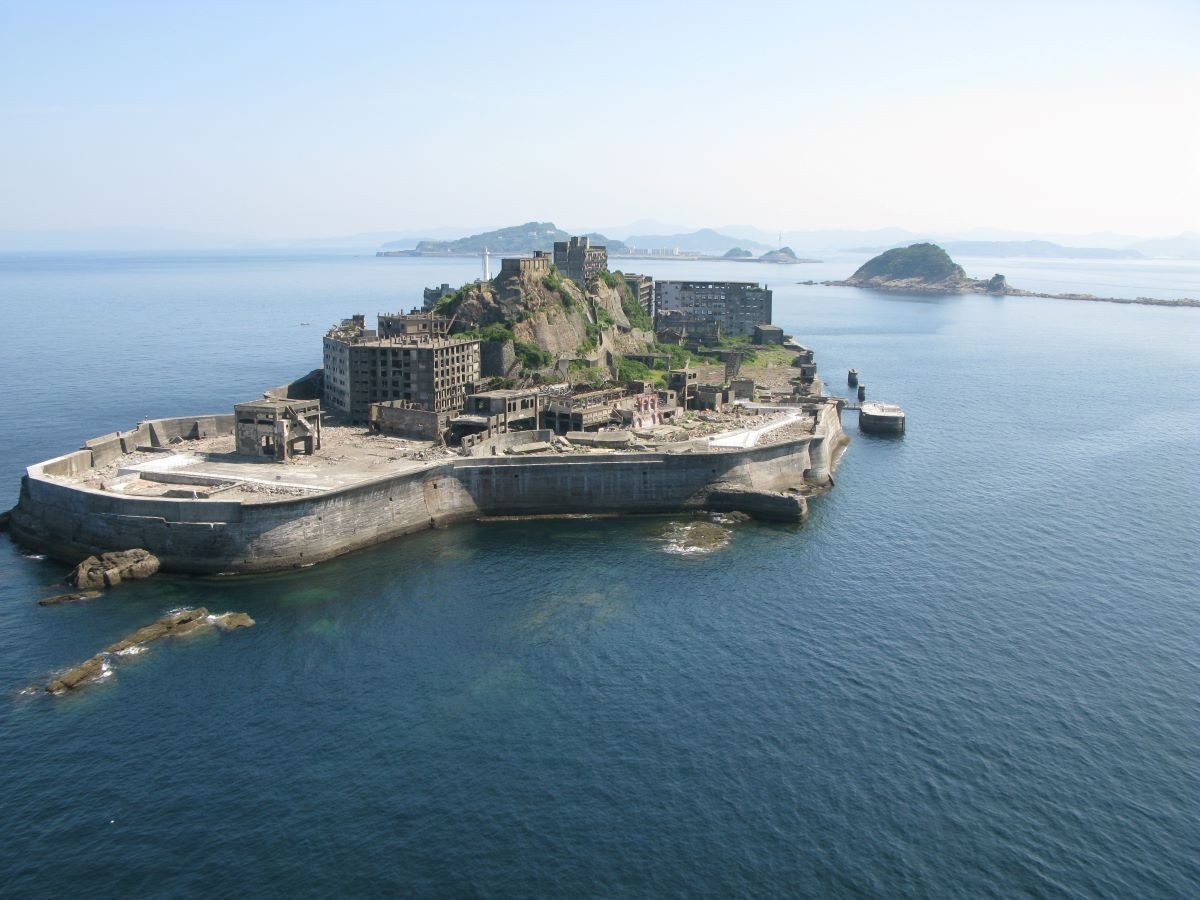
Located about 19 km southwest of Nagasaki Port, “Gunkanjima” (officially known as Hashima) has become one of Nagasaki’s most popular tourist destinations, attracting visitors from all over the world since it was registered in 2015 as part of the UNESCO World Cultural Heritage "Sites of Japan’s Meiji Industrial Revolution."
However, Gunkanjima is not a place that just anyone can visit at any time. Landing on the island individually is prohibited, and only those on designated tours are allowed to set foot on the island.
This article provides a detailed guide to Gunkanjima’s history, how to book a landing tour, sightseeing highlights, and important tips to help you avoid disappointment, all based on the latest information as of 2026.
*If you purchase or book products introduced in this article, a portion of the sales may be returned to FUN! JAPAN.
🚅Book your Shinkansen tickets with NAVITIME Travel! 👉Click here
🛫Book your flight tickets with NAVITIME Travel! 👉Click here
🏨Book your stay with JAPANiCAN! 👉Click Here
What Is Gunkanjima (Hashima)? History and Key Facts You Should Know
Why is it called "Gunkanjima"?
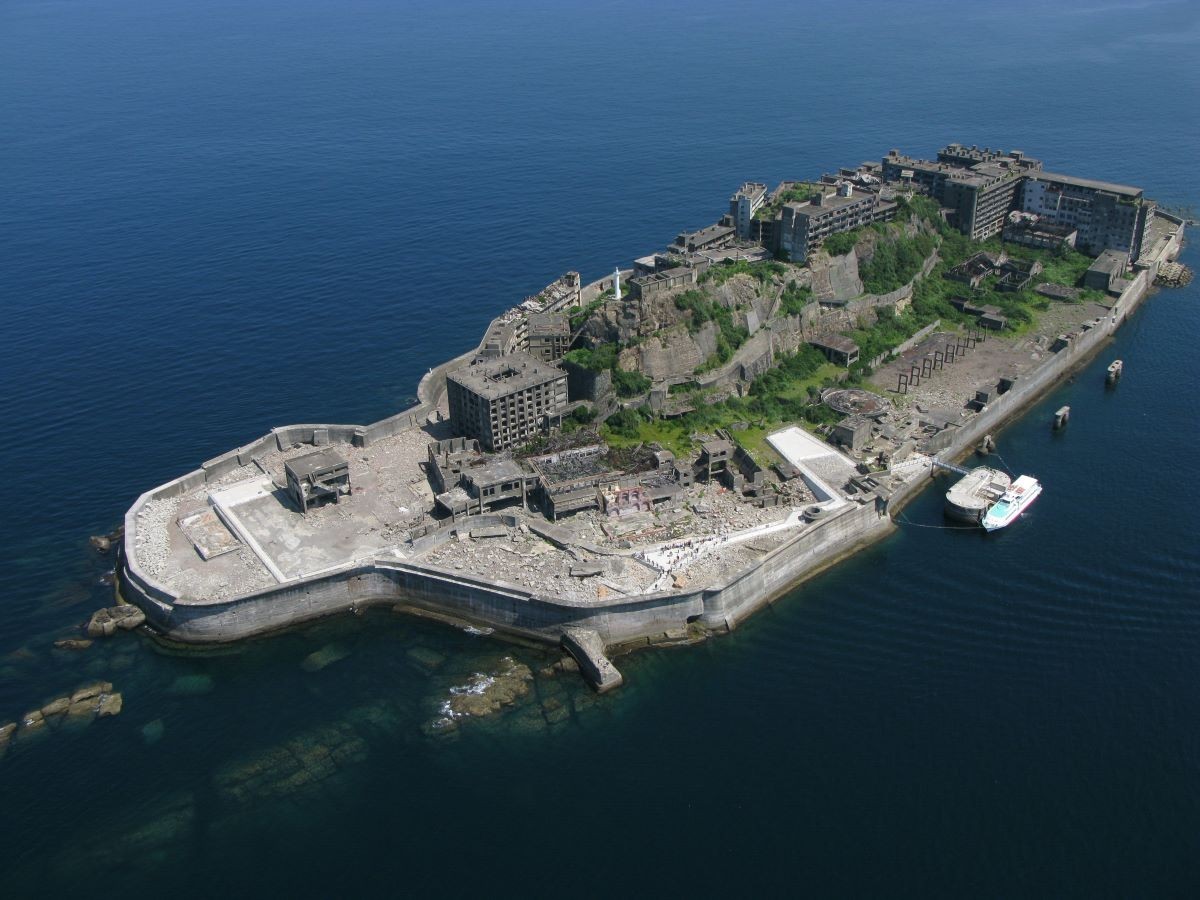
“Gunkanjima” is a small island floating in the Goto-nada Sea, about 19 km southwest of Nagasaki Port by boat, beyond Iojima, Takashima, and Nakanoshima. It is a very small uninhabited island, about 160 meters wide and 480 meters long. Its official name is "Hashima," but because its silhouette, lined with high-rise apartment buildings, resembles the former Imperial Japanese Navy battleship “Tosa,” it came to be called "Gunkanjima" (Battleship Island).
Once One of the Most Densely Populated Places in the World
The Development of the Coal Mine
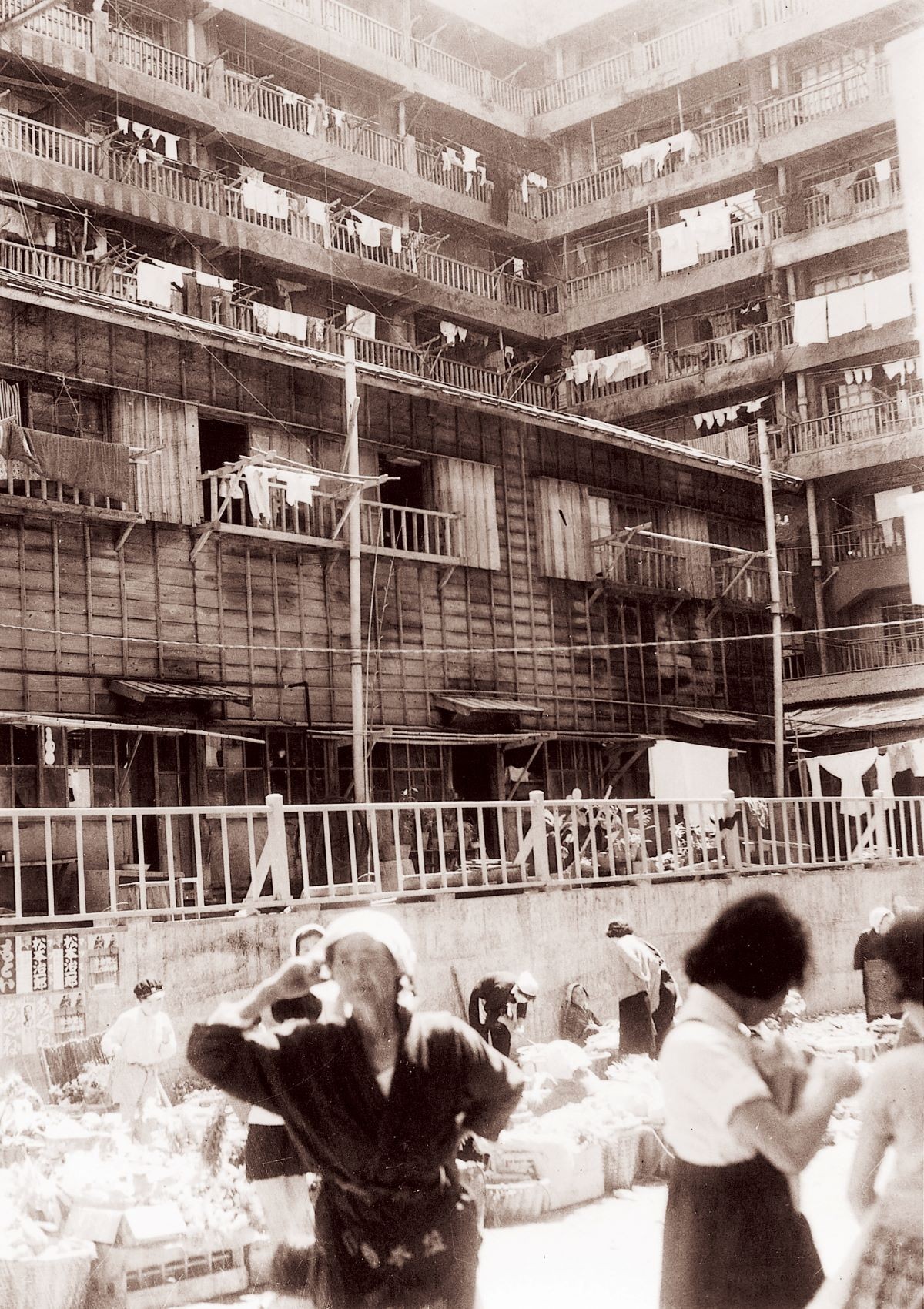
Coal was discovered around 1810 in the late Edo period, and from 1890, the island developed into a full-scale undersea coal mine.
Modern Lifestyle Ahead of Its Time

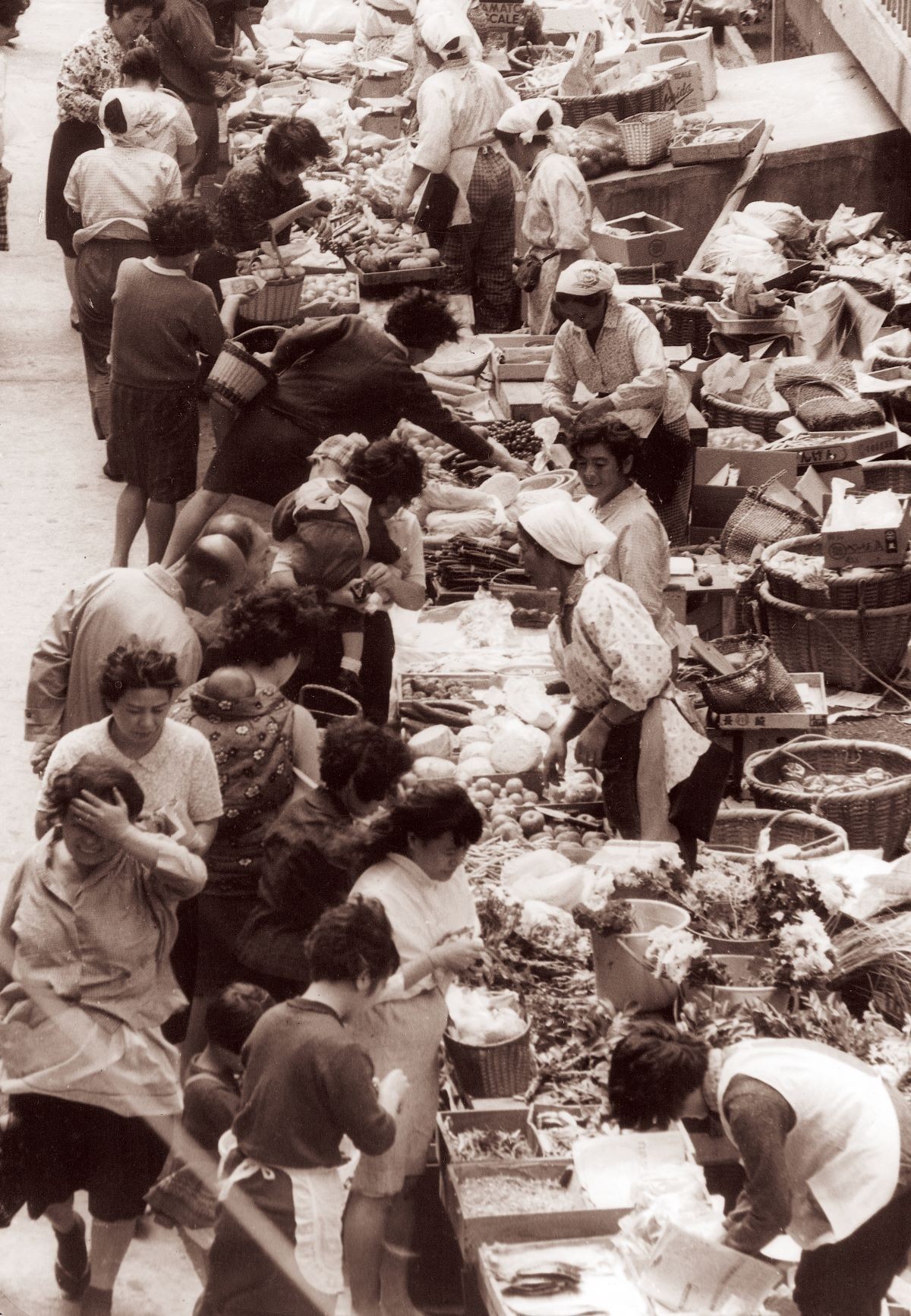
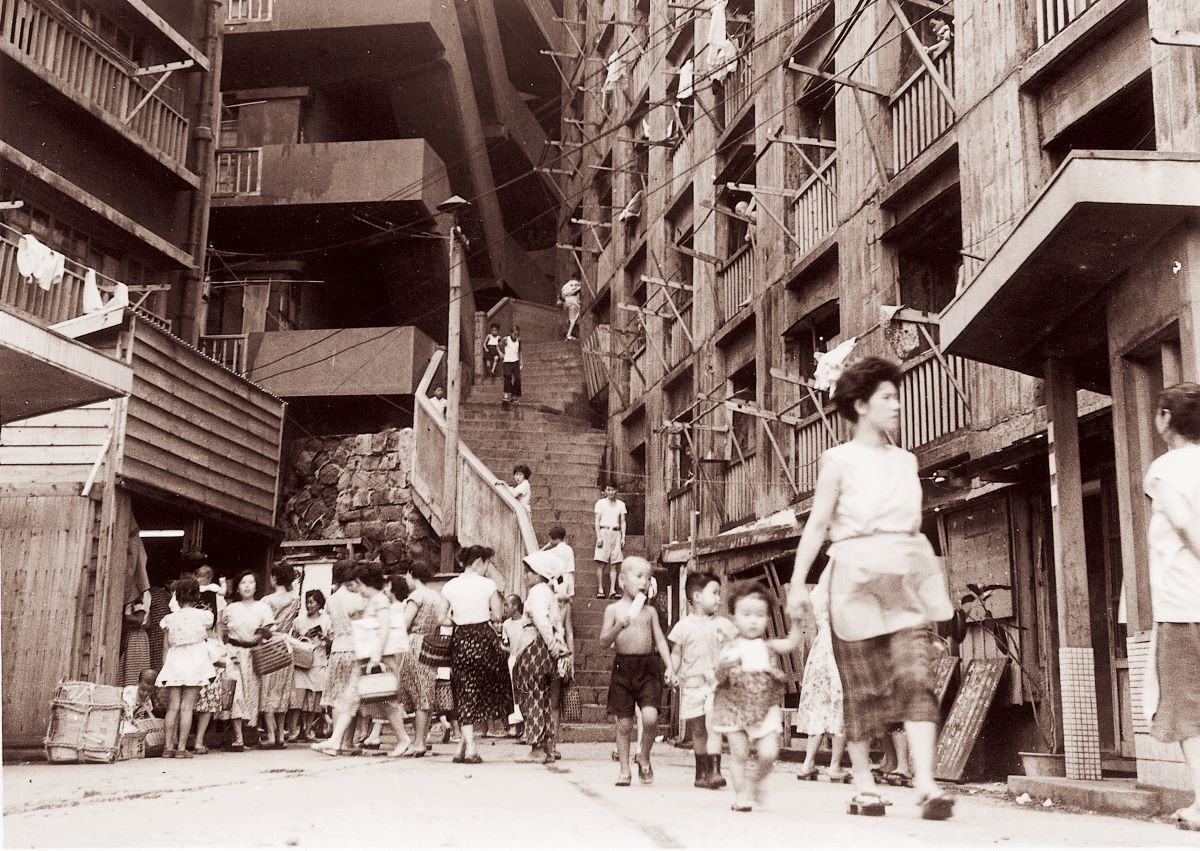
In 1916, Japan’s first reinforced concrete high-rise apartment building was constructed. The island was equipped with schools, hospitals, a movie theater, and even a swimming pool filled with seawater. At its peak in the 1960s, about 5,200 people lived there. Despite its small area of only 6.3 hectares, the population density was the highest in the world at the time (about nine times that of Tokyo’s 23 wards).
The Closure of the Mine and Becoming an Uninhabited Island
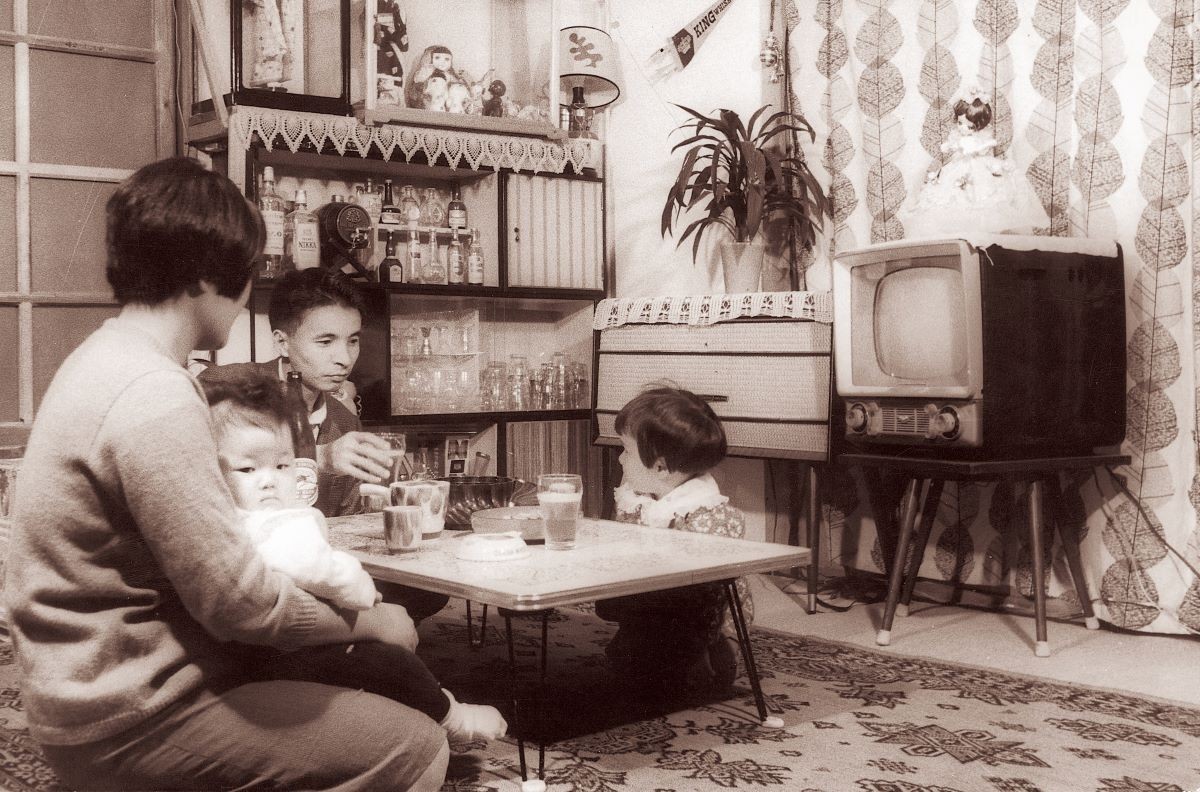
The miners on Gunkanjima earned high wages, and at one point, the island reportedly had the highest household television ownership rate in Japan. However, due to a shift in energy policy, the mine was closed in 1974. All residents left the island, and today it remains a "ruined island" where time has stood still.
[2026 Latest] How to Get to Gunkanjima and Book a Tour
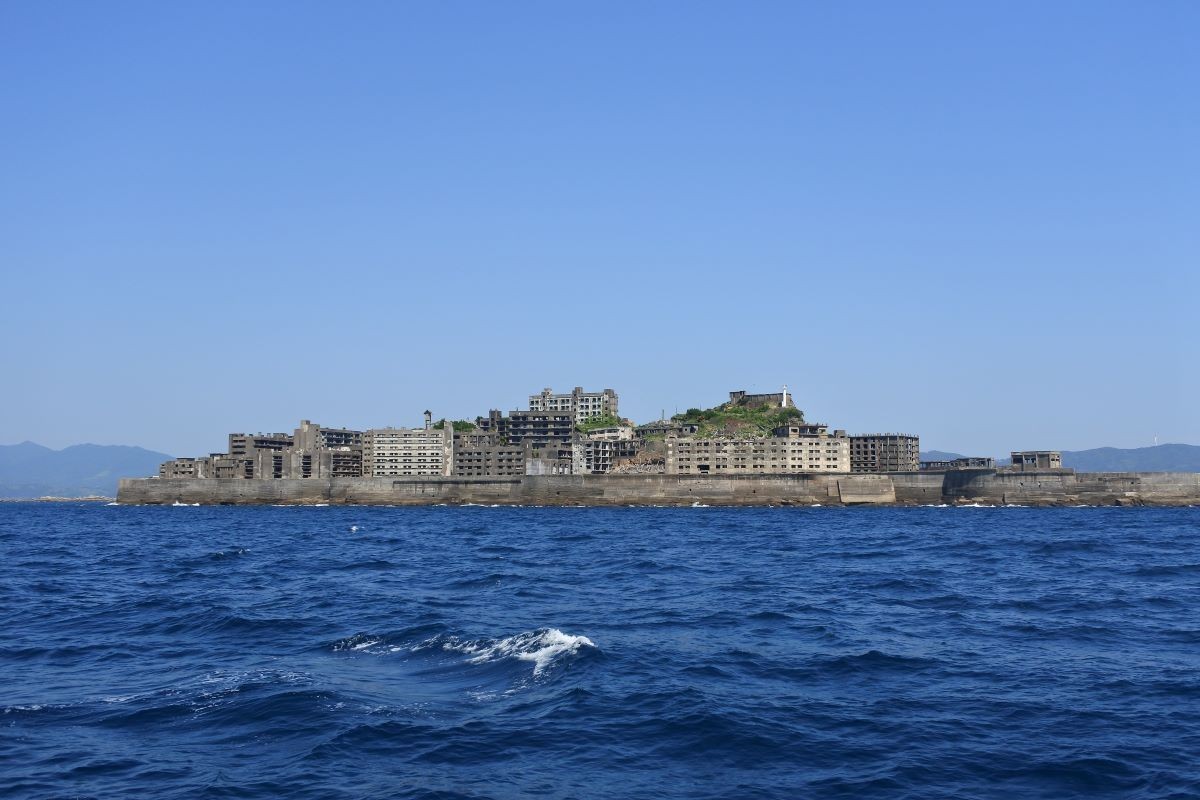
To visit Gunkanjima, you must join a "landing tour" operated by a private boat company authorized by Nagasaki City. As of 2026, with the increase in inbound (overseas) visitors, it is not uncommon for weekend and holiday tours to be fully booked several months in advance. However, please note that most tours are conducted primarily in Japanese.
Main Tour Operators
All companies depart from Nagasaki Port (Nagasaki Port Terminal or Tokiwa Pier).
- Yamasa Kaiun: Operates large vessels that are relatively stable in rough seas, making them ideal for first-time visitors.
https://www.gunkan-jima.net/ (Japanese, English, Traditional Chinese) - Gunkanjima Concierge: Popular for set plans that include the "Gunkanjima Digital Museum".
https://www.gunkanjima-concierge.com/ (Japanese, English, Traditional Chinese, Simplified Chinese) - Takashima Marine Transportation: Offers a course that stops at Takashima Island, where visitors can tour the Coal Museum.
http://www.takashima-kaijou.jp/ (Japanese only) - Seaman Shokai: Known for detailed explanations by veteran guides.
https://www.gunkanjima-tour.jp/ (Japanese only)
Tour Overview
- Price: Adults around 4,000–5,000 yen (includes boat fare and facility usage fee)
- Duration: About 2 hours 30 minutes to 3 hours (about 45 minutes one way by boat + about 1 hour on the island)
- Number of departures: Usually twice a day, morning (around 9:00) and afternoon (around 13:00).
Book Discounted Tours Here
Book with kkday 👉 Kyushu, Japan / Nagasaki|Gunkanjima Landing Tour & Digital Museum Visit
Book with klook 👉 Gunkanjima Cruise Tour (Departure from Nagasaki Tokiwa Terminal)
Highlights of the Gunkanjima Landing Tour
After landing, visitors are guided through three designated observation areas for safety reasons.
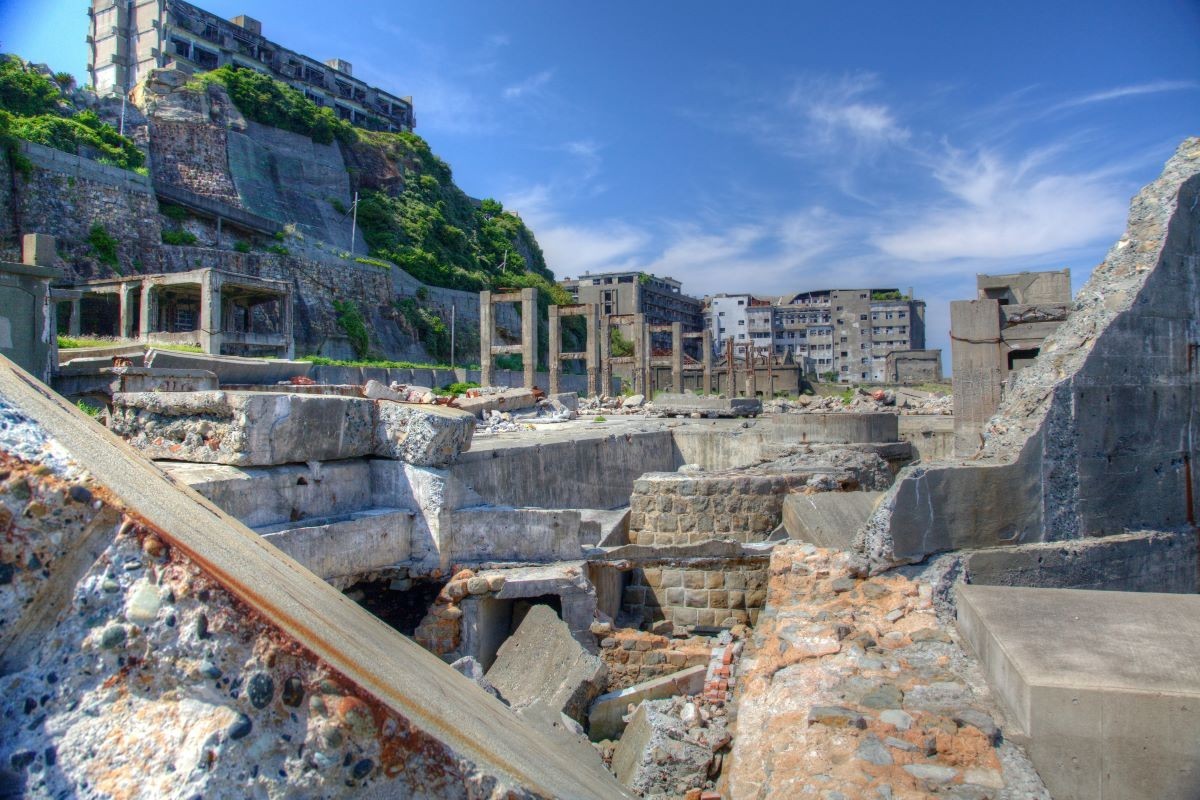
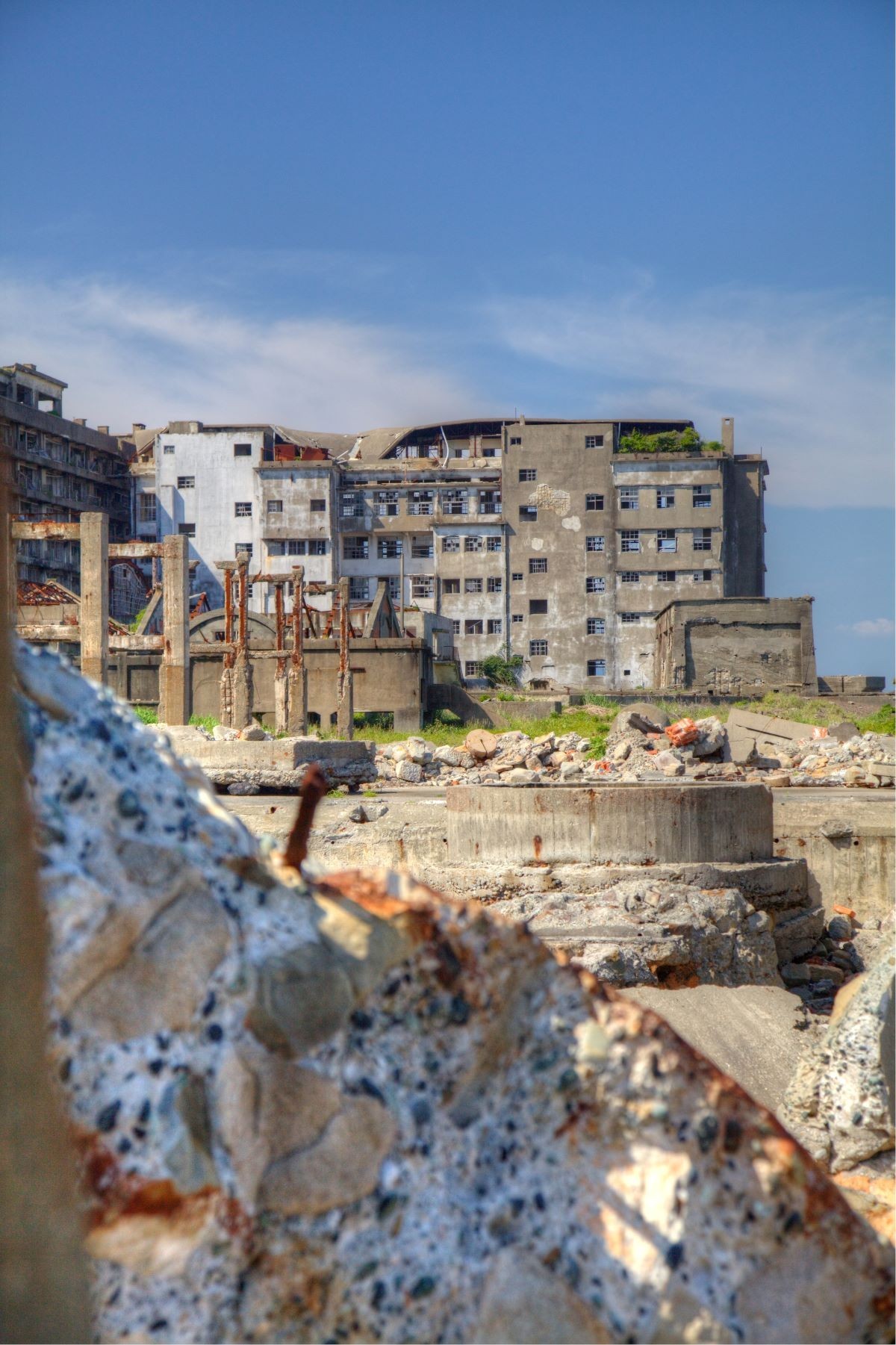
1. First Viewing Area: The Central Area that Supported the Island
This area is located just beyond the entrance pier known as “Dolphin Pier.” Here, visitors can see the remains of the coal storage area and Staff Apartment Building No. 3, where senior staff once lived. The island was once known as the “island without greenery,” but now you can see a fantastic scene where plants are overtaking the buildings.
2. Second Viewing Area: Brick Ruins
This area features the brick walls of the "General Office," which was the core of the coal mine's operations. Inside, there was also a huge communal bath for the miners. The texture of the crumbling bricks gives you a real sense of the passage of time.
③ Third Viewing Area: Japan’s Oldest Reinforced Concrete Apartment Building on the Brink of Collapse
The main highlight here is Building No. 30, Japan’s first reinforced concrete high-rise apartment, built in 1916. As of 2026, the building is rapidly deteriorating due to age, and it may only be possible to see it in its current state for a few more years. The remains of the adjacent residents’ swimming pool are also worth a look.
【Special Feature】"Cruise Tour" from the Ship
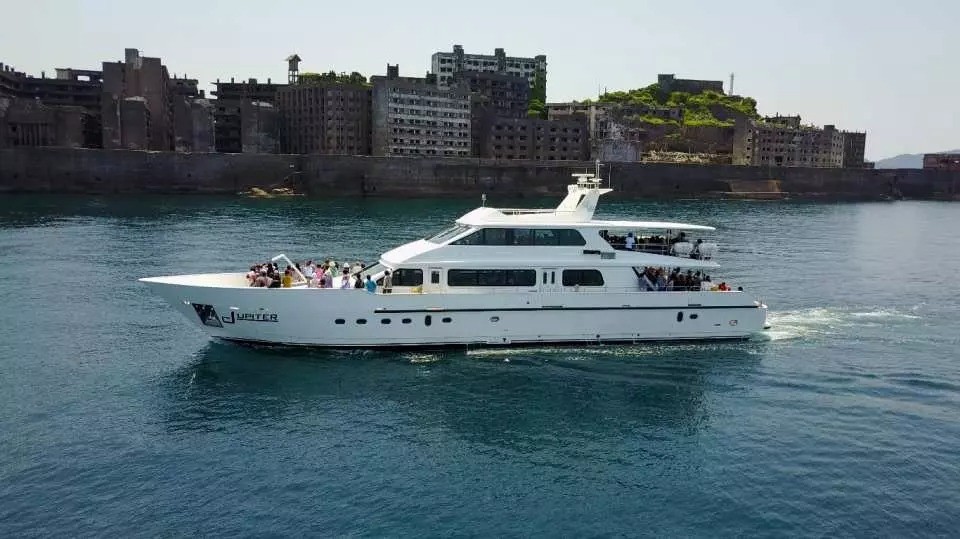
The cruise circles the western side of the island, which cannot be seen from the landing route. It’s a perfect photo opportunity, allowing you to observe Hashima Elementary and Junior High School and the massive company apartment complexes that still retain traces of daily life, from up close on the water.
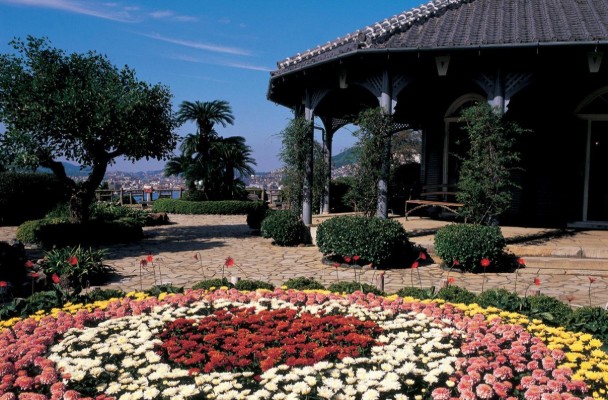
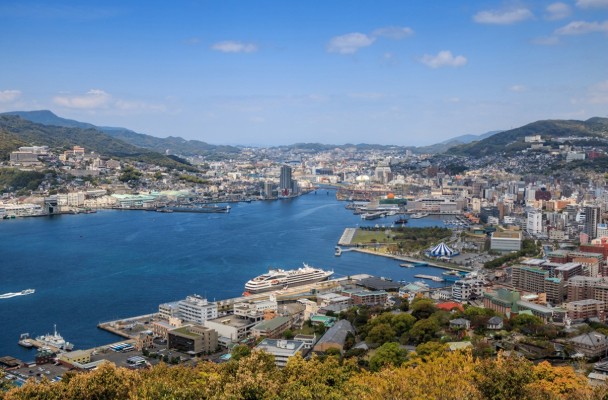
From the ship, you can also enjoy views of popular Nagasaki spots such as Mount Inasa, selected as one of the "World’s New Top 3 Night Views," and the exotic Glover Garden. You can also view the beautifully designed Megami Bridge and the massive Mitsubishi Heavy Industries Nagasaki Shipyard, a symbol of Nagasaki’s shipbuilding heritage.
Be Sure to Check! Important Notes and Conditions for Landing
Gunkanjima has strict landing requirements.
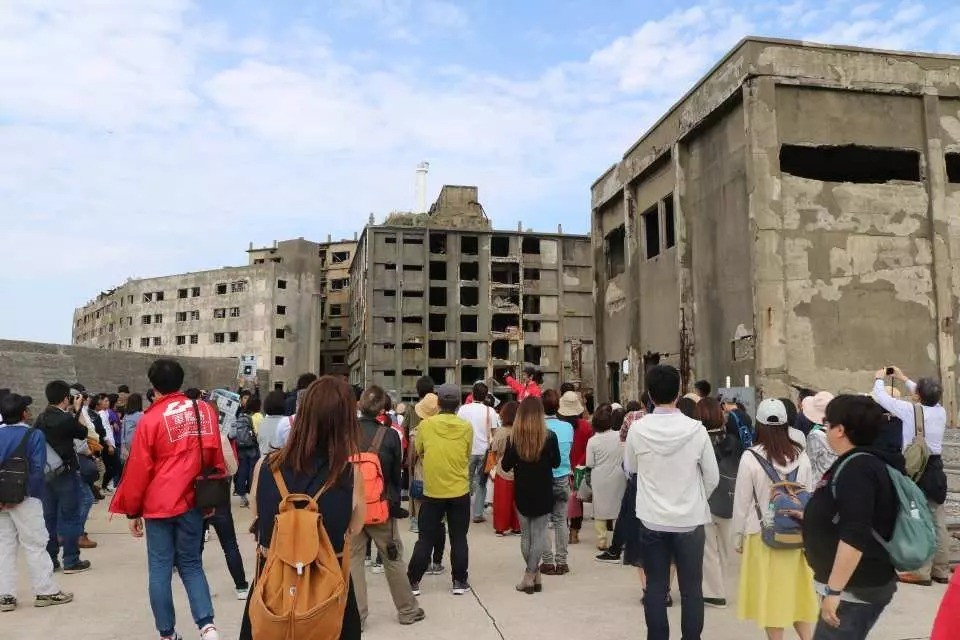
- Landing Conditions: You must meet criteria such as wind speeds of 5 m/s or less, wave height below 0.5m, and visibility over 500m. Even on sunny days, high waves may prevent landing, so always check the latest operation status on the day.
- Best Season: Statistically, the chances of landing are highest from July to September, but more tours are canceled during typhoon season. In summer, temperatures on the island can exceed 40°C, and the use of parasols is restricted (due to strong winds), so be sure to bring a hat and stay hydrated to prevent heatstroke.
- Signing a Waiver: Visitors are required to sign a waiver agreeing to follow safety regulations before landing.
- Clothing & What to Bring: Comfortable sneakers are recommended for walking (heels and sandals are dangerous). If you are prone to seasickness, it is strongly recommended to take motion sickness medication 30 minutes before departure.
Spot Information Summary
Gunkanjima (Hashima Island)
- Address: Hashima, Takashima-cho, Nagasaki City, Nagasaki Prefecture
- Access: About 45 minutes by tour boat from Nagasaki Port
- Reservation: Required (via each boat company’s official website, etc.)
- Notes: Landing by private boats or kayaks is strictly prohibited.
Gunkanjima is a truly one-of-a-kind destination, where the glory that supported Japan’s modernization and the silence of ruins returning to nature coexist. As the buildings continue to collapse, now may be one of the last chances to witness it in its current form—be sure to add it to your Nagasaki travel plans for 2026.
👀Planning to tour Nagasaki? 👉 SUNRISE TOURS by JTB
- Day Trip: Private Tour Exploring the History of Hidden Christians in Nagasaki (2-7 people)
- Nagasaki Half-Day Walking Tour (from Nagasaki Station)
- [Private Tour] Nagasaki Half-Day Walking Tour (from Matsugae Port) (2-10 people)
🏨Book your stay in Nagasaki 👉 JAPANiCAN by JTB


Comments