
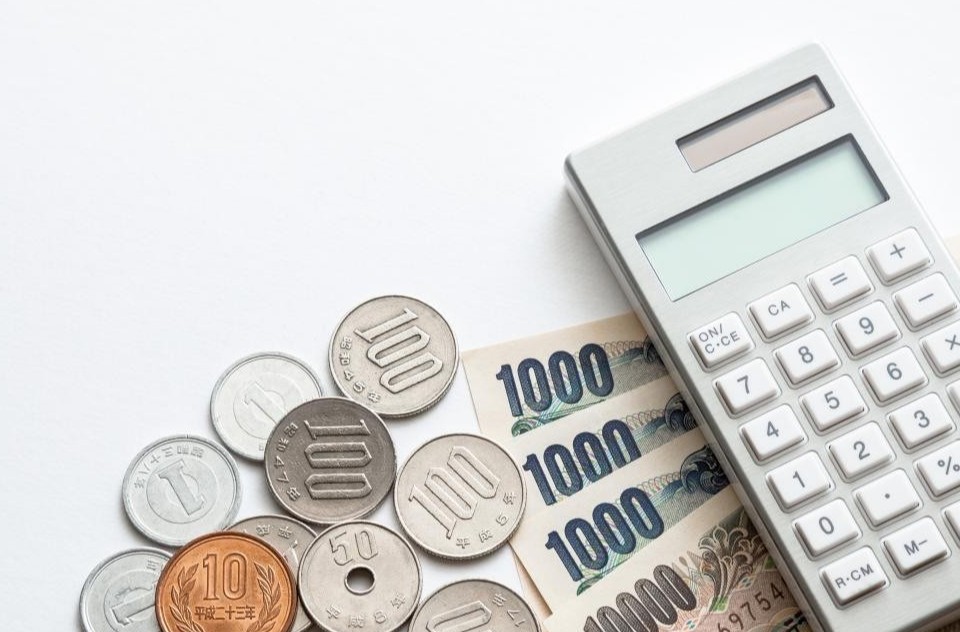
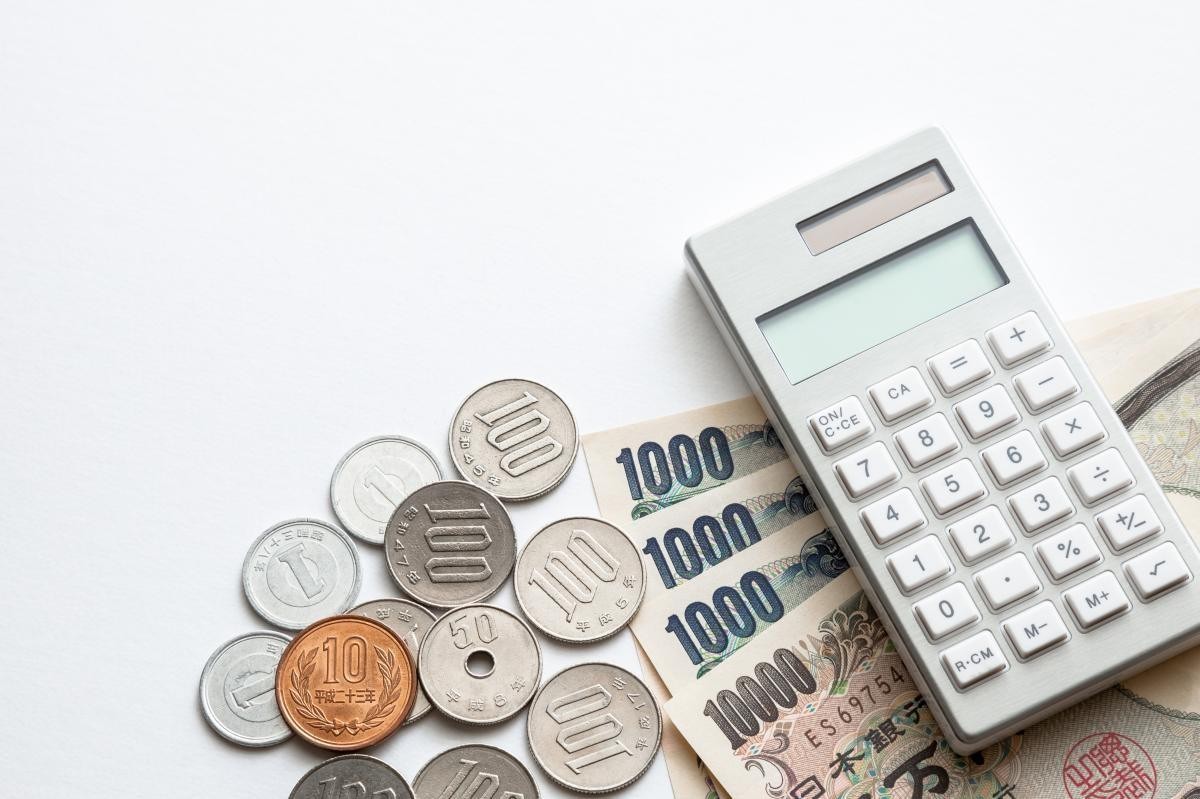
Many people may wonder whether they need cash when traveling in Japan.
Cashless payments are widespread in Japan, but some restaurants and tourist facilities only accept cash. If possible, it is safer to carry some cash in addition to your credit card.
This article introduces situations where you may need cash while traveling in Japan, as well as a guideline for how much to carry. We also explain how to find ATMs and foreign currency exchange machines, so please use this as a reference for your trip to Japan.
Do You Need Cash When Traveling in Japan? When Will You Use Cash?
Although cashless payments are becoming more common in Japan, there are still many situations where only cash is accepted. It is reassuring to have some cash on hand just in case.
Independently Owned Restaurants and Small Shops
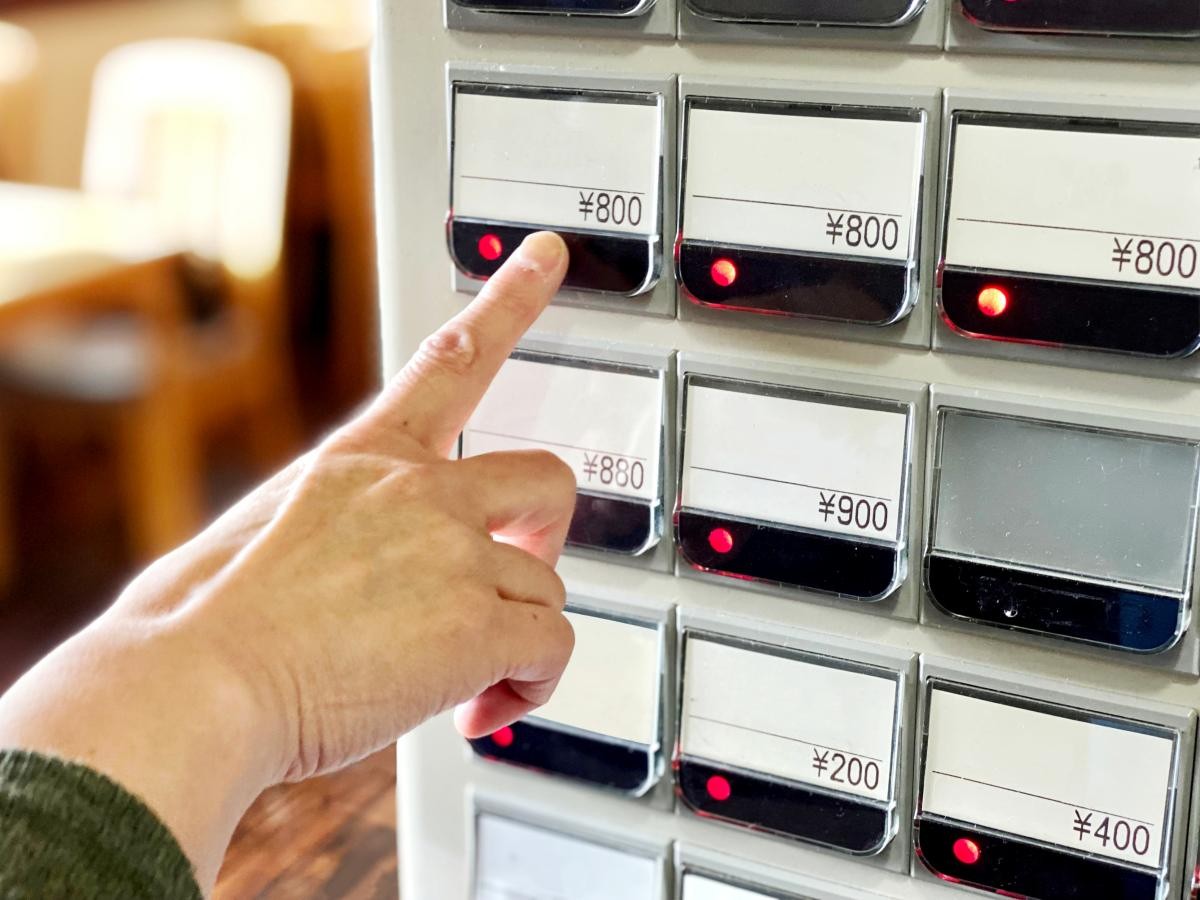
Stores in shopping malls and chain restaurants often accept cashless payments. However, independently owned shops, as well as cafeterias and ramen shops where you buy tickets from vending machines, may only accept cash.
Markets, Food Stalls, and Festival Booths
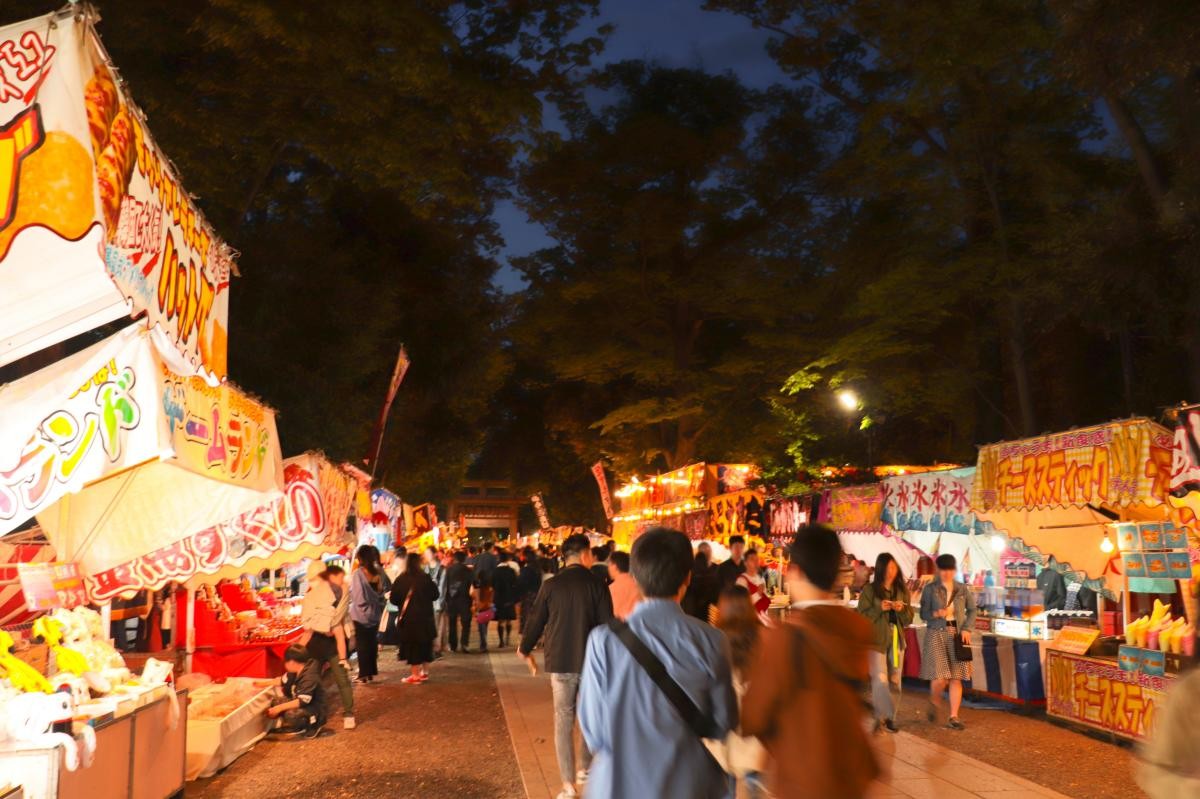
If you plan to visit markets in Japan, stroll through shopping streets, or visit food stalls at festivals, it is better to have cash. It is also safer to carry plenty of coins if possible.
Temple and Shrine Admission Fees, Offerings, and Goshuin Stamps
Many people enjoy visiting shrines and temples while traveling in Japan. Offerings at shrines and temples are generally made in cash. Admission fees, goshuin stamps (temple stamps), and omikuji (fortune slips) are also often paid in cash.
Local Transportation and Vending Machines
You may use trains or buses during your trip. In urban areas, transportation IC cards are widely accepted, but in rural areas, you may only be able to pay with cash. Also, be aware that some vending machines only accept cash.
How to Check in Advance If a Place Is Cash Only
If you want to check whether payment methods other than cash are accepted before entering a shop, look for payment stickers at the entrance. Sometimes, payment methods are also listed on the shop’s social media or website.
How Much Cash Should You Carry When Traveling in Japan?
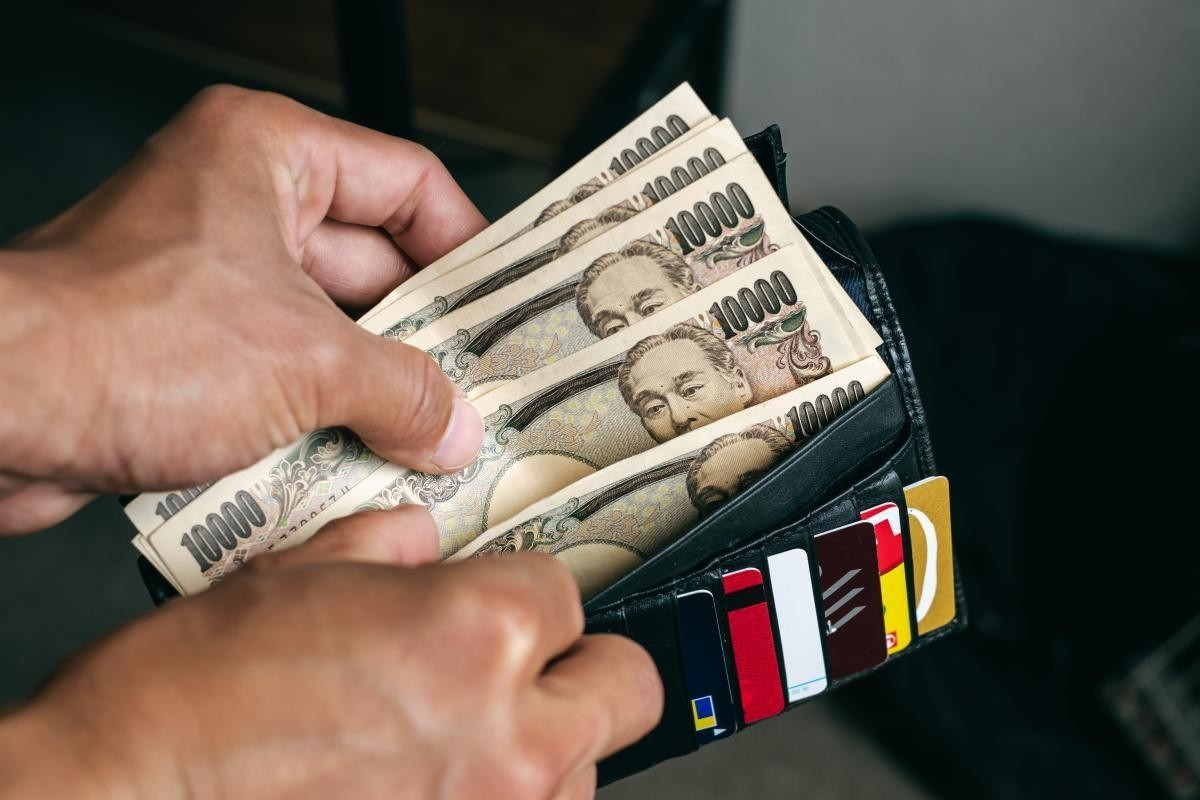
When traveling in Japan, it is recommended to have 5,000 to 10,000 yen in cash per person per day. If you mainly use shopping malls and chain stores, you may need less, but if you plan to visit shrines or markets, it is better to prepare more.
Also, some machines and shops may not accept 10,000 yen bills. It is convenient to have more 1,000 yen bills and coins.
It is not necessary to carry a large amount of cash from the first day of your trip; you can also withdraw money from ATMs as needed. In that case, be sure to check in advance which ATMs accept cards issued overseas.
How to Get Cash: List of ATMs That Accept Overseas Cards
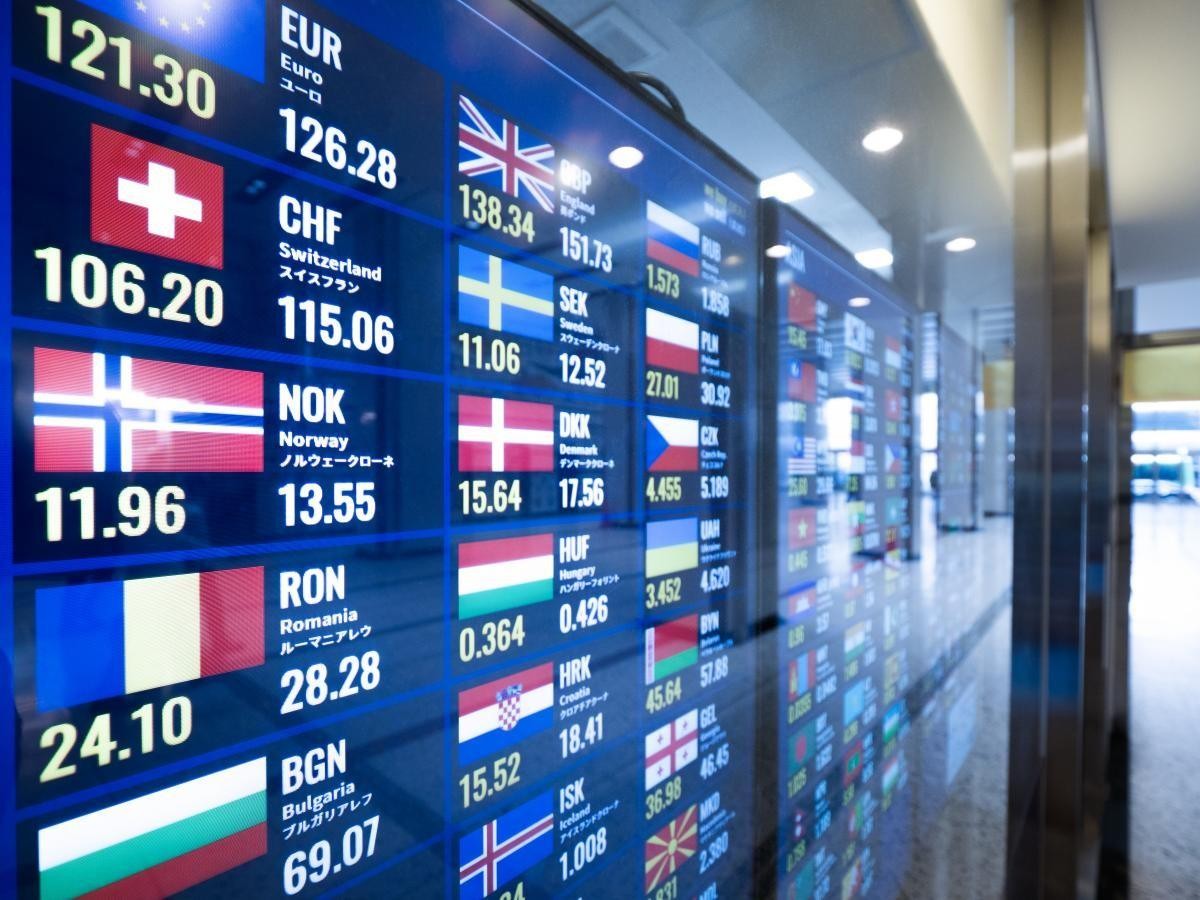
For emergencies, make sure to check which ATMs allow you to withdraw cash using cards issued overseas.
Convenience Store ATMs (Seven Bank ATM, Lawson Bank ATM, E-net ATM, etc.)
ATMs installed in convenience stores often accept cards issued overseas. At Seven-Eleven’s “Seven Bank ATM,” Lawson’s “Lawson Bank ATM,” and FamilyMart’s “E-net ATM,” you can withdraw Japanese yen using an overseas-issued card.
Post Office (Japan Post Bank ATM)
You can also withdraw cash using an overseas-issued card at “Japan Post Bank ATMs” located inside post offices.
Foreign Currency Exchange Machines
Foreign currency exchange machines are installed at airports, major stations, and commercial facilities. You can check the locations of “SMART EXCHANGE” machines on the official website.
ATMs for Overseas Cards at Airports and Major Stations
Many airports and major stations have ATMs that support overseas cards. It’s also recommended to withdraw cash when you arrive at the airport or station.
How to Check ATM Fees, Withdrawal Limits, and Hours of Operation
Withdrawal limits and hours of operation vary depending on the ATM. Fees also differ depending on the ATM and the card you use, so please be careful.
Additionally, when using an ATM, you can usually select your preferred language after inserting your card, so you don’t have to worry even if you don’t understand Japanese.
Withdrawal Limit | Supported Card Brands | Hours of Operation | Location | |
Seven Bank ATM | Up to 100,000 yen per transaction (30,000 yen for magnetic stripe cards) | VISA, Mastercard, UnionPay, American Express, JCB, Discover, Diners Club | Generally 365 days (varies by card) | https://location.sevenbank.co.jp/sevenbank/?lang=en |
| Lawson Bank ATM | Up to 50,000 yen per transaction | VISA, Plus, JCB, UnionPay, Mastercard, Maestro, Cirrus | 0:00–24:00 | https://maps.lawsonbank.jp/lbankatm/top |
| E-net ATM | IC chip: Up to 100,000 yen per transaction; Magnetic stripe: Up to 40,000 yen per transaction | Visa, Mastercard, UnionPay, JCB | 24 hours, 365 days | https://pkg.navitime.co.jp/enet/ |
| Japan Post Bank ATM | Up to 50,000 yen per transaction | VISA, Plus, Mastercard, Cirrus, JCB, UnionPay, Discover | Varies by ATM | https://map.japanpost.jp/p/search/ |
How to Pay Without Cash: Transit IC Cards and QR Code Payments
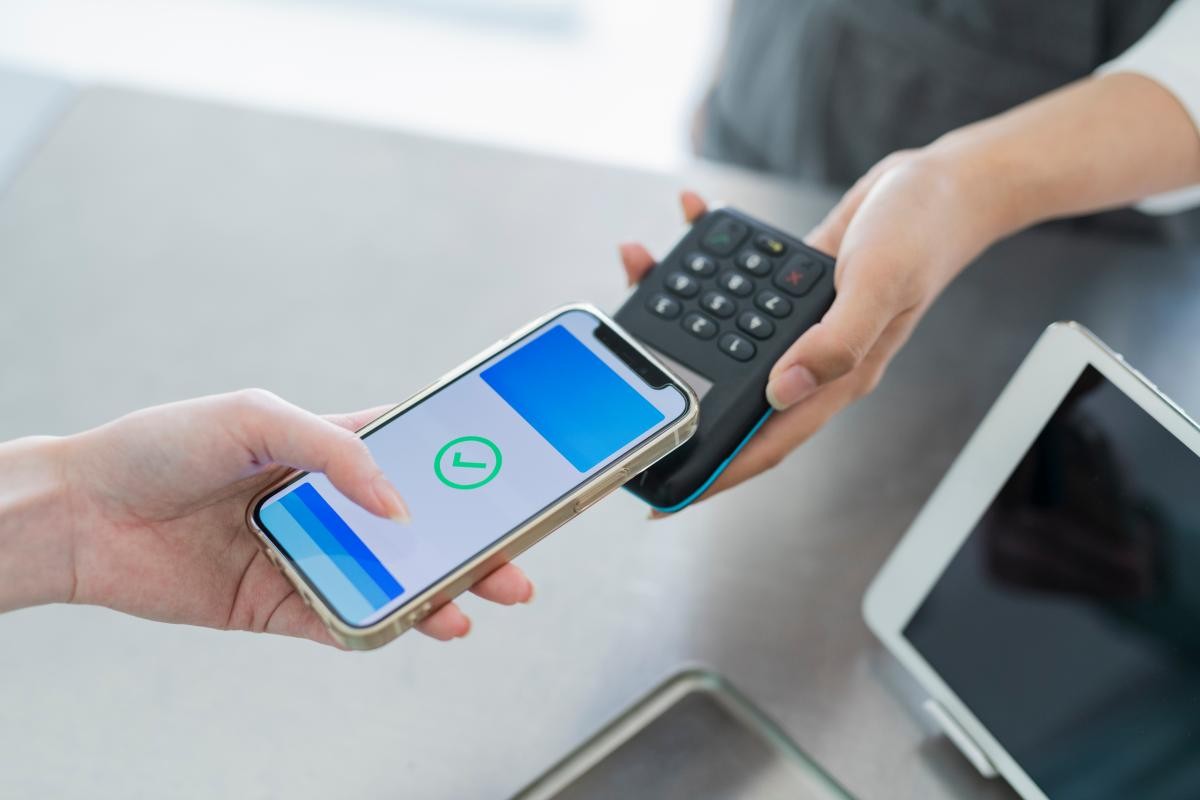
In Japan, you can also use credit cards, transit IC cards, and QR code payments in addition to cash.
Paying by Credit Card
Most stores in Japan accept credit cards. However, please note that some stores may not accept cards issued overseas.
Paying with Transit IC Cards such as Suica and PASMO
Many stores in Japan accept transit IC cards such as Suica and PASMO. You need to charge your transit IC card in advance at convenience stores or ticket machines at stations.
Paying with QR Code Payments such as PayPay
Recently, more stores have started accepting QR code payments such as PayPay. For PayPay, you need to link it to a credit card or charge it at a convenience store; you cannot charge it at the store itself.
Note: Overseas-issued Cards and Mobile Payments May Not Be Accepted
Most convenience stores and chain stores accept transit IC cards, QR code payments, and credit cards. However, you need to charge your transit IC card or QR code payment in advance, and you cannot use them if your balance is insufficient.
Also, depending on the credit card brand, you may be asked to sign, or the card may not be accepted at all. For peace of mind, it’s best to carry some cash just in case.
What Should You Do If You Don’t Have Enough Cash?
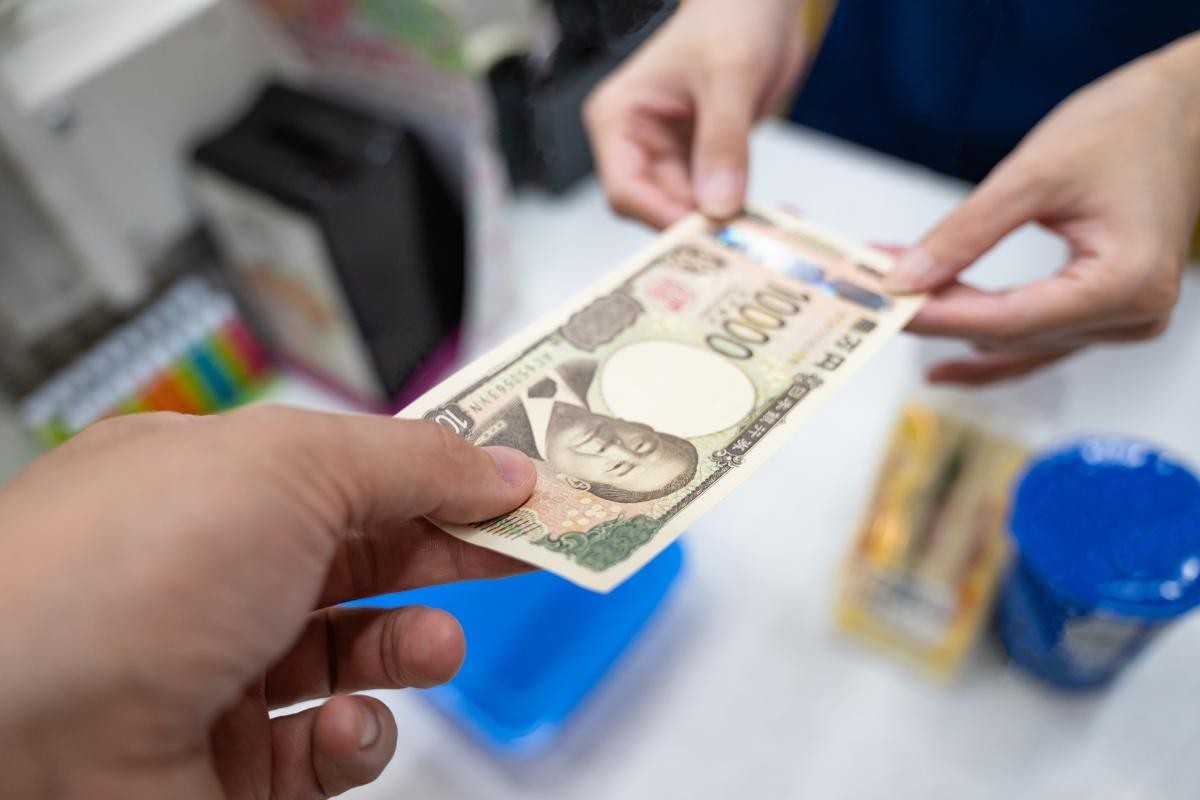
If you realize at the register that you don't have enough cash, don't panic—consult with the staff calmly.
① First, check if you can use payment methods other than cash
First, check whether you can use payment methods other than cash, such as credit cards, transportation IC cards, or QR code payments.
② Withdraw cash at a nearby convenience store ATM
If only cash payment is accepted, explain to the staff that you don't have enough cash and withdraw money from an ATM that accepts cards issued overseas.
③ Ask the staff for the location of a nearby ATM or convenience store
If you are unfamiliar with the area and don't know where the ATM or convenience store is, ask the staff for directions.
④ Exchange your foreign currency for Japanese yen at a currency exchange office
If you cannot withdraw cash from an ATM, you can also exchange your foreign currency for Japanese yen at a currency exchange office. However, currency exchange offices are limited in number and may not be easy to find right away.
⑤ If you cannot prepare cash immediately, consult with the staff
If you don't have enough cash or cannot prepare cash immediately, consult with the staff first. Even if you realize you are short on cash after eating, do not leave the restaurant without permission—explain your situation to the staff.
How the situation is handled will depend on the store's policy. Be honest and follow the staff's instructions.
Useful Japanese phrases when you have trouble paying with cash
[When you don't have enough cash]
"Sumimasen, genkin ga tarimasen." (Excuse me, I don't have enough cash.)
[When you want to check if other payment methods are available]
"Kurejittoka-do wa tsukaemasuka?" (Can I use a credit card?)
"Genkin nomi desuka?" (Is it cash only?)
"Koutsuukei IC ka-do wa tsukaemasuka?" (Can I use a transportation IC card?)
[When asking for the location of a convenience store or ATM]
"Chikaku ni ATM wa arimasuka?" (Is there an ATM nearby?)
"Ichiban chikai konbini wa doko desuka?" (Where is the nearest convenience store?)
[When you want to exchange foreign currency]
"Gaika ryougae wa dekimasuka?" (Can I exchange foreign currency?)

Comments