
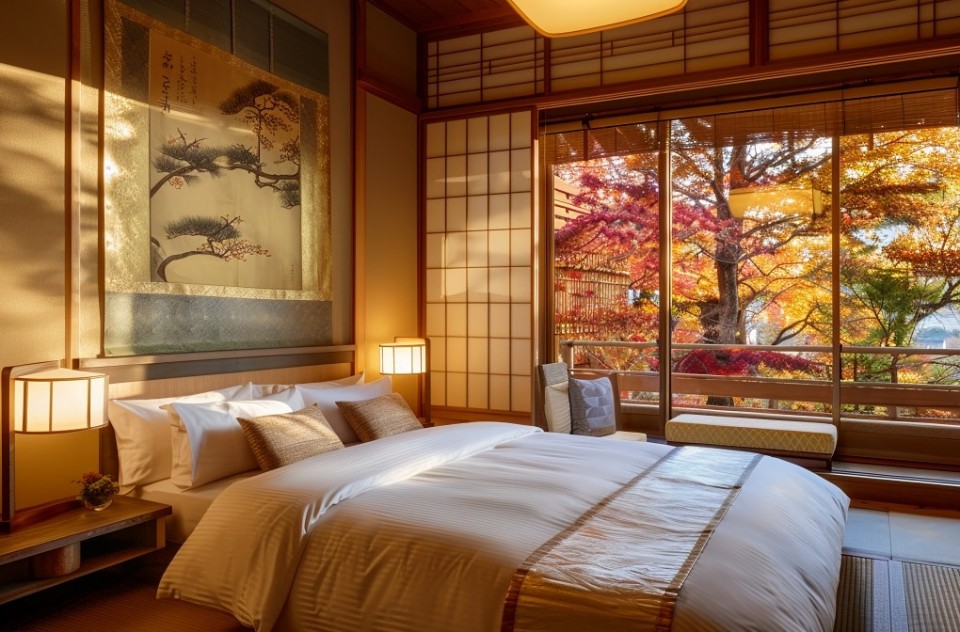
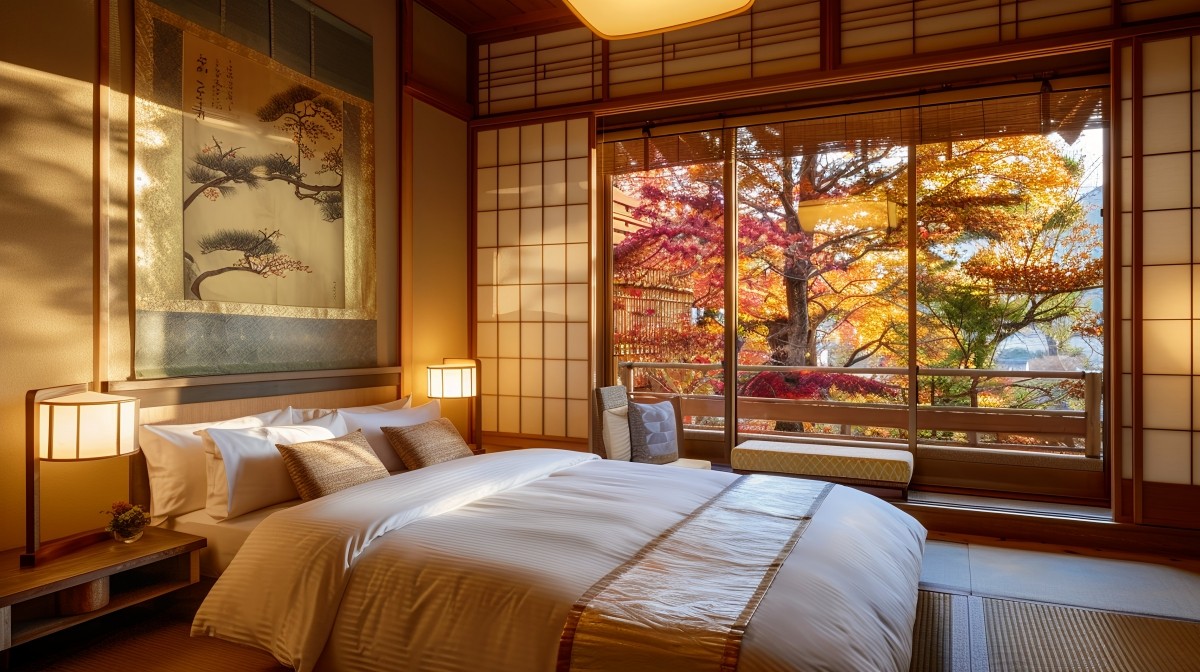
"Can I ship my luggage from the hotel directly to the airport?" "What amenities are provided?" If you're traveling to Japan for the first time, you might have plenty of questions about hotel rules and services.
In this article, FUN! JAPAN staff from Japan's major travel agency JTB will clearly answer 15 common questions about Japanese hotels in a Q&A format! We cover everything from luggage delivery between hotels or to the airport, check-in times, and breakfast to details on amenities like toothbrushes, slippers, and hair dryers. Knowing these Japanese hotel practices beforehand will make your stay much more comfortable and smooth. Be sure to check this out before your trip!
*If you purchase or reserve products introduced in this article, a portion of the sales may be returned to FUN! JAPAN.
🚅Book your Shinkansen ticket with NAVITIME Travel! 👉 Click here
🛫Book your flight ticket with NAVITIME Travel! 👉 Click here
😄Enjoy a more convenient trip to Japan with NAVITIME eSIM!👉Click here
👉Book Hotels & Ryokan on JAPANiCAN🏨

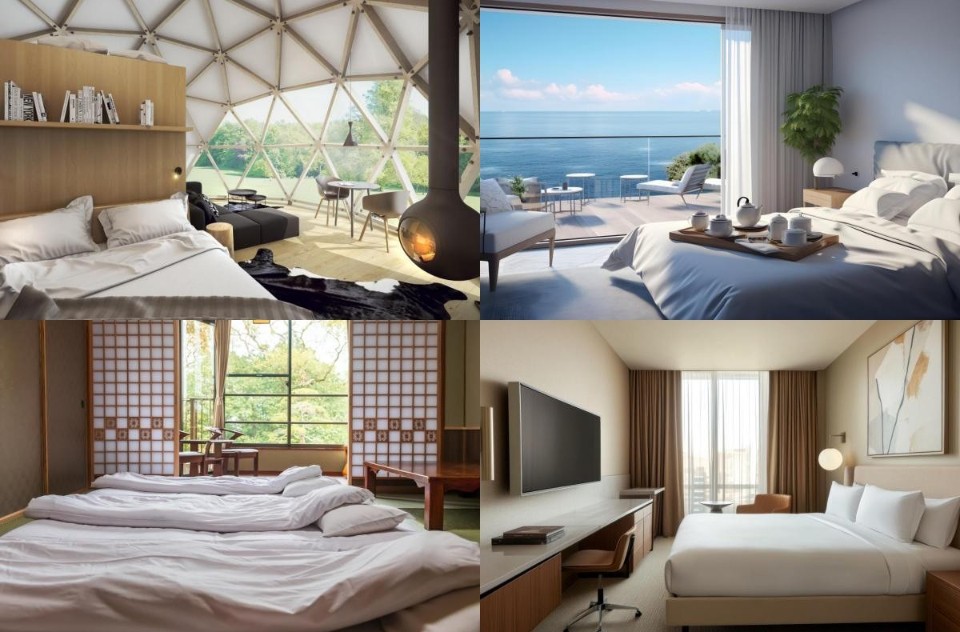
Are Japanese Hotel Rules Different from Other Countries? Checking Ahead is the Key to Peace of Mind
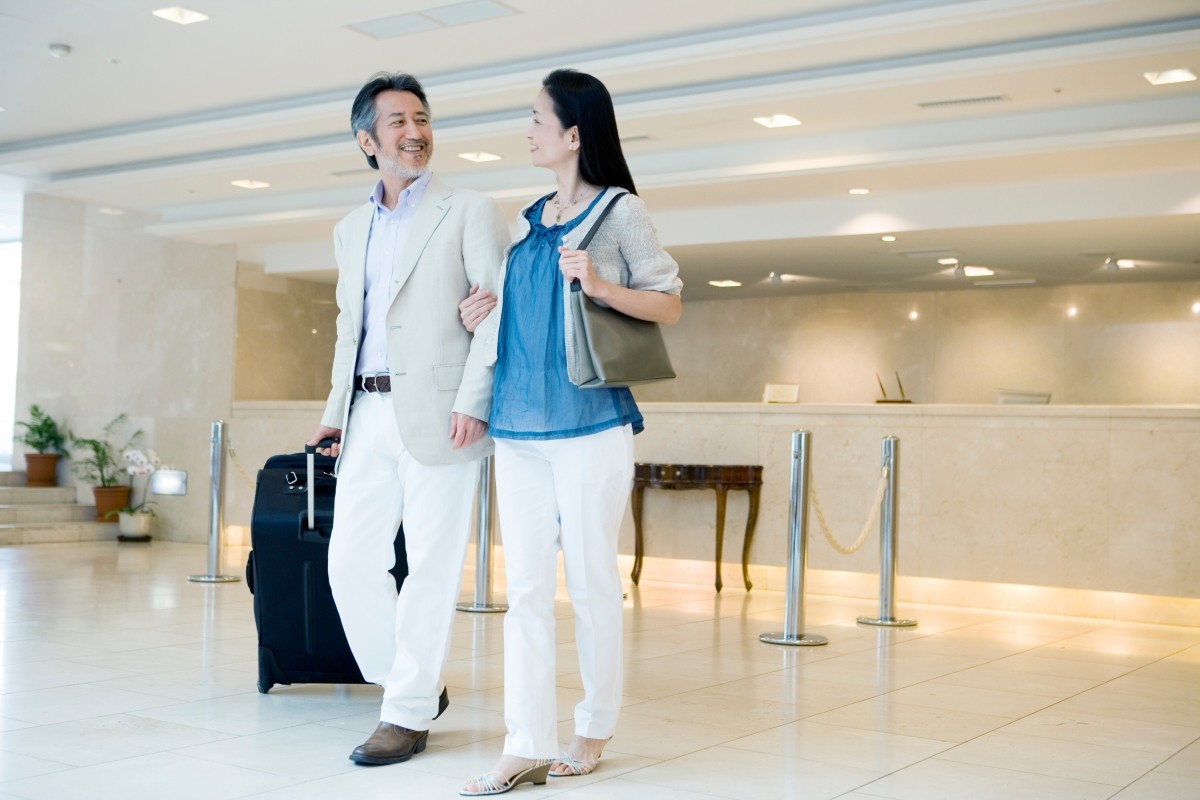
In Japan, hotel rules regarding check-in/check-out times, pricing structures, and how amenities are provided often differ from what you might expect in other countries.
It’s recommended to check the “Facilities & Services” section on the booking site to confirm which amenities and room facilities are available. If you still have concerns, don’t hesitate to contact the support center before or after making your reservation.
JAPANiCAN, a travel booking site for international visitors operated by JTB, provides detailed information about facilities and offers call center support in English, Chinese, and Korean, so even first-time users can resolve any questions before booking!
Below, we answer 15 frequently asked questions from first-time travelers to Japan in a Q&A format.
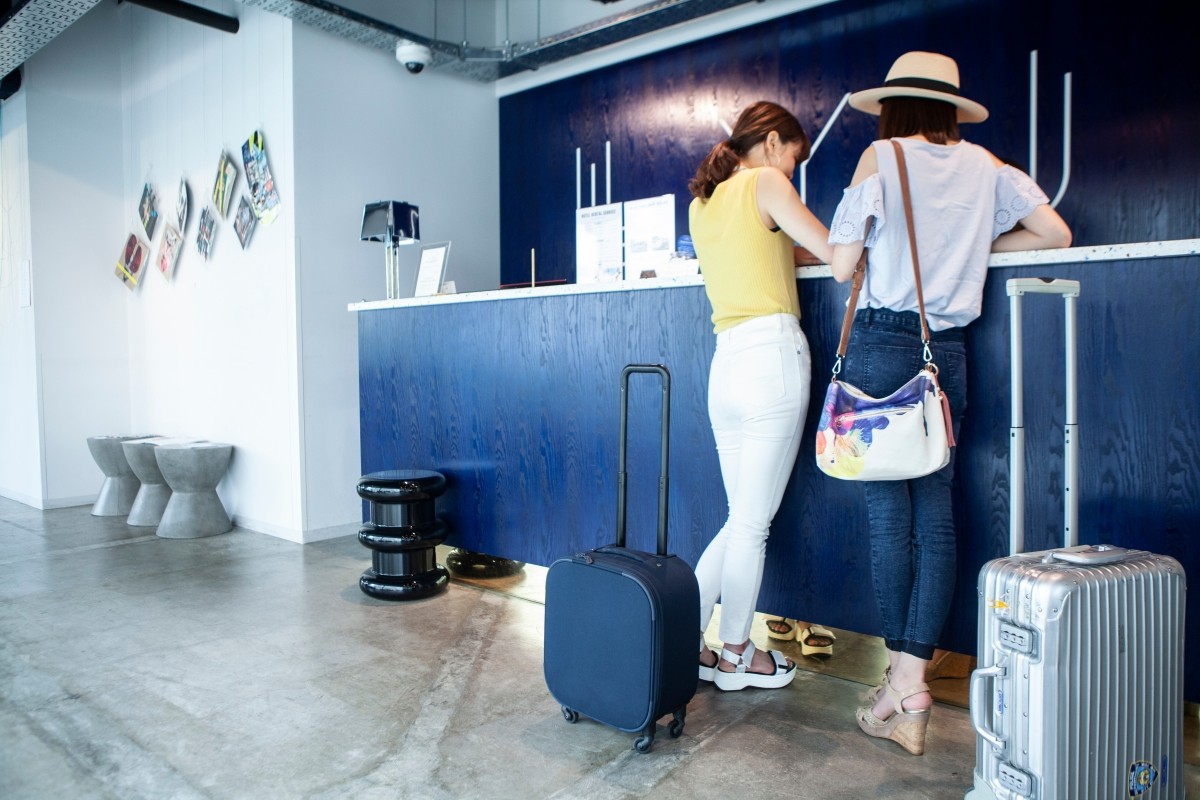
Q1. Can I send my luggage between hotels in Japan? How do I book?
A. Yes, you can. You can also book through dedicated delivery service websites.
Many hotels in Japan partner with delivery companies such as Yamato Transport and Sagawa Express. If you ask at the front desk, they can arrange to send your luggage to your next hotel. However, whether your luggage arrives on the same day depends on where your next hotel is, so it’s best to ask about delivery options when you check in.
You can also send your luggage from convenience stores or courier service offices. If you’re worried about communicating in Japanese, booking platforms like Klook and KKday are great options! You can reserve multilingual luggage delivery services in advance. Fees vary depending on the season and plan, so be sure to check the latest information on each service’s official website before booking.
👉Luggage Delivery Service (Klook)
👉Luggage Delivery & Temporary Storage Services List (KKday)
Q2. Can I ship my luggage between the hotel and the airport in Japan, and how do I book?
A. Yes, absolutely! Advance reservations through dedicated online platforms are standard for this service.
Popular options for luggage delivery between airports and hotels include Yamato Transport, JAL ABC, Airporter, and LuggAgent.
Fees and delivery speed vary depending on the service:
- Yamato Transport: Size 60 from about 1,600 yen to Size 200 at about 5,130 yen
- JAL ABC: Size 120 from 1,950 yen / Size 140 from 2,430 yen / Size 160 from 2,820 yen
- Airporter: Carry-on size (up to 120cm) at 2,200 yen / Checked baggage size (up to 160cm) at 2,750 yen / Oversized (up to 180cm) at 4,400 yen
Airporter requires advance reservations and can be booked up to six months ahead! On the other hand, with Yamato Transport, you often don't need a reservation for delivery from the airport to your hotel. Rules vary depending on the provider, so for more details, please refer to our guide on domestic luggage delivery and airport courier services in Japan.

Q3. What is the usual check-in time at hotels in Japan?
A. Around 2:00 PM to 3:00 PM is typical.
However, this is just a general guideline. Times vary depending on the hotel or ryokan—some allow check-in from 4:00 PM, while others may let you in as early as 1:00 PM. Once your reservation is complete, be sure to check the start time on the booking site’s details page or in your confirmation email!
Q4. Can I check into my room before the scheduled check-in time?
A. Only if you request "early check-in" (often for an additional fee); otherwise, it is generally not permitted.
Some hotels may let you in early if your room is ready, but in general, Japanese hotels strictly enforce this policy.
If you want to enter your room before the official check-in time, using a paid option called "early check-in" is common practice. If you are arriving on an early morning flight, it’s a good idea to check in advance whether this is available and how much the extra fee will be.
Q5. What should I do if I’m running much later than my scheduled check-in time?
A. Be sure to contact the hotel in advance if your arrival time changes!
If you arrive significantly later than the time provided during booking, the hotel may mark your reservation as a "no-show" and cancel it automatically.
As soon as you realize you'll be delayed, reach out to the hotel by phone or message. If you’re unsure how to contact them or feel unconfident with the language barrier, you can ask your booking platform’s support team for assistance. For instance, if you booked through JAPANiCAN, their support center can help notify the hotel on your behalf in English, Chinese, or Korean.
Q6. What is the standard check-out time at hotels in Japan?
A. Check-out usually ranges between 10:00 AM and 12:00 PM.
Onsen ryokan (traditional hot spring inns) in particular often set an earlier check-out time, typically around 10:00 AM, to allow enough time for thorough cleaning and room preparation. Staying past the official check-out time may result in additional late check-out fees, so if you think you’ll need extra time, be sure to ask the front desk in advance.
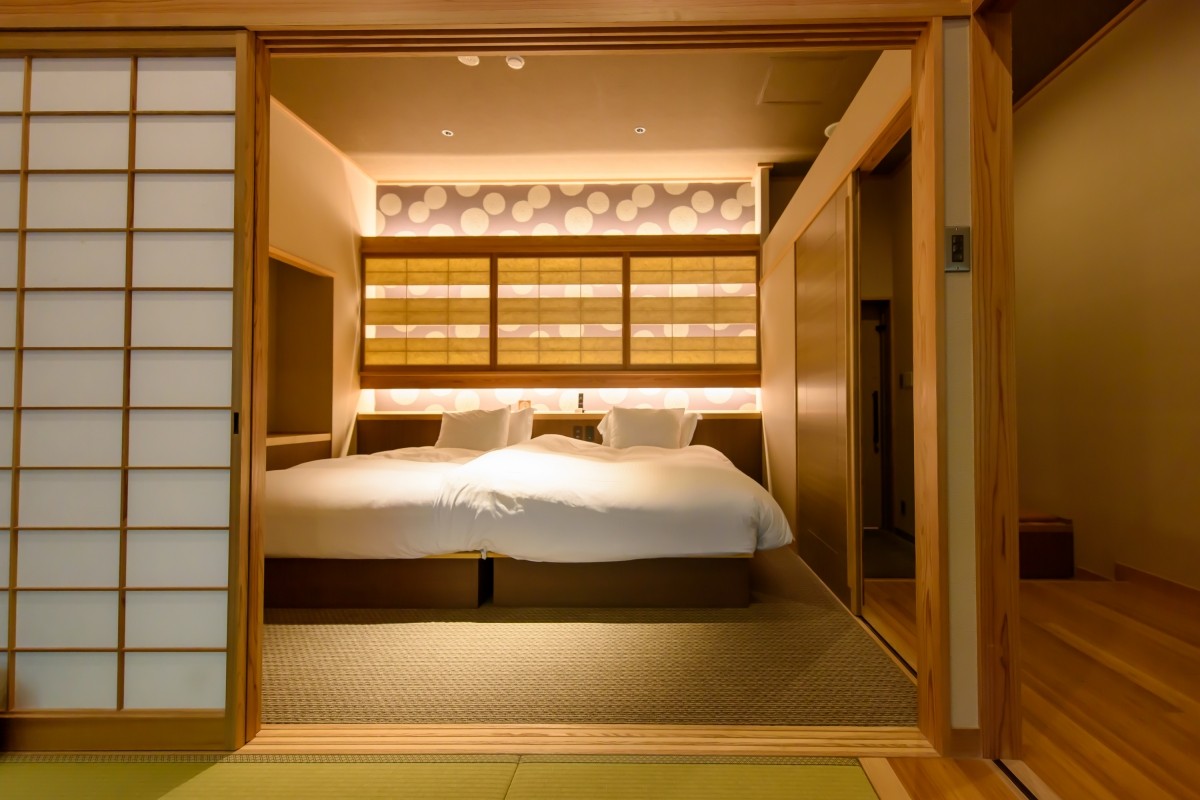
Q7. What is the typical price range for hotels in Japan?
A. Business hotels generally run between 5,000 and 15,000 yen per night, while luxury hotels typically start at around 20,000 yen.
Rates vary significantly depending on the location, room type, and season—especially during peak travel times like cherry blossom season, autumn foliage, and public holidays. To get exact pricing for your stay, enter your travel dates and search directly on a booking site like JAPANiCAN.
Q8. Is it true that hotel rates in Japan are charged "per person"?
A. Yes, that’s true! Always double-check how prices are displayed when booking.
Unlike many countries where hotel rates are calculated "per room," Japanese booking sites frequently list prices on a "per person" basis. If two guests are staying, the final cost will likely be double the initial rate displayed.
Before confirming your reservation, make sure to review the total price for the complete head count rather than just the base rate.
Q9. What is Japan’s "accommodation tax"?
A. It is a local tax levied on hotel stays exceeding a certain nightly rate.
Accommodation tax is a local municipal tax collected by individual regional governments to fund tourism promotion and infrastructure.
Not all stays are subject to this tax—it only applies when your room rate exceeds a specific threshold, with tax rates and criteria varying by municipality. In most cases, this fee is not included in the room total on booking sites and must be paid separately on-site at the hotel (either during check-in or check-out). Checking local guidelines in advance will help ensure a seamless check-in experience!
Q10. Is breakfast included at Japanese hotels, and can I add it later?
A. Many hotels offer breakfast, but standard room-only rates do not include meals.
If you select a "room-only" plan, breakfast will not be provided. If you want to enjoy a delicious hotel morning spread, be sure to opt for a "breakfast included" plan when booking!
On JAPANiCAN, search results clearly indicate whether breakfast is included in each package, making it easy to compare your options.
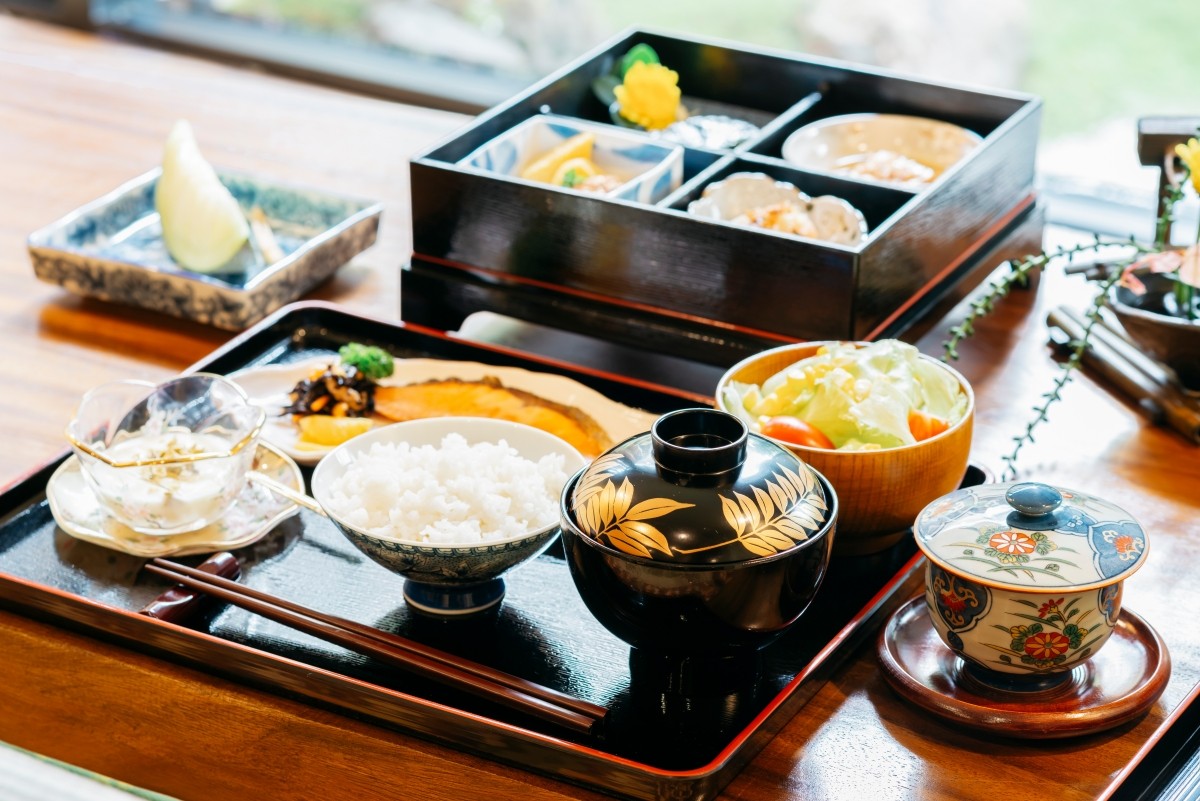
Q11. What kind of breakfast is served at hotels in Japan?
A. Offerings vary widely, ranging from international buffets to Western-style plated options and traditional Japanese set meals!
Larger hotels typically feature extensive buffet spreads. In contrast, smaller boutique hotels and traditional ryokan often serve set options, such as a Western-style single plate or a traditional Japanese set meal featuring rice, miso soup, and grilled fish. You can easily check photos on the hotel’s official website or booking page beforehand to see what style they offer.
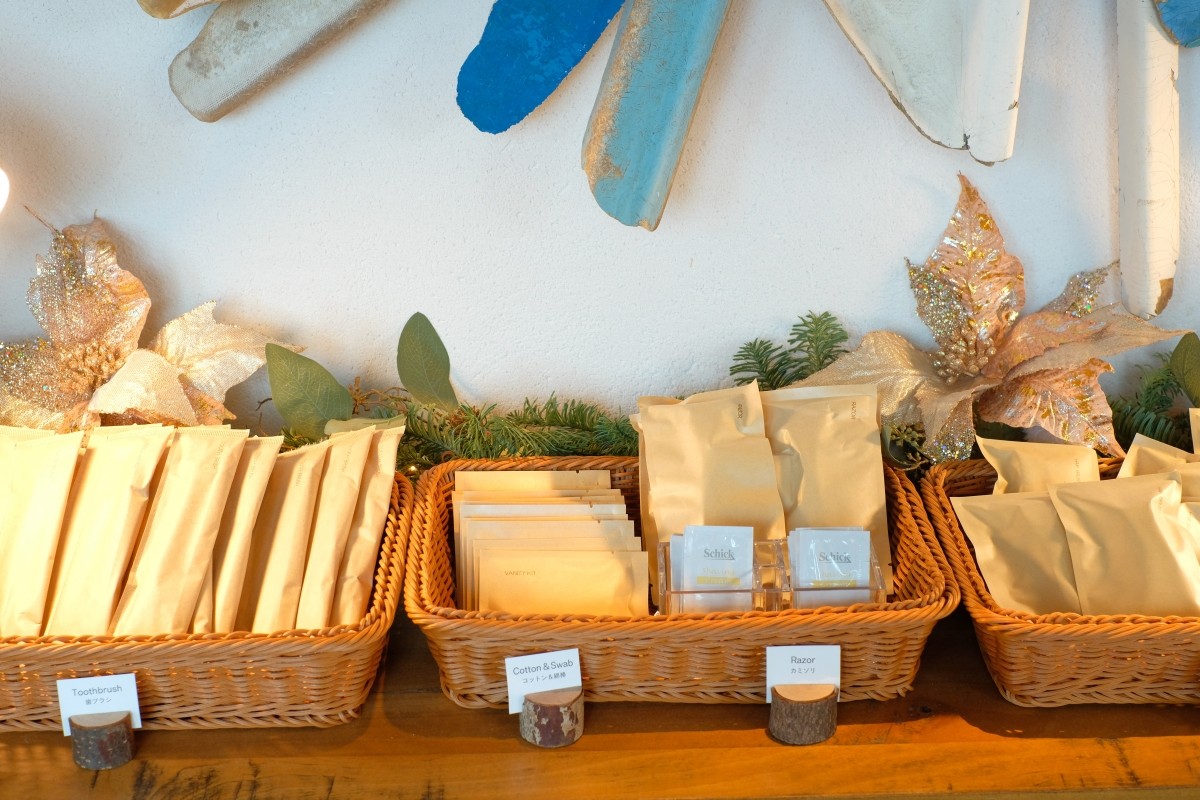
Q12. Do Japanese hotels provide room amenities?
A. Yes, they do! However, "amenity bars" in hotel lobbies are becoming the new standard.
Most hotels provide essential toiletries such as toothbrushes, razors, and hairbrushes. To promote sustainability and reduce plastic waste, many hotels now set up an "amenity bar" in the lobby instead of placing items directly in guest rooms. You can simply pick up the items you need before heading up to your room.
Q13. Are toothbrushes provided in Japanese hotel rooms?
A. They are still widely available, but a growing number of hotels are phasing out single-use toothbrushes in rooms.
For instance, eco-conscious properties like "mesm Tokyo, Autograph Collection" in Tokyo, no longer stock disposable toothbrushes in guest rooms, encouraging travelers to bring their own.
As more hotels update their environmental policies, it’s a good idea to pack a personal toothbrush just in case! If you forget yours, high-quality, affordable toothbrushes are easy to pick up at local convenience stores, drugstores, or Don Quijote.
Q14. Do Japanese hotels provide slippers?
A. Most hotels do provide slippers, though the type depends on where you stay.
Business hotels typically offer disposable single-use slippers, whereas traditional ryokan often provide reusable slippers. If you have preferences, it’s worth checking the room facilities page in advance. Also, keep in mind that many Japanese accommodations strictly enforce a "no-shoes" policy, where you are expected to take off your shoes at the room entrance.
Q15. Do Japanese hotels provide hair dryers?
A. Yes, hair dryers are standard amenities in virtually all room types!
Nearly every hotel provides a hair dryer in the guest room. If the property features a large public bath, you’ll also find hair dryers stocked in the vanity areas for convenience.
Recently, some hotels have introduced popular beauty appliance brands like "ReFa" hair dryers. According to ReFa's announcement, as of March 2026, the total number of hotel rooms equipped with ReFa dryers has exceeded 110,000.
Some travelers even note, "I tried it at the hotel and loved it so much that I decided to buy one!" Be sure to try out these popular beauty appliances during your stay!
[2026] 5 Recommended Japanese Hair Dryers: Latest Trends and Popular Brands like Panasonic and Refa
Summary|Check Any Questions Before Booking and Enjoy Your Stay at a Japanese Hotel♪
Japanese hotels have unique rules that differ from other countries, including check-in times, pricing systems, and amenity policies. To avoid any surprises, be sure to review the facility details and plan terms when making your reservation—this is the first step to a comfortable trip.
Choosing a booking site that offers multilingual support means you can travel to Japan with total peace of mind, even for the first time. With JAPANiCAN, operated by the JTB Group, you’ll find detailed hotel information and comprehensive support. Search for hotels that interest you and start planning your perfect stay in Japan today!
👉Book Hotels & Ryokan on JAPANiCAN🏨
Comments