
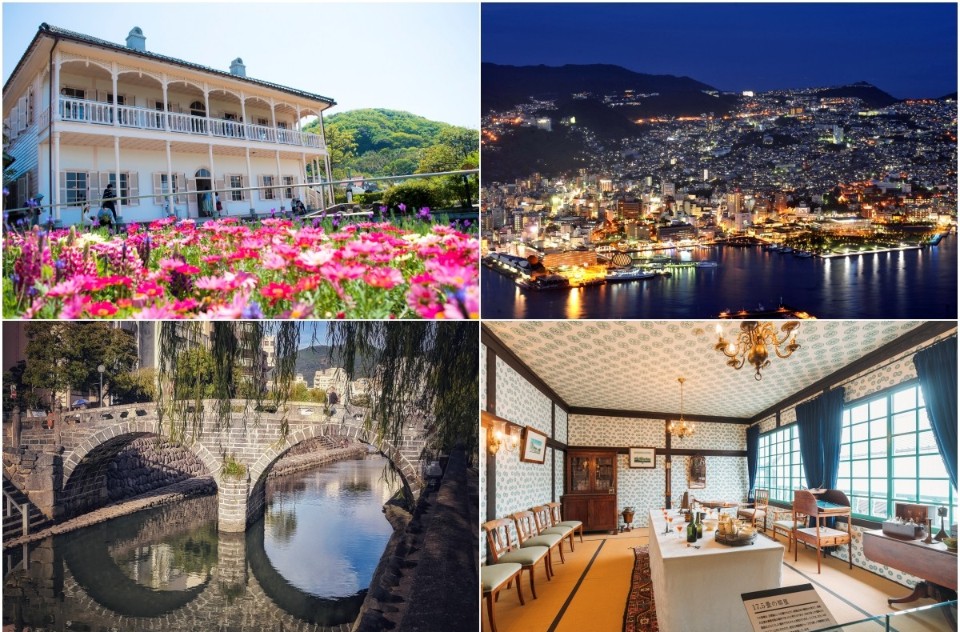
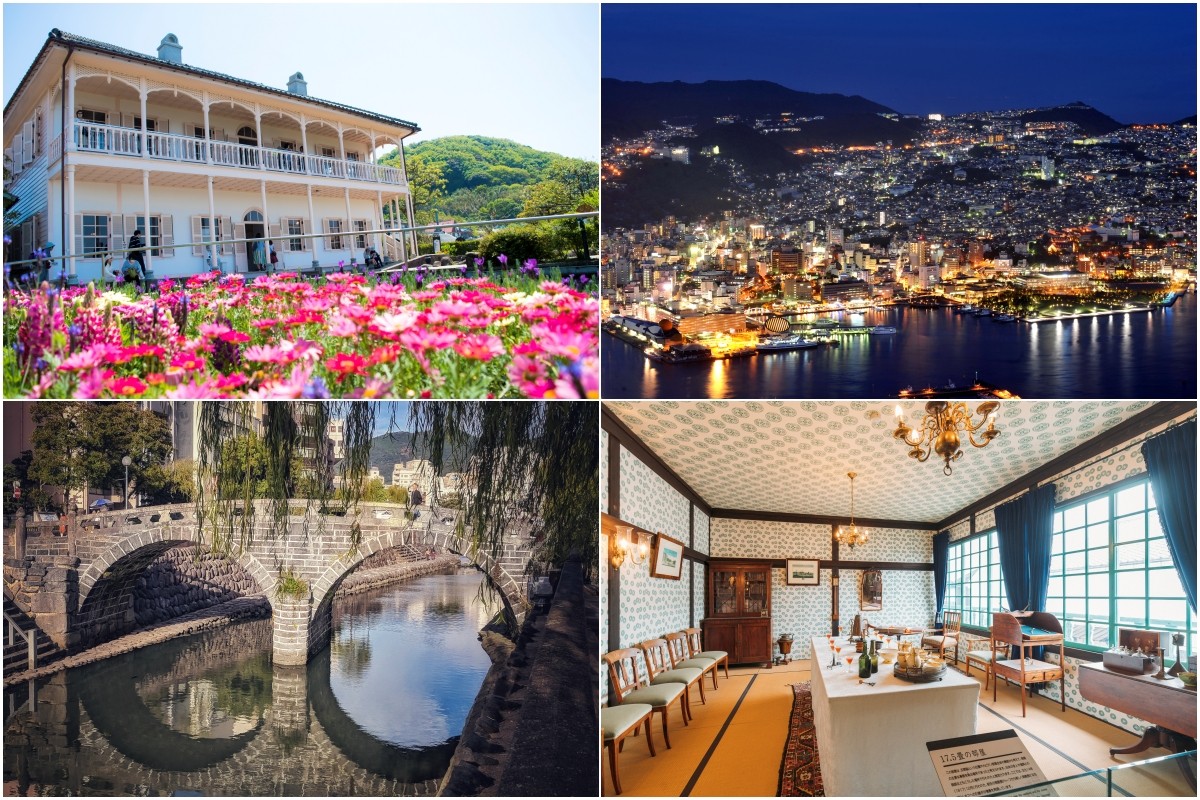
Nagasaki is filled with attractions that make you want to visit again and again, including its history, breathtaking scenery, unique culture, and gourmet cuisine. In this article, a staff member from Nagasaki introduces a 2-day, 1-night sightseeing suggested itinerary featuring places like Peace Park, Hashima Island (Gunkanjima), and Glover Garden. You’ll be able to experience the deeper charms of Nagasaki that can’t be fully appreciated on a day trip. The article also covers recommended websites for finding hotels and the best shops for Nagasaki’s classic souvenir, Castella cake, making it perfect for those who want to turn it into a 3-day, 2-night trip as well.
*If you purchase or book products introduced in this article, a portion of the sales may be returned to FUN! JAPAN.
🏨Find recommended hotels in Nagasaki on JAPANiCAN
Major Sightseeing Spots in Nagasaki City | Gunkanjima, Dejima, Glover Garden, and More
Gunkanjima (Hashima Island) | A Former Island City That Thrived on Undersea Coal Mining
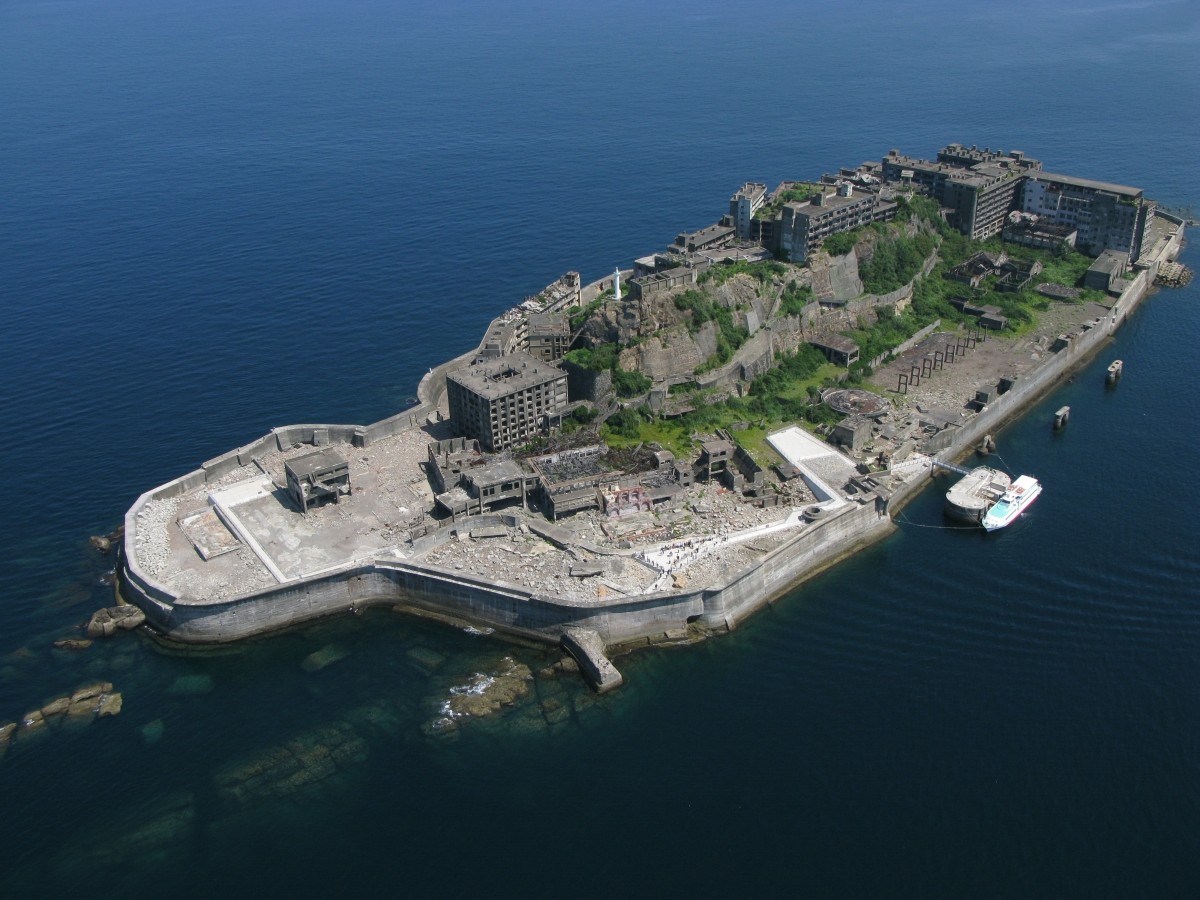
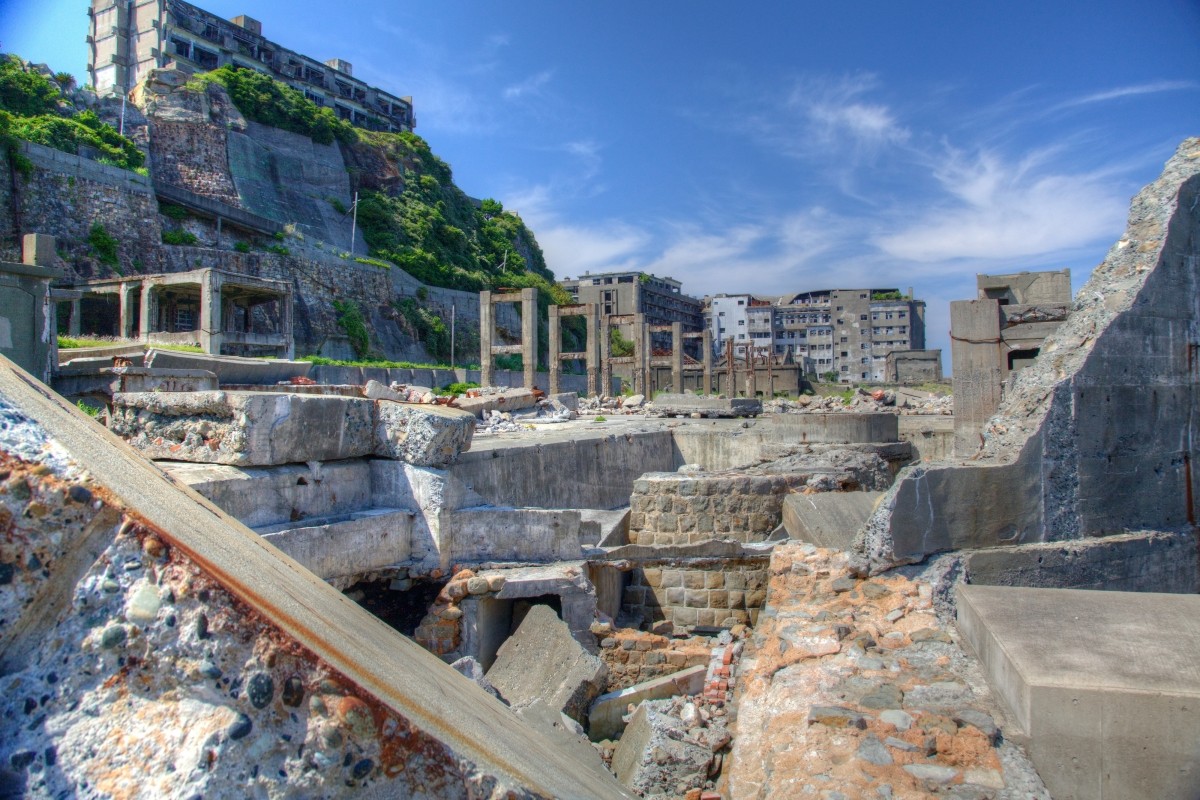
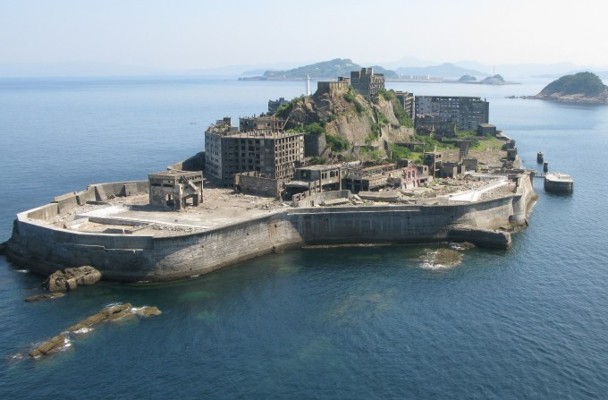
Located about 40 minutes by boat from Nagasaki Port, Hashima Island is an artificial island that once flourished as an undersea coal mining site. The sight of the high-rise reinforced concrete apartment buildings lined up resembled a battleship, which is why it came to be known as "Gunkanjima" (Battleship Island). At its peak, about 5,300 people lived there, but the mine was closed in 1974, and the island was abandoned. Since 2009, only the restored areas have been open to tourists, and in 2015, it was designated as a UNESCO World Heritage Site. It is a spot where you can feel the history of this former offshore city, which once boasted the highest population density in Japan.
- Address: Hashima, Takashima-cho, Nagasaki City, Nagasaki Prefecture
- Access: About 40 minutes by Gunkanjima landing tour boat from Nagasaki Port
Peace Park | A Park Dedicated to the Wish for Peace
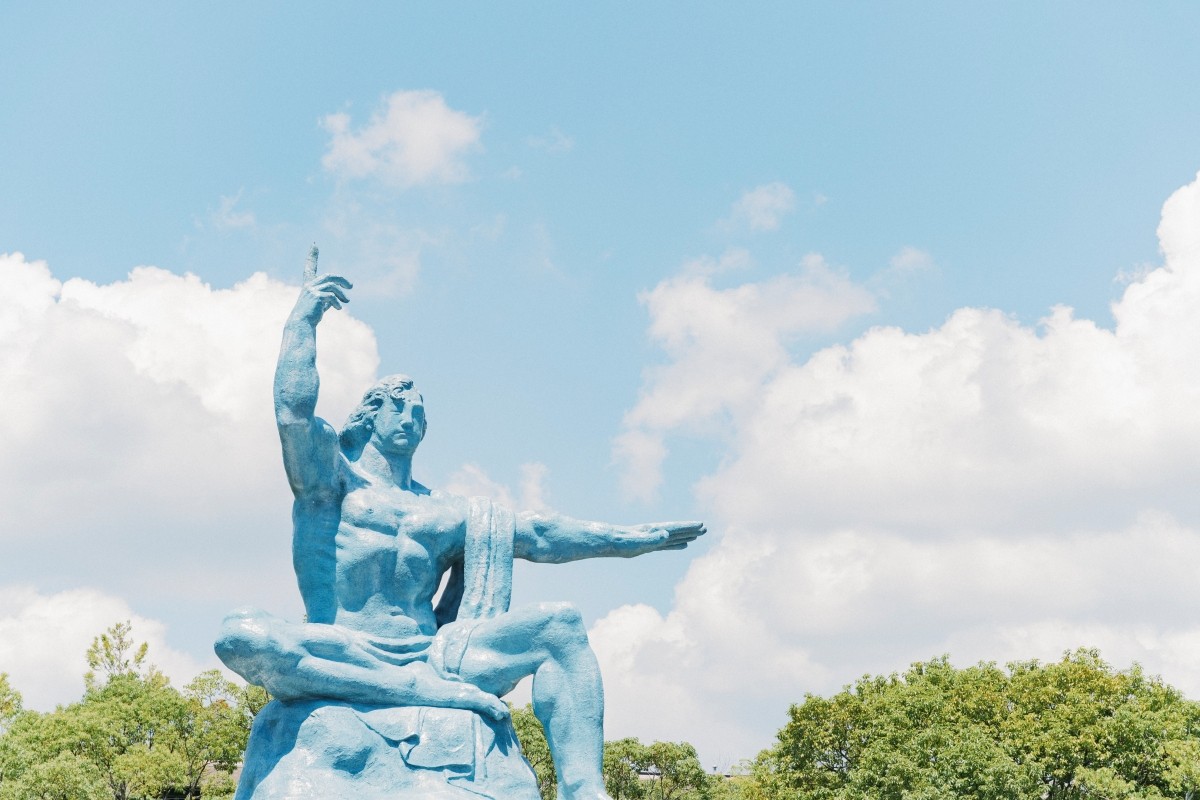
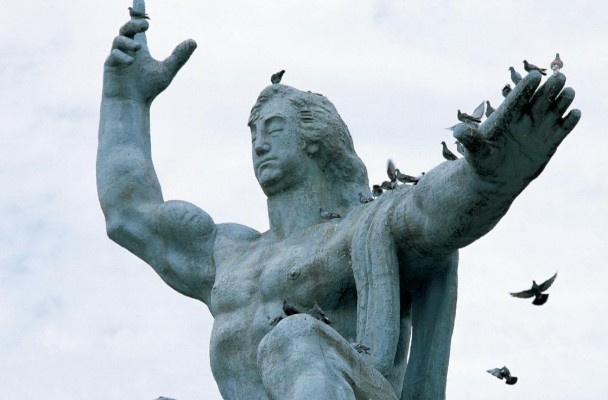
Peace Park is located north of the Atomic Bomb Hypocenter Park and was established as a symbol of the wish for world peace. Within the park, you’ll find many monuments, including the 9.7-meter-tall “Peace Statue,” which stands as a symbol of peace. The 18-meter-diameter “Fountain of Peace,” created to pray for eternal world peace and the abolition of nuclear weapons, features fountains ranging from 0.5 to 6 meters high, representing the flapping wings of doves and cranes. On the eve of the Peace Memorial Ceremony, countless candles are lit throughout the park, creating a beautifully atmospheric scene.
- Address: Matsuyama-machi, Nagasaki City, Nagasaki Prefecture
- Access:
- About 1 minute on foot from Nagasaki Electric Tramway Peace Park stop
- About 5 minutes on foot from Peace Park bus stop
- Hours: Open for viewing at any time
- Closed: Open year-round
Dejima | Restored Gateway to the Western World in the Edo Period
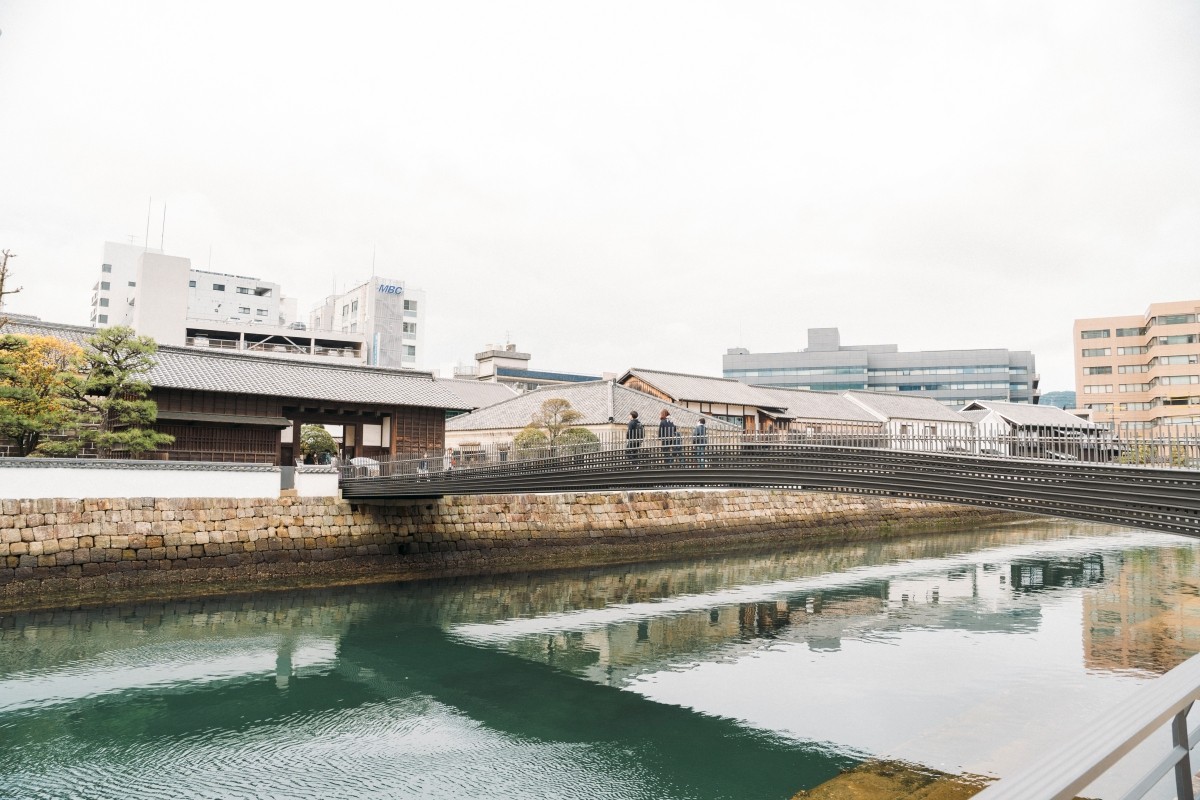
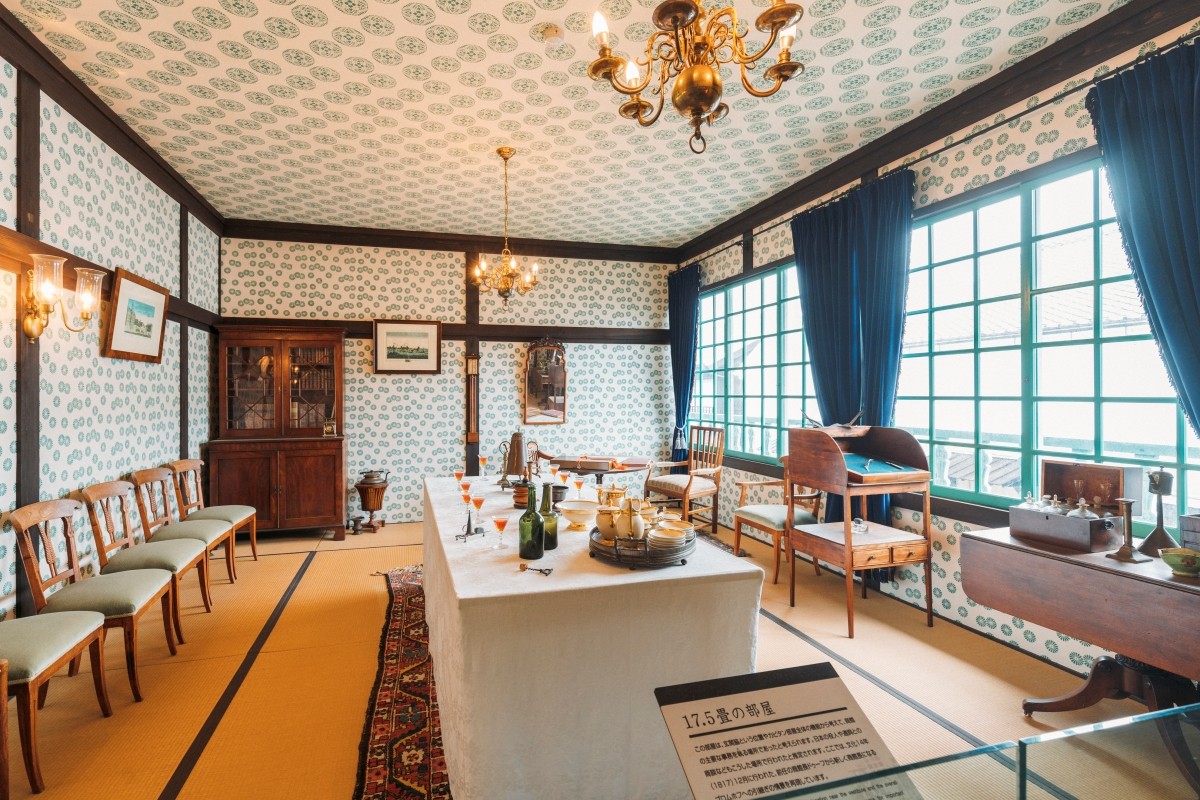
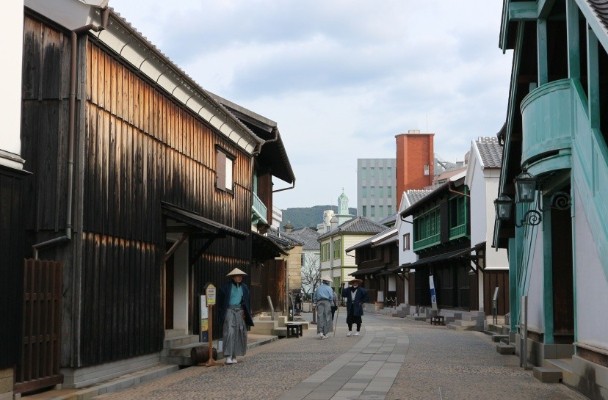
Dejima is an artificial island that, for over 200 years during Japan’s period of national isolation in the Edo era, served as the country’s only window to the Western world. Although it temporarily disappeared after Japan opened its borders, restoration efforts began, and buildings from the isolation period (around 1820), the end of the Edo period (1860s), and the Meiji era have been reconstructed. Today, Dejima has been recreated to reflect the international atmosphere of the 19th century and is a popular tourist destination. In 2017, a bridge to the main gate was completed, allowing visitors to cross just as people did in the past, allowing visitors to feel as if they’ve traveled back in time.
- Address: 6-1 Dejima-machi, Nagasaki City, Nagasaki Prefecture
- Access:
- About 1 minute on foot from Nagasaki Electric Tramway Dejima stop
- About 1 minute on foot from Dejima bus stop
- Hours: 8:00–21:00 (last entry 20:40)
- Closed: Open year-round
- Official website: https://nagasakidejima.jp/
Meganebashi (Spectacles Bridge) | A Bridge Whose Reflection Resembles a Pair of Glasses
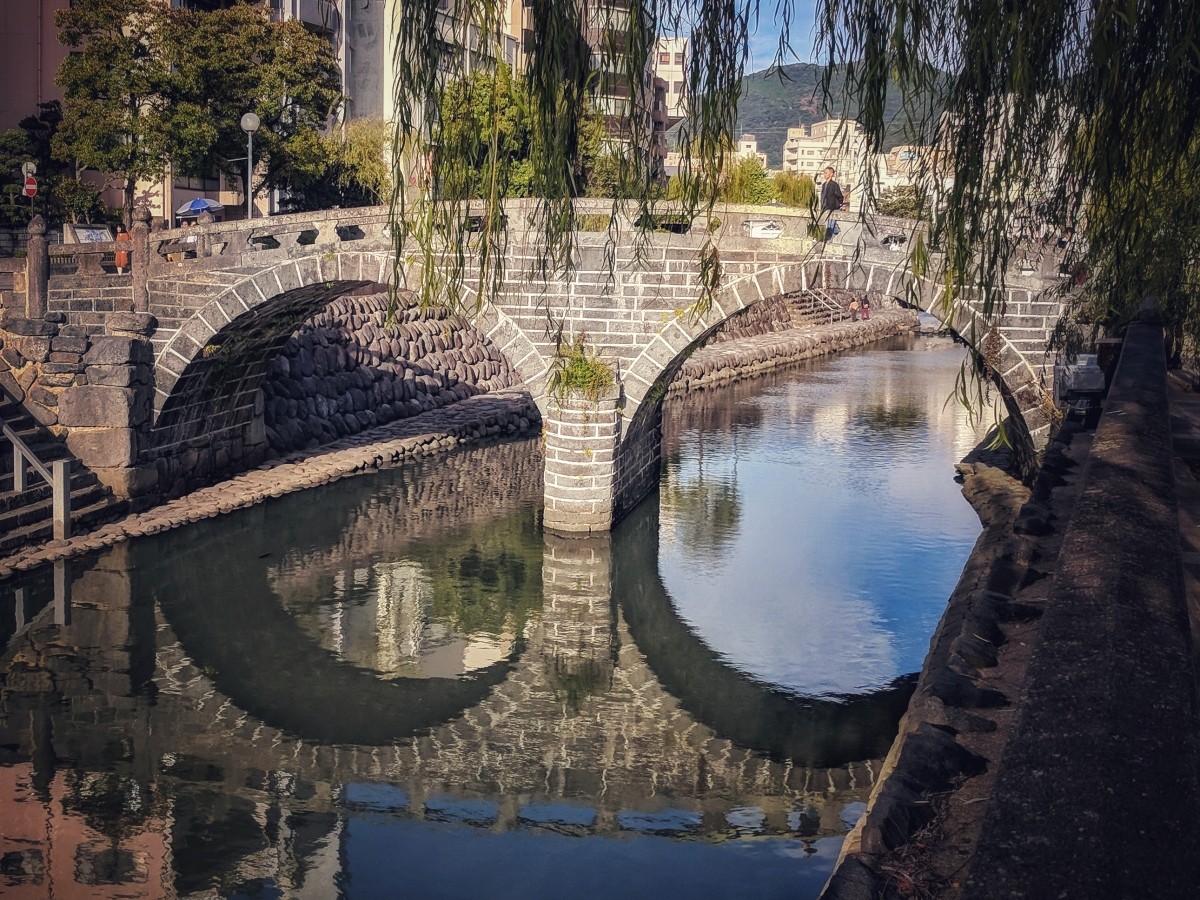
Meganebashi (Spectacles Bridge) was built in 1634 by the monk Mokusu Nyōjō of Kofukuji Temple. It is one of Japan’s three most famous bridges and is designated as an Important Cultural Property. The name comes from the two semicircular arches reflected on the surface of the Nakashima River, which look just like a pair of spectacles. When the water level is low, you can go down to the riverside and stroll along the water’s edge. There are several places along the embankment where heart-shaped stones are embedded, making it a popular spot for praying for success in love.
- Address: Between Uono-machi and Suwa-machi, Nagasaki City, Nagasaki Prefecture
- Access:
- About 4 minutes on foot from Nagasaki Electric Tramway City Hall stop
- About 3 minutes on foot from Meganebashi bus stop
Mount Inasa | Enjoy the “New Three Major Night Views of the World” from the Observatory
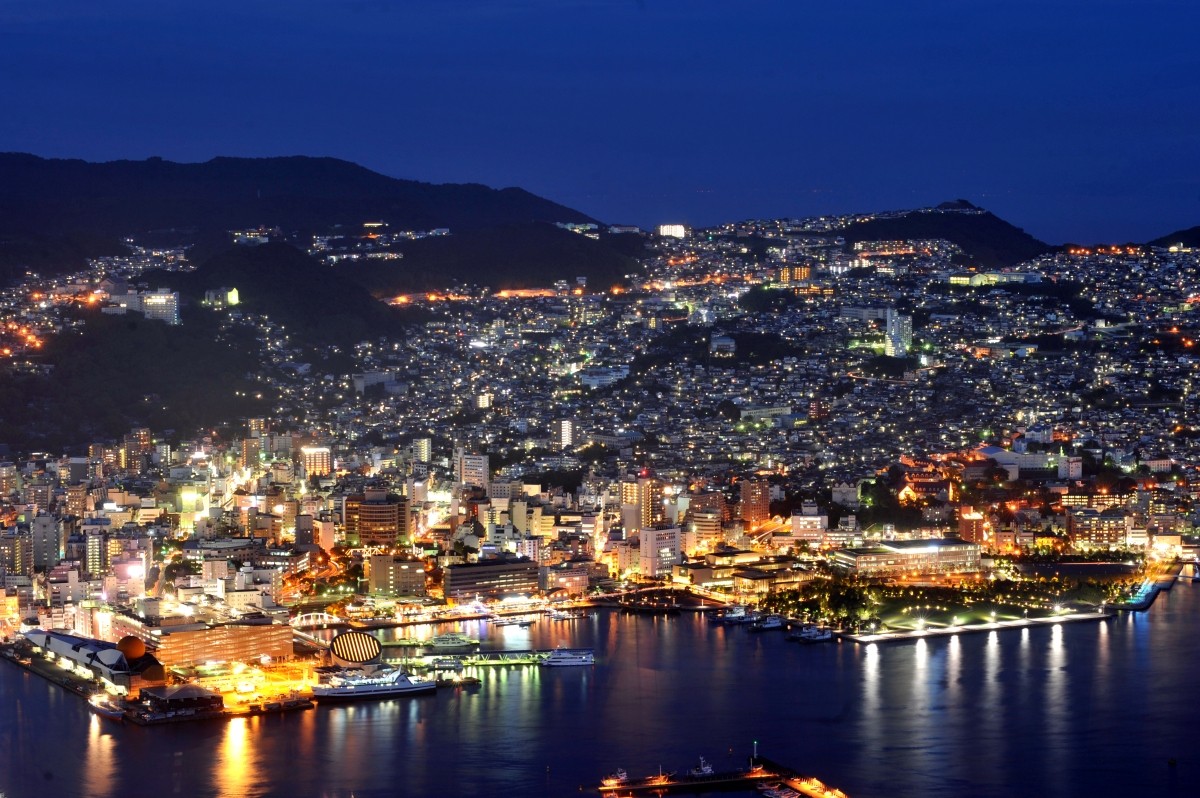
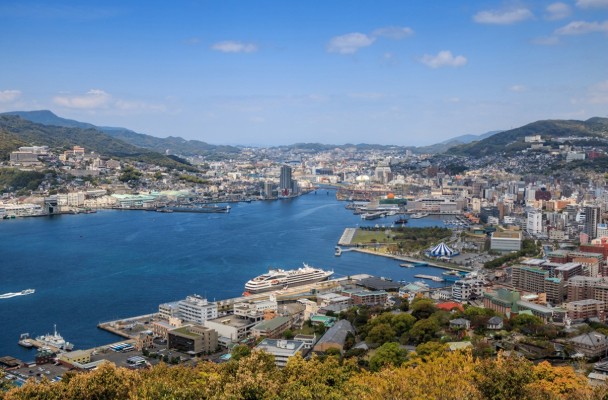
Mount Inasa, with an elevation of 333 meters, is one of Nagasaki’s most famous scenic spots, offering panoramic views of Nagasaki Port and the city from the summit observatory.
The night view is especially beautiful and has been recognized as one of the “New Three Major Night Views of the World” alongside Monaco and Shanghai. You can enjoy the fantastic scenery created by the city’s unique bowl-shaped topography. While you can reach the observatory by taxi or slope car, the recommended way is by ropeway. The glass-walled gondola offers panoramic 360-degree views, allowing you to enjoy a five-minute aerial journey while taking in the scenery below.
- Address: 407-6 Fuchi-machi, Nagasaki City, Nagasaki Prefecture
- Access:
- About 2 minutes on foot from Ropeway-mae bus stop
- About 5 minutes by ropeway from Nagasaki Ropeway Fuchi Shrine Station
- Hours: 9:00–22:00 (Mount Inasa Observatory)
- Closed: Open year-round
- Ropeway round-trip fare: Adults ¥1,900, Elementary school students ¥950
- Official website: https://inasayama.info/
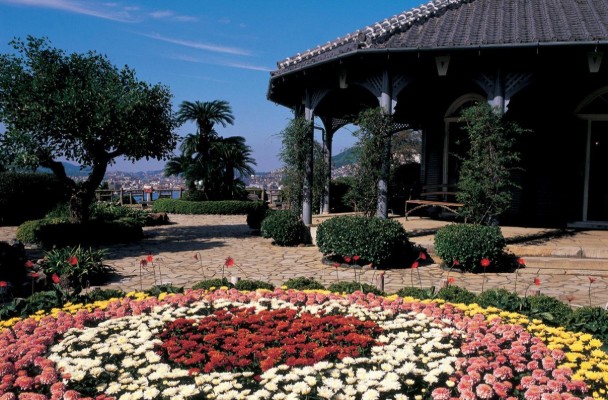
Glover Garden | A Charming Stroll Through Historic Western-Style Buildings and Stone-Paved Paths
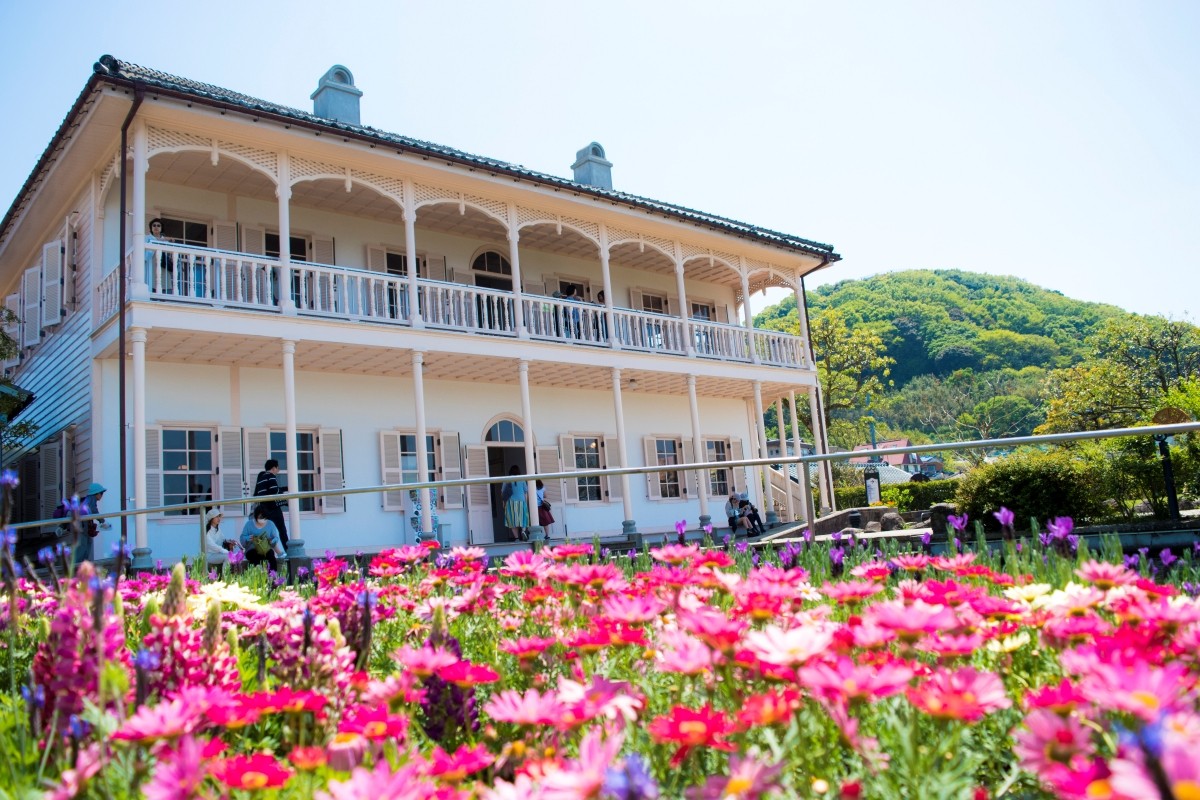
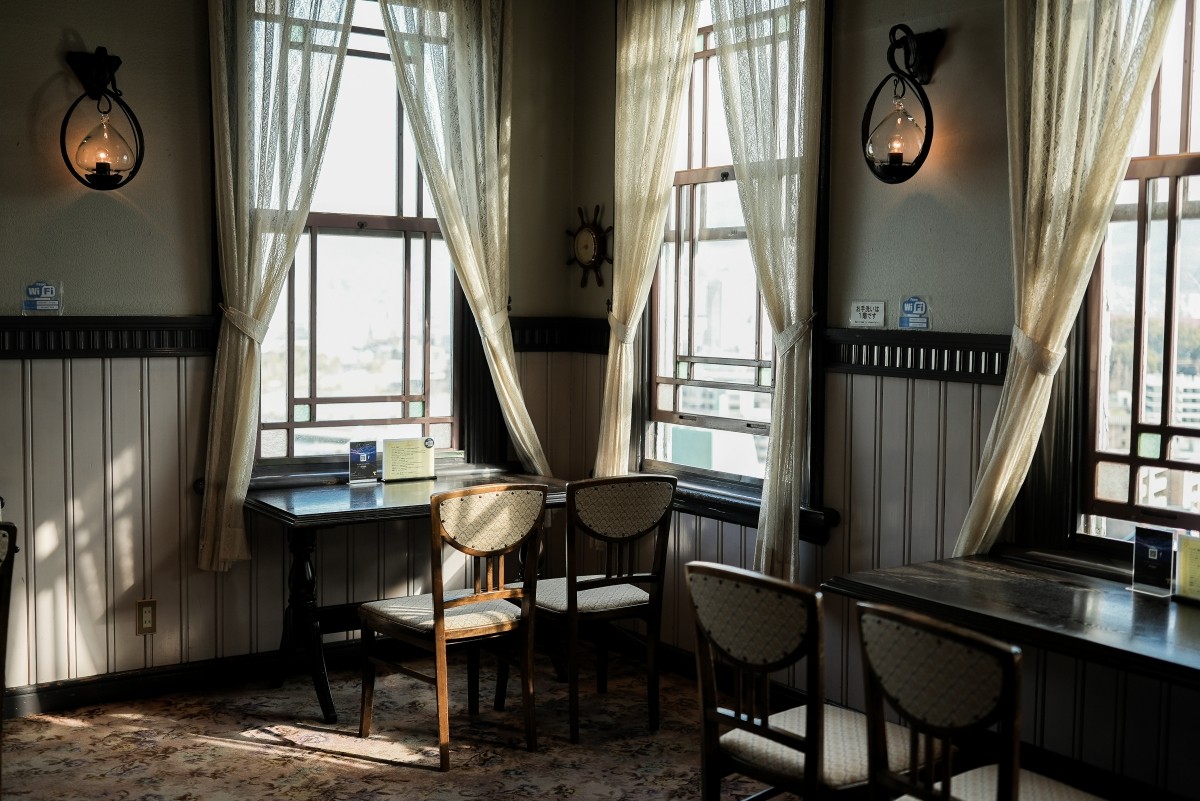
Glover Garden, located on the hills of Minamiyamate, is one of Nagasaki’s most iconic sightseeing spots, preserving the strong influence of international cultures. Within the garden, you’ll find the Former Glover Residence, a nationally designated Important Cultural Property, along with other precious Western-style buildings from the Meiji era that have been relocated and preserved. The seasonal flowers in full bloom and charming stone-paved paths create a rich historical atmosphere. In addition, visitors enjoy taking commemorative photos in retro costumes and the limited-time illuminations with a magical atmosphere. The sloped elevator (Glover Sky Road) is also available, making it easy even for those who are not confident about walking long distances to comfortably explore the garden.
- Address: 8-1 Minamiyamate-machi, Nagasaki City, Nagasaki Prefecture
- Access:
- About a 7-minute walk from Nagasaki Electric Tramway Oura Cathedral stop
- About a 6-minute walk from Glover Garden bus stop
- Access (Glover Sky Road):
- About a 3-minute walk from Nagasaki Electric Tramway Ishibashi stop
- About a 3-minute walk from Oura Cathedral-shita bus stop
- Opening Hours: 8:00–18:00 *Open at night during certain periods
- Closed: Open year-round *Schedule may change due to private events or weather
- Official Website: https://glover-garden.jp/
Oura Cathedral | The Oldest Existing Gothic Church in Japan
Oura Cathedral, built at the end of the Edo period, is the oldest existing Gothic-style church in Japan. In addition to its beautiful brick exterior, the interior features stained glass windows dating back about 100 years, preserving much of its original atmosphere. It is also known as the site of the “Discovery of the Hidden Christians,” where Hidden Christians confessed their faith, making it a place of great significance in Japanese religious history. Registered as a National Treasure and a UNESCO World Heritage Site, it is a sacred place of prayer that symbolizes Nagasaki, combining magnificent architecture and historical value.
- Address: 5-3 Minamiyamate-machi, Nagasaki City, Nagasaki Prefecture
- Access:
- About a 5-minute walk from Nagasaki Electric Tramway Oura Cathedral stop
- About a 5-minute walk from Oura Cathedral-shita bus stop
- Opening Hours:
- Regular: 8:30–18:00
- Winter (November 1–end of February): 8:30–17:30
- Closed: May be closed for church events
- Official Website: https://oura-church.jp/
Urakami Cathedral | The Largest Romanesque Cathedral in the East Asia
Urakami Cathedral was built in 1914 by believers who survived the era of persecution, and was known at the time as the largest brick Romanesque cathedral in the East Asia. Although it was destroyed by the atomic bombing, it was rebuilt in 1959 and restored to its original appearance in 1980 with brick tiles. The Angelus bell, which survived the bombing, still rings from the twin towers at the front. Inside the cathedral, there is an exhibition room displaying artifacts and valuable materials related to the atomic bombing, creating a solemn space that conveys a wish for peace.
- Address: 1-79 Motoh-machi, Nagasaki City, Nagasaki Prefecture
- Access:
- About an 8-minute walk from Nagasaki Electric Tramway Peace Park stop
- About a 3-minute walk from Urakami Cathedral-mae bus stop
- Opening Hours: 9:00–17:00
- Closed: Open year-round
- Official Website: https://uracathe.sakura.ne.jp/
Dutch Slope | Stroll Along Picturesque Stone Paths and Retro Western-Style Houses
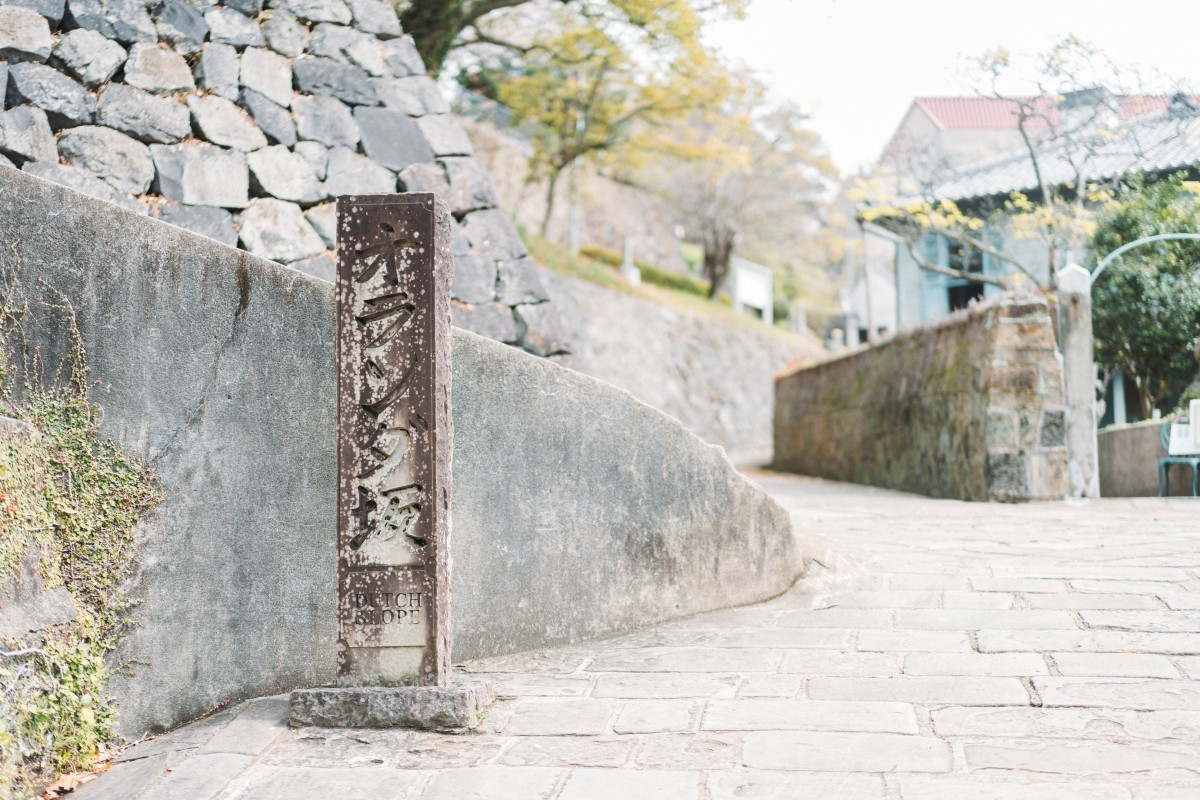
Oranda-zaka is a picturesque stone-paved slope located in the Higashiyamate area. During the Edo period, all slopes in the foreign settlement were called "Oranda-zaka," but today, the name mainly refers to the slopes around Kwassui Women's University. Near the stone monument of Oranda-zaka stands the Higashiyamate 13th House, which was used as a residence for foreign residents during the Meiji era. Admission is free, and you can tour the interior, which recreates the lifestyle of that time. There is also a café where you can relax and unwind.
- Address: Higashiyamate-machi, Nagasaki City, Nagasaki Prefecture
- Access: About a 4-minute walk from Nagasaki Electric Tramway Medical Center stop
Nagasaki Shinchi Chinatown | A District Where You Can Enjoy Nagasaki-Style Chinese Cuisine
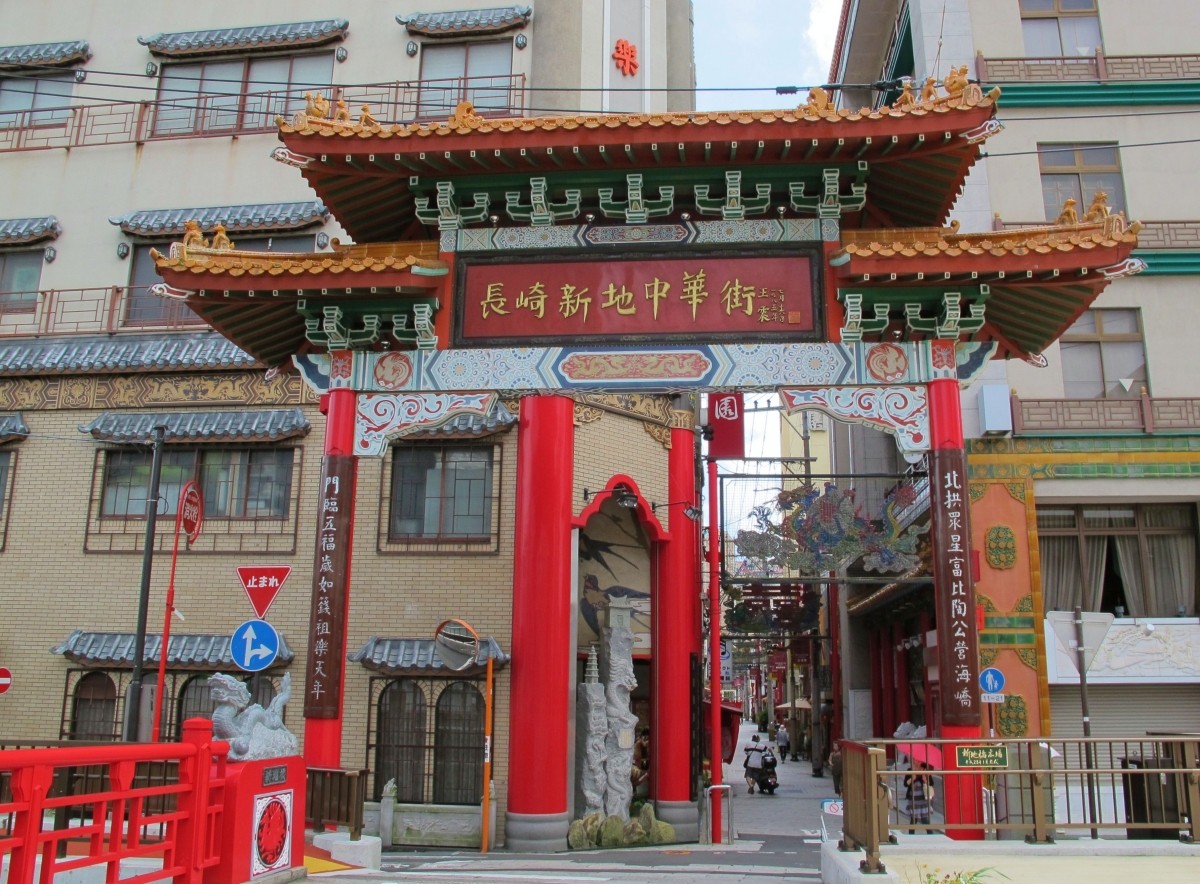
Nagasaki Shinchi Chinatown was developed by reclaiming land from the sea in the mid-Edo period to build warehouses for goods brought in through trade with China. Along the cross-shaped street, about 250 meters long, there are around 40 restaurants and souvenir shops, where you can easily enjoy Nagasaki specialties such as "Champon" and "Sara Udon," as well as sweets. In winter, about 15,000 lanterns illuminate the Chinatown during the "Lantern Festival," a major seasonal event. The vividly colored lights create a fantastical atmosphere throughout the district.
- Address: Shinchimachi, Nagasaki City, Nagasaki Prefecture
- Access:
- About a 1-minute walk from Nagasaki Electric Tramway Shinchi Chinatown stop
- About a 1-minute walk from Shinchi Chinatown bus stop
- Business hours: Varies by store
- Closed: Varies by store
- Official website: https://www.nagasaki-chinatown.com/
What Are Nagasaki's Famous Foods? Champon, Sara Udon, and More
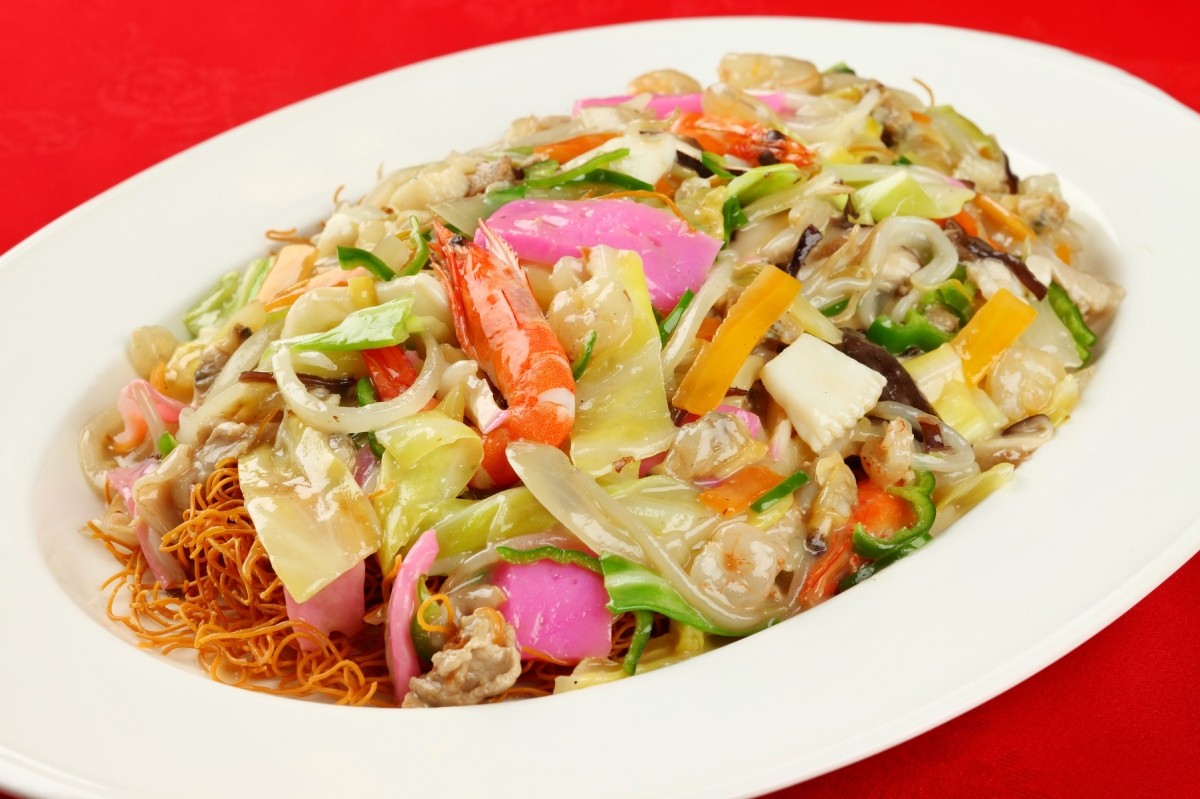
Nagasaki has developed its own unique food culture. Representative dishes include "Champon," a noodle dish made with a rich broth, vegetables, seafood, pork, and other ingredients, and "Sara Udon," which features crispy fried noodles topped with a thick sauce packed with ingredients. Other famous dishes include "Nagasaki Turkish Rice," a dish featuring pilaf, spaghetti, and tonkatsu on one plate, and "Lemon Steak," thinly sliced grilled beef topped with a lemon-flavored soy sauce.
👉17 Recommended Nagasaki Gourmet Foods | From Champon and Sasebo Burgers to Local Specialties
Nagasaki Sightseeing Suggested Itinerary [1 Night, 2 Days] — Enjoy the Night View, Gourmet Food, and Recommended Hotels
Here is a course for sightseeing in Nagasaki without using a car or taxi.
[Day 1] 9:00: Explore Nagasaki's History at Megane Bridge and Dejima
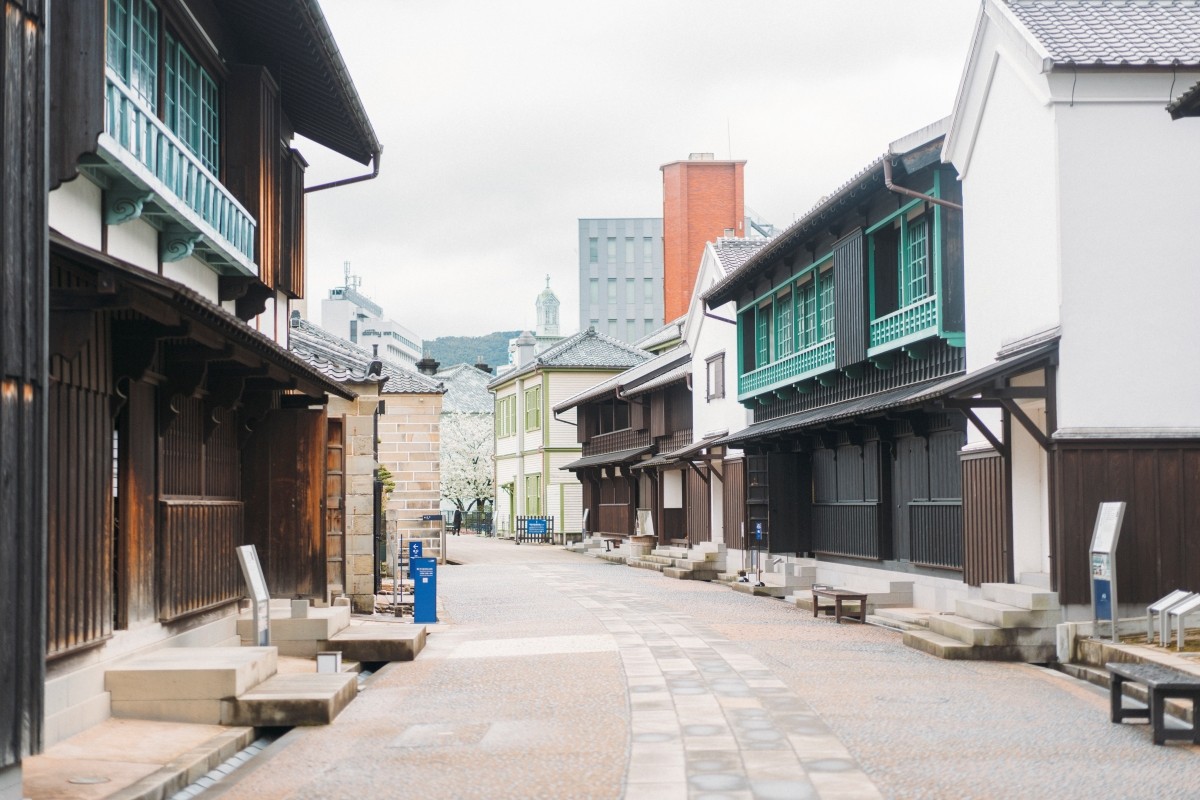
Start your first day at Megane Bridge, built during the Edo period. Enjoy the scenery with the bridge reflected on the river's surface and take commemorative photos. Then, stroll for about 15 minutes on foot to your next destination, Dejima. Cross the Omotemon Bridge and arrive at the main gate, which feels like stepping into the past. At Dejima, you can immerse yourself in the atmosphere of 19th-century Dejima, surrounded by restored buildings and warehouses from the Edo period through the opening of Japan to the world at the end of the shogunate.
[Day 1] 10:30: Shopping for Souvenirs at Hamano-machi Arcade and Chinatown
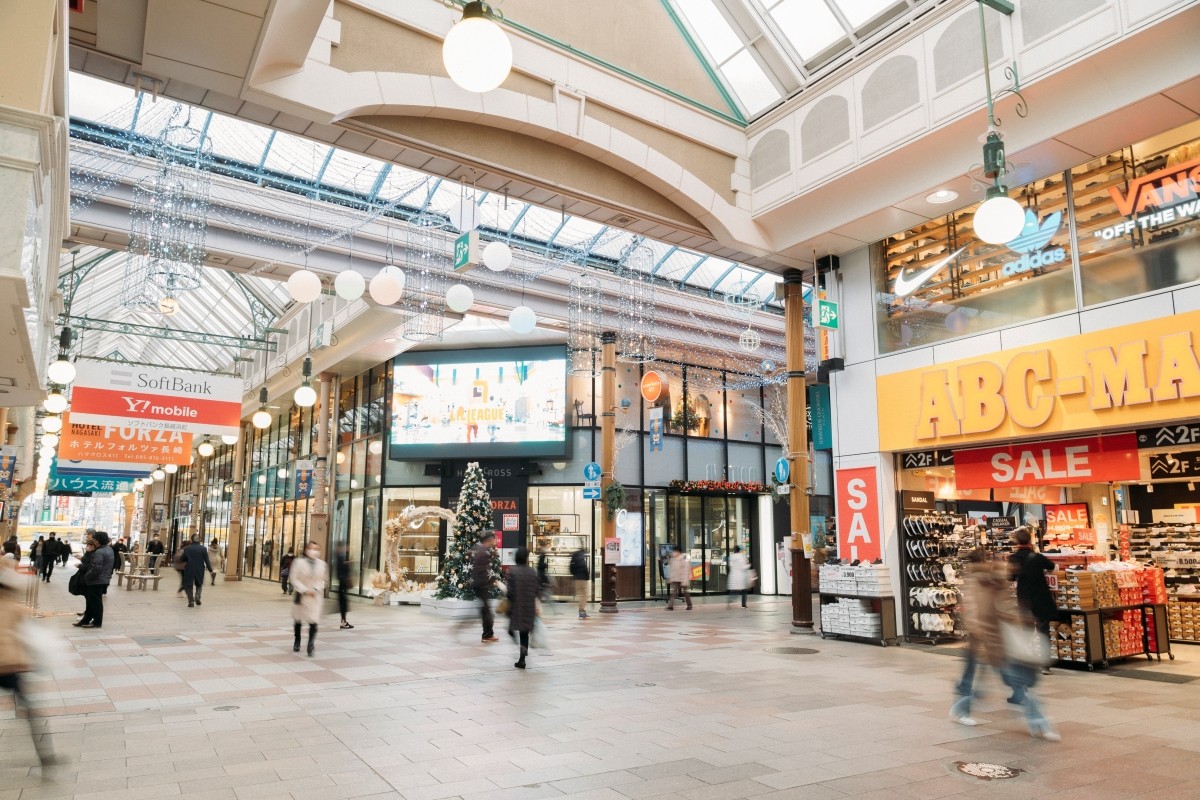
Next, head to Hamano-machi Arcade, Nagasaki’s largest shopping street with around 700 shops, located about a 5–10 minute walk from Dejima. The appeal of this shopping arcade is that you can shop comfortably even on rainy days. You’ll find a wide variety of stores, including department stores, long-established stationery shops, and stores selling Nagasaki’s famous sweets, making it easy to do all your shopping in one place. About a 5-minute walk from this arcade is Nagasaki Shinchi Chinatown, where you can also shop for unique Chinatown souvenirs.
Day 1, 12:00 PM: Lunch – “Sara Udon” or “Champon”
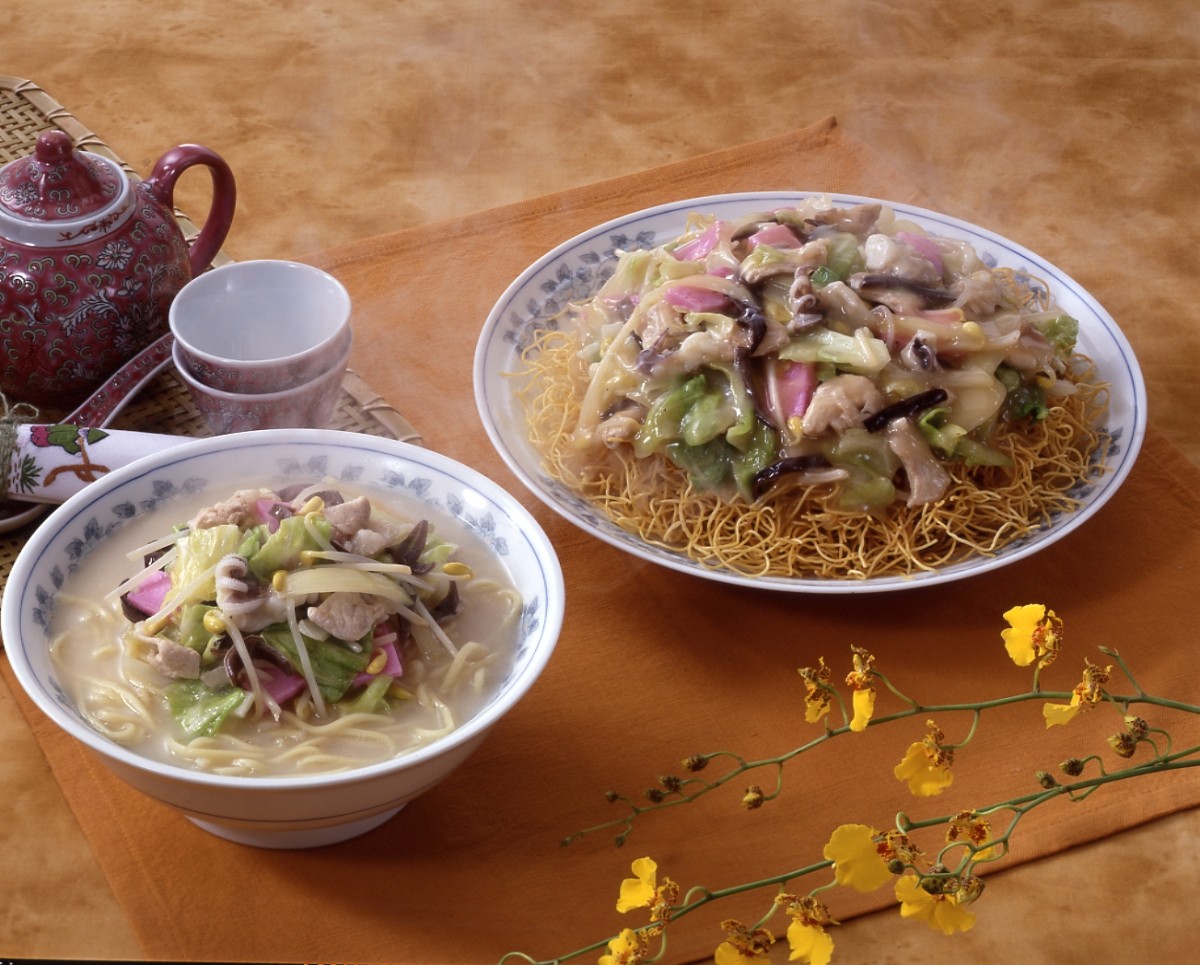
For lunch, we recommend trying Sara Udon or Champon at famous restaurants such as Shikairou and Kozanrou. Shikairou is the birthplace of Champon and Sara Udon, with a history of over 120 years. On the other hand, Kozanrou is a Chinese restaurant founded in 1946 with locations including Nagasaki Shinchi Chinatown, known for its special soup. Both are very popular, so reservations are essential.
🍴Reserve at “Shikairou” (AutoReserve)
🍴See information about “Kozanrou” (Tabelog)
Day 1, 1:30 PM: Tour Oura Cathedral and Glover Garden in the Minamiyamate Area
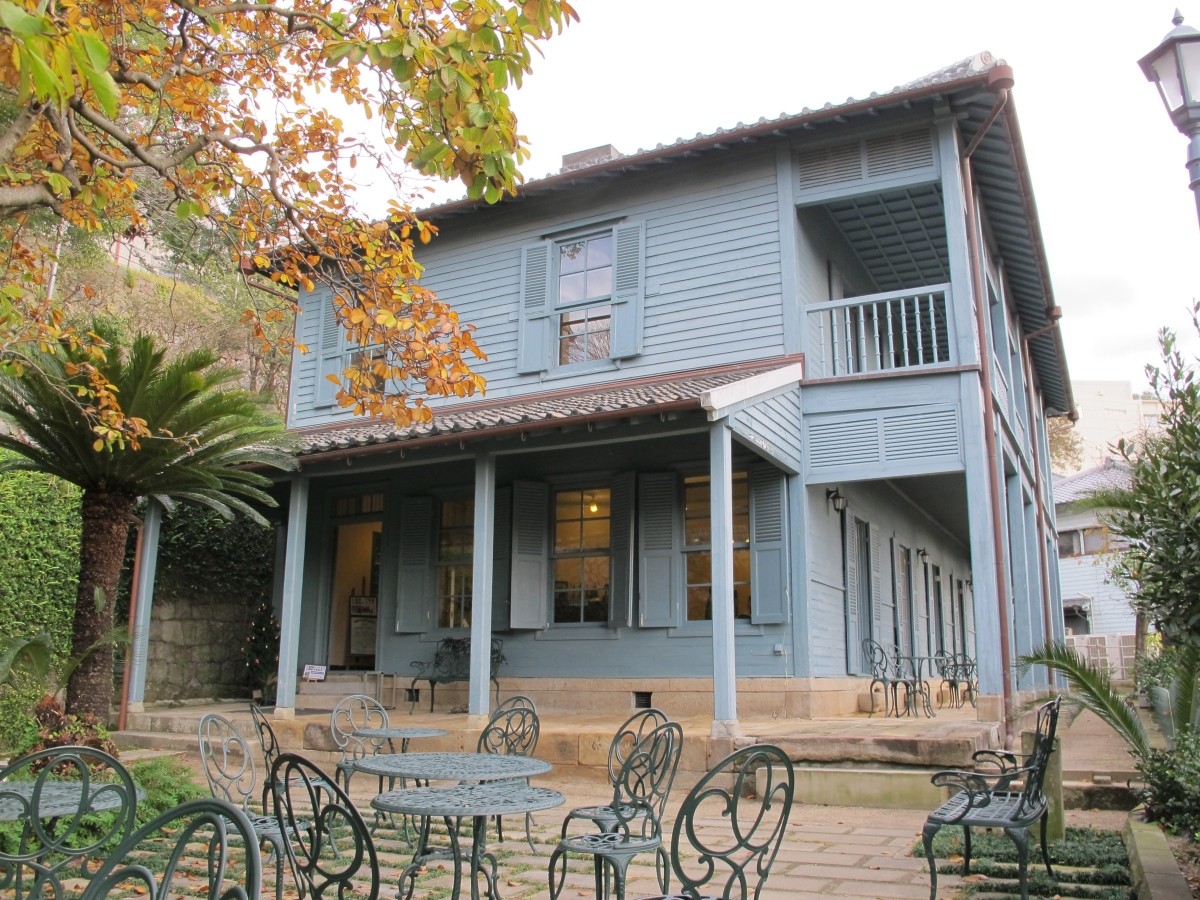
In the afternoon, head to the Minamiyamate area, home to Oura Church and Glover Garden. Along the way, you’ll find Dutch Slope, where you can enjoy a stroll through the exotic streetscape. Taking a break at the café in Higashiyamate Ko 13 Bankan is also recommended. After visiting the historic Oura Church, continue on to Glover Garden, which spreads out on the hillside. Enjoy a leisurely walk while experiencing the unique history and culture of Nagasaki.
Day 1, 6:00 PM: Dinner – “Nagasaki Turkish Rice”
After a full day of walking, why not try Nagasaki’s hearty specialty, “Turkish Rice,” for dinner? Locals especially recommend “Bistro Bordeaux,” which is said to be the birthplace of Turkish Rice, and the long-established café “Tsuru-chan.” Both places preserve the traditional flavors while offering a wide variety of Turkish Rice dishes. You can savor a plate that’s uniquely Nagasaki.
🍴Reserve "Bistro Bordeaux" (Tabelog)
🍴Reserve "Bistro Bordeaux" (AutoReserve)
Day 1, 8:00 PM: Head to "Mount Inasa" for Nagasaki's Night View
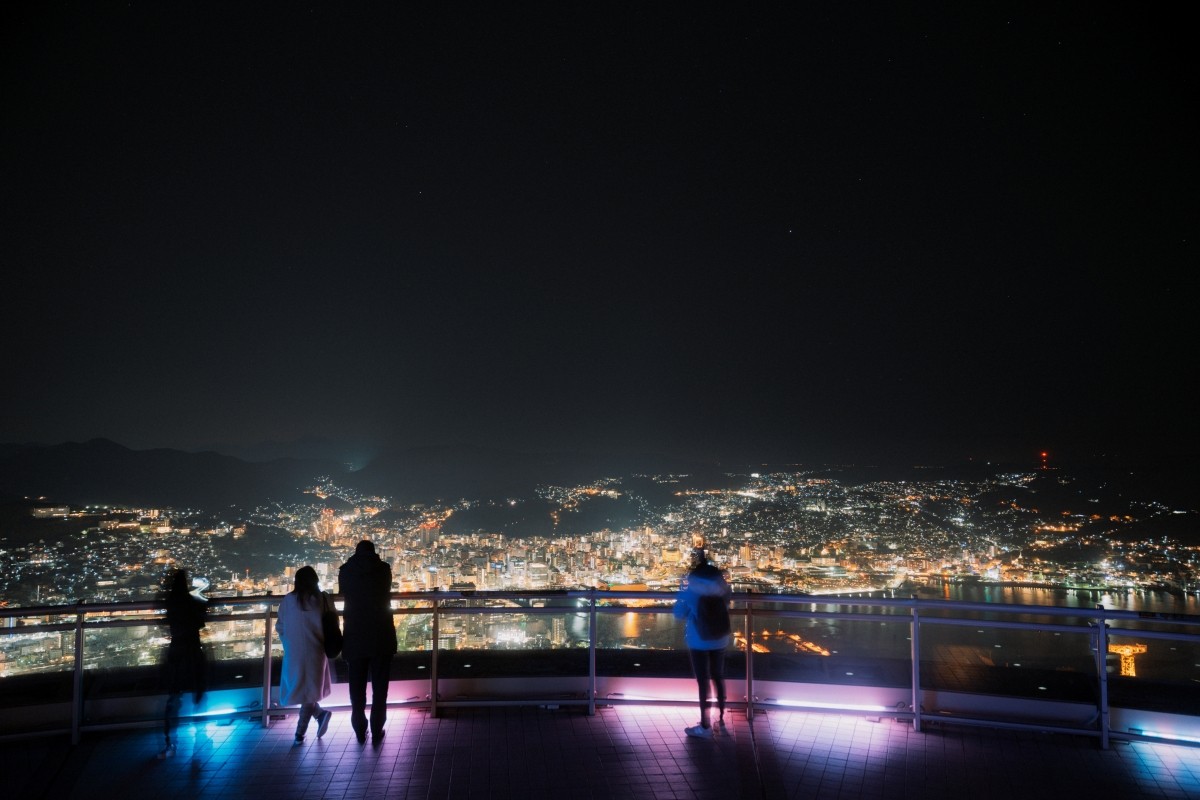
To wrap up your first day, take the ropeway to Mount Inasa while admiring the colorful carpet of lights below. From the observatory, you can enjoy a panoramic view of Nagasaki's magnificent nightscape, known as the "10 Million Dollar Night View" and selected as one of the "World's New Three Major Night Views." The lighting embedded in the observatory floor creates a magical atmosphere, creating a romantic atmosphere that further enhances the beauty of the night view.
Day 1: Stay at a Recommended Hotel in Nagasaki
There are many hotels throughout Nagasaki Prefecture, and plenty of wonderful options within Nagasaki City itself. For example, you can find hotels with stunning views of the nightscape selected as one of the World's New Three Major Night Views, accommodations with convenient access to tourist spots, or hotels where you can enjoy the exotic cityscape. If you're looking for a hotel in Nagasaki City, "JAPANiCAN" is highly recommended. You can search for your favorite accommodation to match your travel style.
🏨Find recommended hotels in Nagasaki on JAPANiCAN
Day 2, 9:00 AM: Gunkanjima (Battleship Island) Cruise
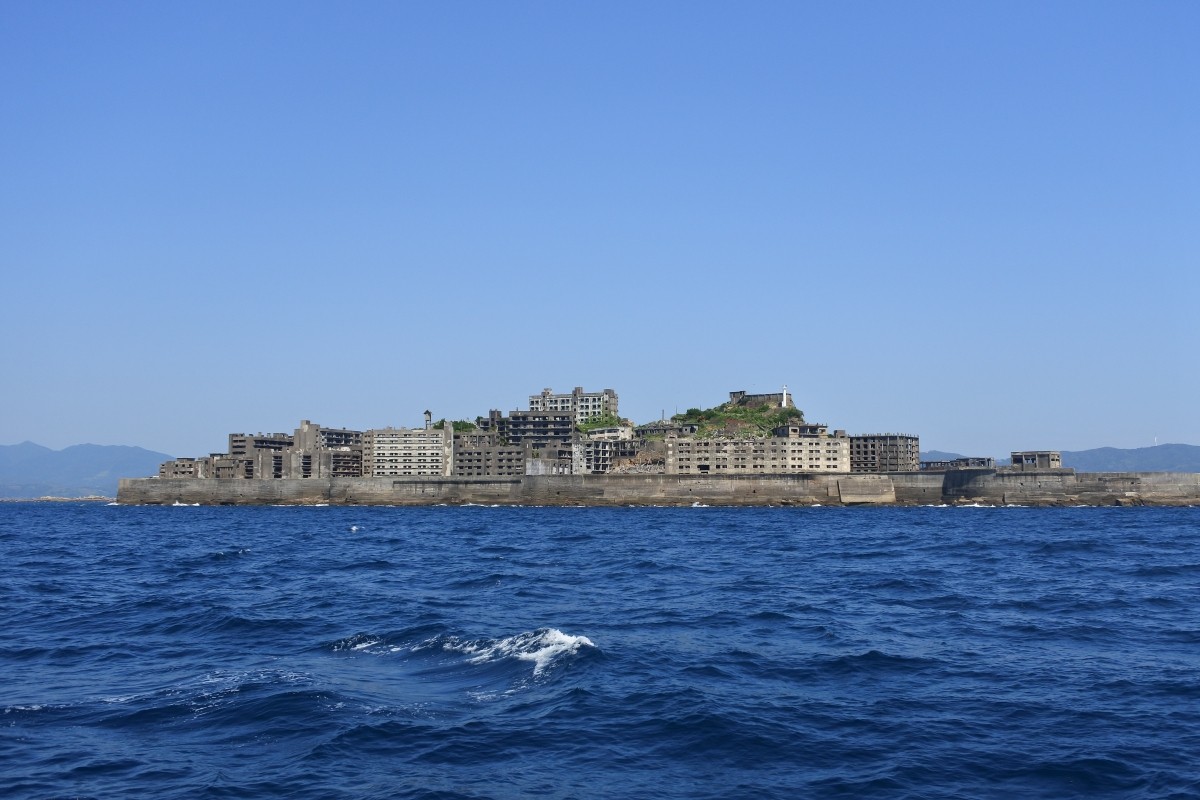
Day 2 begins with the must-book Gunkanjima (Battleship Island) Cruise. However, whether the boat can depart for Gunkanjima or whether landing on the island is possible depends on sea conditions and a bit of luck. If you are unable to visit, we recommend the Nagasaki Kunchi Museum or the Nagasaki Museum of History and Culture, where you can also enjoy hands-on traditional craft experiences.
【Day 2】12:00: Lunch with "Shippoku Cuisine"
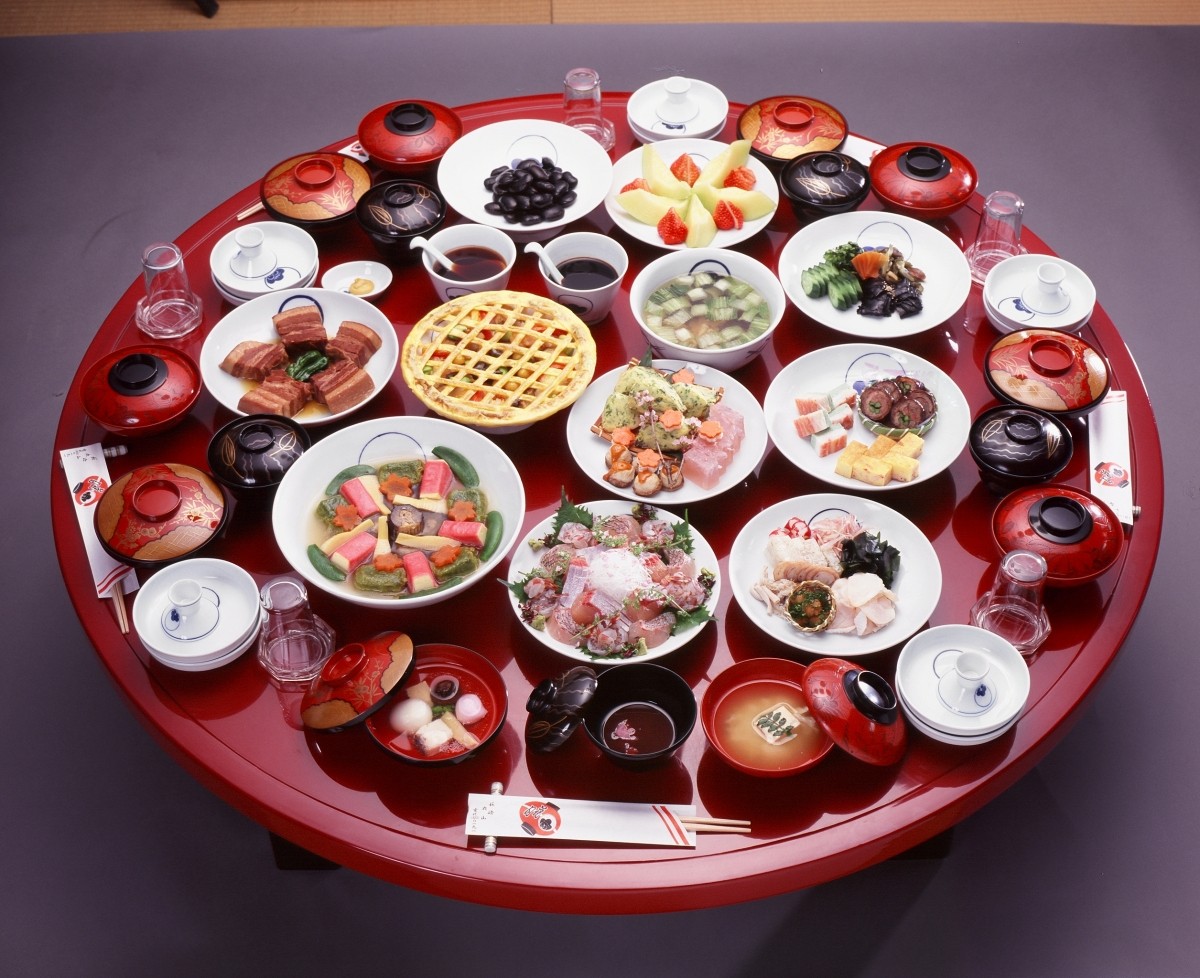
Shippoku cuisine is a course meal that originated in Nagasaki during the Edo period, blending Japanese, Chinese, and Western (Dutch-influenced) culinary cultures. Dishes are served on large platters at a vermillion round table, and diners share the dishes from the table. Recommended places to enjoy traditional Shippoku cuisine include long-established restaurants like Hamakatsu and Yossou. At Yossou, their famous chawanmushi (savory egg custard) with seasonal ingredients is also a must-try.
🍴Reserve "Hamakatsu" (AutoReserve)
🍴Reserve "Yossou" (AutoReserve)
【Day 2】14:00: Feel the "Prayer for Peace" at Peace Park and Urakami Cathedral
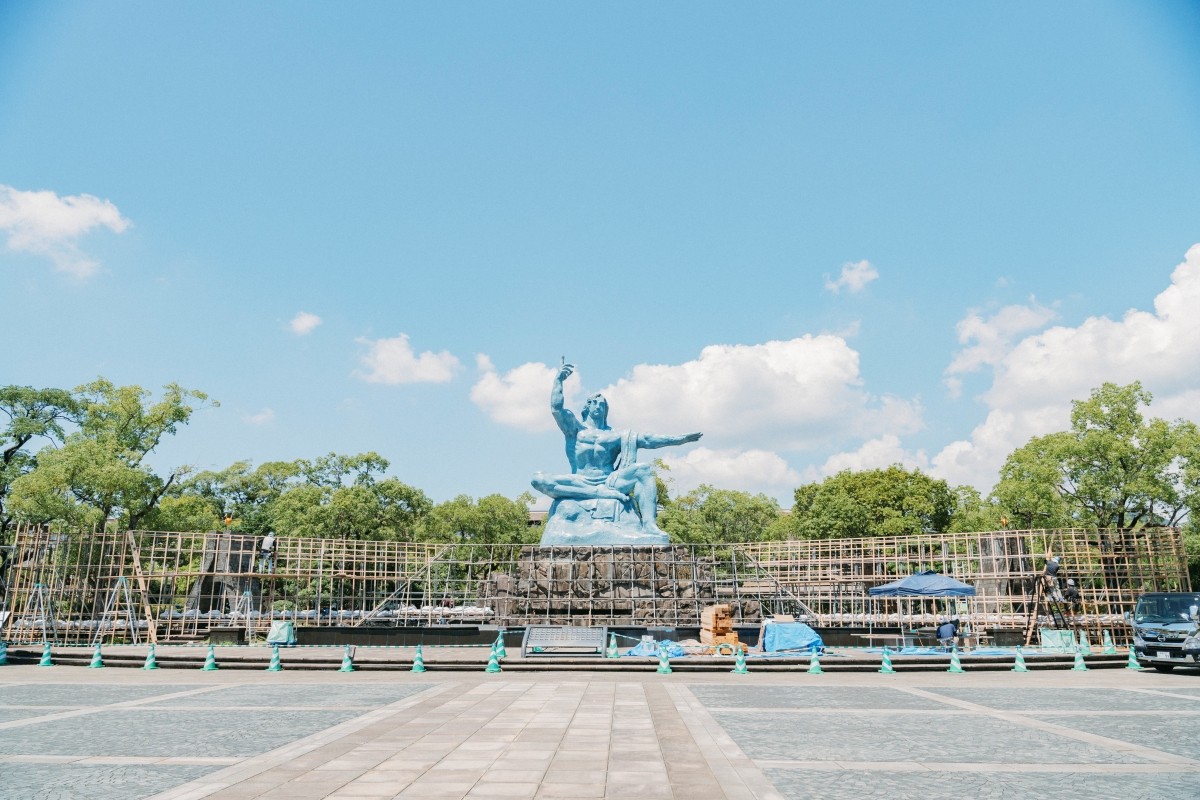
Spend the afternoon of Day 2 at Peace Park. Take a quiet stroll while viewing the Peace Statue and various monuments scattered throughout the park, and feel the prayer for peace. Afterwards, walk about 6–7 minutes to Urakami Cathedral. Take a moment to appreciate the light streaming into the cathedral and its peaceful silence.
【Day 2】Buy Castella Souvenirs at "Kamome Market"
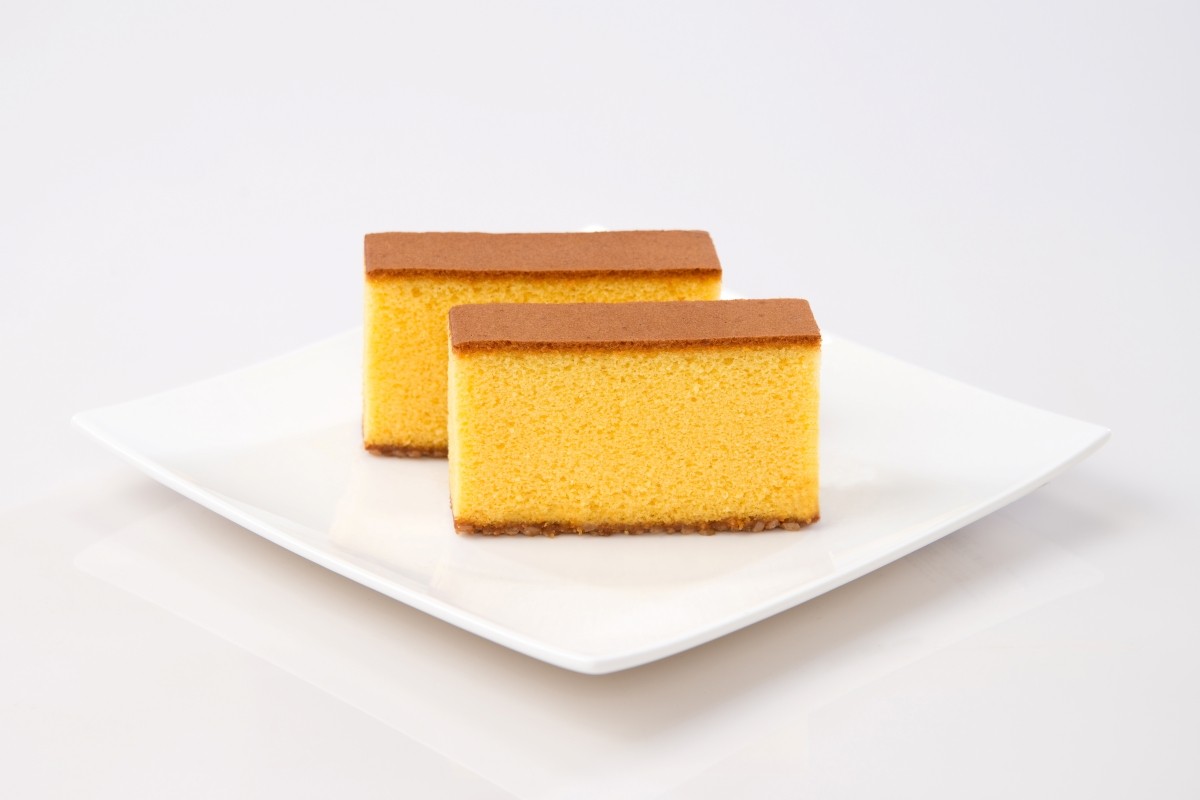
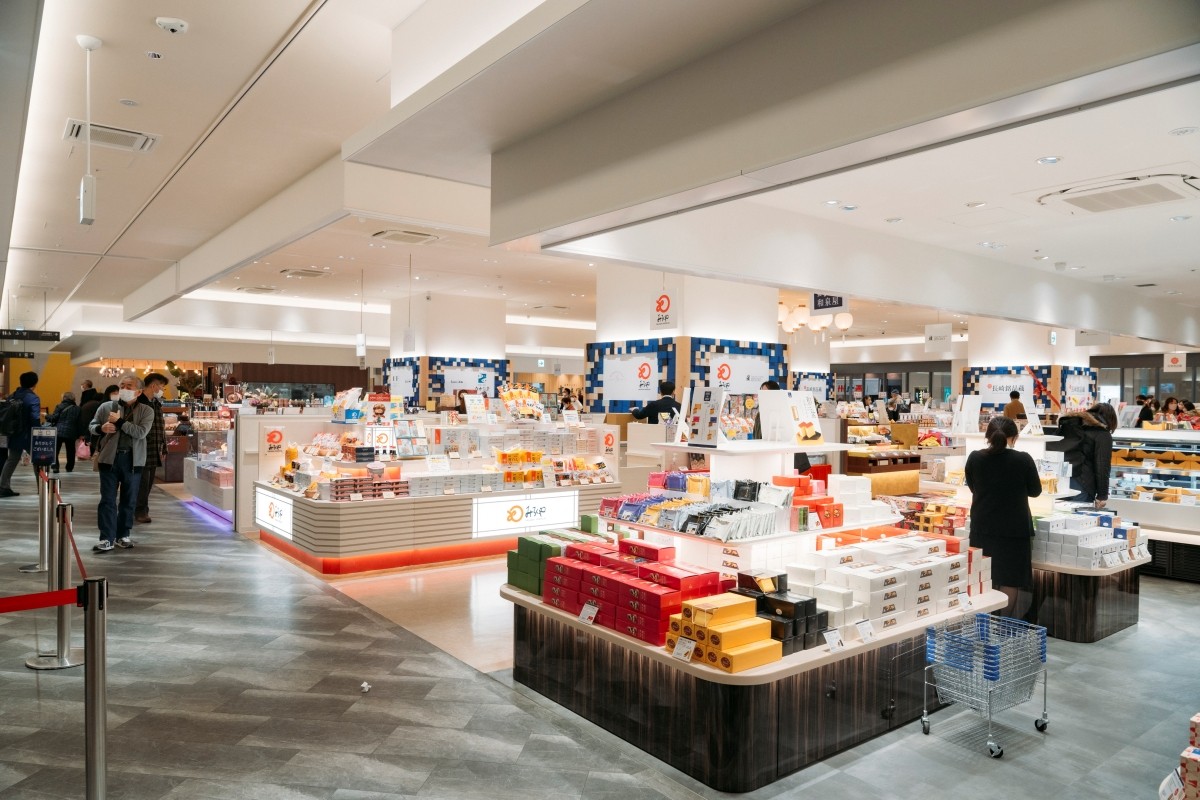
At "Nagasaki Kaido Kamome Market," located right in front of the JR Nagasaki Station ticket gates, you’ll find a wide selection of classic Nagasaki souvenirs. Among them, Castella cake is one of Nagasaki’s most iconic souvenirs. The staff, who are from Nagasaki themselves, especially recommend "Fukusaya." The cube-shaped “Fukusaya Cube” also makes a perfect small gift to share with others.
👉10 Must-Buy Souvenirs from Nagasaki
Nagasaki is full of attractions, gourmet food, and great souvenirs. Use this suggested itinerary as a guide and enjoy exploring the city of Nagasaki.


Comments