
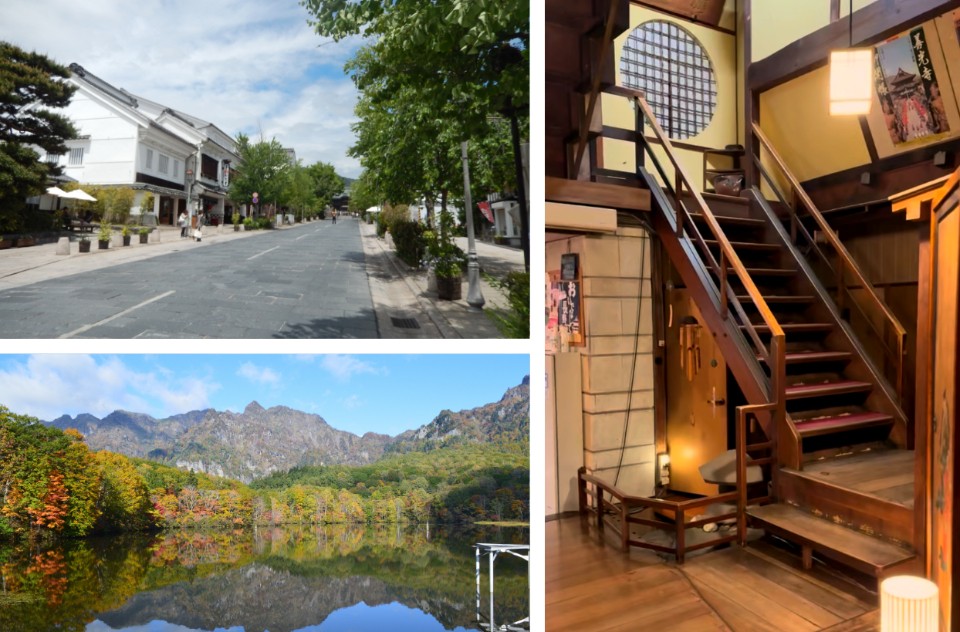
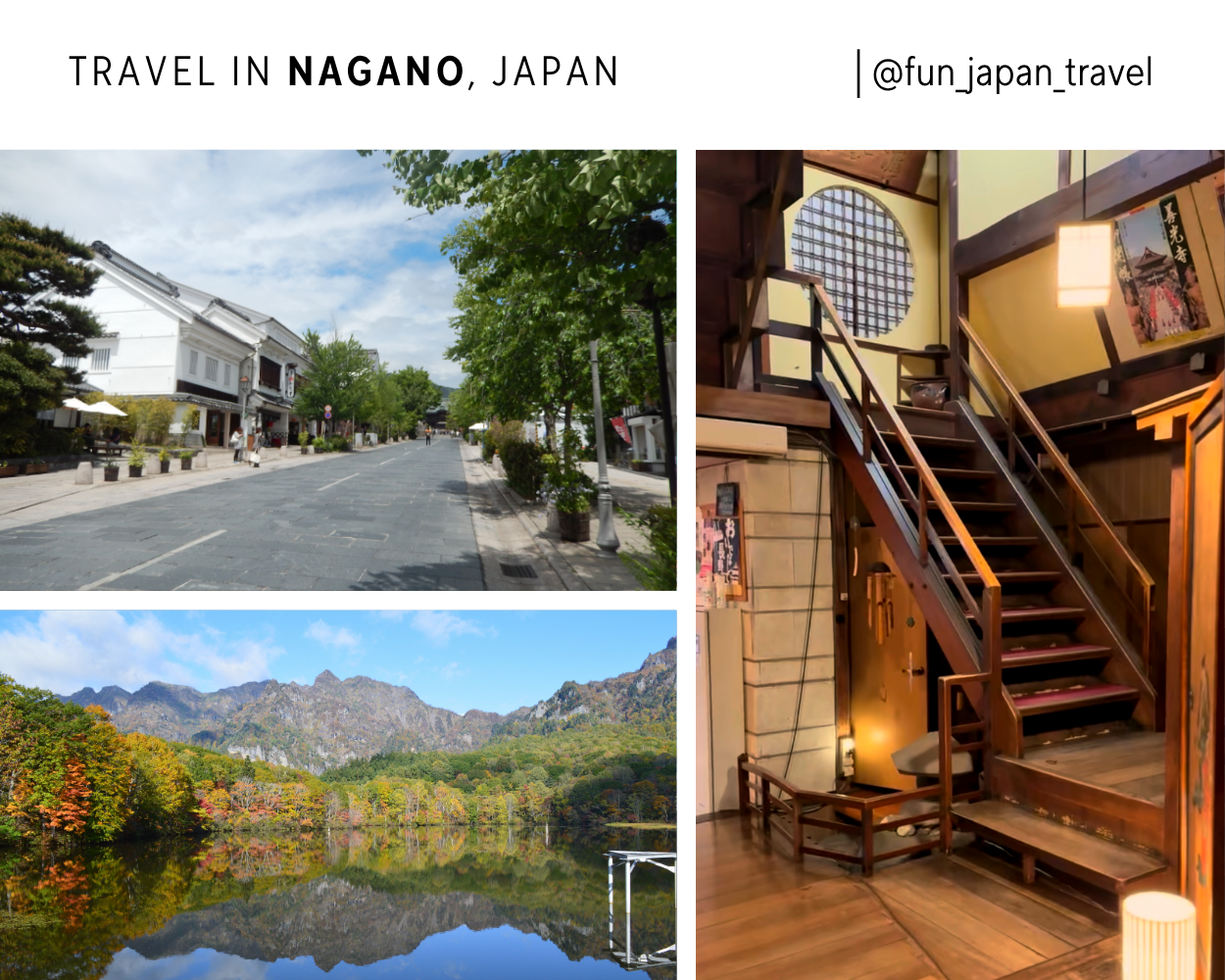
Rich in history and abundant nature, Nagano Prefecture is a destination where you can truly experience the essence of Japan. While the mountainous areas such as snow resorts and summer retreats are popular, this time we will introduce sightseeing around Zenkoji Temple in Nagano City, an area where you can enjoy traditional Japanese atmosphere and history.
In fact, the area around Zenkoji Temple is a hidden gem where you can enjoy a quintessential Japanese trip without the overwhelming crowds found in places like Kyoto or Kamakura. Using a ryokan with a history dating back to the Meiji era as your base, you can explore Zenkoji Temple with its 1,400 years of history, savor local Monzen-machi cuisine, and visit nearby attractions such as the Ninja Village and the Snow Monkey Park—there’s plenty to see and do in the area.
In this article, I, the author with 16 years of experience as an editor and writer for Japanese travel media, will guide you through a model course, a 1-night, 2-day model course, around Nagano City, a ryokan stay report, and a selection of 15 recommended sightseeing spots in the area.
*If you purchase or book products introduced in this article, a portion of the sales may be returned to FUN! JAPAN.
🚅 Reserve your Shinkansen tickets with NAVITIME Travel! 👉Click here
🛫 Book your flight tickets with NAVITIME Travel! 👉Click here
Where is Zenkoji Temple? Nagano Prefecture / Nagano City
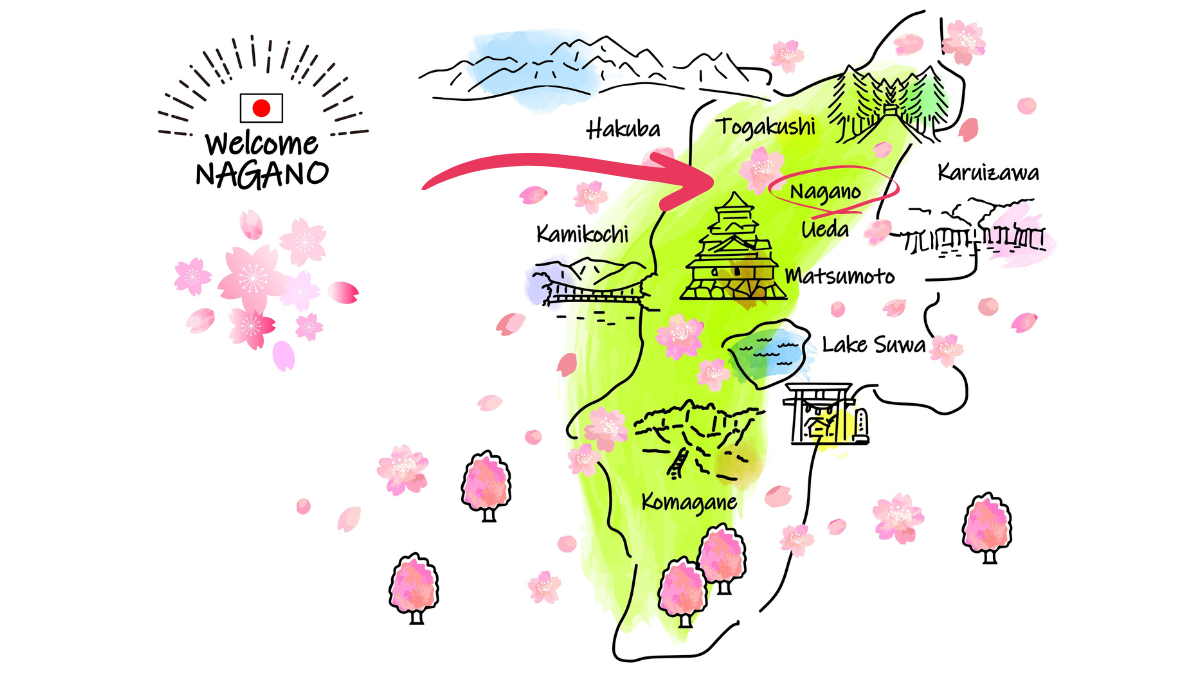
Where is Nagano Prefecture / Nagano City?
Nagano Prefecture is located almost in the center of Honshu, Japan’s main island, and is surrounded by high mountains, earning it the nickname “the Roof of Japan.” Its capital, Nagano City, which is the setting for this trip, is located in the northern part of the prefecture.
Nagano City developed as a temple town* centered around Zenkoji Temple, which has long been said to be a place you should visit at least once in your lifetime. The area is characterized by its historical charm and rich natural surroundings.
*A temple town (Monzen-machi) is a town that developed in front of the gates of a large temple or shrine.
Access from Major Cities and Airports
Nagano City is easily accessible from various locations, with Nagano Station serving as a stop for the Shinkansen.
Access from Tokyo and Osaka
- From Tokyo (fastest): Take the Hokuriku Shinkansen “Kagayaki” or “Hakutaka” for about 1 hour 20 minutes to 1 hour 50 minutes.
- From Osaka: Take the Tokaido Shinkansen to Nagoya Station, then transfer to the Limited Express “Shinano” for a total of about 4 hours. Alternatively, you can transfer via Tokyo and take the Shinkansen.
Access from International Airports
- From Narita International Airport (NRT): Take the Keisei Skyliner or Narita Express to Tokyo Station (or Ueno Station), then transfer to the Hokuriku Shinkansen. Total travel time is about 3 hours.
- From Haneda Airport (HND): Take the Monorail or Keikyu Line to Tokyo Station, then transfer to the Hokuriku Shinkansen. Total travel time is about 2 hours 30 minutes.
- From Chubu Centrair International Airport (NGO): Take the Meitetsu Limited Express “μ-SKY” to Nagoya Station, then transfer to the Limited Express “Shinano.” Total travel time is about 3 hours 30 minutes.
After arriving at Nagano Station, you can reach the main area around Zenkoji Temple, introduced in this article, by bus or on foot.
Note that while there is the Shinshu Matsumoto Airport in Nagano Prefecture, as of 2026, there are no regularly scheduled international flights.
[1 Night, 2 Days] Model Course to Fully Enjoy Nagano with Zenkoji Temple as Your Base
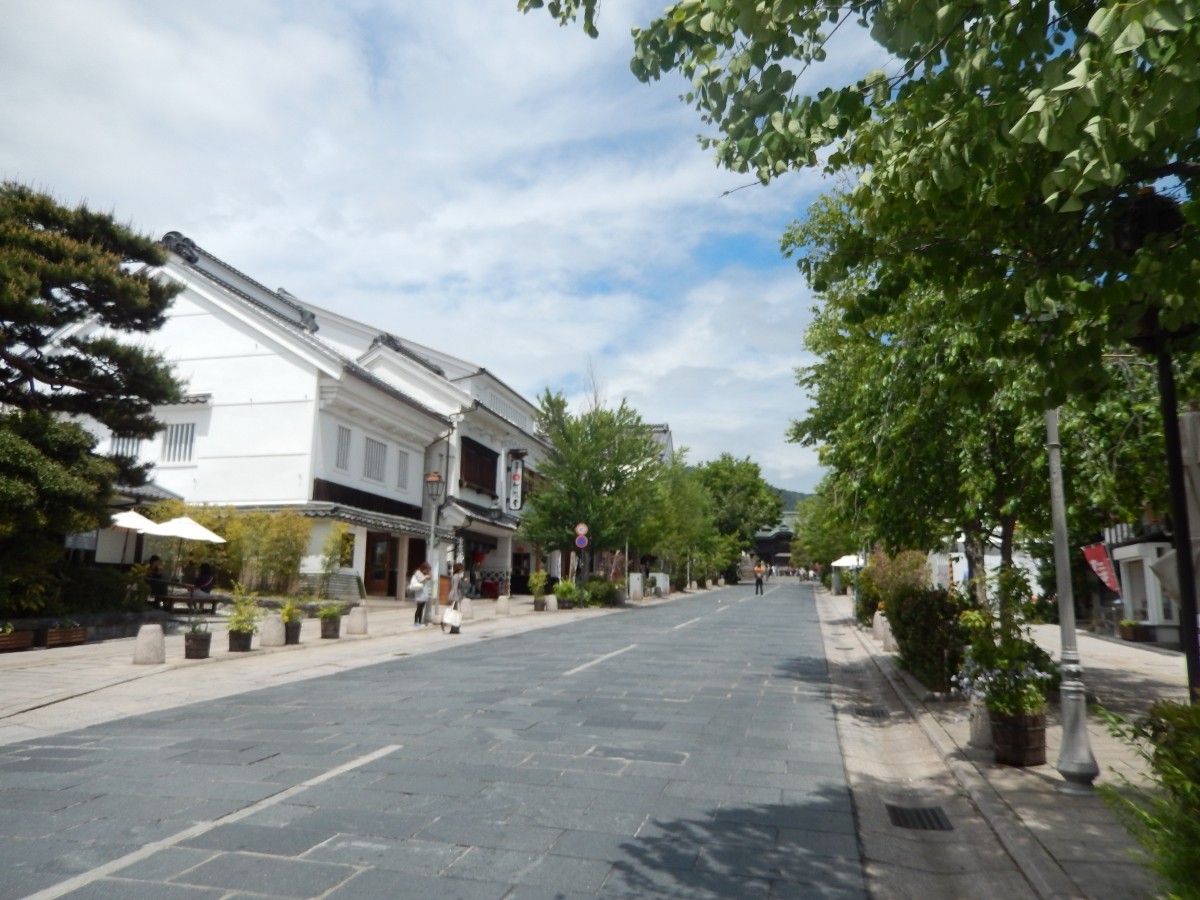
Day 1: Experience the History and Gourmet Delights of the Approach to the Temple
- 13:00|Arrive at Nagano Station: From the Zenkoji Exit, take a bus (about 15 minutes) or walk (about 30 minutes) to the approach to the temple.
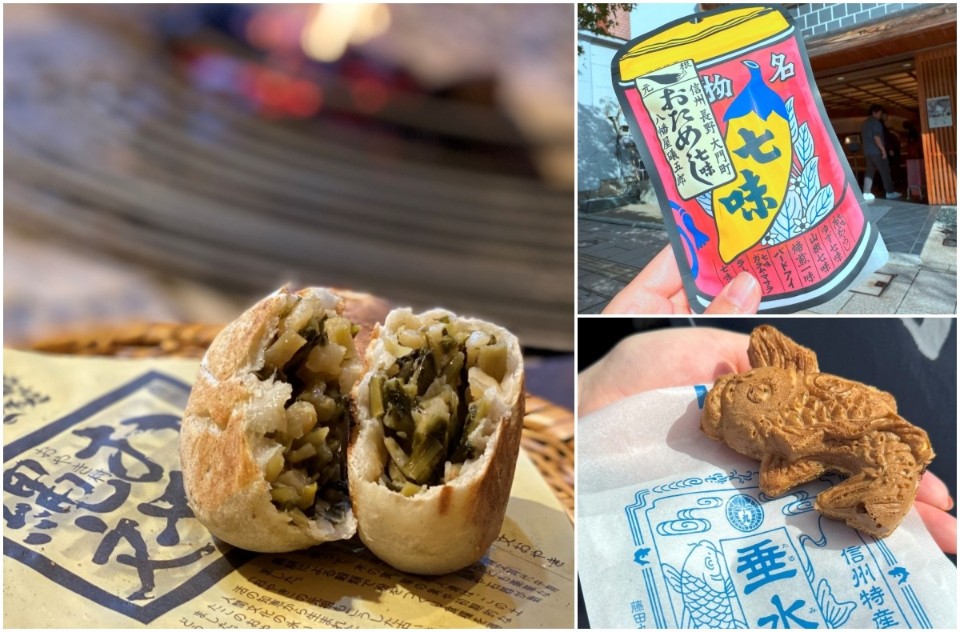
- 14:00|Stroll Omotesando and Nakamise Street: Enjoy Nagano specialties like “oyaki” and sweets as you walk and eat. You can also indulge in the luxury of tasting freshly grilled oyaki, cooked over an irori hearth, right in its place of origin.
👉Check out our food-tasting report on street food around Zenkoji Temple in Nagano here! - 16:00|Check in at “Chuo-kan Shimizu Ryokan”: Just a 5-minute walk from Zenkoji Temple. Experience a traditional Japanese “ryokan” inn. After dropping off your luggage and taking a short break, head out to the approach at dusk.
- 18:00|Dinner in the temple-town area at Night: Stroll around the quiet Zenkoji Temple area at night. Enjoy dinner at a famous Shinshu soba restaurant or a renovated traditional house restaurant.
Day 2: Choose Your Own Nagano Experience Excursion
Because your accommodation is close to Zenkoji Temple, you can make the most of your morning. After visiting Zenkoji Temple in the morning, why not venture out to one of the following areas next?
- Plan A: [Snow Monkeys & Chestnut Town] Jigokudani Monkey Park, famous for its snow monkeys, and Obuse, the chestnut town, are in the same direction, so you can visit both together. It takes about 1 hour by direct bus from Nagano Station to Jigokudani Monkey Park.
- Plan B: [Ninjas and Sacred Sites] Head to the Togakushi area, about 1 hour by bus from Nagano Station. Experience the majestic cedar avenue and the Ninja House. “Togakushi soba” is also a local specialty.
- Plan C: [Samurai Castle Town] Take a bus south from Nagano Station for about 30 minutes. This area is recommended for those interested in Japanese history and samurai, as you can visit places associated with Takeda Shingen and the Sanada clan.
[Accommodation Report] “Chuo-kan Shimizu Ryokan” – Feel the Spirit of the Meiji Era
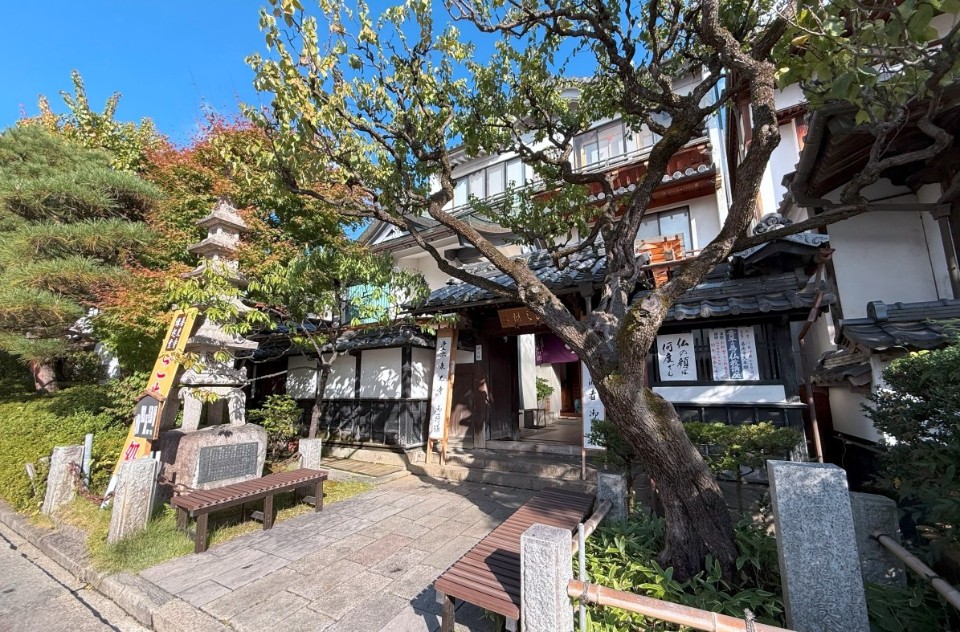
Here, we introduce our stay at “Chuo-kan Shimizu Ryokan,” located right next to Zenkoji Temple, as suggested for this trip.
Meiji-Era Architecture Where “Authentic Japan” Still Remains
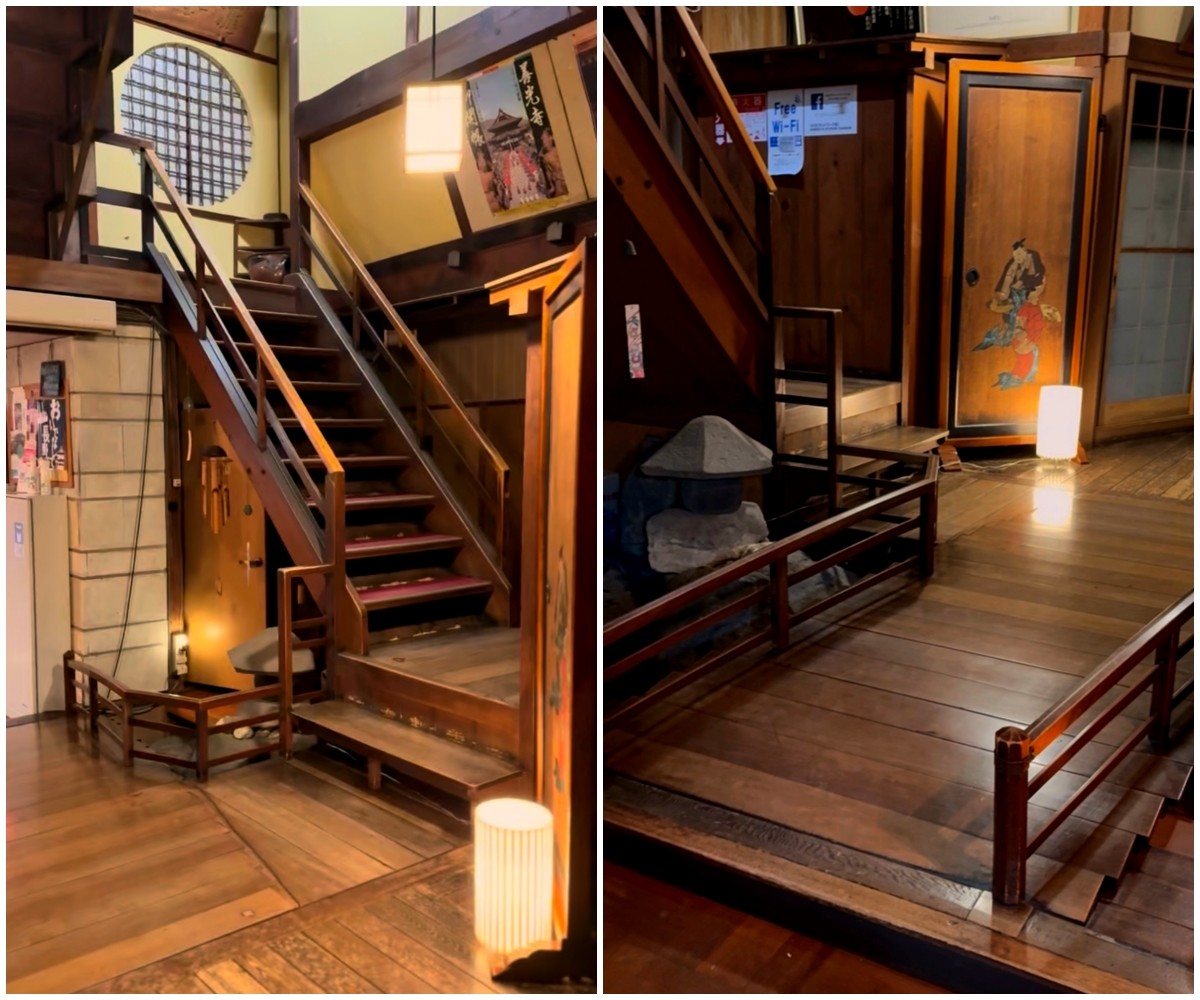
The inn was founded in Meiji 9 (1876). As soon as you step inside, you are greeted by a unique atmosphere that has been passed down since the Meiji era. The wooden corridors and charming staircases evoke a sense of nostalgia, as if you’ve wandered into the world of Japanese anime or movies.
The entire building is structured like a three-dimensional maze, so even the walk to your room feels like a mini attraction in itself!
Facilities Offering Modern-Day Comfort
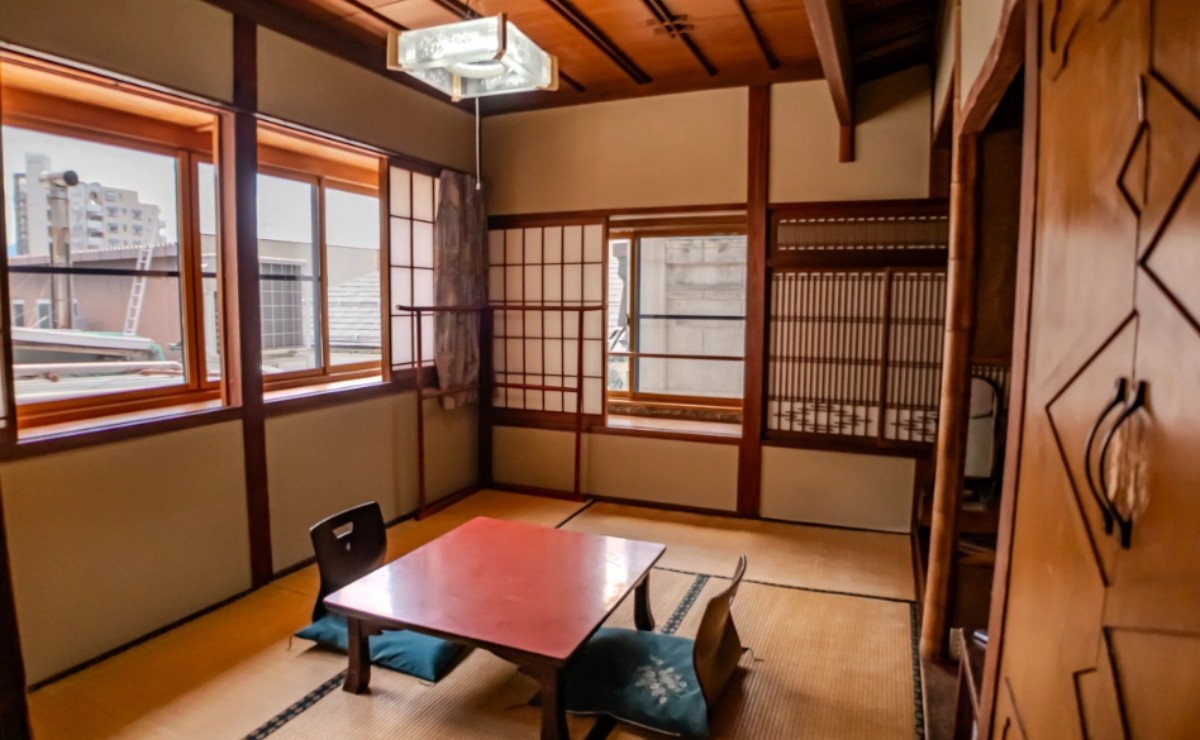
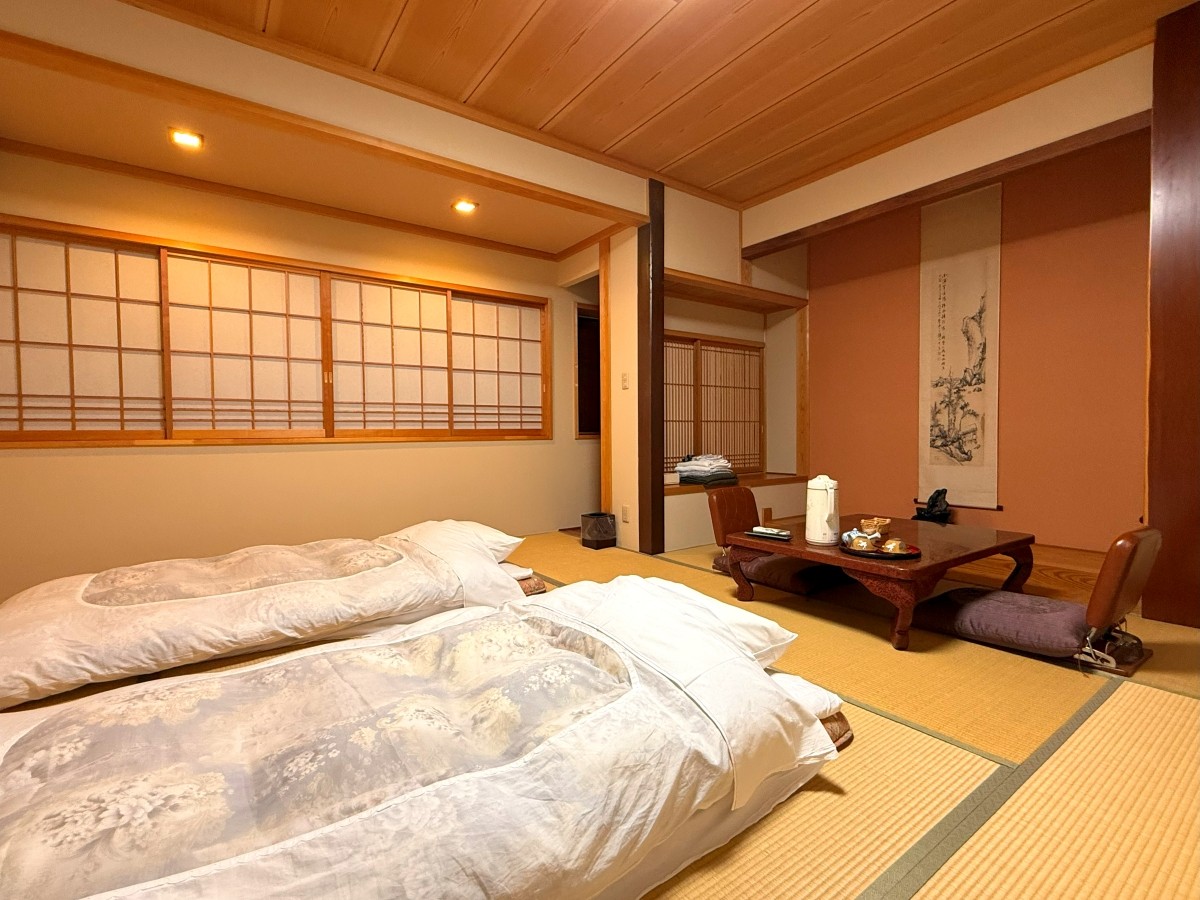
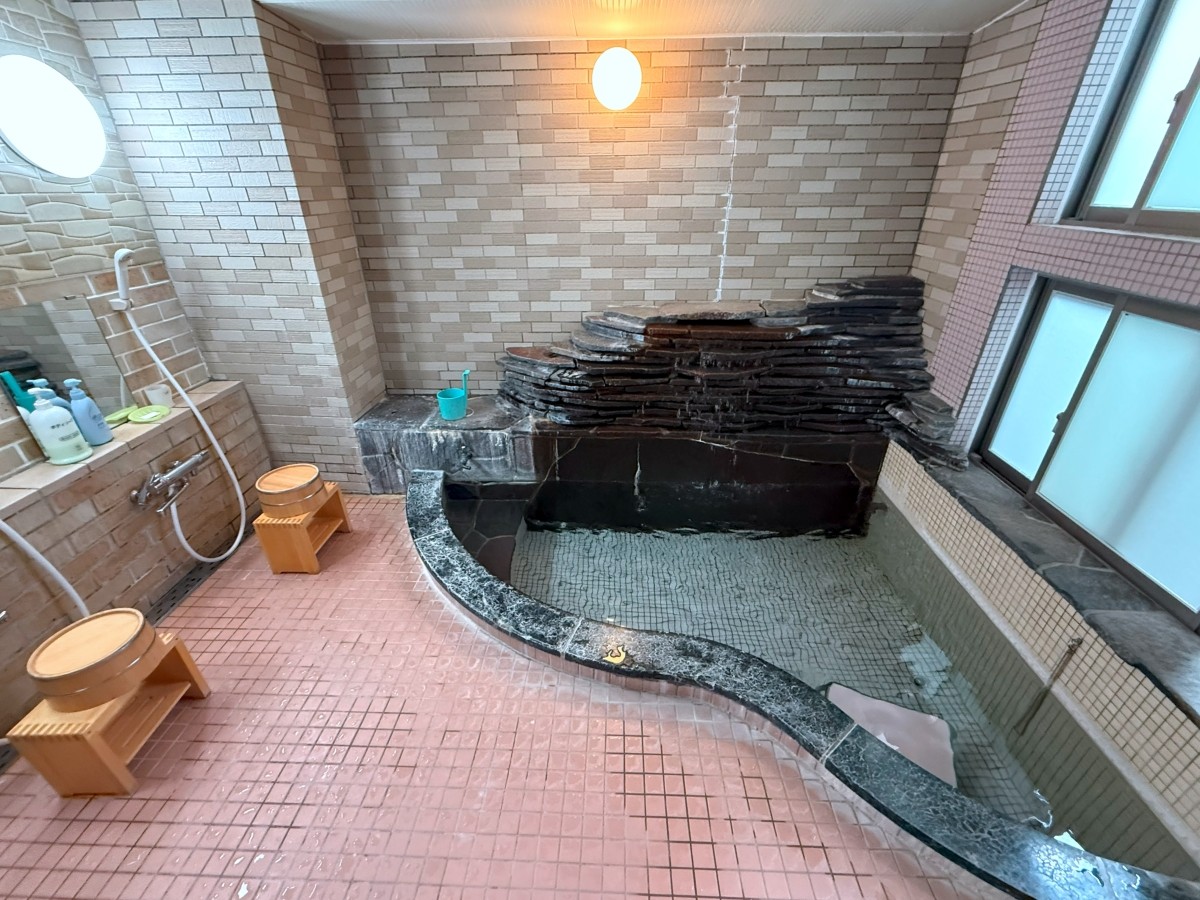
While the building has been preserved since the Meiji era, the facilities have been updated to modern standards. Most guest rooms do not have private baths or toilets; instead, shared facilities are available. Some rooms do offer private toilets, or a shower booth and toilet. Guests sleep on futons laid out on tatami mats, allowing you to experience the traditional Japanese atmosphere.
Exclusive Privilege for Guests: Early Morning at Zenkoji Temple
The greatest advantage is the location—just steps away from Zenkoji Temple. Only those staying in this area can enjoy a stroll through the temple grounds and approach in the crisp, serene air of early morning, before the crowds of tourists arrive.
there are accommodation plans that include breakfast, but, since you’re here, it’s also recommended to look for a place to have breakfast around the approach to the temple. The Starbucks Coffee on the approach opens from 7:00 a.m.
💬 Editor’s Stay Report
Wooden staircases crisscross the building, making me wonder where each one leads—I couldn’t help wanting to explore the whole inn! The room I stayed in was quite new, and I was able to enjoy the atmosphere of a traditional Japanese ryokan while still being comfortable. I went out for both dinner and breakfast, but since many shops in the area close early at night, it’s best to either return to Nagano Station or check and make reservations in advance for peace of mind.
Chuokan Shimizuya Ryokan
- Address: 49 Daimon-cho, Nagano-shi, Nagano Prefecture
- Access: 10 minutes by bus from Nagano Station, a short walk from Daimon Minami
- URL (Japanese, English, Traditional Chinese, Korean, Simplified Chinese)
- Book on JAPANiCAN 👉Click here (English, Taiwan Traditional Chinese, Hong Kong Traditional Chinese, Thai, Korean, Simplified Chinese)
- Book on JTB’s website 👉Click here
- Book on Rurubu Travel 👉Click here
- Book on Jalan 👉Click here
👉Or would you like to stay at a temple? Read our report on Zenkoji Temple lodgings here
[Carefully Selected: Top 15] Nagano & Must-See Sightseeing Spots Around Zenkoji Temple
Here is a list of spots to make your 1-night, 2-day trip even more fulfilling.
Zenkoji Temple Monzen Area (Within Walking Distance)
1. Zenkoji Temple
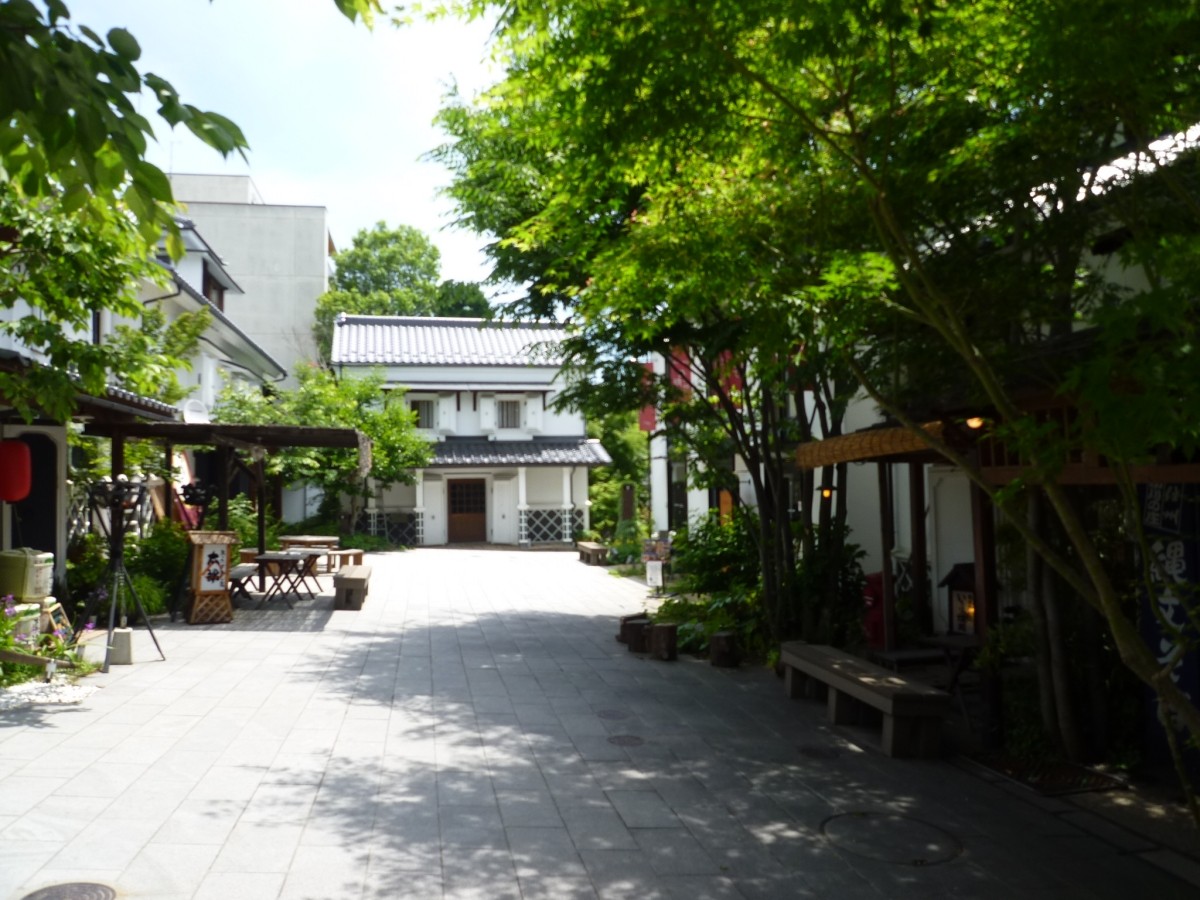
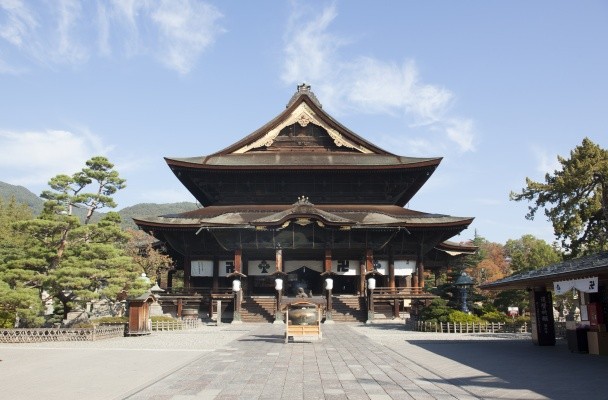
With a history of about 1,400 years since its founding, This non-sectarian temple is said to welcome and save all people. It houses the Main Hall, a National Treasure, as well as various other cultural assets.
- URL (Japanese, English, Simplified Chinese)
2. Zenkoji Nakamise Street
The main street is perfect for strolling and sampling treats like oyaki and sweets.
- URL (Japanese only)
3. Nagano Prefectural Art Museum
Located next to Zenkoji Temple. There are free zones, making it easy to drop by. The Higashiyama Kaii Gallery, which is attached, houses and displays over 970 works by the Japanese painter Kaii Higashiyama.
- URL (Japanese, English)
4. Kongen Yawataya Isogoro Main Store
Their signature product since their founding, “Shichimi Togarashi” (seven-spice chili pepper), is one of Japan’s three major shichimi and a specialty of Nagano. The experience of blending your own mix and the retro packaging make for popular souvenirs. There is also a café attached.
- URL (Japanese, English, Simplified Chinese)
5. Joyama Park & Joyama Zoo
Adjacent to Zenkoji Temple, this area features the Prefectural Art Museum and a zoo with free admission. Perfect for family strolls.
- URL *Zoo (Japanese only)
6. Nishigocho & Gondo Area
The temple town in front of Zenkoji. Here you'll find a retro Showa-era arcade and historic shops, offering a glimpse into the authentic daily life of locals.
- URL *Gondo Shopping Street (translation function available)
Togakushi Area (about 1 hour by car or bus)
7. Togakushi Shrine
A shrine with over 2,000 years of history. Composed of five shrines—Okusha, Chusha, Hokosha, Kuzuryusha, and Hinomikosha—it's known as one of Japan's most powerful spiritual sites. The approach lined with giant cedar trees over 400 years old is truly spectacular.
- URL (Japanese & English)
8. Kagami-ike Pond
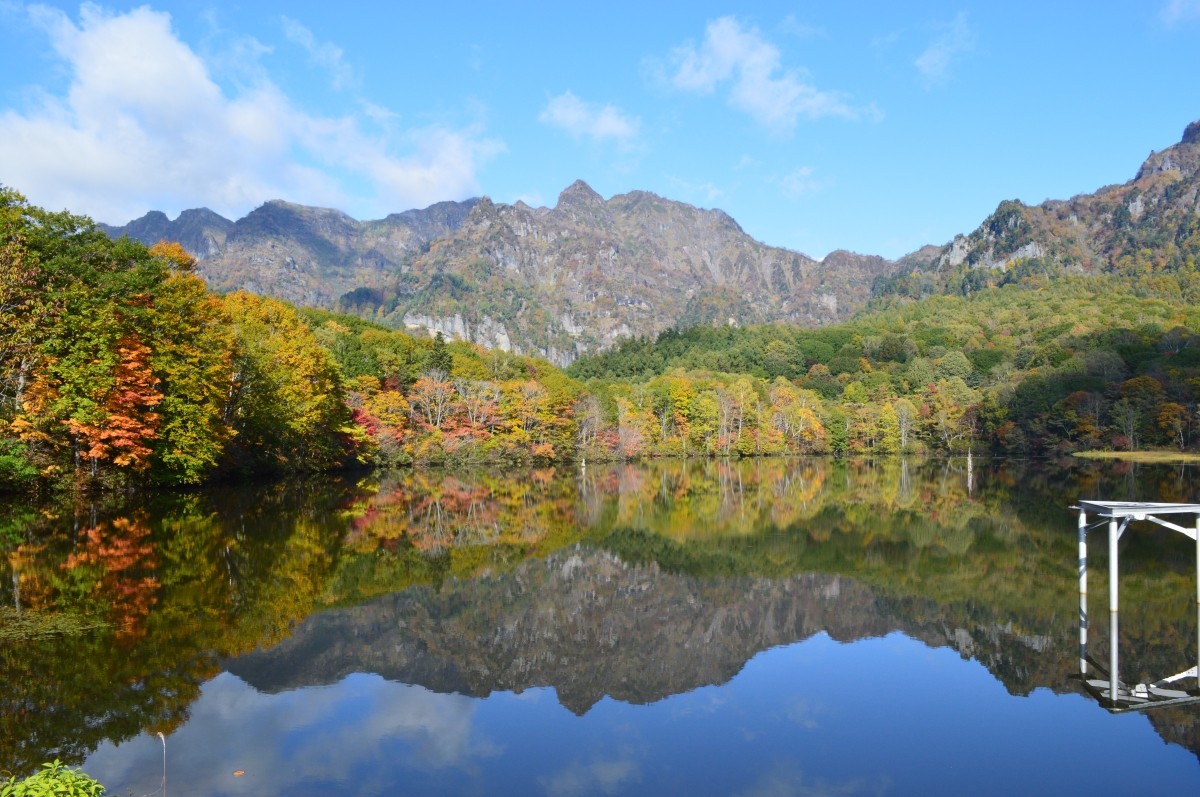
A hidden gem at an altitude of 1,200 meters. The Togakushi mountain range is reflected on the water's surface, making it a popular scenic spot among photographers.
- URL (translation function available)
9. Togakure-ryu Ninja Museum & Ninja Trick House
Located within the Togakushi Folk Museum. In addition to 500 authentic ninja tools and a variety of ninja technique exhibits, you can experience ninja tricks firsthand. A must-visit for anime and ninja fans!
- URL (Mainly Japanese, some English)
10. Togakushi Soba
A local specialty of the Togakushi area and one of Japan’s three most famous soba noodles. With nearly 30 soba restaurants, each offering its own unique flavor, tasting and comparing them is part of the fun.
- URL (Japanese & English)
Matsushiro, Obuse & Jigokudani (30–60 minutes by car, bus, or train)
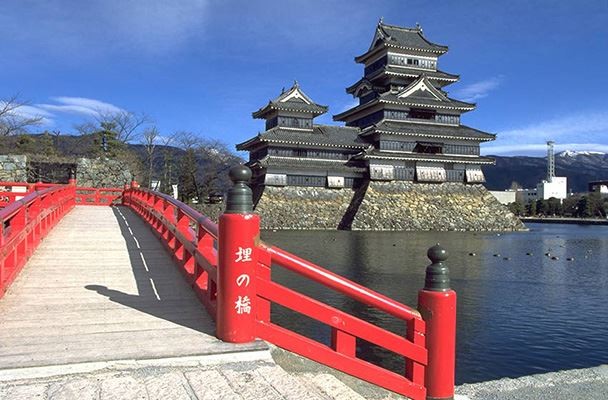
11. Matsushiro Castle Ruins
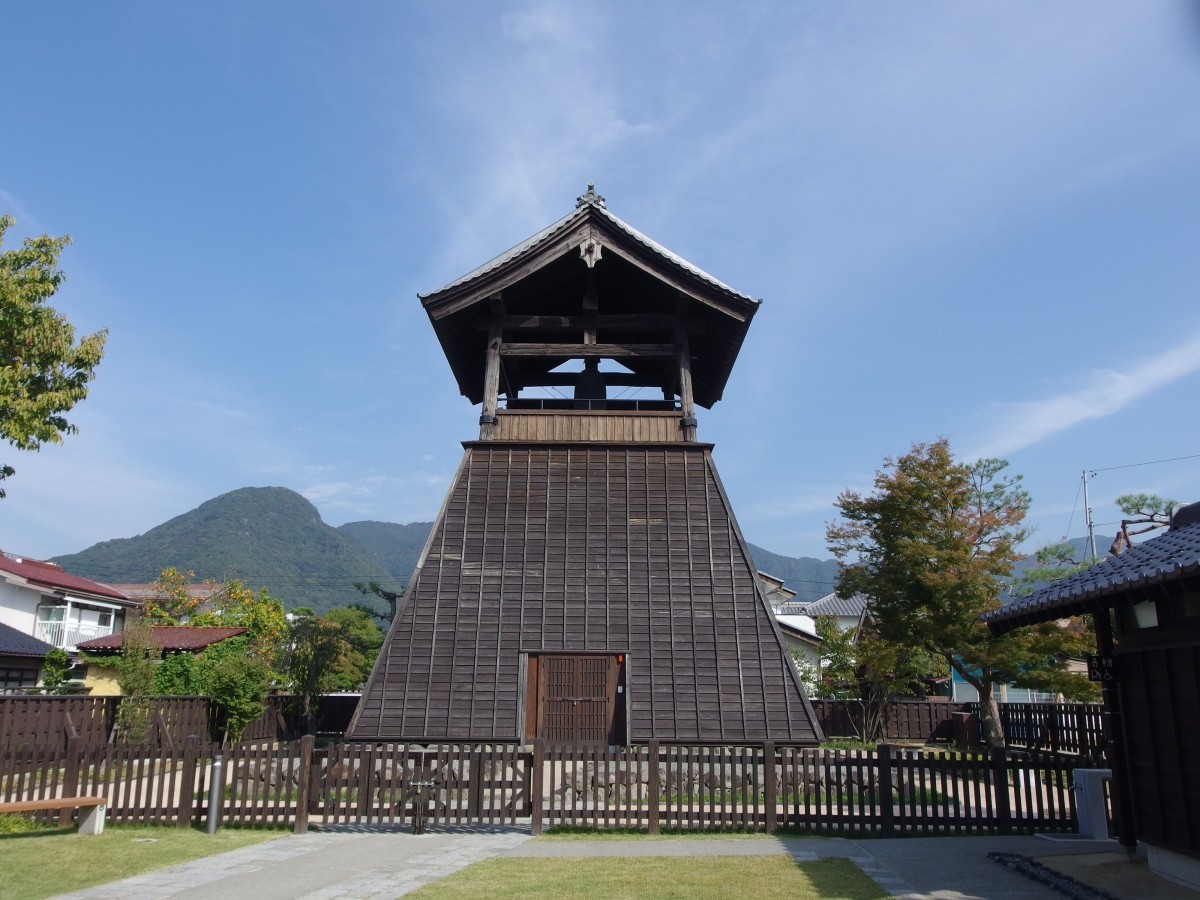
A famous castle built by Sengoku warlord Takeda Shingen, later ruled by the Sanada clan during the Edo period. The current buildings were restored and reconstructed in 2004. In spring, it is also known as a cherry blossom viewing spot.
- URL (Japanese, English, Traditional Chinese, Korean, Thai, Simplified Chinese)
12. Sanada Residence
The outer residence of Matsushiro Castle, built in 1864. The palace architecture and gardens from the late Edo period remain, allowing visitors to experience the lifestyle of samurai.
- URL (Japanese, English, Traditional Chinese, Korean, Thai, Simplified Chinese)
13. Matsushiro Zozan Underground Bunker
A massive underground site dug during World War II. Stretching about 10 km, it offers a powerful sense of history. Admission is free.
- URL (translation function available)
14. Jigokudani Monkey Park (Snow Monkey Park)
A world-famous spot where you can see monkeys bathing in hot springs. Please note: it’s a 30-minute walk on a mountain path from the nearest bus stop, and the monkeys only bathe in the hot springs during the cold season from December to February.
- URL (Japanese & English)
15. Obuse
The town associated with ukiyo-e artist Katsushika Hokusai. In addition to the Hokusai Museum, which houses many of his masterpieces, Obuse is famous for chestnuts, and strolling around sampling chestnut-based sweets is also popular.
- URL (translation function available)
【Nagano / Zenkoji Area】The Luxury of Walking Through and Staying in History
The area around Zenkoji, with Nagano Station as its hub, is a hidden gem that is still relatively unknown among international tourists visiting Japan. Especially on weekdays, there are not many Japanese tourists either, so you can enjoy a leisurely stroll. At the same time, the area retains many traditional Japanese buildings and an old-fashioned atmosphere, which adds to its charm.
Why not choose Nagano City in Nagano Prefecture as your next travel destination?
Comments