
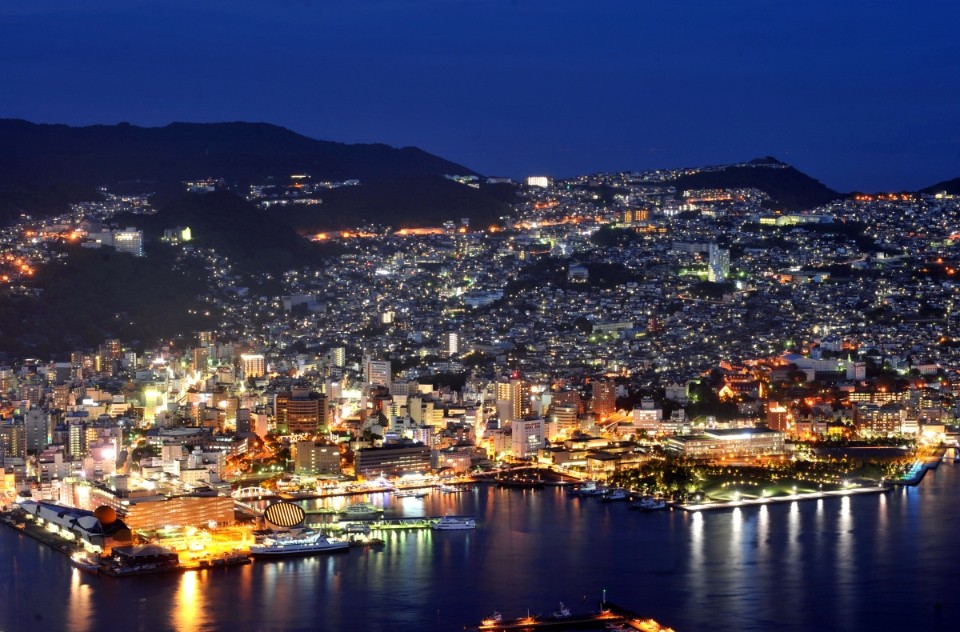
Nagasaki Prefecture, with its abundance of historical buildings and beautiful scenery, has served as the setting and filming location for many movies and TV dramas. Recently, popular productions such as TBS Sunday drama series "The Diamond Sleeping in the Sea," where Hashima Island (Gunkanjima) plays a key role in the story, and the feature film "Solitary Gourmet," which follows a journey in search of delicious food, have been filmed in Nagasaki.
This article will introduce in detail the dramas and movies set in Nagasaki, along with their filming locations! From long-beloved classics to the latest releases, we’ll recommend spots where you can experience the world of these works.
*If you purchase or reserve products introduced in this article, a portion of the sales may be returned to FUN! JAPAN.
🏨Book your stay with JAPANiCAN! 👉Click Here
Why Nagasaki is a Popular Filming Location for Dramas and Movies
One reason Nagasaki is chosen as a filming location so often is its unique cityscape, where Japanese, Chinese, and Dutch cultures blend together, creating an exotic atmosphere. Brick walls, stone-paved slopes, and old Chinese-style temples can be found throughout the city, making every scene picturesque.
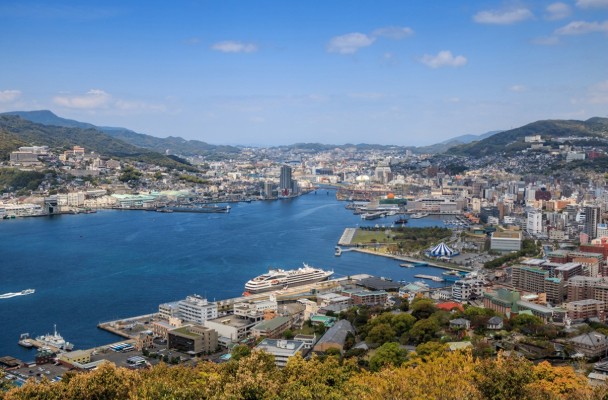
Additionally, the distinctive terrain, surrounded by the sea and with mountains nearby, creates a three-dimensional landscape where you can see both slopes and the harbor. The night view, with the lights of houses sparkling on the hills, adds a romantic touch to any story.
Furthermore, you can’t miss the overwhelming locations of remote islands such as Gunkanjima (Hashima Island), now a World Heritage Site, and the nature-rich Goto Islands. In Nagasaki, where you can experience both the weight of history and the beauty of nature at once, it’s the perfect stage for creating new stories.
Now, let’s take a look at the works set in Nagasaki and the spots that served as their filming locations.
Nagasaki City: The Iconic Setting of "The Diamond Sleeping in the Sea"
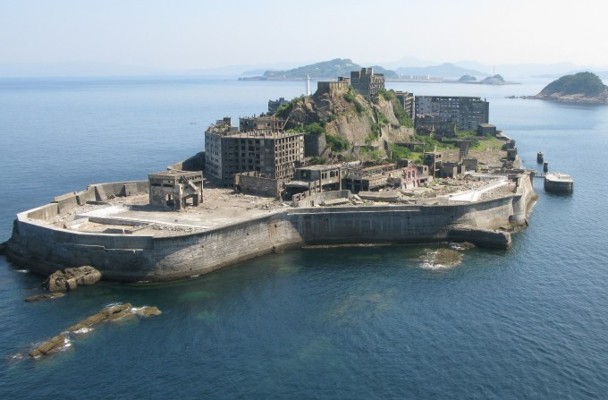
"The Diamond Sleeping in the Sea" is a moving human drama depicting 70 years of love, friendship, and family, set in Hashima Island (Gunkanjima), which flourished with the coal industry from 1955, and modern-day Tokyo. The lives of Teppei (Ryunosuke Kamiki), who lives an optimistic and energetic life on Hashima in the past, and Reo (Ryunosuke Kamiki), who spends unmotivated days in modern Tokyo, become mysteriously connected. The story shows how the feelings of those who survived turbulent times are passed down to the present day.
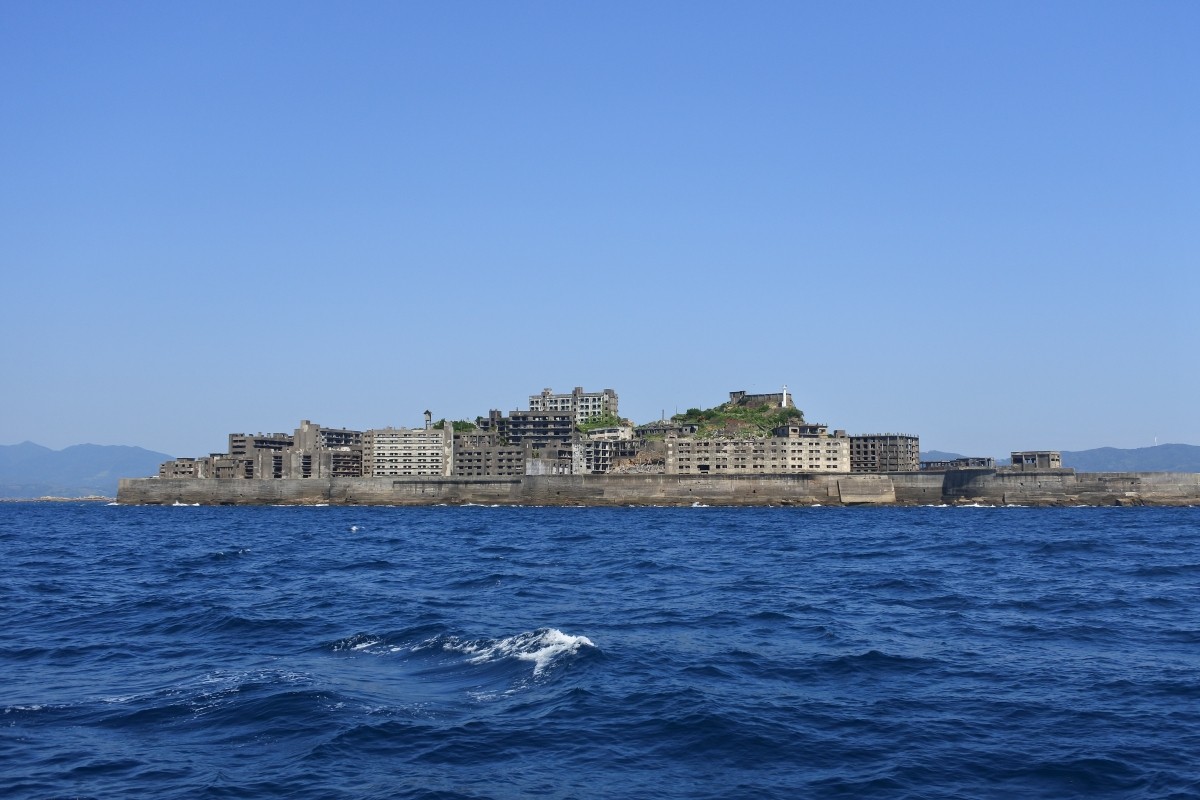
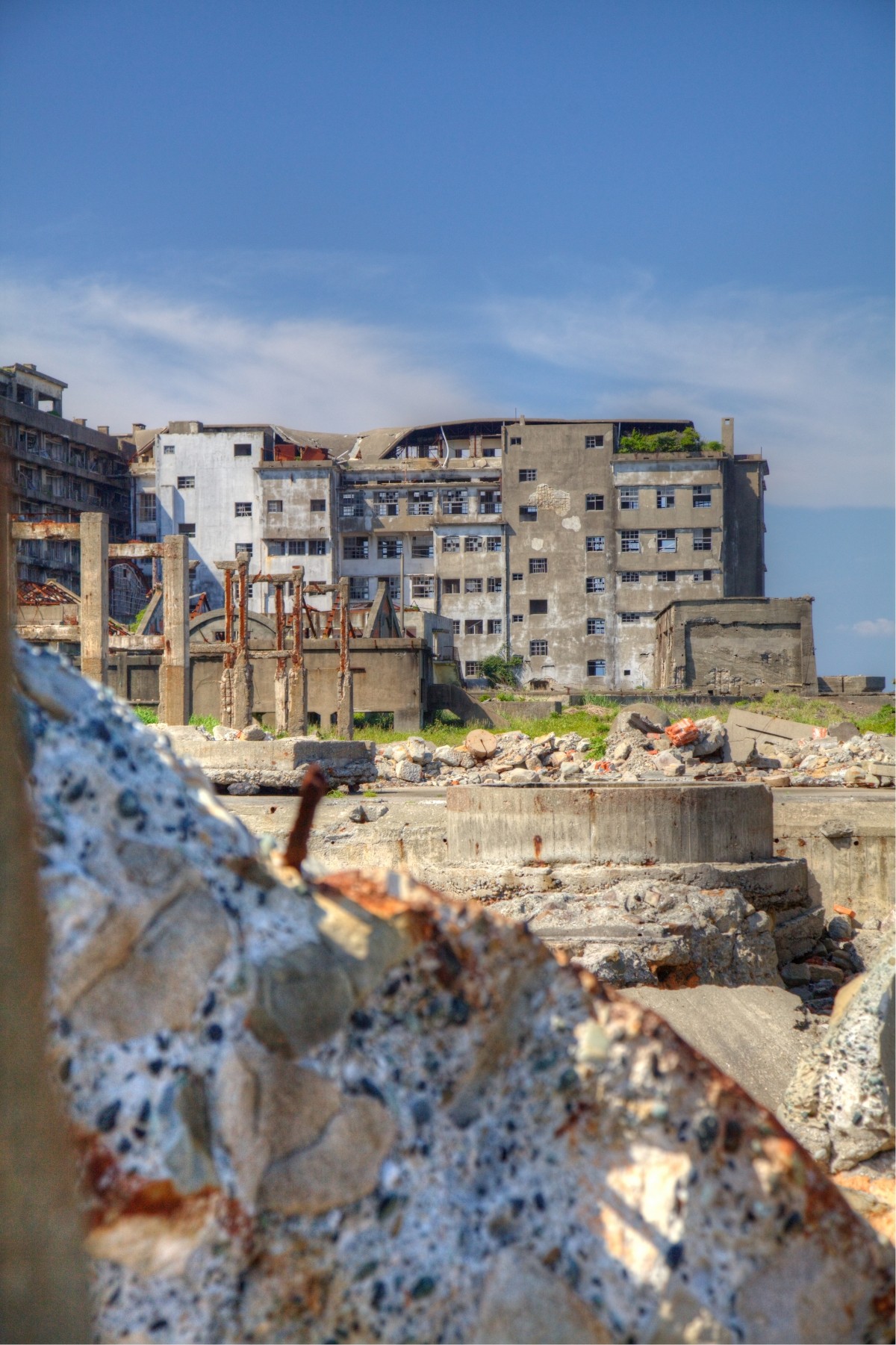
Gunkanjima (Hashima Island)
©Nagasaki Prefecture Tourism Association
©Nagasaki Prefecture Tourism Association
This is the symbolic location of the drama. In the final episode, an important scene was filmed where Teppei and Izumi (Nobuko Miyamoto) land on the island. Once boasting the highest population density in the world, the island is now uninhabited and in ruins, and its unique scenery leaves a deep impression on the story. By joining a Gunkanjima landing tour, you can get a close look at what the island was like during its prosperous days.
👉From Fukuoka: Nagasaki Gunkanjima (Battleship Island) Tour (with Shinkansen Ticket)
- Address: Hashima, Takashima-machi, Nagasaki City, Nagasaki Prefecture
- Access: About 40 minutes by boat on a Gunkanjima Landing Tour departing from Nagasaki Port (reservation required)
Related Articles
Urakami Cathedral
The interior of the church appears in scenes where Teppei and his best friend Kensho (Hiroya Shimizu) reunite, as well as when present-day Reo and Izumi stop by before heading to the island. When it was completed in the Taisho era, it was said to be the largest brick-built church in East Asia. However, it was destroyed by the atomic bomb. The current building was rebuilt after the war by the efforts of the congregation.
- Address: 1-79 Motohomachi, Nagasaki City, Nagasaki Prefecture
- Access: About 8 minutes on foot from the "Peace Park" tram stop
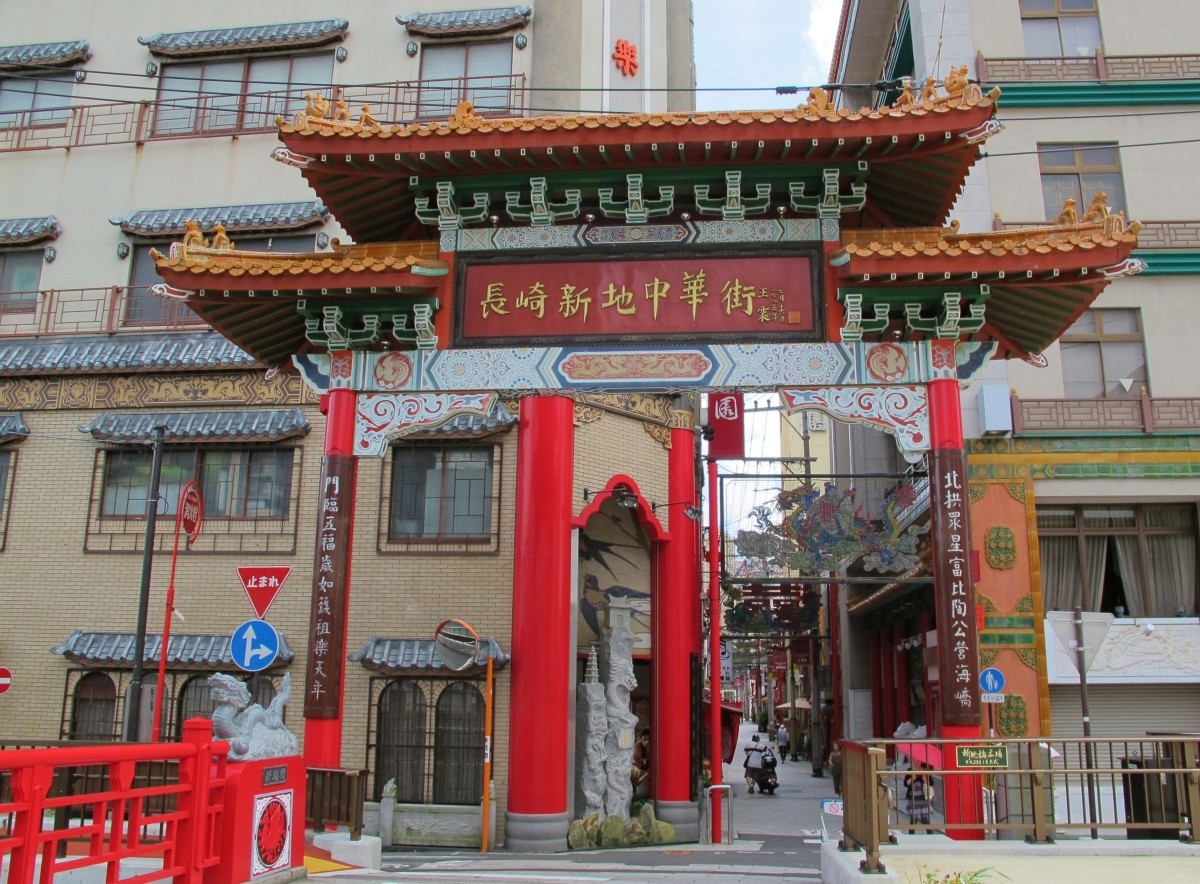
Nagasaki Shinchi Chinatown
©Nagasaki Prefecture Tourism Association
In Episode 1, this is the place where Reo, brought by Izumi, visits to eat Nagasaki’s famous "Champon." This historic district was created in the mid-Edo period by reclaiming land from the sea to build warehouses for Chinese goods, and is counted as one of Japan’s three major Chinatowns.
- Address: Shinchimachi, Nagasaki City, Nagasaki Prefecture
- Access: Immediately from the "Shinchi Chinatown" tram stop
Goto Islands: Remote Island Filming Locations Featured in "Solitary Gourmet" and "Maiagare!"
Next, let’s take a closer look at the Goto Islands, which have been featured in "Solitary Gourmet" and "Maiagare!"
Dozaki Church, Miyanohama Beach ("Kodoku no Gurume")
In the movie "Kodoku no Gurume," where Goro Inogashira, played by Yutaka Matsushige, travels the world in search of the ultimate soup, Goto City in Nagasaki Prefecture serves as a key setting in the story.
The beautiful red-brick "Dozaki Church," which Goro passes by while searching for clues about the soup on the island, is a solemn building completed in 1908. It carries on the history of the first church built in Goto and is designated as an Important Cultural Property of Japan.
Miyanohama Beach, which appears in the scene where Goro crosses the sea on a SUP board, is a popular spot known for its crystal-clear blue waters. It’s loved by locals, returning residents, and tourists alike, and you can even enjoy a barbecue while gazing at the sea.
And for fans, the must-visit gourmet spot is "Mikanya Shokudo" on Naru Island. This is the only place where Goro ate in Goto, enjoying the specialty "Karaage Champon." Be sure to try this hearty bowl topped with crispy fried chicken and plenty of vegetables.
- Address:
2019 Okuura-machi, Goto-shi, Nagasaki (Dozaki Church)
Naru-machi, Goto-shi, Nagasaki (Miyanohama Beach)
409-1 Naru-machi Ura, Goto-shi, Nagasaki (Mikanya Shokudo) - Access:
About 20 minutes by car from Fukue Port (Dozaki Church)
About 10 minutes by car from Naru Port (Miyanohama Beach)
About 19 minutes on foot from Naru Port (Mikanya Shokudo)
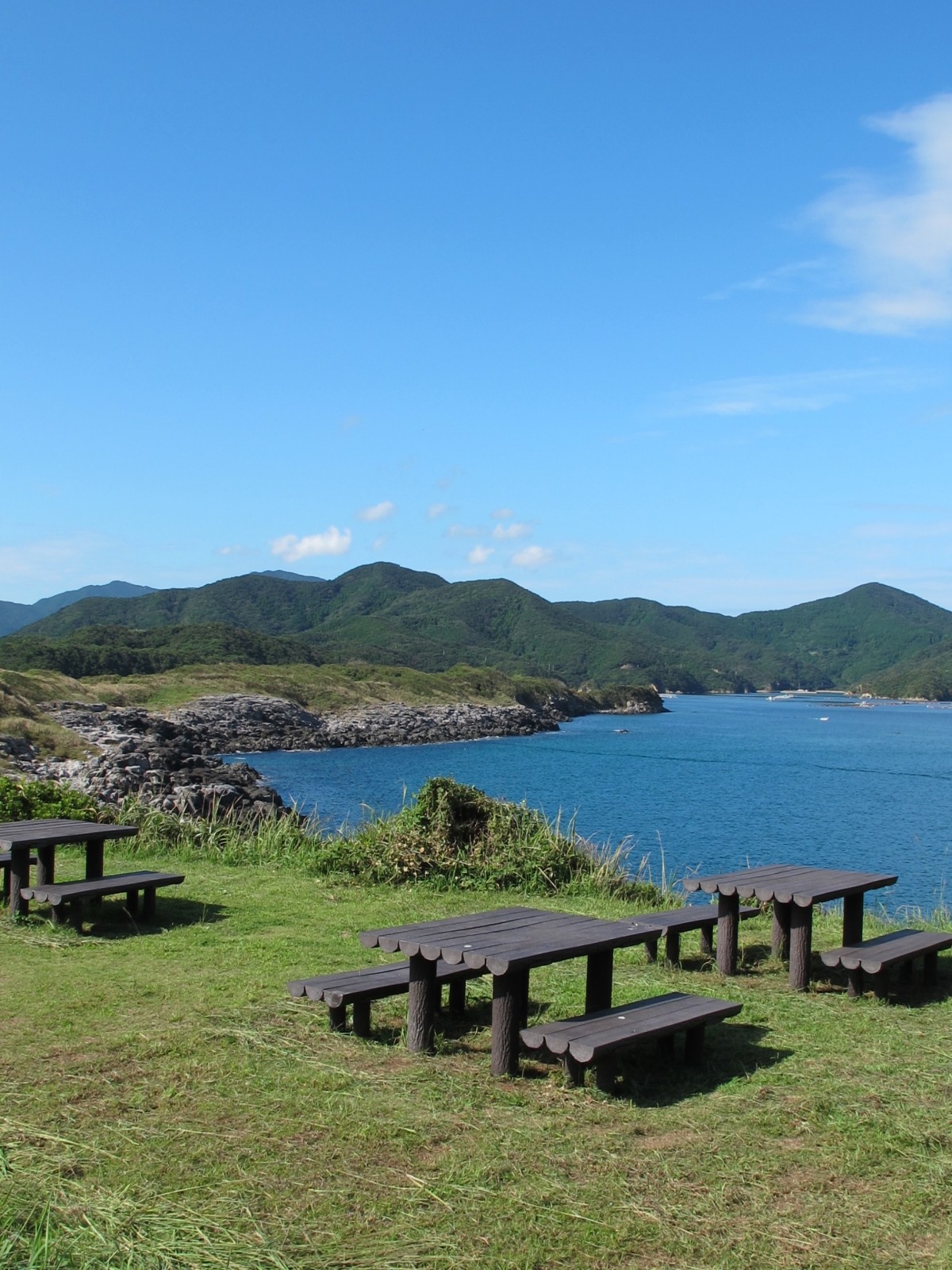
Gyogasaki, Osezaki Lighthouse (Maiagare!)
©Nagasaki Prefecture Tourism Association
The drama "Maiagare!" tells the story of the heroine Mai (Haruka Fukuhara), who encounters the traditional "Baramon Tako" kite on the Goto Islands and develops a strong longing for the sky. The powerful nature of Goto is depicted as an important backdrop that supports the heroine's emotional growth.
The emotional scene where Mai, as a child, teams up with the islanders to fly a giant kite was filmed at "Gyogasaki Park." In front of you stretches a beautiful cobalt-blue sea, and in every season, the park is adorned with colorful flowers, making it a truly breathtaking spot. Inside the park's "Hanaemi Kikuya," you can see a massive Baramon Tako kite, 2 meters in diameter, crafted by the same artisan who made the kite featured in the drama. You can feel its impressive presence up close.
Osezaki Lighthouse ©Nagasaki Prefecture Tourism Association
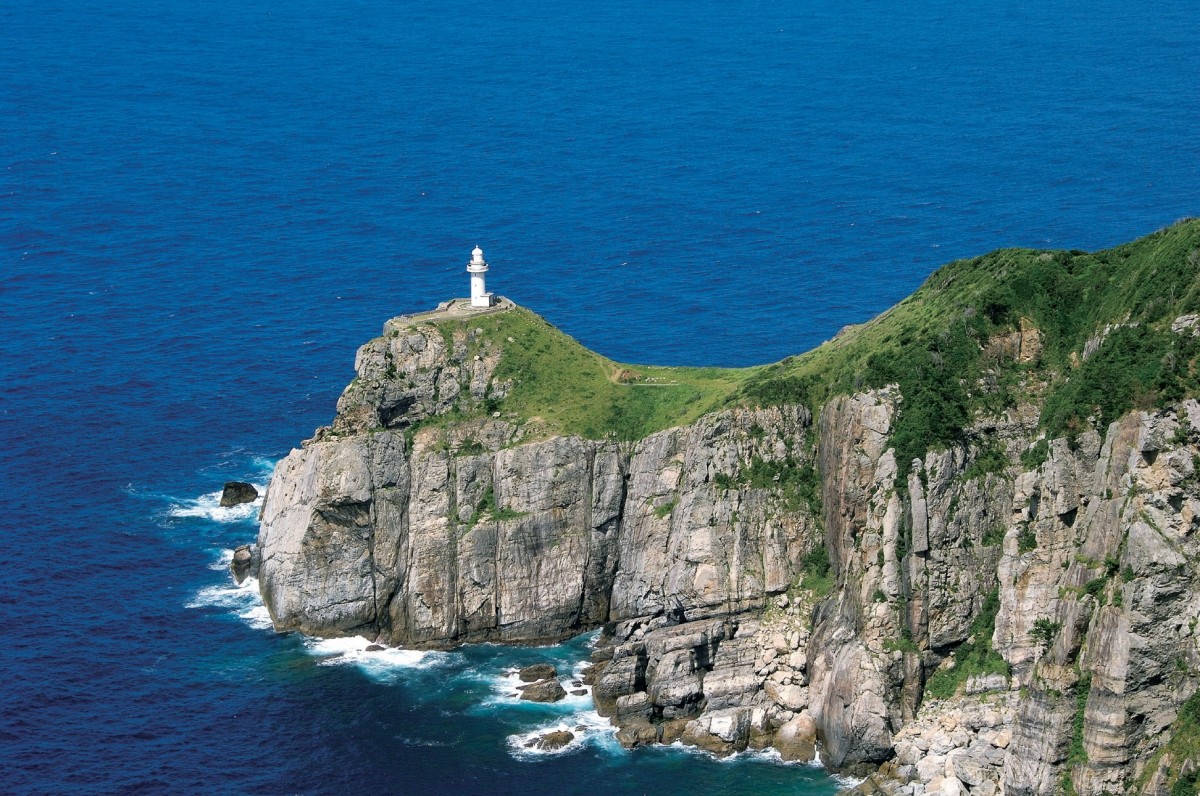
Also, the white "Osezaki Lighthouse," standing atop a sheer cliff, appears in the scene where the grown-up Mai and her companions go searching for someone important. Selected as one of the "50 Best Lighthouses in Japan," this spot is also famous as a sacred location where key scenes from the film "Villain" were shot.
The overwhelming scale of Goto's natural scenery serves as an important location that marks turning points in the story. The path to the lighthouse takes about 20 minutes from the parking lot, but since it is a rather steep mountain trail, be sure to wear comfortable shoes and visit during daylight hours.
- Address:
Kishuku, Kishuku-machi, Goto-shi, Nagasaki (Gyogasaki)
Tamanoura, Tamanoura-machi, Goto-shi, Nagasaki (Osezaki Lighthouse) - Access:
About 25 minutes by car from Fukue Port (Gyogasaki)
About 50 minutes by car from Fukue Port (Osezaki Lighthouse)
Meganebashi: The Symbol of Nagasaki City Featured in "The Gift of Your Heart"
This love story follows the protagonist Ame (Mei Nagano) and Taiyo (Yuki Yamada), the man she once loved, as they reunite and share bittersweet yet heartwarming moments. The nostalgic scenery of Nagasaki gently envelops the pure love between Ame, who is fated to gradually lose her senses, and Taiyo, who desperately supports her.
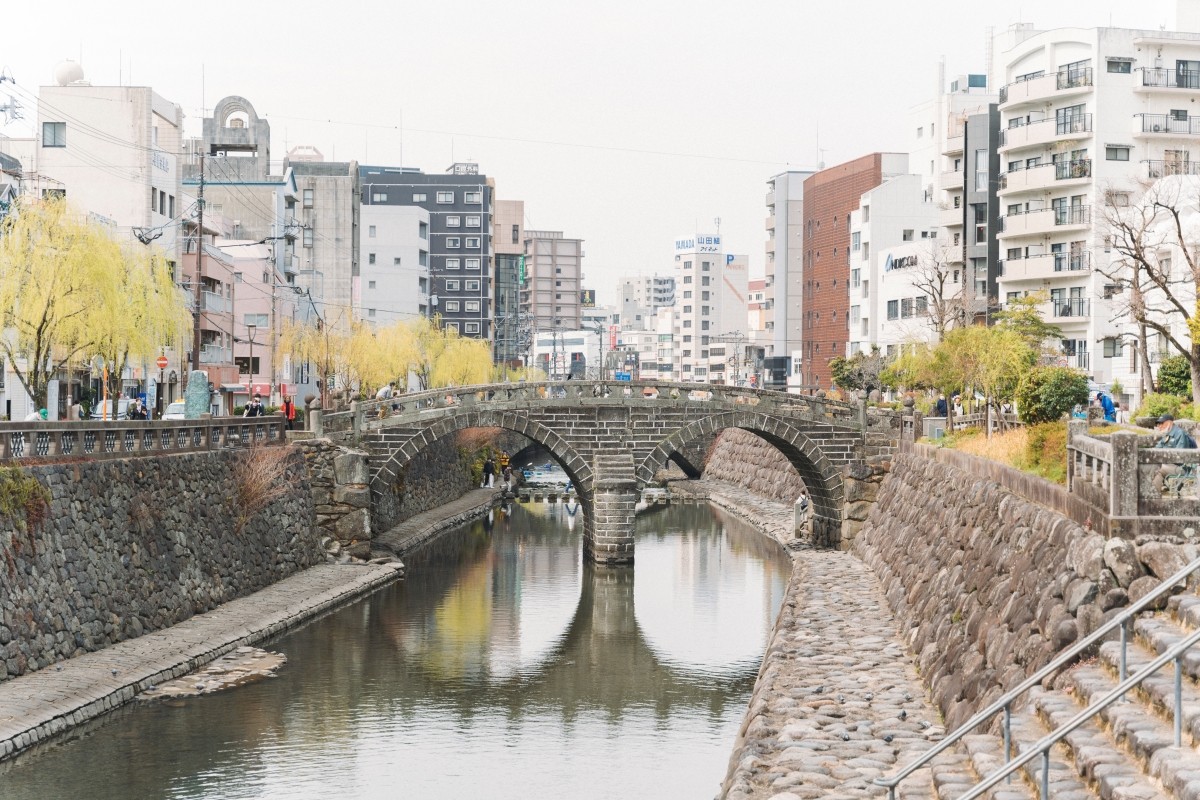
Meganebashi (Spectacles Bridge)
©Nagasaki Prefecture Tourism Association
Meganebashi appears repeatedly in important scenes of the story, such as when Ame and Taiyo encounter the traditional Nagasaki summer event, "Shoro Nagashi" (Spirit Boat Procession). Built in 1634, it is the oldest stone arch bridge in Japan and is designated as an Important Cultural Property of Japan. Alongside Nihonbashi in Tokyo and Kintaikyo in Yamaguchi, it is counted as one of the "Three Famous Bridges of Japan" and is a historical landmark representing Nagasaki. When the water level is low, you can descend the stairs to the riverside, and searching for the "Heart Stone" embedded in the embankment is known as a power spot for bringing luck in love.
- Address: Between Uonomachi and Suwa-machi, Nagasaki City, Nagasaki Prefecture
- Access: About a 4-minute walk from "Shiyakusho" (City Hall) tram stop
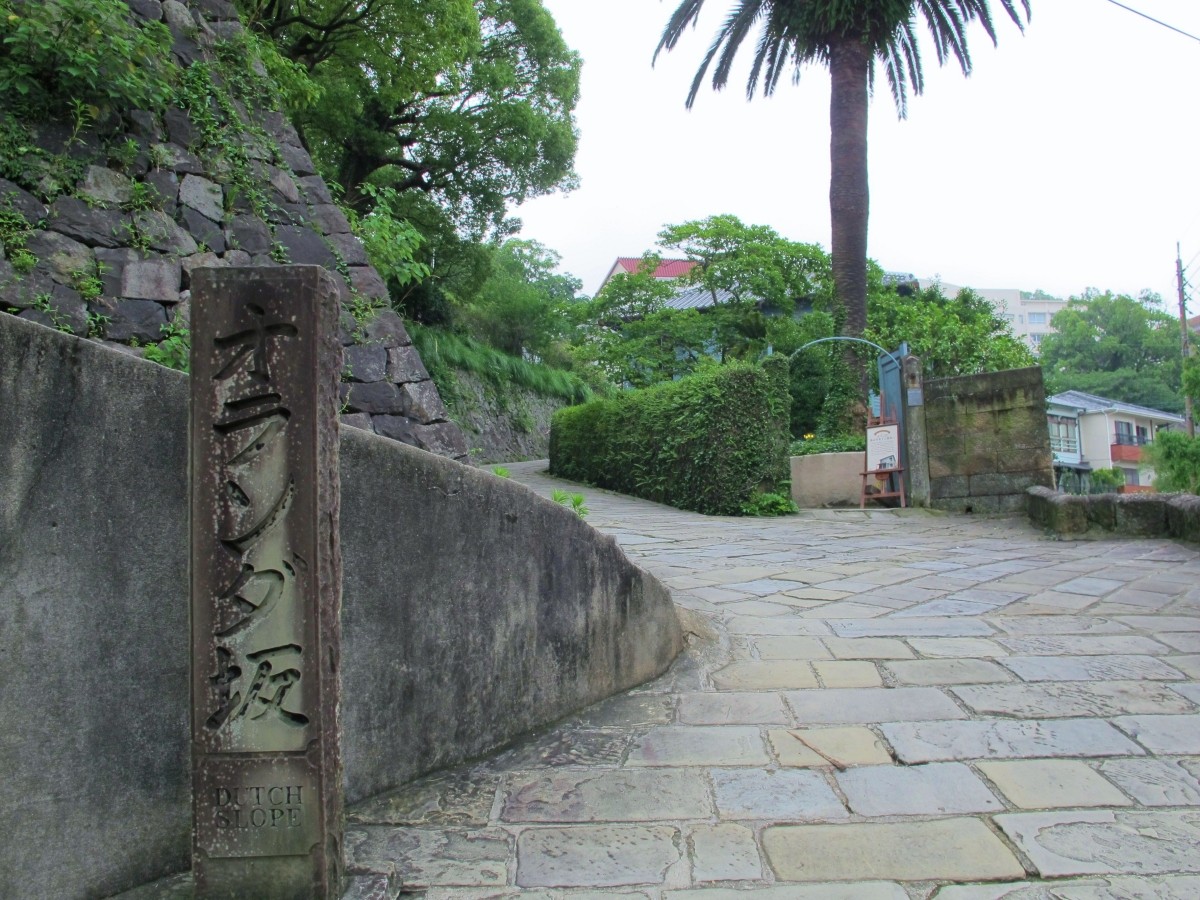
Oranda-zaka (Dutch Slope)
©Nagasaki Prefecture Tourism Association
This is the location where the beautiful scene of Ame and Taiyo walking under a red umbrella, reminiscent of a poster visual, was filmed. The light blue Western-style house "Higashiyamate Ko 13 Bankan" at the entrance of the slope appeared as the home where Ame lives with her grandmother Yukino (Kimiko Yo). The name comes from the fact that Nagasaki locals used to affectionately call Westerners living in the foreign settlement "Oranda-san" (Dutch). The Higashiyamate area, lined with stone-paved slopes and Western-style houses, still retains the atmosphere of the foreign settlement era, allowing visitors to enjoy a quiet stroll filled with exotic charm.
- Address: Higashiyamate-machi, Nagasaki City, Nagasaki Prefecture
- Access: About a 4-minute walk from "Medical Center" tram stop
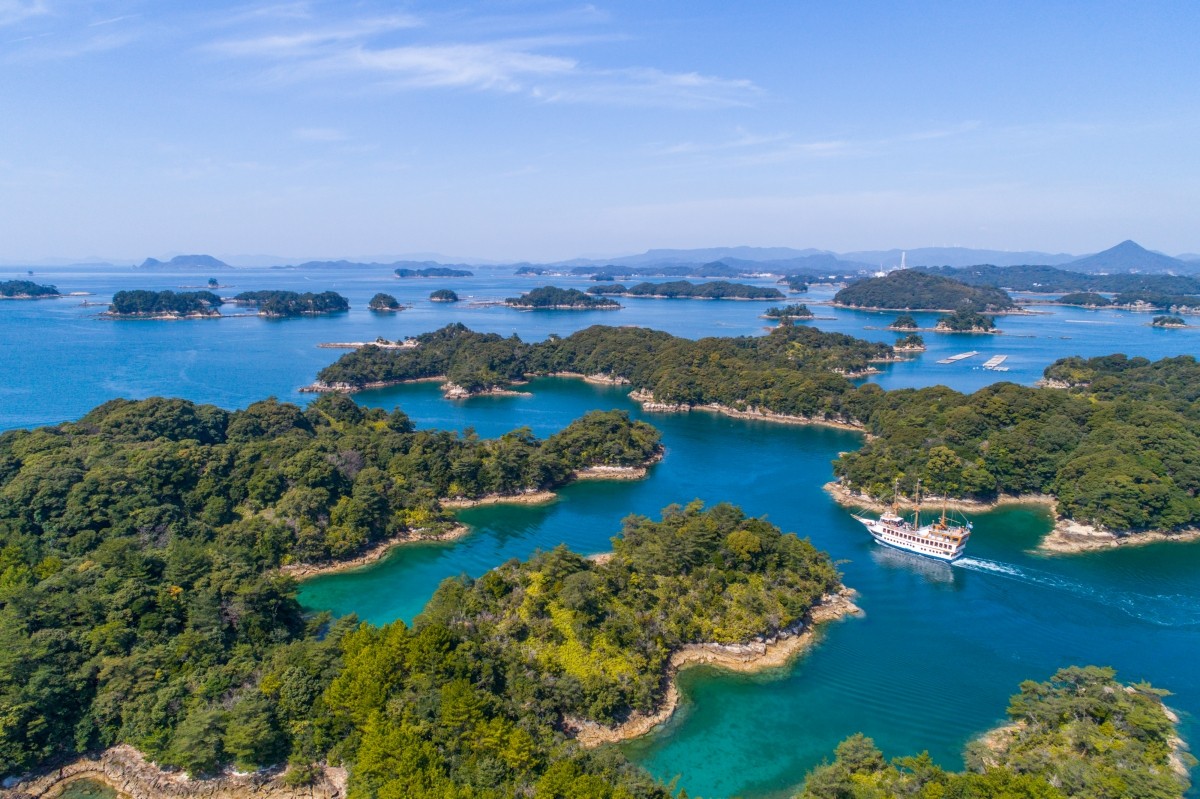
Kujukushima (Ninety-Nine Islands)
©Nagasaki Prefecture Tourism Association
Kujukushima Tourist Park appears in scenes such as when Ame talks on the phone with her mother Kasumi (Sei Matobu), who lives apart from her. From the "Scenic Hill" observation area, a vast lawn space of about 4.7 hectares, you can enjoy a panoramic view of over 200 islands floating in the sea on an overwhelming scale. This is one of Sasebo's most famous spots, known not only for its dynamic daytime scenery but also for the beauty of the sunset sinking into the horizon.
The Kujukushima monument in the park is also a popular photo spot for capturing memories of your trip.
👉Kujukushima Sightseeing Cruise Ticket (Sasebo City, Nagasaki Prefecture)
- Address: 1746 Nozaki-cho, Sasebo City, Nagasaki Prefecture
- Access: About 45 minutes by bus from Sasebo Station, get off at "Kujukushima Kanko Koen" (Kujukushima Sightseeing Park)
Related Articles
Sasebo: The Port Town Setting of the Youth Story "Kids on the Slope"
Set in Sasebo in the late 1960s, this story follows transfer student Kaoru (Yuri Chinen) and the seemingly intimidating but kind-hearted Sentaro (Taishi Nakagawa) as they deepen their friendship through the music of jazz. The unique culture nurtured under the influence of the U.S. military base gives the port town an exotic atmosphere that colors the work. The story vividly portrays boys passionately grappling with love, worries about the future, and their devotion to music.
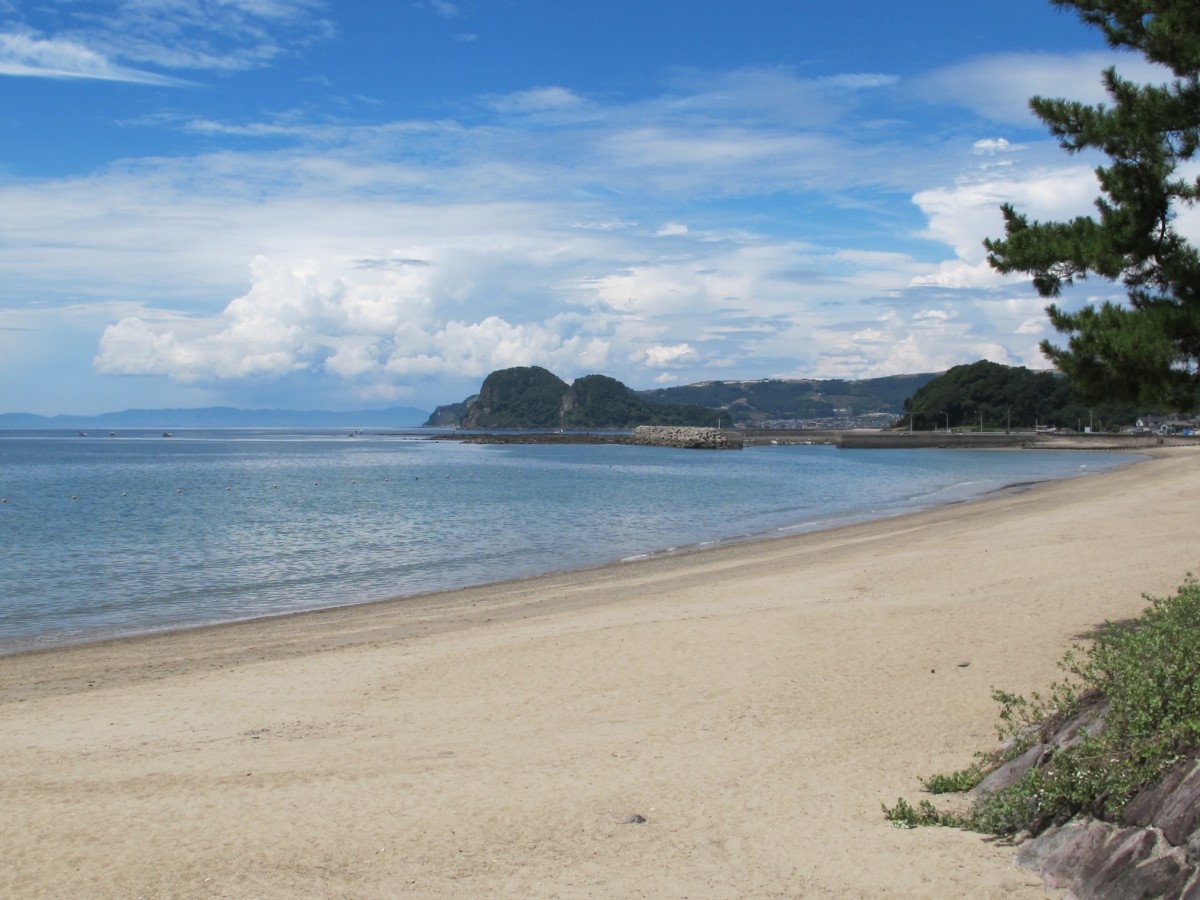
Shirahama Beach
©Nagasaki Prefecture Tourism Federation
This is the largest beach in Sasebo City, with a white sandy shore and a clear blue sea stretching out to the horizon. It was used for scenes where Kaoru and his friends have fun at the beach, as well as the important first meeting where they help the heroine, Yurika (Erina Mano), who is being harassed by delinquents. At sunset, the sky turns a vivid orange, making it a popular spot for tourists and photographers alike.
- Address: 3506 Tawaraura-cho, Sasebo City, Nagasaki Prefecture
- Access: About 50 minutes by bus from JR Sasebo Station, get off at "Tawaraura Post Office" and walk 15 minutes
Kuroshima Church
This church appears in the story’s climax, where Kaoru and Sentaro have an emotional reunion. It is said that descendants of the Hidden Christians, who endured harsh oppression during the Edo period, built the church themselves by stacking 400,000 bricks. It is designated as an Important Cultural Property of Japan. Inside, you can feel the warmth of the wooden interior.
- Address: 3333 Kuroshima-cho, Sasebo City, Nagasaki Prefecture
- Access: About 50 minutes by ferry from Ainoura Port, then about 30 minutes on foot from Kuroshima Shirouma Port on the island (advance notice is required for visits)
Glover Garden: A Classic Nagasaki Filming Location Featured in "Blue Spring Ride"
This coming-of-age love story follows Futaba (Tsubasa Honda), who reunites in high school with Kou (Masahiro Higashide), the boy she had feelings for in junior high school. As they struggle with the joys and bittersweet pains of youth, they gradually move forward together with their friends. The story beautifully captures the sparkling joys and bittersweet emotions of youth with a fresh and vibrant touch.
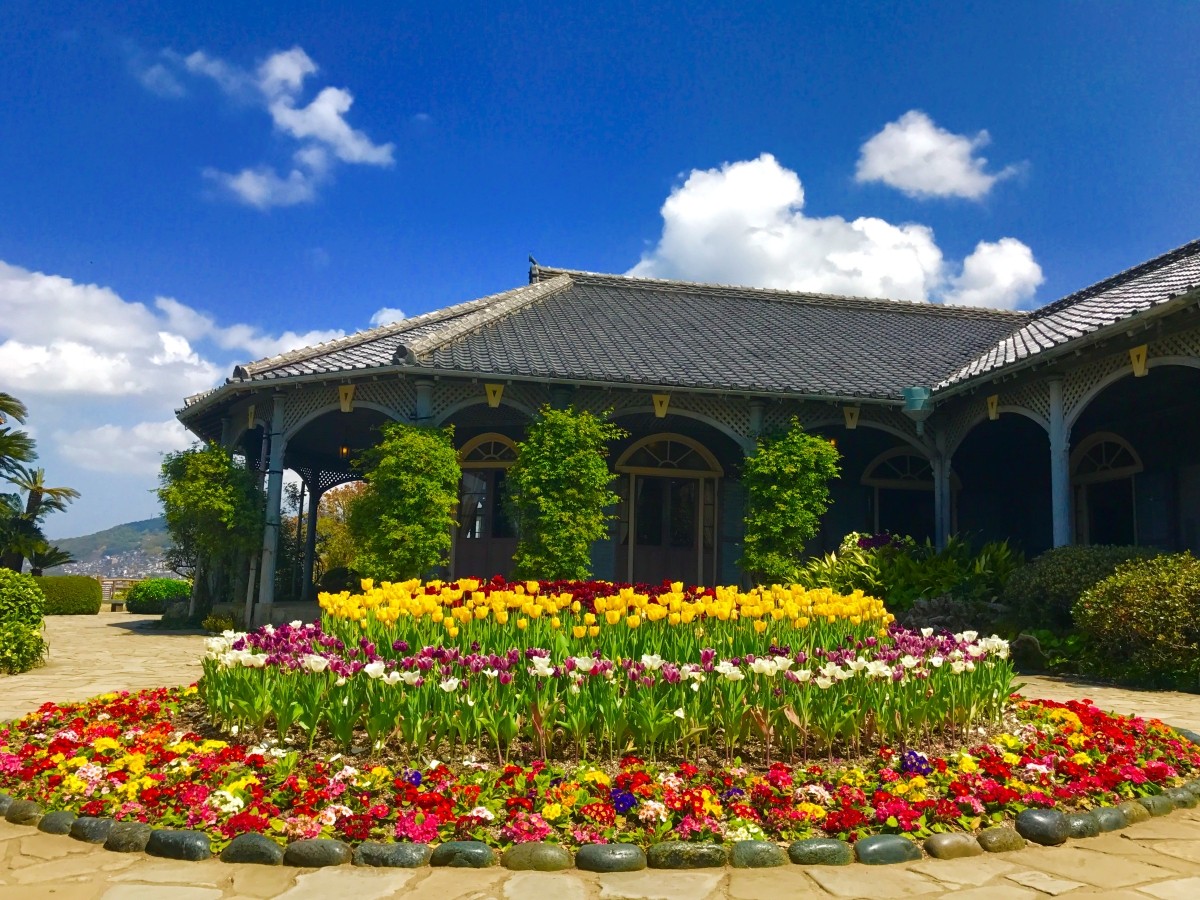
Glover Garden
©Nagasaki Prefecture Tourism Federation
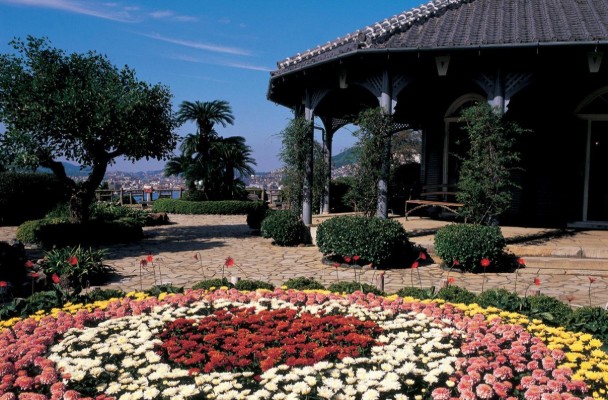
This location appears in the school trip scenes, with about 40 local high school students participating as extras. Located on the hillside of Minamiyamate overlooking a panoramic view of Nagasaki Port, Glover Garden is one of Nagasaki’s top tourist attractions, featuring precious Western-style buildings from the Meiji era. There is a "Heart Stone" hidden among the stone pavements in the garden, and legend says that if you touch it and make a wish, your romantic wish will come true.
👉Glover Garden Admission Ticket (Nagasaki)
- Address: 8-1 Minamiyamate-machi, Nagasaki City, Nagasaki Prefecture
- Access: About a 7-minute walk from the "Oura Tenshudo" tram stop
Oura Observation Park
This park was the filming location for the poignant flashback scene where Kou and his mother look back on their precious memories. Located at the top of "Kinen-zaka," a slope that retains the atmosphere of the old foreign settlement, it is a quiet spot where you can enjoy the beautiful city lights of Nagasaki, which have been selected as one of the world's new top three night views. Next to the park is a steep slope with a 45-degree incline, once used as a residential road by locals, allowing you to experience the unique lifestyle of Nagasaki's hilly neighborhoods.
- Address: 16 Aioi-machi, Nagasaki City, Nagasaki Prefecture
- Access: About a 15-minute walk from the "Oura Tenshudo" tram stop
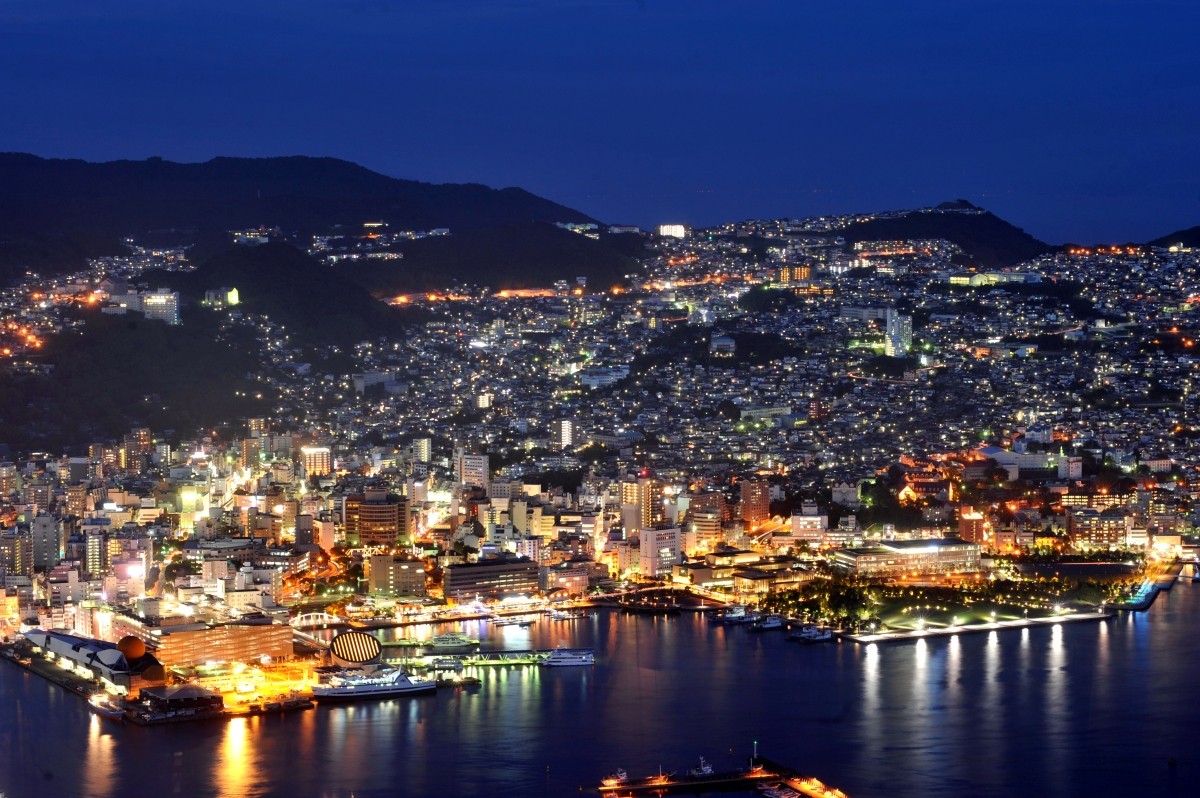
Inasayama Observatory
©Nagasaki Prefecture Tourism Federation
This special place was the filming location for the moving sunrise scene that marks the finale of the story. The staff began preparations at 2 a.m., and filming took place in the freezing early morning hours of May. Not only can you enjoy the world-famous "10 Million Dollar Night View," but the scenery bathed in morning light from the mountaintop also beautifully sets the stage for the memorable scene where the two characters' feelings come together.
👉Kirameku Nagasaki Inasayama, Glover Garden, Shianbashi Night Tour
- Address: Inasa-machi, Nagasaki City, Nagasaki Prefecture
- Access:
About 5 minutes from Fuchijinja Ropeway Station to the summit (by ropeway)
About 8 minutes from Inasayama Chufuku Station to the summit (by slope car)
Why not experience the world of masterpieces by touring Nagasaki filming locations?
Walking through the places where memorable scenes from movies and dramas were filmed vividly brings those moments back to life. From streets that feel like a foreign country to remote islands with breathtaking nature, Nagasaki is full of places where you can feel like the protagonist of your own story. Take this opportunity to go out and create your own wonderful memories.
🏨Book your stay with JAPANiCAN! 👉Click Here

Comments