
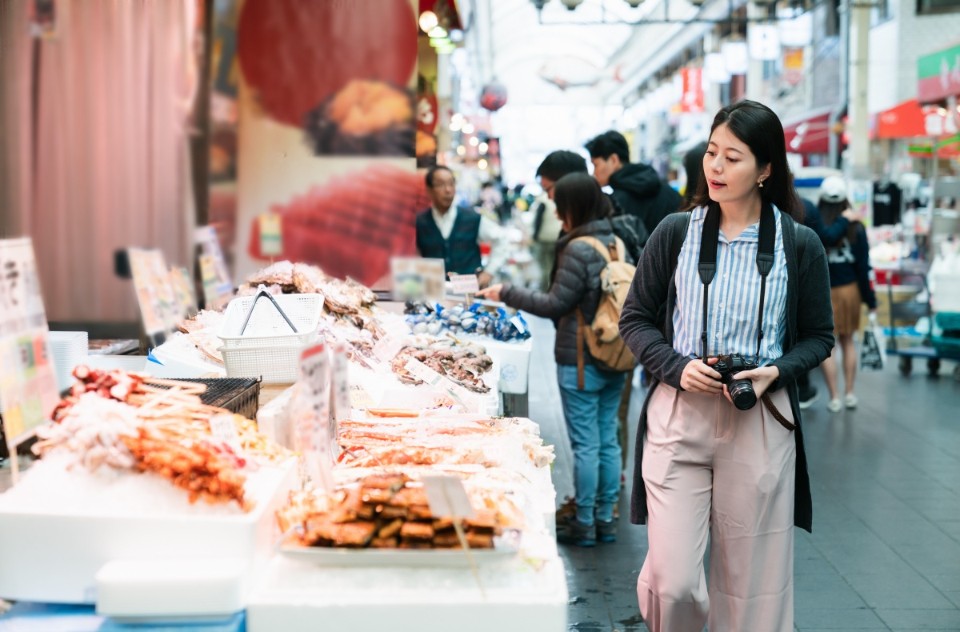
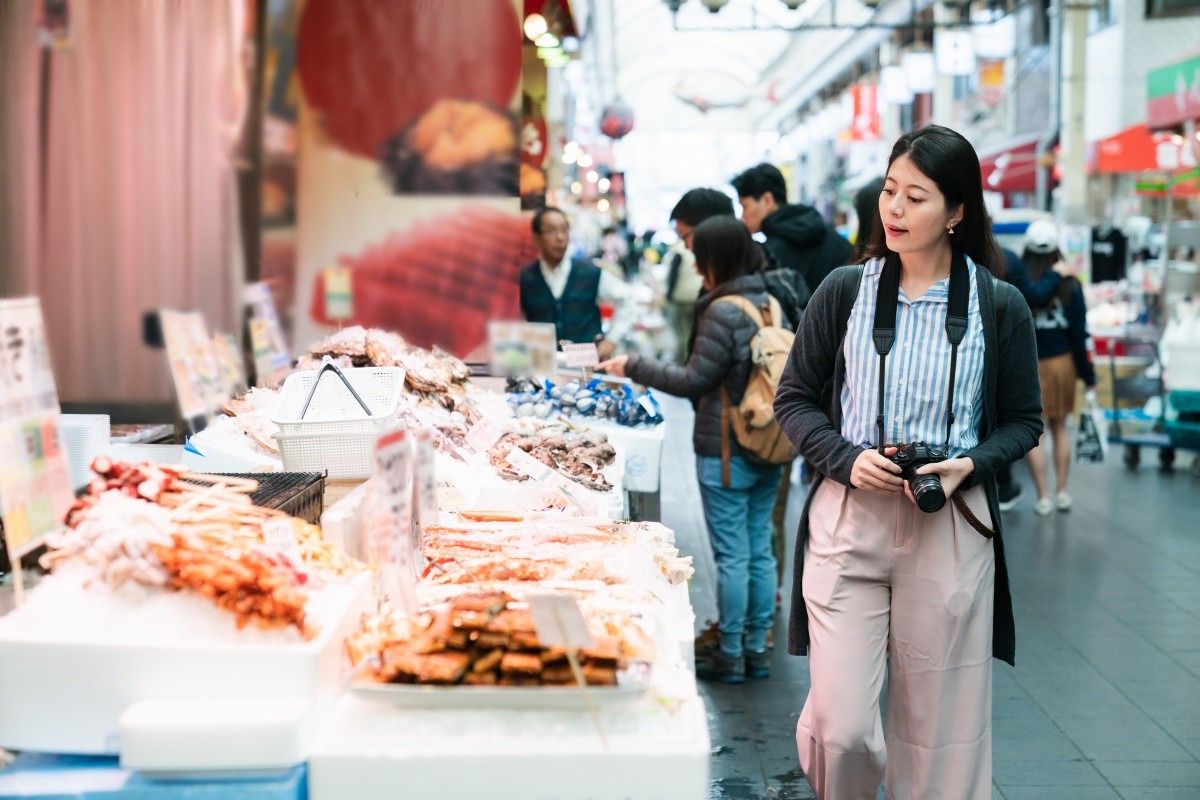
Across Japan, there are many bustling markets and morning markets, including the three most famous morning markets: Wajima Morning Market, Miyagawa Morning Market, and Katsuura Morning Market. These markets are lively from early in the morning, offering not only fresh seafood but also seasonal fruits and vegetables, making it enjoyable just to stroll around and look. Some shops even allow you to taste what you buy on the spot, making it easy to enjoy breakfast there as well.
In this article, a writer living in Japan with deep knowledge of Japanese cuisine has carefully selected 10 popular markets and morning markets that you should definitely visit during your trip to Japan.
*Please note that the business hours and regular holidays of each morning market introduced in this article may vary by shop, and may change due to temporary closures or seasonal reasons. Be sure to check the official website in advance.
What Are Japanese Markets and Morning Markets?
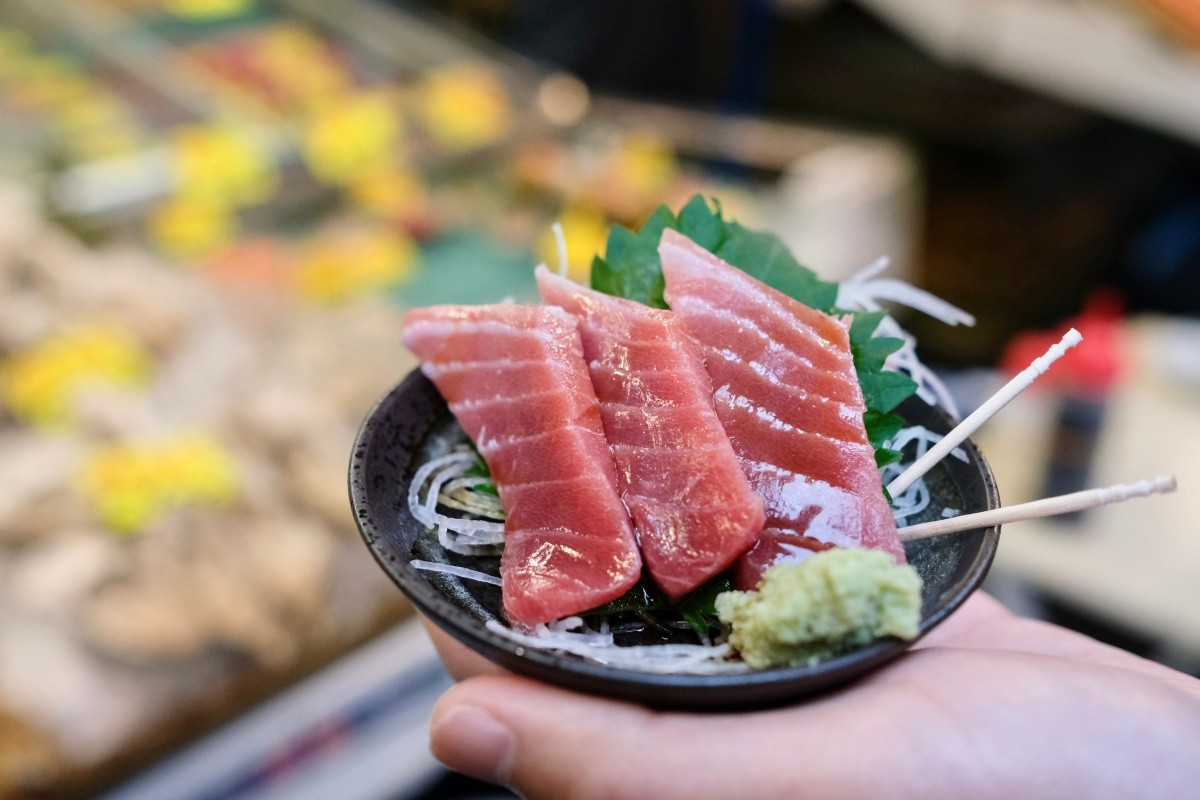
Japanese markets and morning markets are popular spots where you can experience fresh ingredients and the lively atmosphere of the local community. Seafood and vegetables delivered directly from fishing ports and farms are exceptionally fresh and can be purchased at relatively reasonable prices.
The main difference between a market and a morning market is whether or not they are permanent. Markets are usually permanent facilities open throughout the day, while morning markets are generally held from early morning until noon. Also, keep in mind that both markets and morning markets often have short business hours. To fully enjoy a morning market, it’s best to visit early. You’ll be able to experience the vibrant morning atmosphere.
It’s also a good idea to bring cash. Whether you can eat while walking varies by location, so be sure to follow the rules, such as using designated eating areas, and enjoy your visit responsibly.
Now, let’s introduce some recommended markets and morning markets.
[Hokkaido] Hakodate Morning Market: A Leading Tourist Destination in Hokkaido
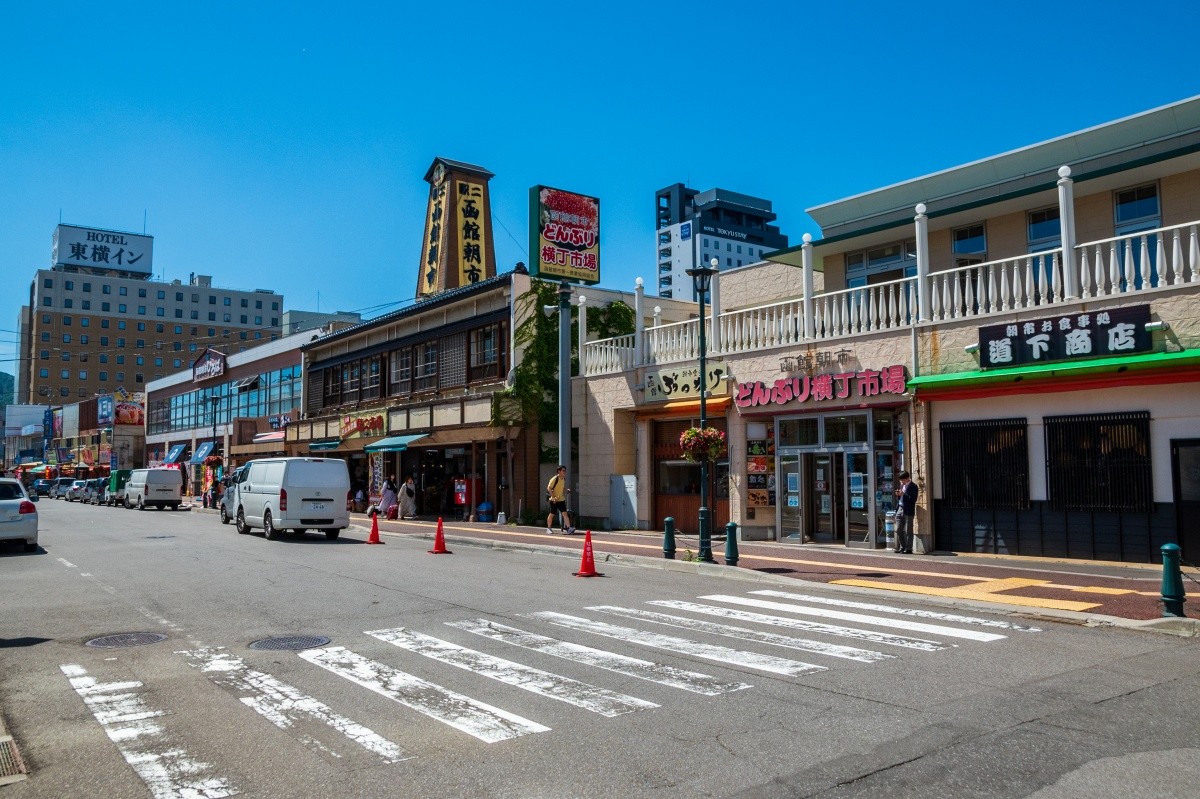
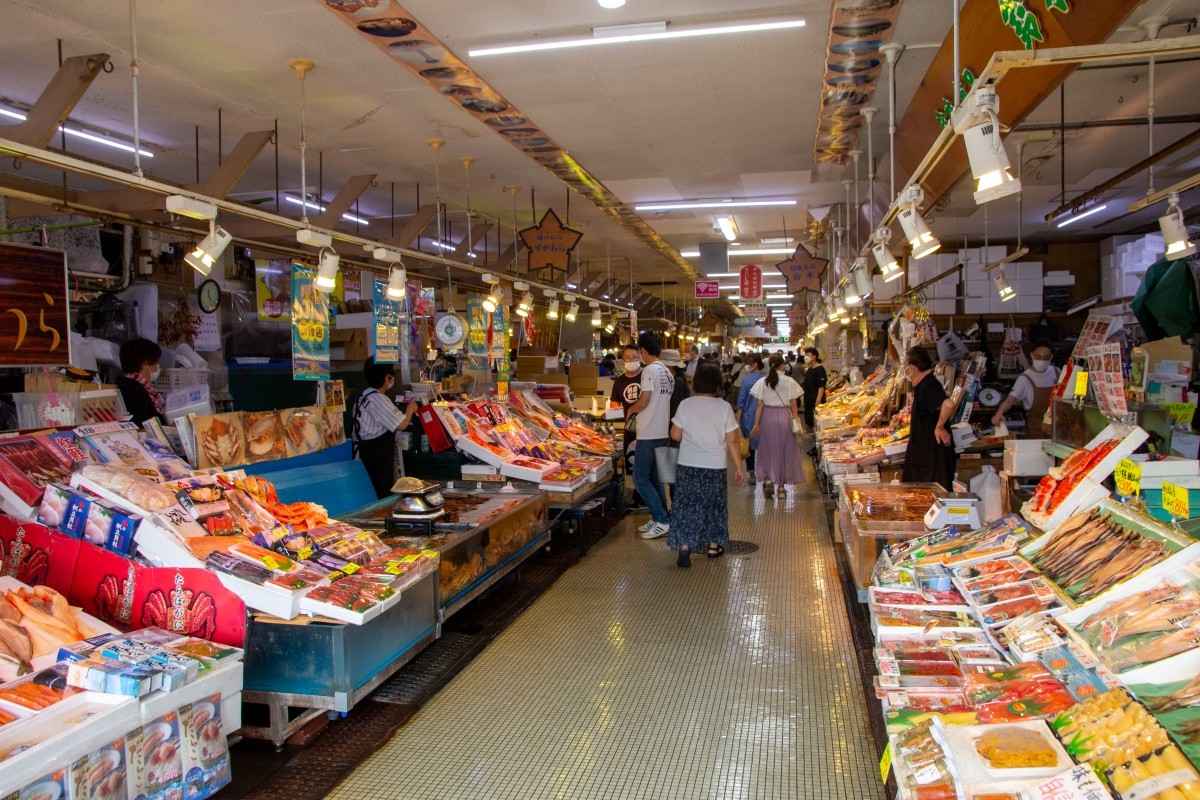
This large-scale market consists of about 250 shops spread across three areas: Donburi Yokocho Market, Ekini Market, and Hakodate Asaichi Hiroba.
Donburi Yokocho Market is famous for its seafood rice bowl restaurants, where colorful kaisendon (seafood rice bowls) topped with sea urchin, salmon roe, scallops, and more are the classic breakfast choice at this morning market.. Another must-try experience is the squid fishing experience at the live squid fishing pond in Ekini Market. The squid you catch is prepared by a skilled chef so you can enjoy it fresh right there in the shop.
Although the entire morning market closes at 2:00 PM, popular items often sell out in the morning, so visiting early allows you to explore everything more easily.
Hakodate Morning Market
- Address: 9-19 Wakamatsu-cho, Hakodate-shi, Hokkaido
- Access: About 1 minute walk from JR Hakodate Station, about 2 minutes walk from Hakodate Ekimae tram stop
- Business Hours: 5:00–14:00 (6:00–14:00 from January to April)
- Closed: Open year-round
[Chiba Prefecture] Katsuura Morning Market: Over 430 Years of History, One of Japan’s Three Great Morning Markets
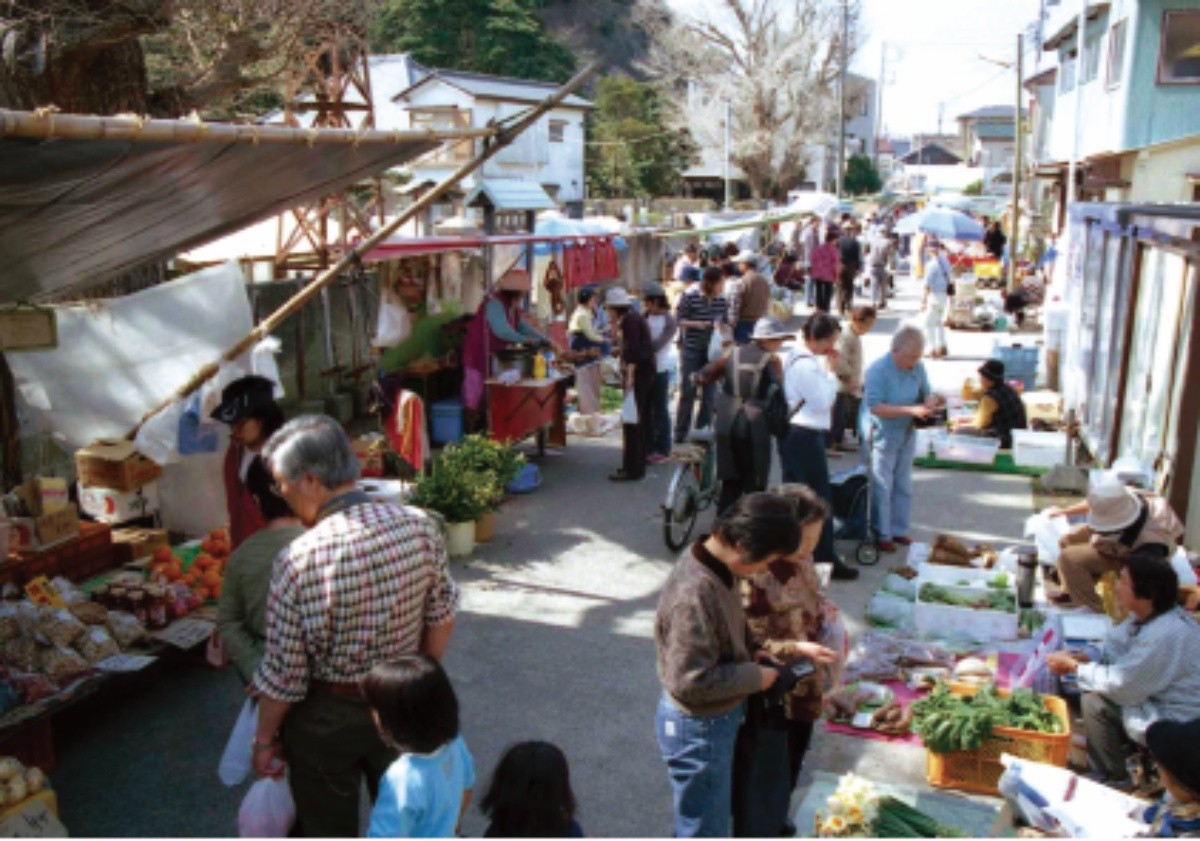
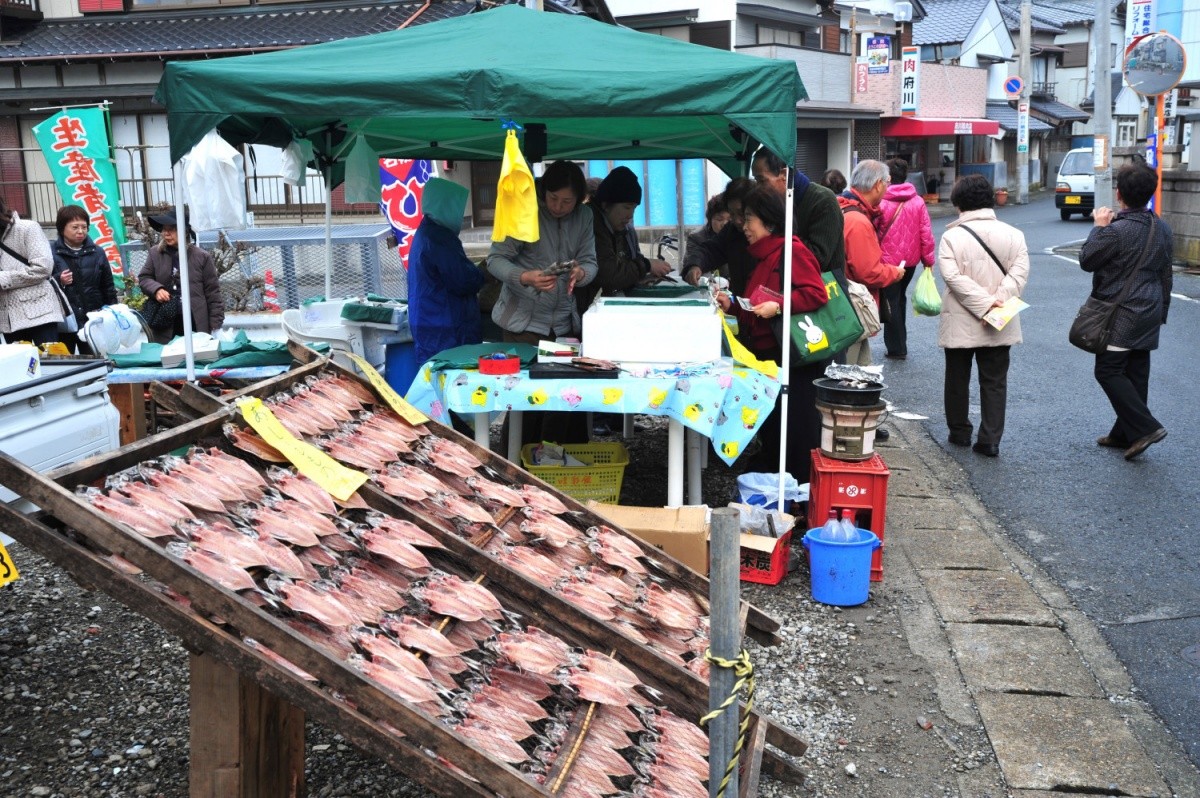
Along the streets of Katsuura Morning Market, you’ll find rows of stalls selling freshly caught local specialties like bonito and splendid alfonsino, seasonal fruits and vegetables, as well as dried fish and pickles made from local ingredients.
There are also plenty of food stalls perfect for eating on the go, such as “Katsuo Manju” (bonito buns), oden flavored with bonito broth, and spicy taiyaki filled with Katsuura Tantanmen-flavored filling, a local specialty. Popular treats like warabi mochi (bracken starch jelly) and drip coffee often sell out early, so you can even enjoy dessert here.
To make the most of your visit to Katsuura Morning Market, bring a reusable shopping bag for your purchases. If you plan to buy fresh foods, it’s convenient to bring a cooler bag and frozen ice packs.
Katsuura Morning Market
- Address: Katsuura, Katsuura-shi, Chiba Prefecture(Shimohoncho Asaichi Street & Nakamoncho Asaichi Street)
- Access: About 10 minutes walk from JR Katsuura Station
- Business Hours: Around 6:30–11:00
- Closed: Every Wednesday, New Year’s Day
- *Held on Shimohoncho Asaichi Street from the 1st to the 15th of each month, and on Nakamoncho Asaichi Street from the 16th to the end of the month
[Gifu Prefecture] Miyagawa Morning Market: A Historic Market Dating Back to the Edo Period
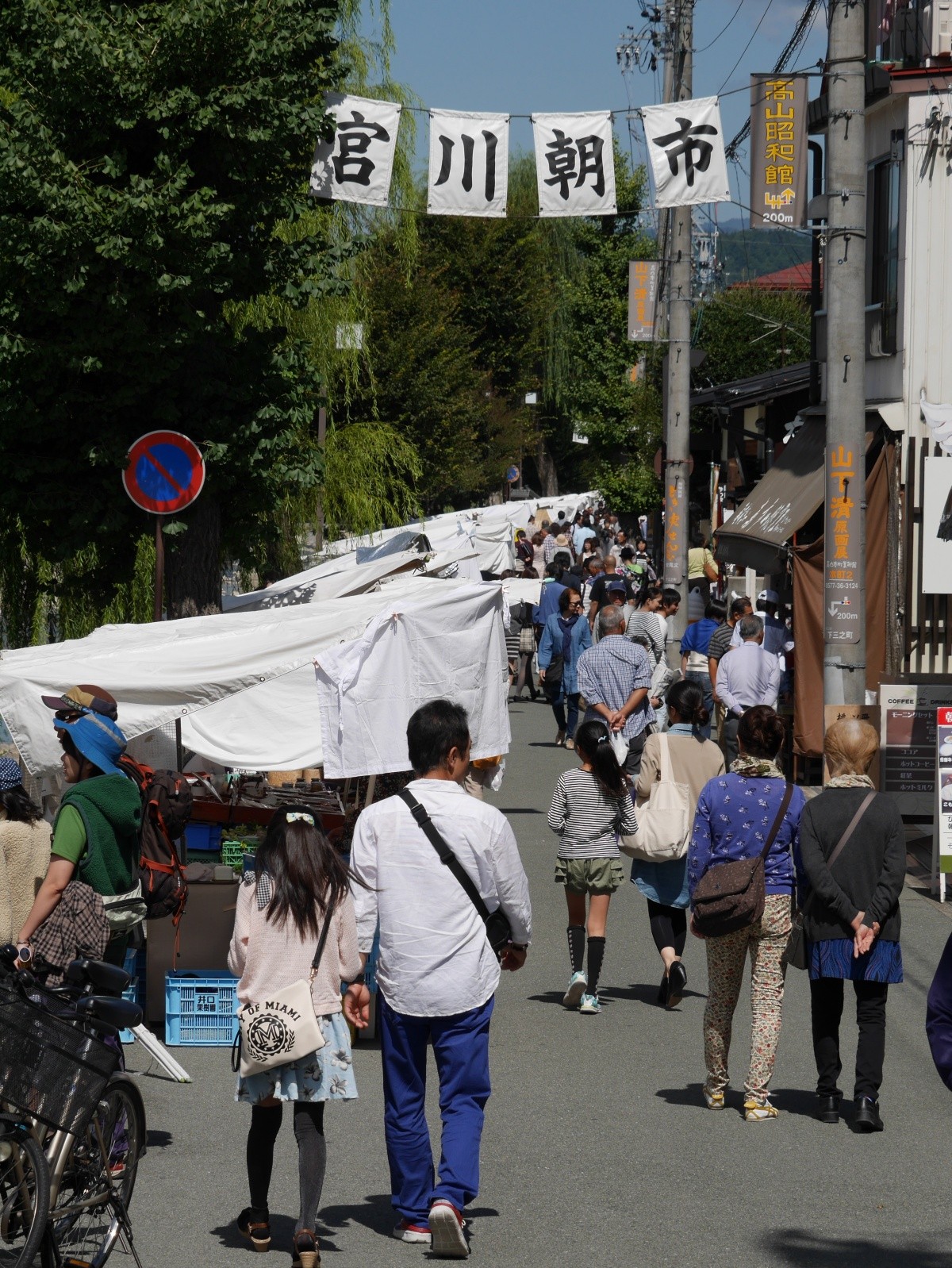
Miyagawa Morning Market is held along the Miyagawa River in Takayama City, Gifu Prefecture. Every morning, under the white tents stretching for about 700 meters from Kajibashi Bridge to Yayoi Bridge, locally grown fresh vegetables and fruits, the famous pickled red turnips, folk crafts, and more are sold directly.
In addition to agricultural products and other ingredients, there are also food stalls selling ready-to-eat snacks. Among them, a specialty unique to Takayama is "Mitarashi Dango." These are savory, non-sweet rice dumplings that highlight the rich flavor and aroma of soy sauce. You can also enjoy rich puddings made with Hida ingredients, authentic espresso served in cookie cups, and Hida beef nigiri sushi.
Miyagawa Morning Market
- Address: Shimo-Sannomachi, Takayama City, Gifu Prefecture (along the Miyagawa River)
- Access: About 10 minutes on foot from JR Takayama Station
- Hours: 7:00–12:00 (8:00–12:00 from December to March)
- Closed: Open year-round
[Saga Prefecture] Yobuko Morning Market: One of Japan’s Three Great Morning Markets Continuing Since the Taisho Era
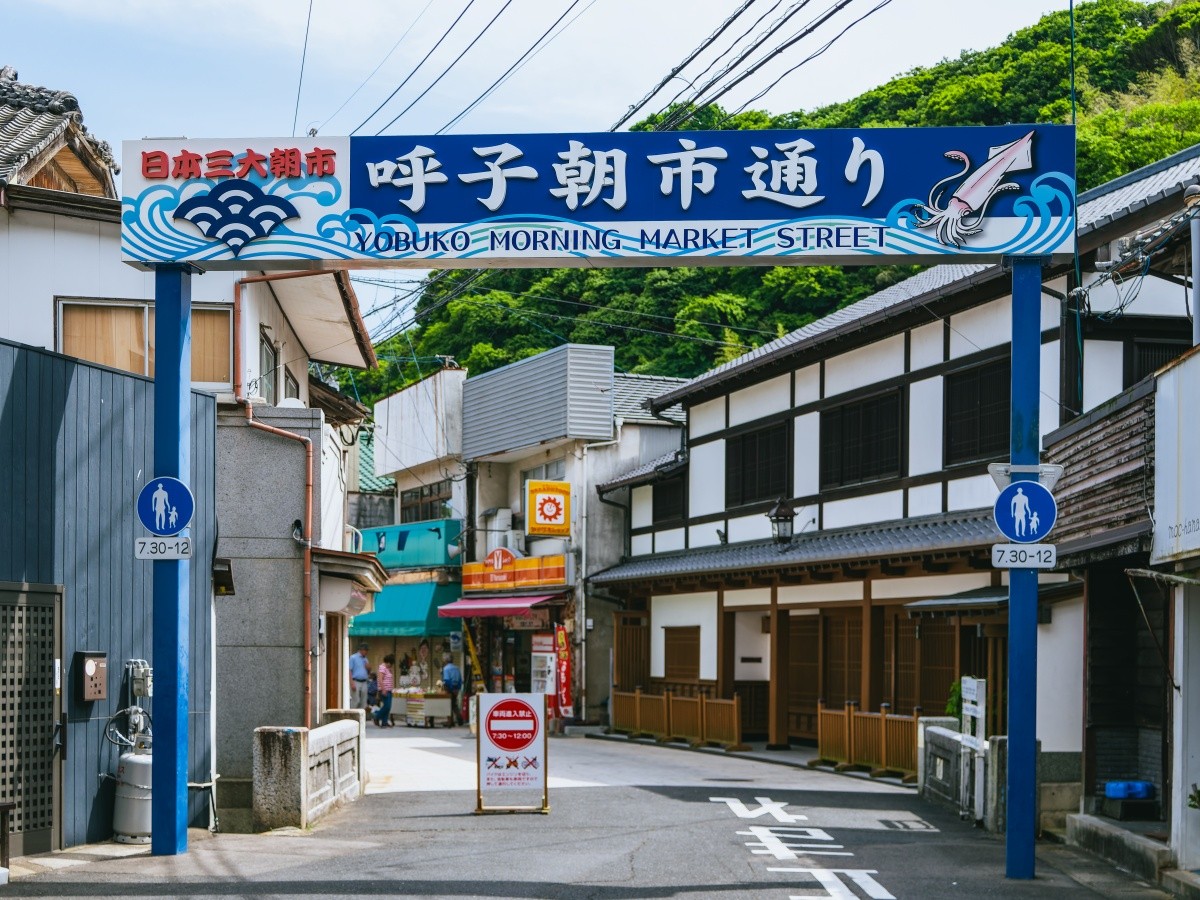
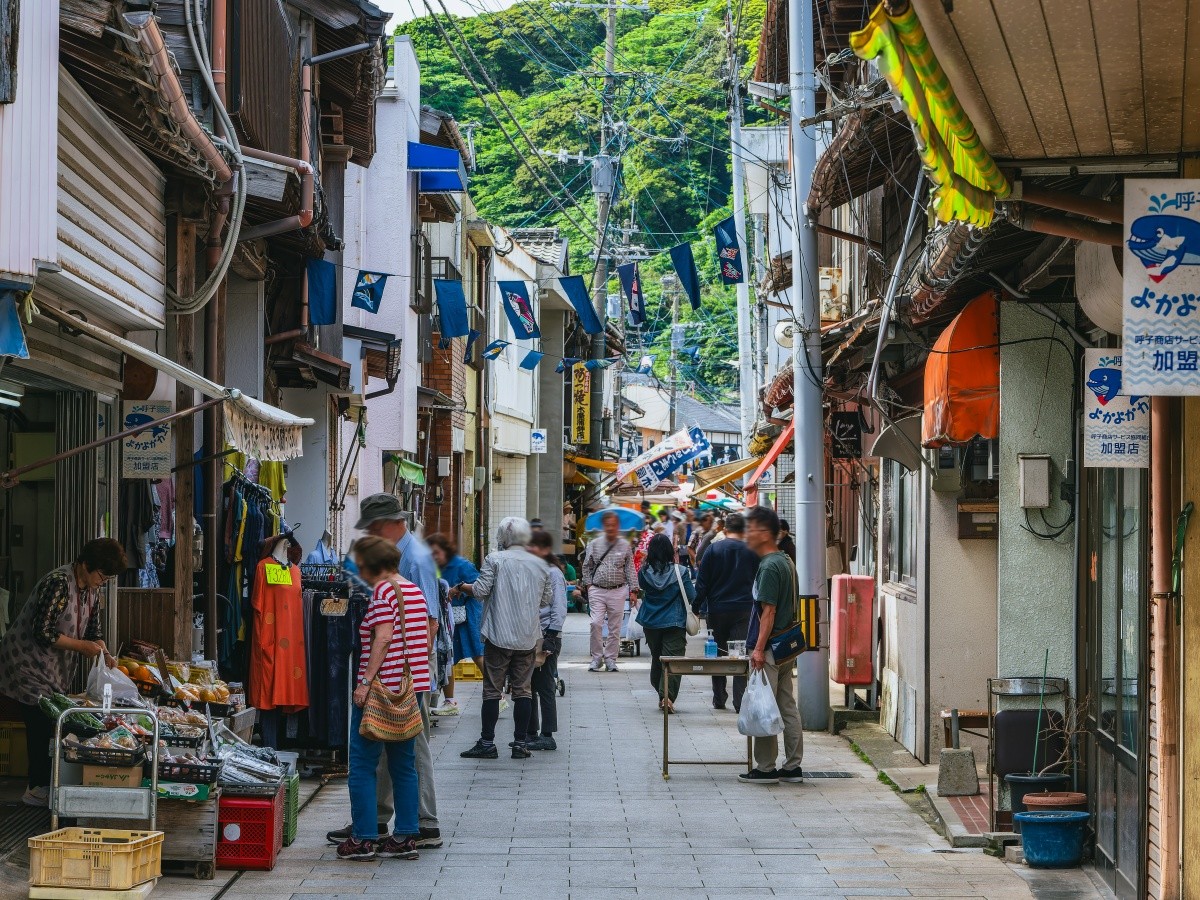
On the east side of Yobuko Port, about 200 meters of morning market street are lined every morning with freshly caught seafood, dried fish, agricultural products, flowers, and more. Especially popular are processed products made from Yobuko’s specialty squid, with the fragrant and flavorful overnight-dried squid being a favorite souvenir.
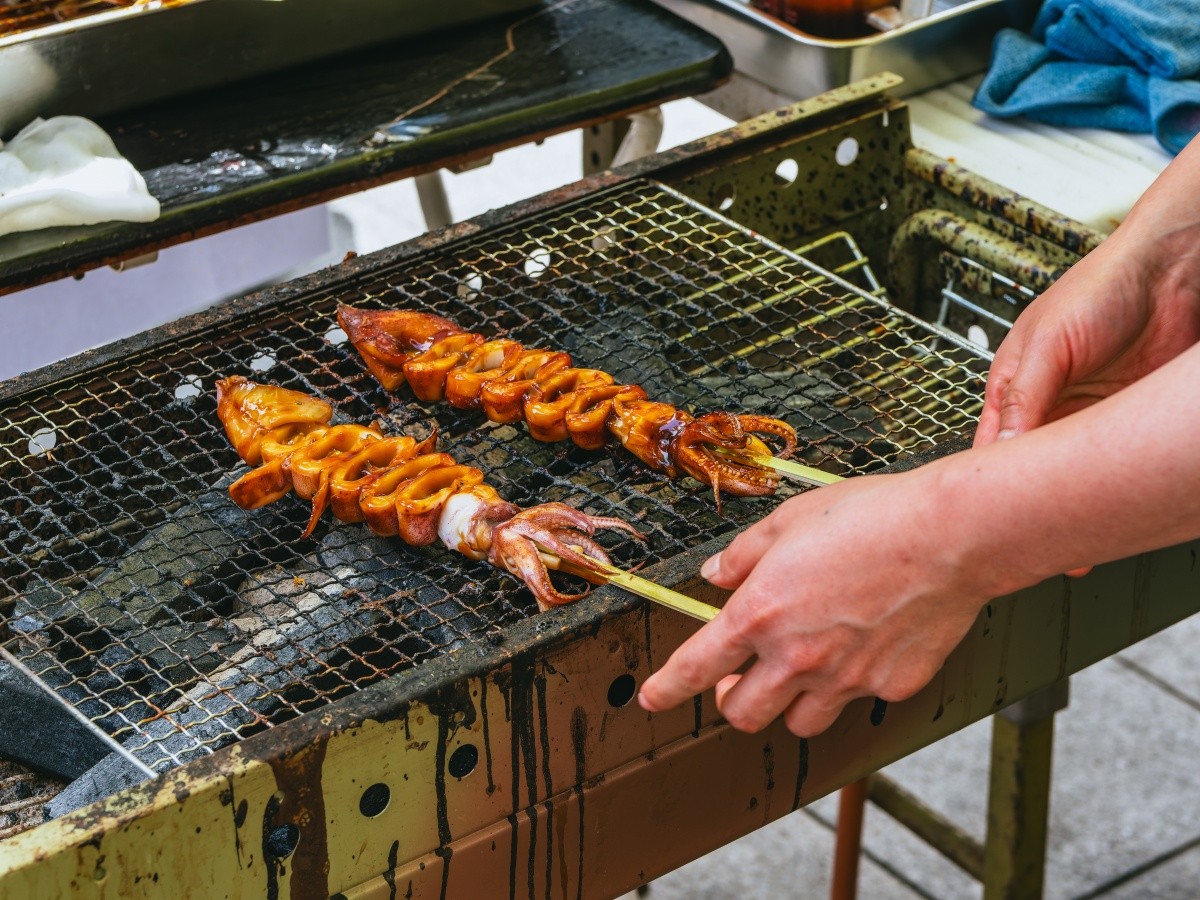
Yobuko Morning Market also offers many foods perfect for eating while strolling, so you can enjoy delicious gourmet treats from early in the morning. The most notable are squid-based items such as Ikashumai (squid dumplings), Ika Senbei (squid crackers), and charcoal-grilled overnight-dried squid. Other popular items include sea urchin-topped abalone skewers and grilled turban shells (sazae no tsuboyaki). There are also breweries and drip coffee shops along the market street, so you can easily find a drink while you stroll and eat.
Yobuko Morning Market
- Address: Yobuko Morning Market Street, Yobuko-cho, Karatsu City
- Access: About 30–36 minutes by bus from Karatsu Station or Oteguchi Bus Center. About 3 minutes on foot after getting off.
- Hours: 7:30–12:00
- Closed: January 1
[Miyagi Prefecture] Sendai Asaichi Shopping Street: Excellent Access
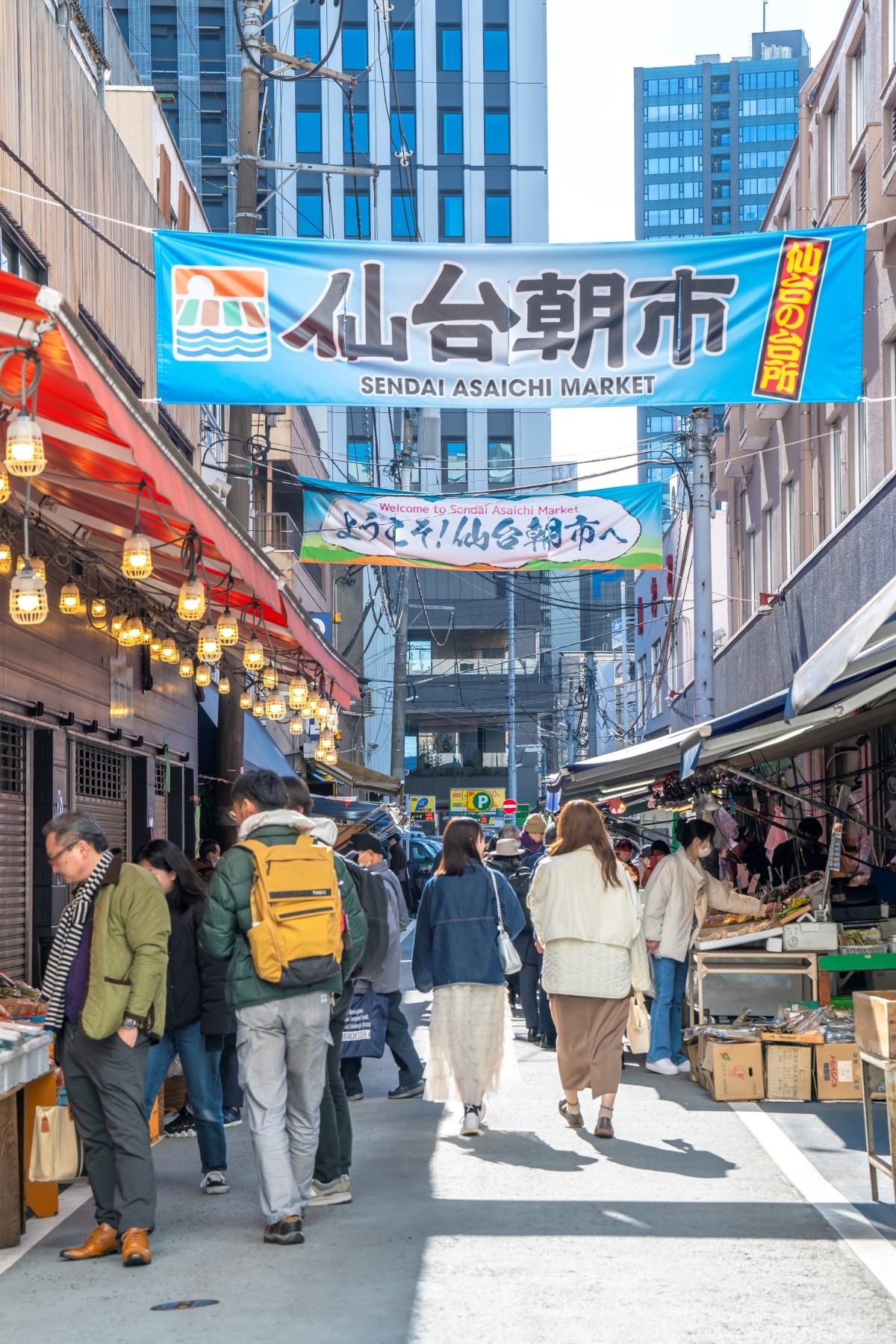
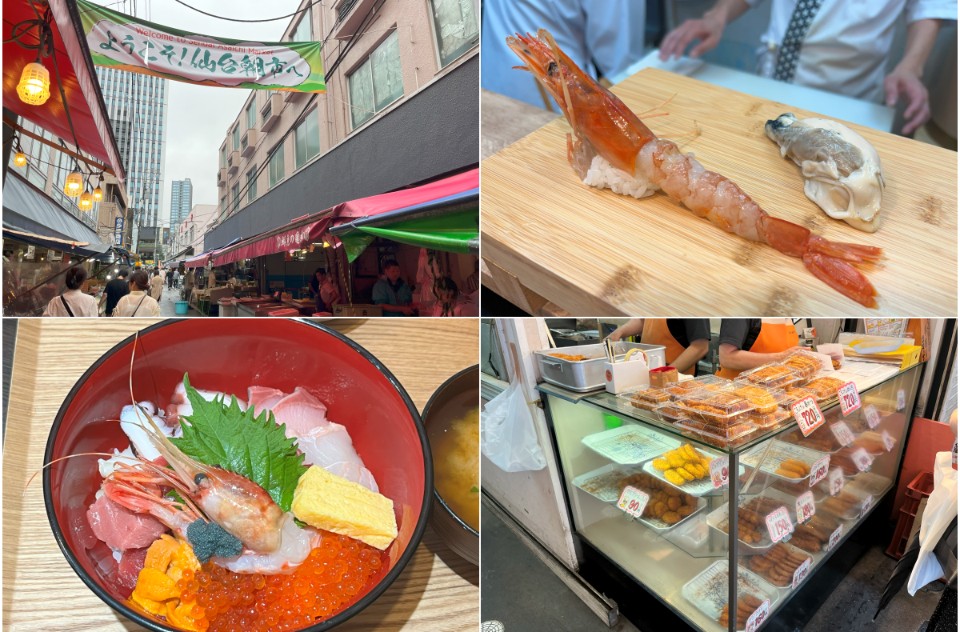
Sendai Asaichi is a convenient market located about a 5-minute walk from Sendai Station. With around 70 shops, it is known as “Sendai’s Kitchen,” and offers a wide variety of ingredients. The market is packed with fresh seafood such as scallops, oysters, and tuna, as well as processed seafood products, vegetables, fruits, and more, closely lined up throughout the space.
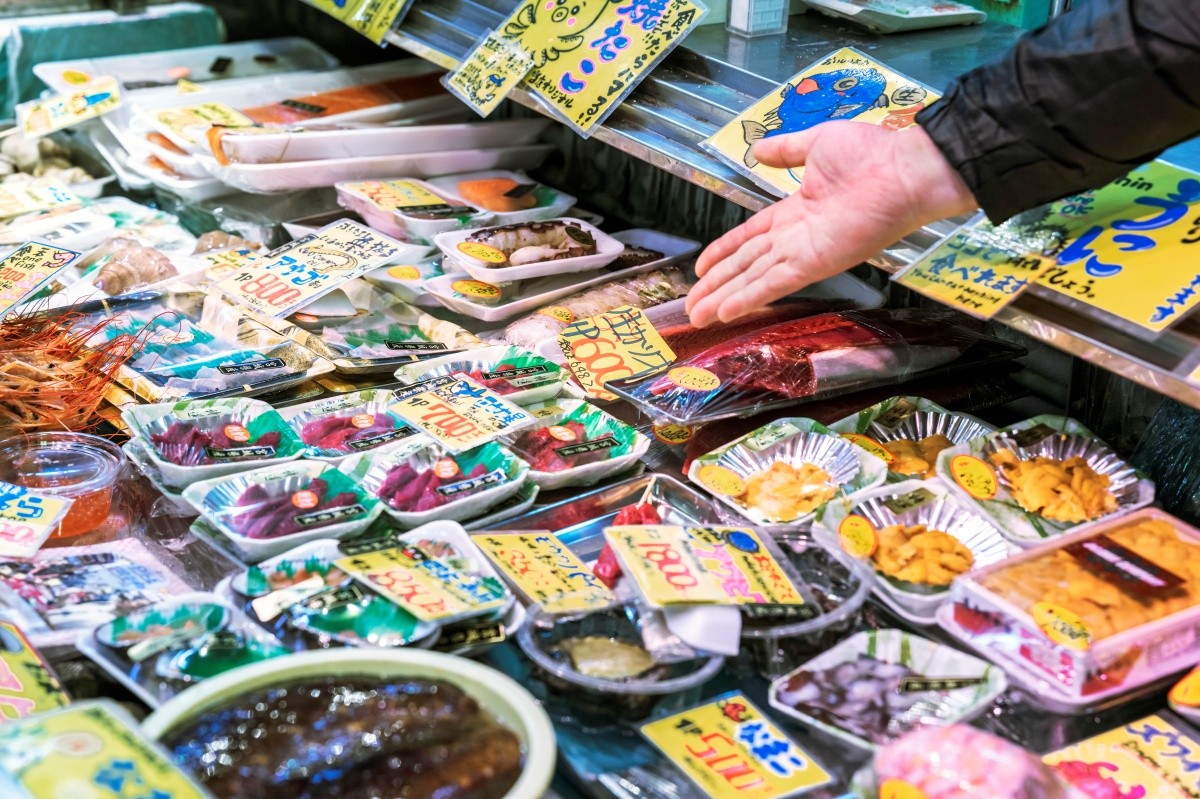
Some shops have dining spaces where you can have the seafood you select prepared and served on the spot. There are also restaurants offering oyster dishes such as raw oysters and fried oysters, as well as sushi and ramen shops. In addition, there are plenty of street food options like Zunda Dango (sweet soybean paste dumplings) and croquettes. You can also enjoy freshly brewed drip coffee after your meal, making this morning market a great place to enjoy a wide variety of foods.
Sendai Asaichi
- Address: 3-8-5 Chuo, Aoba-ku, Sendai City, Miyagi Prefecture
- Access: About 5 minutes on foot from JR Sendai Station
- Hours: Around 8:00–18:00
- Closed: Sundays and public holidays
Related Articles
[Ibaraki Prefecture] Oarai Seafood Market: A Popular Spot for Fresh Seafood Direct Sales
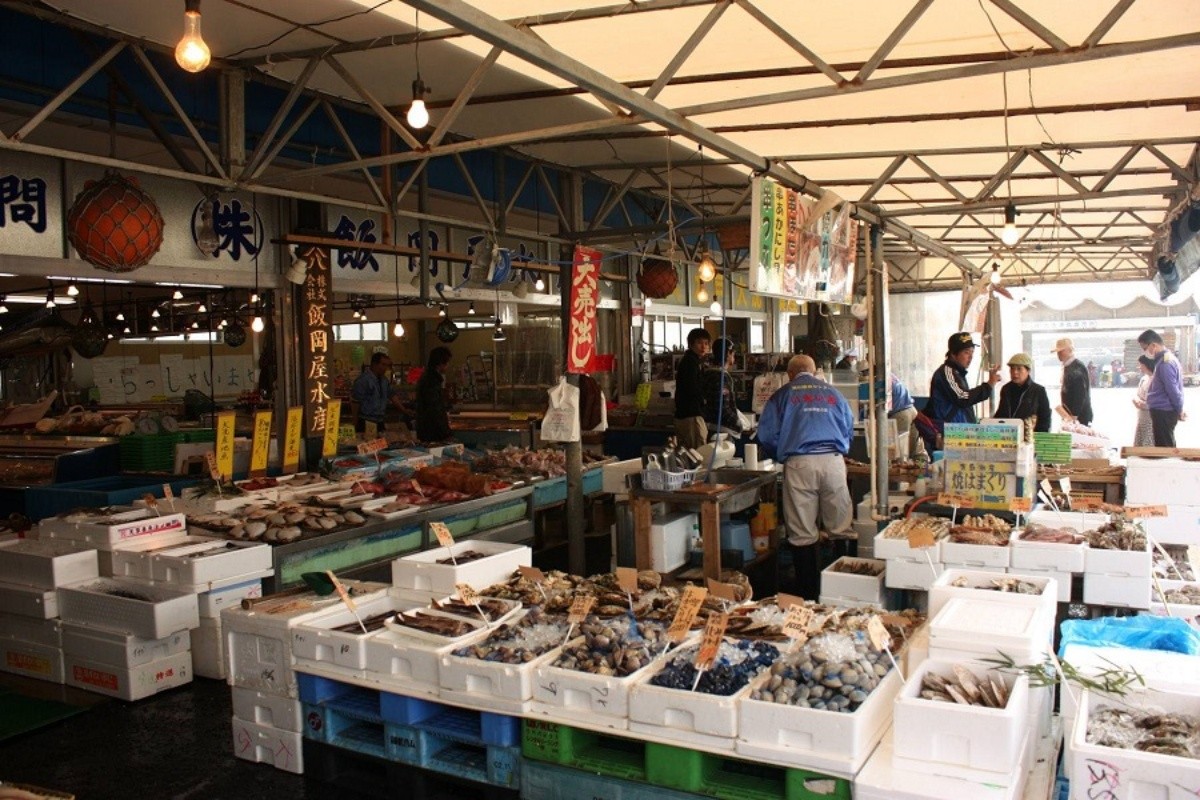
The Oarai Seafood Market in Ibaraki Prefecture offers not only freshly caught seafood but also a wide variety of homemade dried fish, salted fish, tsukudani (seafood simmered in soy sauce), kamaboko (fish cakes), and other processed products. For breakfast at this market, "Kaisendonburi-tei" and "Ichiba no Hamayaki" are recommended.
At "Kaisendonburi-tei," you can enjoy set meals, hot pots, and seafood rice bowls made with freshly caught seasonal seafood. Recommended seasonal specialties include plump and flavorful clams in spring, creamy and rich rock oysters in summer, fatty returning bonito and translucent raw whitebait in autumn, and anglerfish, a winter delicacy of Ibaraki, in winter.
On the other hand, at "Ichiba no Hamayaki," you can immediately enjoy freshly grilled clams, scallops, oysters, and other seasonal seafood in an eat-in space. The simple seasoning brings out the natural flavors of the seafood.
Oarai Seafood Market
- Address: 8253-56 Isohamacho, Oarai-machi, Higashiibaraki-gun, Ibaraki Prefecture
- Access: Monday–Saturday, about 15–18 minutes by bus from Oarai Station, 2 minutes on foot from "Gyoko Iriguchi" stop / Sunday, 1 minute on foot from "Uoichiba-mae" stop
- Hours: 7:00–17:00 *Temporary closures may occur
- Closed: Open year-round
[Ishikawa Prefecture] Omicho Market: "Kanazawa’s Kitchen" with About 300 Years of History
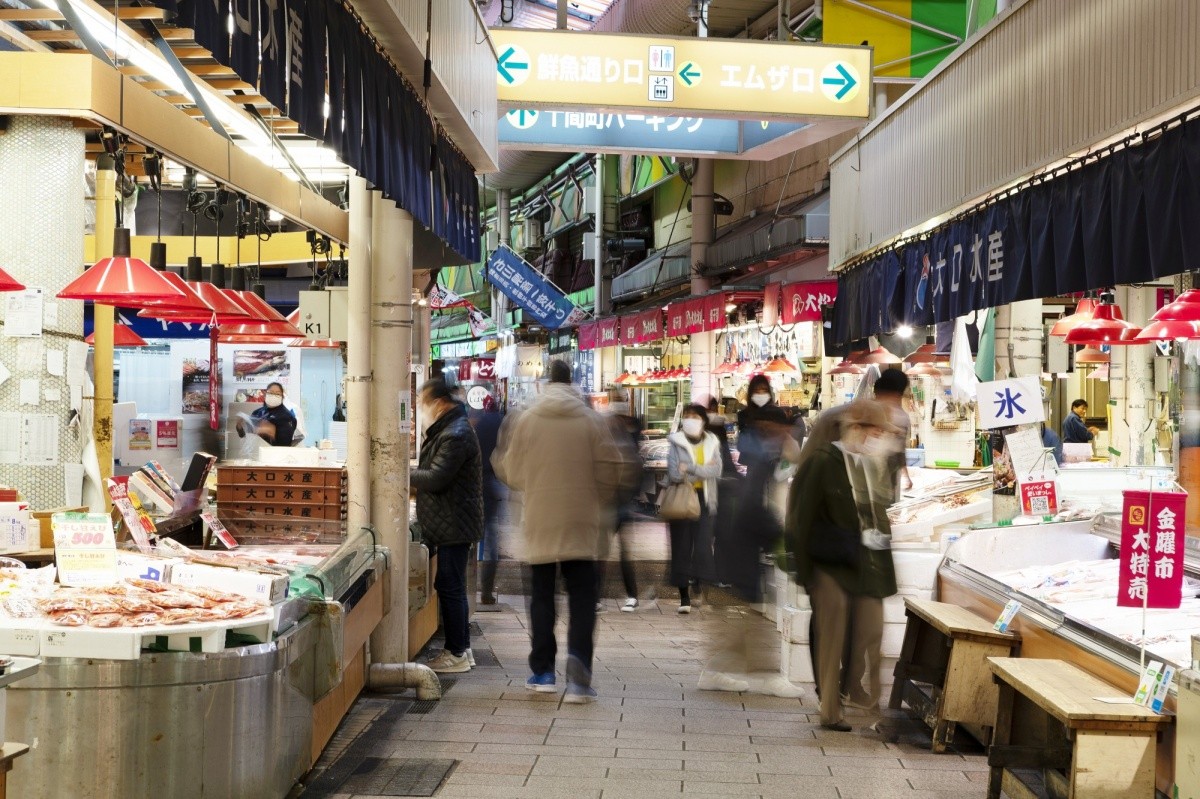
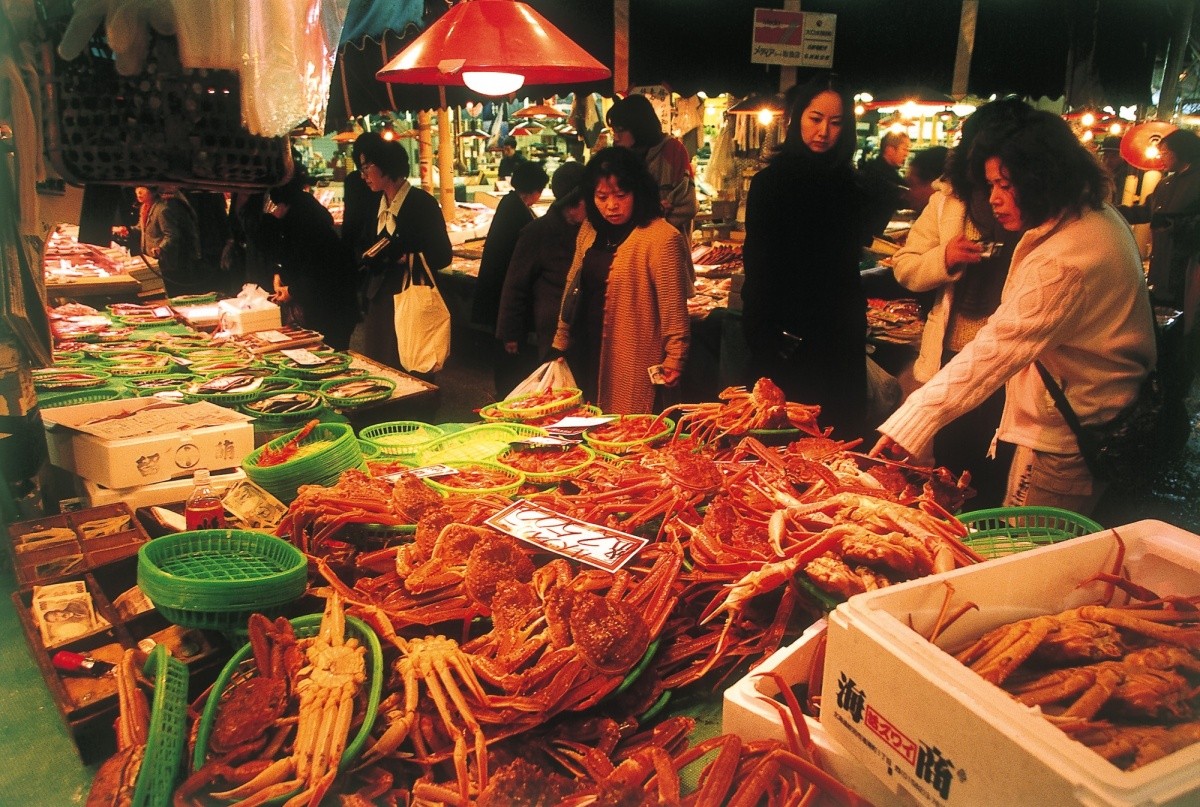
Omicho Market, home to around 170 shops under its arcade, is a bustling marketplace visited by both culinary professionals and local residents. Here, you’ll find an abundance of Ishikawa’s fresh ingredients, including seafood, Kaga vegetables, and fruits.
There are also over 40 restaurants offering a wide variety of options, from seafood rice bowls and sushi made with fresh fish from the Sea of Japan, to Kanazawa oden, ramen, and coffee shops. Many eateries are so popular that lines often form, especially during lunchtime when the market is at its liveliest.
If you want to experience both shopping and dining in the vibrant market atmosphere, we recommend shops where you can eat your purchases right at the storefront. At this market, there are many places where you can immediately enjoy fresh oysters, grilled shellfish, sushi, fried foods, and prepared dishes after buying them.
*Please note that eating while walking is prohibited in Omicho Market. Be sure to eat in the designated dining area of the shop where you made your purchase.
Omicho Market
- Address: 50 Kamiomicho, Kanazawa-shi, Ishikawa Prefecture
- Access: 15-minute walk from Kanazawa Station, or about 10 minutes by bus from Kanazawa Station to Musashigatsuji, then a short walk
- Hours: Around 9:00–17:00
[Yamaguchi Prefecture] Karato Market: Popular as the “Kitchen of Kanmon”
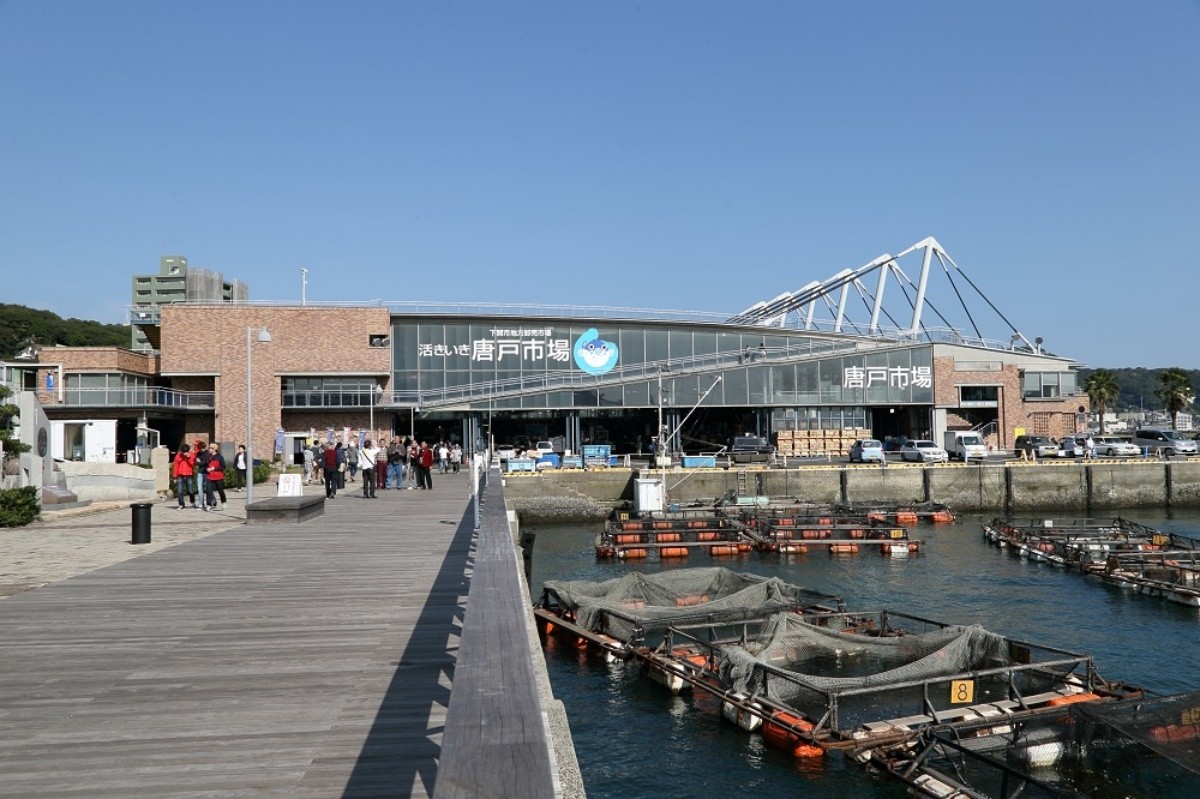
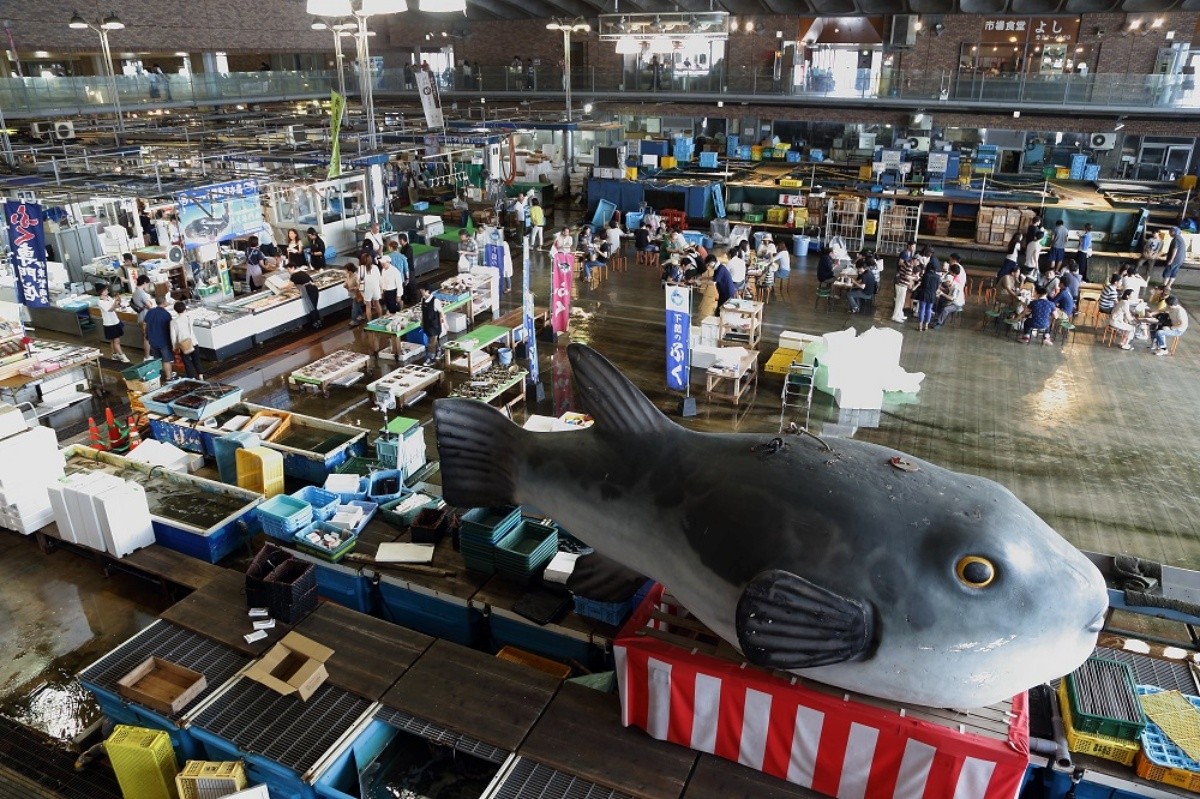
Karato Market offers a wide selection of fresh seafood, including its famous fugu (pufferfish), anglerfish (which has the highest catch volume in Japan), yellowtail, and grunt, with direct sales by local fishermen.
On the second floor of the market, you’ll find a row of dining halls serving sushi and seafood dishes made with ingredients delivered straight from the market—perfect for an early breakfast. On weekends and holidays, the popular “Iki-iki Bakangai” event is held, where you can choose and purchase your favorite items from a wide variety of nigiri sushi, seafood rice bowls, and fried fugu, among other dishes.
The deck area overlooking the sea and the rooftop lawn plaza, where you can enjoy a picnic atmosphere with ocean views, are also highly recommended.
Karato Market
- Address: 5-50 Karato-cho, Shimonoseki-shi, Yamaguchi Prefecture
- Access: About 10 minutes by bus from Shimonoseki Station to Karato
- Hours: Mon–Sat 5:00–15:00, Sun & Holidays 8:00–15:00
- Closed: Wednesdays (irregular), Obon (around August 14–16), New Year (around January 1–4) *Restaurant hours may vary by shop
[Fukuoka Prefecture] Nagahama Fish Market: One of Japan’s Largest Markets Handling Around 300 Types of Fish
The highlight of this market is the auction viewing corridor on the second floor, where you can watch the lively auctions up close. On the monthly “Citizen Appreciation Day,” events such as tuna cutting shows and fish filleting workshops are held. Many other events are held, so it’s a good idea to check the schedule in advance when planning your trip.
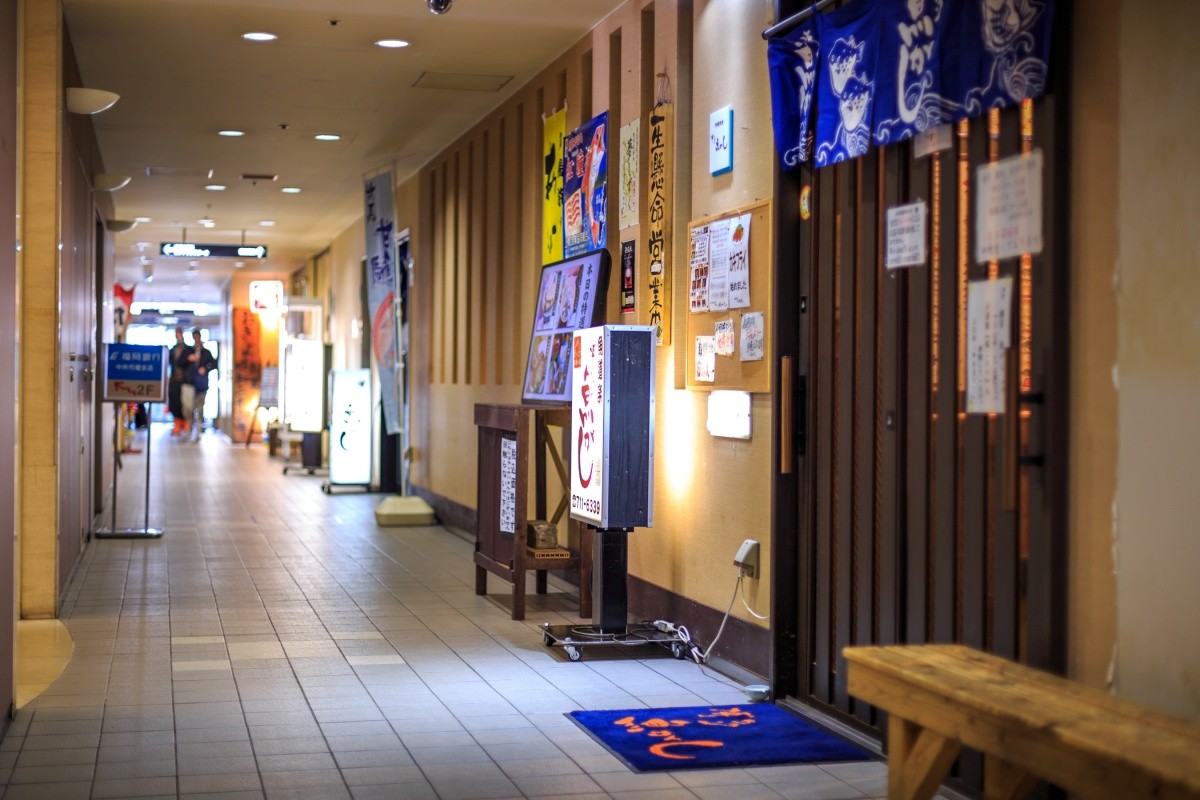
Another feature of this market is the variety of dining options. On the first floor of the Market Hall inside the market, you’ll find many restaurants serving set meals, sushi, and seafood rice bowls made with fresh fish. All of these places are extremely popular, with lines forming during lunchtime peak hours.
You can fully enjoy the vibrant morning atmosphere of the market, experiencing Nagahama Fish Market’s greatest appeal: seeing, eating, and learning all in one place.
Nagahama Fish Market
- Address: 3-11-3 Nagahama, Chuo-ku, Fukuoka-shi, Fukuoka Prefecture (Fukuoka City Fish Market, Market Hall)
- Access: About 12 minutes on foot from Akasaka Station, or about 20–30 minutes by bus from Hakata Bus Terminal to Nagahama 2-chome bus stop, then about 3 minutes on foot
- Hours: Mon–Sat (except holidays) 8:00–16:30
- Closed: Sundays & holidays (irregular), Obon (around August 14–16), New Year (around January 1–4)
[Tottori Prefecture] Sakaiminato Marine Products Direct Sales Center: Famous for Crab
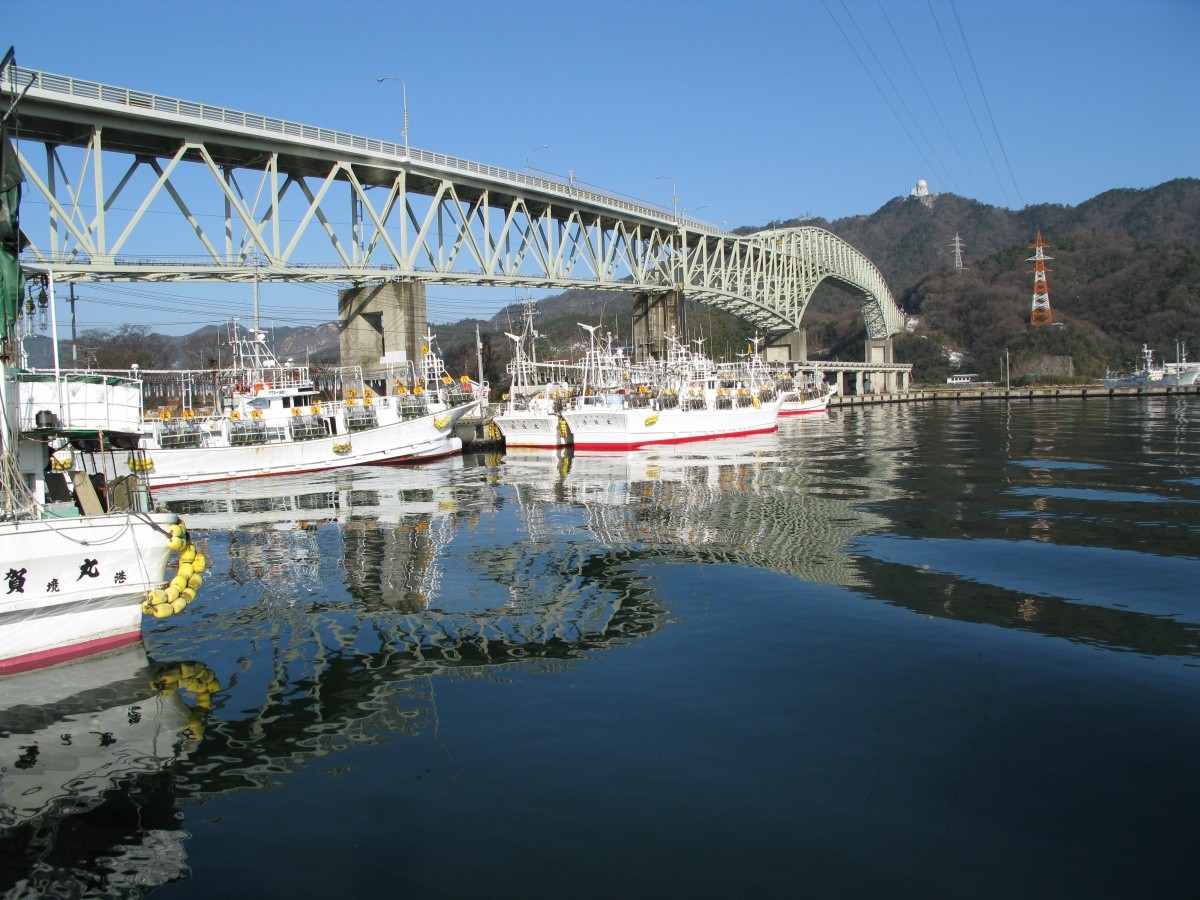
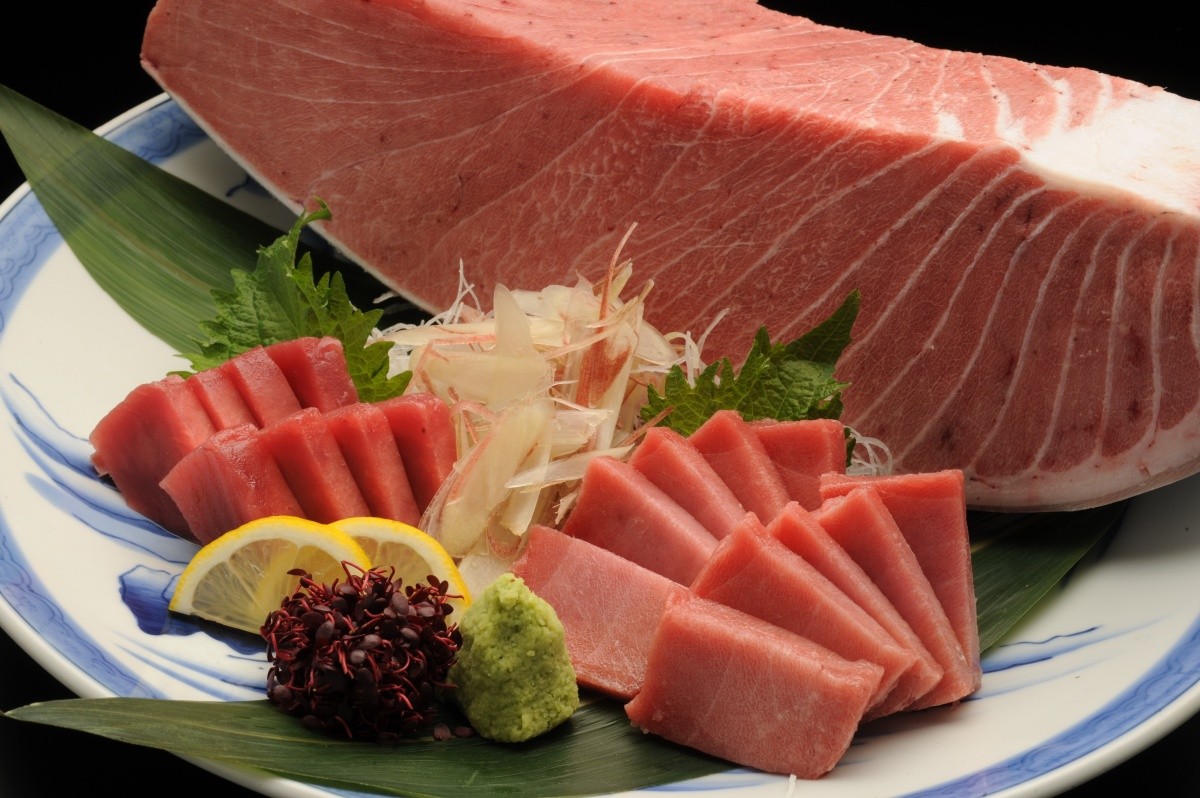
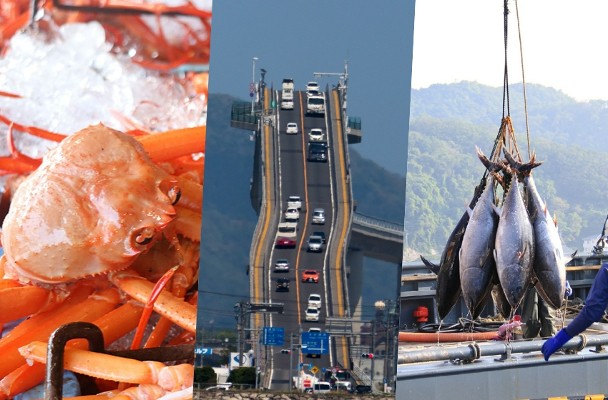
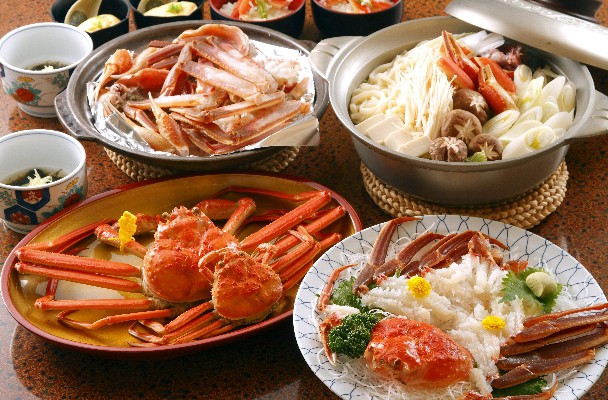
Sakaiminato Marine Products Direct Sales Center is a gourmet spot adjacent to one of the Japan Sea’s leading fishing ports, offering exceptionally fresh seafood. Local specialties include Matsuba crab, red snow crab, and bluefin tuna.
The center houses 12 specialty shops, offering not only local specialties but also a wide variety of seasonal fish caught that day. For breakfast, if you prefer a relaxed meal, try the on-site restaurant serving seafood rice bowls made with fresh fish. If you want to eat your purchases right away, the eat-in space is recommended. In both cases, you can enjoy the freshest seasonal seafood from Sakaiminato.
There is also a souvenir shop selling GeGeGe no Kitaro merchandise, making this market a fun tourist destination as well.
Sakaiminato Marine Products Direct Sales Center
- Address: 9-5 Showa-cho, Sakaiminato-shi, Tottori Prefecture
- Access: 15 minutes by bus from Sakaiminato Station
- Hours: Around 8:00–16:00
- Closed: Tuesdays
Comments