
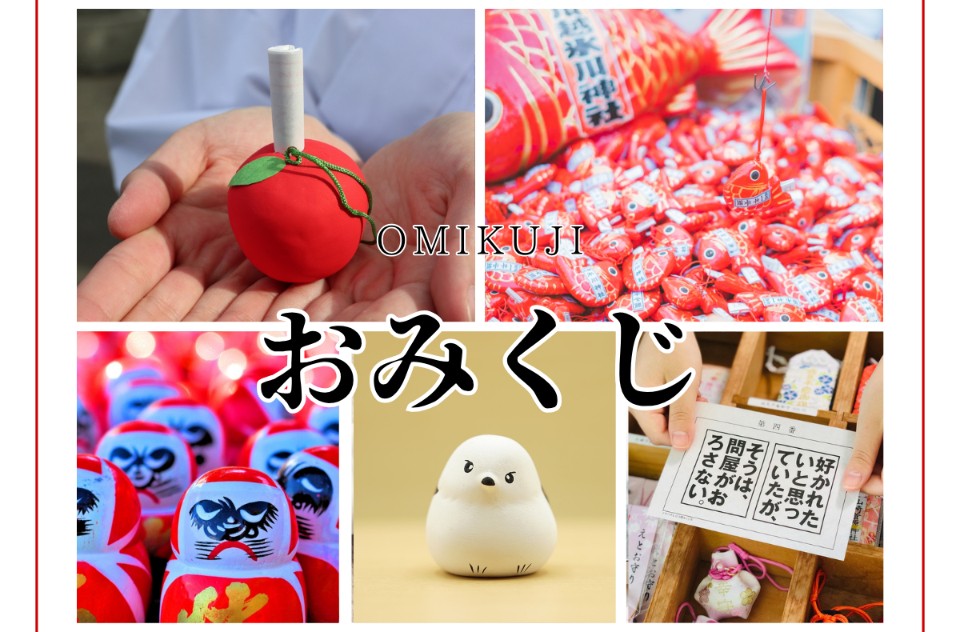
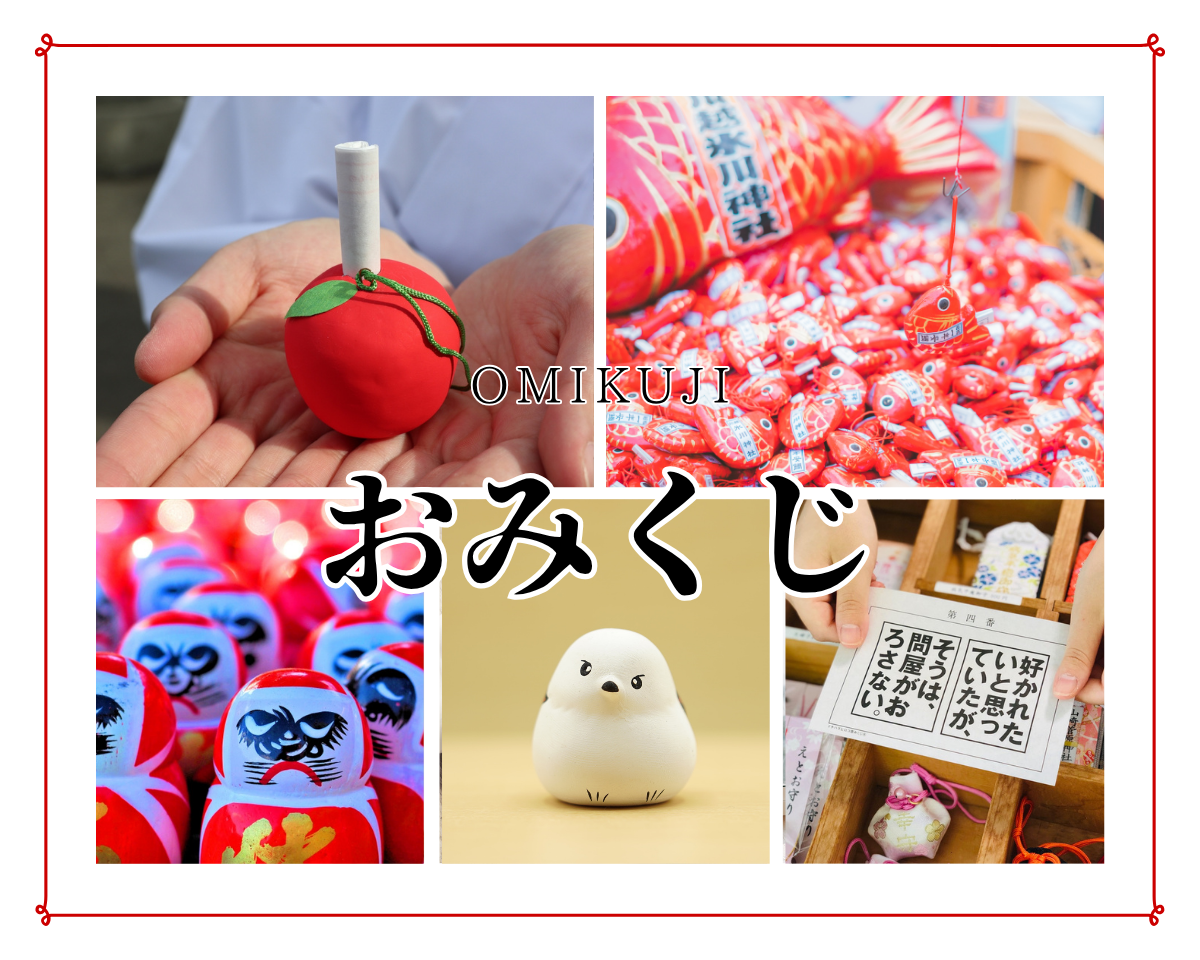
Omikuji, or fortune slips, can be drawn at shrines and temples. All across Japan, you’ll find unique omikuji featuring local motifs or fun gimmicks that make them truly special.
This article introduces 14 of the cutest and most unique omikuji. Use this as a reference for your travel plans or hatsumode (New Year’s shrine visit), and find your favorite!
[Love & Matchmaking Omikuji] The Most Popular!
When it comes to omikuji, “love fortune” is always the most intriguing. Here, we’ve carefully selected the most adorable and popular “koi-mikuji” (love fortune slips) that are said to bring good luck. Not only are they cute, but they also offer specific advice for your love life.
Tai-mikuji 300 yen (Kawagoe Hikawa Shrine / Saitama Prefecture)
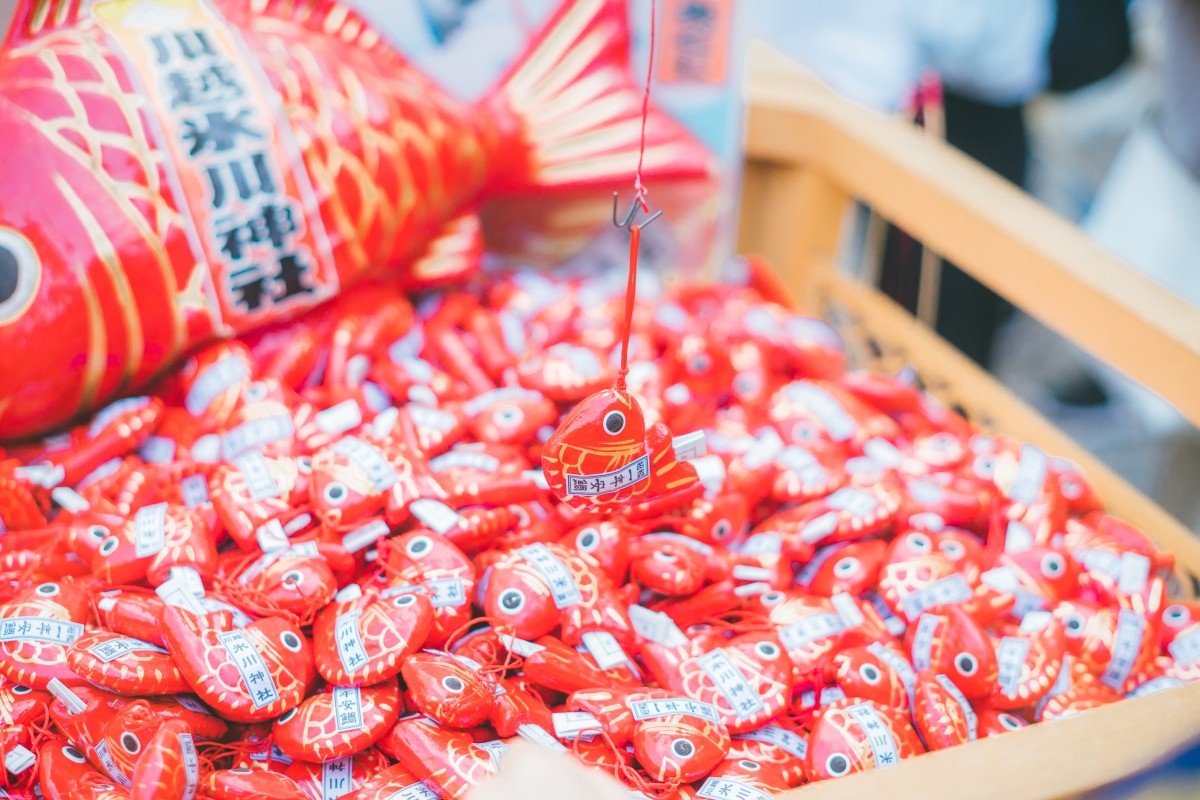
Motif: Sea Bream (Tai)
This unique omikuji lets you “fish” for a papier-mâché sea bream containing your fortune using a fishing rod. The sea bream (tai) is considered a lucky symbol in Japan, as it’s a play on the word “medetai” (auspicious). There are two types: the red “Ichinen Antai” (for a peaceful year) and the pink “Ai Tai” (for love), with the latter focusing on love fortunes. As the name suggests, the experience of “reeling in a good match” is a hit on social media.
Kawagoe Hikawa Shrine
- Address: 2-11-3 Miyashita-cho, Kawagoe City, Saitama Prefecture
- Visiting hours: Open all day *Shrine office: 8:00–16:30
- Official Website
- MAP
Tsubaki Koi-mikuji 300 yen (Tsubaki Grand Shrine / Mie Prefecture)
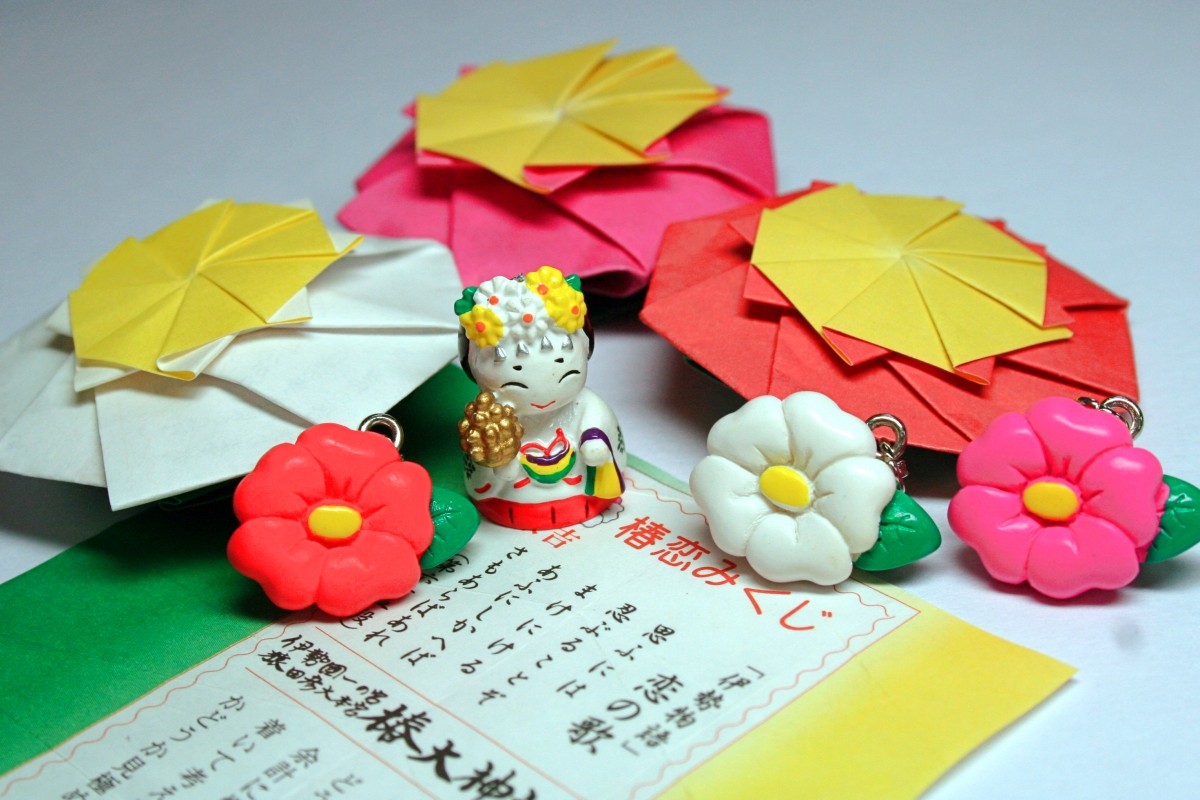
Motif: Camellia Flower
This omikuji is available at Tsubaki Grand Shrine, said to be the oldest shrine in Japan with a history of over 2,000 years. The fortune is written on paper folded into the shape of a camellia flower, and inside is a charm. There are four types of charms: three colors of camellia flowers and one featuring a miko (shrine maiden), who supports rituals and shrine duties. The charm you receive is random.
Tsubaki Grand Shrine
- Address: 1871 Yamamoto-cho, Suzuka City, Mie Prefecture
- Visiting hours: [November–April] 5:00–18:00 [May–October] 5:00–19:00 *Reception: 8:00–16:30
- Official Website
- MAP
Nagomi-kuji 600 yen (Hasedera Temple / Kanagawa Prefecture)
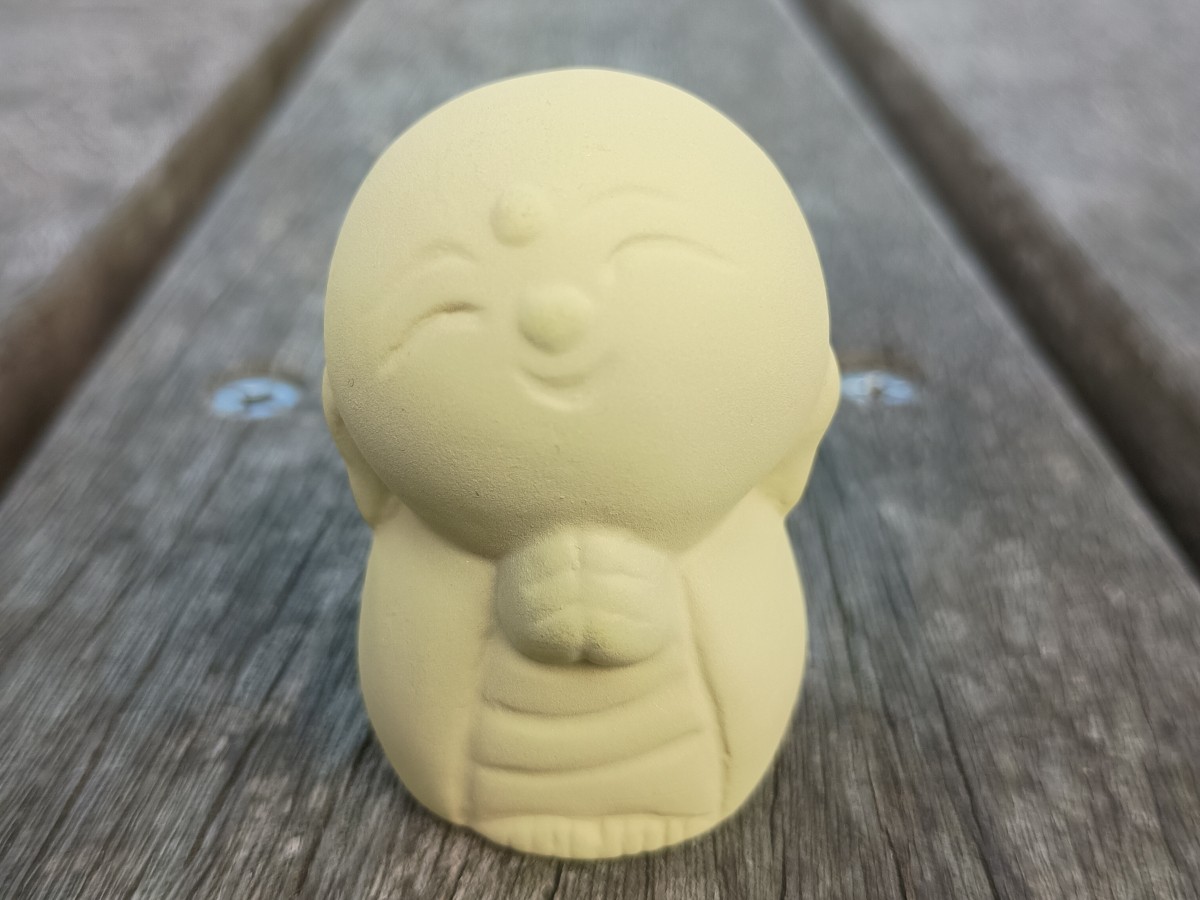
Motif: Nagomi Jizo
This omikuji is inspired by the “Nagomi Jizo” enshrined at Hasedera Temple in Kamakura. The gentle, smiling face of the Nagomi Jizo is said to bring a sense of peace and calm. It’s perfect for those who want to maintain a peaceful heart in love or relationships. After drawing your fortune, you’ll want to keep this adorable figure as a good luck charm in your room.
Hasedera Temple
- Address: 3-11-2 Hase, Kamakura City, Kanagawa Prefecture
- Visiting hours: [July–March] 8:00–16:30 [April–June] 8:00–17:00
- Official Website
- MAP
Hiroko Ichihara Love Omikuji 300 yen (Yamazaki Sugawara Shrine / Kumamoto Prefecture and others)
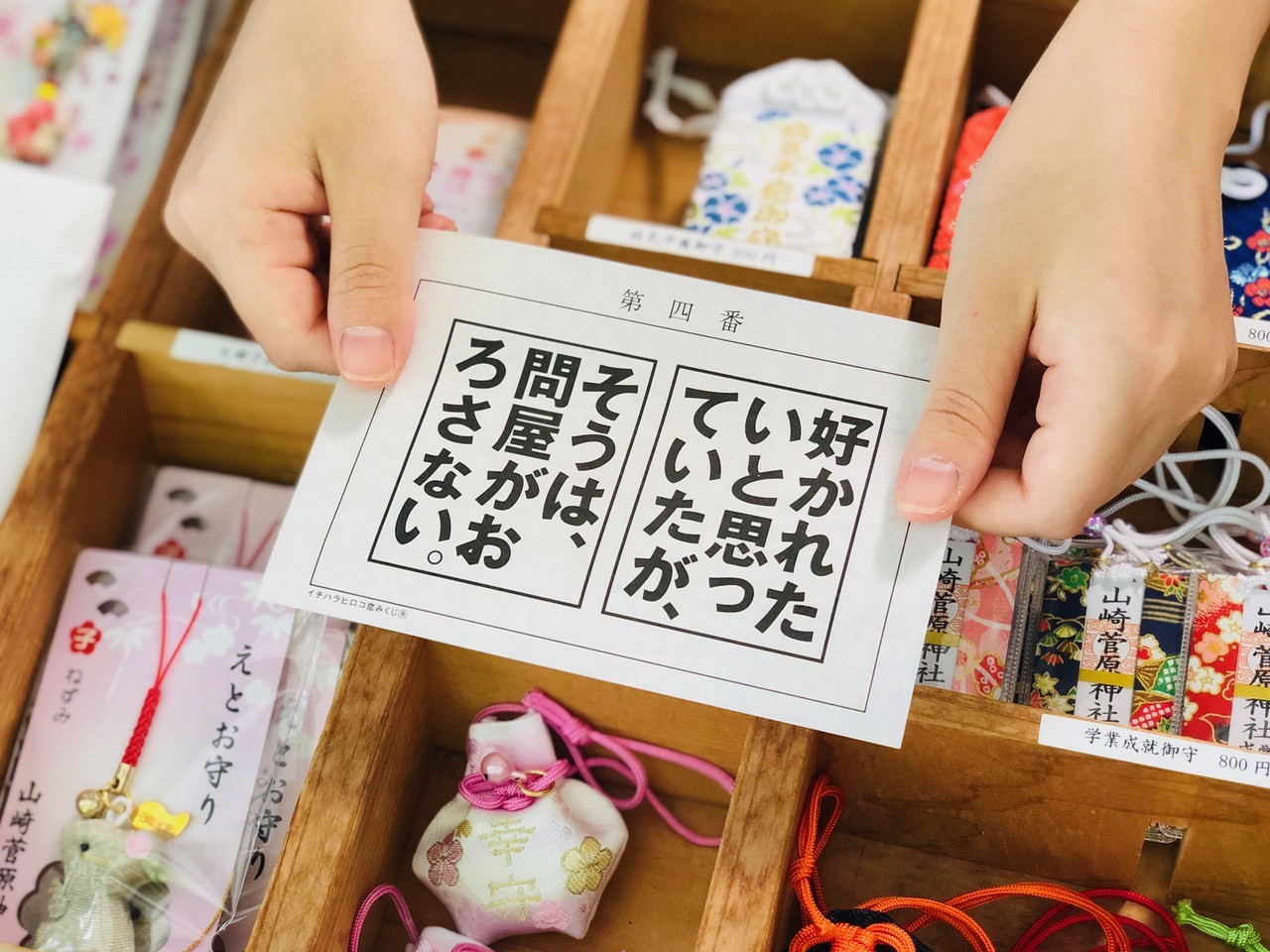
Motif: Simple Tanzaku (Paper Strip)
This omikuji originated at Nunose Shrine in Osaka. Unlike other omikuji, it has a completely different atmosphere—there are no fortunes written, but instead, you’ll find distinctive phrases by contemporary artist Hiroko Ichihara. The poetic messages can make you chuckle or surprise you, and are known for being “straight to the point” and “hitting you right in the heart.” Sometimes strict, sometimes gentle, these words will give you a push forward.
Many shrines across Japan, resonating with Nunose Shrine’s philosophy behind this omikuji, have adopted it as well. Yamasaki Sugawara Shrine is one such place.
Yamasaki Sugawara Shrine
- Address: 1-18 Sakuramachi, Chuo-ku, Kumamoto City, Kumamoto Prefecture
- Reception hours: 9:00–17:00
- Official Website
- MAP
[Animal Motif Omikuji] So Cute You’ll Want to Take Them Home!
Animal motif omikuji are exceptionally adorable, making them perfect as travel mementos or souvenirs. Animals are often considered messengers of the gods or lucky charms, so you can expect some good fortune as well.
Shimaenaga Omikuji 500 yen (Obihiro Shrine / Hokkaido)
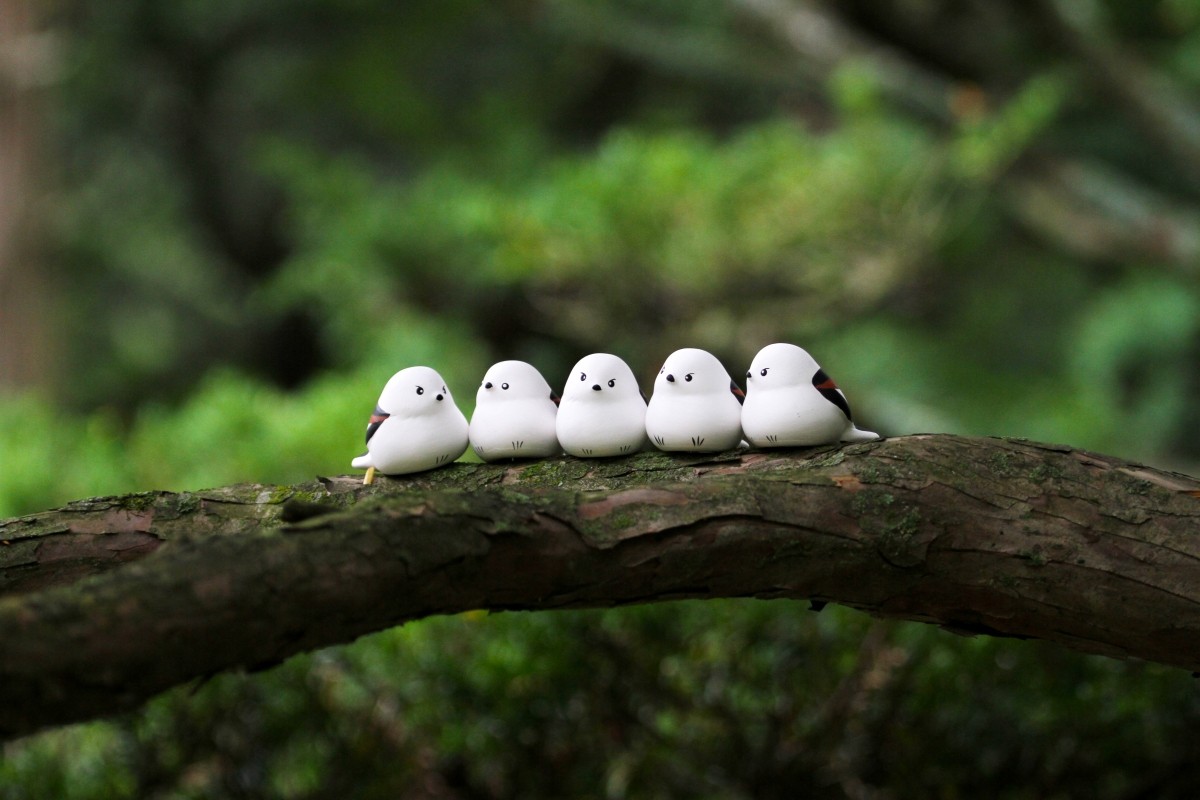
Motif: Shimaenaga (Long-tailed Tit)
This omikuji features the “snow fairy” of Hokkaido, the shimaenaga (long-tailed tit). The omikuji comes in a round, ceramic container shaped like the bird. Because of its cuteness, it can sometimes be hard to get your hands on one. After drawing your fortune, you can take it home and display it. Just looking at it will soothe your heart and serve as a good luck charm. Depending on the season, you might even spot real shimaenaga birds within the shrine grounds.
Obihiro Shrine
- Address: 2-1, Higashi 3-jou Minami, Obihiro City, Hokkaido
- Visiting hours: 9:00–17:00
- Official Website
- MAP
Deer Omikuji 600 yen (Kasuga Taisha / Nara Prefecture)
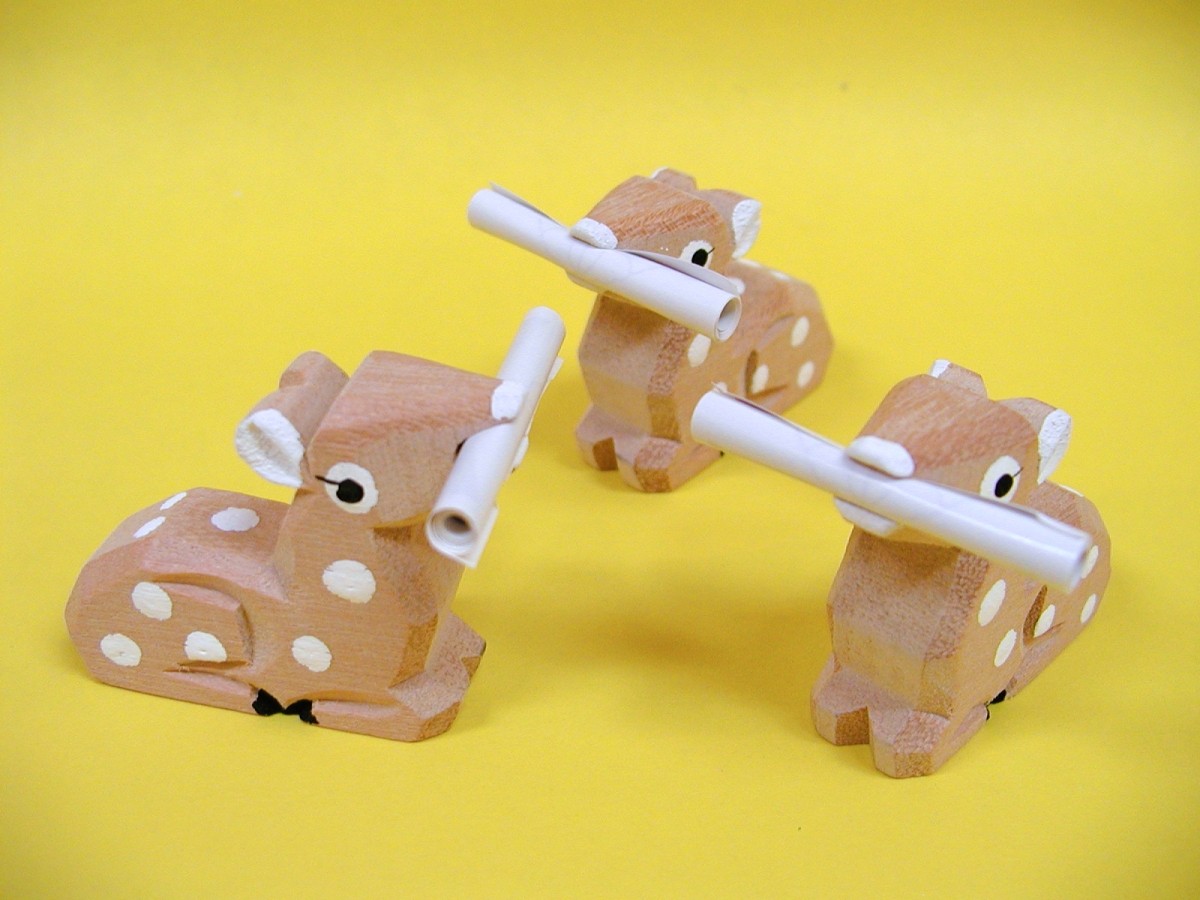
Motif: Deer
This omikuji features a deer, which is cherished as a messenger of the gods. The cute wooden deer holds the omikuji paper in its mouth. Kasuga Taisha is the head shrine of the approximately 3,000 Kasuga shrines across Japan. Rows of magnificent vermilion shrine buildings stand here, and various shrines offering blessings such as matchmaking are scattered throughout the grounds. The shrine is full of the classic charm and sacred atmosphere unique to the ancient capital of Nara.
Kasuga Taisha
- Address: 160 Kasugano-cho, Nara City, Nara Prefecture
- Visiting hours: 7:00–17:00
- Official Website
- MAP
Fox Omikuji 500 yen (Shinjuku Hanazono Shrine / Tokyo)
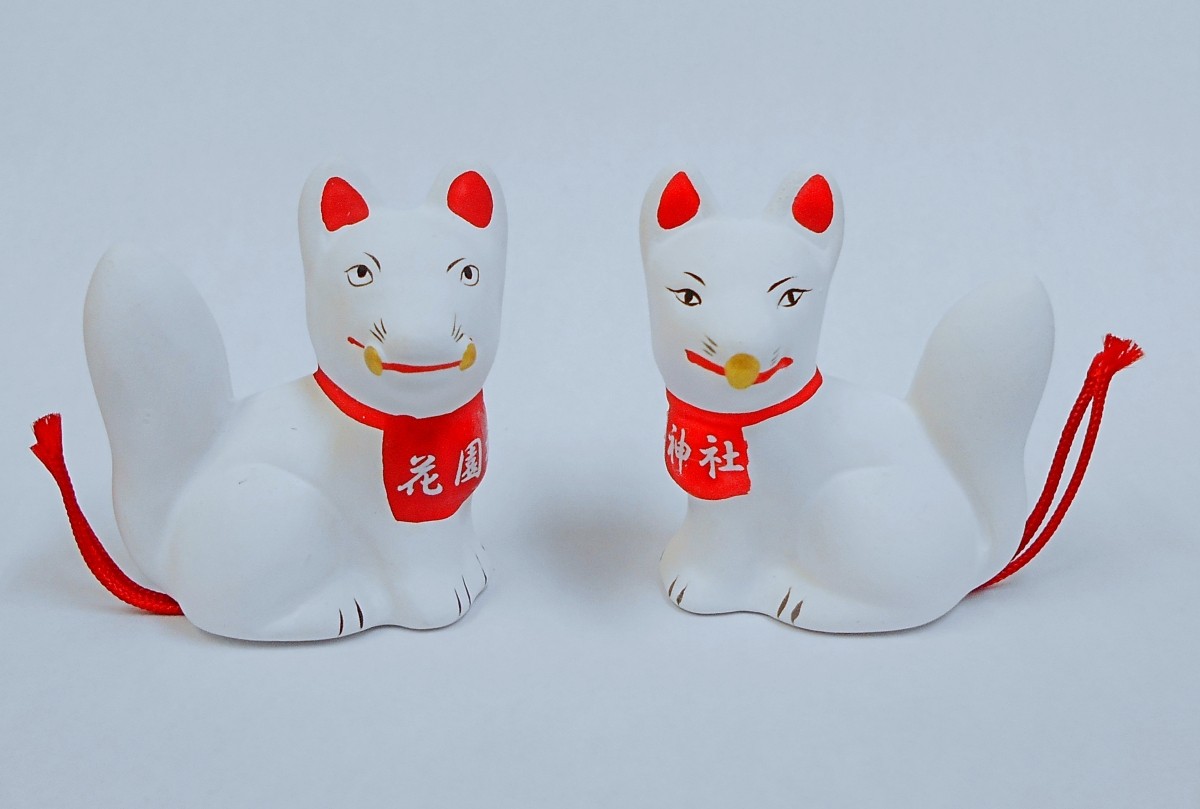
Motif: Fox
Hanazono Shrine is located in the heart of Shinjuku, surrounded by department stores and bustling entertainment districts. The shrine is dedicated to the deity of Inari faith, and features a fox-themed omikuji (fortune slip) inspired by the foxes associated with Inari. There are two types: one with a scroll and one with a jewel in its mouth. Each fox is hand-painted on unglazed pottery, so each one has a different face. The dignified expression of the fox is said to bring good fortune and prosperity in business.
Shinjuku Hanazono Shrine
- Address: 5-17-3 Shinjuku, Shinjuku-ku, Tokyo
- Visiting hours: Open all day *Reception desk: 9:00–19:00
- Official Website
- MAP
[Lucky Omikuji] Carry Good Fortune Just by Having One!?
Omikuji shaped after specific motifs or auspicious items related to the shrine or temple are perfect for those who want to boost their luck.
Maneki Neko Omikuji 500 yen (Ootori Shrine / Tokyo)
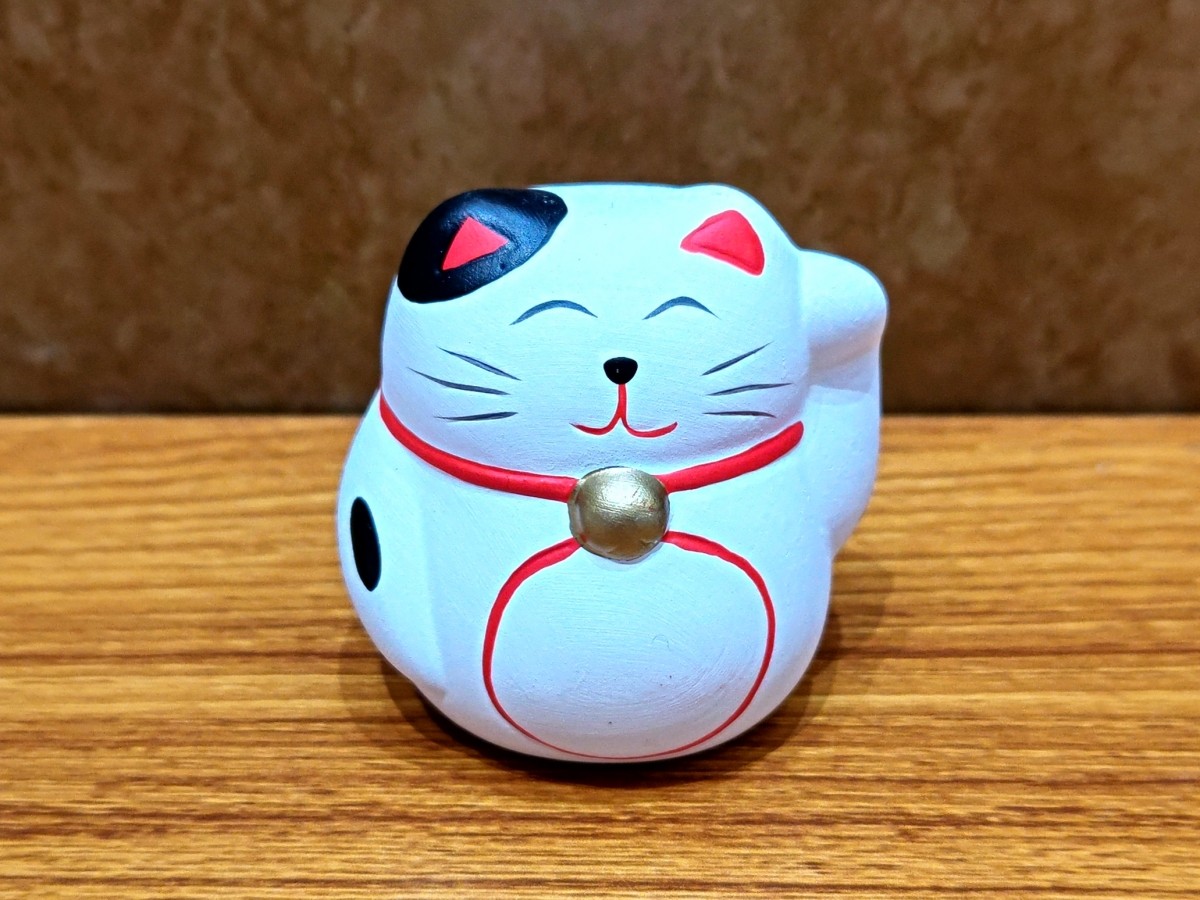
Motif: Maneki Neko (Beckoning Cat)
Ootori Shrine is famous for the “Tori no Ichi” festival held all day on the Tori days in November. The Maneki Neko Omikuji is a fortune slip placed inside a plump, ceramic beckoning cat. Its smiling face and round belly are adorable. The Maneki Neko is a symbol of good luck and prosperity in business. After drawing your fortune, you can display the cat on your desk or elsewhere to bring you luck and good fortune.
Ootori Shrine
- Address: 3-18-7 Senzoku, Taito-ku, Tokyo
- Visiting hours: 9:00–17:00
- Official Website
- MAP
Daruma Omikuji 500 yen (Katsuo-ji Temple / Osaka)
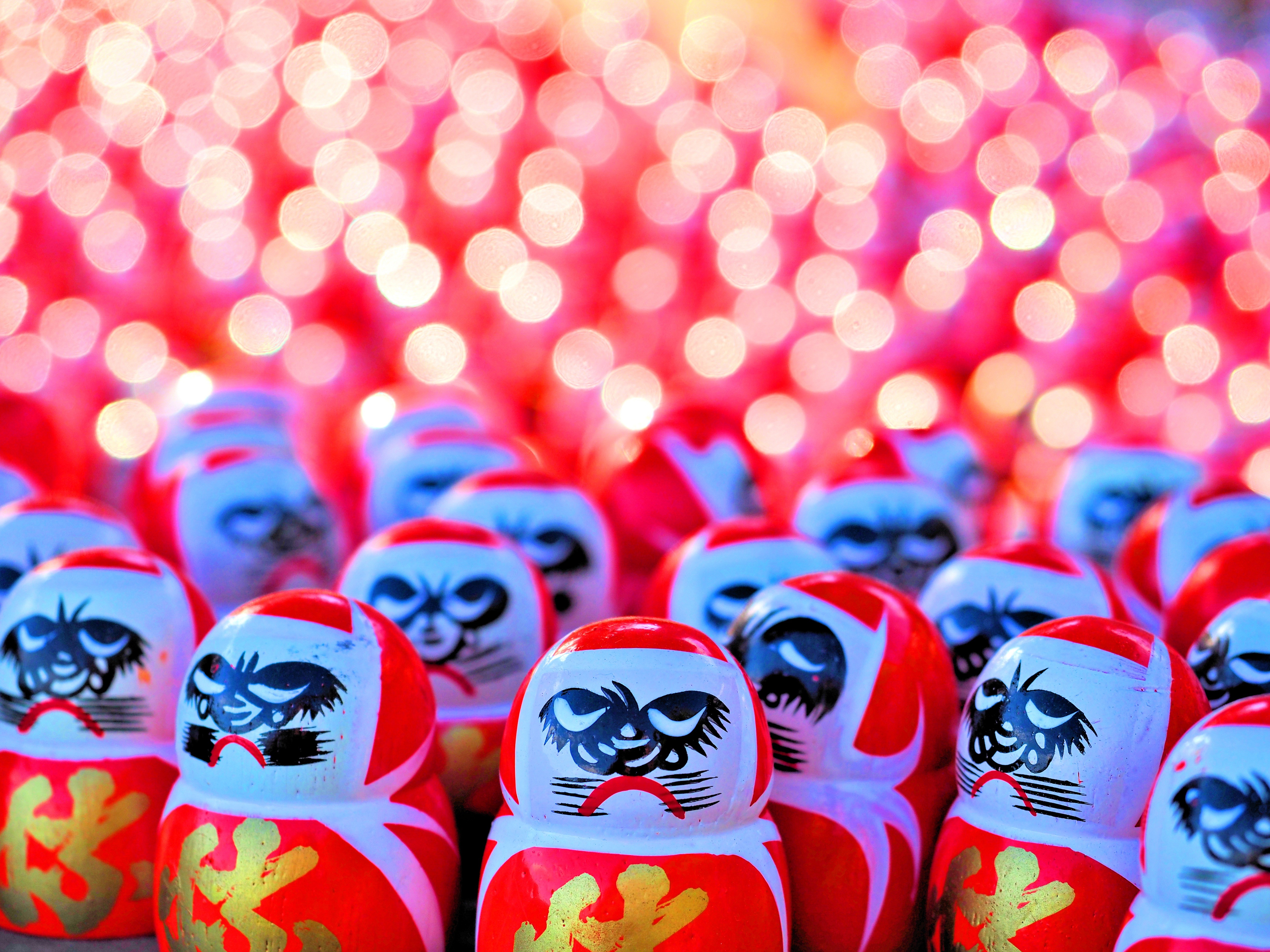
Motif: Daruma
Katsuo-ji Temple, known as the “Temple of Victory,” offers a mini-sized Daruma-shaped omikuji. While concentrating on a single matter you want to divine—such as work, business, or exams—choose a Daruma and take out the fortune slip from the bottom. The omikuji does not contain the usual “good” or “bad” luck, but instead provides important words of guidance just for you. After drawing your fortune, you can leave the Daruma anywhere you like within the temple grounds, which is why you’ll see Daruma figures placed all around. Of course, you can also take it home with you.
Katsuo-ji Temple
- Address: Katsuo-ji, Minoh-shi, Osaka
- Visiting hours: 8:00–17:00 [Saturdays only] 8:00–18:00 *Last entry 30 minutes before closing
- Official Website
- MAP
Namahage Omikuji 200 yen (Shinzan Shrine / Akita)
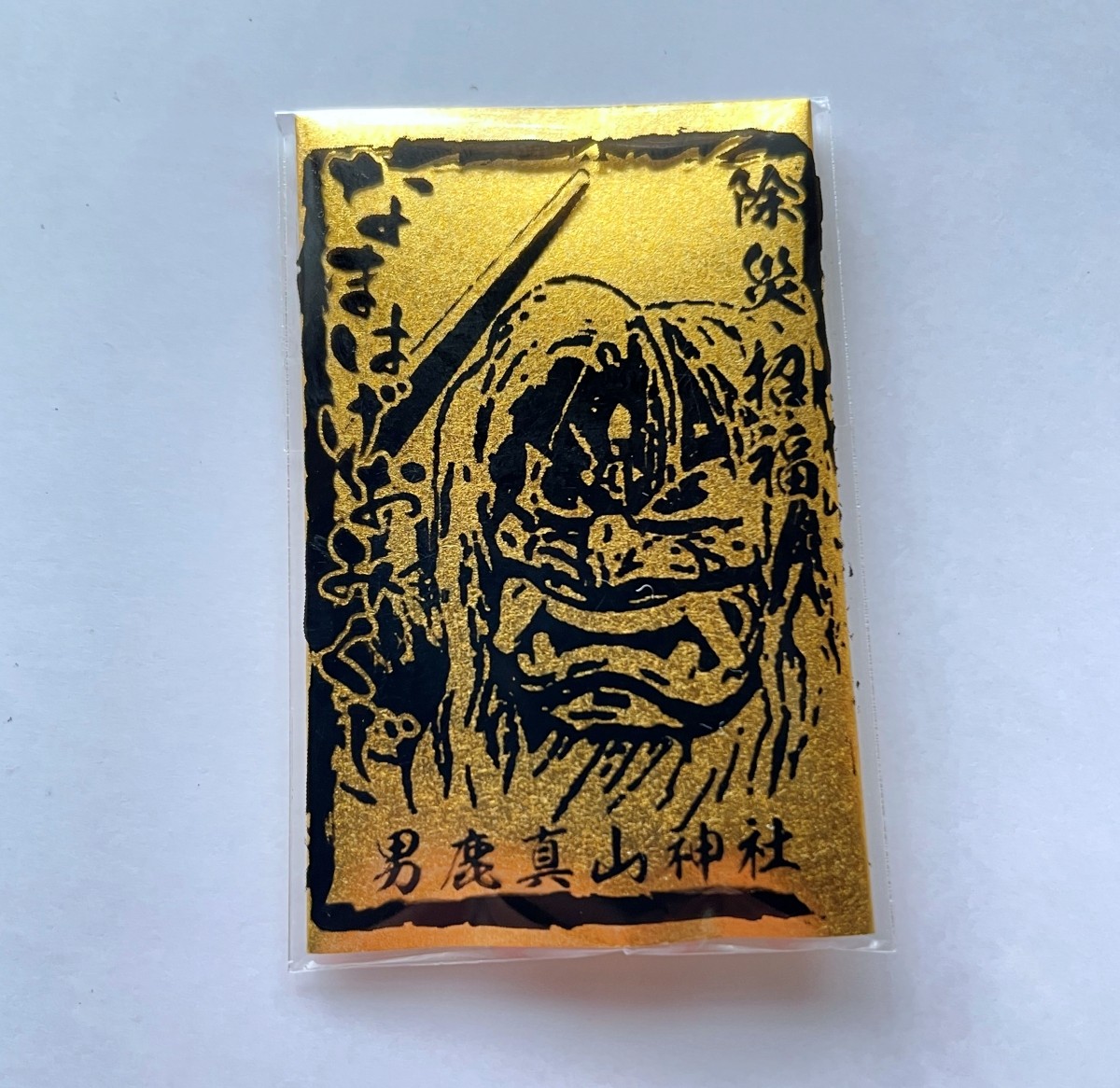
Motif: Namahage
At Akita Prefecture's Shinzan Shrine, you can find an omikuji (fortune slip) themed after the local "Namahage." While some may associate Namahage, with its fearsome demon-like appearance, with something scary, it is actually considered an incarnation of a divine messenger whose role is to "warn against evil and bring good fortune." Each omikuji also comes with a charm featuring one of eight different lucky motifs.
Shinzan Shrine
- Address: 97 Mizukui-sawa, Kitaura Shinzan, Oga City, Akita Prefecture
- Visiting hours: 8:30–17:00
- Official Website
- MAP
[Interactive Omikuji] Fun to Draw! Water Fortune, Fishing, and More
Here are some omikuji where the process itself is fun—not just drawing from a box, but floating on water, fishing, and more.
Mizu-ura Omikuji 200 yen (Kifune Shrine / Kyoto Prefecture)
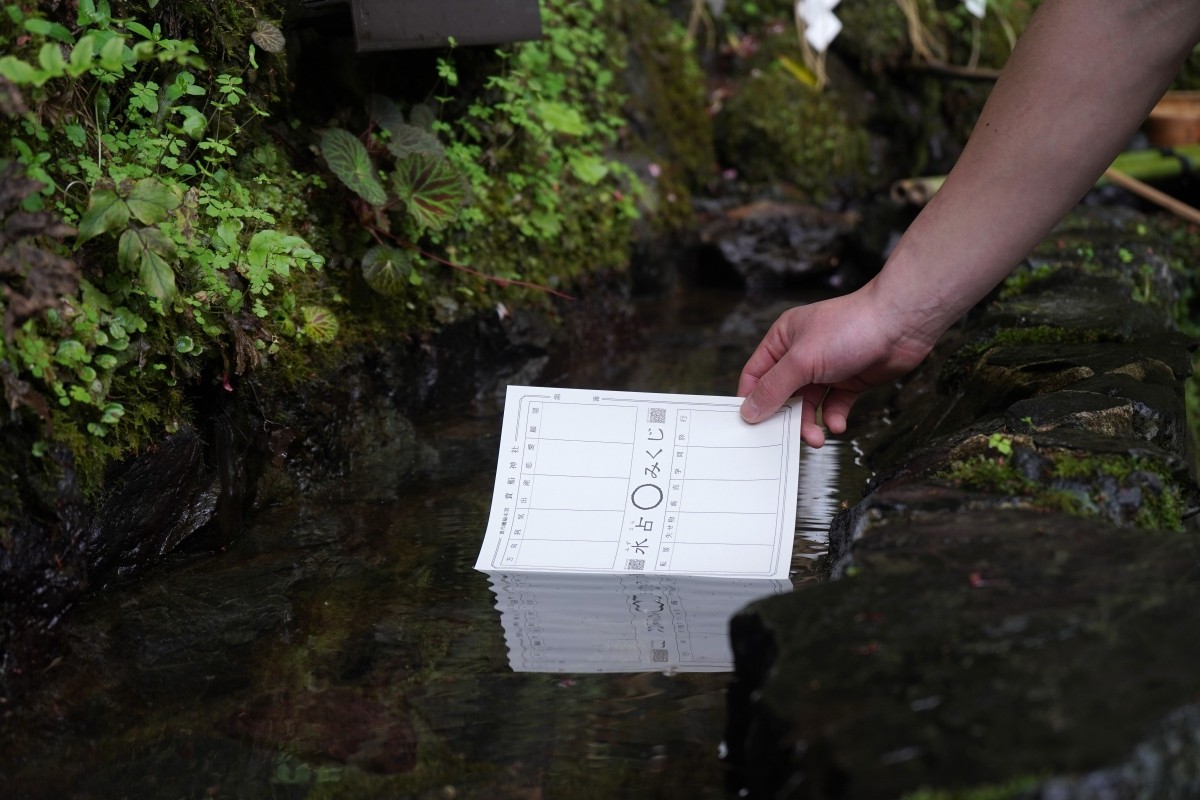
Motif: Floating Paper
The unique "Mizu-ura Omikuji" at Kifune Shrine, which enshrines the deity of water supply, looks like a plain white sheet of paper at first. However, when you float it on the sacred spring water within the shrine grounds, the characters slowly appear. The anticipation while waiting for the result is also part of the fun. As the head shrine among approximately 500 Kifune Shrines nationwide, it is also famous for blessings in matchmaking.
Kifune Shrine
- Address: 180 Kuramakibune-cho, Sakyo-ku, Kyoto City, Kyoto Prefecture
- Visiting hours: 6:00–18:00
- Official Website
- MAP
Weather Omikuji 300 yen each (Tokyo Daijingu / Tokyo)
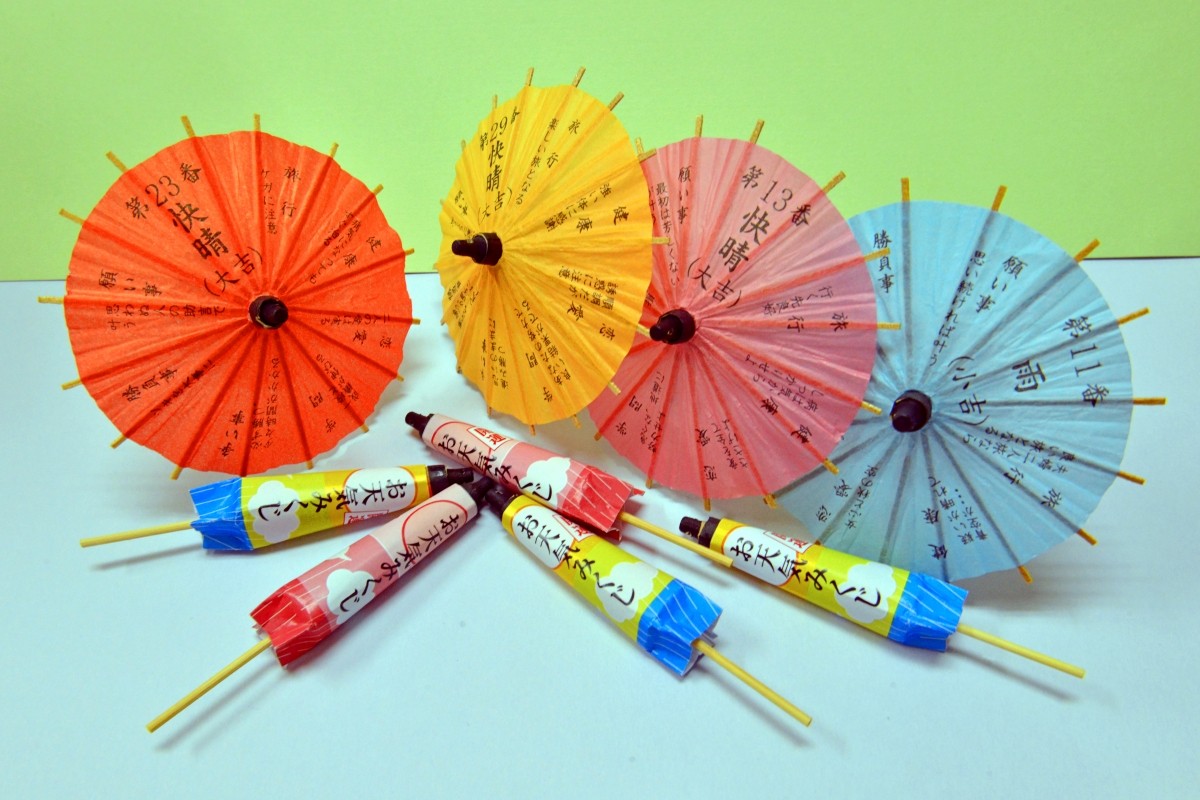
Motif: Japanese Umbrella
This omikuji is modeled after a cute little Japanese umbrella about 8.5 cm in diameter. While Tokyo Daijingu is generally famous for its matchmaking omikuji, this Weather Omikuji is unique in that each colorful umbrella contains advice on luck in love, health, travel, and more. The act of "opening an umbrella = opening your luck" is considered auspicious, making this a lucky omikuji.
Tokyo Daijingu
- Address: 2-4-1 Fujimi, Chiyoda-ku, Tokyo
- Visiting hours: 6:00–21:00 *Distribution hours: 8:00–19:00
- Official Website
- MAP
Apple & Scallop Tsugaru Dialect Omikuji 500 yen (Hirota Shrine / Aomori Prefecture)
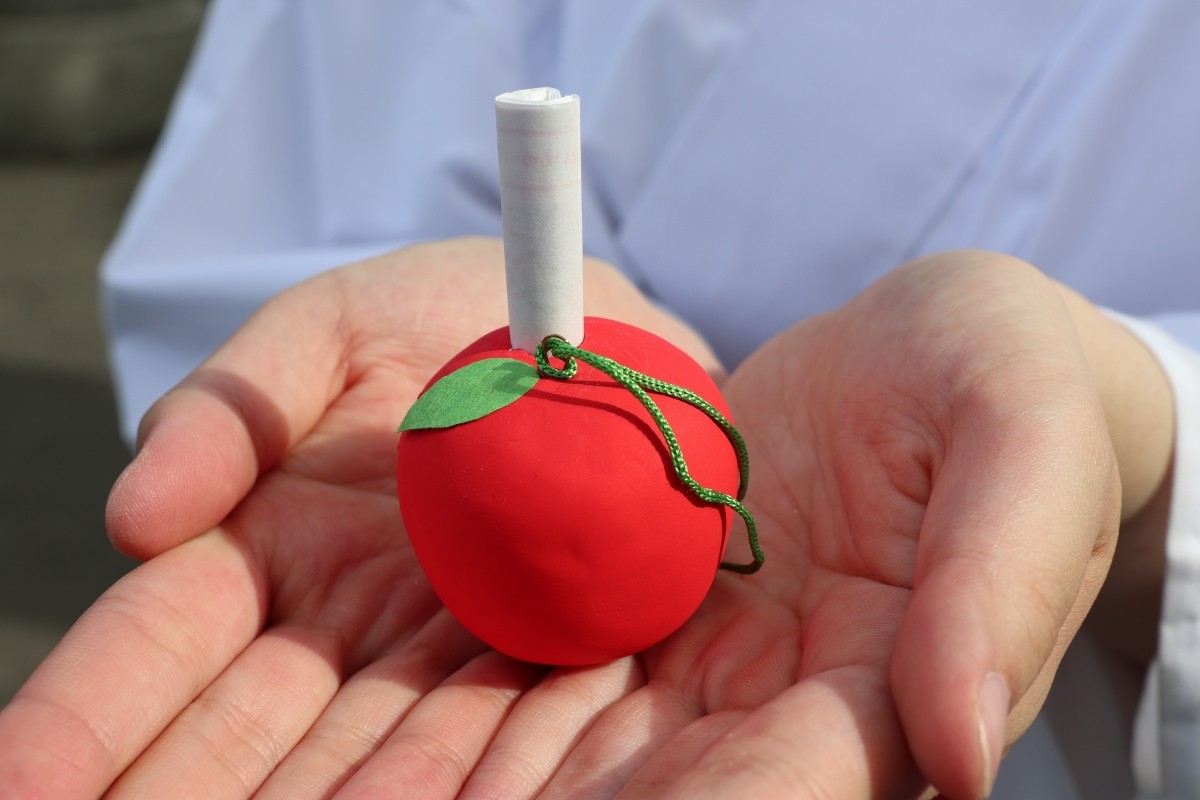
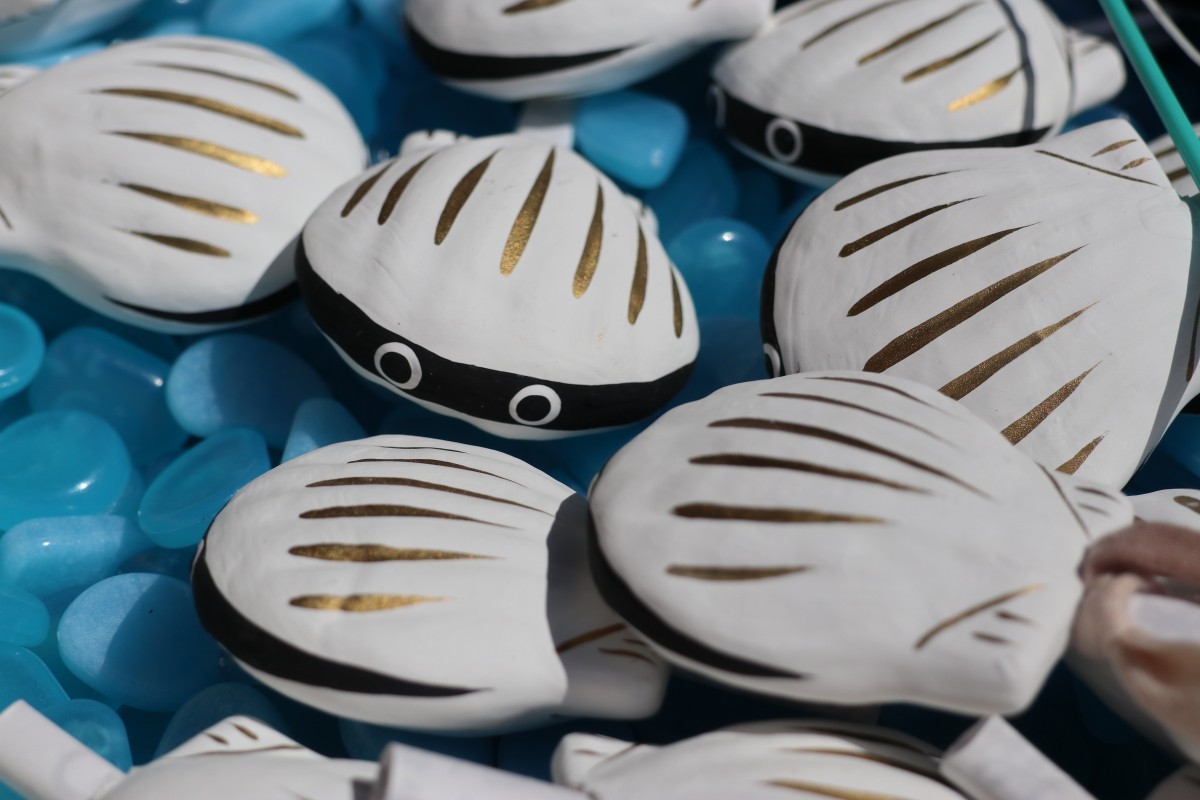
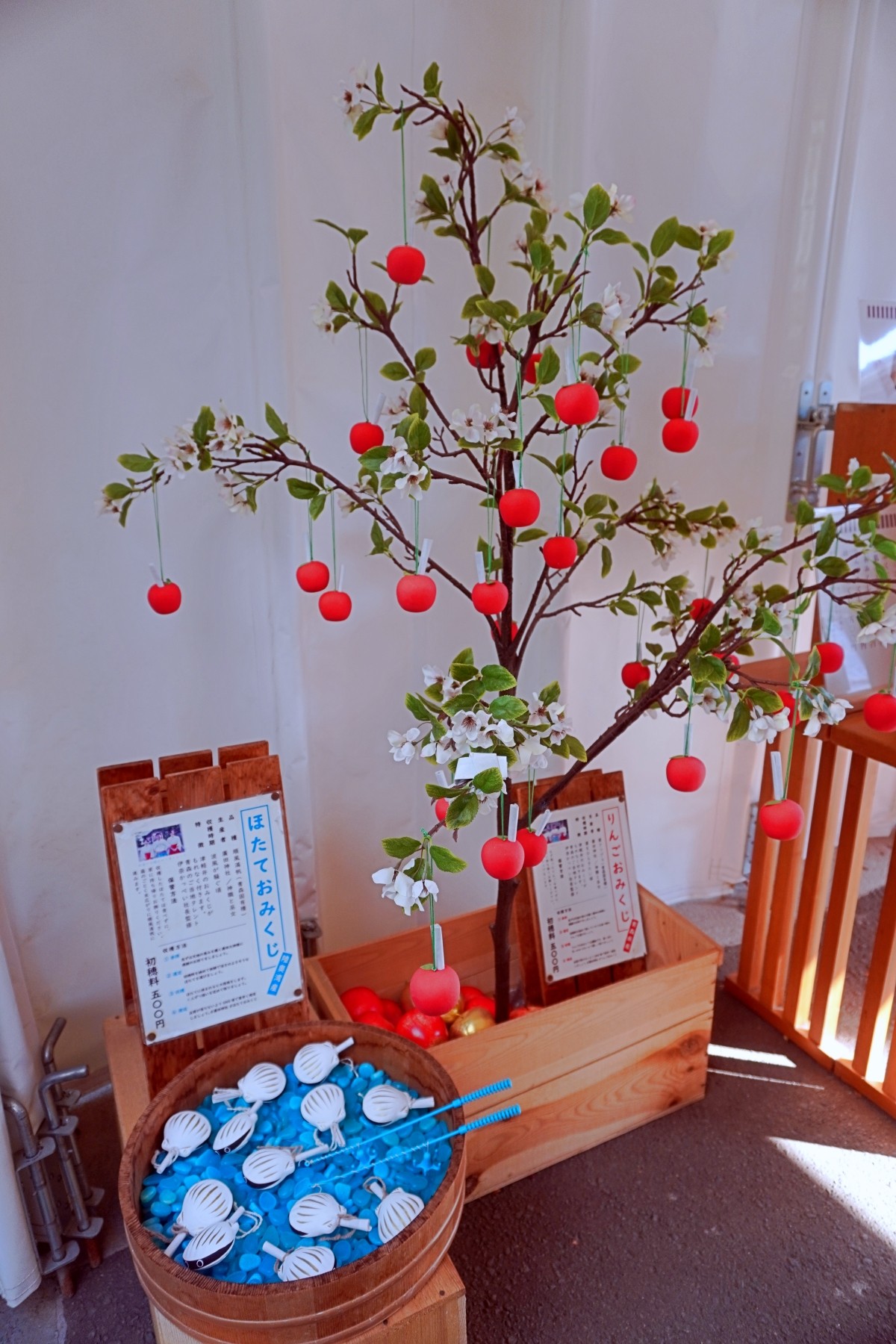
Motif: Apple, Scallop
A unique omikuji (fortune slip) inspired by Aomori’s local specialties—apples and scallops. The apple is “picked” from a tree like apple picking, and the scallop is “caught” with a fishing hook. The fortune slip is tucked inside a hariko papier-mâché container, and another fun point is that it’s written in Tsugaru dialect, an Aomori regional dialect! Don’t worry—standard Japanese is also included, just in case. This one-of-a-kind, humorous omikuji was planned by Shinto priests to help people feel more familiar with Aomori’s famous products.
Hirota Shrine
Address: 2-13-5 Nagashima, Aomori City, Aomori Prefecture
Visiting hours: 8:30–16:30 (Closed Wednesdays)
Suehiro Sensu Omikuji 300 yen (Amanohashidate Chion-ji Temple / Kyoto Prefecture)
![Suehiro Sensu Omikuji / Amanohashiyama Chion-ji Temple [Kyoto Prefecture]](https://content.fun-japan.jp/renewal-prod/cms/articles/content/jpg_2026-03-31-08-46-04.jpg)
Motif: Folding fan
A fan-shaped omikuji from Amanohashiyama Chion-ji, located at Amanohashidate—one of Japan’s Three Scenic Views. Its distinctive feature is its folding-fan shape, which is considered auspicious because it symbolizes “suehiro”, meaning “prosperous growth”. It’s said to bring blessings for good luck and academic success, and you open the fan shape to read your fortune. Many people hang it on pine trees in the temple grounds after drawing it, and the pines are covered with countless fan omikuji.
Amanohashiyama Chion-ji Temple
Address: 466 Monju, Miyazu City, Kyoto Prefecture
Visiting hours: Open all day (Bestowal office and parking: 8:00–17:00)
[Q&A] Explaining the proper way to handle omikuji and the order of fortunes
Can I take the omikuji I drew home?ーYes, you can.
It’s fine to take an omikuji home as a charm. There doesn’t seem to be any strict rule about what the “official” etiquette is after you draw one, but… many unique omikuji are actually recommended to be taken home. By keeping it somewhere close at home and storing it carefully, you can stay mindful of the message and blessings from the gods.
What is the “correct order” of omikuji fortunes?
The general order is as follows. However, the order and types may vary depending on the shrine or temple.
Great Blessing (大吉/Daikichi) > Blessing (吉/Kichi) > Middle Blessing (中吉/Chūkichi) > Small Blessing (小吉/Shōkichi) > Future Blessing (末吉/Suekichi) > Bad Luck (凶/Kyō)
What matters most is not getting overly elated or discouraged by whether your fortune is good or bad, but rather applying the specific “teachings” and “mindset” written in the omikuji to your everyday life.
Where and how long should I keep an omikuji that I took home?
Where to keep it:
If you have a kamidana (home Shinto altar), keep it there. If not, store it carefully in a clean place above eye level (e.g., in a drawer or on a bookshelf).
How long to keep it:
There’s no fixed rule, but it’s considerate to return it the following year when you visit again (e.g., for Hatsumōde/New Year’s visit), by placing it in the old amulets/charms return box or designated spot at the shrine or temple.
Pray for good fortune with your favorite omikuji
We’ve introduced “cute and unique omikuji” from around Japan.
These distinctive omikuji—shaped like Japanese animals and lucky symbols—are charming to look at, fun to draw, and make for wonderful travel memories. If one catches your eye, give it a try—then treasure its blessings and message, and put them to use in your everyday life.
Comments