
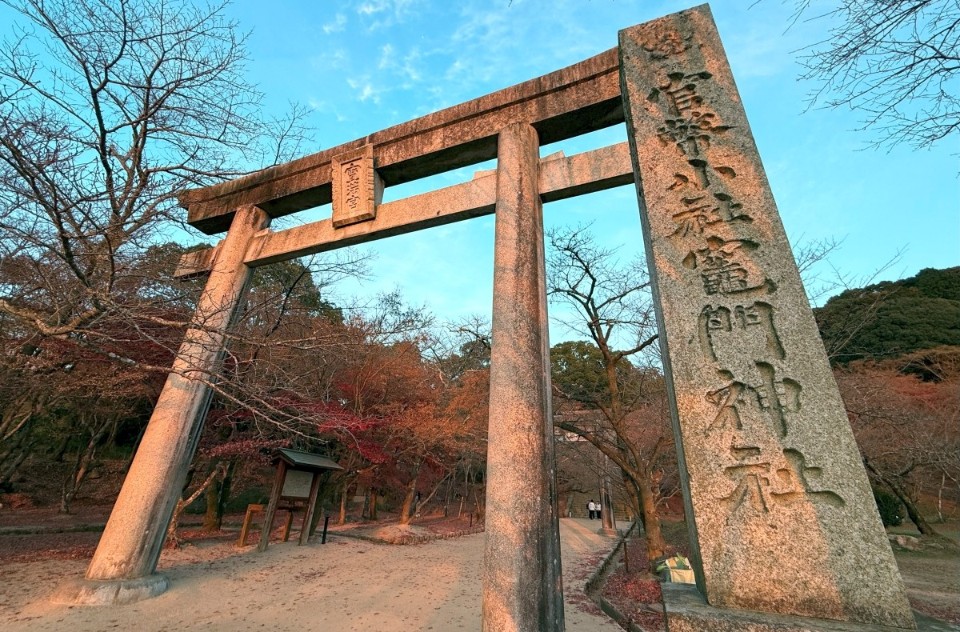
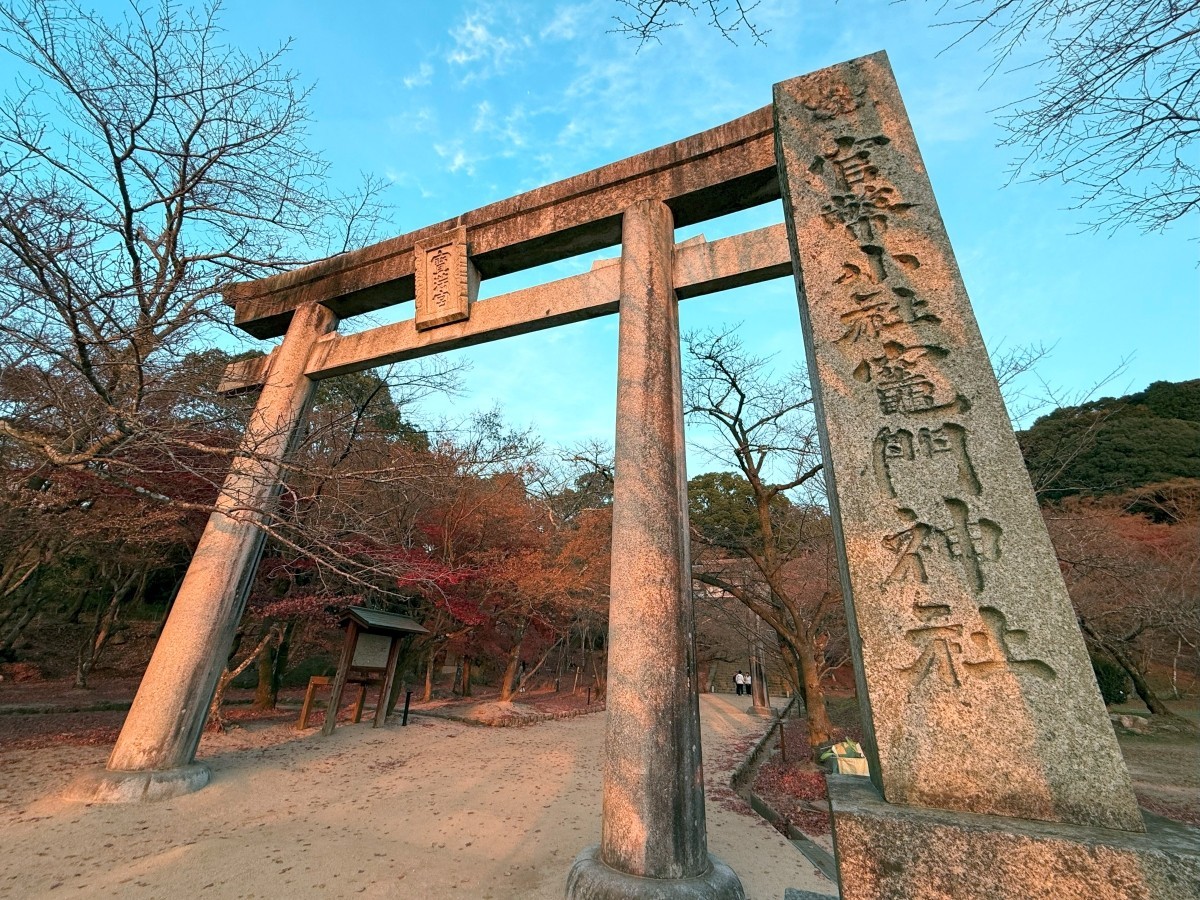
Fukuoka’s most famous sightseeing destination is Dazaifu Tenmangu Shrine. At the foot of the mountains, just a short trip from there, lies a place now drawing the attention of anime fans from around the world and those who love Japanese traditional culture.
This is Hōmangū Kamado Shrine.
This shrine, with a history spanning over 1,350 years, uniquely blends tradition with a modern shrine office designed by a world-renowned designer. In this article, we’ll share plenty of on-site information, including its connection to the hit anime “Demon Slayer: Kimetsu no Yaiba,” must-know etiquette for visiting, and details about limited-edition goshuin (shrine stamps).
*If you purchase or reserve products introduced in this article, a portion of the sales may be returned to FUN! JAPAN.
🚅 Reserve your Shinkansen tickets with NAVITIME Travel! 👉Click here
🛫 Book your flight tickets with NAVITIME Travel! 👉Click here
The History of Kamado Shrine and Its Connection to “Demon Slayer: Kimetsu no Yaiba”
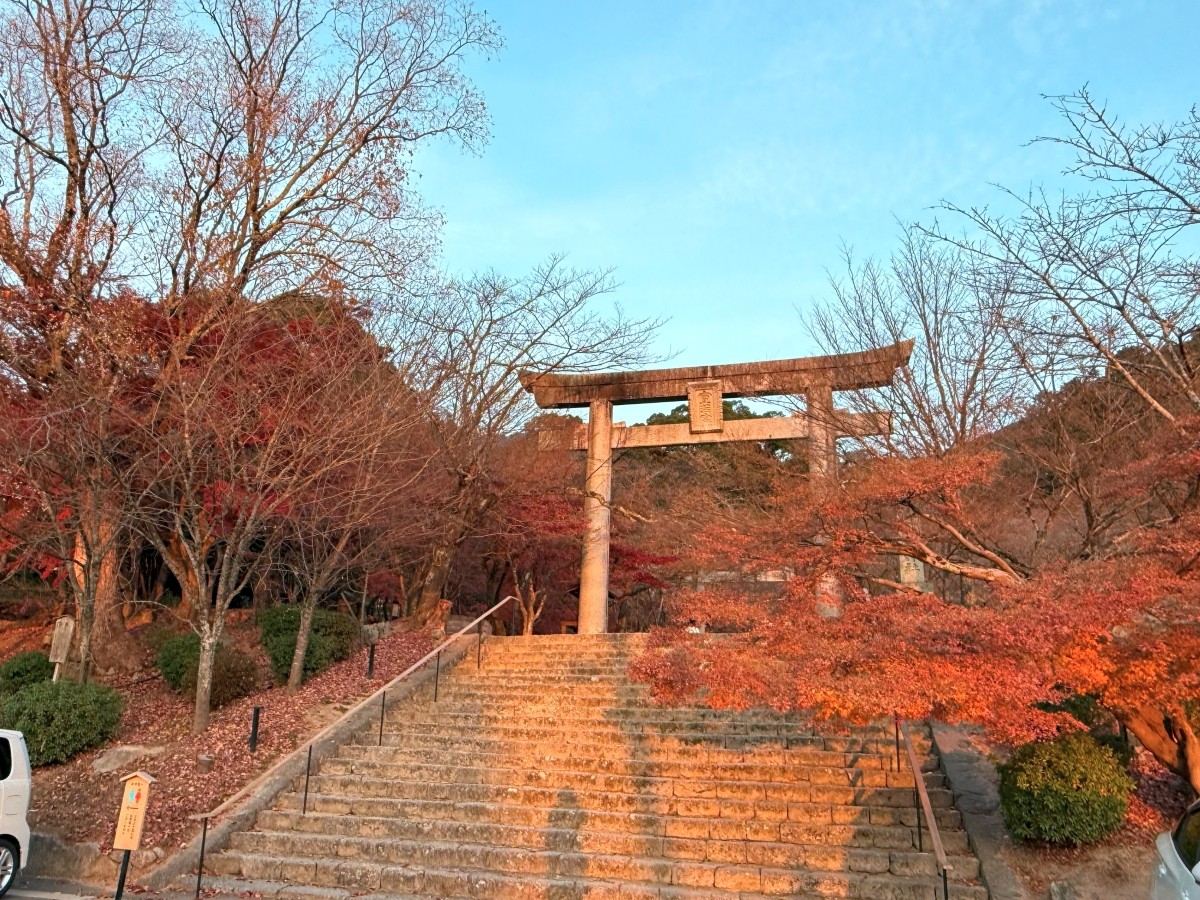
The Name “Kamado” and Its Role in Guarding the “Kimon” (Demon’s Gate)
When visiting Kamado Shrine, you’ll see many tourists from overseas enthusiastically paying their respects.
One reason is that this shrine has recently gained attention as a pilgrimage site for “Demon Slayer: Kimetsu no Yaiba.” This is not simply because the shrine’s name, “Kamado,” is the same as the surname of the anime’s protagonist, Kamado Tanjiro.
This shrine was originally established to protect the Dazaifu Government Office, which was the political and diplomatic center of Kyushu during the Nara and Heian periods, from the “kimon” (the northeast direction believed to be the “demon’s gate” through which evil spirits enter). Its historical role of sealing away “demons” strongly overlaps with the world of “Demon Slayer.”
Other Theories and Fan Speculation
Now, while this is more at the level of rumor, it seems there are other reasons why “Demon Slayer” fans are drawn to Kamado Shrine.
In “Demon Slayer: Kimetsu no Yaiba,” swords play a key role in the story. There is a theory that a famous school of swordsmiths, active in Chikuzen Province (present-day Fukuoka Prefecture) from the late Kamakura to late Muromachi periods, traces its origins to “yamabushi” (mountain ascetic monks*) who trained on Mount Hōman, where Kamado Shrine is located. Moreover, in “Demon Slayer,” Tanjiro’s master, Sakonji Urokodaki, is depicted as a yamabushi.
In this way, the keywords “sword,” “yamabushi,” and “sealing the demon’s gate” all overlap with the world of the story, which is a major reason why so many fans cherish this place as a “sacred site” or a symbolic place of origin for the series.
*Yamabushi are practitioners of Shugendo, a religious tradition in which ascetics undergo rigorous training in the mountains to gain spiritual power, offering prayers and performing rituals for the salvation of people.
👀 Editor’s Perspective
“The name,” “sealing the demon’s gate,” “yamabushi,” “swordsmiths”—it’s the accumulation of such history and legends that makes this place feel special to fans. However, these stories are not the official views of the original author, the anime, or the shrine, but rather interpretations among passionate fans. Still, if you’re a fan of the series, be sure to let your imagination wander to the world of the story as you walk the shrine grounds.
Proper Shrine Etiquette to Know Before Your Visit
Kamado Shrine is a sacred place where many local people still come to pray. Even if you visit because of your interest in anime, please make sure to follow the "proper etiquette" when you visit and experience the shrine's pure atmosphere for yourself.
Purification at the Temizuya (Hand-Washing Basin)
At the temizuya along the approach to the shrine, purify your hands and mouth.
The Basic "Two Bows, Two Claps, One Bow"
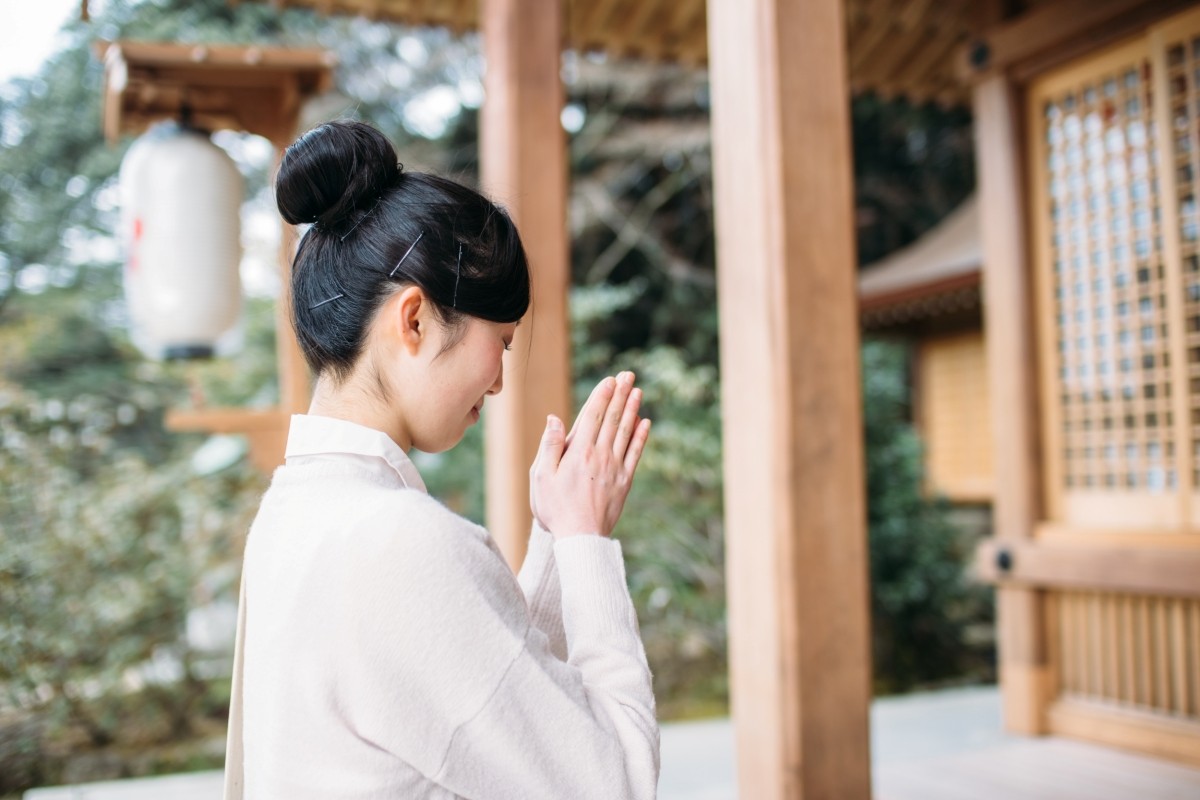
Image courtesy of Kamado Shrine
- Two Bows: Face the altar and bow deeply twice.
- Two Claps: Bring your hands together at chest height, slide your right hand slightly lower, and clap twice. Then, bring your hands together again and pray with gratitude.
- One Bow: Finally, bow deeply once more.
💡Editor's Advice
While many areas within the shrine allow photography, please refrain from standing in front of the main hall for extended periods to take photos or from actions that may disturb other visitors. In Japan, it is customary to complete your prayers before receiving amulets or goshuin (shrine stamps), or before strolling around the grounds.
Highlights of Kamado Shrine: Key Attractions
The Main Hall: A Sacred Place to Offer Prayers and Gratitude to the Deities
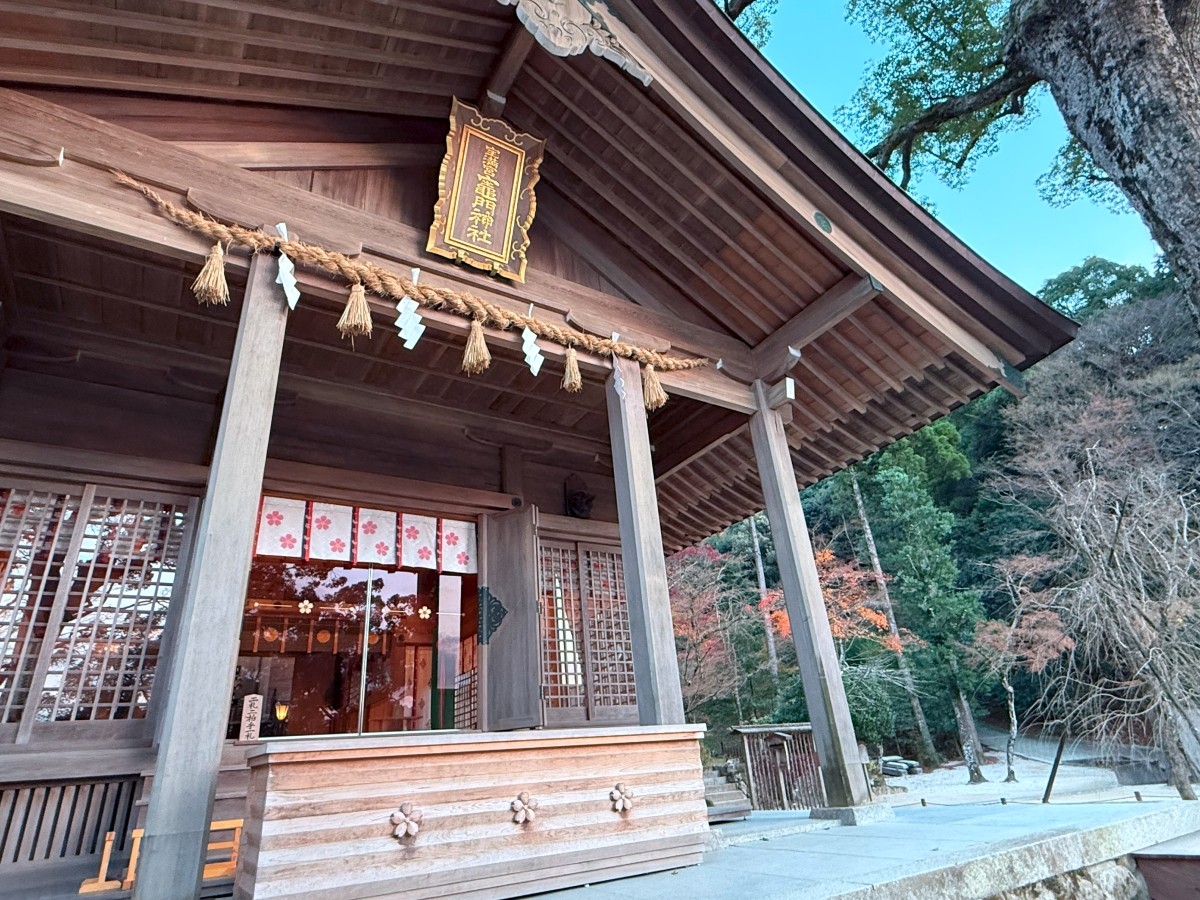
The main hall is the dwelling place of the deities and the most sacred spot. Be sure to visit the main hall first before enjoying a stroll around the grounds. The current main hall was built in 1927 (Showa 2) and renovated in 2013 (Heisei 25).
Where Tradition Meets Modernity: The Beautiful Amulet and Charm Distribution Office
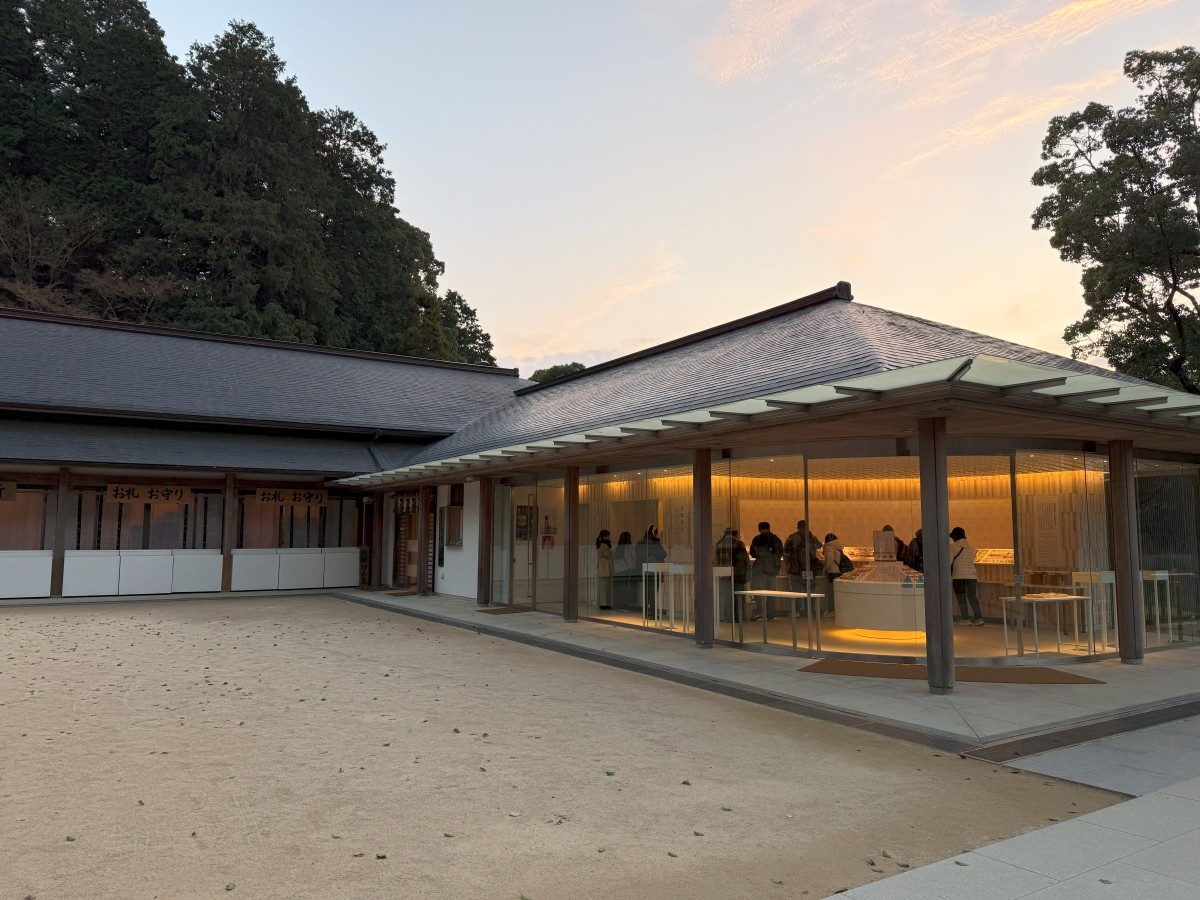
At the end of the approach, the amulet distribution office immediately catches your eye. The space is adorned with white and pink marble, and you can enjoy seasonal views from inside.
This space, designed by world-renowned interior designer Masamichi Katayama (Wonderwall), is based on the concept of a "shrine that will be loved for 100 years to come," beautifully blending modern design with traditional architecture.
Observation Platform
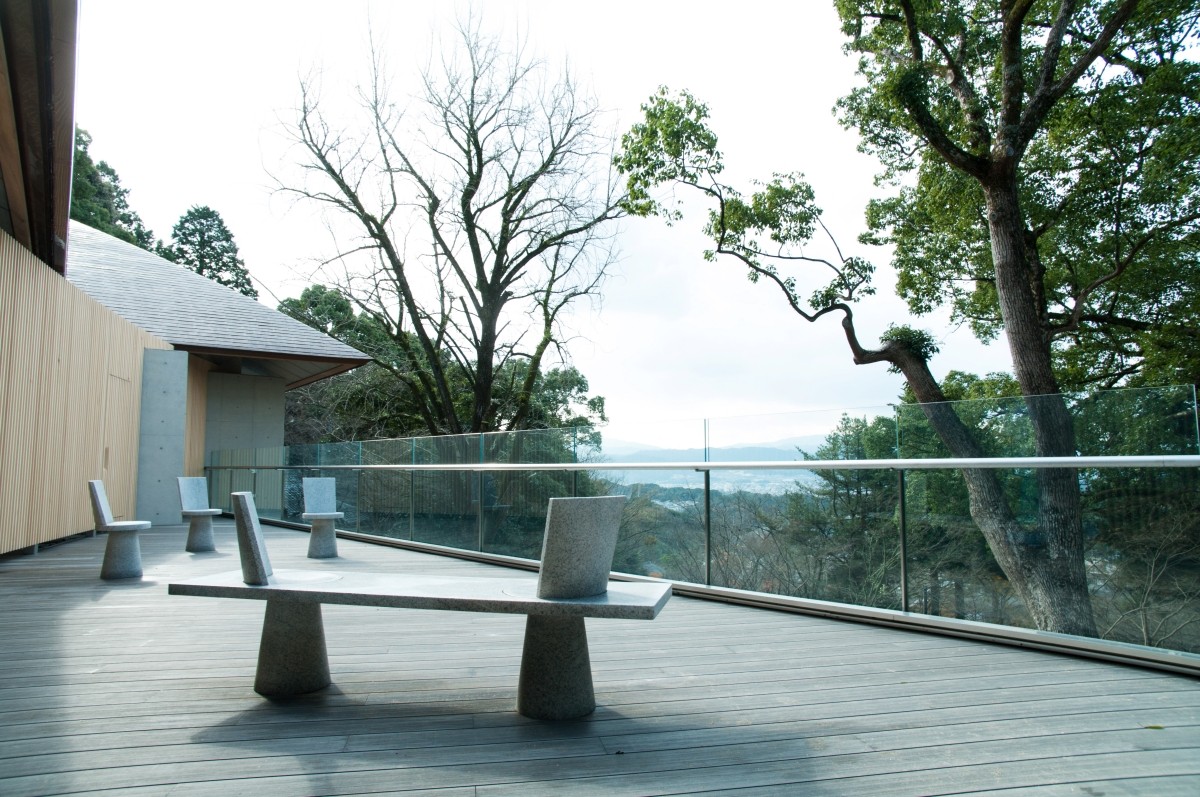
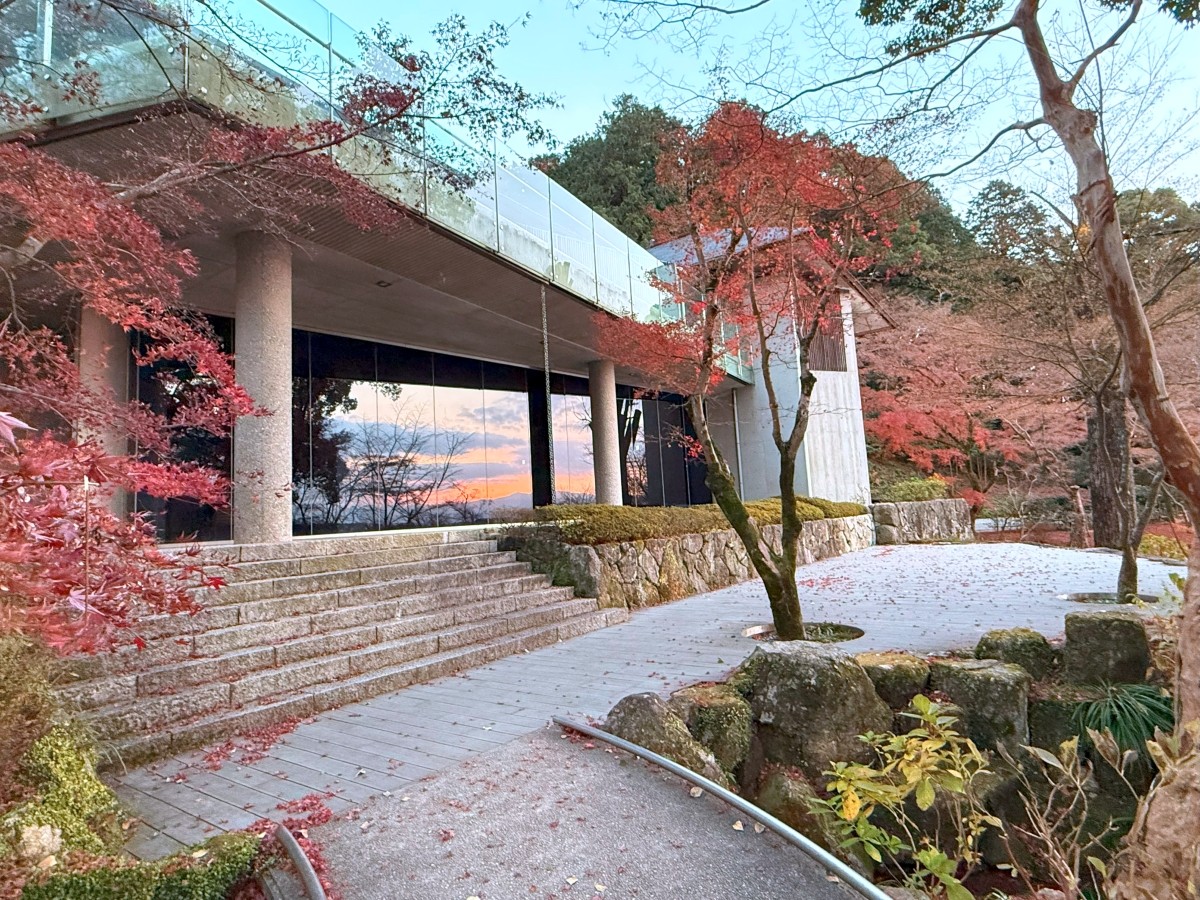
Behind the amulet office is an observation deck with a panoramic view of Dazaifu. When I visited in the evening, the sunset was reflected in the glass windows below the deck, creating a scene as beautiful as a painting.
Quietly Standing in a Corner of the Grounds: Shikibu Inari Shrine, a Sub-Shrine
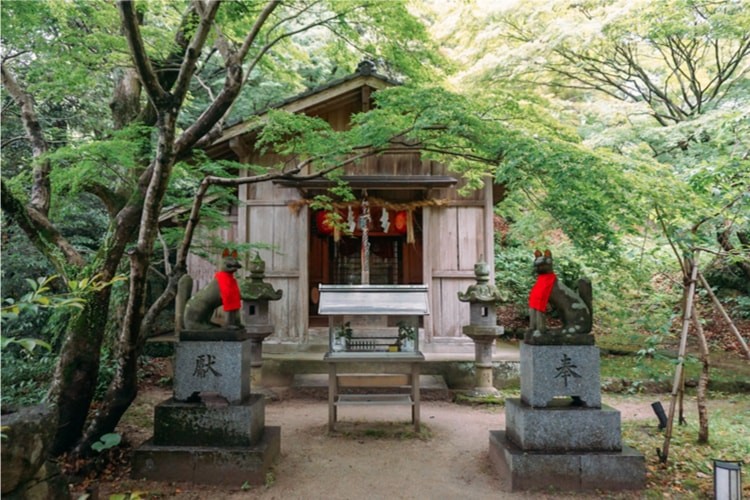
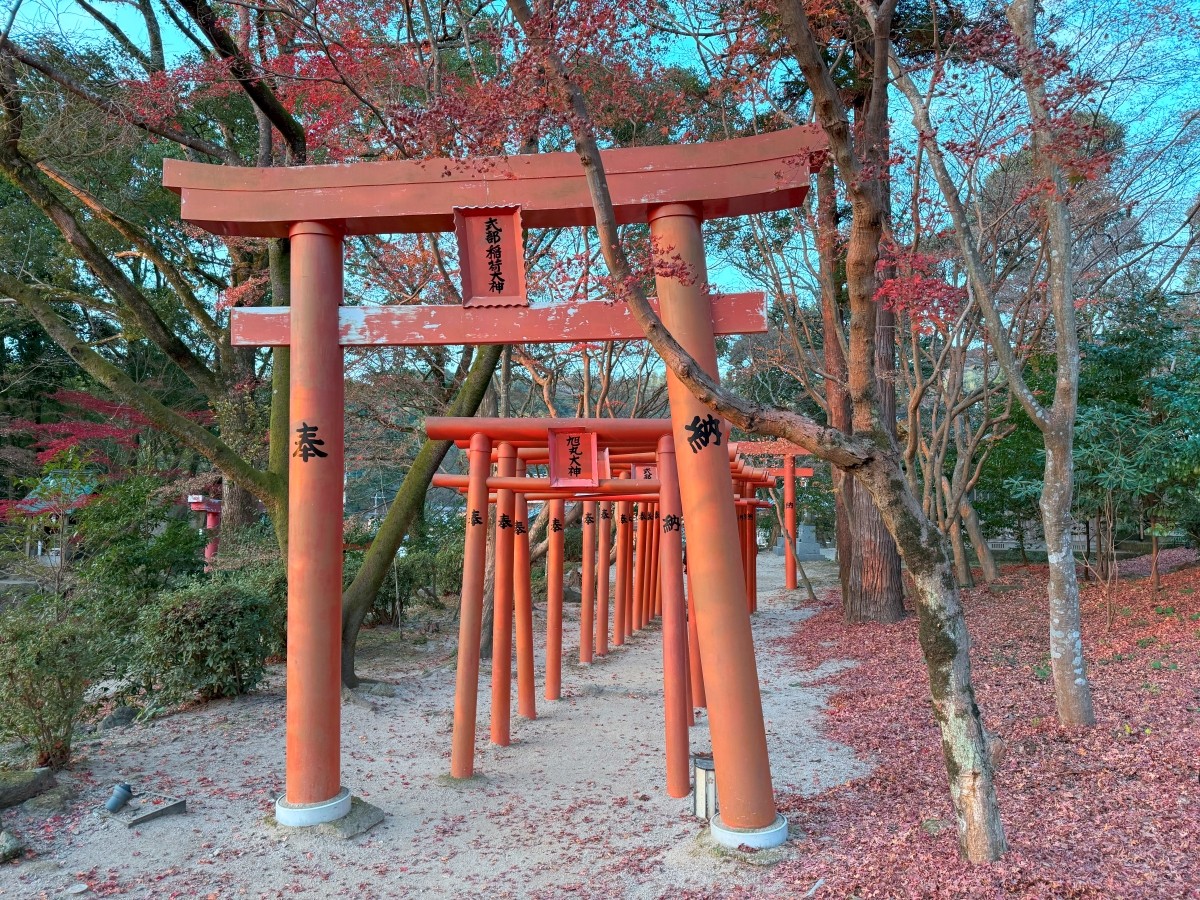
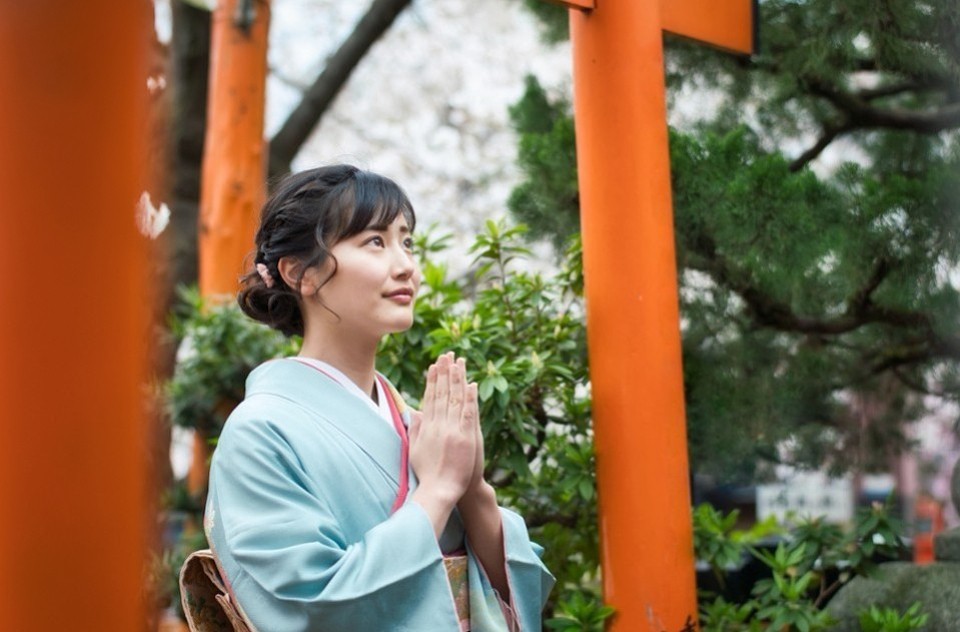
If you turn off the main path at the third stone torii gate and follow the row of bright red torii gates, you will find the Shikibu Inari Shrine. Be sure to stop by and pay your respects here as well.
Recommended Sacred Items and Amulets at Kamado Shrine
Koi Mamori Musubi no Ito (“Love Knot” Red Thread Amulet) 1,500 yen

A red thread amulet inspired by the deity of matchmaking. People wear it around their wrist or attach it to their bag, wishing for a good relationship. Once your wish comes true, return it with gratitude and prayer to the "Koi Mamori Musubi-dokoro" located near the Saikachi tree within the shrine grounds.
Ichigo Mamori 1,000 yen
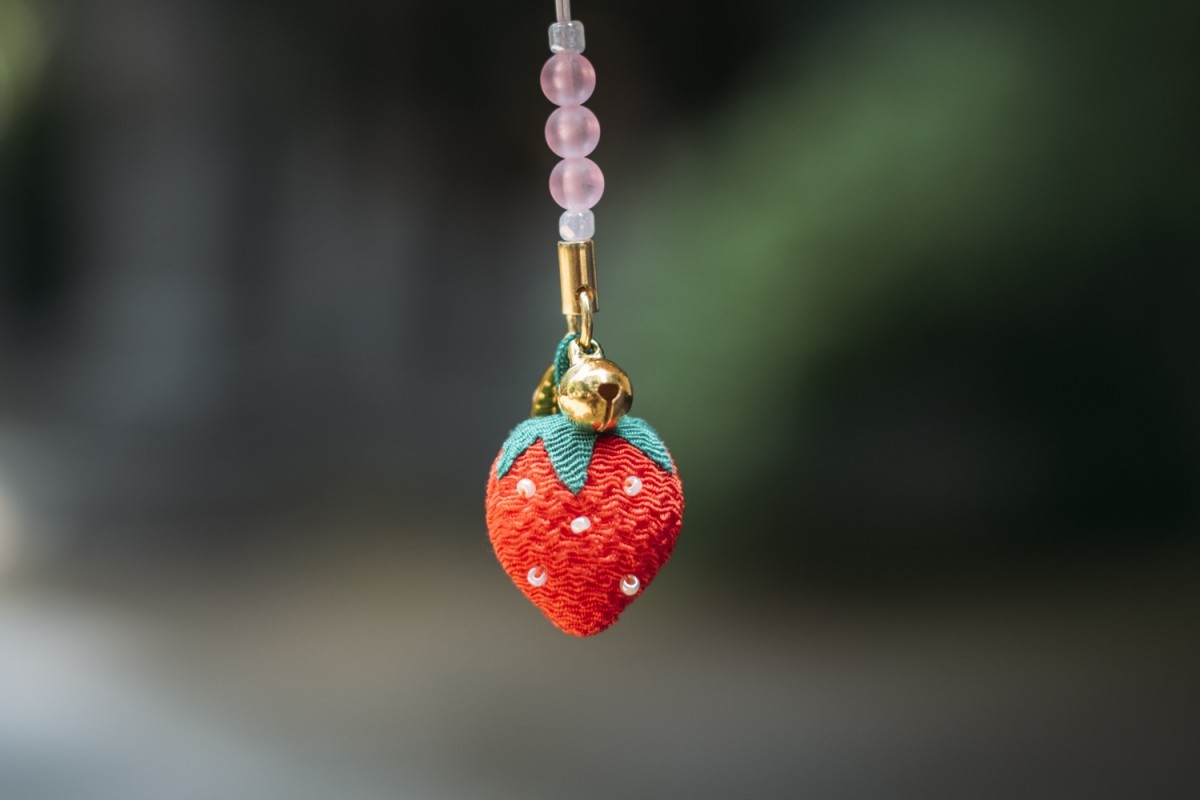
This adorable strawberry-shaped charm is a play on the Japanese phrase "ichigo ichie" (once-in-a-lifetime encounter) and the fruit "ichigo" (strawberry). "Ichigo ichie" is a term born from the spirit of the tea ceremony, meaning a unique opportunity or meeting that will never come again. The charm is imbued with the hope that you will encounter a precious, once-in-a-lifetime meeting.
Standard Goshuin 500 yen, Upper Shrine (Kamiyama) Goshuin 500 yen
You can also receive a goshuin (temple seal) at Dazaifu Tenmangu, but the goshuin of Kamado Shrine is only available here. The delicate brushwork of the goshuin makes for a wonderful memento of your visit. In addition to the two types of goshuin, seasonal goshuin are also available.
Boost Your Luck with a "Ryōmairi (Double Shrine Visit)" to Dazaifu Tenmangu and Kamado Shrine
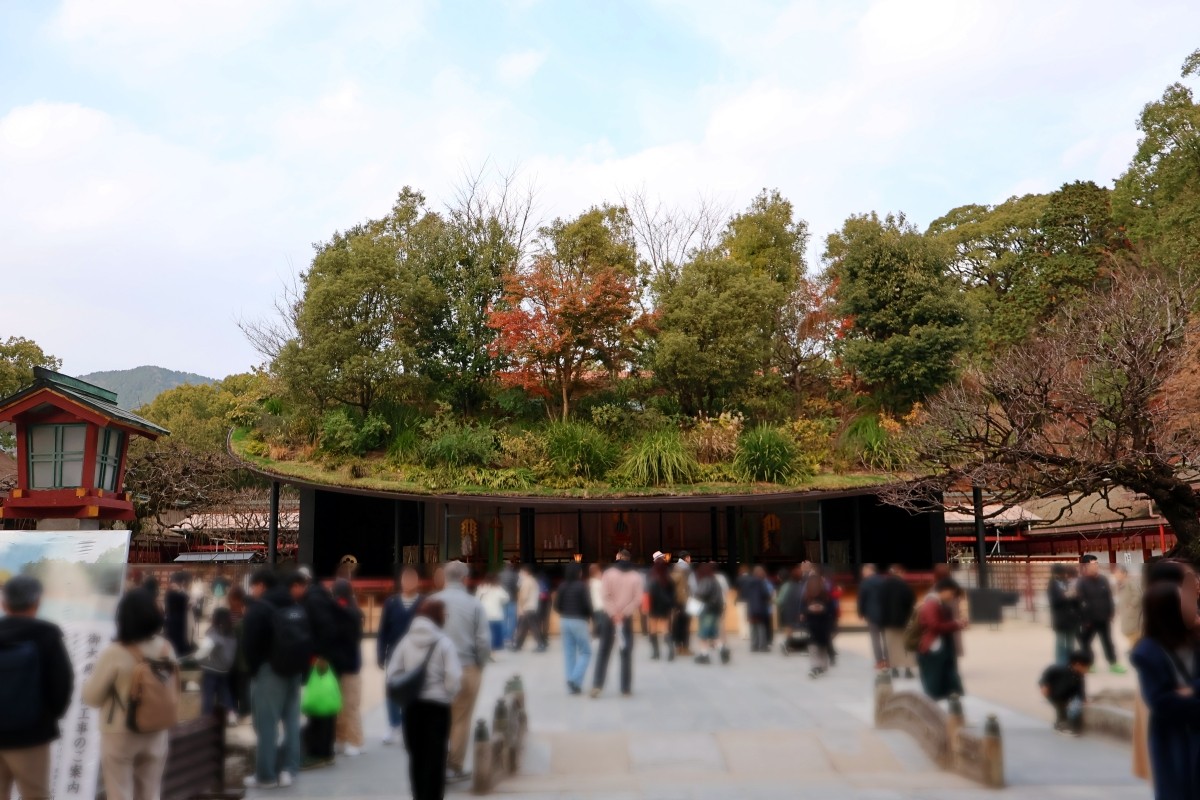
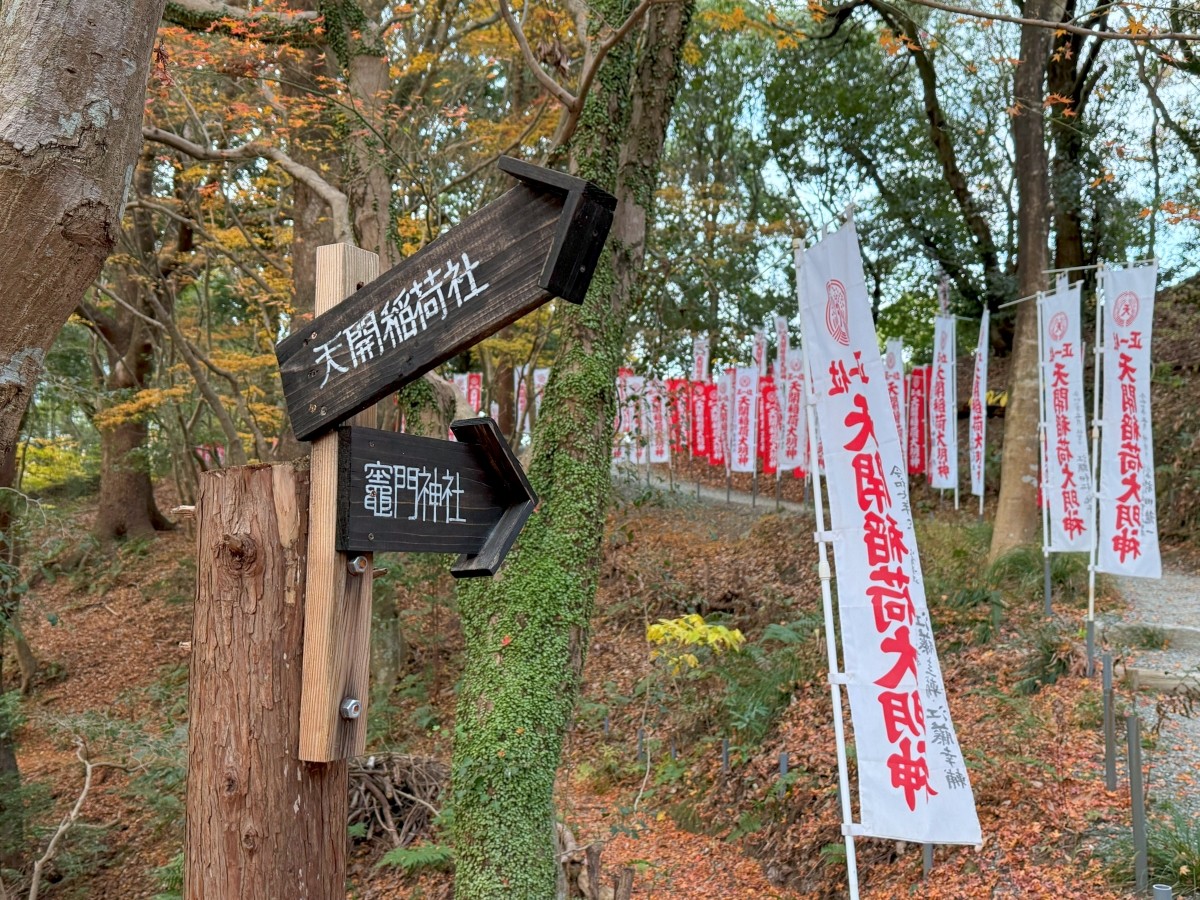
You can also access Kamado Shrine on foot via a mountain path from Dazaifu Tenmangu.
Locals recommend visiting both shrines together, a practice known as "ryōmairi" (double visit). Pray for academic success and personal integrity at Tenmangu, and for good relationships at Kamado Shrine. Visiting both as a set will make your trip even more fulfilling.
- Dazaifu Tenmangu: Deity of "Learning and Sincerity (Shisei)"
- Kamado Shrine: Deity of "Good Relationships and Warding Off Evil"
Access Information: 10 Minutes by Bus from Dazaifu Station
Since Kamado Shrine is located at the foot of the mountain, public transportation is convenient.
- Community Bus "Mahoroba-go":
Board at the bus stop right outside Nishitetsu Dazaifu Station. Take the bus bound for "Uchiyama (Kamado Shrine-mae)" for about 10 minutes and get off at the last stop.
You can also access it from the "Miyamae" bus stop near Dazaifu Tenmangu, but since buses with different destinations stop at the same bus stop, be sure to check that you are boarding the bus bound for Kamado Shrine. - Fare: 100 yen
- Official website 👉 here
- Note: On foot, it is about a 40-minute uphill walk from Dazaifu Tenmangu. It is recommended to take the bus on the way there and enjoy a scenic walk downhill on your return.
Fukuoka・Kamado Shrine: A Journey to Pray for Good Relationships at a Sacred Site Associated with "Demon Slayer: Kimetsu no Yaiba"
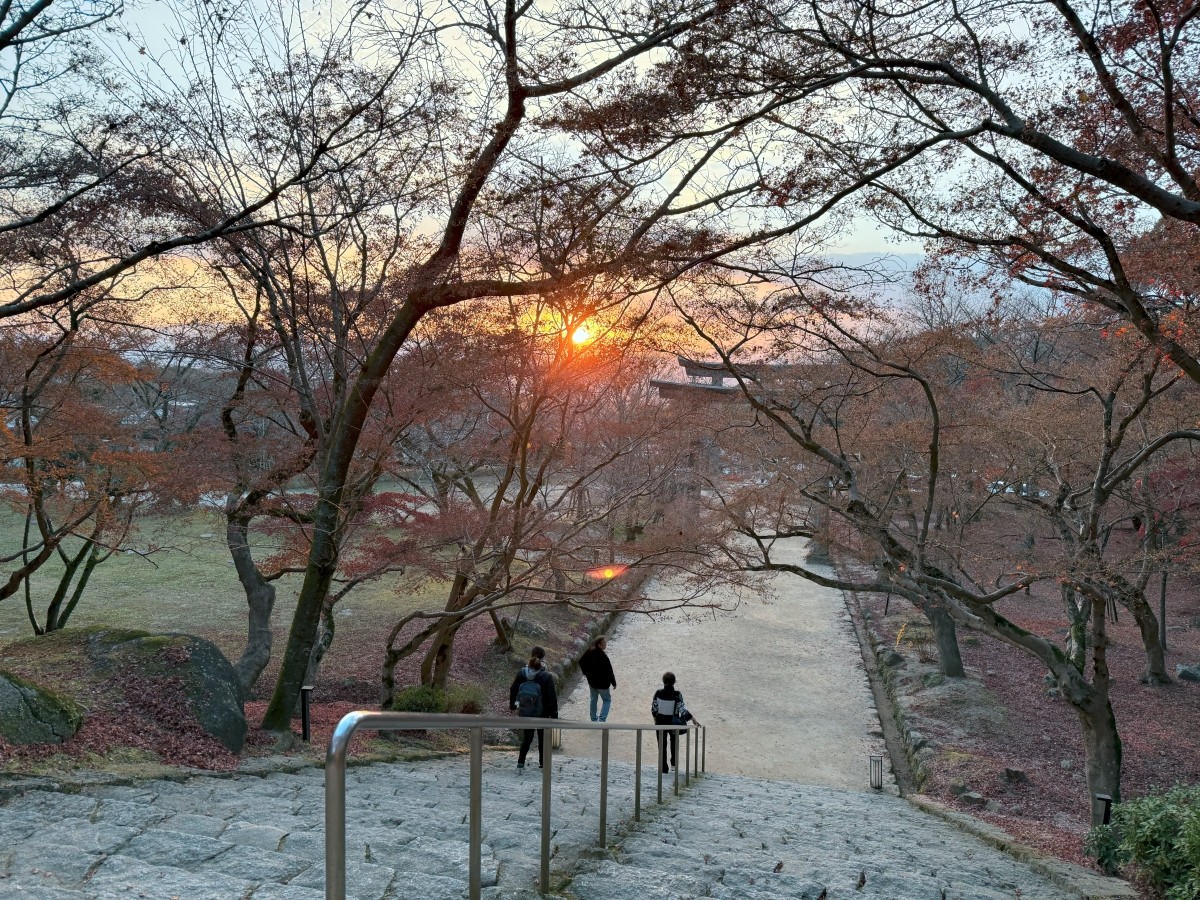
A beautiful shrine office that blends a historical background often associated with the roots of "Demon Slayer: Kimetsu no Yaiba" with a modern sensibility. Kamado Shrine is a rare place where you can experience both the "past and present" of Japanese culture at the same time.
After enjoying the lively atmosphere at Dazaifu Tenmangu Shrine, why not take a short trip further and pray for a "wonderful connection" in this tranquil place surrounded by a serene forest?
💡 Next Recommended Step
If reading this article has made you want to visit Kamado Shrine, be sure to also check out the "Dazaifu Tenmangu Shrine Visit Guide" and plan the perfect one-day sightseeing route!
Hōmangū Kamado Shrine
- Address: 883 Uchiyama, Dazaifu City, Fukuoka Prefecture
- Access: 10 minutes by community bus "Mahoroba-go" from Dazaifu Station, a short walk from Uchiyama bus stop
- Visiting hours: Open for worship at any time [Amulet and Goshuin Reception Desk] 8:30–18:00
- Official website: https://kamadojinja.or.jp/ (Japanese only)
Comments