
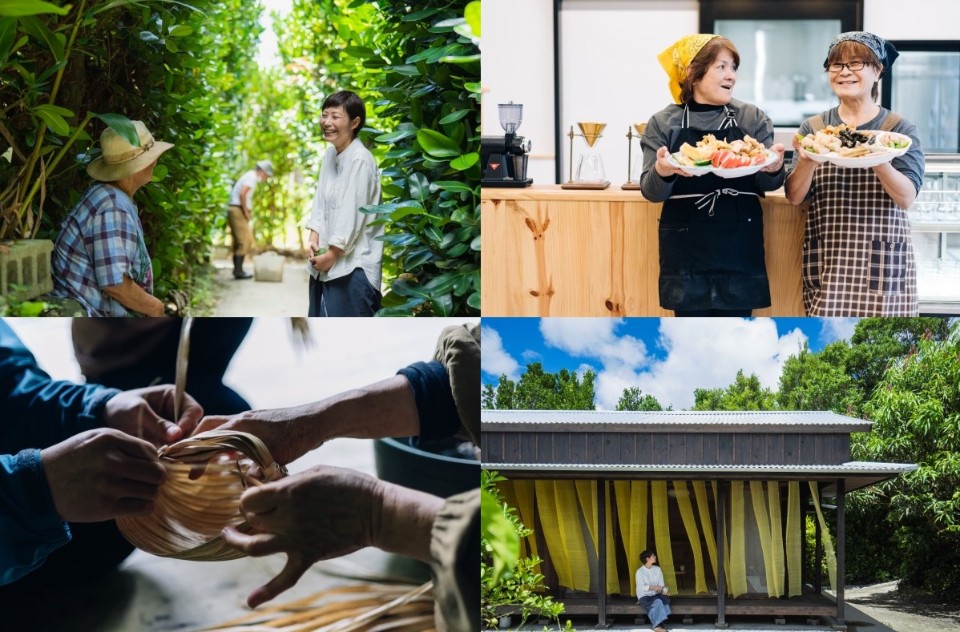
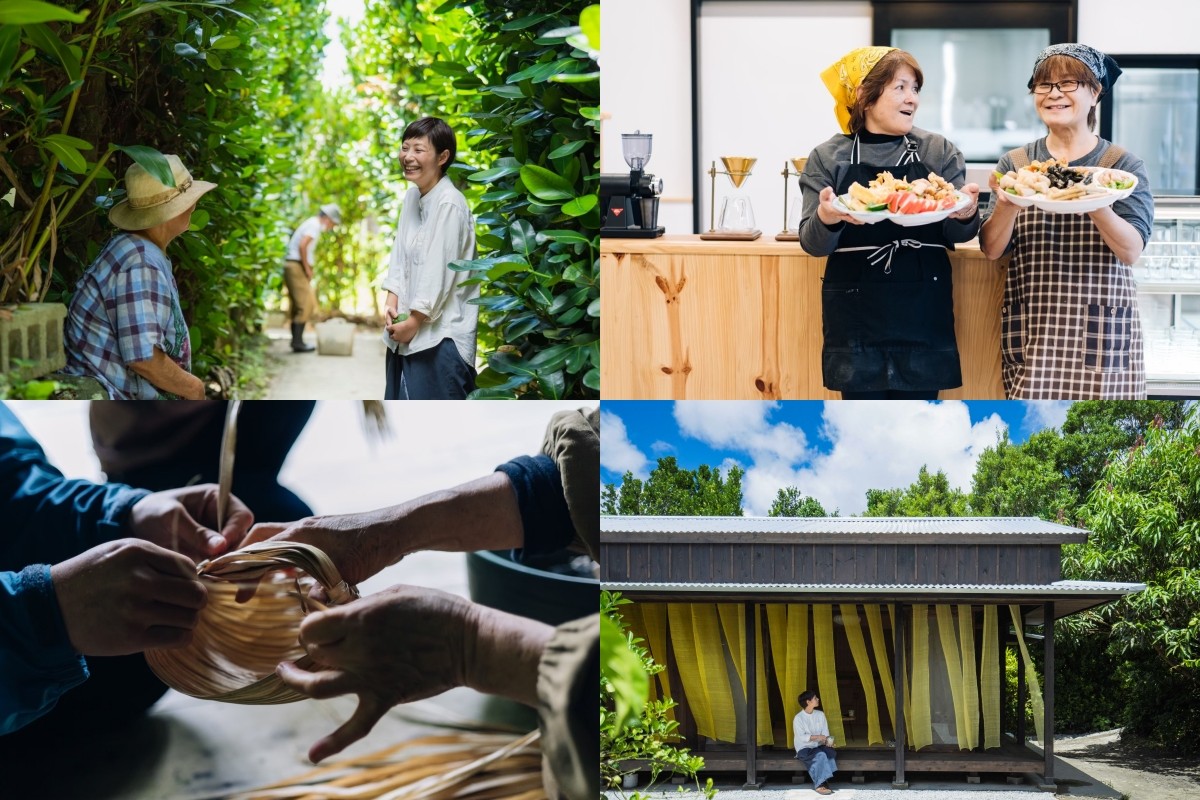
Photo courtesy of Yanbaru Hotel Nanmeishinshitsu
Have you ever heard the term "Blue Zone"?
It refers to special regions where people live long, healthy lives—areas that have drawn the attention of researchers around the world. Okinawa is recognized as one of the world’s five major Blue Zones. But what is the secret to longevity? And what does true richness really mean?
This article introduces the "Blue Zone lifestyle" that you can actually experience in Yanbaru, Okinawa. Enjoy encounters with local people, traditional food culture, and daily life in harmony with nature—come and experience it for yourself.
What is a Blue Zone? Discovering the World’s Longevity Regions
A Blue Zone is a region where there is an exceptionally high number of people living to 100 years old and beyond, compared to other areas. The concept began in the early 2000s, when demographers and longevity researchers identified regions around the world with many healthy centenarians and studied their commonalities.
Where Are the World’s Five Major Blue Zones?
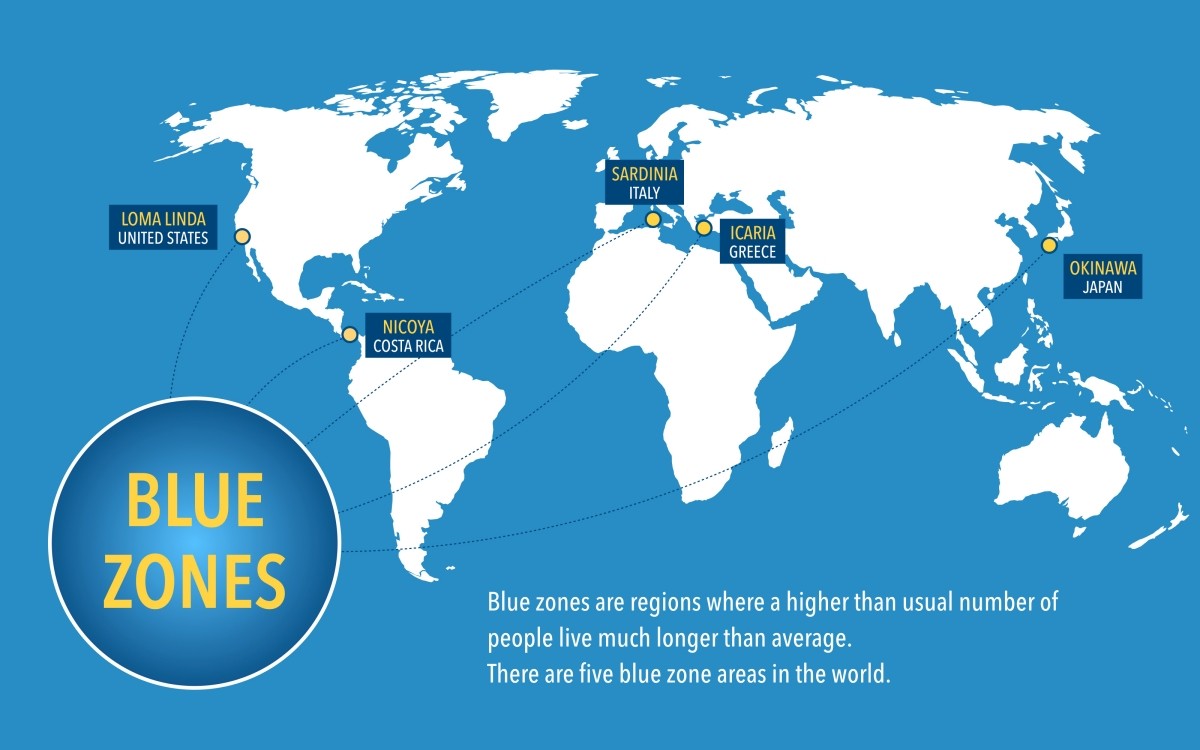
There are said to be five Blue Zones in the world.
Okinawa (Japan)
In the northern part of Okinawa’s main island, especially the Yanbaru region, many healthy people live past 100. In particular, Ogimi Village is known as the “Village of Longevity.”
Sardinia (Italy)
The mountainous area of Sardinia, an island in the Mediterranean Sea, is especially known for its high number of long-lived men.
Ikaria (Greece)
This small island in the Aegean Sea is a remarkable longevity region, with three times as many people over 90 as in other parts of Greece.
Nicoya Peninsula (Costa Rica)
This peninsula on the Pacific coast of Central America is one of the regions with the world’s longest healthy life expectancy.
Loma Linda, California (USA)
This area, home to many members of the Seventh-day Adventist Church, is known for its plant-based, vegetarian lifestyle.
Although these five regions are geographically distant, they share common lifestyle habits: moving naturally in daily life, eating plant-based meals and practicing moderation, having a sense of purpose, valuing faith or spiritual grounding, and maintaining strong family and community ties. These accumulated habits support a healthy and happy life, both physically and mentally.
The Secrets of Okinawa’s Blue Zone: Four Elements Supporting Longevity
Among the world’s five major Blue Zones, Okinawa is especially unique. The secret to longevity is deeply rooted in its “invisible culture.” In the Yanbaru region, these traditional ways of life are still very much alive.
1. Heartwarming Culture of Connection
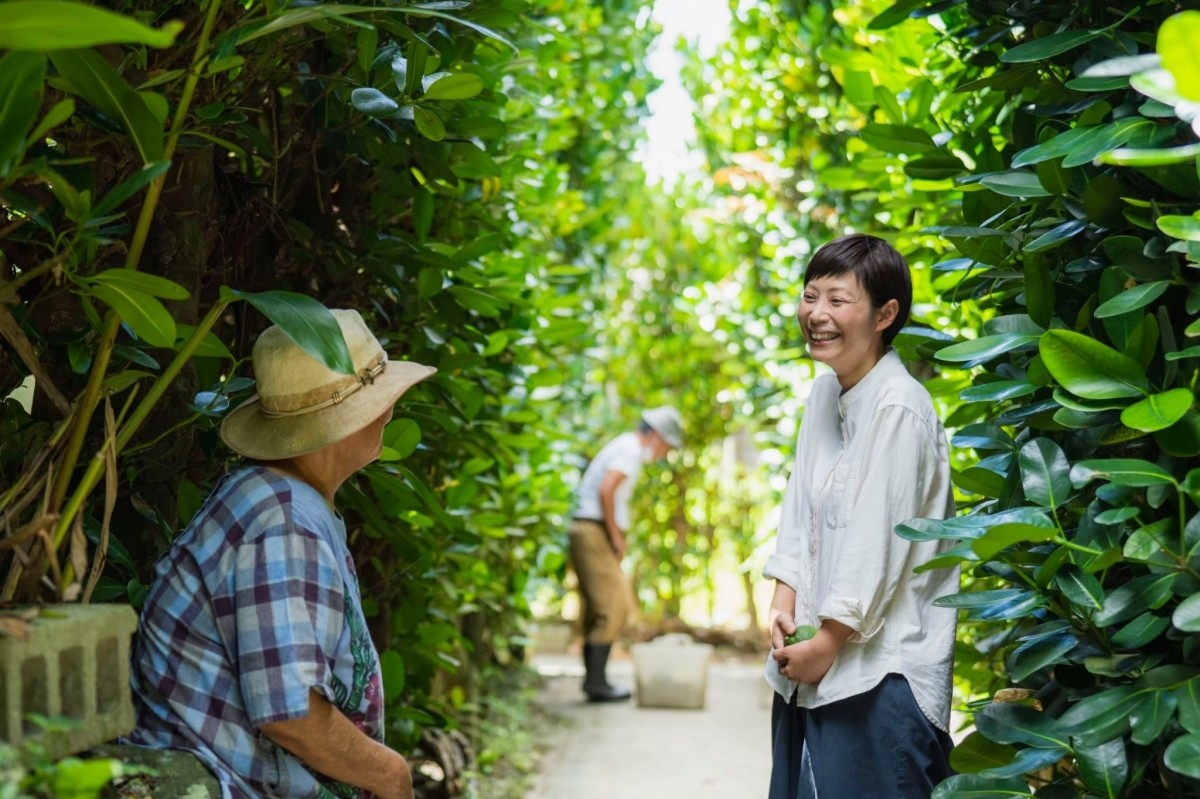
Photo courtesy of Yanbaru Hotel Nanmeishinshitsu
One of Okinawa’s most distinctive features is the deep connections between people. In the Yanbaru region, neighbors naturally gather, look out for each other’s health, and help one another in times of need—warm, supportive communities are still thriving here.
Especially notable is the “sharing culture.” Homegrown vegetables, freshly caught fish, homemade dishes—whenever there’s something to share, it’s quickly given to neighbors. These everyday exchanges help prevent isolation and are a powerful force in maintaining mental well-being.
2. Unique Faith Living in Harmony with Nature
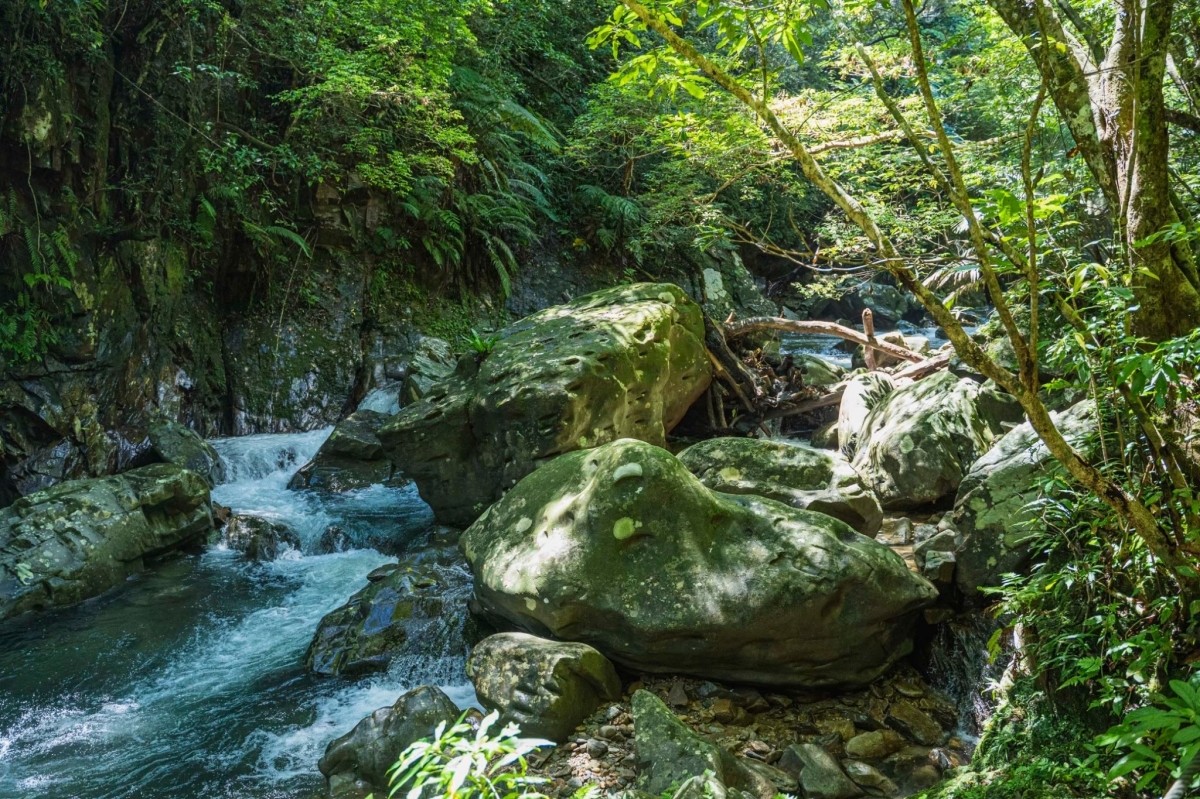
Photo courtesy of Yanbaru Hotel Nanmeishinshitsu
Okinawa has a unique spiritual culture characterized by "nature worship" and "ancestor worship."
People have long felt a sense of the sacred in forests, the sea, rocks, and springs, living their lives with deep respect for these elements. For example, every village has a sacred site called an "Utaki," where people offer daily prayers and gratitude. This is not just a ritual, but a time to give thanks for the blessings of nature and to feel that one is alive as part of a greater flow.
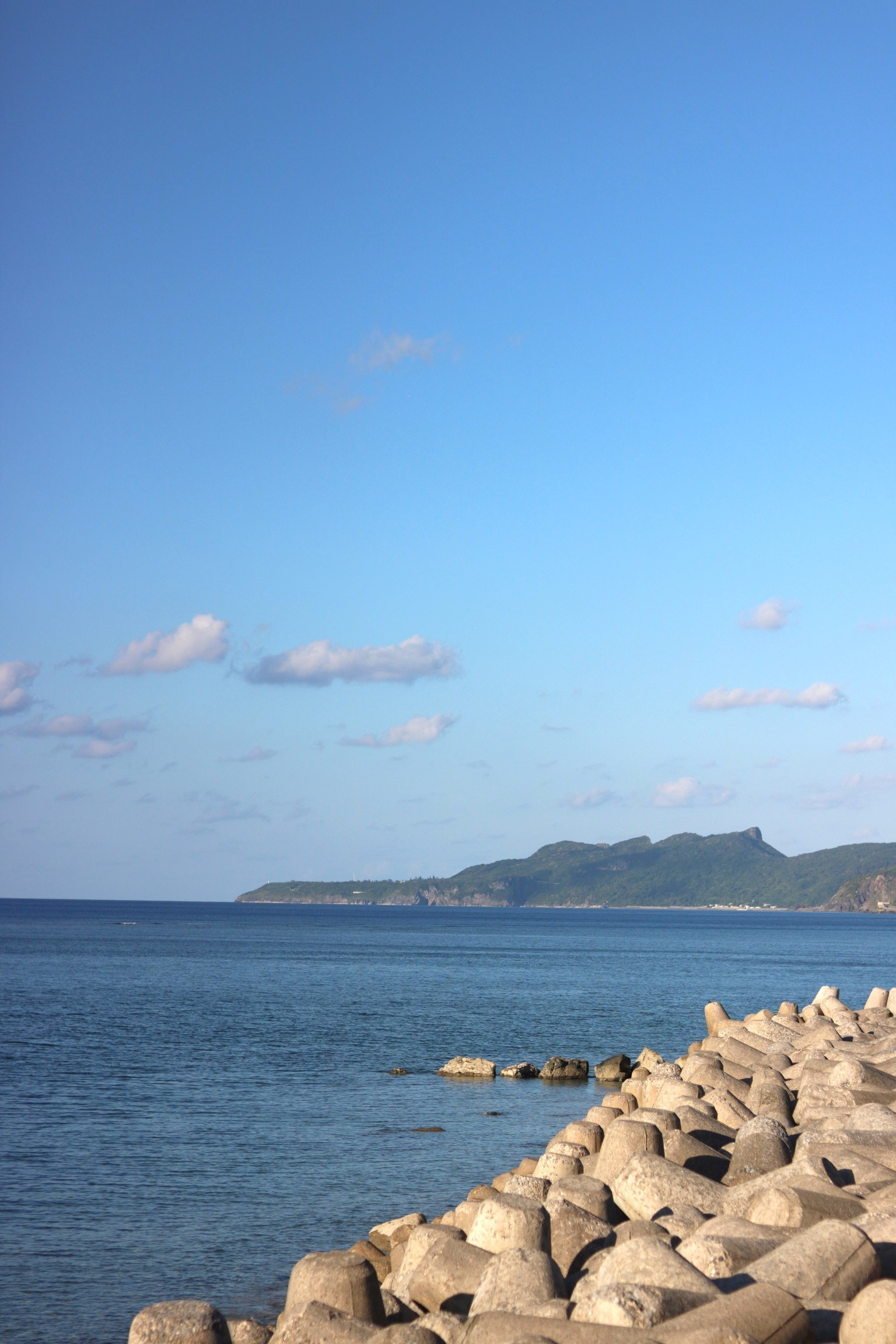
Another fascinating concept is "Nirai Kanai." Nirai Kanai refers to a utopia believed to exist far beyond the sea. It is said that ancestors watch over us from there and bring abundance. This belief places oneself within a grand story that connects the past, present, and future, providing a sense of reassurance that "I am not alone"—our ancestors are always by our side.
3. A Plant-Based, Well-Balanced Food Culture
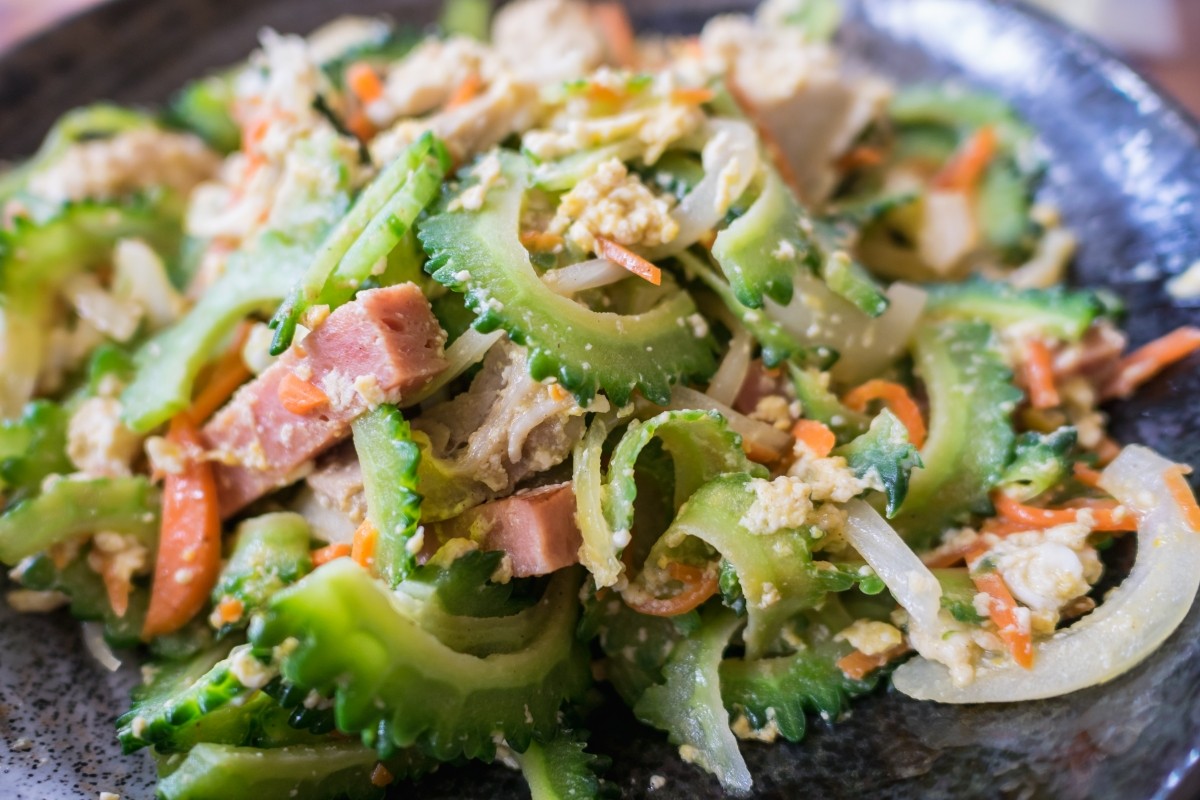
Okinawa’s traditional diet is a key factor supporting health and longevity. Its main features are a focus on vegetables, low calories, and the abundant use of highly nutritious ingredients.
For example, Okinawa’s unique island vegetables such as goya (bitter melon), handama (Okinawan spinach), and fuuchiba (mugwort). These vegetables are rich in polyphenols with strong antioxidant properties, which help protect them from the intense sunlight.
Another characteristic is the high consumption of tofu. Dishes such as yushi tofu, shima tofu, and tofu champuru frequently appear on the table. Tofu is low in calories, high in protein, and packed with health-promoting components like soy isoflavones.
Seaweeds are also a daily staple, with mozuku and asa (aosa seaweed) being especially rich in minerals and dietary fiber. And not to be forgotten is pork. In Okinawa, it is said that "every part of the pig is eaten except the oink," with even the organs being used. The skin and cartilage, which are high in collagen, are particularly valued for their anti-aging benefits.
4. An Ideal Daily Rhythm
People in the Yanbaru region typically start their day early, offering prayers at the Utaki. In the morning, they get moderate exercise by tending to their gardens or fields, followed by a short nap after lunch. The afternoon is spent on hobbies or community activities, and in the evening, they enjoy meals with family or friends before going to bed early.
The beauty of this rhythm lies in the natural combination of "a regular lifestyle" and "social interaction." In addition, the joy of growing vegetables in the garden or passing down local cuisine to grandchildren—these small but certain sources of "ikigai" (purpose in life) make each day fulfilling.
What is "Yanbaru," Where the Okinawan Blue Zone Lifestyle Remains Strong?
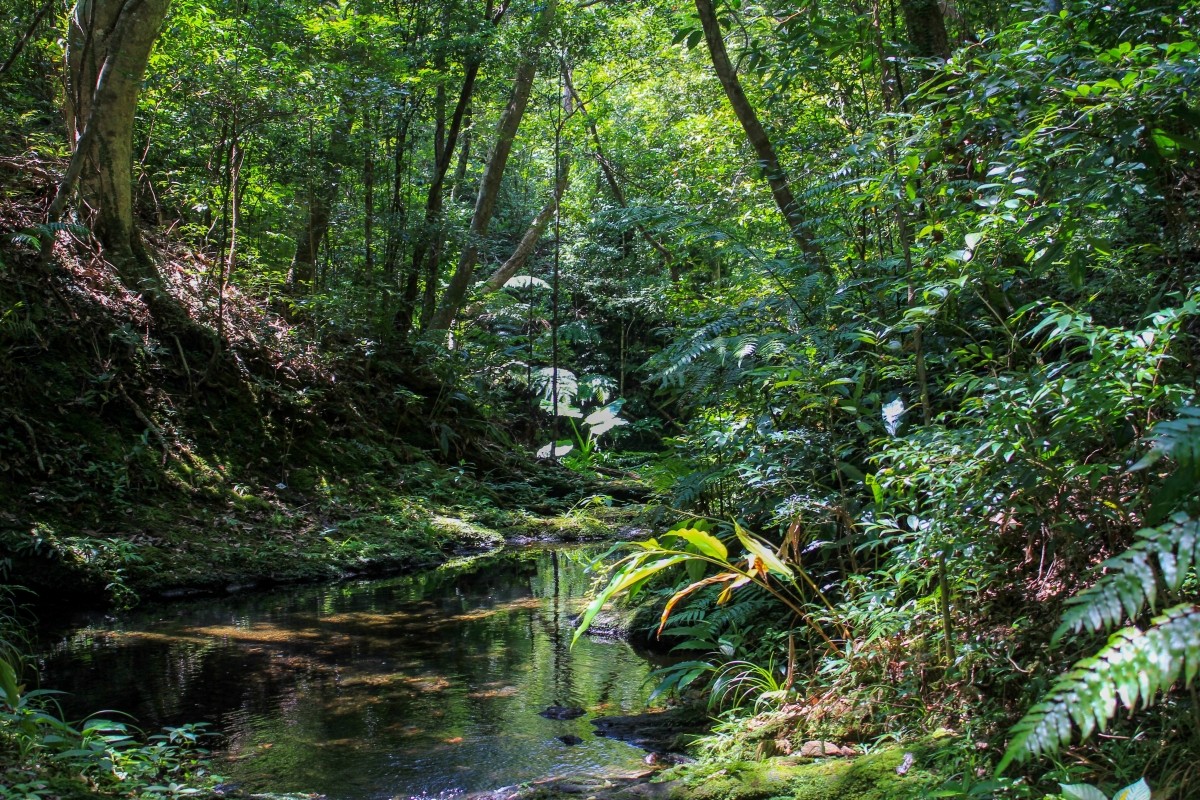
"Yanbaru" refers to the entire northern region of Okinawa Island. Written as "山原" in kanji, it means a place where mountains stretch in succession.
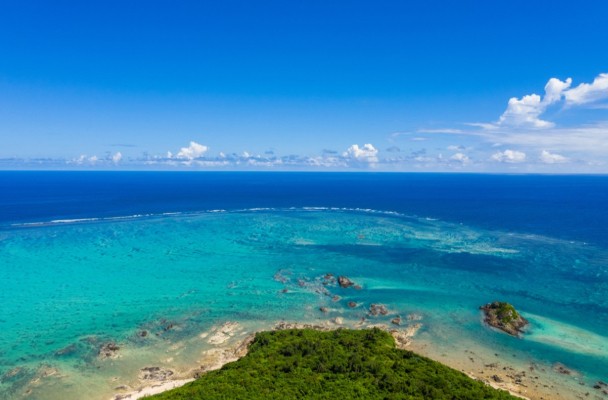
Drive about two hours north from Naha, and the scenery changes dramatically. Unlike the urban areas lined with high-rise buildings and resort hotels, here you’ll find lush subtropical forests and small villages scattered throughout the landscape.
Rich Nature Registered as a World Natural Heritage Site
In 2021, the forests of Yanbaru, along with Amami Oshima, Tokunoshima, and Iriomote Island, were registered as a UNESCO World Natural Heritage Site. Many rare species, such as the Okinawa Rail and the Okinawa Woodpecker, which are found nowhere else in the world, live here.
Experience the "Okinawan Blue Zone Lifestyle" in Yanbaru!
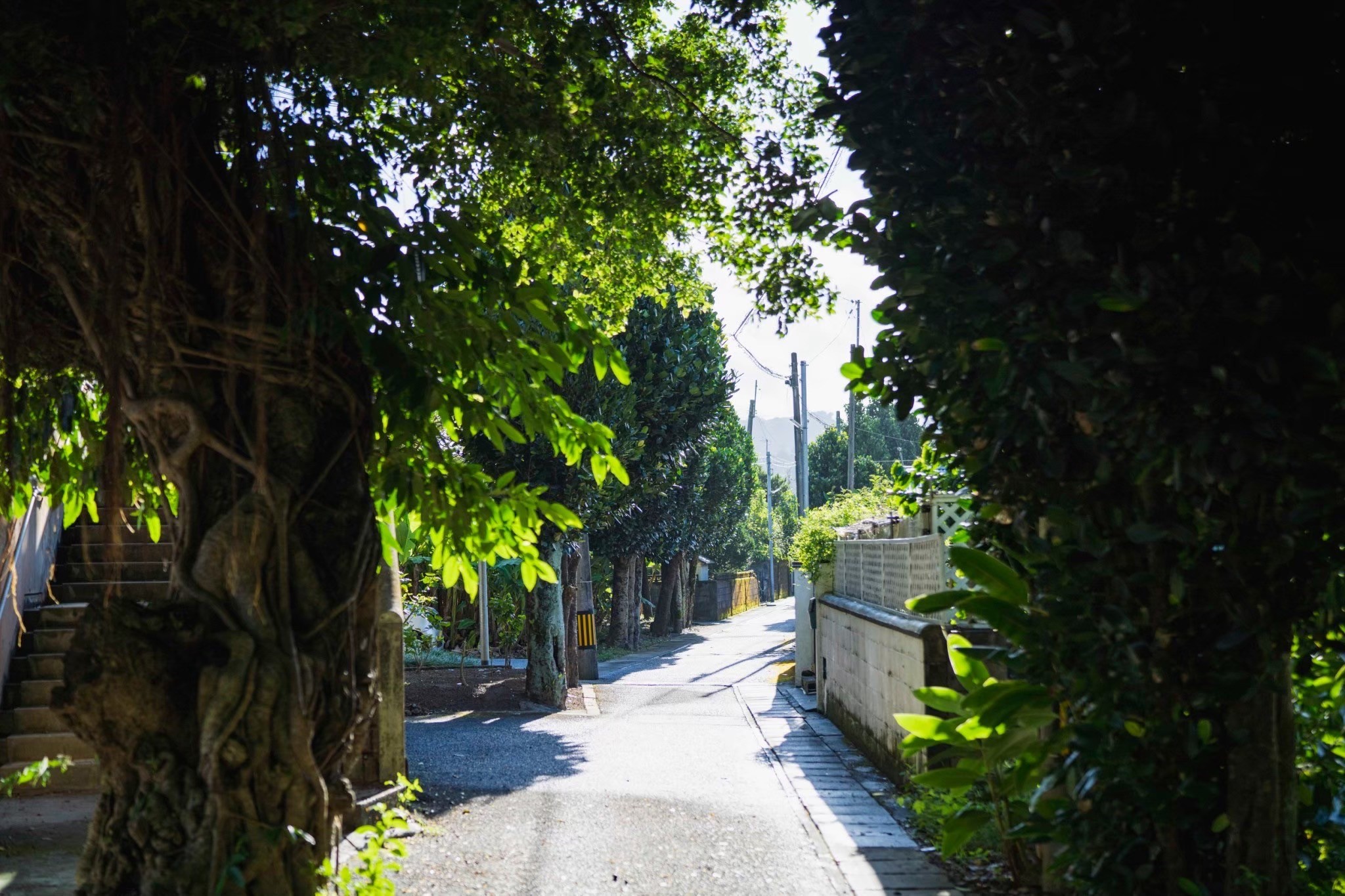
From here, we will introduce the Blue Zone lifestyle that can be experienced in the Yanbaru region. It was an immersive experience where I interacted with local people and became part of their daily lives. This was more than just a trip—it was filled with learning and discoveries.
A New Style of Stay: Experiential Accommodation at "Yanbaru Hotel Nanmeishinshitsu"
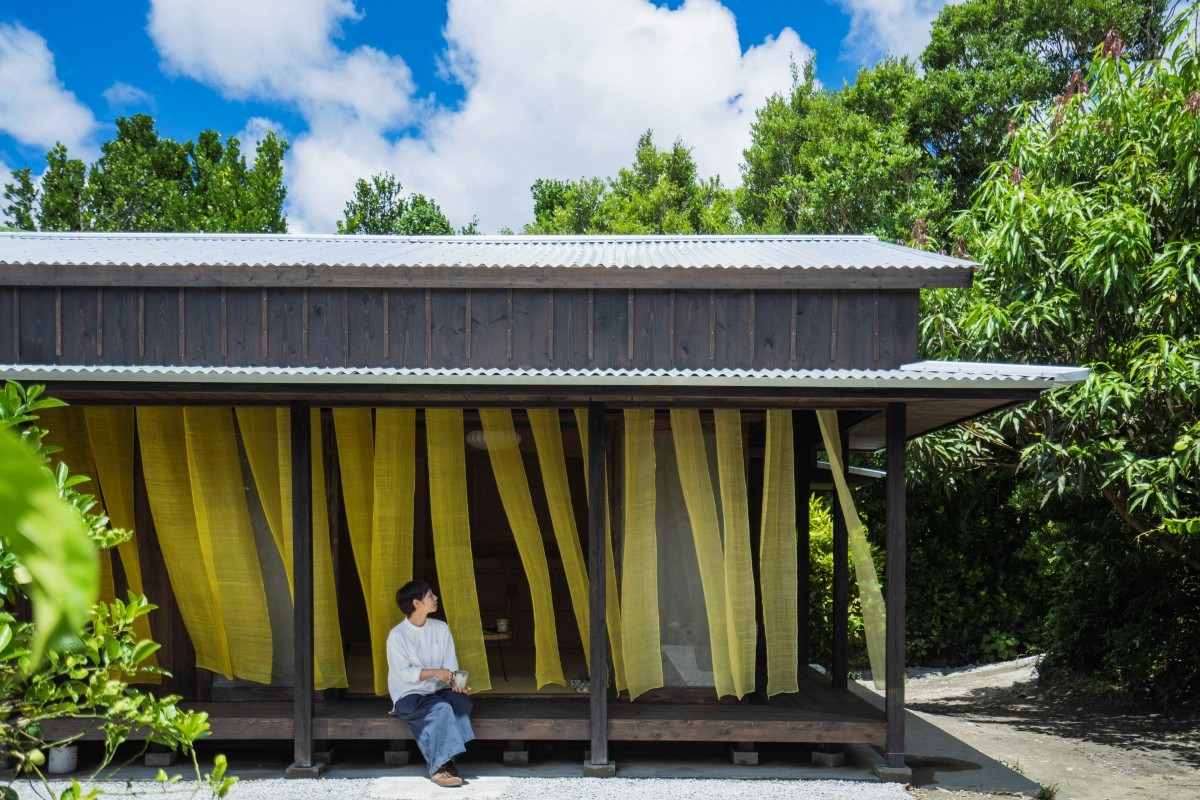
The base for this experience was "Yanbaru Hotel Nanmeishinshitsu," located in an old village. This hotel has a concept that is very different from typical resort hotels.
Not Sightseeing, but "Living the Local Life"
What Nanmeishinshitsu offers is more than just accommodation. By experiencing the Yanbaru lifestyle, interacting with local people, and engaging in authentic activities unique to this region, guests can reset both mind and body during their stay.
The Luxury of Having a Dedicated "Sherpa"—English Support Available
The biggest feature is that each guest is assigned a dedicated guide called a "Sherpa."
The process starts with a pre-stay interview to understand each guest’s interests, what they want to feel in Yanbaru, their health condition, and the purpose of their stay. Over 20 private activities can be freely combined to create a tailor-made plan.
All services are available in Japanese or English, and the Sherpa accompanies guests throughout the experience, providing translation for conversations with locals and ensuring peace of mind.
Two Types of Plans to Choose From
The standard stay is two nights and three days, but one-night, day-trip, or longer stays are also possible. However, to fully experience the Yanbaru lifestyle, a two-night, three-day stay is recommended.
1. Standard Plan (2 nights, 3 days)
This plan is for those who want the simplest experience at Nanmeishinshitsu. It includes two breakfasts, one dinner, a village tour, and one private activity.
2. Customized Plan
For those who want to delve deeper into Yanbaru culture, three themed plans are available.
- BLUE ZONE: A plan to learn the secrets of longevity through hands-on experiences. You can experience local cuisine, traditional craft making, and interact with local people to get a feel for the healthy, long-lived lifestyle.
- World Natural Heritage: A plan to deeply explore the World Natural Heritage forests. You can encounter Yanbaru’s rich nature and endemic species through activities like the Miracle Forest Day Tour and Night Tour.
- Life Tuning: A plan to experience the spiritual world of Okinawa. Activities focus on spiritual well-being, such as sacred site pilgrimages, Yuta culture experiences, and stargazing tours.
[Experience ①] Cooking Okinawan Home-Style Dishes with Local Mothers
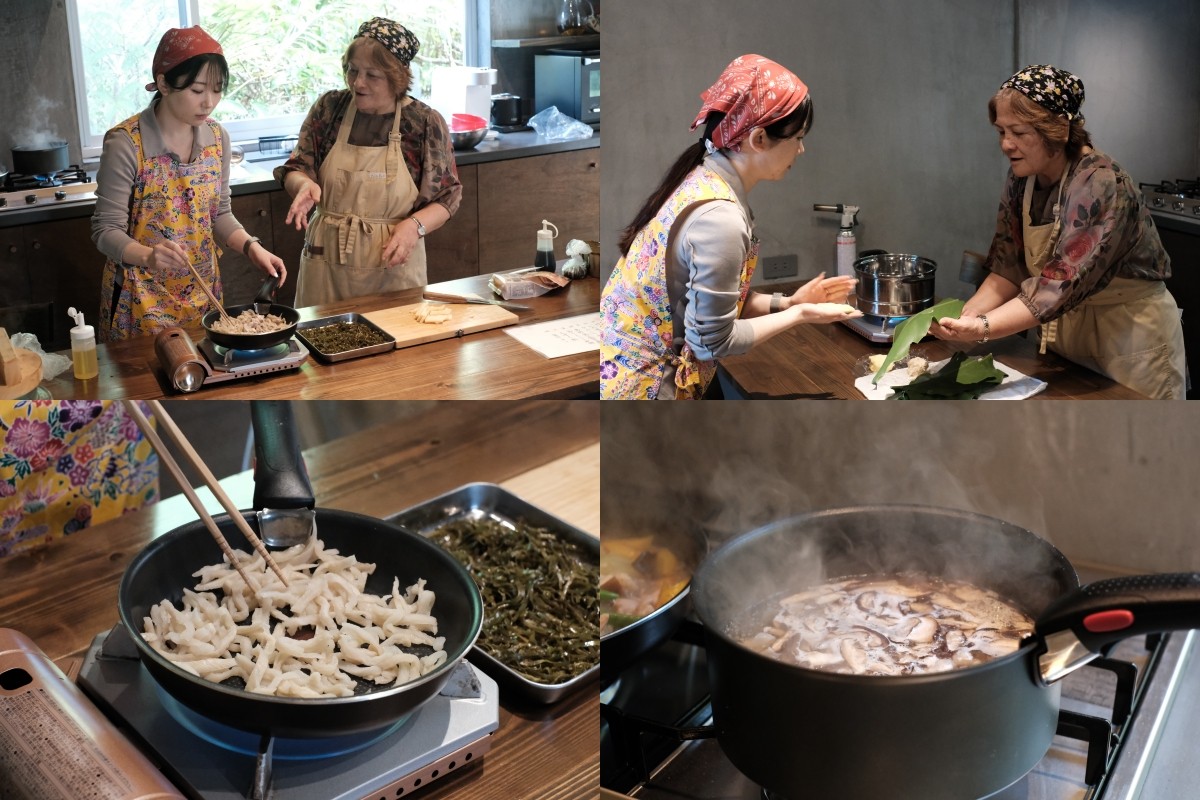
You can experience unique home-style dishes that are not usually found in restaurants, prepared for various local events. Together with local mothers, you will cook seasonal Okinawan ceremonial dishes while learning about the events and the food itself.
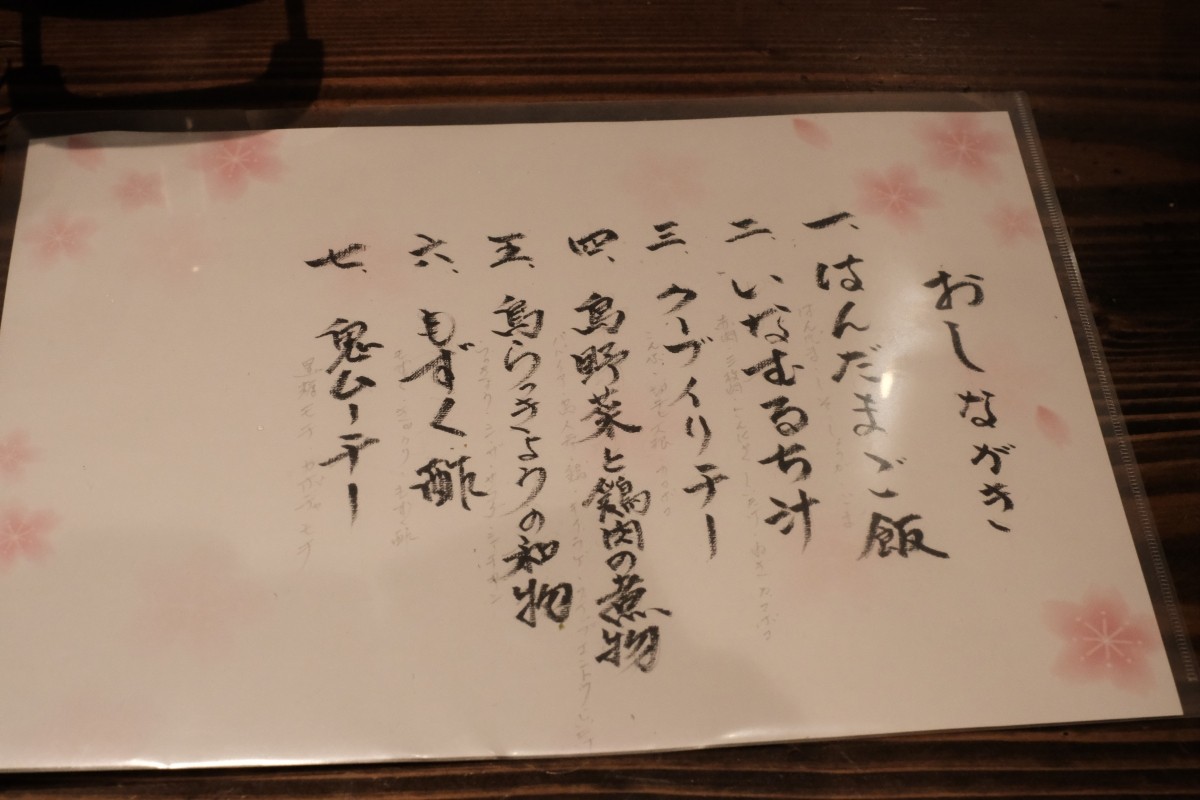
The menu for the day included handama rice, Inamuruchi soup, Kubu Irichi (simmered kombu), simmered island vegetables and chicken, island shallots, mozuku seaweed in vinegar, and Oni Muuchii. Each dish is filled with the wisdom and lifestyle of Okinawa.
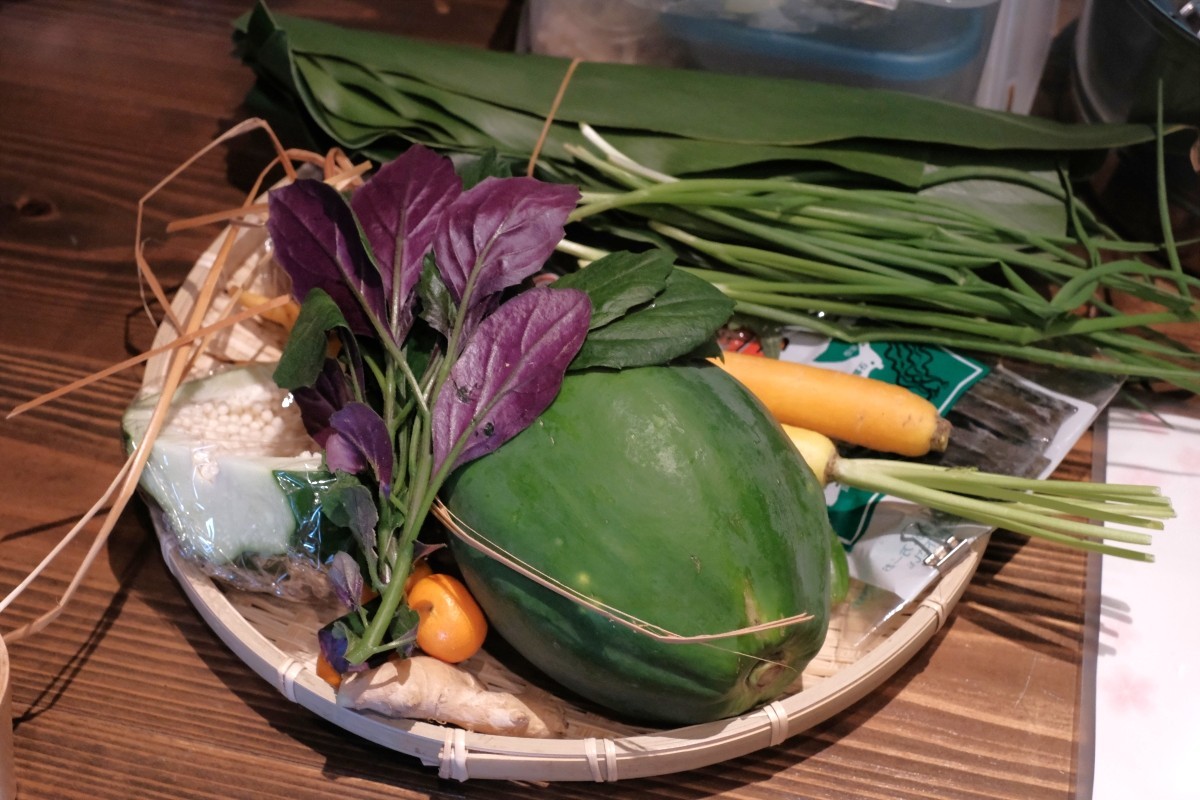
Handama is a local island vegetable with green leaves on the front and a vibrant purple color on the back. Rich in iron and vitamins, it has long been called the “medicine for blood.” Inamuruchi-jiru is a hearty soup made with pork and miso, and is an essential dish in Okinawan households. Kubu Irichi is a simmered stir-fry made with kombu (kelp), a dish unique to Okinawa, which boasts one of the highest kombu consumption rates in Japan.
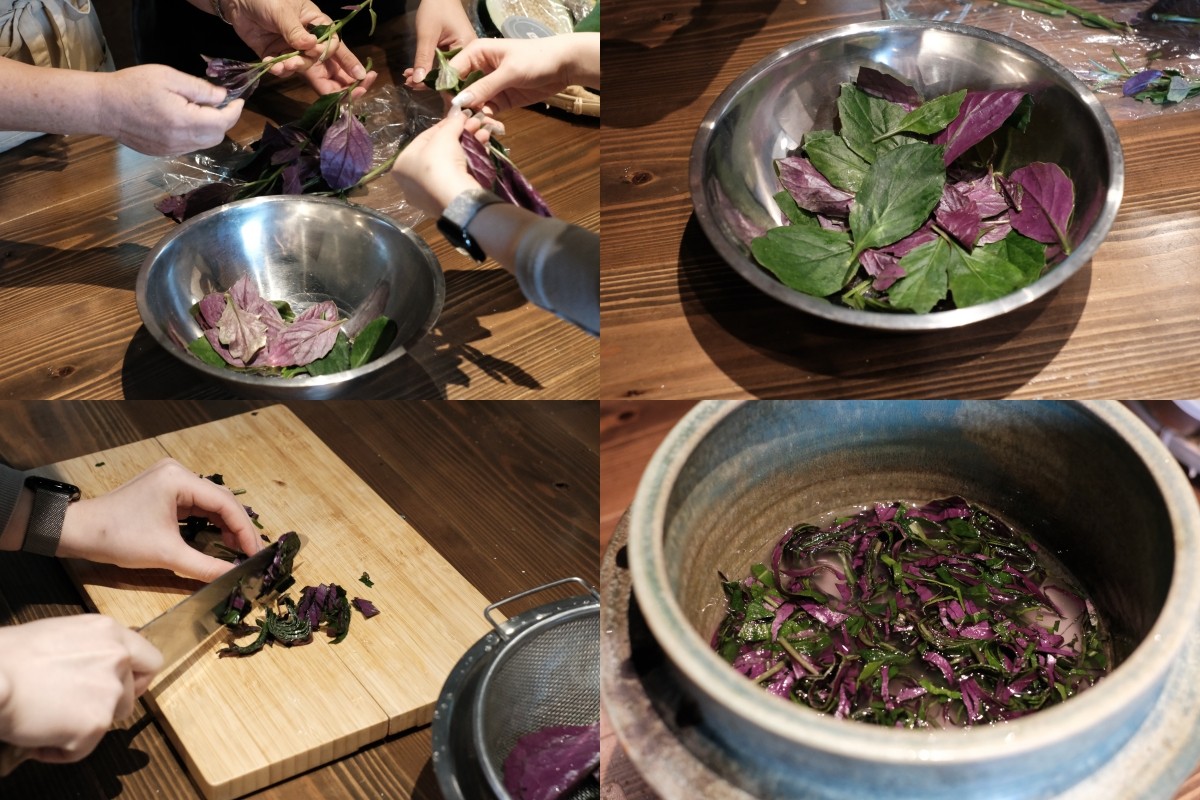
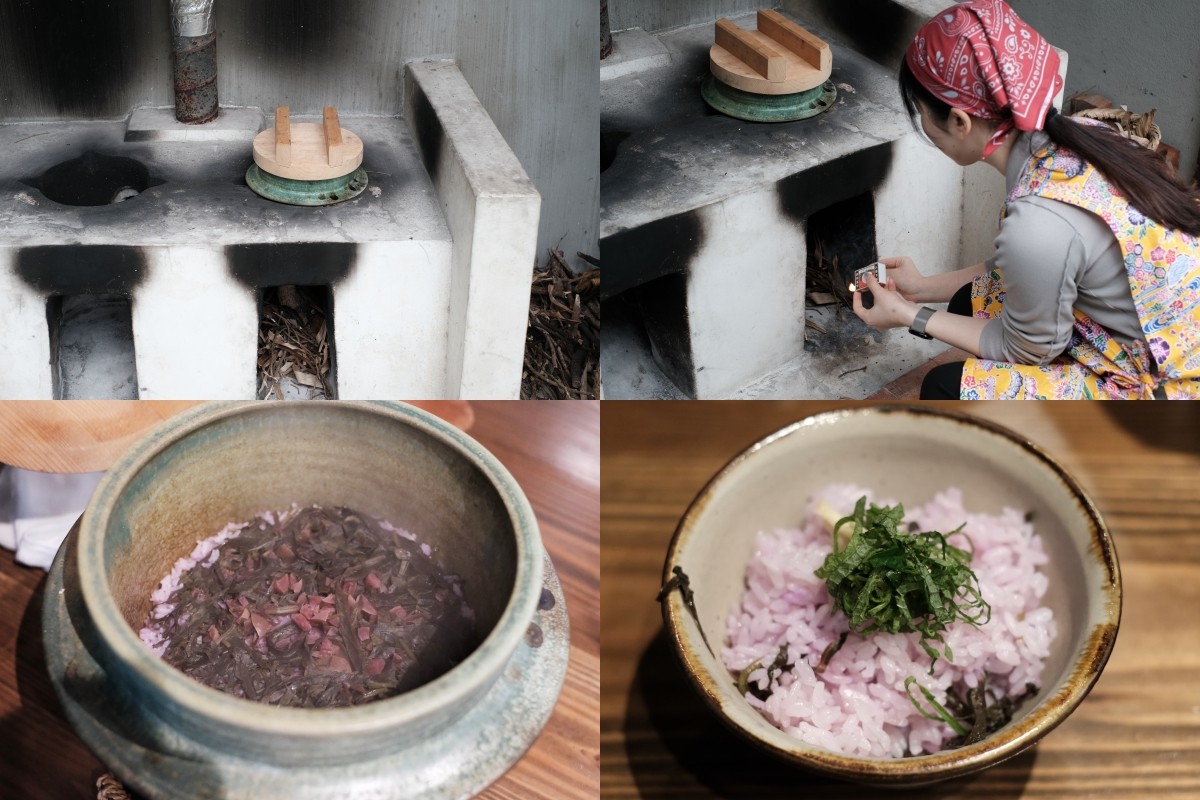
One particularly memorable experience is cooking rice over a fire in a traditional hagama (iron pot). Carefully adjusting the heat and waiting for the rice to cook is a special moment you can’t experience with an electric rice cooker. The aroma of freshly cooked rice and its fluffy texture are truly exceptional.
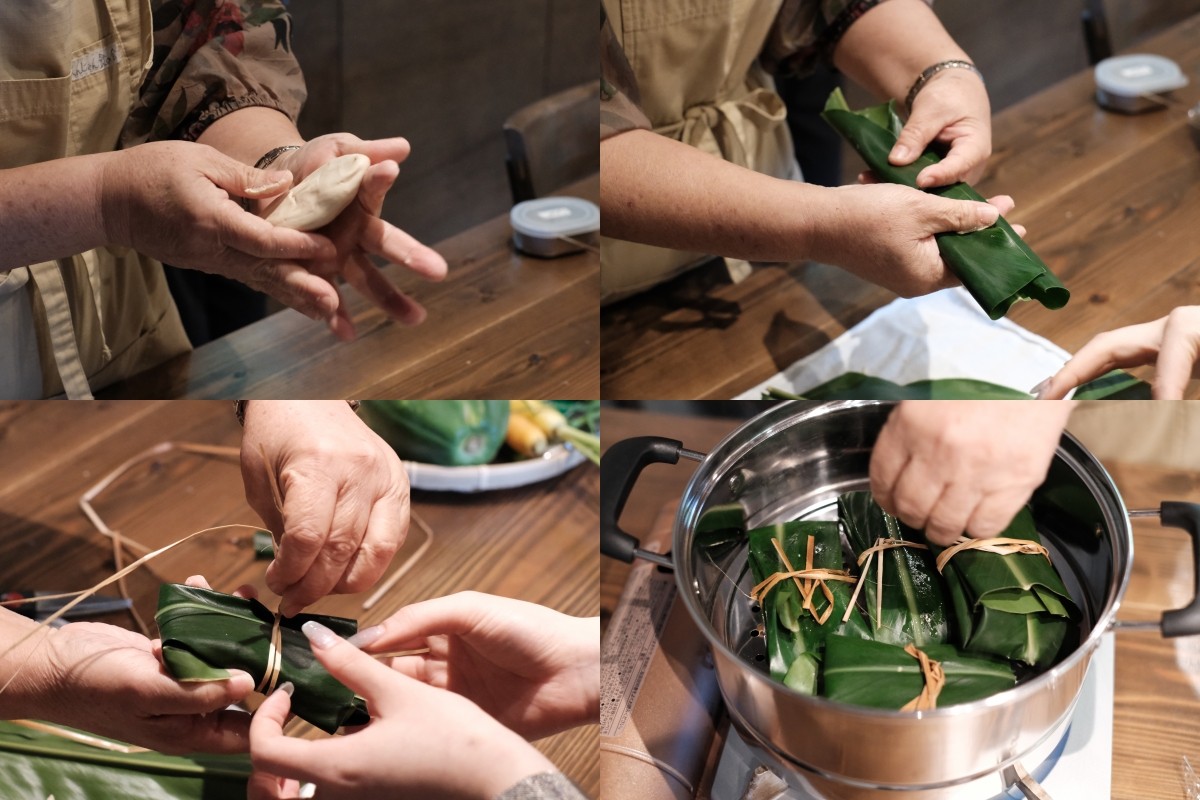
Another fun activity is making Oni Muuchii. This traditional sweet, wrapped in shell ginger leaves, is made on the 8th day of the 12th month of the lunar calendar to pray for children’s health. Surrounded by the pleasant aroma of shell ginger leaves, you carefully wrap the mochi while being taught by local mothers. When the Oni Muuchii is steamed, the fragrance of the leaves gently fills the air.
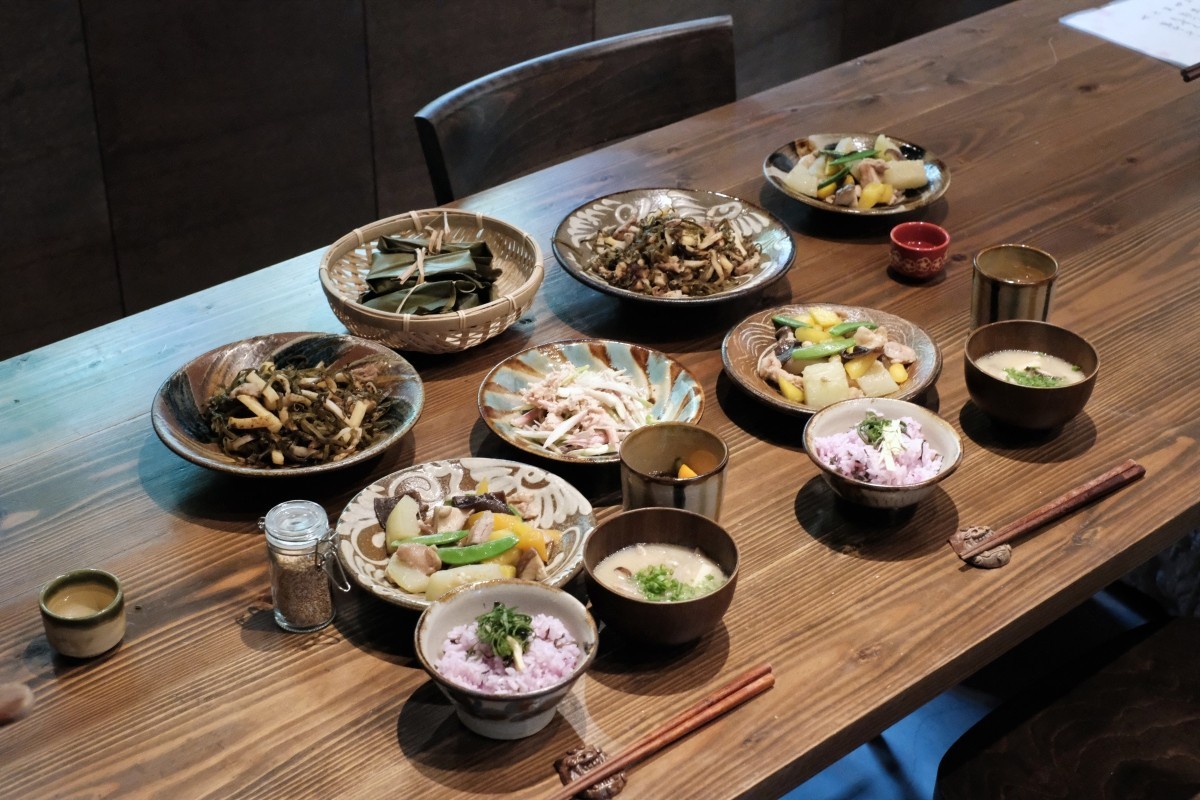
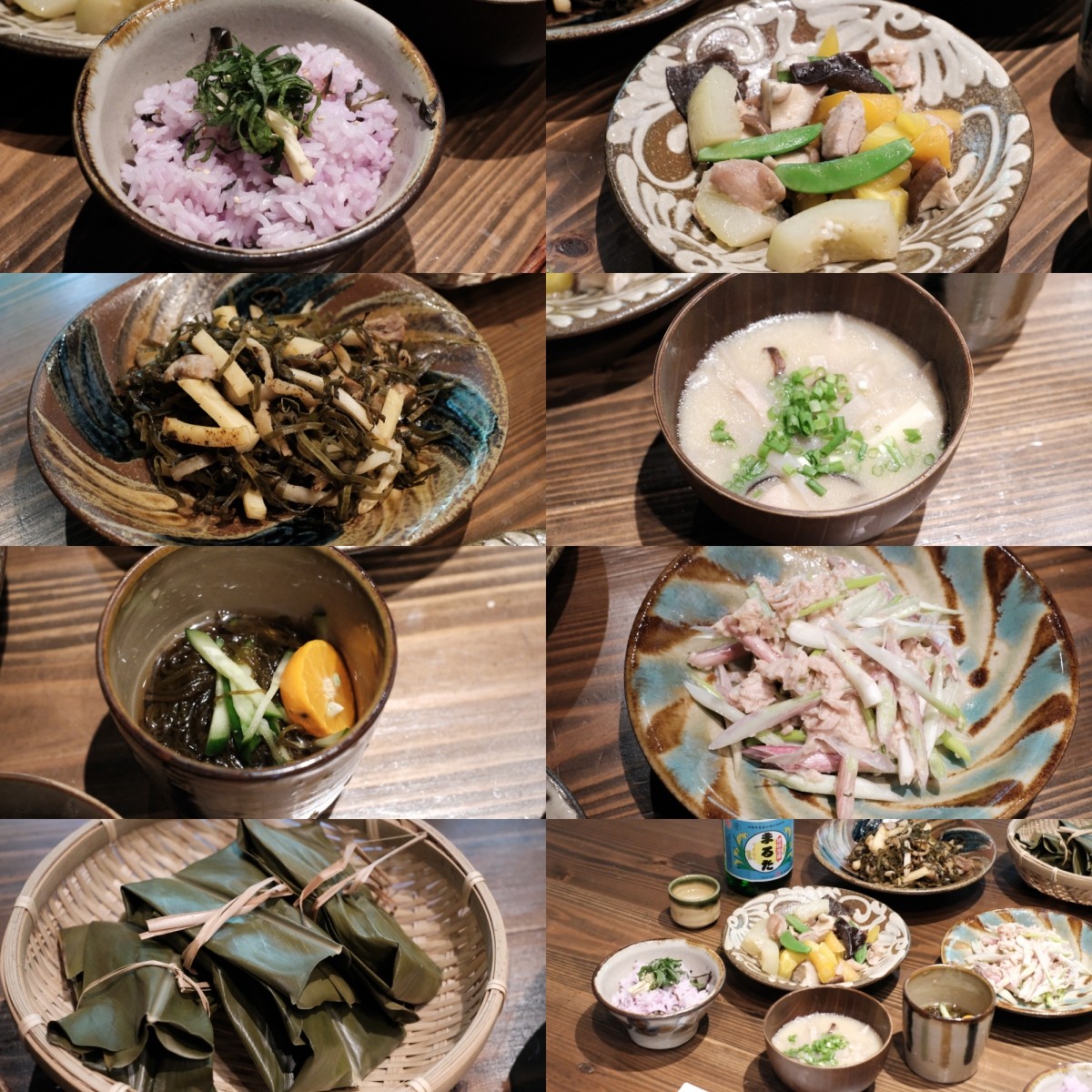
After finishing, everyone gathers around the table to enjoy the meal together while chatting (yuntaku). This is the very essence of Yanbaru’s “culture of connection.”
【Experience ②】Making Traditional Folk Crafts with Shell Ginger
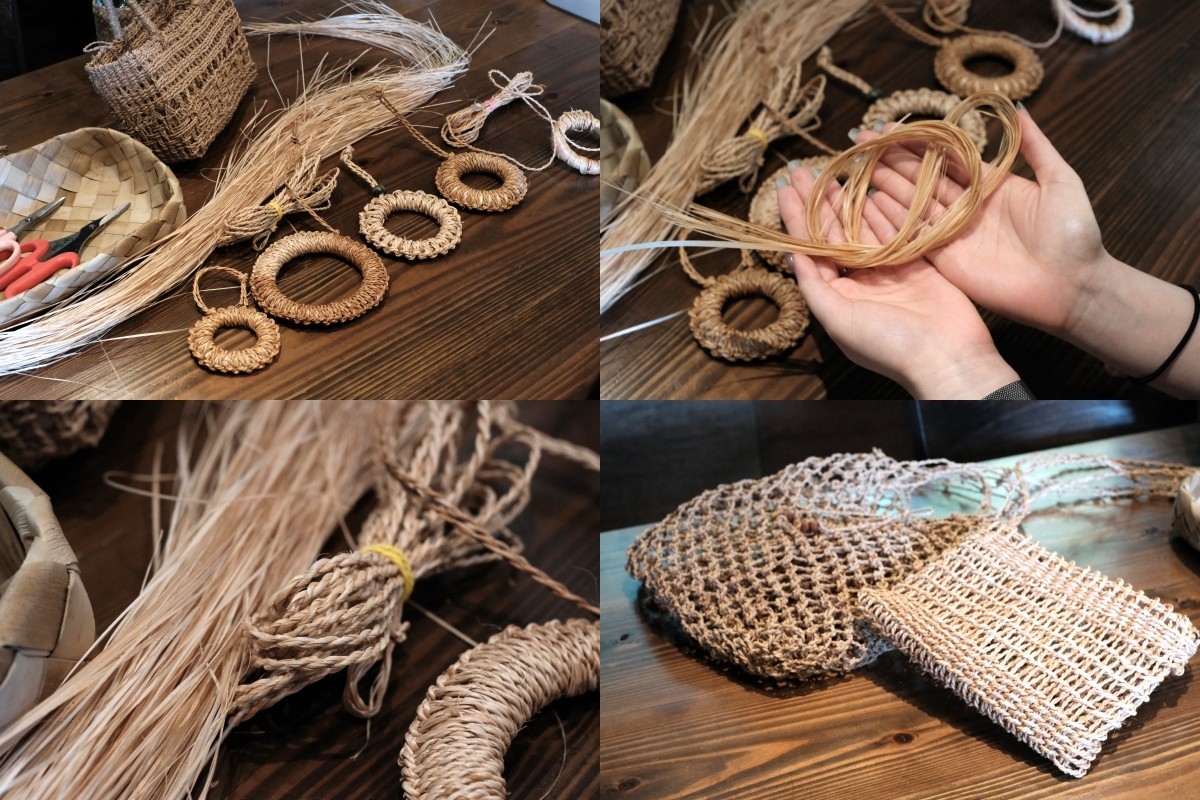
You can also try making folk crafts using Okinawa’s unique plant, shell ginger (Getto). The leaves have insect-repellent and antibacterial properties, and have long been used to wrap mochi and tableware. Its fibers are strong, making it a versatile plant used for ropes, baskets, hats, and more.
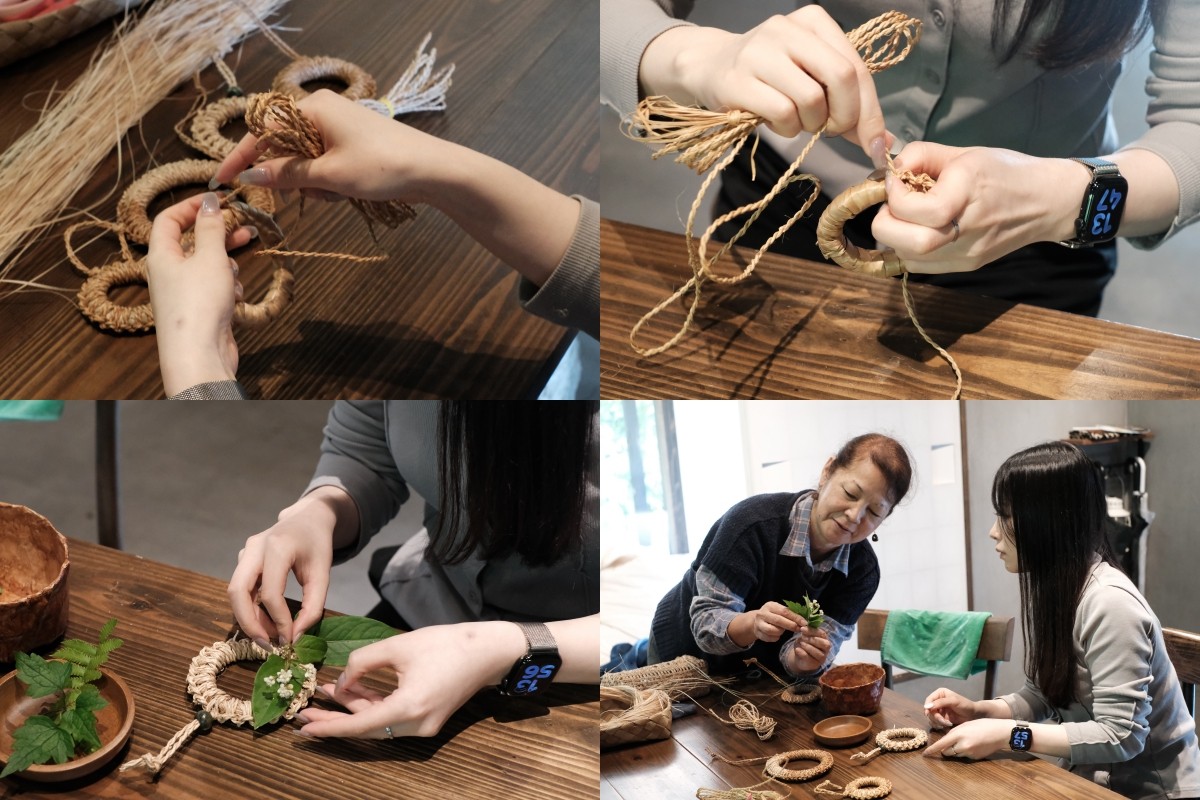
While learning about local plants, you pick them yourself and weave using the fibers of shell ginger. This is a truly local experience, using materials only available in Okinawa. The item you can make is a Ganshina, a tool used to carry things on your head.
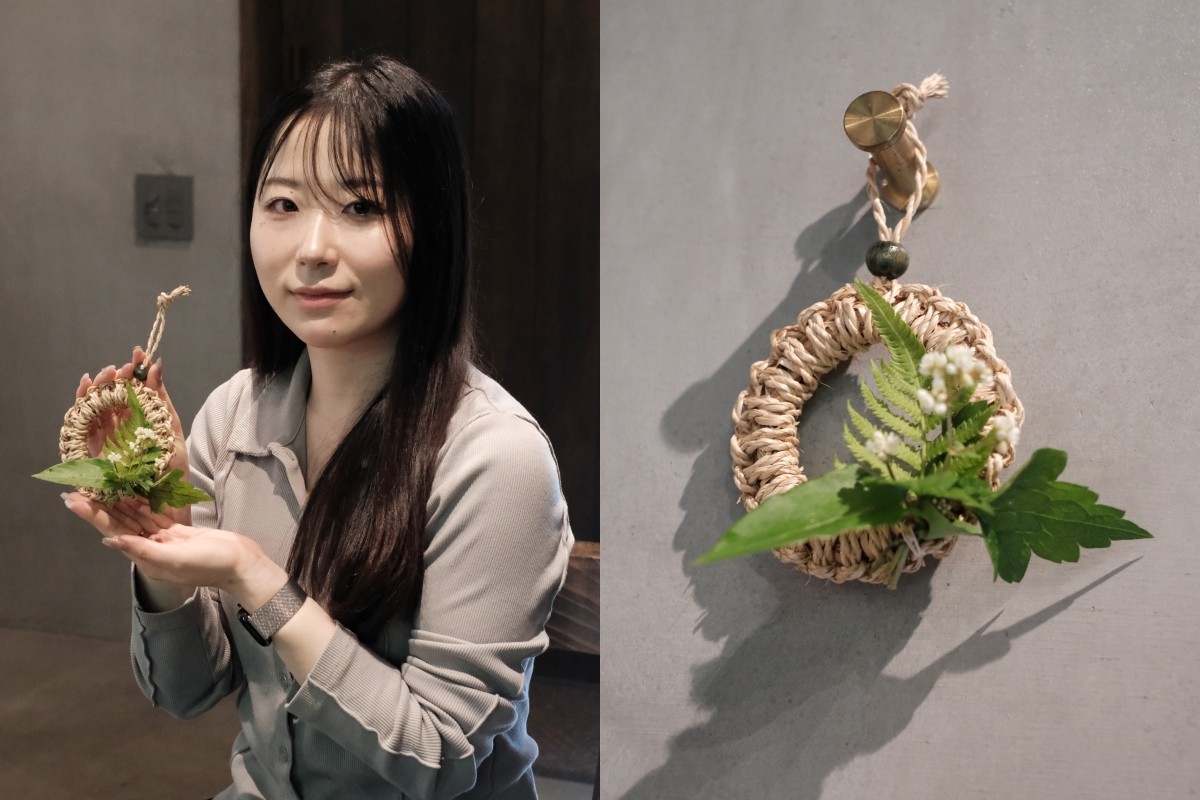
Since the work is quite detailed, it requires patience and is more suited for adults. You can take your finished product home, making it a wonderful souvenir filled with memories of Yanbaru.
The Value of Experiencing Blue Zone Living
A Journey to Learn a Way of Life, Not Just Sightseeing
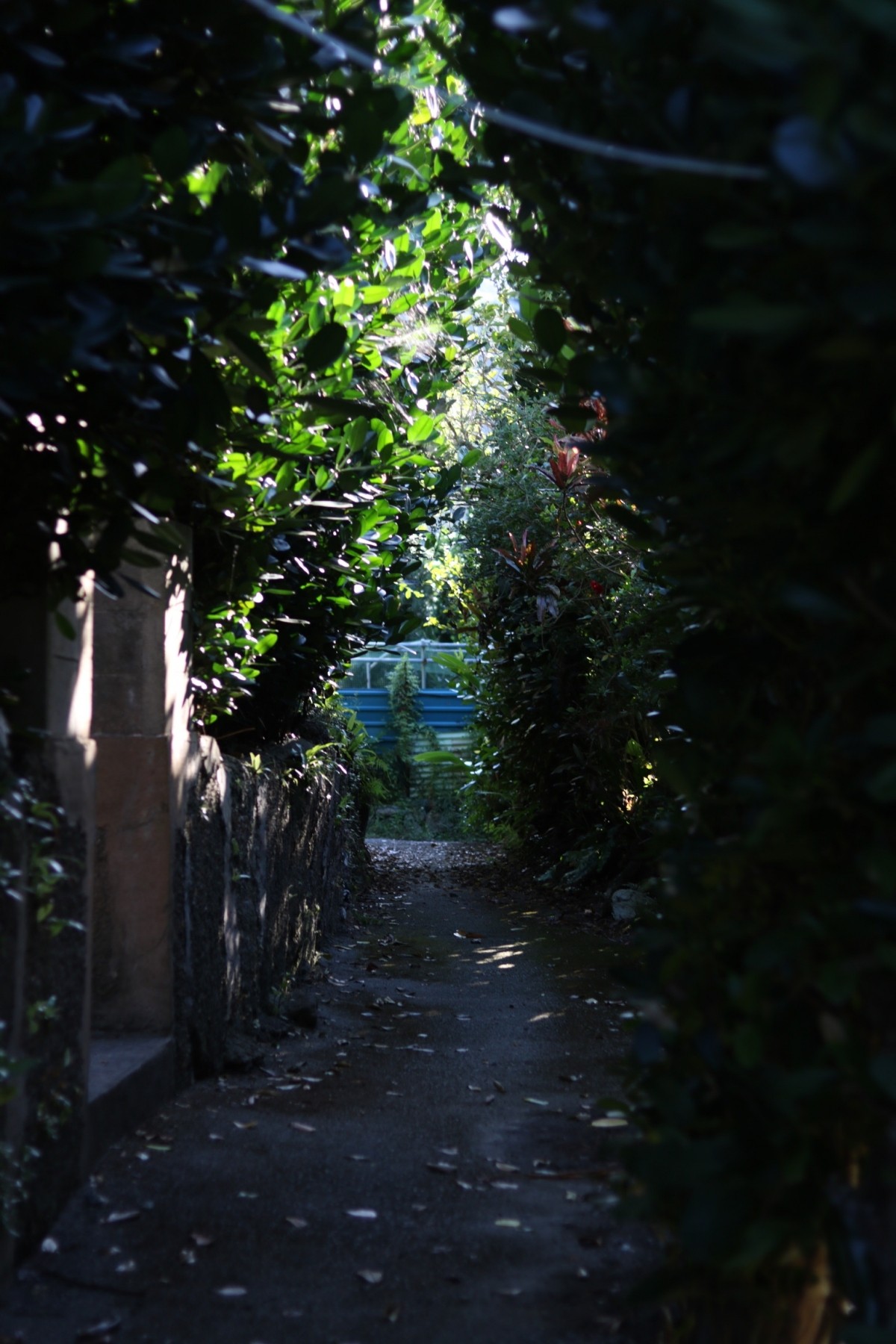
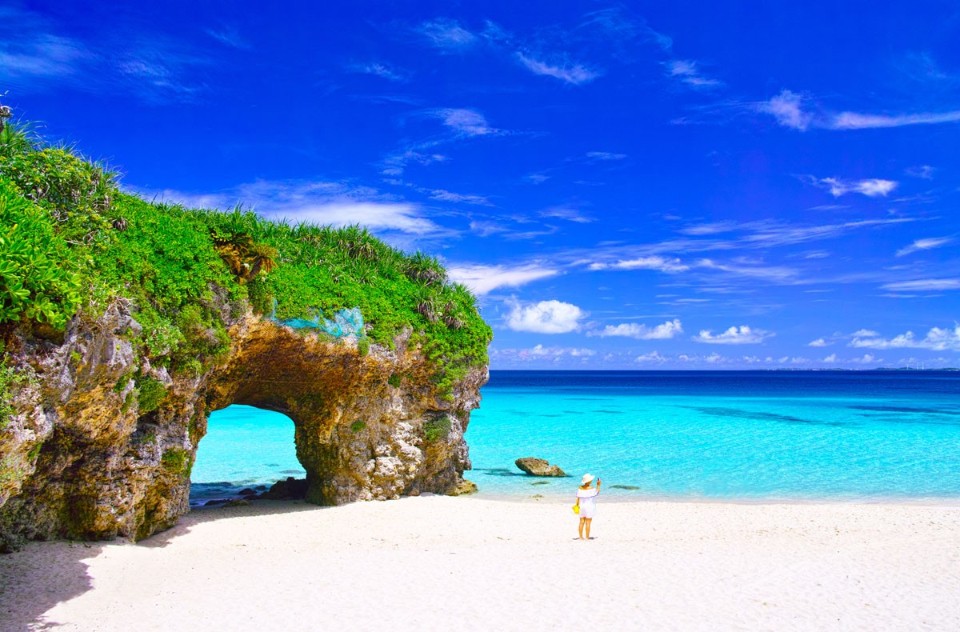
On a typical sightseeing trip, you enjoy beautiful scenery, eat delicious food, and have a wonderful time. Of course, that is a fantastic experience in itself.
However, what you experience in Yanbaru is fundamentally different. What I learned here was not knowledge about tourist spots, but rather hints toward answering the fundamental question of "how to live."
In modern society, we constantly pursue efficiency and are always busy. Amidst this, the people of Yanbaru continue to live slowly in tune with the rhythms of nature, cherish the time spent with those in front of them, and appreciate small joys in life.
Insights Gained Through Interactions with Local People
The most striking thing about interacting with the local people was how genuinely warm and joyful everyone seemed in their daily lives.
The essence of a Blue Zone is not about doing anything special, but rather cherishing the "ordinary things" in daily life—like the joy of vegetables growing in the fields, chatting with neighbors, and expressing gratitude to ancestors. Life in Yanbaru quietly teaches us the importance of these simple, everyday moments.
The Blue Zone Lifestyle of Okinawa Yanbaru—An Experience You Should Try at Least Once
By all means, visit Yanbaru at least once and experience the atmosphere of this land and the warm smiles of its people for yourself. Surely, it will become an irreplaceable journey that gently enriches your life.

Comments