
Many travelers find themselves wondering, “Which is better for traveling between Tokyo and Osaka, the Shinkansen or a plane?” or “Is the overnight bus really the cheapest way to get between Tokyo and Osaka?” Since Tokyo and Osaka are more than 400 kilometers apart, traveling between the two is not something you can do casually, so choosing the right mode of transportation is essential!
In this article, we take an in-depth look at three major travel options: the Shinkansen, airplane, and overnight bus. We compare travel time, cost, and the pros and cons of each option. In addition, we explain how to book and purchase tickets, how to use each service, and provide recommendations based on different travel scenarios. Find the transportation method that best suits your travel style and budget!
How Far Is It From Tokyo to Osaka? How Long Does It Take?
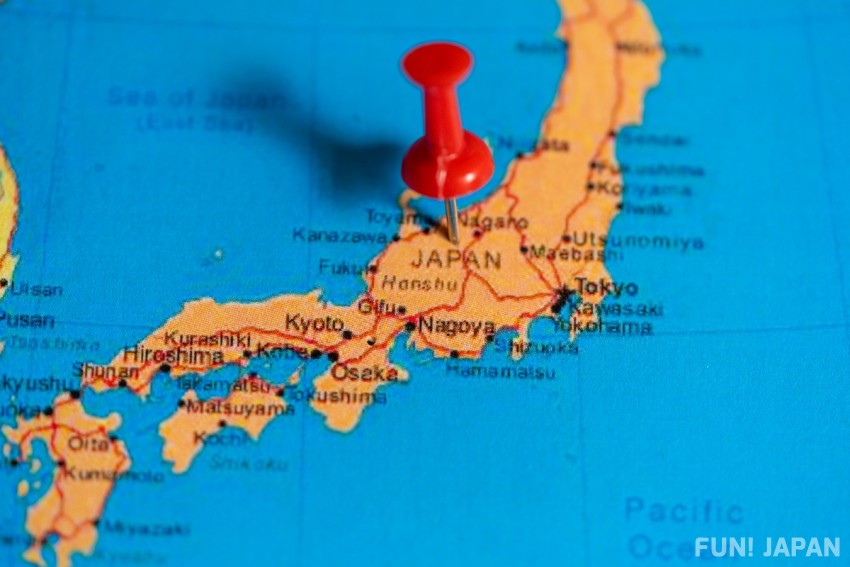
The distance between Tokyo and Osaka is about 400 km in a straight line, and about 515 km by Shinkansen (from Tokyo Station to Shin-Osaka Station), so they are not close by any means. If you use an airplane from Tokyo (Haneda Airport) to Osaka (Kansai International Airport), the flight time averages 1 hour 5 to 20 minutes, but getting to and from the airport, check-in, and security checks all take extra time. Traveling by Shinkansen takes at least 2 hours 20 to 30 minutes. It is possible to make a round trip between Tokyo and Osaka in one day, but you will have very little time left for sightseeing.
💡Tip: If you want to enjoy both Tokyo and Osaka, it is recommended to stay at least one night in each city. On the day you travel between the two cities, try not to schedule too much sightseeing.
Easy-to-Understand Comparison Table: Shinkansen vs. Airplane vs. Overnight Bus
There are mainly three options for traveling between Tokyo and Osaka. Let's compare the main features of each.
| Item | Shinkansen | Airplane | Overnight Bus |
| Travel Time | About 2 hours 30 minutes | About 1 hour (plus travel to/from airport) | About 7–9 hours |
| Fare (one way) | About 14,000 yen | About 4,000–15,000 yen | About 2,300–6,000 yen |
| Pros | ・Stations are located in city centers, making it very convenient ・Many departures, offering flexibility | ・Shortest travel time ・Earn airline miles | ・Lowest fares ・Traveling overnight saves on accommodation costs |
| Cons | ・Slightly expensive | ・Requires travel to and from the airport | ・Long travel time |
| Recommended for | ・Those who value time ・Those who prioritize comfort | ・Those who want to earn miles ・Those staying near the airport | ・Budget travelers ・Those with good stamina |
💡In conclusion, if you want to prioritize time, the "Shinkansen" is recommended. If you want to save on your budget, the "overnight bus" is the best choice. If earning miles matters to you, the "airplane" is recommended.
▶Click here to purchase or reserve Shinkansen tickets on NAVITIME
From here, we will explain in detail the travel time, fares, advantages, disadvantages, how to reserve and purchase tickets, and how to use each mode of transportation.
Advantages and Disadvantages of the Shinkansen (Tokaido Shinkansen)
The Tokaido Shinkansen, which opened in 1964, is Japan’s first high-speed railway and the origin of the world-renowned “SHINKANSEN” brand. The route between Tokyo and Osaka is known as the “main artery of Japan,” used by over 100 million people annually, from business travelers to tourists.
Why the Shinkansen is Chosen
✓ Frequent departures, so you don’t have to worry if you miss your train: The Tokaido Shinkansen operates more than 10 trains per hour. Even if you miss your train, you can quickly board the next one. Same-day reservation changes are also possible.
✓ Highly punctual: With an on-time rate of over 99%, trains run almost exactly on schedule unless there is a typhoon, heavy snow, or an accident. This makes it easy to plan your trip and transfer with peace of mind.
✓ Spacious and comfortable interiors: The seats are wider than those in airplane economy class and all seats have tables. Free Wi-Fi is available, so you can travel comfortably. On some trains, such as the N700S, every seat is equipped with a power outlet.
✓ Enjoy the onboard experience: You can enjoy views of Mt. Fuji from seat E whether you are traveling from Tokyo to Osaka or Osaka to Tokyo. Eating an ekiben (station bento) purchased at Tokyo Station or Shin-Osaka Station on the Shinkansen is also one of the pleasures of the journey.
Points to Note When Using the Shinkansen
※ Shin-Osaka Station and Osaka Station are different stations: The Shinkansen stops at “Shin-Osaka Station” and does not stop at “Osaka Station” (Umeda). It takes about 4 minutes by JR local train from Shin-Osaka Station to Osaka Station.
※ Advance reservation required for large luggage: Suitcases with a total dimension of over 160 cm require a reservation for a seat with an oversized baggage area.
If you board without a reservation, an additional fee of 1,000 yen will be charged.
※You cannot ride the “Nozomi” with a JR PASS: The JAPAN RAIL PASS (JR PASS), which is popular among international tourists, does not allow you to use the fastest “Nozomi” service. Only “Hikari” and “Kodama” are covered.
※ Unreserved seats are extremely crowded during peak periods: On holidays and long weekends, unreserved seats can become extremely crowded, and you may have to stand for over two hours. During busy periods, be sure to reserve a seat in advance.
Types of Shinkansen, Travel Time, Fares, and How to Reserve
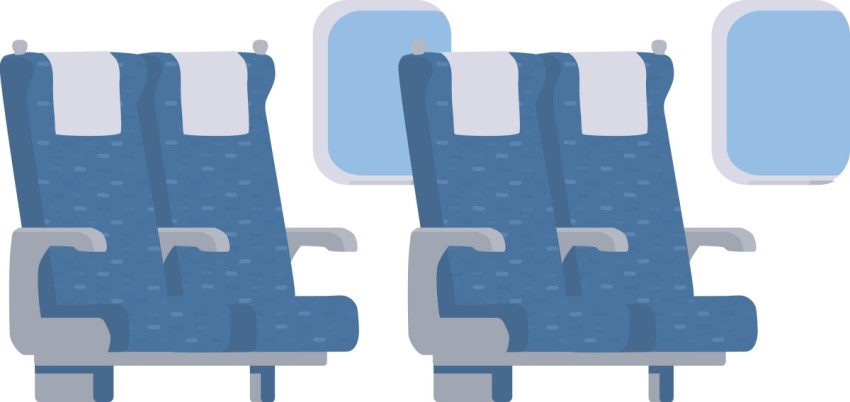
There are three types of trains on the Tokaido Shinkansen: “Nozomi,” “Hikari,” and “Kodama.” The number of stops differs for each, so travel times and ticket prices also vary.
| Train Name | Average Travel Time | Number of Services per Hour | Fare (approx.)※ |
| Nozomi | About 2 hours 21 minutes to 2 hours 30 minutes | Up to 12 per hour | 14,720 yen |
| Hikari | About 2 hours 45 minutes to 3 hours | Up to 2 per hour | 14,400 yen |
| Kodama | About 3 hours 40 minutes to 4 hours | Up to 3 per hour | 14,400 yen |
※Ordinary car reserved seat, regular season, one-way.
💡Discount ticket information:
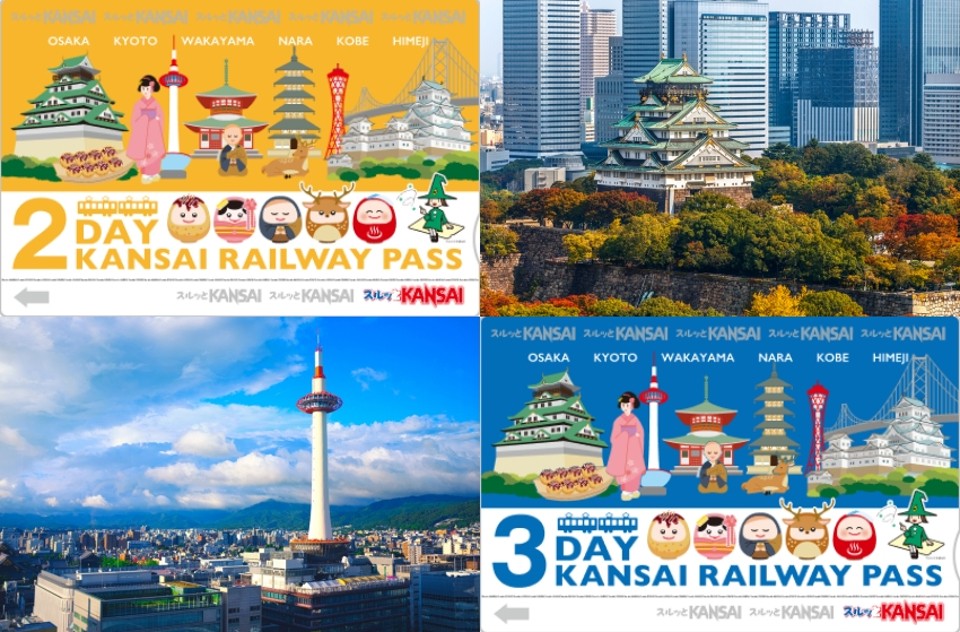
If you use online reservation services such as “Smart EX” or “Express Reservation,” you can get early bird discounts. Please check the official websites for details. There is also a special plan called “Platt KODAMA,” which allows you to ride the “Kodama” with an ordinary reserved seat for about 11,110 yen. In addition, if you use the JR PASS, which is exclusively for international tourists, you can freely get on and off “Hikari” and “Kodama” with an ordinary reserved seat, making it a great deal. “Nozomi” is not available with the JR PASS.
Shinkansen Boarding and Arrival Locations on the Tokaido Line
Tokyo Side
- Tokyo Station: Platforms 14–19
- Shinagawa Station: Platforms 23–24
Osaka Side
- Shin-Osaka Station: Platforms 23–27
💡Tip: If you plan to visit Kyoto, consider getting off at Kyoto Station instead of going all the way to Shin-Osaka Station.
How to Purchase and Reserve Shinkansen Tickets
1. Purchase directly at the “Midori no Madoguchi” ticket counter at JR stations (English-speaking staff may be available)
2. Purchase at station ticket machines (can be switched to English display)
3. Online reservation via services such as “NAVITIME” or “Smart EX” (pay by credit card, board with an electronic ticket)
4. If you have a JR PASS, you do not need to purchase a ticket at the Midori no Madoguchi, just reserve your seat. (Nozomi is not available)
▶Click here to purchase or reserve Shinkansen tickets on NAVITIME
Related Articles
Advantages and Disadvantages of Airplanes (Domestic Flights)
The actual flight time is the shortest, at about 1 hour to 1 hour and 30 minutes, but when you include the time it takes to get to the airport, check-in, and security checks, the total travel time may be about the same as the Shinkansen. However, if you book early or use an LCC (low-cost carrier), it may be cheaper than the Shinkansen.
Reasons to Choose a Flight
✓ Shortest flight time: The average flight time between Tokyo and Osaka is about 1 hour 10 minutes to 1 hour 30 minutes. If you only count the time spent in the air, it is the shortest among the three transportation options.
✓ Earn miles with JAL or ANA: If you use JAL or ANA, you can earn flight miles. These can be exchanged for award tickets or seat upgrades, which is a big advantage for frequent flyers.
✓ Travel cheaply with LCCs: With LCCs like Peach or Jetstar, you can get one-way tickets from around 4,000 yen. During sales, it can be even cheaper!
✓ You can enjoy the in-flight experience: If you have a window seat, you may be able to see Mt. Fuji. Unlike the Shinkansen, you can enjoy the view from above the clouds.
Points to Note When Using Flights
※ Airports are far from city centers: It takes both time and money to get to the airport. Be sure to compare the total travel time and cost.
※ Arrive at the airport 60 minutes before departure: Even for domestic flights, check-in and security checks take time, so allow plenty of time to get to the airport. During busy periods such as New Year's and holidays, even arriving 60 minutes before may not be enough, so please be careful.
※ Risk of cancellations and delays due to weather: During typhoon season (August to October) and in winter when it snows, there is a possibility of cancellations or significant delays.
💡Tip: Even if the flight time is short, be sure to compare the total cost, including travel time and transportation expenses before and after the flight! For example: airport access (about 60 minutes, about 2,000 yen) + check-in (60 minutes before) + flight (about 60 minutes, one-way about 5,000–10,000 yen) + from the airport to the city center (about 60 minutes, about 2,000 yen) means you should consider a total of about 4 hours and 9,000–14,000 yen.
About Airlines, Flight Times, Fares, and How to Book
The average flight time between Tokyo (Haneda Airport, Narita Airport) and Osaka (Kansai International Airport) is about 1 hour 10 minutes to 1 hour 30 minutes. The main airlines operating this route are Japan Airlines (JAL), All Nippon Airways (ANA), Peach, and Jetstar Japan. If you use LCCs like Peach or Jetstar Japan, you can travel even more affordably.
| Airline | Number of Flights | Fare (approximate)※ |
| JAL | 3 flights per day | 10,000–15,000 yen |
| ANA | 5–9 flights per day | 10,000–15,000 yen |
| Peach | 2 flights per day | 4,000–8,000 yen |
| Jetstar Japan | 4 flights per day | 4,000–9,000 yen |
*Economy class, average fare, one-way. For details, please check the official website of each airline.
💡Special Ticket Information:
Discount fares for international visitors such as the JAL Japan Explorer Pass and the ANA Discover JAPAN Fare are available, allowing you to use domestic flights within Japan from around 5,500 yen one-way. You can purchase domestic flights together with your international flight to Japan.
Airport Terminals for Domestic Flights
Tokyo Side
- Haneda Airport Terminal 1: JAL
- Haneda Airport Terminal 2: ANA
- Narita Airport Terminal 1: Peach
- Narita Airport Terminal 3: Jetstar Japan
Osaka Side
- Kansai International Airport Terminal 1: JAL, ANA, Jetstar Japan
- Kansai International Airport Terminal 2: Peach
*Check-in counters may change depending on the situation on the day. Please check the flight information for your departure day for details.
Related Articles
How to Purchase and Reserve Domestic Flights
1. Reserve on each airline’s official website or app
2. Search for the lowest fares and book through flight comparison sites (such as Skyscanner, Airtrip, Travelko, etc.)
3. Book a flight and hotel package (with set discounts) at a travel agency
4. Purchase on the day at the airport counter (may be more expensive and seats may be sold out)
▶Click here to purchase and reserve airline tickets with NAVITIME
▶Click here to purchase and reserve flight + hotel packages with JTB
Advantages and Disadvantages of Overnight Buses (Highway Buses)
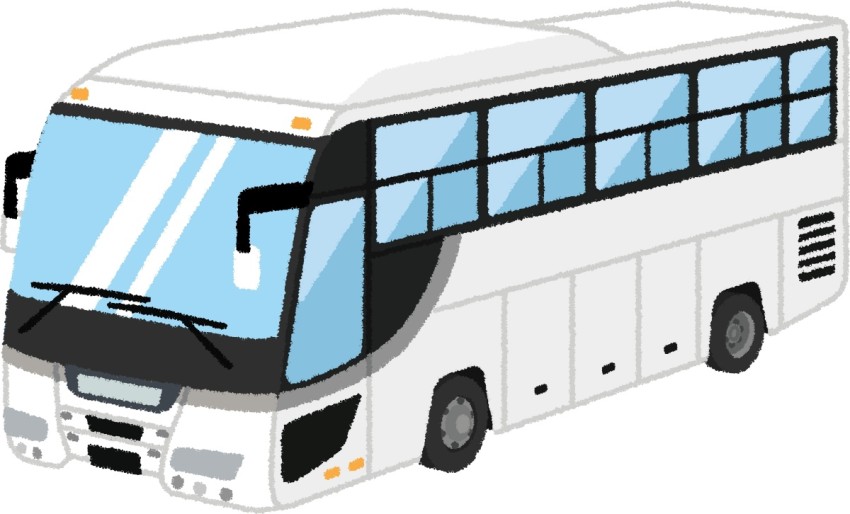
The most affordable way to travel is by overnight bus. Since you depart at night and arrive the next morning, you can save on accommodation costs and make effective use of your travel time. Fares are usually around 4,000 to 6,000 yen, and sometimes you can find one-way tickets for as low as 2,200 yen. This is a popular transportation option for those looking to keep their budget down.
Why People Choose Overnight Buses
✓ Unbeatable low prices: With average one-way fares from 4,000 yen, this is about one-seventh the price of the Shinkansen and less than half the price of an LCC. You can save significantly on transportation costs. Even better deals are available during off-peak seasons and on weekdays.
✓ Save on accommodation costs at the same time: By departing at night and arriving in the morning, you can save one night's accommodation fee. For example, if you leave Tokyo at 10:00 p.m. and arrive in Osaka at 7:00 a.m. the next morning, you can start sightseeing for a full day right away!
✓ A wide variety of seat types and amenities: There are many seat options, from 4-row to 3-row independent seats, and even fully flat seats. Many buses are equipped with Wi-Fi, power outlets, and restrooms, so you can choose according to your budget.
✓ Women-only seats for peace of mind: Some bus companies offer women-only seats and other plans for female passengers, so even solo female travelers can use the service with confidence.
Points to Note When Using Overnight Buses
※ It can be physically tiring: Traveling for about 8 hours in a narrow seat can be exhausting. It is not suitable for people with back pain or light sleepers. Intense sightseeing right after arrival can be tiring.
※ Fares increase during busy periods: Prices may rise during holidays and long weekends, so be sure to book early during peak seasons.
※ Choose a bus with a restroom: Buses without restrooms only allow restroom breaks at service areas (about 2 to 3 times). If you are worried about long journeys, choose a bus with a restroom.
Bus Operators, Travel Time, Fares, and How to Book
Tokyo and Osaka are connected by overnight buses that usually depart between 9:00 p.m. and midnight and arrive the next morning between 6:00 a.m. and 9:00 a.m. The travel time is about 7 to 10 hours (depending on traffic conditions). There are many bus companies operating this route, with major operators including WILLER EXPRESS, West Japan JR Bus, and VIP LINER. Fares vary depending on the seat type.
Related Articles
Fare Guide (One Way)
| Seat Type | Fare (Approximate) ※ |
| 4-row standard | From 2,300 yen |
| 4-row extra legroom | From 3,400 yen |
| 3-row independent | From 5,200 yen |
| 3-row (2+1) | From 5,400 yen |
*Standard fare, one way. For details, please check the official website of each bus company.
💡Money-saving ticket info:
Weekdays (especially Tuesday to Thursday) tend to be the cheapest. On the other hand, Friday, Saturday, and Sunday nights, as well as the nights before holidays, are crowded and more expensive, so book early. Also, tickets are often cheaper if you book online through the official website rather than buying at the station.
Main Boarding and Drop-off Locations for Overnight Buses
Tokyo Side
- Shinjuku area: Busta Shinjuku (Shinjuku Expressway Bus Terminal)
- Tokyo Station area: Bus Terminal Tokyo Yaesu, Tokyo Station Yaesu South Exit JR Highway Bus Terminal, etc.
Osaka Side
- Shin-Osaka Station area
- Umeda area: Osaka Station JR Highway Bus Terminal, etc.
- Namba area: OCAT (Osaka City Air Terminal), etc.
Related Articles
- Tokyo’s Two Major Bus Terminals: Comparing Busta Shinjuku and the Bus Terminals around Tokyo Station!
- [Tokyo Station] Complete Guide to Highway Bus Stops: Where to Board and Where to Buy Tickets?
How to Book an Overnight (Highway) Bus
1. Book on the official website of each bus company
2. Search for the lowest price and book on a bus comparison site (such as Bus Hikaku.net, Rakuten Travel, Travelko, Kakuyasu Idou, etc.)
3. Reserve and purchase at a convenience store terminal (such as Loppi at Lawson, FamiPort at FamilyMart, etc.)
4. If there are seats available on the day, you can also purchase tickets at the boarding location (however, you may not be able to get your preferred bus or seat / purchase at a staffed counter or on board)
💡Note: Credit card payment is convenient, but some websites do not accept cards issued overseas. In that case, choose to purchase locally or pay at a convenience store, or use a company like WILLER EXPRESS that offers extensive support for international travelers.
Which Transportation Is Right for You? Score Chart
Let’s find out which transportation method best suits your travel style! Check the boxes that apply to you in the table below, created by the FUN! JAPAN editorial team editor, and add up your points. The transportation method with the highest total score is our recommendation for you!
| Check all that apply ☑ | Shinkansen | Airplane | Overnight Bus |
| ☐ I want to travel as fast as possible | 3pt | 2pt | 1pt |
| ☐ I want to keep costs as low as possible | 1pt | 2pt | 3pt |
| ☐ I want to travel comfortably | 3pt | 2pt | 0pt |
| ☐ I want to earn airline miles | 0pt | 3pt | 0pt |
| ☐ I want to save on accommodation | 0pt | 0pt | 3pt |
| ☐ I want to see Mt. Fuji | 3pt | 1pt | 0pt |
| ☐ I want to enjoy an ekiben (station bento) | 3pt | 1pt | 0pt |
| ☐ I have a JR PASS | 3pt | 0pt | 0pt |
| ☐ I have a large suitcase | 1pt | 2pt | 3pt |
| ☐ I have a domestic flight connection | 0pt | 3pt | 0pt |
| ☐ (Tokyo) Staying near Tokyo Station or Shinagawa | 3pt | 1pt | 2pt |
| ☐ (Tokyo) Staying near Shinjuku, Ikebukuro, or Shibuya | 1pt | 1pt | 3pt |
| ☐ (Tokyo) Staying near Haneda Airport | 0pt | 3pt | 0pt |
| ☐ (Osaka) Staying near Umeda or Shin-Osaka Station | 3pt | 1pt | 3pt |
| ☐ (Osaka) Staying near Namba or Shinsaibashi | 2pt | 2pt | 3pt |
| ☐ (Osaka) Staying near USJ | 1pt | 1pt | 3pt |
Comments