
Japan is currently facing the dual challenges of a surge in tourists and a shortage of labor. In response, rapid reforms to laws and systems are being implemented between 2024 and 2027. In particular, changes to the tax-free shopping system, stricter bicycle regulations, and revisions to residency requirements are significant shifts that cannot be overlooked. This article explains the key topics that foreign tourists and long-term residents absolutely need to know, along with the latest schedules.
【Tourists & Short-term Visitors】Changes to Tax-Free Shopping and Traffic Rules
Rules related to money and transportation during your trip are undergoing major changes. In particular, "tax-free shopping" and "traffic violations" will no longer follow the conventional wisdom, so extra caution is required.
Tax-Free Shopping to Switch to a "Refund System" (From November 2026)

Until now, at tax-free shops in Japan, you could simply show your passport and purchase items with the consumption tax (10%) deducted on the spot. However, from 2026 (or possibly within fiscal 2025, according to some reports), the system will change to a "refund system," where you pay the full amount at the time of purchase and receive a tax refund at the airport when you leave Japan.
Background and Purpose
The current "immediate in-store deduction" system has led to repeated cases of tax-free goods being illegally resold or consumed within Japan. The new system aims to prevent this and ensure that customs can physically verify the goods.
【Important】Impact on Foreigners and How to Prepare
Increase in upfront costs: Since you will need to pay the full amount for your shopping during your trip, you will need to prepare extra cash or ensure you have sufficient credit card limits.
Time management at departure: As refund counters at airports may become crowded, it is essential to arrive with plenty of time before your flight.
💡 A Tip from FUN! JAPAN
If you receive your refund in Japanese yen, there is a risk that you will end up with more yen just before leaving Japan. Details will be announced in the future, but keep an eye out for updates, such as whether refunds to credit cards will be possible.
Introduction of "Blue Ticket" for Bicycle Violations: Fines for Traffic Offenses (From April 2026)
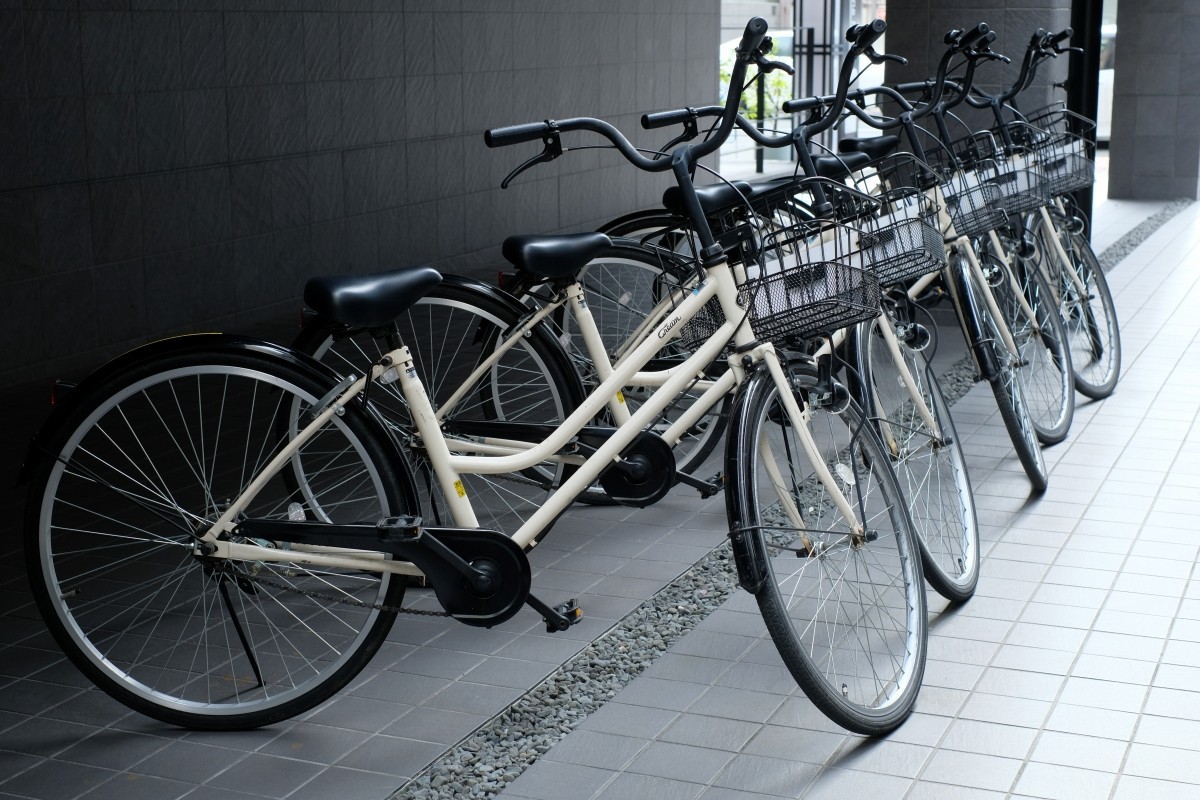
Bicycles, which are easily accessible through rental services, are subject to very strict traffic rules in Japan. From April 2026, a "blue ticket" system will be introduced, imposing fines for bicycle violations. Offenses such as running red lights or failing to stop at stop signs, which were often resolved with warnings, will now result in a "blue ticket" requiring payment of a fine.
Drunk cycling and using a smartphone while riding are already subject to severe penalties (red ticket/criminal charges).
Background and Purpose
The number of bicycle-related traffic accidents is increasing, and the crackdown on violations such as running red lights is being strengthened.
【Important】Impact on Foreigners and How to Prepare
Sidewalk riding is generally prohibited: As a rule, you must ride on the left side of the road, and you may only ride on the sidewalk where signs permit it.
💡 A Tip from FUN! JAPAN
Japan follows "left-side traffic." If you are from a country where people drive on the right (such as Taiwan, South Korea, China, Vietnam, etc.), be especially careful not to ride against traffic out of habit.
Stricter Rules for Converting Foreign Driver’s Licenses: Resident Registration Required (From October 2025)

The process of converting a foreign driver’s license to a Japanese license has become more difficult. Resident registration in Japan (residence card) is now a mandatory requirement for application. In addition, the standards for knowledge and skills tests have been raised.
Background and Purpose
This is to prevent cases where people obtain a license without sufficient knowledge of Japanese traffic rules and cause accidents, as well as to stop tourists who have no intention of living in Japan from obtaining licenses fraudulently.
[Important] Impact on Foreigners and Countermeasures
Driving as a Tourist: Short-term visitors cannot convert their foreign driver's license in Japan. Please use an International Driving Permit (issued by a Geneva Convention member country).
💡 A Tip from FUN! JAPAN
International Driving Permits issued by non-Geneva Convention countries (such as China and Vietnam) cannot be used to drive in Japan.
[Residents, Workers, Business Owners] Changes to Visas and Residency Status
For foreigners working or running a business in Japan, a series of important revisions directly affecting their careers and residency permits are underway.
Abolition of Technical Intern Training Program, Shift to “Training & Employment Program.” Transfers Allowed (From April 2027)

The long-criticized “Technical Intern Training Program” will be abolished, and the new “Training & Employment Program,” aimed at developing and securing human resources, will start in 2027.
Specifically, the program aims to develop personnel to the “Specified Skilled Worker (i)” level within three years. Under certain conditions (such as within the same job category), transfers (changing jobs) at the worker’s own will become possible.
Background and Purpose
The previous Technical Intern Training Program was criticized for many human rights violations, such as low wages, long working hours, and violence by employers. The new system aims to correct these issues, shift the focus from “international contribution” to “human resource development and retention,” and accept foreign workers in a more humane environment.
[Important] Impact on Foreigners and Countermeasures
Liberalization of Transfers: Previously, changing jobs (transfers) was basically prohibited, but under certain conditions, it will now be allowed. This will enable workers to escape unfair working environments and choose better workplaces.
Beware of Malicious Brokers: With the liberalization of job changes, there is a risk that brokers demanding high fees may appear, so caution is necessary.
💡 A Tip from FUN! JAPAN
The transition to Specified Skilled Worker status will become smoother, and in the future, the path to permanent residency will also expand.
Stricter Screening for the Business Manager Visa. Major Changes to Capital Requirements (From October 2025)

The screening standards for the “Business Manager Visa” for foreign entrepreneurs have been significantly raised. The required capital has been greatly increased from 5 million yen to 30 million yen or more. In addition, Japanese language proficiency (B2 level or higher), relevant degrees, and work experience will also be required.
Background and Purpose
This is to eliminate fraudulent applications for residency status by those who have no intention of actually running a business.
[Important] Impact on Foreigners and Countermeasures
Grace Period: For renewals of existing residency status, there is a grace period until October 16, 2028. During the grace period, even if you do not meet the new standards, decisions will be made based on your business situation and the prospect of meeting the new standards.
Proof of Actual Business: Business plans and funding plans will be strictly checked, and the applicant’s Japanese language ability, relevant degrees, and work experience will be more important than ever.
💡 A Tip from FUN! JAPAN
It is now mandatory to have your business plan checked by a certified SME management consultant, certified public accountant, or tax accountant.
Integration of Residence Card and My Number Card (2026–2027)

With the digitalization of administrative procedures, the way these cards are used will change. The My Number Card will now include the functions of the Residence Card, allowing foreign residents to complete various administrative procedures with a single card.
Background and Purpose
The aim is to integrate residence management with tax and social security procedures, thereby improving convenience.
[Important] Impact on Foreign Residents and Countermeasures
Strict Management: While convenience will increase, please note that if you lose your card, you risk losing both proof of your residence status and personal information.
💡 A Tip from FUN! JAPAN
The My Number Card will be valid until the end of your period of stay, after which you will need to renew it. Also, losing your card could directly lead to the leakage of both your residence status information and personal information, so stricter management than ever before is required.
[Other] New Systems You Should Know About
Here are some other notable systems that will greatly improve convenience for tourism and business.
Launch of the Digital Nomad Visa: Longer Stays than a Tourist Visa (From 2024)
A new "Digital Nomad" residence status, allowing IT engineers and freelancers to stay for up to six months, has been launched. Proof of an annual income of at least 10 million yen is required, but you can stay longer than with a tourist visa (90 days) and work remotely.
Pre-clearance System to Reduce Immigration Waiting Times (Under Consideration)
This system allows you to complete Japan’s immigration procedures in advance at the airport in your country of departure. After a trial with Taiwan, discussions are underway with the United States, South Korea, and others.
If this system is implemented, waiting times for immigration procedures upon arrival in Japan will be significantly reduced.
Solving the Taxi Shortage! Japan-Style Ride-Sharing Now Permitted (From March 2024)
To address the taxi shortage, paid ride-sharing services by general drivers, operated under the supervision of taxi companies, have been permitted in some areas such as Tokyo and Kyoto.
Always Check the Latest Information from Official Sources
The details of these legal revisions may be adjusted right up until their implementation. Don’t rely solely on social media rumors—be sure to check official announcements from the Ministry of Justice, Immigration Services Agency, National Police Agency, and other authorities to ensure a safe and comfortable stay in Japan.
References:
Review of the Refund System for Export Sales Stores / National Tax Agency
About the Revision of the Road Traffic Act (Including Blue Tickets) / Metropolitan Police Department
How to Convert a Foreign Driver’s License to a Japanese Driver’s License / Metropolitan Police Department
Training Employment System / Immigration Services Agency
Revision of Landing Criteria Ordinance, etc. for the Status of Residence "Business Manager" / Immigration Services Agency
Integration of Residence Card and My Number Card Q&A / Immigration Services Agency
Status of Residence "Designated Activities" (Digital Nomad [for those staying in Japan for international remote work, etc.] and their spouses/children) / Ministry of Justice
Ensuring the System for Entry and Exit Measures / Japan Tourism Agency
Japan-Style Ride-Sharing (Private Vehicle Utilization Business) Related Information / Ministry of Land, Infrastructure, Transport and Tourism



Comments