
ⒸAkita City Kanto Festival Executive Committee Office (within Akita City Tourism Promotion Division)
Japan is home to a wide variety of festivals that have been passed down along with the local culture in each region. In this article, we introduce 34 carefully selected festivals from all over Japan in an easy-to-understand calendar format, organized by the time of year they are held. We also share important etiquette and tips you should know to enjoy Japanese festivals, so be sure to check them out!
*If you purchase or reserve products introduced in this article, a portion of the sales may be returned to FUN! JAPAN.
🏨 Book your accommodation with JAPANiCAN! 👉Click here
🚅 Reserve your Shinkansen tickets with NAVITIME Travel! 👉Click here
🛫 Book your flight tickets with NAVITIME Travel! 👉Click here
【2026 Latest】Calendar of Japanese Festivals by Month
First, here is a table summarizing the festivals introduced in this article by month and region. Please use it as a reference for your travel plans.
| Month | Hokkaido / Tohoku | Kanto | Chubu | Kansai | Chugoku / Shikoku / Kyushu |
| January | Meiji Jingu Hatsumode (New Year's Visit) (Tokyo) | Nozawa Onsen Dosojin Fire Festival (Nagano) | Toka Ebisu (Osaka) | ||
| February | Namahage Sedo Festival (Akita) | ||||
| March | Todaiji Nigatsudo Omizutori (Nara) | ||||
| April | Spring Takayama Festival (Gifu) | ||||
| May | Kanda Festival (Tokyo) | Kamo Festival (Aoi Matsuri) (Kyoto) | Hakata Dontaku (Fukuoka) | ||
| June | Sanno Festival (Tokyo) | Atsuta Festival (Aichi) | Aizen Festival (Osaka) | ||
| July | Hakata Gion Yamakasa (Fukuoka) | ||||
| August | Aomori Nebuta Matsuri (Aomori) | Fukagawa Hachiman Festival (Tokyo) | Yoshida Fire Festival (Yamanashi) Gujo Odori (Gifu) | Awa Odori (Tokushima) Yosakoi Festival (Kochi) | |
| September | Owara Kaze no Bon (Toyama) Gujo Odori (Gifu) | Kishiwada Danjiri Festival (Osaka) | |||
| October | Kawagoe Festival (Saitama) | Jidai Matsuri (Kyoto) | Nagasaki Kunchi (Nagasaki) | ||
| November | Tori no Ichi (Tokyo and other locations) | Karatsu Kunchi (Saga) | |||
| December | Chichibu Night Festival (Saitama) |
【Guide】How to Enjoy Japanese Festivals & Avoid Common Mistakes
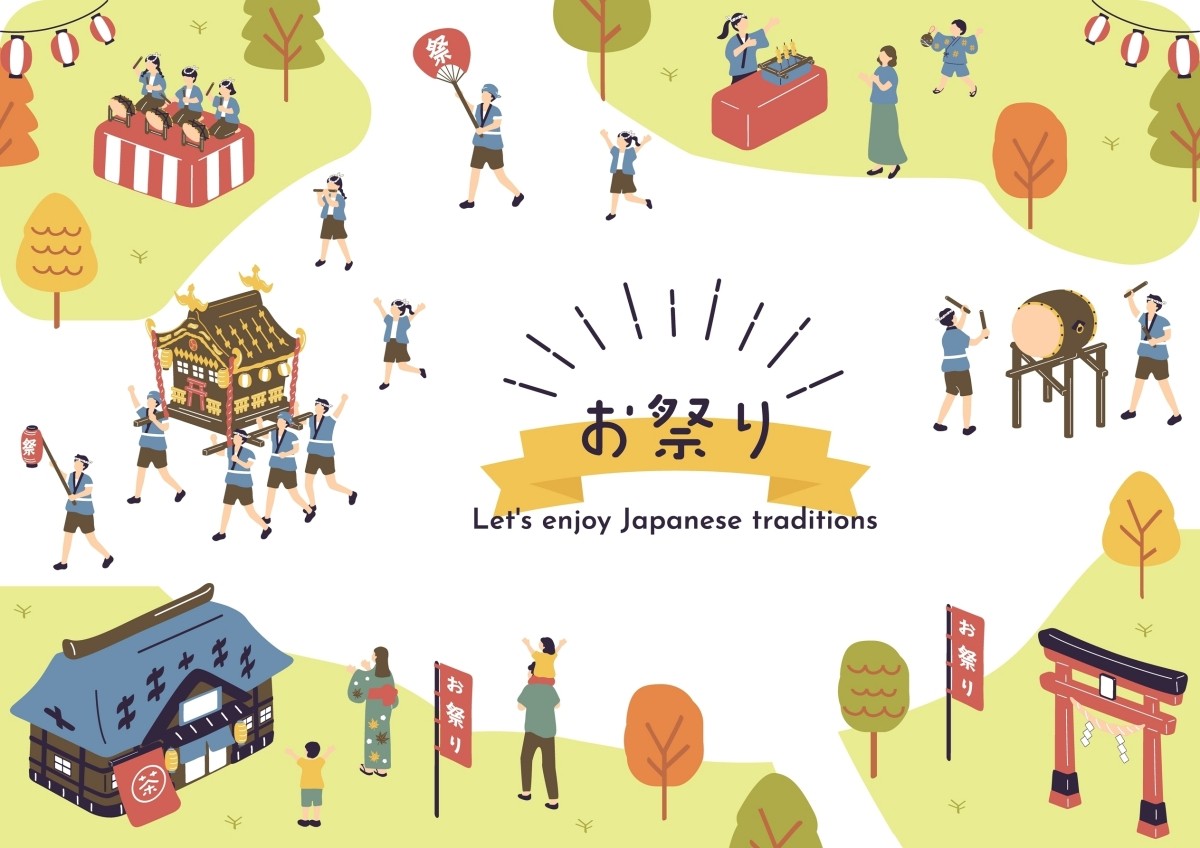
Here are some important things to know to fully enjoy Japanese festivals:
- Most food stalls do not accept cashless payments, so be sure to bring cash.
- Take your trash home with you / Follow proper photography etiquette / Stay out of sacred areas
- Wear comfortable shoes. Prepare for both hot and cold weather.
- Mobile networks may become unstable in crowded areas, so downloading maps in advance is recommended.
Let’s take a closer look at each of these points.
Food stalls do not accept cashless payments. Bring cash.
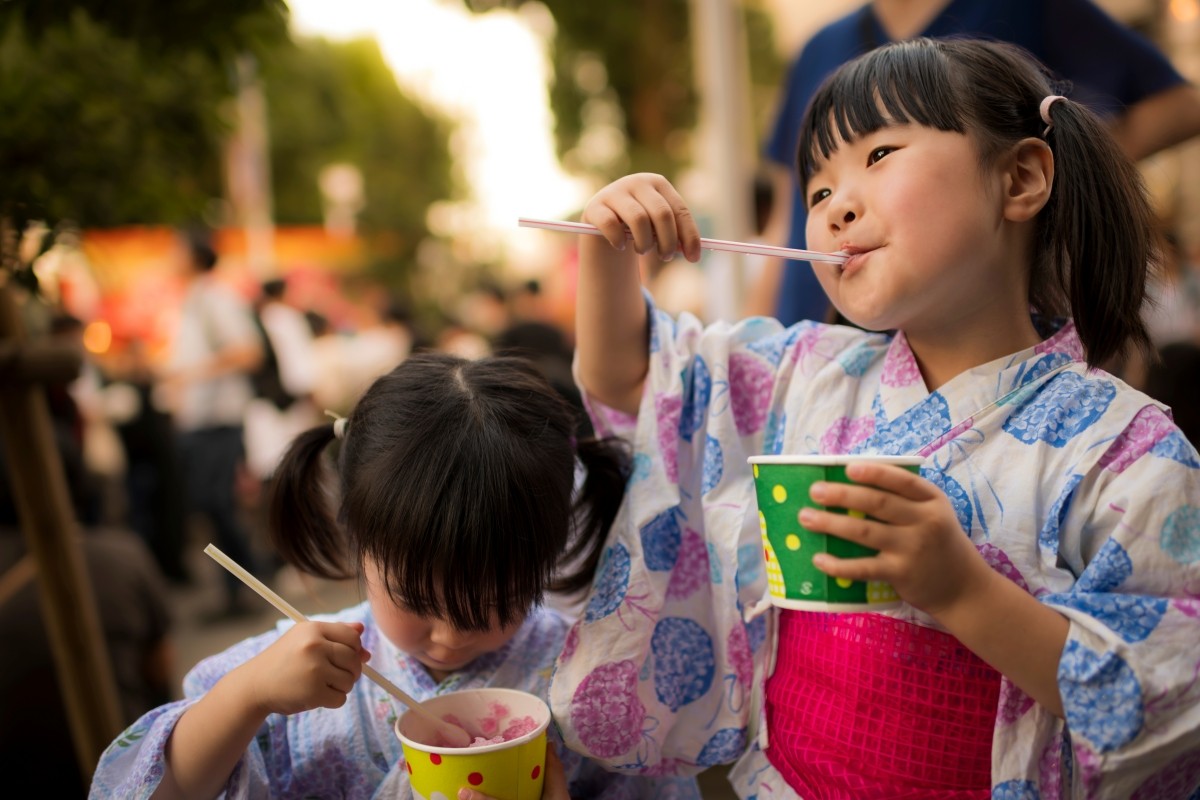
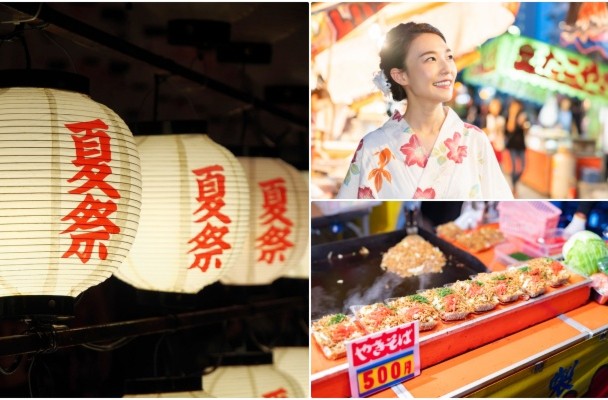
At Japanese festivals, most food stalls accept only cash payments. This is true even in urban areas, where credit cards and transit IC cards are often not accepted. Paying with ¥100 or ¥500 coins is especially convenient. Having these coins ready will help you pay smoothly, even at crowded stalls. Recently, there are rare cases where PayPay is accepted, but this is still quite uncommon.
Remember the Three Key Festival Etiquette Rules to Avoid Trouble
It is a basic rule to take your trash home with you. You are responsible for managing the containers of food you purchase at stalls, so bringing a small plastic bag can be very handy.
Be considerate when taking photos. The use of tripods or drones in crowded areas is almost entirely prohibited for safety and privacy reasons. It is safest to stick to taking pictures with your smartphone or a handheld camera.
Also, be respectful toward sacred places such as shrines, temples, and festival floats. Festivals are important cultural and religious events for local people, so always show respect and never enter restricted areas.
Comfortable Shoes Are Best. Be Prepared for Heat or Cold
Festival venues are large, and you will often walk for long periods in crowds, so comfortable shoes like sneakers are ideal. It’s also a good idea to bring some bandages in case you get blisters.
It is also important to prepare for hot or cold weather. At summer festivals, you will spend long hours outdoors in high temperatures and humidity, so using a handheld fan and staying hydrated are essential. For winter festivals, keeping warm is crucial. Especially at night, it can get very cold, so prepare gloves, a scarf, and disposable heating pads to stay comfortable.
Network Connections May Be Unstable in Crowds. Download Maps in Advance
The more popular the festival, the more crowded it gets, and your smartphone connection may become unstable. You might not be able to open map apps or send messages. It is recommended to save screenshots of maps or download offline maps in advance.
【34 Selections】Famous Japanese Festival Catalog
8 Must-See Festivals, Including Japan’s Three Great Festivals
First, let us introduce the most famous and largest festivals that represent Japan.
Gion Matsuri [Kyoto / July]
Gion Matsuri is Kyoto’s most famous festival. It is one of Japan’s three great festivals, known for its magnificent Yamaboko Junko (grand float procession). It began as a ritual to ward off epidemics, and today it is recognized as a UNESCO Intangible Cultural Heritage for its cultural significance.
Kanda Matsuri [Tokyo / May]
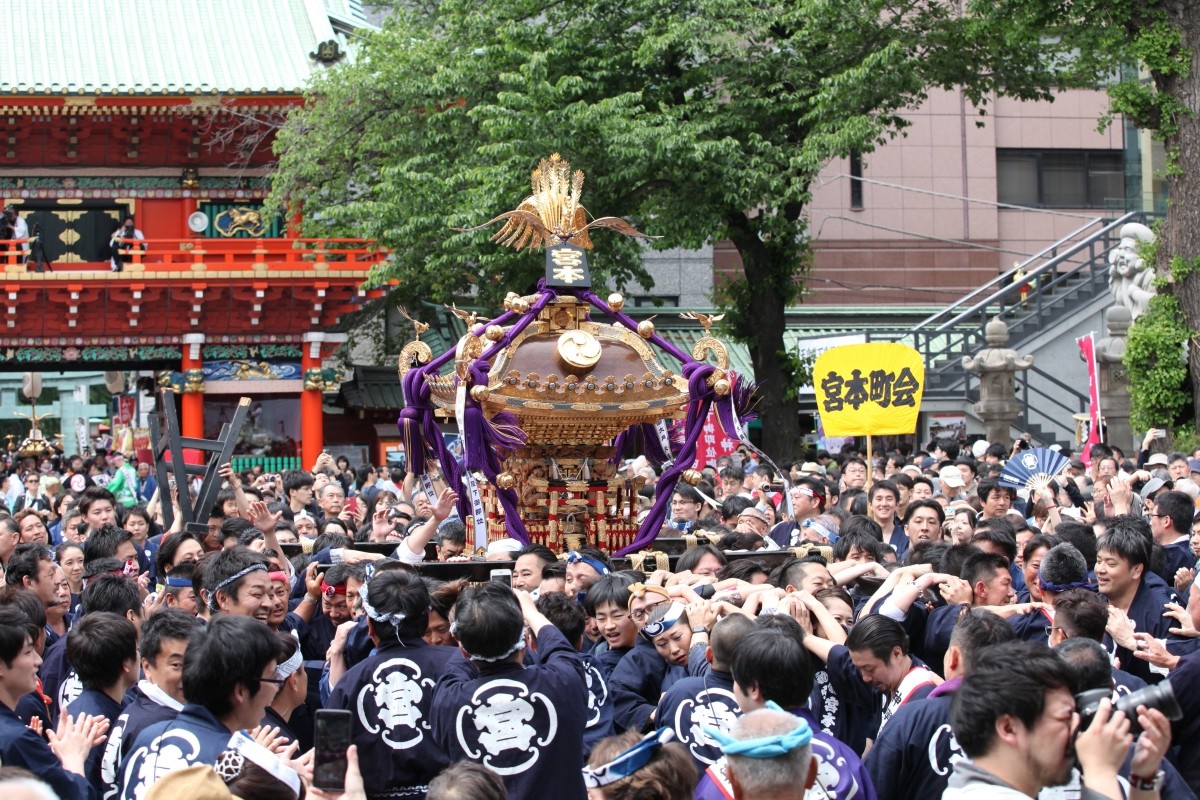
Kanda Matsuri is the festival of Kanda Myojin, the guardian deity of Edo (old Tokyo), and is famous for its dynamic mikoshi (portable shrine) procession. It is held every other year in May (in odd-numbered years). It is counted among Japan’s three great festivals and is also one of the Three Great Festivals of Edo.
Tenjin Matsuri [Osaka / July]
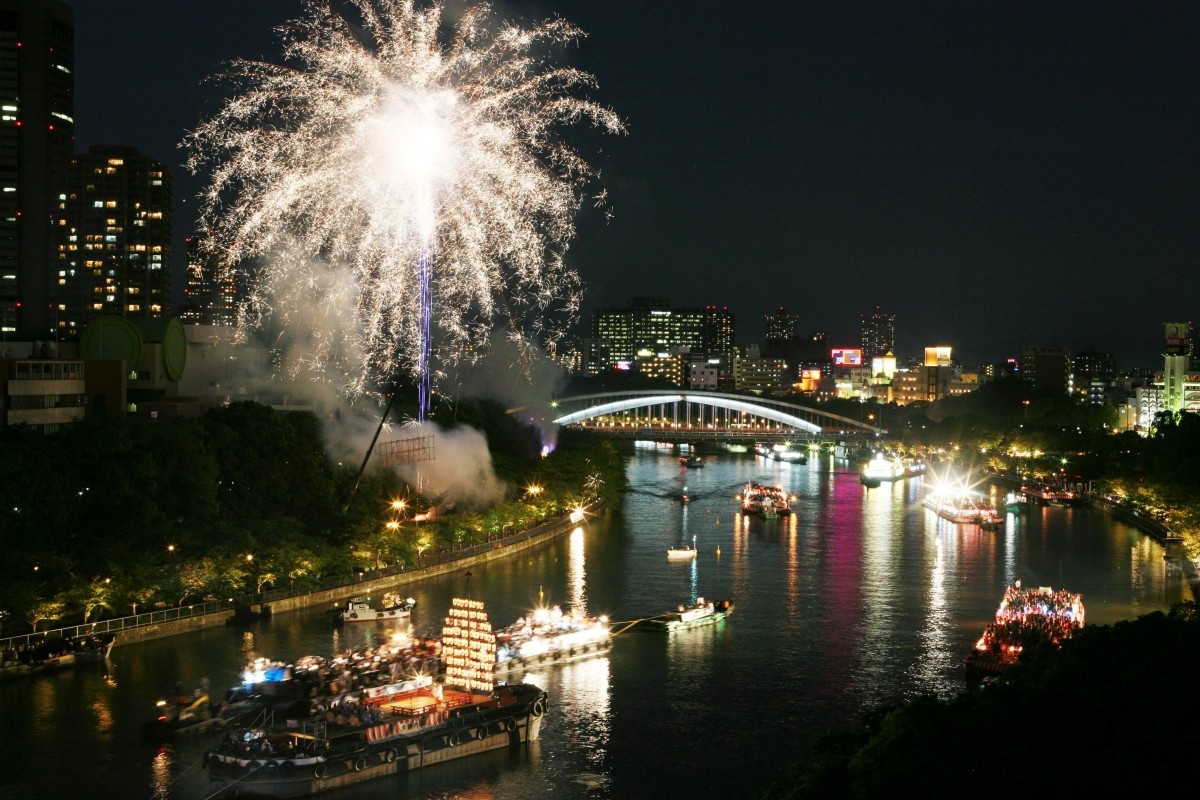
Tenjin Matsuri is the festival of Osaka Tenmangu Shrine and boasts a history of about 1,000 years. It is one of Japan’s three great festivals, with highlights including a spectacular boat procession on the Okawa River and a grand fireworks display.
Sanno Matsuri [Tokyo / June]
Sanno Matsuri is the festival of Hie Shrine. In years when the main festival is held, a gorgeous procession of about 500 people parades through central Tokyo, including Nagatacho, the Imperial Palace, Tokyo Station, Kasumigaseki, and Ginza. It is one of the three major festivals of Edo tradition and is held every other year, alternating with Kanda Matsuri (in even-numbered years).
Fukagawa Hachiman Festival [Tokyo / August]
The Fukagawa Hachiman Festival is the annual festival of Tomioka Hachimangu Shrine, known for its dynamic tradition of dousing the mikoshi bearers with water. This bold spectacle has earned it the nickname "Mizukake Matsuri" (Water Splashing Festival), and it is counted as one of the three great festivals of Edo.
Aoi Matsuri [Kyoto / May]
Aoi Matsuri is the annual festival of Kamigamo Shrine and Shimogamo Shrine. A procession dressed in Heian-period costumes parades along an approximately 8-kilometer route through the city, creating an elegant scene reminiscent of a picture scroll from the Heian era. It is one of Kyoto's three major festivals.
Spring Takayama Festival [Gifu / April]
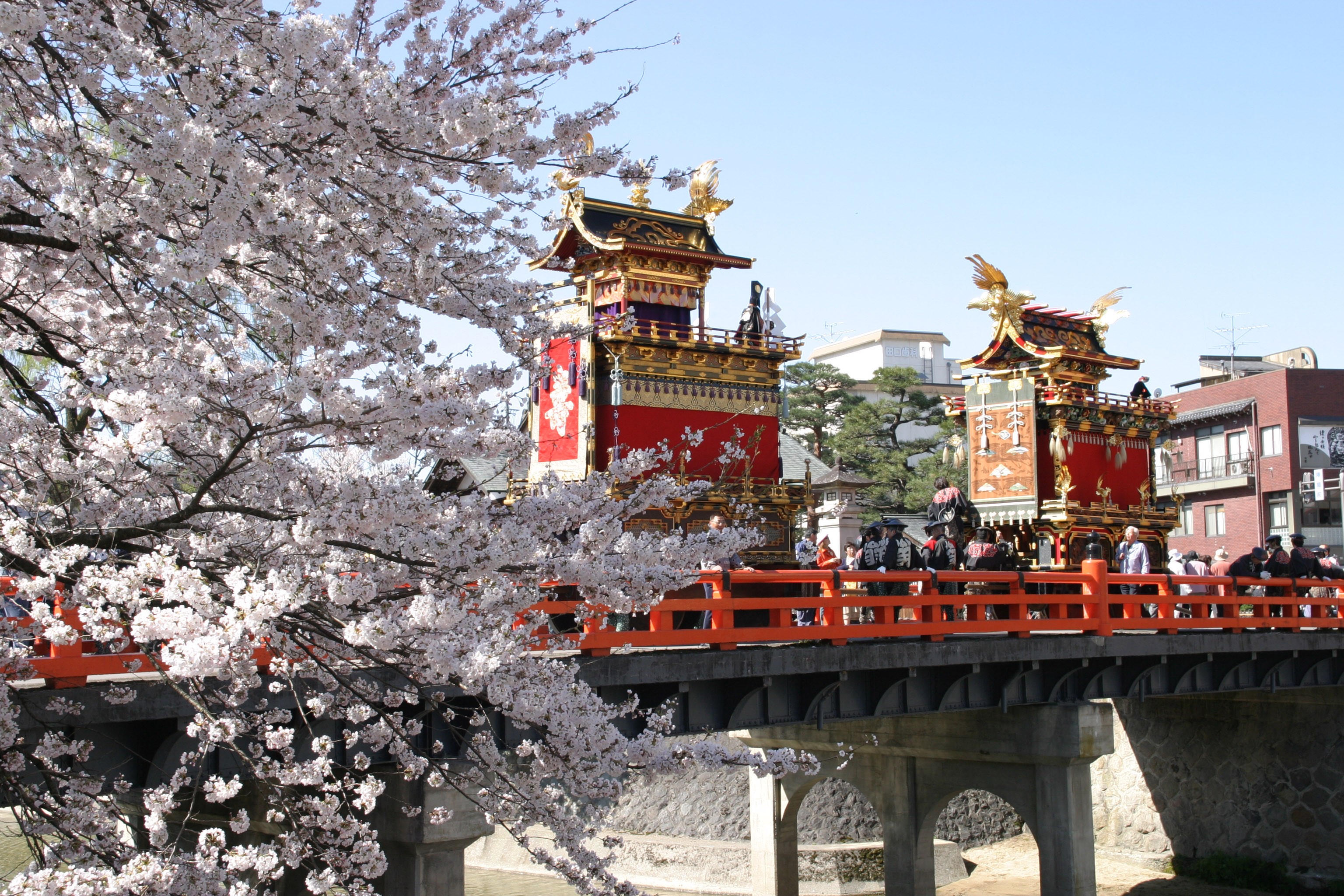
The Spring Takayama Festival (Sanno Festival) features a gathering of lavishly decorated festival floats called "yatai" and performances by mechanical dolls (karakuri ningyo). Its beauty, together with the Autumn Takayama Festival (Hachiman Festival), has earned it recognition as one of Japan's Three Great Beautiful Festivals.
Chichibu Night Festival [Saitama / December]
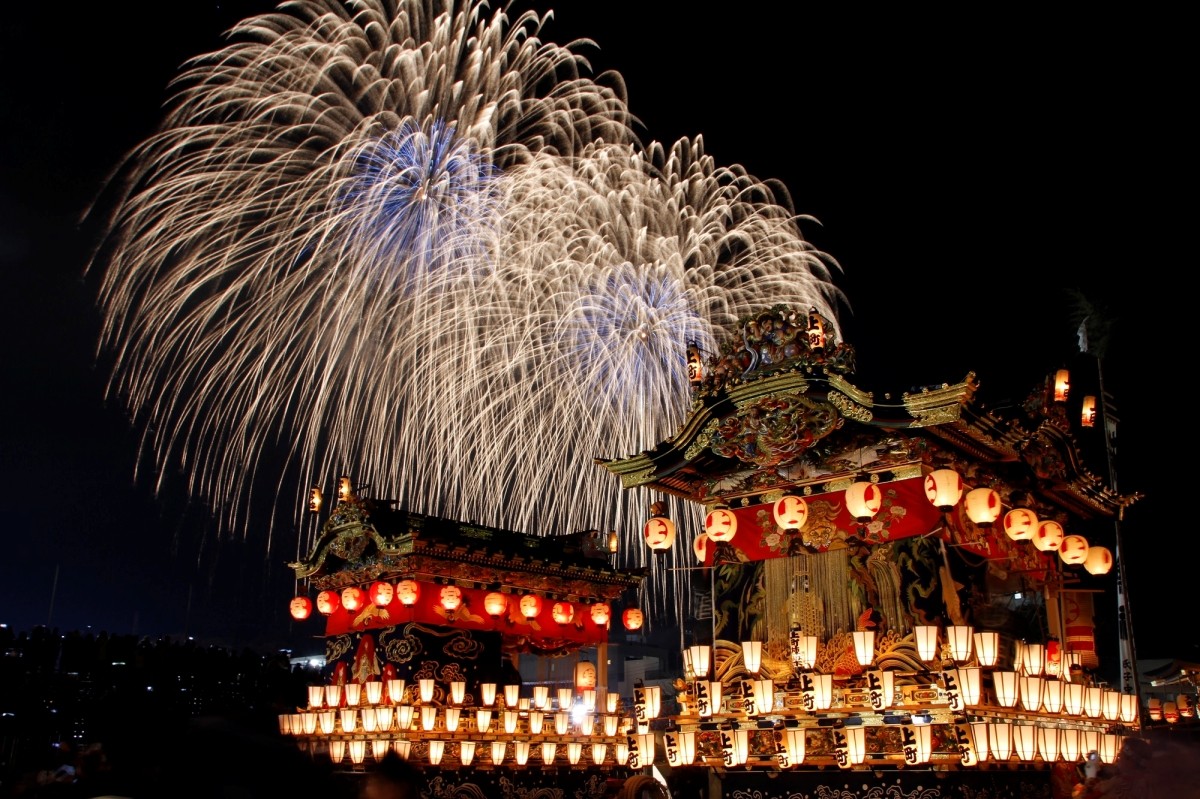
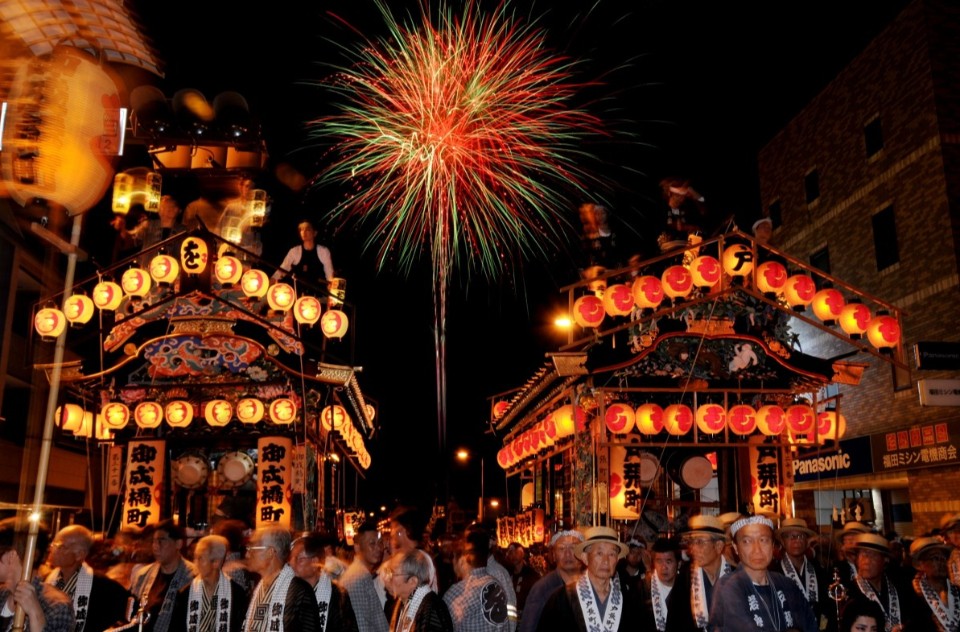
The Chichibu Night Festival is one of Japan'sThree Great Hikiyama Festivals, featuring magnificent kasaboko (decorated floats) and yatai (festival floats) paraded through the streets to the powerful rhythm of taiko drums. The winter fireworks launched alongside the splendid floats are also a highlight.
Perfect for Social Media! 10 Visually Spectacular Festivals
Here are festivals featuring overwhelming performances of light, sound, and dance that can be enjoyed even if you don't understand the language.
Aomori Nebuta Festival [Aomori / August]
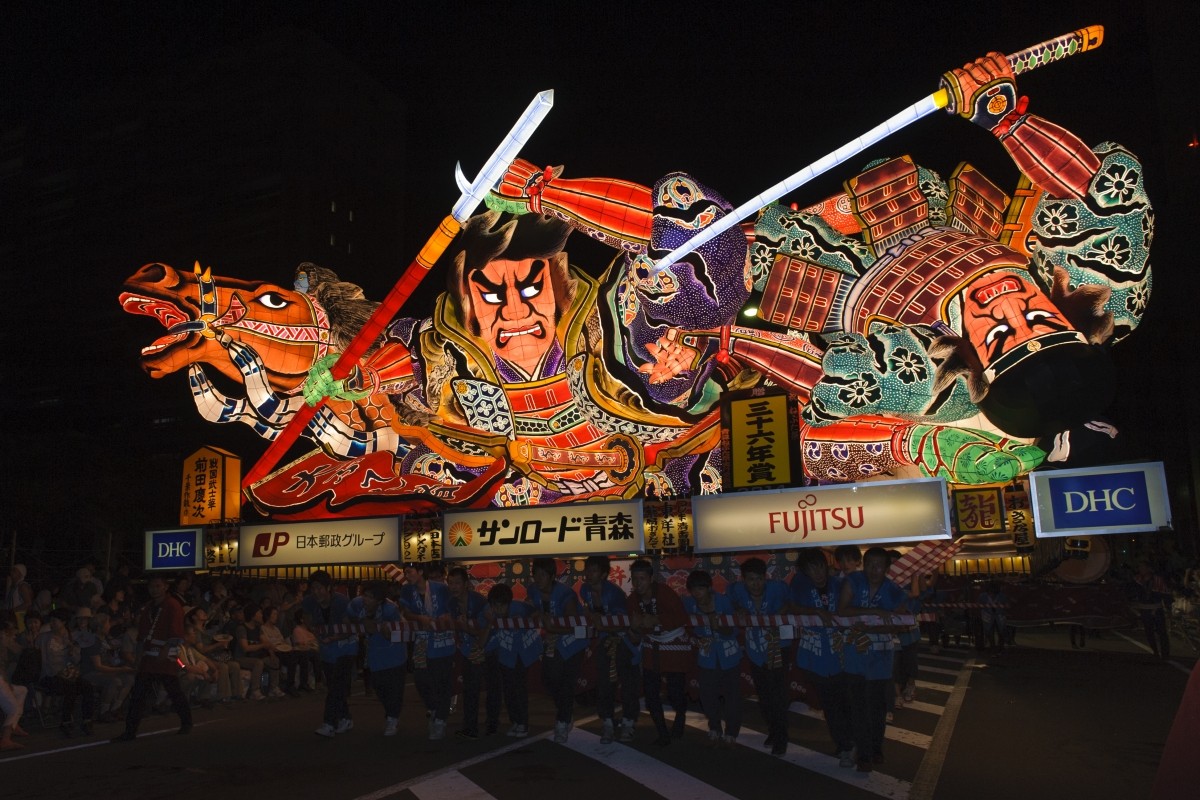
The Aomori Nebuta Festival is a spectacular festival where gigantic illuminated floats (nebuta) depicting warriors and mythological figures parade through the night streets. Along with the energetic dancing of the haneto, it is one of the three great festivals of the Tohoku region.
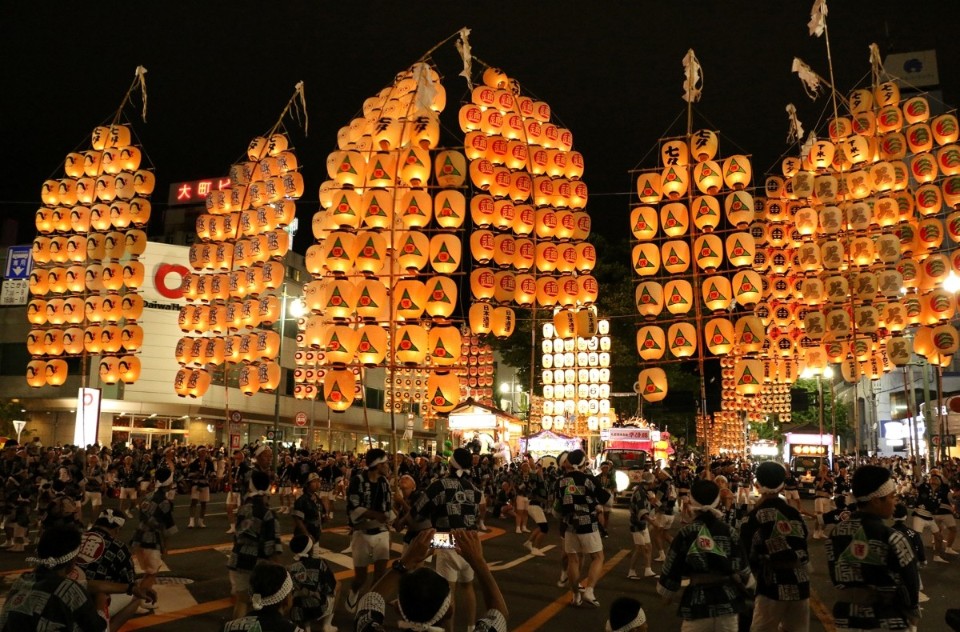
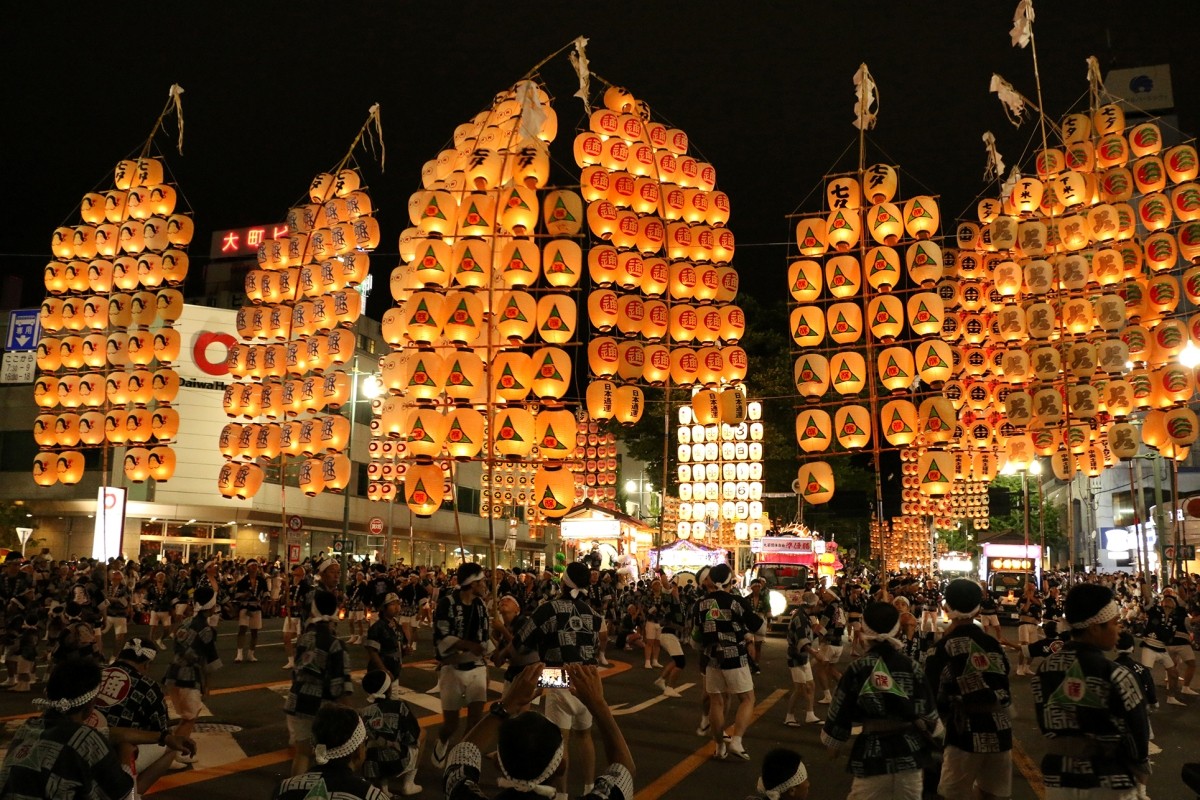
Akita Kanto Festival [Akita / August]
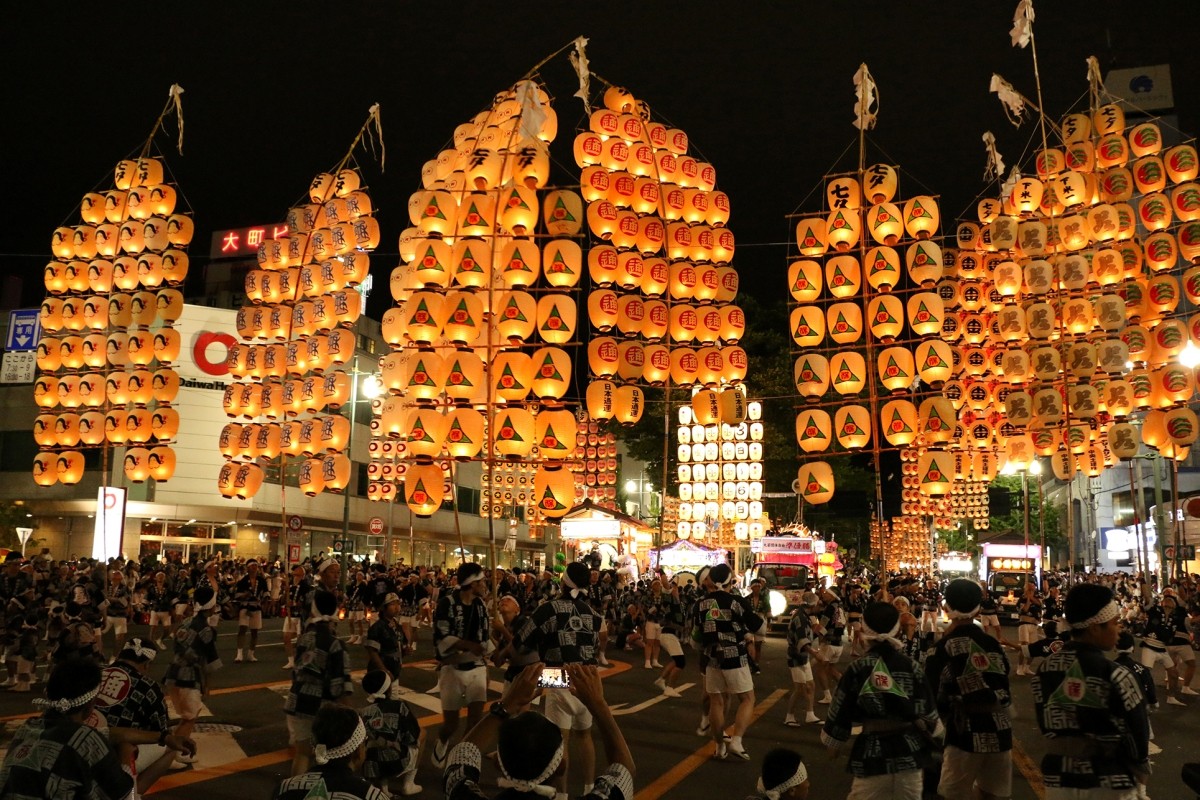
The Akita Kanto Festival features long bamboo poles decorated with numerous lanterns, creating a magical scene as they sway like ears of rice. It is one of the three great festivals of the Tohoku region, where participants compete in skillful performances.
Sendai Tanabata Festival [Miyagi / August]
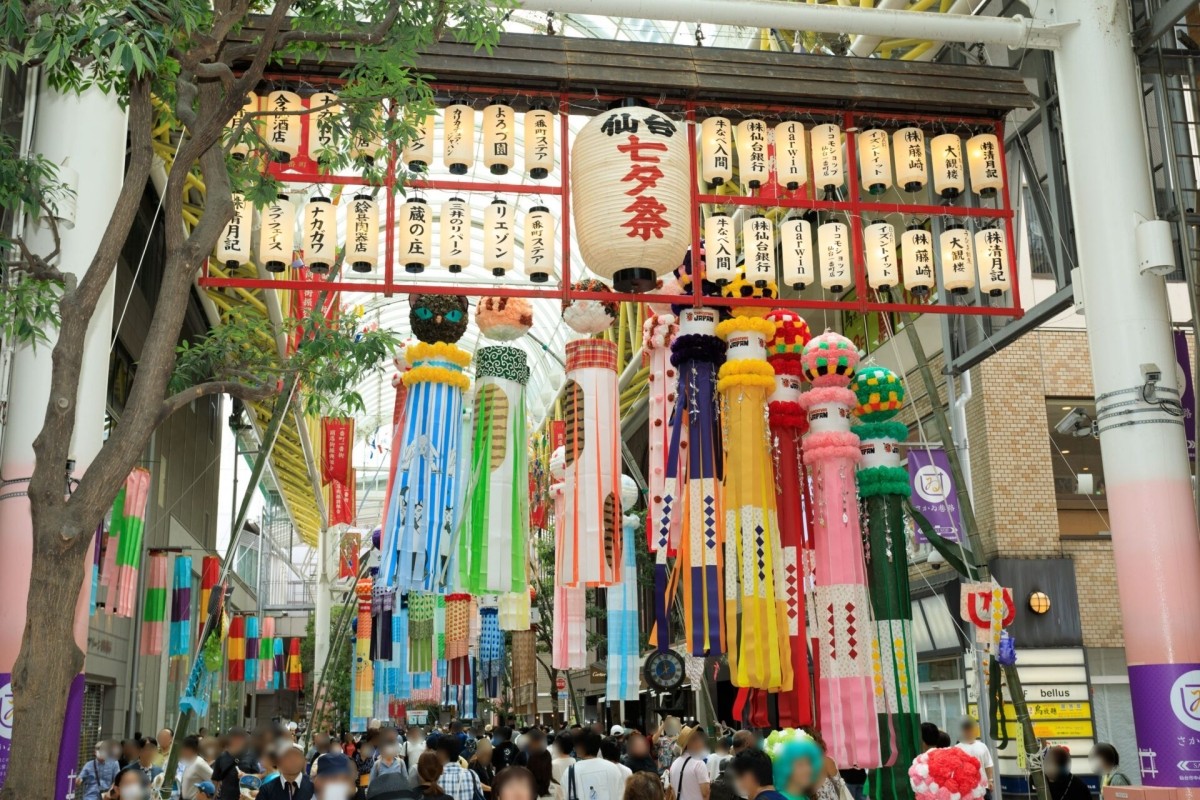
The Sendai Tanabata Festival is a vibrant event where shopping streets are filled with gorgeous bamboo decorations and colorful streamers. It is a traditional festival that has continued since the era of Date Masamune, the founder of the Sendai Domain, and is one of the three great festivals of the Tohoku region.
👉Click here for a detailed article about the Three Great Festivals of Tohoku
Awa Odori Dance Festival【Tokushima / August】
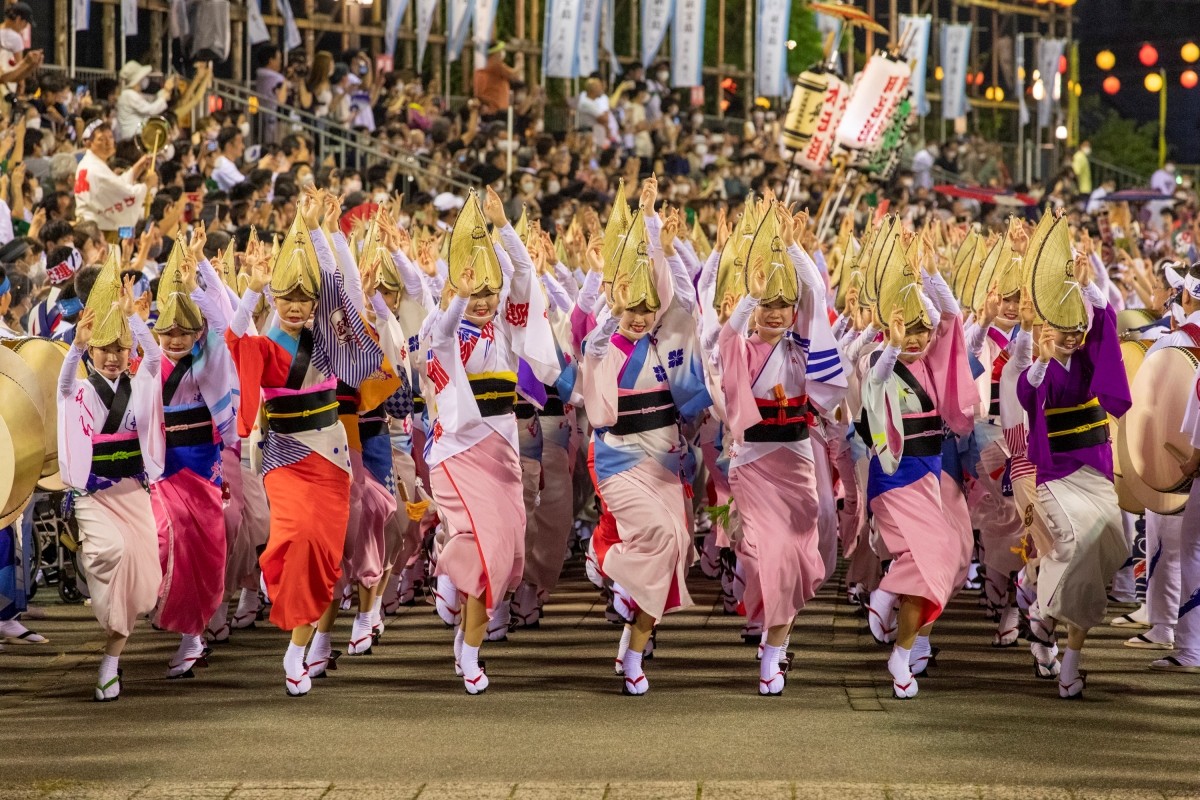
Tokushima Awa Odori is a vibrant dance festival famous for the phrase “The dancers are fools, and the watchers are fools too.” It is Japan’s largest dance festival and is recognized worldwide as a traditional Japanese dance to be proud of.
Yosakoi Festival【Kochi / August】
The Kochi Yosakoi Festival is said to be the origin of the Yosakoi festivals now held all over Japan. It features energetic dancing with naruko clappers in hand, and its appeal lies in the free style with few restrictions on music or costumes.
Jidai Matsuri (Festival of the Ages)【Kyoto / October】
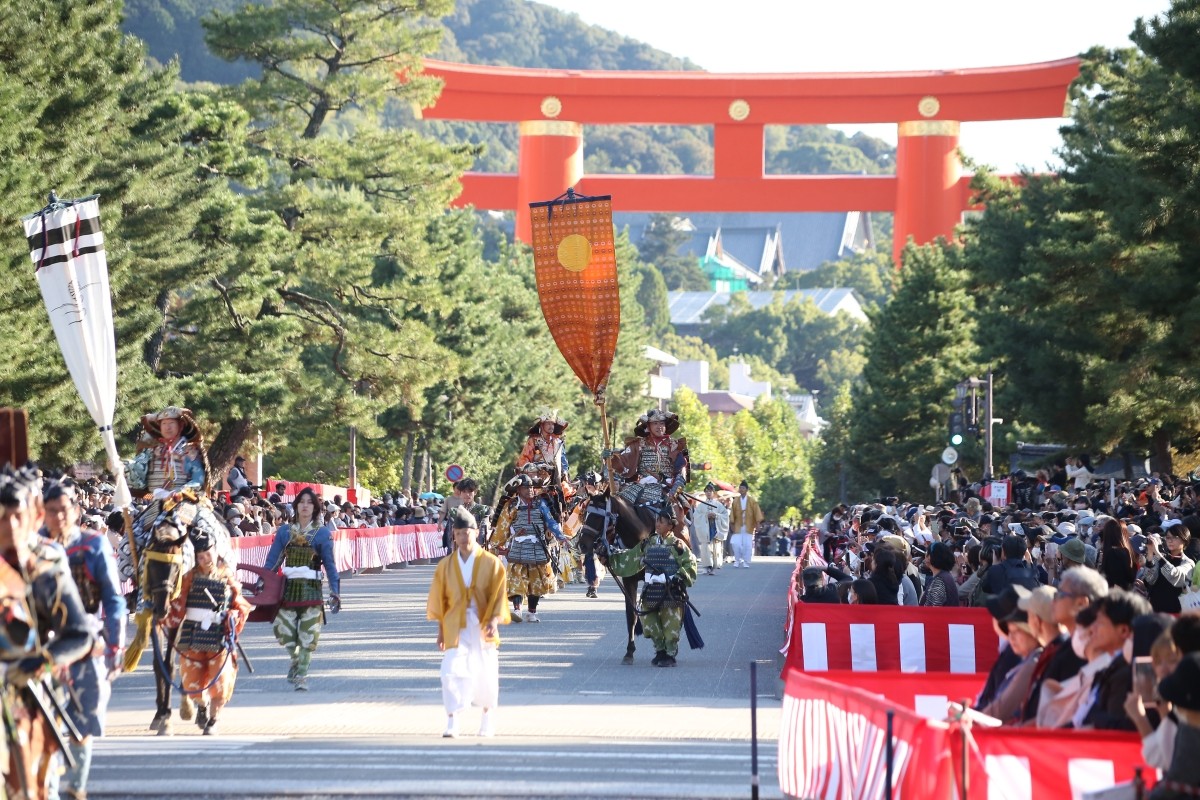
The Jidai Matsuri is the grand festival of Heian Shrine. The highlight is the historical parade, where participants dress as figures from the Meiji to Heian periods. It is one of Kyoto’s three great festivals.
Hakata Dontaku Festival【Fukuoka / May】
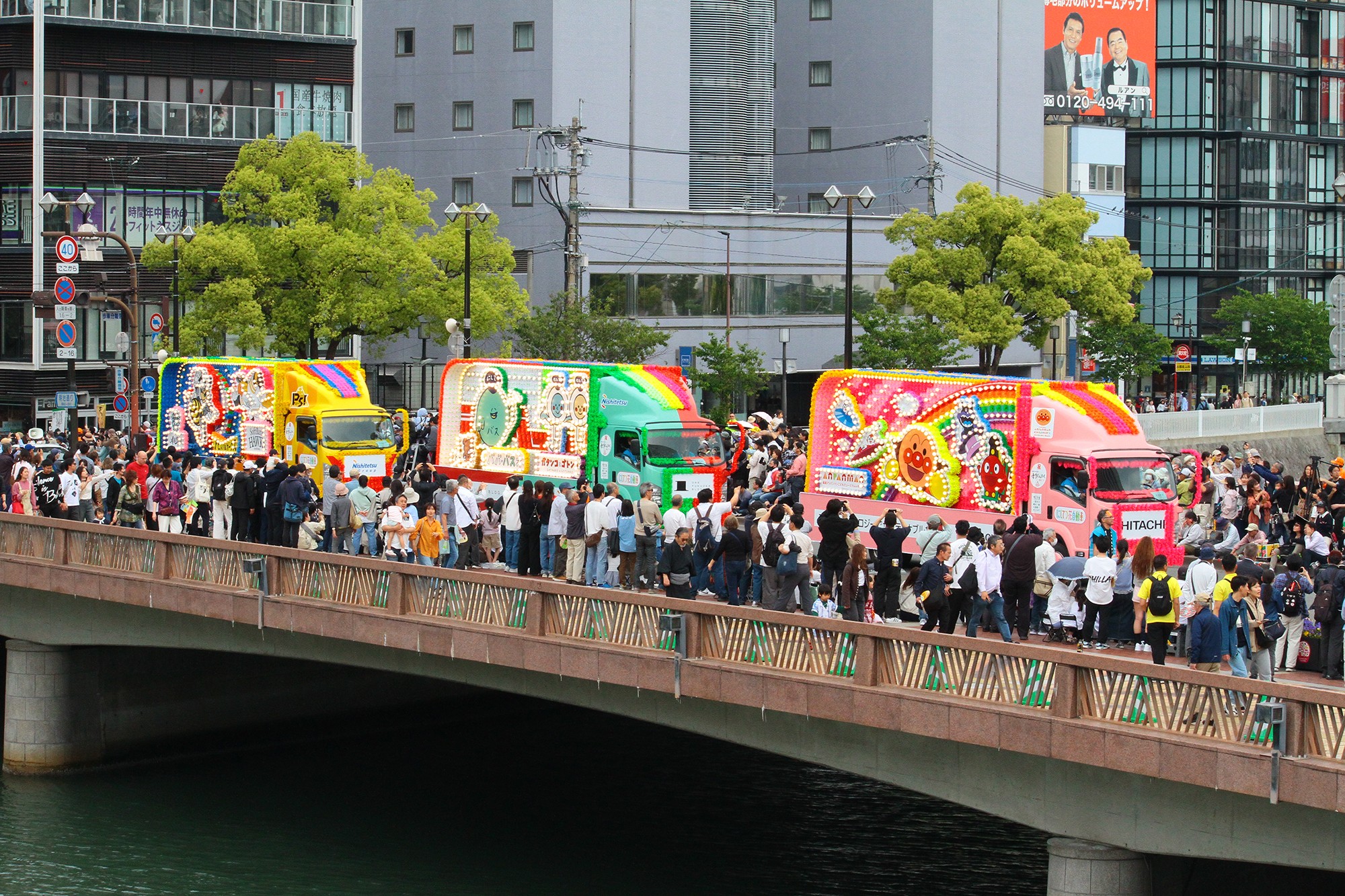
The Hakata Dontaku Festival is Japan’s largest festival in terms of attendance, attracting over 2 million visitors every year. The citywide parade, which anyone can join, energizes the entire town.
Hakata Gion Yamakasa【Fukuoka / July】
Hakata Gion Yamakasa is a passionate festival where men race through the streets carrying floats weighing nearly one ton. The overwhelming sense of speed is the main attraction.
Yamagata Hanagasa Festival【Yamagata / August】
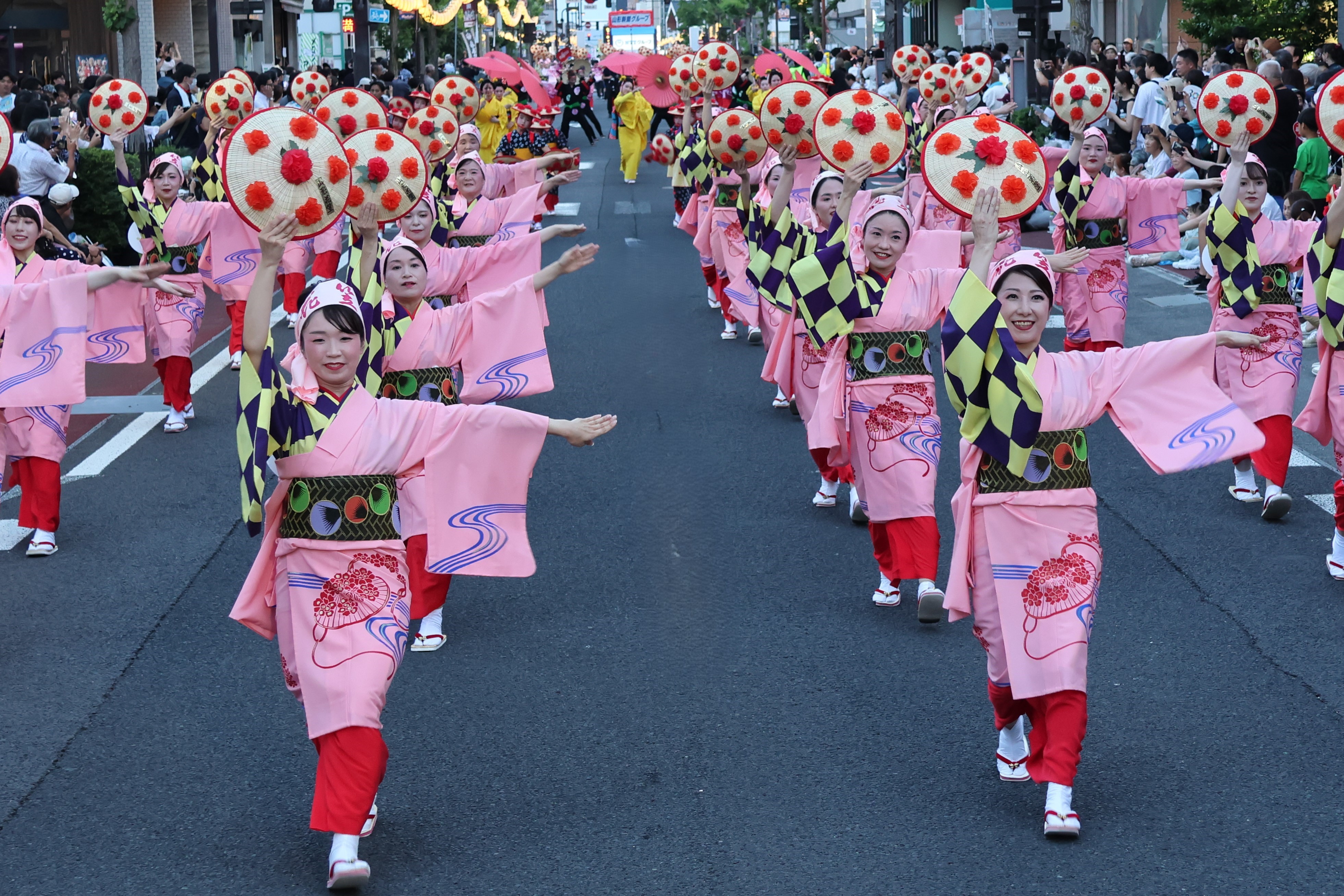
The Yamagata Hanagasa Festival is a vibrant festival where large groups of dancers perform with flower hats in hand. It is one of the Five Great Festivals of Tohoku and a representative event of the region.
Kishiwada Danjiri Festival【Osaka / September】
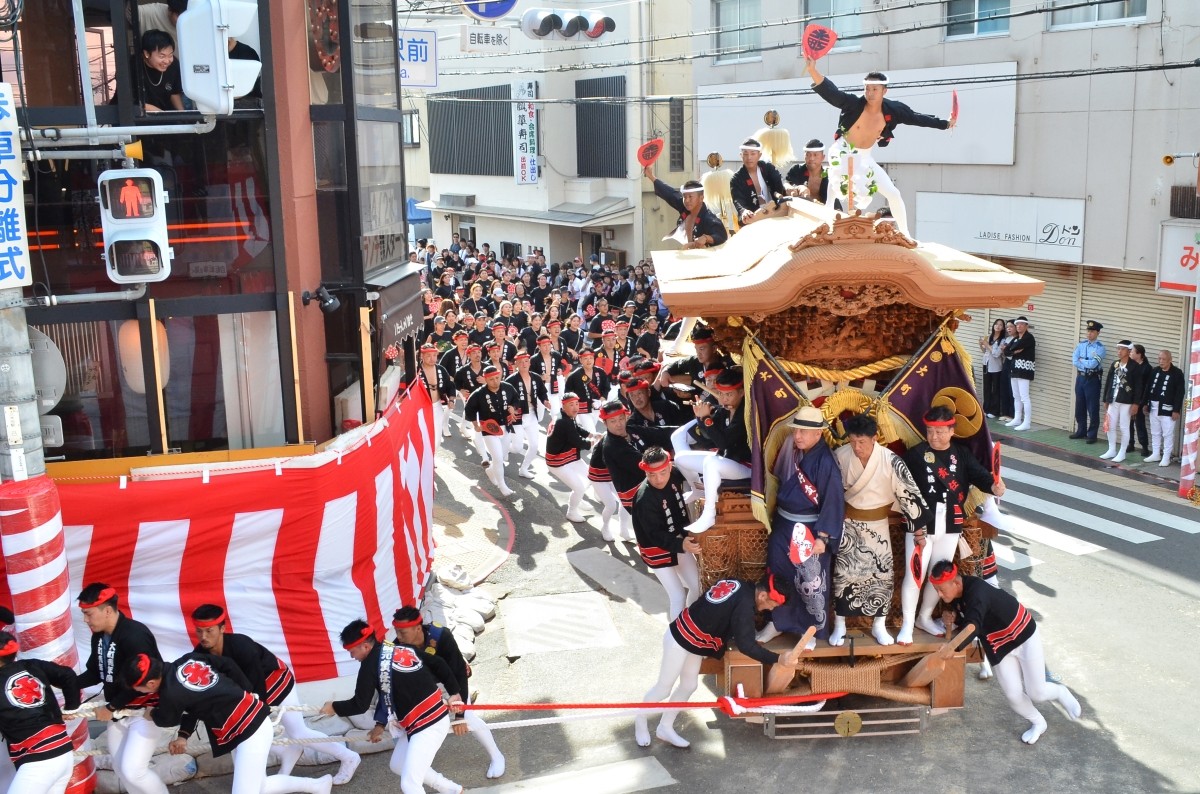
The highlight of the Kishiwada Danjiri Festival is the “yarimawashi,” where heavy danjiri floats are turned at high speed. It is a thrilling festival that leaves the audience breathless.
9 Mysterious and Unique Festivals to Experience Deep Japan
Here, we introduce "Kisai" (unique traditional festivals) and "Hi-matsuri" (fire festivals) where you can experience Japan's indigenous beliefs and mystical atmosphere.
👉Click here for a detailed article about unique festivals
Namahage Sedo Festival [Akita / February]
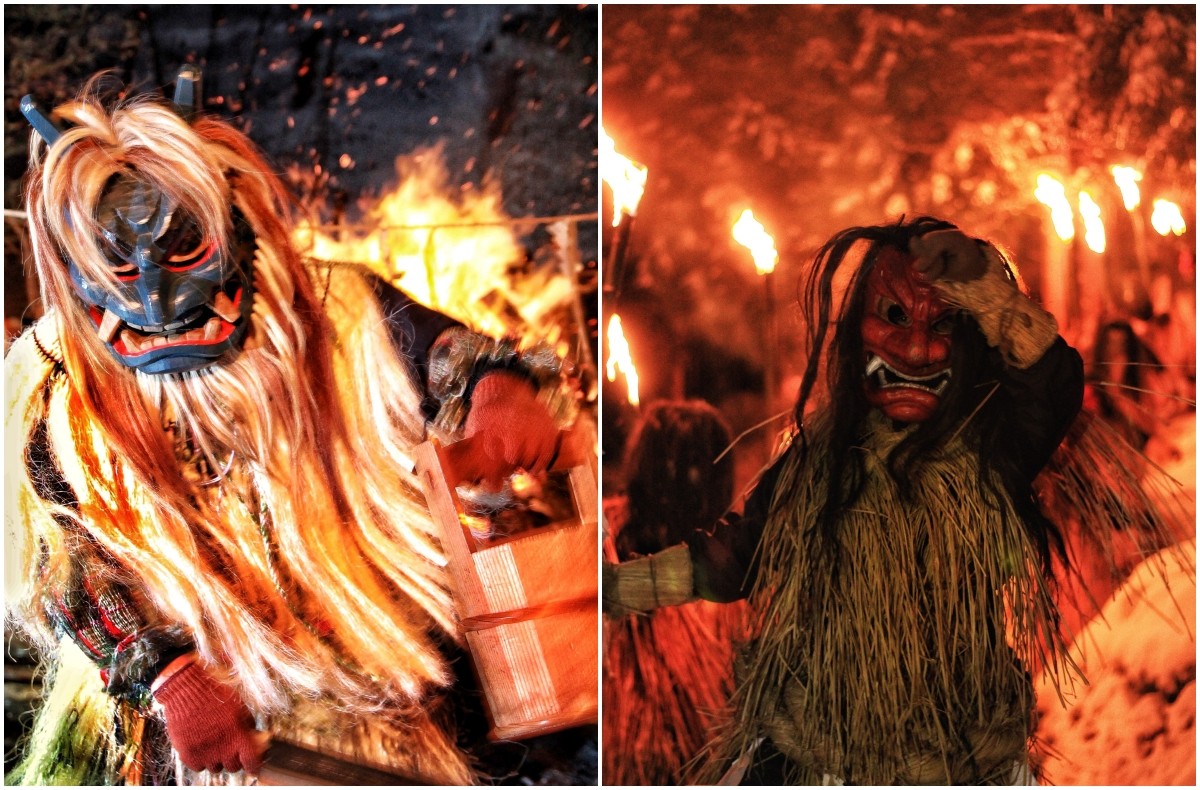
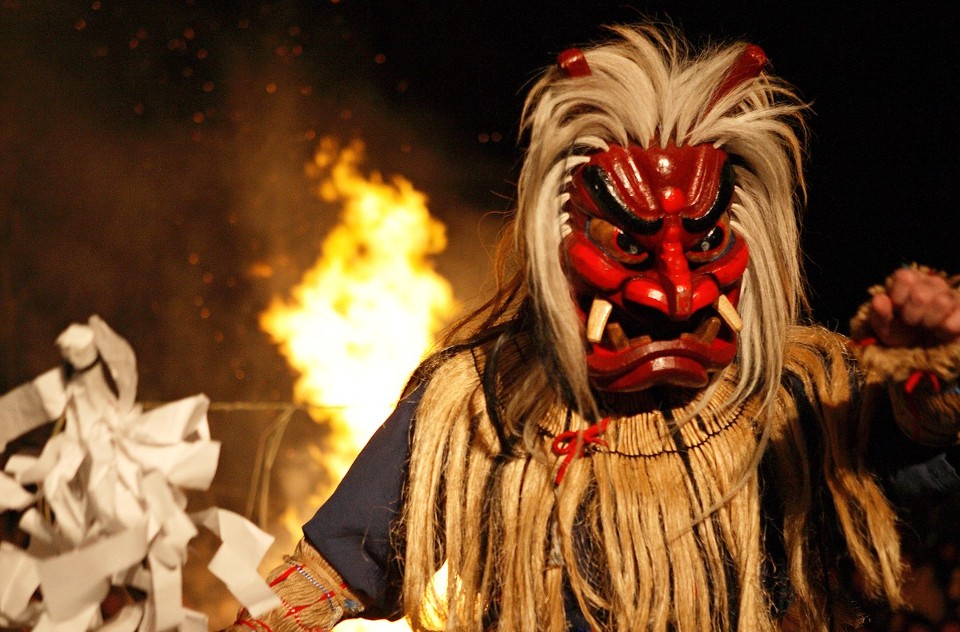
The Namahage Sedo Festival recreates the traditional ritual in which Namahage—demon-like deities—visit homes. The shouts echoing with the flames are truly impressive, and the festival is recognized as a UNESCO Intangible Cultural Heritage for its high cultural value.
Yoshida Fire Festival [Yamanashi / August]
The Yoshida Fire Festival is held at the foot of Mt. Fuji. Torches about three meters tall, prepared by each household in the town, are set alight, creating a path of giant flames. It is one of Japan’s Three Great Strange Festivals, combining power and mystique.
Nozawa Onsen Fire Festival [Nagano / January]
At the Nozawa Onsen Fire Festival, men in their unlucky years defend a huge shrine pavilion, which is then set ablaze, resulting in a dramatic battle of fire between attackers and defenders.
Nachi Fire Festival [Wakayama / July]
The Nachi Fire Festival is a sacred fire ritual held at Kumano Nachi Taisha Shrine. It is a mystical ceremony where gods are welcomed with the flames of large torches, and is known as a fire festival held at a World Heritage site.
Owara Kaze no Bon [Toyama / September]
Owara Kaze no Bon is a festival featuring dancers in woven hats performing elegant and fantastical dances at night. Its unique charm lies in the beauty that emerges from the quiet atmosphere.
Nagasaki Kunchi [Nagasaki / October]
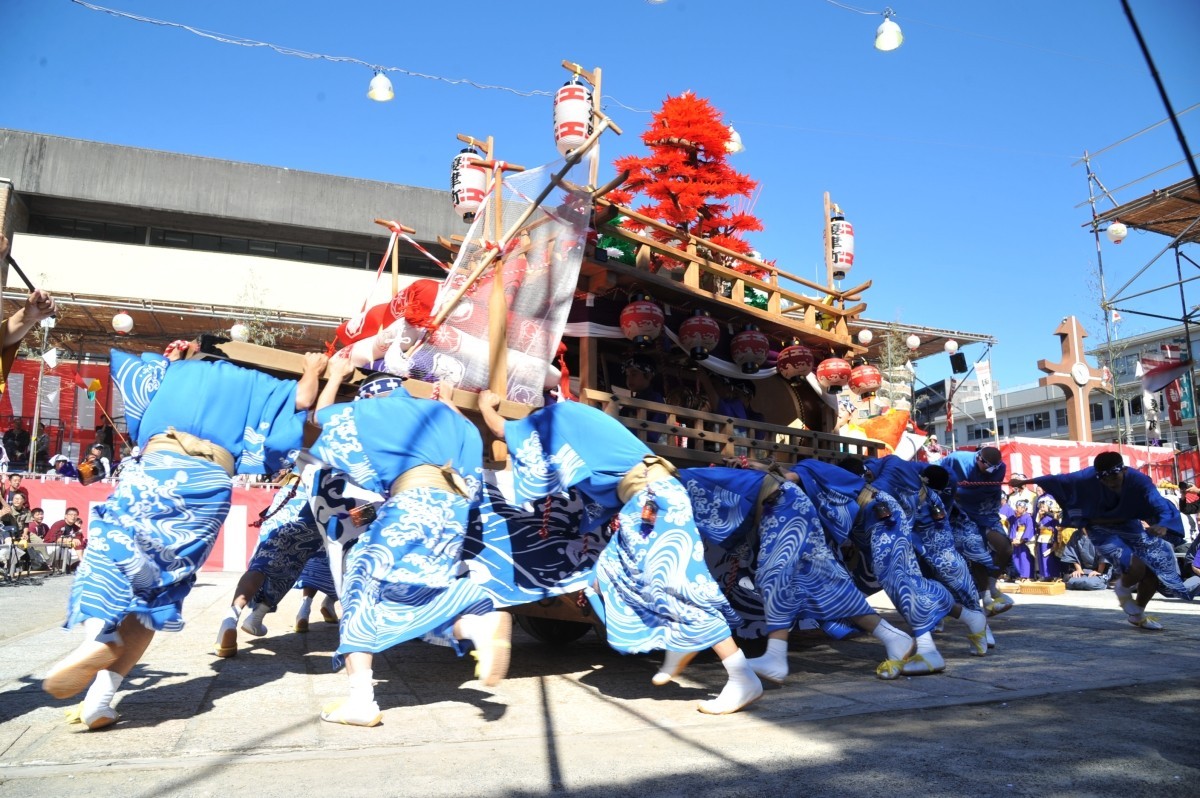
Nagasaki Kunchi is a festival featuring dedication dances that blend Japanese, Western, and Chinese influences, reflecting the city’s multicultural history. Highlights include dynamic dragon dances and a variety of other performances.
Karatsu Kunchi [Saga / November]
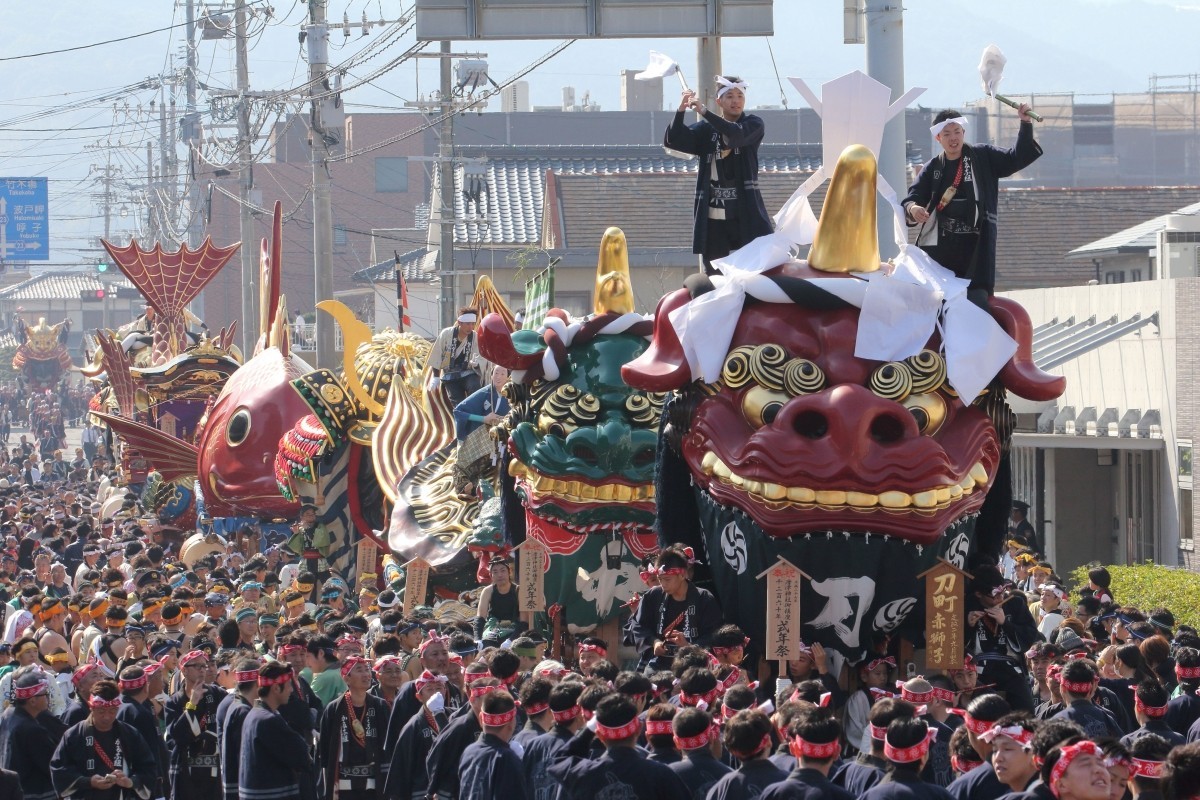
Karatsu Kunchi is a festival where enormous, ornate floats parade through the town. Its history and culture have been recognized as a UNESCO Intangible Cultural Heritage.
Todaiji Nigatsudo Omizutori [Nara / March]
Omizutori at Todaiji Temple is a traditional event that has continued for about 1,200 years. The fire ritual in which monks wave giant torches is breathtaking. It is known as a sacred event that heralds the arrival of spring in Nara.
8 Local Festivals and Events to Experience Everyday Culture and Local Life
Here are festivals where you can experience the “real Japan” rooted in local life. Some of these events can be enjoyed together with the local community.
Meiji Jingu Hatsumode [Tokyo / January]
Meiji Jingu Shrine is Japan’s most visited hatsumode spot, the first shrine visit of the New Year. Hatsumode is a traditional custom that symbolizes everyday Japanese culture, where people pray for good fortune and safety throughout the year.
Toka Ebisu Festival [Osaka / January]
Toka Ebisu is a festival dedicated to Ebessan, the god of business prosperity. The festival is bustling with people seeking lucky bamboo branches called fukuzasa, and the lively shouts create a uniquely Osaka atmosphere.
Atsuta Festival [Aichi / June]
The Atsuta Festival is a ritual held at Atsuta Jingu Shrine. Martial arts and performing arts, rarely seen on ordinary days, are dedicated within the shrine grounds, and at night, fireworks light up the sky. It’s a festival where you can enjoy both Nagoya’s history and fireworks.
Gujo Odori [Gifu / July–September]
Gujo Odori is one of Japan’s three major Bon Odori festivals, and its biggest appeal is that anyone can join in. There’s no dress code and no special preparation required. The “Tetsuya Odori” (all-night dancing), where people dance through the night for four consecutive nights, is another unique highlight.
Kawagoe Festival [Saitama / October]
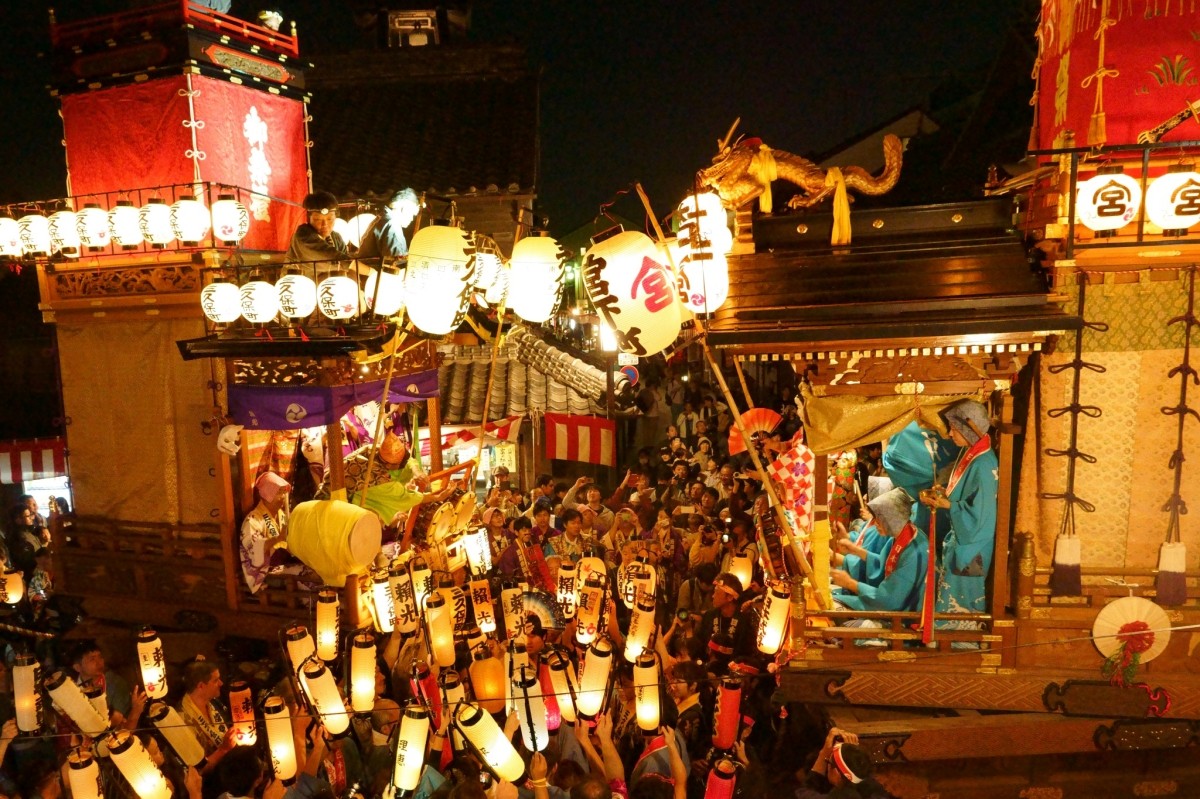
The Kawagoe Festival is held in “Little Edo” Kawagoe, a town known for its traditional warehouse-style streets. The festival features magnificent floats and offers a glimpse of Edo-period charm.
Tori no Ichi [Tokyo & Various Locations / November]
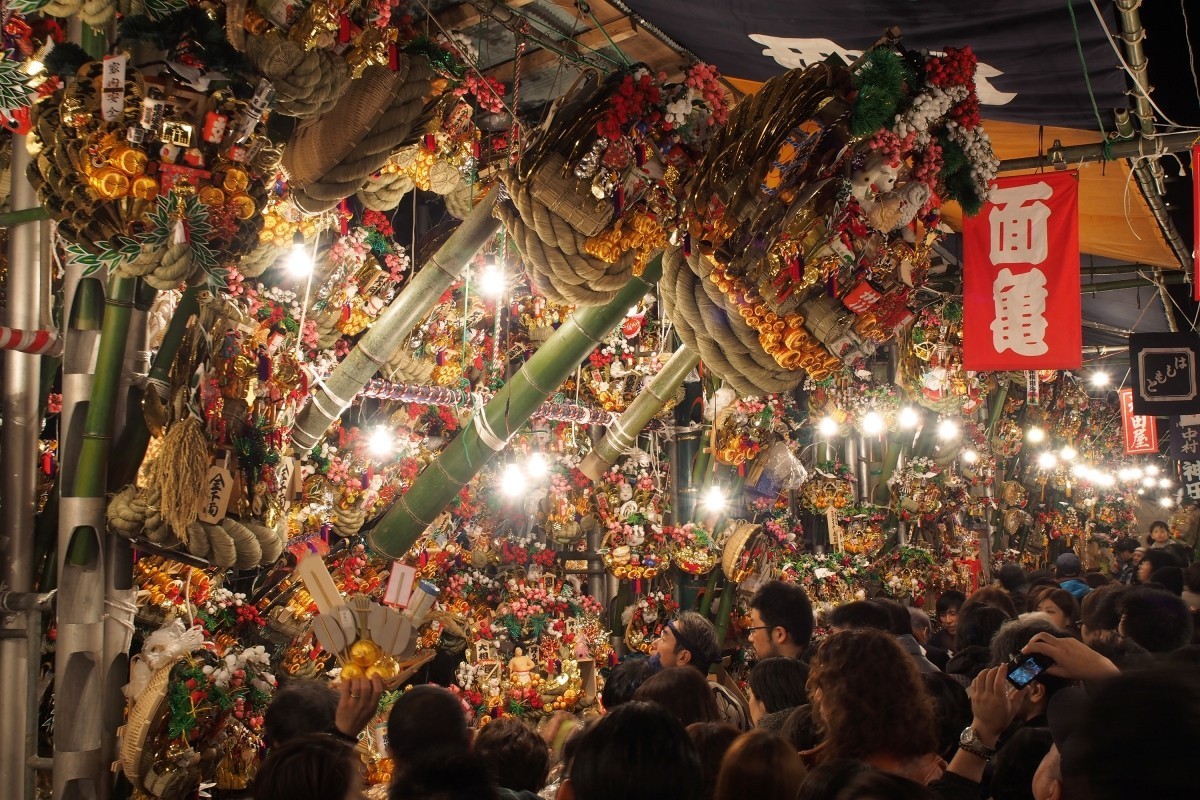
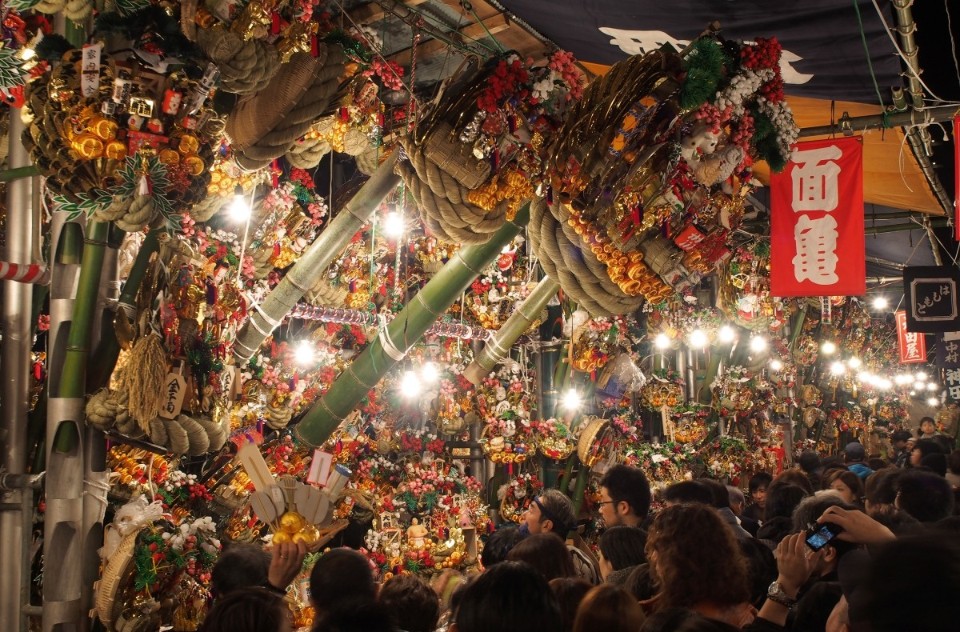
Tori no Ichi is a festival held on the “Day of the Rooster” in November at Asakusa’s Otori Shrine and other locations throughout the Kanto region. People gather to pray for good luck and business prosperity, and the event is famous for its lucky rakes (kumade). It’s a year-end tradition bustling with visitors.
👉What is Tori no Ichi? Introducing Representative Shrines and Temples
Aizen Festival [Osaka / June & July]
The Aizen Festival is one of Osaka’s three major festivals, featuring a vibrant parade and the Hoe-kago Procession. It is said to be Japan’s oldest summer festival, with a long and rich history.
Sumiyoshi Festival [Osaka / July]
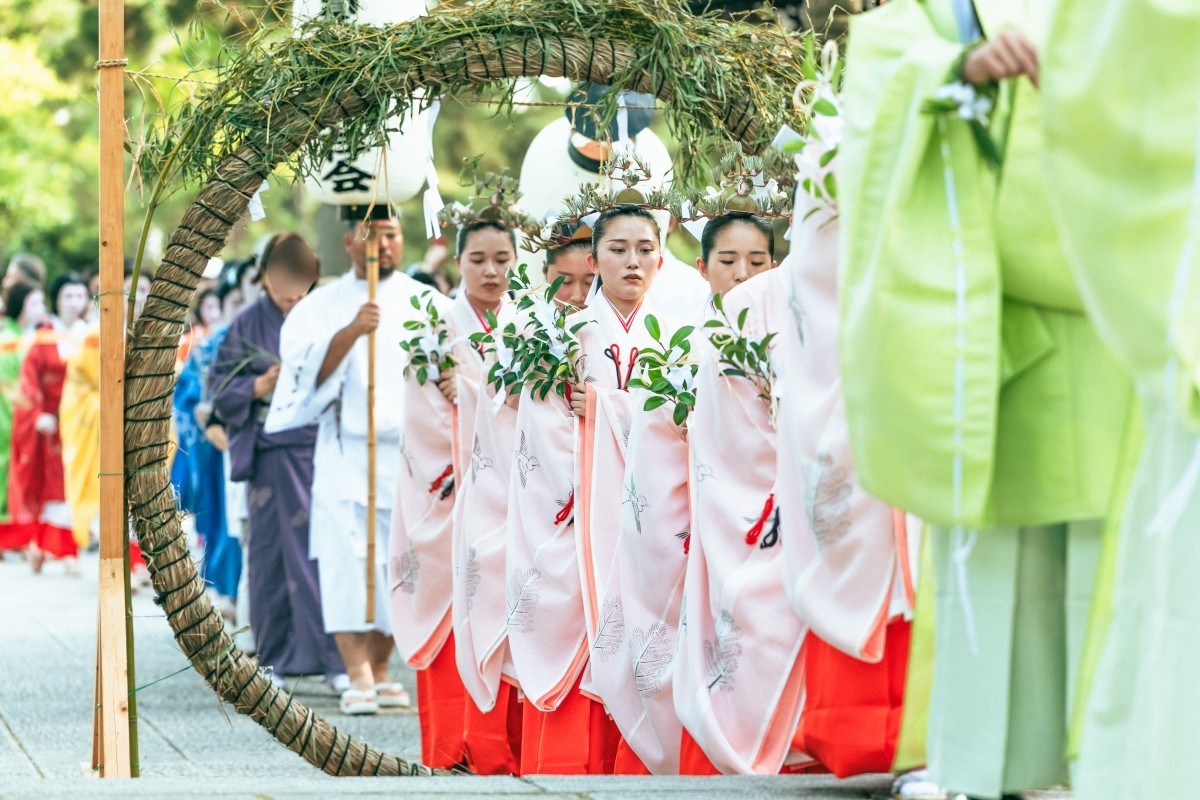
The Sumiyoshi Festival is the annual festival of Sumiyoshi Taisha Shrine and one of Osaka’s three major festivals. Highlights include the lively mikoshi procession, where a portable shrine weighing about two tons is carried, and various Shinto rituals such as passing through the sacred ring of grass for purification.
Let’s Join Japanese Festivals!
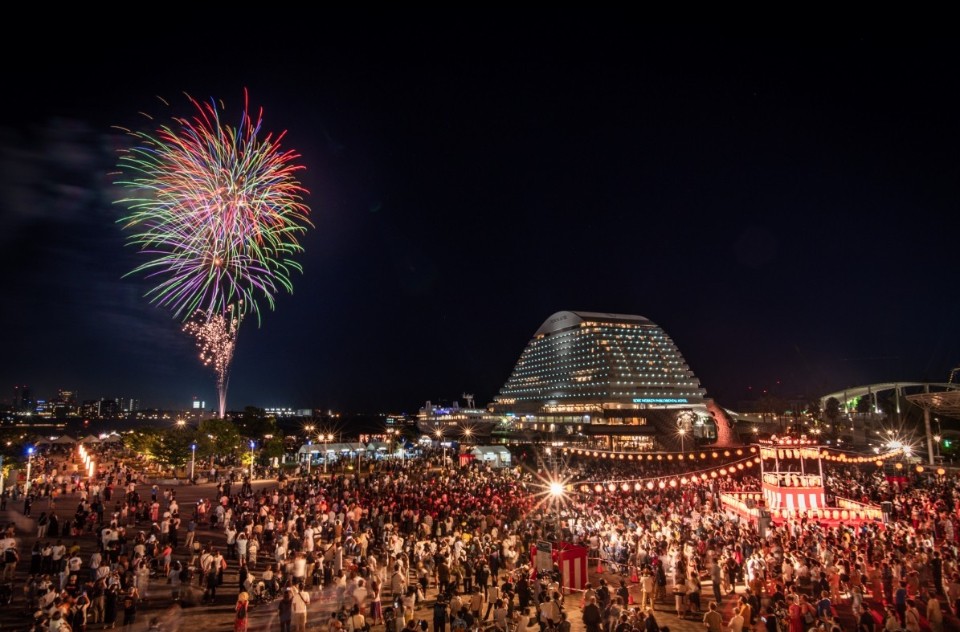
Japanese festivals are not just events—they are precious cultural heritages that embody the prayers and history of the local people. From magnificent floats and powerful dances to the magical flames that light up the night, there are unforgettable experiences that can only be fully appreciated in person.
The 34 festivals introduced here are all symbolic of Japan’s four seasons. Whether you immerse yourself in the excitement of a large, famous festival or experience local life through a smaller community event, both are sure to become unforgettable memories of your journey.
Popular festivals often mean that nearby accommodations get extremely crowded, so early planning is essential. Why not find your favorite festival and set out on a trip to feel the heartbeat of Japanese tradition for yourself?
👉 Search for tours and tickets to join Japanese festivals on kkday


Comments