
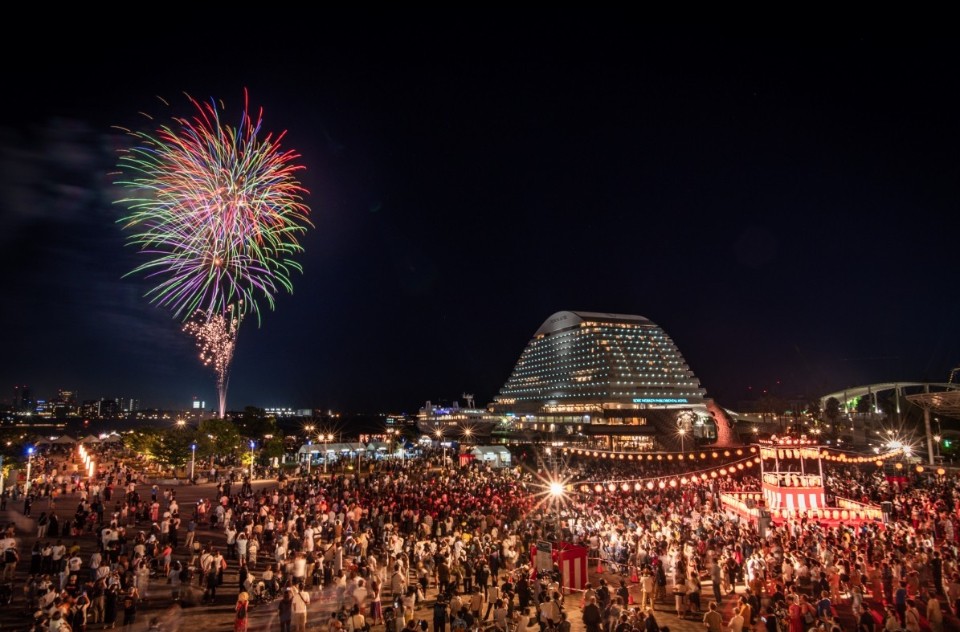
From June to August, Japan enters the vibrant season of summer festivals. From Tokyo and Osaka to the Tohoku region, Kyushu, and Okinawa, the country is filled with a variety of traditional events. In this article, we have carefully selected some of the most iconic summer festivals you should experience, such as the Aomori Nebuta Matsuri, Gion Matsuri, and Awa Odori.
🏨Book Japanese hotels with JAPANiCAN 👉Click here

Three Summer Festivals in the Tohoku Region|Japan’s Most Famous Festivals
Aomori Nebuta Matsuri|Famous for Its Giant Nebuta Lantern Floats (Aomori)
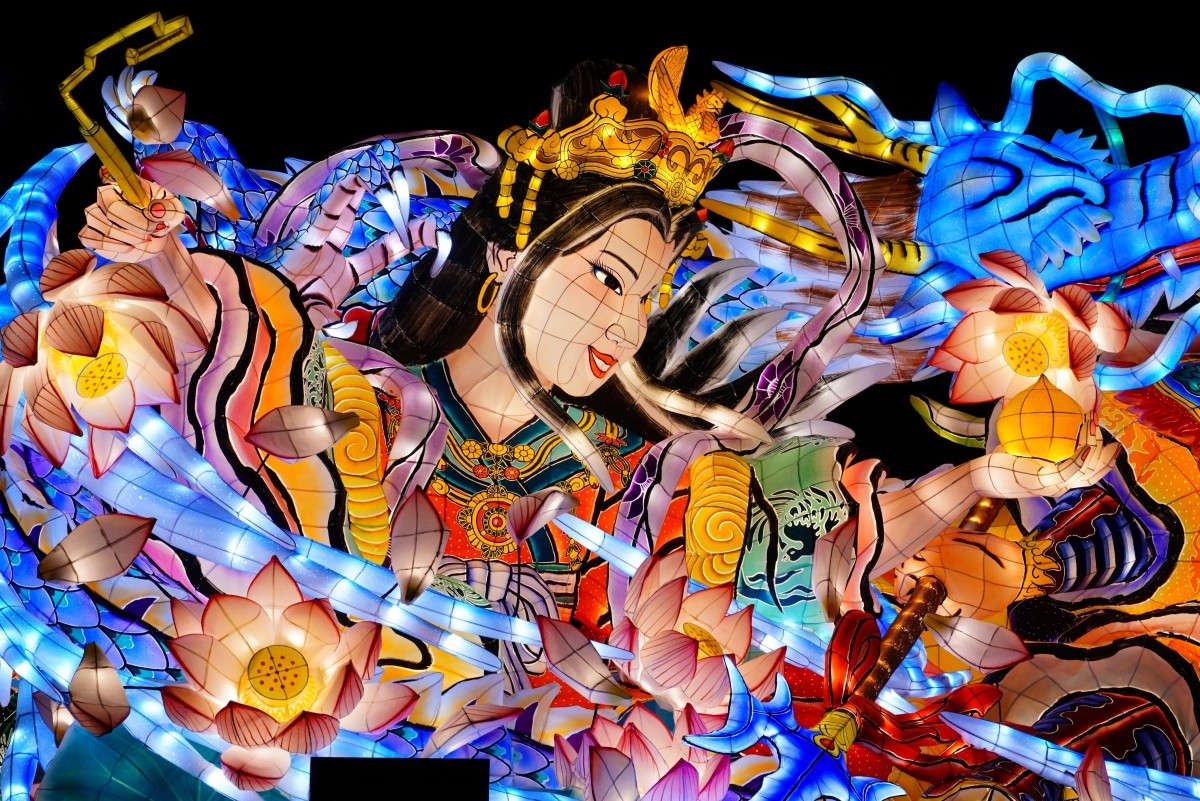
The Aomori Nebuta Matsuri is one of the three great festivals of Tohoku and is designated as an Important Intangible Folk Cultural Asset of Japan. The highlight is the procession of giant, vividly illuminated Nebuta doll lanterns through the night streets, followed by Haneto dancers who jump and chant “Rassera, Rassera” in unison. On the final day, the award-winning Nebuta floats, such as the Nebuta Grand Prize and Governor’s Prize, are paraded across the water, and the festival concludes with a spectacular fireworks display featuring around 10,000 fireworks.
- Location: Central area near Aomori Station
- Access: 5–30 minutes on foot from Aomori Station (varies by viewing spot)
- Dates: Annually August 2 – 7
August 2 (Sun) – August 7 (Fri), 2026
Akita Kanto Matsuri|Spectacular Lantern Pole Performances (Akita)
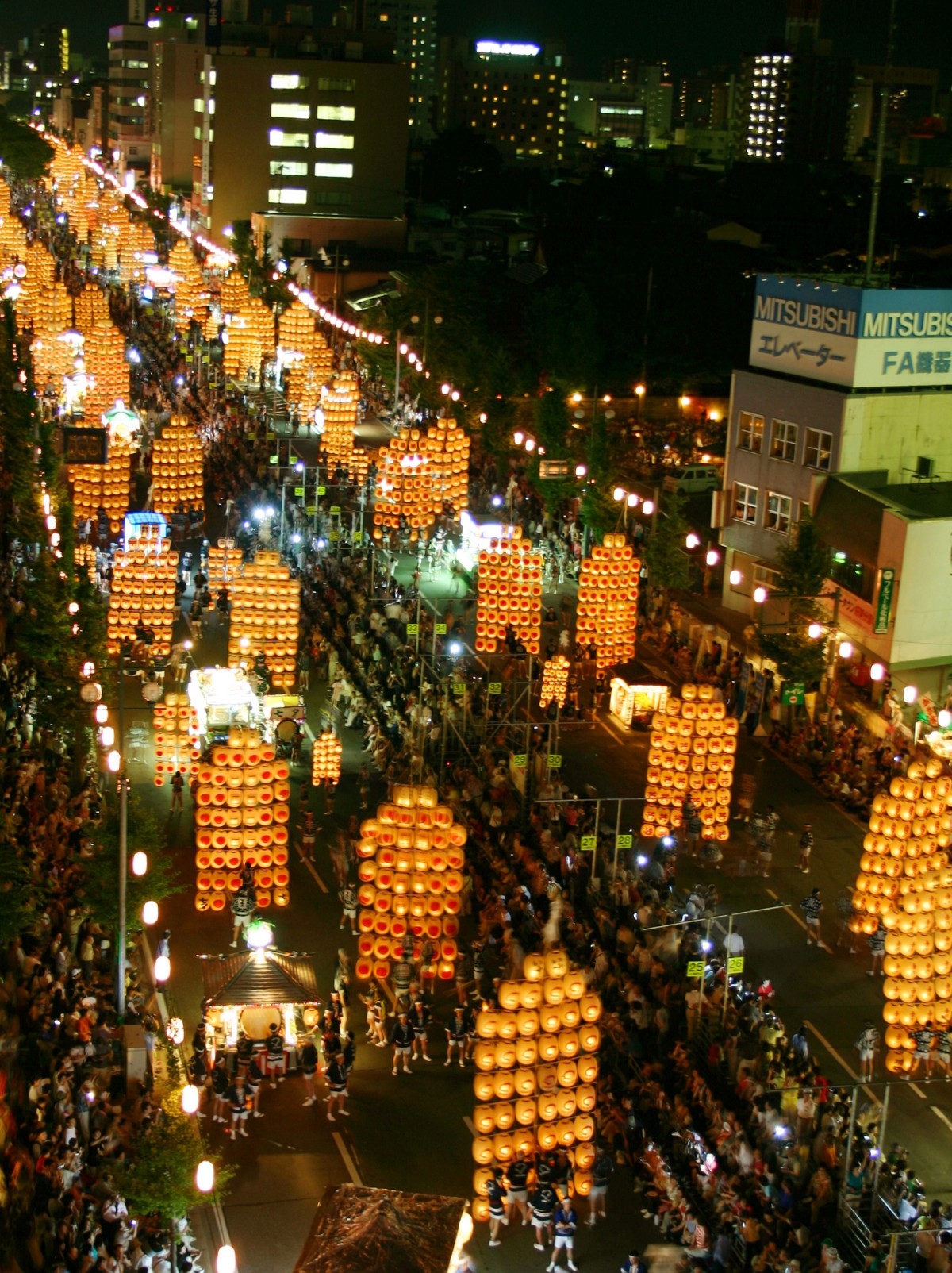
The Kanto Matsuri, also one of the three great festivals of Tohoku and designated as an Important Intangible Folk Cultural Asset, is a traditional event with a history of about 270 years. The highlight is the traditional skill of balancing Kanto poles—each 12 meters long, weighing about 50 kg, and adorned with 46 lanterns—on the palms, foreheads, shoulders, or hips of the performers. As the shouts of “Dokkoisho, Dokkoisho” echo through the air, the sight of around 280 Kanto poles being skillfully maneuvered is truly breathtaking.
- Location: Kanto Odori (main venue: Sanno Crossroads to Nichome Bridge), and other locations
- Access: About 15 minutes on foot from Akita Station (to Kanto Odori)
- Dates: Annually August 3–6
August 3 (Mon) – August 6 (Thu), 2026
Sendai Tanabata Matsuri|Japan’s Largest Tanabata Festival and Gorgeous Streamers (Miyagi)
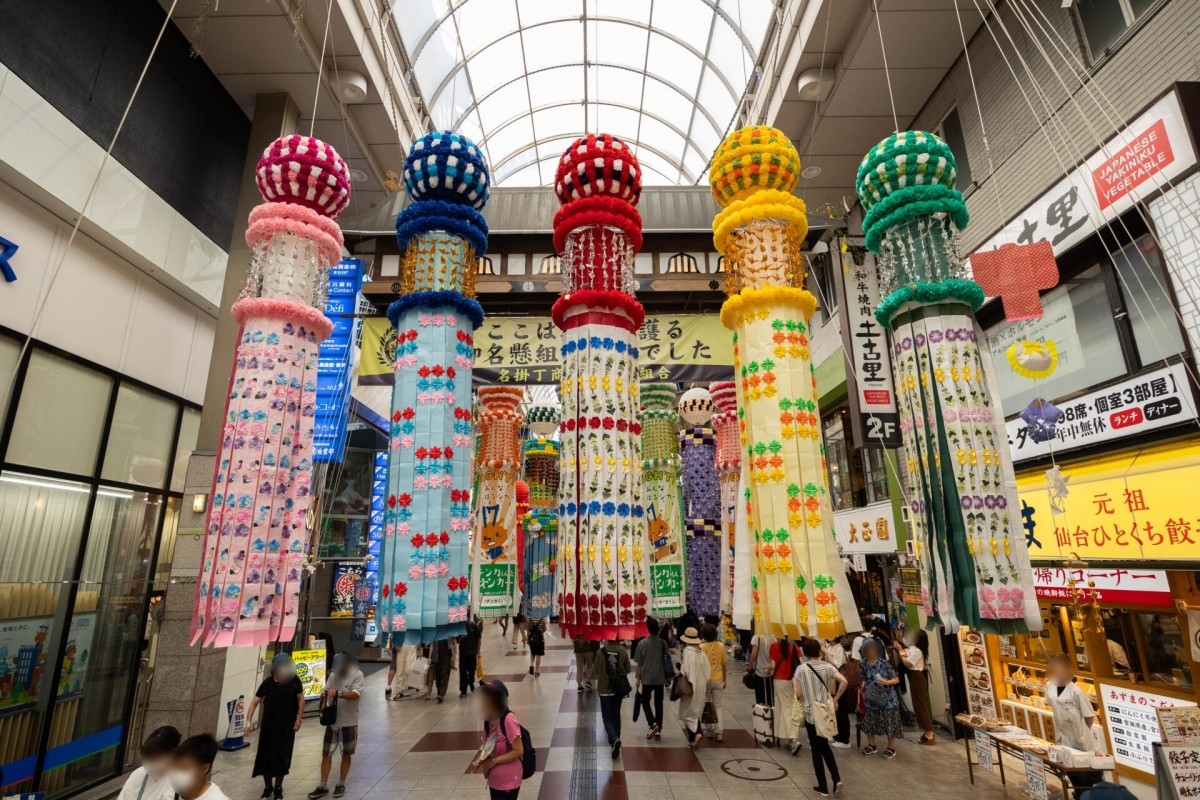
Photo courtesy of Sendai Tanabata Matsuri Sponsorship Association
The Sendai Tanabata Matsuri is a traditional event that dates back to the era of Date Masamune, the first lord of the Sendai Domain. The festival is known for its elegant and beautiful decorations made from paper and bamboo. Its most distinctive feature is the lavish bamboo decorations, handmade anew each year by the shopping districts. Giant bamboo poles over 10 meters long are adorned with countless paper ornaments crafted over several months, competing in splendor and beauty. Among these, the most eye-catching are the “fukinagashi” streamers, modeled after the threads used in ancient weaving. The sight of long strips of washi paper fluttering gracefully in the wind is truly breathtaking.
- Location: Central Sendai and surrounding shopping districts
- Access: About 5 minutes on foot from Sendai Station
- Dates: Annually August 6–8
August 6 (Thu) – August 8 (Sat), 2026
Seven Summer Festivals in the Kanto Region|Popular Festivals in Tokyo and Kanagawa
Torigoe Matsuri|Traditional Downtown Summer Festival (Tokyo)
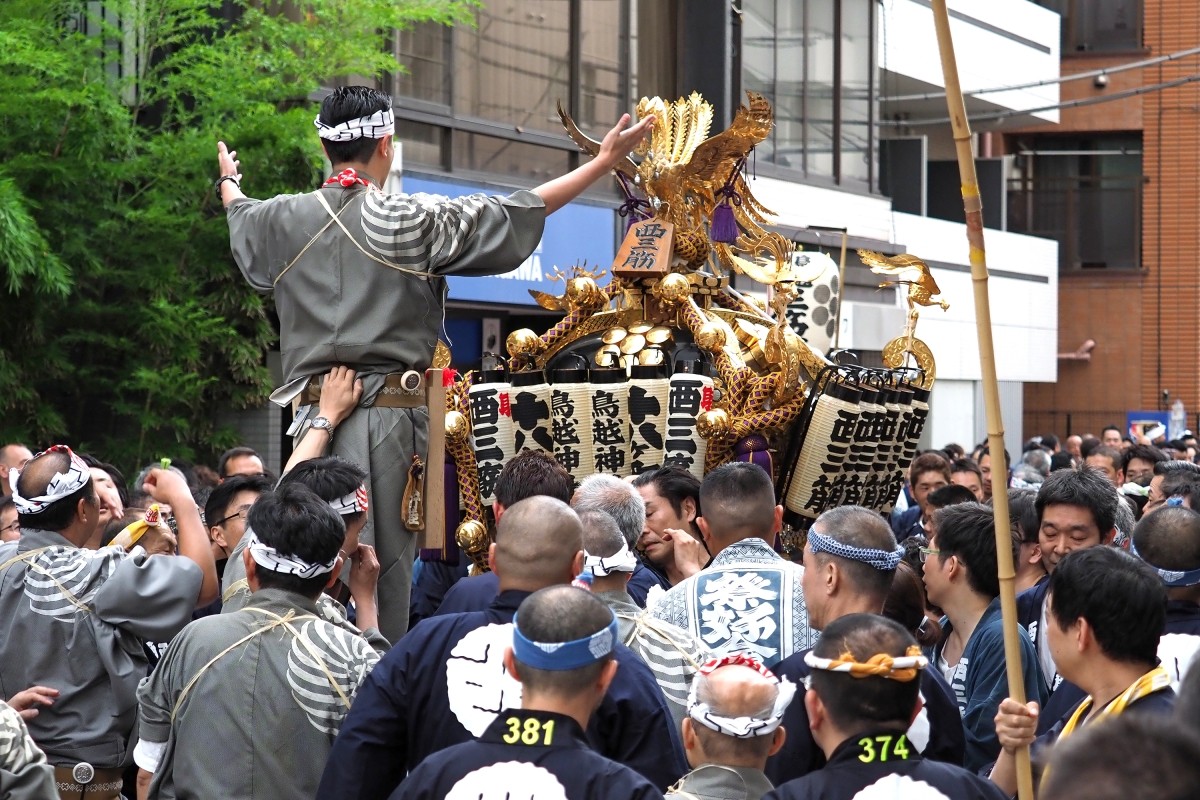
Photo courtesy of Taito City
Held every June around Torigoe Shrine in Kuramae, Tokyo, the Torigoe Matsuri is a traditional festival that has been cherished for about 1,370 years. The highlight is the so-called “Senkan Mikoshi,” a portable shrine said to weigh about 4 tons, led by Sarutahiko in a tengu costume and women dressed as men called tekomai. After sunset, the “Torigoe Night Festival” begins, where lanterns are lit, creating a lively yet solemn atmosphere. The most exciting moment is the mikoshi’s return to the shrine grounds, illuminated by lanterns.
*Miyairi: The return of portable shrines (mikoshi) or festival floats (dashi) to the shrine grounds.
- Venue: Torigoe Shrine (Torigoe, Taito-ku, Tokyo)
- Access: About 5 minutes on foot from Kuramae Station
- Event Period: Annual Grand Festival in early June
June 6 (Sat) – June 9 (Tue), 2026
Sanno Festival | One of the Three Great Festivals of Edo (Tokyo)
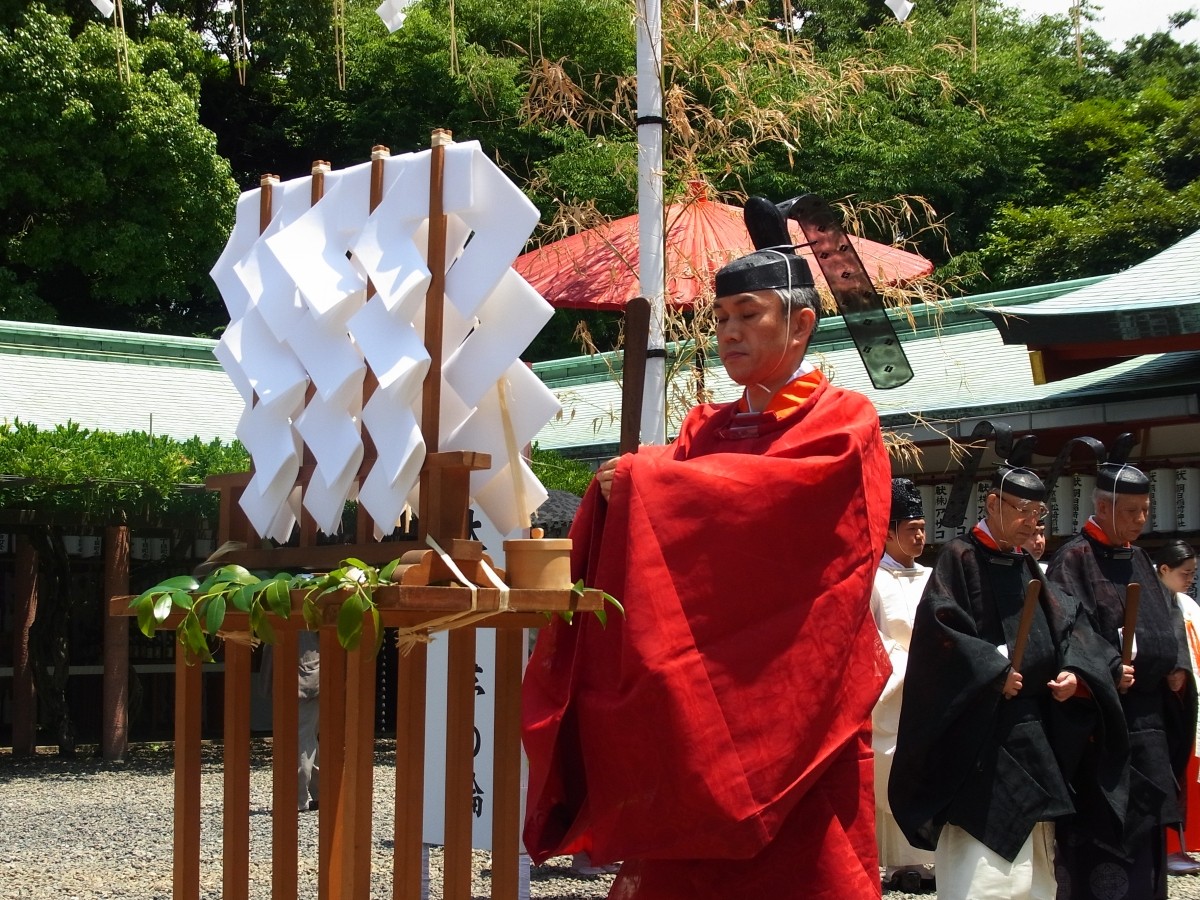
The Sanno Festival, which dates back to the Edo period, was once a grand event known as the "Tenka Matsuri," where the portable shrine was welcomed into Edo Castle and viewed and worshipped* by successive shoguns. It is the foremost of the Three Great Festivals of Edo and is also counted among Japan's Three Great Festivals, alongside Kyoto's Gion Festival and Osaka's Tenjin Festival. The most magnificent event of this festival is the Shinkosai, held every other year*, featuring a 300-meter-long procession of participants dressed in dazzling imperial court costumes parading through central Tokyo—a truly traditional spectacle.
*Joran hairei: To view and worship.
- Venue: Hie Shrine (Main venue: Nagatacho, Chiyoda-ku, Tokyo)
- Access: About 3 minutes on foot from Akasaka Station or Tameike-Sanno Station
- Event Period: Annually in June
June 7 (Sun) – June 17 (Wed), 2026
Mitama Matsuri | A Magical Summer Lantern Festival (Tokyo)
First held in 1947, the "Mitama Matsuri" is known as one of Tokyo's representative summer festivals. During the festival, over 30,000 lanterns are lit throughout the shrine grounds at night, creating a fantastical scene. In addition to nightly rituals at the main hall to comfort the spirits, the festival features a variety of events such as mikoshi-furi*, Nebuta floats, various performing arts, and Bon Odori dances along the approach to the shrine. The dedication of lanterns, which symbolizes prayers for peace, is open to everyone.
*Mikoshi-furi: Shaking the portable shrine up and down while carrying it.
- Venue: Yasukuni Shrine (Chiyoda-ku, Tokyo)
- Access: About 5 minutes on foot from Kudanshita Station
- Event Period: July 13–16 annually
July 13 (Mon) – July 16 (Thu), 2026
Kagurazaka Festival | Popular Festival with Awa Odori and Food Stalls (Tokyo)
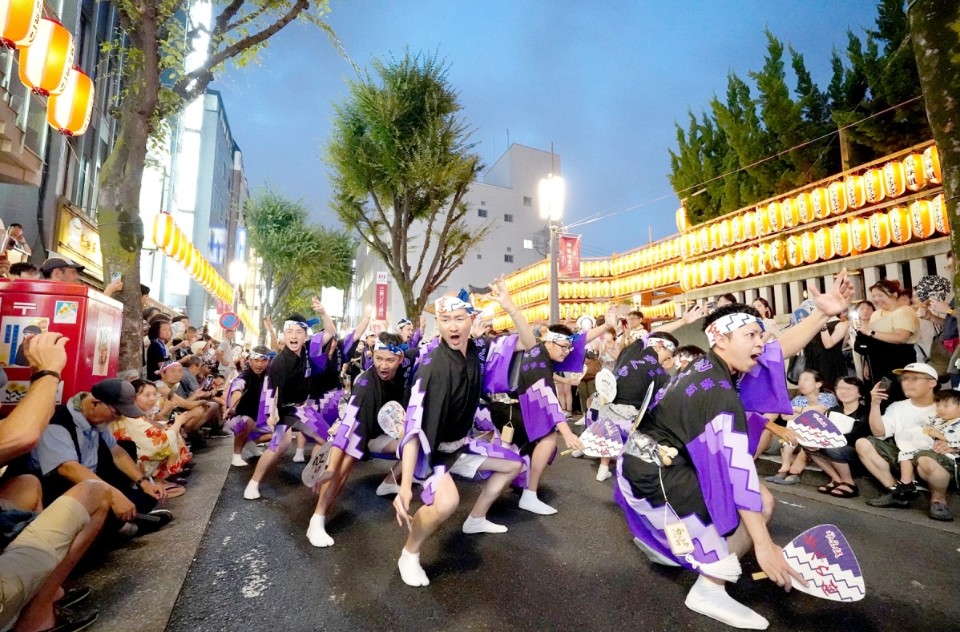
The Kagurazaka Festival is held in Kagurazaka, a Tokyo neighborhood known for its charming atmosphere. During the four-day festival, the first two days feature the "Hozuki Market" centered around Bishamonten Zenkokuji Temple, while the latter two days host the "Awa Odori Dance Festival." At the Hozuki Market, not only hozuki (ground cherries) but also gourmet food stalls and yo-yo fishing games appear, creating a lively fair atmosphere. The Awa Odori Dance Festival attracts many ren* groups each year, whose dynamic performances enliven the Kagurazaka nights.
*Ren: A group that performs Awa Odori dance.
- Venue: Around Kagurazaka-dori (Kagurazaka 1-chome to Kagurazakaue, Shinjuku-ku)
- Access: About 2 minutes on foot from Iidabashi Station, about 1 minute from Ushigome-Kagurazaka Station
- Event Period: Annually end of July
July 22 (Wed) – July 25 (Sat), 2026
Tokyo Koenji Awa Odori | Tokyo's Largest Awa Odori Festival (Tokyo)
© TCVB
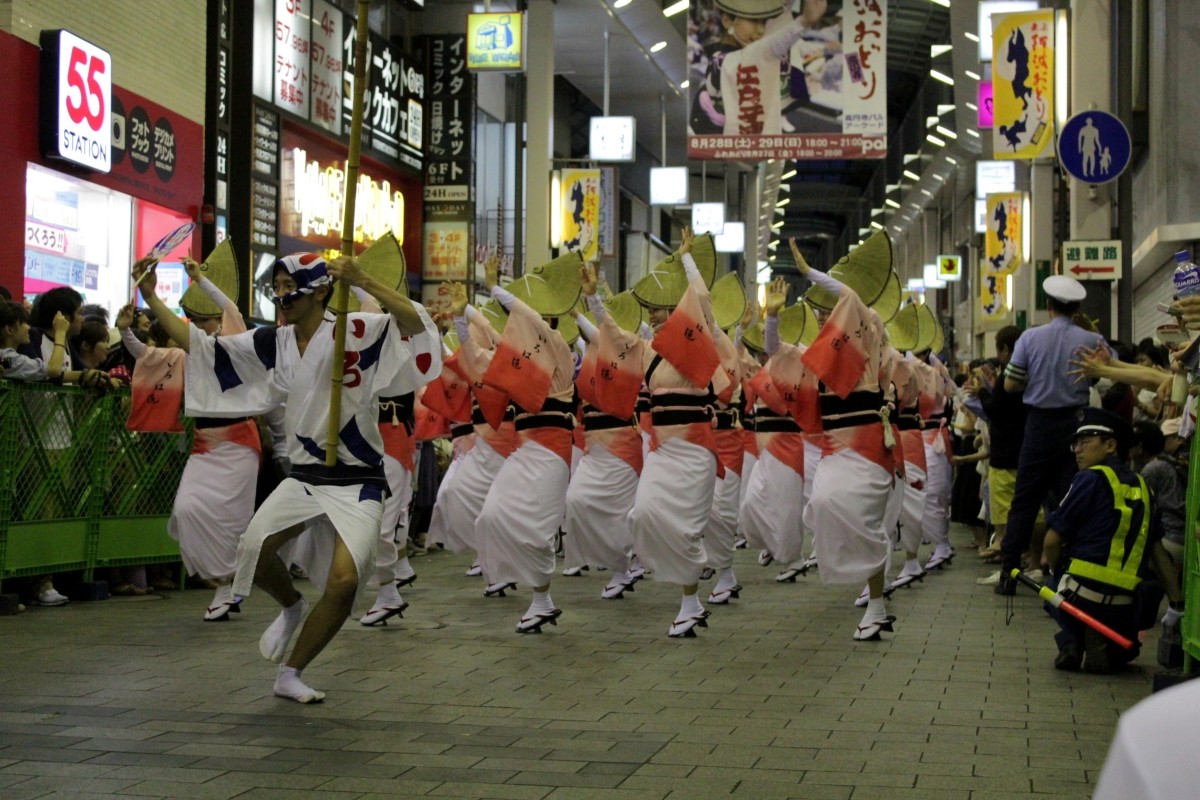
The Koenji Awa Odori is held every late August in Koenji, Suginami-ku, Tokyo. Among the many Awa Odori events originating from Tokushima Prefecture, this is the largest in Tokyo, attracting over one million spectators. the sight of numerous ren groups forming parade lines that fill the streets with energetic dancing brings an electric atmosphere to the entire town. The excitement is so contagious that even spectators find themselves moving their hands and feet along with the dancers.
- Venue: Around JR Koenji Station and Tokyo Metro Shin-Koenji Station shopping streets, etc.
- Access: About 5 minutes on foot from Koenji Station or Shin-Koenji Station
- Event Period: Annually end of August
August 29 (Sat) – August 30 (Sun), 2026
Furutonegawa Floating Lantern Festival | A Magical Summer Festival of Floating Lanterns on the River (Saitama)
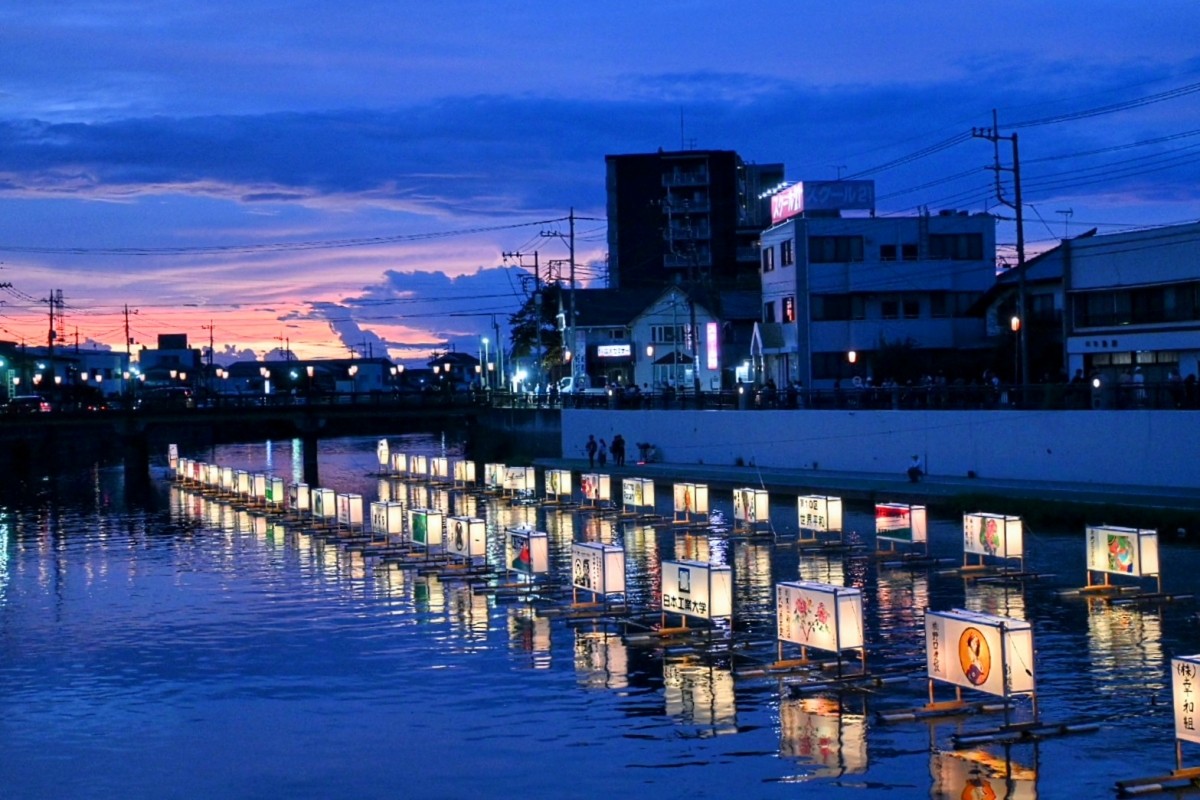
The Kori-Tonegawa Floating Lantern Festival is held every August along the banks of the Kori-Tonegawa River in Sugito Town, Saitama Prefecture. The main highlight is the breathtaking sight of around 250 of Japan’s largest lanterns, each the size of a tatami mat, floating down the river and casting a magical glow. The river surface is filled with light, creating a band of illumination stretching about 1 km, reminiscent of the Milky Way. Lanterns made by children are displayed along the roadside, and food stalls line the festival route. On stage, there are events featuring performances such as singing and dancing.
- Venue: Kori-Tonegawa Riverside (from Furukawa Bridge to Seichi Bridge)
- Access: About 2 minutes on foot from Tobu Zoo Station
- Date: Early August every year
August 1 (Sat) – August 2 (Sun), 2026
Shonan Hiratsuka Tanabata Festival | One of the Largest Tanabata Festivals in Kanto (Kanagawa)
Originating from the Chinese legend of the Cowherd and the Weaver Girl, the Tanabata Festival has developed uniquely in Japan. The Shonan Hiratsuka Tanabata Festival is renowned as one of the most extravagant Tanabata celebrations in the country. Hundreds of gorgeous Tanabata decorations line the city center, filling the streets with vibrant colors. Especially famous are the giant decorations over 10 meters tall displayed at the main venue, Shonan Star Mall. The dazzling streamers captivate countless visitors.
- Venue: City center and various locations throughout the city
- Access: About 2 minutes on foot from Hiratsuka Station
- Date: Early July every year
July 3 (Fri) – July 5 (Sun), 2026
3 Recommended Summer Festivals in the Chubu Region | Experience Traditional Culture in Kanazawa, Nagoya, and More
Gujo Odori | One of Japan’s Three Great Bon Odori Festivals (Gifu)
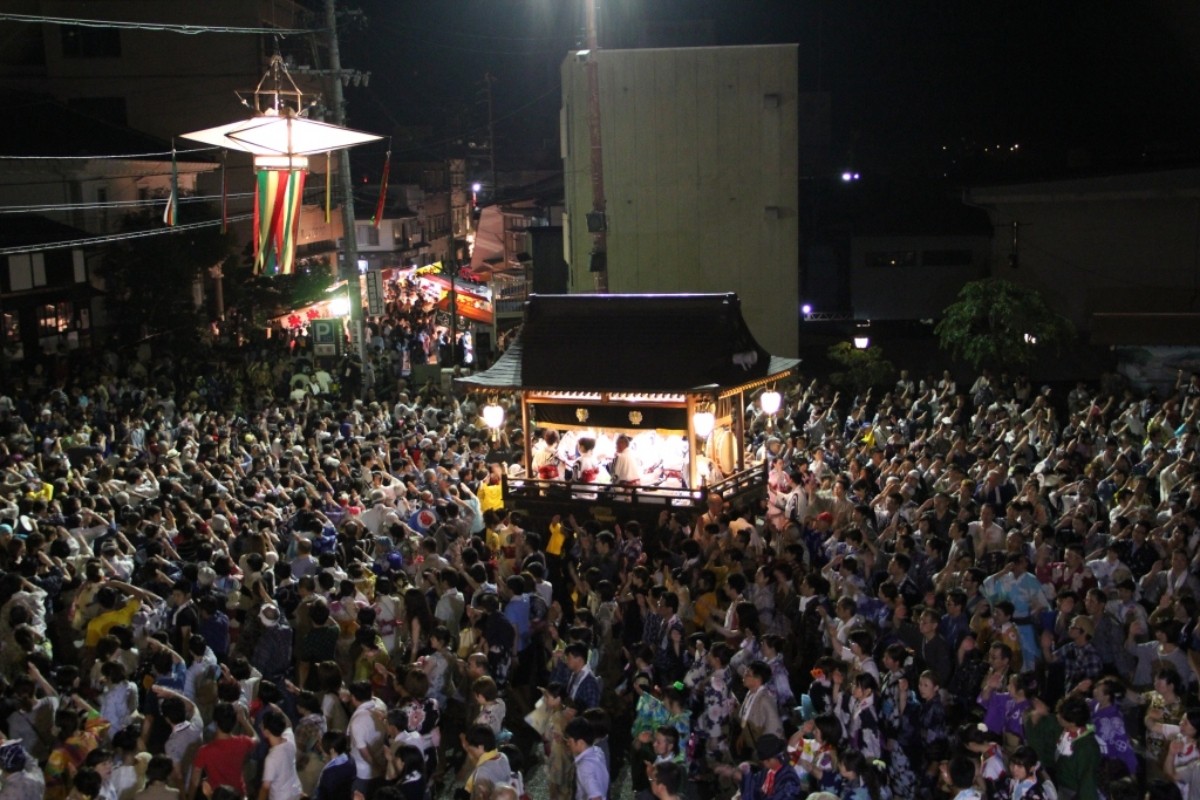
Photo courtesy of Gifu Prefecture Tourism Federation
Gujo Odori is one of Japan’s three great Bon Odori festivals, with a history of over 400 years. Registered as a UNESCO Intangible Cultural Heritage, it is the longest-running Bon Odori in Japan, held over more than 30 nights. Another unique feature is that the venue changes each night, rotating through different locations in the city center of Gujo Hachiman. The highlight is the four-night “All-Night Odori,” where both locals and tourists join hands and dance together until dawn, creating an unparalleled sense of unity. If you wish to dance in a yukata, rentals are available.
- Venue: City center of Hachiman-cho, Gujo City, Gifu Prefecture
- Access: About 15–20 minutes on foot from Gujo Hachiman Station
- Date: Annually from mid of July to early September
July 11 (Sat) – September 5 (Sat), 2026
*All-Night Odori: August 13 (Thu) – August 16 (Sun), 2026
Kanazawa Hyakumangoku Festival | Reenacting the History of Kaga Hyakumangoku (https://www.fun-japan.jp/en/tag/https://www.fun-japan.jp/en/tag/Ishikawa)
© Ishikawa Prefecture Tourism Federation
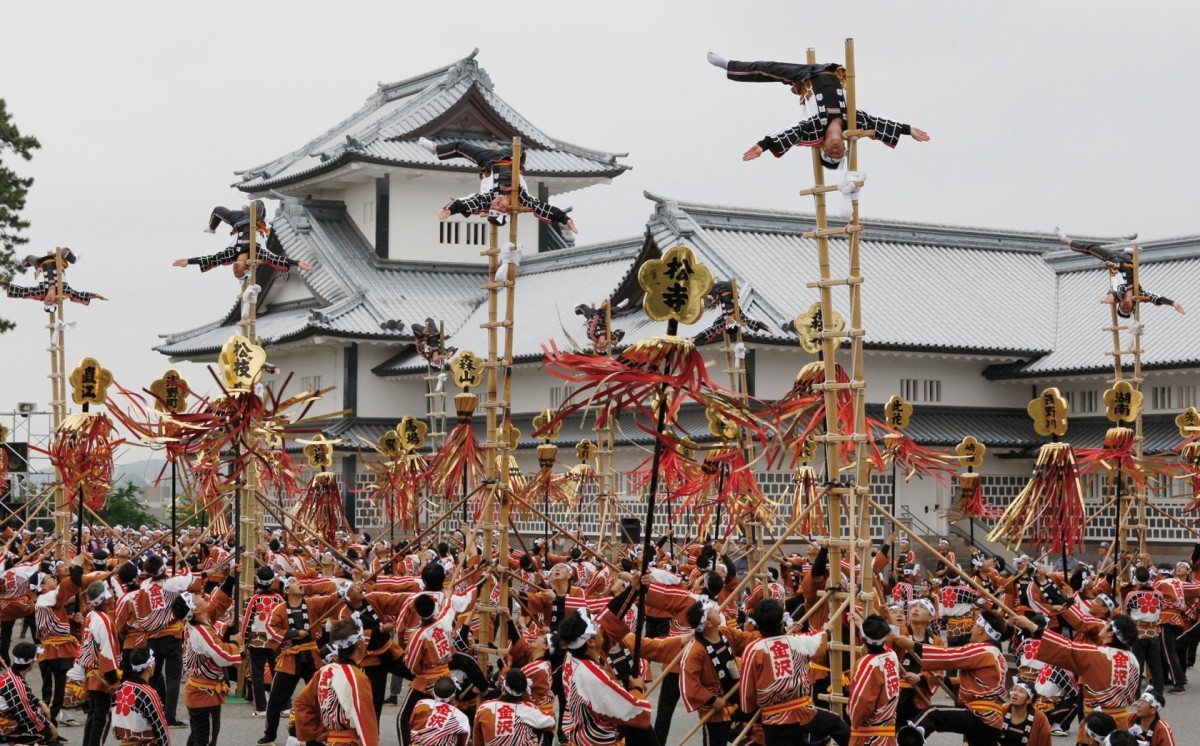
The Kanazawa Hyakumangoku Festival is the largest event in Kanazawa, celebrating the entry of Lord Maeda Toshiie, founder of the Kaga Domain, into Kanazawa Castle. The highlight is the “Hyakumangoku Parade,” a magnificent historical pageant set against the backdrop of the city’s historic streets. In addition to famous Japanese actors portraying Lord Toshiie and his wife, warriors, the Kaga Lion Dance (a designated cultural property), and Kaga Tobi (firefighters demonstrating Edo-period ladder stunts) parade through the city.
- Venue: Central Kanazawa City
- Access: Immediately from Kanazawa Station (starting point of the main Hyakumangoku Parade); about 15 minutes by bus from Kanazawa Station (venue with paid parade seating)
- Date: Annually early June
June 5 (Fri) – June 7 (Sun), 2026
Nippon Domannaka Festival | One of Japan’s Largest Dance Festivals (Aichi)
Nicknamed “Domatsuri,” the Nippon Domannaka Festival is one of Japan’s largest dance festivals, held in Nagoya. About 200 teams (in a typical year) from across Japan and overseas gather to perform. Dressed in dazzling or unique costumes, each team expresses their local culture through rhythmic music and dance. The grand finale is the “World’s Largest Simultaneous Dance,” which was recognized by Guinness World Records in 2010.
- Venue: Various locations throughout Nagoya, including Hisaya Odori Park
- Access: About 1 minute on foot from Yabacho Station
- Event Period: Annually late August
August 28 (Fri) – August 30 (Sun), 2026
Top 3 Summer Festivals in Kansai|Famous Festivals in Kyoto and Osaka
Gion Matsuri|One of Japan’s Three Great Festivals Representing Kyoto (Kyoto)
Gion Matsuri, held as the festival of Yasaka Shrine, boasts a history of over 1,100 years. It is also renowned as one of Japan’s three great festivals, with a variety of Shinto rituals taking place throughout the month of July. The main highlights are the Mikoshi Processions on the 17th (Saki Matsuri) and 24th (Ato Matsuri), as well as the spectacular Yamaboko Junko floats that lead the processions. The Yamaboko event is registered as UNESCO Intangible Cultural Heritage. Another must-experience event is Yoiyama, the three days before the processions, when you can see the “moving art museums” up close—something not possible during the parade itself.
- Venue: Yasaka Shrine and central Kyoto
- Access: About 5 minutes on foot from Gion-Shijo Station
- Event Period: Annually from July 1 to July 31
July 1 (Wed) to July 31 (Fri), 2026
Tenjin Matsuri|Osaka’s Traditional Summer Festival (Osaka)
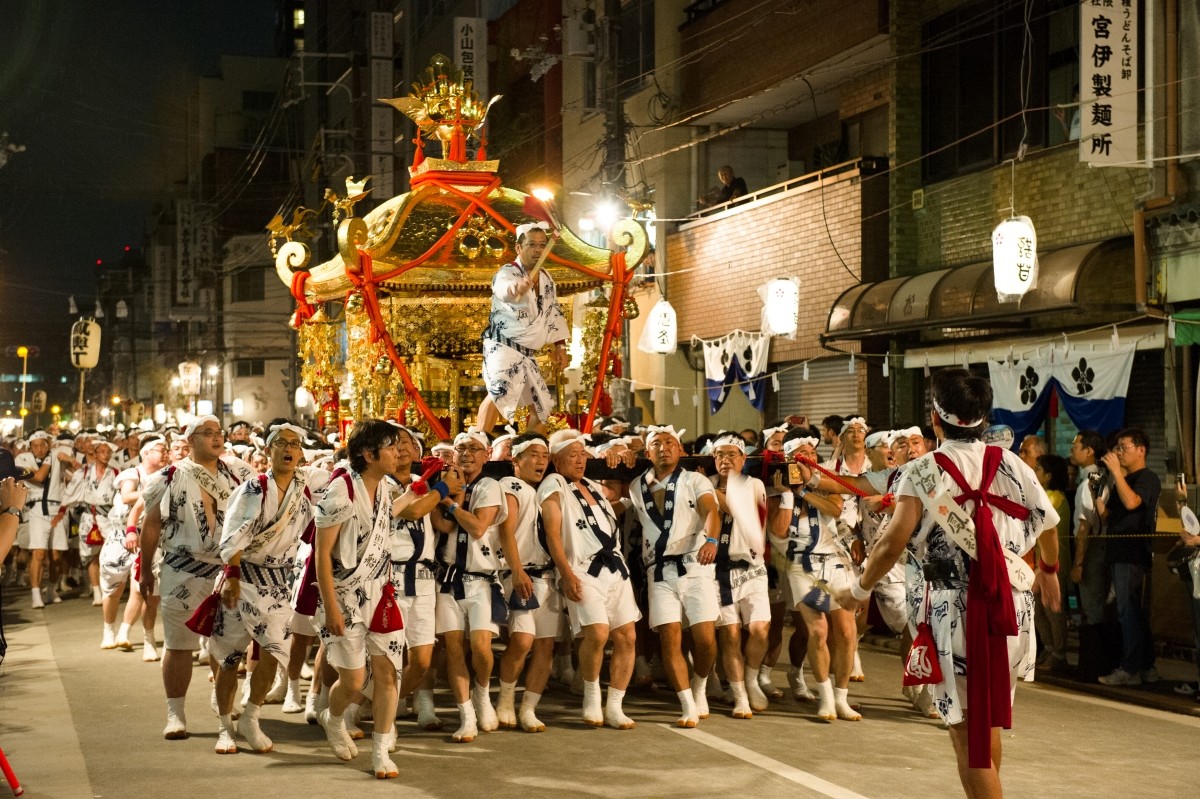
Photo courtesy of Osaka Convention & Tourism Bureau
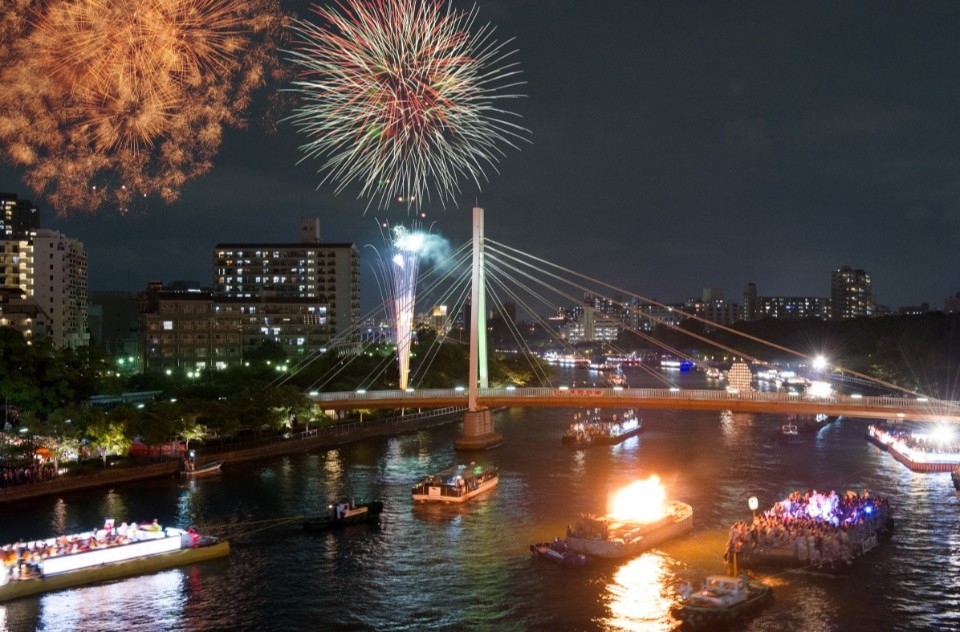
The Tenjin Matsuri at Osaka Tenmangu Shrine is one of Japan’s three great festivals, boasting a history of over 1,000 years. It is known as the “Festival of Fire and Water” that symbolizes summer in Osaka. The highlight of the month-long festival is the “Funatogyo” boat procession held at the main shrine. Nearly 100 boats travel up and down the Okawa River, and the dedication fireworks light up the night sky. The sight of the bonfires and lanterns reflected on the river, combined with the fireworks, is truly breathtaking.
- Venue: Osaka Tenmangu Shrine and surrounding areas
- Access: a 5-minute walk from Osaka Tenmangu Station; about a 5-minute walk from Minami-Morimachi Station.
- Event Period: Annually from July 24 to July 25
July 24 (Fri) – July 25 (Sat), 2026
Kobe Umi no Bon Odori|Seaside Bon Dance Event (Hyogo)
© Kobe Tourism Bureau
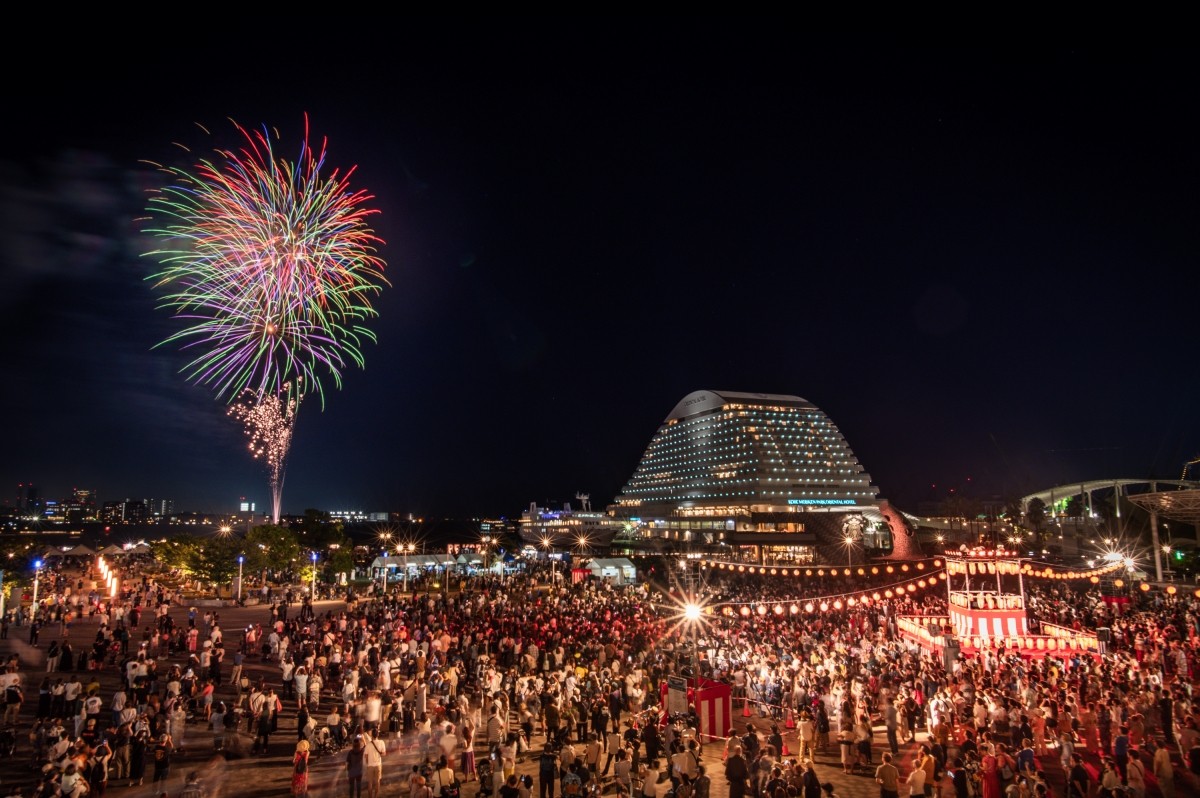
Kobe Umi no Bon Odori is a Bon dance event held at Meriken Park, a popular night view spot in Kobe, where everyone can join in the fun. Its biggest feature is that, along with folk songs themed around Kobe’s port and live performances of folk songs from all over Japan, everyone forms a circle and dances together. For those who want to learn the choreography, instructional videos for the standard songs are also available. There are also a variety of food trucks and festival stalls.
- Venue: Meriken Park
- Access: About a 7-minute walk from Minato Motomachi Station and a 10-minute walk from Motomachi Station
- Event Period: Mid-August annually
August 15 (Sat), 2026
Top 4 Summer Festivals in Chugoku & Shikoku|Japan’s Famous Dance Festivals
Okayama Momotaro Festival|Okayama’s Lively Summer Dance Festival (Okayama)
© Okayama Prefecture Tourism Federation
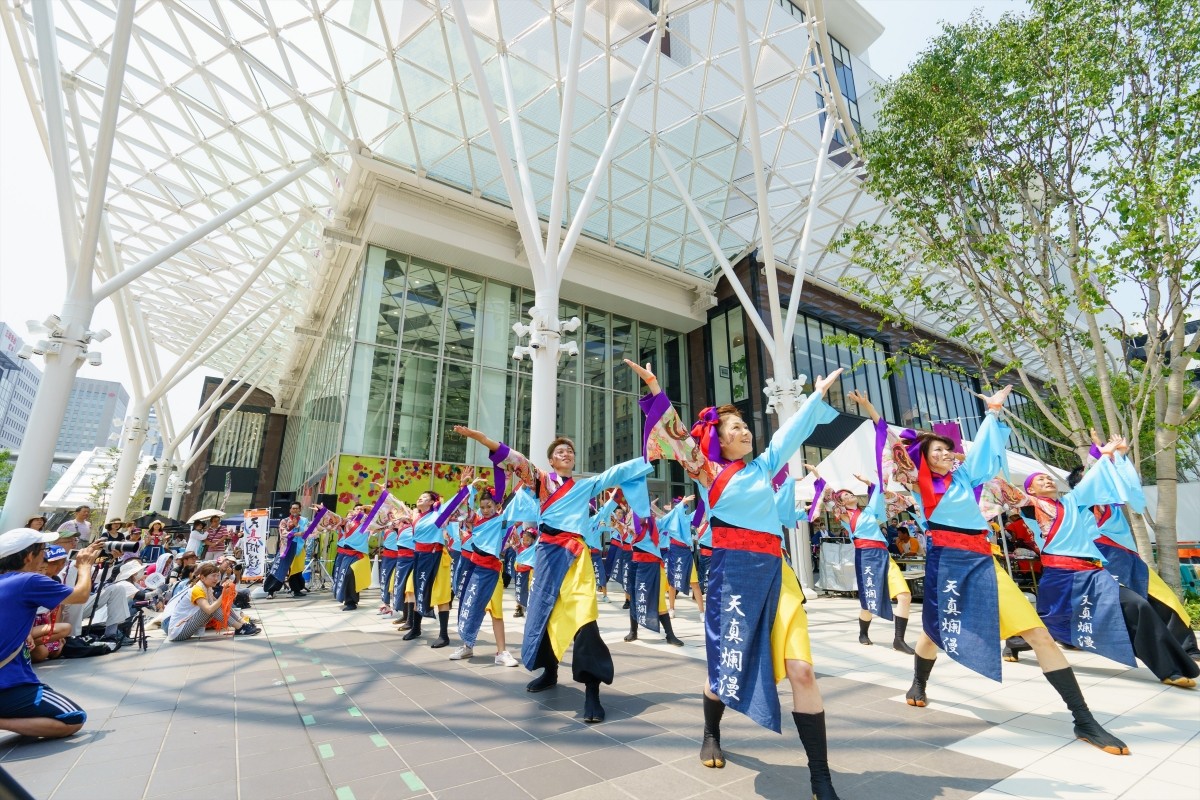
The Okayama Momotaro Festival is a collective term for the festivals. In summer, the main events are the “Ujo Natsu Matsuri,” which illuminates Okayama Castle with summer-themed decorations, and the participatory “Uraja.” Uraja is a festival born from the Momotaro legend of defeating evil ogres, but here, the main characters are the Oni (ura). Dancers wear oni makeup and perform spectacular dances. The grand finale, “So Odori,” where the audience joins in the dance, is the most exciting part of the festival.
- Venue: Central Okayama City
- Access: About 5 minutes on foot from Okayama Station (Shiyakusho-suji)
- Event Period: Annually late August
August 22 (Sat) – 23 (Sun), 2026
Tottori Shan-shan Festival | Tottori’s Traditional Festival Famous for Umbrella Dancing (Tottori)
©Tottori Prefecture
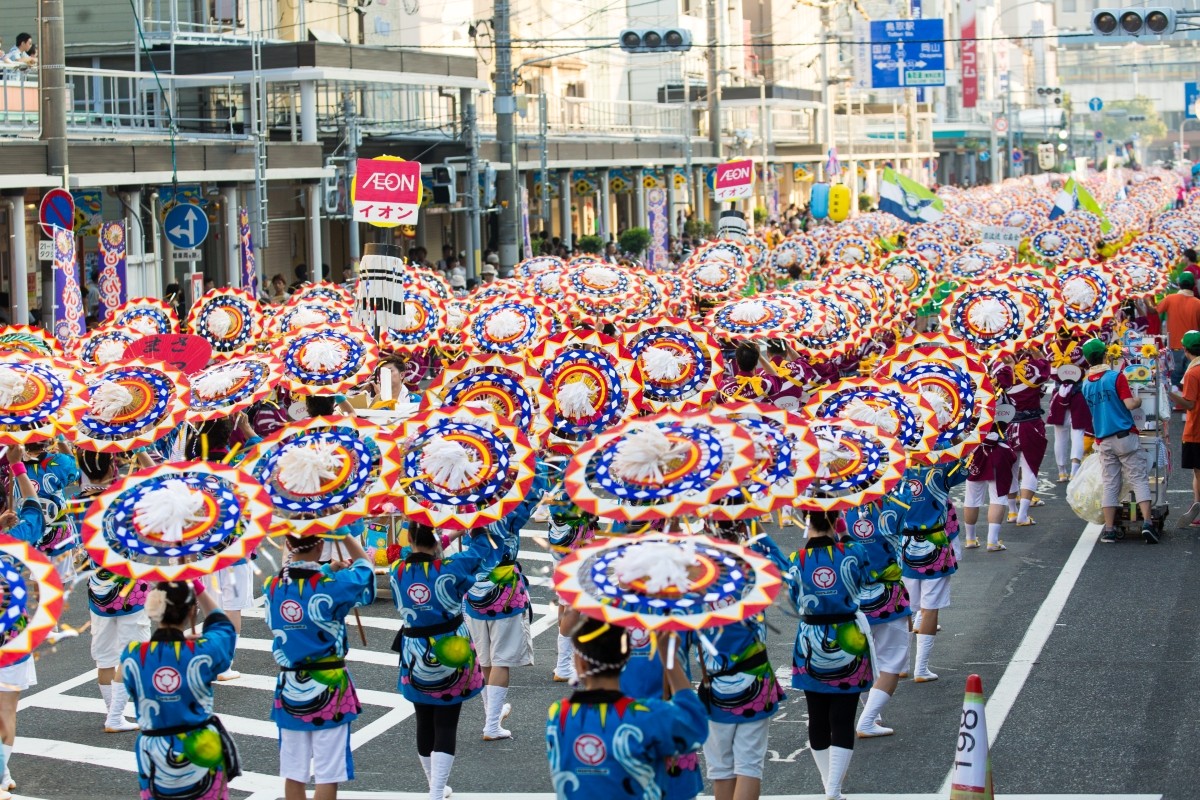
The Tottori Shan-shan Festival is a vibrant event centered around a mass umbrella dance performed with colorful “Shan-shan umbrellas.” These umbrellas, made from bamboo and Japanese paper, are adorned with bells that fill the city with a light, tinkling “shan-shan” sound. The Shan-shan umbrella is a smaller, easier-to-handle version of the umbrella used in the traditional performing art “Inaba no Kasa Odori” from eastern Tottori Prefecture. The sight of over 4,000 dancers moving in unison while ringing their Shan-shan umbrellas is truly spectacular. In 2014, the festival set a world record for the largest umbrella dance, making it a summer tradition that fuses energy and heritage, drawing attention both in Japan and abroad.
- Venue: Fumon Square (Higashihonjicho, Tottori City) and other central city locations
- Access: Just a short walk from Tottori Station (varies by viewing location)
- Event Period: Every August
August 13 (Thu) - August 14 (Fri), 2026
Awa Odori | Japan’s Largest Bon Dance (Tokushima)
Awa Odori, held in various locations across Japan, is a traditional performing art from Tokushima with a history of over 400 years. Every year, more than one million visitors fill the city with excitement. The performances are carried out by “ren” groups, which consist of male dancers who dance powerfully and dynamically, female dancers who express elegance and grace, and musicians who play traditional instruments. Awa Odori is characterized by its simple two-beat rhythm, making it easy for first-timers to join in. For this reason, many people participate in the “Niwaka-ren,” a group open to walk-in participants.
- Venue: Central Tokushima City
- Access: Within walking distance from Tokushima Station (varies by viewing course)
- Event Period: Every August
August 11 (Tue, national holiday) - August 15 (Sat), 2026
Yosakoi Festival | Kochi’s Popular Summer Festival (Kochi)
The Yosakoi Festival is held every August in Kochi. Each team arranges their own version of “Yosakoi Naruko Odori,” a song based on the local folk tune “Yosakoi-bushi.” Teams parade through the city in creative costumes and perform dances, often led by elaborately decorated trucks called “jikatasha.” One of the unique features of Yosakoi is its minimal rules, the main one being that dancers must hold “naruko” (wooden clappers) in both hands while dancing. The festival’s greatest appeal is the overwhelming energy and excitement shared by the 18,000 dancers and spectators.
- Venue: Main venue at Otesuji Headquarters Stage and other locations
- Access: About 17 minutes on foot from Kochi Station
- Event Period: Every August 9–12
August 9 (Sun) - August 12 (Wed), 2026
Three Selected Summer Festivals in Kyushu & Okinawa | Lively and Famous Festivals
Hakata Gion Yamakasa | Fukuoka’s Representative Festival (Fukuoka)
Hakata Gion Yamakasa is a summer Shinto ritual in Hakata with a history of over 780 years and is registered as a UNESCO Intangible Cultural Heritage. The highlight is the dynamic sight of carriers racing through the city with “Kakiyamakasa,” floats weighing over one ton, accompanied by spirited shouts. The “Kushida-iri,” when the floats enter Kushida Shrine, is especially impressive. In addition, around a dozen locations in Fukuoka City display “Kazariyamakasa,” elaborately decorated floats about 10 meters tall.
- Venue: Kushida Shrine and various locations throughout Hakata
- Access: About 2 minutes on foot from Kushida Shrine-mae Station
- Event Period: Every July 1–15
July 1 (Wed) - July 15 (Wed), 2026
Oita Tanabata Festival | Tanabata Festival with Colorful Decorations (Oita)
For two days, the shopping streets in central Oita City are adorned with vibrant Tanabata decorations during the Oita Tanabata Festival. A must-see is the “Funai Pacchin” on the first day. Funai Pacchin are floats made by creating three-dimensional figures of warlords, dragons, and popular characters using frames and cloth, then coloring them. These illuminated floats gather in the city and parade dynamically, glowing in a variety of colors.
- Venue: Oita City Chuo-dori and other locations in the city center
- Access: A short walk from Oita Station
- Event Period: Every August
August 7 (Fri) - August 8 (Sat), 2026
Yonabaru Great Tug-of-War Festival | Okinawa’s Traditional Event of Pulling a Giant Rope (Okinawa)
©Yonabaru Town
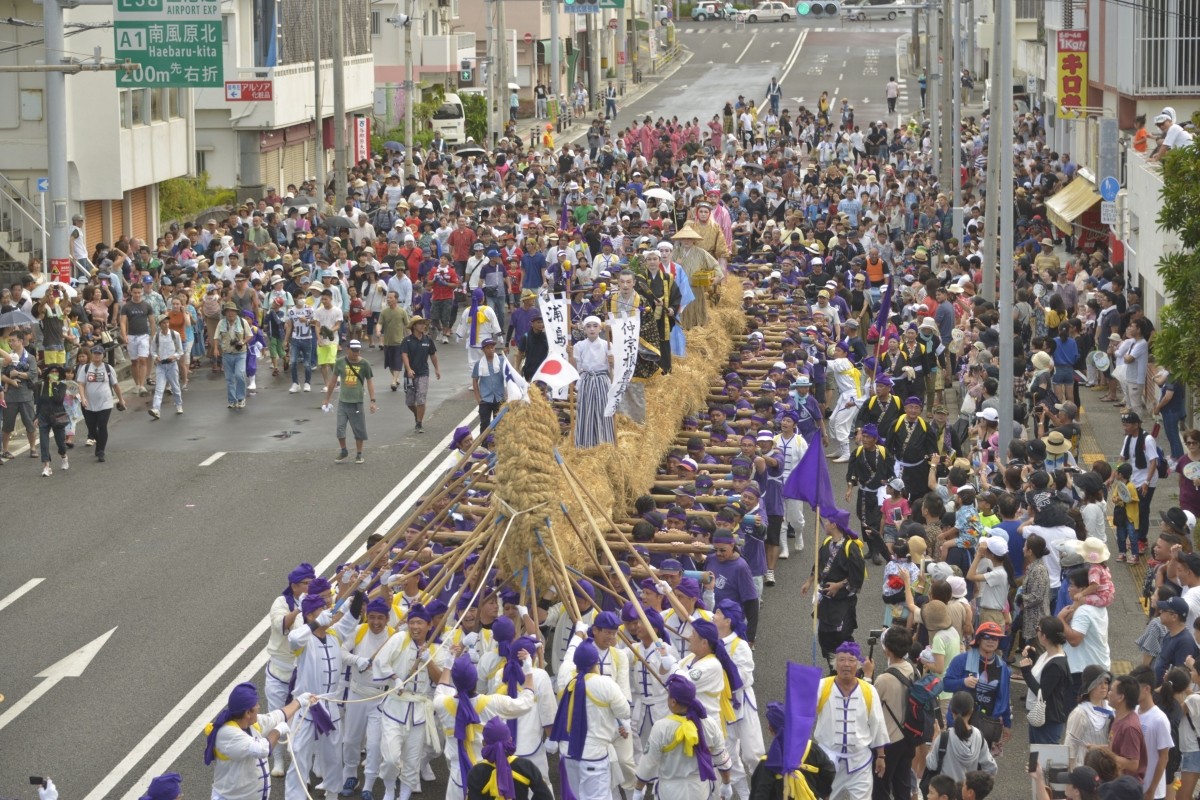
The Yonabaru Great Tug-of-War Festival is one of Okinawa’s three major tug-of-war events, boasting a history of over 450 years. The townspeople are divided into East and West teams to compete for victory. One of the various events held before the main tug-of-war is called “Michi Junee.” The giant rope, which consists of a male and female rope, is over 90 meters long and weighs more than 5 tons. Each side, East and West, has over 400 carriers who transport the rope—carrying participants called “Shitaku”—to the venue. When the looped ends of the ropes are crossed and joined together with a “Kanachi-bo” pole, the tug-of-war begins. The intense and powerful contest fills the venue with excitement and energy. The festival concludes with a fireworks display, beautifully wrapping up the passionate night.
- Venue: Tug-of-War Venue (Goten-yama Youth Square)
- Access: About a 2-minute walk from Yonabaru Elementary School bus stop
- Event Period: Every August
August 15th (Sat)–16th (Sun), 2026
🏨Book Japanese hotels with JAPANiCAN 👉Click here
Comments