
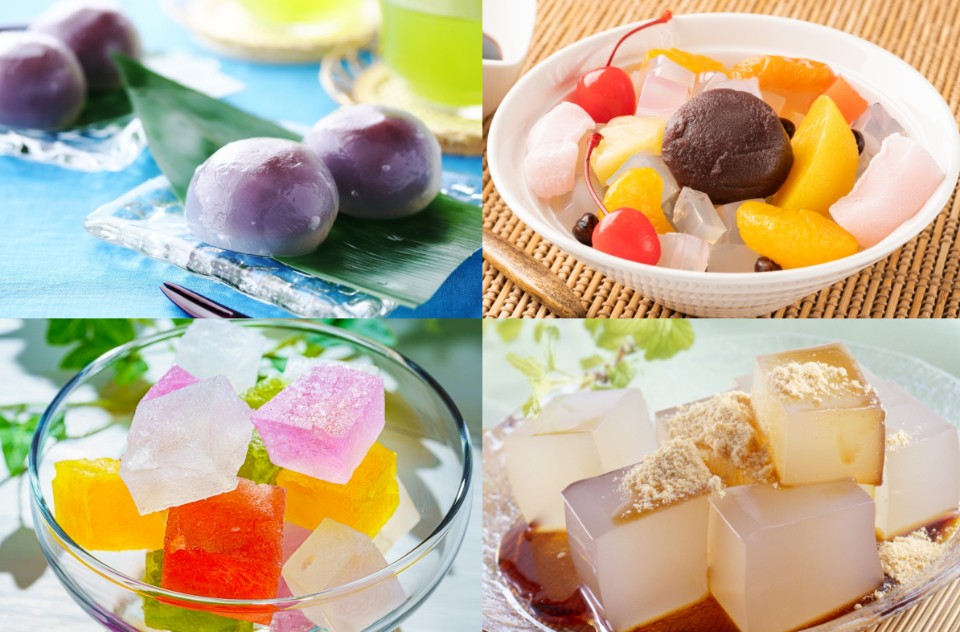
An increasing number of people are citing “gourmet food” as a reason for visiting Japan from overseas. One unique aspect of Japanese food culture that you should know about is “wagashi” (traditional Japanese sweets). Some wagashi, like anmitsu, are available year-round, while others, such as Mizu Shingen Mochi or Minazuki, are sold only in summer, allowing you to experience Japan’s changing seasons through these sweets. In this article, we’ll introduce summer wagashi you’ll want to try if you visit Japan during the summer.
*If you purchase or reserve products introduced in this article, a portion of the sales may be returned to FUN! JAPAN.
🍴Enjoy wagashi at “Saryo Kyoto Yoshitsugu” in Kyoto【Tabelog】
🍴Enjoy wagashi at “Kukuku” in Tokyo【Tabelog】
What is Wagashi? Traditional Japanese Sweets Made from Natural Ingredients
Wagashi is part of a traditional culture shaped by Japanese history and seasonal awareness. Its origins are said to date back to the Jomon period, when people would crush nuts, remove the harshness, and roll them into balls. This is believed to be the beginning of dango (rice dumplings).
In Japan, where the changing of the seasons is distinct, wagashi also places great importance on seasonality. Some wagashi are made only during specific times of the year, allowing people in Japan to feel the arrival of each season through these sweets. The shapes and colors of wagashi are also changed to express the seasons.
Wagashi also differs from Western sweets in many ways. Wagashi mainly uses ingredients such as rice, azuki beans, and wasanbon (a traditional Japanese sugar made from sugarcane), while Western sweets often use wheat flour, butter, and sugar.
Additionally, the ingredients used in wagashi are often natural materials that have been cherished since ancient times, reflecting the Japanese food culture that values the original flavors of the ingredients.
10 Summer Wagashi Recommended for Foreign Visitors
Summer wagashi are crafted to suit Japan’s hot and humid summers, when people tend to lose their appetite. They are characterized by their refreshing appearance, smooth texture, and light taste. Many have a smooth, slippery texture, and their cool appearance alone can make you feel refreshed. Wagashi modeled after summer motifs are also popular.
① Mizu Manju|A Transparent Sweet Popular Overseas
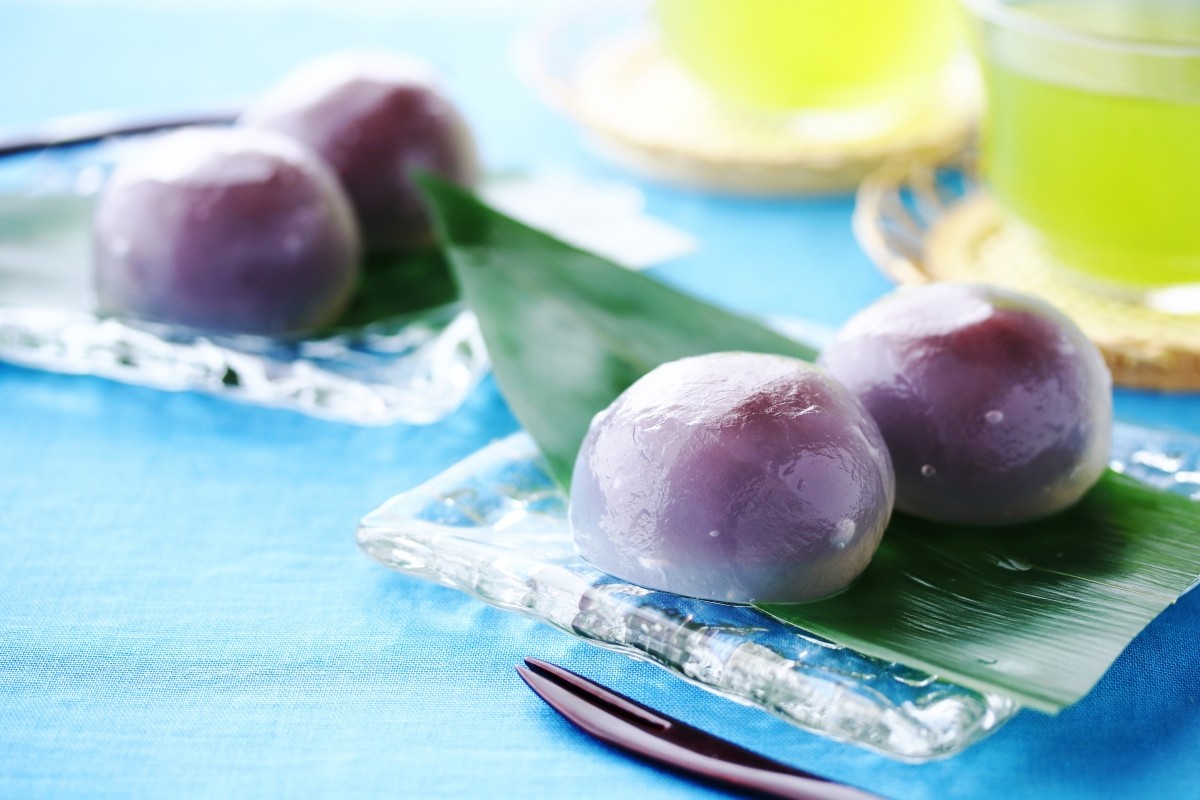
“Mizu Manju” is a wagashi made by wrapping sweet bean paste in a translucent dough made from kudzu starch or warabi starch and chilling it in well water. While it is now enjoyed throughout Japan, it is said to have originated in Ogaki City, Gifu Prefecture.
It is characterized by its smooth texture and soft, chewy consistency. Since refrigeration or freezing can ruin the texture, it is generally stored at room temperature away from direct sunlight and high humidity, and chilled just before eating. Its cool appearance makes it a perfect treat to feel the arrival of summer.
② Anmitsu|A Japanese-Style Parfait Popular with Foreigners
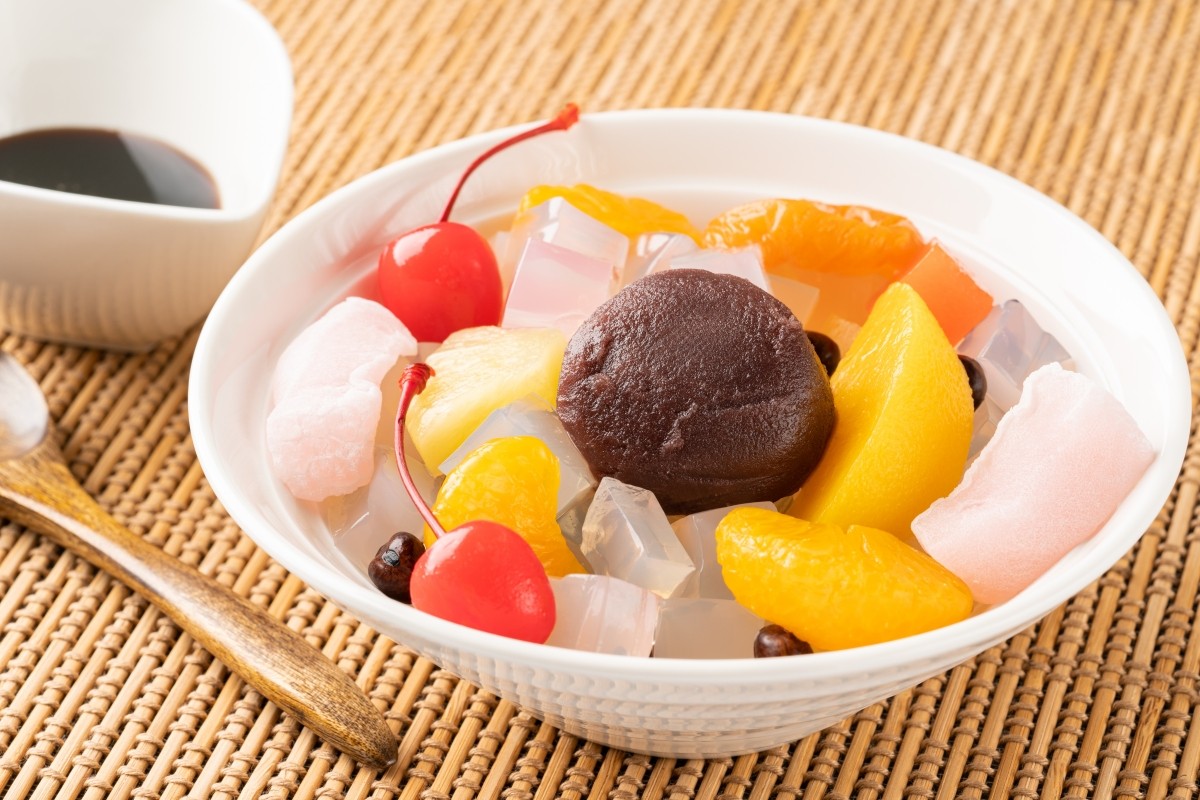
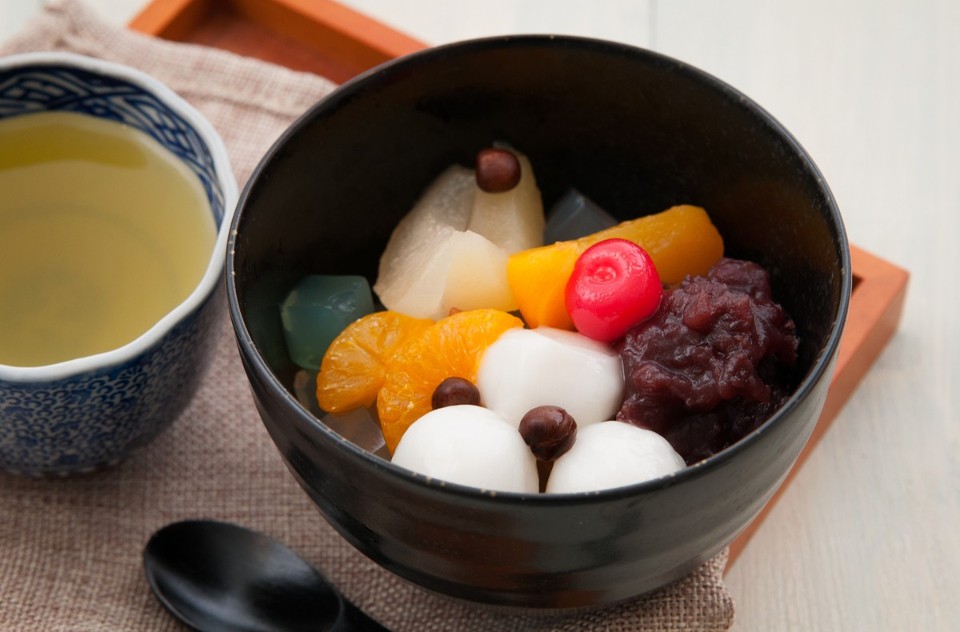
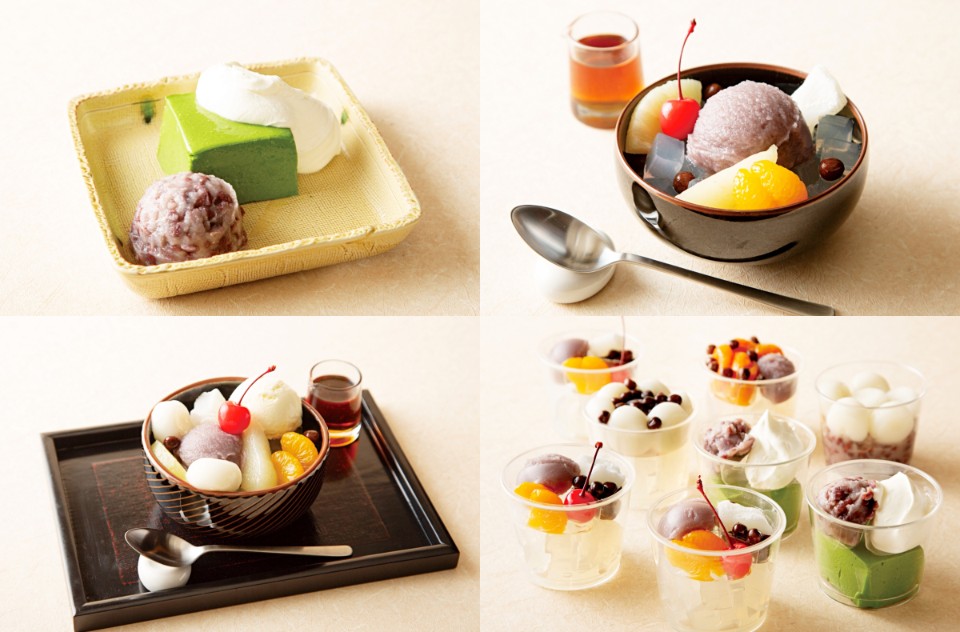
This wagashi features “kanten” (agar jelly), a plant-based gelatin substitute rich in dietary fiber, as its base. It is topped with “anko” (sweet red bean paste made by simmering beans such as azuki with sugar), “gyuhi” (a soft mochi made by kneading glutinous rice flour or shiratamako with sugar and syrup), red peas, and sweet syrup. The combination of kanten and colorful fruits gives it a refreshing look. Variations such as “cream anmitsu” (with ice cream) and “shiratama anmitsu” (with rice flour dumplings) are also popular.
The version without sweet red bean paste is called "mitsumame," while "anmitsu" is mitsumame with sweet red bean paste added. This refreshing Japanese dessert has been loved since the early Showa era, with demand peaking from early summer through summer. In Tokyo, there are several long-established traditional sweet shops that serve Anmitsu, and in summer, people line up to enjoy it.
③ Minazuki | Traditional Japanese Sweet Eaten in June
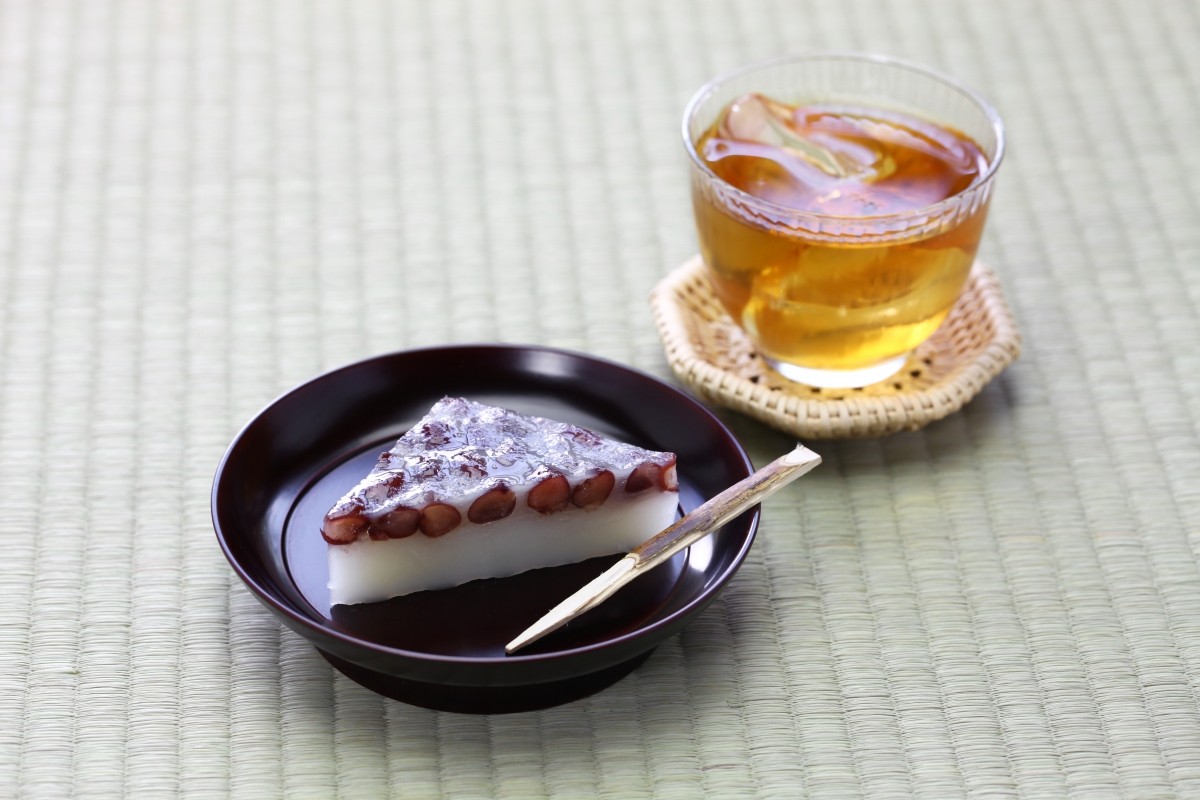
"Minazuki" is a local Kyoto confectionery eaten on June 30th during the "Nagoshi no Harae" purification ritual. This ceremony is held to cleanse away sins and impurities from the first half of the year, and people eat Minazuki to pray for good health during the rest of the year.
It features a white "Uiro" base made by steaming a mixture of rice flour, sugar, and water, topped with sweet simmered azuki beans, and cut into triangles. The triangular shape represents blocks of ice eaten at the imperial court during the Muromachi period. In the Edo period, common people could not afford precious ice, so they used Uiro to represent it.
Related Article
④ Warabi Mochi | A Popular Japanese Sweet with a Chewy Texture
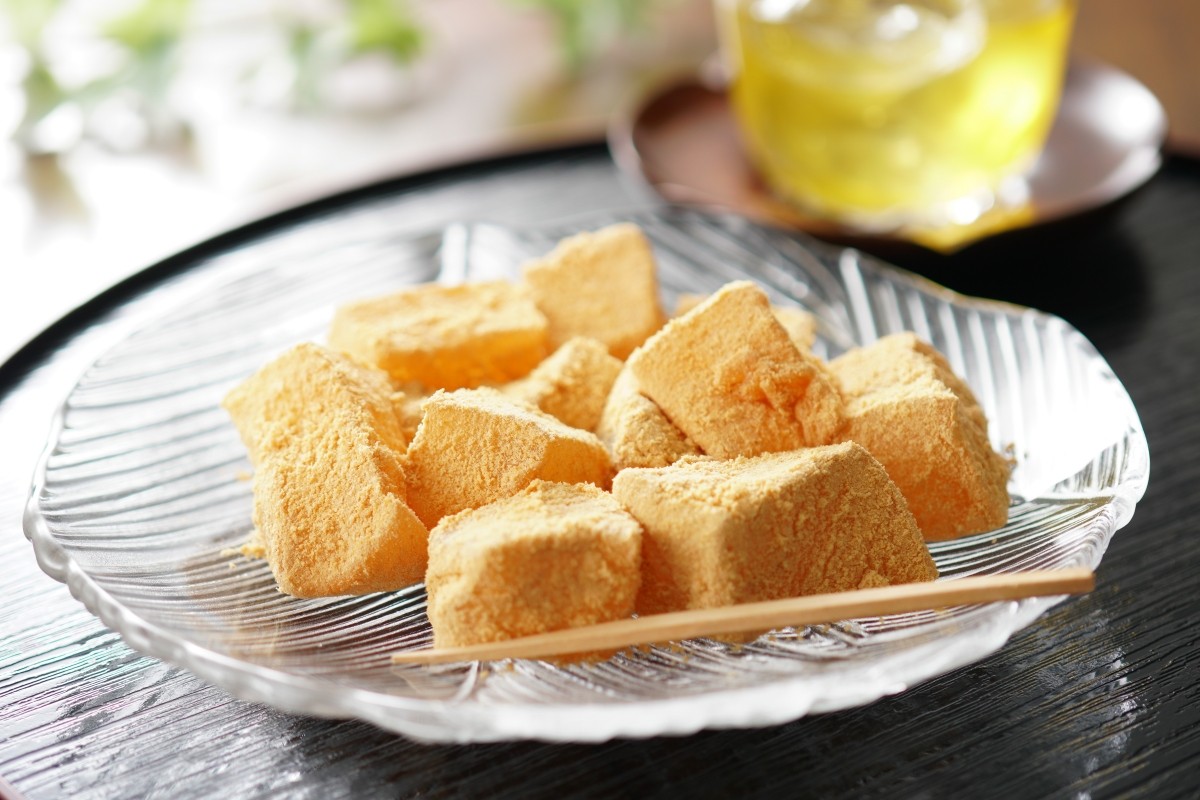
"Warabi Mochi" is a Japanese sweet made from starch powder extracted from the roots of the bracken plant. It is typically enjoyed with kinako (roasted soybean flour) or kuromitsu (brown sugar syrup). Its chewy texture, cool mouthfeel, and gentle sweetness make it a perfect summer treat.
Freshly made and chilled warabi mochi is especially delicious. Since it is easy to make at home, it is a classic summer snack. In recent years, matcha-flavored and chilled "Nama Warabi Mochi" have also become popular.
Traditional Japanese confectionery shops use authentic warabi starch, but products sold in supermarkets often use sweet potato or tapioca starch instead, resulting in a firmer texture.
⑤ Kuzukiri | Elegant and Refreshing Chilled Sweet
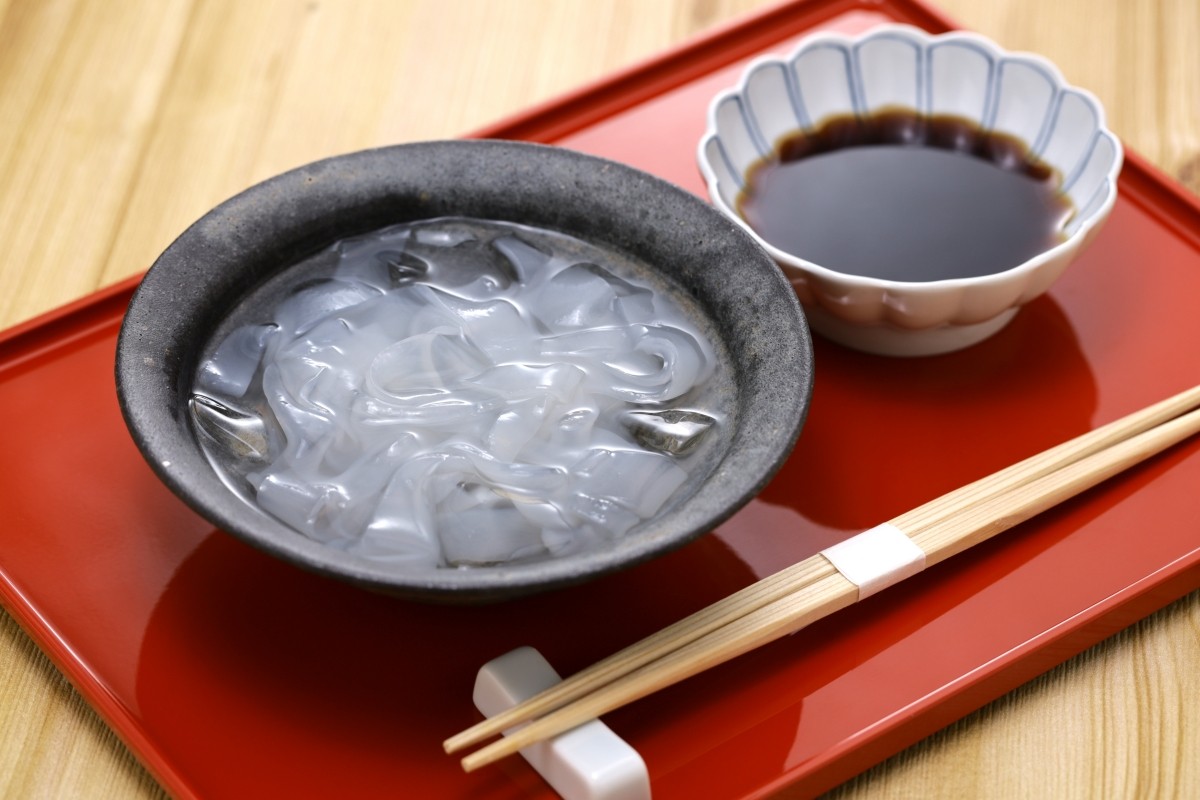
Kuzukiri is a Japanese sweet made by dissolving kudzu starch, which is extracted from the roots of the perennial kudzu plant, in water, heating it to form a solid sheet, and then cutting it into long, thin noodle-like strips. Originating in Kyoto's Gion district, it has a history of about 300 years as a classic summer treat.
Kuzukiri is known for its chewy texture and smooth mouthfeel. It is typically enjoyed with "kuromitsu," a thick, dark brown syrup made by simmering brown sugar with water and sugar, and is loved as a classic summer sweet.
⑥ Kuzumochi | Summer Sweet Enjoyed with Kuromitsu and Kinako
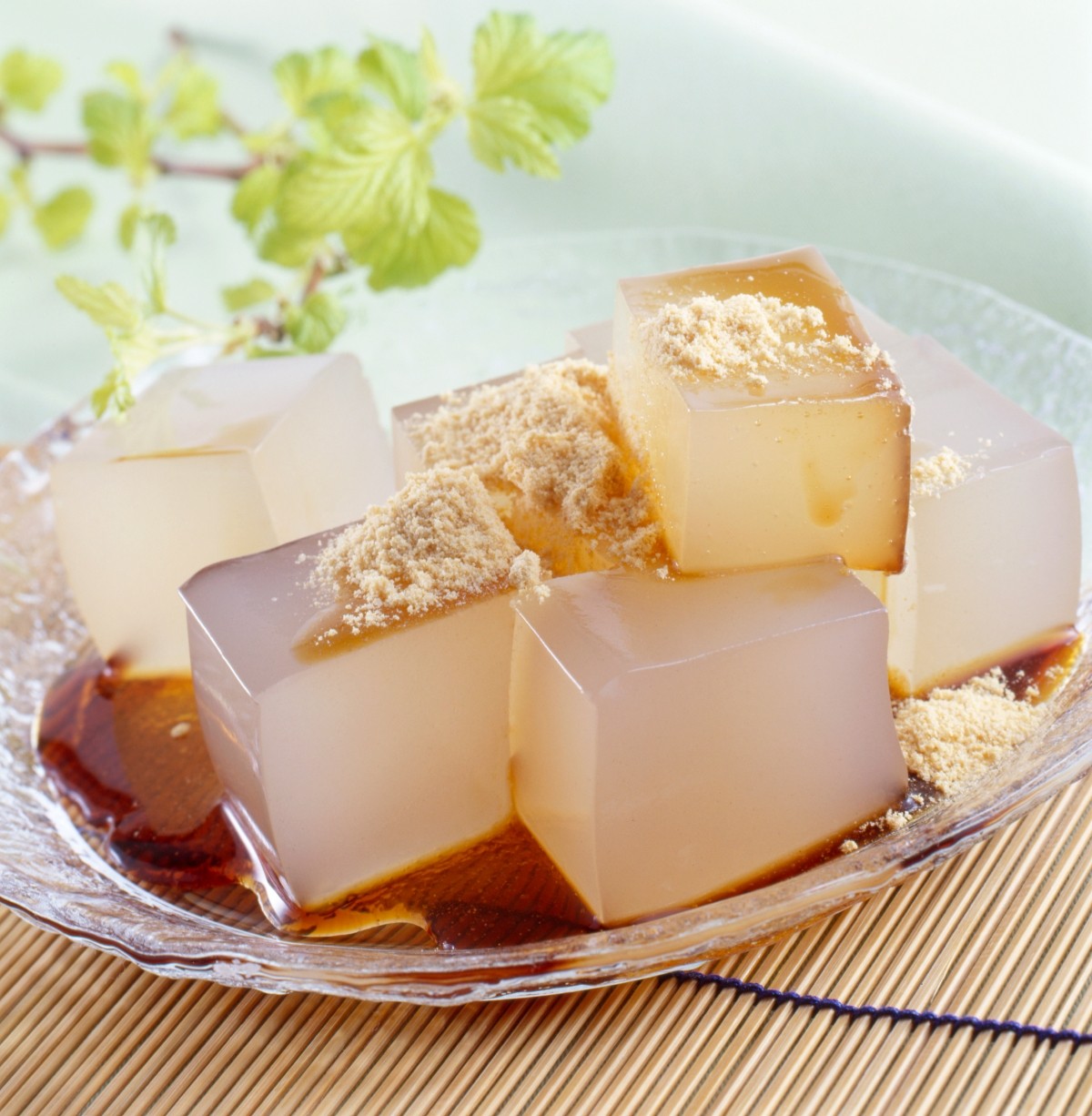
"Kuzumochi" refers to different types of Japanese sweets in Kansai and Kanto regions. In Kansai, it is made with kudzu starch, giving it a jelly-like, refreshing appearance and a smooth texture. In Kanto, it is made with fermented wheat starch, resulting in a unique, elastic texture and a subtle tang from fermentation.
The writing also differs: in Kansai, it is written in kanji as "葛餅," while in Kanto, it is written as "くず餅" or "久寿餅." In both regions, it is commonly enjoyed with kinako and kuromitsu.
⑦ Kingyokukan | A Jewel-like Beautiful Summer Confection
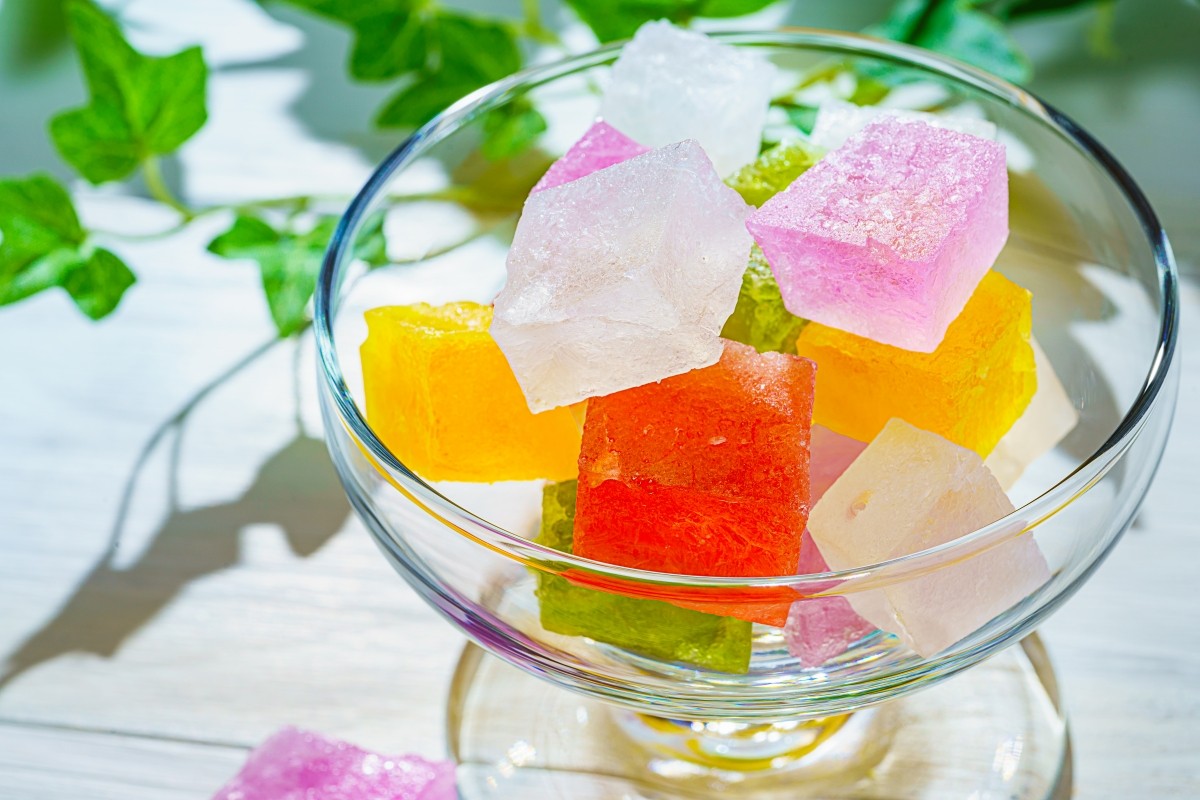
"Kingyokukan" is a traditional Japanese confection made by dissolving agar in water, adding sugar and mizuame syrup, simmering the mixture, and then chilling it until it sets. Its beautiful, jewel-like appearance has earned it the nickname "edible jewel." It is characterized by the slightly crisp texture of the sugar and the smooth mouthfeel of the agar. Depending on the design, it can be colored or mixed with various ingredients to create motifs such as goldfish or rippling water, resulting in a wide variety of visual presentations.
It is also known by various names such as "Kohaku," "Kohakuto," "Kohaku-gashi," "Kingyokukan," and "Natsu Yokan." The name "Kohaku" (amber) is said to come from the practice of coloring the transparent agar an amber color using gardenia fruit. During the Edo period, the name "Kingyokukan" was more commonly used.
⑧ Tokoroten | A Unique, Unsweetened Summer Flavor
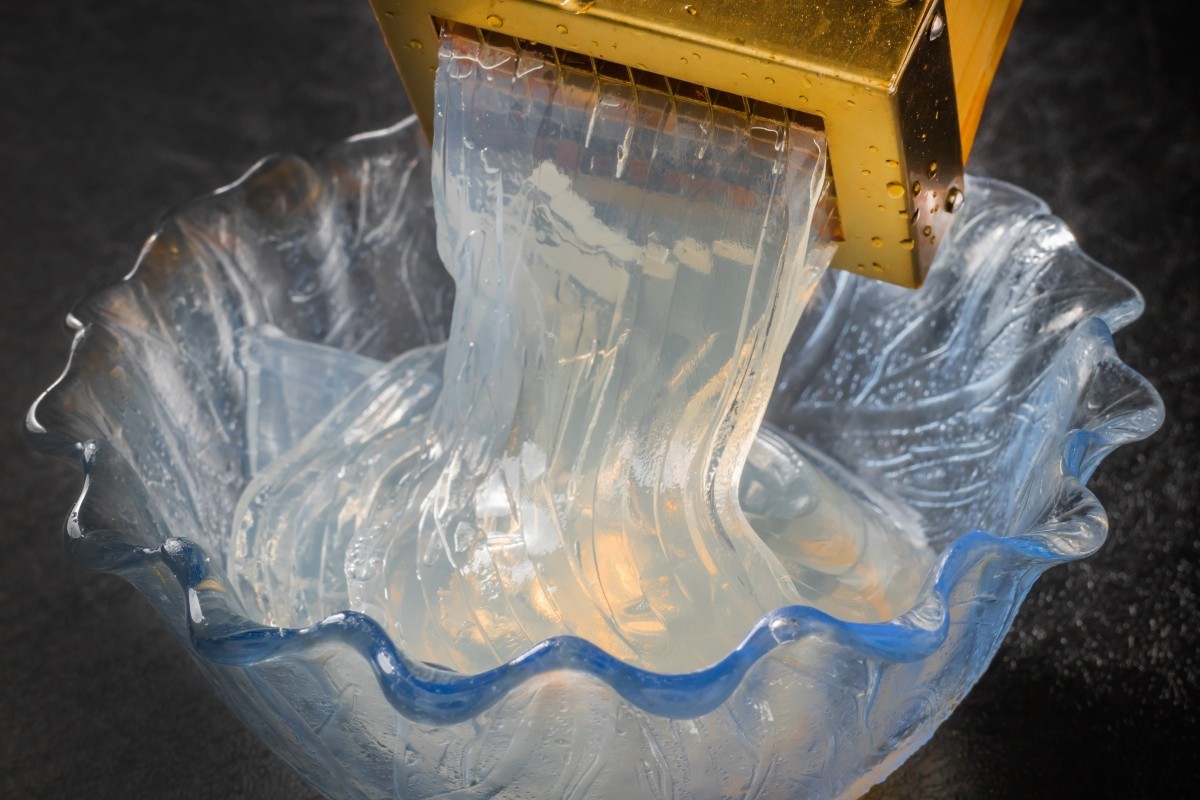
"Tokoroten" is made by boiling and dissolving tengusa (a type of red seaweed), straining it, and then pouring it into molds to cool and set. The set jelly is then pushed through a special tool called a "tokoroten-tsuki" (tentsuki) to create noodle-like strands. In the Kanto region, it is typically eaten with vinegar soy sauce and Japanese mustard, while in the Kansai region, it is enjoyed with kuromitsu (brown sugar syrup) and kinako (roasted soybean flour). In Kanto, it is served as a meal or side dish, whereas in Kansai, it is considered a snack or dessert. This difference stems from differences in sugar distribution and regional food cultures during the Edo period. In the Chubu region, it is often eaten with sanbaizu (a vinegar-based sauce), and in Shikoku, with dashi broth.
Tokoroten that has been frozen and dried is called "kanten" (agar). "Mizu Shingen Mochi," a popular Japanese sweet made with agar, is sold by Kinseiken in Yamanashi Prefecture only on weekends from June to September. It is made by setting natural water from the Southern Alps with a small amount of agar, resulting in a transparent, jiggly texture. This delicate confection is famous for having a shelf life of just 30 minutes at the shop.
⑨ Mizu Yokan | A Classic Japanese Sweet Enjoyed Chilled
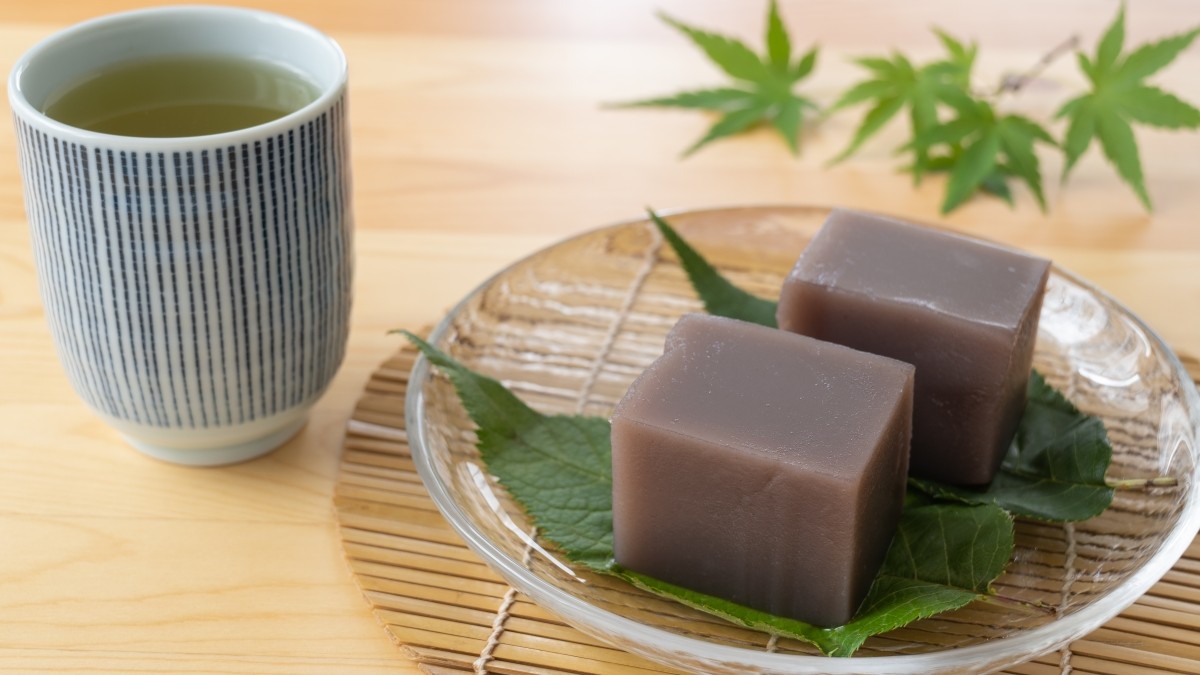
This Japanese sweet is made by heating and dissolving agar, sugar, and azuki beans, then chilling the mixture until it sets. "Mizu Yokan" contains less agar than regular "Neri Yokan," resulting in a lighter sweetness and a smooth, slippery texture. While neri yokan has a high sugar content and can be stored for a long time, mizu yokan has a lower sugar content and should be eaten within a short period.
It is mainly enjoyed chilled as a summer treat, but in some regions such as Fukui Prefecture, it is also a winter staple.
⑩ Fu Manju | An Elegant Summer Sweet with the Refreshing Scent of Bamboo Leaves
Source: Yahoo! Shopping
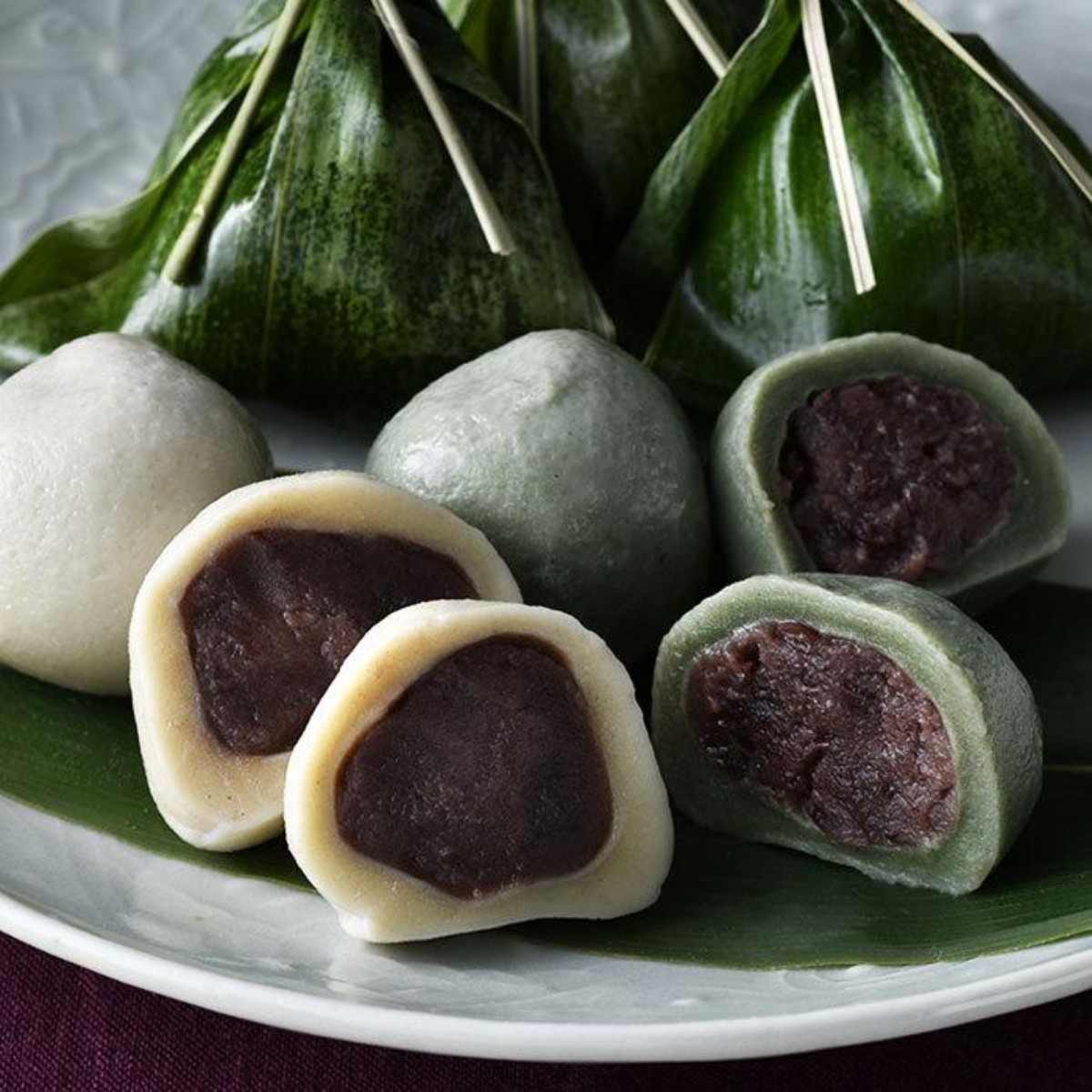
"Fu Manju" is a classic summer wagashi made by wrapping smooth red bean paste in "nama-fu" (fresh wheat gluten) and usually wrapping it in bamboo leaves. It is known for its chewy texture, smooth feel, and the refreshing aroma of bamboo leaves, offering a refined sweetness.
Since nama-fu (raw wheat gluten) is sometimes kneaded with aonori (green laver) or yomogi (mugwort), the contrast between their flavors and the sweet red bean paste inside is exquisite. These sweets are sold in the summer at long-established shops and wagashi stores in Kyoto and other regions, but their shelf life is quite short—about 1 to 2 days.
How to Enjoy Wagashi During Your Trip to Japan
When you visit Japan, you can enjoy more than just eating wagashi. Experience the charm of wagashi in unique Japanese settings.
Join a Wagashi-Making Workshop
In areas famous for wagashi, such as Kyoto and Tokyo, there are places where you can actually try making wagashi yourself. Even beginners can participate with peace of mind, as you’ll be taught from scratch. There are various options, including classes that families can enjoy together, workshops that accept same-day reservations, and classes that offer instruction in foreign languages.
👉Tokyo|Seasonal Wagashi Making Experience (2 types)|Welcome to the World of Traditional Japanese Sweets. Chinese/English guides available.
Enjoy with a Tea Ceremony Experience
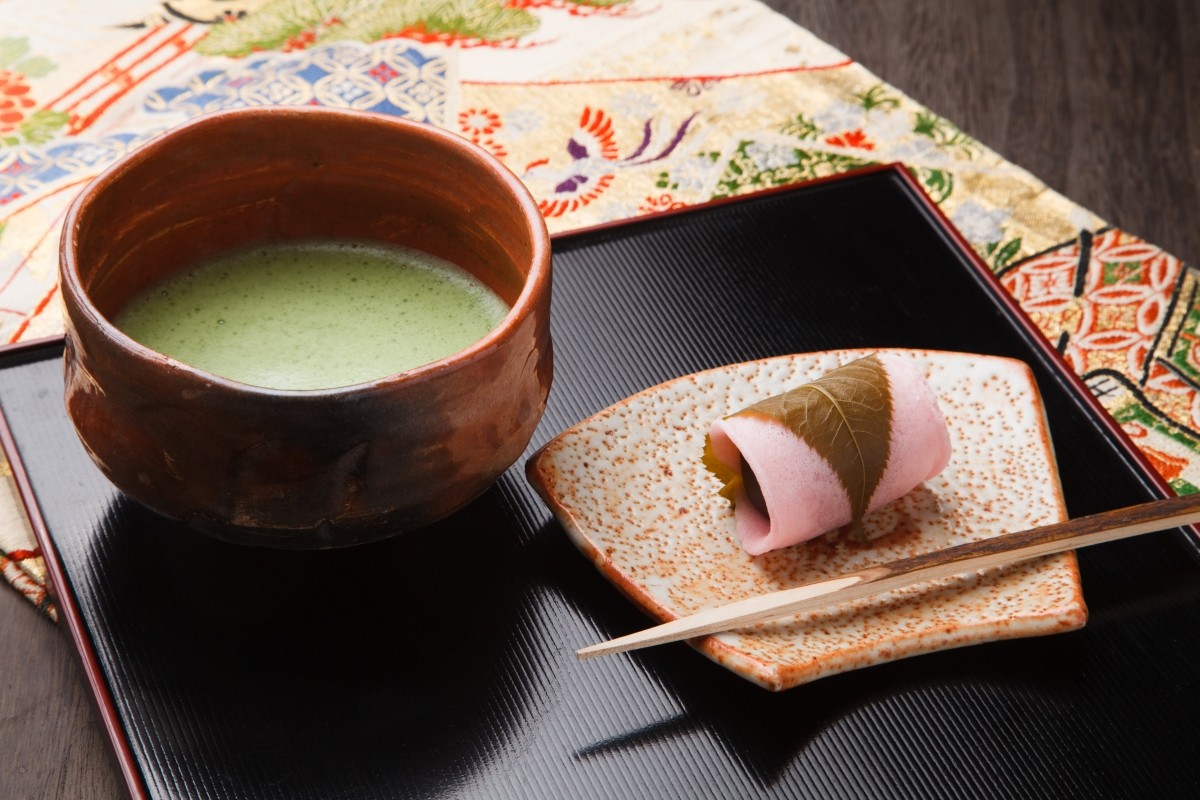
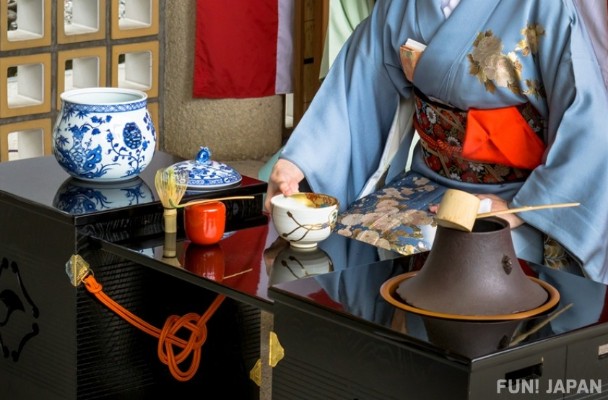
In a tea ceremony experience, it is customary to eat sweet wagashi before drinking matcha. This enhances the bitterness of the tea and helps prepare the stomach for the tea. There are also rules for eating wagashi: use a wooden pick called "kuromoji" to cut the sweet into bite-sized pieces and enjoy it on a piece of kaishi paper. Wagashi names often reflect the season, so try to imagine the scenery as you savor them.
Watch Artisans at Work in Long-Established Shops
Some long-established wagashi shops offer the unique experience of watching artisans make wagashi right in front of you, much like at a sushi restaurant counter. A representative example is "Kashiyu Chaya" inside the famous wagashi shop "Tsuruya Yoshinobu" in Nihonbashi, Tokyo. Here, you can enjoy freshly made wagashi paired with matcha, prepared right before your eyes.
Where Can You Buy Summer Wagashi During Your Trip to Japan?
Wagashi culture is deeply rooted in everyday life in Japan, so you can easily purchase them even outside of specialty stores. Picking up some wagashi as a souvenir on your way home is highly recommended.
Station and Airport Shops|Convenient Spots to Buy Before Departure
You’ll find unique Japanese summer wagashi at many major terminal stations and airport shops. Since you can buy them while in transit, these locations are perfect for those who want to make efficient use of their time during their stay in Japan.
Convenience Stores & Supermarkets|For Those Who Want to Try Casually
If you want to try wagashi casually, visiting a convenience store or supermarket is a good idea. However, if you’re looking for summer-only wagashi, the selection may be limited. Warabi mochi, anmitsu, and tokoroten are often available at supermarkets. Warabi mochi and anmitsu are usually found in the wagashi or chilled desserts section, while tokoroten is typically displayed near konnyaku and similar products.
Department Store Food Floors | A Classic Spot with a Wide Variety and Easy Selection
The basement floors of department stores are not only places where you can buy prepared foods and bento boxes, but also feature a wide selection of wagashi shops. Many long-established wagashi stores have outlets here, so you’re sure to find seasonal Japanese sweets, especially in summer. However, these areas can get very crowded in the evening, so it’s best to avoid moving around with a suitcase at that time.
Long-Established Wagashi Shops | For Those Who Want Authentic Flavors and a Taste of Japanese Culture
If you’ve come all the way to Japan, it’s worth visiting a long-established wagashi shop at least once. In areas popular with international tourists, staff are often able to assist you in foreign languages, making the experience smooth. They may also be able to help you choose the right sweets.
How to Choose Wagashi as Souvenirs? Tips to Avoid Mistakes (About 500–600 Characters)
There are several important points to keep in mind when choosing wagashi as souvenirs to take home. First, be aware of import regulations and quarantine rules in each country. For example, sweets containing butter or cream in the bean paste may be confiscated in some countries, such as the United States. Commercially sealed products with red bean paste (anko) are generally allowed (though some countries require declaration), but homemade sweets may be confiscated since their ingredients are unclear. If you want to bring wagashi home as souvenirs, be sure to check the quarantine information for your destination country in advance.
Fresh wagashi do not keep well and are not suitable for taking overseas. They spoil quickly, especially in summer or dry climates. Also, sweets with high water content, such as yokan, may be considered “liquids” at security checks, and items over 100ml (100g) cannot be brought in your carry-on luggage. If you want to take them home, choose individually wrapped portions under 100g, or pack them in your checked baggage.
It’s also important to consider the preferences of the person you’re giving the souvenir to. Many people are not used to the texture of red bean skins or the unique sweetness of wagashi, so it’s a good idea to start with smooth red bean paste (koshian), matcha flavors, or less sweet varieties.
Experience the Unique Japanese Culture of Sensing the Seasons through Wagashi
No other food expresses the seasons quite like wagashi, not only through the use of seasonal ingredients but also in their appearance and design. Through food, you can experience a culture that Japanese people have cherished for centuries—something you can truly enjoy only when traveling in Japan. Savor the diversity and sensitivity of Japanese culture through seasonal wagashi.
Comments