
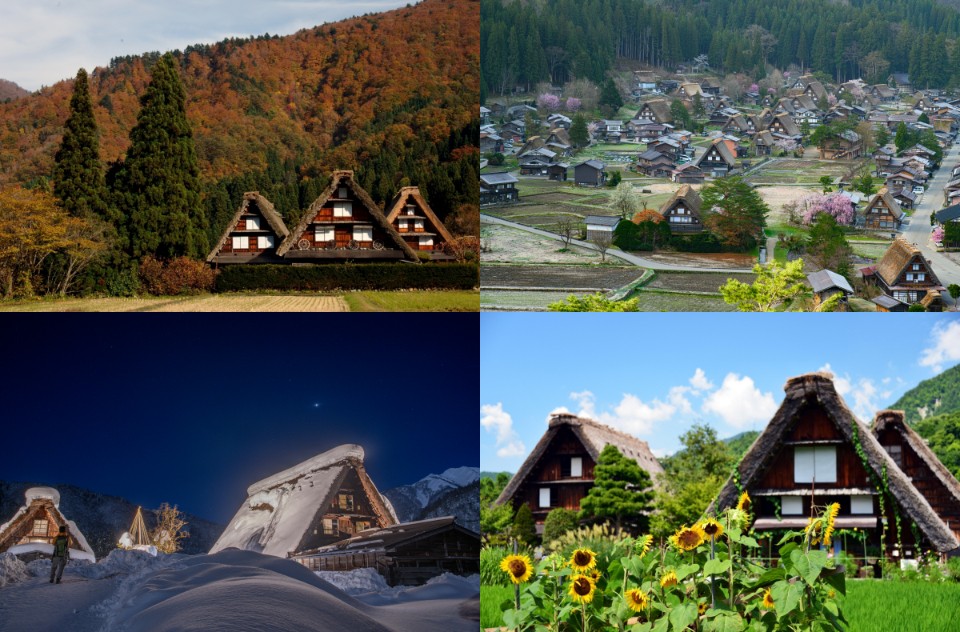
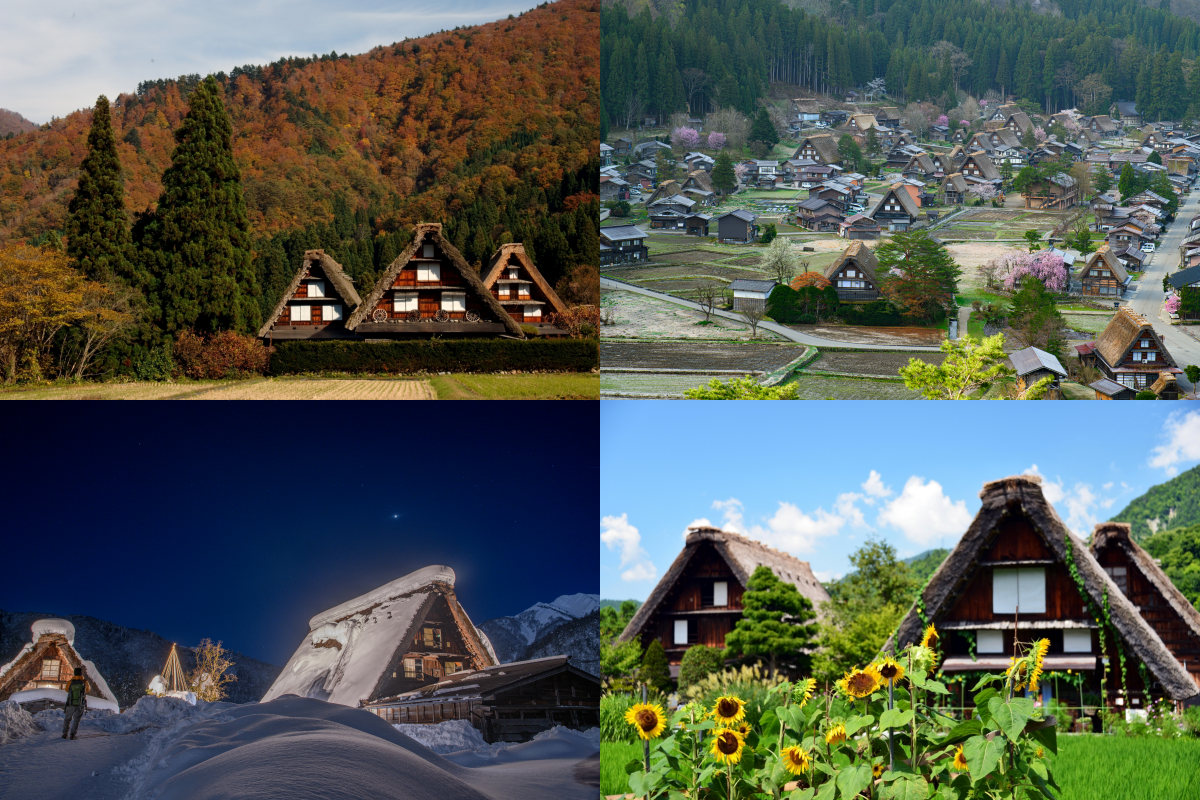
Shirakawa-go is home to a World Heritage Site of gassho-zukuri villages, where the traditional scenery of Japan remains deeply preserved. While many people may think of summer or winter as the best seasons to visit, in fact, the period from spring to summer also offers unique and beautiful landscapes, as well as opportunities to experience local festivals and culture. In this article, Nana Iwai, a writer from the Hokuriku region, introduces the breathtaking seasonal views, recommended ways to enjoy Shirakawa-go throughout the year, and the best photo spots.
What is "Shirakawa-go"? An Introduction to the World Heritage Site in Gifu Prefecture and Its Charms
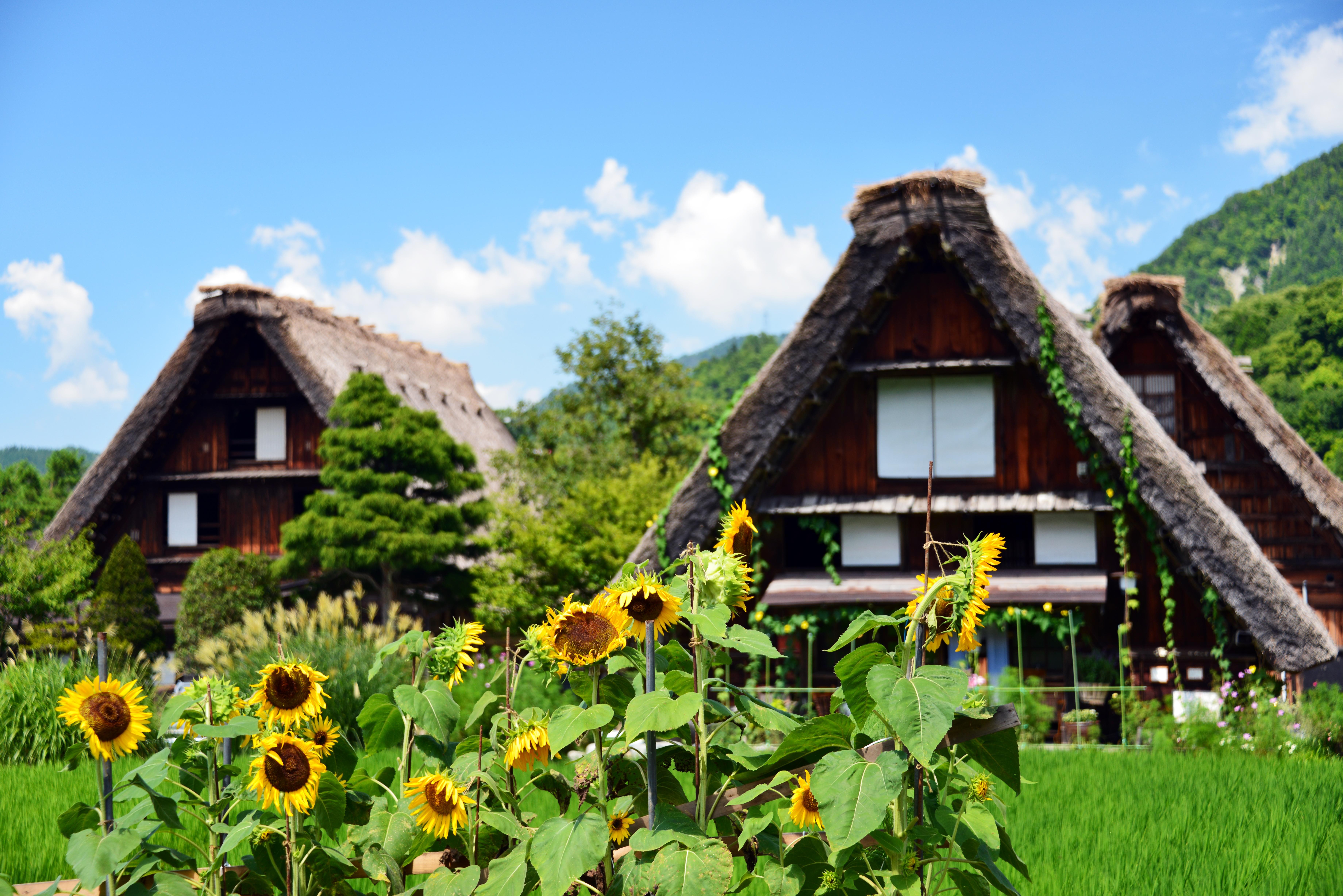
Located in Shirakawa Village, Ōno District, Gifu Prefecture, Shirakawa-go is a traditional village known for its gassho-zukuri (thatched-roof) houses. The entire area is referred to as "Shirakawa-go." In 1995, together with Gokayama in Toyama Prefecture, it was registered as a UNESCO World Cultural Heritage Site under the name "Historic Villages of Shirakawa-go and Gokayama."
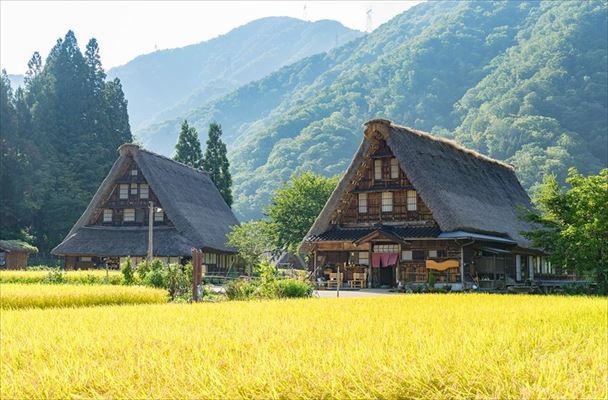
The roofs of the gassho-zukuri houses are characterized by their steep 60-degree angles, designed to withstand the heavy snowfall typical of the region.
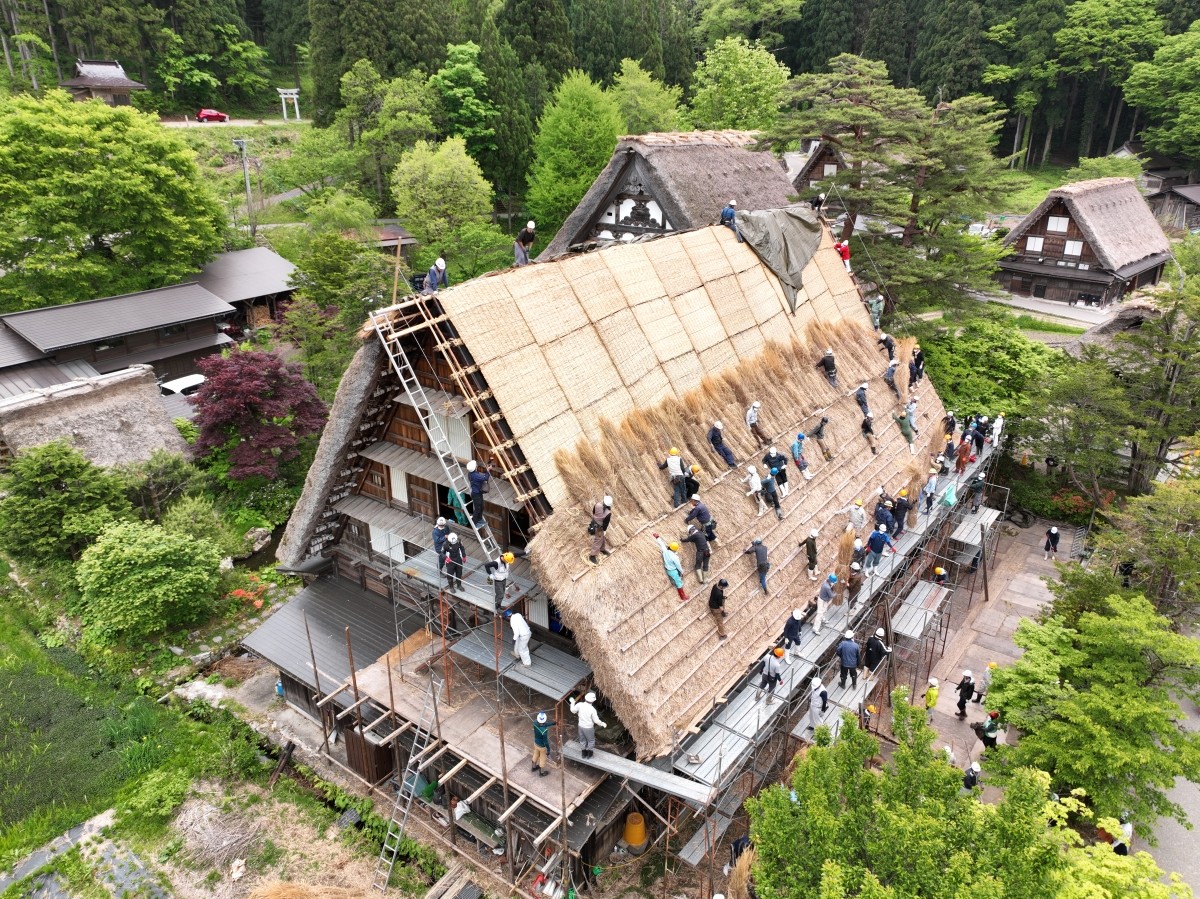
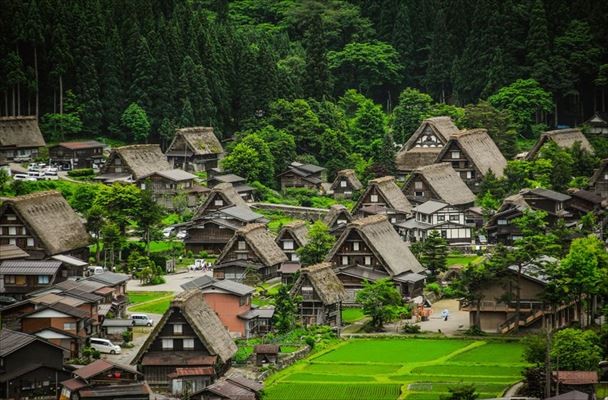
The thatched roofs, made from bundles of plants such as pampas grass and straw, are a testament to the traditional Japanese way of life and culture, which has been carefully preserved to this day through community cooperation in re-thatching. Every corner of the village offers photogenic scenery, but since people still live here, please be mindful not to enter private property.
How to Get to Shirakawa-go from Tokyo, Nagoya, Kanazawa, and Kyoto
Let’s check how to access Shirakawa-go from Japan’s major cities.
There are no train lines running through the Shirakawa-go village area, so buses, taxis, or rental cars are the main means of transportation. For visitors coming from major cities, buses are convenient as the routes are straightforward and fares are fixed.
How to Get to Shirakawa-go from "Tokyo"
From Tokyo, take the Hokuriku Shinkansen from Tokyo Station to either Toyama Station or Kanazawa Station, then transfer to an express bus bound for Ogimachi in Shirakawa-go. The one-way fare is around 15,000 yen, and the total travel time is approximately 4 hours.
How to Get to Shirakawa-go from "Nagoya"
From the Meitetsu Bus Center near Nagoya Station, there are direct buses to Ogimachi in Shirakawa-go. The one-way fare is about 4,000 to 4,700 yen (depending on the season), and the ride takes about 2 hours and 40 minutes.
How to Get to Shirakawa-go from "Kyoto"
You can take the JR Limited Express Thunderbird to Tsuruga Station, then transfer to the Hokuriku Shinkansen to Kanazawa Station, or take a route via Nagoya to Takayama Station. From both Kanazawa and Takayama, you can use the Nohi Bus to reach Shirakawa-go. The one-way fare is around 9,000 to just over 10,000 yen, and the total travel time is about 3 hours and 30 minutes to 4 hours.
Why is it a World Heritage Site? The Appeal of "Gassho-zukuri"
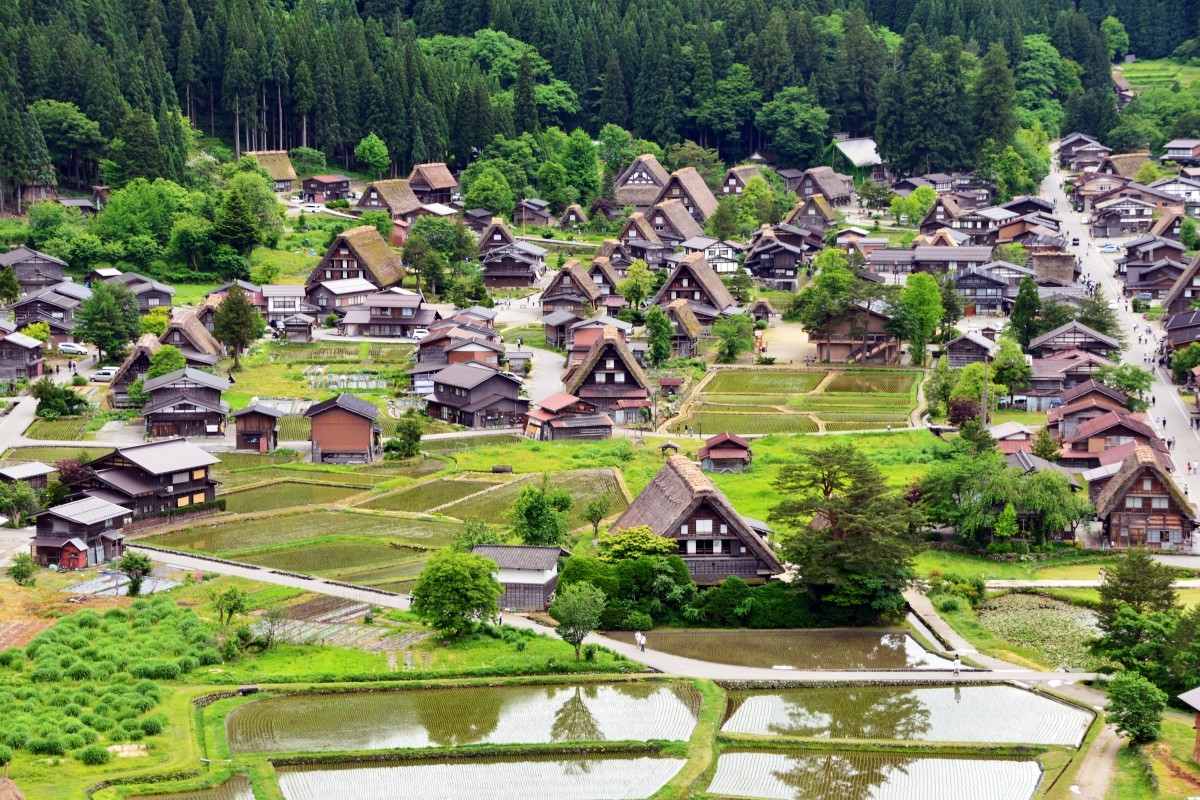
The Historic Villages of Shirakawa-go were registered as a UNESCO World Cultural Heritage site in 1995 under the name “Historic Villages of Shirakawa-go and Gokayama.” The unique wooden architecture, born from the harsh natural environment of a heavy snowfall region, and the traditional lifestyle that continues there, have been highly praised.
The World Heritage site includes not only the Ogimachi Village of Shirakawa-go, but also the Ainokura and Suganuma Villages in Gokayama, Toyama Prefecture. One of the most frequently mentioned differences between Shirakawa-go and Gokayama is the scale of the villages. Shirakawa-go is home to about 100 gassho-zukuri houses and is widely known as a tourist destination. On the other hand, Gokayama, where 29 gassho-zukuri houses remain, offers a quieter, more rural mountain village atmosphere.
The gassho-zukuri houses that appear nestled in the mountains create a landscape reminiscent of Japan’s original scenery.
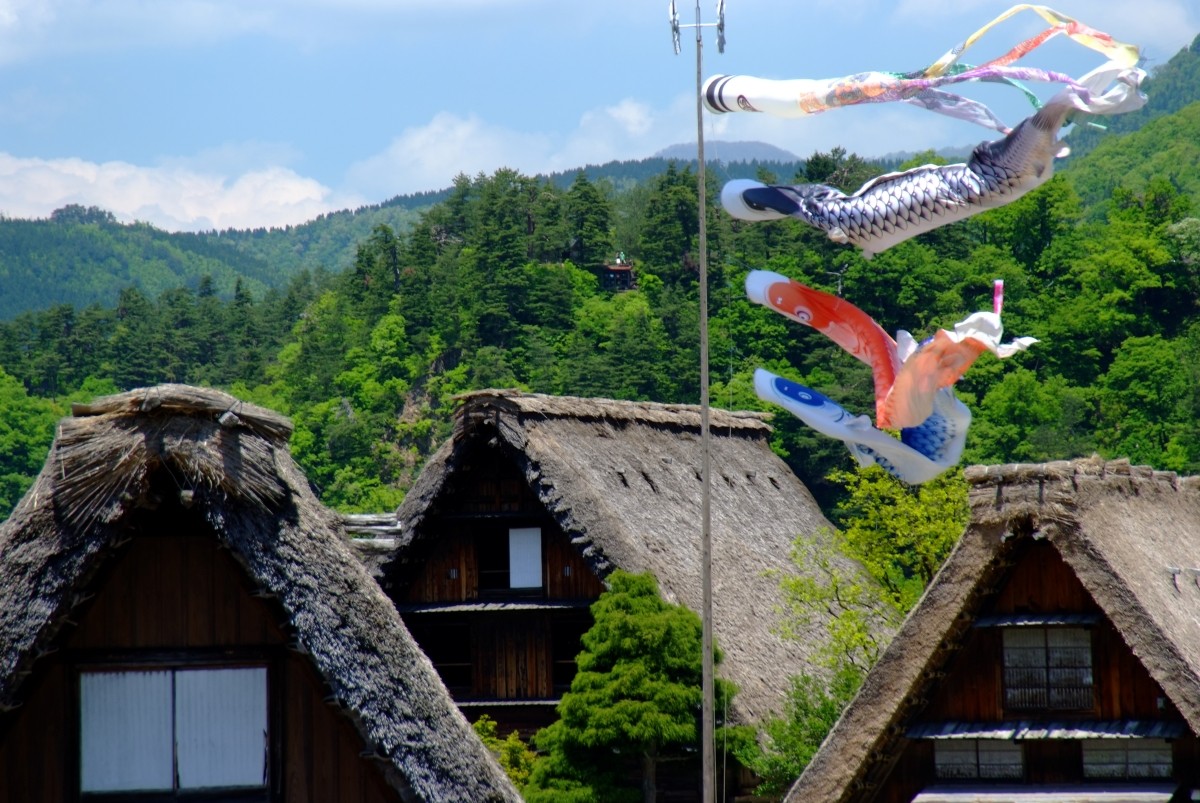
The thatched roofs, in particular, are a traditional architectural style born from natural materials and the wisdom of the people. Plants such as pampas grass, reeds, and straw are bundled and layered thickly to create the roof. The steep slope of about 60 degrees, resembling hands pressed together in prayer, is also characteristic. This design, called the “forked rafter structure,” allows snow to slide off naturally and prevents the house from collapsing under the weight of snow, while also providing a spacious attic that can be used for sericulture. The value of the village lies not only in the buildings themselves. The landscape has been preserved through the mutual aid culture known as “Yui,” where the community helps each other with tasks such as re-thatching the roofs. This is not a landscape created like a theme park, but a living village where people still reside. The scenery, where history and daily life are intertwined, is a major reason why it was recognized as a World Heritage site.
[By Season] How to Enjoy Shirakawa-go Throughout the Year and Event Highlights
Shirakawa-go shows different faces with each season. Here is an easy-to-understand summary of the highlights for each season.
[Spring] Late-Blooming Cherry Blossoms and the Stunning “Upside-Down Gassho” Reflected in the Rice Fields
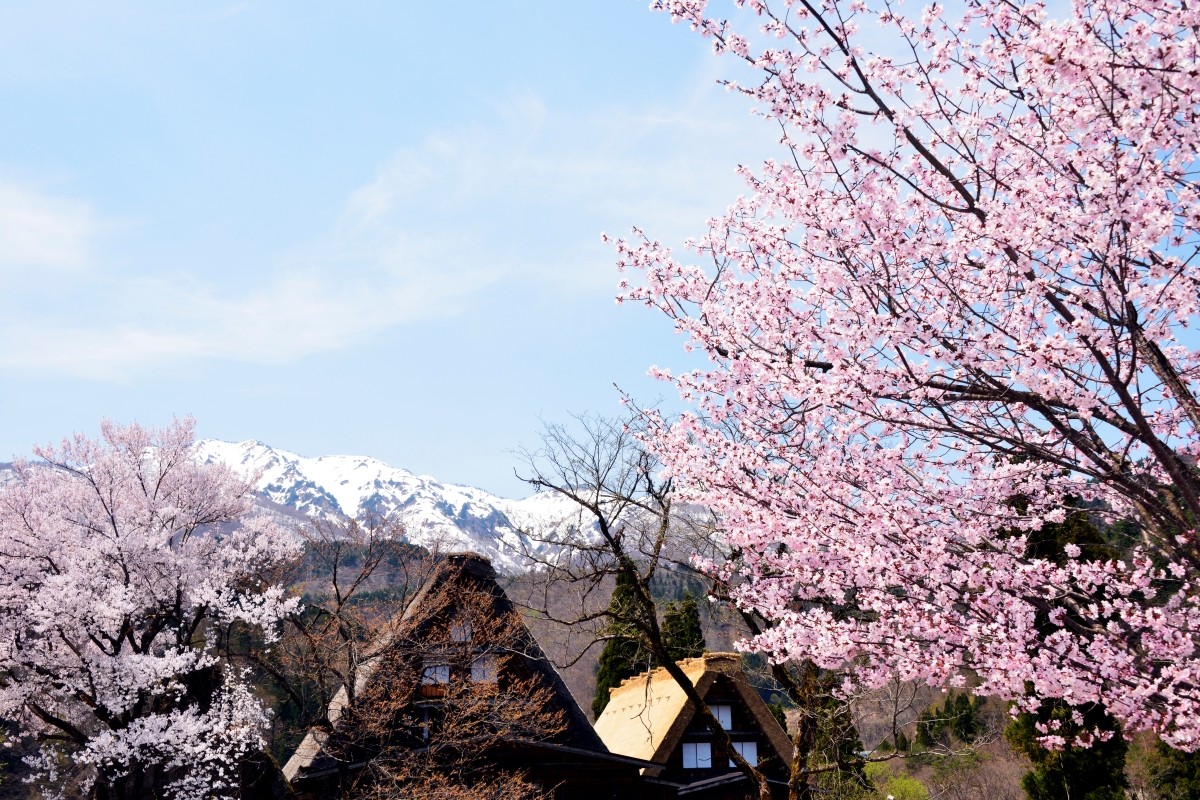
The cherry blossoms in Shirakawa-go usually bloom and reach their peak from mid-April to early May each year. Because the village is located in the mountains, the cherry blossoms bloom relatively late even within Gifu Prefecture.
Spring in Shirakawa-go is the perfect time for sightseeing, with many flowers blooming, including Somei Yoshino and Edo Higan cherry trees. The scenery of these blossoms alongside the traditional Japanese architecture is a sight you will want to capture in photos.
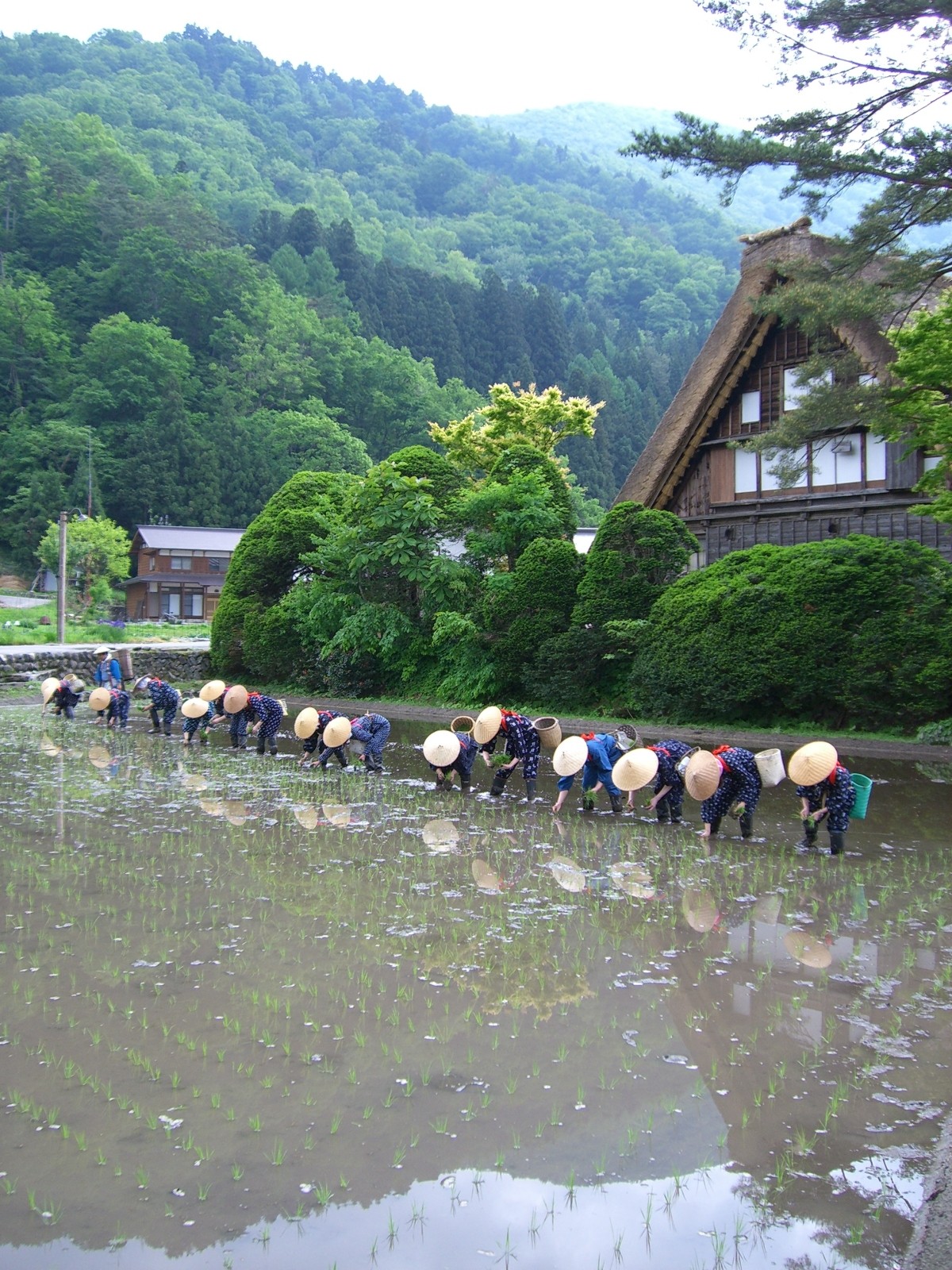
In late May, the traditional event “Rice Planting Festival,” which has been held for over 40 years, takes place. Young women called Saotome, dressed in kimono with traditional patterns, red sashes, and straw hats, plant rice seedlings by hand to the rhythm of rice planting songs, recreating the idyllic rural landscape of old Japan. This early summer tradition is held to pray for a good harvest and to pass down the ancient rice farming scenery to future generations, with rice planting itself being a sacred ritual.
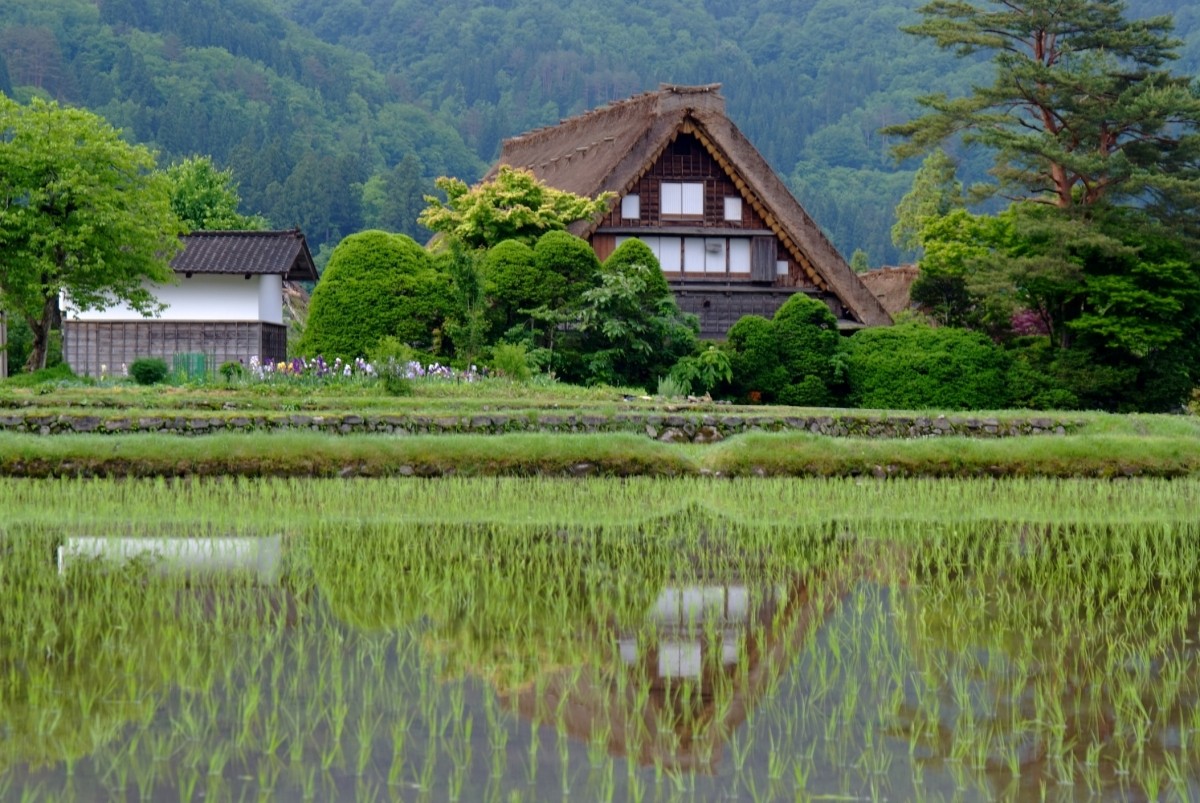
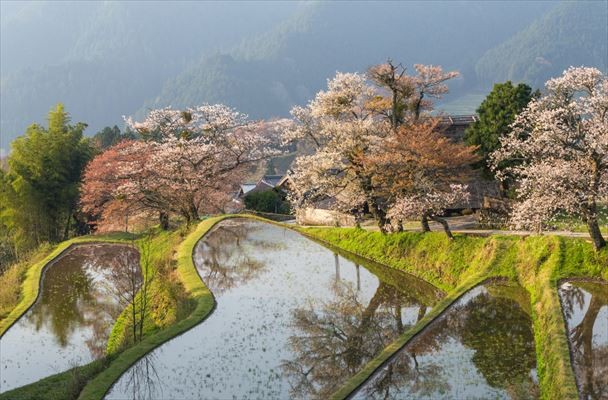
During the rice planting season from late May to early June, the flooded rice fields reflect the gassho-zukuri houses like a mirror, creating the magical “Upside-Down Gassho” scenery. This is a must-see view when visiting Shirakawa-go. The area around the “Three Gassho Houses” and near Myozenji Temple are well-known photo spots. On windless days, the water surface is perfectly still, making it the best time for photography. Dawn and dusk also offer beautiful scenes for taking pictures, so these times are highly recommended.
[Summer] Experience Japan’s Original Scenery and Activities That Make You Forget the Summer Heat
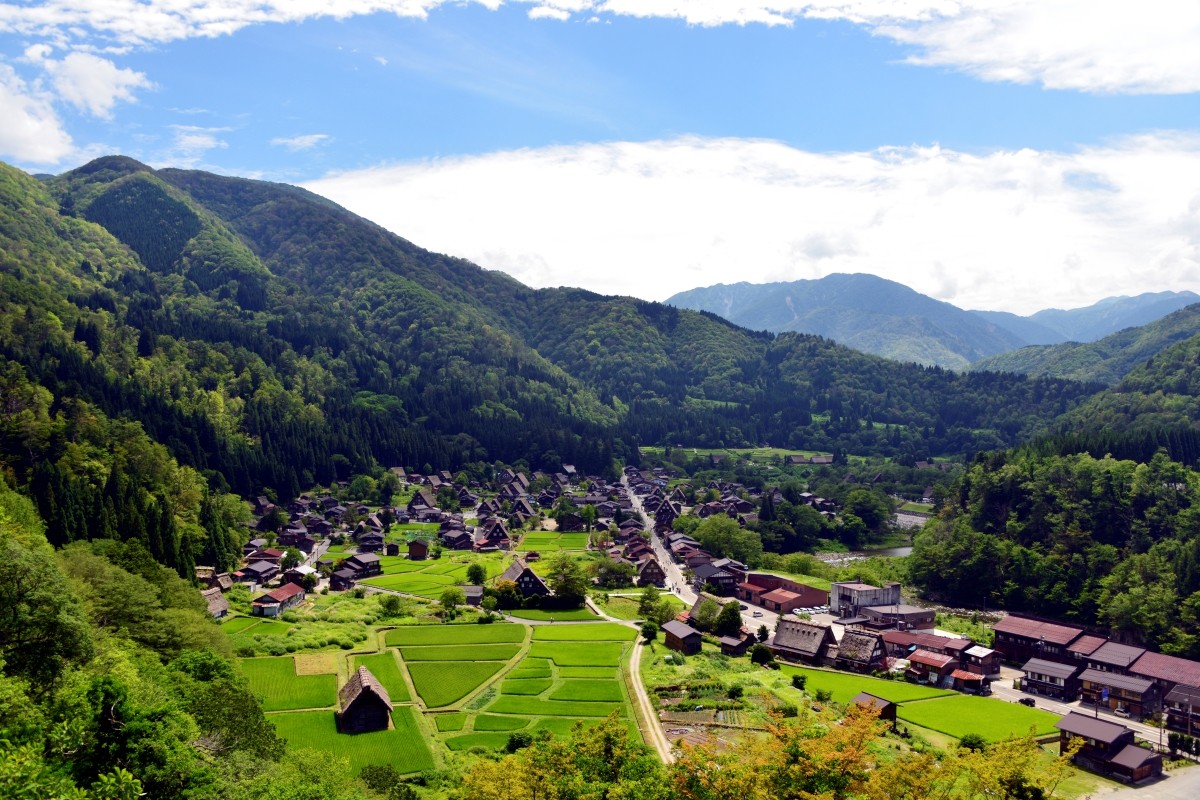
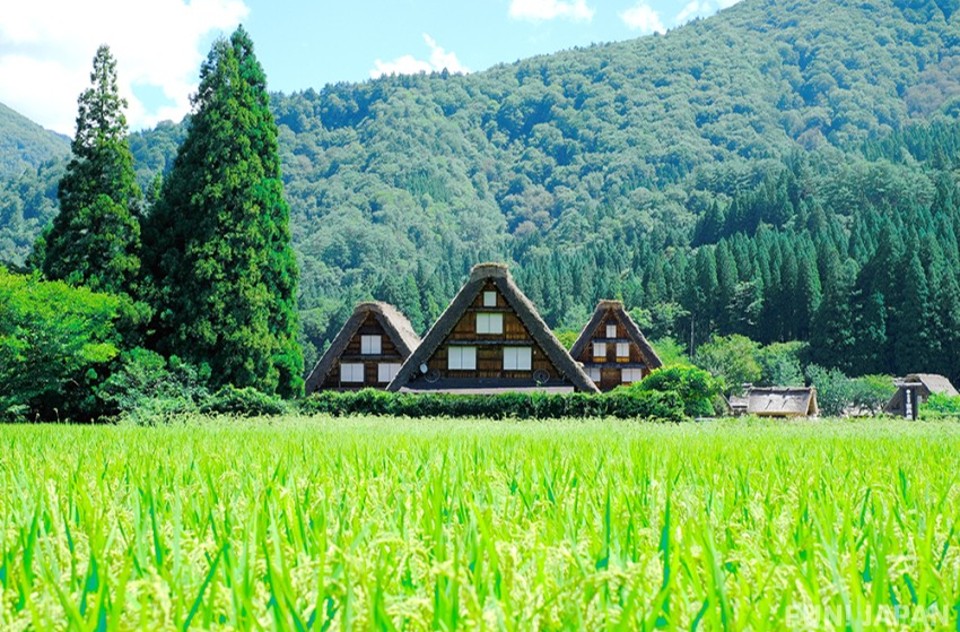
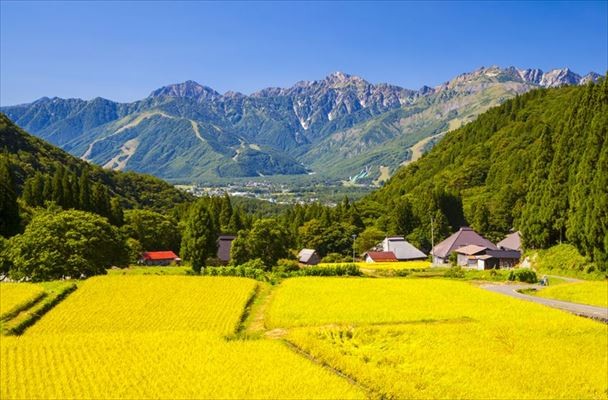
In summer, Shirakawa-go is enveloped in lush greenery, offering a nostalgic glimpse of Japan’s traditional rural landscape. From the Ogimachi Castle Ruins Observatory, you can enjoy a sweeping view of the village, where the contrast between the thatched gassho-zukuri roofs and the rice fields is striking. The mountain breeze is refreshing and helps you forget the summer heat. Crossing the Deai Bridge over the Shogawa River, you will be greeted by the emerald-green clear stream, inviting you to take a deep breath and enjoy the cool air.
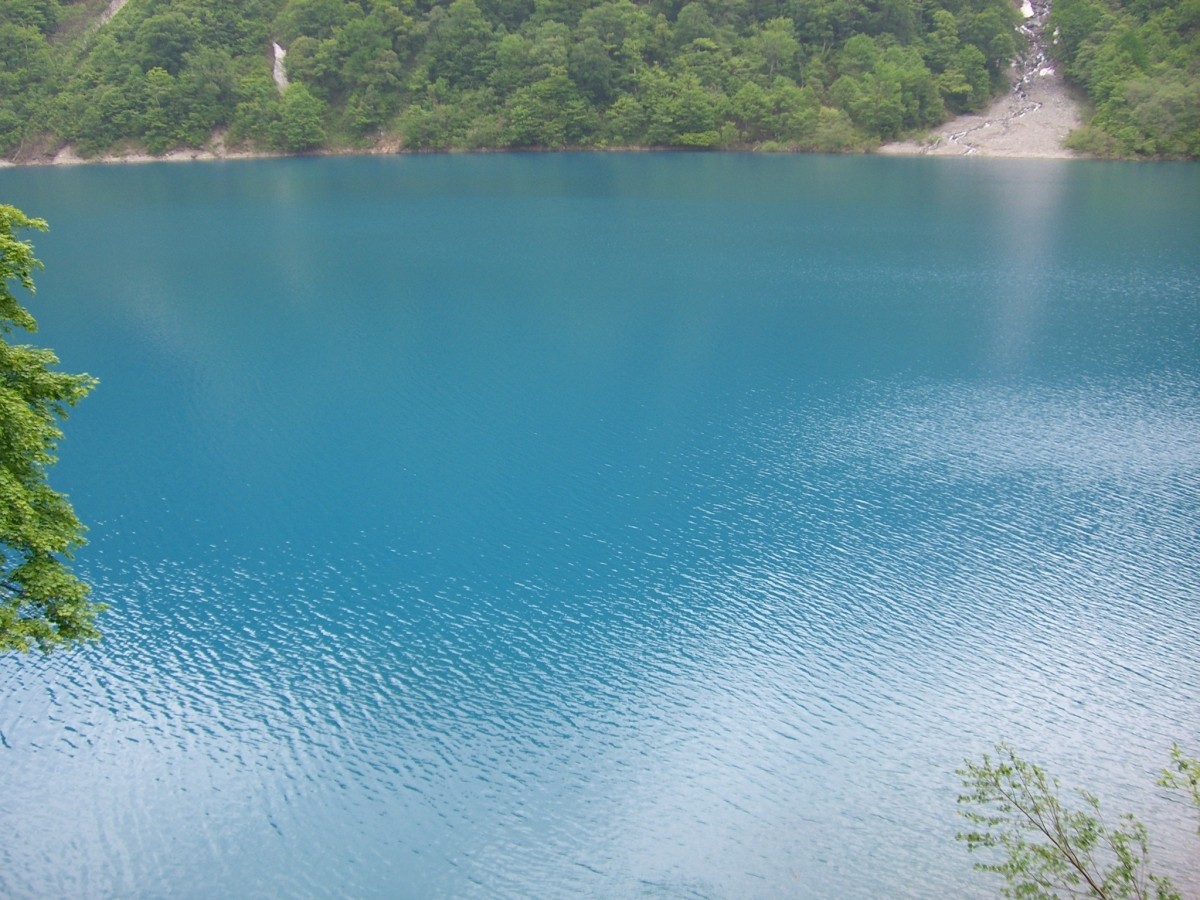
If you venture a little further, you will find Hakusui Lake, a mystical spot with a beautiful surface. Surrounded by primeval forest, you can enjoy a special moment wrapped in tranquility. Activities such as stand-up paddleboarding (SUP) on the clear stream are also popular. You can experience becoming one with nature as you glide close to the water’s surface, a unique summer adventure.
【Autumn】Beautiful Autumn Leaves and the Traditional Doburoku Festival
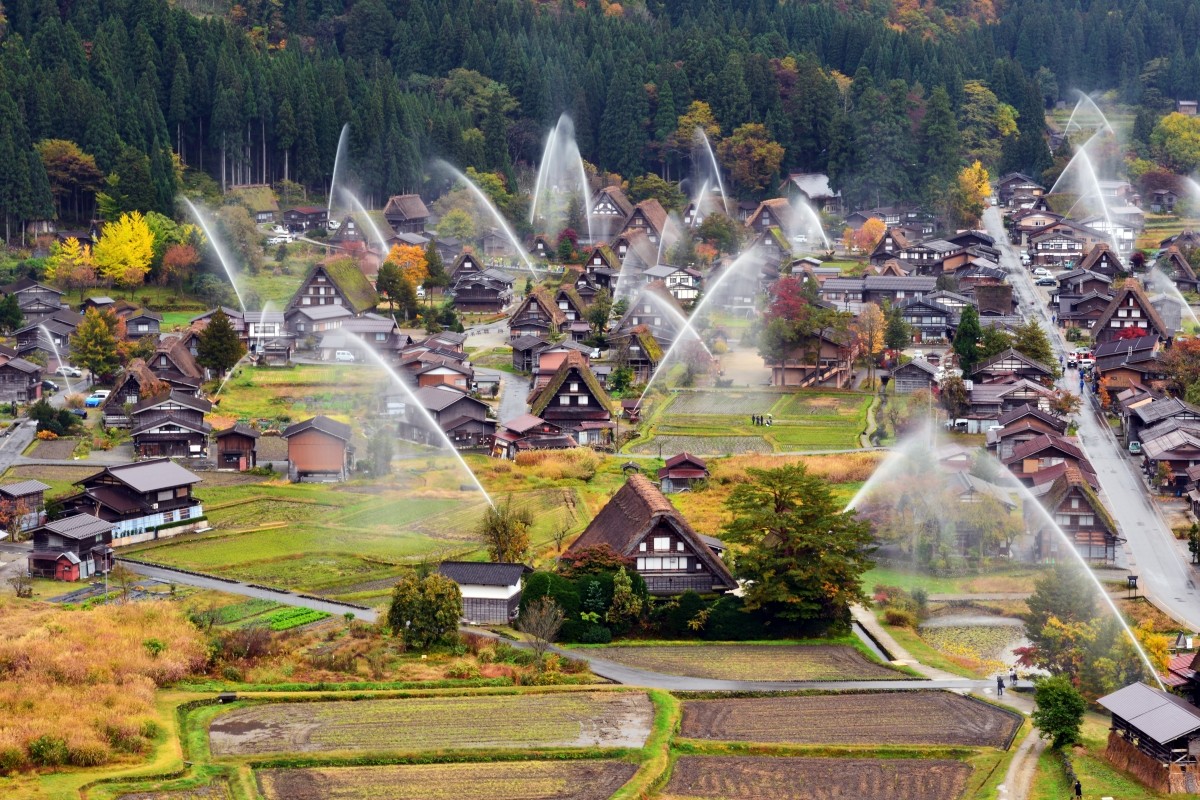
In autumn, Shirakawa-go, nestled in the mountains, is famous for its breathtaking scenery, with the gassho-zukuri village surrounded by vibrant autumn foliage. The best time to see the autumn leaves is usually from late October to early November. In 2026, the leaves are also expected to reach their peak around late October to early November.
At the height of the season, the mountains are dyed in shades of red, orange, and gold, creating an even deeper and more captivating landscape. The panoramic view of the autumn colors from the Ogimachi Castle Ruins Observatory is truly exceptional. Sometimes, the autumn leaves are illuminated at night, and the sight of the gassho-zukuri houses and colorful trees glowing in the dusk creates a magical scene.
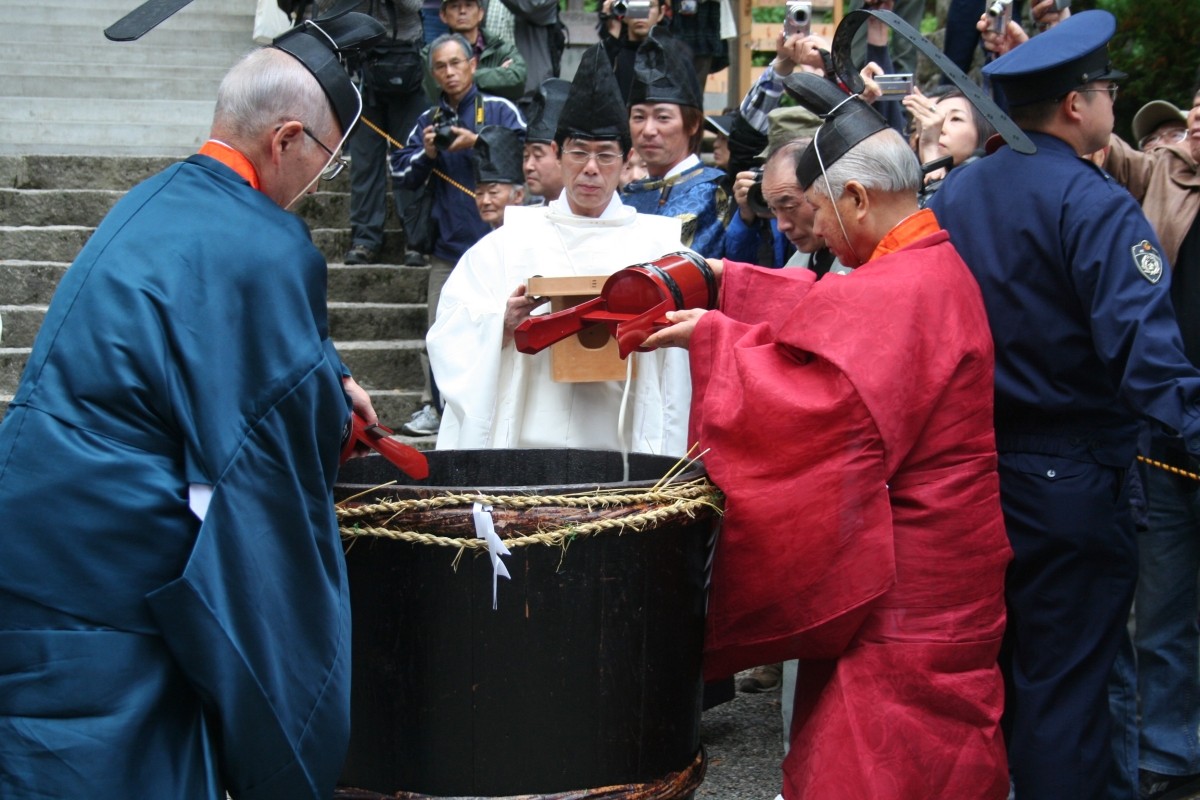
Every year in mid-October, the traditional Doburoku Festival is held to pray for a good harvest. Visitors are served doburoku, a traditional unrefined sake brewed at the shrine, and the village comes alive with lion dances and the sound of drums. You can experience a special atmosphere where solemnity and festivity coexist.
【Winter】Spectacular Snow Scenery and Illumination Events
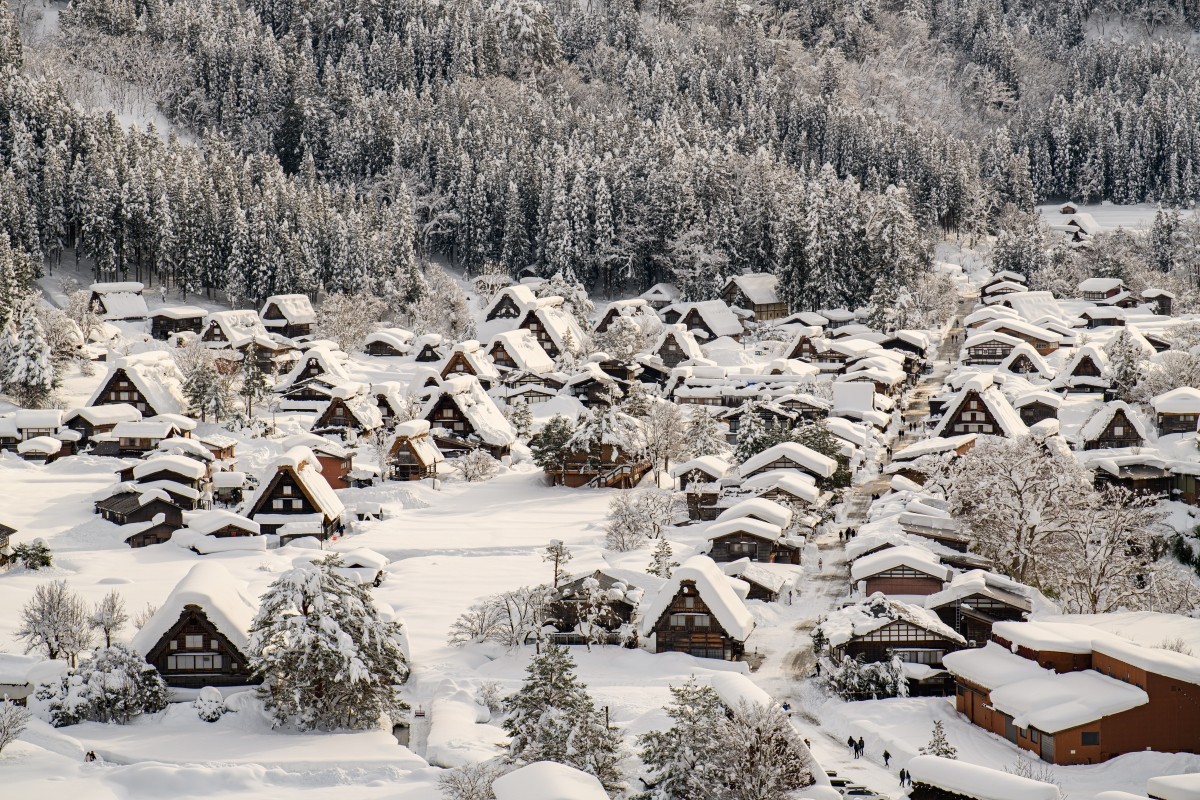
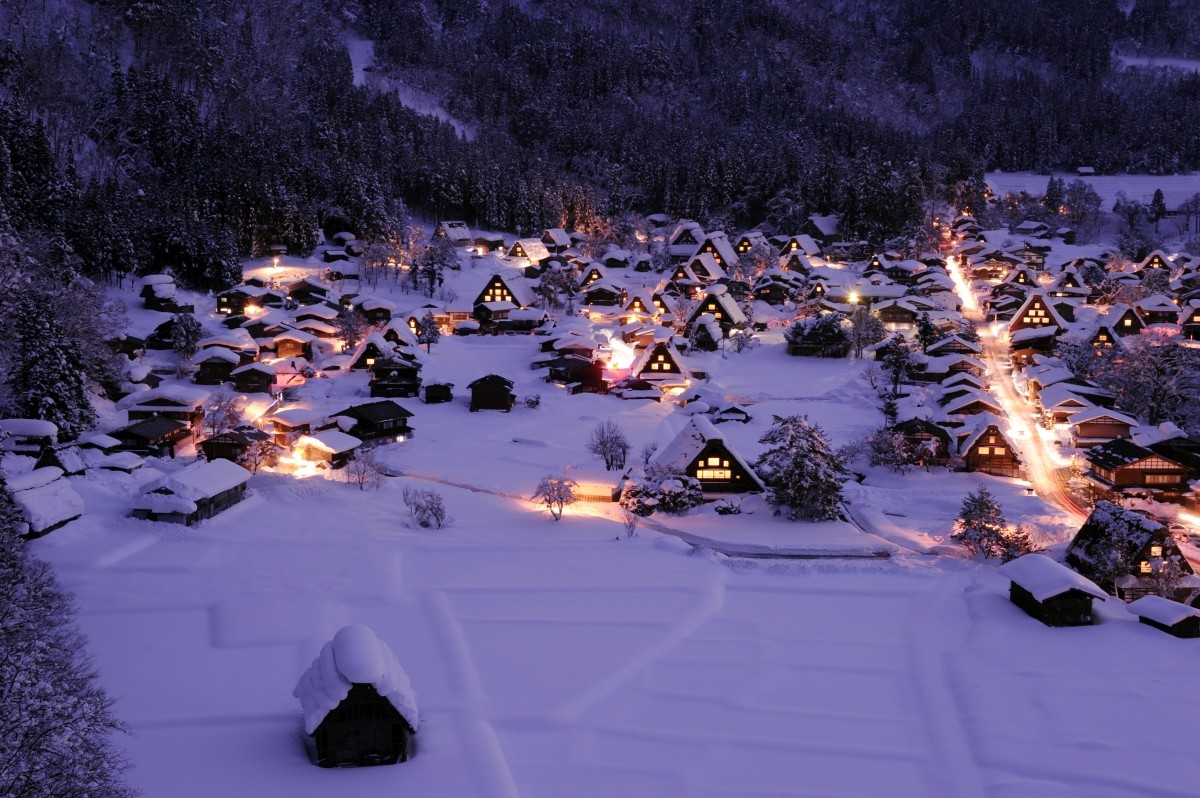
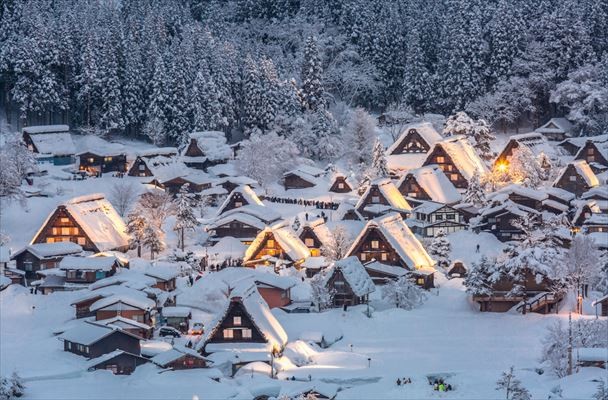
In winter, Shirakawa-go is transformed into a world of white. During the Shirakawa-go Winter Light-up, held annually from January to February, the snow-covered gassho-zukuri houses are softly illuminated, creating a breathtakingly beautiful scene. In recent years, a complete advance reservation system has been introduced for safety reasons, so you need to apply in advance for admission, parking, and accommodation. Be sure to check the details beforehand. The quiet nighttime scenery, which only a limited number of people can experience, is one of the highlights of a winter trip.
Another highlight is the nearby Hida Takayama Onsen. You can enjoy the nostalgic atmosphere of the old townscape from the Edo period, the snowy scenery, and soak in the hot springs that warm you to the core after a cold day. It is the perfect way to savor the lingering memories of your trip to Shirakawa-go.
Recommended Photo Spots in Shirakawa-go
If you are visiting Shirakawa-go, why not capture a special photo that will become a lasting memory of your time in Japan? From the rows of thatched gassho-zukuri rooftops to the satoyama landscape that changes with each season, we have gathered the best photo spots where you can experience scenery unique to this area.
Tenshukaku Observatory
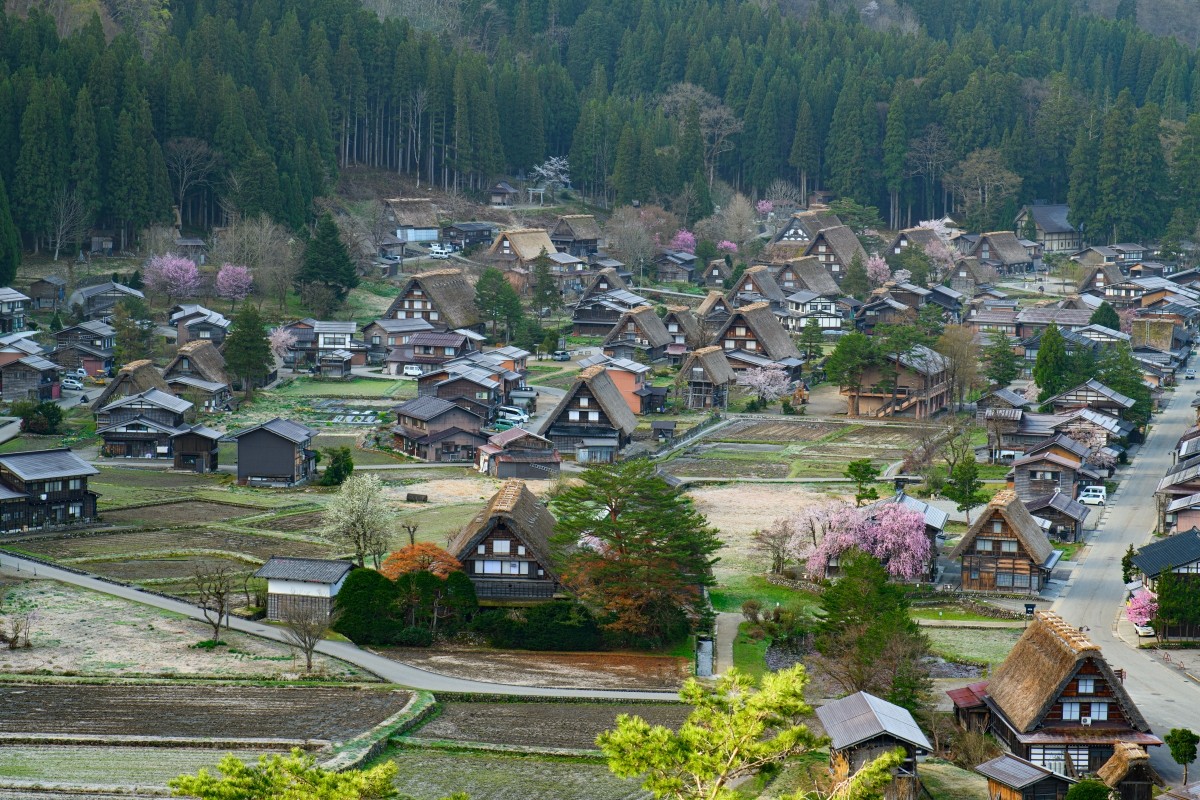
The Tenshukaku Observatory, which overlooks the entire Shirakawa-go gassho-zukuri village, is the classic spot for photography. The view of neatly lined thatched roofs changes dramatically depending on the time of day and season, such as in the morning mist, at sunset, or when covered in snow. If you want to capture the essence of Shirakawa-go in a single photo, this is the place to go.
Shiroyama Tenshukaku Observatory
- Address: 2269-1 Ogimachi, Shirakawa Village, Ono District, Gifu Prefecture
- Access: About 15–20 minutes on foot from Shirakawa-go Bus Terminal
Mitsugo Gassho-zukuri Houses
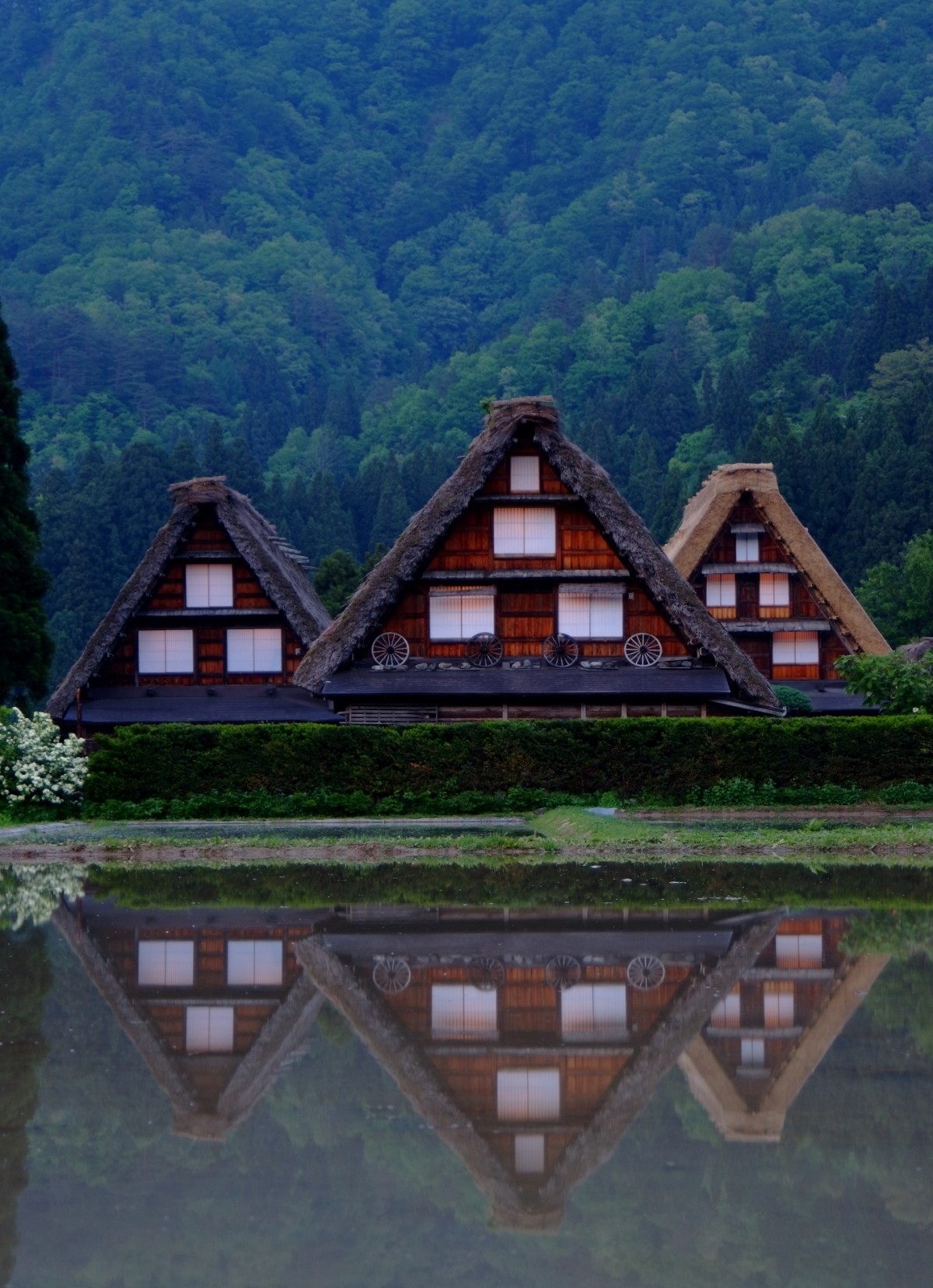
This popular photo spot features three gassho-zukuri houses standing side by side behind a rice field. By capturing their reflection in the water or combining them with a snowy landscape, you can take a truly special commemorative photo that conveys the warmth and simplicity of the satoyama scenery.
Mitsugo Gassho-zukuri Houses
- Address: Around the left (north) side of the "Gassho-zukuri Minkaen Outdoor Museum," Ogimachi, Shirakawa Village, Ono District, Gifu Prefecture
- Access: About 10 minutes on foot from Shirakawa-go Bus Terminal
Wada House
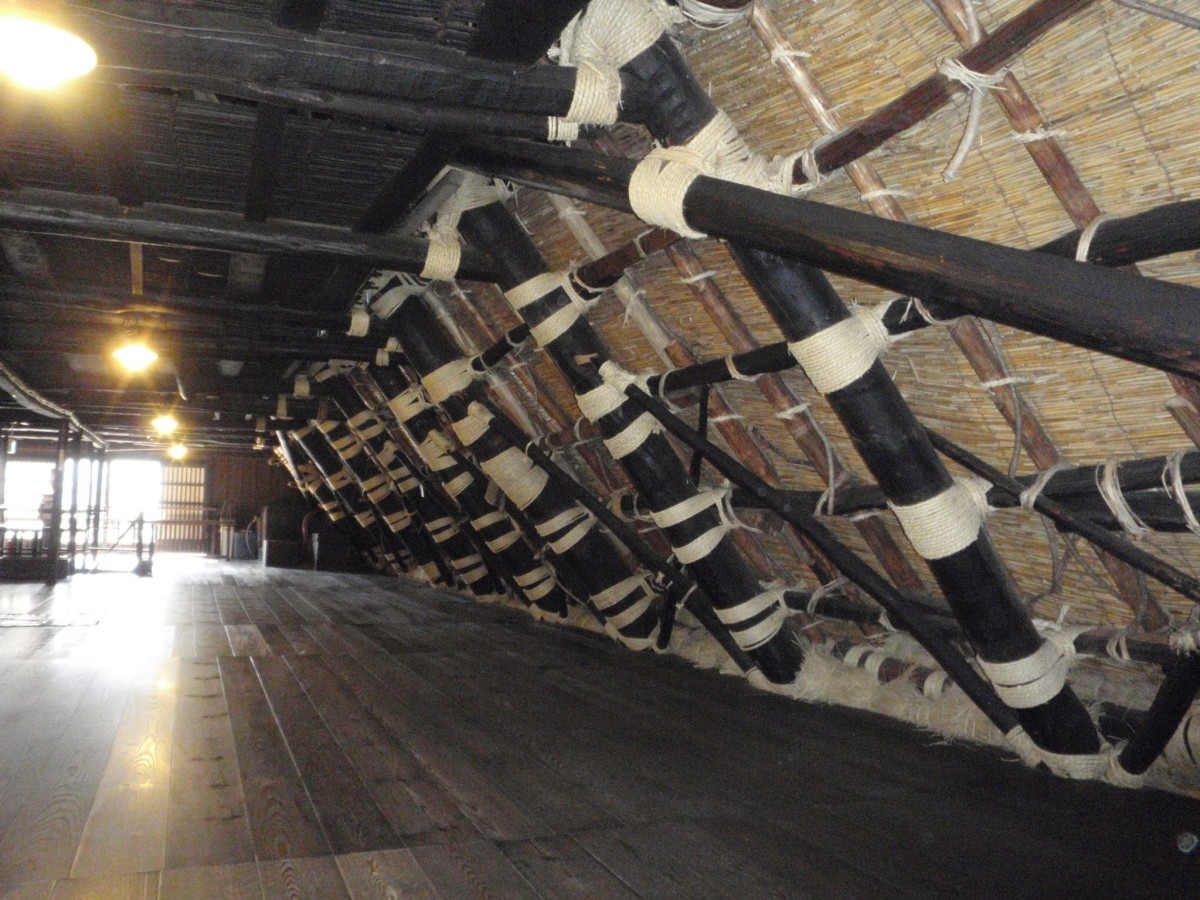
Located within the World Heritage area, Wada House is one of the largest gassho-zukuri houses, dating back to the Edo period, and is the only one designated as an Important Cultural Property of Japan. You can also tour the inside. If you take photos while standing in the space with thick beams and an irori hearth, you will have a memorable experience of Japanese culture to look back on.
Wada House
- Address: 997 Ogimachi, Shirakawa Village, Ono District, Gifu Prefecture
- Access: About 4 minutes on foot from Shirakawa-go Bus Terminal
- Opening hours: 9:00–17:00
- Admission: Adults 400 yen, Children 200 yen (subject to change) *Cash only
Experience the Unique Seasonal Scenery of World Heritage Shirakawa-go
The unique culture born from the historical background of this area can only truly be felt by visiting Gifu Prefecture in person. In the gassho-zukuri villages registered as a World Heritage Site, you can enjoy highlights such as the Mitsugo Gassho-zukuri Houses and the seasonal light-up events, as well as tour buildings like Wada House. Knowing about these attractions and ways to enjoy them will make your time in Shirakawa-go even more meaningful and fulfilling.
Many people visit in winter to see the snowy scenery, but the period from spring to summer, when you can feel the refreshing air in the rich natural surroundings, is also a wonderful season. Enjoy the beautiful scenery and activities, and spend a relaxing time in the World Heritage Shirakawa-go gassho-zukuri village. Why not visit Shirakawa-go in search of a truly special experience?


Comments