
Every year in Japan, especially in spring when cedar and cypress pollen is dispersed, many people suffer from kafunsho. In this article, we will explain the causes, symptoms, and seasonal peaks of kafunsho, how to choose treatments and medications, Japan-specific circumstances, and even the latest pollen dispersal forecast for 2026.
🌸Purchase " Prevention Goods" (Yahoo! Shopping)
*If you purchase or reserve products introduced in this article, a portion of the sales may be returned to FUN! JAPAN.
[2026 Latest] When Will This Year's Pollen Dispersion and Peak Start?
According to tenki.jp's "2026 Spring Pollen Dispersion Forecast (3rd Report)", it is predicted that cedar pollen in 2026 will start slightly earlier than usual in some regions.
- In early February, cedar pollen dispersion will begin in parts of Kyushu, Chugoku, Tokai, and Kanto regions
- The peak of dispersion will start as early as late February in some areas
- The amount of pollen is expected to be about the same as usual in western Japan, but higher than usual in eastern and northern Japan
Reference: tenki.jp "2026 Spring Pollen Dispersion Forecast (3rd Report)"
The Main Kafunsho Season is Spring! Start Prevention from January to February
The most well-known pollen in Japan, cedar and cypress, reach their peak dispersion from February to April. It is important to start prevention before symptoms become severe, so it is effective to begin kafunsho countermeasures around January to February, referring to pollen forecasts.
Be Careful of Kafunsho from Early Summer to Autumn Too!
In the Kanto region, grass pollen such as from the Poaceae family increases in early summer, and in autumn, pollen from herbaceous plants such as ragweed increases. Therefore, Kanto is considered a region with a high risk of kafunsho throughout the year.
In other regions, the amount of pollen tends to decrease after early summer, but it does not disappear completely. If you experience symptoms outside of spring, the causative plant may be different.
What is Kafunsho? Causes, Symptoms, and the Allergy Mechanism
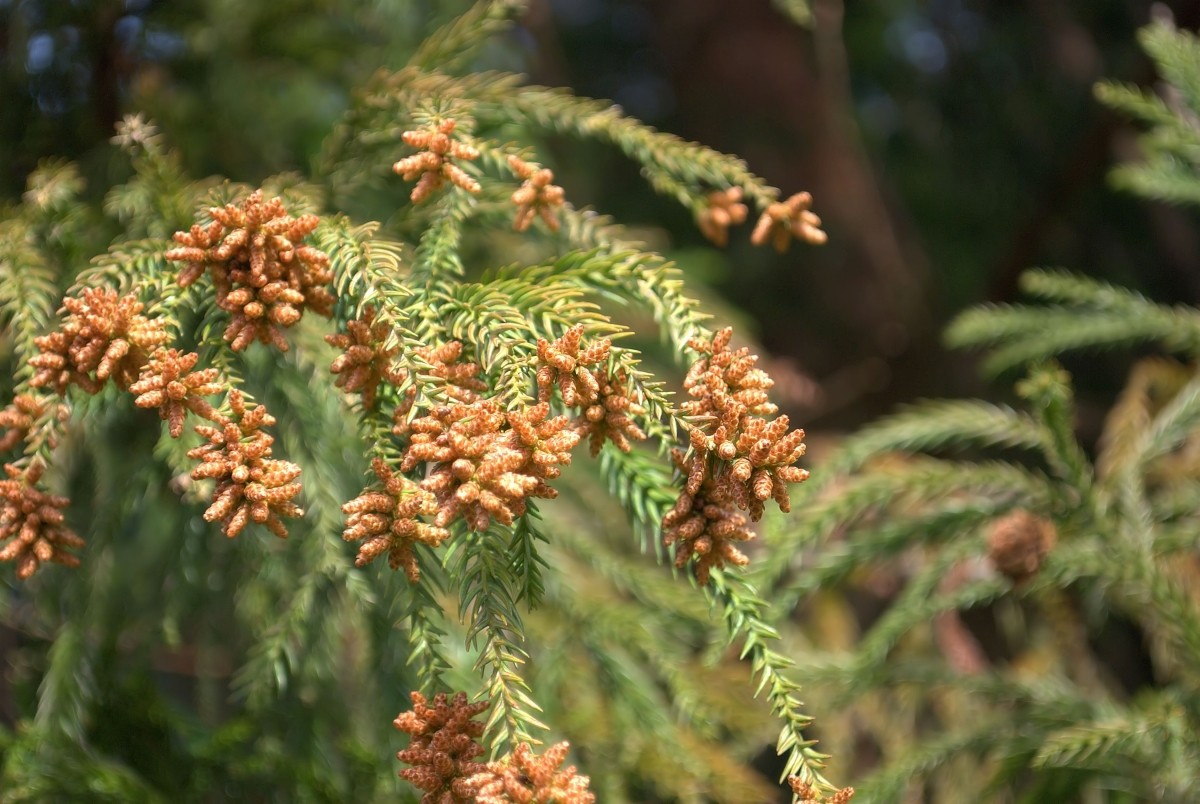
Kafunsho is a seasonal allergy commonly seen in Japan. Here, we will organize the causative pollen, symptoms, and reactions that occur in the body.
The Cause of Kafunsho is Pollen from Plants such as Cedar and Cypress
According to information from the Japanese government, kafunsho is explained as follows:
Kafunsho is a condition in which pollen from trees and flowers causes various allergic symptoms such as runny nose, sneezing, itchy eyes, and sore throat.
Source: Japanese Government Online
The main causative plants are cedar and cypress, but in Japan, about 60 types of plant pollen, including birch and mugwort, can cause kafunsho.
Main Symptoms of Kafunsho: Sneezing, Runny Nose, Itchy Eyes, etc.
Regarding the symptoms of kafunsho, the Japan Medical Association website explains as follows:
The main symptoms are sneezing, runny nose, and nasal congestion, but eye symptoms (itchiness, tearing, redness) are also very common. In addition, there can be many symptoms throughout the body, such as coughing, itching of the throat or skin, a feeling of heaviness in the head, headache, fatigue, insomnia, diarrhea, a slight fever, flushing of the body or face, and irritability.
Source: Japan Medical Association Website "Various Symptoms of Hay Fever?"
As you can see, kafunsho is characterized by the fact that it can cause a variety of symptoms throughout the body, not just in the nose and eyes.
The Mechanism of Allergic Reactions Caused by Kafunsho
According to materials from the Ministry of Health, Labour and Welfare and the Ministry of the Environment, the mechanism by which kafunsho occurs is explained as follows.
When pollen (antigen) enters the body, antibodies against the pollen (antigen) are produced (antibody production). As pollen repeatedly enters the nose and eyes and the amount of antibodies increases, allergic symptoms such as sneezing, runny nose, and itchy eyes begin to appear (onset of hay fever).
Source: Measures Against Hay Fever: What You Can Do in Daily Life for Cedar Pollen Allergy
The onset of kafunsho varies from person to person, but generally, as you are exposed to pollen over a long period of time, the amount of antibodies in your body increases, and symptoms begin to appear after reaching a certain threshold.
Characteristics of People Prone to Kafunsho | The Role of Diet and Exercise Habits
It is believed that immune function and lifestyle habits are related to the onset and worsening of kafunsho symptoms.
To prevent the onset and worsening of kafunsho symptoms, try to maintain normal immune function by getting enough sleep, establishing regular lifestyle habits, and exercising moderately on a daily basis. Also, to keep the mucous membranes of your nose and other areas healthy, try not to catch colds, avoid smoking, and refrain from excessive alcohol consumption.
Source: Government Public Relations Online
People who do the opposite of these recommendations are more likely to develop kafunsho.
- Lack of sleep
- Not establishing regular lifestyle habits
- Lack of exercise
- Prone to catching colds
- Smoking
- Excessive alcohol consumption
Treatment and Countermeasures for Kafunsho | Are Medicine or Hospital Visits Necessary?
By appropriately using medication and medical institutions according to the severity and timing of symptoms, you can minimize the impact of kafunsho on your daily life.
Are There Medicines for Kafunsho? Main Places to Purchase
It has been found that starting medication from the beginning of the pollen season or when symptoms are still very mild can help suppress symptoms. At hospitals, antihistamines and nasal steroid sprays are prescribed according to symptoms. There are also many over-the-counter medicines available, and from around January to February, kafunsho medications start to be sold at drugstores and electronics retailers.
💊Check coupons for even more savings at Matsumoto Kiyoshi
💊Check coupons for even more savings at Shinseido Pharmacy
💊Check coupons for even more savings at Satsudora
💊Check coupons for even more savings at Drug Cosmos
👜Check coupons for even more savings at Bic Camera
If Kafunsho Symptoms Are Severe, Visit a Hospital. Which Department Should You Go To?
Choose the medical department to visit depending on the severity and type of symptoms. If you have strong rhinitis symptoms such as sneezing, runny nose, or nasal congestion, it is common to visit an otolaryngology (ENT) department. If your symptoms are mild but you still feel unwell due to kafunsho, you can also visit an internal medicine or general medicine department.
According to materials released by the Ministry of Health, Labour and Welfare, the following is stated:
If you experience kafunsho symptoms every year, be sure to prepare your medication and start using it by visiting a medical institution or pharmacy at least one week before the main pollen dispersal begins. It has been shown that starting medication when pollen dispersal begins or when symptoms are still very mild can help suppress symptoms.
Source: Measures Against Hay Fever: What You Can Do in Daily Life for Japanese Cedar Hay Fever
Main Kafunsho Countermeasures Besides Medication|Masks, Glasses, etc.
Wearing a mask or glasses that fit your face can help reduce the amount of pollen entering your body. Since pollen dispersal is highest around midday and in the evening, it is better to avoid going outside during those times as much as possible.
When you return home, it is important to wash your hands, gargle, wash your face, and wash your hair to avoid bringing pollen indoors. Avoid wearing clothing made of wool, as pollen easily sticks to it, and refrain from drying laundry or bedding outside.
🌸Purchase "Kafunsho Countermeasure Goods" (Yahoo! Shopping)
Can Kafunsho Be Fatal?
It is generally said that kafunsho does not directly cause death. However, people with asthma need to be careful, as complications may arise.
Foods and Drinks Said to Help Improve Kafunsho
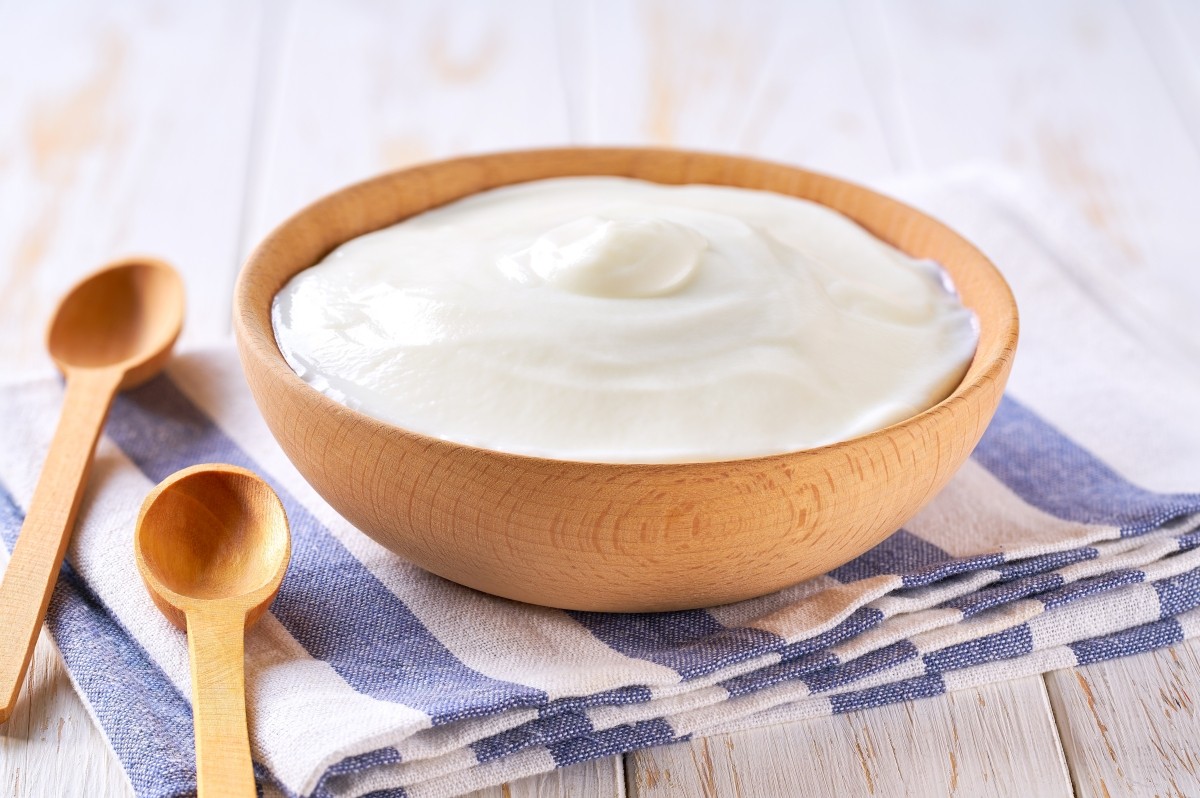
Fermented foods such as yogurt and miso, blue-backed fish rich in DHA and EPA (such as mackerel, sardines, and Pacific saury), green tea high in catechins, and foods like lotus root that contain polyphenols and tannins are said to be beneficial.
On the other hand, measures using food and drink do not always guarantee results. According to a survey by the Ministry of Health, Labour and Welfare, only a small number of people saw improvement.
Reference: About Folk Remedies for Kafunsho (Ministry of Health, Labour and Welfare)
Why Does Japan Have So Many People with Kafunsho? Explaining the Causes
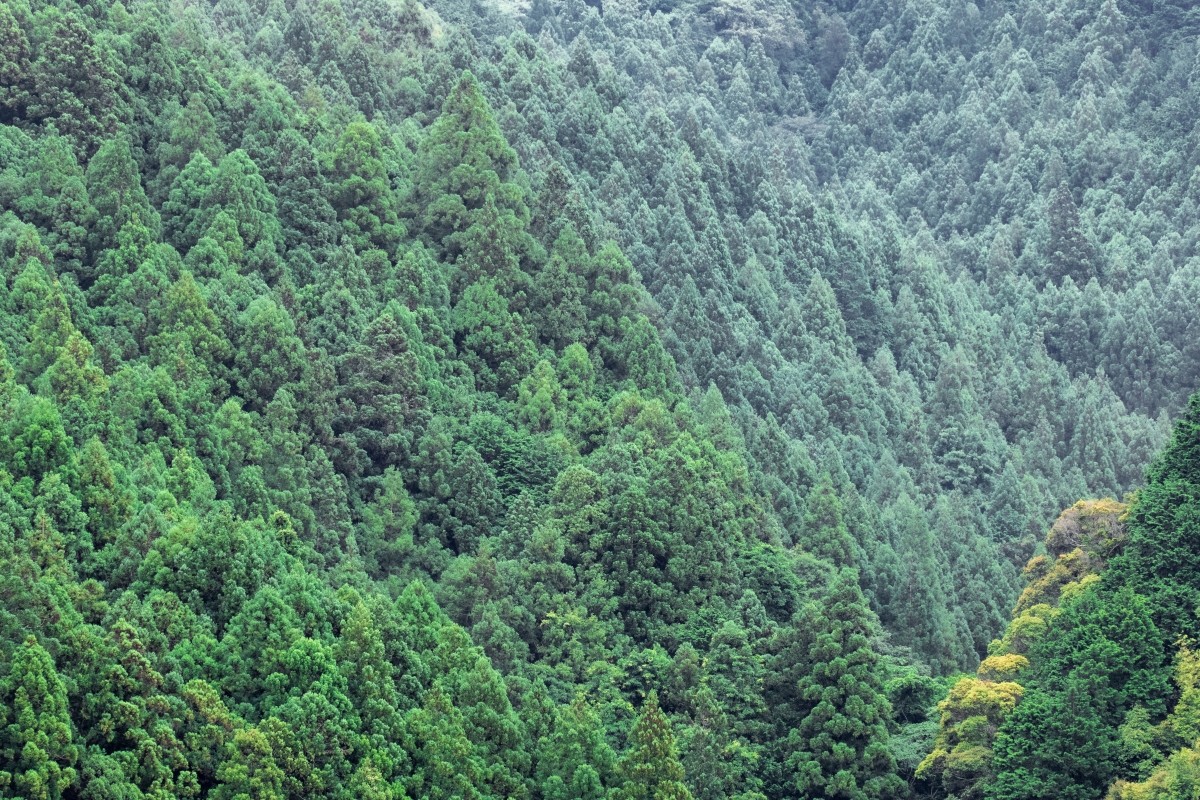
Japan is known as a country with a large number of kafunsho sufferers. Behind this are circumstances unique to Japan, such as afforestation policies and the state of its forests.
The Main Reason Many Japanese People Have Kafunsho: "Japanese Cedar and Hinoki Cypress" Afforestation
The main cause of hay fever among Japanese people is pollen allergies from Japanese cedar and hinoki cypress. During the period of rapid economic growth that began around 1950, the demand for timber increased, and the planting of Japanese cedar and hinoki cypress—trees that grow quickly and are well-suited to Japan’s natural environment—was promoted.
However, due to a shortage of workers and a decline in domestic timber demand, logging was not carried out sufficiently, resulting in an increase in unmanaged forests and, consequently, more pollen. Because of this, people in Japan are exposed to more Japanese cedar and hinoki cypress pollen, which is believed to be the reason for the increase in kafunsho sufferers.
Recently, there are also plans to plant seedlings of Japanese cedar that do not release any pollen in forests around Tokyo.
Is Kafunsho Rare in Hokkaido and Okinawa? The Reason Is the Amount of Japanese Cedar
Afforestation of Japanese cedar has mainly been carried out on Honshu, and it is said that the amount of Japanese cedar in Hokkaido is generally low except for the southern part. In addition, there are no Japanese cedar trees in Okinawa. As a result, regions with less Japanese cedar have relatively fewer cases of kafunsho caused by Japanese cedar pollen.
Is Kafunsho Unique to Japan? Differences Between Kafunsho in Japan and Overseas
Hay fever is not unique to Japan; it is a common allergic condition found worldwide. In Japan, cedar pollen is the most common cause of hay fever, while in Europe, grass pollen is the main culprit, and in the United States, ragweed pollen is the primary trigger. Research also shows that the number of hay fever sufferers is increasing globally, making it not just a uniquely Japanese issue, but a widespread allergy affecting people around the world.
Reference: "Hay Fever is Increasing Overseas Too" (NLI Research Institute)
Can Cherry Blossoms Cause Kafunsho? What to Watch Out for During Hanami Season
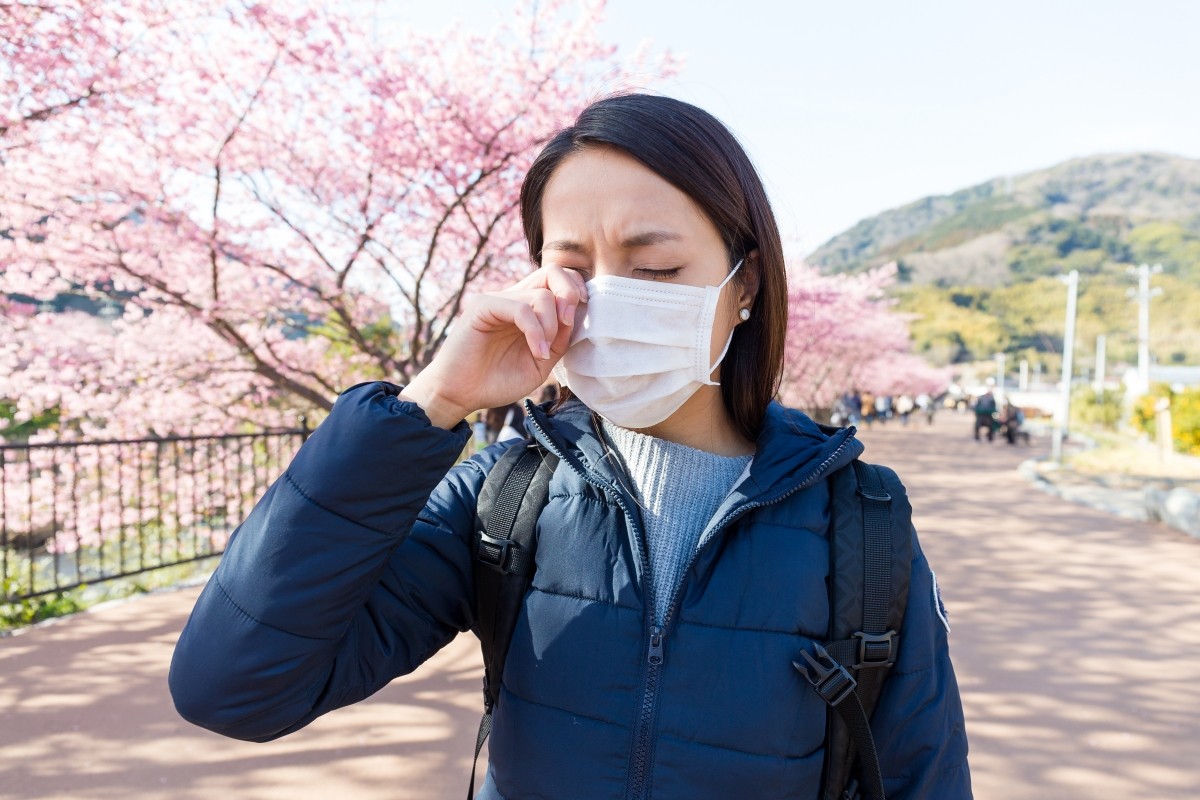
Since cherry blossoms are flowering plants, it is not entirely impossible to develop kafunsho from them. However, the nature of their pollen is different from that of cedar or cypress trees.
Cherry blossoms are insect-pollinated flowers, meaning their pollen is carried by insects. Therefore, compared to cedar or cypress, which release large amounts of pollen into the air, the likelihood of inhaling cherry blossom pollen and developing allergy symptoms is considered low.
On the other hand, the hanami (cherry blossom viewing) season in Japan, from mid-March to April, coincides with the peak season for cedar and cypress pollen. Since people spend more time outdoors during this period, it is easier to inhale pollen. To enjoy hanami safely, it is important to take precautions such as wearing masks and glasses.
Can You Develop Kafunsho While Traveling in Japan? What to Do If You Think You Have Kafunsho
It is said that hay fever develops after being exposed to pollen over many years, so short-term travelers generally do not need to worry excessively.
However, if you experience persistent sneezing or itchy eyes during your stay, do not hesitate to visit a medical facility or consult a pharmacist at a drugstore or electronics retailer for advice on over-the-counter medications.
Comments