
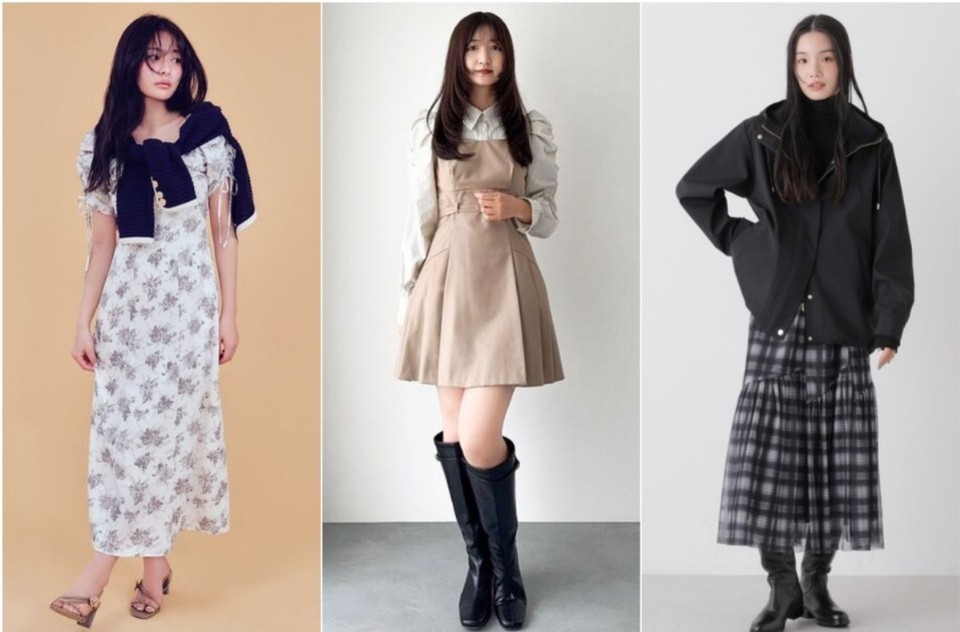
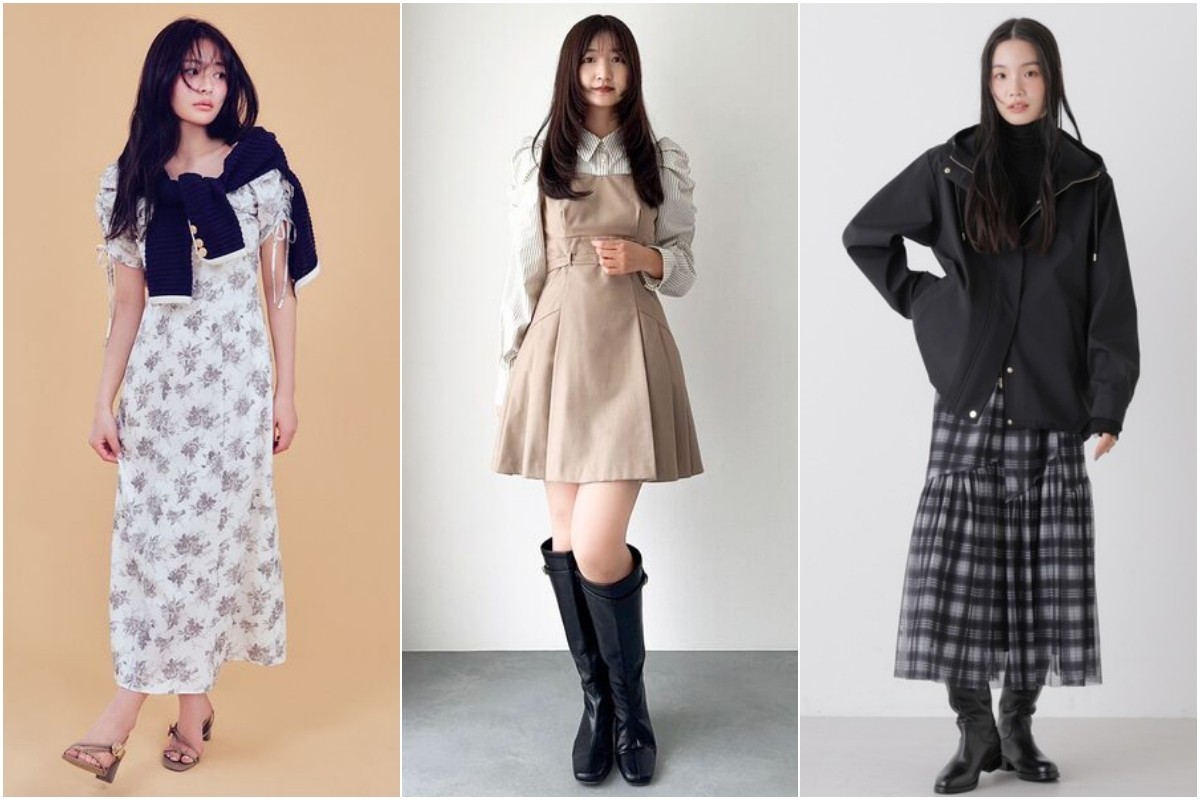
Source: Yahoo! Shopping
Autumn is one of the best seasons to visit Japan, thanks to its mild weather, relatively low rainfall, and stunning autumn foliage. However, because the country stretches from north to south, temperatures vary considerably by region. While snowfall may begin in northern Japan, southern areas can still be warm enough for light clothing. This article provides an overview of average autumn temperatures in Japan’s major cities, along with clothing recommendations for each month and useful items to pack for a comfortable trip.
🚅 Reserve Shinkansen tickets with NAVITIME Travel! 👉Click here
🛫 Book flight tickets with NAVITIME Travel! 👉Click here
👉Book Hotels & Ryokan on JAPANiCAN🏨
*If you purchase or reserve products introduced in this article, a portion of the sales may be returned to FUN! JAPAN.
Autumn Temperatures and Climate in Japan
Autumn in Japan offers stunning autumn foliage, refreshing weather, and comfortable sightseeing conditions. However, temperatures vary significantly by region and from month to month. By understanding the seasonal changes from September through November and the climate characteristics of each region, visitors can better prepare for their trip. Below is an overview of autumn temperatures across Japan.
Autumn Weather and What to Wear in Tokyo
Average Temperatures in 2025
| Average High Temperature | Average Low Temperature | |
| September | 30.9℃ | 23.0℃ |
| October | 22.1℃ | 15.7℃ |
| November | 17.4℃ | 8.9℃ |
Average Temperatures (1991–2020)
| Average High Temperature | Average Low Temperature | |
| September | 27.5℃ | 20.3℃ |
| October | 22.0℃ | 14.8℃ |
| November | 16.7℃ | 8.8℃ |
What to Wear in Tokyo in Autumn?
September can still feel like summer, with daytime highs often exceeding 30°C (86°F), so short-sleeved clothing is usually sufficient. By November, however, temperatures drop noticeably, with morning and evening lows falling into the single digits. Autumn is also the perfect season to visit the famous ginkgo-lined avenue at Meiji Jingu Gaien, where brilliant golden leaves create one of Tokyo’s most iconic seasonal landscapes. However, strong winds between high-rise buildings can make the city center feel cooler than the temperature suggests. Even on sunny days, it can become chilly in the shade or after sunset, so bringing a light jacket or scarf is recommended for added comfort.
Autumn Weather and What to Wear in Osaka
Average Temperatures in 2025
| Average High | Average Low | |
| September | 32.3°C | 25.0°C |
| October | 24.9°C | 18.2°C |
| November | 18.1°C | 10.2°C |
Average Temperatures (1991–2020)
| Average High | Average Low | |
| September | 29.5°C | 21.9°C |
| October | 23.7°C | 16.0°C |
| November | 17.8°C | 10.2°C |
What to Wear in Osaka in Autumn?
September can still be quite hot, with daytime highs often exceeding 32°C (90°F), so short-sleeved clothing is usually sufficient. By November, however, morning and evening temperatures drop to around 10°C (50°F). Autumn is also the perfect time to enjoy the colorful foliage at Osaka Castle Park, where the expansive grounds provide a beautiful setting for a leisurely stroll. If you plan to attend an evening illumination event, be prepared for cooler temperatures after dark, as you’ll likely be outdoors for an extended period. Bringing a light jacket or cardigan that can be easily layered is recommended.
Autumn Weather and What to Wear in Nagoya
Average Temperatures in 2025
| Average High | Average Low | |
| September | 32.4°C | 24.0°C |
| October | 24.0°C | 17.3°C |
| November | 17.8°C | 8.4°C |
Average Temperatures (1991–2020)
| Average High | Average Low | |
| September | 29.1°C | 21.0°C |
| October | 23.3°C | 14.8°C |
| November | 17.3°C | 8.6°C |
What to Wear in Nagoya in Autumn?
September can still be quite warm, with daytime highs often exceeding 32°C (90°F), so short-sleeved clothing is usually sufficient. By November, however, temperatures can drop to around 8°C (46°F), making a jacket or other warm layers necessary. Autumn is the perfect season to visit Korankei, where around 4,000 maple trees transform the valley into one of Japan’s most spectacular autumn foliage destinations. However, the riverside can be windy and feel noticeably cooler, so bringing a windproof jacket or light outer layer is recommended for a more comfortable visit.
Autumn Weather and What to Wear in Fukuoka
Average Temperatures in 2025
| Average High | Average Low | |
| September | 31.9°C | 25.1°C |
| October | 26.2°C | 19.4°C |
| November | 19.2°C | 11.0°C |
Average Temperatures (1991–2020)
| Average High | Average Low | |
| September | 28.9°C | 21.0°C |
| October | 23.9°C | 15.0°C |
| November | 18.3°C | 9.4°C |
What to Wear in Fukuoka in Autumn?
September can still be quite warm, with daytime highs often exceeding 31°C (88°F), so short-sleeved clothing is usually sufficient. By November, however, temperatures can drop to around 10°C (50°F), making mornings and evenings noticeably cooler. Autumn is also a great time to enjoy Nakasu’s famous yatai (food stalls) while taking in the crisp evening air. However, the riverside can be breezy, and sitting outdoors for an extended period may feel chilly, especially after sunset. Bringing a warm jacket or scarf is recommended for a more comfortable evening stroll.
Autumn Weather and What to Wear Okinawa (Naha)
Average Temperatures in 2025
| Average High | Average Low | |
| September | 32.9°C | 27.4°C |
| October | 30.8°C | 25.9°C |
| November | 26.0°C | 21.1°C |
Average Temperatures (1991–2020)
| Average High | Average Low | |
| September | 30.6°C | 25.8°C |
| October | 28.1°C | 23.5°C |
| November | 25.0°C | 20.4°C |
What to Wear in Okinawa (Naha) in Autumn?
September in Okinawa still feels very much like summer, with daytime highs often exceeding 32°C (90°F). Even in November, temperatures can climb above 25°C (77°F), giving the season a warmth similar to early autumn in much of mainland Japan. This is a great time to explore Shurijo Castle Park, but the sun can still be strong, and sightseeing during the day may leave you feeling warm. Short-sleeved clothing is usually sufficient, but it’s also a good idea to bring a hat for sun protection and a light long-sleeved shirt or cardigan for air-conditioned indoor spaces.
Hokkaido (Sapporo): Autumn Weather and What to Wear
Average Temperatures in 2025
| Average High Temperature | Average Low Temperature | |
| September | 25.2°C | 16.6°C |
| October | 16.0°C | 8.1°C |
| November | 9.2°C | 1.7°C |
Average Temperatures (1991–2020)
| Average High Temperature | Average Low Temperature | |
| September | 22.8°C | 14.8°C |
| October | 16.4°C | 8.0°C |
| November | 8.7°C | 1.6°C |
What to Wear in Autumn in Hokkaido (Sapporo)?
September is pleasantly mild, with daytime highs of around 25°C (77°F). By November, however, morning and evening temperatures can drop to around 1°C (34°F), and the season’s first snowfall is possible. Autumn is the perfect time to visit Jozankei Onsen, where the surrounding mountains are transformed by vibrant autumn foliage. As temperatures in the area are lower than in central Sapporo, it can feel especially chilly after a hot spring bath. If you plan to explore the area on foot, be sure to bring warm winter clothing, such as a down jacket and gloves, to stay comfortable.
*Source: Japan Meteorological Agency
What to Wear in Japan During Autumn: Tips and Advice
Check the Forecast Before Your Trip
Autumn in Japan is generally neither too hot nor too cold, making it one of the most comfortable seasons for travel. It’s also an ideal time to enjoy seasonal fashion, as layering makes it easy to adapt to changing temperatures. Most sightseeing destinations are pleasant to explore, and the crisp autumn scenery provides excellent opportunities for outdoor photography. That said, temperatures can vary significantly throughout the season and from one region to another. Before you travel, check the forecast for your destination and pack appropriate warm clothing, such as a light down jacket or scarf. It’s also a good idea to review the weekly forecast on the Japan Meteorological Agency’s website before your trip.
Dress in Layers
Autumn in Japan often brings noticeable temperature changes between the cool mornings and evenings and the warmer daytime hours. Wearing layers and carrying a light jacket or cardigan makes it easy to adjust to changing conditions throughout the day. This is especially useful if you plan to spend long hours sightseeing or enjoying outdoor activities, as lightweight layers can be added or removed as needed.
Bring Cold-Weather Essentials
From late October through November, temperatures can drop significantly, especially in the mornings and evenings. Packing a few cold-weather essentials, such as a light sweater, scarf, or gloves, will help keep you comfortable. While major cities often remain relatively mild, mountainous areas and northern Japan tend to cool down much earlier. Be sure to check the weather forecast for your destination and pack accordingly.
What to Wear for Autumn Travel in Japan (September, October & November)
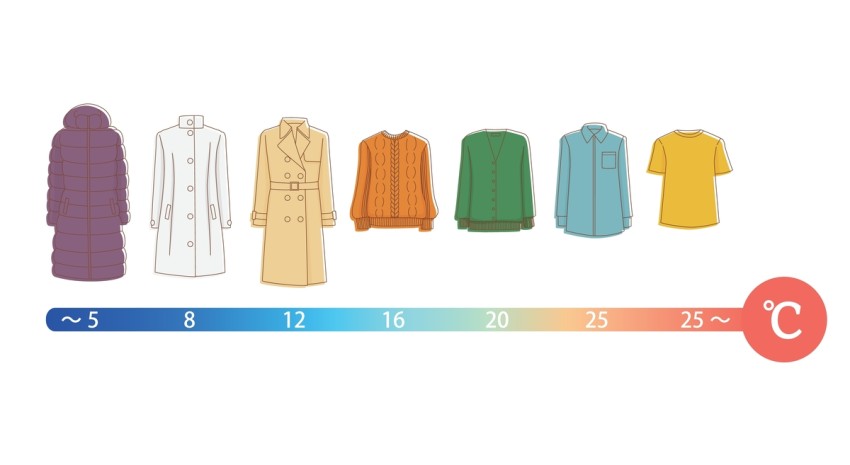
Traveling in Japan during autumn offers a chance to experience the distinct charm of each month. September still has the lingering warmth of summer, October brings crisp and comfortable weather, and November is the peak season for autumn foliage. The following outfit recommendations for each month will help you stay comfortable while adapting to changing temperatures and weather conditions.
September in Japan | Summer Clothing Is Still a Good Choice
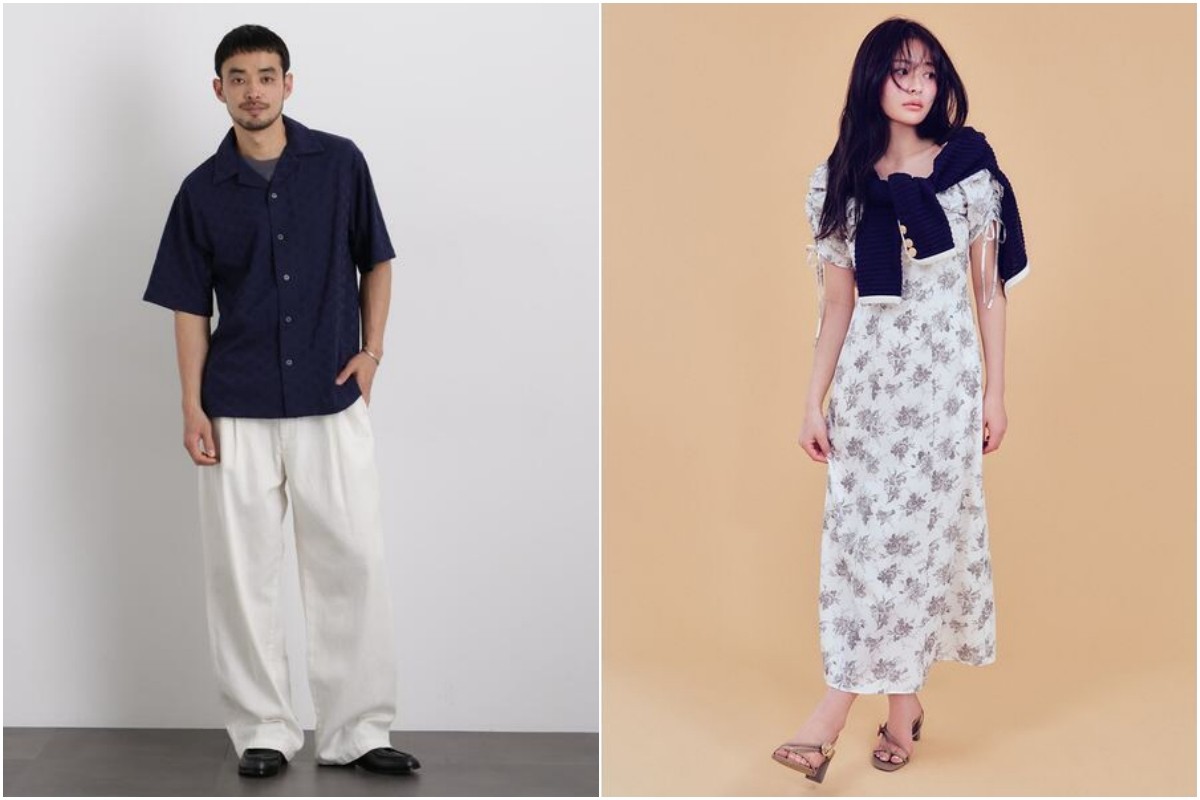
Although September marks the beginning of autumn on the calendar, Tokyo often still feels like summer. Daytime temperatures frequently exceed 30°C (86°F), making summer clothing such as T-shirts, sleeveless tops, and shorts the most comfortable choice.
September is also part of Japan’s typhoon season and often brings periods of autumn rain, which can cause temperatures to drop on cooler days. Air-conditioned indoor spaces may also feel chilly, so it’s a good idea to carry a lightweight hoodie or cardigan for added comfort.
October Fashion in Japan | Warm Days, Cooler Mornings and Evenings
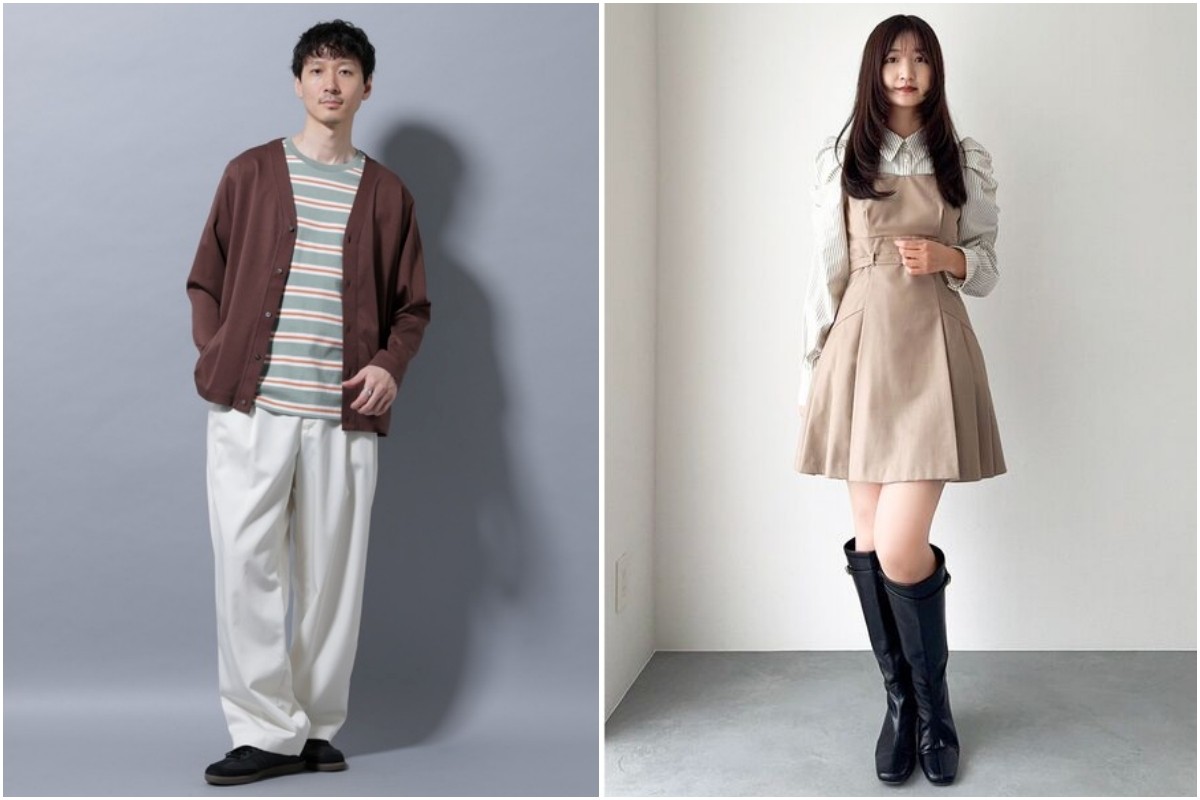
October is one of the most pleasant months to visit Japan, although recent years have seen some days that still feel surprisingly warm. In many parts of the country, daytime highs remain above 20°C (68°F), so if you tend to feel warm easily, a short-sleeved top paired with a lightweight jacket or cardigan makes it easy to adapt to changing temperatures.
Mornings and evenings, however, can be much cooler, with temperatures dropping to around 10°C (50°F) in some areas. If you plan to head out early in the morning or stay out after sunset, bringing a light jacket or coat is recommended. Heavy winter accessories such as scarves, gloves, and thermal tights are generally unnecessary at this time of year. For footwear, ankle boots or leather shoes are a great way to complement your autumn wardrobe.
November Fashion in Japan | Time for Warm Layers and Accessories
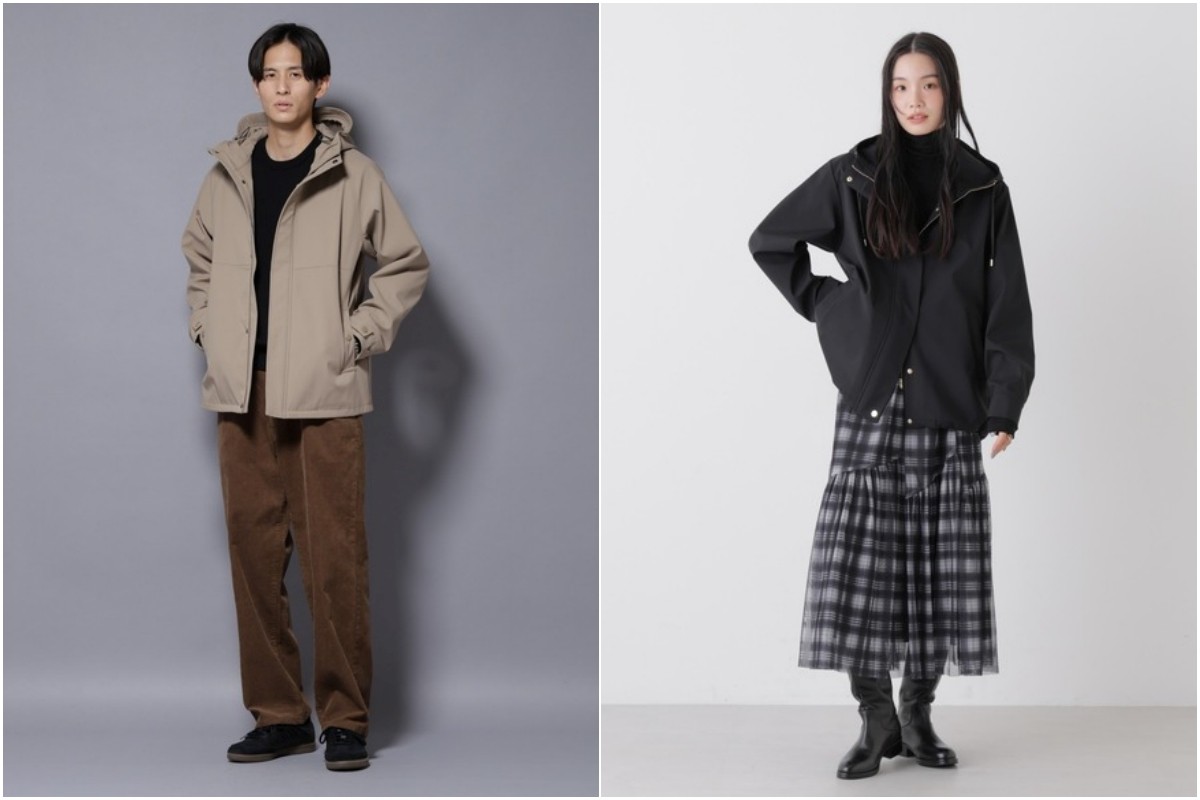
November marks the height of autumn in Japan, with vibrant autumn foliage at its peak in many parts of the country. In most regions, average low temperatures fall to around 10°C (50°F), and mornings and evenings become noticeably colder. Be sure to pack wind-resistant outerwear, such as a coat, warm hoodie, or jacket.
In cities like Tokyo and Osaka, daytime highs can still reach around 17–18°C (63–64°F). However, when the cold seasonal wind known as kogarashi blows, it can feel much colder than the temperature suggests. Adding warm accessories such as a scarf, hat, gloves, or thermal tights will help you stay comfortable while exploring outdoors.
Essential Clothing for Autumn in Japan
1. Colds Preventing
Autumn weather in Japan can change quickly, and sudden drops in temperature may increase the risk of catching a cold. Dressing warmly and adjusting your layers throughout the day can help you stay comfortable. When using public transportation or visiting crowded places, some travelers also choose to wear a mask, especially during the cold and flu season. apan also offers a wide range of convenient health and hygiene products. Portable hand sanitizers, available in pen-sized and pocket-sized bottles, are easy to carry and can help maintain good hand hygiene while traveling.
2. Be Aware of Dryness
Japan’s winter air is typically cold and dry, which can easily dry out your skin during your trip. Packing travel-sized skincare essentials such as hand cream and lip balm is a simple way to keep your skin moisturized while sightseeing. After a shower or bath, using body lotion and a moisturizing face mask can help replenish lost moisture.
3. Preventing Foot Odor
IBoots are a popular choice for autumn in Japan, but wearing them for long periods can cause your feet to become warm and sweaty. As visitors may occasionally be asked to remove their shoes when entering certain restaurants, temples, traditional accommodations, or other indoor spaces, it’s a good idea to pay attention to foot care. Japan offers a wide range of products designed to help keep shoes fresh and odor-free, including antibacterial and deodorizing sprays, charcoal shoe deodorizers, and moisture-absorbing insoles or shoe inserts made with diatomaceous earth. These convenient items are widely available and can help keep your shoes comfortable throughout your trip.
4. Scarves and Stoles for Cold Weather
A scarf or lightweight stole is a travel essential for autumn in Japan. It’s perfect for chilly mornings, cool evenings, or windy weather, and can be easily folded and tucked into your bag. Whenever the temperature drops, simply put it on for extra warmth and comfort.
5. Outerwear Perfect for Layering
As temperatures can vary significantly between the cool mornings and evenings and the warmer daytime hours, lightweight outerwear is an autumn essential in Japan. A light jacket, cardigan, or trench coat is ideal for layering, as it can be easily removed when temperatures rise during the day and put back on when it gets cooler. A lightweight cardigan is especially practical because it folds up compactly and fits easily into a bag, making it convenient to carry and quick to put on whenever you need an extra layer. In colder regions or later in the season, a light down jacket can also be a useful option.
Comments