
For Japanese people, choosing a child's name is an important ritual that embodies the family's hopes and values. The first things that often come to mind are the number of strokes in the kanji characters and the meanings associated with the chosen kanji. In addition, factors such as pronunciation and the number of syllables—whether the name is easy to call—are also important considerations. It is also worth noting that the types of names considered desirable have changed significantly over time.
This article will clearly explain “Japanese naming culture,” organizing the differences in trends between boys’ and girls’ names, and sharing real-life examples from FUN! JAPAN staff.
[Japanese Naming Culture] 7 Key Points to Consider
From here, we will introduce seven key points that Japanese people tend to consider when choosing a child’s name. Each family places importance on different aspects, such as the number of strokes, the meaning of the kanji, and ease of pronunciation.
1. Number of Kanji Strokes
Most Japanese names use kanji characters. For this reason, many people consider the number of strokes in the kanji. In Japan, there is a traditional practice called “seimei handan” (name fortune-telling), which predicts a person’s fortune based on the number of strokes in their name.
2. Meaning of the Kanji
Japanese people place great importance on the meaning of the kanji used in names. Sometimes, a positive kanji character used in the names of parents or grandparents is passed down to the next generation.
For example, the kanji character “翔” evokes images such as “flying through the sky,” “activeness,” “a sense of future,” and “grandeur.”
3. Pronunciation
Of course, it is important that the name is easy to pronounce in Japanese, but recently, more people are also considering whether the name is easy for English speakers to pronounce.
4. Cultural Background
Some people choose names that reflect Japanese culture and tradition. For example, names inspired by the seasons or events (such as “桜 (Sakura, Cherry blossom)” or “春 (Haru, Spring)” for children born in spring) are sometimes chosen.
5. Number of Syllables
Japanese names are usually made up of two or three syllables.
Examples:
たろう(た-ろう): 2 syllables
さくら(さ-く-ら): 3 syllables
6. Gender Differentiation
Traditionally, male and female names have been clearly distinguished, but nowadays, unisex names such as “あおい,” “ひなた,” and “つばさ” are becoming more common.
7. Opinions from Family and Relatives
In the past, elders such as grandparents were often deeply involved in naming, but nowadays, it is generally the parents who make the final decision. However, this does not mean that other family members are completely uninvolved; some families consult grandparents once they have a shortlist, or ask for opinions on the impression or readability of the kanji.
Basic Rules for Naming: Birth Registration and Usable Characters

Let’s review the basic rules for naming a newborn child.
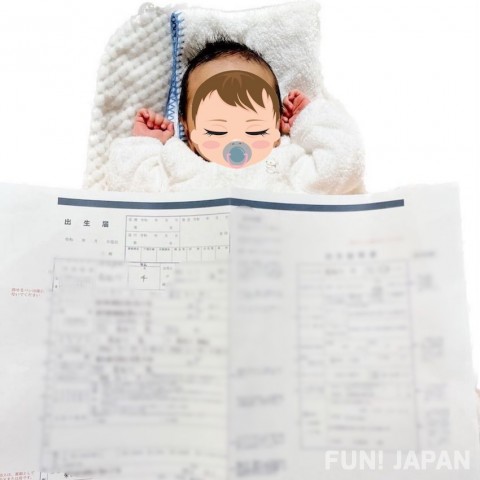
In Japan, you must decide on a baby’s name and submit a birth notification to the local municipal office within 14 days of the child’s birth. Because there is a deadline for this procedure, many families start thinking about name candidates early on.
The characters that can be used in names are, in principle, limited to hiragana, katakana, and kanji (those generally recognized for use) in accordance with the law (Family Register Act). Since there are rules regarding which kanji can be used, it is advisable to check in advance if you wish to use a rare character.
The Meaning and Trends Behind Japanese "Personal Names"
It is often said that personal names reflect the spirit and trends of the times. Japanese parents sometimes take inspiration from popular celebrities, athletes, or characters from TV dramas and anime, choosing names they find appealing in sound or with a positive image in kanji.
At one time, names with unique readings using kanji, known as "kirakira names," became a hot topic. In recent years, perhaps as a reaction to this, names that are easy to read and emphasize the traditional meanings of kanji—names that feel "distinctly Japanese"—have once again become popular choices.
Characteristics and Trends of Names by Gender

In traditional Japanese naming, the "ending sound" of a name often evokes a sense of masculinity or femininity. Of course, in modern times, there are more options, so it is best to view these as common tendencies rather than strict rules.
Common Endings for Boys' Names: ~o, ~ro, etc.
Until around the mid-Showa era (1960s), boys' names often ended with "~o" or "~ro," which are considered to give a strong and sharp impression.
Examples: 一郎 (Ichiro), 勝男 (Katsuo), etc.
Common Endings for Girls' Names: ~ko, ~mi, ~na, etc.
For girls' names, endings such as "~ko," "~mi," and "~na" are often seen, and these are generally perceived as soft, elegant, and gentle in sound.
However, names ending in ~ko (子) have decreased in recent years, and a wider variety of endings are now chosen.
Examples: 加奈子 (Kanako), 真由美 (Mayumi), 明菜 (Akina), etc.
There Are Many Exceptions (Endings Alone Do Not Determine Gender)
That said, these tendencies in name endings are not a 100% reliable way to determine gender. In recent years, gender-neutral names have also increased, and ultimately, the choice is often based on the meaning of the kanji, the sound, and family preferences.
【Latest】Top 3 Most Popular Boys' and Girls' Names in 2025

Based on the annual "Baby Name Ranking" by the major Japanese publisher Benesse Corporation, here are the most popular names in 2025 and the meanings behind them.
Boys' Names
碧(Ao): Ranked No. 1 for the second consecutive year. This name evokes a refreshing image of the blue sea or a clear sky, and has been extremely popular in recent years.
湊(Minato): Rose to 2nd place from 5th the previous year. The name means a lively place where people and things gather, and expresses the wish for strong connections with others.
陽翔(Haruto): Rose from 4th place last year to 3rd place this year. This name evokes a bright and grand future, like spreading one's wings under the sunlight.
Girls' Names
翠(Sui): Climbed from 3rd place last year to take 1st place. This single-character name brings to mind the beautiful shine of a gemstone (emerald) or the deep, vivid green of a kingfisher's feathers.
陽葵(Himari): A name that has maintained top-level popularity for many years. It carries the hope that the child will grow up bright and straightforward, like a sunflower blooming toward the sun.
凛(Rin): Although it dropped from 1st place last year, it remains consistently popular. The name conveys a sense of independent inner strength and pure, refined beauty.
[Real Examples] How FUN! JAPAN Staff Chose Their Babies' Names!
As we've seen so far, naming in Japan is not just about intuition or liking the sound. The meaning of the kanji, the number of strokes, ease of reading, and sometimes even family memories or events are all considered in the process.
Finally, here are some real-life examples from FUN! JAPAN staff that give a clear picture of this uniquely Japanese naming process. We asked several staff members about their babies' names and the reasons behind their choices.
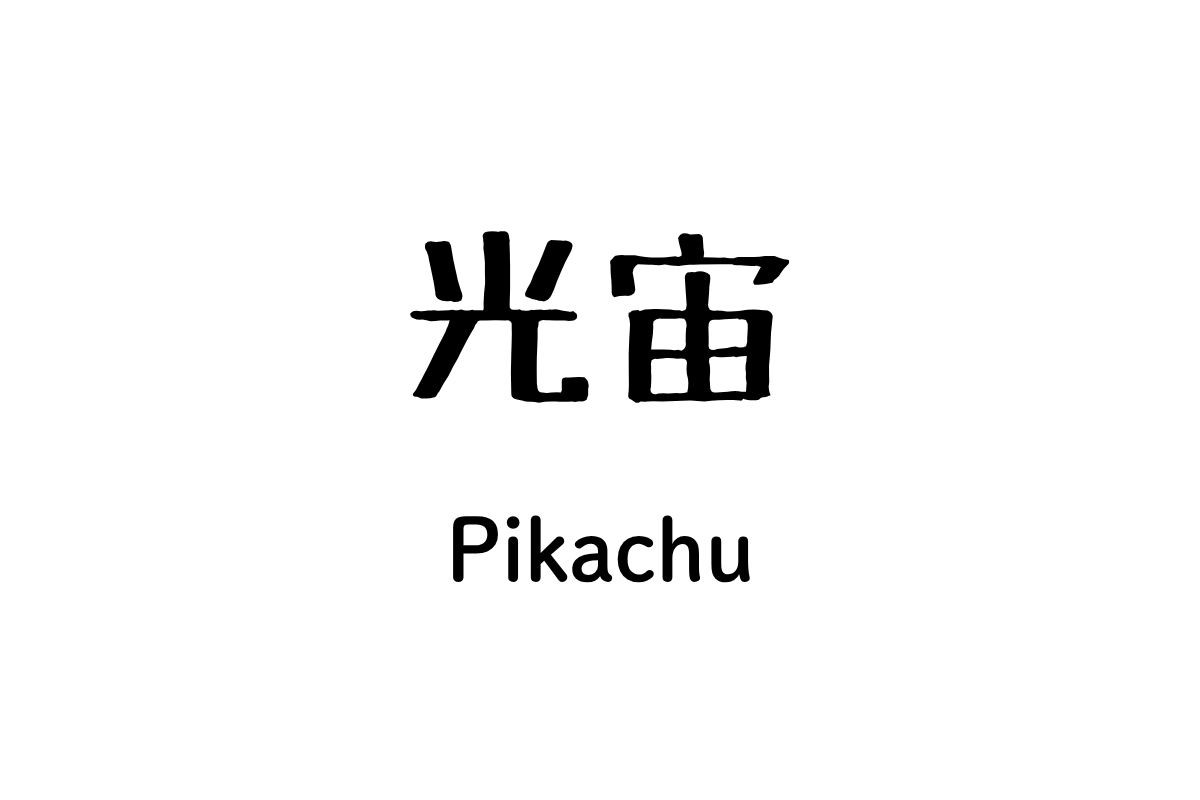
① Rannyu-sensei's son's name: 千(Sen)
- Gender and Age: Boy
- Kanji and Reading: 千(Sen)
- Meaning & Reason for the Name: When I saw the statue of the Thousand-Armed Kannon at Toshodaiji Temple, I was moved to tears. During my wife's pregnancy, we visited the temple again to pray, and shortly after that, we were involved in a car accident. My wife was taken to the hospital by ambulance, but she was safe. I believe we were being protected! Out of gratitude, we chose one of the characters from the statue's name for our child.
* In addition to "Sen," "Kan," and "On," we also considered "Ren" and "Ka" (from the Kannon's other name, "King of Lotus Flowers"). In the end, we chose a kanji with a good stroke count according to the popular Japanese fortune-telling method. The name is rare in Japan and has a pleasant sound, so it became our top choice.
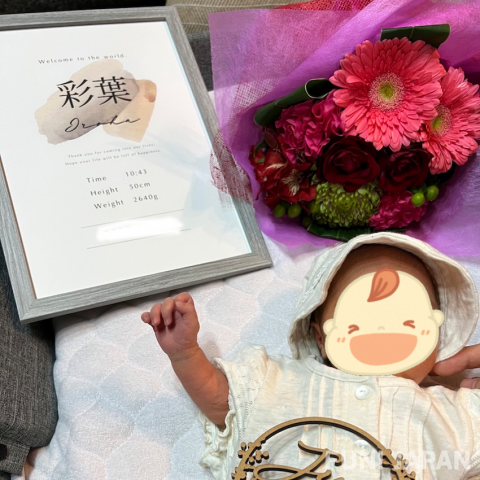
② N-san's daughter's name: 彩葉(Iroha)
- Gender and Age: Girl
- Kanji and Reading: 彩葉(Iroha)
- Meaning & Reason for the Name: (According to sources such as Ninna-ji Temple,) inspired by the "Iroha Song" said to be composed by Kōbō Daishi, we interpreted it as: "Just as every flower has its own season to bloom, may you always have your own season to shine, cherishing each moment and living a colorful, full life."
As a side note, the "flower" in this song is said to refer to sakura (cherry blossoms), which are beloved by Japanese people. Also, the stroke count of the name is considered "not bad" (in other words, auspicious). - References: Name fortune-telling, baby name books, Instagram, and word of mouth. We looked at many options, but ultimately settled on our original candidate.
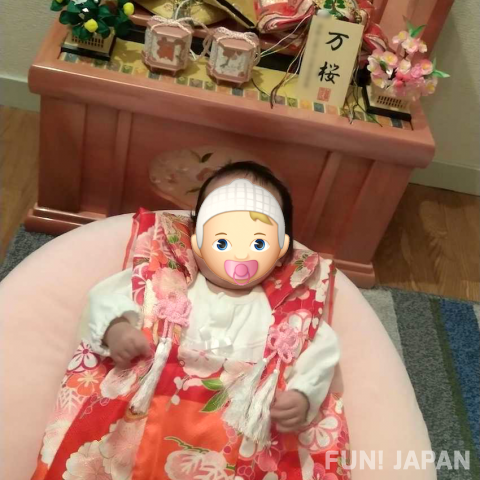
③ T-san's daughter's name: 万桜(Mao)
- Gender and Age: Girl
- Kanji and Reading: 万桜(Mao)
- Meaning & Reason for the Name: I really wanted to use the character "sakura" (cherry blossom) in the name, whether it was a boy or a girl (if it had been a boy, the name would have been "Takao" with the character for sakura). I also considered other favorite and beautiful kanji, making sure the stroke count would not have negative implications, and ended up with about 10 candidates. In the end, I planned to decide after seeing the baby's face and gestures, but on the way home from the hospital, the taxi we took was one of only five "lucky sakura taxis" in existence. I took it as fate and chose a name that included the character for sakura from the candidates. The meaning of the kanji combination is "I hope she will see, hear, and feel many beautiful and wonderful things (sakura), and live a strong (man) life."
- References: Zexy Baby Happy Naming Diagnosis Web
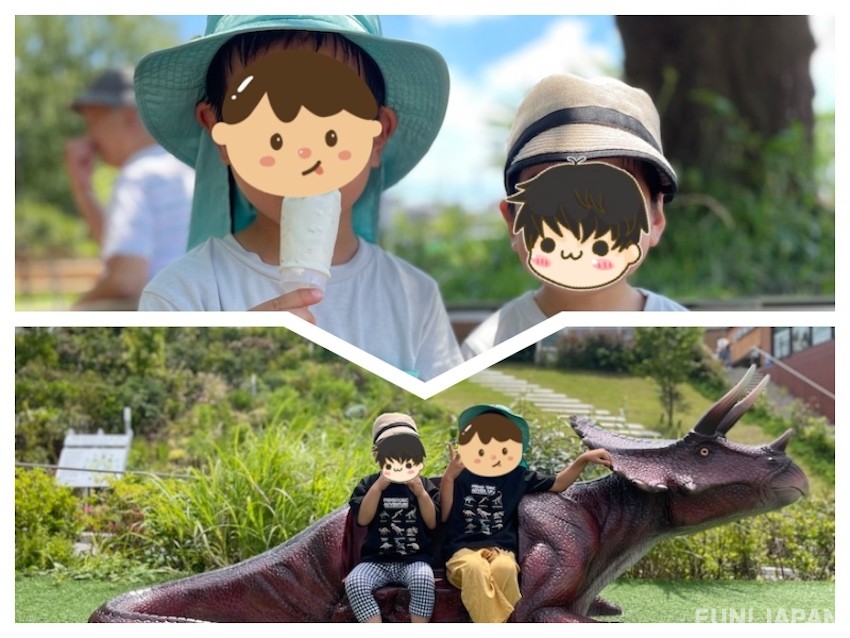
④ I-san's sons' names: 咲來(Saku) & 慎(Shin)
[Eldest Son]
- Gender and Age: Boy
- Kanji and Pronunciation: 咲來(Saku)
- Meaning & Reason for the Kanji Name: I chose a name with two kanji characters and a pleasant sound. I wanted it to feel modern yet have a traditional touch. The name expresses my wish for him to make his own dreams bloom in the future ("咲" meaning "to bloom" and "来" meaning "to come"). I also considered the total number of strokes in the kanji.
- References: None in particular (I only checked the number of strokes in the kanji).
[Second Son]
- Gender and Age: Boy / 2 years old
- Kanji and Pronunciation: 慎(Shin)
- Meaning & Reason for the Kanji Name: I chose a name with two kanji characters and a pleasant sound. I wanted it to feel modern yet have a traditional touch. The name expresses my wish for him to have a strong core and to grow up to be honest and sincere. I also considered the total number of strokes in the kanji.
- References: None in particular (I only checked the number of strokes in the kanji).
Comments