
*AI Translated
Thank you very much for your continued readership of "FUN! JAPAN" in 2025 as well.
Thanks to the support of everyone living in Japan and Japanese fans all over the world, we were able to connect with many readers, especially from Asia, again this year. All of us in the editorial team would like to express our heartfelt gratitude.
Year-End and New Year Operation Schedule
We regret to inform you that the editorial team and inquiry desk will be closed during the following period.
Holiday period: December 27, 2025 (Saturday) to January 4, 2026 (Sunday)
From January 5, 2026 (Monday), we will resume updating articles as usual.
Traditional Japanese Culture: What is the New Year's Greeting Card "Nengajo"?
In Japan, there is a custom of sending a postcard called "Nengajo" to close friends and those who have helped you when welcoming the New Year.
What is Nengajo?
It is a postcard to convey New Year's greetings and daily gratitude. It is considered good manners to send it so that it arrives on January 1, and recently it is common to include family photos or illustrations of that year's Zodiac animal.
By When Should You Send Nengajo? Check Japanese Manners
If you are going to send Nengajo in Japan, please pay attention to the delivery timing and "how to send" it.
If you want it to arrive on New Year's Day (January 1)
It is common to post it between December 15 and December 25 every year. If you send it during this period, it will arrive on New Year's Day in most places throughout Japan.
[Important] What happens if you send it before December 14?
If you put it in the mailbox before December 15, when the acceptance of Nengajo begins, it will be delivered to the recipient in a few days as regular mail. In Japan, it is sometimes considered bad manners for New Year's greetings to arrive in December, so be sure to post it after the 15th.
Don't forget to write "Nenga"!
If you use a regular postcard instead of a commercially available Nengajo postcard, you need to write "年賀" in red under the stamp. If you forget this, even if you send it during the acceptance period, it will be delivered immediately as regular mail, so please be careful.
Is it okay to send after December 26 or after the New Year?
If you post it after December 26, it may not arrive on January 1. Also, if you are replying to a Nengajo from someone you did not send one to, you will be sending it after the New Year. Generally, it is considered good manners to send it so that it arrives by January 7, which is called "Matsu-no-uchi".
If it will arrive after that, there is a custom of sending a different postcard called "Kanchu Mimai" instead of a Nengajo. Please follow Japanese manners and send a pleasant New Year's greeting.
In recent years, more people are sending greetings via SNS or email, but handwritten Nengajo delivered to the mailbox are still one of the warm New Year's traditions in Japan.
For those who want to know more about Japanese New Year, check this out 👉What is Japanese New Year? List of "New Year's Traditions"
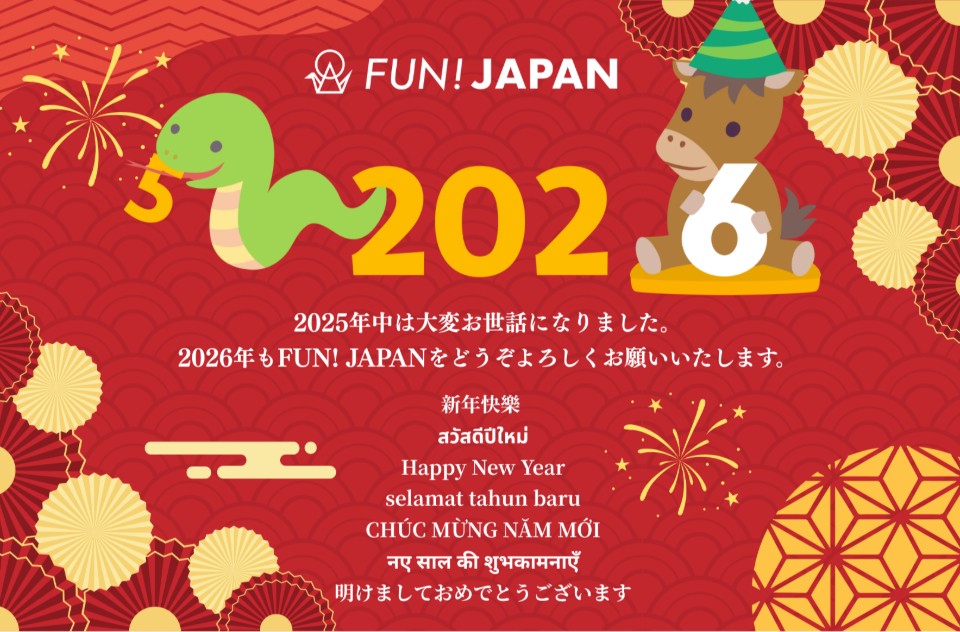
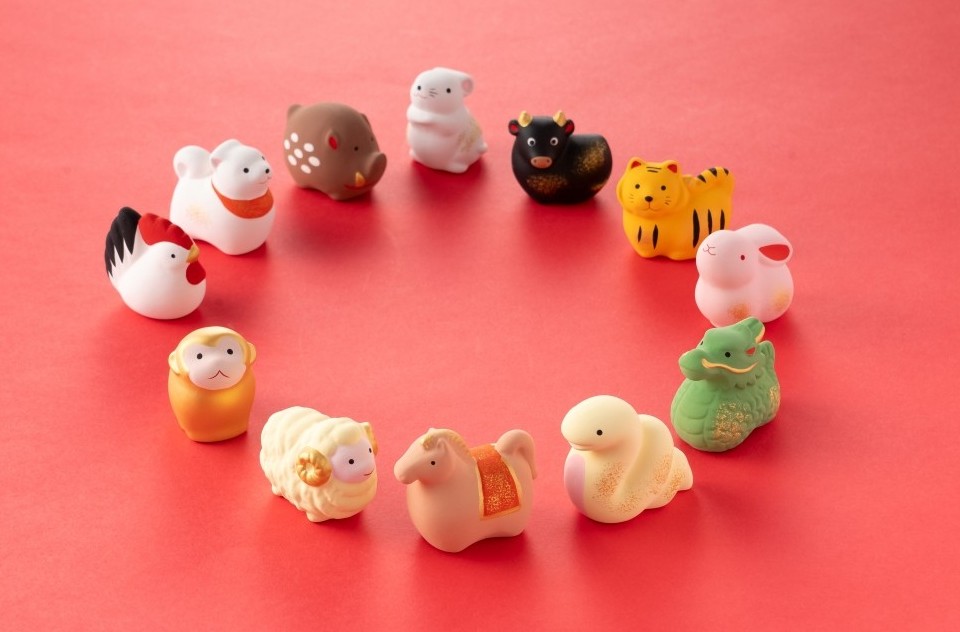
2026 is the Year of the Horse. A Year of Further Progress!
The Zodiac animal for 2026 is the Horse. The horse is considered a symbol of "progress" and "growth", and it is said to be a lucky year when things will improve powerfully.
In 2026, we at FUN! JAPAN will also strive to deliver valuable information that will be useful for your life and travels in Japan, powerfully and steadily, just like a horse galloping across the land.
We wish you a wonderful year in 2026, full of health and hope.
👉Complete Guide to the Japanese Zodiac! Origins, Order, and This Year's & Next Year's Animals
新年快樂
Happy New Year
Selamat Tahun Baru
สวัสดีปีใหม่
Chúc Mừng Năm Mới
새해 복 많이 받으세요
あけましておめでとうございます
We kindly ask for your continued support of FUN! JAPAN in 2026 as well.
We wish you a wonderful New Year holiday season!

Comments