
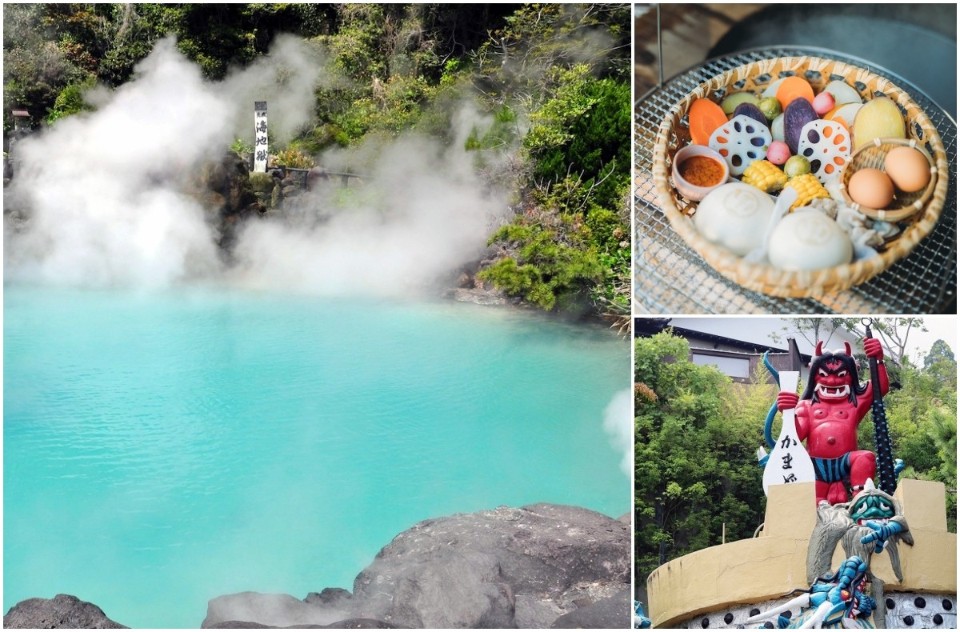
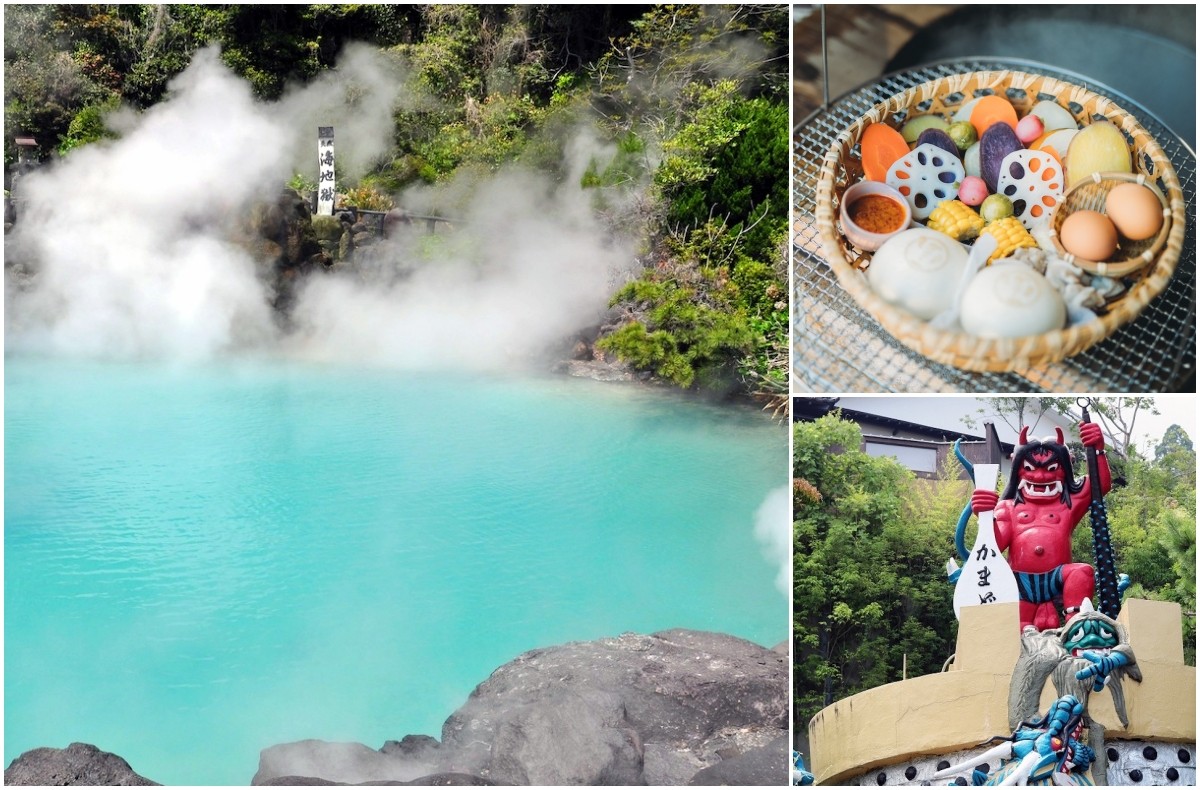
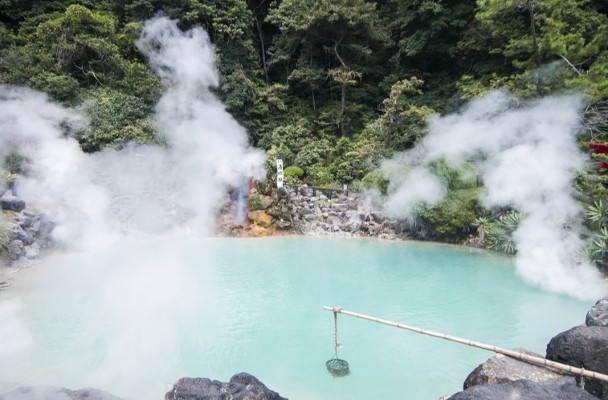
At Beppu's "Jigoku Meguri" in Oita Prefecture, you can encounter mysterious sights unique to hot spring areas, such as a brilliantly blue pond, bright red hot mud, and powerful geyser eruptions.
There are a total of seven sites to visit. To see them all, you should allow at least 2 to 2.5 hours, but if you are short on time, you can still enjoy visiting just two or three.
In this article, based on information and photos gathered by our editor in July 2026, the author—who has visited Beppu many times—will introduce the history and highlights of each Jigoku, efficient ways to tour them, and recommended hot spring dishes and places to enjoy a soak.
👉Book Beppu hotels and inns on JAPANiCAN
🚅Book your Shinkansen ticket with NAVITIME Travel! 👉 Click here
🛫Book your flight ticket with NAVITIME Travel! 👉 Click here
😄Enjoy a more convenient trip to Japan with NAVITIME eSIM!👉Click here
👉Book Hotels & Ryokan on JAPANiCAN🏨

What is Beppu Jigoku Meguri? A Popular Sightseeing Course Visiting 7 Jigoku
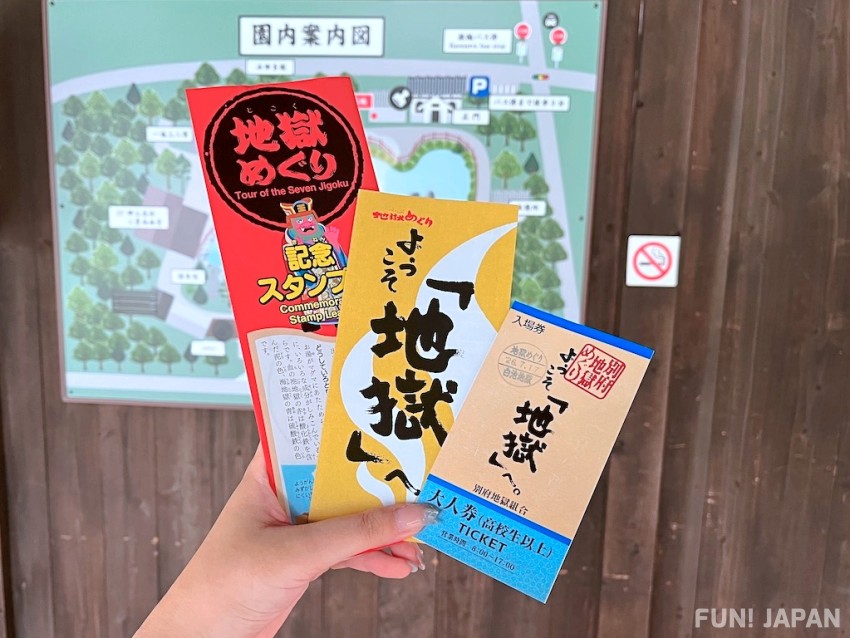
"Beppu Jigoku Meguri" is a classic sightseeing course in Beppu where you can observe hot water, steam, and hot mud erupting from underground. Unlike onsen tours where you bathe in hot springs, this is a sightseeing experience where you enjoy the earth's energy with your eyes.
This area has been spewing intense steam for over a thousand years, and it is said that people once called it "hell" because it was a place they could not approach.
Currently, there are seven Jigoku you can visit on the tour:
- Umi Jigoku (*)
- Oniishi Bozu Jigoku
- Kamado Jigoku
- Oniyama Jigoku
- Shiraike Jigoku (*)
- Chinoike Jigoku (*)
- Tatsumaki Jigoku (*)
Of these, the four marked with (*)—Umi, Shiraike, Chinoike, and Tatsumaki—are designated as National Sites of Scenic Beauty.
The seven sites are spread across two areas: five in Kannawa and two in Kamegawa. The Kannawa sites can be toured on foot, but since the two areas are about 3 km apart, it is convenient to use a bus or car to travel between them.
As a guideline, visiting all seven takes about 2 to 3 hours, or about half a day if you also enjoy meals and foot baths. If you have limited time, it is recommended to choose your destinations based on the scenery or experiences you want to enjoy. Since the spring water is extremely hot, be sure to view the sites safely from behind the fences.
A Closer Look at the Highlights of Beppu's 7 Jigoku!
Not only are there blue and red ponds, but also bubbling mud pools and even a facility where crocodiles are kept—the scenery is truly diverse. Learning about the origins of the names and the history makes the tour even more interesting.
① Umi Jigoku | A Cobalt-Blue Hot Spring Created About 1,200 Years Ago
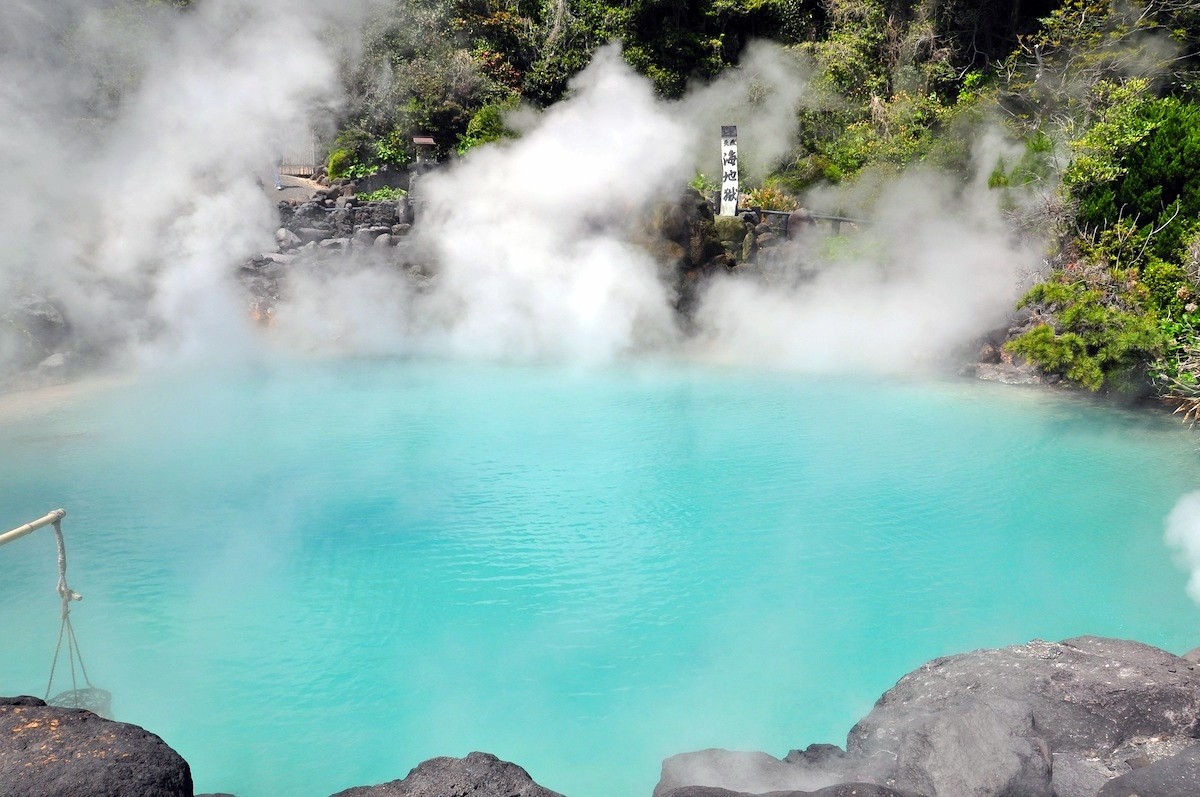
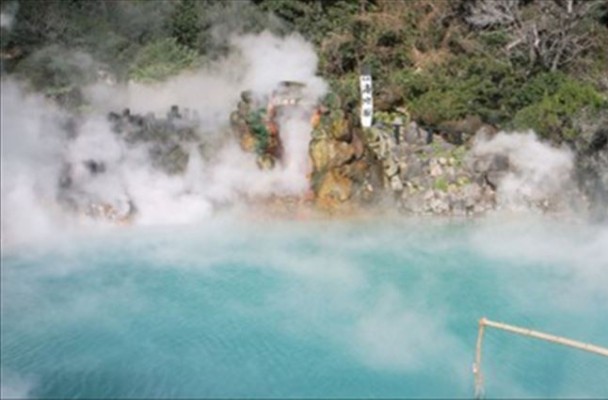
Umi Jigoku is said to have been created by the eruption of Mt. Tsurumi about 1,200 years ago. The pond appears a beautiful cobalt blue due to the iron sulfate in the hot spring, but the spring water temperature is about 98°C. The heat from the onsen is also used to grow tropical water lilies and other plants.
♨Recommended Points from a Writer Who Loves Beppu
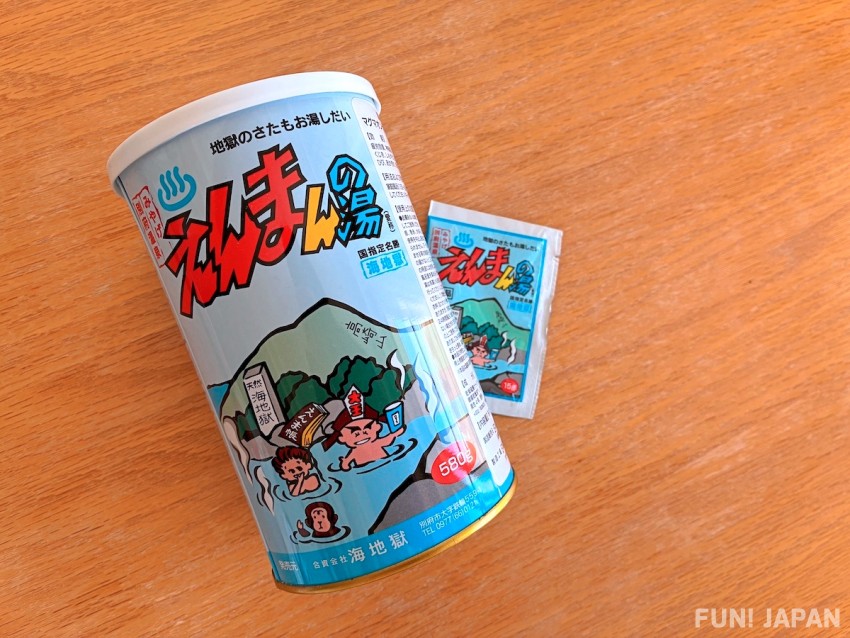
For souvenirs, our top recommendation is the bath additive "Enman no Yu," made from the hot spring water of Umi Jigoku. It turns your bath a vivid blue, letting you enjoy the feeling of travel even at home. I buy it every time I visit, and now I regularly use the version in a tin. The individually packaged types, such as a five-pack (560 yen including tax) or a ten-pack (1,020 yen including tax), are also perfect as gifts for others.
② Oniishi Bozu Jigoku | Mysterious Patterns Created by Grey Mud
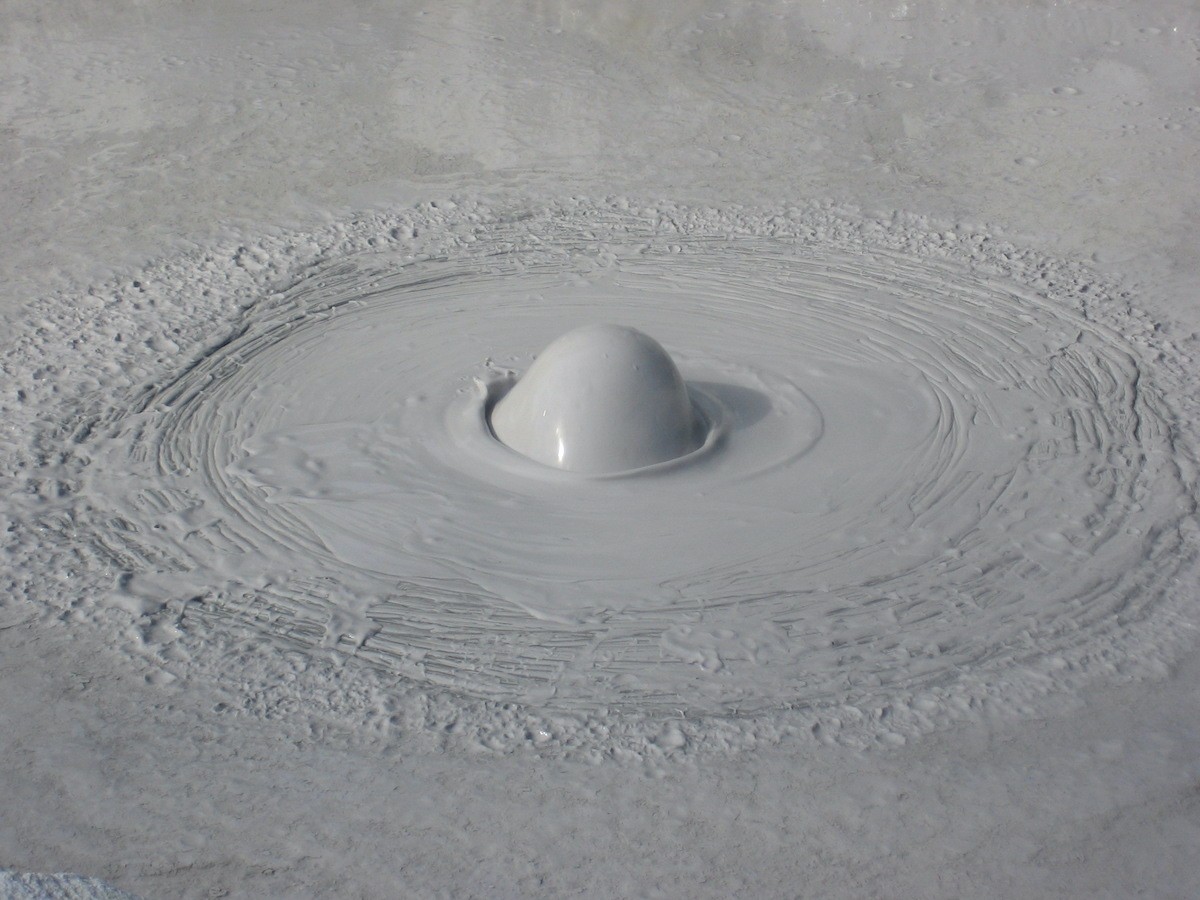
Oniishi Bozu Jigoku gets its name from the way the gray hot mud bubbles up in round shapes, resembling the shaved heads of Buddhist monks. In the Meiji era, it was known as "Shin Bozu Jigoku," and after being closed once, it was reopened. It is located right next to Umi Jigoku.
♨Recommended Points from a Writer Who Loves Beppu
Here, pay attention not just to the color of the pond, but also to the movement and sounds of the mud. Within the grounds, there is also "Oni no Takaibiki" ("The Demon’s Loud Snore"), where the erupting steam echoes like a demon’s snoring. Another nice point is that you can take a break at the foot bath during your walk.
③ Kamado Jigoku | The Name Comes from Cooking Rice with Hot Spring Steam!?
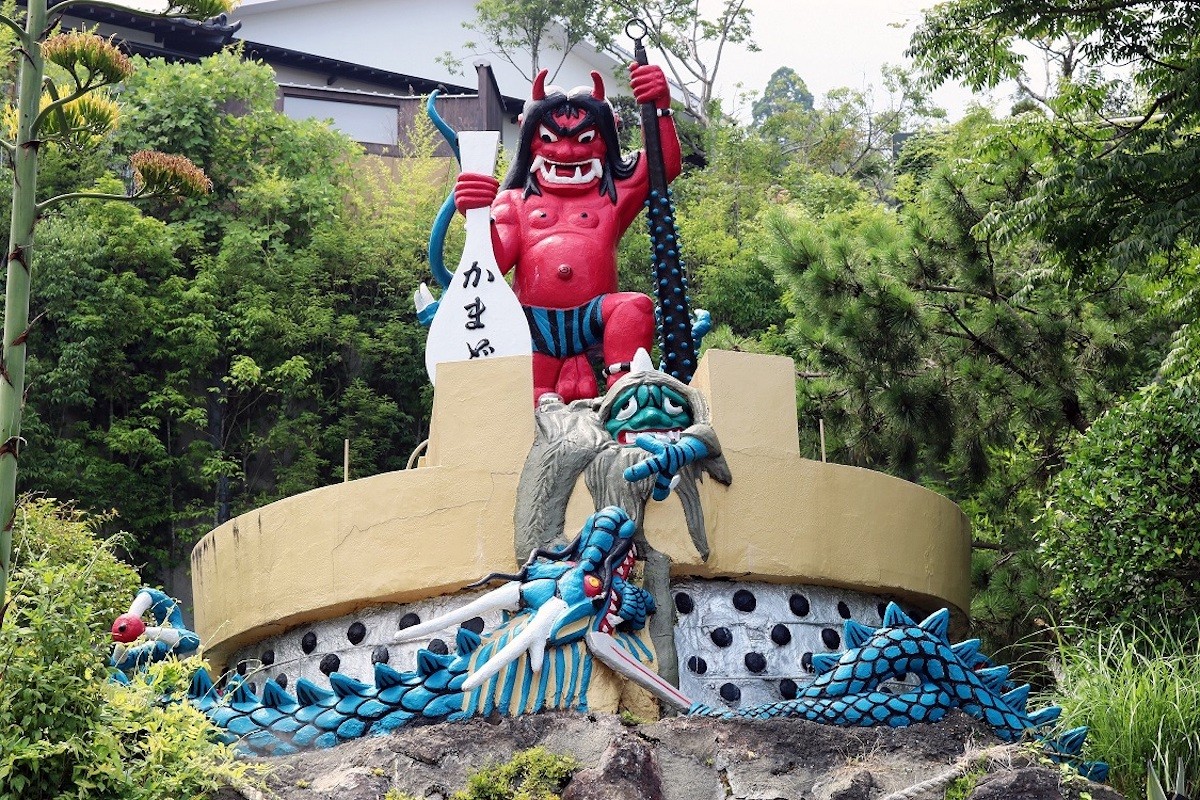
At Kamado Jigoku, you can see different hot spring sources, each with its own unique appearance, from Section 1 to Section 6. The name comes from the tradition of using hot spring steam to cook rice offerings during the grand festival at Hachiman Kamado Shrine. The heat from the hot springs was even used for religious ceremonies.
♨Recommended Points from a Writer Who Loves Beppu
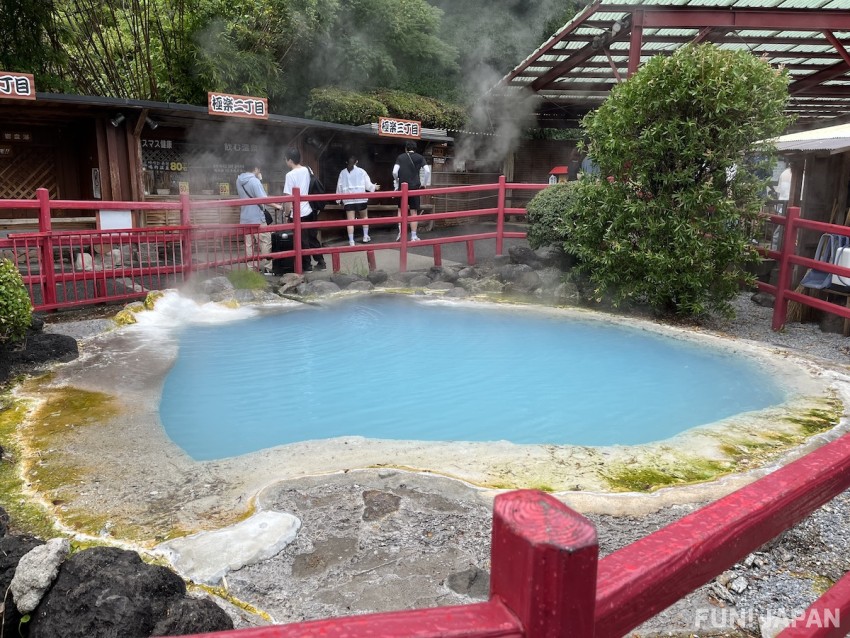
There are plenty of highlights even if you only have a short time, such as ponds of different colors and demonstrations using steam. Incidentally, Hachiman Kamado Shrine, which is the origin of the name, has also attracted attention among fans of the manga and anime "Demon Slayer: Kimetsu no Yaiba" because the protagonist, Tanjiro Kamado, shares the same surname. The shrine is located outside the Jigoku grounds.
④ Oniyama Jigoku | Crocodiles Kept Using Hot Spring Heat!
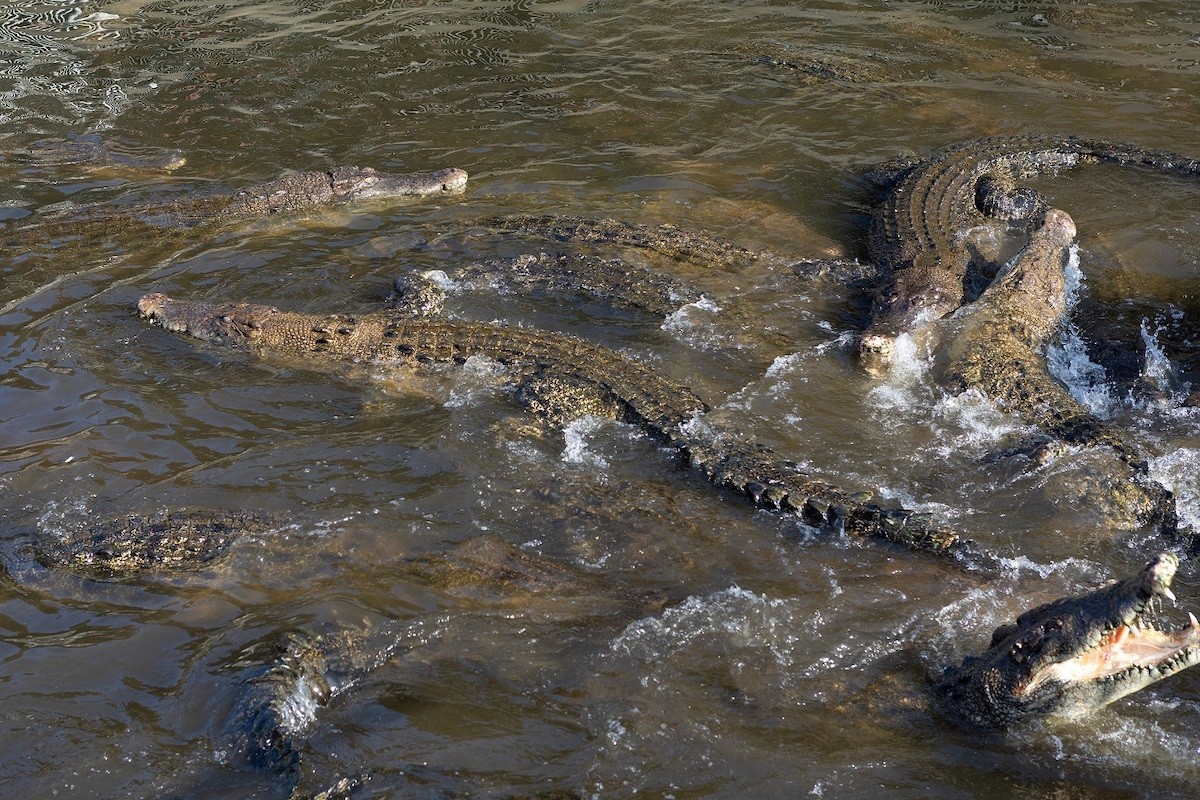
Nicknamed "Crocodile Hell," Oniyama Jigoku was the first place in Japan to raise crocodiles using hot spring heat, starting in 1923. Even today, about 70 crocodiles live in an environment that makes use of the hot spring’s warmth.
♨Recommended Points from a Writer Who Loves Beppu
You can observe the crocodiles up close, making it a great spot for families with children. Crocodile feeding sessions are held by staff at 10:00 a.m. on Saturdays and Sundays. If your timing is right, you might get to see the crocodiles in action.
⑤ Shiraike Jigoku | Does the Clear Hot Spring Turn Pale Blue-White!?
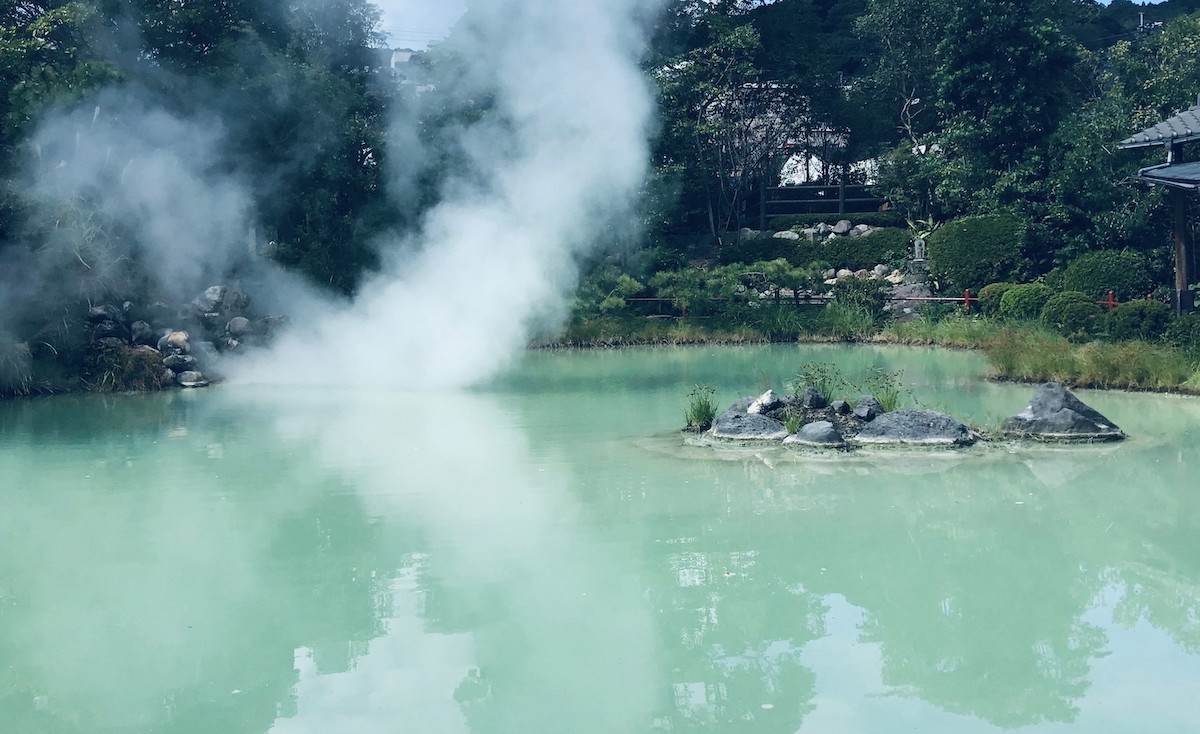
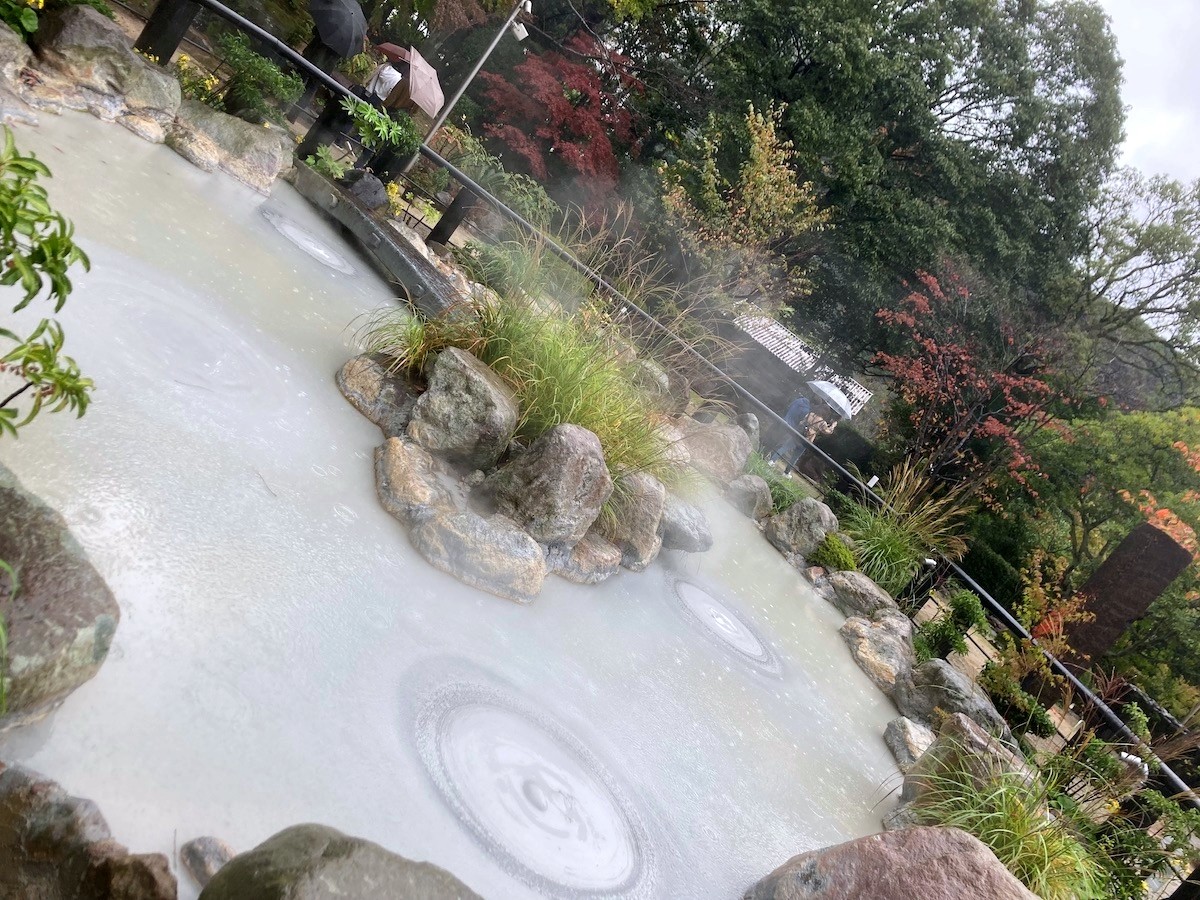
At Shiraike Jigoku, a pale blue-white pond spreads out in a traditional Japanese garden. When the hot spring water first emerges, it is colourless and transparent, but as it falls into the pond, changes in temperature and pressure turn it a faint blue-white. This beautiful scenery has been designated as a National Site of Scenic Beauty.
♨Recommended Points from a Writer Who Loves Beppu
After viewing the pond, head to the Tropical Fish House within the grounds. Using heat from the hot springs, about 20 species of tropical fish, including the giant arapaima and piranhas, are kept here. You can enjoy both the tranquil garden and the unique fish exhibits.
⑥ Chinoike Jigoku | A Bright Red Pond with Over 1,300 Years of History
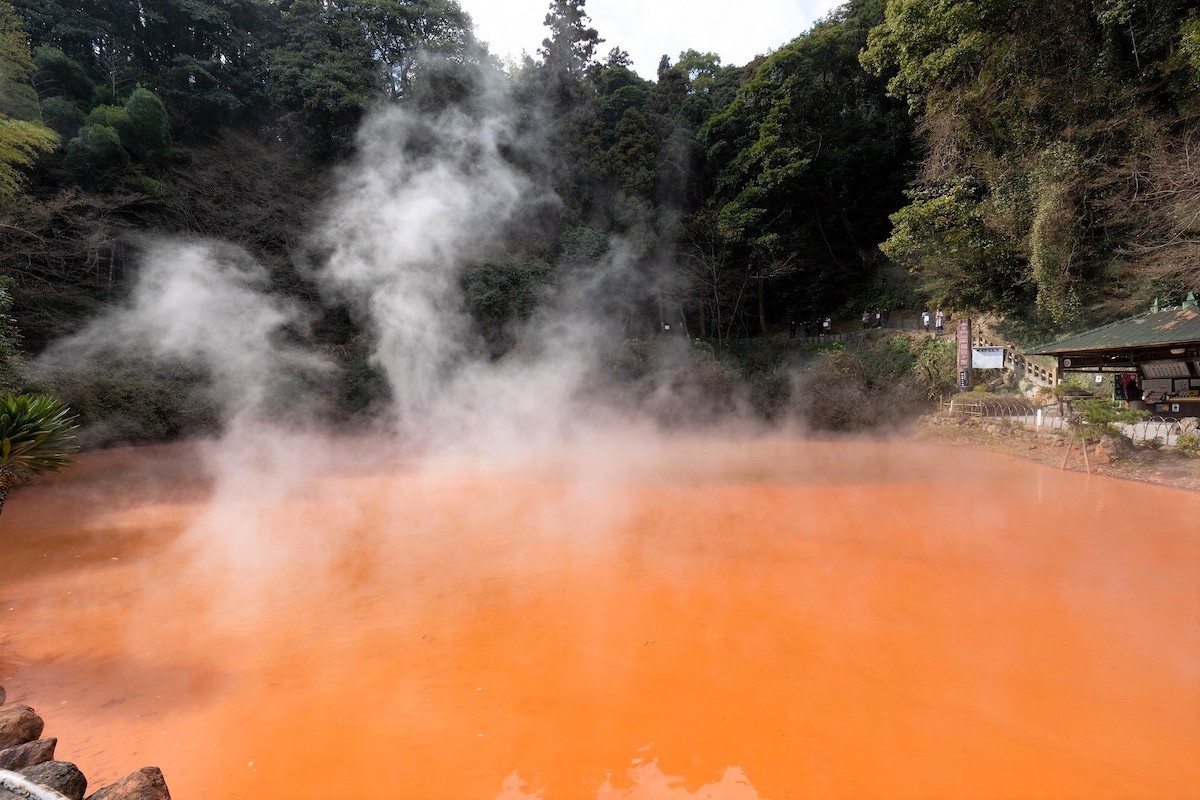
Chinoike Jigoku is a historic natural hell, even recorded in the "Bungo no Kuni Fudoki" from the Nara period. The pond is dyed red by hot mud containing iron oxide and other minerals, creating a striking contrast to Umi Jigoku. The spring temperature is about 78°C.
♨ Recommended Points from a Beppu-Loving Writer
After taking in the view of the red pond, be sure to check out the gift shop. Unique products such as "Chinoike Ointment," made from the red clay that wells up from the pond, are available here. There is also an observation deck and a foot bath, so you can stop by according to your schedule.
⑦ Tatsumaki Jigoku | A Powerful Geyser That Erupts Up to 30 Metres High
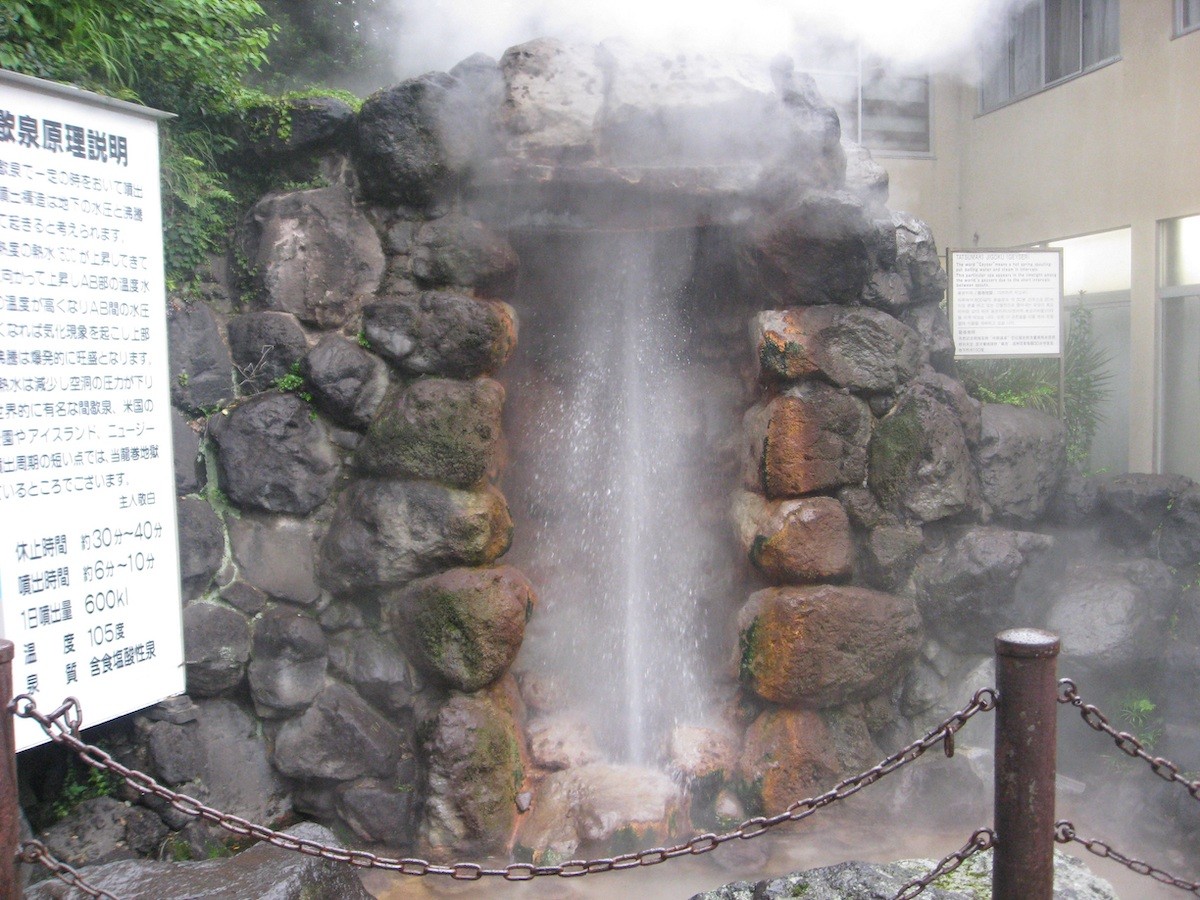
The main attraction at Tatsumaki Jigoku is the geyser, which vigorously shoots out boiling water and steam. It can shoot water up to 30 metres high, but a roof is installed to contain it for safety. This natural phenomenon is designated as a Natural Monument of Beppu City.
♨Recommended Points from a Beppu-Loving Writer
To make sure you don't miss the eruption, check the estimated time for the next one before entering. If the red lamp above the entrance is lit, it means the eruption is imminent or in progress. If the wait seems long, it's also recommended to visit the nearby Chinoike Jigoku first.
How Long Does the Beppu Jigoku Meguri Take? Recommended Routes and Model Course
The key to comfortably visiting all seven spots is to plan which sections to explore on foot and which to travel between by vehicle. Consider different ways to enjoy the tour depending on your available time.
If You Want to Visit All Seven, Set Aside Half a Day
Visiting all seven facilities and traveling between them takes about 2 to 2.5 hours. Plan to spend about 10–20 minutes at each site to enjoy the scenery, and allow a little extra time at places with foot baths or souvenir shops.
The distance between the Kannawa and Kamegawa areas can feel long when walking. It's recommended to use a bus or car for this section, saving your energy and time for enjoying the hot springs and local food.
Since the time required at Tatsumaki Jigoku depends on when the geyser erupts, be sure to check your return transportation in advance.
Recommended Model Course: From Kannawa Area to Kamegawa Area
If it's your first time visiting the Beppu Jigoku Meguri, we recommend first exploring the five sites in the Kannawa area on foot, then moving on to the Kamegawa area.
[Model Course]
1. Umi Jigoku
↓ About 2 minutes on foot
2. Oniishi Bozu Jigoku
↓ About 5 minutes on foot
3. Kamado Jigoku
↓ About 1–2 minutes on foot
4. Oniyama Jigoku↓About 2 minutes on foot
5. Shiraike Jigoku↓ About 5 minutes by local bus or car
6 & 7. Chinoike Jigoku & Tatsumaki Jigoku (about 2 minutes on foot between the two)
The total walking time between the five facilities in the Kannawa area is about 10 minutes. You can efficiently visit them while walking downhill. If you're visiting with children on the weekend, you might want to adjust the order to coincide with the crocodile feeding at Oniyama Jigoku.
It takes about 30 minutes on foot from Shiraike Jigoku to Chinoike Jigoku in the Kamegawa area. If you want to shorten your travel time, it is recommended to use a local bus or car.
In the Kamegawa area, first check the estimated time for the next eruption at Tatsumaki Jigoku. If you have enough time, visit Chinoike Jigoku first while waiting.
Allow about 15–20 minutes to view and photograph Chinoike Jigoku’s red pond. If you want to use the souvenir shop or foot bath, you’ll need a bit more time. Since the eruption timing of the geyser changes depending on natural conditions, adjust your order according to the local guidance.
If you’re short on time, which spot is recommended?
If you don’t have much time, it’s possible to visit just one spot. Pick your favorite Jigoku and take a look.
You can either keep each visit short or spend more time at a place you like, making it easy to adjust your itinerary to suit your available time.
If you’re doing the Jigoku Meguri (Hell Tour), it’s recommended to visit all seven Jigoku.
A Hidden Gem Recommended by Locals! Experience a mud bath at “Kōdoro Onsen”
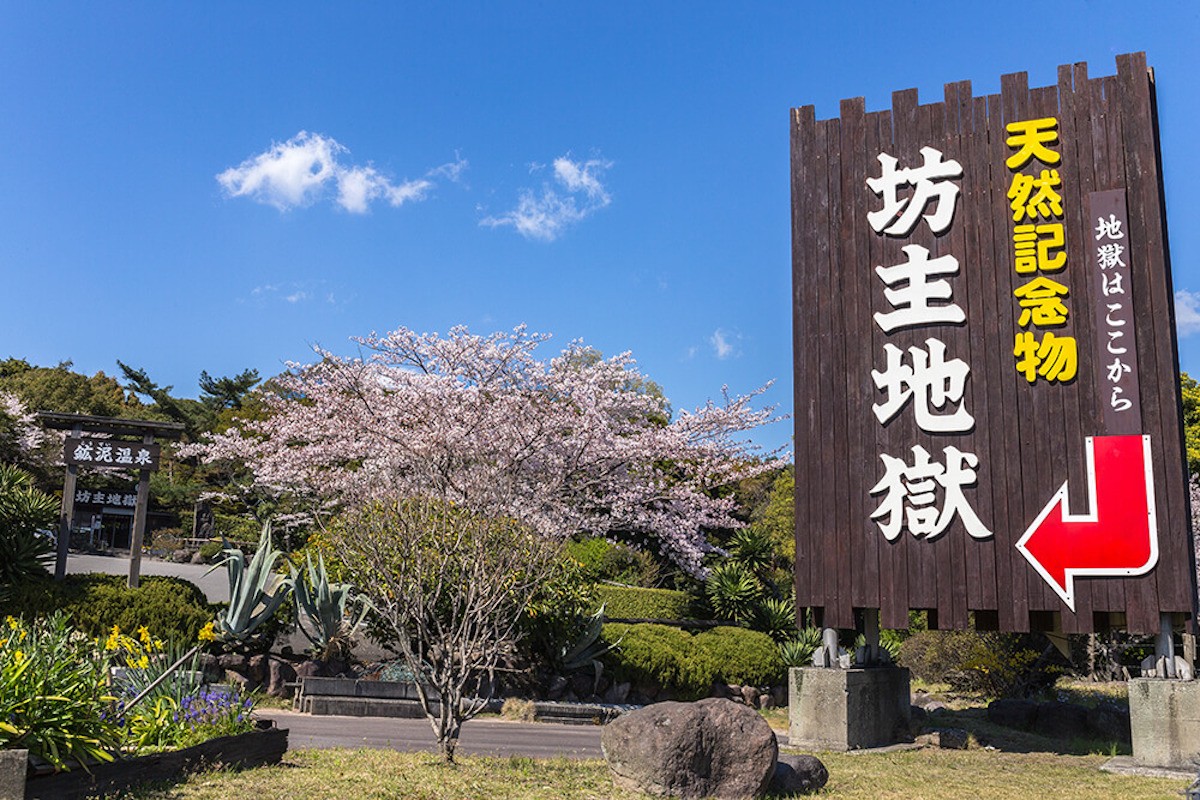
If you want to enjoy a bath along with the Jigoku Meguri, “Kōdoro Onsen,” about 15–20 minutes on foot from Umi Jigoku or Oniishi Bozu Jigoku, is also recommended. It is adjacent to Natural Bōzu Jigoku (which is separate from “Oniishi Bozu Jigoku” on the Jigoku Meguri route), and there is an uphill slope along the way.
Locals told us that “the mud bath is especially beautiful in the morning,” and when I actually tried it, the unique texture of the mud left a strong impression. The water is quite hot, so it’s best to enjoy it by getting in and out as needed and taking care not to overdo it.
When the editor visited, the bath was relatively quiet, allowing them to enjoy a relaxing soak. Since it’s only open in the morning, it’s a good idea to stop by before starting your Jigoku Meguri.
Must-try Beppu specialties! Unique onsen cuisine
The benefits of hot springs are not limited to the scenery. The unique flavours made possible by Beppu’s geothermal heat are also a highlight of sightseeing.
Famous treats like Jigoku Mushi Pudding and Onsen Eggs
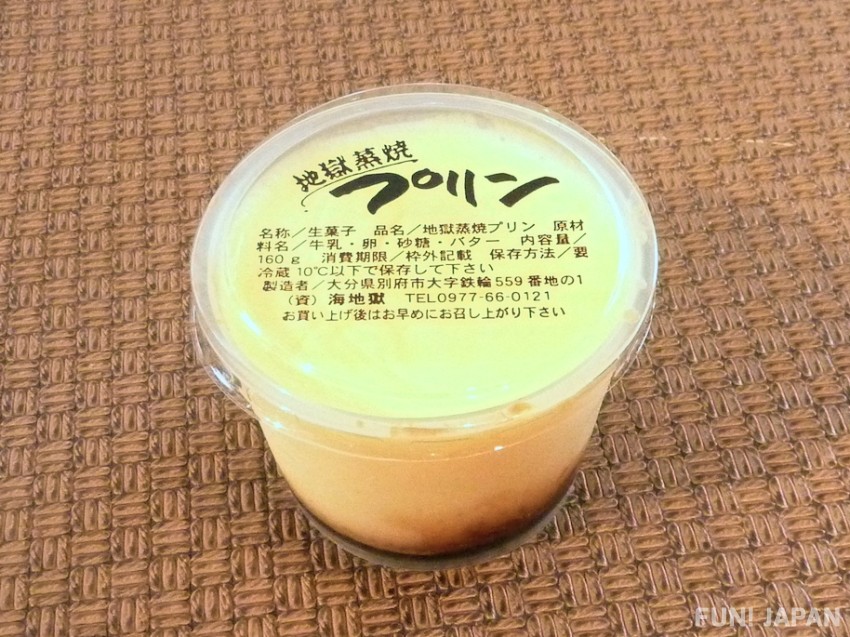
Umi Jigoku’s “Jigoku Mushi Yaki Pudding” is a specialty steamed using hot spring heat. It features a rich flavor made only with eggs, milk, and sugar.
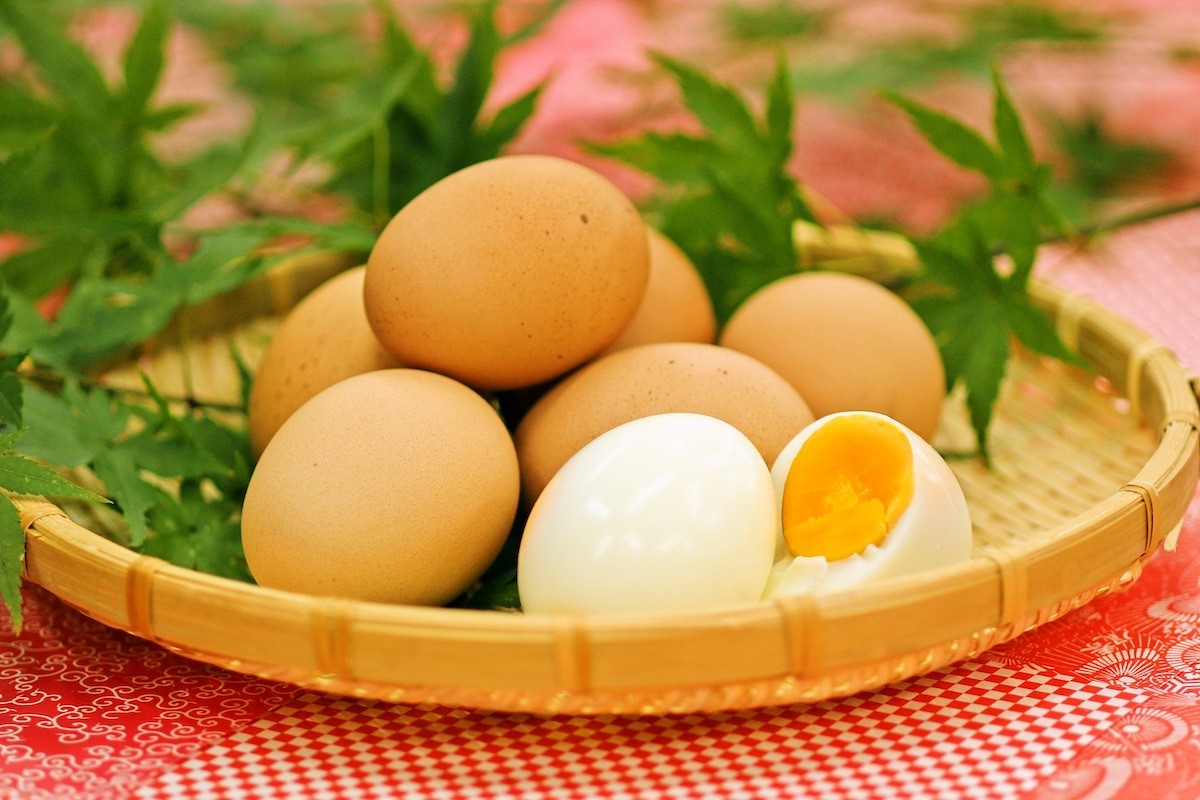
Onsen eggs are also popular. At Umi Jigoku, they are boiled in the hot spring water, while at Kamado Jigoku, they are steamed with geothermal steam. It’s interesting to see how the same egg can be prepared differently.
Go a little further for Jigoku Mushi cuisine
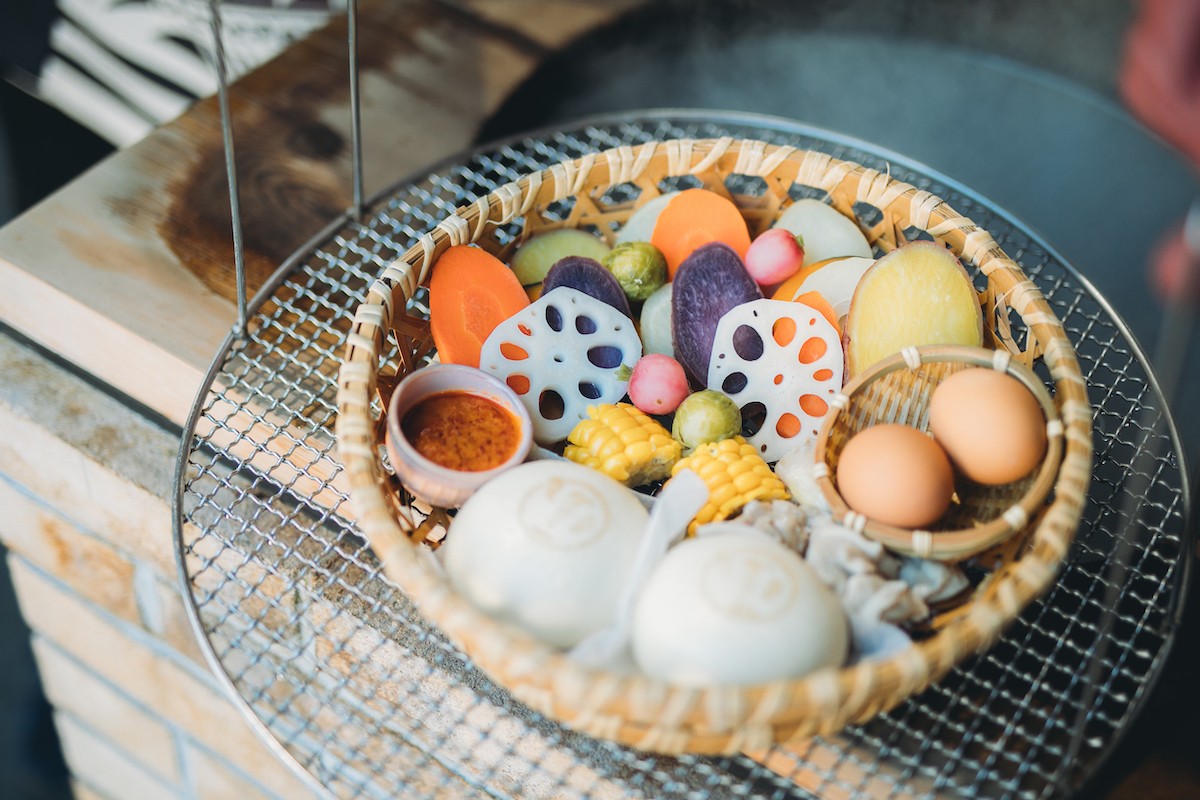
In the Kannawa Onsen area, be sure to try the traditional “Jigoku Mushi” cooking method, which uses high-temperature steam to cook vegetables, meat, and seafood.
In Kannawa, there are facilities where you can enjoy the natural flavours of the ingredients and even try cooking them yourself. Why not experience the power of the hot springs you saw during the Jigoku Meguri, this time through food?
Beppu Jigoku Meguri: Admission Fees, Hours, and Ticket Information
All seven Jigoku are open from 8:00 to 17:00, year-round. Admission tickets can be purchased at each facility’s ticket counter (excluding Kōdoro Onsen and Bōzu Jigoku).
Individual admission tickets are 500 yen for adults (high school students and older) and 250 yen for elementary and junior high school students. The combination ticket, which allows one admission to each of the seven Jigoku, is 2,400 yen for adults and 1,200 yen for elementary and junior high school students.
With regular pricing, it's more economical to buy individual tickets if you visit one to four locations, and the combination ticket if you visit five or more. For example, if an adult visits all seven locations with individual tickets, it costs 3,500 yen, but with the combination ticket, you save 1,100 yen. The combination ticket is valid for two days—the day of purchase and the following day—so you don't have to rush to visit all the sites in one day.
🎫 Ticket Purchase & Official Information: Beppu Jigoku Meguri Official Website
Access to Beppu Jigoku Meguri | How to Get There by Bus or Car
Since you will be touring both the Kannawa and Kamegawa areas, deciding which area to start from in advance will make your trip smoother.
How to Get There by Local Bus from JR Beppu Station
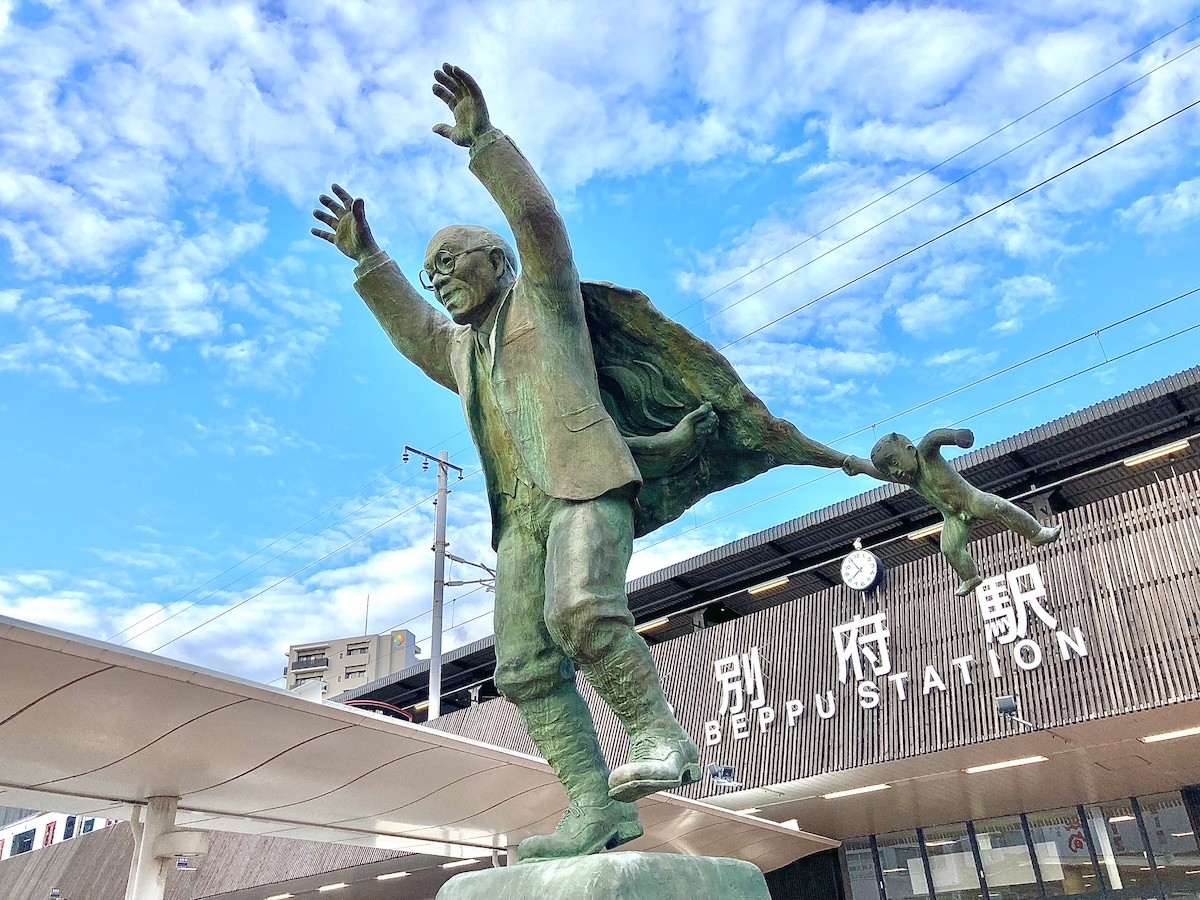
If you want to start from Umi Jigoku, take Kamenoi Bus numbers 2, 5, 7, 41, etc. bound for Kannawa/Umi Jigoku from bus stop 3 at the west exit of JR Beppu Station. Get off at "Umi Jigoku-mae" or "Kannawa." The ride takes about 20 minutes.
To get from Kannawa to the Kamegawa area, take bus numbers 16, 16A, or 29 from bus stop 2 at Kannawa Bus Center and get off at "Chinoike Jigoku-mae." If you want to start from the Kamegawa area, you can also take bus numbers 26 or 26A from the east exit of Beppu Station.
Note that the bus stops differ between the west and east exits of Beppu Station, so please check your destination before boarding. Bus schedules and stop locations may change, so be sure to check the official information in advance.
How to Tour by Car or Rental Car
It takes about 5 minutes by car from Beppu IC to Umi Jigoku. Each hell has its own parking lot.
For the five facilities in the Kannawa area, it's convenient to park your car once and explore on foot, then use your car to move to the Kamegawa area. It's also easy to include stops at local restaurants or bathing facilities in the hot spring town.
Frequently Asked Questions (FAQ) about Beppu Jigoku Meguri
If you're visiting Beppu Jigoku Meguri for the first time, you may have questions like "Can I tour on foot only?" or "Is it okay on rainy days?" Here are answers to common questions you might want to know before your trip.
Q. Can I tour all seven Jigoku on foot?
A. It is possible to tour on foot, but the distance between the Kannawa and Kamegawa areas is about 3 km. If you want to visit all 7 locations, it's recommended to use a bus or car as well.
Q. Do I have to visit all seven Jigoku?
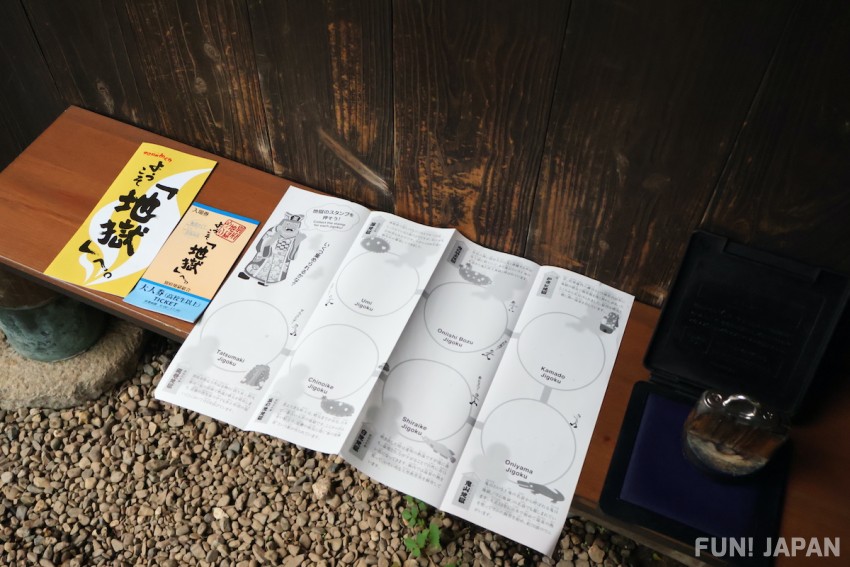
A. While it's recommended to visit all 7 Jigoku for the full Jigoku Meguri experience, you can also choose to visit just a few if you're short on time. Pick your favorite Jigoku to explore and enjoy the unique scenery and experiences that Beppu has to offer.
Q. Can I enjoy the tour even on rainy days?
A. You can visit even on rainy days. Since most facilities are outdoors, bring rain gear and wear shoes with good grip to avoid slipping on wet paths.
Q. Can I bathe in hot springs during the Jigoku Meguri?
A. You cannot bathe in the high-temperature spring sources, but you can enjoy a soak at the day-use hot spring facility "Oniishi no Yu," which is attached to Oniishi Bozu Jigoku. Umi Jigoku, Oniishi Bozu Jigoku, Kamado Jigoku, and Chinoike Jigoku all have foot baths, so for a full-body bath, try one of the nearby hot spring facilities.
Summary | Experience the Power of Nature at the Beppu Jigoku Meguri
Each of the 7 Jigoku offers unique highlights, such as vividly colored ponds, hot mud, and powerful geysers. Learning about the origins of their names and the mechanisms of the hot springs will give you a new perspective on the scenery.
If you want to visit all the sites, make sure to allow plenty of time for getting around. If your time is limited, prioritize the Jigoku that interest you most. Be sure to leave some time to relax in a foot bath or to savour jigoku-mushi cuisine. See, feel, and taste the heat of the hot springs. That's one of the pleasures of travelling in Beppu.
👉Book hotels and inns in Beppu on JAPANiCAN
🚅Book your Shinkansen ticket with NAVITIME Travel! 👉 Click here
🛫Book your flight ticket with NAVITIME Travel! 👉 Click here
😄Enjoy a more convenient trip to Japan with NAVITIME eSIM!👉Click here
👉Book Hotels & Ryokan on JAPANiCAN🏨



Comments