
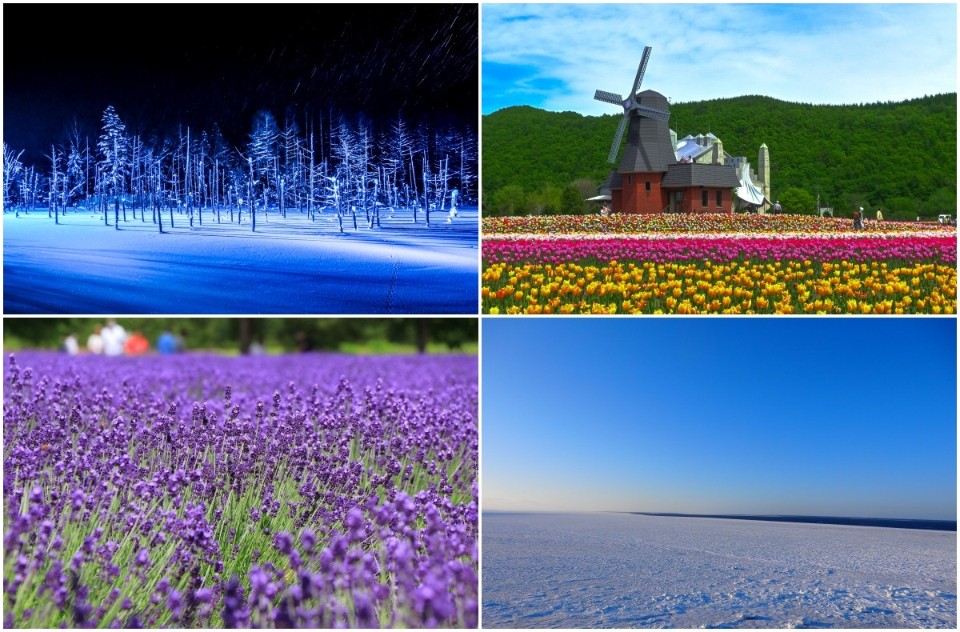
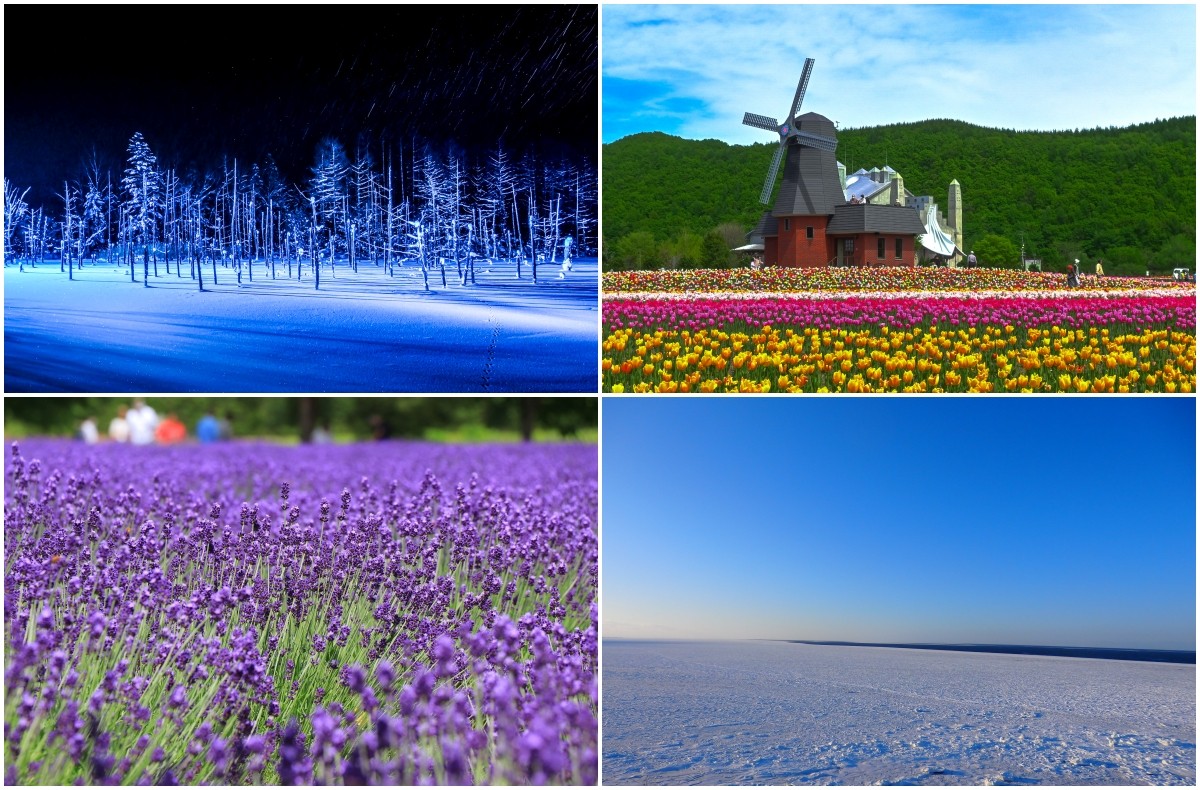
The vast land of Hokkaido is known for its dynamic seasonal changes, offering completely different spectacular views depending on the month you visit. The biggest appeal is the chance to encounter breathtaking scenery unique to each season. “Which month should I visit to see the best views?” is probably the most important question when planning your trip.
In this article, we’ll take you through the spectacular seasonal scenery of Hokkaido and the best times to see it! From drift ice, cherry blossoms, lavender, and autumn leaves, we’ll guide you through Hokkaido’s annual scenic calendar, along with tips for visiting each season.
🏨Book your stay in Hokkaido with JAPANiCAN 👉Click Here
🚅Reserve your Shinkansen tickets with NAVITIME Travel! 👉Click here
🛫Book your flight tickets with NAVITIME Travel! 👉Click here
*If you purchase or reserve products introduced in this article, a portion of the sales may be returned to FUN! JAPAN.
[January, February, March] A World of Silver! Snow and Ice Spectacular Views (Winter)
Winter in Hokkaido is a treasure trove of mystical scenery created by the harsh cold. From world-famous snow festivals to the drift ice that covers the Sea of Okhotsk, there are experiences you can only have during this season.
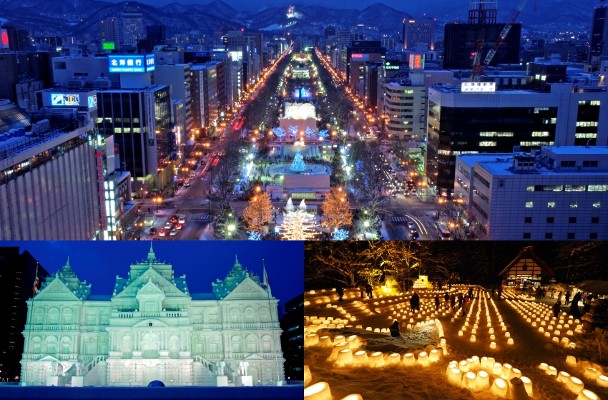
February: Sapporo Snow Festival (Sapporo)
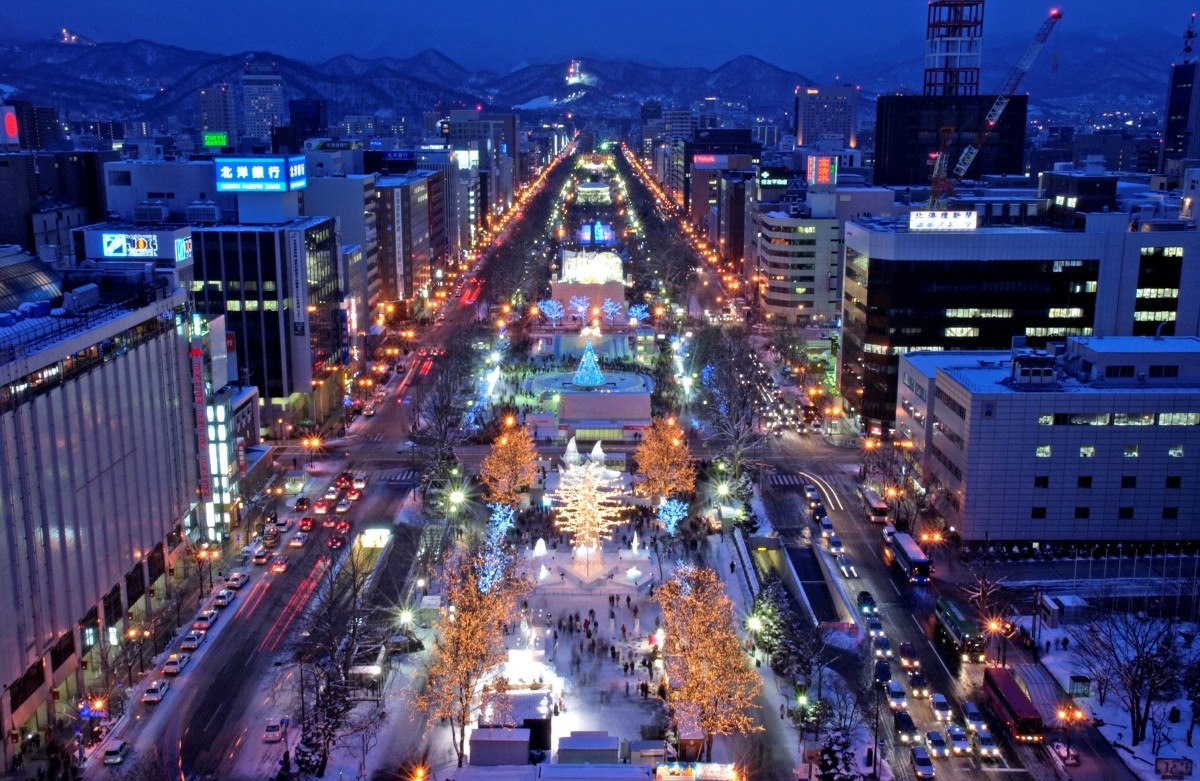
The largest event symbolizing winter in Hokkaido, the “Sapporo Snow Festival,” will be held from February 4th to 11th in both 2026 and 2027.
The main “Odori Site” features massive snow sculptures that impress visitors with their sheer scale. Meanwhile, the “Susukino Site” is illuminated by fantastic ice sculptures that light up the night, and at the interactive “Tsudome Site,” you can fully enjoy snow activities like slides.
- Official website here (Japanese only)
- English site here
February: Otaru Snow Light Path (Otaru)
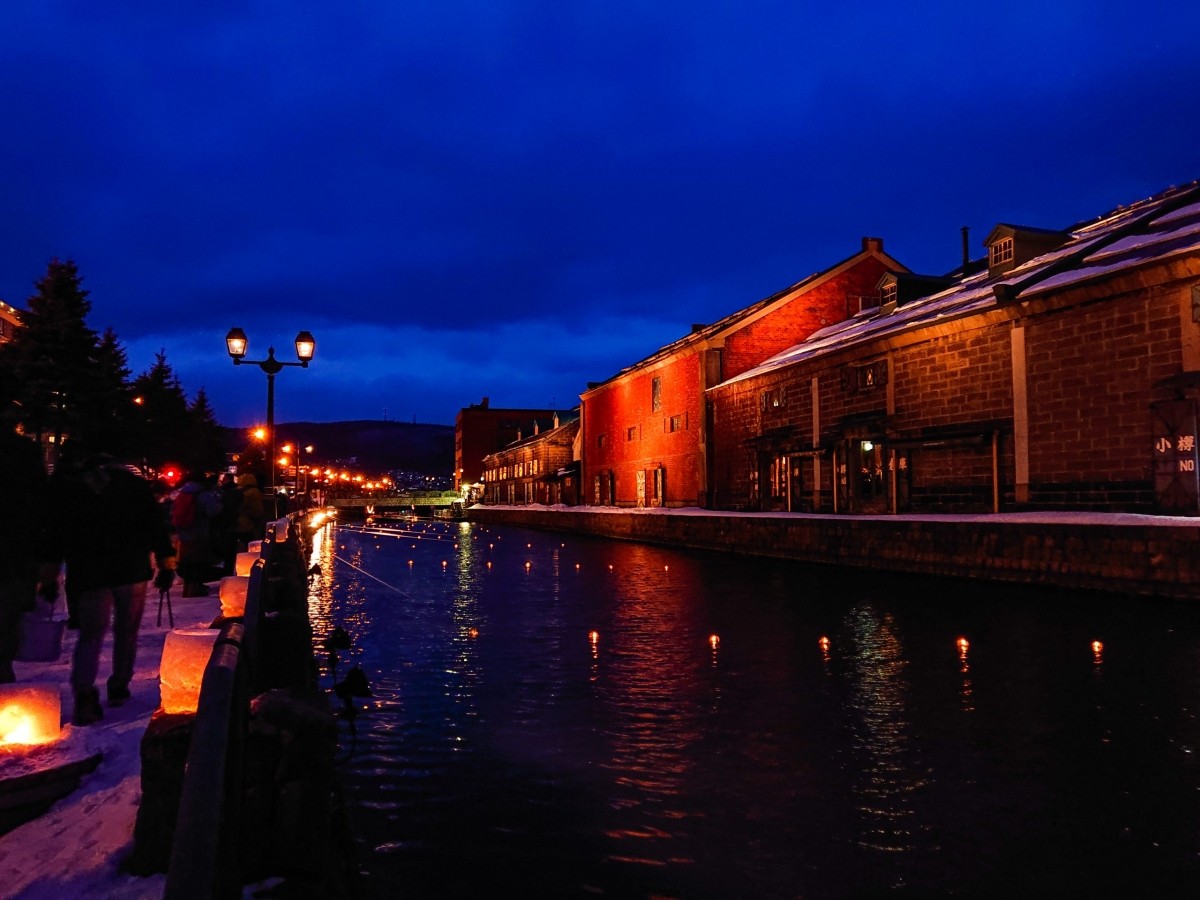
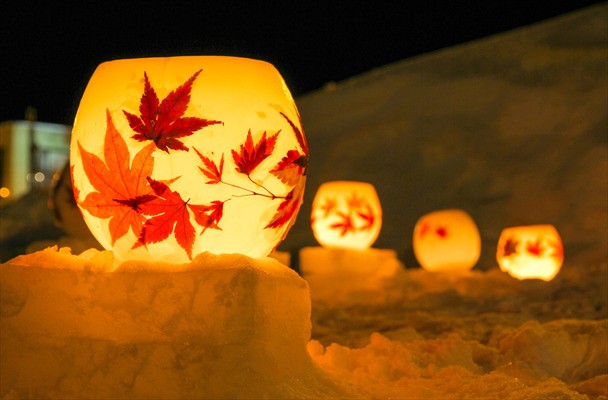
The “Otaru Snow Light Path” wraps the old streets of Otaru in the gentle glow of countless candles. It is one of the most magical events representing winter in Hokkaido.
At one of the main venues, the “Canal Site,” glass fishing floats once used in herring fishing are illuminated as floating candles, gently bobbing on the water and creating a nostalgic atmosphere. Meanwhile, at the “Temiyasen Site,” built along a former railway line, you’ll find pathways lined with snow sculptures and snow candles created by local residents. Despite the freezing cold, you can enjoy a leisurely stroll guided by the warm lights.
- Official website here (Japanese/English)
Late January to March: Drift Ice in the Sea of Okhotsk (Abashiri, Monbetsu, Shiretoko)
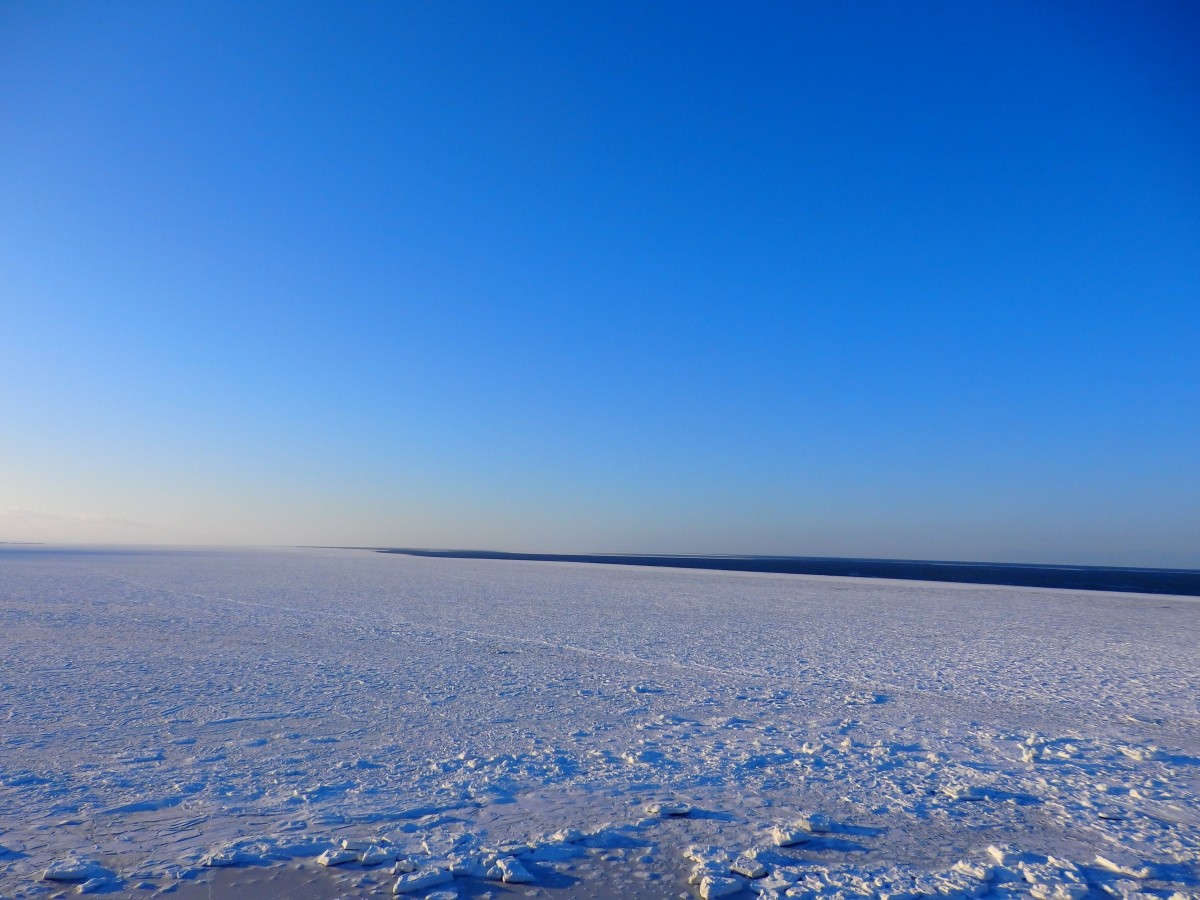
One of the most iconic winter sights in Hokkaido is the drift ice that blankets the Sea of Okhotsk from late January to March. In Abashiri, the large Aurora Drift Ice Sightseeing Icebreaker Ship crushes the ice with its weight, while in Monbetsu, the "Garinko-go" cruise ship plows forward with a giant drill. If you venture as far as Shiretoko, you can even experience the unique "Drift Ice Walk," where you wear a special dry suit and walk on the ice or float in the sea.
- Reference site here (Okhotsk Ryuhyo Museum / Japanese only)
💡Weather & Snow Tips for Planning a Winter Trip to Hokkaido
In January and February, temperatures in inland areas can drop below minus 10°C, making it extremely cold. Snowfall also peaks in February. In addition to a down jacket, a knit hat that covers your ears, gloves, and disposable hand warmers are essential. The roads are often frozen and very slippery, so be sure to prepare waterproof and slip-resistant winter boots, and take small steps and walk like a penguin. By March, the snow in the cities begins to melt, making the roads muddy, so be extra careful with your footing.
[April & May] The Late Arrival of Spring and Cherry Blossoms & Flower Season Scenery (Spring)
Spring comes to Hokkaido about a month later than on the main island of Honshu. In May, cherry blossoms and vast flower fields bloom all at once, with different flowers blooming across the region in succession.
Late April to Early May: Cherry Blossoms at Goryokaku Park (Hakodate)
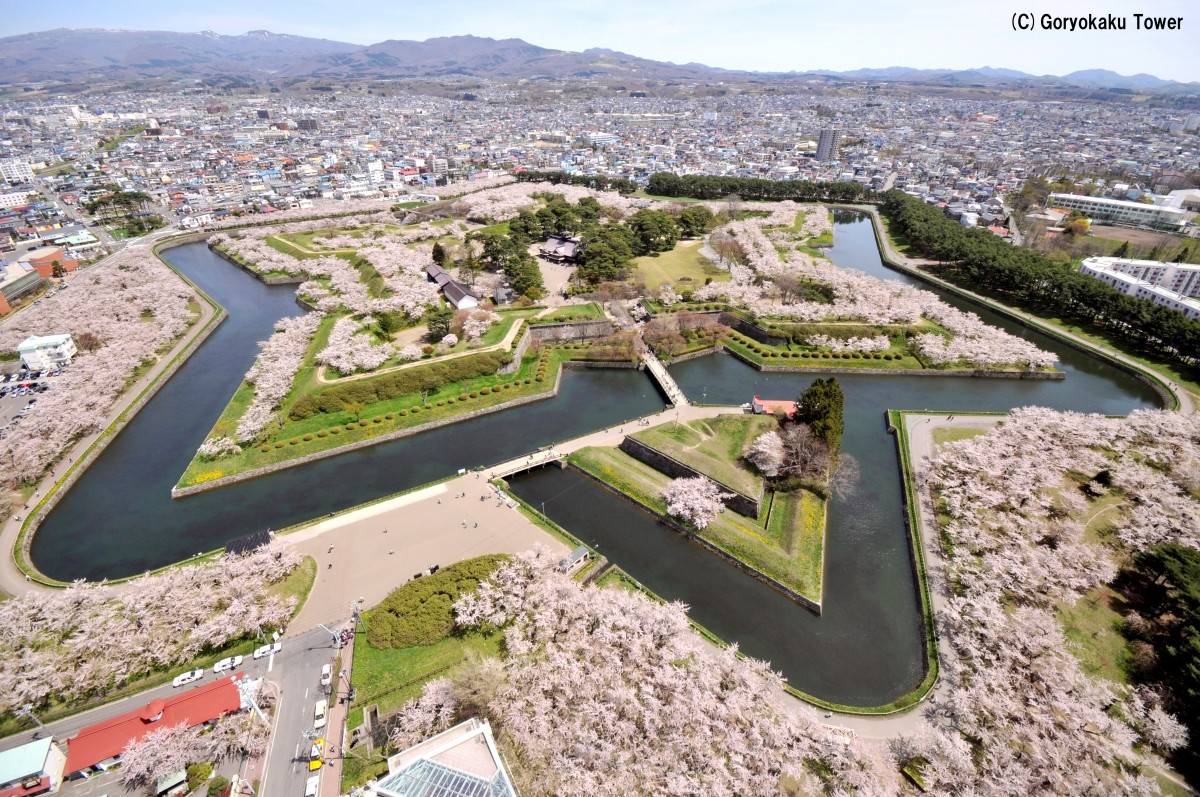
The "Special Historic Site Goryokaku" in Hakodate is one of Hokkaido's top cherry blossom spots, reaching its peak from late April to early May. Around 1,500 cherry trees, primarily Somei Yoshino cherry trees, bloom throughout the park, beautifully coloring the historic star-shaped fort. During the blooming season, the park is also illuminated at night, allowing visitors to enjoy a magical nighttime cherry blossom experience that is quite different from the daytime view.
- Official website here (Japanese, English, Traditional Chinese)
Late April to Mid-May: Cherry Blossoms at Matsumae Park (Matsumae)
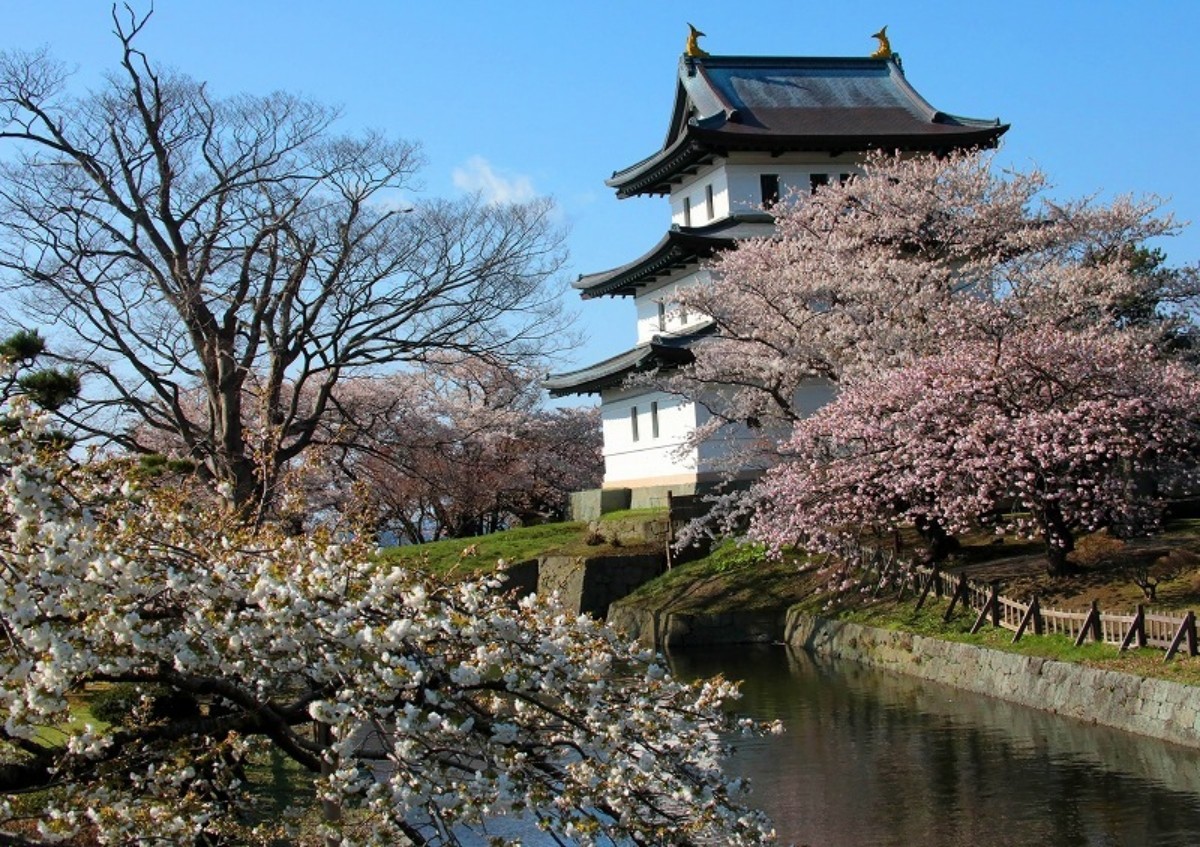
Matsumae Park, selected as one of the "100 Best Cherry Blossom Spots in Japan," is a historic site where elegant castle walls, the vast sea, and blooming cherry blossoms come together. The expansive park is home to over 250 varieties and more than 10,000 cherry trees, creating a stunning scene where the white walls of Matsumae Castle are framed by pink blossoms—a spring scenery you can only see here. Also famous is the "Kechimyaku-zakura," a renowned cherry tree over 300 years old, located in the grounds of Kozenji Temple on the north side of the park.
- Official website here (Japanese, English, Traditional Chinese, Korean, Vietnamese, Simplified Chinese)
Mid-May to Early June: Higashimokoto Shibazakura Park (Ozora Town)
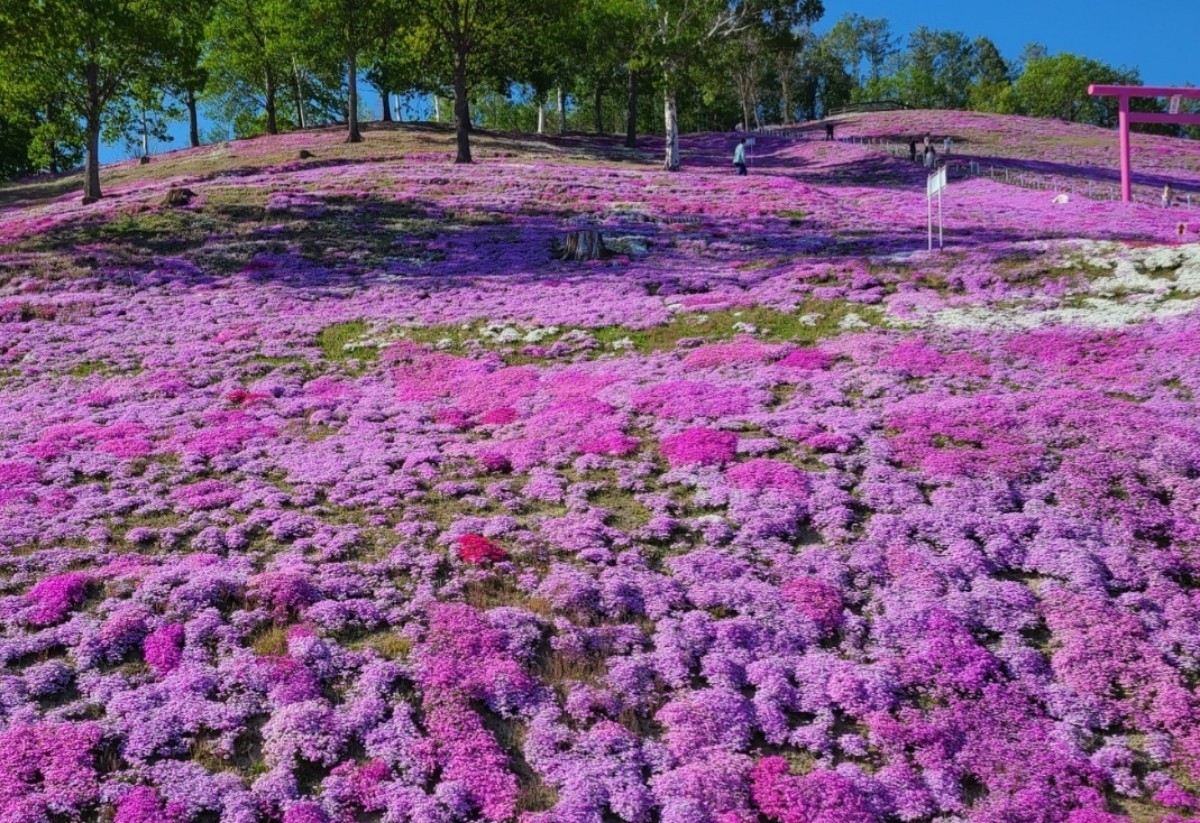
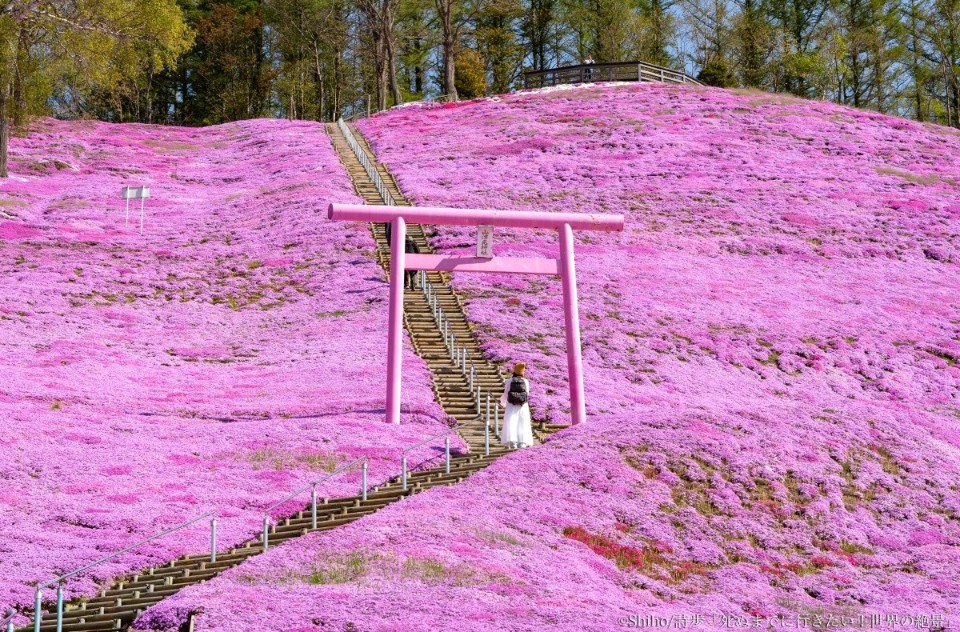
Located in Ozora Town in the Okhotsk area, "Higashimokoto Shibazakura Park" is covered with vibrant pink moss phlox across its vast 10-hectare hills from mid-May to early June. The breathtaking carpet of flowers that blankets the hills is truly a spectacular sight. The vivid colors spreading out before your eyes are sure to captivate every visitor.
- Official website here (Japanese, English, Traditional Chinese, Korean, Thai, Simplified Chinese)
🌸 See photos of Higashimokoto Shibazakura Park by scenic photographer Shiho
May: Kamiyubetsu Tulip Park (Yubetsu)
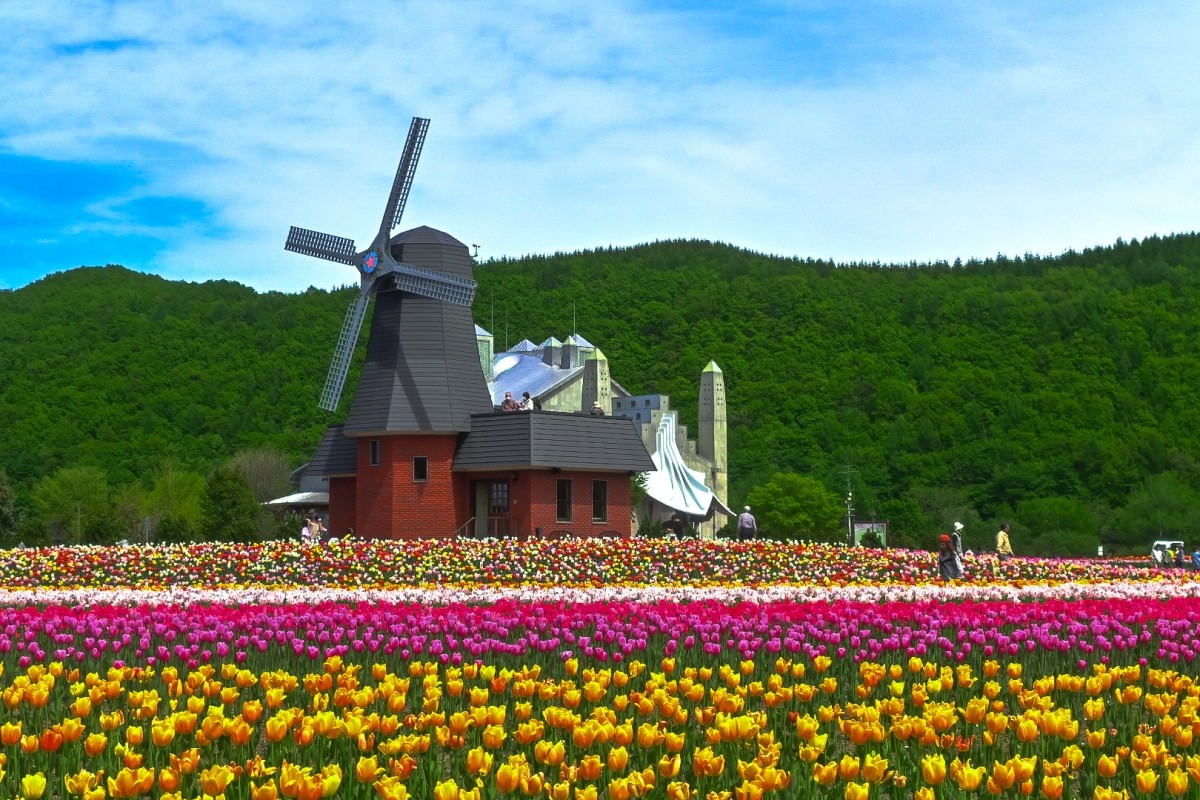
At "Kamiyubetsu Tulip Park" in Yubetsu Town, in the Okhotsk region, the "Kamiyubetsu Tulip Fair" is held every year from May 1 to May 31. The best viewing period is from mid to late May. The endless carpet of vivid colors—red, yellow, and pink—stretches across the landscape, overwhelming visitors. Spending time surrounded by these colorful flowers is sure to be a special moment that symbolizes spring in Hokkaido.
- Official website here (Japanese, English, Traditional Chinese, Indonesian, Korean, and more)
💡 Weather & Flower Bloom Tips for Planning Your Spring Trip to Hokkaido
Even in April, there can be days with snowfall, and even in May, mornings and evenings can drop below 10°C, so you can't let your guard down against the cold in spring in Hokkaido. Especially if you want to enjoy the illuminated cherry blossoms at night (around 7:00 p.m.–9:00 p.m.) in places like Hakodate or Matsumae, a heavy coat suitable for winter-like temperatures is essential. Since the temperature difference between day and night can be significant, it's smart to dress in layers so you can adjust accordingly.
[June, July, August] Refreshing Breezes and Nature’s Vibrant Colors! Summer in Hokkaido and Northern Hokkaido
Summer in Hokkaido, which has no rainy season, is the most refreshing time for sightseeing. Even when the temperature rises, the humidity remains low, making it perfect for outdoor activities.
May–October: Unkai Terrace (Tomamu)
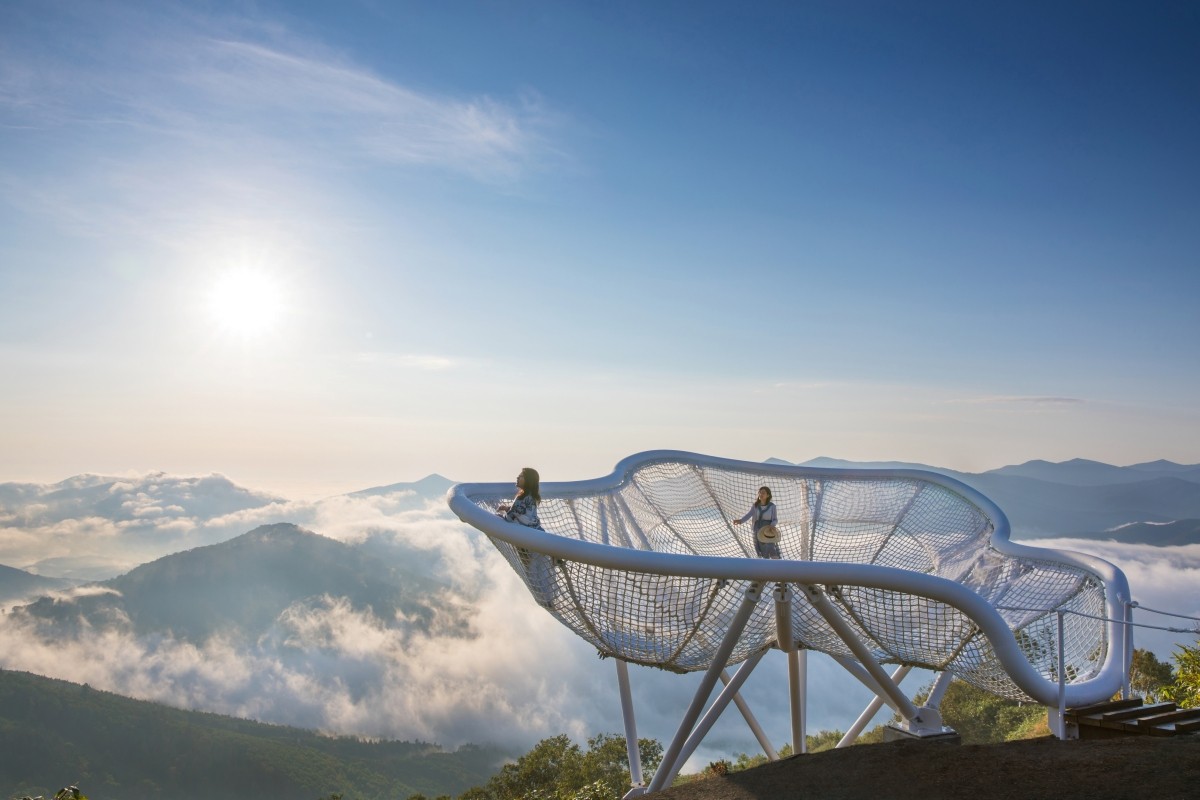
At Hoshino Resorts Tomamu, "Unkai Terrace" is a special scenic spot where you can experience breathtaking views of a sea of clouds from May to October. The terrace, located at an altitude of 1,088 meters, features seven unique observation spots, including the "Cloud Walk," where you can feel as if you're walking above the clouds, and the "Cloud Pool," a giant hammock jutting out into the sky. Spending time watching the ever-changing scenery above the clouds is an unforgettable experience.
- Official website here (Japanese, English, Traditional Chinese, Korean, Simplified Chinese)
May to October: Shiretoko Five Lakes (Shiretoko)
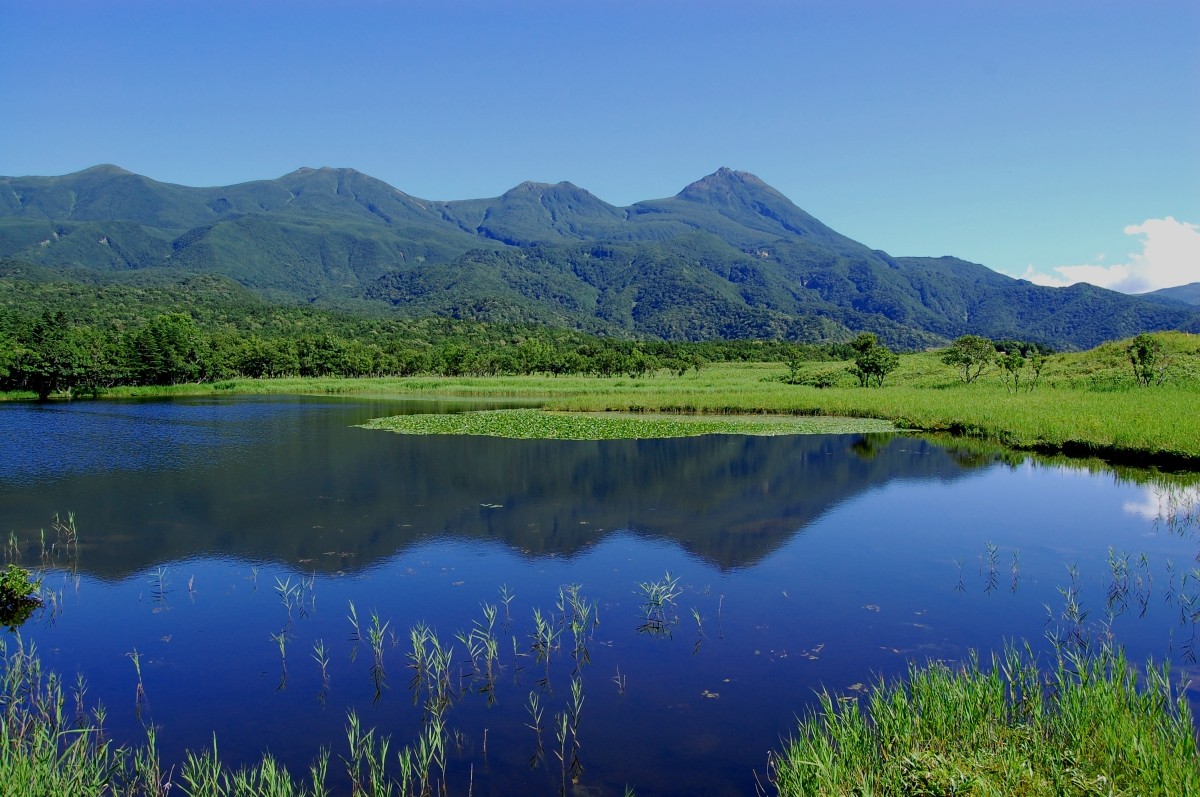
The Shiretoko Five Lakes, a symbol of the Shiretoko World Heritage Site, are five mysterious lakes scattered throughout the primeval forest. Visitors can enjoy strolling while being surrounded by the dynamic scenery of the Shiretoko mountain range towering in the background.
There are two walking routes to choose from, depending on your travel style. The elevated boardwalk (free), about 800 meters long, allows for a safe and easy walk throughout the season. For those who want to experience the untouched nature more deeply, the ground-level trail (paid), which is about 3 km long, is recommended.
- Official website here (Japanese only)
June to August: Shirogane Blue Pond (Biei)
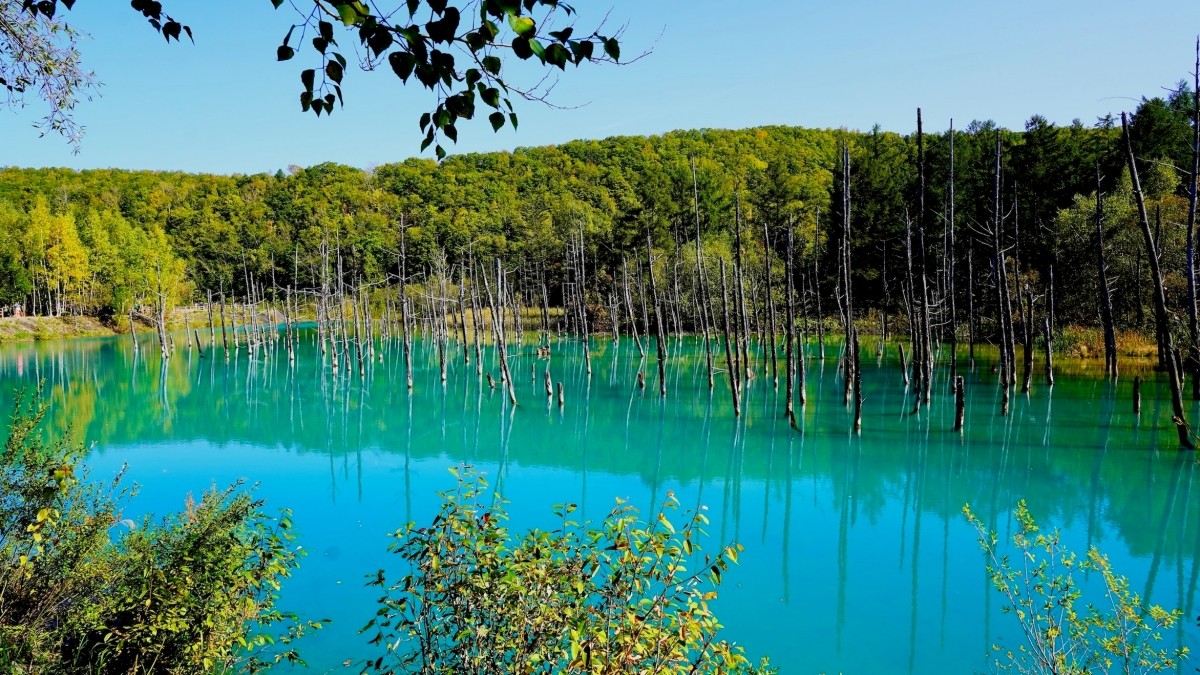
The "Shirogane Blue Pond," a renowned scenic spot representing Biei, shines with its most vivid cobalt blue during the summer when the sunlight is strongest.
The secret behind this mystical color lies in light scattering, which occurs when water containing aluminum and other minerals mixes with water from rivers of different compositions. When sunlight collides with invisible particles in the water, only the short-wavelength blue light reaches our eyes preferentially, creating that breathtaking beauty.
- Official website here (Japanese, English, Traditional Chinese, Korean)
June to August: Shakotan Blue (Shakotan)
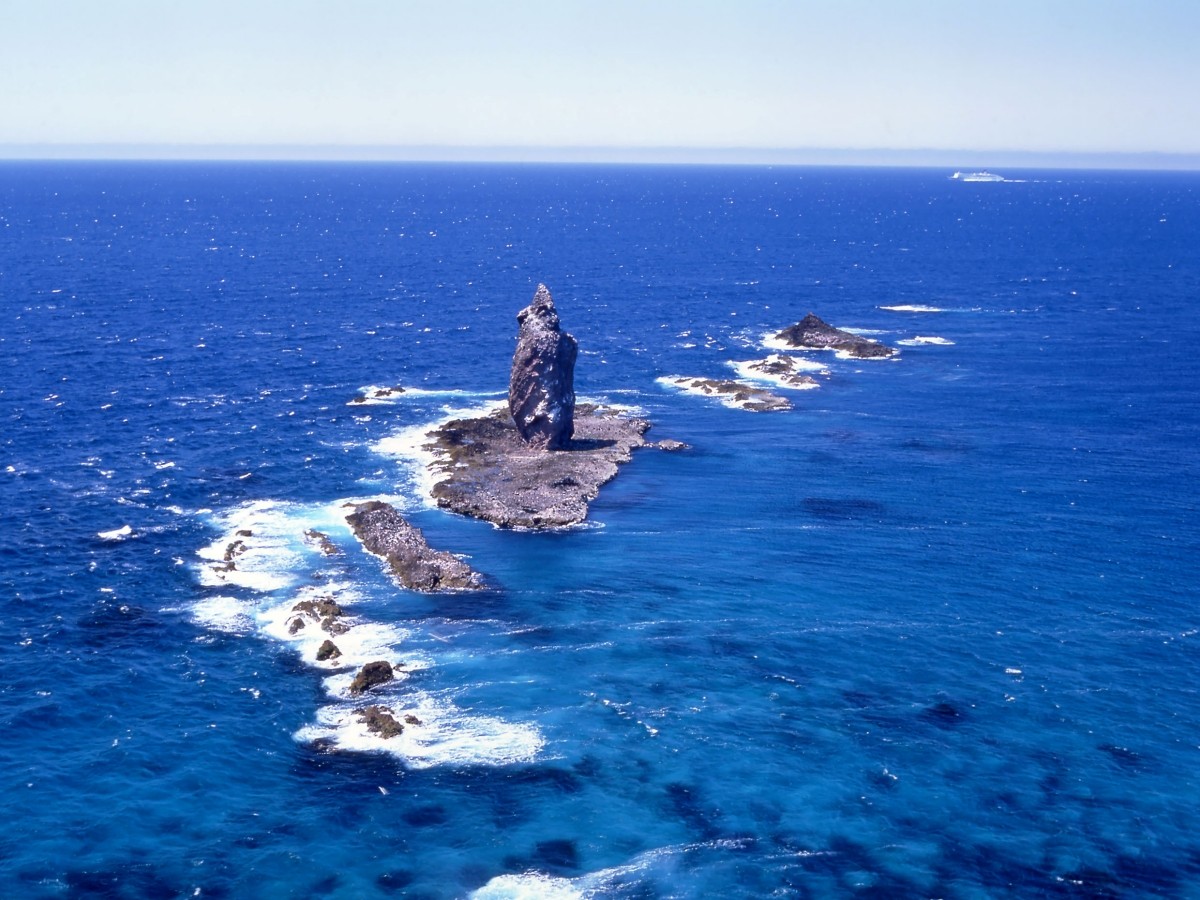
The vivid blue sea surrounding the Shakotan Peninsula is known as "Shakotan Blue," and the area is home to Hokkaido’s only designated Marine Park Zone. From late June to early August, the sea becomes calm, making it the best season to enjoy the exceptional clarity—so clear you can see the seabed about 6 meters deep.
From the tip of Cape Kamui, where 80-meter-high cliffs continue, you can enjoy a 360-degree panoramic view of the vast ocean. The striking brilliance of the scenery is sure to leave everyone in awe.
- Reference site here (Japanese, English, Traditional Chinese, Indonesian, Thai, Simplified Chinese)
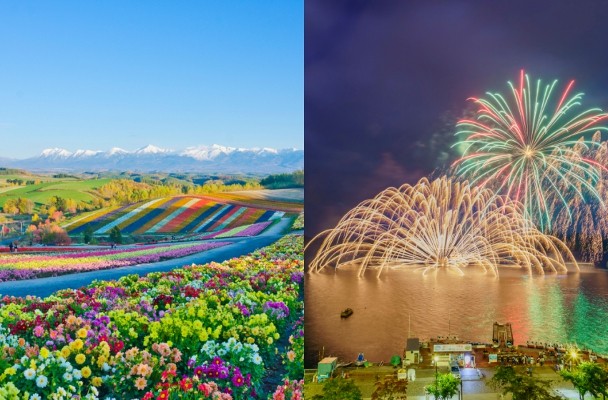
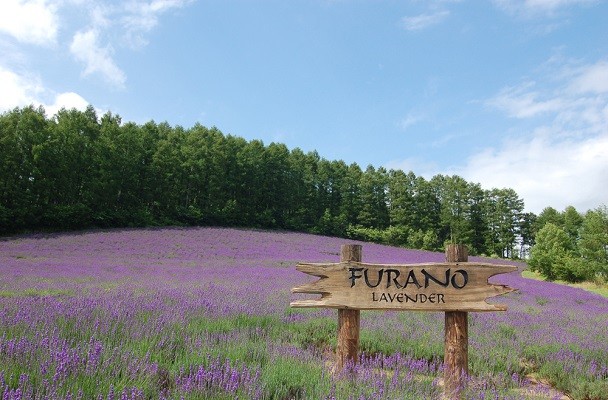
Mid to Late July: Lavender Fields (Furano)
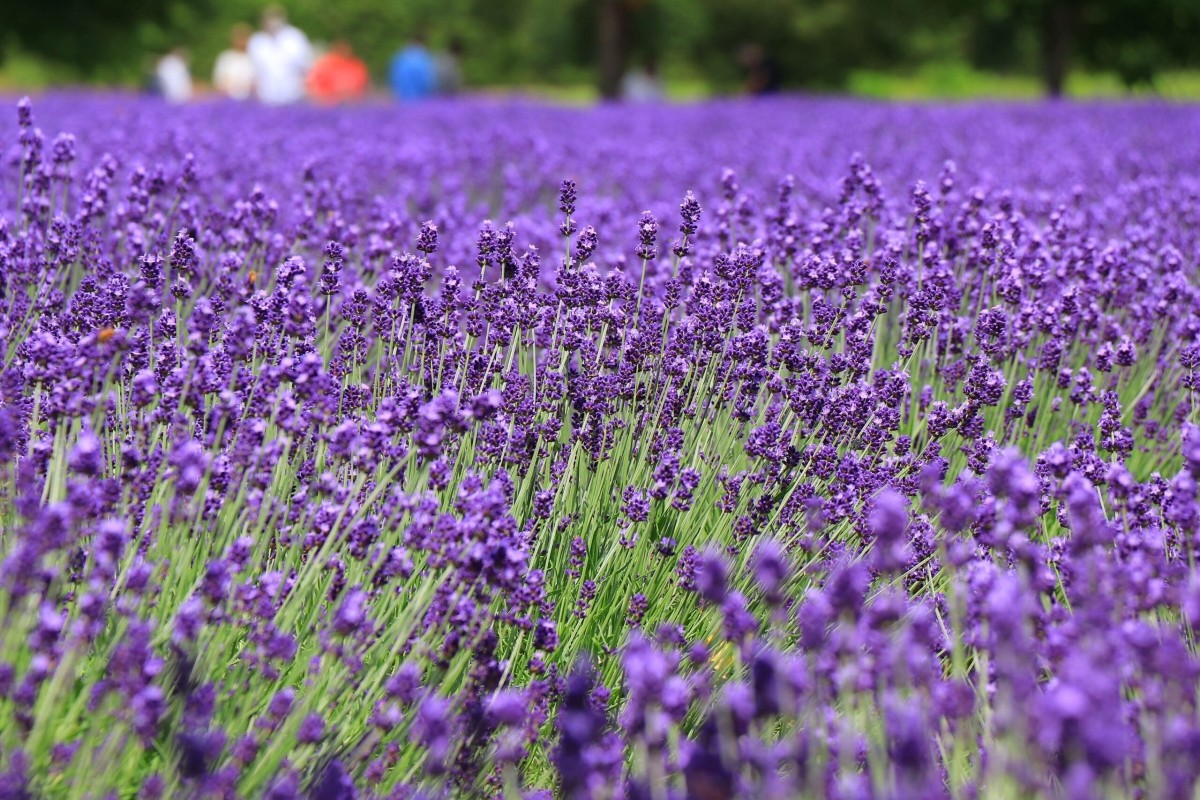
From mid to late July, the hills of Furano are covered in vibrant purple, and the entire area is enveloped in the pleasant scent of lavender. Hokkaido's summer, with no rainy season and low humidity, is blessed with refreshing breezes, making it extremely comfortable to stroll through the vast flower fields. The beautiful contrast of the clear blue sky and the purple carpet is a special sight that can only be seen during this season.
- Reference site here (Japanese, English, Traditional Chinese)
💡 Tips on "Weather & Recommended Areas" for Planning Your Summer Trip to Hokkaido
Although there is no rainy season and little humidity, the summer sun in Hokkaido is extremely strong. Be sure to take thorough sun protection measures, such as sunscreen, hats, and sunglasses. Also, during this period, the northern Hokkaido area (Asahikawa, Biei, Furano) enters its peak tourist season, attracting the most visitors of the year. It is essential to book rental cars and accommodations as early as possible.
[September, October, November] Autumn Colors of the Land and Japan’s Earliest Autumn Leaves (Fall)
Hokkaido's autumn begins at the mountain peaks and quickly descends to the foothills. Its vivid colors are truly a work of art created by the land itself.
September: Coral Grass at Lake Notoro (Abashiri)
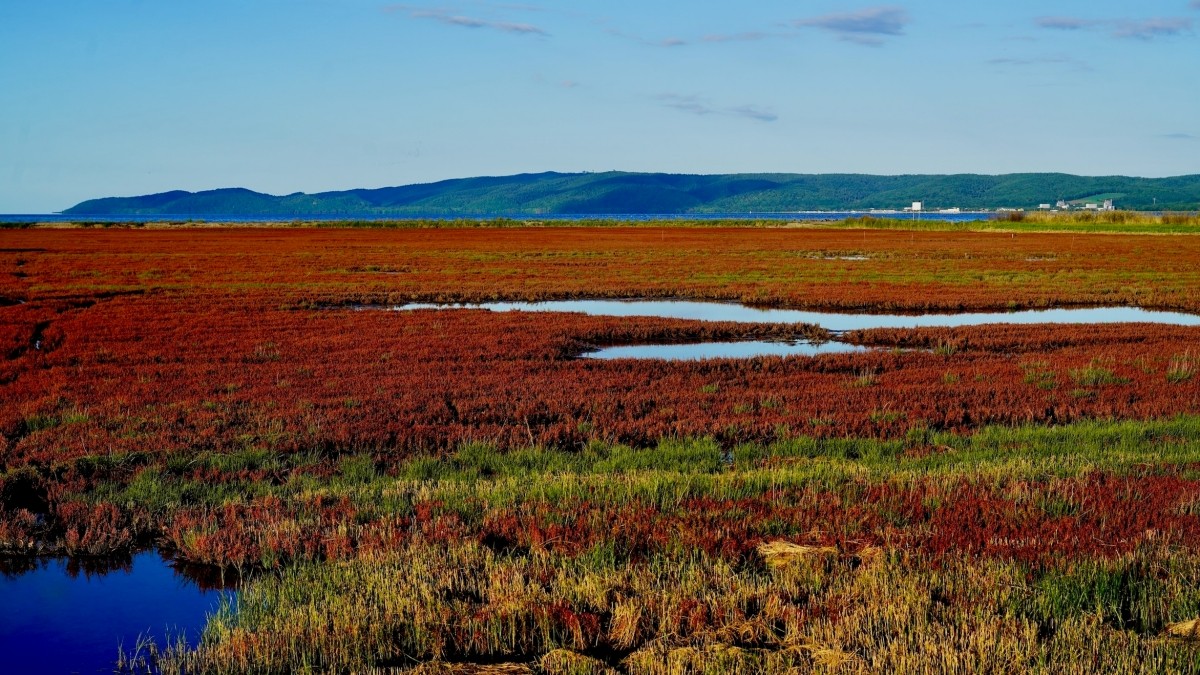
On the shores of Lake Notoro in Abashiri City, you’ll find one of Japan’s largest colonies of coral grass. The sight of approximately 3.8 hectares of vast wetlands dyed a brilliant red is breathtaking, as if a "crimson carpet" has been laid out across the earth. The area is well-equipped with wooden boardwalks, allowing visitors to enjoy the fresh scent of the sea air while viewing this rare plant up close.
- Official website here (Japanese, English, Traditional Chinese, Korean, Simplified Chinese)
Mid-September to October: Autumn Leaves in Daisetsuzan (Kamikawa)
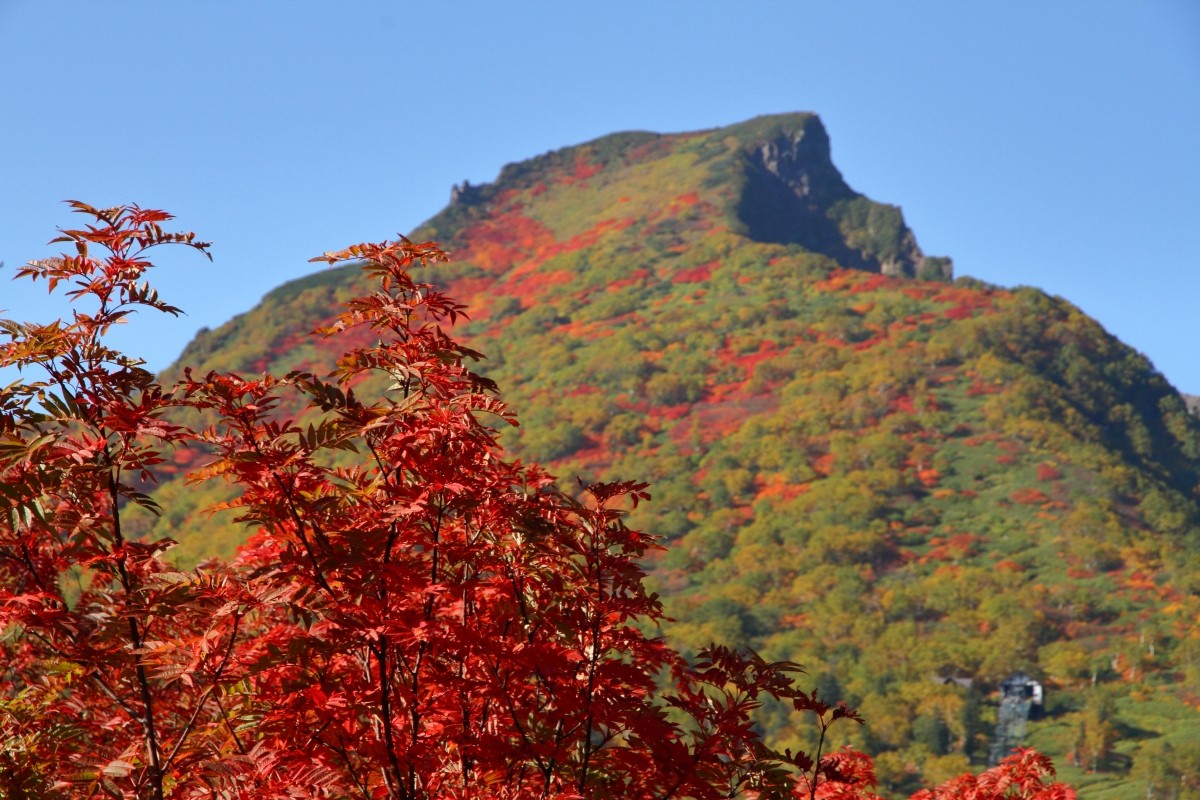
Daisetsuzan National Park, located in central Hokkaido, is famous for showcasing Japan’s earliest autumn colors, with the best viewing period typically from early to late September. In the 24-kilometer-long Sounkyo Gorge, the sheer cliffs lined with unusual rock formations are vividly colored, creating a dynamic scene reminiscent of a giant folding screen painting.
- Official website here (Japanese only)
Early to Mid-October: Jozankei Onsen (Sapporo)
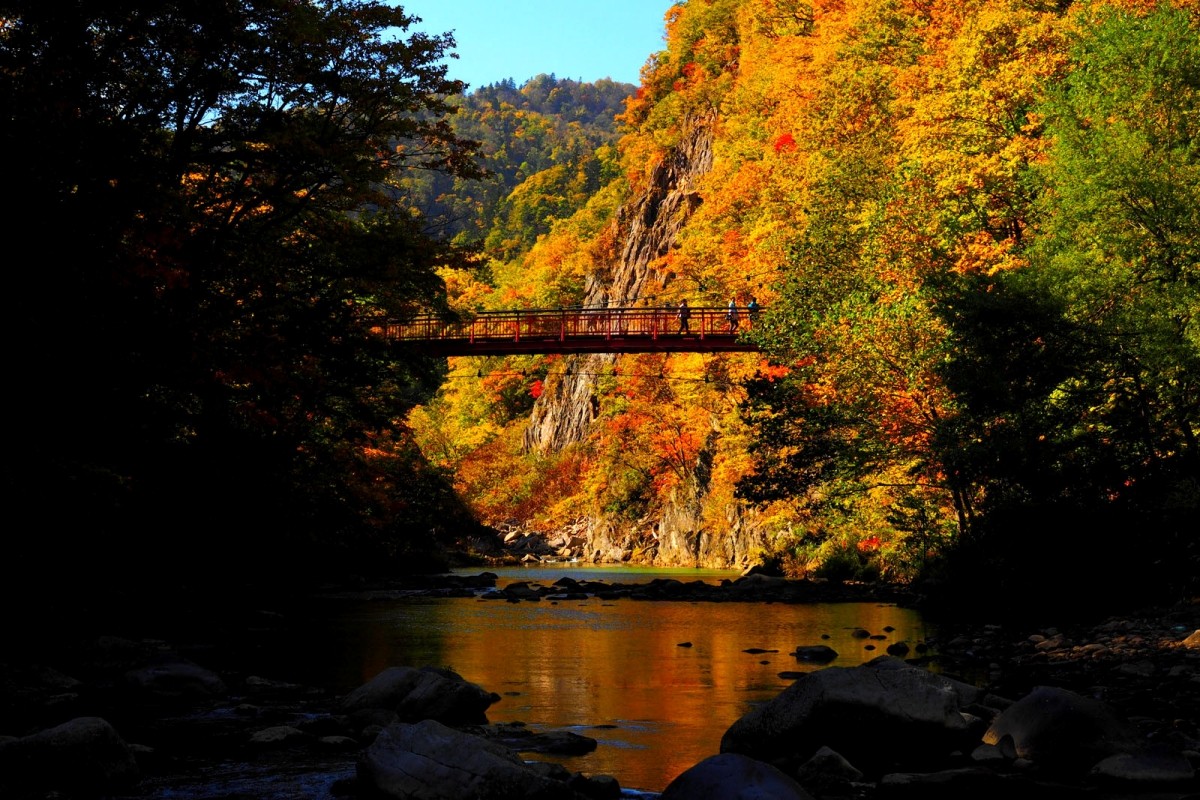
Known as "Sapporo's retreat," Jozankei Onsen is a hot spring resort just about an hour’s drive from central Sapporo, making it highly accessible. Located within Shikotsu-Toya National Park, the valley along the Toyohira River turns brilliant shades of red and yellow from late September to October, offering a truly exceptional autumn landscape. Especially around Futami Suspension Bridge, you can take in the dramatic scenery of vibrant autumn foliage set against the breathtaking gorge.
- Official website here (Japanese, English, Traditional Chinese, Thai, Korean, Simplified Chinese)
Early to Mid-October: Lake Akan (Kushiro)
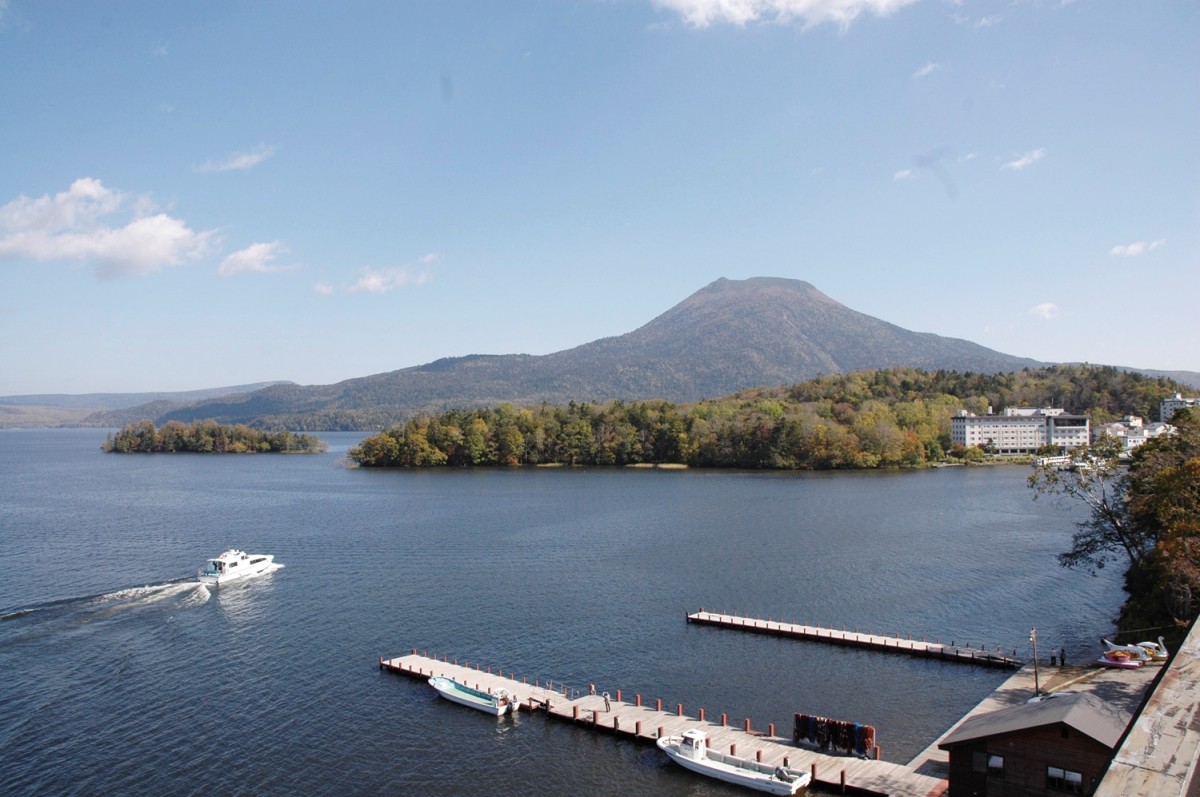
Located within Akan-Mashu National Park, Lake Akan is a mystical lake surrounded by untouched nature, with the majestic Mount Oakan as its backdrop. From late September to early October, as autumn deepens, the vast forests encircling the lake turn brilliant shades of gold and vermilion. The sight of this beauty mirrored on the lake’s calm surface is truly breathtaking.
- Official website here (Japanese, English, Traditional Chinese, Simplified Chinese)
Late October to Early November: Kosetsuen (Hakodate)
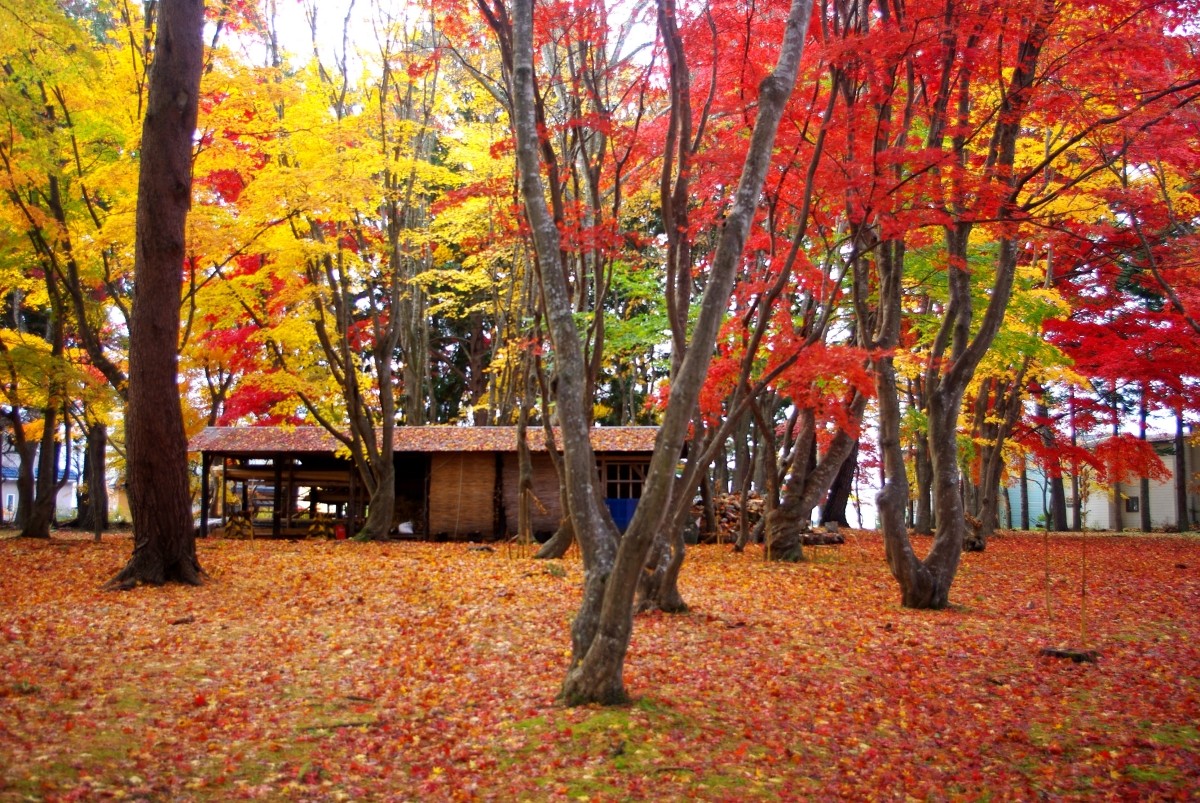
Kosetsuen, located within Mihara Park in Hakodate, is a historic garden that includes the Former Iwafune Family Garden, the only nationally designated Place of Scenic Beauty in Hokkaido. This authentic Japanese landscape garden was originally built as a villa for a wealthy merchant during the Meiji era. Around 100 varieties of maple trees are planted here, and from late October to early November, when the leaves reach their peak, the entire garden is transformed into a sea of fiery red.
- Official website here (Japanese only)
💡 Weather & Clothing Tips for Planning Your Autumn Trip to Hokkaido
Especially in October, when the autumn foliage is at its best, the mountain areas and early mornings or evenings can get as cold as midwinter in Tokyo. It is essential to prepare warm clothing in advance, such as thick fleece, a sturdy autumn coat, and winter accessories like scarves and gloves to keep your neck and hands warm.
[December] The Start of Sparkling Illuminations and a Silver World (Early Winter)
December marks the true beginning of winter, with a series of dazzling events held in the crisp, clear air. It's the perfect time to fully enjoy winter in Hokkaido.
November–March: Shirogane Blue Pond Illumination (Biei)
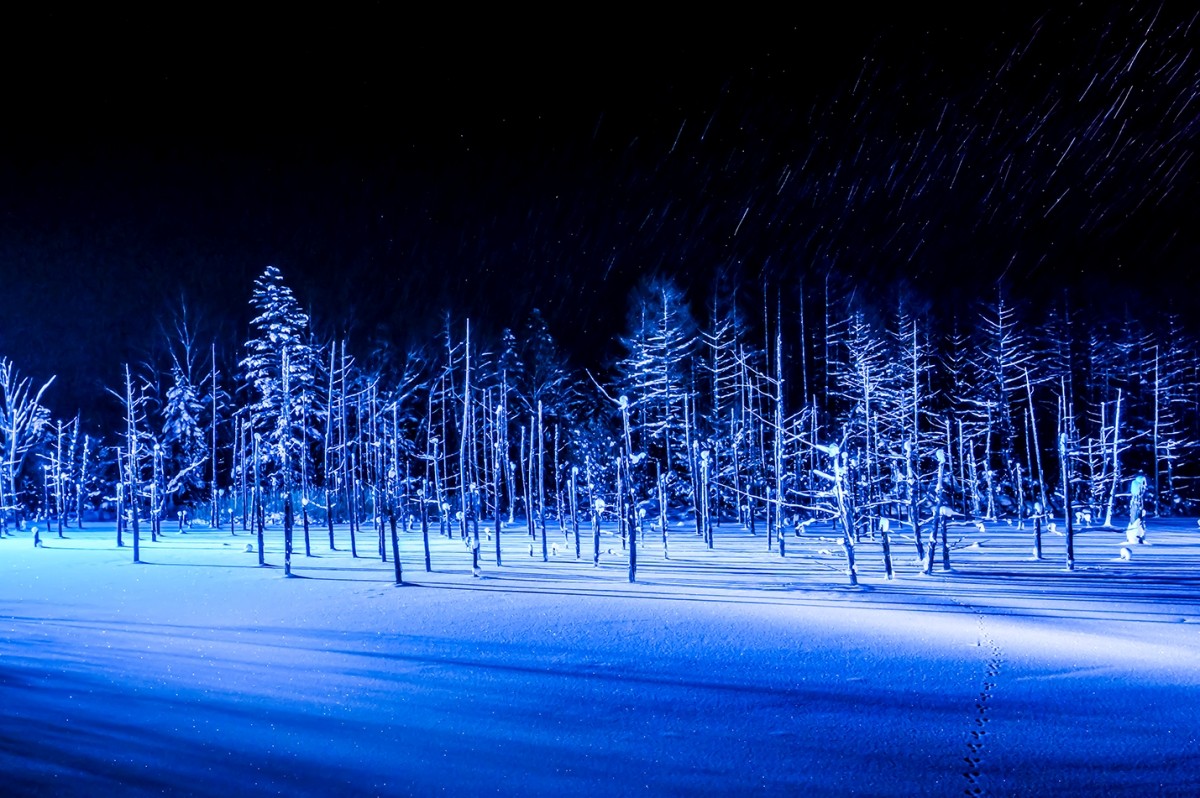
At Shirogane Blue Pond in Biei, a magical illumination event is held exclusively on winter nights. From December onward, the pond's surface is completely frozen and covered in pure white snow, but at night, a variety of lights are projected onto the snow, creating a mystical world that is entirely different from the cobalt blue of summer.
On these quiet winter nights, the silhouettes of standing dead larch trees emerge against the snow-covered landscape, making you feel as if you've wandered into another world.
- Official website here (Japanese, English, Traditional Chinese, Korean)
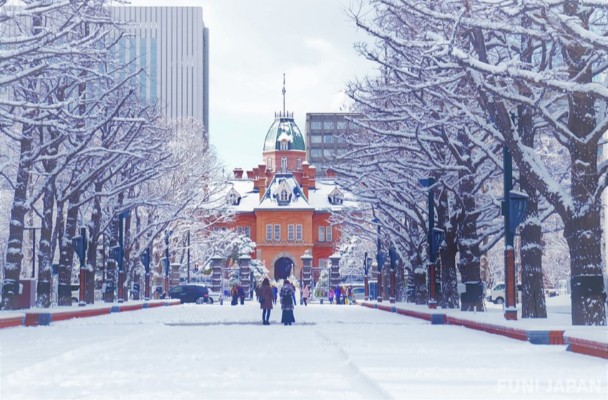
Late November–Mid-March: Sapporo White Illumination (Sapporo)
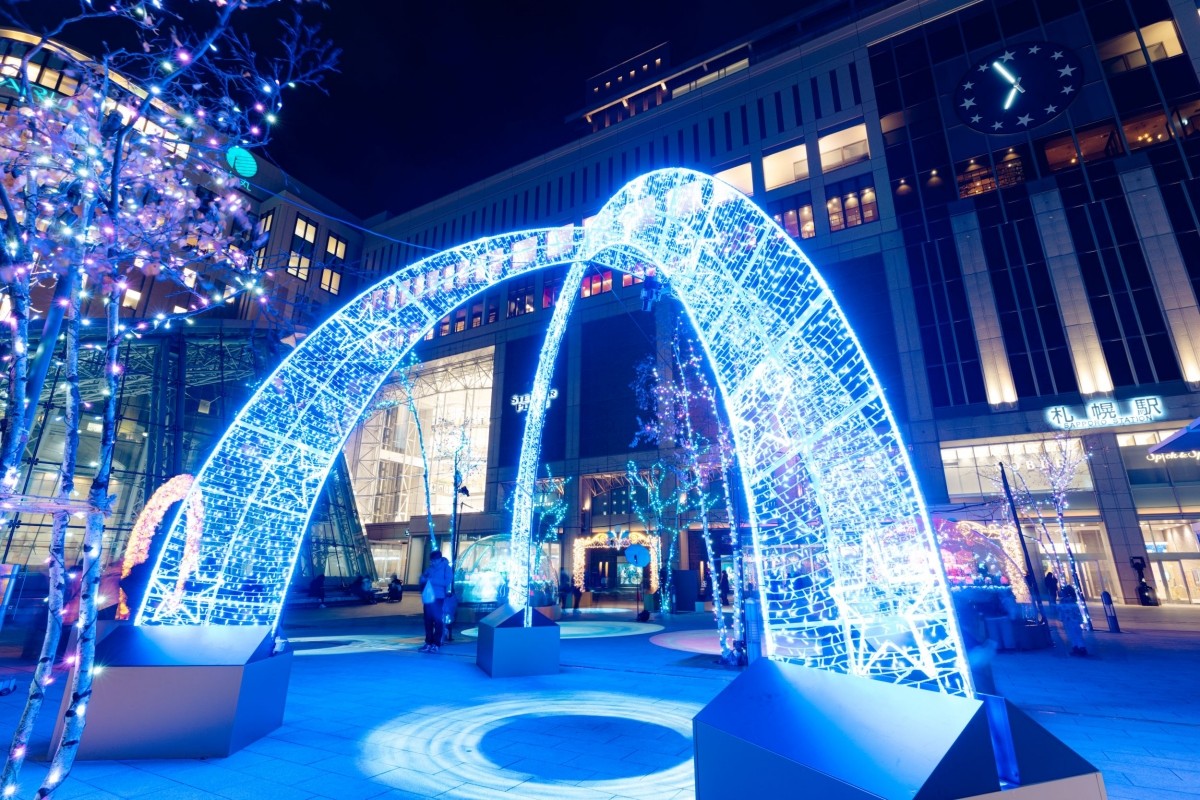
The "Sapporo White Illumination" is a winter tradition that brightens up the city. In Odori Park, the main venue, illuminated display installations are set up, while trees along Sapporo Ekimae-dori and Minami 1-jo-dori are beautifully decorated with sparkling lights. The city’s main streets come together to create a brilliant illuminated cityscape, making this the highlight of sightseeing in Sapporo during this season.
- Official website here (Japanese only)
December: Night View from Mt. Hakodate (Hakodate)
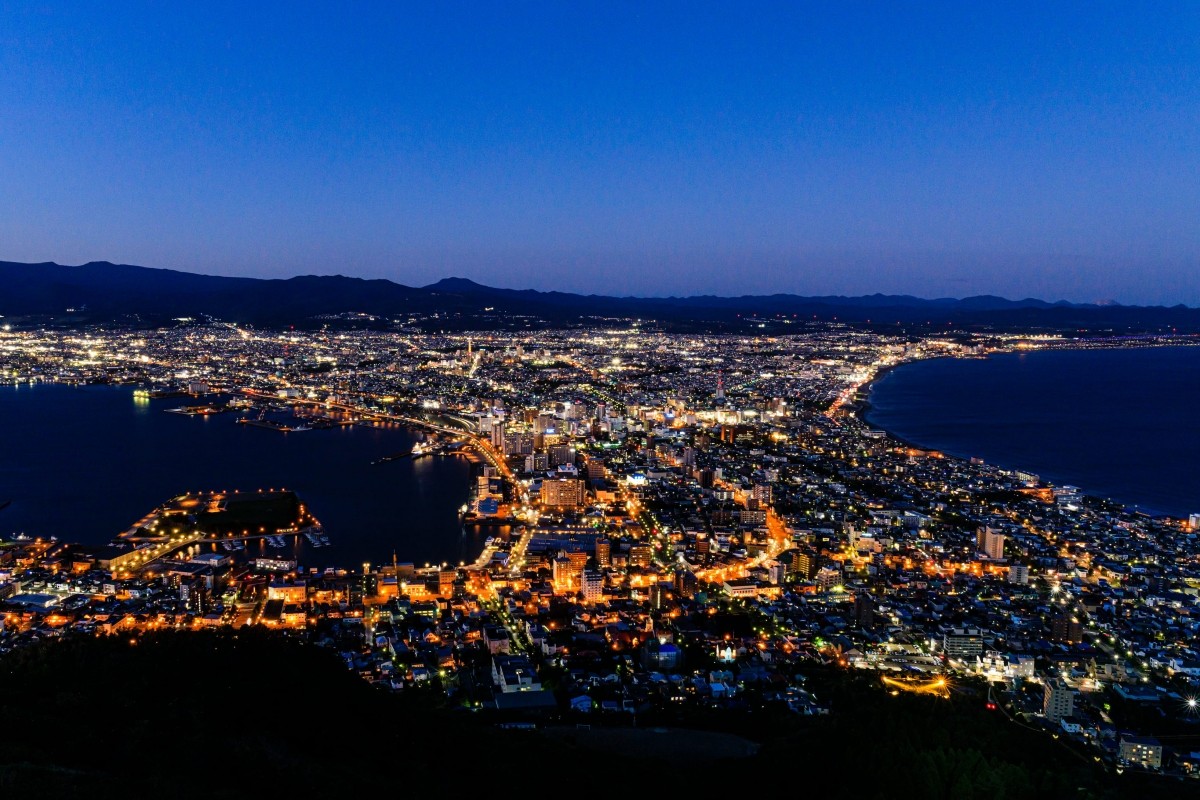
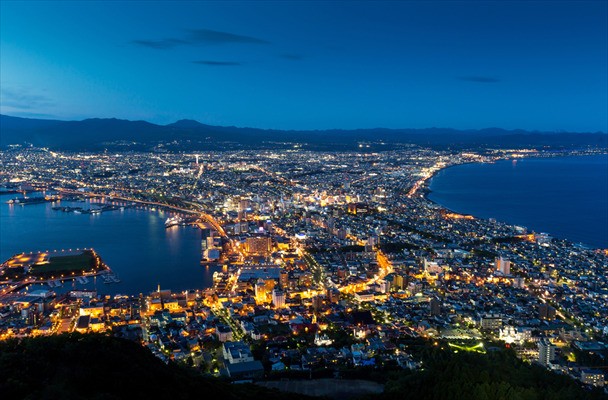
From the observation deck at the 334-meter summit, you can enjoy a panoramic view of the fan-shaped cityscape of Hakodate sparkling with lights. In winter, the pure white snow covering the city reflects the streetlights, making the "million-dollar night view" shine even brighter.
The twilight period, beginning about 30 minutes after sunset, is considered the most atmospheric time to visit, as the last traces of daylight linger in the sky and the city lights begin to twinkle.
- Official website here (Japanese, English, Traditional Chinese, Thai, Korean, Simplified Chinese)
Late December to Mid-March: Ice Village (Shimukappu, Tomamu)
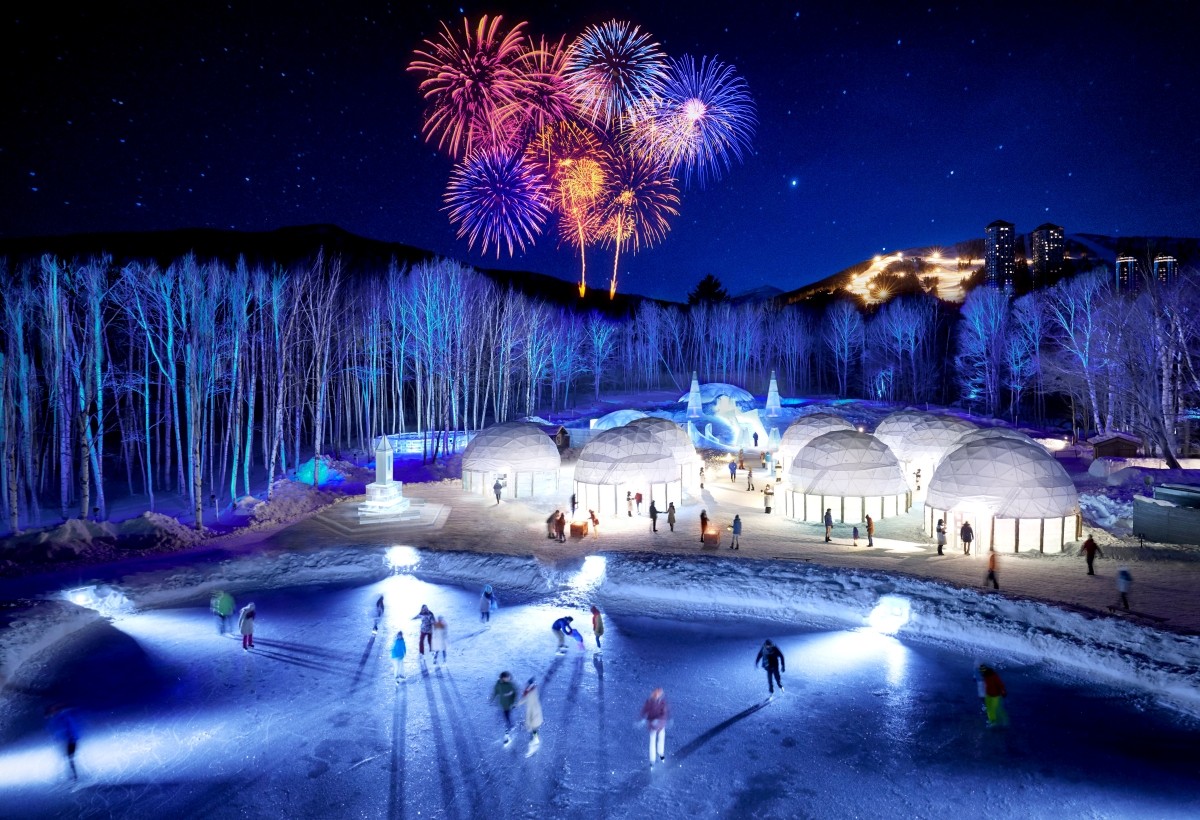
The Ice Village, which appears only on winter nights at Hoshino Resorts Tomamu, is a magical town made entirely of ice, created by taking advantage of the extremely cold climate of Shimukappu Village.
This extraordinary space, which you can enjoy for an entrance fee of 600 yen, features unique facilities such as the mystical Ice Chapel, made from a single seamless block of ice, and the Ice Hotel, where you can actually stay overnight. The view of illuminated ice domes lined up is truly like a magical world.
💡 Weather & Event Tips for Planning Your Hokkaido Trip During the New Year Holidays
Nights in winter are unimaginably cold. To comfortably enjoy the spectacular scenery, thorough winter protection is essential, such as knit hats that cover your ears, thick socks, and gloves. Also, even if snowy roads look beautiful, they can be extremely slippery due to ice, so be sure to prepare winter boots with deep treads and anti-slip features.
Summary: Choose the Best Month for Your Purpose
Hokkaido always offers breathtaking scenery no matter when you visit.
- If you want to experience snow festivals and drift ice: February
- If you want to enjoy the late-arriving spring and cherry blossoms: May
- If you’re aiming for refreshing breezes and vast flower fields: July
- If you want to see Japan’s earliest autumn colors: Mid-September to October
Choose the perfect time for your Hokkaido trip based on your travel interests. The dynamic expressions of the four seasons will surely create unforgettable memories.
🏨Book your Hokkaido accommodation with JAPANiCAN 👉Click Here
🚅Reserve your Shinkansen tickets with NAVITIME Travel! 👉Click here
🛫Book your flight tickets with NAVITIME Travel! 👉Click here

Comments