
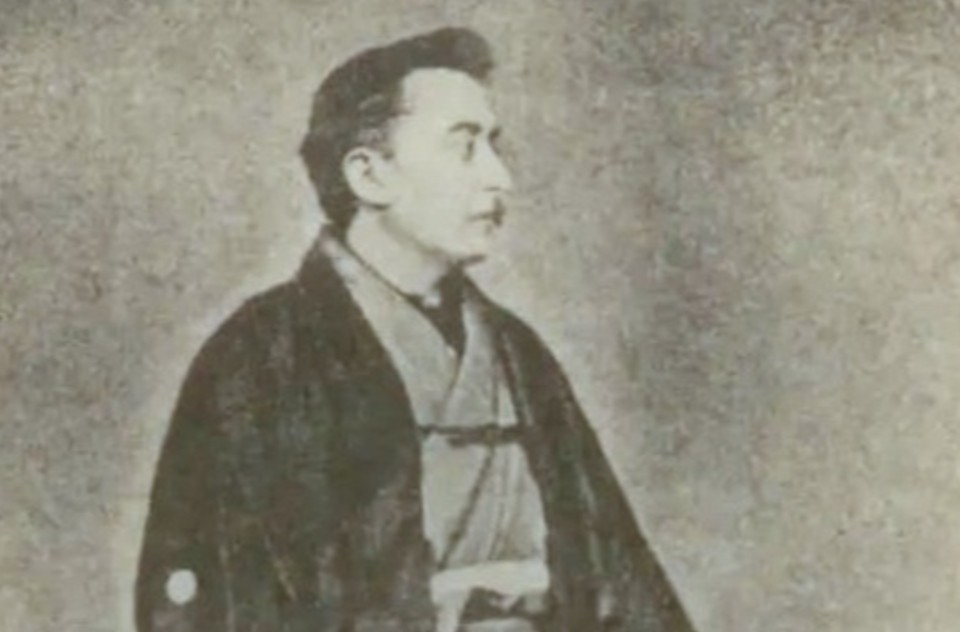
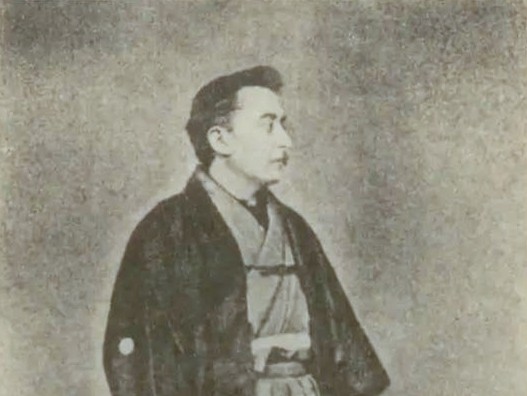
Source: "Koizumi Yakumo Den" by Yonejiro Noguchi, Tomi Shoten, 1946. National Diet Library Digital Collection (Accessed 2025-12-01)
Currently airing in Japan is the NHK morning drama series "Bakebake." The model for its protagonist is none other than Koizumi Yakumo (Lafcadio Hearn), a writer who was born in Greece, raised in Ireland, and fell more deeply in love with Japanese culture and spirit than anyone else.
He is known for introducing the beautiful, vanishing image of Japan to the world soon after the country opened its borders, and especially for elevating Japanese "ghost stories" into literary works. However, behind his creative activities was a deeply romantic love story that crossed national and cultural boundaries, with his Japanese wife, Setsu.
This article traces the life of Koizumi Yakumo, who is once again in the spotlight thanks to the morning drama, and introduces a carefully selected top 10 of his works, including "Kwaidan," which he created together with his wife Setsu, sure to impress both beginners and enthusiasts. At the end, we will also introduce beautiful pilgrimage spots that served as the settings for these stories.
*If you purchase or reserve products introduced in this article, a portion of the sales may be returned to FUN! JAPAN.
Who Was Koizumi Yakumo / Lafcadio Hearn?
Koizumi Yakumo: The Man Who Became Japanese and Introduced Japanese Culture to the World
Lafcadio Hearn came to Japan in 1890 and was deeply captivated by its beauty. While working as a teacher in places such as Shimane Prefecture (Matsue) and Kumamoto, he energetically wrote about the emotions and customs of Japan as seen from a foreigner's perspective.
Later, in 1896, he officially married a Japanese woman, Koizumi Setsu, and became a naturalized Japanese citizen, taking the name Koizumi Yakumo. Yakumo was one of the greatest "spokespersons" for Japanese culture, who continued to convey to the world, in his elegant prose, the old and beautiful aspects of Japan that were being lost to modernization, especially the "reverence for the unseen."
Koizumi Yakumo and His Wife Setsu: Kwaidan as Their "Language of Love"
A Fateful Encounter and Marriage Across Borders
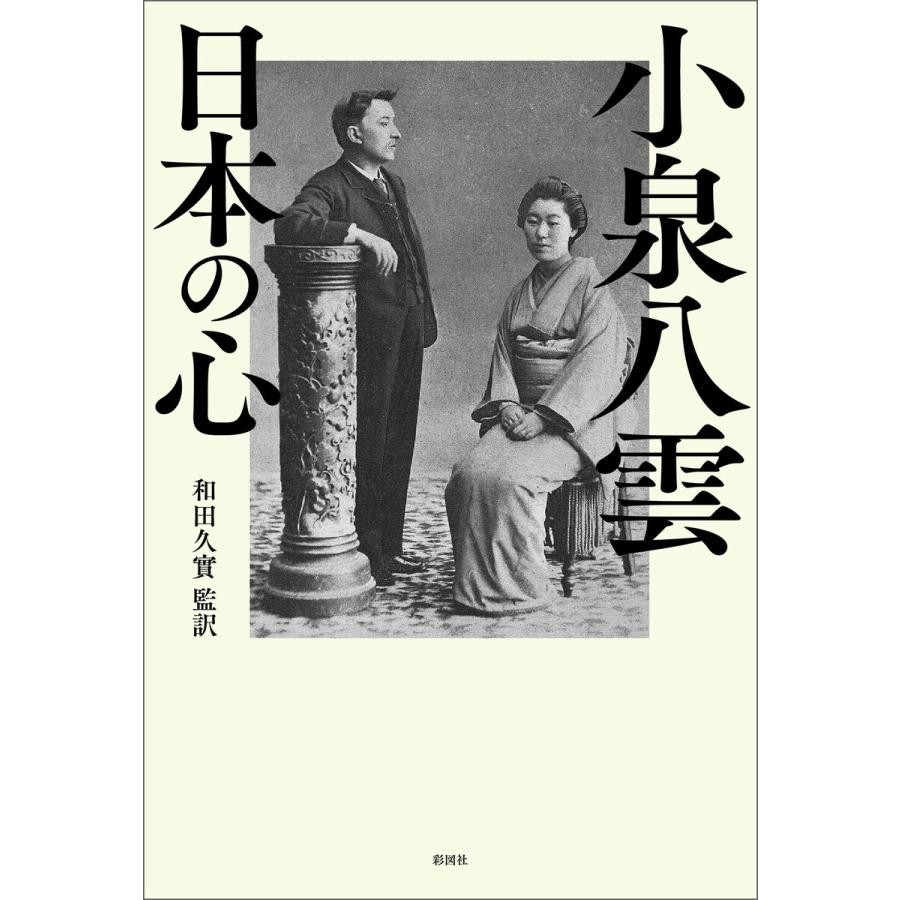
Yakumo and Setsu met when Yakumo was working as a teacher in Matsue. Although Setsu was proud to be the daughter of a samurai family, life had become difficult as times changed. Despite their completely different nationalities and cultural backgrounds, they were drawn to each other's hearts and achieved what was then a rare international marriage in Japan.
What Was the "Hearn Language" That Overcame the Language Barrier?
There was a significant language barrier between the two at the time. Setsu did not understand English, and Yakumo's Japanese was limited, so they communicated in a simplified form of Japanese they developed themselves. This later became known as the "Hearn language," a loving, shared language between husband and wife. Many of the Kwaidan stories were born through this language.
The Truth: "Kwaidan" Was a Collaborative Work Between the Two
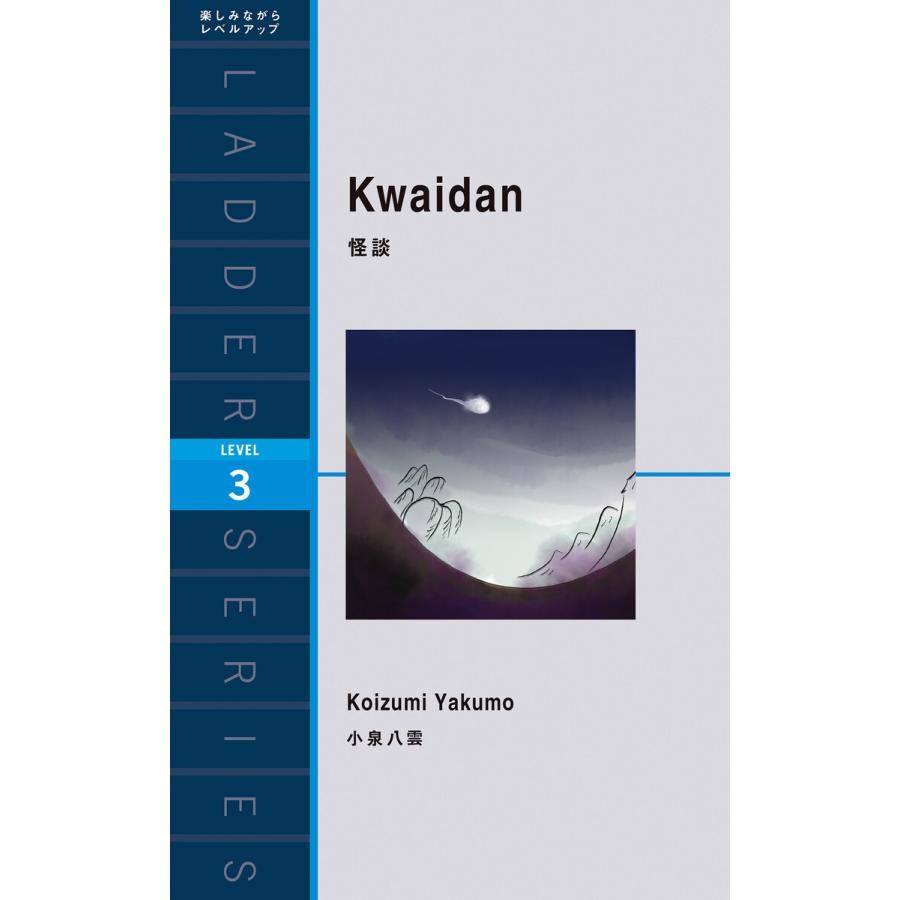
Setsu had memorized an enormous number of Japanese folktales and ghost stories, ranging from lullabies and family traditions to neighborhood rumors. At night, under the light of a candle, Setsu would tell these stories, using gestures and expressive movements.
Setsu was not just a storyteller but also gave advice down to the smallest details. Lafcadio Hearn took desperate notes so as not to miss a single word of her storytelling, refined them using techniques from Western literature, and elevated them into works of art that could be appreciated worldwide.
Kwaidan is not simply a collection of horror stories. It was a cross-cultural collaboration of love between "a wife who believed in her husband's talent" and "a husband who loved the culture of his wife's country."
Search for books about Lafcadio Hearn on Yahoo! Shopping 👉here
The Definitive Guide: Top 10 Recommended Stories from Lafcadio Hearn’s Kwaidan
Here are 10 recommended stories from Lafcadio Hearn’s Kwaidan, including the three most famous works.
Category 1: The “Three Masterpieces” That Shook the World
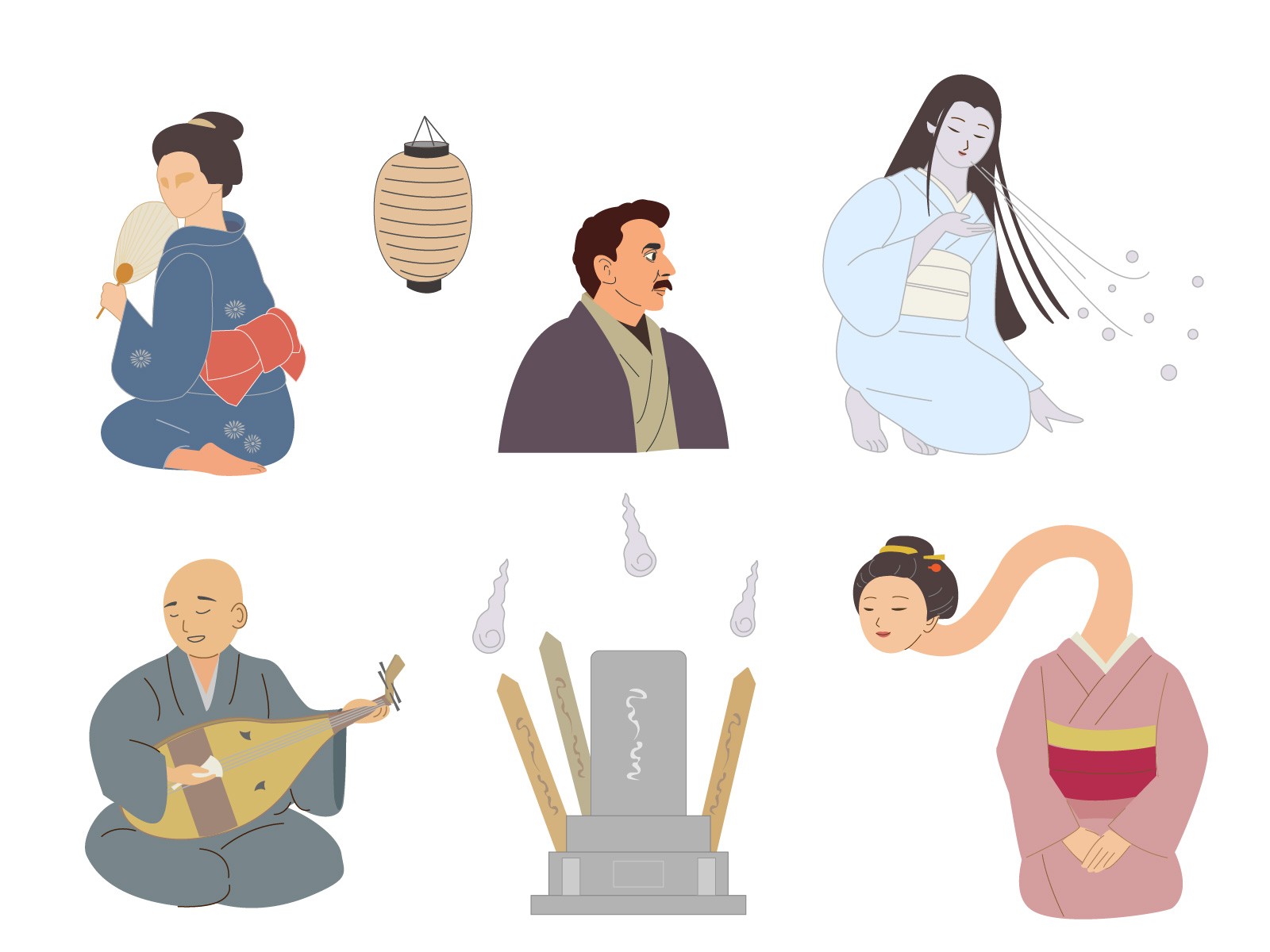
Yuki-Onna (The Snow Woman)
This is the story of a beautiful female spirit who appears on snowy nights, so breathtaking that her breath can freeze a person. She makes a man promise never to tell anyone that he saw her, but when that promise is broken, it leads to tragedy.
Hoichi the Earless
Hoichi, a blind biwa player, is summoned by the vengeful spirits of the Heike clan (Taira clan) and plays his instrument for them night after night. To protect him from the spirits, sutras are written all over his body, but the ears are left unwritten. The spirits tear off only his ears, creating a powerful and terrifying world that even frightened the author as a child.
Mujina
When a man speaks to a woman he encounters on Kii-no-Kuni-zaka in Tokyo, he discovers that her face has no eyes, nose, or mouth—she is a Noppera-bo, or faceless ghost. Though short, this story delivers a shocking twist that defies the reader’s expectations.
Category 2: Stories of Love and Tears—Bittersweet Tales of Love
The Story of Aoyagi
This is a tragic love story between a young samurai who falls in love with the spirit of a willow tree and a woman who appears from that tree. Like the tale of "The Grateful Crane," many Japanese folktales feature tragic romances between humans and supernatural beings, and similar stories can be found throughout Japan.
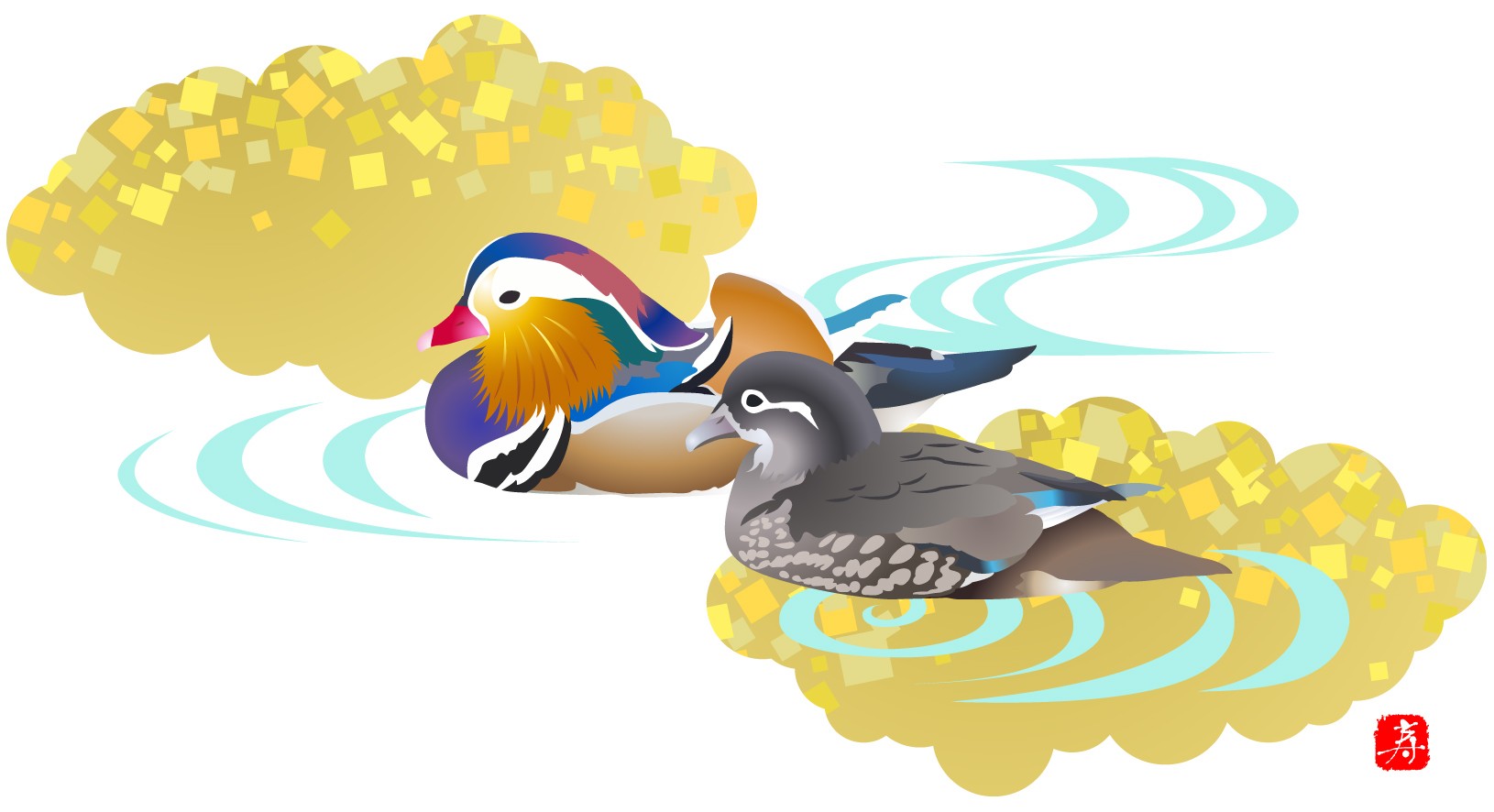
The Oshidori
The wife of a mandarin duck (oshidori in Japanese) mourns the loss of her husband, who was shot by a hunter. In Japan, the phrase "oshidori couple" refers to a happily married couple, likened to mandarin ducks that are always seen together in pairs.
The Cherry Tree of the Nanny
A nanny (乳母 - commonly read as "uba") sacrifices her own life to protect a child. Her soul resides in a cherry tree at a temple, which blooms with beautiful flowers every spring.
In old Japan, a nanny was a woman who mainly raised children of noble families. She was not just a caretaker but played a deep role in the child's upbringing and was sometimes as important as a mother.
This story depicts the beauty of Japanese-style devotion.
Category 3: Mystery—Strange and Philosophical Worlds

The Dream of Akinosuke
A man becomes the king of an ant kingdom and lives an entire lifetime there while taking a nap. When he wakes up, he realizes it was all a dream, blurring the line between reality and fantasy and raising philosophical questions.
In a Cup of Tea
A samurai tries to drink tea, but ends up swallowing the face of another man—not his own—that appears in his teacup. Afterward, the man's companions attack from all sides... The story is abruptly interrupted, leaving the terrifying conclusion to the reader's imagination. This is an experimental masterpiece.
This story is not from Kwaidan, but is included in the 1902 collection of supernatural literature, Kotto (骨董).
Category 4: [Yokai & Action Battle] Truly Frightening & Cool

Rokurokubi
A thrilling battle unfolds between a former samurai-turned-monk and five flying heads. Based on the Japanese yokai "Rokurokubi," Hearn transforms the legend into an action horror story. In Japanese ghost stories, Buddhist sutras and mantras often serve as spiritual barriers, reflecting the cultural foundation of kotodama—the mystical power of words.
Jikininki
Jikininki are demons that devour the flesh of the dead. The true identity of these monsters is revealed to be monks who, in life, were driven by selfish desires. This hard-hitting horror story explores the Buddhist concepts of reincarnation and the terrifying consequences of karma.
[Bakabake Pilgrimage] Journey Through the Stages of Love and Ghost Stories of Lafcadio Hearn and Setsu
The Land of Myth, Shimane Prefecture - Matsue City
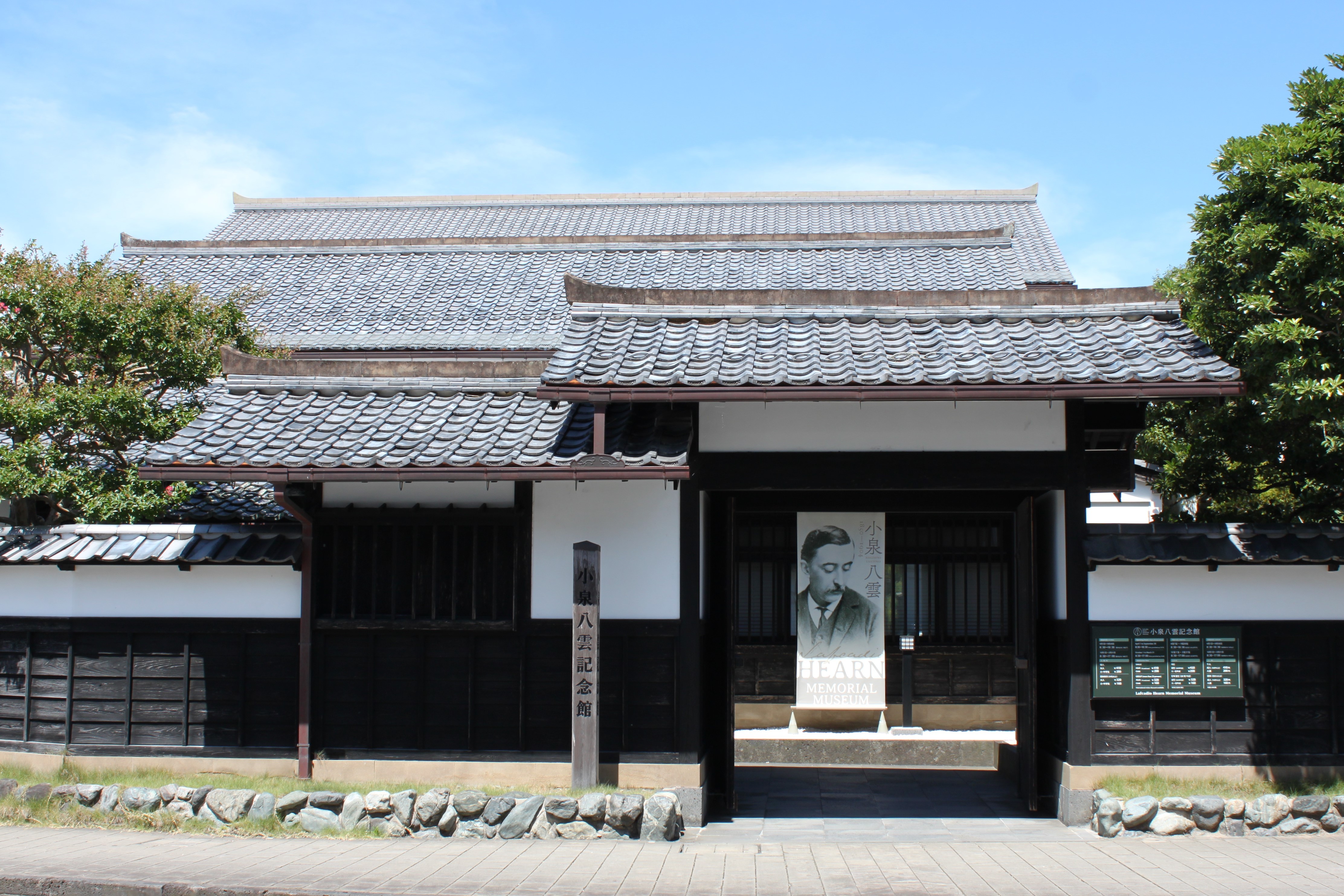
Matsue in Shimane Prefecture is the town where Hearn met Setsu and the place he loved most. It is known as the "hometown of ghost stories."
- Lafcadio Hearn's Former Residence and Lafcadio Hearn Memorial Museum: The samurai residence where the couple lived and the museum displaying Hearn's personal belongings are must-visit spots.
👉Official website of Lafcadio Hearn's Former Residence (available in Japanese and English)
👉Official website of Lafcadio Hearn Memorial Museum (available in Japanese and English)
- Lake Shinji and Matsue Castle: These scenic spots, which inspired many of Hearn's stories, still retain their emotional atmosphere. Shimane Prefecture, also known as the land of myth, is the perfect place to immerse yourself in the world of ghost stories.
👉More about Lake Shinji (multilingual)
👉Official website of Matsue Castle (available in Japanese and English)
Where He Spent His Final Years: Tokyo - Shinjuku Ward, Bunkyo Ward
There are also places in Tokyo, where Hearn spent his final years and where his soul rests, that are closely connected to him.
- Site of Lafcadio Hearn's Death and Former Residence: The remains of his former residence can be found in Bunkyo Ward.
- Zoshigaya Cemetery: The grave of Lafcadio Hearn and Setsu. This is one of the Japanese landscapes Hearn loved.
👉More about the site of Lafcadio Hearn's death (multilingual)
👉More about the site of Lafcadio Hearn's former residence (multilingual)
👉Official website of Zoshigaya Cemetery
Japanese Ghost Stories: Respect for the "Unseen" in Japanese Culture
Hearn did not simply fear Japanese ghosts. He also discovered the "human heart" and "respect for nature" that dwell within them. His works are not just horror stories, but precious cultural heritage that conveys the "spirit of the Japanese people."
Experience the story of the two in the NHK morning drama "Bakabake." And when you visit Japan, be sure to bring Hearn's books with you as you visit these sacred sites and experience the Japanese culture they loved.
References:
NHK Publishing, Mook "Drama Jinbutsuden: Lafcadio Hearn and Setsu: The Fateful Couple United by 'Kwaidan' (Liberal Arts and Culture Series)", published September 22, 2025 (Accessed: 2025/12/1)
Lafcadio Hearn Memorial Museum "The Life of Lafcadio Hearn" (Accessed: 2025/12/1)
Written by Lafcadio Hearn, translated by Toh EnJoe, Kadokawa Bunko "Kwaidan" (Accessed: 2025/12/1)
Comments