
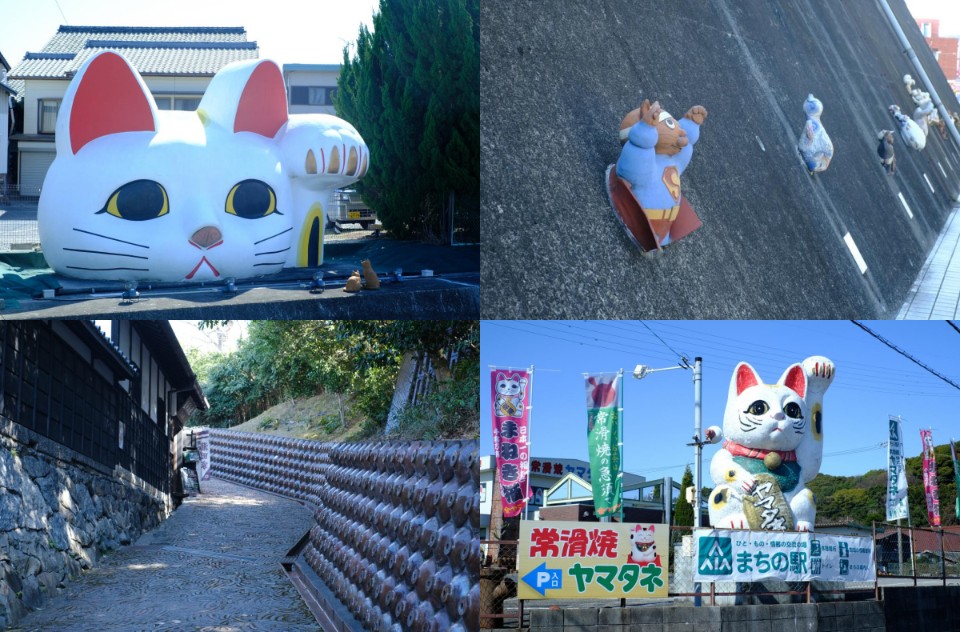
Tokoname is one of Japan’s Six Ancient Kilns, a historic pottery town. Tokoname ware maneki-neko (beckoning cat figurines) and red clay teapots are especially famous, and the retro alleys and chimneys remain just as they were in the past. It’s also easily accessible from Nagoya and Chubu Centrair International Airport. Why not enjoy a stroll through Tokoname, where you can experience traditional culture and relaxation, with attractions ranging from giant maneki-neko and the photogenic Pottery Footpath to pottery workshops and café hopping?
What is Tokoname Famous For? Maneki-neko and Three Highlights
1. The Home of Maneki-neko | Giant Maneki-neko & Tokoname Maneki-neko Street
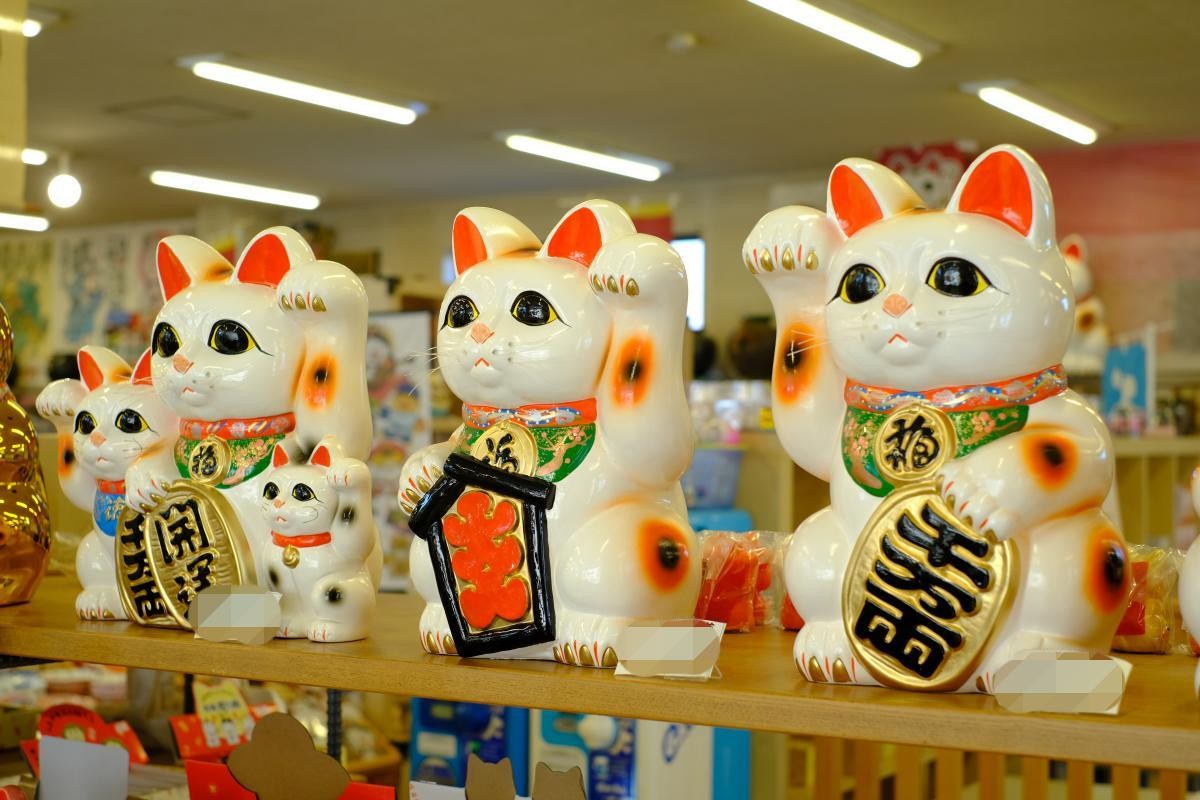
When it comes to “Maneki-neko,” Tokoname immediately comes to mind—not just in Japan, but around the world. Tokoname City is truly the birthplace of Maneki-neko, having produced the majority of Maneki-neko distributed throughout Japan.
The city’s symbol, “Tokoname Maneki-neko Street,” is a unique sightseeing street lined with 39 Maneki-neko statues along the road from Tokoname Station to the Tokoname Tourist Information Center to the east. Each cat has its own unique design, making it fun just to stroll and take photos along the way.
The most popular spot on the street is the giant Maneki-neko “Tokonyan,” watching over the town from atop a wall. It’s a must-visit photo spot, sure to get lots of attention on social media, and is especially popular with international tourists.
Among Tokoname ware’s Maneki-neko, the Tokoname-style Maneki-neko, known for its round, chubby proportions, is cherished as a symbol of happiness and good fortune. From cute miniatures to large pieces perfect for interior décor, there’s a wide variety of souvenirs to choose from.
2. Tokoname Ware, One of Japan’s Six Ancient Kilns | The Home of Red Clay Teapots
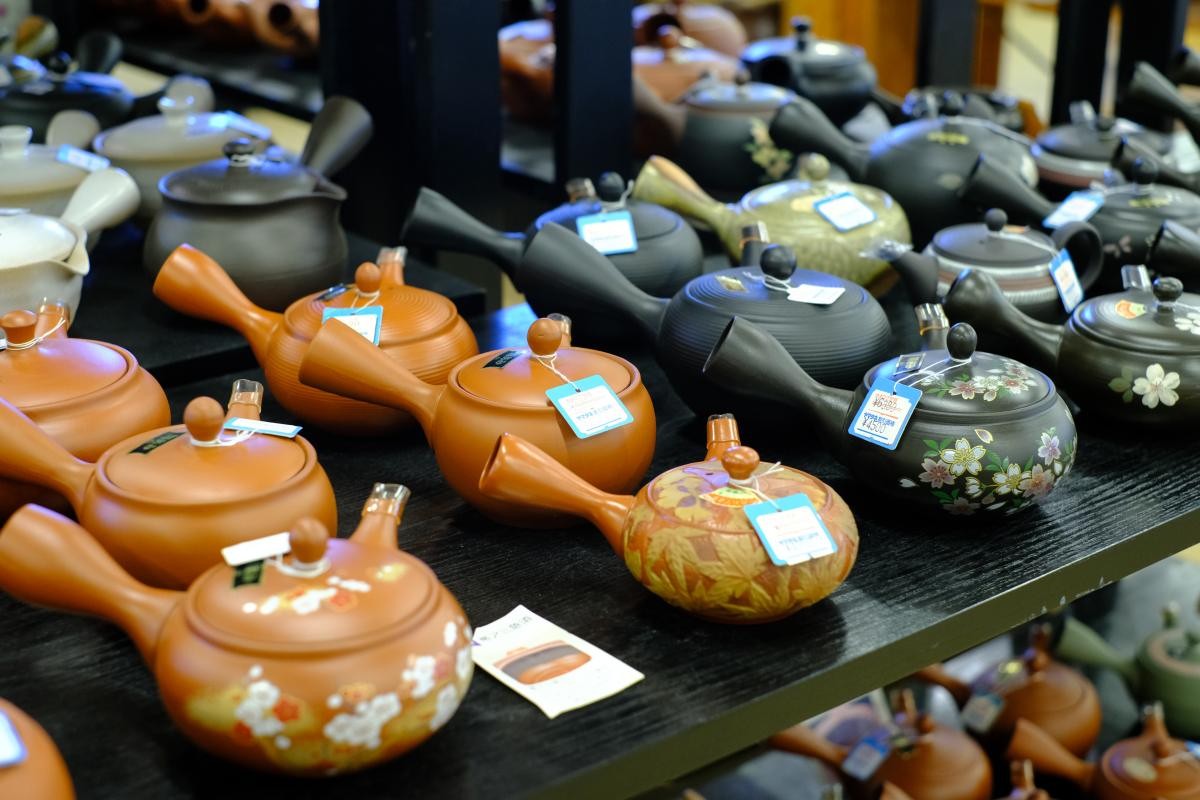
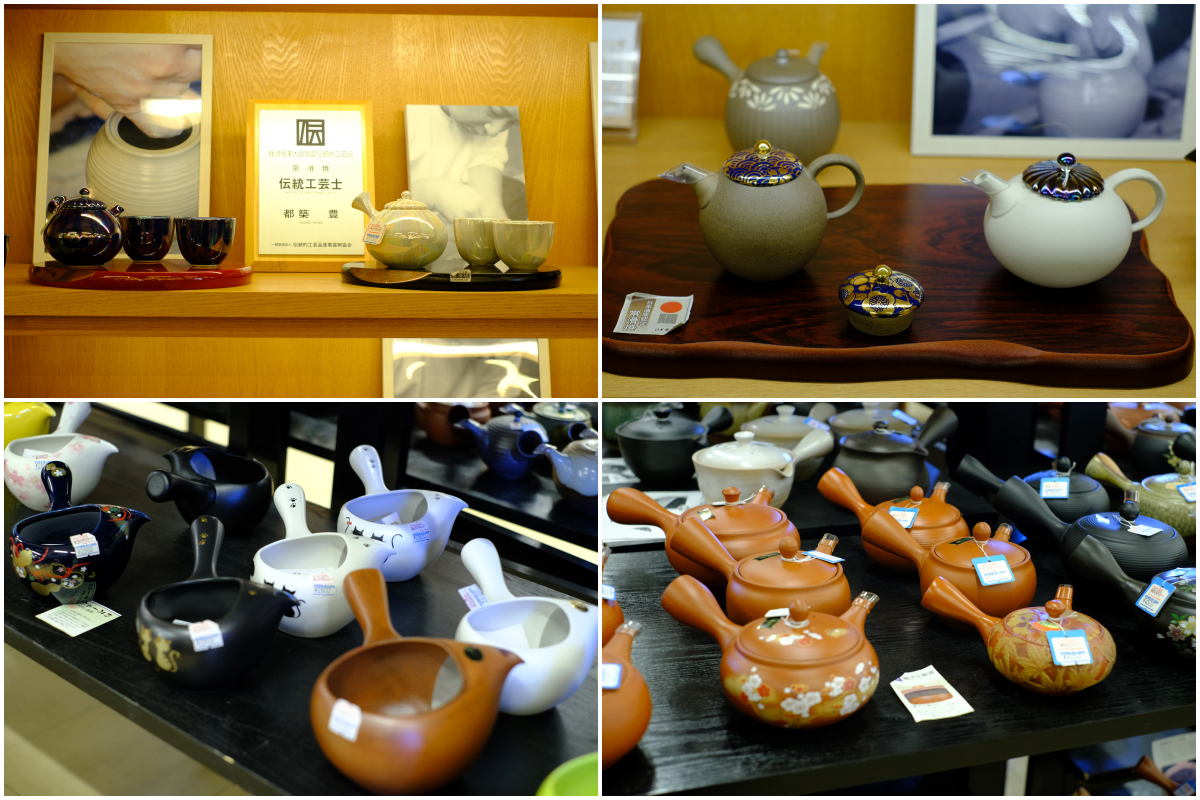
When you think of Tokoname ware, the first thing that comes to mind is the red clay teapot (shudei kyusu). Its vivid reddish-brown color is characteristic, a signature craft born from Tokoname’s clay and traditional firing techniques. The simple design, which makes use of the natural texture of the clay without glaze, is also appealing. It’s said to mellow the bitterness and astringency of tea, allowing for a deeper flavor experience.
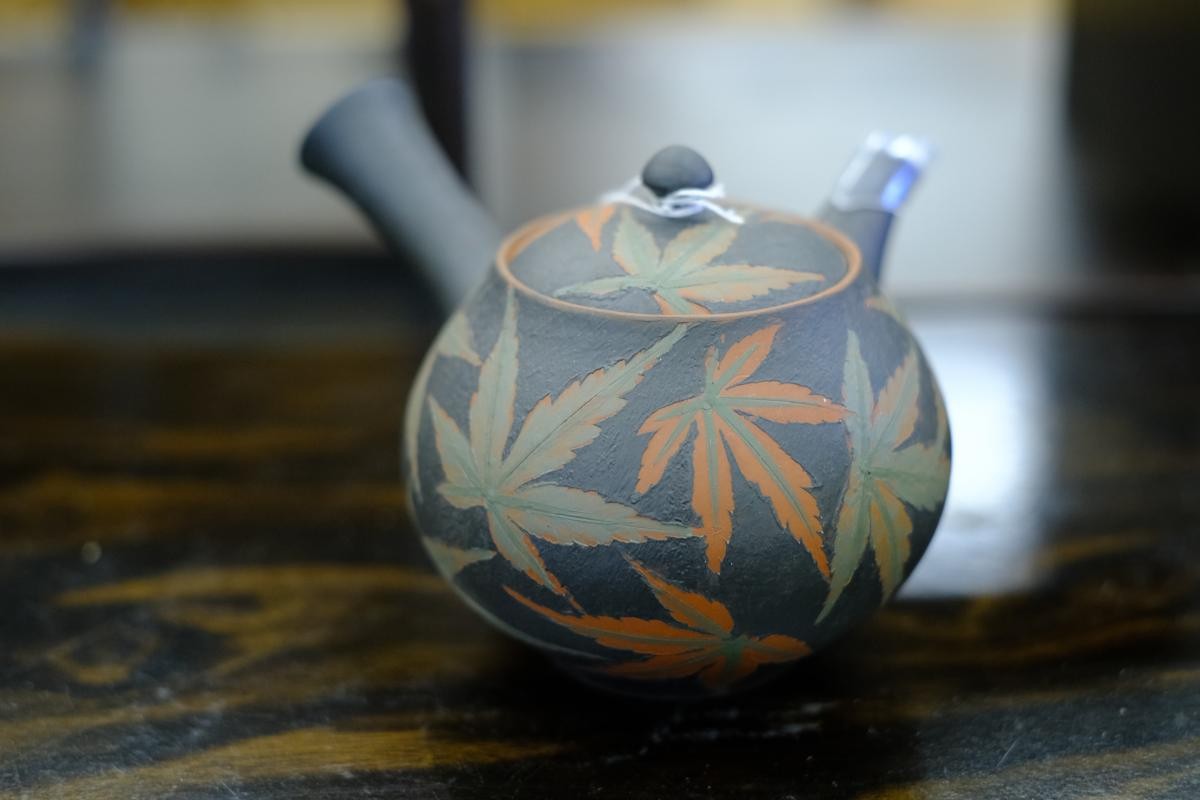
One particularly impressive piece was a teapot decorated with the imprint of a real autumn leaf. By pressing the leaf into the clay before firing, the delicate veins are beautifully transferred, creating a unique pattern—no two leaves are ever the same, making each piece special and one-of-a-kind.
In recent years, Tokoname ware has also gained attention overseas, especially in regions with a tea culture such as China and Taiwan, where it is increasingly chosen as a gift. Tokoname ware is one of Japan’s representative traditional crafts, preserving centuries-old techniques to this day.
3. Pottery Footpath | Strolling Through Remnants of Ancient Kilns, Chimneys, and Narrow Alleys
Walking through Tokoname feels like stepping back in time. Here, you’ll find active kilns and workshops, as well as alleys and chimney-lined streets that retain the atmosphere of the early Showa era.
The Pottery Footpath is divided into Course A and Course B, allowing you to casually drop by workshops, select galleries, and local cafés as you stroll. Taking a leisurely walk and experiencing the charm of Tokoname ware makes for a truly special afternoon.
Access to Tokoname City | About 30 Minutes from Nagoya, About 5 Minutes from Chubu Centrair International Airport
From Nagoya Station to Tokoname Station
If you take the Meitetsu (Nagoya Railroad), you can reach Tokoname Station from Nagoya Station in about 30 to 40 minutes. Please note that the μ-SKY (the limited express train to Chubu Centrair International Airport) does not stop at Tokoname Station.
Located at a distance that makes it easy to enjoy even on a day trip, you can easily plan a half-day sightseeing trip by departing in the morning and returning to Nagoya by evening.
Access Overview:
- Meitetsu Nagoya Station → Tokoname Station (about 30–40 minutes by train)
- Fare: 750 yen one way (as of May 2026)
From Chubu Centrair International Airport (Centrair)
The short 5-minute ride from the airport to Tokoname Station on the Airport Line is extremely convenient for inbound travelers using international flights. As a sightseeing spot that can be visited before or after a flight, it is rapidly gaining popularity among international tourists.
Access Overview:
- Chubu Centrair International Airport → Tokoname Station (about 5 minutes by train)
- Fare: 330 yen one way (as of May 2026)
If Accessing by Car
If you are coming from the Nagoya area by car, the most convenient route is to take the Chitahanto Road and then the Centrair Line, exiting at either "Tokoname IC" or "Rinku IC." It takes about 40–50 minutes from central Nagoya.
What Does "Tokoname" Mean?|A Simple Explanation of the Origin of the Name
Where does the place name "Tokoname" come from? The answer is believed to lie in the geology of the area itself. "Toko" refers to "toko" (meaning ground or bedrock), and "name" means smooth. Since ancient times, this area has had many exposed clay layers, and the soil was known for its smooth texture. This is said to be the origin of the name "Tokoname," which eventually became established as the place name.
Must-Visit Photo Spots in Tokoname
Tokoname Maneki-neko Street
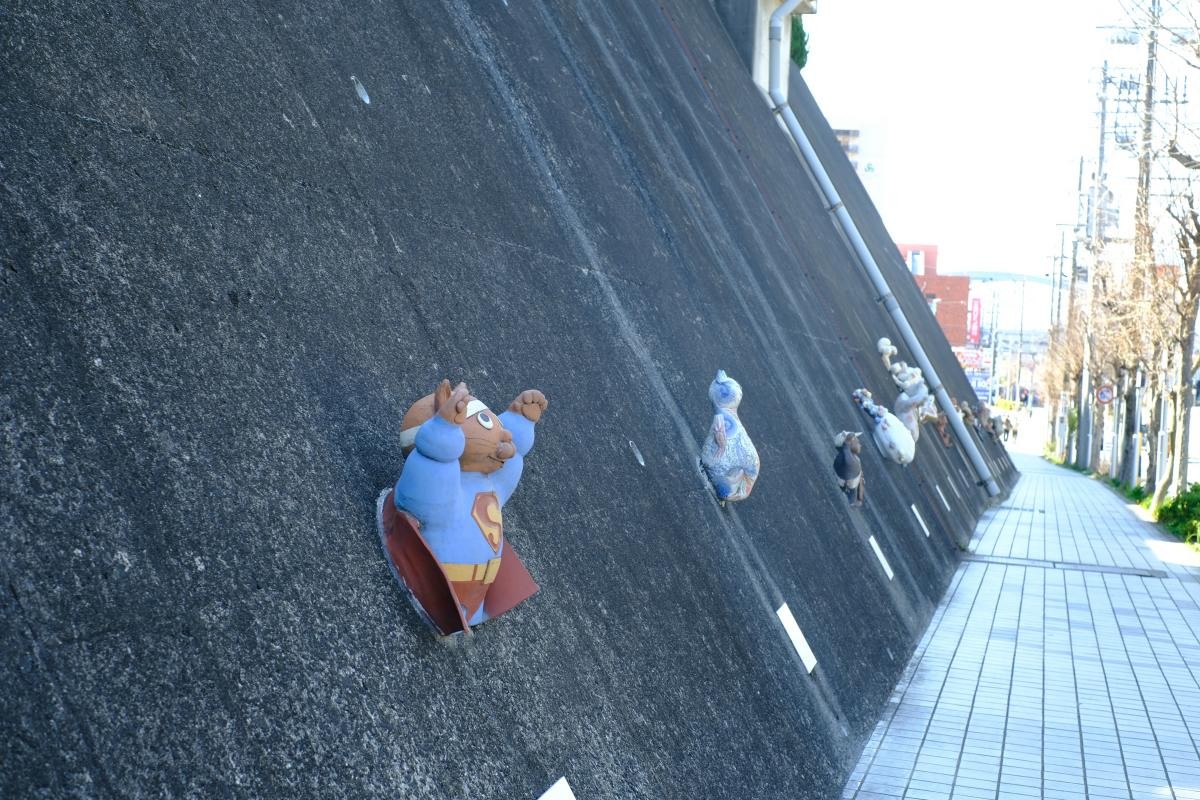
Along this approximately 250-meter-long street extending from in front of Tokoname Station, you’ll find 39 unique Maneki Neko (beckoning cat) statues. Each Maneki Neko is crafted by local artists or pottery makers, and no two designs are the same. The fun of finding your favorite as you stroll along is a unique experience you can only have here. It’s a must-visit spot not only for Maneki Neko fans but also for anyone visiting Tokoname for the first time.
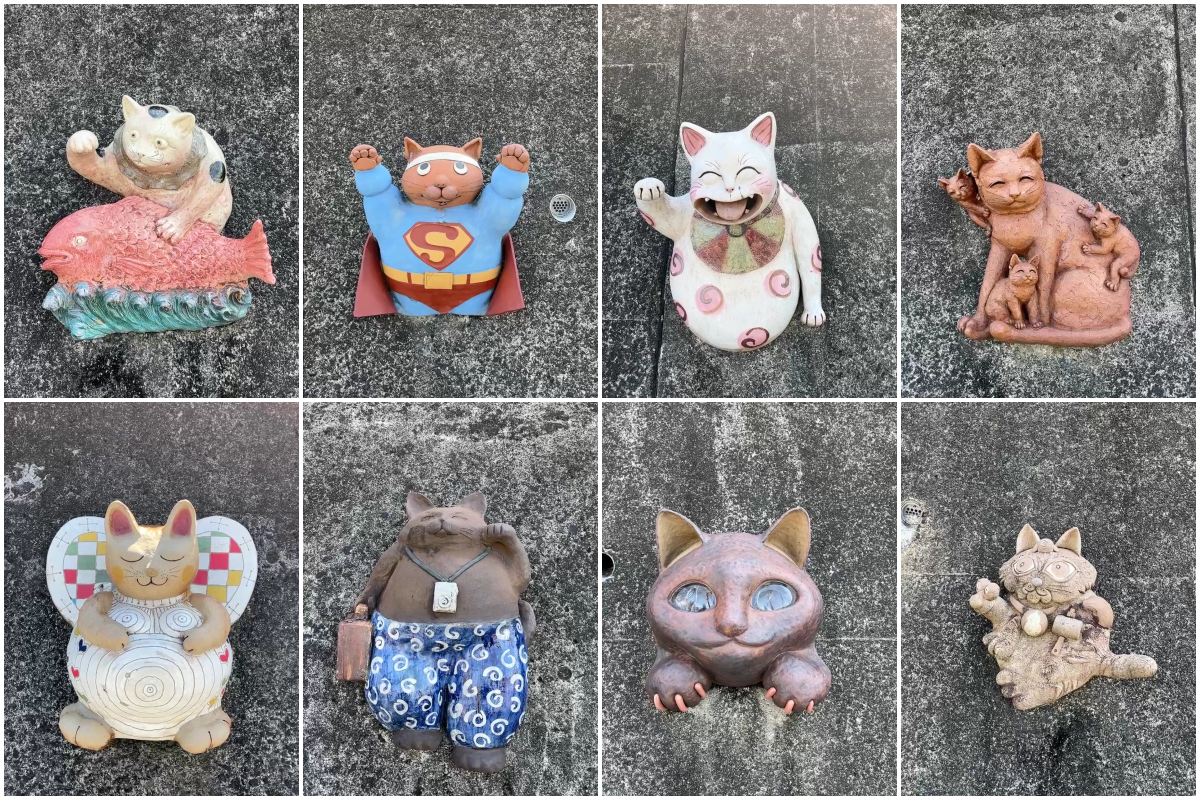
Since it wasn’t crowded on the day I visited, I was able to take my time not only viewing the entire street but also carefully observing the expressions of each cat as I strolled. You can also take photos and videos at your own pace, making it a great spot for Maneki Neko lovers and anyone who enjoys visiting photogenic locations.
Guardian Cat "Tokonyan"
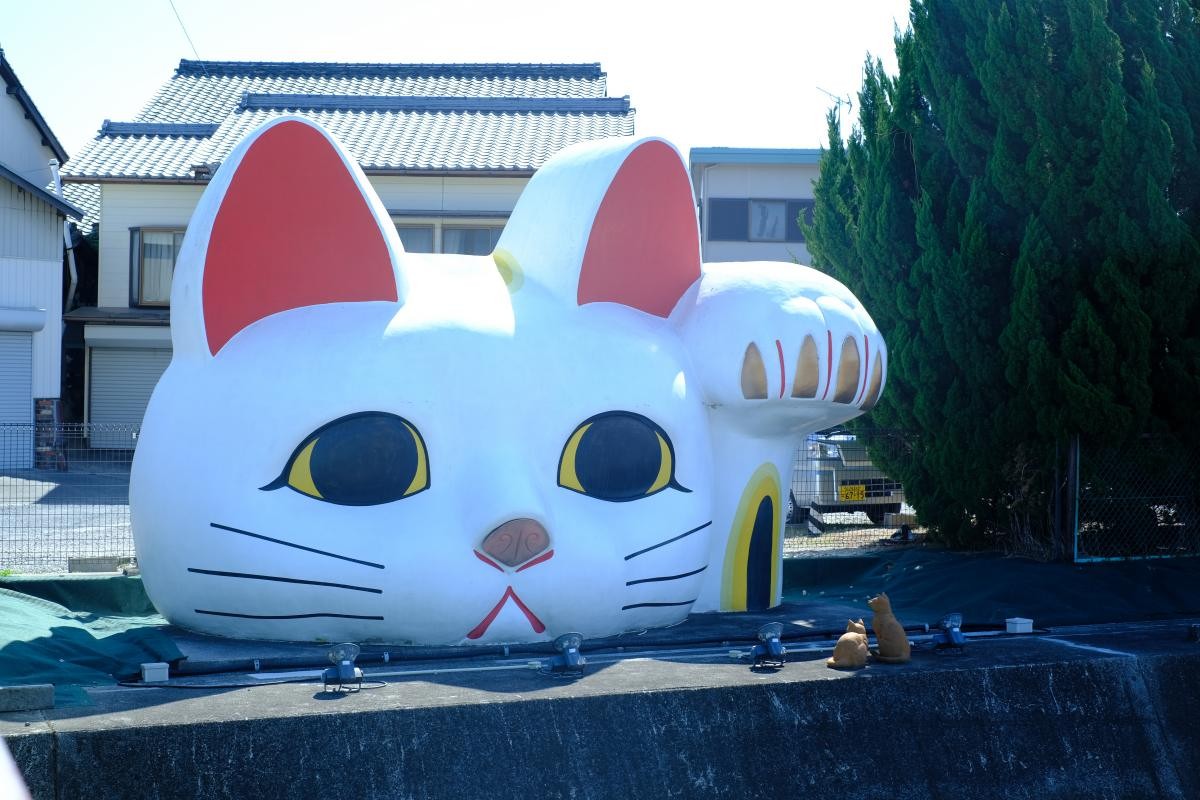
Partway along Maneki Neko Street, you’ll spot the face of a giant Maneki Neko called "Tokonyan" peeking over a wall. Standing at about 3.8 meters tall, its overwhelming presence gently watches over the town of Tokoname. Its large eyes and plump, friendly expression are adorable, and visitors can’t help but take photos. It’s a perfect spot for social media and is one of Tokoname’s most iconic landmarks.
It’s just a few minutes’ walk from Tokoname Maneki Neko Street, but since there are some slopes along the way, it’s recommended to wear comfortable walking shoes.
Denden-zaka Slope
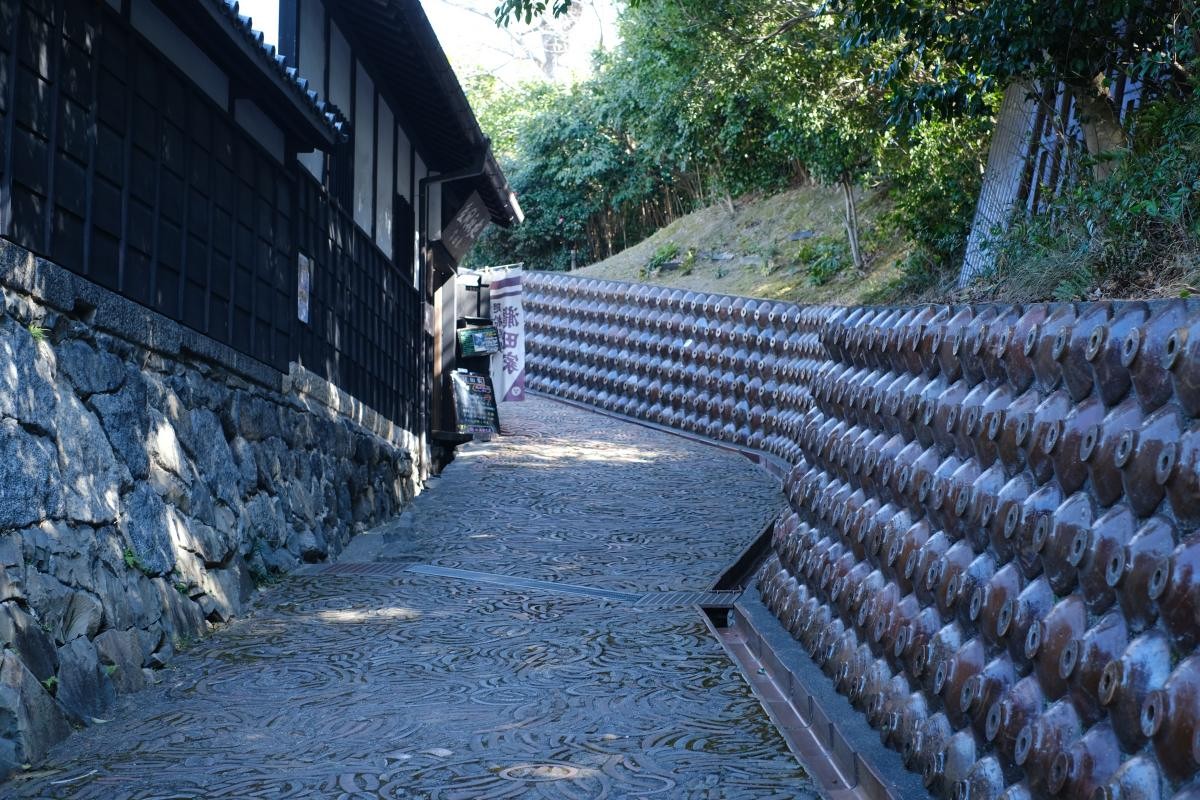
This stone-paved slope, located along the Pottery Footpath, has an atmosphere reminiscent of an old movie set. The flowers and plants peeking out from between the stones and the old kiln walls create a unique charm, making it a spot where travelers with cameras can’t help but stop and take a photo.
Dokanzaka (Clay Pipe Slope)
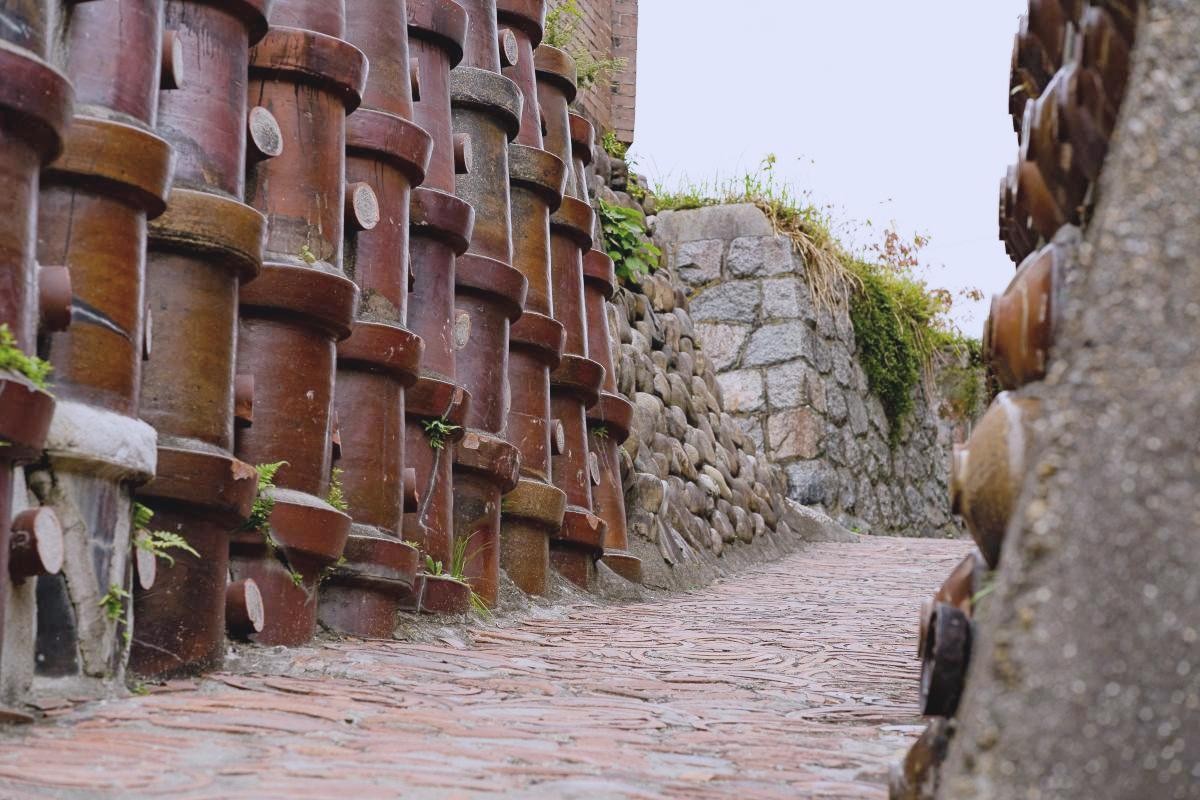
When it comes to iconic scenery in Tokoname, Dokanzaka (Clay Pipe Hill) is a must-see. The walls of the slope are densely stacked with ceramic pipes and jars, while the pavement underfoot is covered with discarded kiln waste (kesawa) used during the firing of the pipes, creating a truly unique landscape. A photo taken here is sure to be a highlight of your trip.
Must-Visit Shopping and Experience Spots in Tokoname
Tokoname Tourist Information Center (inside the Ceramic Hall)
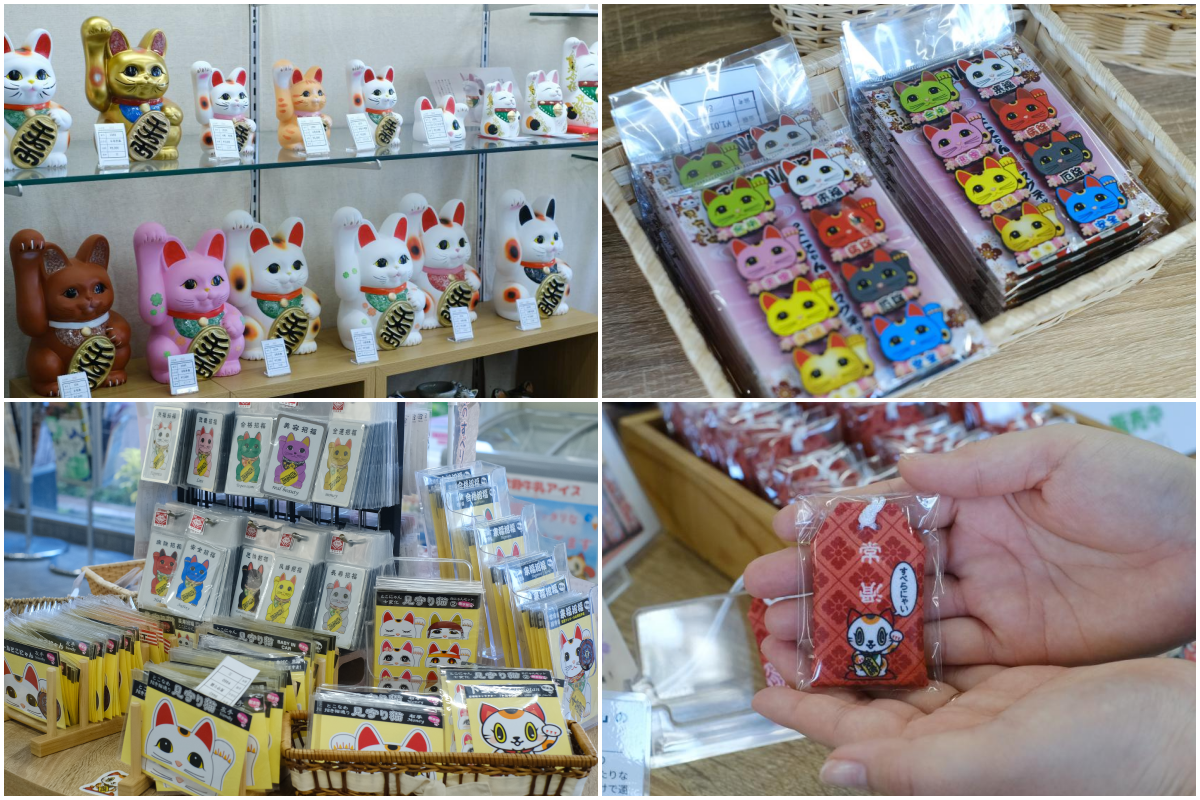
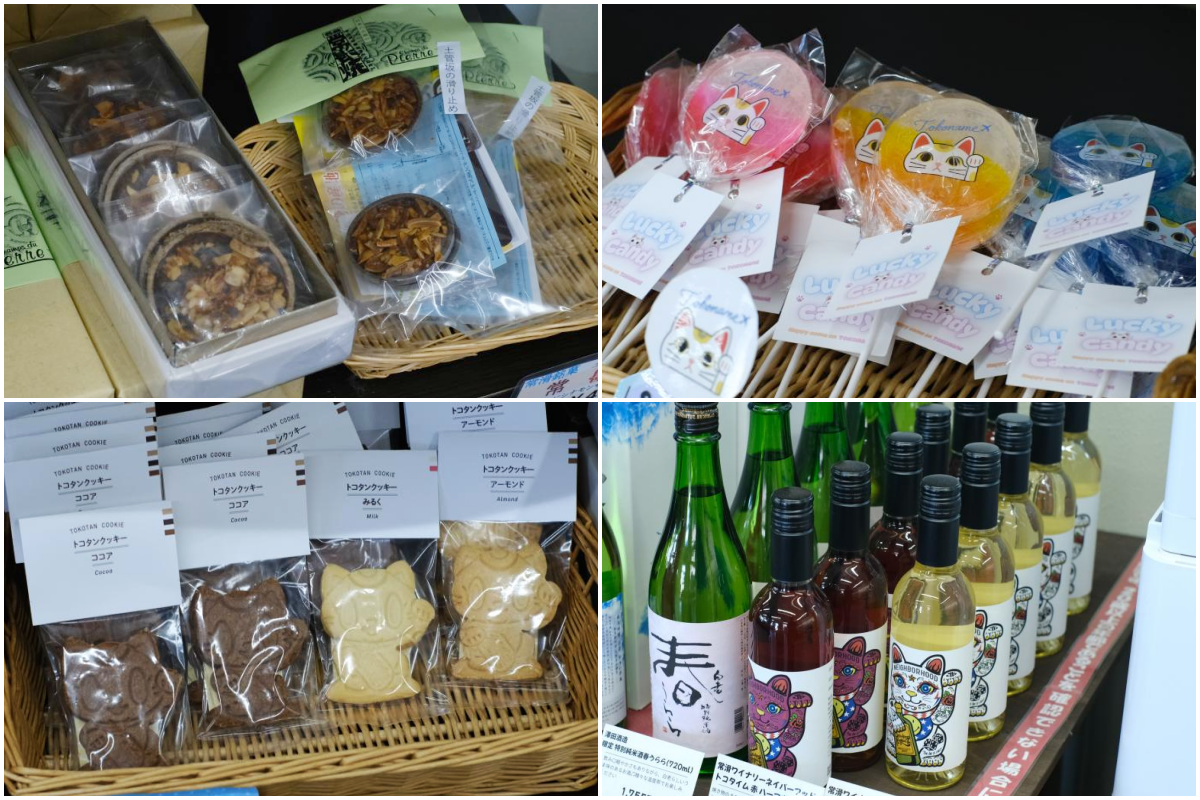
The Tokoname Tourist Information Center, located at the starting point of the Pottery Footpath, is the perfect base camp to visit before you begin your stroll. In addition to maneki-neko (beckoning cat) figurines, the center offers a wide variety of maneki-neko goods and Tokoname souvenirs, including many non-ceramic items. Even if you’re not sure what to buy, a quick look around here will give you a good overview of Tokoname’s local specialties.
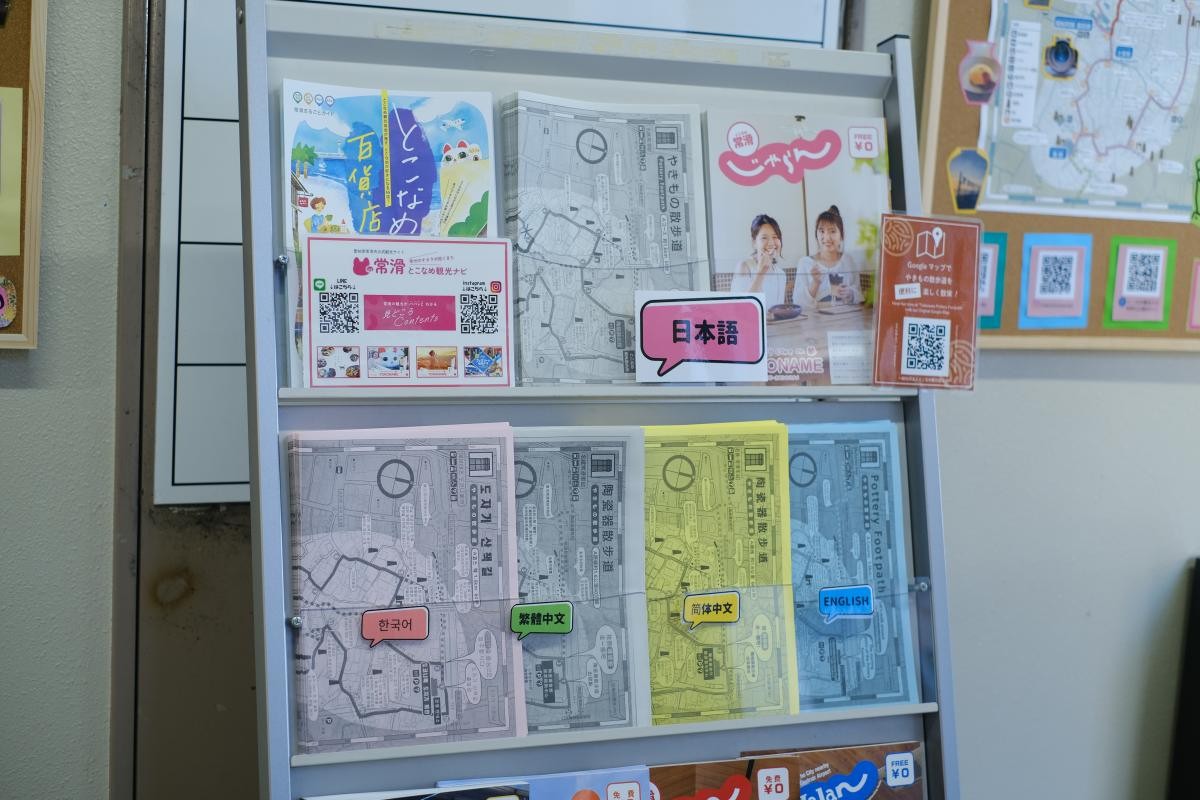
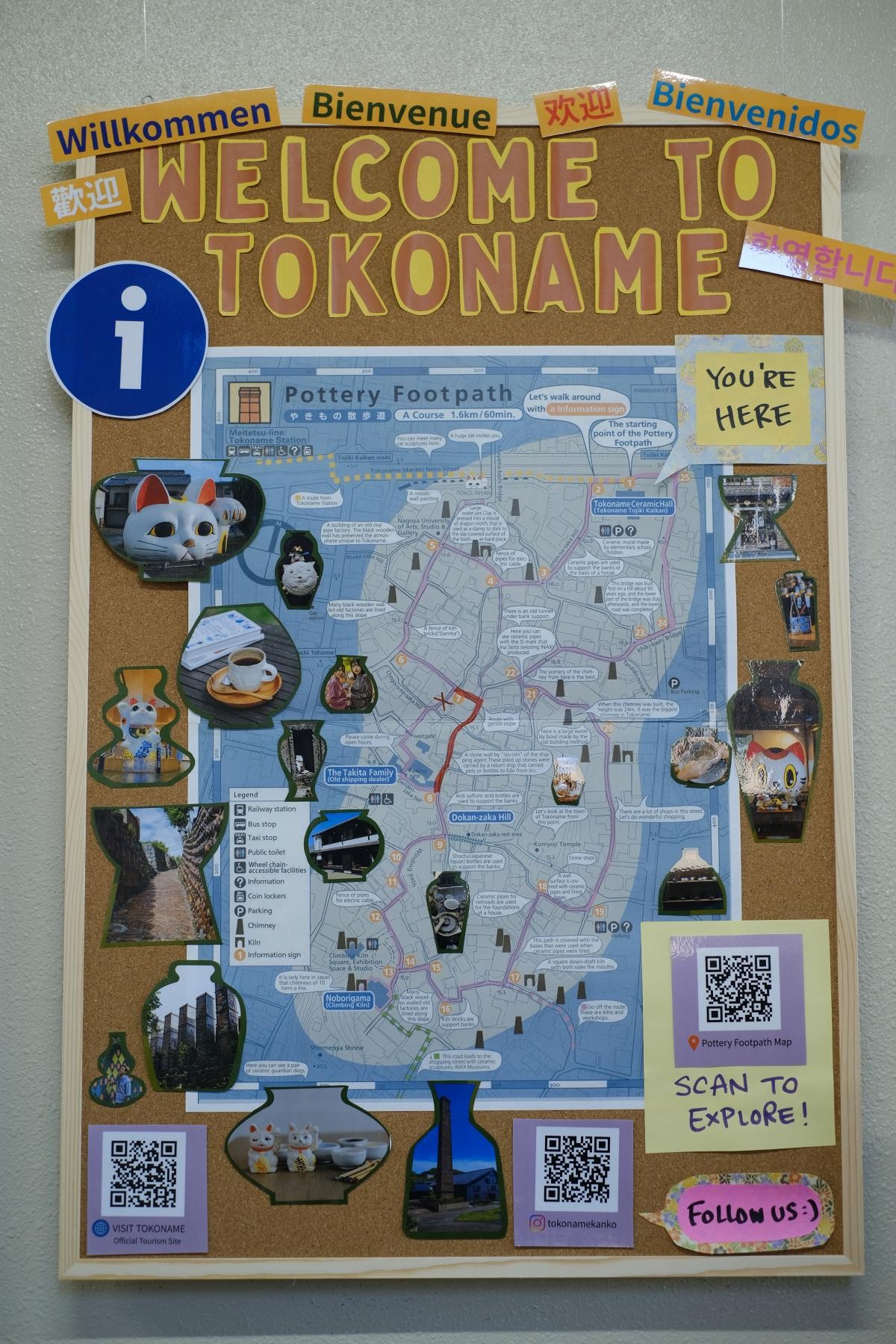
The center is well-stocked with tourist pamphlets and maps in English, Simplified Chinese, Traditional Chinese, Korean, and other languages. You can also leave your heavy luggage here and explore the area hands-free, which is a big plus. In the gallery area, a wide range of works including Tokoname ware are on display.
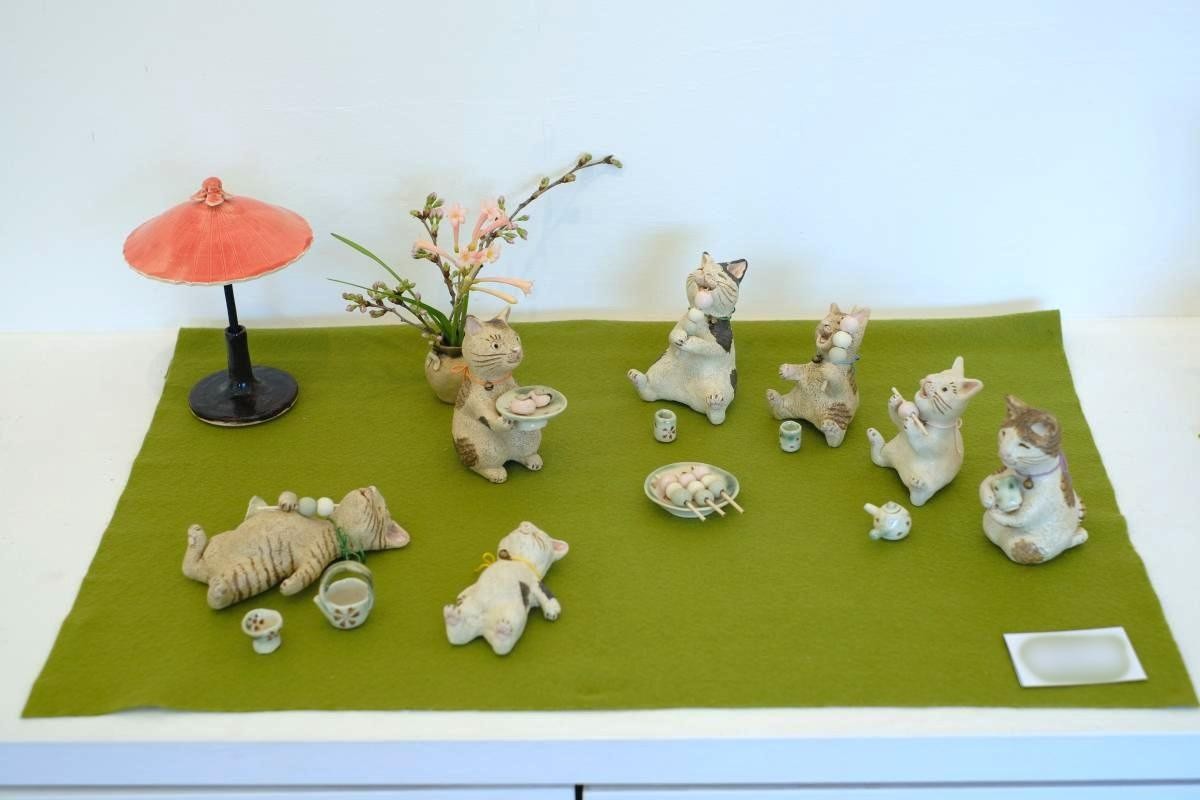
During my visit, there was a ceramic exhibition by Ikuko Honda titled “The Warmth of Clay: Spring Cats.” The adorable works, such as cats enjoying cherry blossom viewing while eating dango or relaxing on the beach, brought a smile to my face and offered a heartwarming worldview.
- Address: 3-8 Sakae-machi, Tokoname City, Aichi Prefecture
- Opening hours: 9:00–16:30
- Website: https://www.tokoname-kankou.net/info/tourist/
Machinoeki Tokoname-yaki Yamatane
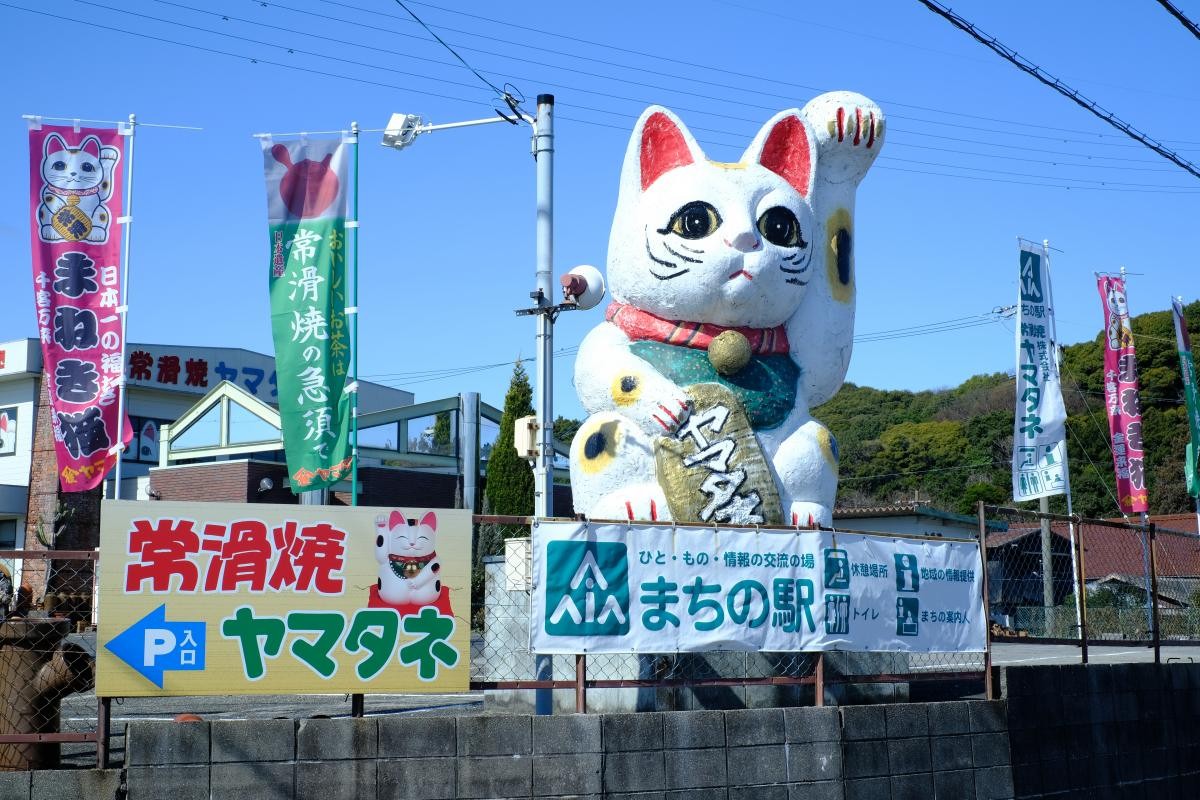
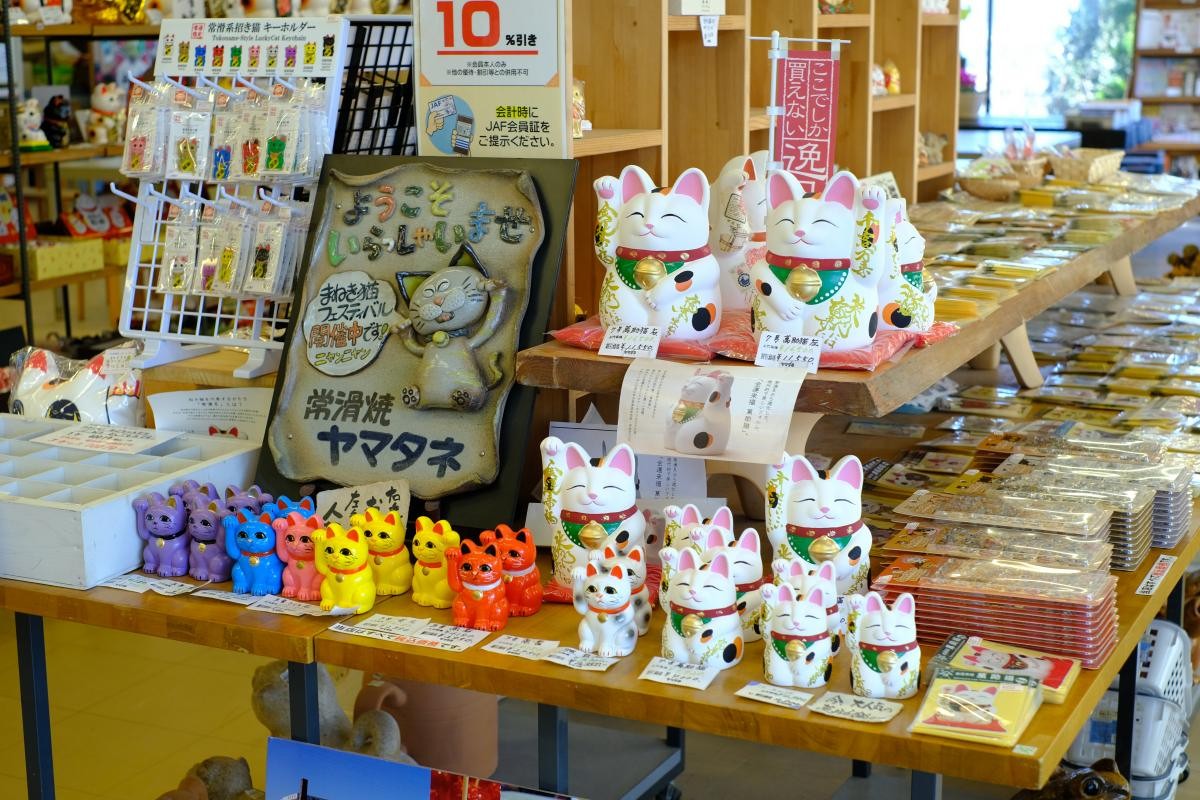
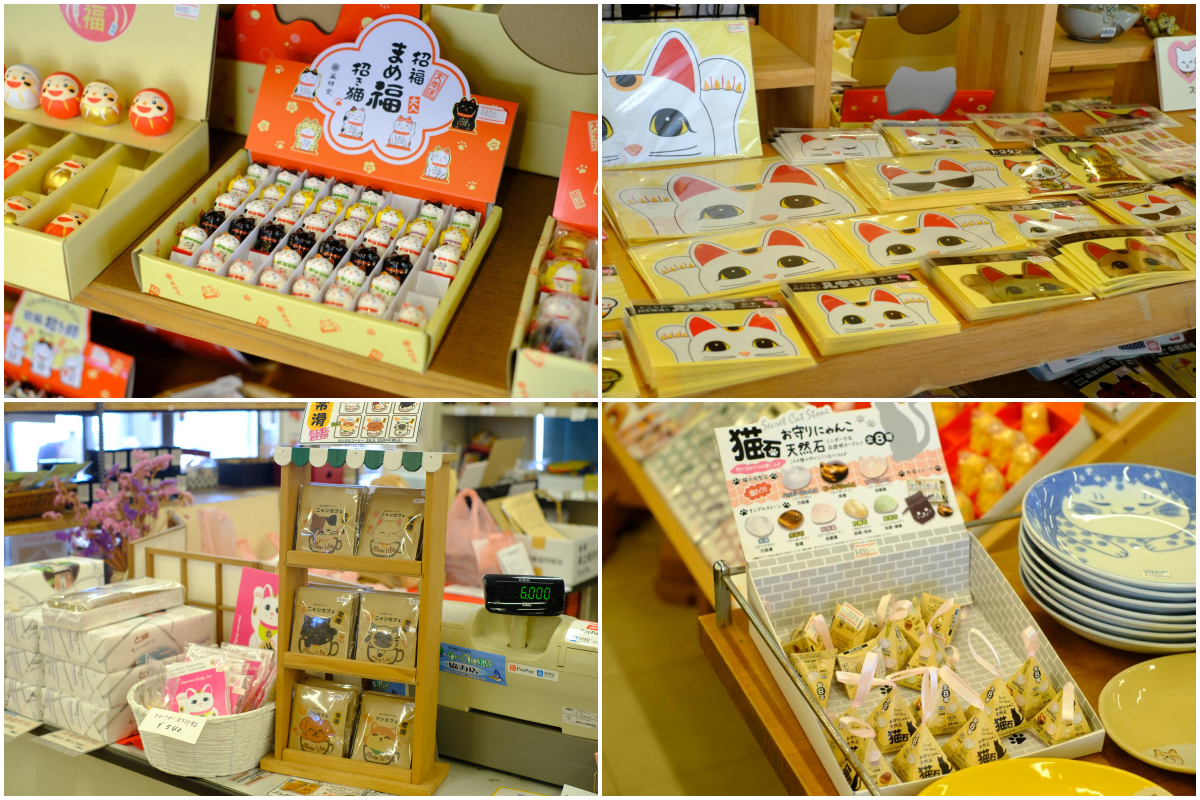
Machinoeki Tokoname-yaki Yamatane is a shop and hands-on experience spot with friendly staff and a welcoming atmosphere that makes you want to stay longer. Of course, they offer teapots, but also cute and practical items like aroma pots for tea and tableware, making them great souvenirs. In addition to ceramic ornaments, there are plenty of affordable small items such as maneki-neko stickers and postcards, perfect for travelers looking for souvenirs that won’t take up much space.
One of the biggest attractions here is the pottery-making experience. You can choose from three courses depending on your level and available time. All experiences require advance reservation. As a memento of your trip, why not take home a one-of-a-kind piece you created yourself using Tokoname clay?
Electric Potter’s Wheel Course | 3,850 yen (tax included)
A hands-on course where you can create your own piece using a professional electric pottery wheel. You’ll use 4kg of clay and can shape it freely. The experience takes about 2 hours.
Hand-building Course | 1,980 yen (tax included)
This beginner-friendly course lets you shape 400g of clay by hand. The experience takes about 1 hour, making it easy to enjoy pottery casually.
Painting Course | 1,430 yen–1,650 yen (tax included)
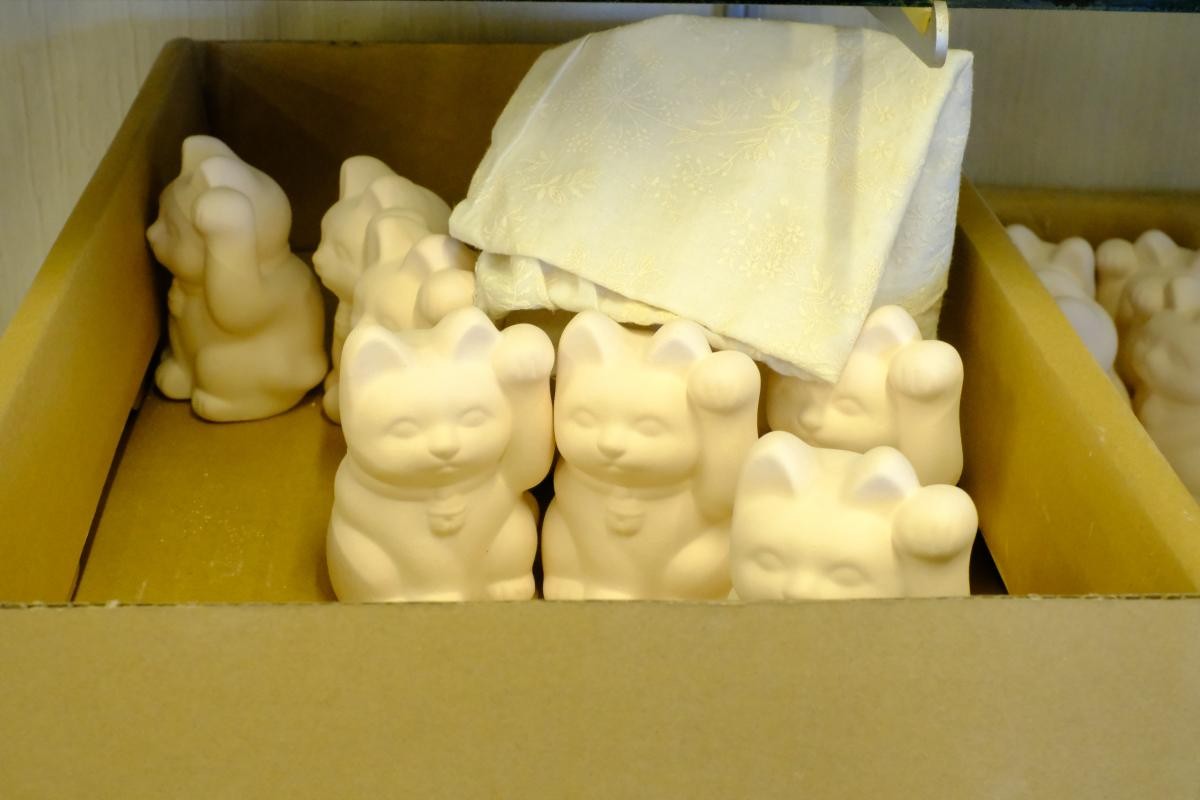
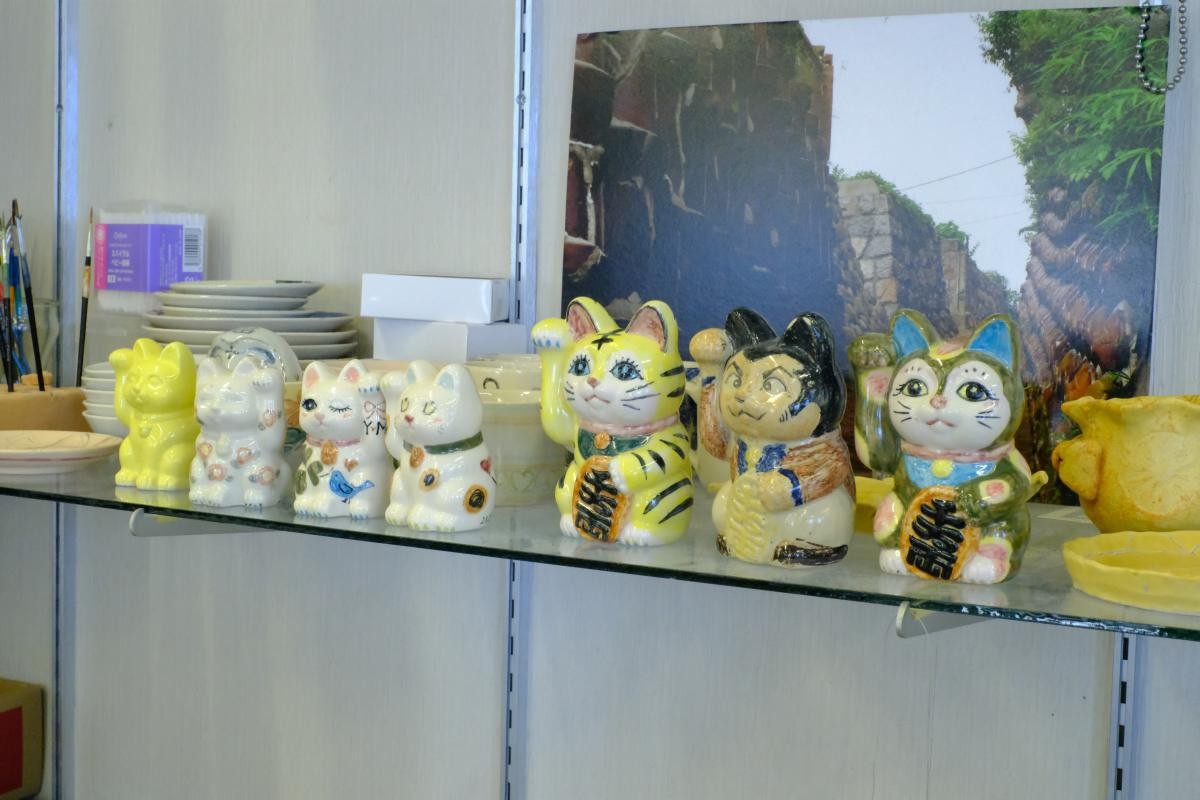
This popular course lets you paint cups, plates, or Maneki-neko (beckoning cats). The experience takes about 40 minutes, and you can also enjoy making your own original Maneki-neko.
👉Reserve the Cup & Plate Painting Course here [Jalan]
👉Reserve the Maneki-neko & Rice Bowl Painting Course here [Jalan]
- Location: 7-56 Okujo, Tokoname City, Aichi Prefecture
- Business hours: 9:00–17:00
- Website: https://www.yamataneshop.com/
Tokoname Sightseeing Model Course | Explore the “Town of Maneki-neko” in Half a Day
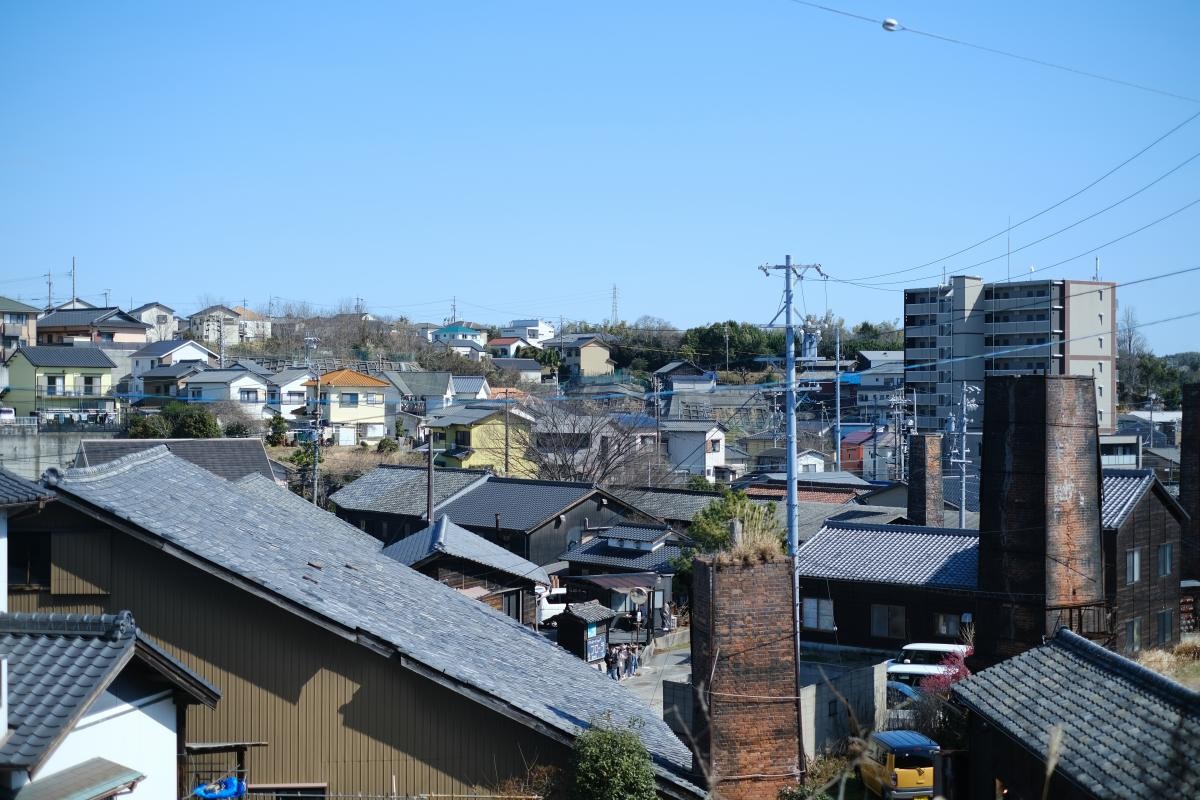
Tokoname is a compact sightseeing destination where you can visit all the main spots in just half a day. Use the following model course as a reference and combine the spots at your own pace.
① Tokoname Station → Maneki-neko Street (about 15 minutes)
After leaving Tokoname Station, head straight to Tokoname Maneki-neko Street. It’s just a short walk from the station, where 39 Maneki-neko statues will greet you. Take your time strolling down the street, snapping photos with the plump, expressive Maneki-neko. Don’t miss “Tokonyan” along the way!
② Tokoname Tourist Information Center → Pottery Footpath Course A (60–90 minutes)
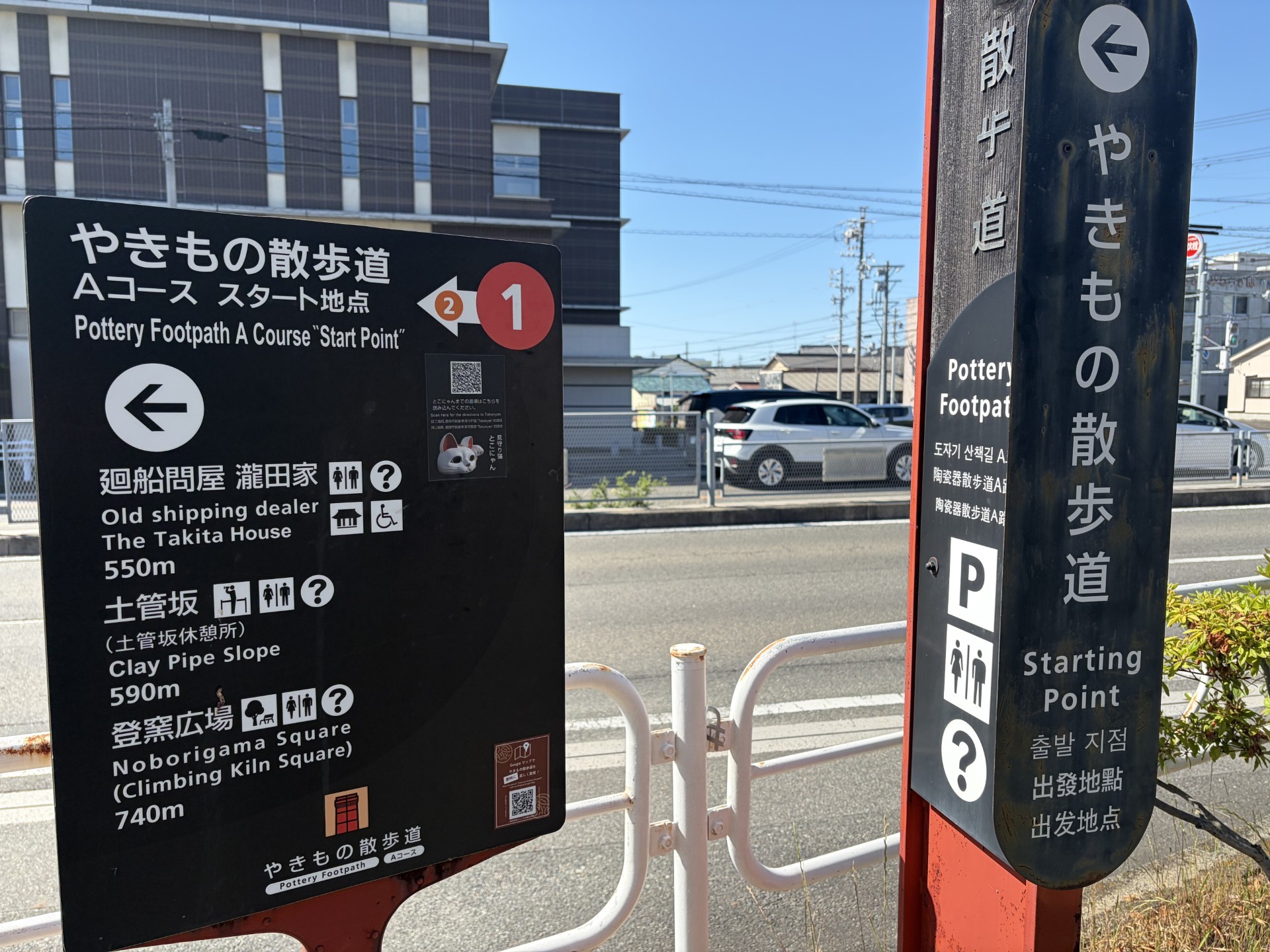
After Maneki-neko Street, stop by the Tokoname Tourist Information Center (Ceramics Hall) to pick up a sightseeing map. If you have luggage, you can leave it here for convenience. Then head to the Pottery Footpath A Course. You’ll find photogenic Tokoname scenery, such as Denden-zaka (Clay Pipe Hill) and Dendenzaka, unique to the area. Stroll leisurely through the alleys, taking in the chimneys and old kiln sites.
💡Tip: The A Course is a circular route of about 1.6 kilometers. Since there are slopes, comfortable walking shoes are recommended.
③ Café Break (about 30 minutes)
Along the Pottery Footpath and around Tokoname Station, you’ll find renovated traditional houses turned into cafés and café-galleries. Enjoy a cup of coffee or matcha in Tokoname ware cups—the perfect way to end your trip. Relax and soak in the atmosphere surrounded by works from local kilns.
④ Machi no Eki Tokoname-yaki Yamatane (60–90 minutes)
Take a bus to Machi no Eki Tokoname-yaki Yamatane for souvenir shopping and a pottery experience. Searching for your favorite among the wide selection of teapots, Maneki-neko, mugs, and more is a fun experience in itself. If you plan to try pottery, be sure to allow enough time for your visit.
💡Tip: Pottery experiences require a reservation, so please check the official website or call in advance.
Tokoname: A Destination Full of Charm
Maneki-neko, teapots, Dokanzaka—these keywords may seem unrelated at first, but they are all connected by Tokoname’s “pottery culture.” With a rich history and a compact, walkable townscape, Tokoname’s charm lies in how easy it is to explore. It’s also easily accessible from Nagoya and the airport, and you can fully enjoy it in just half a day.
For your next trip to Aichi, be sure to include Tokoname City in your plans. You’re sure to find a favorite Maneki-neko that is calling out to you.
Comments