
About 25 minutes by rapid train from Tokyo Station. Kawaguchi City in Saitama Prefecture has long flourished as a “city of craftsmanship.” It is well known that the Olympic cauldron used in the 1964 Tokyo Olympics was made by foundry craftsmen from Kawaguchi City.
In this “city of craftsmanship,” “design manholes” that showcase the skills of artisans are now quietly gaining attention. The manholes scattered throughout the city are not just ordinary covers, but true works of art that decorate the ground beneath your feet. In this article, a travel professional and former tour conductor will guide you through a course to discover the deep charms of Kawaguchi City. Why not set out on a journey to search for unique design manholes around the station and shopping streets, experience traditional crafts, and enjoy unique local gourmet food?
*If you purchase or reserve products introduced in this article, a portion of the sales may be returned to FUN! JAPAN.
Why is Kawaguchi famous for “manholes”?
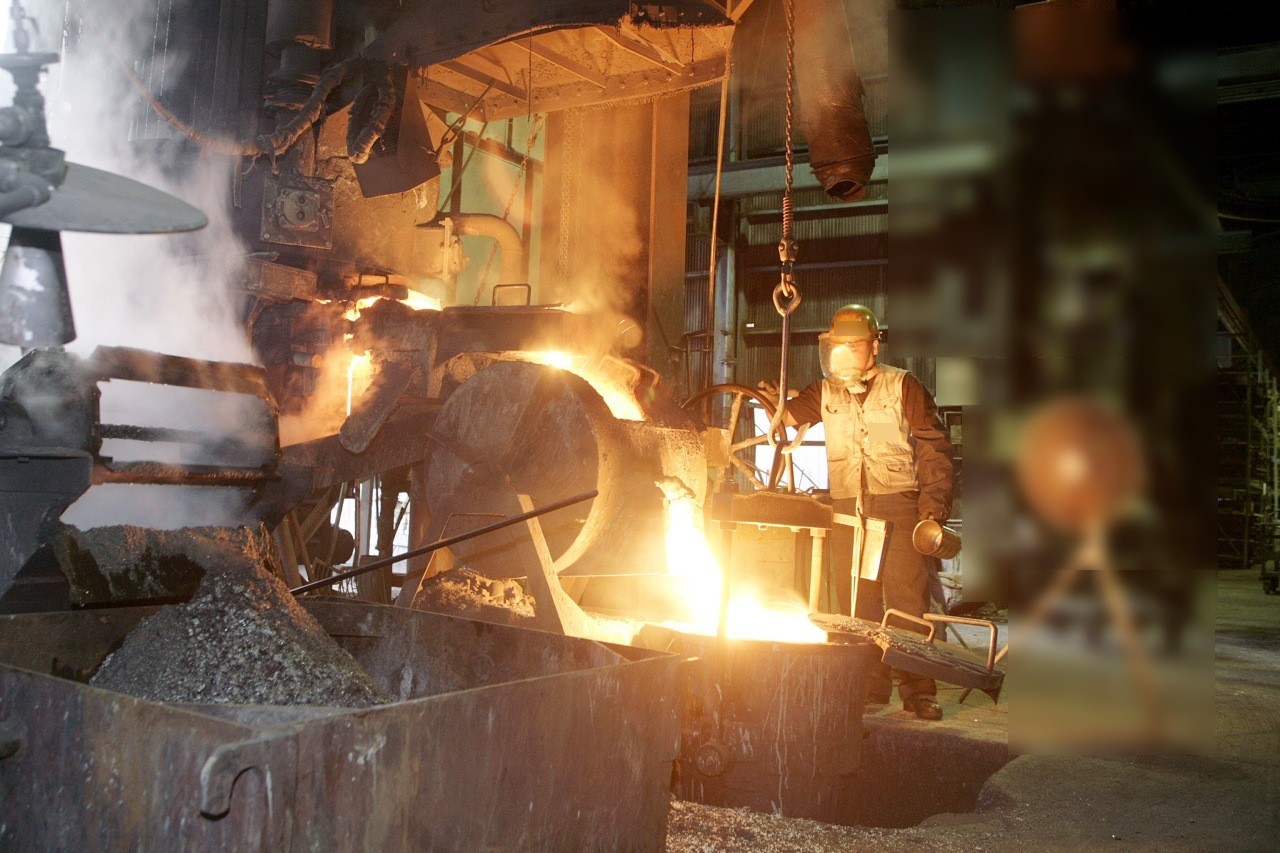
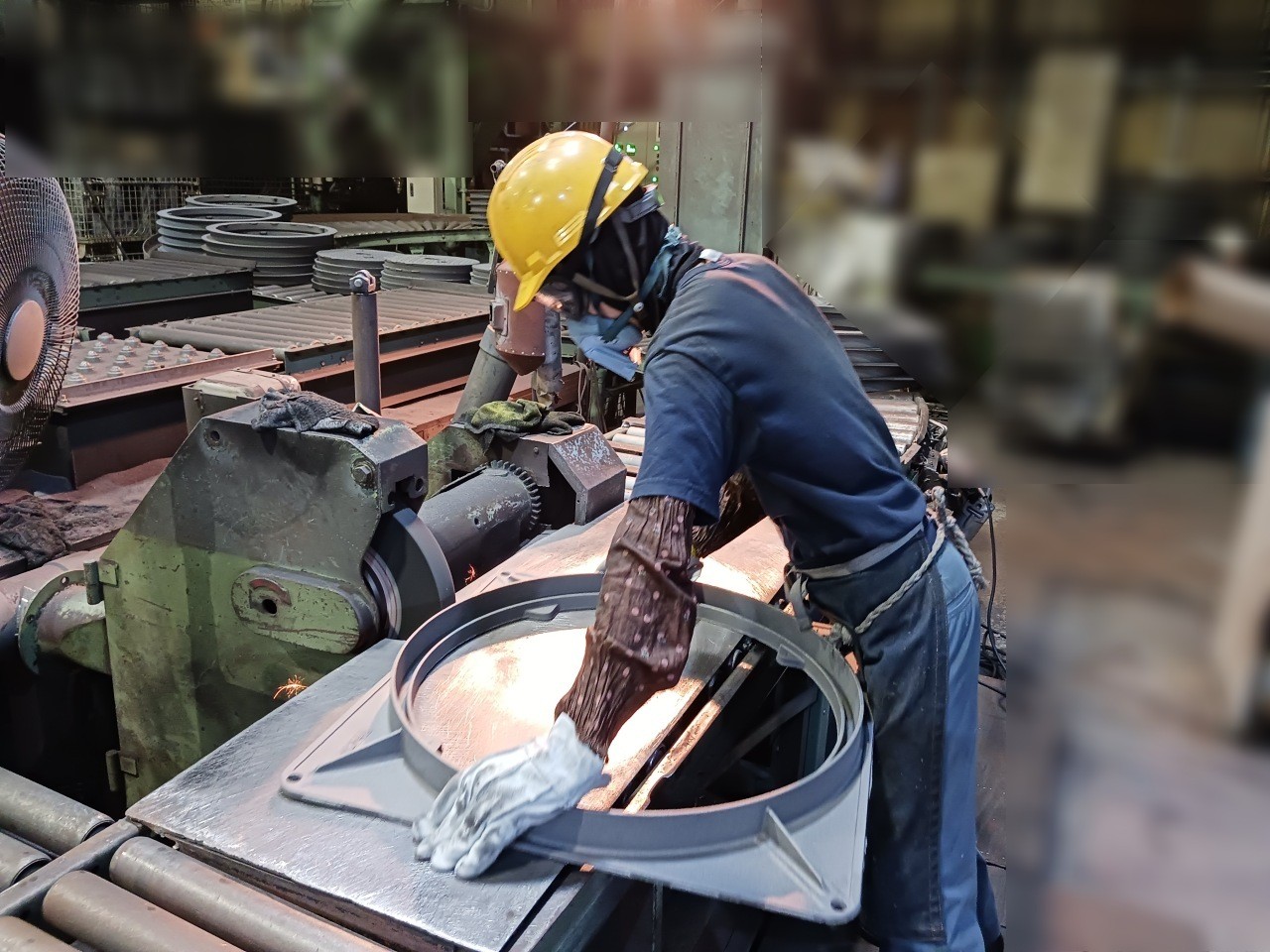
Foundry work refers to products made by melting metal at high temperatures, pouring it into a mold shaped like the final product, and then cooling and solidifying it. Casting is one of the oldest techniques in human manufacturing, with bronze vessels made in Mesopotamia about 6,000 years ago said to be the beginning of cast products. In fact, the manhole covers that firmly protect our feet are also made using casting. Other familiar cast products in our daily lives include iron pots and pans, iron bars, and paperweights for calligraphy.
The craftsmen of Kawaguchi have mastered techniques that allow them to freely express intricate patterns and complex shapes, as well as create a sense of three-dimensionality. Thanks to these skills, they have produced manholes that are not only slip-resistant even on rainy days but also beautifully designed. Kawaguchi’s manholes are not just infrastructure—they are works of art filled with the high-level skills of artisans.
Searching for Kawaguchi Design Manholes
[In front of Kawaguchi Station] Kawaguchi City Manhole
![[In front of Kawaguchi Station] Kawaguchi City Manhole](https://content.fun-japan.jp/renewal-prod/cms/articles/content/batchIMG8432jpg_2025-12-18-10-19-40.jpg)
When you arrive at Kawaguchi Station, first pay attention to the ground at the plaza in front of the station (Kyupo-La Plaza). Here, you’ll find manholes featuring designs of the city flower, the Easter Lily, and a bamboo basket. The Easter Lily, with its pure white trumpet-shaped flowers, is widely loved in Kawaguchi City. The bamboo basket was a specialty product that was actively made in the early Meiji period.
The biggest feature is the three-dimensional effect, which is different from ordinary manholes. While regular manhole covers are finished by carving grooves of uniform depth into a flat surface, these use gentle curves and varying heights on the surface. This rare design truly showcases the high-level craftsmanship of the artisans.
- Location: Around 1-1-8 Kawaguchi, Kawaguchi City, Saitama Prefecture (1 minute walk from the East Exit of Kawaguchi Station, Kyupo-La Plaza)
- Reference: https://www.water-kawaguchi.jp/gesuido/1001904/1001620.html
Get a “Manhole Card” as a Travel Souvenir
[Front]
[Back]
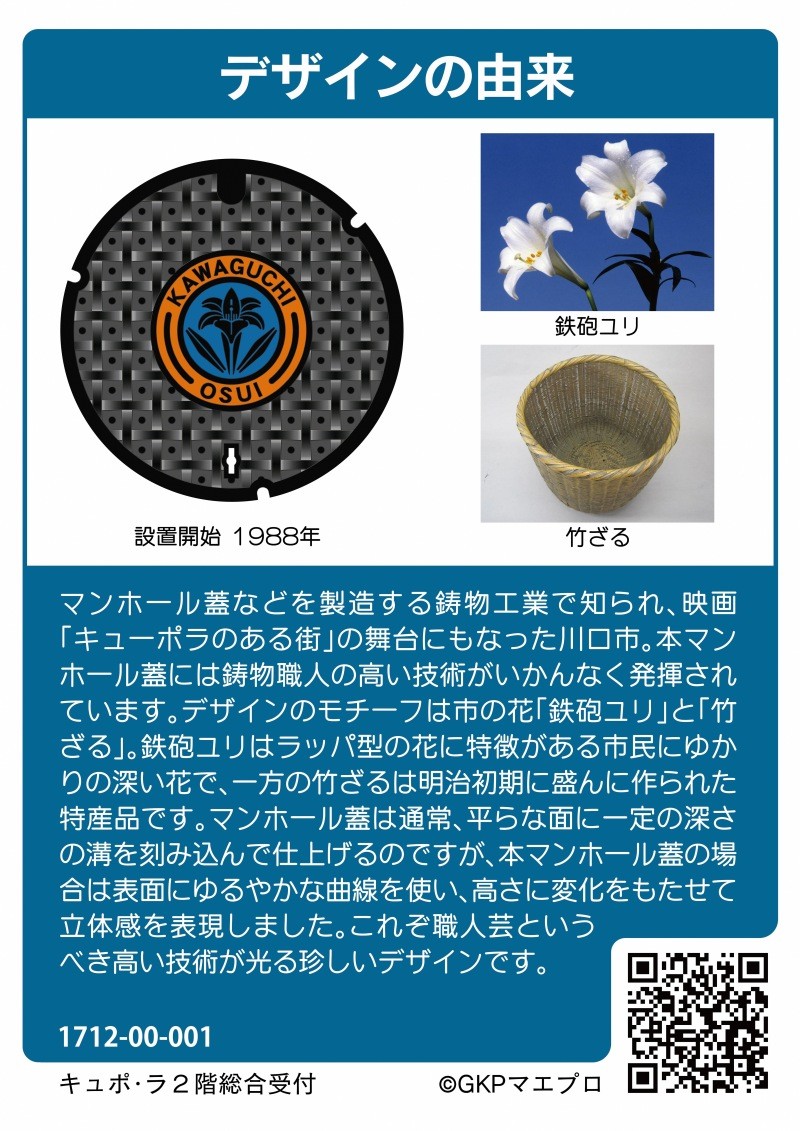
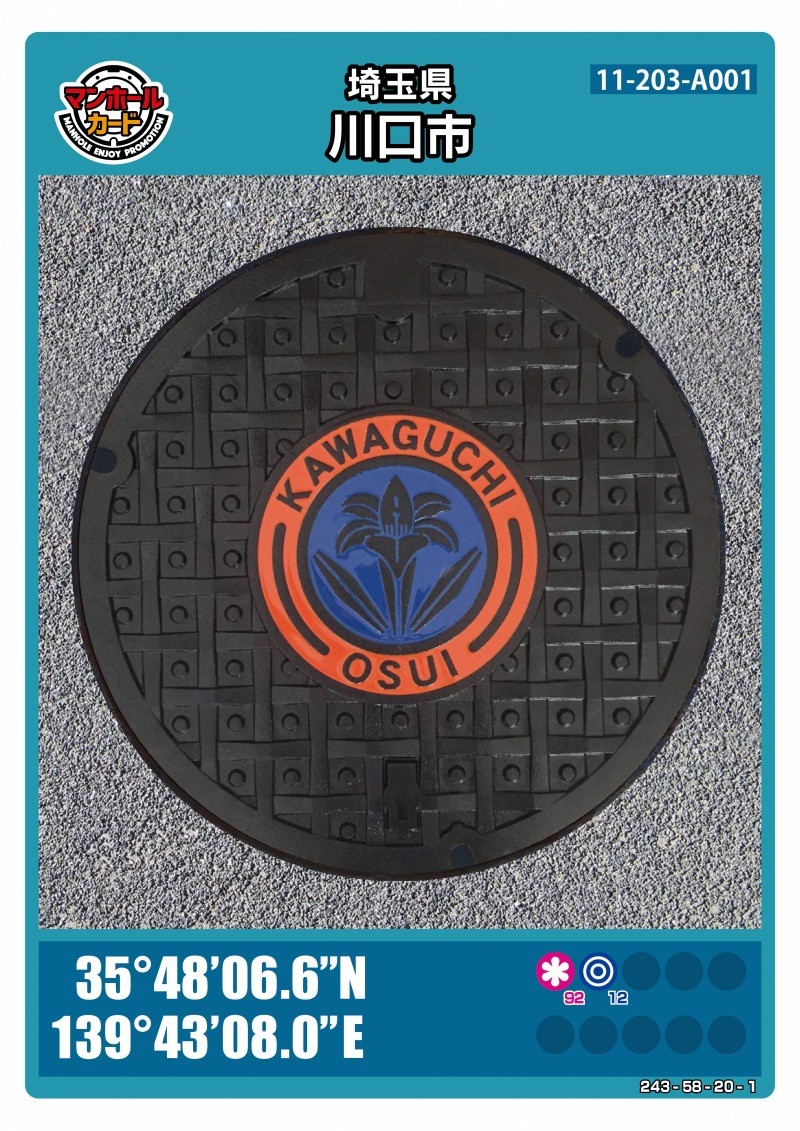
After seeing the actual manhole cover, be sure to pick up a “Manhole Card” featuring its design. “Manhole Cards” are collectible items that introduce unique local manhole cover designs. They are distributed for free and are sure to become a wonderful memory of your trip.
- Distribution location: Kawaguchi Station East Exit, Cuepo-La 2nd Floor General Reception
- Distribution hours: 10:00–13:00, 14:00–17:00 (except during the New Year holidays)
- Distribution conditions: One card per person. Handed out in person. Free of charge. (Not available by mail)
- Reference: Kawaguchi City Waterworks and Sewerage Bureau (https://www.water-kawaguchi.jp/gesuido/1001904/1001620.html)
[Fujino City Shopping Street] Zodiac Design Manhole Covers
Located within walking distance from Kawaguchi Station, “Fujino City Shopping Street” is a treasure trove of unique manhole covers. This lively shopping street is deeply rooted in the community and is famous for its Tanabata Festival, which has been held since 1952. Here, you’ll find a total of 15 constellation-themed manhole covers, including all 12 zodiac signs. From Aries to Pisces, it’s fun to stroll around with family or friends, searching for your own zodiac sign as if you’re on a treasure hunt.
![[Fujino City Shopping Street] Zodiac Design Manhole Covers](https://content.fun-japan.jp/renewal-prod/cms/articles/content/collagepng_2025-12-18-10-23-48.png)
![[Fujino City Shopping Street] Zodiac Design Manhole Covers](https://content.fun-japan.jp/renewal-prod/cms/articles/content/collagepng_2025-12-18-10-26-06.png)
![[Fujino City Shopping Street] Zodiac Design Manhole Covers](https://content.fun-japan.jp/renewal-prod/cms/articles/content/collagepng_2025-12-18-10-26-34.png)
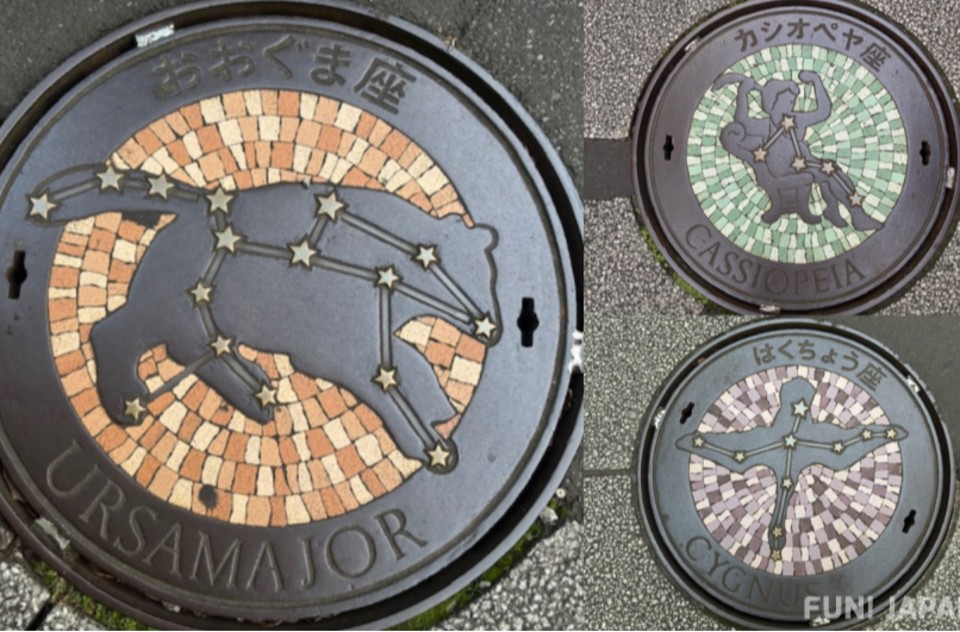
Constellation Manhole Covers Other Than the Zodiac (Ursa Major, Cassiopeia, Cygnus)
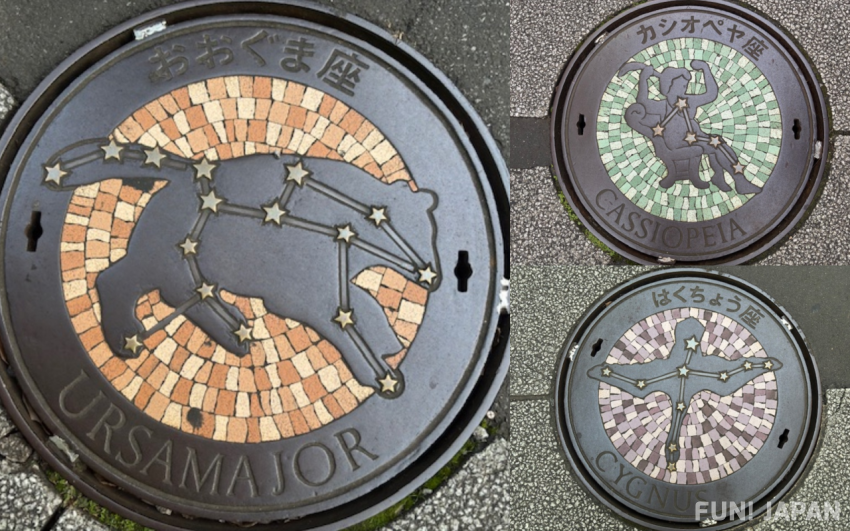
In addition to the 12 zodiac signs, there are also manhole covers featuring other iconic constellations that light up the night sky, such as Ursa Major, Cassiopeia, and Cygnus. Why not take a stroll while imagining the unique shapes and stories behind each constellation?
Fujino City Shopping Street
About a 10-minute walk from Kawaguchi Station. This shopping street is closely connected to the local community, with many long-established shops and a friendly, welcoming atmosphere.
- Access: 10 minutes on foot from Kawaguchi Station
🍴 The area is packed with tempting restaurants, including places where you can enjoy craft beer brewed on-site, wood-fired pizza, and specialty dishes, as well as classic Western-style diners known for their delicious, hearty meals.
[Kawaguchi Ginza Shopping Street] Mosaic Art Manhole Covers
Another spot, “Kawaguchi Ginza Shopping Street,” is a shopping street where modern flair and history blend together. Here, you’ll find 15 colorful and artistic mosaic tile manhole covers, which are quite different from the usual cast iron ones. There are six artistic designs—Easter lily, dove, sun, dragonfly, hot air balloon, and fish—that look like paintings. Some of the tiles have chipped over time, but that only adds to the charm and sense of history of these manhole covers.
[Hot Air Balloon]
![[Kawaguchi Ginza Shopping Street] Mosaic Art Manhole Covers](https://content.fun-japan.jp/renewal-prod/cms/articles/content/batchIMG8427jpg_2025-12-18-10-21-26.jpg)
[Dragonfly]
![[Kawaguchi Ginza Shopping Street] Mosaic Art Manhole Covers](https://content.fun-japan.jp/renewal-prod/cms/articles/content/batchIMG8357jpg_2025-12-18-10-20-36.jpg)
[Easter Lily]
![[Kawaguchi Ginza Shopping Street] Mosaic Art Manhole](https://content.fun-japan.jp/renewal-prod/cms/articles/content/batchIMG8351jpg_2025-12-18-10-21-49.jpg)
Kawaguchi Ginza Shopping Street
Here you will find a variety of shops including fashion, general goods, and restaurants, allowing you to enjoy both shopping and gourmet food.
- Access: 5 minutes on foot from Kawaguchi Station
🍞After enjoying a stroll around Kawaguchi, why not take a break with a delicious lunch or a quick rest?There are many popular local bakeries with several locations in Kawaguchi, where you can take out freshly baked bread and enjoy it in a park. There are also plenty of restaurants where you can have a nice lunch.
[Experiences & Sightseeing] Recommended Spots in Kawaguchi
Here are some recommended experiences and sightseeing spots in addition to the manhole cover tour. If you want to get to know Kawaguchi even better, try venturing out a little further.
Suzukou | Tinware Crafting Experience (Making a Small Tin Plate)
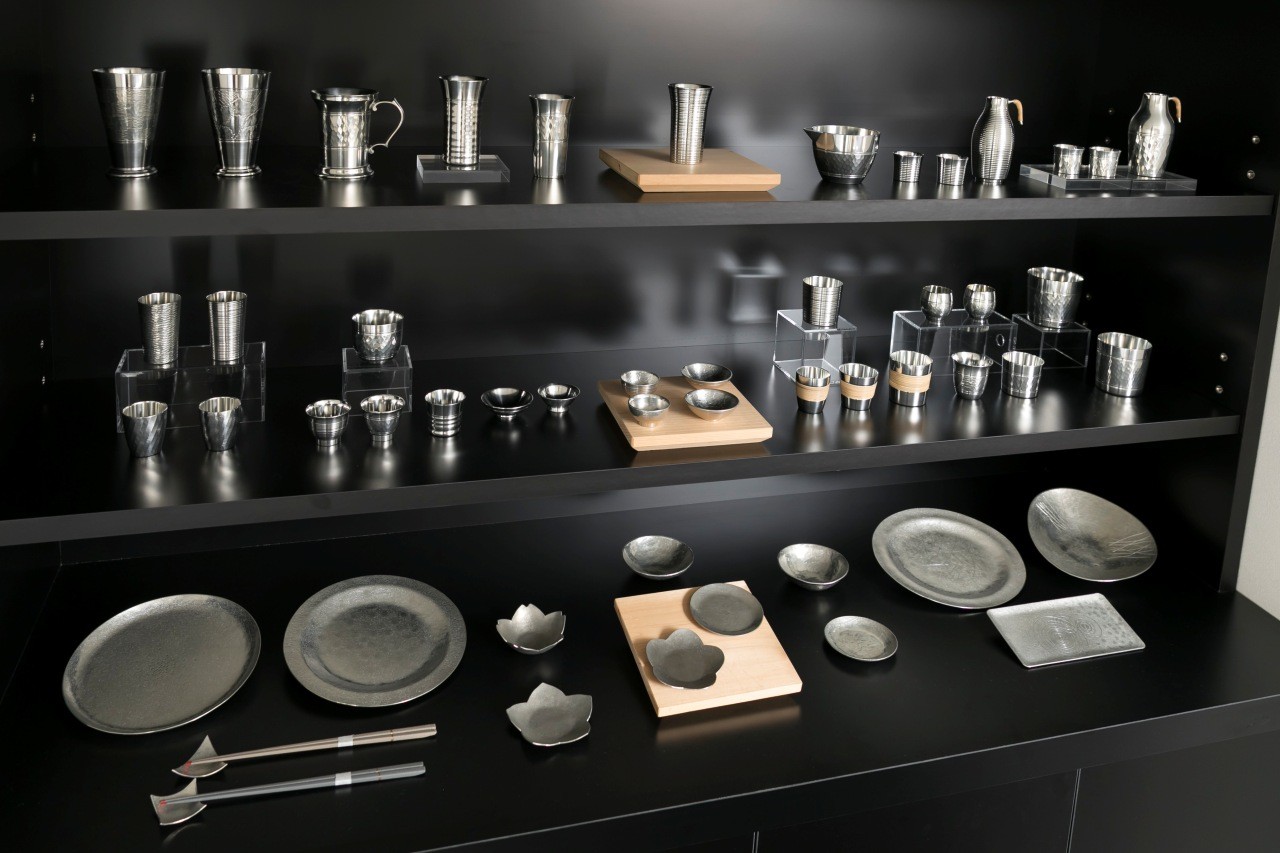
If you want to do more than just look, and actually try making something yourself, we recommend the hands-on tinware crafting experience at the handmade tin workshop "Suzukou." Using "tin," a metal that is especially soft and easy to work with, you can create your own one-of-a-kind original small tin plate. The charm of Japanese tinware lies not only in its beautiful shine and unique properties, but also in the warmth created by the artisan's handwork, and the subtle curves and distinctive textures that make each piece unique. In this experience, you can enjoy making a truly one-of-a-kind item.This workshop, which won the Tableware Grand Prize and the Minister of Economy, Trade and Industry Award at the Tableware Festival 2025, offers a safe and enjoyable crafting experience even for beginners, thanks to the careful guidance of skilled artisans.
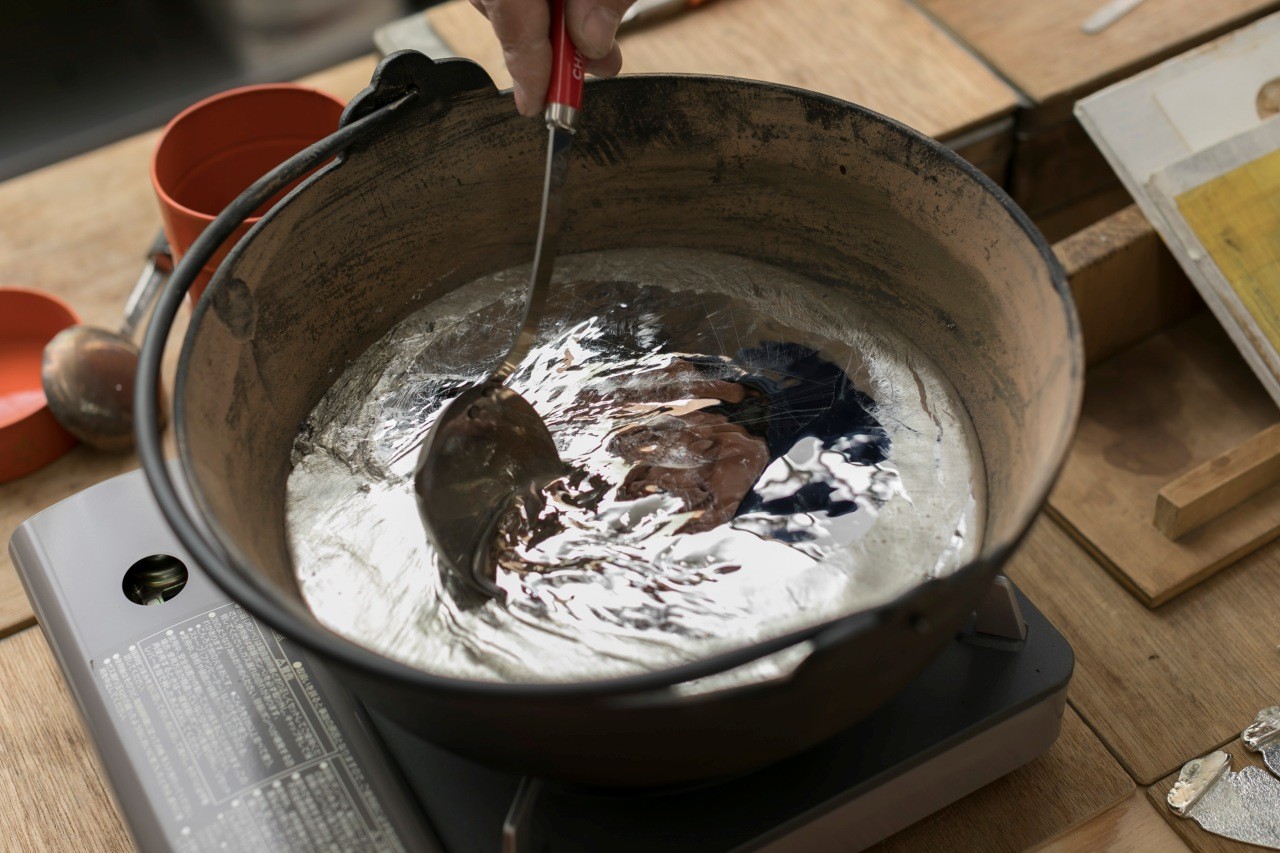
1. Scoop the melted tin from the iron pot using a ladle.
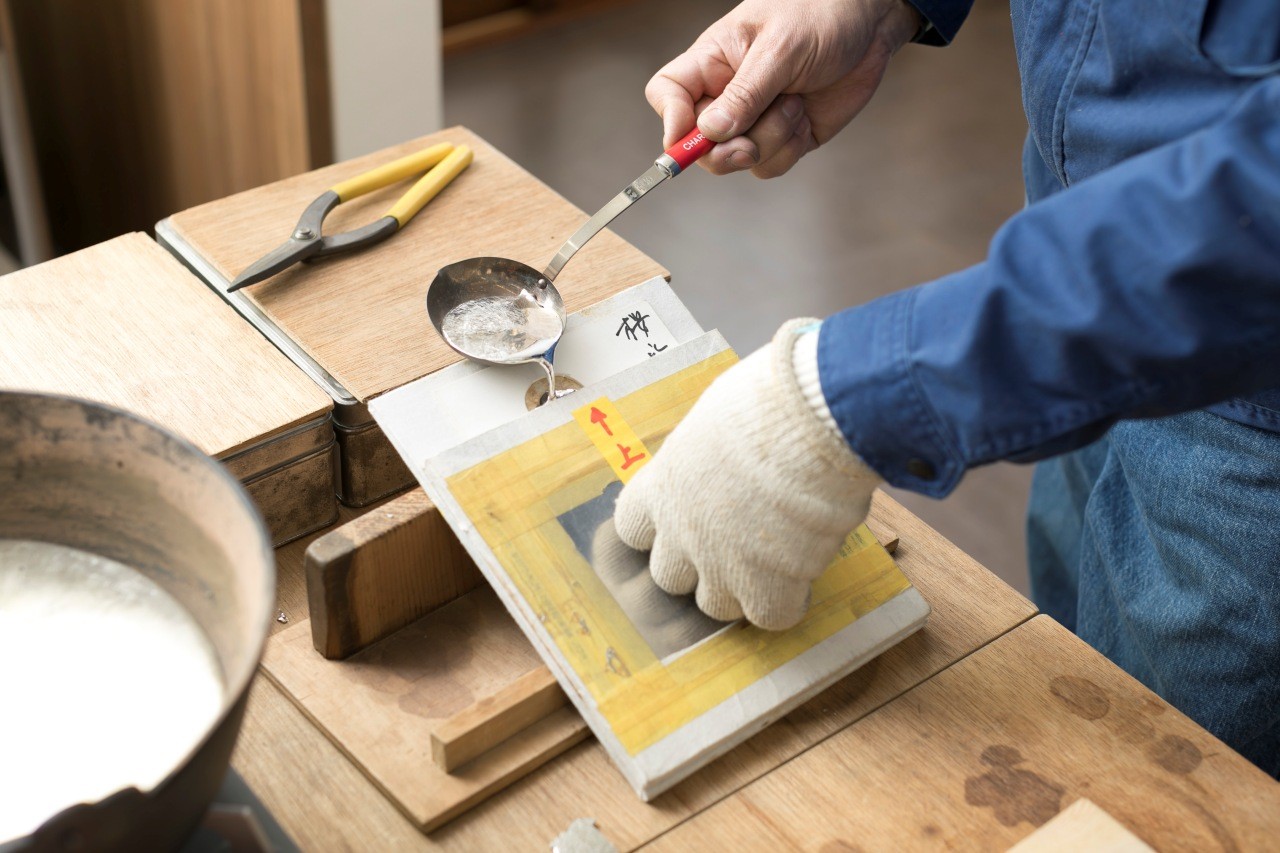
2. Pour the tin from the ladle into a mold to create a tin plate.
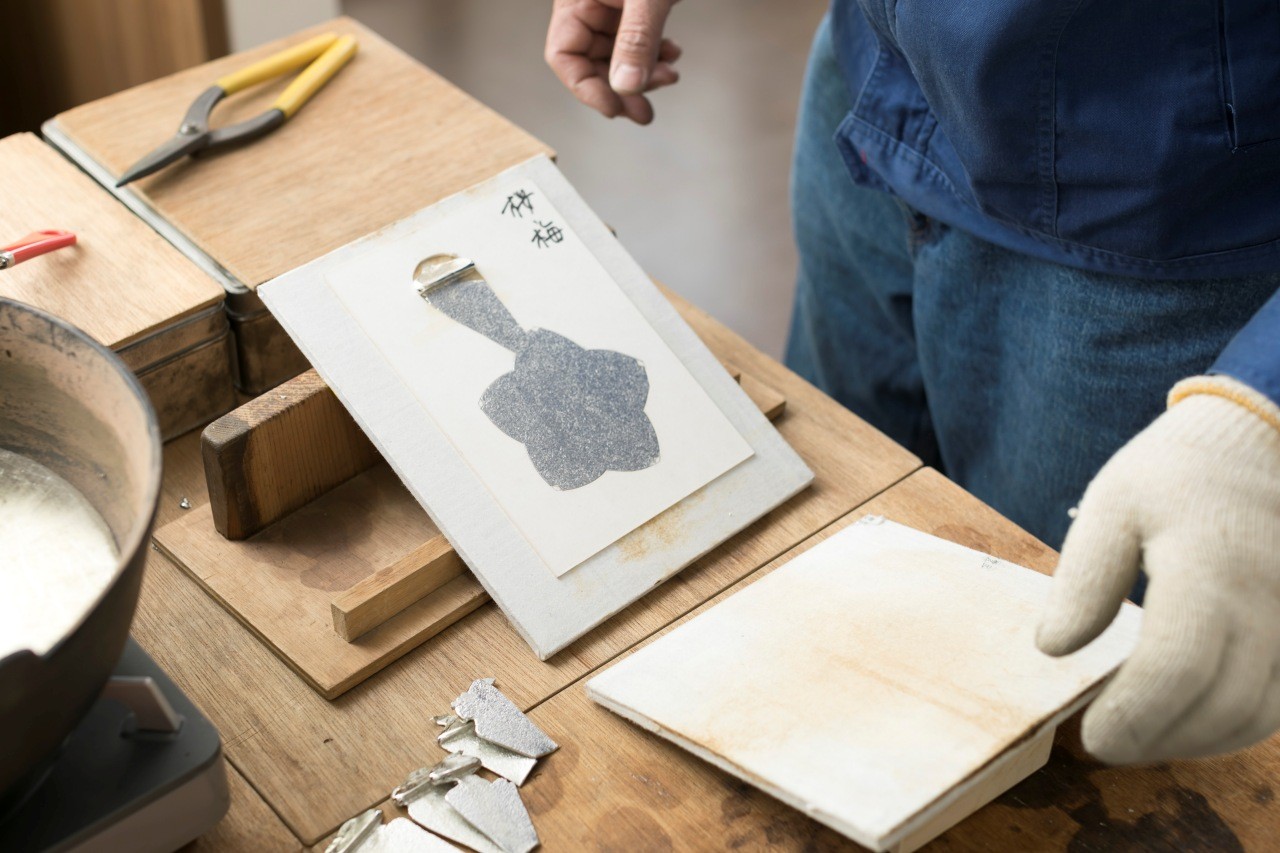
3. Trim and polish the edges of the tin plate to shape it.
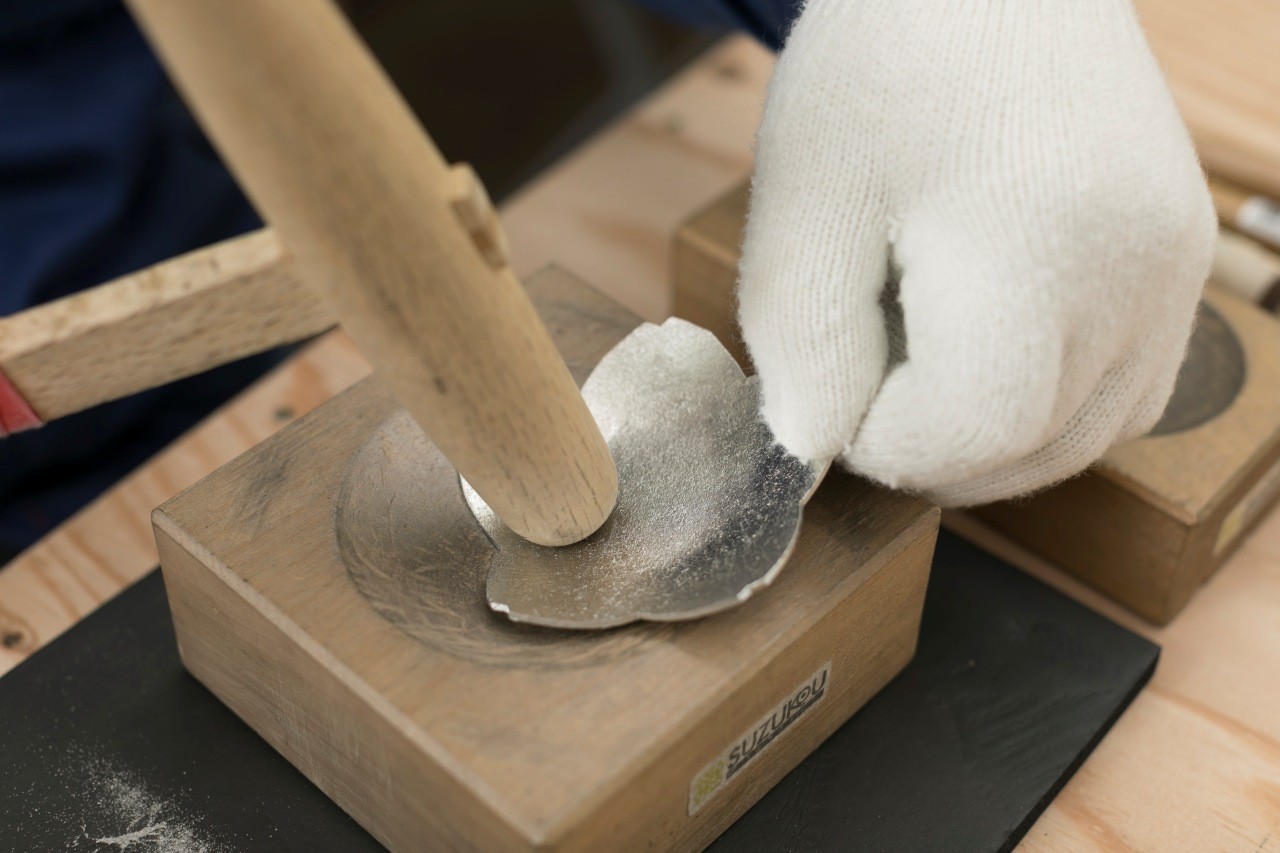
4. Use a wooden mallet to hammer and shape the plate.
You can take home your finished small plate as a souvenir of your trip, and you are sure to deepen your knowledge of tin. The experience is available for those aged 11 and up.
*The experience is offered in Japanese only. Inquiries in languages other than Japanese cannot be accommodated.
👉Reserve your Tinware Crafting Experience (Small Tin Plate Making) on Jalan
- Address: 300-31 Genzouemon Shinden, Kawaguchi City, Saitama Prefecture
- Access: About 10 minutes by bus from Higashi-Kawaguchi Station toward Kawaguchi Station East Exit, get off at Genzouemon Shinden bus stop, then about 5 minutes on foot
- Duration: 1 hour 30 minutes
- Fee: 6,600 yen
Kawaguchi City Cultural Property Center "Local History Museum"
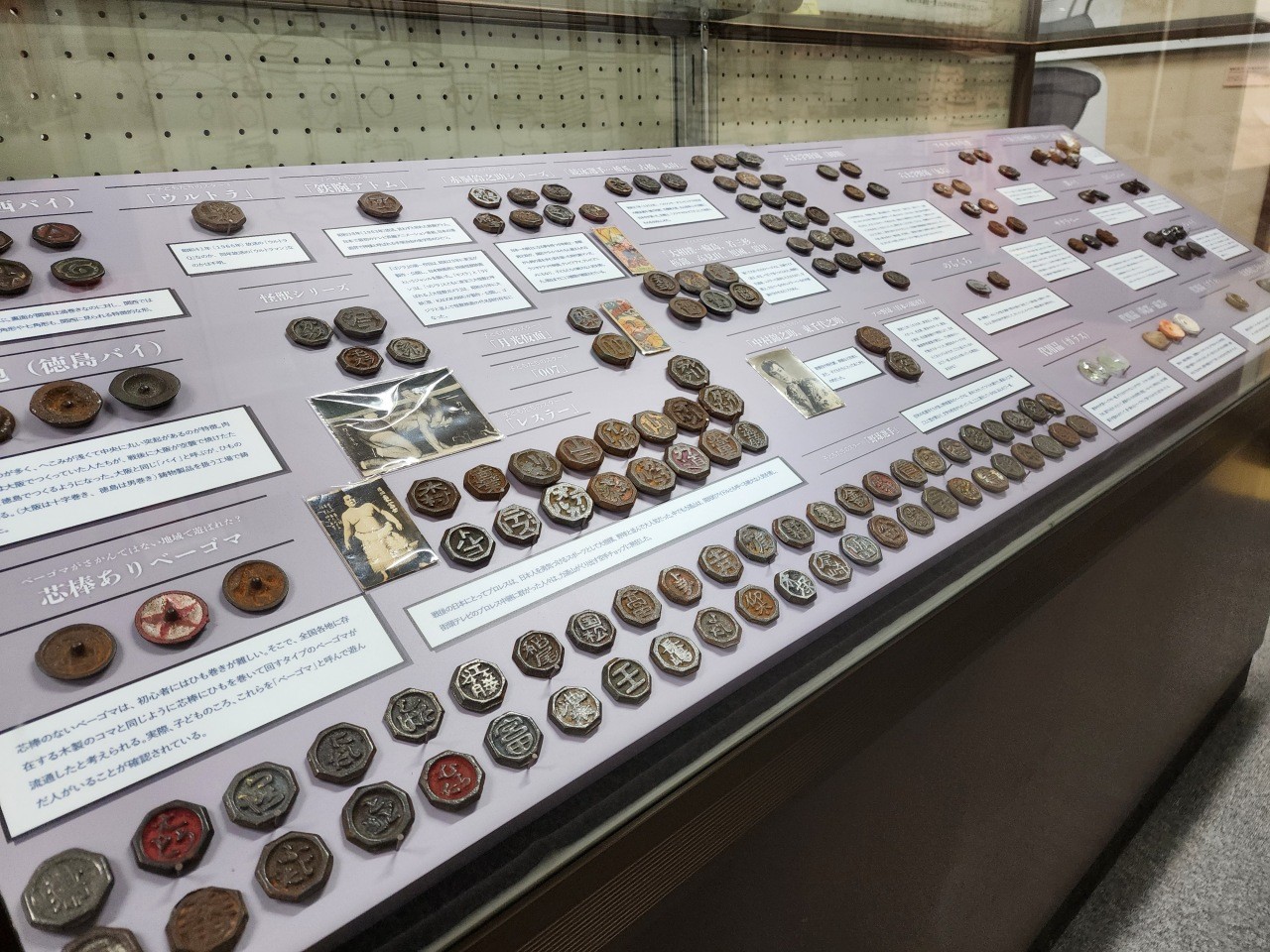
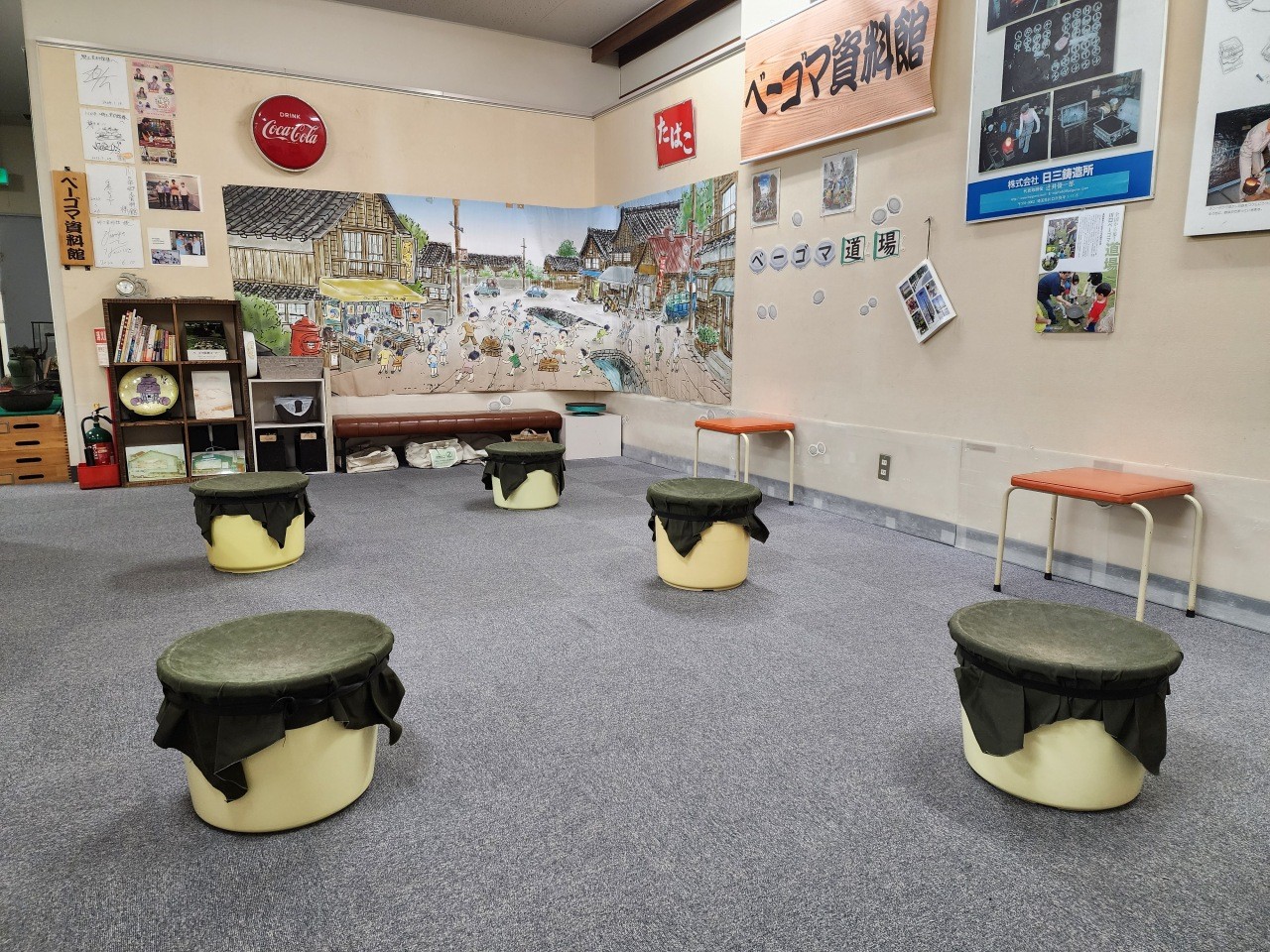
This is a recommended spot for those who want to delve into the secrets of the casting industry that supported the history and craftsmanship of Kawaguchi City. The museum collects, preserves, and exhibits a large number of cultural assets, including artifacts unearthed from excavations in Kawaguchi City and materials related to casting.The museum’s main highlight is its “Beigoma” collection, which boasts the largest number of exhibits in Japan. Beigoma is a traditional Japanese game where cast metal tops are spun and made to battle each other, and it is the origin of the still-popular toy “Beyblade.” A wide variety of Beigoma in different shapes and patterns are on display, allowing visitors to thoroughly learn about their history and how to play. There is also a hands-on area where you can actually spin Beigoma, so why not experience the depth of craftsmanship packed into these tops?
- Address: 2-1-22 Hatogaya Honcho, Kawaguchi City, Saitama Prefecture
- Access: About 10 minutes on foot from Hatogaya Station
- Opening hours: 9:30–16:30
- Closed: Year-end and New Year holidays (12/28–1/3), Mondays (if Monday is a public holiday, closed the following weekday)
- Website: https://www.kawaguchi-bunkazai.jp/kyoudo/
Kawaguchi Highway Oasis
Kawaguchi Highway Oasis is a multi-purpose facility that condenses the charm of Kawaguchi City, with a highway rest area and “Iina Park Kawaguchi” (a park operated by Kawaguchi City) developed together and accessible from regular roads as well. The park, rich in nature, features a lawn area perfect for picnics and walking paths where you can spend a relaxing time listening to the sounds of wild birds. There is also a History and Nature Museum where you can experience the history, culture, and nature of Kawaguchi, the “Fuwafuwa Dome” play equipment that is very popular with children, the indoor play area “ASOBooN,” as well as a restaurant café and shop, making it a place where both adults and children can enjoy themselves.
- Address: 501-1 Akayama, Kawaguchi City
- Access: 15 minutes on foot from Araijuku Station. Access by car is convenient.
- Available hours: [For highway users] 24 hours [For others (on foot or from regular roads, etc.)] 9:00–18:00
All-weather Play Area ASOBooN
This is the largest indoor and outdoor play area in the Kanto region produced by Bornelund. It consists of seven areas, and in the Red Deck Zone, you can enjoy unique experiences related to Kawaguchi City’s casting industry. In the “Sound Play Area,” various cast products such as manhole covers, pots, and frying pans are used as musical instruments, allowing you to experience the tones and resonance of cast metal by striking them to make sounds.
- Opening hours: [Weekdays] 10:00–17:00 [Saturdays, Sundays, and holidays] 10:00–18:00
- Closed: Tuesdays (subject to change on holidays, etc.)
- Admission: 1,500 yen (one child + one adult) *Children must be accompanied by an adult.
- Usage time: Unlimited on weekdays (except for certain days), 2.5-hour limit on weekends and holidays
- *For details, please check the business day calendar on the Kawaguchi Highway Oasis official website.
Restaurant Café & Shop
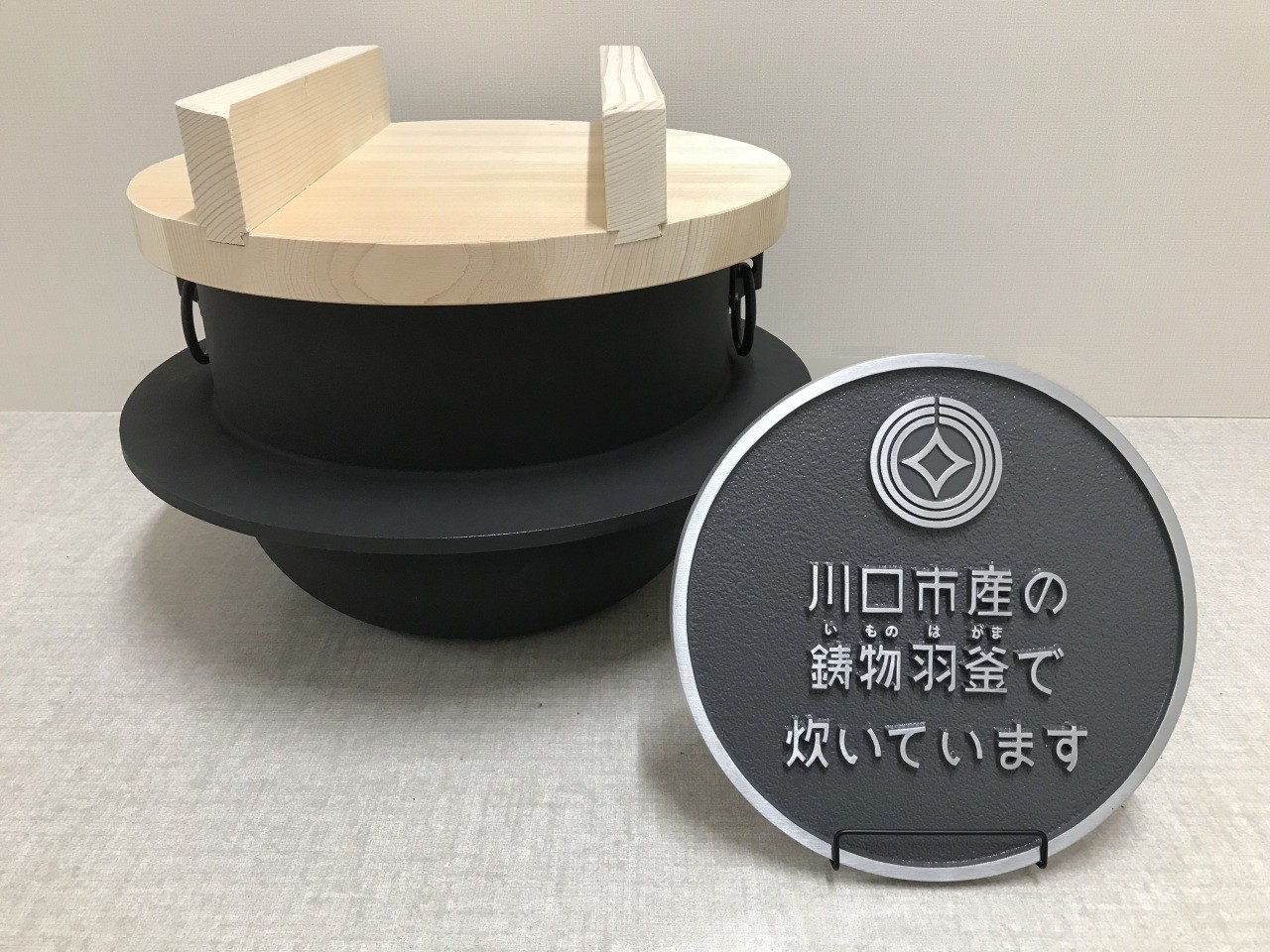
At the restaurant, you can enjoy rice cooked in a “Hagama” (traditional iron pot) made using Kawaguchi’s casting techniques. The rice is fluffy, sweet, and exceptionally delicious, making it an essential part of experiencing Japanese food culture with all five senses. Rice balls made with rice cooked in the Hagama are also available for purchase, so enjoying a picnic on the park’s spacious lawn is highly recommended.
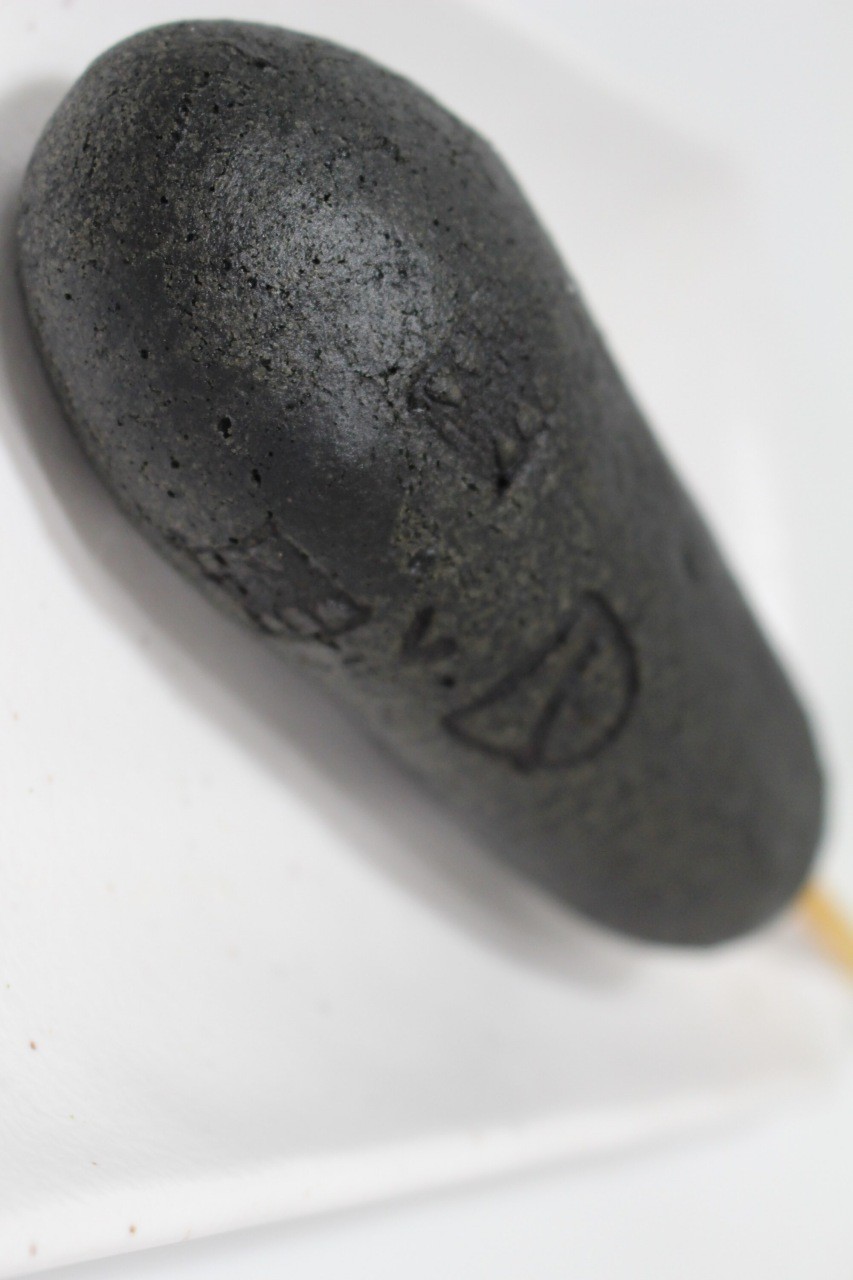
A hot topic at the shop is the jet-black corn dog called “Chitetsu Dokkun,” unique to Kawaguchi, a city famous for its foundry industry. Not only the batter but even the sausage inside is completely black, making it a surprising dish. The coating is slightly sweet, and the sausage has a fluffy texture, making it very filling. It is perfect as a light snack when you are a little hungry.At the souvenir corner, which offers a wide selection of specialty products from Kawaguchi City and Saitama Prefecture, you are sure to find the perfect memento of your trip. You can also purchase foundry-made beigoma spinning tops and unique beigoma cookies.
- Business hours: 7:00–21:00
On Your Next Day Off, Go Searching for “Art Underfoot” in Kawaguchi
Manhole covers, which we usually step on without a second thought, have become works of art that decorate the streets in Kawaguchi City. Why not take a trip from Tokyo—just 25 minutes away—and go on a journey to discover Kawaguchi’s artistic manhole covers on your next day off?
Comments