
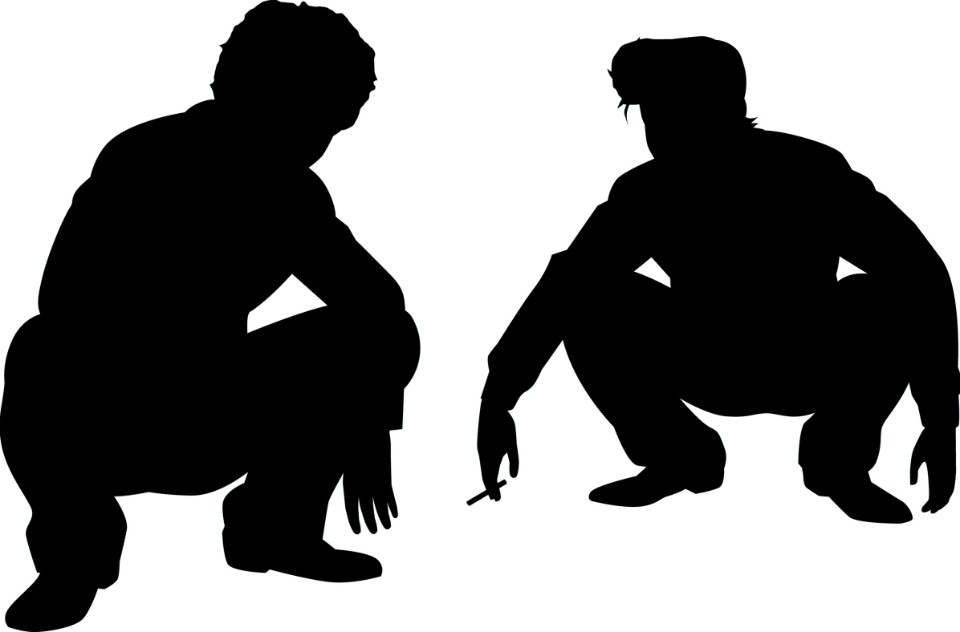
Within Japanese youth culture, the “Yankee (Japanese Yanki/Yankee)” has undergone a unique evolution. Going beyond the simple label of “delinquent,” it has long asserted its presence as a subculture encompassing fashion, behavior, values, and many other elements.
The resurgence of the Yankee was sparked by the Netflix reality series “Love Joto” released in 2025. The unique premise, where all the cast members are Yankees, may have seemed mysterious to people from countries unfamiliar with Yankee culture.
In this article, we will focus on the Yankee (Japanese Yanki), a culture that has developed uniquely in Japan. We will provide a multifaceted explanation, from its roots to its modern transformations, as well as its distinctive hairstyles, fashion, and mannerisms.
*If you purchase or reserve products introduced in this article, a portion of the sales may be returned to FUN! JAPAN.
Yankee (Japanese Yanki/Yankee): What Is It? How Is It Different from Bosozoku?
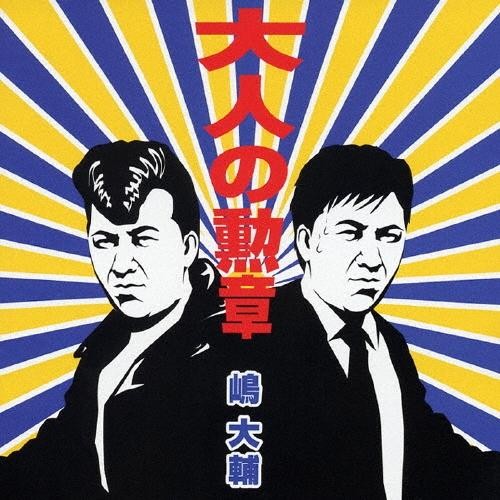
Before the “Yankee” became widespread, there was a boom in “Tsuppari (Tsuppari)” from the late 1970s to the 1980s in Japan. The word comes from “tsupparu” (to act tough or put on a front), and it refers to a rebellious attitude with delinquent overtones. Only when both the flashy appearance—such as a regent pompadour hairstyle—and rebellious behavior toward teachers or parents were present would someone be called a “Tsuppari.”
From the 1980s, the term “Yankee” began to spread, encompassing not just delinquency but also elements such as fashion, speech (Yankee slang), camaraderie, and displays of strength. However, its etymology is not certain. One theory is that flashy youths in Osaka’s America-mura who used the phrase ending “~yanke” were called “yankeii” → “yankii” → “yankii.” Other theories suggest influences from the English word “Yankee” or from popular culture.
As Yankee culture began to spread, the “Bosozoku” emerged. This term refers to groups of bikers or drivers who repeatedly engage in “jointly dangerous acts” and “group driving in violation of traffic laws.” The image is associated with tokko uniforms, customized bikes, group rides, and noise. While “Yankee” tends to refer to an individual’s attributes, “Bosozoku” is fundamentally about groups—this is the main difference between the two.
Why Are People Drawn to Japanese Yankee (Japanese Yanki/Yankee) Culture?
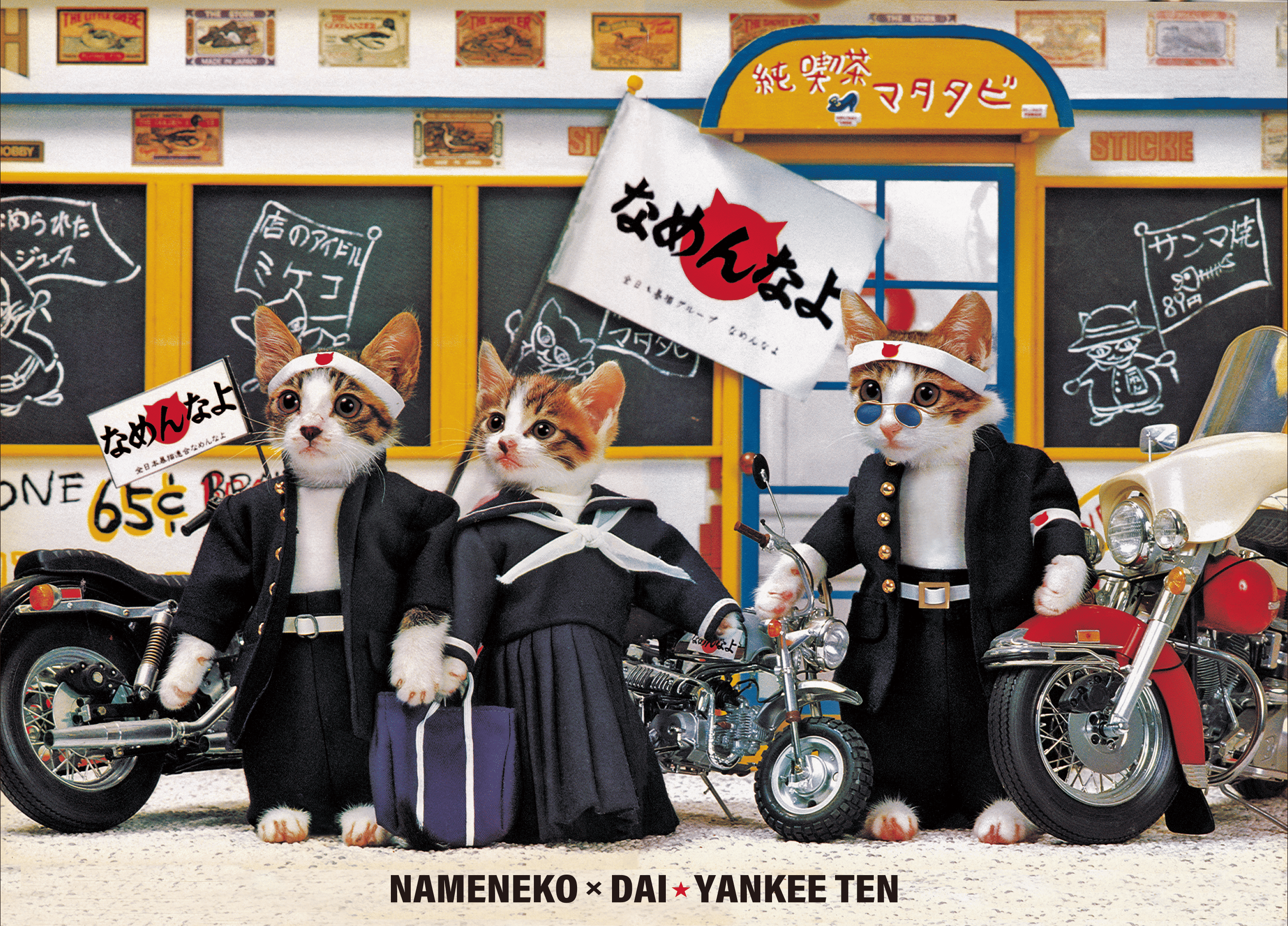
There are several reasons why Yankee culture continues to attract attention in Japan today. For Generation Z, Showa-era and 1990s Yankee culture appears “retro” and fresh, making it feel like a new and exciting form of content. Yankee fashion is seen as a form of self-expression and individuality, and its bold style is being re-evaluated as “cool.” For those who lived through that era, it is nostalgic, which is why it resonates across generations. The character “Nameneko,” which became a huge hit in the early 1980s dressed in Bosozoku-style outfits, has also made a comeback as “Reiwa Nameneko Cats,” generating renewed buzz.
Furthermore, in today’s society where strict rules and compliance are emphasized, there is also an aspect where Yankees—who live by their own values and strength, unbound by rules—are seen as “heroes.” For this reason, in Japan, they often become the theme of entertainment works such as manga and TV dramas. The appeal lies in being able to easily experience the “delinquent aesthetic,” something you can’t experience in everyday life.
Characteristics of Yankees (Japanese Yanki/Yankee): Fashion, Hairstyles, and Gestures
The fashion, hairstyles, and gestures that represent Yankees are often seen in manga and dramas. Here, we will explain some of the representative keywords.
Fashion: Modified School Uniforms (Gakuran), Tokko Uniforms, and Ultra-wide Pants
Short-length Gakuran / Medium-length Gakuran / Long-length Gakuran
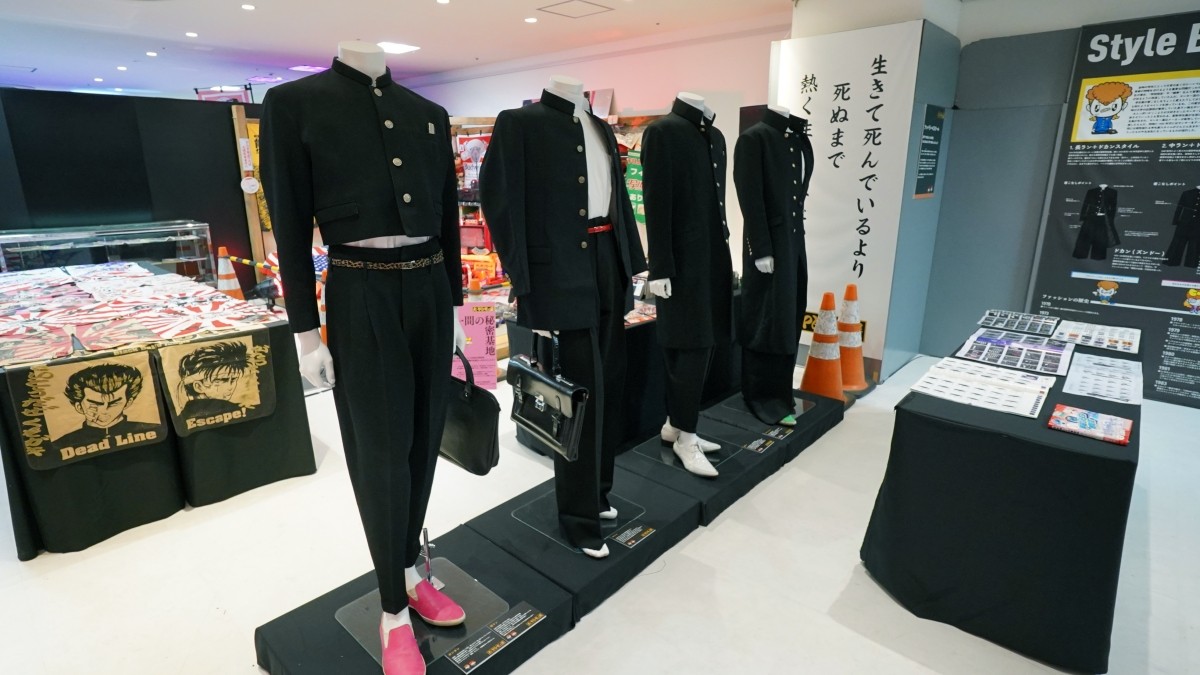
This refers to the classification of “modified school uniforms” with different jacket lengths. The short gakuran is about 40 cm to just under 70 cm long, with fewer sleeve buttons and a low collar. The medium gakuran is about 75.5 cm to 90 cm long, slightly longer than standard, and was popular in times or regions with less strict school rules. The long gakuran is about 100 cm to 130 cm or even longer, reaching from below the knees to near the ankles. Those with seven front buttons were typically worn by leaders of cheering squads or delinquent groups.
Tokko Uniforms
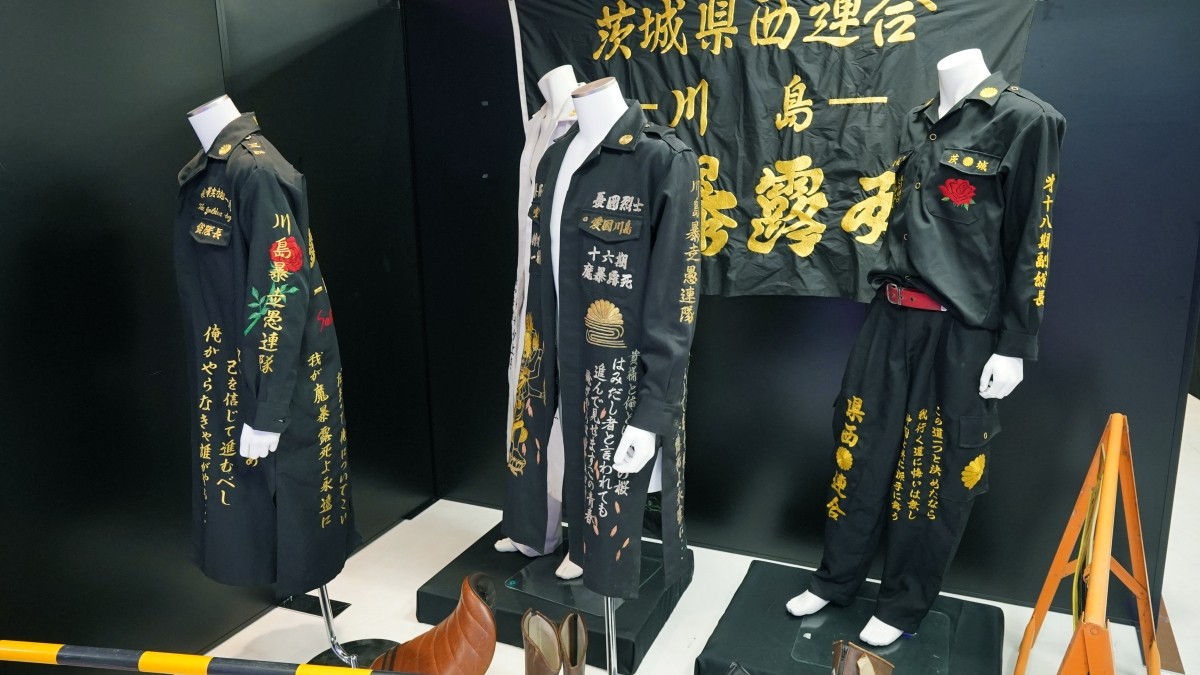
A style of workwear-based clothing, mainly long coats or gakuran, that spread among bosozoku biker gangs and Yankee culture from the 1970s to the 1980s. Among wearers, it is commonly called “toppuku.” These outfits featured flashy gold or silver embroidery of team names or sayings like “Tenjo Tenga Yuiga Dokuson” to express rebellious spirit and camaraderie.
Ultra-wide Pants: Bontan and Dokan
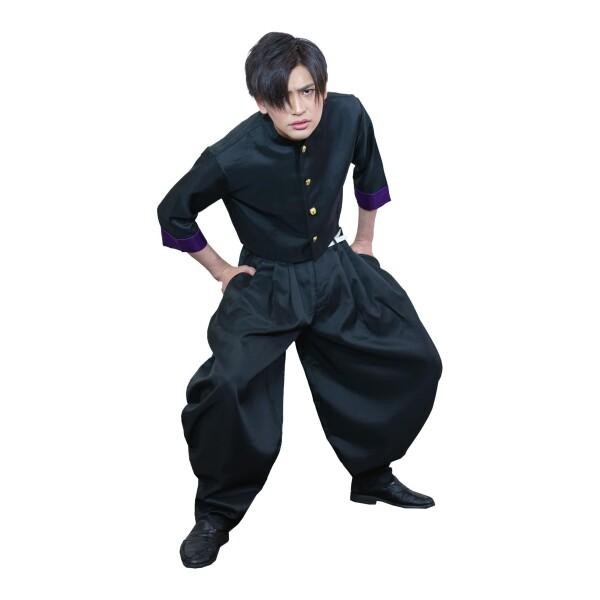
A classic style is to wear pants called “bontan,” which are extremely wide at the thighs and narrow at the hem, or “dokan,” which are straight and wide throughout. These are worn with modified school uniforms or tokkofuku, and were purchased at custom clothing stores.
Hairstyles: Regent (Pompadour), Punch Perm (Punch Pāma), and Dyed Brown Hair
Regent (Pompadour)
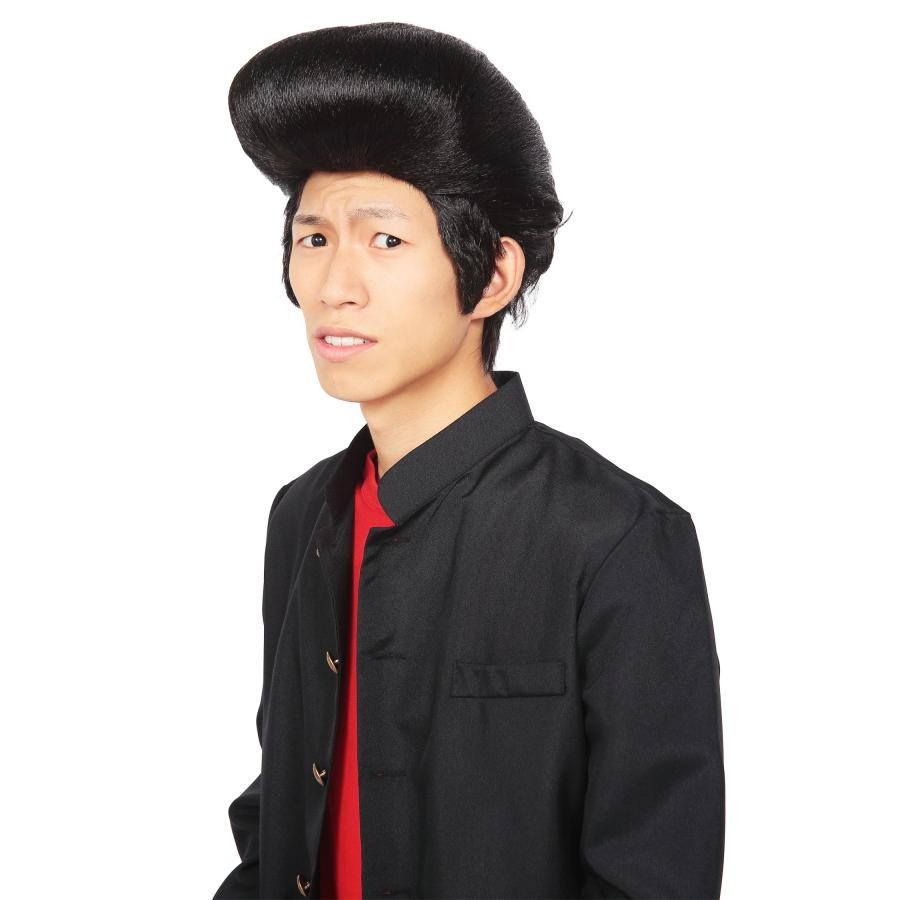
A hairstyle where all the hair is slicked back, with the bangs styled high. The sides are firmly set, which is a key feature. This style became popular in Japan in the 1970s, starting with rock bands like "Carol" and "Cools," and became established among delinquent youths. In the early 1980s, the style of the American rock band "Stray Cats" also gained popularity among Japanese "Yankees" (delinquents).
Punch Perm (Punch Pāma)
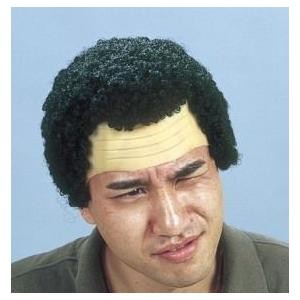
A men's hairstyle where short hair is tightly curled into fine, spiral-shaped curls using a punch iron. In the 1980s, more people began to prefer punch perms for reasons such as "it looks intimidating" and "it's hard for opponents to grab your hair in a fight." As a result, the punch perm became widely associated with a "tough" or "scary" image.
Brown Hair
In the 1980s, when changing your hair color was not common, bleaching your hair—often prohibited by school rules—became a way to rebel against adults and society, and to express an identity as a delinquent. Dyeing hair a lighter color also became a way to make it clear to others that "I'm a delinquent" and to stand out from the crowd.
Gestures: Yankee Squat, Menchi, Ora-ora Walk
Yankee Squat
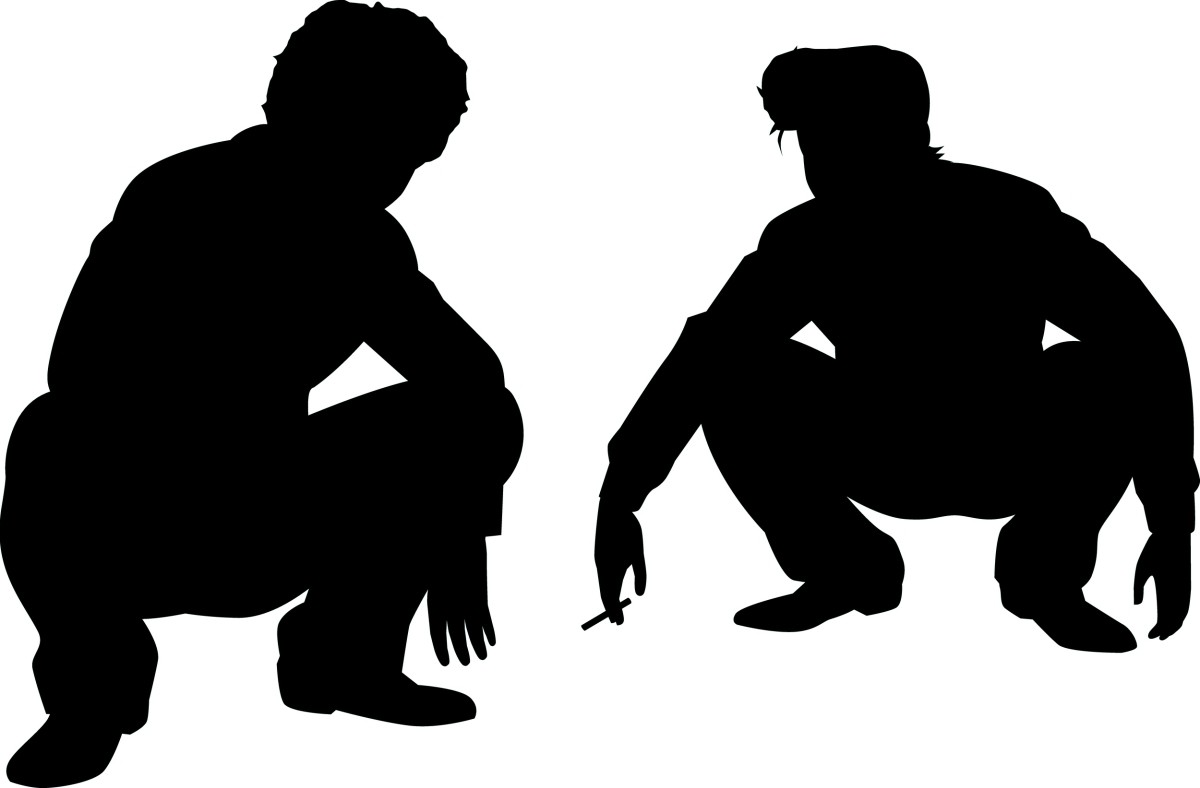
This is a posture where you squat deeply with your feet flat on the ground. While it's known as part of delinquent culture or to give off an intimidating vibe, in reality, it requires flexibility in the hips and ankles, as well as core strength.
Menchi
To glare sharply at someone is called “menchi wo kiru.” The term comes from the idea of thrusting your face (men) at someone as if to "cut" them with your glare. It spread in the Kansai region and became established as youth slang nationwide during the "tsuppari" and "yankee" boom of the 1980s.
Ora-ora Walk (ora-ora walk)
A swaggering, intimidating walk with the chest puffed out, shoulders squared, and arms swinging widely. The walk is characterized by swaying your body side to side and stepping with your legs slightly outward. This slang term refers to the way delinquents or "yankees" walk to show off or intimidate others.
"Ora-ora (ora-ora)" is a word that expresses a forceful, aggressive attitude, trying to pressure others to do what you want. Nowadays, it is also used as a metaphor for an "overconfident and arrogant attitude."
Carefully Selected! 5 Yankee Slang Terms (with Example Sentences)
There are many unique slang terms used among yankis that aren’t typically found in standard Japanese dictionaries. Here, we'll explain some of these terms, focusing on those that appeared in the Netflix reality series "Badly in Love."
👀Related Article👉What Makes Netflix Reality Series "Badly in Love" Season 1 So Appealing? A Thorough Guide to the Cast, Famous Quotes, and More!
釈迦寝(しゃかね/ shakane )
This refers to lying on your side with your head propped up on one arm, like the reclining Buddha. By reclining in a corner seat in the “shakane” pose, a person can avoid exposing their back to others.
Example Sentence
That guy looks so cocky, doing the shakane pose.
やかる(yakaru)
The verb form derived from 輩 (yakara). "Yakara" refers to people who share similar characteristics or traits, such as companions or peers, but it is often used with a negative nuance to mean rough or delinquent individuals. It describes behaving in a brash or rude manner, like a "yankee" (delinquent youth).
Example Sentence
The hell are you acting tough for?!
くれてやる(kureteyaru)
This phrase means to give something, such as a love letter, to someone. Instead of using the neutral "ageru" (to give), "kureteyaru" is used to add a deliberately boastful or condescending nuance, often to hide feelings of embarrassment.
Example Sentence
I’m gonna leave you a love letter in your shoe locker.
上等( joto)
Originally meaning “high quality,” this word later evolved into slang expressing a confrontational or provocative attitude, such as "bring it on," "I accept your challenge," or "you’re a worthy opponent." It shows a fearless, even welcoming, attitude toward confrontation or provocation.
Example Sentence
“You picking a fight with me?” “Huh? Bring it on!”
夜露死苦(よろしく/yoroshiku)
夜露死苦 (yoroshiku) is a yankee-style play on the greeting よろしく (yoroshiku), using kanji characters that look intimidating or tough. The actual meaning of the kanji (night, dew, death, pain) is not important; the focus is on the way it looks and sounds. A similar example is 愛羅武勇 (airabuyu), a kanji play on the English phrase "I LOVE YOU."
Example Sentence
From today, I’m the boss. Yoroshiku!
The Appeal of the Contrast? Understanding Yanki Culture through Manga, Anime, Dramas, and Films
Since the yankee boom of the 1980s, works featuring yankee characters have remained popular. The unique worldview of yankee culture continues to resonate with people today. Here, we introduce essential dramas, movies, manga, and anime for understanding yankee culture.
[Manga] Rokudenashi BLUES
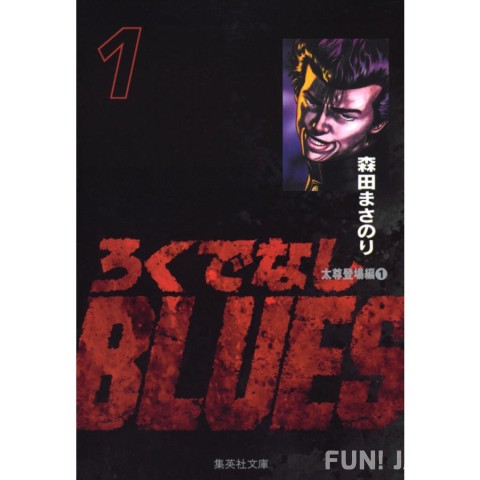
Written by Masanori Morita, This legendary yanki manga was serialized in Weekly Shonen Jump beginning in 1988. It is an immortal masterpiece depicting the passionate growth of high school students, including the protagonist Taizan Maeda, who dedicate themselves to boxing. As a pioneering delinquent manga from Japan, it has gained immense popularity across Asia, including South Korea.
[Manga] Kyo Kara Ore Wa!! (From Today, It's My Turn)
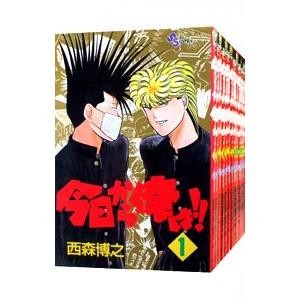
This yankee comedy manga by Hiroyuki Nishimori began serialization in Weekly Shonen Sunday in 1988. It follows the wild exploits of the ultimate duo: the blond Takashi Mitsuhashi and the spiky-haired Shinji Ito. The unlikely bond between the cunning and strong Mitsuhashi and the justice-minded Ito has won many fans, especially after the live-action adaptation, throughout Asia.
[Anime] Tokyo Revengers
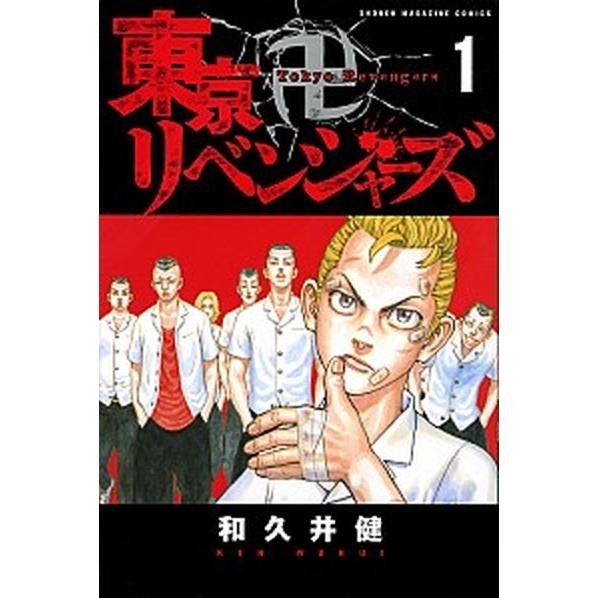
This manga by Ken Wakui combines time-leap elements with yanki culture. The story follows Takemichi Hanagaki, the protagonist living at rock bottom, who time-leaps back to his high school days 12 years ago. He rises through the ranks of the notorious gang "Tokyo Manji Gang" to save his murdered girlfriend and friends. The series was adapted into an anime in 2021 and has also been made into live-action films and stage plays.
👀Related Article👉A Thorough Explanation of the Appeal of Japan’s Popular TV Anime "Tokyo Revengers"!
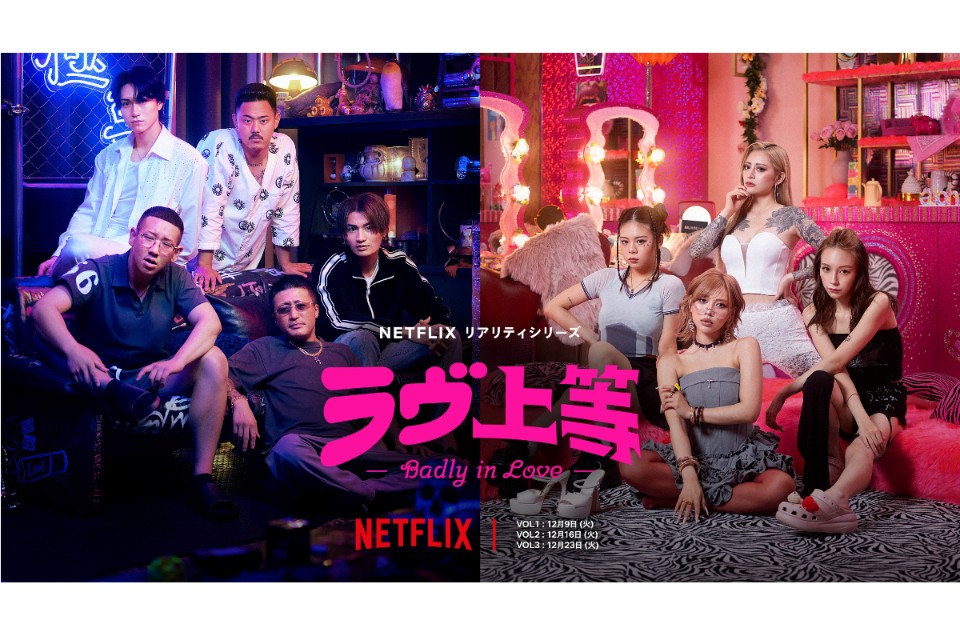
[Drama] Netflix Reality Series "Badly in Love"
This pure love reality show, released in 2025, features 11 men and women with intense pasts, such as former bosozoku gang leaders and people who had spent time in juvenile detention, who learn about true love while living together for 14 days. As Japan’s first "yankee love reality" show, it became a hot topic and even ranked in Korea, gaining global popularity. The unique interactions between the yankis, as well as their intense friendships, truly embody the idea that they “risk everything for both love and fights.”
👀Related Article👉What Makes Netflix Reality Series "Badly in Love" Season 1 So Appealing? A Thorough Guide to the Cast’s Aftermath and Famous Quotes!
[Drama/Movie] "HiGH&LOW" Series
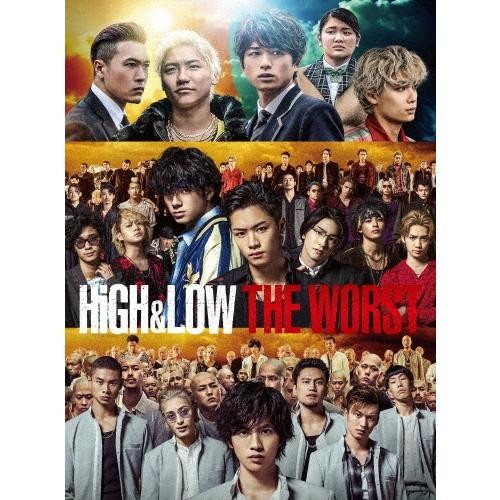
This is a comprehensive entertainment project planned and produced by EXILE HIRO, featuring artists from LDH and young actors. It began with a TV drama in 2015, and nine movies have been produced. Set in a devastated area called the SWORD district, the story depicts the conflicts and friendships among five teams. The series’ biggest draws are its powerful action scenes and the passionate bonds between the yankis.
[Movie] "Crows ZERO" Series
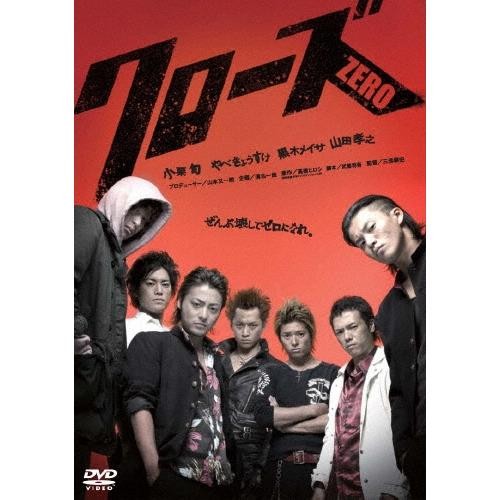
This movie series, released in 2007, is based on Hiroshi Takahashi’s manga "Crows." With a star-studded cast including Shun Oguri and Takayuki Yamada, it features impressive action scenes and depicts the passionate friendships and pride of delinquents. Its mix of violence and humor, along with its portrayal of the characters’ raw sense of pride and friendship, has attracted many fans.
[Movie] Be-Bop High School
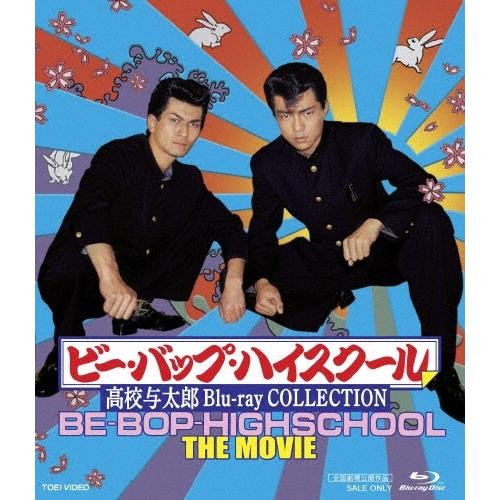
This legendary yankee manga by Kazuhiro Kiuchi was serialized in Weekly Young Magazine from 1983 to 2003. It depicts the youth of Hiroshi and Toru, the delinquent duo from Aitoku High School, as they spend their days fighting and falling in love. The live-action film adaptation in 1985 became a huge hit, resulting in a total of six movies. In 2025, a 4K restored version will be released to commemorate the 40th anniversary of the film, proving its enduring popularity.
The Enduring Popularity of Yankee Clashes—Both Heart and Body—Across Generations
While the number of "Yankees" (delinquent youths) has been declining in real life, they remain beloved characters in manga, movies, and other works. From the old-school "tsuppari" style to the more fashion-forward Yankee looks of recent years, Yankee culture continues to have a presence in Japanese life and may well persist into the future. If you’re curious about yanki culture, one of the best ways to start is by exploring these works for yourself.

Comments