
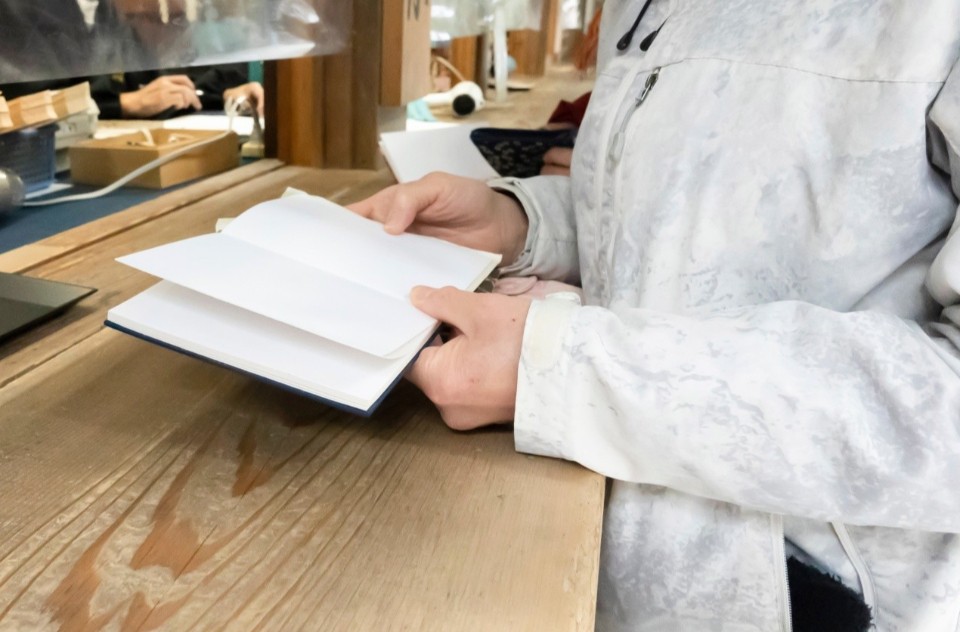
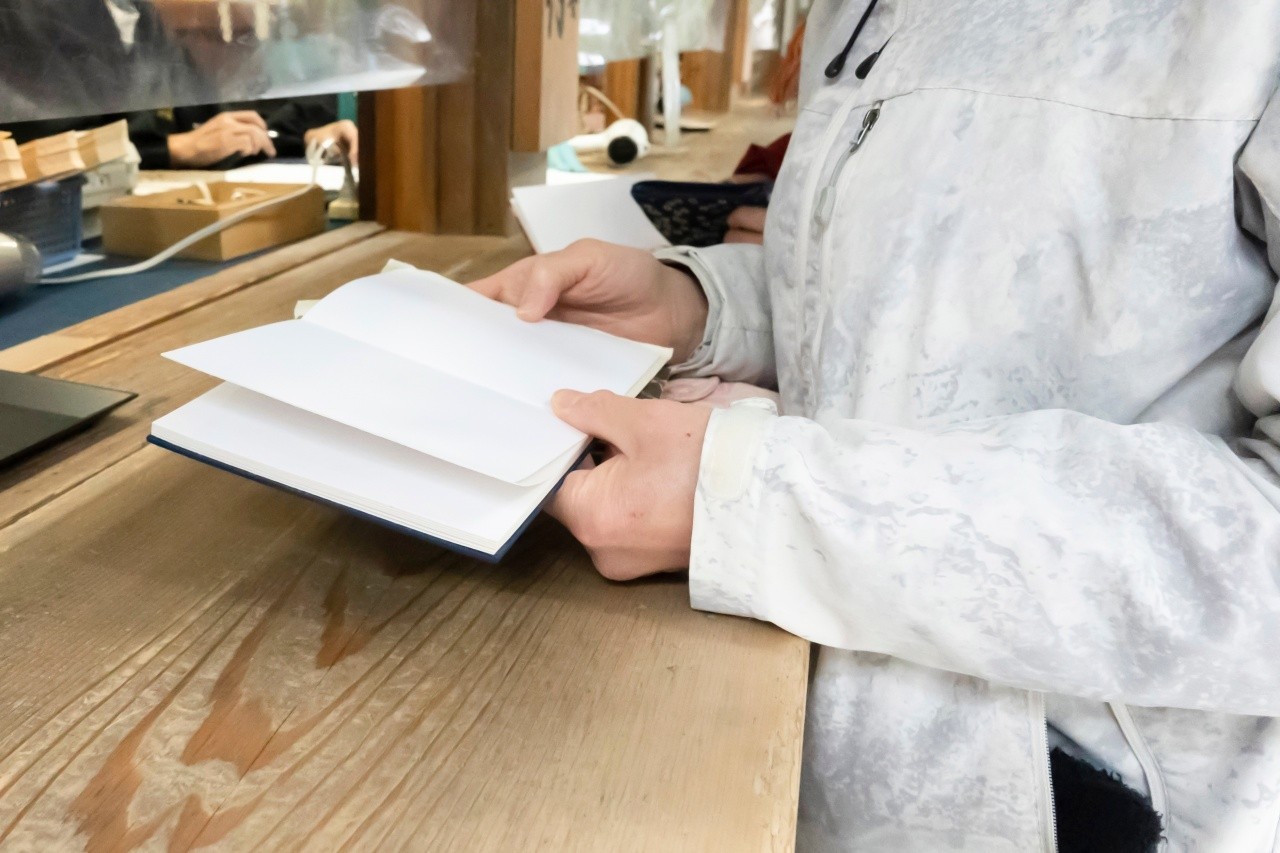
While photos and videos are, of course, wonderful ways to capture the rich culture and beautiful scenery you experience during your travels in Japan, this time we’d like to introduce you to something even more unique and memorable: Japan’s one-of-a-kind stamp rally culture. From goshuin (temple and shrine stamps) to castle stamps, and even railway stamps, these “XX-in” stamp rallies, which can be collected at various locations, will make your journey even deeper and more personal, creating special memories just for you. Why not discover a new way to enjoy traveling in Japan?
Japan’s Stamp Rally Culture That Originated with Goshuin
The origin of Japan’s stamp rally culture can be traced back to “goshuin.” Originally, goshuin were given as proof that you had copied and dedicated a sutra to a temple, but today, they are received as a token of your visit to a shrine or temple. Especially at prestigious shrines with a long history, such as Ise Jingu or Meiji Jingu, receiving a goshuin is a truly special experience.
What Is “Goshuin,” the Tradition That Sparked the Boom? A Token of Worship Received at Shrines and Temples
Goshuin are beautifully balanced, with black ink calligraphy and vivid red stamps on white paper. At temples, the name of the principal image or the temple itself is usually written, while at shrines, the name of the enshrined deity or the shrine is inscribed. Since each goshuin is handwritten by a Buddhist monk or Shinto priest, no two are exactly alike, and the brushwork and way the stamp is pressed reflect the heart of the person who bestows it. Collecting goshuin is not just a stamp rally—it is a “proof of worship” that signifies a bond with the temple’s principal image or the shrine’s deity.
Goshuincho (Stamp Books) Are Also Popular
To collect goshuin, you’ll need a “goshuincho”—a special accordion-folded book made of washi paper. These come in a wide variety of designs, from character-themed covers to traditional Japanese patterns and modern styles. The editor of this article recently purchased their second goshuincho. Finding your favorite goshuincho and filling it with memories from your travels is like creating your own special book. Goshuincho are highly regarded as traditional Japanese crafts and are also popular souvenirs. You can purchase them at temples, shrines, stationery stores that carry washi paper, and online.
Various Stamp Rallies Have Emerged—Perfect as Travel Mementos!
With the growing popularity of goshuin, the culture has spread to many other fields. Now, not only temples and shrines, but also castles, railways, hot springs, bookstores, and more offer their own “XX-in” stamp rallies, captivating many fans. The joy of collecting these is just like collecting collectibles. Each “XX-in” is packed with history, culture, and the atmosphere of its location. Every time you look at them, the excitement, encounters, and scenery of that moment will come back to you. Many are also available in limited editions or special designs, giving you a new reason to revisit and collect more. By gathering them in your own “XX-incho” (stamp book), you can create an original collection and feel a sense of accomplishment.
4 Must-Try Stamp Rallies in Japan!
Here are some of the most popular stamp rallies you can collect all over Japan. Find your favorite stamp rally to match your travel goals and interests!
"Gojōin" Available at Famous Castles Across Japan
Castles are symbols of Japan’s history and culture. Many people are fascinated by their grand architecture and rich history. As a memento of your visit to these castles, you can collect "Gojōin" (castle stamps).
A Gojōin features the name of the castle or castle ruins written in the center, along with the family crests of feudal lords or castle owners associated with the site, all inscribed on washi paper or other special materials. They are generally sold for around 300 to 500 yen and can be purchased at ticket counters, gift shops, or tourist information centers at the castles. The designs often reflect the history and characteristics of each castle. For example, the Gojōin of Nijo Castle in Kyoto, built by Tokugawa Ieyasu, features the Aoi family crest.
Where to Get "Gojōin"
Gojōin are available at nearly 200 castles across Japan, including Himeji Castle (Hyogo Prefecture) and Nagoya Castle (Aichi Prefecture).
Popular Gojōin Introductions
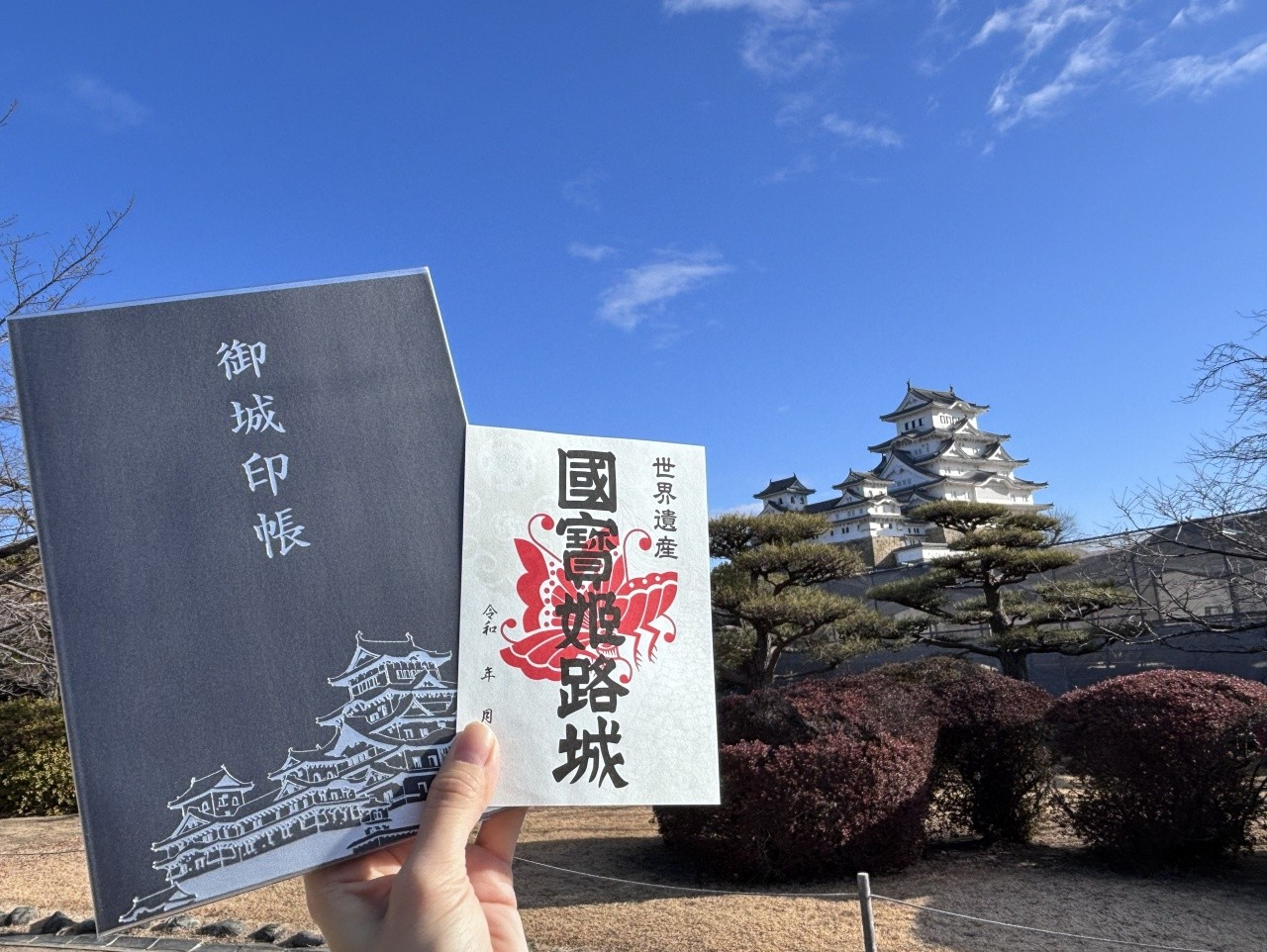
Himeji Castle (Hyogo Prefecture) Gojōin: The Gojōin of the World Heritage Site Himeji Castle is themed around Ikeda Terumasa, who built the existing main keep. It features the swallowtail butterfly crest of the Ikeda family and the high stone walls built during the Ikeda era, and the characters for “National Treasure Himeji Castle” use the same calligraphy as the signboard displayed on the castle’s largest gate, "Hishi-no-mon."
Website: https://www.city.himeji.lg.jp/castle/index.html
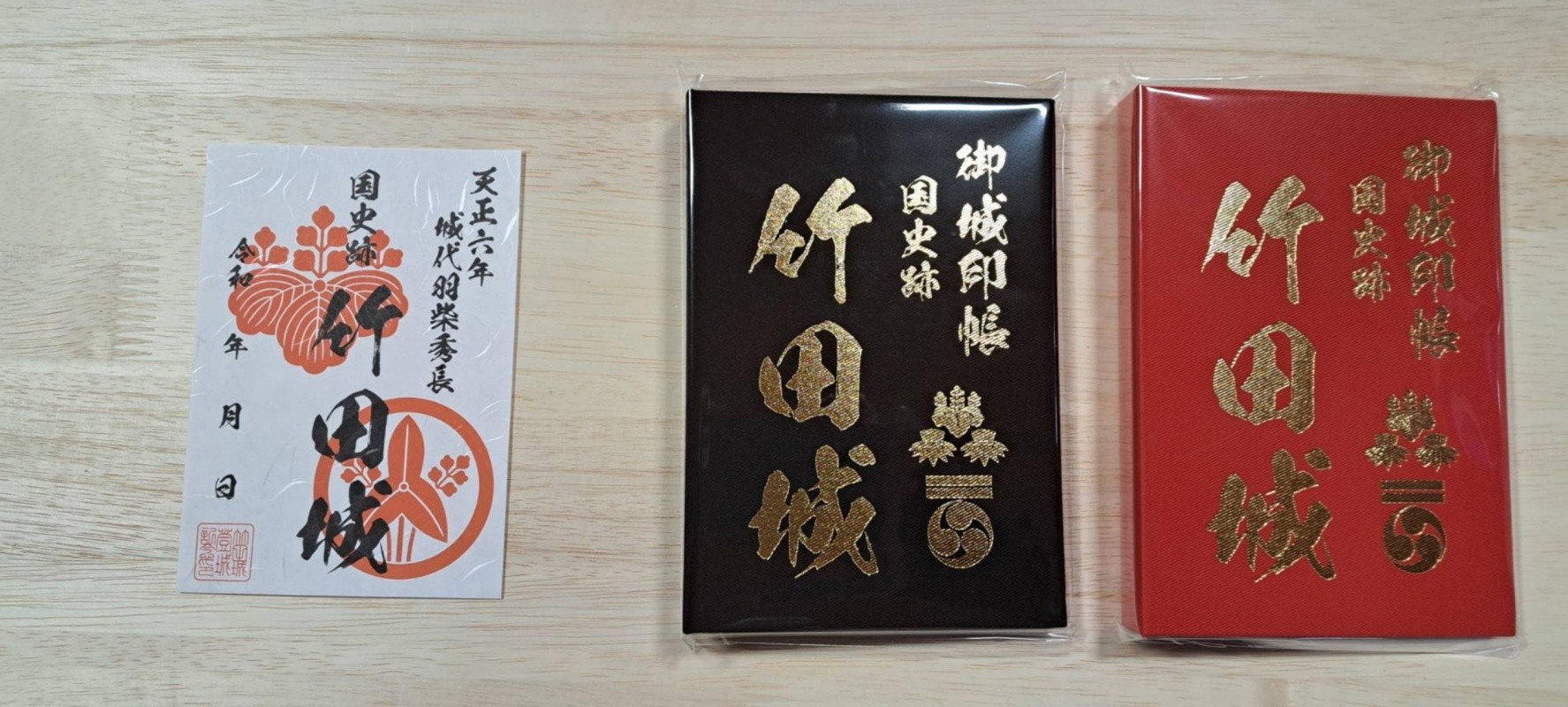
Takeda Castle (Hyogo Prefecture) Gojōin: Takeda Castle is a popular tourist spot known as the "Castle in the Sky" for its appearance floating in a sea of clouds. The Takeda Castle Gojōin has "Castle in the Sky" written in the upper right, and there are three versions featuring the family crests of the Yamana and Akamatsu clans. There is also a Gojōin book available exclusively at the Takeda Castle ruins—a perfect keepsake for your visit.
Website: https://www.city.asago.hyogo.jp/site/takeda/3103.html

Gojōin Book Introduction
For collecting Gojōin, a "Gojōin Book" is highly recommended. Many castle shops sell original Gojōin books featuring illustrations of the castle or family crests, so you’re sure to find one you like. They are also available online for around 2,000 to 3,000 yen.
Tetsuin: The Railway Version of Goshuin
Japanese railways are popular for their punctuality, comfort, and the beautiful scenery visible from the train windows. To make your railway journey even more special, you can collect "Tetsuin," the railway version of Goshuin (temple stamps).
Tetsuin are commemorative ride stamps issued by more than 40 third-sector railway companies nationwide. These cards feature the railway name, station name, date, and often illustrations of the trains or local scenery. Some are limited editions with seasonal designs, and each card is filled with a deep love for the trains and the local area. You can receive a Tetsuin by presenting your train ticket and paying a registration fee (from 300 yen).
Where to Get "Tetsuin"
You can get Tetsuin at designated station counters, shops, or tourist information centers of over 40 third-sector railway companies across Japan, such as Echigo Tokimeki Railway (Niigata Prefecture) and Kyoto Tango Railway (Kyoto Prefecture). For details on where to buy Tetsuin books, where and when Tetsuin are available, and other information, please check each railway company’s website before your trip.
Website: https://3sec-tetsudou.jp/tetsuincho
Introduction to Popular Tetsuin (Railway Stamps)
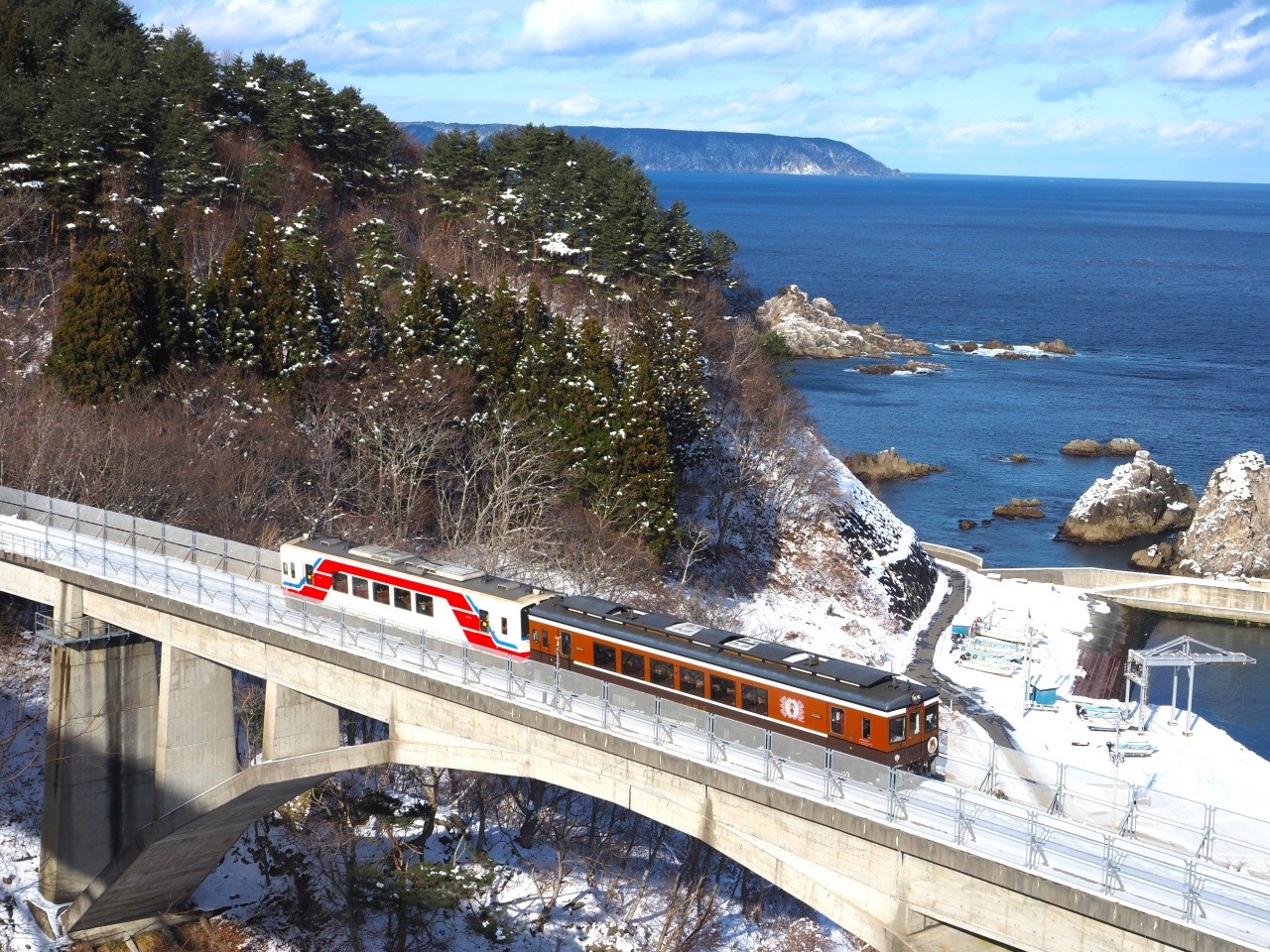
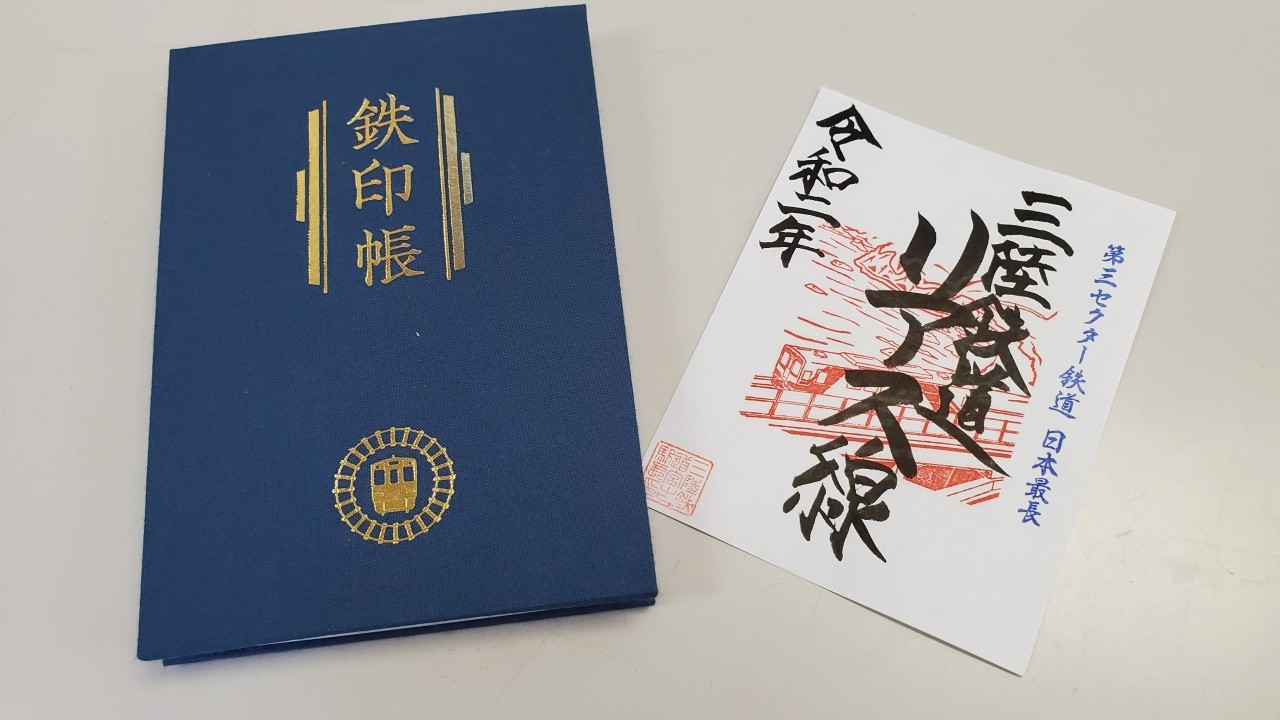
Sanriku Railway (Iwate Prefecture) Tetsuin: You can have your Tetsuin stamped at Miyako Station. This railway is famous as a filming location for the NHK morning drama "Amachan," which aired in the first half of 2013. The section between Sakari Station and Miyako Station features a ria coastline, and the line from Miyako Station to Kuji Station runs close to a scenic coastline with dramatic cliffs. The entire 163-kilometer line is the longest third-sector railway in Japan, with numerous scenic spots, limestone caves, and tourist attractions, as well as local specialties such as seafood from the Sanriku Sea, dairy products, and amber.
Website: https://www.sanrikutetsudou.com/
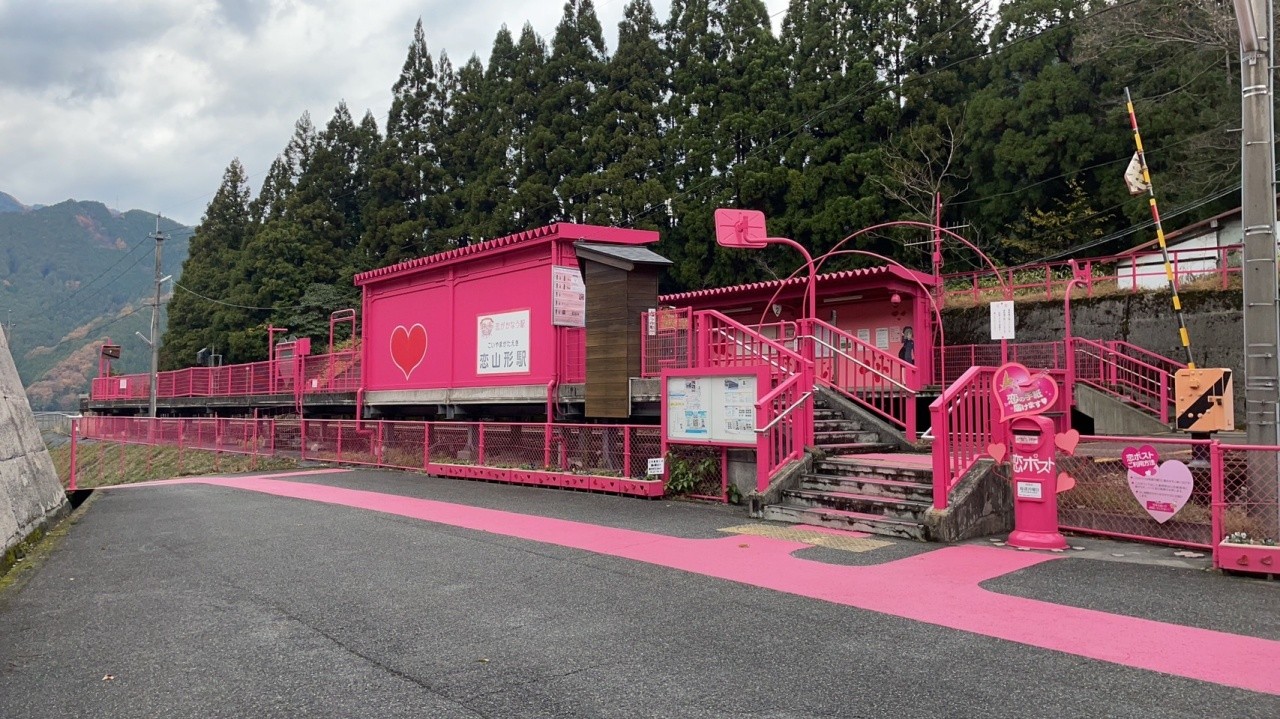
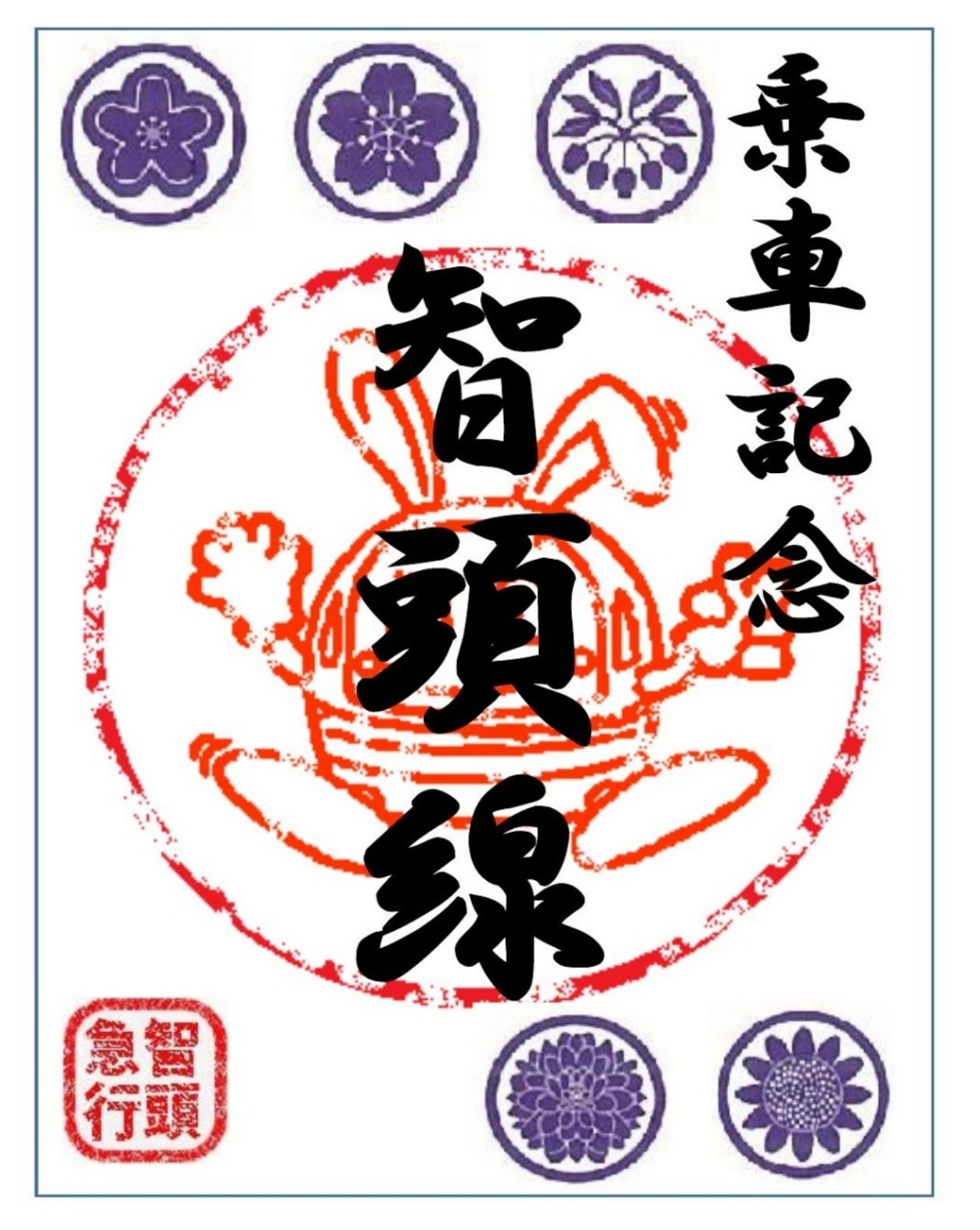
Chizu Express (Hyogo Prefecture – Okayama Prefecture – Tottori Prefecture) Tetsuin: The standard version features the Chizu Express mascot character "Super Hakuto-kun" and marks inspired by the flowers of the five cities and towns along the line. You can have your Tetsuin stamped at Aioi Station, Ohara Station, and Chizu Station. Chizu Express is a railway that crosses three prefectures: Hyogo, Okayama, and Tottori. The must-visit station is "Koi-Yamagata Station," known for its bright pink station building and a space inside the station where visitors can hang heart-shaped ema (votive plaques), making it a popular spot for those seeking luck in love.
Website: https://www.chizukyu.co.jp/
Introduction to the Tetsuincho (Railway Stamp Book)
The Tetsuincho can be purchased at designated counters of each railway company for around 2,500 yen. By collecting Tetsuin stamps in your Tetsuincho, you can create a "record of your railway journeys in Japan." If you collect all the Tetsuin stamps, you will receive a "Tetsuincho Meister Card." Be sure to take your Tetsuincho with you and enjoy traveling on Japan's local railways!
“Goshoin” at Bookstores Nationwide
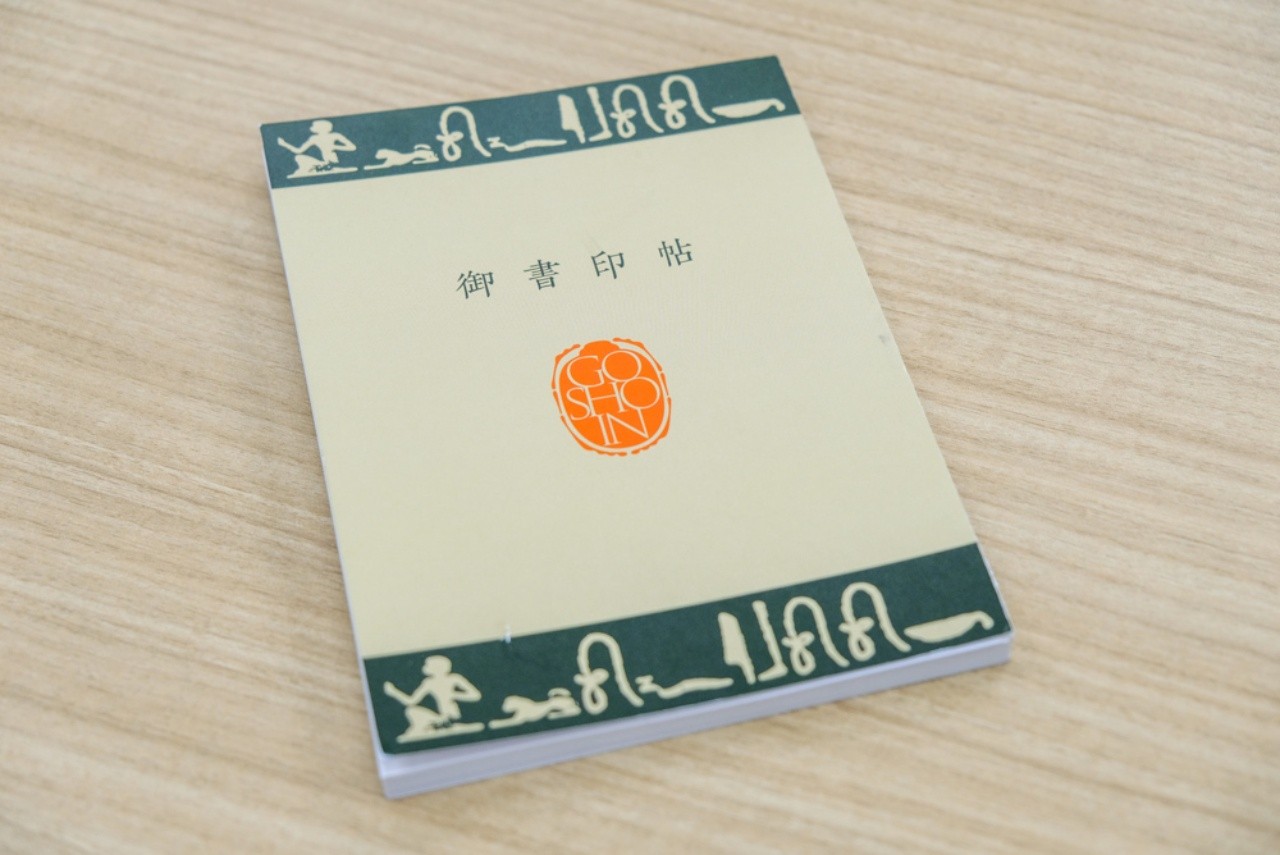
For book lovers and those interested in Japanese culture, we recommend “Goshoin,” a project in which bookstores across Japan participate. “Goshoin” means “a seal that connects people and bookstores.”
As a memento of your visit, the Goshoin includes the date of your visit, the title or a passage from a book chosen by the bookstore staff, and three types of stamps, including the store’s original seal. Each bookstore’s original seal has a unique design, often featuring people associated with the store or local symbols, reflecting the individuality of each shop. The price is 300 yen and can be purchased at the register of participating bookstores.
Where to Get “Goshoin”
As of November 2025, 647 bookstores are participating in the Goshoin project. The network stretches from Rishiri Island in Hokkaido in the north, to Ishigaki Island in Okinawa in the south, and even extends to Taiwan.
Popular “Goshoin” Introductions
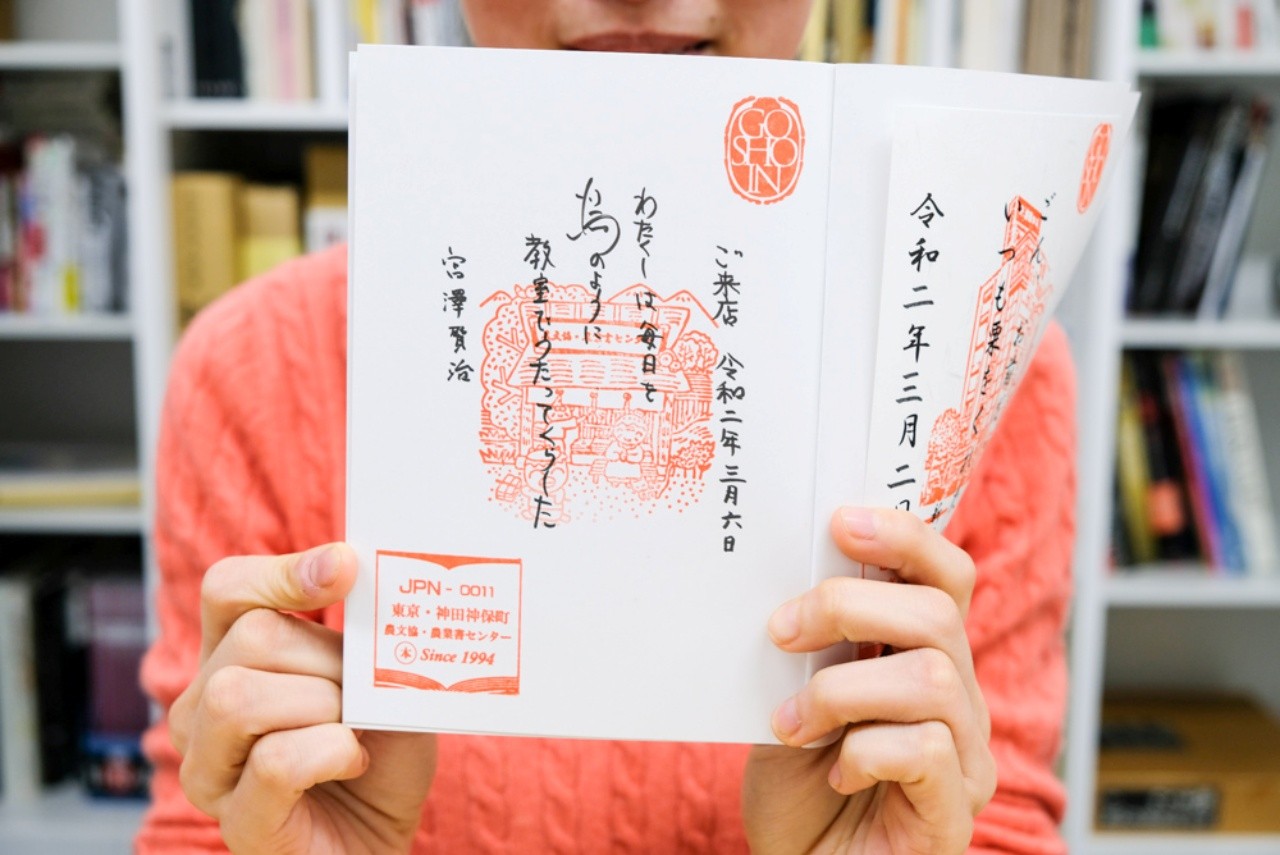
Goshoin at 13 Bookstores in Jimbocho (Tokyo): The world’s largest book town, Kanda Jimbocho, is home to around 130 bookstores, where millions of books and art pieces are gathered. At 13 of these stores in Jimbocho, you can collect special Goshoin stamps. Why not enjoy discovering new shops and books while collecting unique Goshoin stamps that reflect the individuality of each store, such as specialty shops for cat books or children’s books?
Maruzen Marunouchi Main Store (Tokyo) Goshoin: Located at the Marunouchi exit of Tokyo Station, this is one of Japan’s leading large bookstores, with a vast floor space and a wide variety of genres. You can purchase the Goshoin at the second-floor register.
Introduction to the Goshoincho
The “Goshoincho” used to collect Goshoin stamps is distributed for free at participating stores. With this Goshoincho in hand, enjoy encountering the profound bookstore culture of Japan and words that resonate with your heart!
The Distinctive Ship Illustration: “Gosenin”
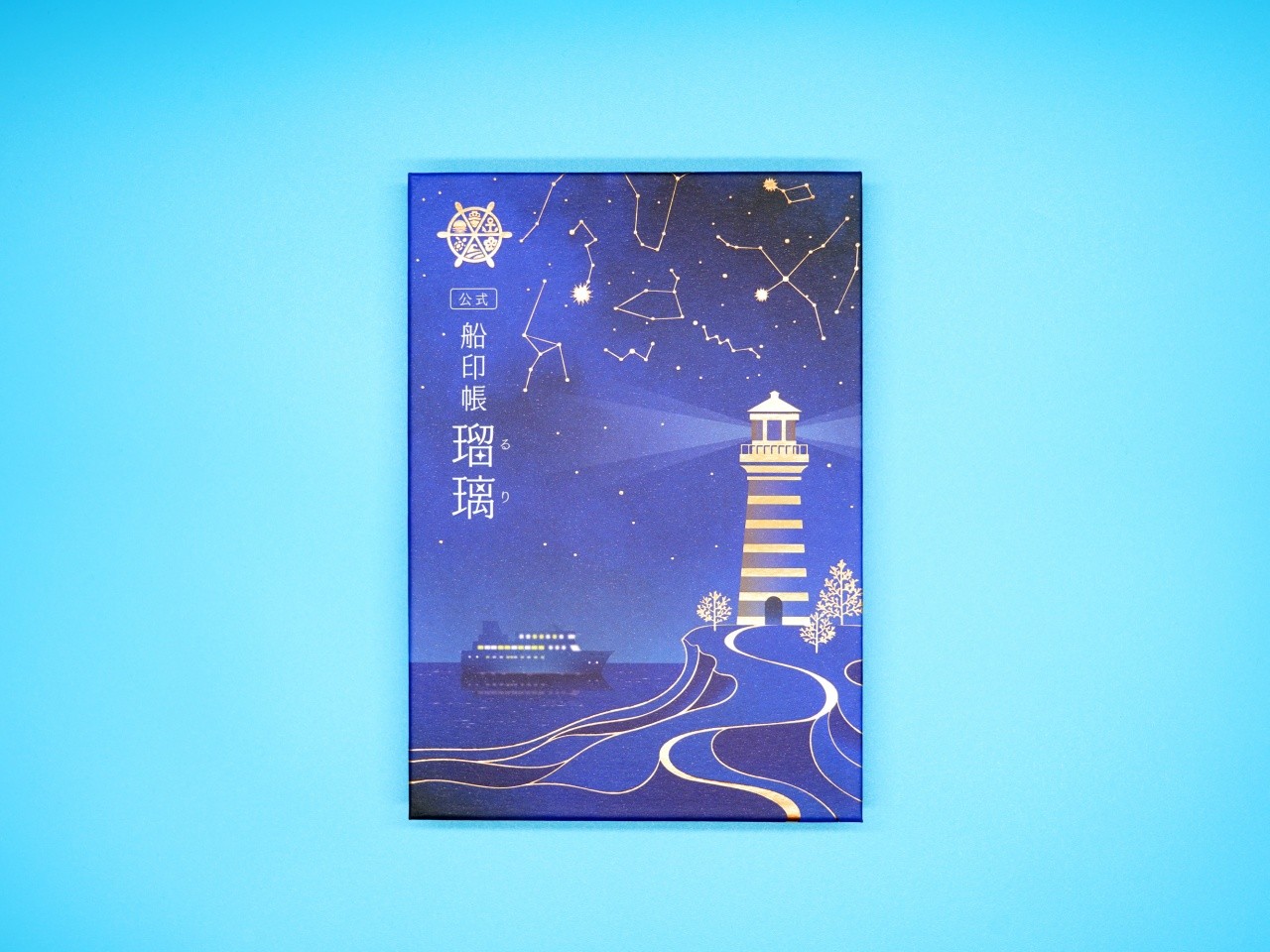
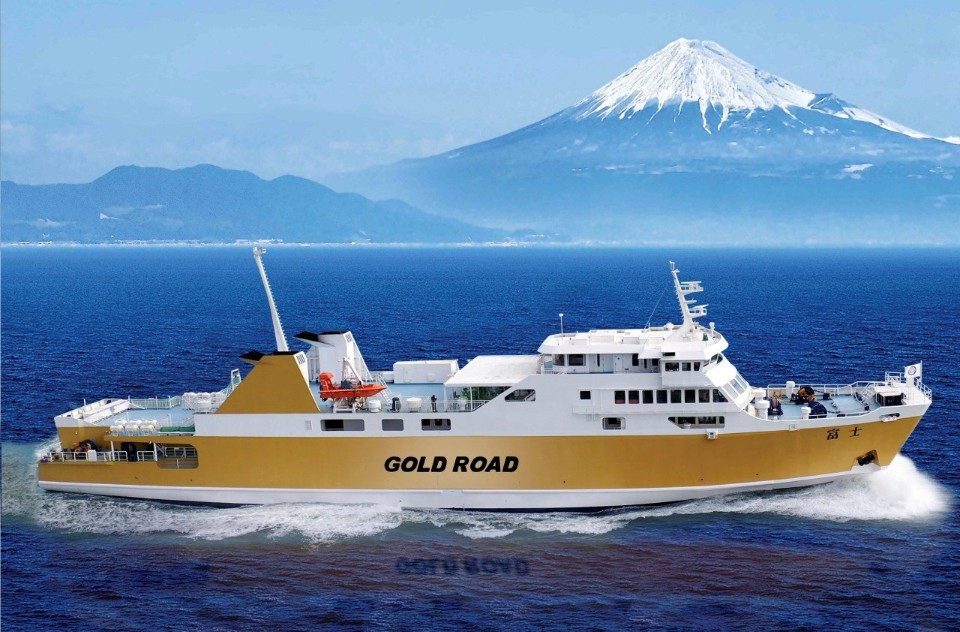
Cruising is one of the unique ways to travel in Japan, a country surrounded by the sea. The beautiful scenery viewed from the water offers an extraordinary experience. “Gosenin” is a new and special way to commemorate your cruise memories.
Gosenin are unique stamps issued by ferries, sightseeing boats, and pleasure boats across Japan. These cards, featuring designs of the ship, route, or local landmarks, are like condensed works of art that capture the charm of each vessel. They are generally sold for around 300 to 500 yen at ticket counters or onboard shops. Each ship has a completely different design, making collecting Gosenin truly enjoyable. Be sure to find your favorite Gosenin!
Website: https://gosen-in.jp/
Where to Get “Gosenin”
As of January 2026, about 150 shipping companies, including Tsugaru Kaikyo Ferry (Aomori Prefecture) and Sado Kisen (Niigata Prefecture), are participating in the program.
Popular “Gosenin” Introductions
Here are the Gosenin that won first and second place in the “1st Gosenin General Election,” a popularity contest held by the Gosenin Meguri Project Office, which promotes “Gosenin” as the maritime version of Goshuin (temple and shrine stamps).
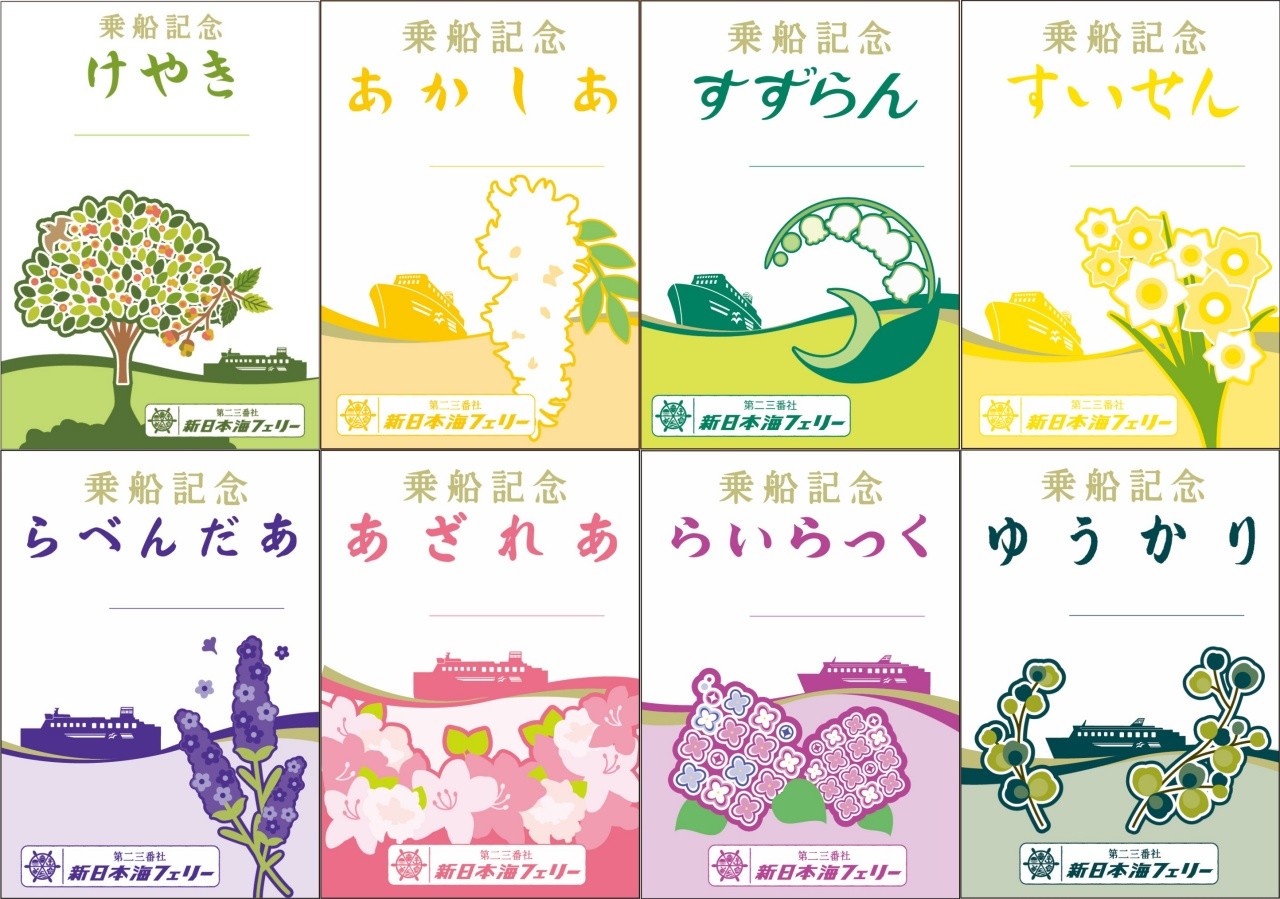
Shin Nihonkai Ferry’s Gosenin: Since the ships are named after flowering trees native to the ports, the Gosenin features the ship’s flower and a colorful design of the ferry floating on the sea. The captain’s signature from the day you board is included, making it a truly special Gosenin.
Website: https://www.snf.jp/plan-recommended/recommended/gosenin/
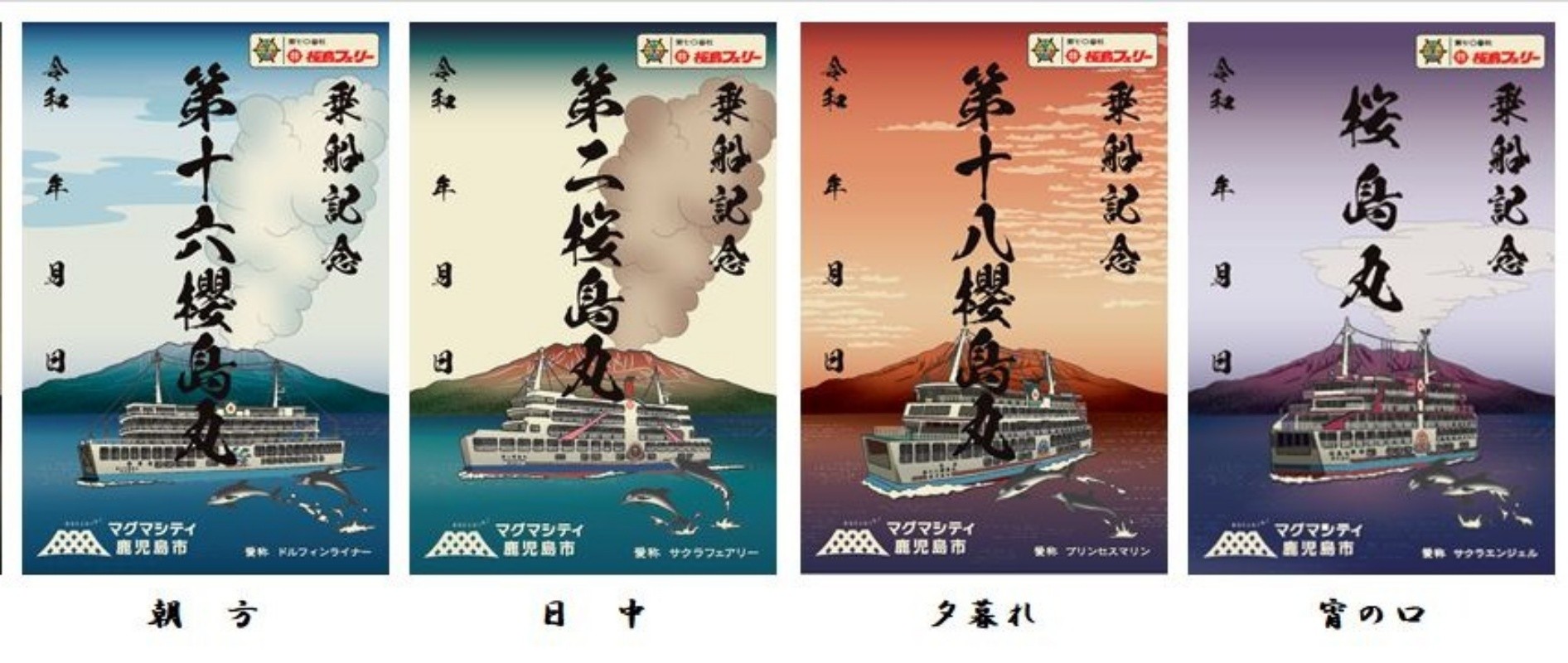
Sakurajima Ferry’s Gosenin: This design features the Sakurajima Ferry set against the ever-changing colors of Sakurajima throughout the day, from morning to dusk. It’s recommended not only for collecting “Gosenin” but also as a memento of your sightseeing or cruise experience.
Website: https://www.city.kagoshima.lg.jp/senpaku/speigyou/goseninsousenkyo.html
Introduction to the Gosenincho
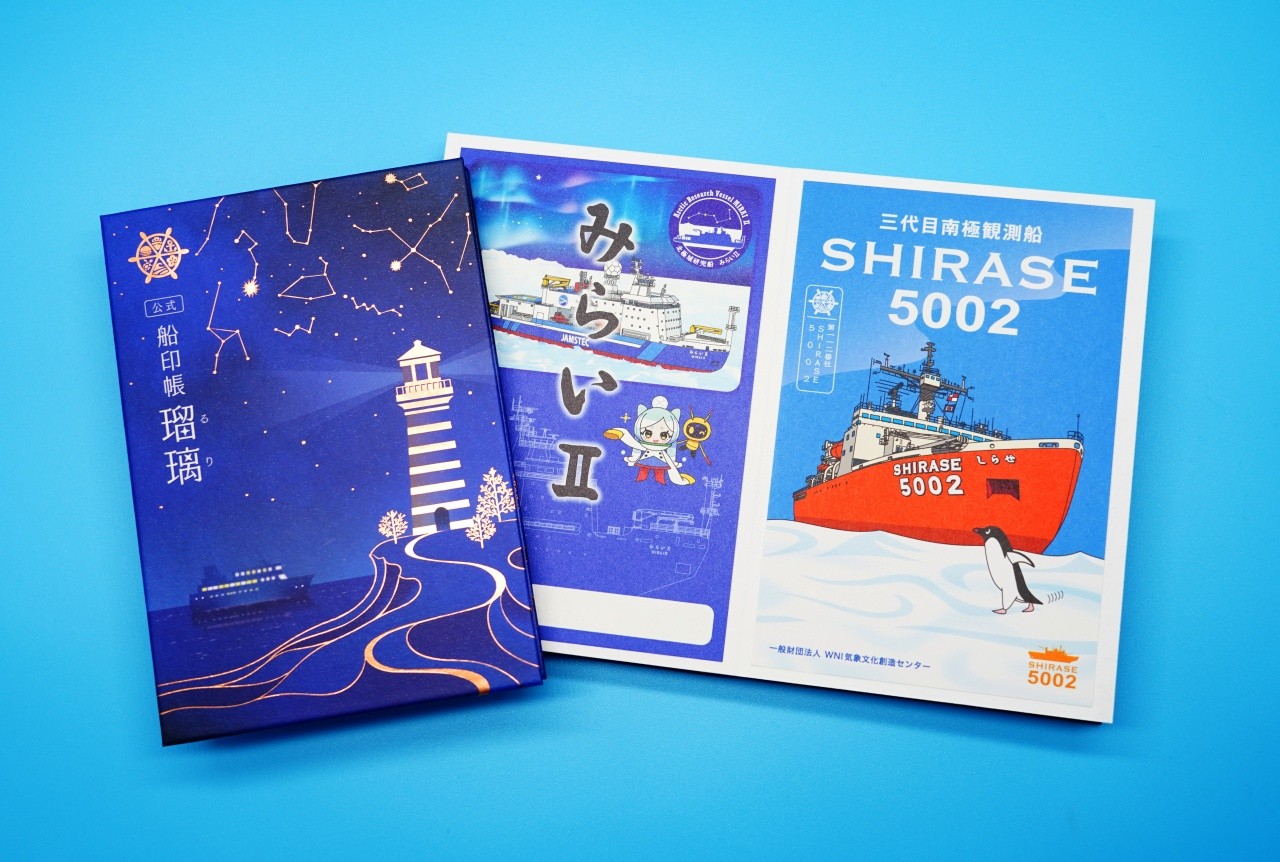
The official Gosenincho can be purchased at terminals or onboard shops of shipping companies participating in the Gosenin Meguri Project. Priced at around 2,000 yen, there are also original Gosenincho featuring ship illustrations and route scenery. With a Gosenincho in hand, set out on a journey to rediscover Japan.
Website: https://gosen-in.jp/stamp_book.php
The Japanese stamp rally culture, which has grown out of the tradition of collecting "Goshuin" (temple and shrine stamps), is sure to make your travels in Japan even more memorable. Each unique stamp embodies the history, culture, and heartfelt wishes of the people at that particular place.
We encourage you to try collecting stamps on your journey. It will surely become a special memory of your own unique adventure.

Comments