
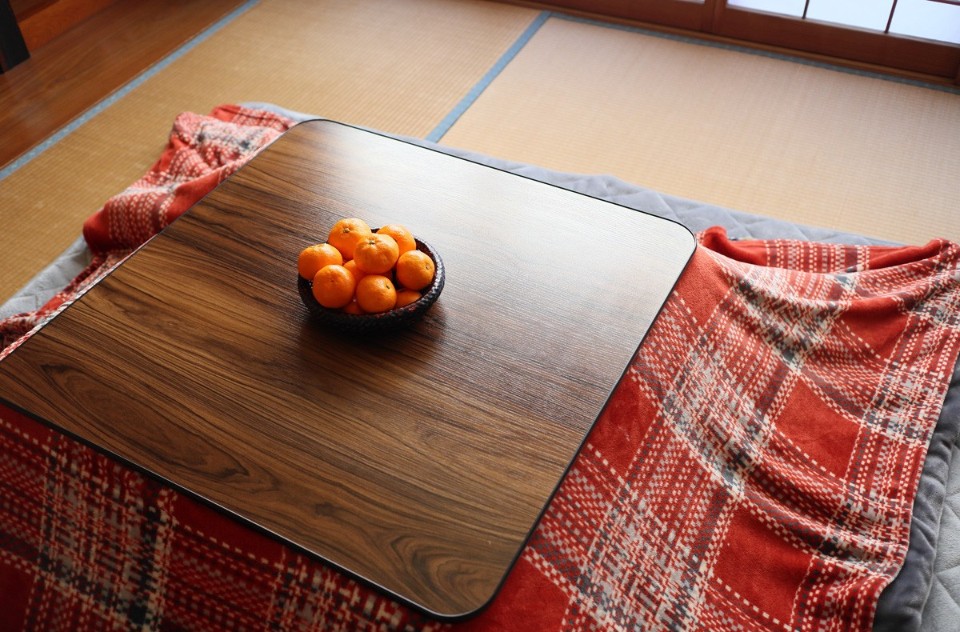
Winter in Japan arrives quietly, with snow gently piling up across the landscape. Even in the midst of biting cold, the Japanese have spent centuries developing their own wisdom and ingenuity to create a comfortable way of life. Warming up with family around a kotatsu, gathering for dinner over a steaming pot of hot pot, or soaking in an onsen while gazing at a snowy view. These moments are all part of the culture that makes winter in Japan so special.
In this article, we share practical tips for enjoying the cold season comfortably, whether you are visiting Japan in winter or living here long-term. From convenient cold-weather essentials such as electric blankets and disposable heat packs, to winter dishes that warm you from the inside out, and famous destinations for snow-viewing hot springs. We introduce the many ways Japanese people have embraced and cherished winter.
*If you purchase or reserve products introduced in this article, a portion of the sales may be returned to FUN! JAPAN.
When Does Winter Start in Japan? Average Temperatures and Climate Features
In Japan, winter is generally considered to be from December to February. However, since Japan stretches from north to south, the way the cold is felt varies greatly by region.
- Tokyo, Osaka, and similar areas: Temperatures start to drop in December, with average temperatures around 5°C in January and February
- Kyushu and Okinawa: Around 7°C in Fukuoka and a comfortable 17°C in Naha
- Hokkaido, Tohoku, and the Sea of Japan side: Snow begins to fall around November, marking the start of a true snowy winter
- Pacific side: Characterized by many sunny days and dry air
Because of these regional differences, it is important to check the climate of your destination in advance and take appropriate measures against the cold when traveling in Japan.
Related Articles
Essential Items for Staying Warm in Japanese Winter: Kotatsu, Electric Blankets, and More
Kotatsu | The Iconic Japanese Winter Heating Culture
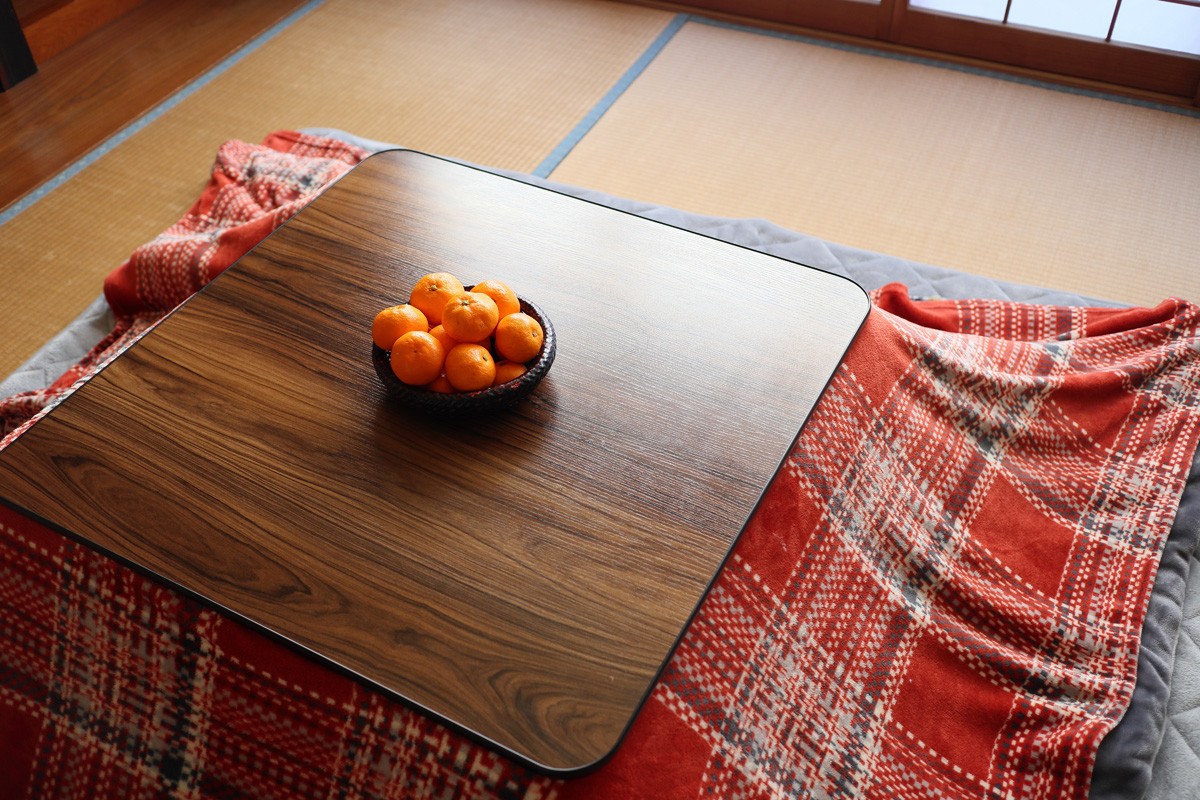
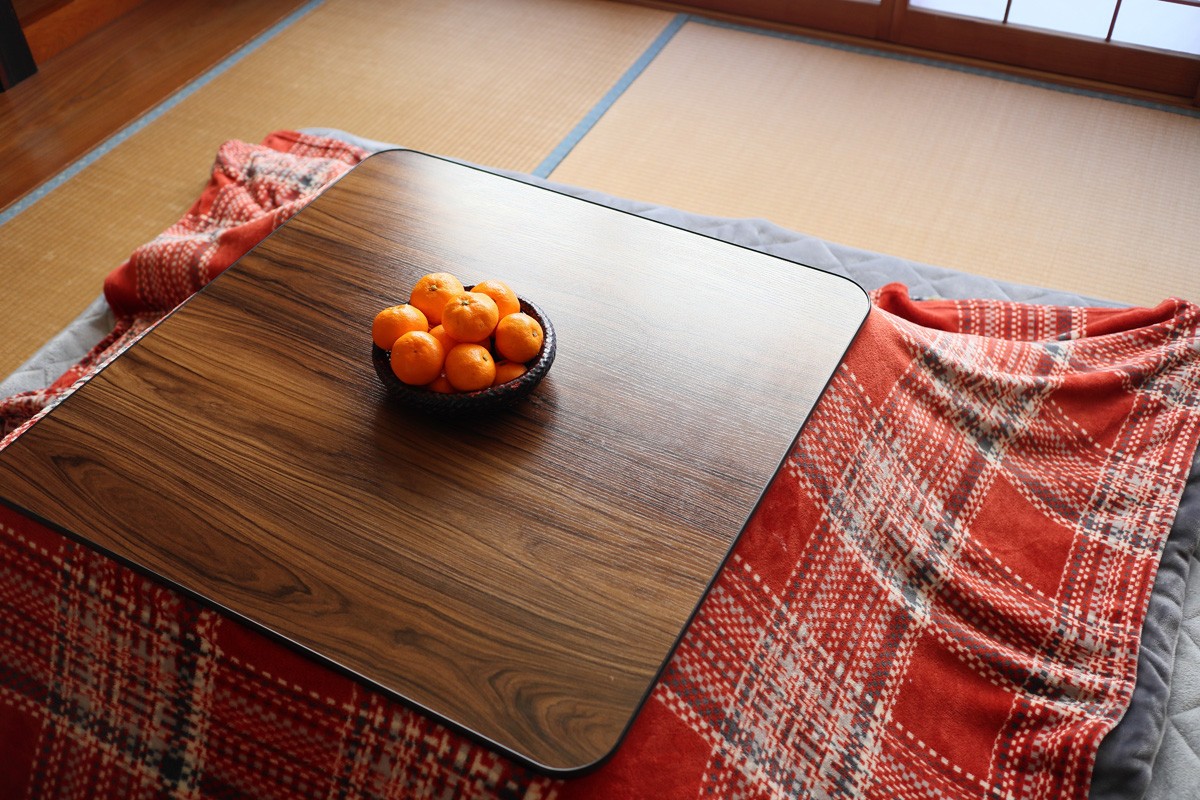
Kotatsu is an essential part of Japanese winter. It is a unique Japanese heating appliance consisting of a low table covered with a futon, with a heater installed underneath. Families warm their feet under the kotatsu while eating meals or watching TV.
It is highly energy efficient and saves electricity. The phenomenon where you do not want to leave the kotatsu is called "kotatsumuri" (a coined word combining kotatsu and "katatsumuri," meaning snail), and it is a winter tradition that every Japanese person can relate to.
Related Articles
Electric Blankets and Heated Lap Blankets | Energy-Saving Winter Essentials
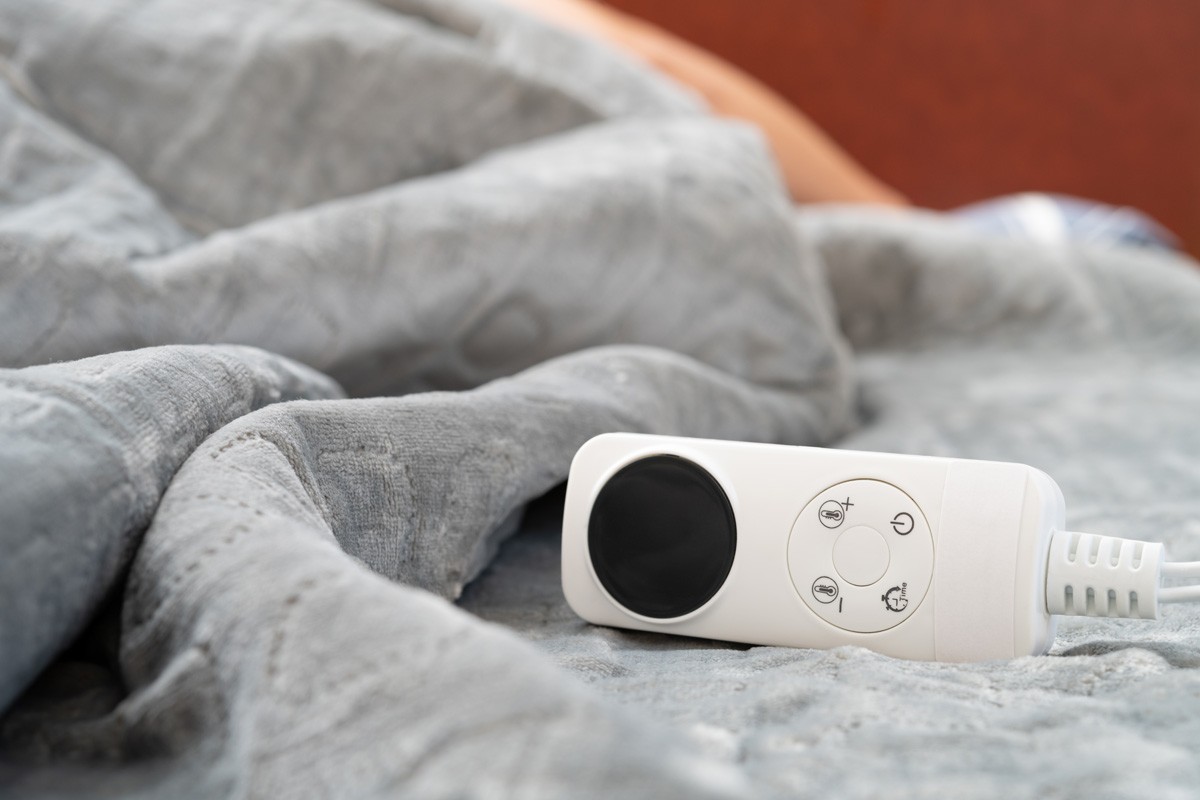
An electric blanket is a heating product with electric wires woven into the fabric, used by placing it on your bed or futon. If you turn it on before going to bed, your cold bedding will be warm and you can sleep comfortably even on chilly nights.
The biggest advantage is the low electricity cost. It is more economical than leaving the air conditioner on all night. Many products also come with temperature adjustment and timer functions, so you can use them according to your preferences.
A heated lap blanket is a product that uses the same technology as electric blankets, designed to be placed over your lap while working at a desk or reading. With more people working from home, these are popular among those who want to save on heating costs and only warm their workspace.
Yutanpo (Hot Water Bottle)|A Traditional Eco-Friendly Way to Stay Warm
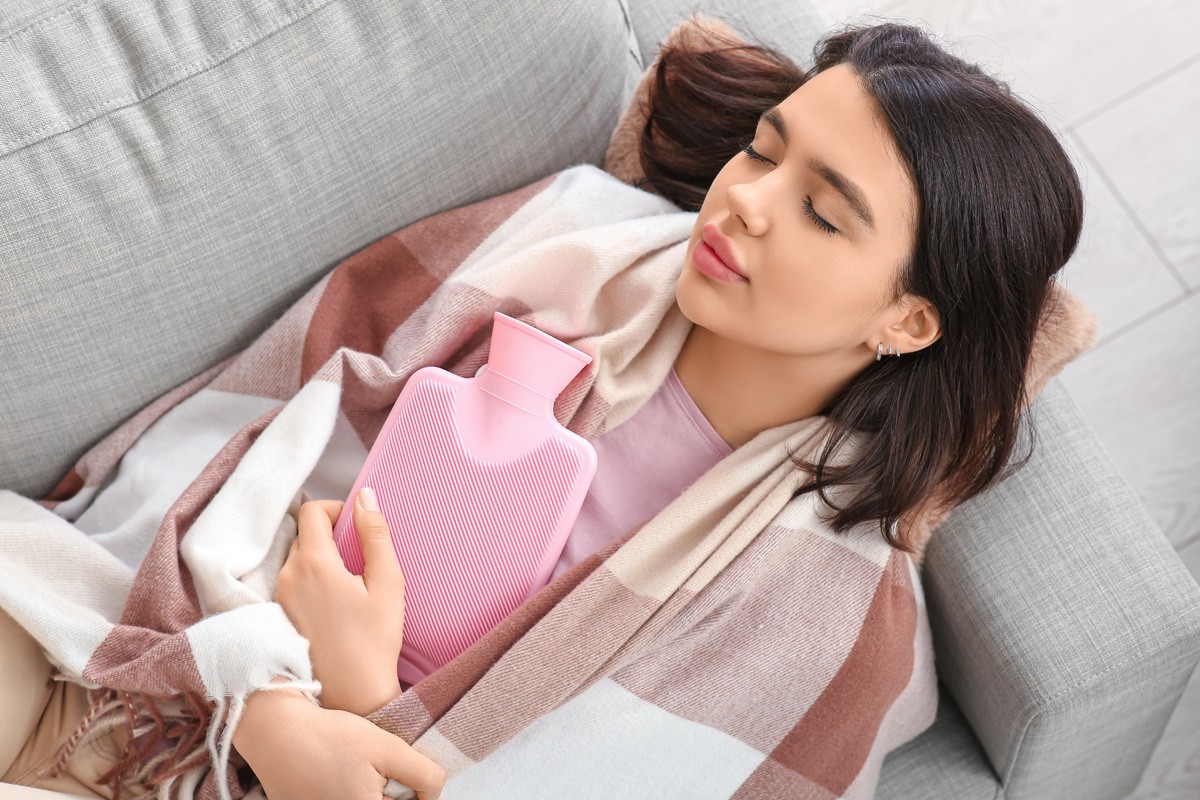
Yutanpo (hot water bottle) is a traditional heating device that does not use electricity. The mechanism is simple: just fill the container with hot water and place it in your bed. The warmth lasts throughout the night.
In the past, metal and rubber yutanpo were common, but nowadays you can find them made from a variety of materials such as ceramic, plastic, and silicone. Rechargeable heat-storage yutanpo have also appeared, making them a popular choice for those who want to avoid the hassle of boiling water.
Electric Carpet|A Japanese Winter Solution That Warms from the Floor
An electric carpet is a heated carpet that you lay on the floor to warm your room from your feet up. One of its features is that you can heat only the area you are using. It is an efficient way to stay warm and can also help save on electricity costs.
Combining an electric carpet with a rug or kotatsu further increases its heat retention. It is a popular heating appliance that can be easily introduced even in rental apartments.
Kairo (Heat Pack)|An Essential Japanese Winter Item for Going Out
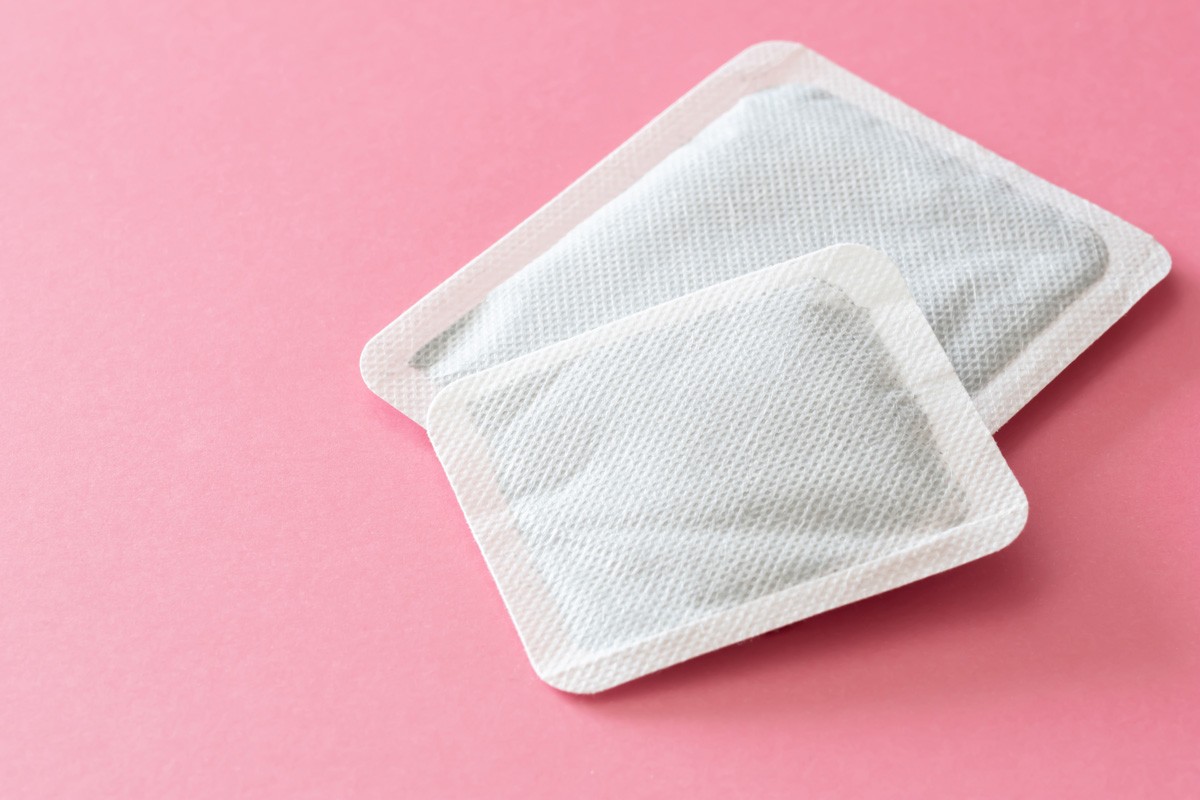
When it comes to winter in Japan, "kairo" (heat pack) is a must-have. There are "stick-on" and "non-stick" types, and they are easily available at convenience stores and drugstores. You use them by putting them in your pocket or inside your clothes. They are also extremely convenient for keeping warm while traveling.
One important point when using them is to avoid direct contact with your skin. To prevent low-temperature burns, always use them over clothing. After use, dispose of them according to your local municipality's waste separation rules.
Recently, rechargeable "rechargeable kairo" have also become available. Unlike disposable kairo, they can be used repeatedly, making them environmentally friendly. Many models also allow you to adjust the temperature.
👉Rechargeable Kairo Rechargeable Hand Warmer Mobile Battery Eco Kairo【Yahoo! Shopping】
Heated Toilet Seat|A Unique Japanese Comfort for Winter
The heated toilet seat is a facility developed so you can use the toilet comfortably even in the cold winter. By keeping the seat warm at all times, it frees you from the shock of a cold toilet seat on winter mornings.
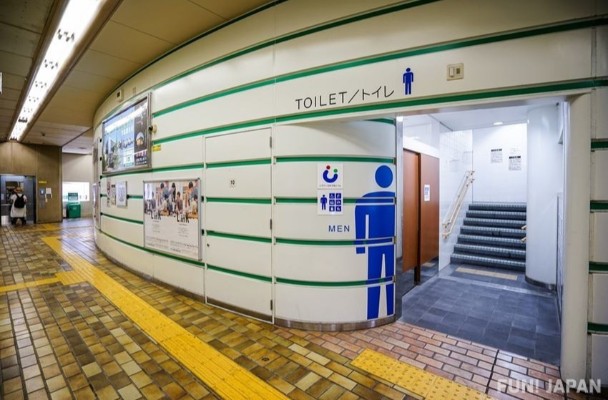
The warmth of a heated toilet seat is especially noticeable when you go to the bathroom on cold mornings or late at night. Heated toilet seats are available in most facilities in Japan, including hotels, ryokan, restaurants, and train stations, making them one of the amenities that make winter travel in Japan more comfortable.
Related Articles
Oil Heater|A Beloved Heating Appliance in Snowy Regions
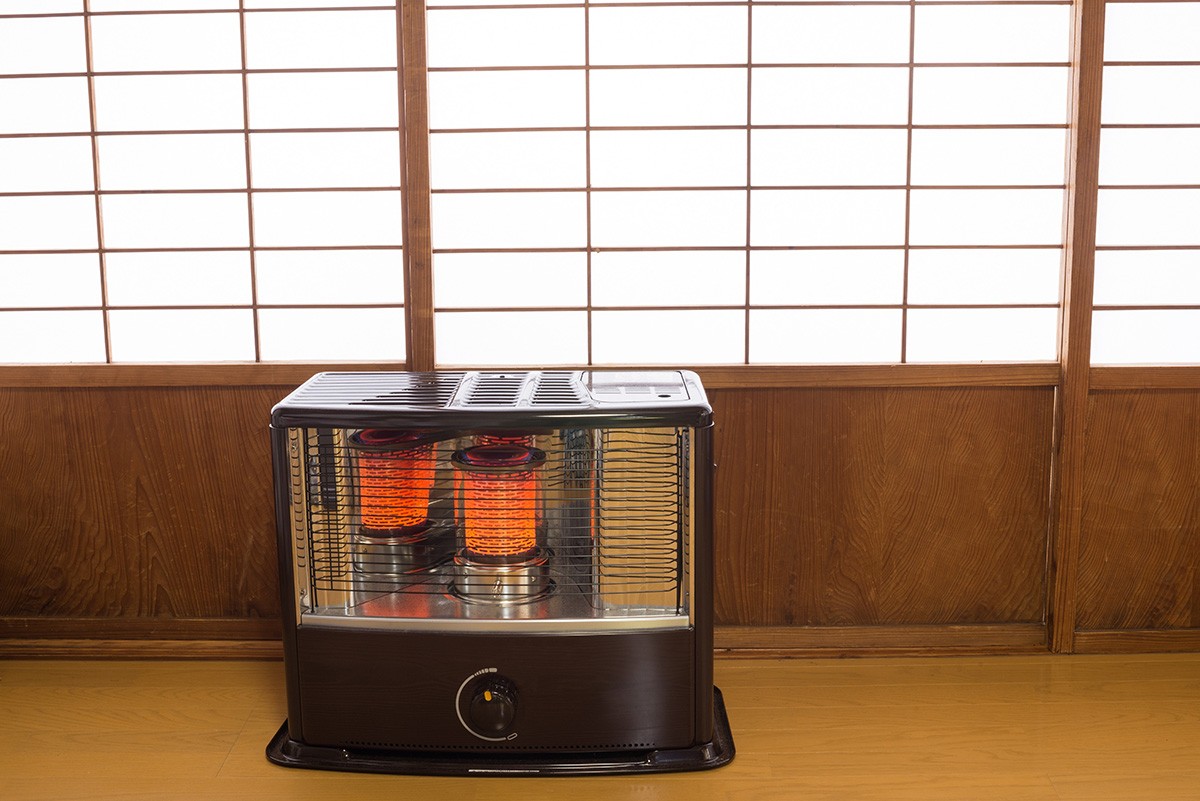
Oil heater is a heating appliance that uses kerosene as fuel and is still widely used, especially in areas with heavy snowfall. In the heavy snow regions of Hokkaido and Tohoku, many households rely on them for their powerful heating ability to cope with the severe cold.
The greatest advantage of oil heaters is their powerful heating capability and the fact that they can be used even during power outages. They are valuable as emergency preparedness, and in the event of disasters such as earthquakes that cause power failures, they can become a lifeline. Another appealing feature is their practicality, such as being able to boil water in a kettle or grill mochi on top of the heater.
Japanese Winter Food Culture: Hot Pot, Oden, Amazake, and More
Hot Pot Dishes | Classic Japanese Winter Home Cooking
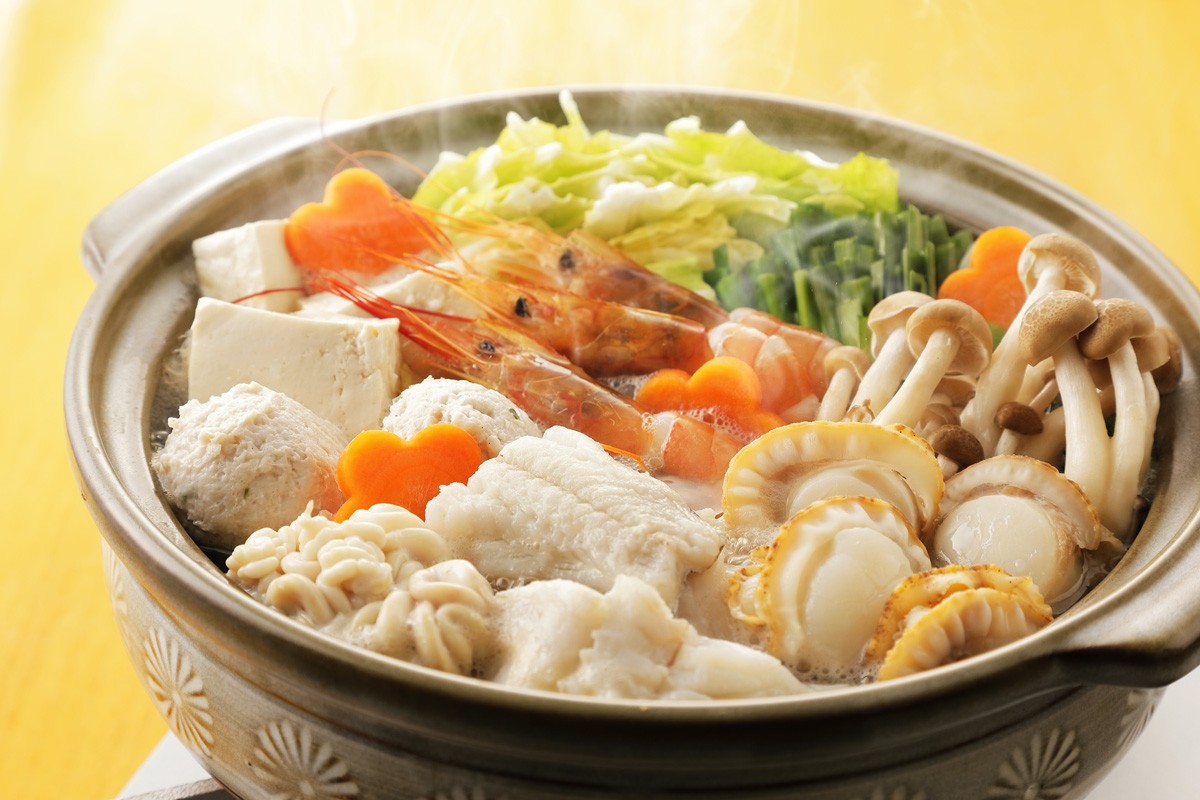
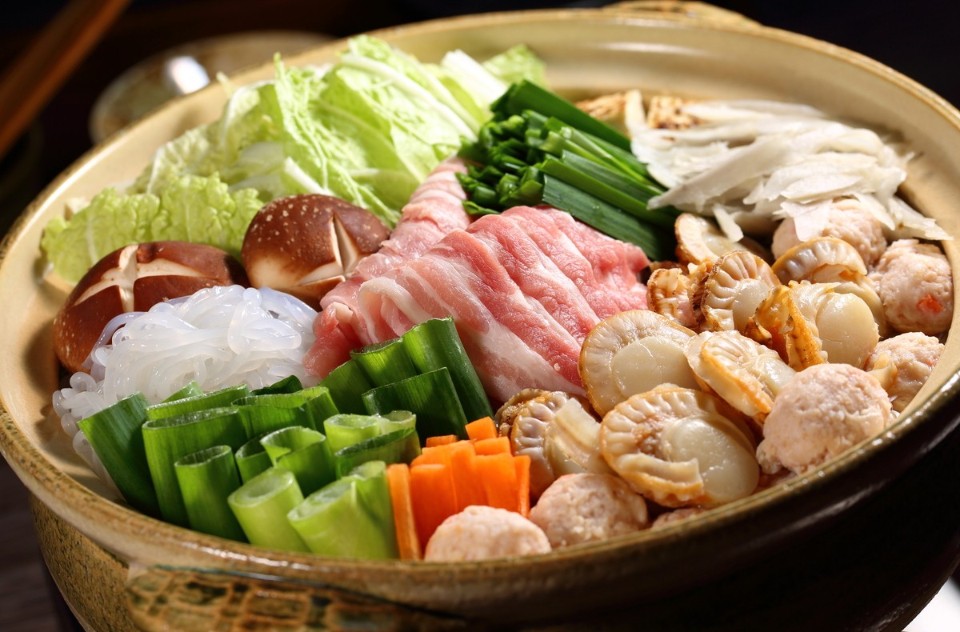
Hot pot dishes are at the heart of Japanese winter dining tables. The style of gathering around a large pot filled with vegetables, meat, seafood, and more not only warms the body but also deepens communication among family and friends.
There are unique regional hot pot dishes throughout Japan. Sukiyaki is a luxurious hot pot where beef and vegetables are simmered in a sweet and savory sauce and dipped in raw egg before eating. Shabu shabu is a refined dish where thinly sliced meat is quickly swished in hot broth and enjoyed with ponzu or sesame sauce. Yose nabe is an all-purpose hot pot that combines a variety of ingredients such as seafood, meat, and vegetables, with each household having its own unique seasoning.
If you visit Japan in winter, be sure to experience authentic hot pot dishes at izakaya or specialty hot pot restaurants.
Related Articles
Convenience Store Oden | An Easy Way to Enjoy Japanese Winter
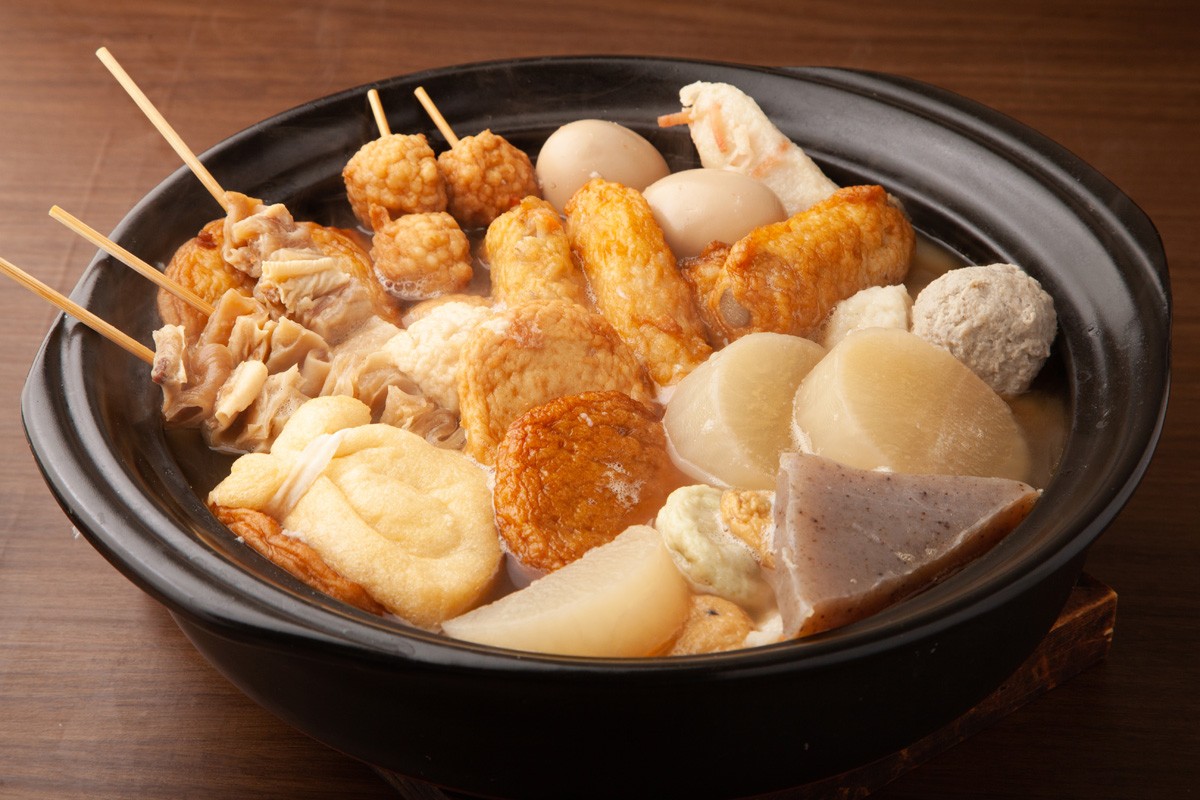
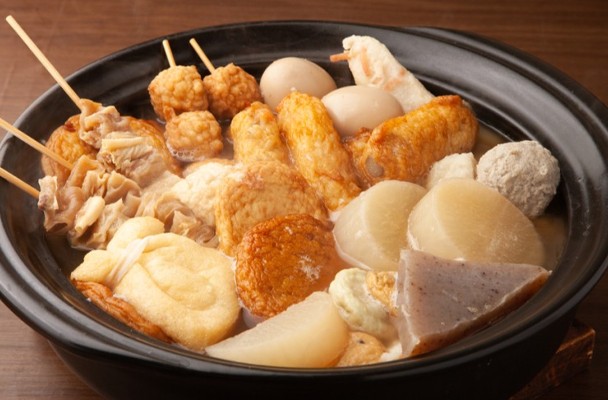
Oden is a classic Japanese winter dish where ingredients such as daikon radish, eggs, fish cakes, and konnyaku are simmered for a long time in a flavorful broth. While it is often made at home, the biggest appeal of convenience store oden is its simplicity and affordable price. A large pot is placed next to the register, and you can choose as many of your favorite ingredients as you like. Each item costs around 110 to 300 yen, making it perfect for a light snack or a late-night meal.
Major convenience store chains sell oden from around October to March. If you want to easily experience the taste of Japanese winter during your stay, convenience store oden is highly recommended.
Related Articles
Winter-Only Drinks (Amazake, Yuzu Tea) | Seasonal Delights for Cold Weather
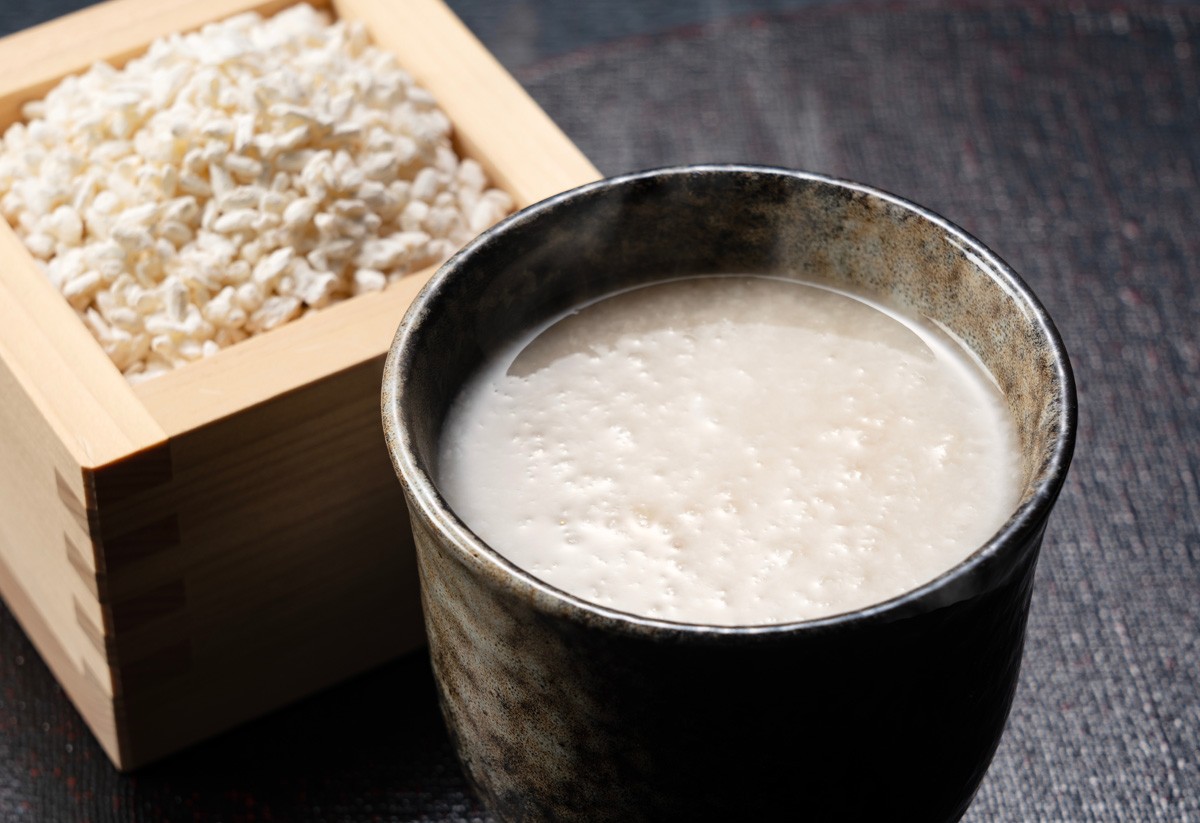
Japan’s winter features many traditional drinks that warm the body. Among the most popular are amazake and yuzu tea.
Amazake is a sweet drink made by fermenting rice malt and is known for its high nutritional value, earning it the nickname “drinkable IV.” It contains almost no alcohol and is rich in B vitamins, glucose, and amino acids, making it popular for recovery from fatigue and for promoting beautiful skin.
At shrines, temples, and tourist spots in winter, warm amazake is often served, and drinking amazake during the first shrine visit of the year is a classic Japanese winter tradition.
Yuzu tea is made by soaking yuzu peel and juice in honey or sugar, then dissolving it in hot water. It is characterized by the refreshing aroma and slight bitterness unique to yuzu, balanced with the sweetness of honey. Rich in vitamin C, it is said to be good for preventing colds and for beauty.
5 Famous Japanese Winter Hot Spring Destinations for Snow Viewing: Ginzan Onsen, Nyuto Onsen, and More
Ginzan Onsen (Yamagata) | A Retro Hot Spring Town Representing Winter in Japan
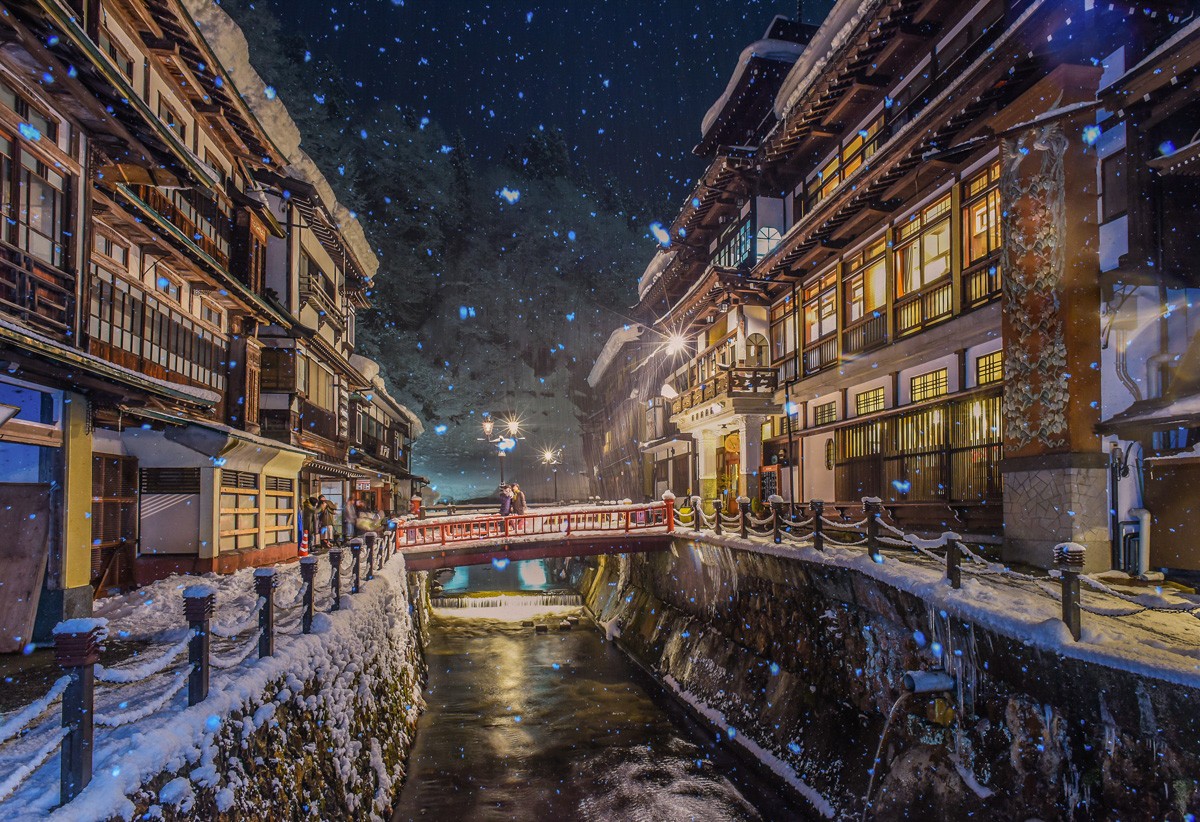
Ginzan Onsen is a hot spring town located in Obanazawa City, Yamagata Prefecture, known for its picturesque scenery of Taisho-era wooden ryokan lined up along the river. In winter, the entire hot spring town is covered in snow, and the soft glow of gas lamps reflecting off the snow creates a magical atmosphere, as if you have slipped back in time.
🏨Book your stay at Ginzan Onsen! [Jalan]
Nyuto Onsen Village (Akita) | A Hidden Hot Spring for a Snowy Bathing Experience
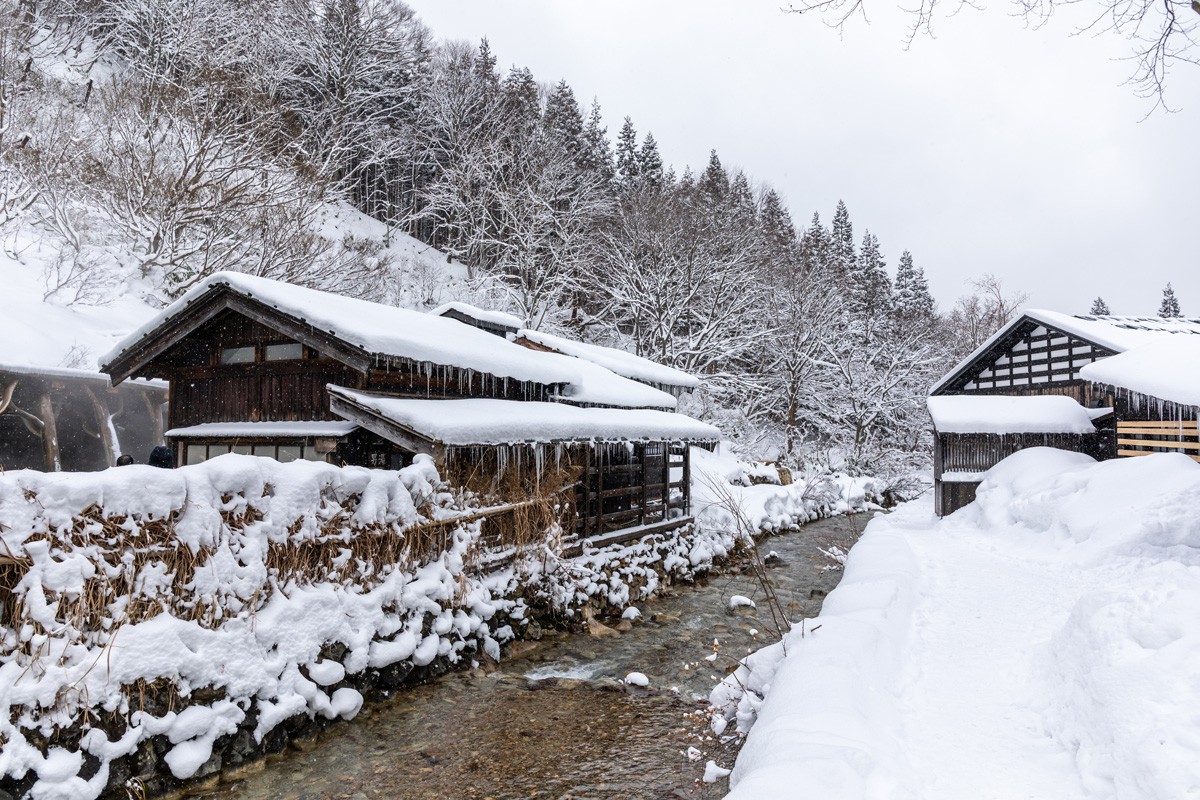
Nyuto Onsen Village is the collective name for seven hot spring inns located within Towada-Hachimantai National Park in Semboku City, Akita Prefecture, and is known as one of Japan’s most famous hidden hot springs. Surrounded by untouched beech forests deep in the mountains, each inn has its own unique hot spring source, allowing visitors to enjoy a variety of spring qualities.
In winter, Nyuto Onsen Village is blanketed by more than two meters of snow, transforming it into a true winter wonderland. Soaking in an open-air bath while gazing up at the snowy landscape is a breathtaking experience, offering a peaceful escape from the hustle and bustle of the city. Bathing in the hot springs as snow piles up around you creates a striking contrast between the cold snow and the hot water, making for an unforgettable experience.
🏨Book your stay at Nyuto Onsen Village! [Jalan]
Manza Onsen (Gunma) | A High-Altitude Snowy Hot Spring Resort
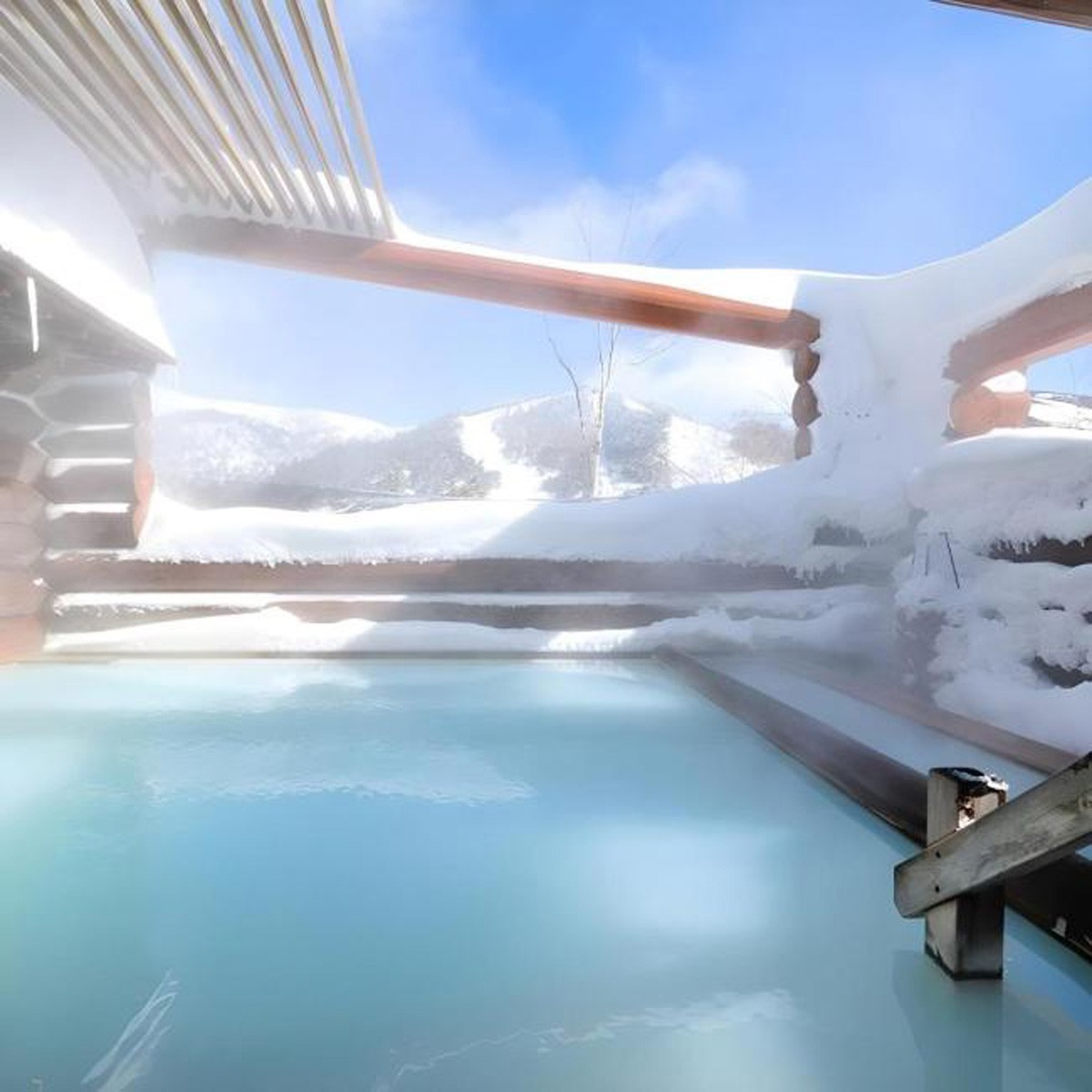
Manza Onsen is a hot spring resort located at an altitude of 1,800 meters within Joshinetsu Kogen National Park in Tsumagoi Village, Gunma Prefecture. It is one of the highest hot springs in Japan and is famous for its milky white water with a very high sulfur content.
In winter, Manza Onsen becomes a special place where you can enjoy snow, a sea of clouds, and a star-filled sky. Thanks to its high elevation, the snow is powdery, and the snowy scenery lasts from December through around April. On clear days, you can soak in the hot springs with the sensation of floating above the clouds, and at night, a sky full of stars spreads out overhead.
🏨Book your stay at Manza Onsen! [Jalan]
Shirahone Onsen (Nagano) | A Hot Spring Town with Beautiful Milky White Water and Snowy Scenery
Shirahone Onsen is a hot spring resort located on the eastern side of Mount Norikura in Matsumoto City, Nagano Prefecture, nestled in the mountains at an altitude of 1,400 meters. The hot spring is known for its milky white water, and its name is said to come from the fact that the water is “as white as white bones.”
In winter, Shirahone Onsen offers the tranquil atmosphere of a mountain village blanketed in deep snow. Soaking in the cloudy hot spring while surrounded by snowy scenery is a truly healing experience for both body and mind. The hot spring town is small, but charming ryokan are scattered throughout, each with its own unique hot spring source.
🏨Book your stay at Shirahone Onsen! [Jalan]
Takayu Onsen (Fukushima) | Snowy Hot Springs Surrounded by Nature
Takayu Onsen is a hot spring resort located at an altitude of 750 meters in the mountains of the Azuma mountain range in Fukushima City, Fukushima Prefecture. It is about a 30-minute drive from downtown Fukushima, making it easily accessible, yet it is popular as a secluded hot spring surrounded by deep nature.
In winter, Takayu Onsen is nestled deep in the snowy mountains, and the view of the snow from the open-air baths is breathtaking. Especially when it is snowing, you can enjoy the unique experience of soaking in the hot spring while watching the snow accumulate. The area is surrounded by coniferous forests, allowing you to enjoy bathing in nature.
🏨Book your stay at Takayu Onsen! [Jalan]
Fully Enjoy Winter in Japan
Japan’s winter is a special season where wisdom for enduring the cold harmonizes with an appreciation for the beauty of the time of year. Cozy moments spent warming up around a kotatsu, blissful relaxation in snow-viewing hot springs, and meals shared over steaming hot pot dishes all come together to enrich the winter experience. By trying the heating items, seasonal foods, and hot spring destinations introduced in this article, you can fully experience the charm of winter in Japan. Even though the cold can be harsh, Japanese winter is filled with warmth, kindness, and ingenuity. We hope you enjoy discovering the uniquely Japanese way of spending the winter season.
Comments