
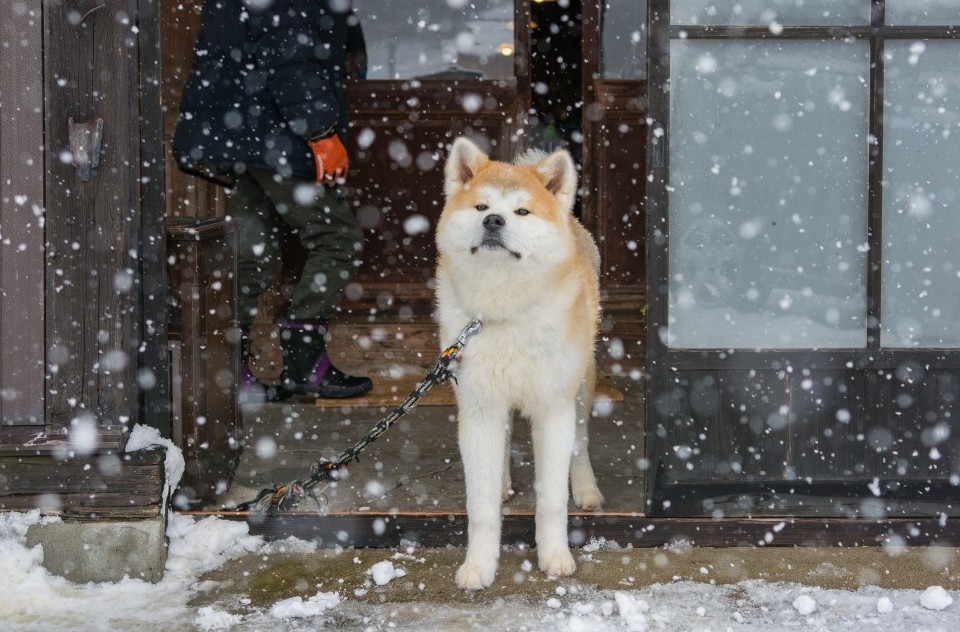
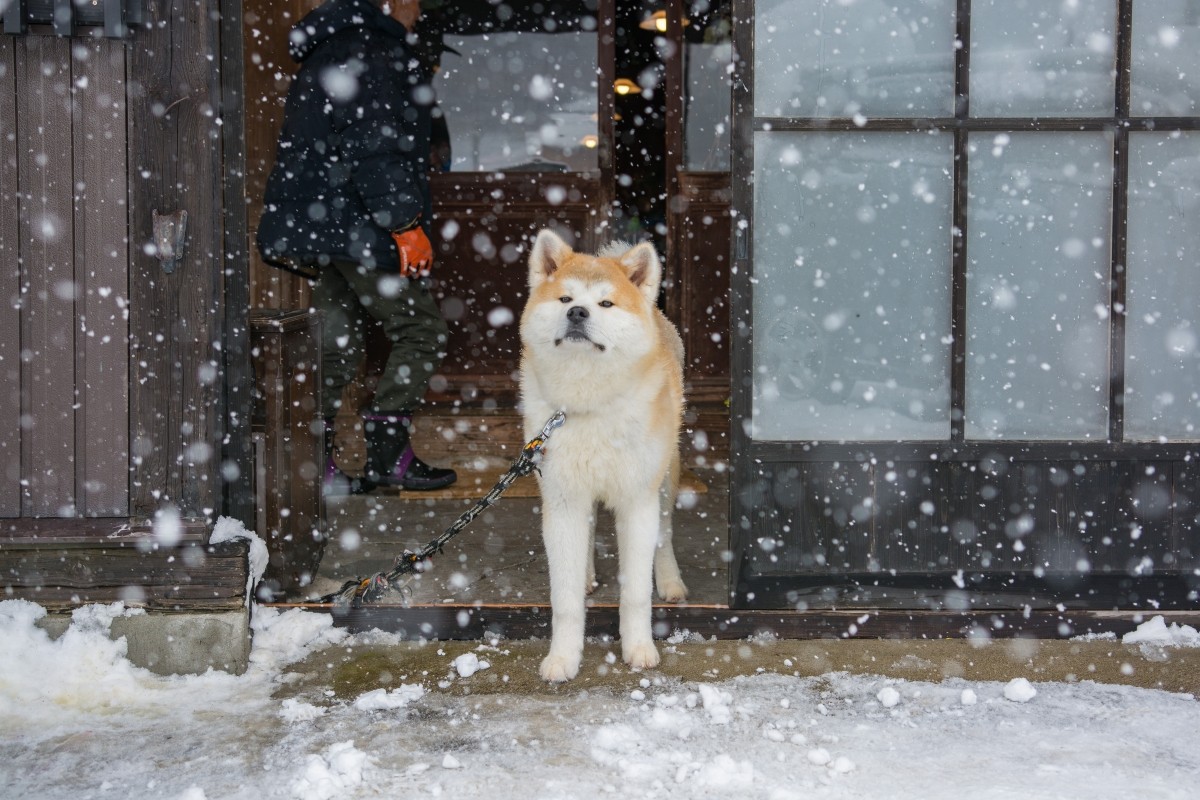
Are you familiar with the Akita dog, the breed of the loyal dog Hachiko?
The Akita is the only large breed among Japanese dogs. It is characterized by its sturdy body, triangular upright ears, and a tail that curls over its back. Odate City in Akita Prefecture, where the loyal dog Hachiko was born, is known as the "birthplace of the Akita dog" and has facilities where you can see Akitas.
This article explains the characteristics and temperament of the Akita, its differences from the Shiba Inu, coat colors, and the story of the loyal dog Hachiko. We will also introduce the latest information on places in Odate City, Akita Prefecture, where you may be able to meet Akitas.
*Facility information is current as of August 2026. Please check the official website for the latest information before your visit, as you may not be able to see the Akita dogs depending on their condition or work schedule.
🚅Book your Shinkansen ticket with NAVITIME Travel! 👉 Click here
🛫Book your flight ticket with NAVITIME Travel! 👉 Click here
😄Enjoy a more convenient trip to Japan with NAVITIME eSIM!👉Click here
👉Book Hotels & Ryokan on JAPANiCAN🏨

The Breed of the Loyal Dog Hachiko is the Akita
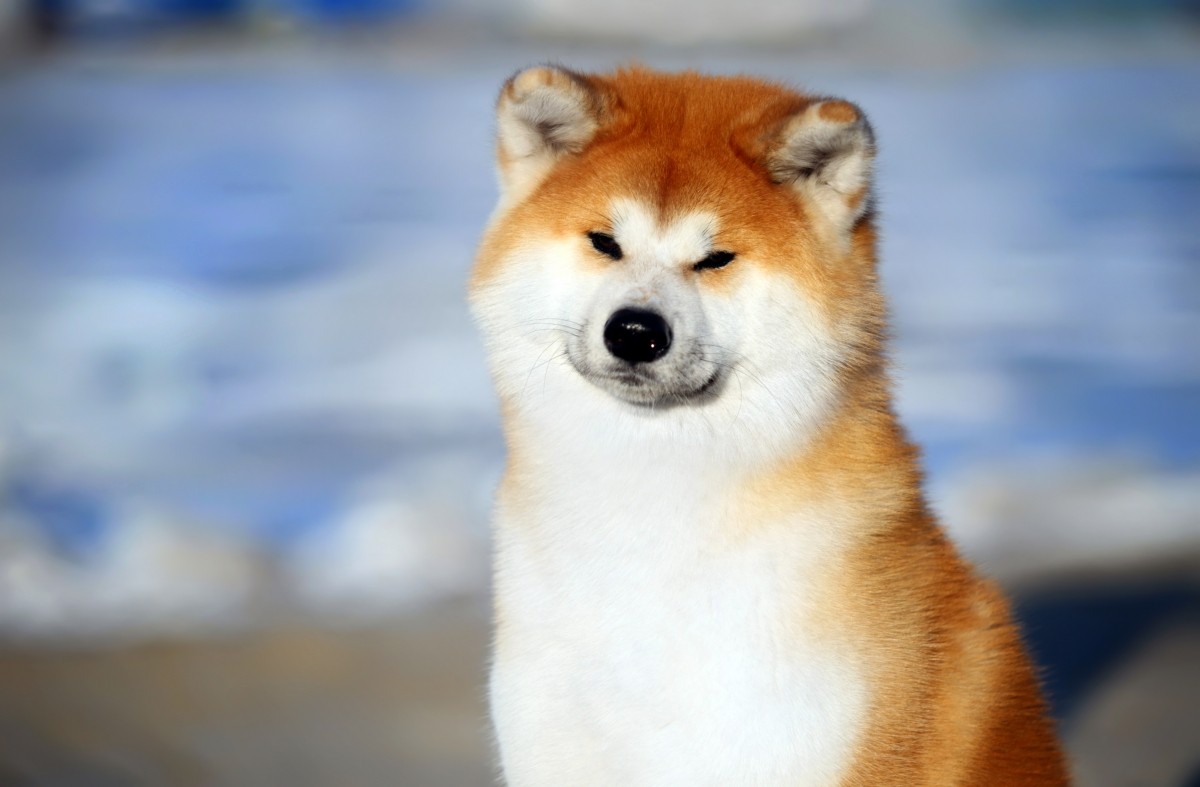
The loyal dog Hachiko, known for the statue in front of Shibuya Station in Tokyo, was a male Akita.
Hachiko was born on November 10, 1923, in Oshinai, Odate City, Akita Prefecture. At about two months old, he was brought to Tokyo and became the pet of Dr. Hidesaburo Ueno, a professor at Tokyo Imperial University.
Akitas are generally considered calm and loyal to their owners. The story of Hachiko, who waited for his deceased owner at Shibuya Station for about ten years, made the Akita widely known not only in Japan but also around the world.
What is the Akita? Characteristics and History
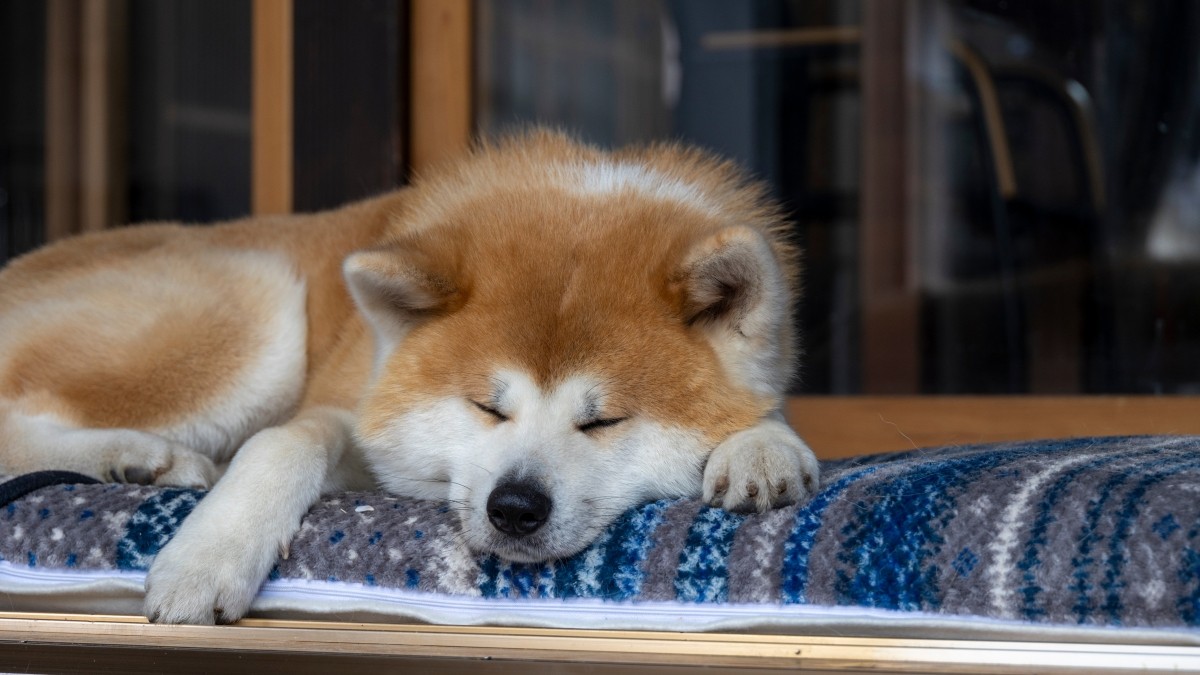
The Akita is a large dog native to Japan that has been passed down through generations, mainly in the northern part of Akita Prefecture.
There are six Japanese dog breeds designated as national natural monuments: Shiba Inu, Kishu Ken, Shikoku Ken, Kai Ken, Hokkaido Ken, and Akita. Of these, only the Akita is classified as a large breed.
The Akita was designated as a national natural monument for the first time among Japanese dogs on July 31, 1931.
The Ancestor of the Akita: The Matagi Dog Used for Hunting
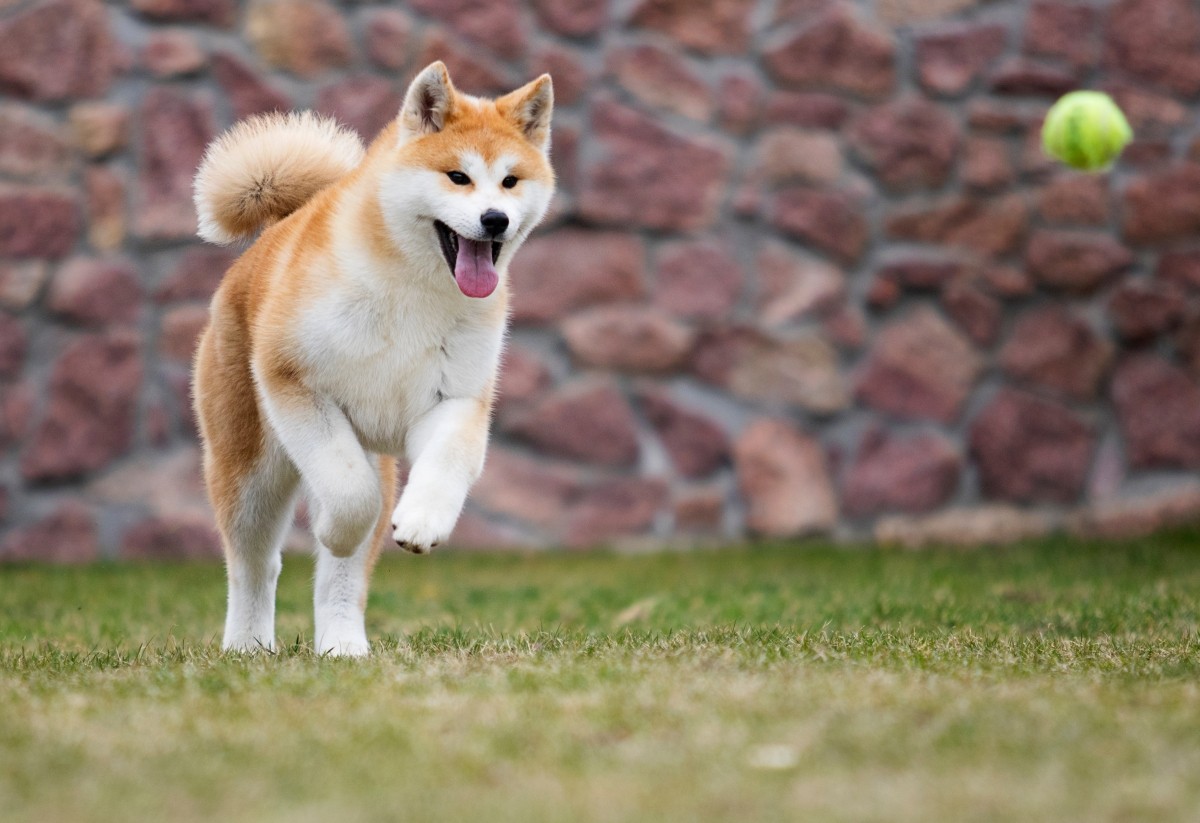
The foundation of the Akita is said to be the "Akita Matagi dog," which was used for hunting bears and other animals around the Ou Mountains.
In the Odate area of Akita Prefecture, dogs called "Odate dogs" were also once bred. Later, as the dogs were bred larger for dog fighting, crossbreeding with other breeds progressed, and there was a period when they lost their typical Japanese dog characteristics.
In the Showa era, efforts to preserve Japanese dogs became more active. During World War II, their numbers decreased significantly, but preservation and improvement continued after the war, leading to the Akita as we know it today.
Size and Temperament of the Akita
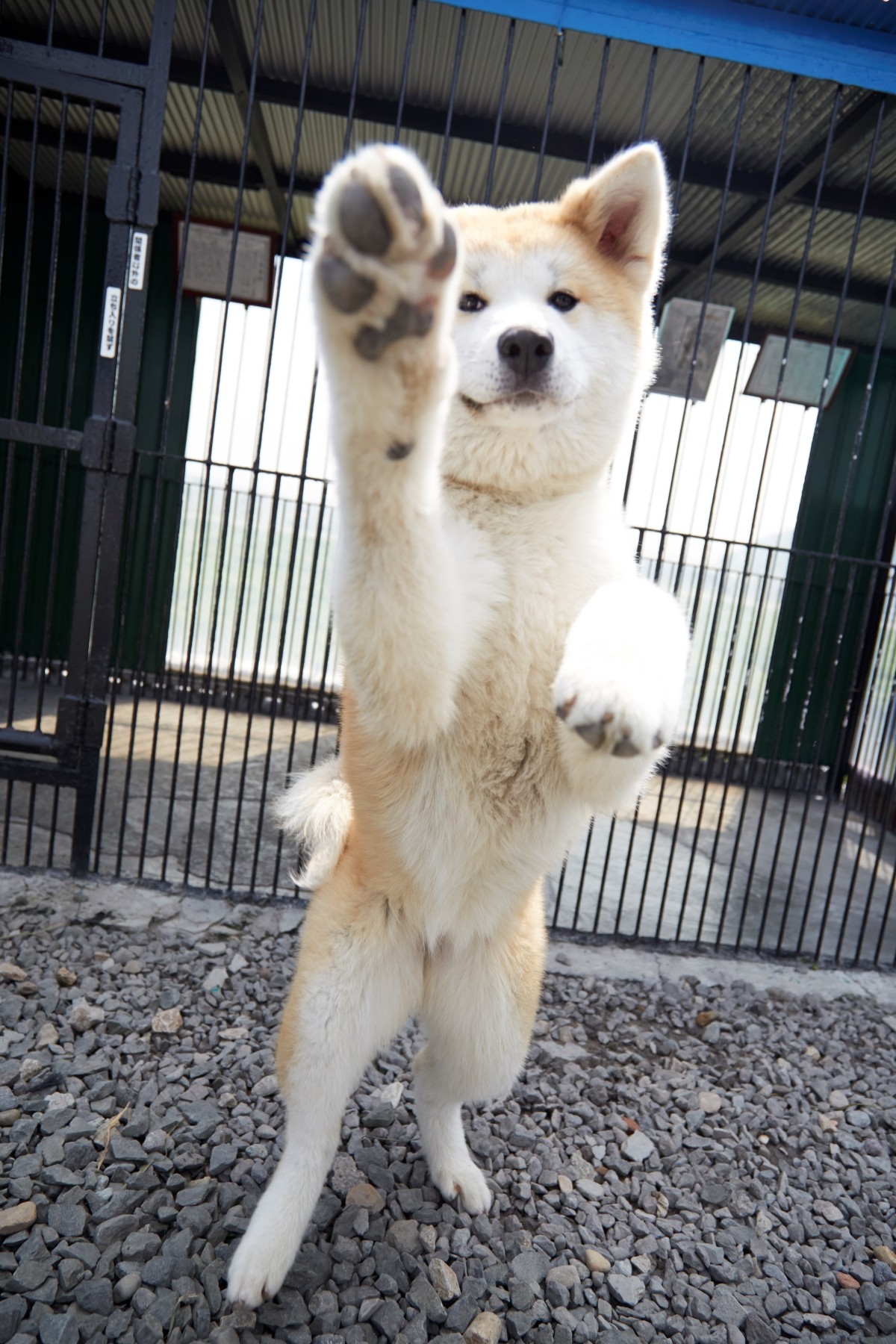
The Akita is a large dog with a sturdy bone structure and a solid build. The standard height at the withers is about 67 centimeters for males and about 61 centimeters for females. For both males and females, the standard allows for a variation of about 3 centimeters above or below these heights.
The main characteristics of the Akita are as follows.
- A large, sturdy body
- A broad forehead and well-developed cheeks
- Small, thick, triangular, erect ears
- A thick tail curled over the back
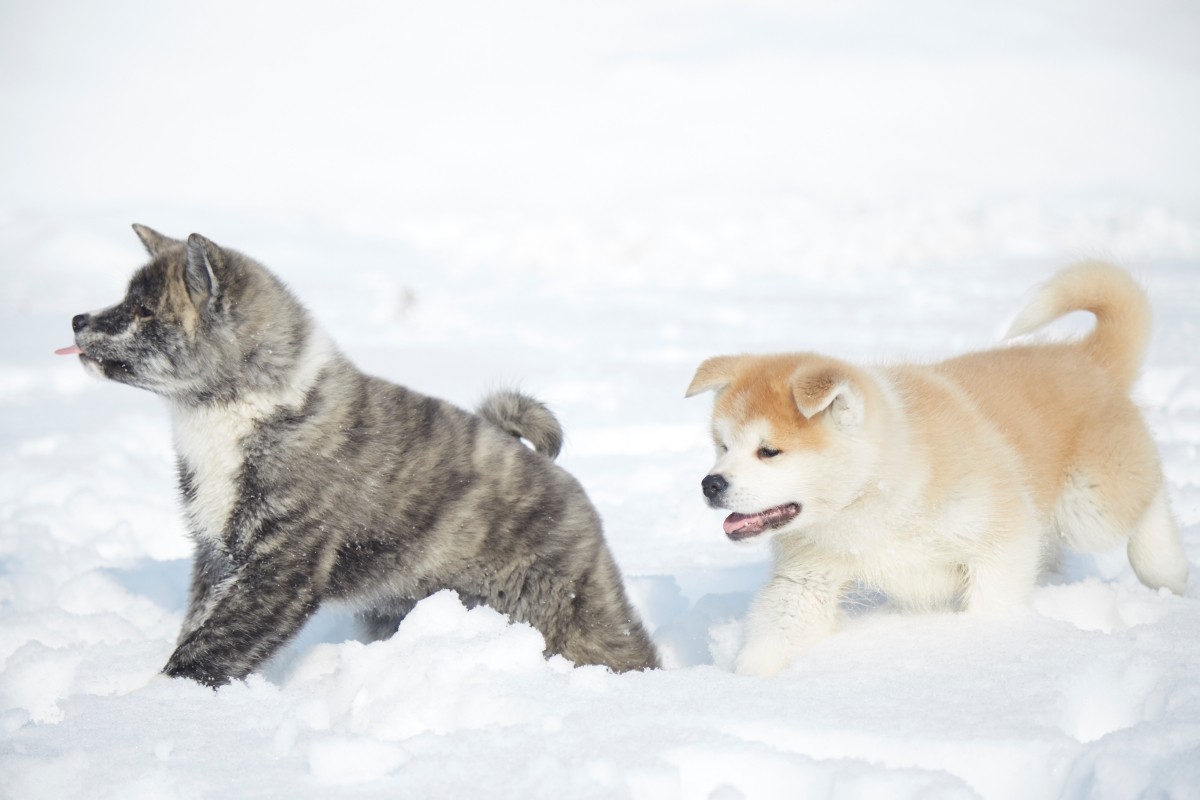
- A double coat consisting of an outer coat and a dense undercoat
- A calm temperament and loyalty to its owner
However, individual dogs may have different personalities. Since the Akita is a powerful large breed, always follow the staff’s instructions when meeting one at a tourist facility.
What are the differences between the Akita and the Shiba Inu? How to tell them apart
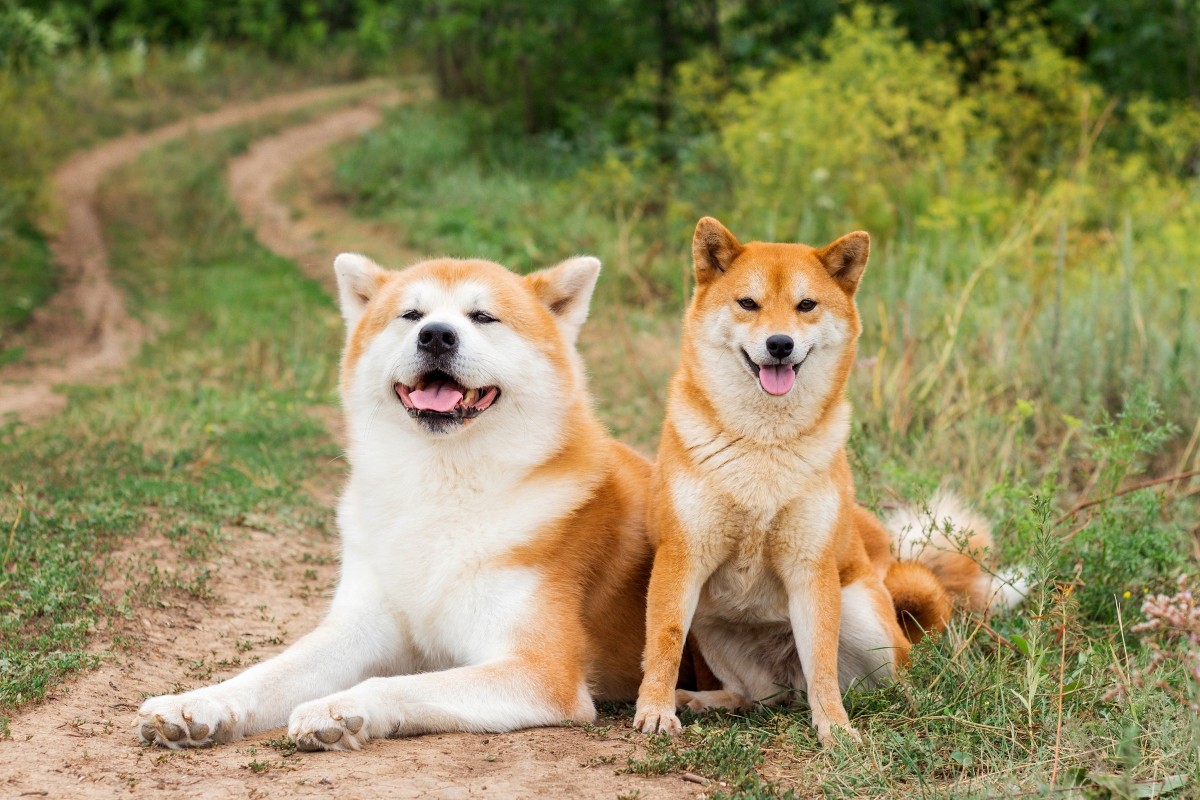
The Akita and the Shiba Inu are both Japanese breeds and share features such as erect ears, curled tails, and red fur. Because of these similarities, they may look alike in photos.
The most obvious difference is their size.
| Comparison Item | Akita | Shiba Inu |
| Size Classification | Large breed | Small breed |
| Standard Height (Male) | About 67 cm | About 39.5 cm |
| Standard Height (Female) | About 61 cm | About 36.5 cm |
| Head | Broad forehead and well-developed cheeks | Smaller than the Akita, with an overall tighter appearance |
| Ears | Relatively small, thick, and slightly tilted forward | Small, triangular, and firmly erect |
| Overall Impression | Thick-boned and solid | Compact and agile |
When adult dogs stand side by side, the difference in build is obvious at a glance. Some people seeing an Akita for the first time may think it is a “large Shiba Inu,” but the Akita and Shiba Inu are different breeds.
Akita Coat Colors: Red, Brindle, White, and Sesame
The standard coat colors for the Akita are red, brindle, white, and sesame.
Red
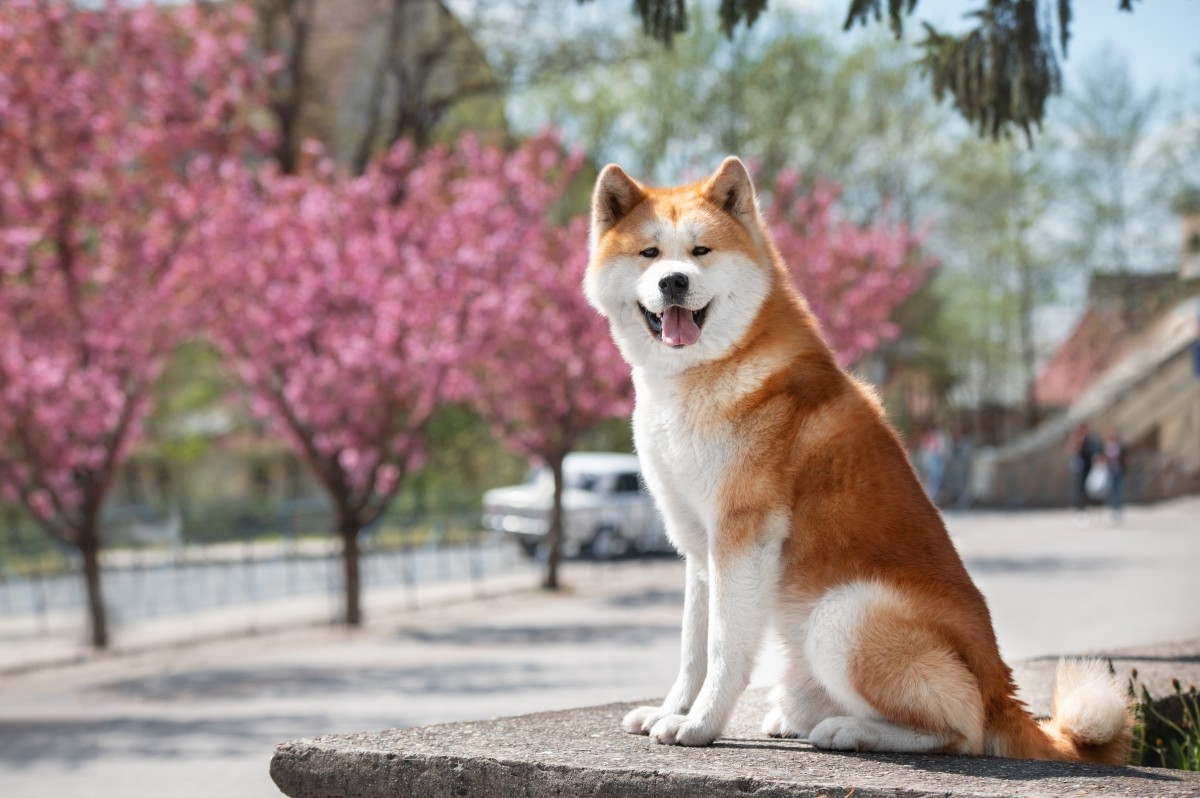
This is currently the most common coat color. It is characterized by “urajiro,” or white fur on the lower face, chest, belly, and the inside of the legs.
Brindle
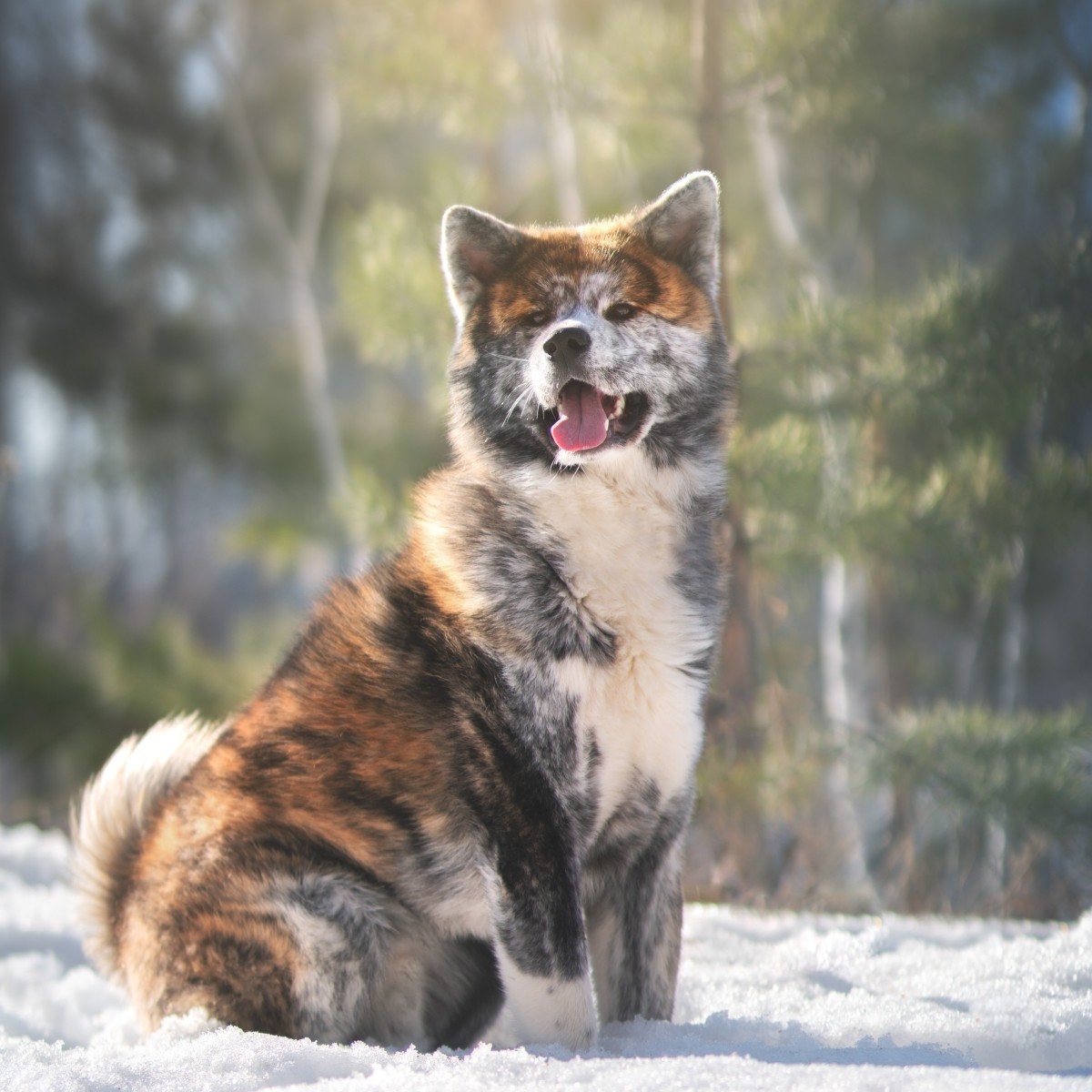
This coat color features black, red, white, and other hairs mixed in a striped pattern. Depending on the shade, it may be called red brindle, black brindle, or sesame brindle.
White
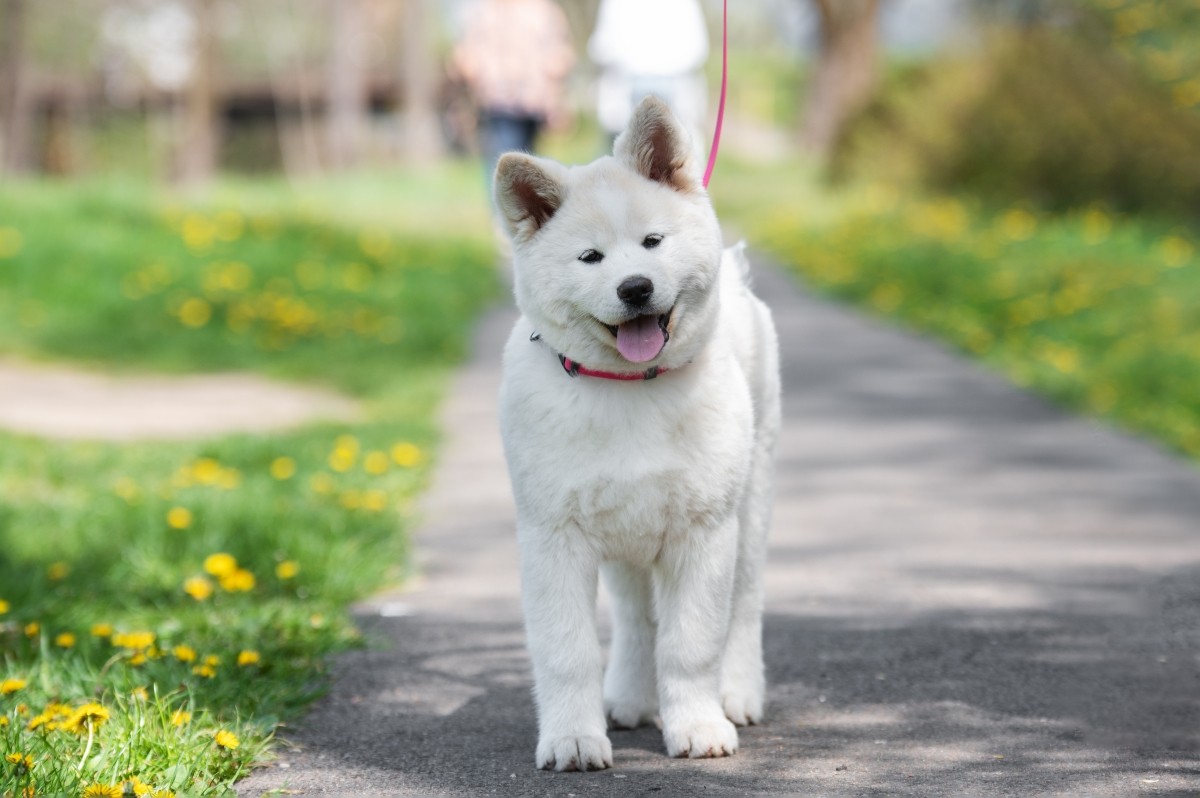
This is an Akita with an all-white coat. Compared to red or brindle, white Akitas are less common.
Sesame
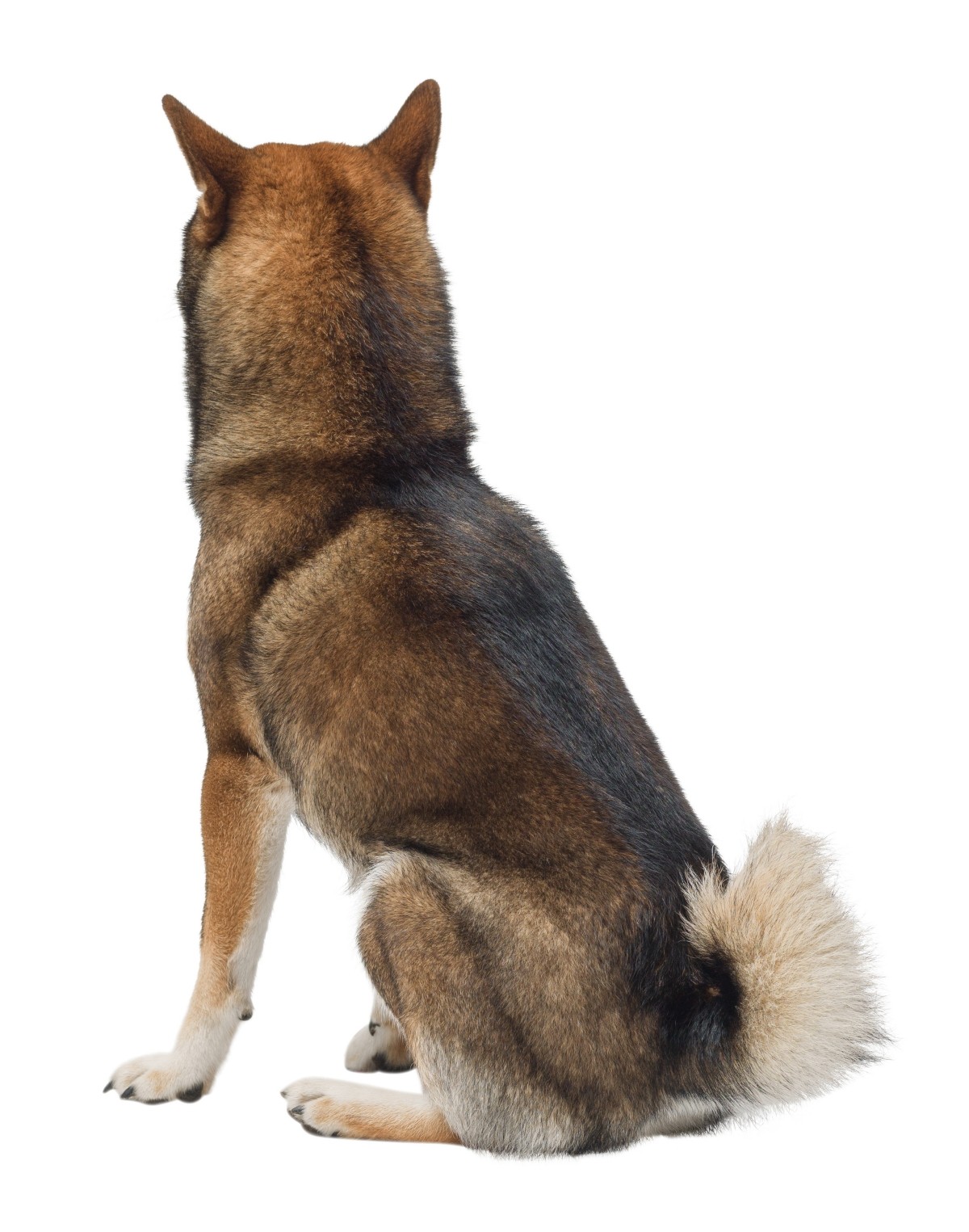
This coat color is mainly red with black and other hairs mixed in. Although sesame is included in the Akita’s standard, it is now extremely rare and hardly ever seen.
Are there long-haired Akitas?
The Akita usually has a short coat with a hard outer layer and dense undercoat, but occasionally a long-haired Akita is born.
“Wasao,” who once served as a tourist stationmaster in Ajigasawa Town, Aomori Prefecture, was also a long-haired white Akita. However, according to the Akita Dog Preservation Society’s judging standards, congenital long hair is a disqualifying trait for dog shows.
Differences between the Japanese Akita and the American Akita

Outside of Japan, there is also a breed known as the "American Akita," which is different from the Japanese Akita Inu(Akita dog).
The history of the American Akita began after World War II, when Akita Inu dogs from Japan were brought to the United States. Breeding then continued with a different approach from that of the Japanese Akita Inu, and the breed developed into a unique type with a more robust build and a heavier appearance.
Today, the Akita Inu and the American Akita are recognized as separate breeds. Some American Akitas have black markings on their faces, while others have large patches of multiple colors.
The World-Famous Story of Hachiko, the Loyal Dog
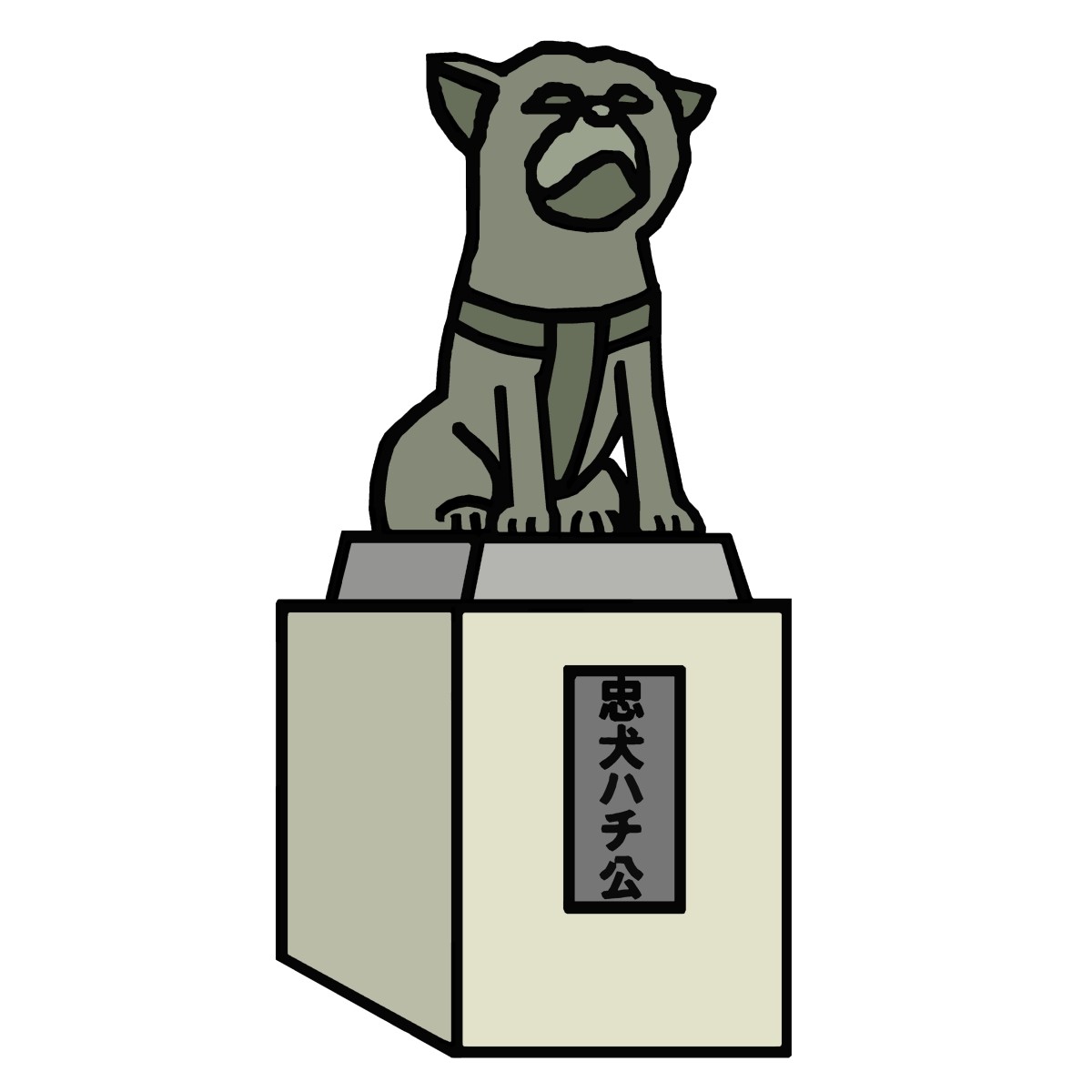
Hachiko was born in 1923 in Odate City, Akita Prefecture, and in 1924 was given to Professor Hidesaburo Ueno of Tokyo Imperial University.
It is said that Hachiko adored Professor Ueno and would accompany him to and from Shibuya Station whenever the professor went out. However, in May 1925, Professor Ueno suddenly passed away at the university.
Even after that, Hachiko continued to go to Shibuya Station, waiting for his late master's return. In 1932, when Hachiko's story was featured in a newspaper, it spread throughout Japan.
In 1934, the first statue of Hachiko was erected in front of Shibuya Station, and Hachiko himself reportedly attended the unveiling ceremony. Hachiko passed away on March 8, 1935, at the age of 11.
The current Hachiko statue in front of Shibuya Station is the second one, rebuilt in 1948. Hachiko's story has been made into movies both in Japan and overseas, helping to make the Akita Inu known around the world.
3 Spots in Odate City, Akita Prefecture, Where You Can Meet Akita Inu
Even in Odate City, the birthplace of the Akita Inu, you are not guaranteed to see Akita Inu just by walking around town.
If you want to see Akita Inu, visit exhibition facilities or hot spring inns. However, some facilities only allow you to view the dogs through glass, while others let you interact with them directly if you make a reservation.
1. Akita Dog Visitor Center | Easily See Akita Inu in Front of Odate Station
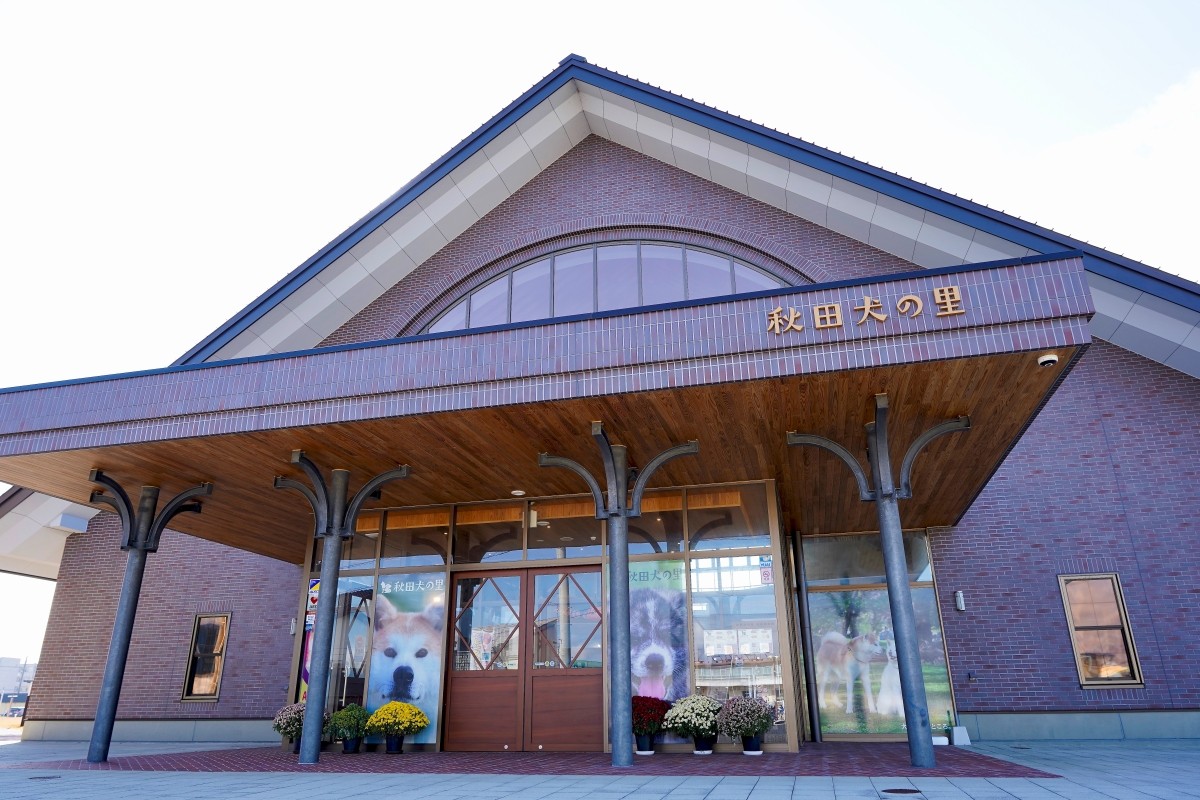
The "Akita Dog Visitor Center" is a tourist exchange facility located in front of JR Odate Station. The building is modeled after the Taisho-era Shibuya Station, where Hachiko used to wait for his owner.
In the Akita Inu Exhibition Room, you can view Akita Inu through glass, with different dogs on display each day. Inside the facility, there are exhibits where you can learn about the history and characteristics of the Akita Inu, as well as a shop selling Akita Inu merchandise and local specialties from Odate City.
On the premises, you will also find the statue of Hachiko from Odate City and the green train car "Aogaeru," which was once installed in front of Shibuya Station.
You cannot touch the Akita Inu directly here, but since it is right next to Odate Station, it is recommended for first-time visitors to Odate City.
Akita Dog Visitor Center | Facility Information
- Address: 1-13-1 Onarimachi, Odate City, Akita Prefecture
- Access: Just a short walk from Odate Station
- Opening hours: 9:00–17:00
- Akita Inu Exhibition Room: 9:30–16:45 (with rest periods for the dogs)
- Admission: Free
- Closed: December 31, January 1 *The Akita Inu Exhibition Room is closed on Mondays (or the following business day if Monday is a national holiday)
- Official website: https://akitainunosato.jp/ (Japanese, English, Traditional Chinese, Korean, Simplified Chinese)
*Rest periods and closed days for the Akita Inu Exhibition Room may change. Please check the business calendar on the official website before visiting.
2. Akita Dog Museum | Learn More About the History of Akita Inu
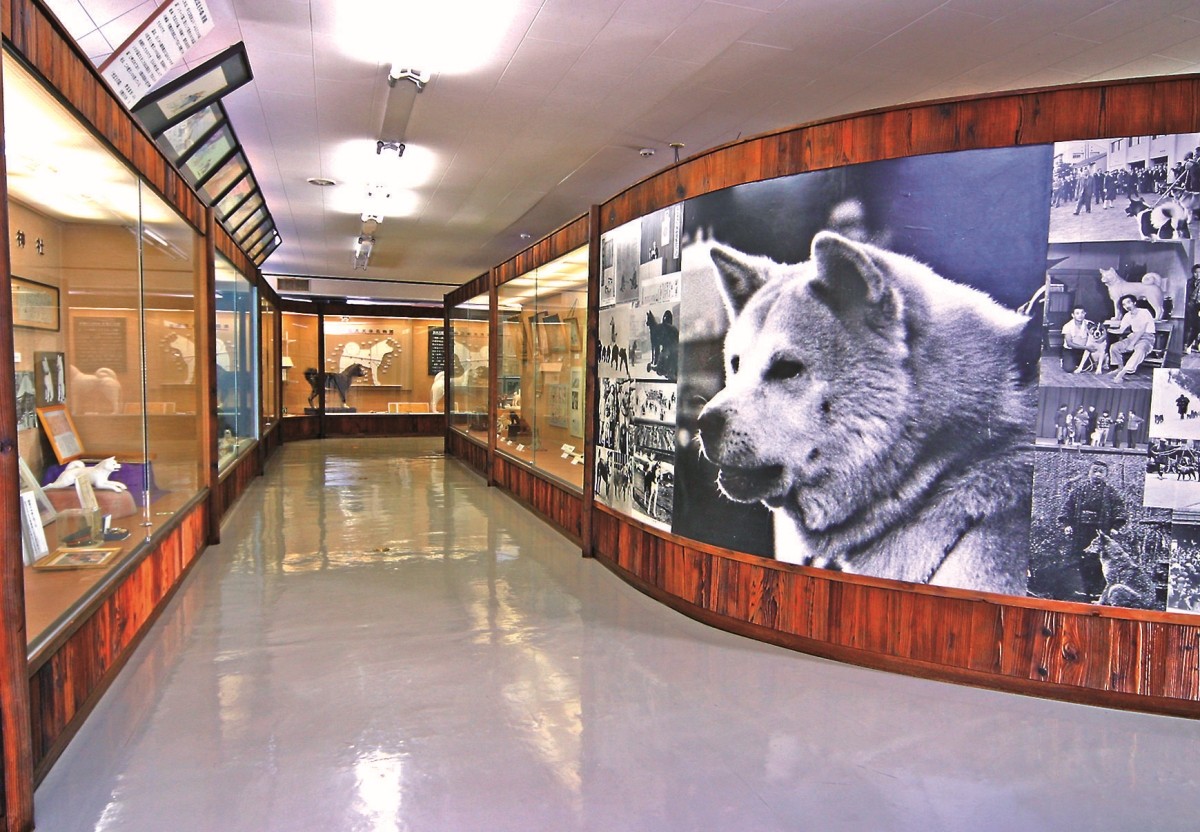
The Akita Dog Museum is the headquarters of the Akita Dog Preservation Society, which is responsible for the preservation and pedigree registration of Akita dogs. In front of the building stands the “Hachiko Statue of Nostalgia,” facing the direction of Hachiko’s birthplace.
Inside the Akita Dog Museum, you can view exhibits and materials about the history, skeletal structure, pedigree, and preservation activities of Akita dogs. This facility is highly recommended for those who want to learn more about Akita dogs in detail.
Currently, there is one Akita dog in the Preservation Society office on weekdays only. However, please note that there are no opportunities to interact directly with the Akita dog. Also, please be aware that the Akita dog may not be present due to sudden circumstances.
Akita Dog Museum | Facility Information
- Address: 13-1 Sannomaru, Odate City, Akita Prefecture
- Access: About 15 minutes by bus from Odate Station, 10 minutes on foot from Odate Sakaemachi, or 5 minutes on foot from Odate City Hall
- Opening hours: 9:00–16:00
- Closed: Afternoon of August 13, December 30–January 5
- Admission: Adults 200 yen, Elementary and Junior High School Students 100 yen
- Official website: https://akitainu-hozonkai.com/ (Japanese only)
3. Furusawa Onsen | A Hot Spring Inn Where You Can Interact with Akita Dogs by Reservation
If you want to interact directly with Akita dogs, “Furusawa Onsen” is recommended.
This hot spring inn is home to the Akita dog parent and child, Haru and Hana. With staff supervision, you can interact with the Akita dogs and take commemorative photos.
If you wish to visit for a day trip and interact with the dogs, advance reservation by phone is required. The Akita dogs are not in the facility 24 hours a day, and depending on their condition or the time, interaction may not be possible. Please be sure to confirm the available times and conditions for interaction when making your reservation.
Staying overnight is also recommended, so you can enjoy interacting with the Akita dogs, relaxing in the hot springs, and savoring Odate’s local specialty, Kiritanpo Nabe, all together.
Furusawa Onsen | Facility Information
- Address: 27 Niizuna, Odate City, Akita Prefecture
- Access: About 7 minutes by car from Odate Station
- Business hours (day-use bathing): 6:30–21:00
- Closed: Tuesdays
- Akita dog interaction: Reservation required
- Official website: https://furusawaonsen.com/ (Japanese only)
🔍 Search for hotels in Odate City and Northern Akita Prefecture
4. Akita Dog Station | Meet Akita Dogs Near Akita Station
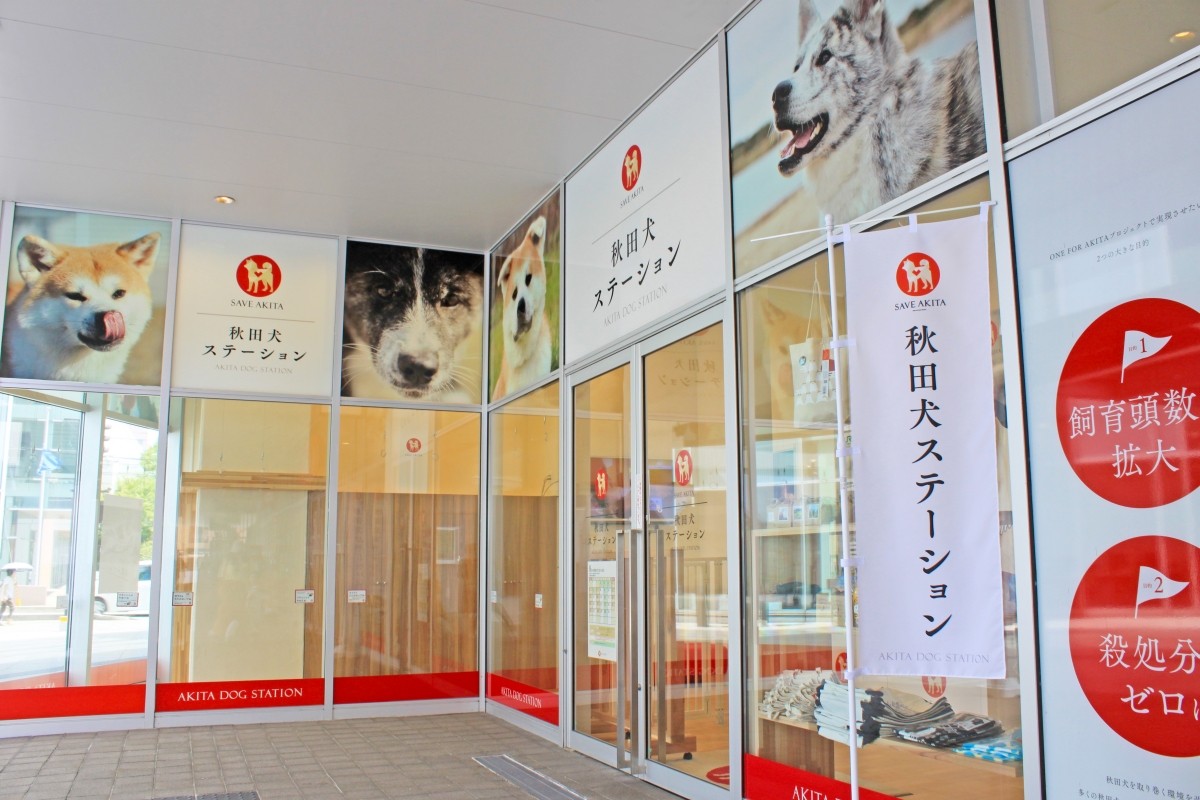
Although not located in Odate City, there is a facility near Akita Station, where the Akita Shinkansen stops, where you can meet Akita dogs every Saturday, Sunday, and public holiday. To reduce stress on the dogs, touching is not allowed, but you are welcome to take photos. You can also purchase original goods inside the facility, and part of the proceeds go toward Akita dog protection activities.
Akita Dog Station | Facility Information
- Address: 1-4-1-3 Nakadori, Akita City, Akita Prefecture, 1st floor, Area Nakaichi
- Access: 10 minutes on foot from Akita Station
- Business hours: [Sat, Sun, Holidays] 11:00–18:00 [Tue, Thu] 11:00–15:00 (Closed 12:30–13:00 for break) *Akita dogs are only on display on weekends. Please check the official website for detailed display times.
- Closed: Mondays and Wednesdays
- Admission: Free
- Akita dog interaction: Reservation required
- Official website: https://www.saveakita.or.jp/ofa/station/ (Japanese only)
Manners to Observe When Meeting Akita Dogs
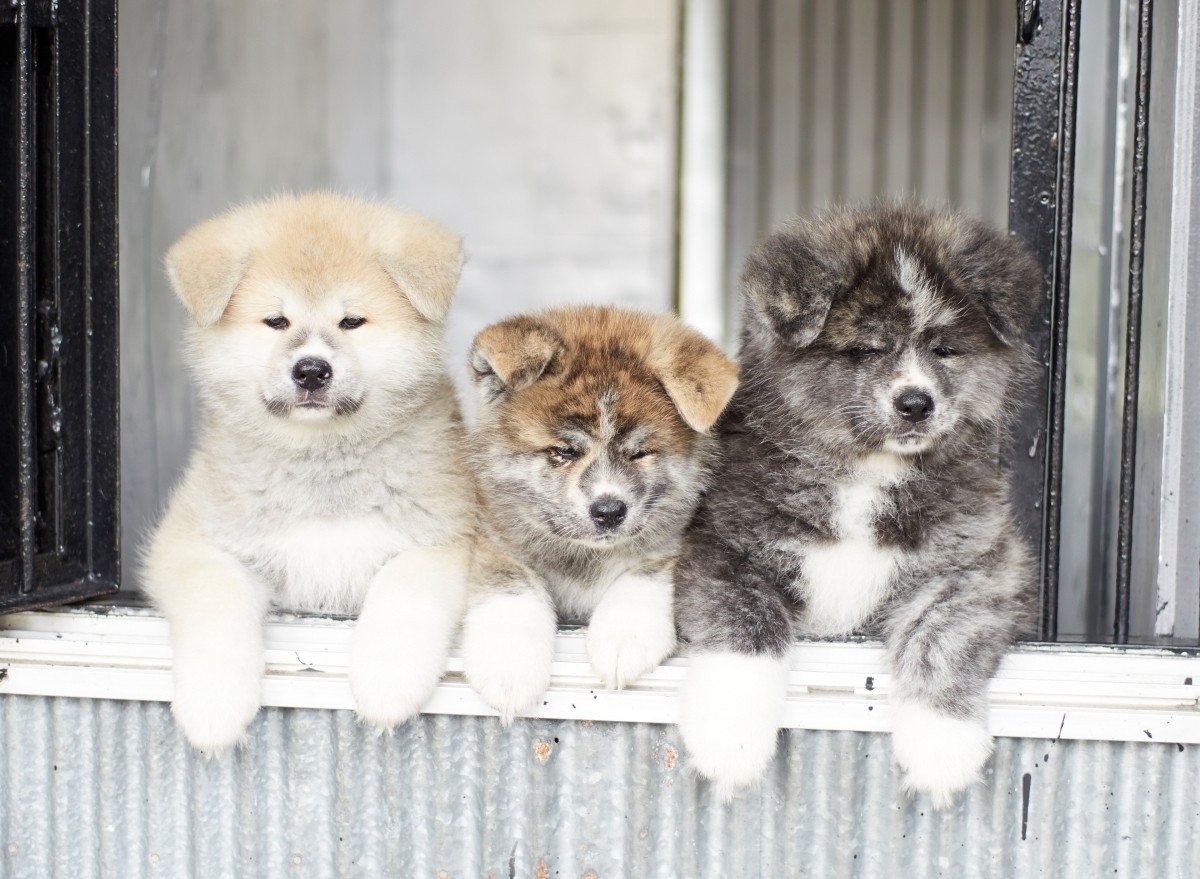
Akita dogs are living creatures with emotions and changes in physical condition, not stuffed animals. Please keep the following points in mind when visiting or interacting with them.
- Do not hit the glass or exhibition rooms
- Do not startle the dogs with loud voices or noises
- Do not feed them without permission
- Follow the rules for photography
- Do not touch or put your face close to the dogs without permission
- Always follow the instructions of the facility staff
Depending on the condition of the Akita dogs, exhibitions and interaction sessions may be canceled at short notice.
Access to Odate City
Odate City is located in the northern part of Akita Prefecture and is a different area from Akita City.
If you are coming from Tokyo, you can take a flight from Haneda Airport to Odate-Noshiro Airport and then take the airport limousine bus to JR Odate Station.
By train, JR Odate Station, which is served by the JR Ou Main Line and the JR Hanawa Line, is the main hub for sightseeing. Since the number of trains and buses within the region is limited, be sure to check not only the departure times but also the return schedules in advance.
If you plan to visit places that are far from the station, such as the Akita Dog Museum or Furusawa Onsen, it is convenient to use a taxi or rent a car.
Frequently Asked Questions about Akita Dogs
Q. What breed was Hachiko, the loyal dog?
A. Hachiko was an Akita dog. He was born on November 10, 1923, in what is now Odate City, Akita Prefecture.
Q. Is the Akita dog just a large Shiba Inu?
A. The Akita dog and the Shiba Inu are different breeds. Both have typical Japanese dog features such as upright ears and curled tails, but the Akita is classified as a large breed, while the Shiba Inu is a small breed.
Q. How do you pronounce "Akita Inu"?
A. It is generally pronounced "Akitainu." Even overseas, it is known by a name close to the Japanese pronunciation.
Q. What are the typical coat colors of the Akita dog?
A. There are four types: red, brindle, white, and sesame. Currently, red is the most common, followed by brindle and white. Sesame is a very rare coat color.
Q. Can you interact with Akita dogs in Odate City, Akita Prefecture?
A. At Akita Dog Visitor Center, you can observe the dogs through glass, and the Akita Dog Museum does not offer interaction sessions. At Furusawa Onsen, you may be able to interact with Akita dogs by making a reservation in advance.
Q. What days of the week are best for meeting Akita dogs?
A. The exhibition room at the Akita Dog Visitor Center is closed on Mondays. Akita dogs are present at the Akita Dog Museum only on weekdays. Furusawa Onsen is closed on Tuesdays. If you want to visit all three facilities, Wednesday through Friday is generally the easiest to plan. However, please be sure to check the latest information for each facility in advance.
Summary | Visit Odate City, the Hometown of Hachiko, to Meet Akita Dogs
The Akita dog, the breed of the loyal Hachiko, is the only large Japanese dog designated as a national natural monument. With its dignified physique, upright ears, curled tail, and loyal personality, it is loved by people all over the world.
In Odate City, Akita Prefecture, where Hachiko was born, you can sometimes observe Akita dogs or have interaction experiences by reservation.
If you are visiting Odate City to meet Akita dogs, be sure to check the exhibition dates and reservation requirements in advance, and enjoy your trip while respecting the dogs' condition.
🚅Book your Shinkansen ticket with NAVITIME Travel! 👉 Click here
🛫Book your flight ticket with NAVITIME Travel! 👉 Click here
😄Enjoy a more convenient trip to Japan with NAVITIME eSIM!👉Click here
👉Book Hotels & Ryokan on JAPANiCAN🏨




Comments