
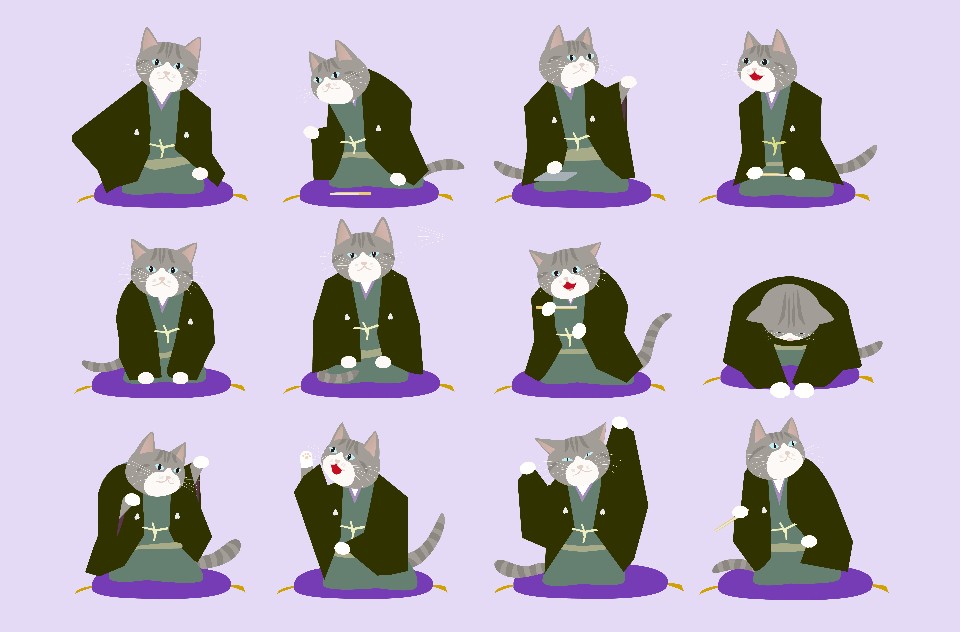
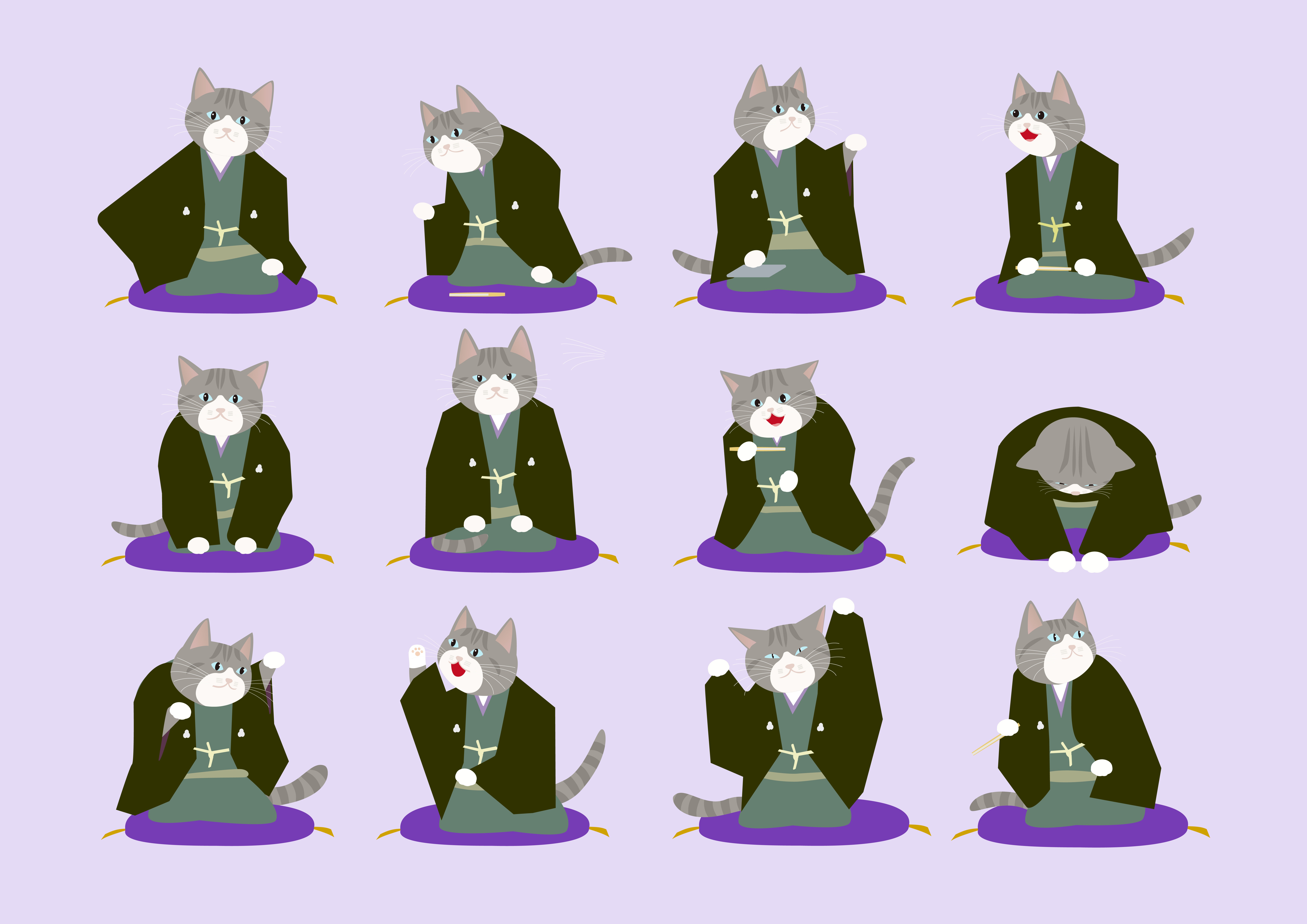
The manga and anime series "Akane-banashi" is currently attracting a great deal of attention both in Japan and abroad. Thanks to the influence of this work, more and more fans around the world are becoming interested in "rakugo," a traditional Japanese performing art.
This time, using this hit series as an entry point, we will thoroughly explain the charm and history of rakugo in a way that even beginners can enjoy! In addition, we will introduce detailed information about "yose" (rakugo theaters) where you can actually experience rakugo during your trip to Japan.
*If you purchase or reserve products introduced in this article, a portion of the sales may be returned to FUN! JAPAN.
🏨Book your stay with JAPANiCAN! 👉Click Here
🚅Reserve your Shinkansen tickets with NAVITIME Travel! 👉Click Here
🛫Book your flight tickets with NAVITIME Travel! 👉Click Here
😄Make your trip in Japan even more comfortable with NAVITIME eSIM! 👉Click Here
What is "Akane-banashi"? A Popular Rakugo-Themed Manga and Anime
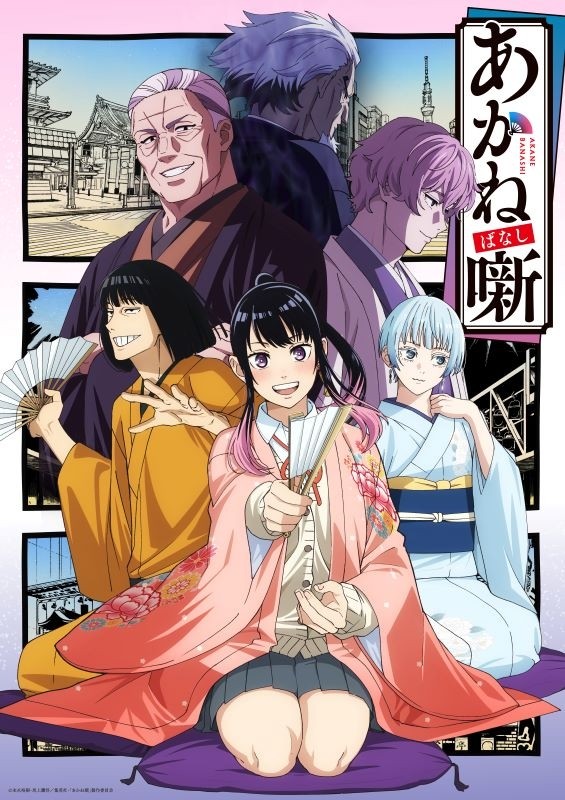
"Akane-banashi" is a manga series set in the world of rakugo, written by Yuuki Suenaga (original story) and illustrated by Takamasa Moue. It has been serialized in Weekly Shonen Jump, the long-awaited TV anime adaptation began airing in 2026, bringing even more excitement to the series.
Synopsis of "Akane-banashi"
As a young girl, Akane Osaki was captivated by the magical rakugo performances of her father, Shinta Arakawa. Her father takes on a make-or-break performance in hopes of being promoted to shin'uchi, the highest rank in rakugo, but is shockingly expelled from his school of rakugo.
Six years later, now a high school student, Akane decides to pursue the path to become a shin'uchi herself, both to fulfill her father's unfinished dream and to immerse herself in the depths of rakugo. Her journey of growth, as she hones her storytelling skills and competes with rivals, is sure to inspire readers.
👉Click here to purchase "Akane-banashi" merchandise [Animate]
Characters of "Akane-banashi"
This work features not only rakugo techniques but also a cast of fascinating characters who bring the human drama to life.
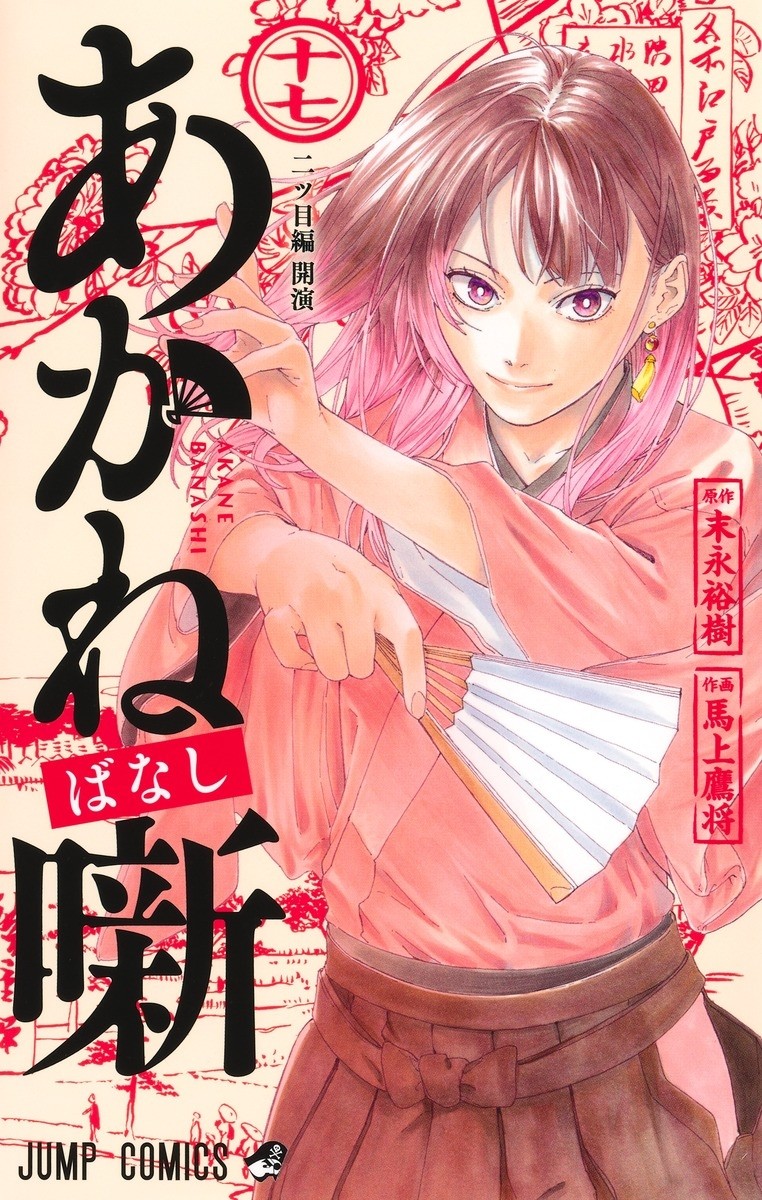
Akane Osaki (CV: Anna Nagase)
Source: Animate
The protagonist aiming to become a shin'uchi in the Arakawa school of rakugo. She forges her own path with the talent inherited from her father and even greater effort.
Shinta Arakawa (CV: Jun Fukuyama)
Akane’s father. He performed rakugo with a gentle yet resolute style, but left the rakugo world after a certain incident.
Issho Arakawa (CV: Akio Otsuka)
A towering figure in the rakugo world and the very person who expelled Akane’s father. He possesses overwhelming skill and authority.
Kaisei Arakawa (CV: Eiku Shiono)
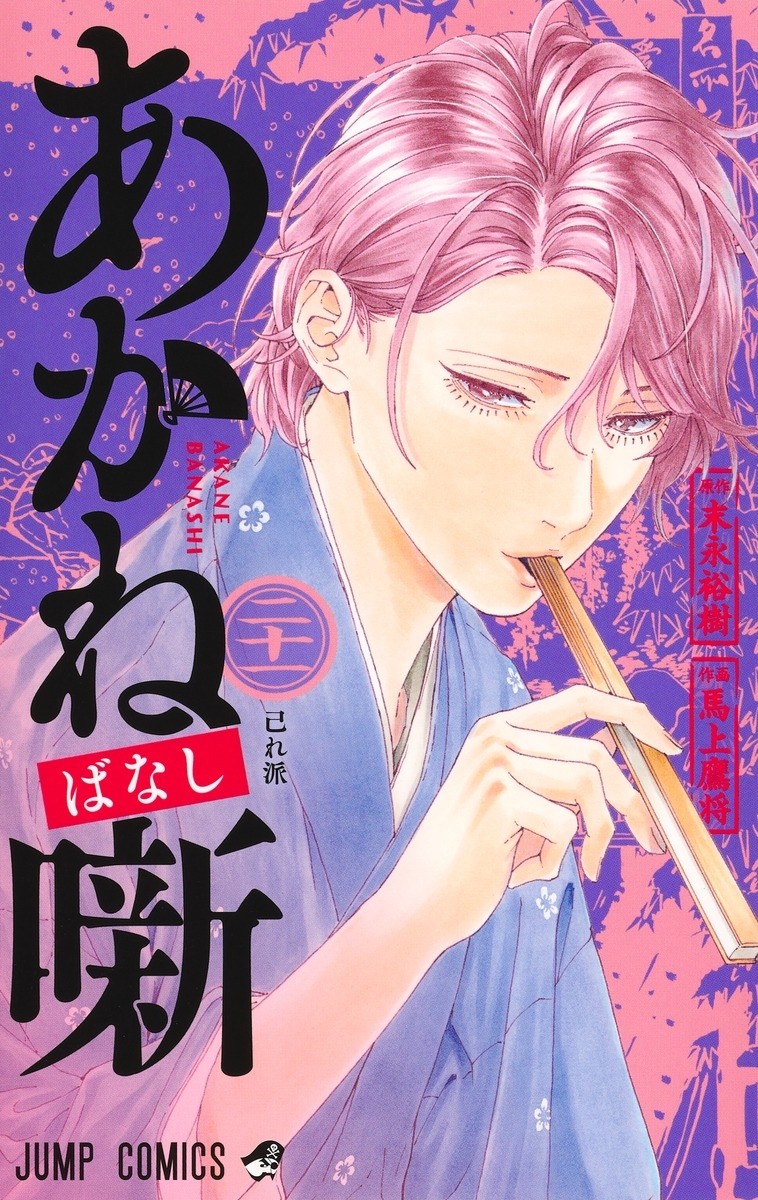
A young genius rakugo performer who stands in Akane’s way. He is known for his captivating performance style.
Karashi Nerimaya (CV: Takuya Eguchi)
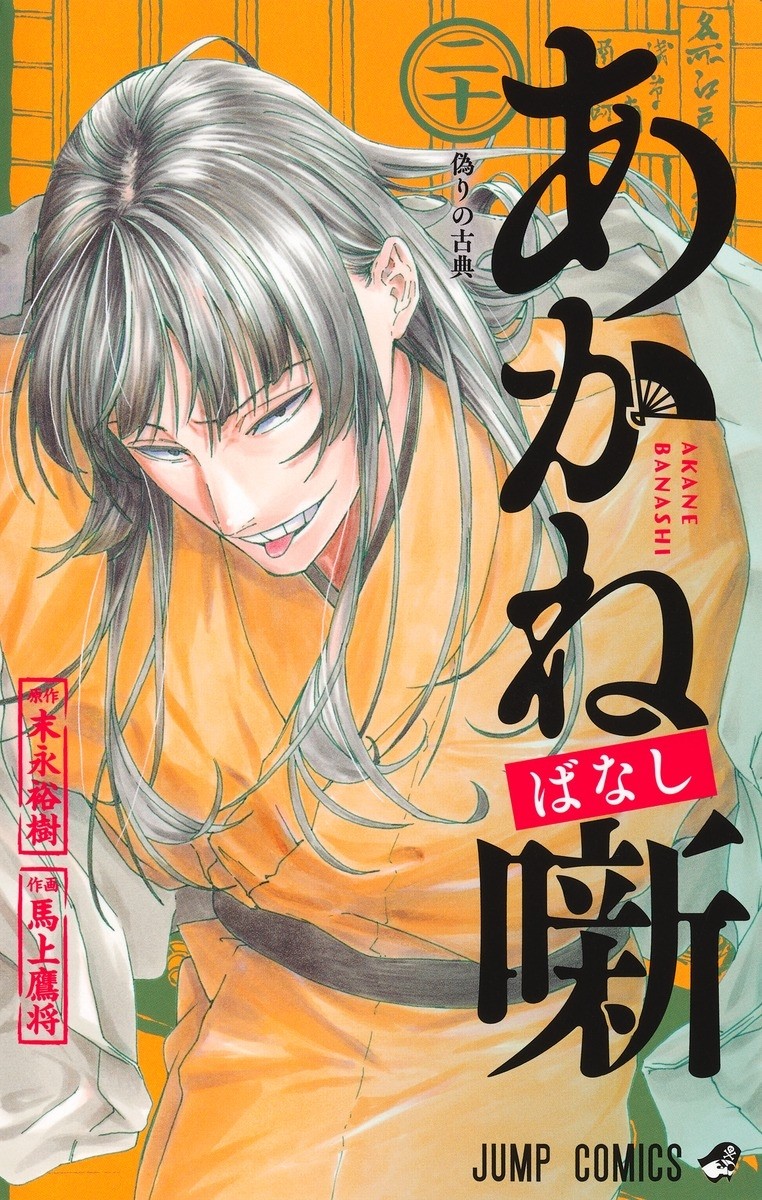
Source: Animate
A talented performer with a unique sensibility, who comes from a university rakugo research club. Known for his bold approach that isn't bound by tradition.
Hikaru Kouragi (CV: Rie Takahashi)
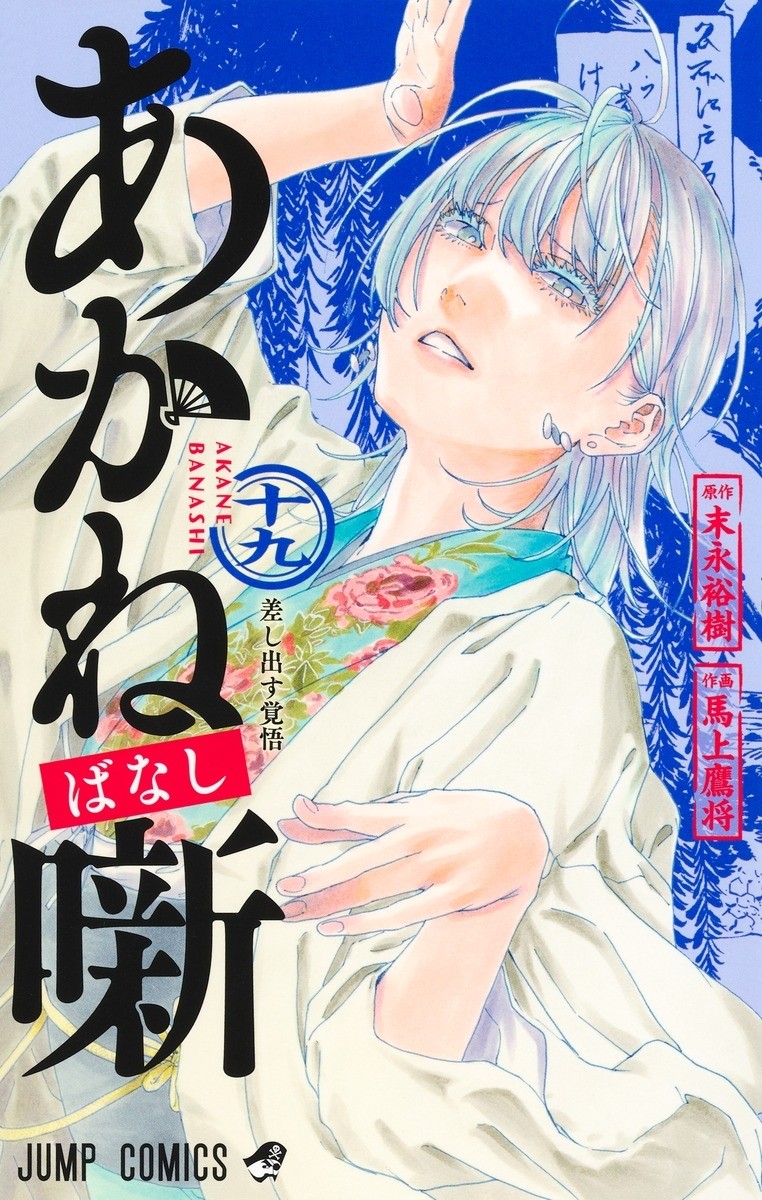
A popular voice actor. With exceptional vocal expressiveness, she approaches rakugo with dedication and sincerity.
Why Is "Akane-banashi" Loved by Overseas Fans?
The reason this work is supported across borders is that it goes beyond simply "introducing Japanese culture." At its core lies the classic shonen manga spirit of "effort, friendship, and victory." the classic themes of shonen manga.
The story of a talented young person honing her craft in a demanding environment resonates with everyone, transcending language and cultural barriers. In addition, the way rakugo is depicted in anime and manga is highly visual and dynamic, making it easy for overseas viewers to immerse themselves in the story.
What Is Rakugo? Japan’s Traditional Performing Art Where One Person Plays Many Roles
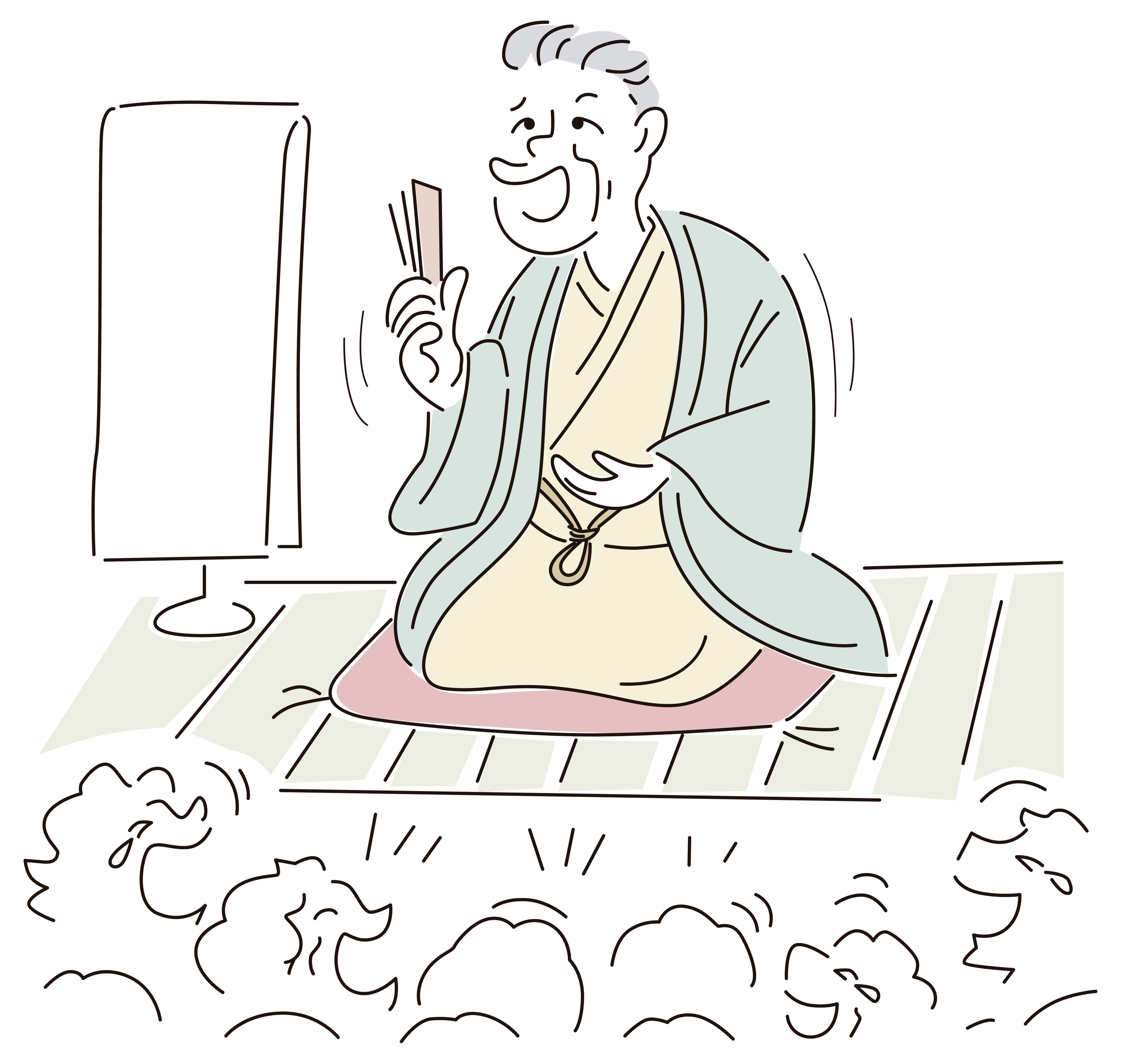
So, what exactly is rakugo as a performing art? At its heart, it is "entertainment of the imagination," where the performer completes a story by stimulating the audience’s imagination using only gestures and storytelling skills.
The History of Rakugo: Did It Begin as a Way to Keep People Awake During the Sengoku Period?
Rakugo traces its origins back over 400 years to the Azuchi-Momoyama period. It is said to have its roots in the Otogishu, attendants who served feudal lords during Japan’s Warring States period. Their role was to keep their lords company, but some would also tell amusing stories to help soldiers on night watch stay awake during battles.
Some of these stories were crafted with an "ochi" (punchline or ending) that made listeners laugh, gradually evolving into the form of rakugo we know today. In the Edo period, professional storytellers known as "hanashika" began performing for paying audiences, and pioneers such as Tsubono Gorobei in Kyoto, Yonezawa Hikohachi in Osaka, and Shikano Buzaemon in Edo became known as the "founding fathers of rakugo." In the Meiji era, the legendary rakugo master San'yūtei Enchō further refined rakugo into a sophisticated art form.
👉Osaka, Japan | Naniwa Adventure Boat Experience & Traditional Rakugo Tour [kkday]
👉Tokyo Sensoji Temple Half-Day Tour with Rakugo Performance【klook】
Creating an Entire World with Nothing but Eye Contact and Voice
The greatest feature of rakugo is the masterful technique of a single performer playing multiple roles. Only one storyteller (hanashika) takes the stage (kōza). There are no flashy costumes or sets like in Kabuki. Seated on a cushion, the performer simply turns their head from side to side—a technique known as kamishimo—to distinguish between different characters in a conversation. With just changes in voice, facial expressions, and subtle gestures, they vividly portray samurai, town girls, stubborn fathers from tenement houses, and even children or animals.
Only Two Props Are Needed
The only items a hanashika uses are a sensu (folding fan) and a tenugui (hand towel). These are not just simple props, but "magical tools" that can be transformed into anything.
Sensu (Folding Fan)
On stage, the sensu, also known as kaze, can represent chopsticks, a writing brush, a kiseru (traditional Japanese smoking pipe), or, when opened, a letter or a sword.
Tenugui (Hand Towel)
When folded in half, it can represent a wallet, a notebook, or even a sweet potato or rice cake. On stage, it is also called "mandara."
The skill lies in making these imaginary transformations appear completely natural—a true mark of a talented hanashika.
Enjoy "Akane-banashi" Even More! Rakugo Terms You Should Know
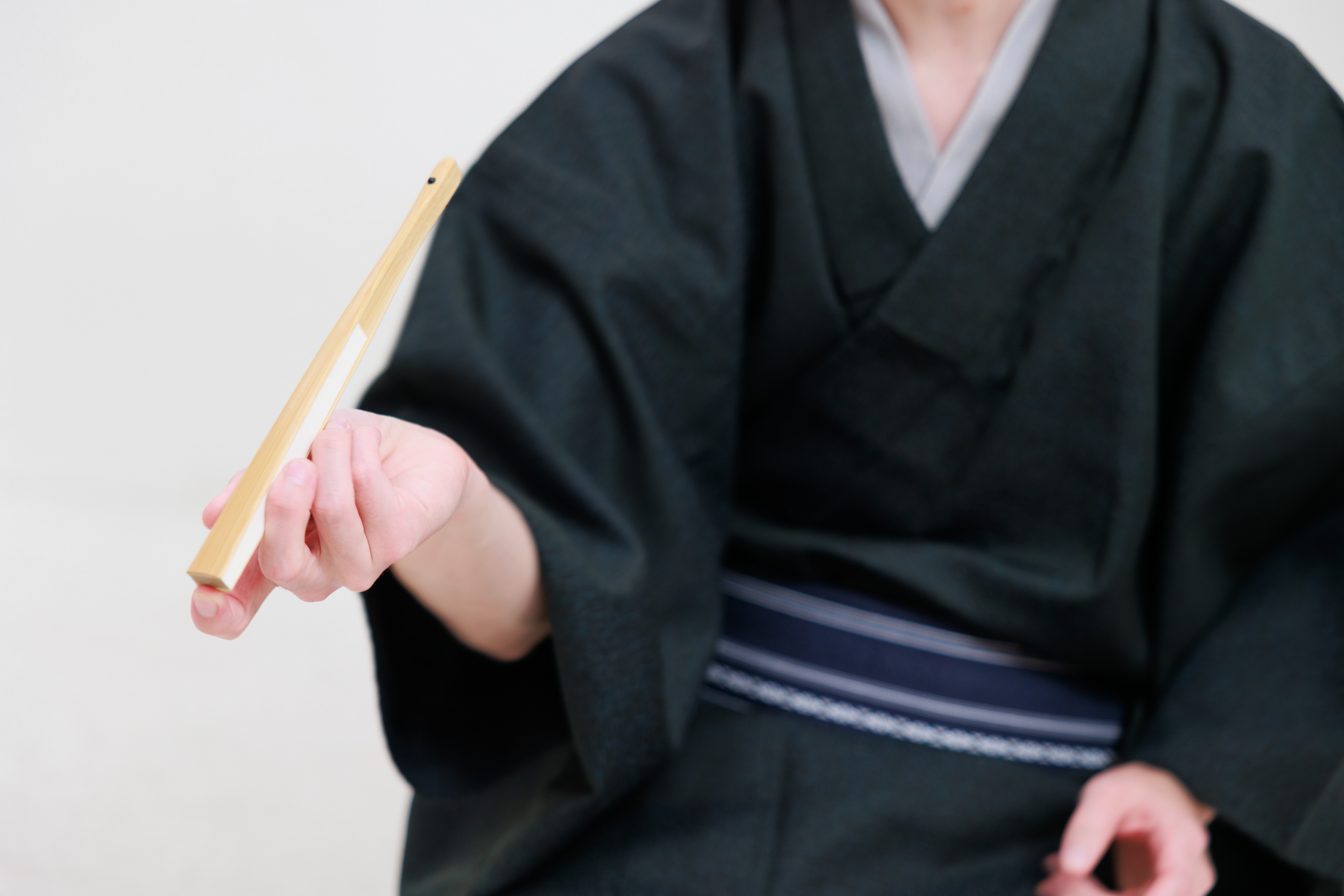
Specialized terms frequently appear in the story. Knowing these will help you better understand the background of the tale.
Zenza (Apprentice Performer)
The entry-level rank for those just starting their training. While preparing the theater and assisting their master, they take the stage first at the beginning of the show.
Futatsume (Second Rank Performer)
The rank after zenza, where performers are still considered apprentices. They are allowed to wear formal crested attire and can hold their own solo performances.
Shin'uchi (Master Performer)
The highest rank for rakugo performers. They are allowed to take on disciples and serve as the "headliner" who appears last at the theater, enjoying star status.
Makura (Introduction)
The introductory section before the main story. The performer talks about seasonal topics or everyday life, gauges the audience's reaction, and chooses the day's story accordingly.
Honpen (Main Story)
The main part of the rakugo story.
Sage (Punchline/Ending)
The ending of the story, usually delivered through a pun or clever wordplay. This is where the name rakugo ("stories with a fall" or "stories with a punchline") comes from.
Yose (Rakugo Theater)
A dedicated theater where rakugo, as well as manzai, magic, and acrobatics, are performed daily.
Experience Authentic Rakugo in Japan! A Beginner's Guide to Yose
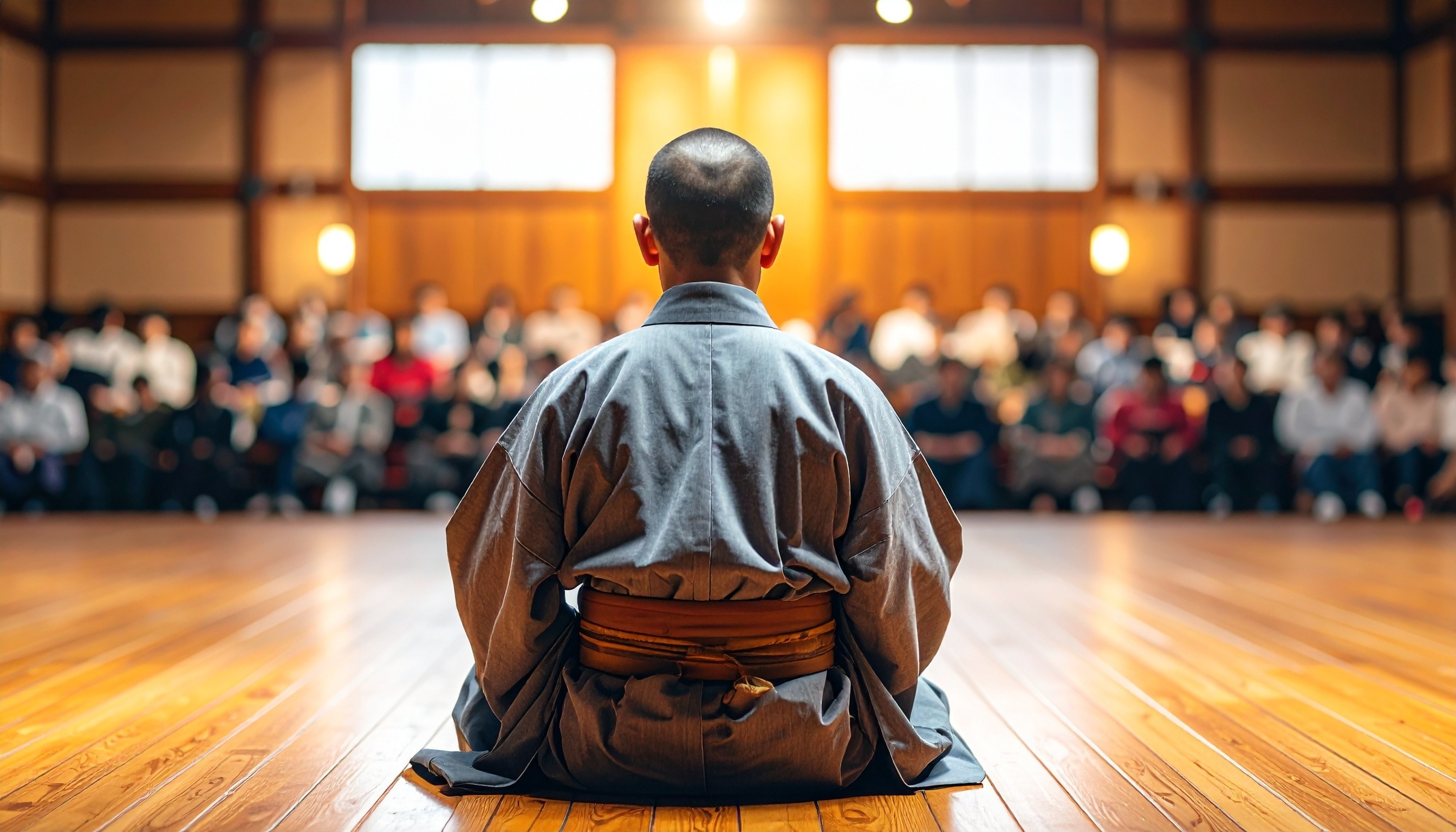
If you visit Japan, especially Tokyo, be sure to experience live Rakugo.
Where Can You See Rakugo in Tokyo?
Tokyo is home to four major permanent yose theaters, known as jōseki, where rakugo is performed year-round.
Suzumoto Engeijo (Ueno)
Founded in 1857, this is one of the oldest Yose theaters in Tokyo. It is within walking distance of popular sightseeing spots such as Ueno Park, Ameyoko, and the National Museum, making it very accessible. The dignified atmosphere, which values authentic tradition, is part of its charm.
- Address: 2-7-12 Ueno, Taito-ku, Tokyo
Access: 10-minute walk from Ueno Station, 5-minute walk from Okachimachi Station - Showtimes: Daytime 12:00–16:00 Evening 16:30–20:15
- Website: https://rakugo.or.jp/
Shinjuku Suehirotei (Shinjuku)
A wooden building reminiscent of the Edo period, standing in the heart of skyscraper-filled Shinjuku. Inside, you'll find tatami-mat box seats, and the retro atmosphere is truly impressive. This is the most recommended Yose for those who want to feel the essence of Japanese tradition.
- Address: 3-6-12 Shinjuku, Shinjuku City, Tokyo
- Access: 4 minutes on foot from Shinjuku Sanchome Station, 8 minutes from Shinjuku Station
- Showtimes: Daytime 12:00–16:15 Evening 16:45–20:30
- Website: https://suehirotei.com/
Asakusa Engei Hall (Asakusa)
Located in the world-famous sightseeing district of Asakusa, Asakusa Engei Hall is one of Tokyo's most popular yose (traditional vaudeville theaters). In addition to rakugo, visitors can enjoy a wide variety of iromono performances, such as manzai comedy, paper-cutting art (kamikiri), and magic shows, making it an excellent choice for first-time audiences. The theater is also a special place for fans of Akane-banashi. Hayashiya Kikuhiko, the rakugo supervisor for the manga, frequently performs here, making it a meaningful pilgrimage spot connected to the series. Special events, including talk sessions featuring members of the production staff, are also held from time to time.
- Address: 1-43-12 Asakusa, Taito-ku, Tokyo (Located in the center of the Rokku Broadway Shopping Street)
- Access: About a 10-minute walk from Asakusa Station
- Showtimes: Daytime 11:40 – 16:30 Evening 16:40 – 21:00
- Website: https://www.asakusaengei.com/
Ikebukuro Engeijo (Ikebukuro)
Located in the basement of a building near Ikebukuro Station, this venue is known for the extremely close distance between the audience and the performers. You can clearly sense the storyteller’s breathing and subtle changes in facial expression, allowing you to directly experience the “energy” of rakugo.
- Address: El Cruze, 1-23-1 Nishi-Ikebukuro, Toshima-ku, Tokyo
- Access: 3-minute walk from Ikebukuro Station
- Showtimes:
Kamiseki (1st–10th) & Chuseki (11th–20th): Daytime 12:00–16:30 Evening 17:00–20:30
Shimoseki (21st–30th): Daytime 13:30–17:15 Evening 17:30–20:30 - Website: https://www.ike-en.com/index2.html
Guide for Beginners
Although yose are stages for traditional performing arts, they are actually welcoming and casual places where anyone can drop by. Even if it’s your first time, you don’t need to be nervous. To fully enjoy live rakugo, make sure to check these basic steps you should know in advance.
How to Buy Tickets
At most yose, you can purchase tickets at the box office on the day of the performance, so you can easily drop in and watch a show. Some performances also offer online reservations.
Audience Etiquette
Photography and recording during performances are strictly prohibited. On the other hand, at many yose, you can relax and enjoy the show while eating a bento or drinking beverages at your seat.
English Performances Available
Even if you don’t understand Japanese, more rakugo performances are now being held in English. Some venues also offer English guides for tourists, so it’s a good idea to check each theater’s official website before your visit.
More Than Just “Akane-banashi”! Recommended Anime and Manga Featuring Rakugo
If "Akane-banashi" sparked your interest in the world of rakugo, be sure to add the following works to your reading and watching list.
Showa Genroku Rakugo Shinju
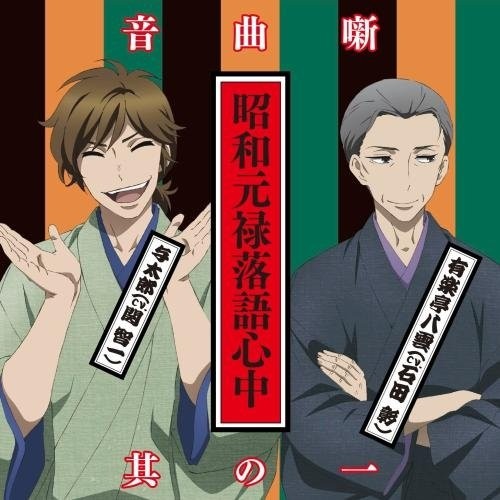
Set against the turbulent times of the Showa era, this masterpiece depicts the lives and artistic inheritance of two contrasting rakugo performers. It’s a profound human drama that delves deeply into the enchanting allure of rakugo itself.
Joshiraku
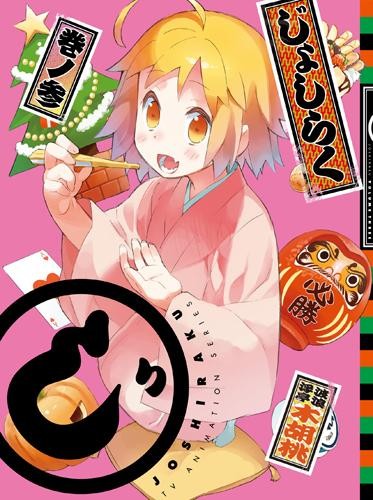
This comedy follows five female rakugo performers and their lighthearted conversations in the backstage dressing room. Rather than focusing on rakugo itself, the main appeal is the everyday “wordplay” and “satire,” making it a relaxing and enjoyable watch.
My Master Has No Tail
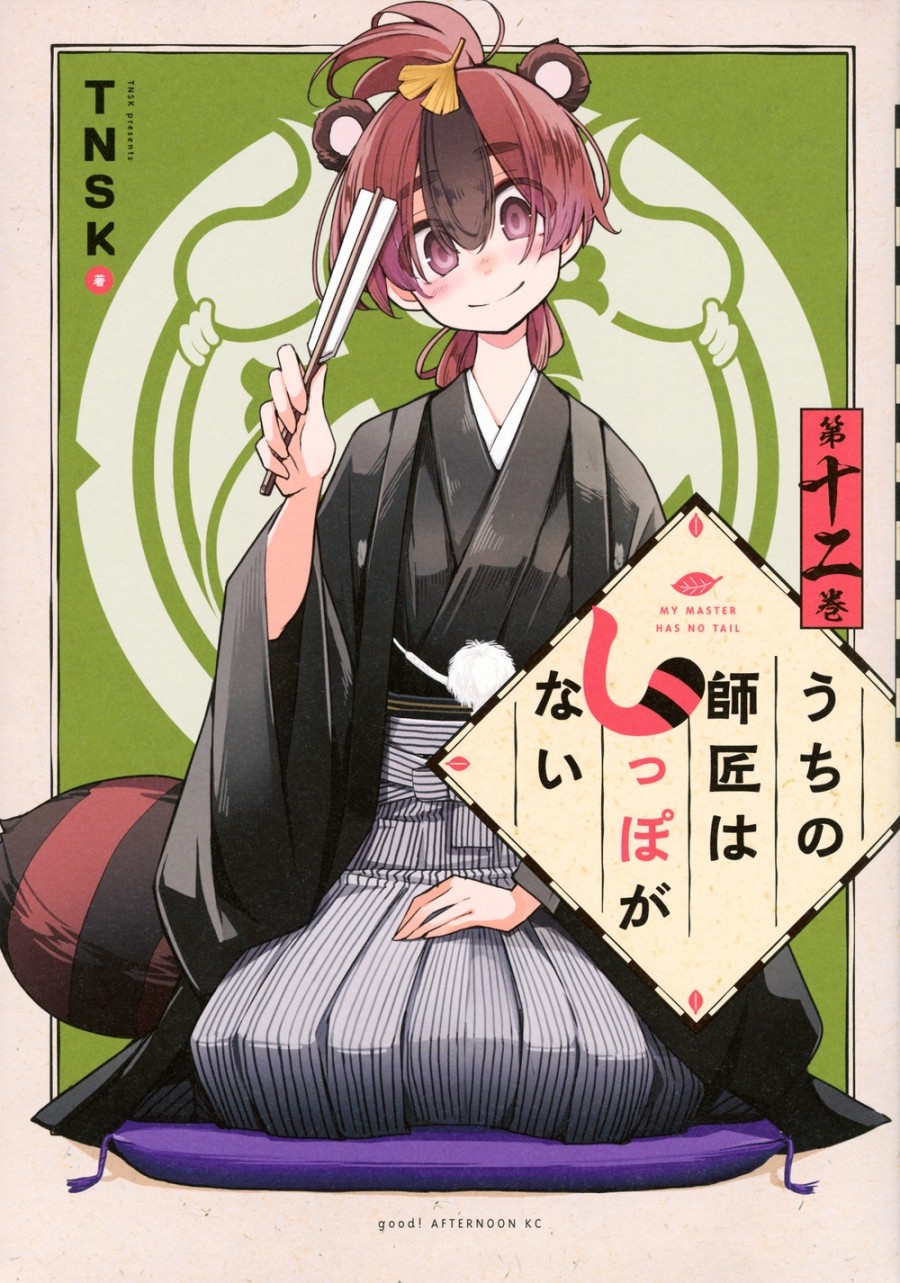
Set in the Taisho era, this fantasy series follows a young tanuki girl who disguises herself as a human and becomes an apprentice to a rakugo performer in Osaka. You'll also get an enjoyable introduction to Kamigata Rakugo, the Osaka-style tradition, with its own unique culture, props, and repertoire that differs from Tokyo's Edo Rakugo.
Take Your First Step Into the World of Rakugo!
Rakugo is a profound traditional performing art that, once you discover its charm, you can enjoy for a lifetime. Even with the same story, a different storyteller can make it feel like a completely new tale—this is the mysterious appeal of rakugo.
If reading "Akane-banashi" has sparked your interest in rakugo, you’ve already taken your first step into this fascinating world. While cheering for the characters in the manga or anime, try experiencing the essence of laughter that has been passed down for centuries by visiting a real yose (rakugo theater) someday. There, you'll discover the ultimate form of entertainment—one that can only exist through the human voice, body, and words, and whose brilliance shines all the more in today's digital age.

Comments