
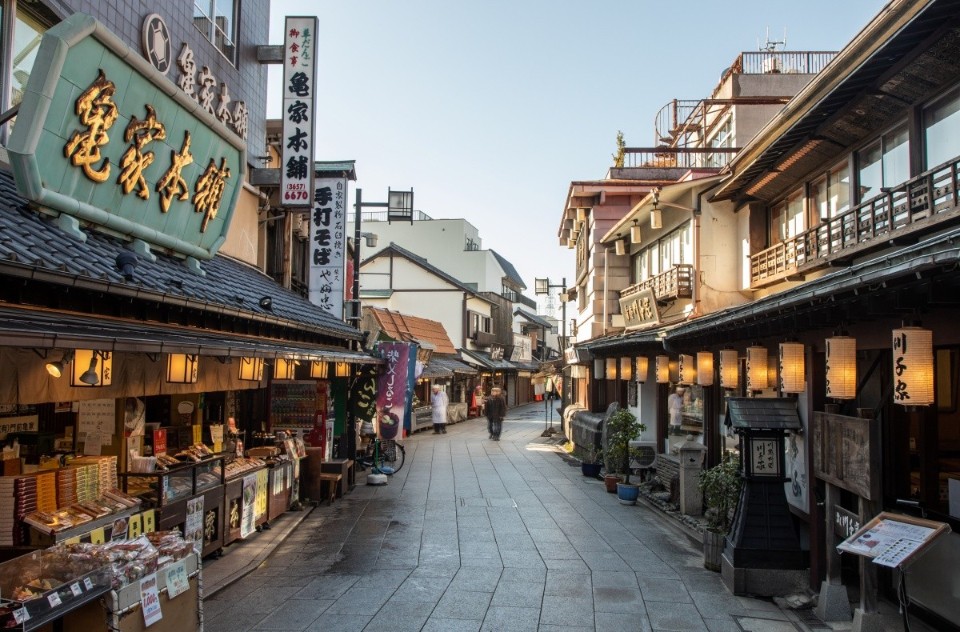
All across Japan, you can find places where you can experience traditional Japanese culture, such as the charming streetscapes of the Edo period, Western-style buildings from the Meiji era, the romantic port towns of the Taisho period, and the shopping streets of the Showa era. Recently, Showa Retro and Heisei Retro have become trendy, and interest in Japan’s historic sightseeing spots is on the rise. Retro towns and facilities are also perfect for taking photos that capture the essence of Japan! They are a must for any Japan travel itinerary!
This time, our editorial team has carefully selected 37 recommended retro sightseeing spots from all over Japan. We’ll introduce them along with information on how to enjoy each genre, as well as the features and highlights of each spot.
Showa Retro is Trending!? If You’re Traveling, Head to Retro Sightseeing Spots!
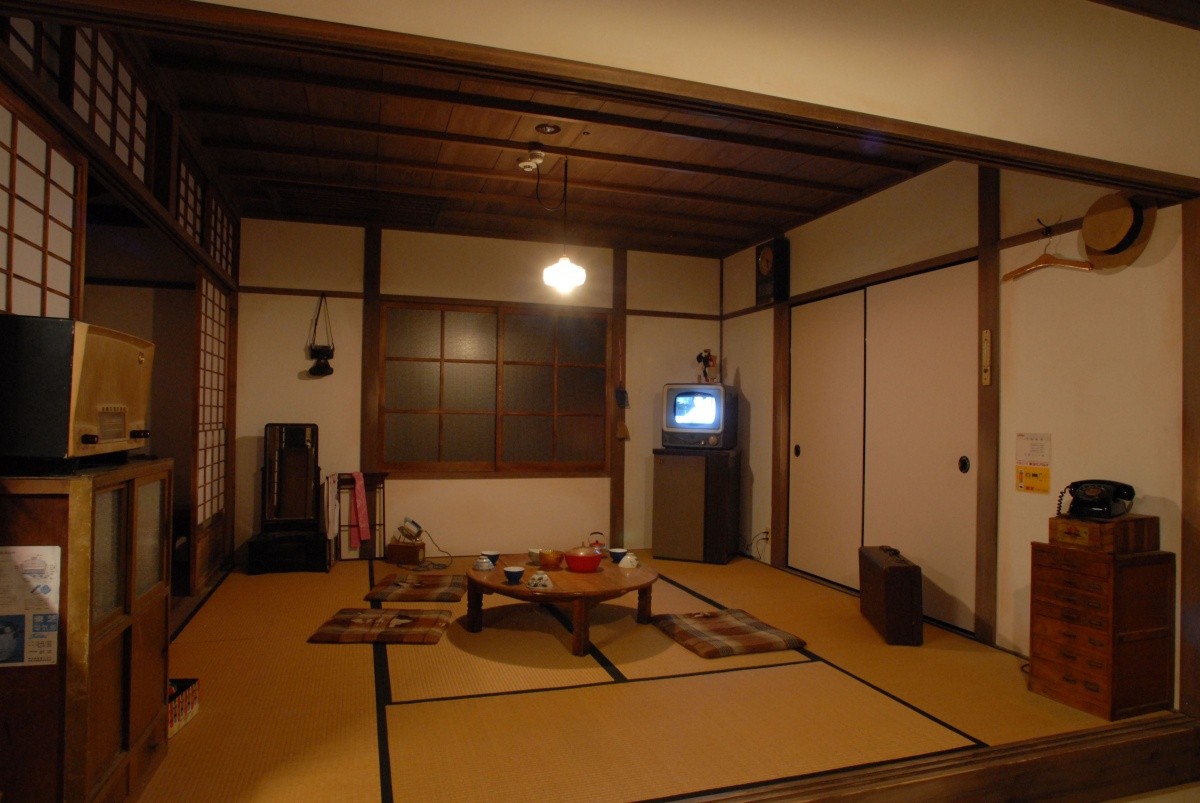
Right now in Japan, Showa Retro and Heisei Retro are booming. The younger generation finds nostalgia to be fresh and new, and posting retro photos on social media is a popular trend. In addition, thanks to the hit anime “Demon Slayer: Kimetsu no Yaiba,” there is growing worldwide interest in the Taisho period, which serves as the setting for the series, and attention is also being drawn to Taisho Romantic architecture and culture.
Each era in Japan has its own unique charm.
- The Edo period (1603–1868) was an age when samurai and merchants thrived and the economy flourished, with storehouse-style buildings and post towns prospering.
- The Meiji period (1868–1912) was a time of modernization. Western culture flowed into Japan, and Western-style buildings and red brick architecture were constructed throughout the country.
- The Taisho period (1912–1926) was a short era of just 15 years, but a unique culture known as “Taisho Romanticism” blossomed, creating a modern and romantic atmosphere.
- The Showa period (1926–1989) saw bustling shopping streets and hot spring towns during the postwar economic boom. Nostalgic, retro Japanese vibes can still be found in many places.
The appeal of historic sightseeing spots is not just in sightseeing itself, but also in the chance to experience the lifestyles of people from those times and traditional Japanese culture. If you rent a kimono or yukata and stroll through the streets, you’ll feel even more like you’ve traveled back in time. There are plenty of photogenic spots, so you’re sure to make wonderful memories you’ll want to share on social media♪
Related Articles
① Amusement Facilities: Enjoy “The Old Days” with Parks Recreating the Edo and Showa Periods!
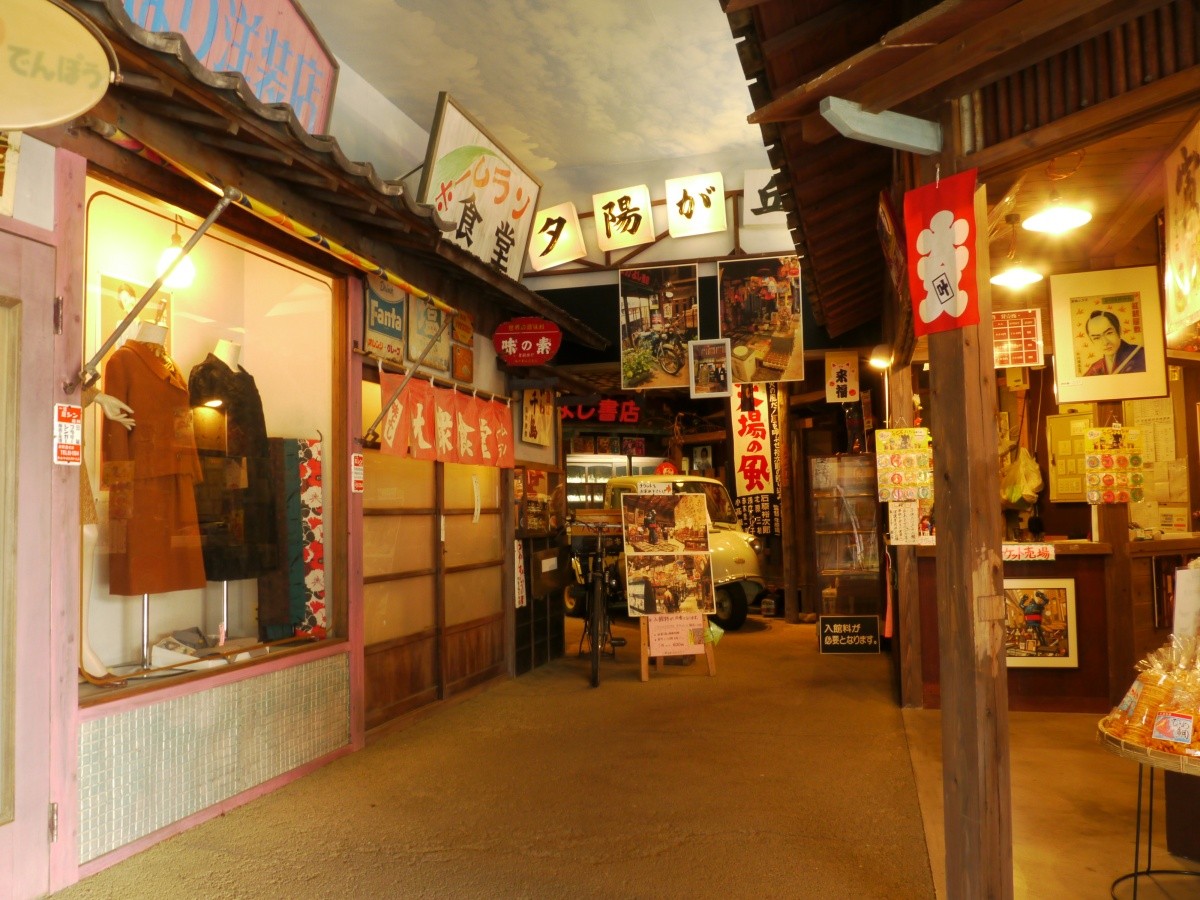
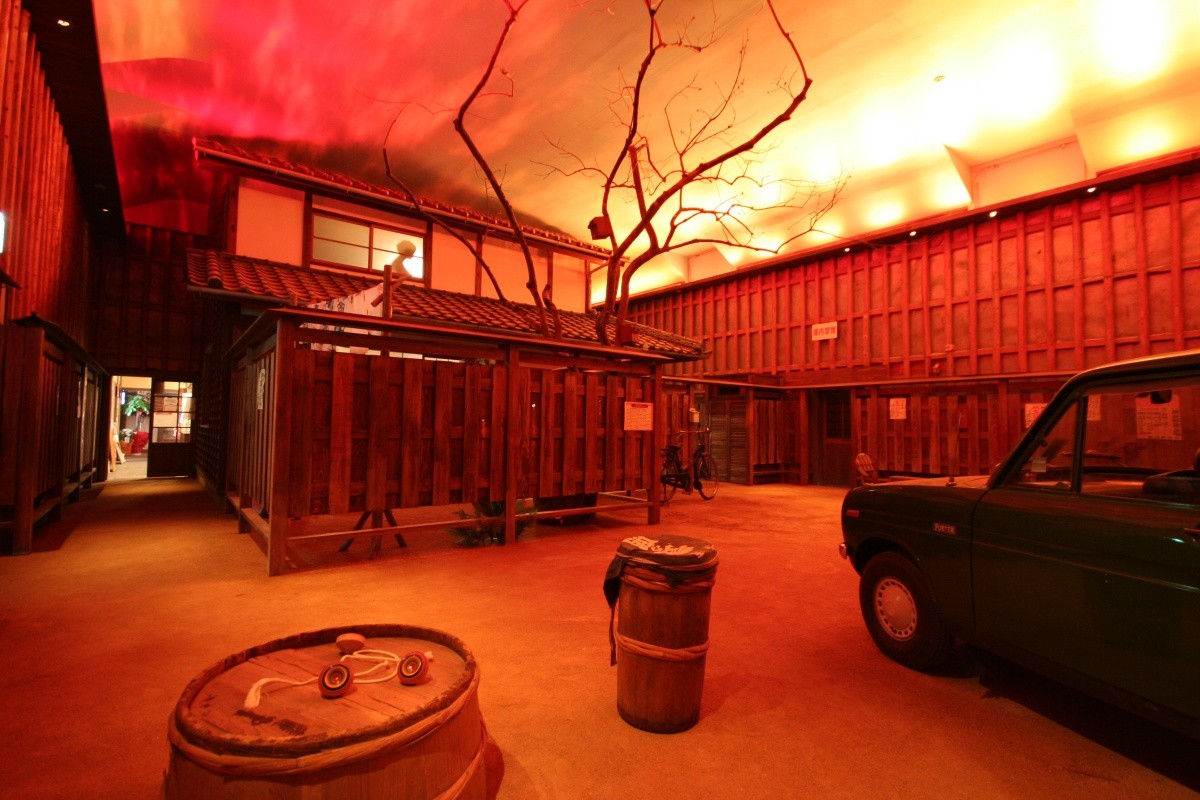
Theme parks and amusement facilities that faithfully recreate eras of the past are sightseeing spots where you can have an immersive experience, as if you’ve traveled through time.
At facilities where you can stroll through Edo period streets and encounter samurai or ninja, you’ll feel as if you’ve stepped into a period drama. At Showa Retro-themed facilities, you’ll find nostalgic shopping streets, old-fashioned candy stores, retro signs, and vintage appliances—a space that feels nostalgic for Japanese people. Even for foreigners who grew up using Japanese products, it might bring back fond memories!
The appeal of these places lies not only in what you can see, but also in the hands-on experiences they offer, such as trying on kimono or ninja costumes, watching sword-fighting performances, and enjoying traditional games and foods. With plenty of photo spots, they’re also perfect for creating memories that will look great on social media.
Recommended Retro Amusement Facility Spots
[Tochigi] EDO WONDERLAND Nikko Edomura
- Era: Edo Period
- Features & Highlights: A complete recreation of an Edo-period town. Enjoy special experiences like ninja shows, Oiran parades, and kimono rentals to fully immerse yourself as an Edo resident.
- Location: Google Map
- Official Website: https://edowonderland.net/
[Hokkaido] Noboribetsu Date Jidaimura
- Era: Edo Period
- Features & Highlights: Themed around the Sendai Domain associated with Date Masamune. Popular attractions include ninja action shows, shuriken throwing experiences, and period costume rentals.
- Location: Google Map
- Official Website: https://edo-trip.jp/
[Kyoto] Toei Kyoto Studio Park
- Era: Edo Period
- Features & Highlights: Japan’s first movie theme park. Watch filming on authentic period drama sets and enjoy transformation experiences into ninjas or samurai.
- Location: Google Map
- Official Website: https://www.toei-eigamura.com/
[Saitama] Seibuen Amusement Park
- Era: Showa Period
- Features & Highlights: The “Sunset Hill Shopping Street,” a recreation of a Showa-era shopping district, offers an immersive retro experience. There are also a variety of attractions to enjoy.
- Location: Google Map
- Official Website: https://www.seibuen-amusement-park.jp/
[Oita] Showa Roman Warehouse
- Era: Showa Period
- Features & Highlights: A museum created from a renovated Showa-era rice warehouse. Exhibits include collections of toys from old-fashioned candy shops and a recreated classroom for hands-on experiences.
- Location: Google Map
- Official Website: https://www.city.bungotakada.oita.jp/site/showanomachi/15034.html
[Tokyo] NAMJATOWN
- Era: Showa Period
- Features & Highlights: An indoor theme park in Ikebukuro. Enjoy tasting and comparing local gyoza and various attractions in the Showa-style “Fukubukuro 7-Chome Shopping Street.”
- Location: Google Map
- Official Website: https://bandainamco-am.co.jp/tp/namja/
[Kanagawa] Shin-Yokohama Ramen Museum
- Era: Showa Period
- Features & Highlights: A food theme park recreating a downtown area from 1958. You can sample mini-sized ramen from famous shops across Japan.
- Location: Google Map
- Official Website: https://www.raumen.co.jp/
*Opening hours and admission fees vary by facility. Please check each facility’s official website before your visit.
2. Museums & Archives: Explore Japanese History and Daily Life of the Past
© TCVB
© NPTA
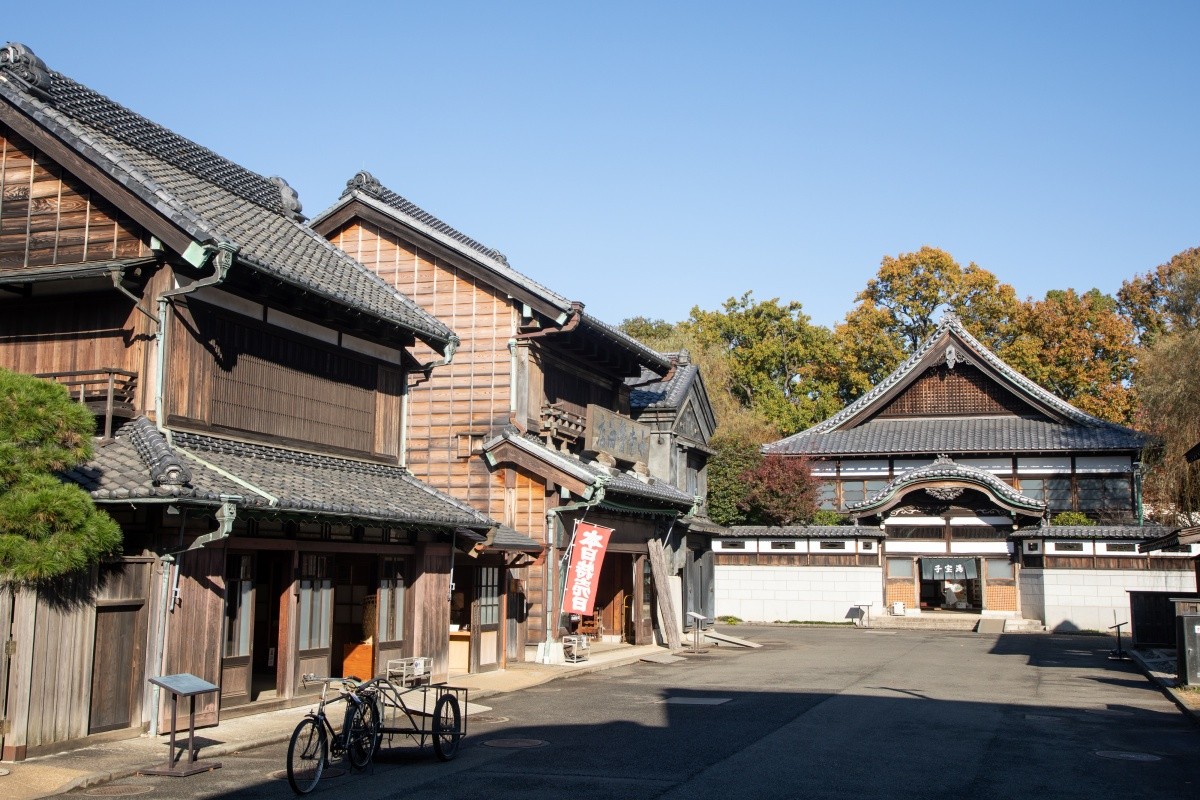
Museums and archives are valuable places of learning where you can experience and gain a deeper understanding of daily life in each era of Japan and its traditional culture.
- Exhibits that recreate the lives of common people in the Edo period allow you to learn in detail about row houses, daily necessities, occupations, and entertainment of the time. Full-scale reproductions of townscapes give you the immersive feeling of having stepped back in time.
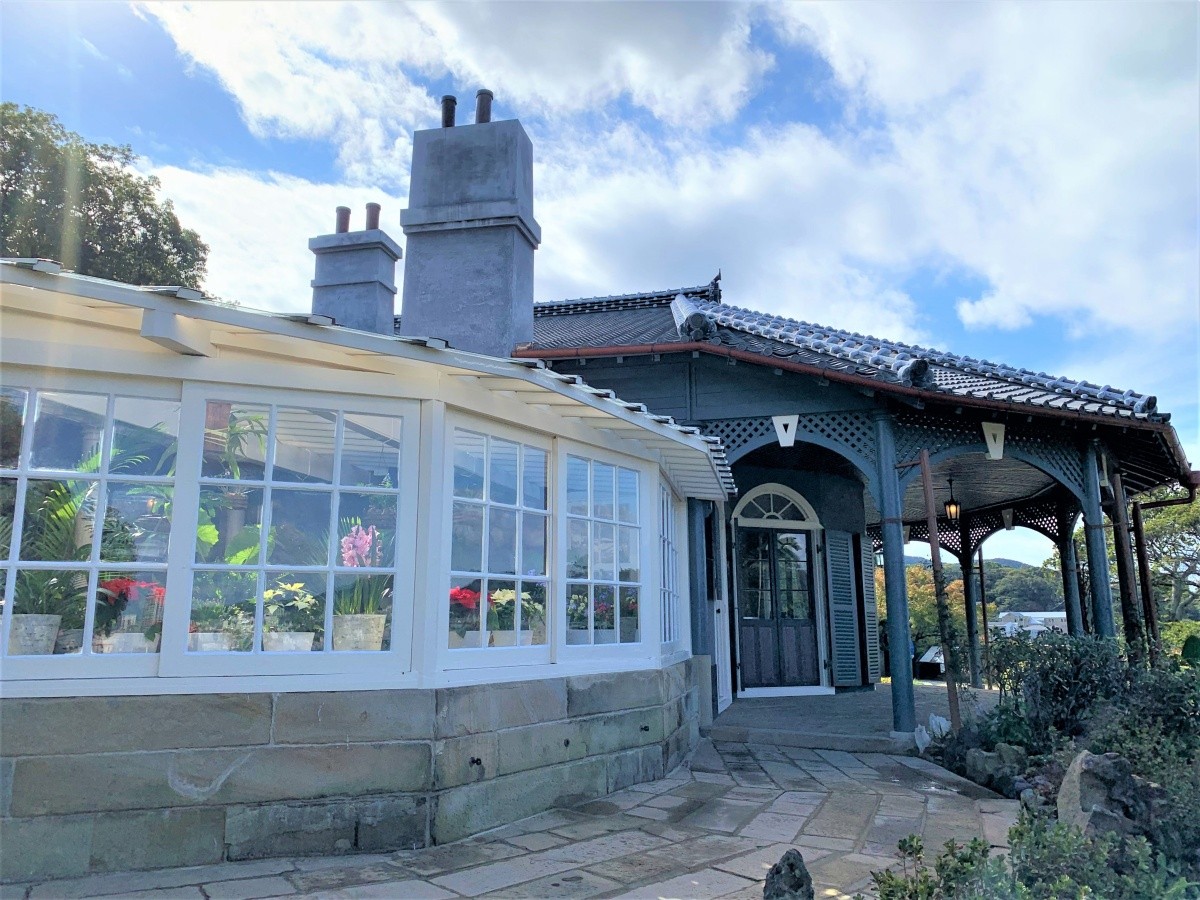
- At Meiji-era museums, you can see Western-style buildings, schools, and churches that were actually built during the Meiji period, preserved and relocated for display. You can closely observe the architectural techniques and lifestyles of the time, and enjoy the unique "Japanese-Western eclectic" style that blends Western and Japanese cultures.
- Museums focusing on the Showa era let you experience the dramatic changes from prewar times through the period of rapid economic growth. Exhibits include nostalgic home appliances, toys, posters, magazines, and other items that colored daily life, giving you a real sense of Japan's modernization.
In addition to viewing the exhibits, you can deepen your understanding by listening to guided explanations or participating in workshops.
Recommended Retro Museums and Archive Spots
[Tokyo] Edo-Tokyo Museum
- Era: Edo
- Features & Highlights: A large-scale museum where you can experience the history and culture of Edo and Tokyo. Highlights include full-size reconstructions of Nihonbashi Bridge and a traditional theater.
- Location: Google Map
- Official Website: https://www.edo-tokyo-museum.or.jp/
[Tokyo] Edo-Tokyo Open Air Architectural Museum
- Era: Edo to Showa
- Features & Highlights: An open-air museum with 30 relocated and restored historical buildings from the Edo to Showa periods. You can also tour the interiors of public baths and merchant houses.
- Location: Google Map
- Official Website: https://www.tatemonoen.jp/
[Osaka] Osaka Museum of Housing and Living
- Era: Edo to Showa
- Features & Highlights: Full-scale recreation of Osaka's townscape from the Edo period. Features include a day-to-night lighting display and kimono-wearing experiences.
- Location: Google Map
- Official Website: https://www.osaka-angenet.jp/konjyakukan/
[Aichi] Meiji Mura Museum
- Era: Meiji
- Features & Highlights: Over 60 Meiji-era buildings, including 11 Important Cultural Properties, have been relocated and preserved. You can ride a steam locomotive or Kyoto city tram, and rent Meiji-era costumes.
- Location: Google Map
- Official Website: https://www.meijimura.com/
[Nagasaki] Glover Garden
- Era: Meiji
- Features & Highlights: A garden centered around the former Glover Residence, a World Heritage Site, with other Meiji-era Western-style buildings relocated and preserved. The view of Nagasaki Port and the heart-shaped stone set in the cobblestones are also popular attractions.
- Location: Google Map
- Official Website: https://glover-garden.jp/
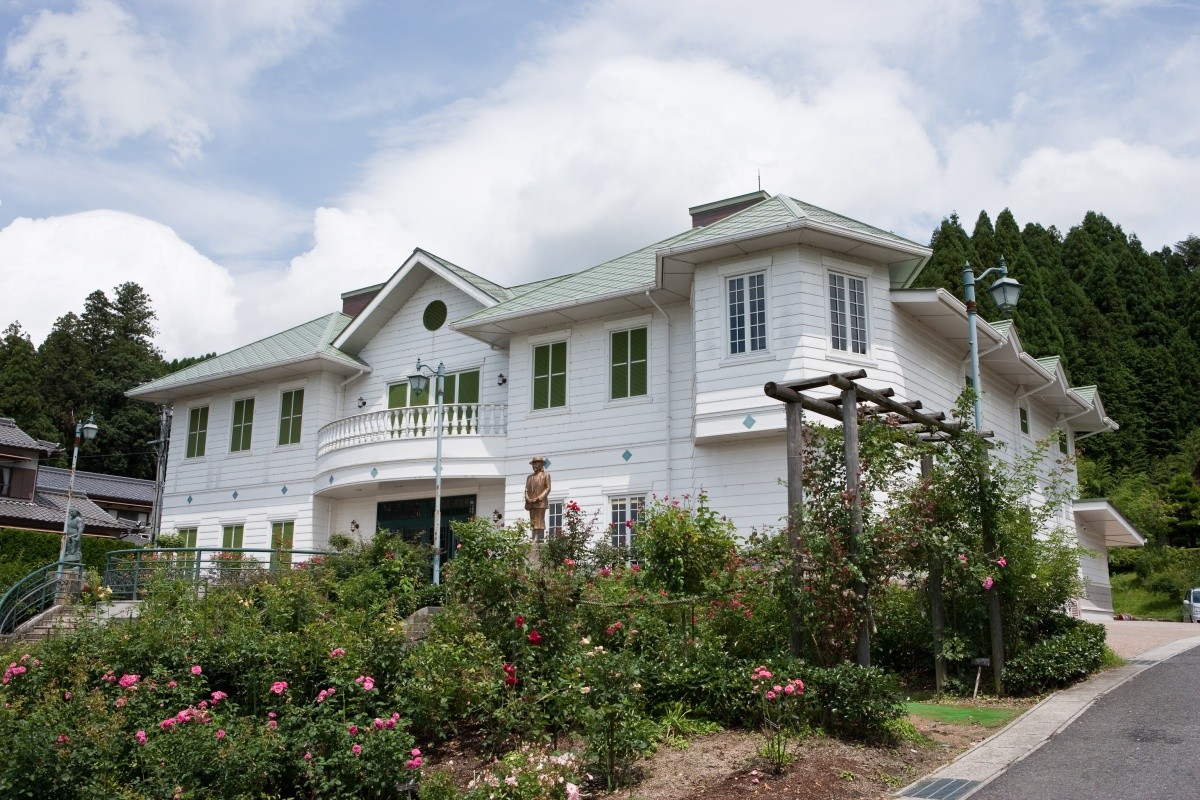
[Gifu] Nihon Taisho Mura
- Era: Taisho
- Features & Highlights: The entire town preserves the atmosphere of the Taisho era. Enjoy the Taisho Roman Hall, archives, and kimono rentals to fully immerse yourself in the Taisho mood.
- Location: Google Map
- Official Website: http://nihon-taishomura.or.jp/
[Fukushima] Showa Nostalgia Museum
- Era: Showa
- Features & Highlights: A small museum on Nanokamachi Street in Aizu-Wakamatsu. Faithfully recreates a 1950s living room and alleyway using authentic tools from the era.
- Location: Google Map
- Official Website: http://www.ht-net21.ne.jp/~natukasi/
[Tokyo] Odaiba Retro Museum
- Era: Showa
- Features & Highlights: An interactive facility opening in April 2025. Recreates Showa-era streets, public baths, classrooms, snack bars, and more. You can also try retro pachinko games.
- Location: Google Map
- Official Website: https://odaiba-retromuseum.tokyo.jp/
[Gifu] Hida Takayama Retro Museum
- Era: Showa
- Features & Highlights: An interactive museum where you can "see," "photograph," and "play" with Showa-era figures, magazines, posters, toys, dagashi-ya (old-fashioned candy shop) games, and retro pachinko machines.
- Location: Google Map
- Official Website: https://retromuseum.jp/
[Gifu] Takayama Showa Museum
- Era: Showa
- Features & Highlights: Features rows of Showa-era barbershops, photo studios, and general stores, as well as displays of signs, posters, and household goods used at the time.
- Location: Google Map
- Official Website: https://showakan.jp/takayama/
[Oita] Yufuin Showa Museum
- Era: Showa
- Features & Highlights: Recreates Showa-era elementary school classrooms, barbershops, general stores, toy shops, and diners, allowing you to learn about Showa history through exhibits and materials.
- Location: Google Map
- Official Website: https://showakan.jp/yufuin/
*Business hours and admission fees vary by facility. Please check the official website of each facility before your visit.
*The Edo-Tokyo Museum is closed until March 30, 2026. It will reopen after renovations on Tuesday, March 31, 2026.
③ Historic Preservation Districts & Streetscapes: Experience a Time Slip!
© Kanazawa City
© Okayama Prefectural Tourism Federation
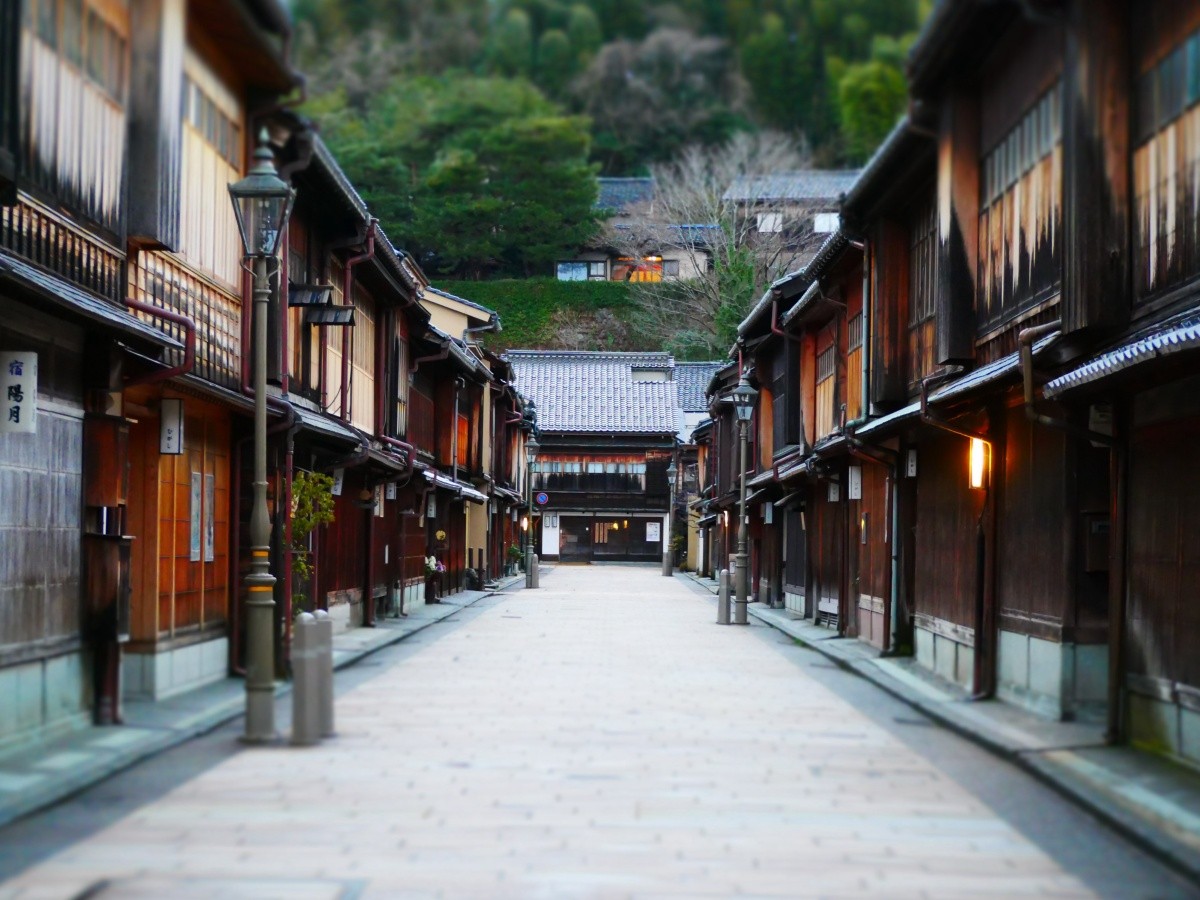
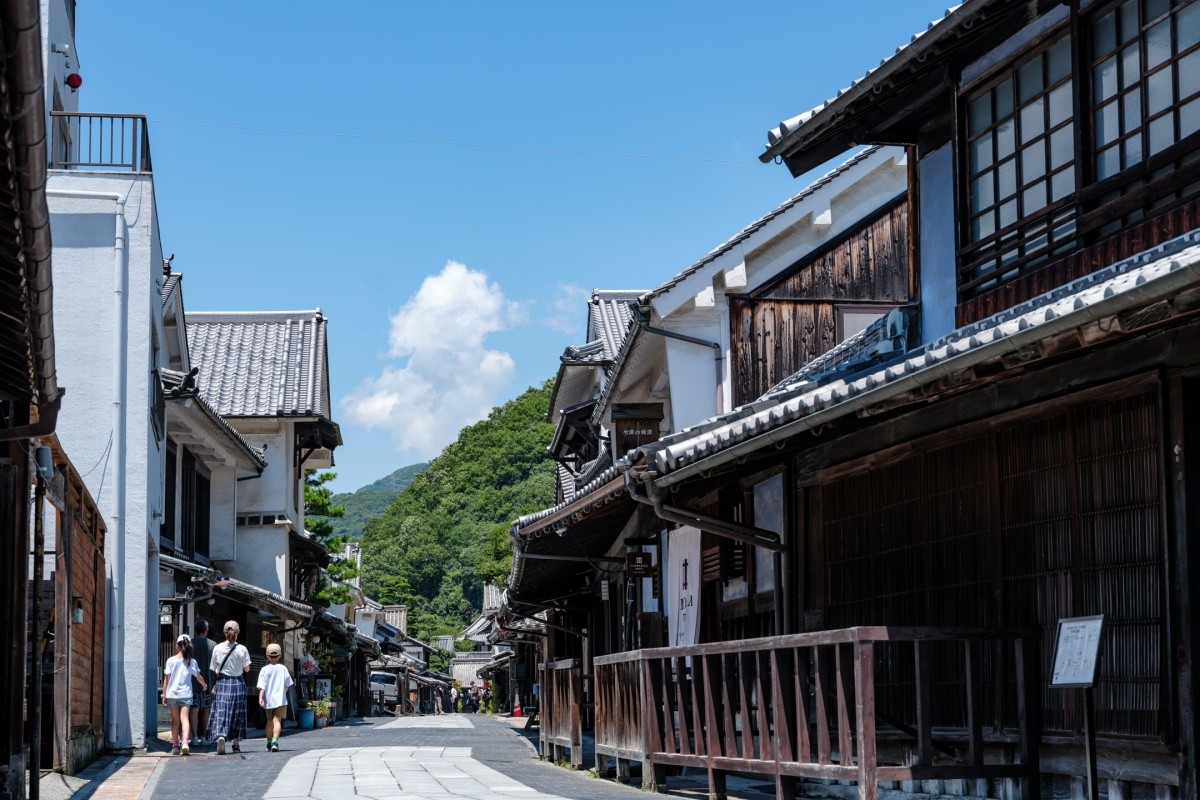
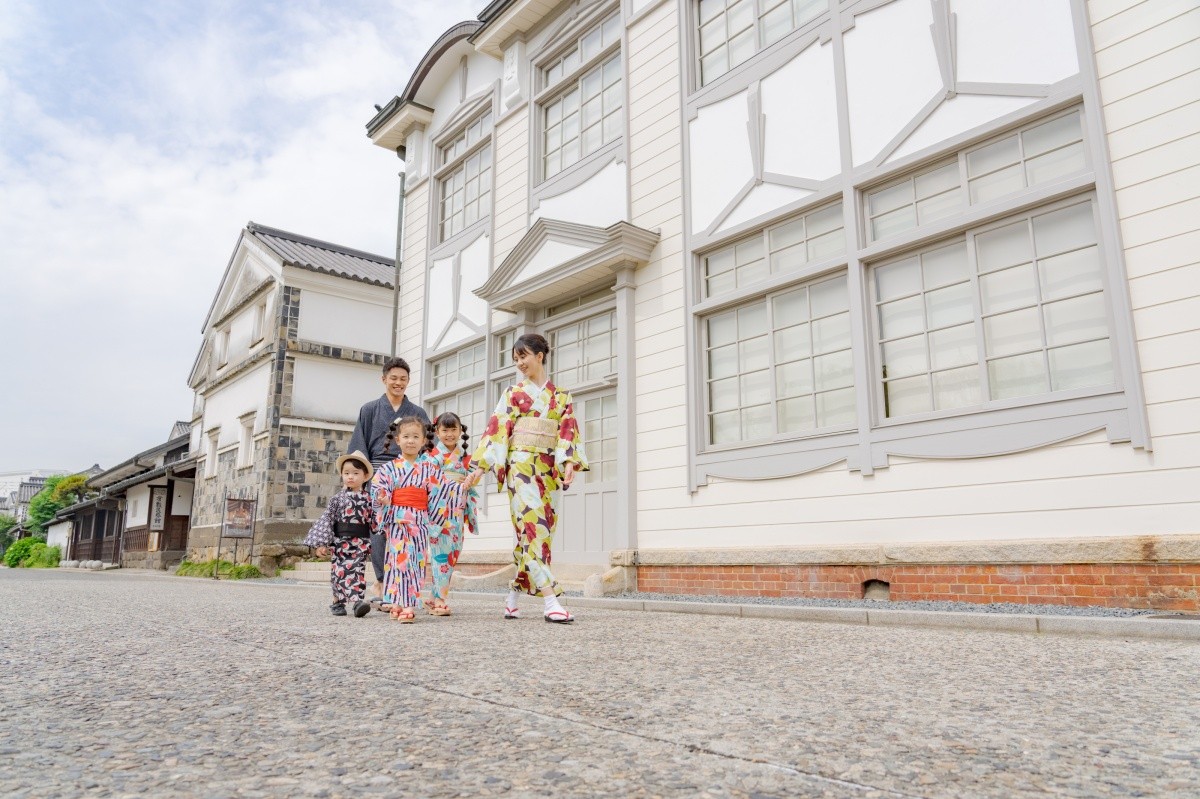
Across Japan, there are historic preservation districts where the streetscapes from the Edo, Meiji, and Taisho periods remain intact. In areas designated as Important Preservation Districts for Groups of Traditional Buildings by the government, you can actually walk through scenery featuring storehouses, merchant houses with lattice windows, and stone-paved alleys just as they were in the past.
The authentic streetscapes, still protected and inhabited by local residents, offer a profound sense of history that is quite different from a theme park. There are many ways to enjoy these areas, such as sampling traditional crafts and street food, or strolling around in a rented kimono. With plenty of photogenic spots and seasonal scenery, taking photos in kimono is one of the highlights!
Recommended Historic Preservation Districts & Streetscapes
[Saitama] Kurazukuri Street in Kawagoe
- Period: Edo
- Features & Highlights: About 30 traditional storehouses line the street. The symbol of the area, the "Toki no Kane" (Bell of Time), rings four times a day. Street food in Kashiya Yokocho (Candy Alley) is also popular.
- Location: Google Map
- Official Website: https://kawagoe-ichibangai.com/
[Nagano] Tsumago-juku
- Period: Edo
- Features & Highlights: Japan’s first Important Preservation District for Groups of Traditional Buildings. The "Three Principles" of "Do not sell, do not rent, do not destroy" have preserved the Edo-period atmosphere.
- Location: Google Map
- Official Website: https://tsumago.jp/
[Ishikawa] Higashi Chaya District in Kanazawa
- Period: Edo
- Features & Highlights: A government-designated Important Preservation District for Groups of Traditional Buildings, lined with teahouses featuring distinctive red latticework. Gold leaf application workshops and kimono strolls are also popular.
- Location: Google Map
- Official Website: https://www.kanazawa-kankoukyoukai.or.jp/spot/detail_10212.html
[Gifu] Old Town of Hida Takayama
- Period: Edo
- Features & Highlights: A historic townscape lined with latticework merchant houses and sake breweries. Sampling local sake, traditional crafts, and Hida beef street food is especially popular.
- Location: Google Map
- Official Website: https://www.hidatakayama.or.jp/spot/detail_1101.html
[Nara] Naramachi
- Period: Edo to Meiji
- Features & Highlights: Centered around the former grounds of Gango-ji Temple, a World Heritage Site. In addition to temples, shrines, and merchant houses, there are many cafes and shops, making it a pleasant area to stroll.
- Location: Google Map
- Official Website: https://narashikanko.or.jp/feature/naramachi
[Okayama] Kurashiki Bikan Historical Quarter
- Period: Edo to Meiji
- Features & Highlights: A canal-side landscape with white-walled storehouses and rows of willow trees. Retro cafes, shops, and sightseeing boat rides are popular attractions.
- Location: Google Map
- Official Website: https://www.kurashiki-tabi.jp/standard/kurashiki-bikan-historical-quarter/
[Hiroshima] Takehara Historic Streetscape Preservation District
- Period: Edo to Meiji
- Features & Highlights: A calm, atmospheric townscape that prospered from salt production in the Edo period. Traditional merchant houses and townhouses remain.
- Location: Google Map
- Official Website: https://www.takeharakankou.jp/spot/4305
[Ehime] Ozu Castle Town
- Period: Edo to Meiji
- Features & Highlights: A castle town along the river. Highlights include the reconstructed wooden keep of Ozu Castle and Garyu Sanso villa. Staying in renovated traditional houses through a decentralized hotel system is also a unique feature.
- Location: Google Map
- Official Website: https://jp.visitozu.com/archives/highlight/2587
[Hyogo] Kobe Kitano Ijinkan District
- Period: Meiji to Taisho
- Features & Highlights: A stylish, exotic district that developed in the Meiji era, with about 30 Western-style residences remaining.
- Location: Google Map
- Official Website: https://www.kobeijinkan.com/
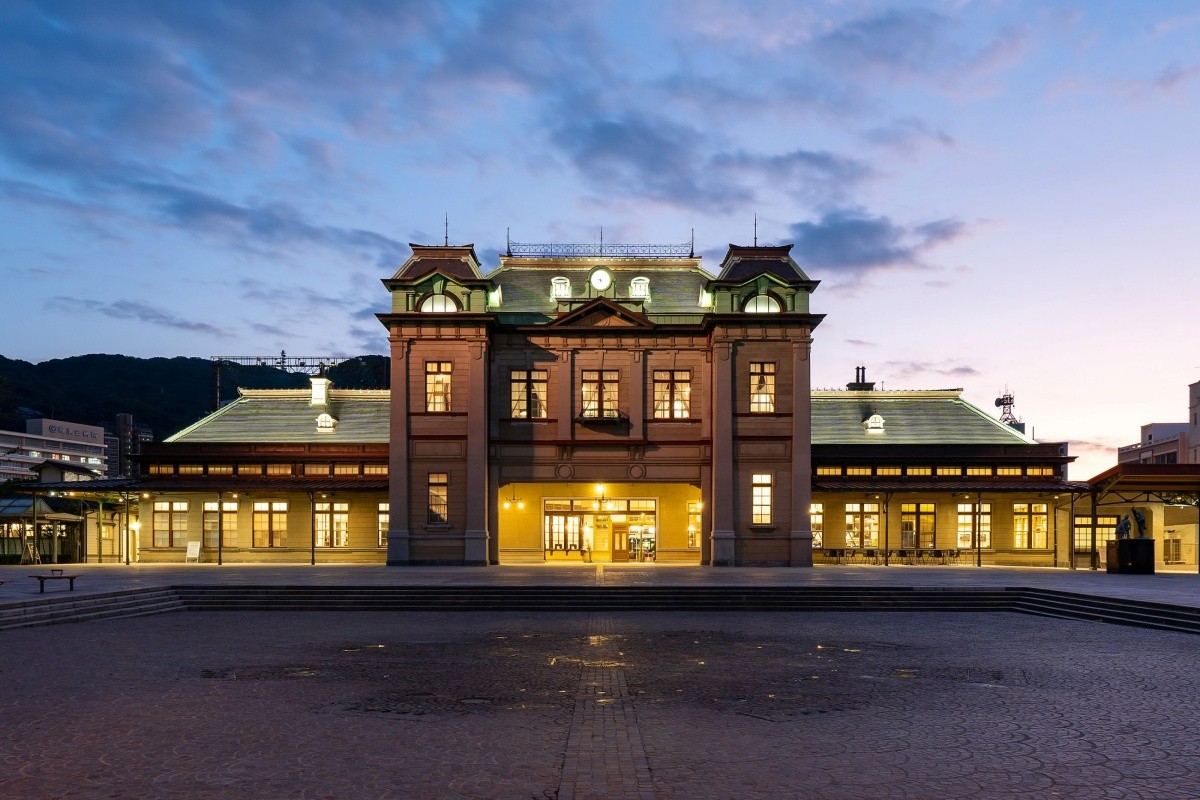
[Fukuoka] Mojiko
- Period: Meiji to Taisho
- Features & Highlights: A port town that flourished as an international trading port in the Meiji era. Highlights include the Mojiko Station building, a designated Important Cultural Property, night views from the observation room, and the local specialty, baked curry.
- Location: Google Map
- Official Website: https://mojiko-retoro9.jp/
*Exploring is generally free (no admission fee). However, opening hours vary by shop and restaurant. Some individual facilities or buildings may require an entrance fee. Please check in advance before your visit.
④ Retro Shopping Streets and Temple Approaches: Experience Downtown Charm and Temple Town Culture!
© TCVB
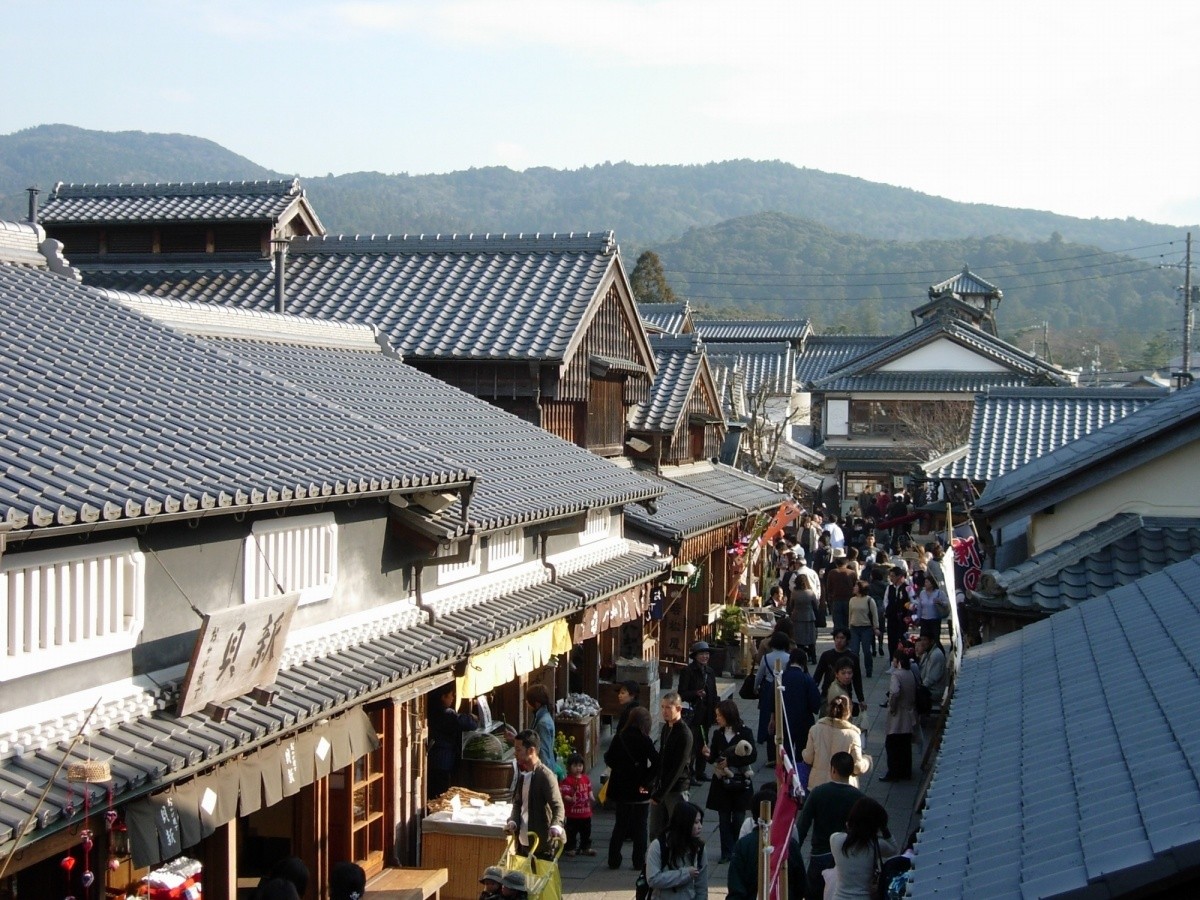
©Mie Prefecture Tourism Federation
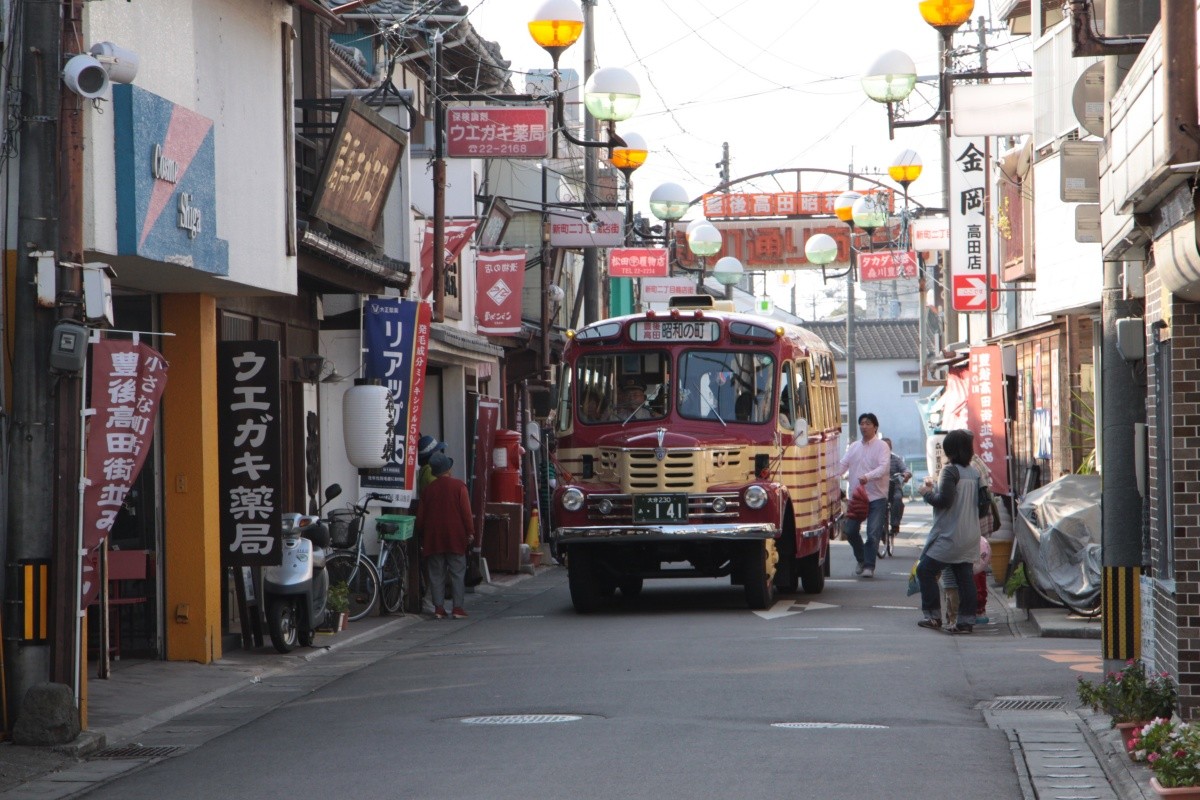
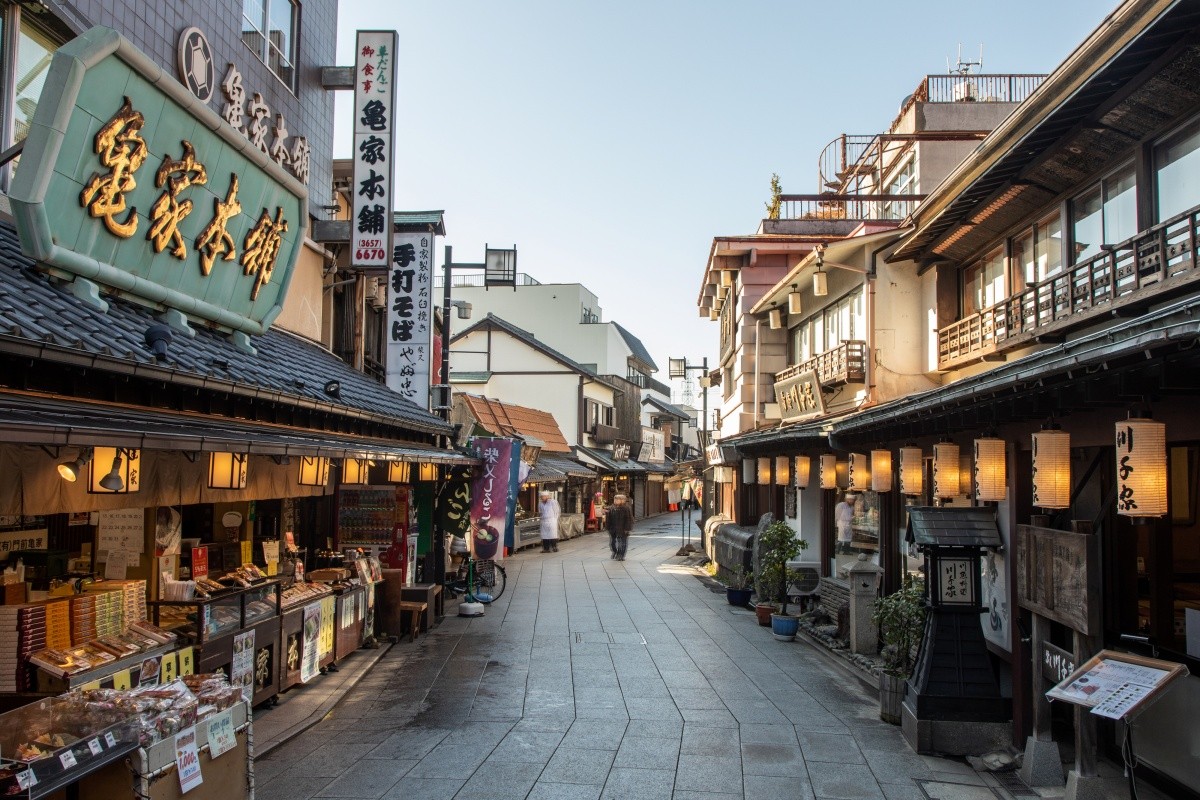
Japan’s shopping streets and temple approaches are lively spots where the bustling atmosphere of castle towns and temple towns from the Edo period, as well as the nostalgic shopping culture of the Showa era, still thrive today. These are fascinating places where the everyday culture of ordinary Japanese people remains strong.
On both sides of the temple approaches that have continued since the Edo period, you’ll find rows of souvenir shops selling traditional crafts, Japanese confectionery stores, and eateries. Shopping streets that developed in the Meiji period feature retro-modern architecture. These areas have a unique charm, blending Western influences with a distinctly Japanese feel, and are lined with stylish cafes and general stores. The retro shopping streets from the Showa era are characterized by nostalgic signboard architecture and hand-painted signs. You can enjoy strolling and sampling local specialties and B-grade gourmet foods at old-fashioned candy shops, retro coffee shops, and traditional delicatessens unique to each region.
Recommended Retro Shopping Streets and Temple Approach Spots
[Tokyo] Asakusa Nakamise Shopping Street
- Era: Edo
- Features & Highlights: One of Japan’s oldest shopping streets, stretching about 250 meters from Kaminarimon Gate to Sensoji Temple. Around 90 shops offer traditional crafts and snacks.
- Location: Google Map
- Official Website: http://www.asakusa-nakamise.jp/
[Tokyo] Shibamata Taishakuten Sando Shopping Street
- Era: Edo to Showa
- Features & Highlights: The downtown temple approach featured in the film “It’s Tough Being a Man” (Otoko wa Tsurai yo). Lined with kusa dango (mugwort rice dumpling) and rice cracker shops, it has been selected as an Important Cultural Landscape of Japan.
- Location: Google Map
- Official Website: http://shibamata.net/index.html
[Chiba] Naritasan Omotesando
- Era: Edo
- Features & Highlights: A temple town stretching about 800 meters from Narita Station to Shinshoji Temple. Over 150 shops, including famous eel restaurants, line this Japan Heritage-certified approach.
- Location: Google Map
- Official Website: http://www.nrtk.jp/enjoy/attraction/omotesando.html
[Mie] Okage Yokocho
- Era: Edo to Meiji
- Features & Highlights: A recreation of Edo to Meiji period townscapes in front of the Inner Shrine of Ise Jingu. Enjoy strolling and sampling treats like Akafuku and Ise Udon at around 50 shops.
- Location: Google Map
- Official Website: https://okageyokocho.com/
[Oita] Bungo-Takada Showa no Machi
- Era: Showa
- Features & Highlights: A restored shopping street from the 1950s. Popular attractions include the “One Shop, One Treasure” displays, the “Showa Roman Warehouse,” and the “Bonnet Bus” tour.
- Location: Google Map
- Official Website: https://www.city.bungotakada.oita.jp/site/showanomachi/list3-218.html
*These areas are generally open for free exploration. However, opening hours for individual shops and restaurants vary by establishment. Additionally, some facilities or indoor exhibits may require an admission fee. Please check in advance before your visit.
⑤ Gassho-style Villages: Discover Japan’s Beautiful Rural Scenery
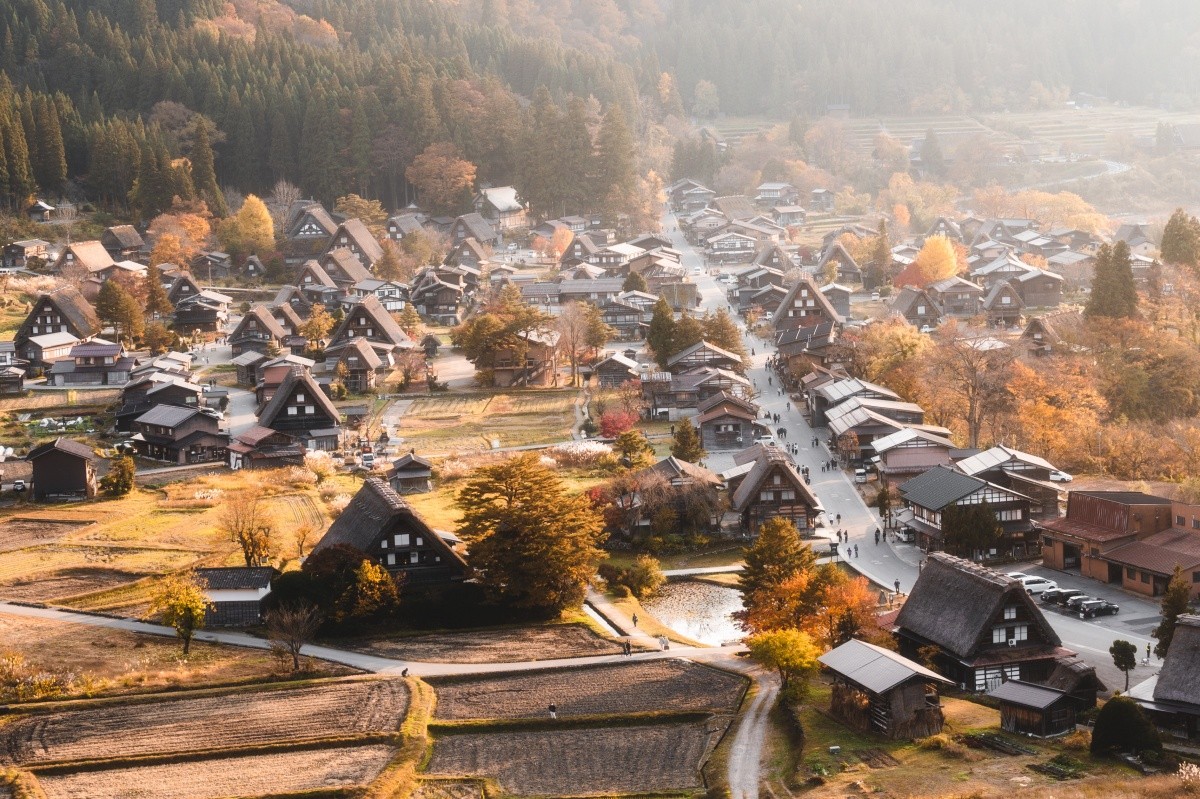
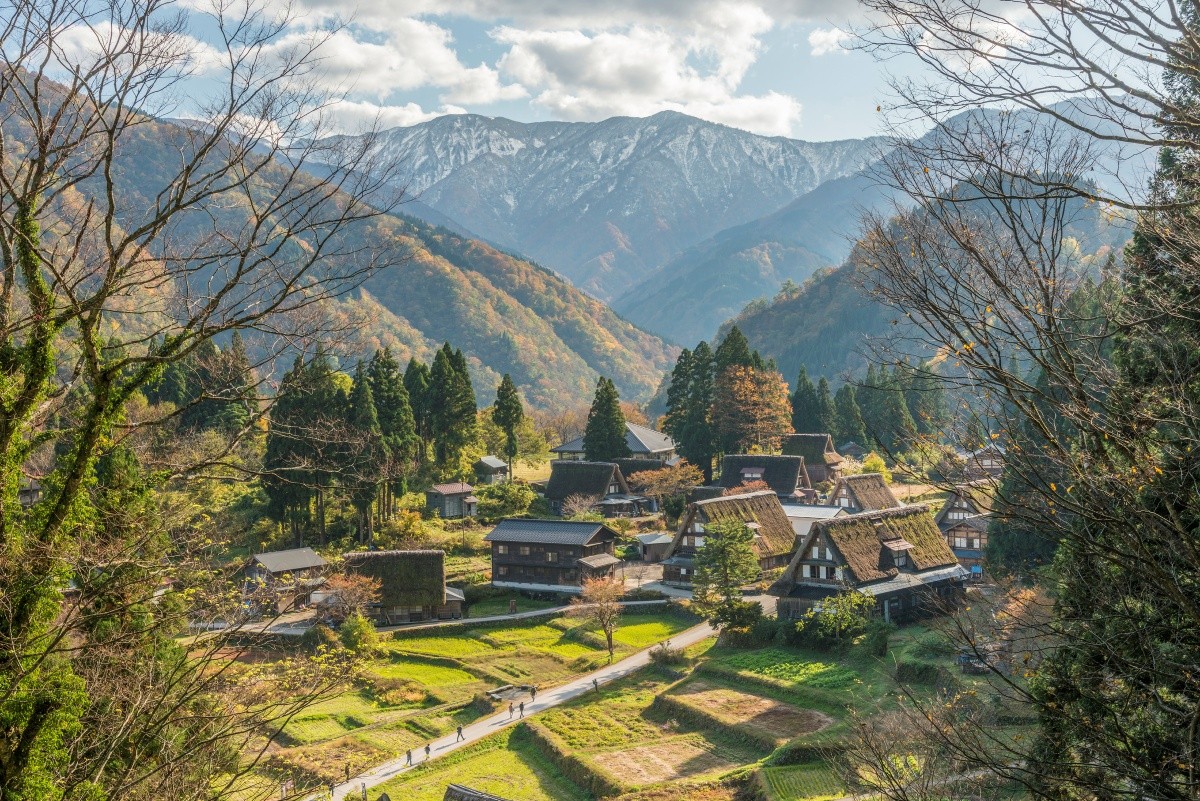
© Toyama Tourism Organization
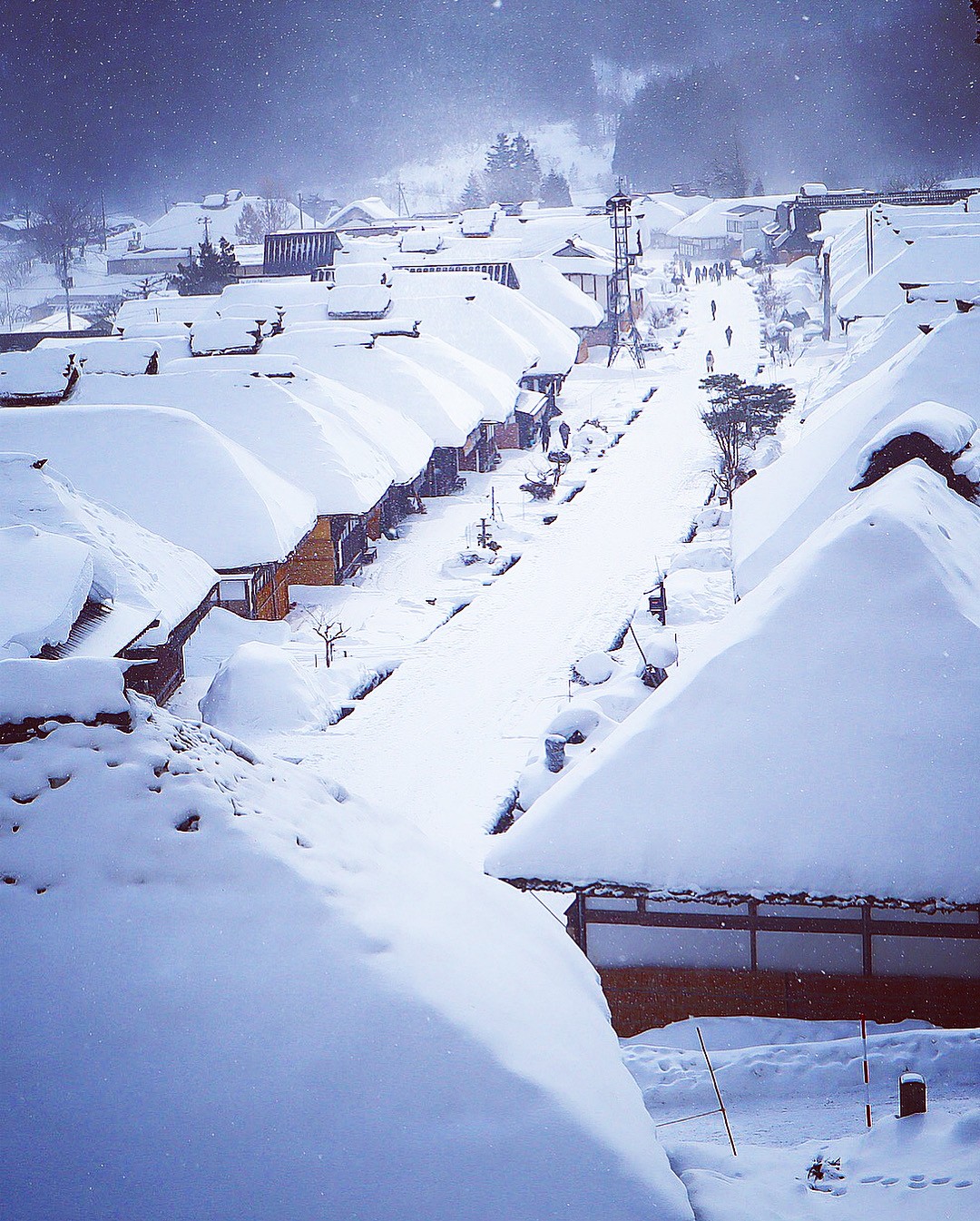
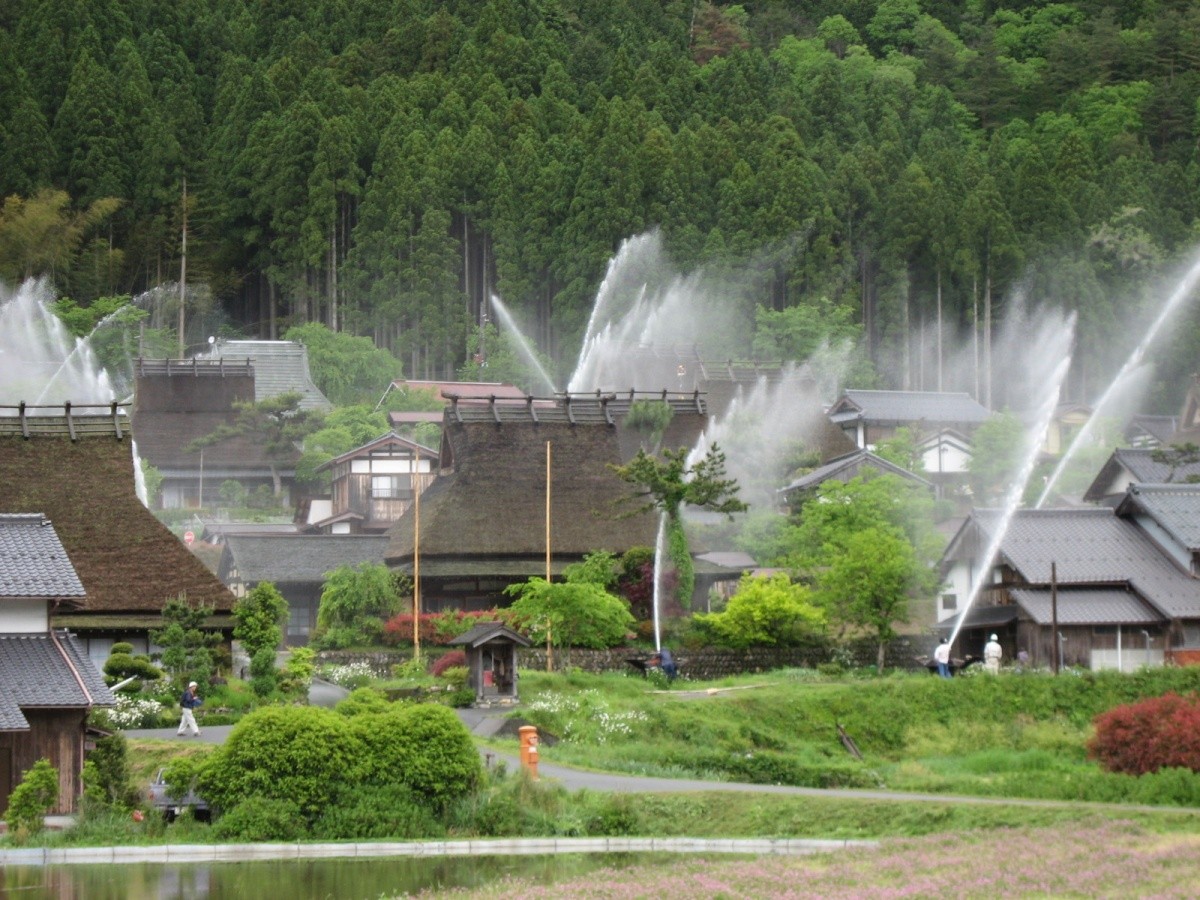
Photo courtesy of Kyoto Prefecture Tourism Federation
The gassho-style and thatched-roof villages of Japan are “living cultural heritage” sites with histories spanning hundreds of years, where people still lead their daily lives. The steeply pitched thatched roofs are an architectural style developed to accommodate sericulture and heavy snowfall, embodying the wisdom and craftsmanship of generations past. Many of these villages are registered as UNESCO World Heritage Sites or designated as Important Preservation Districts for Groups of Traditional Buildings, highlighting their significant historical value. Visitors can enjoy breathtaking scenery throughout the four seasons, and winter illumination events are especially popular. Staying overnight in a gassho-style inn, gathering around an irori hearth, tasting local cuisine, and experiencing traditional ways of life all make for unforgettable memories.
Recommended Retro Gassho-style Village Spots
[Gifu] Shirakawa-go Gassho-style Village
- Period: Edo
- Features & Highlights: Registered as a World Heritage Site in 1995. Over 100 gassho-style houses remain. The panoramic view from the observatory and winter illumination events are especially popular.
- Location: Google Map
- Official Website: https://shirakawa-go.gr.jp/
[Toyama] Gokayama Gassho-style Village
- Period: Edo
- Features & Highlights: Registered as a World Heritage Site along with Shirakawa-go. 20 houses in Ainokura and 9 in Suganuma remain, offering a tranquil atmosphere. Folk songs and traditional washi papermaking experiences are also popular.
- Location: Google Map
- Official Website: https://gokayama-info.jp/
[Fukushima] Ouchi-juku
- Period: Edo
- Features & Highlights: A post town on the Aizu Nishi Kaido road. Over 30 thatched-roof houses line a 500-meter stretch. The local specialty is “Negi Soba,” buckwheat noodles eaten with a green onion stalk as a chopstick.
- Location: Google Map
- Official Website: https://ouchi-juku.com/
[Kyoto] Miyama Kayabuki-no-Sato
- Period: Edo to Meiji
- Features & Highlights: Of the 50 houses, 39 have thatched roofs in this mountain village. The winter “Yuki Toro” snow lantern illumination and the twice-yearly simultaneous water-spraying fire drill are also popular events.
- Location: Google Map
- Official Website: https://kayabukinosato.jp/
*These areas are generally open for free exploration. However, opening hours for individual shops and restaurants vary by establishment. Additionally, some facilities or indoor exhibits may require an admission fee. Please check in advance before your visit.
Comments