
A rugby match might be the reason for a trip, but it doesn’t have to be the whole story. With international fixtures held at venues across Japan as part of the Lipovitan D Challenge Cup, following the national team can also be an opportunity to venture beyond the stadium and spend a few days getting to know the region hosting the game.
That might mean sampling local food, experiencing regional traditions or simply making time to explore before and after kick-off. It’s a way to turn matchday into a wider journey, with the excitement of the rugby as the starting point rather than the entire itinerary.
That was the idea behind “BUDO・BLOSSOMS・Experience,” a three-day, two-night monitor tour that began with a Japan national team match in Niigata before continuing across the water to Sado Island. We joined the tour to see how rugby, local culture and island life could come together in one three-day trip.
Niigata and Sado Island: A Regional Japan Getaway for Rugby Fans
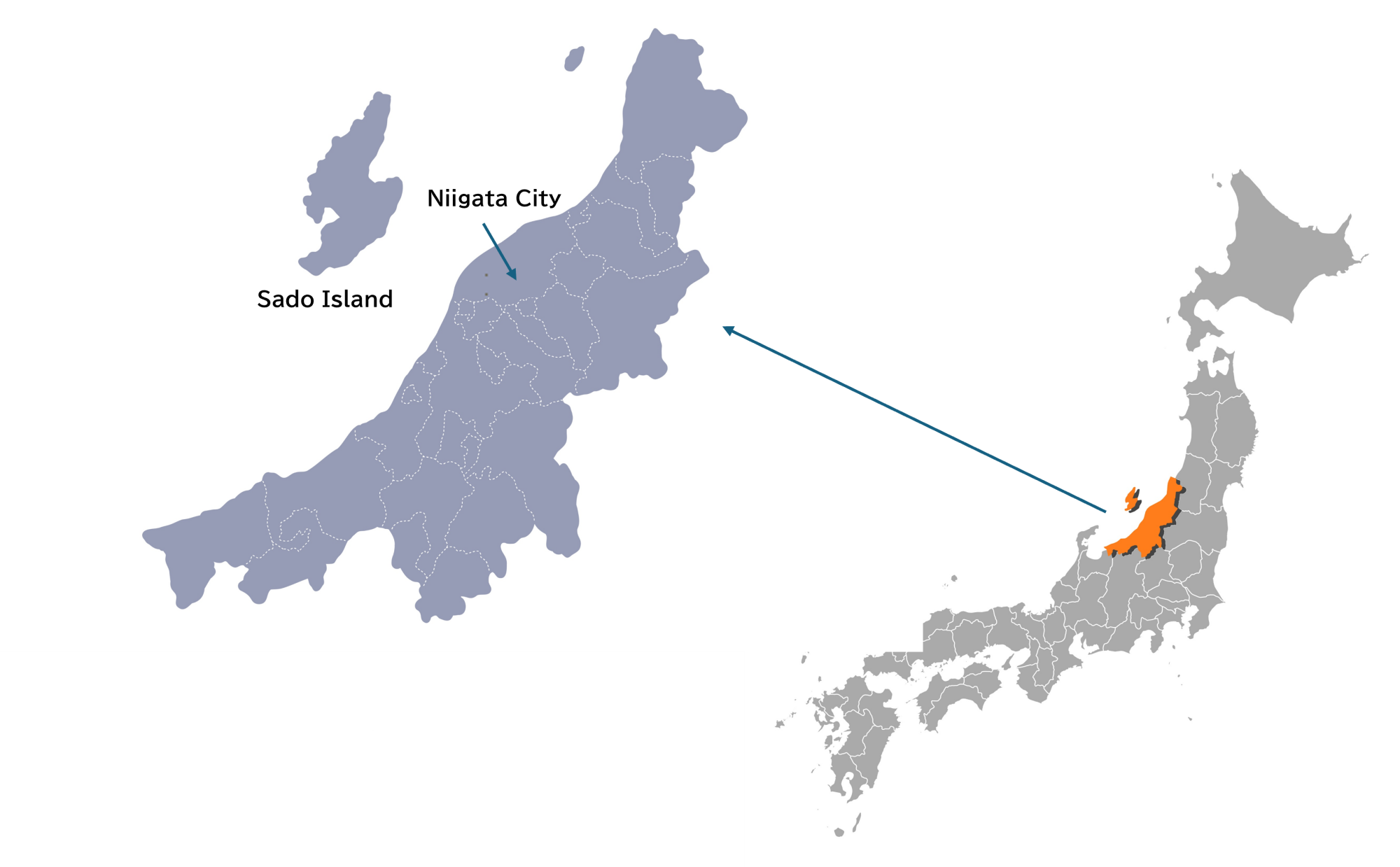
Located on the Sea of Japan coast in central Honshu, Niigata Prefecture is just 90 minutes from Tokyo by Joetsu Shinkansen. It’s one of Japan’s leading rice-producing regions, with vast paddies stretching across the landscape and a long tradition of sake brewing. In winter, the region takes on a different character as abundant, high-quality snow draws skiers and snowboarders to its slopes.
From Niigata City, a ferry takes you across the water to Sado Island. Centuries of history have shaped a culture distinct from the mainland, with traditions that remain part of island life today. Sado is also home to the Sado Island Gold Mines, inscribed on the UNESCO World Heritage List in 2024. For travellers looking beyond Japan’s major cities, the island offers a very different perspective on the country’s regional culture and heritage.
Why Add Niigata and Sado Island to a Rugby Trip?
Martial arts, traditional performing arts and festivals have been passed down through generations on Sado and remain very much a part of life on the island.
There are also parallels with rugby itself: the importance the sport places on respect and sportsmanship finds echoes in Japanese martial arts and local traditions. A match in Niigata therefore makes a natural starting point for a wider trip. Even with just a few days to spare, travelling on to Sado brings martial arts, festivals, regional food and nature into the itinerary—a side of Japan far removed from the familiar sights of Tokyo, Kyoto and Osaka.
The Tour Experience: Three Days of Rugby and Local Culture in Niigata and Sado
Day 1: Matchday – Japan vs Canada
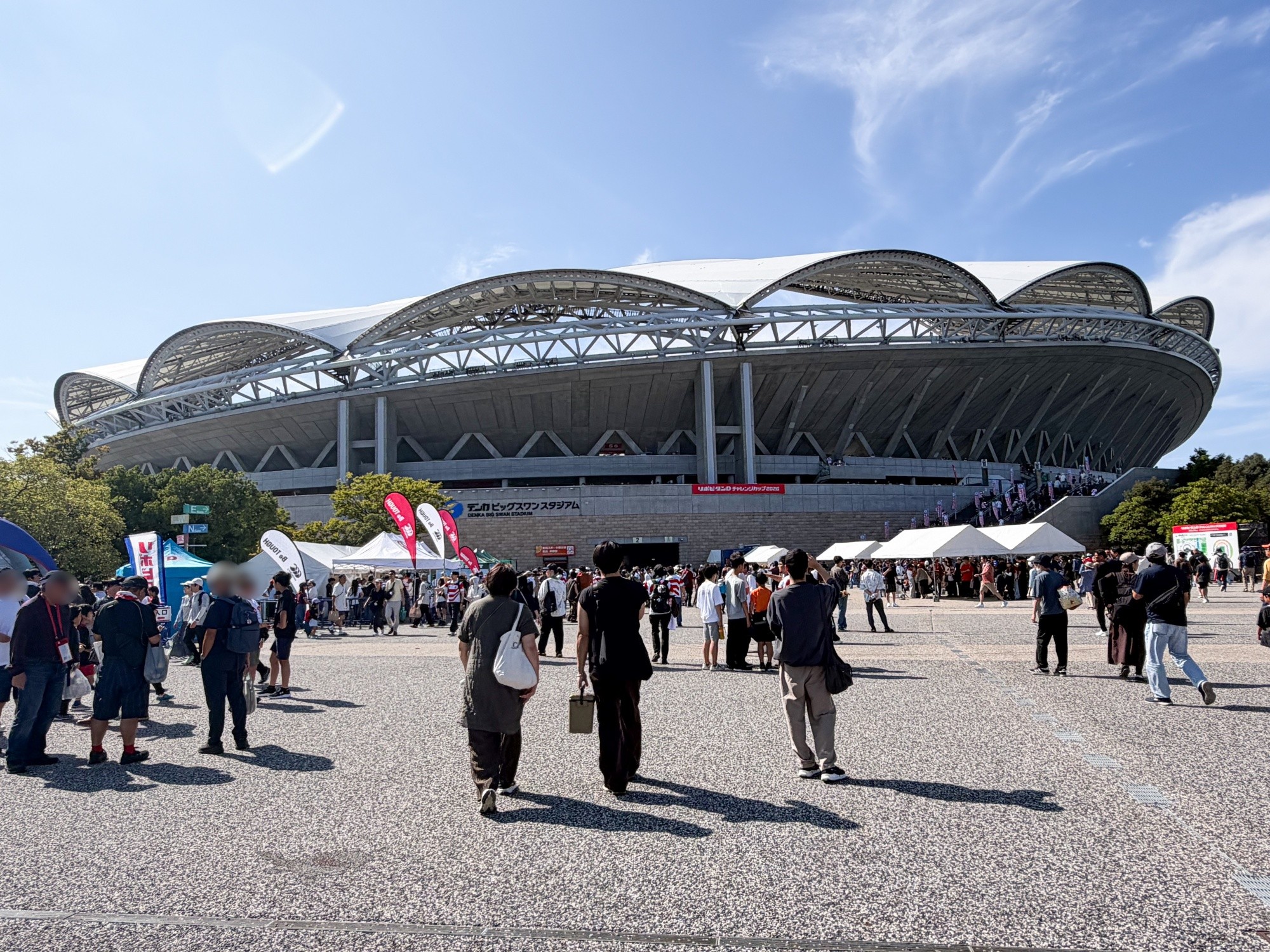
Our journey began at Denka Big Swan Stadium, where Japan’s national rugby team was set to take on Canada. The atmosphere was already building when we arrived, with fans gathering at photo spots featuring life-size player cutouts, browsing official merchandise and picking up food before kick-off.
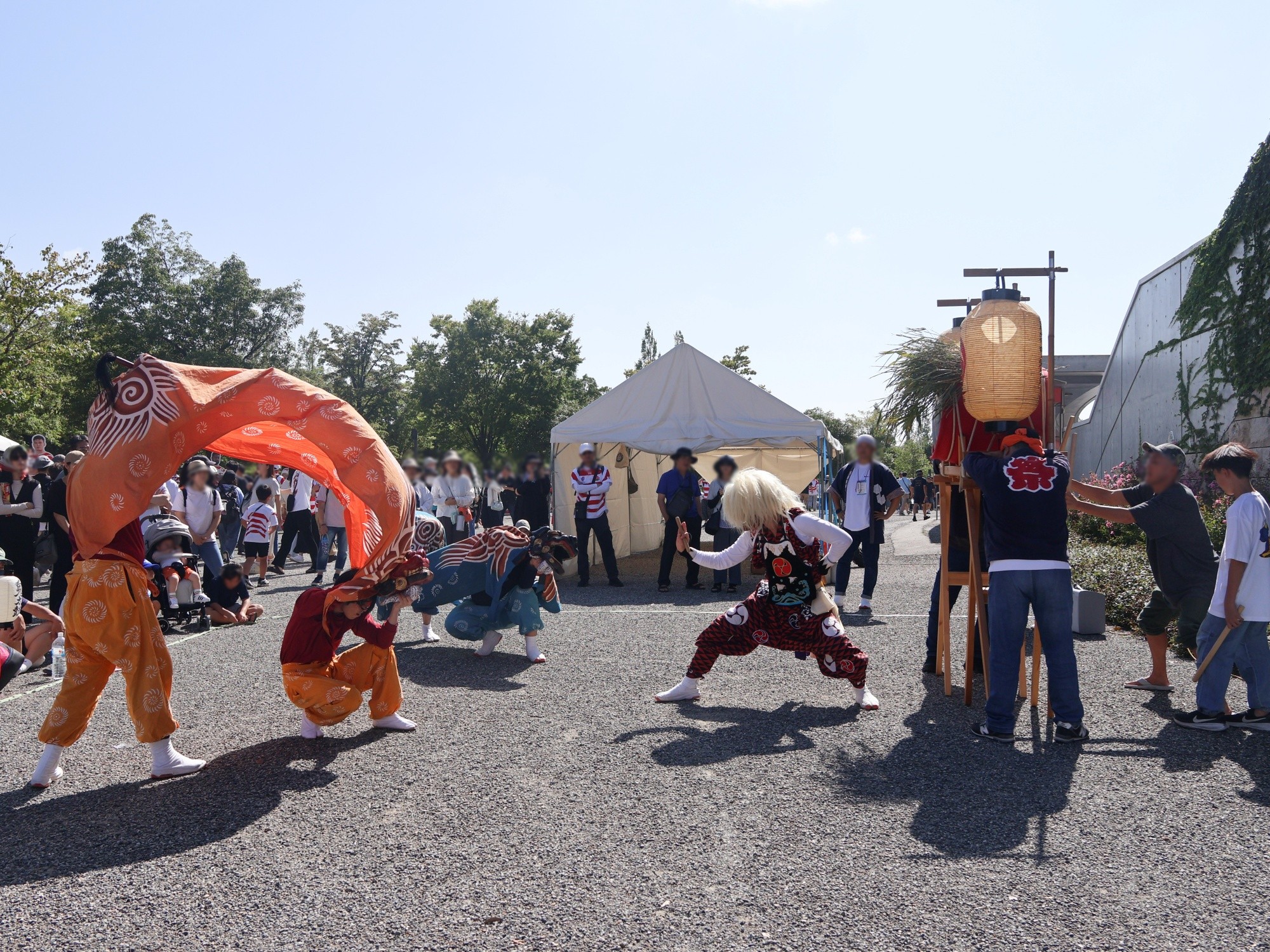
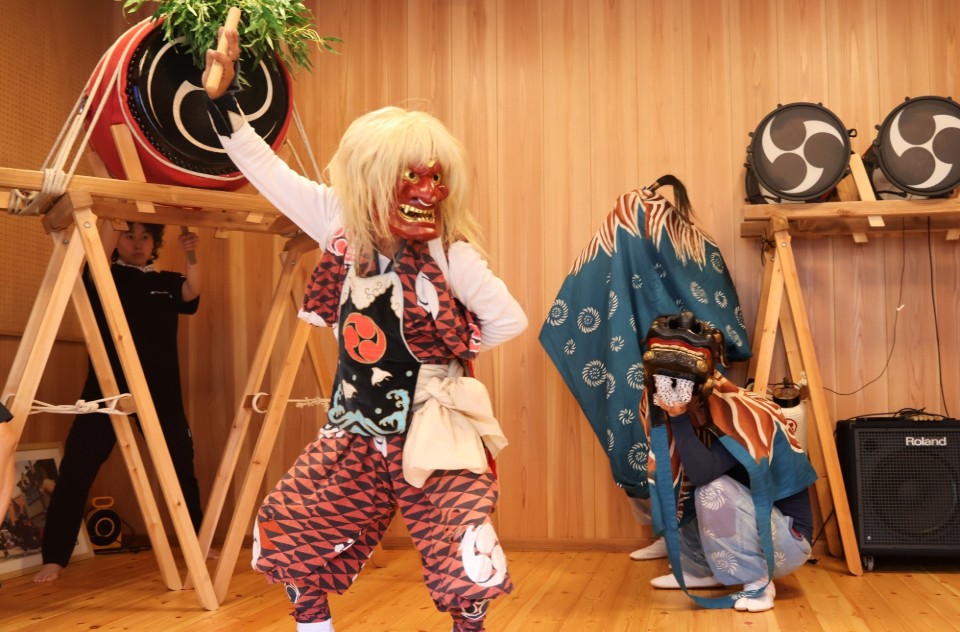
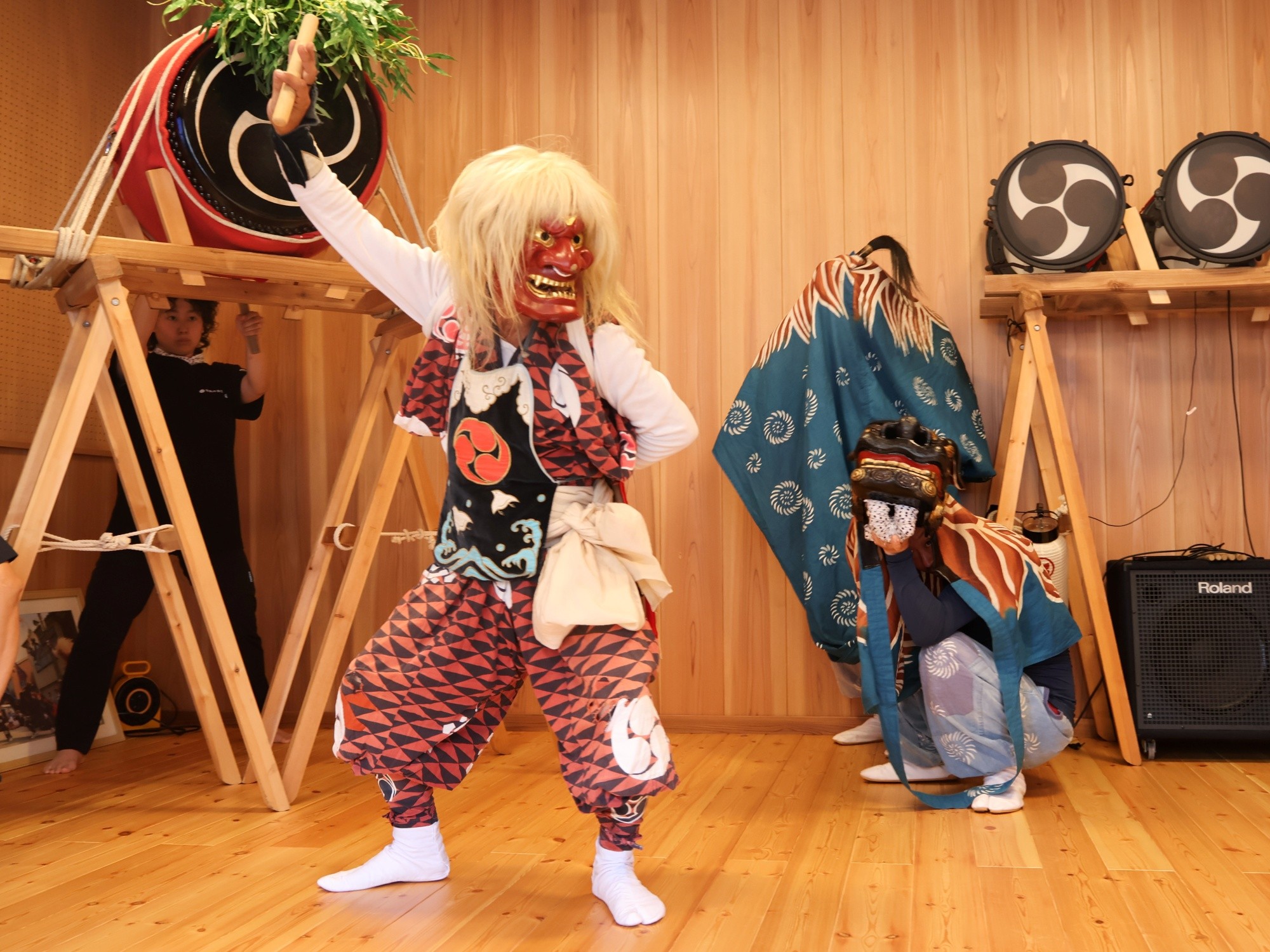
Things grew even livelier when a performance of Ondeko, a traditional performing art from Sado Island, got underway. Powerful taiko drums accompanied the dynamic movements of oni (demons) and lions, quickly drawing a crowd.
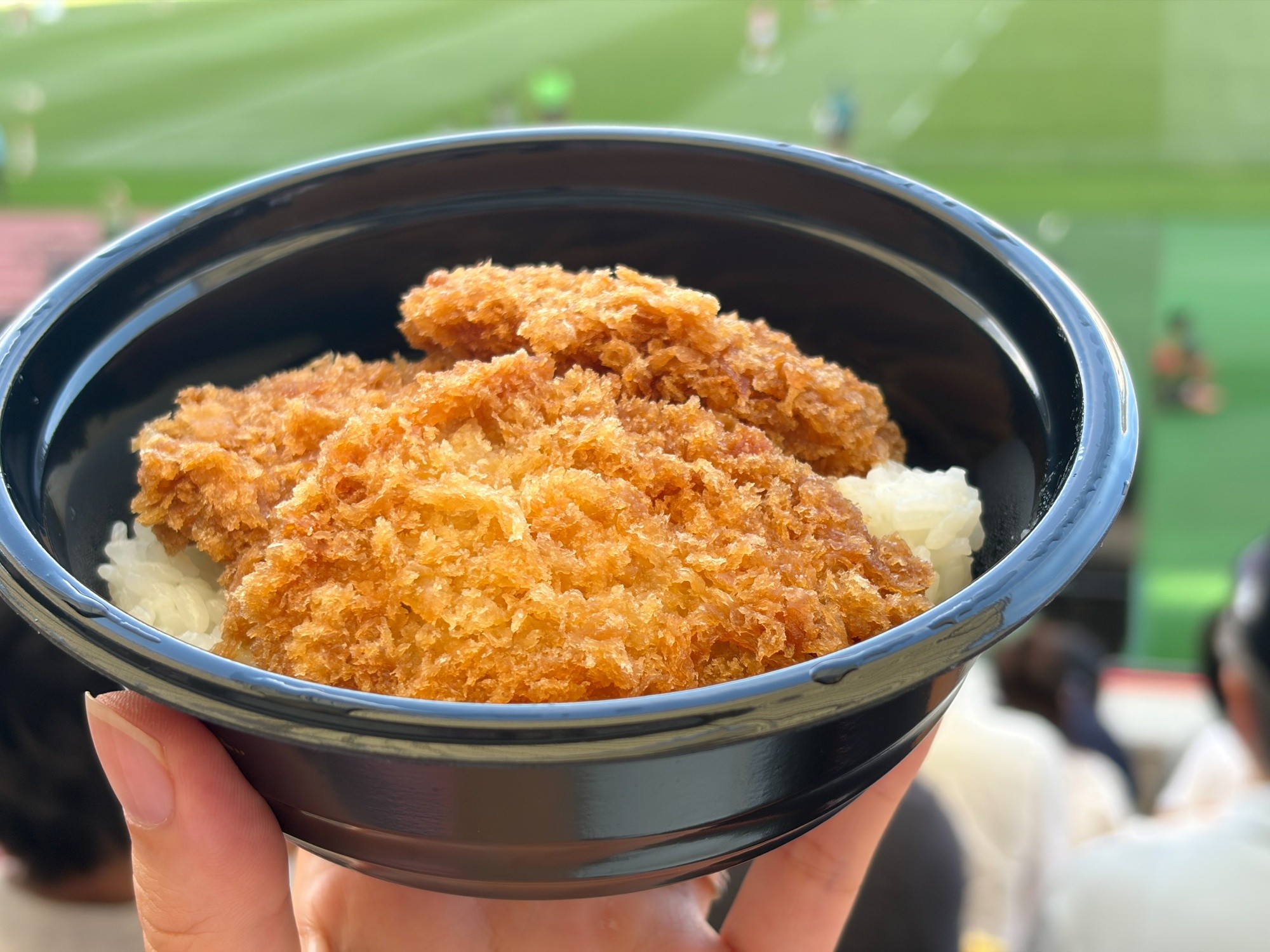
There was time for a taste of Niigata before the match, too. Tare katsudon is a local favourite of breaded pork cutlets coated in a sweet and savoury sauce and served over rice. Simple, satisfying and seriously moreish.
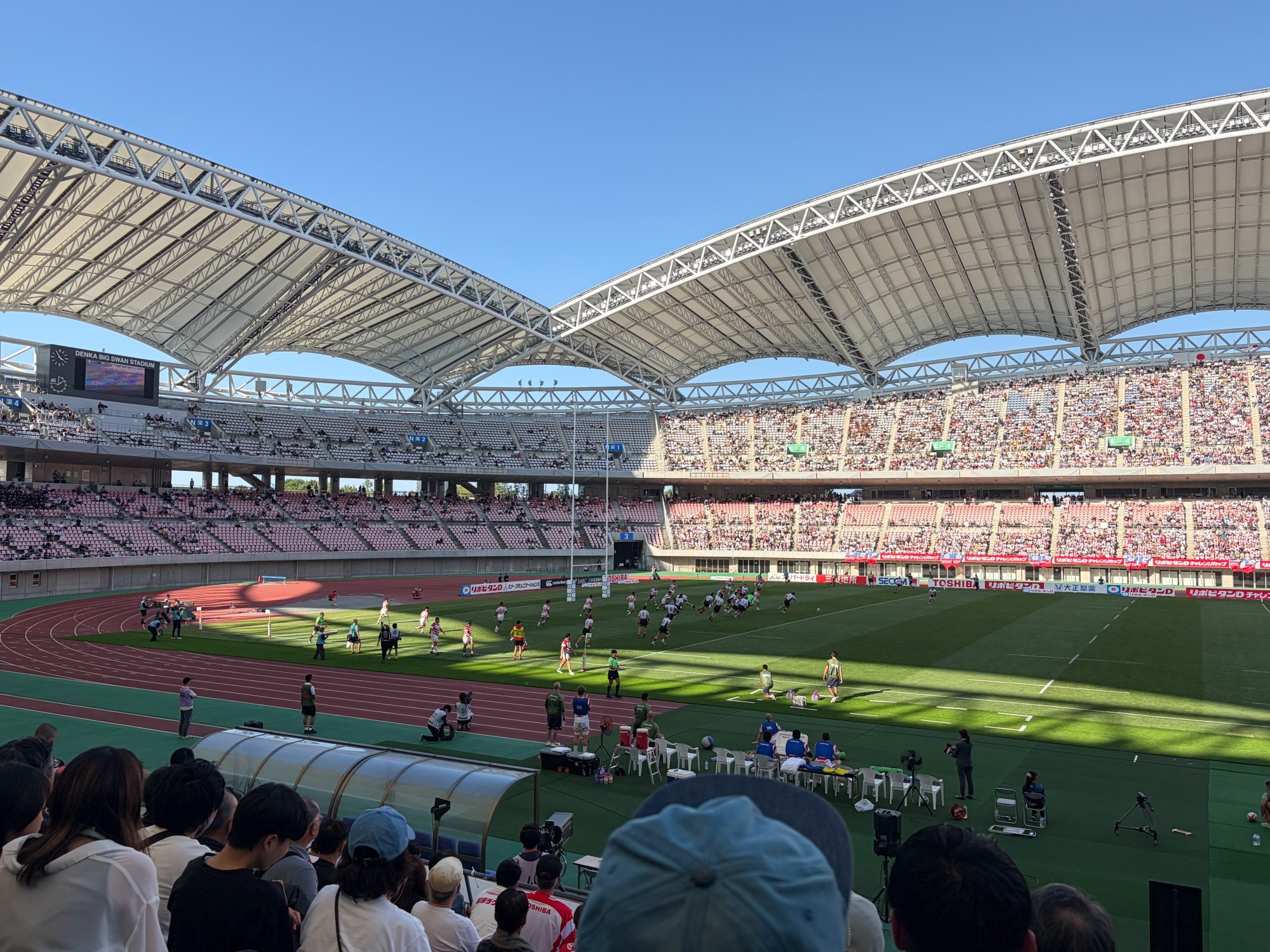
A crowd of 18,045 turned out for the Lipovitan D Challenge Cup 2026 match between Japan and Canada. Once play began, the stadium came alive, with cheers rising from the stands as the action unfolded on the pitch.
Watching rugby live also brings home the sense of respect that runs through the sport. Players exchanged bows at the start of the match and during substitutions, while fans of different nationalities and languages shared in the excitement from the stands.

The match had brought us to Niigata. The following morning, it was time to see where the journey would take us next.
Official Website: Official Website: Japan Rugby
Day 2: Exploring Sado Island Through Martial Arts, History and Food
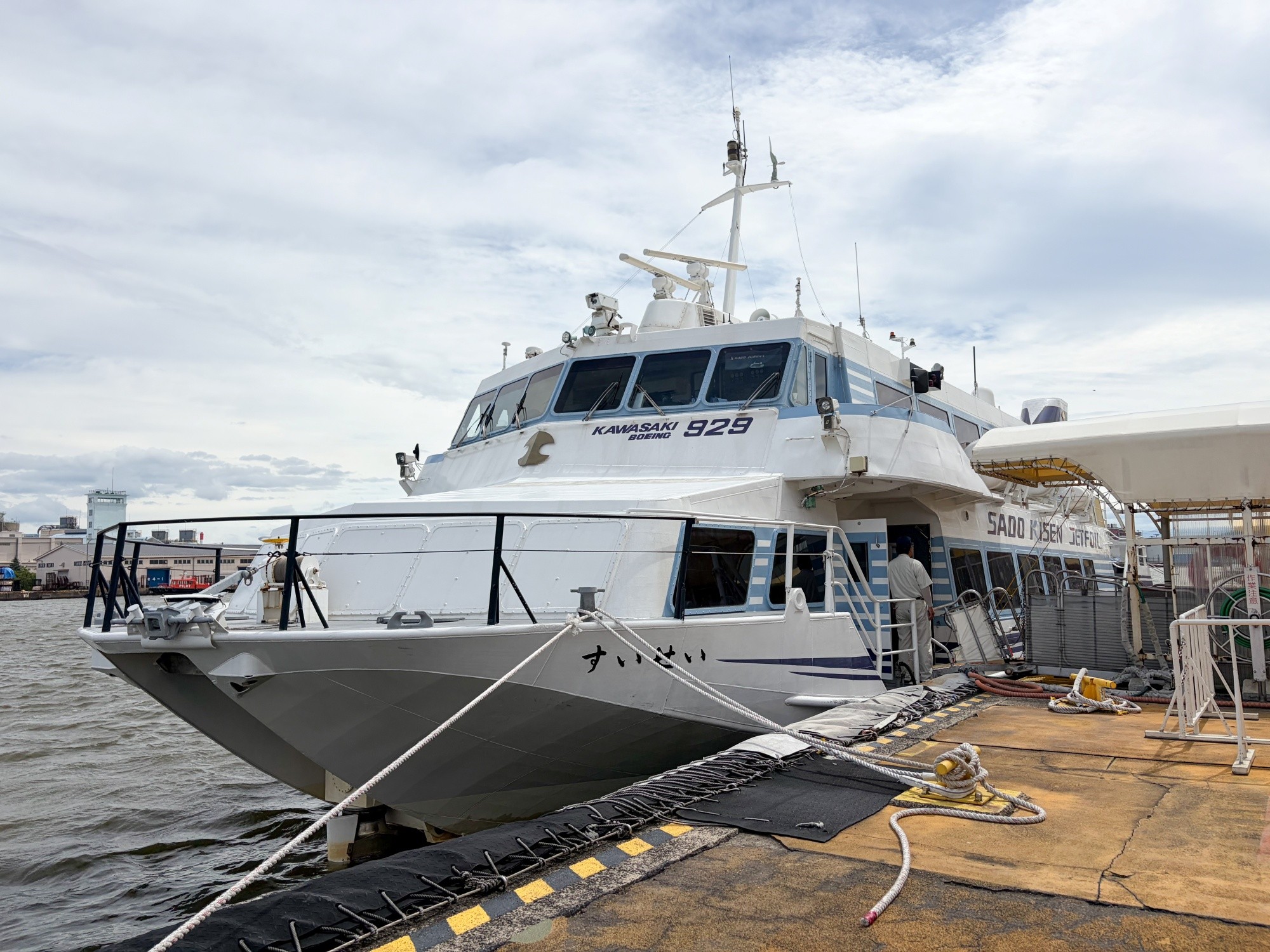
The morning after the match, we left Niigata City for Sado Island, swapping the stadium for a day of martial arts, history and local food. Ferries depart from the Sado Kisen Terminal at Niigata Port, around 15 minutes from Niigata Station by bus or taxi. There are two ways to make the crossing: the car ferry, which takes approximately 2 hours and 30 minutes, or the faster Jetfoil, at around 1 hour and 7 minutes. Some seating on the car ferry is reserved, while all seats on the Jetfoil are assigned.
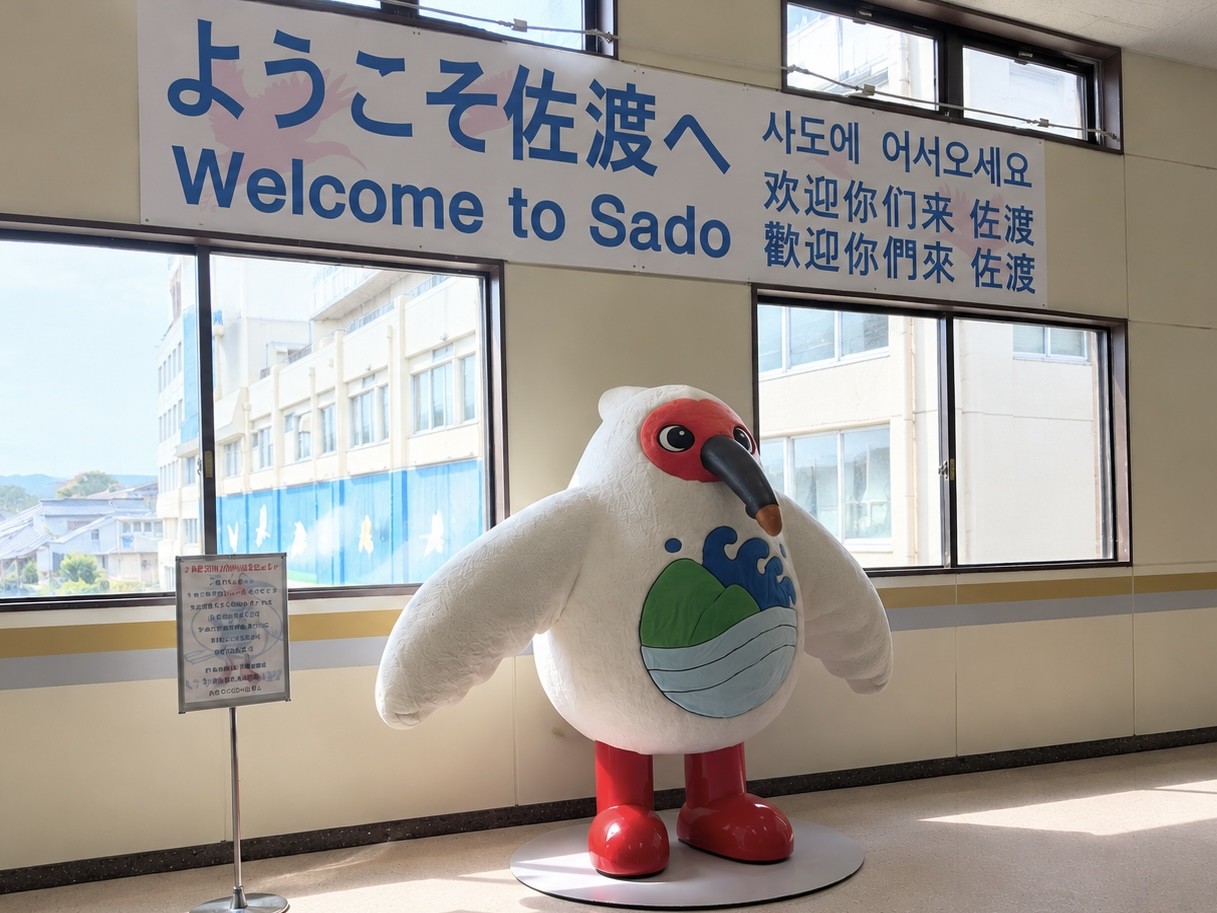
We took the Jetfoil, keeping travel time to a minimum and leaving us free to start exploring as soon as we arrived.
Kendo Experience: The Japanese Martial Art of Respect and Discipline
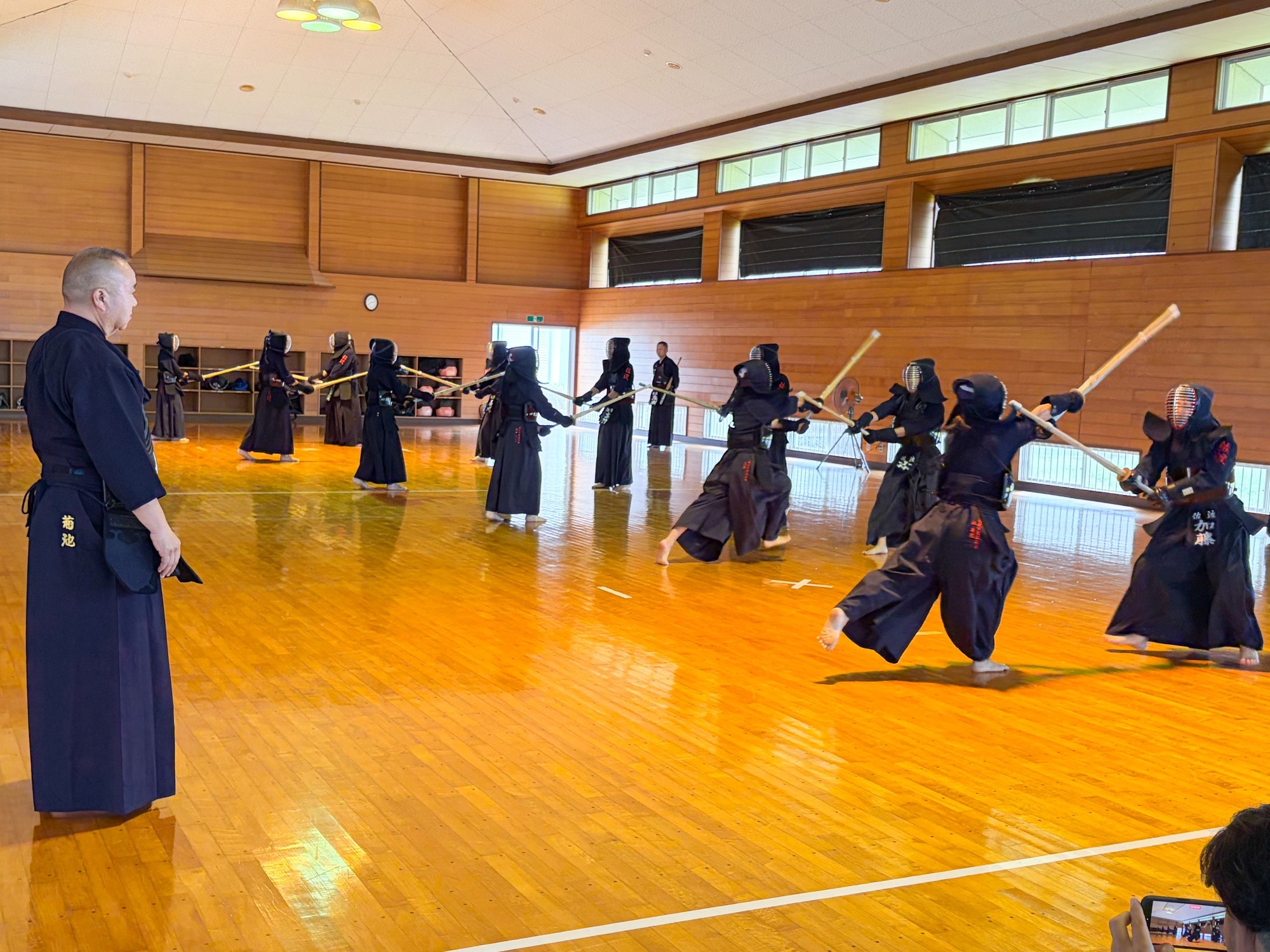
First up on Sado was kendo, one of Japan’s best-known martial arts. With roots in the swordsmanship of the samurai, kendo has evolved over more than 300 years into the discipline practised today.
At its heart is the concept of shin-gi-tai, or the unity of mind, technique and body. All three must come together for a strike to be considered successful. Equally important is zanshin: maintaining awareness, focus and readiness after delivering a strike rather than immediately letting your guard down.
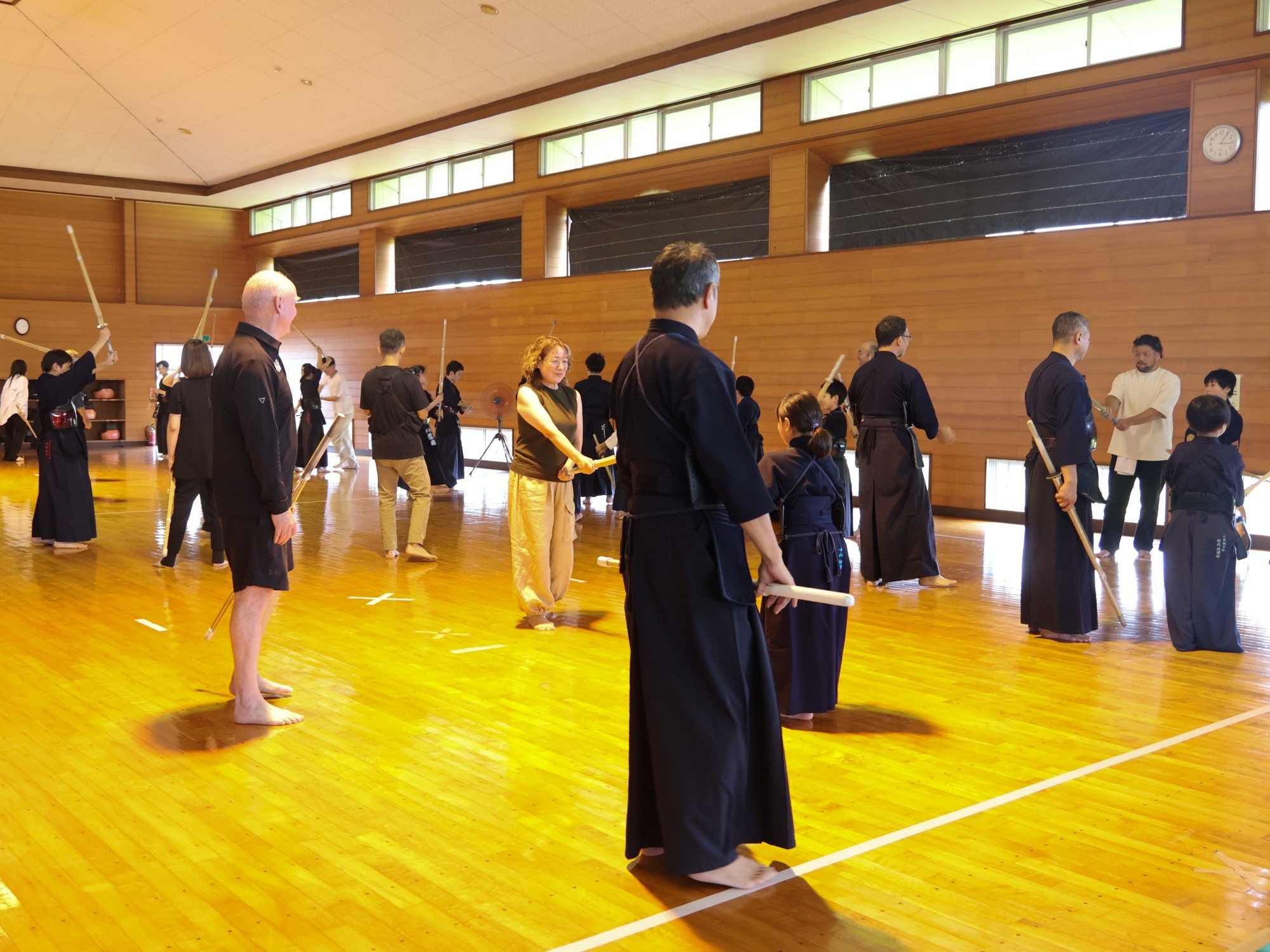
Putting those principles into practice was another matter. Even the basic stance proved harder than it looked, and raising and swinging the shinai (bamboo sword) while maintaining the correct posture took real concentration. Facing an opponent and focusing completely on each movement also made for a refreshing change from conventional sightseeing.
Rugby and kendo may look worlds apart—one built around teamwork, the other around facing an opponent one-on-one—but respect and discipline are fundamental to both. Experiencing them back-to-back brought that connection into sharper focus.
National Historic Site: Kitazawa Flotation Plant — Sado’s Industrial Heritage After Dark
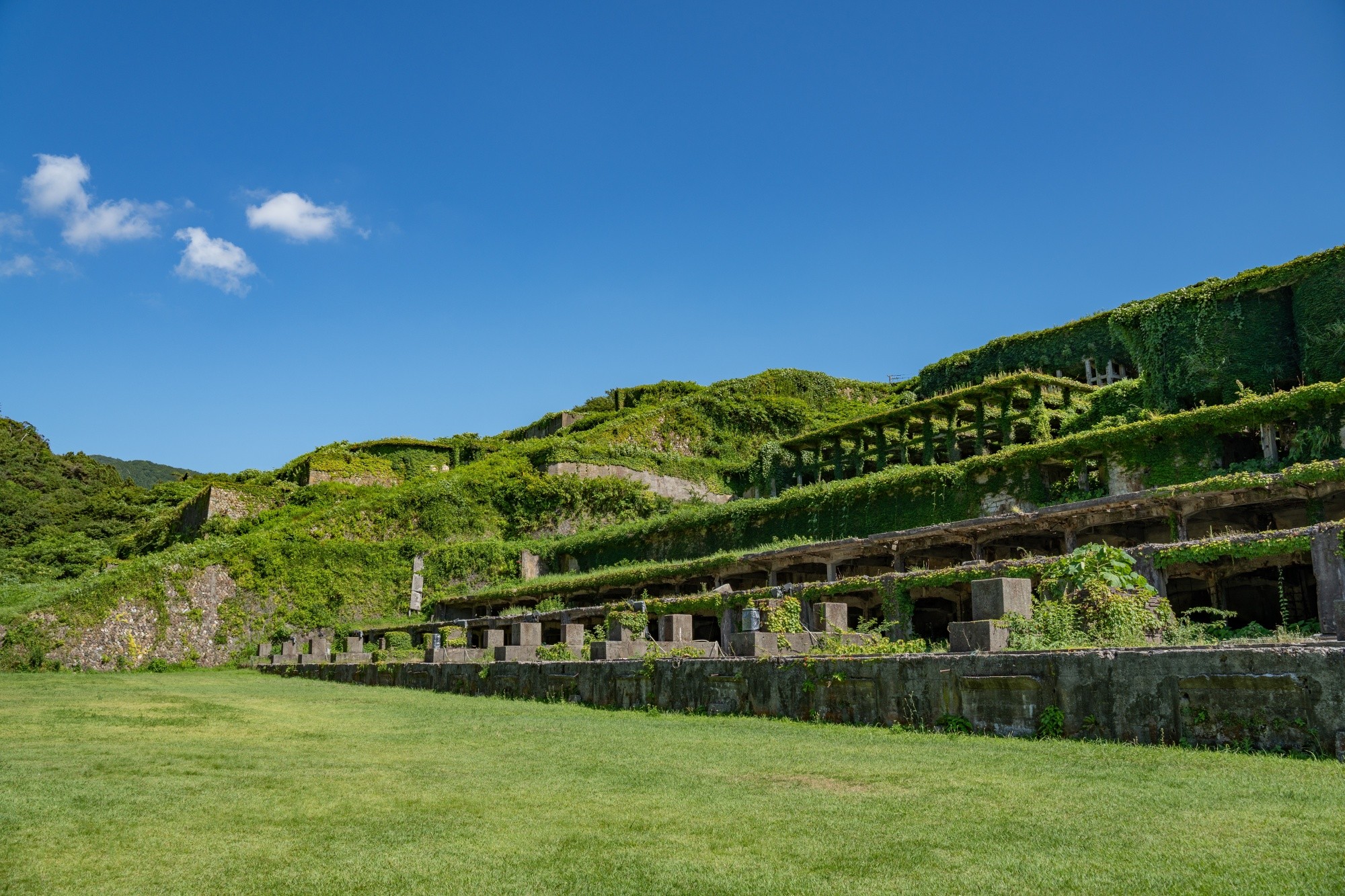
Our next stop took us into a very different chapter of Sado’s past. Completed in 1938, the Kitazawa Flotation Plant was once capable of processing 50,000 tonnes of ore a month and played a major role in the island’s gold and silver production. Its vast reinforced-concrete remains now stand as a striking piece of Sado’s mining heritage.
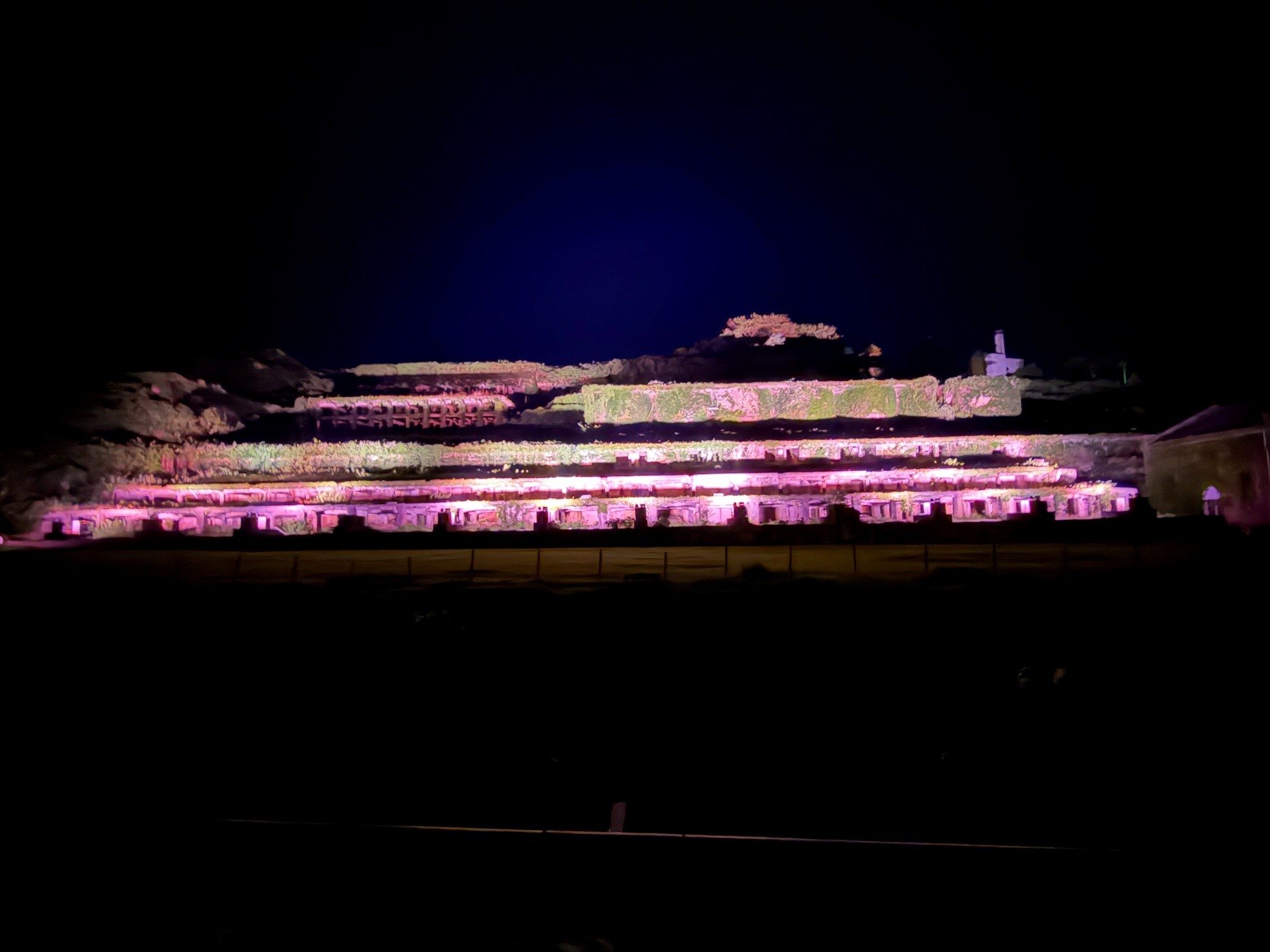
Today, greenery spreads across the enormous concrete structures, giving the abandoned complex an almost frozen-in-time appearance. Its distinctive setting has even drawn comparisons to the world of a popular film.
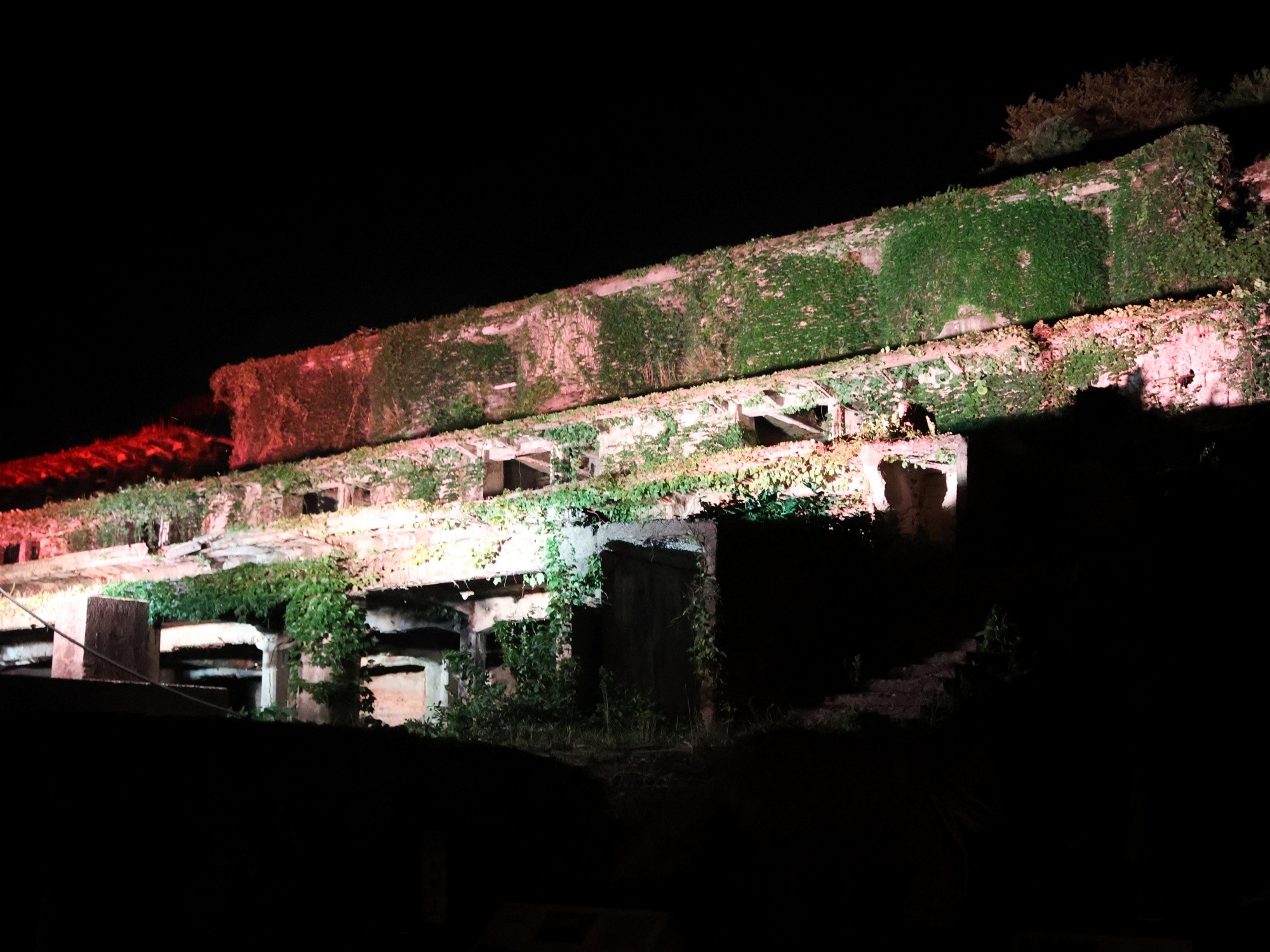
We visited after dark, when the illuminated ruins took on an atmospheric, almost otherworldly quality.
- Address: 3-2 Aikawa Kitazawamachi, Sado, Niigata
- Access: Approximately 50 minutes by car from Ryotsu Port
- Website: Kitazawa Flotation Plant | Sado Tourism Navi
Sado International Triathlon: An Island United by Sport
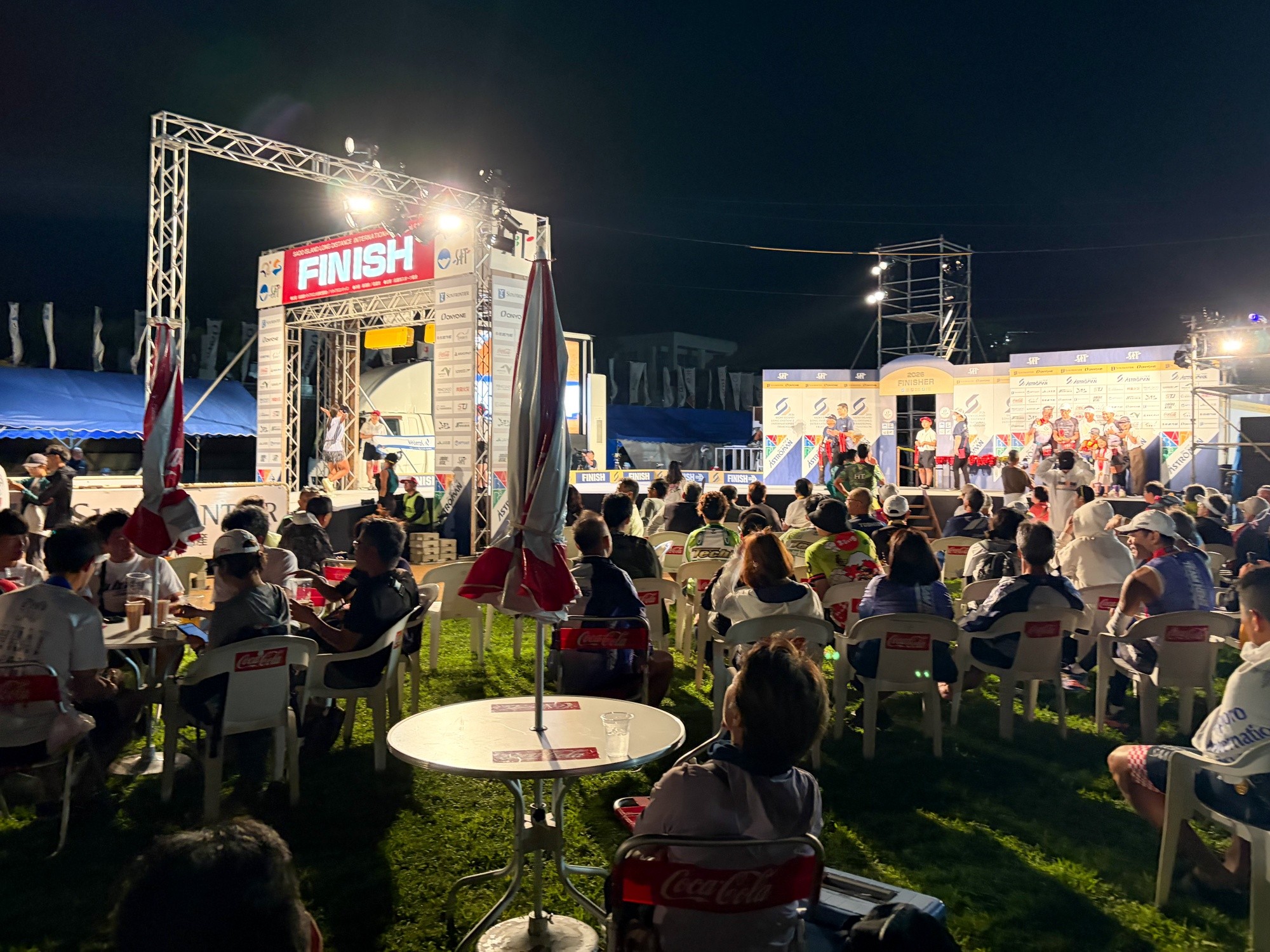
Our visit also coincided with the Sado International Triathlon, held every September. One of Japan’s largest long-distance triathlon events, it brings athletes and supporters from around the world to the island for a demanding combination of swimming, cycling and running.
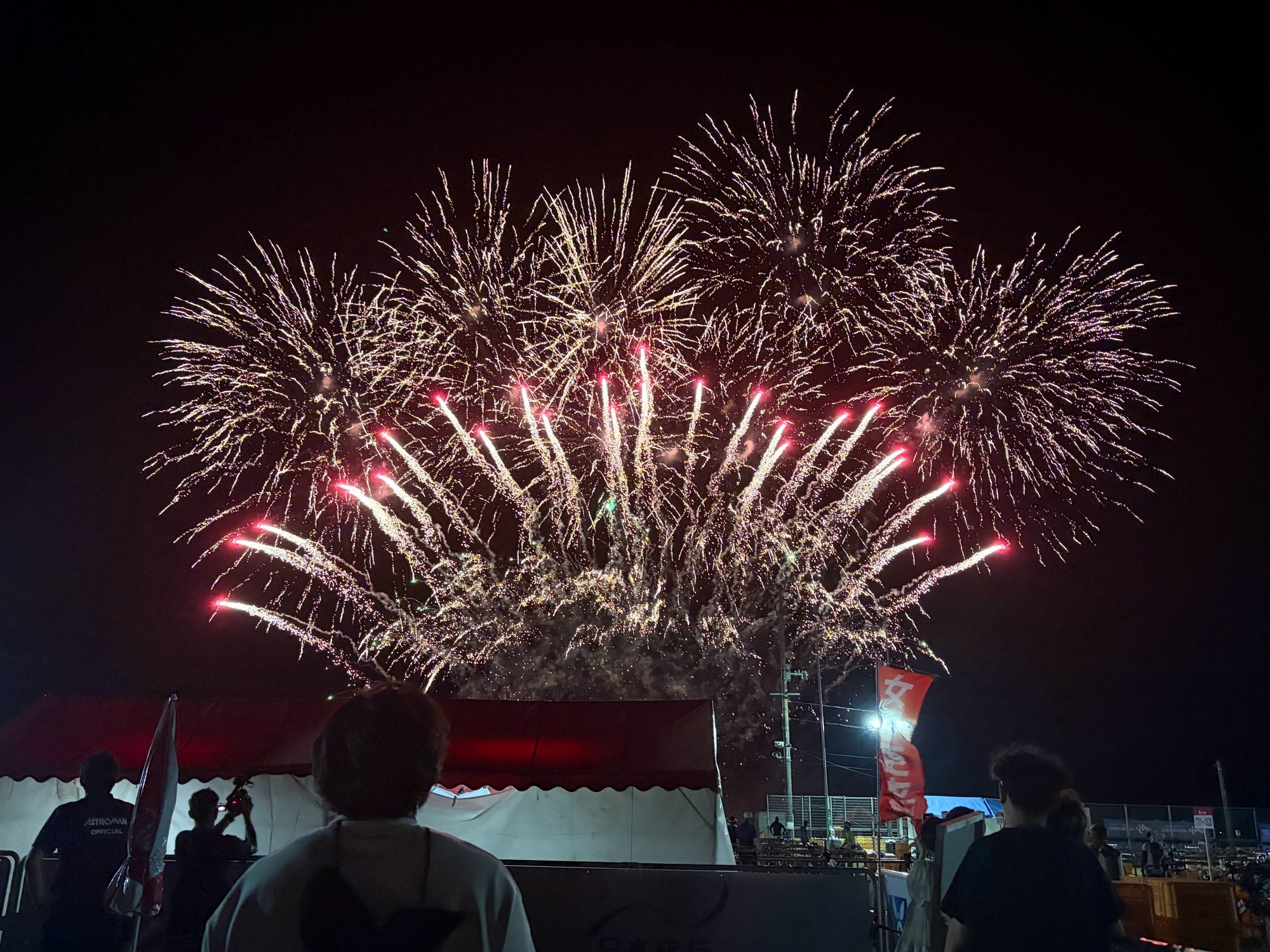
Where rugby relies on a team, triathlon puts individual endurance to the test. As competitors reached the finish one after another, applause and words of encouragement came from the crowd, with fireworks marking the finale.
The sports themselves could hardly be more different, but the atmosphere felt familiar. Once again, athletes, spectators and locals had gathered around a sporting event—this time with the whole island joining in.
Sado Island Cuisine: From Green Udon to Local Seafood
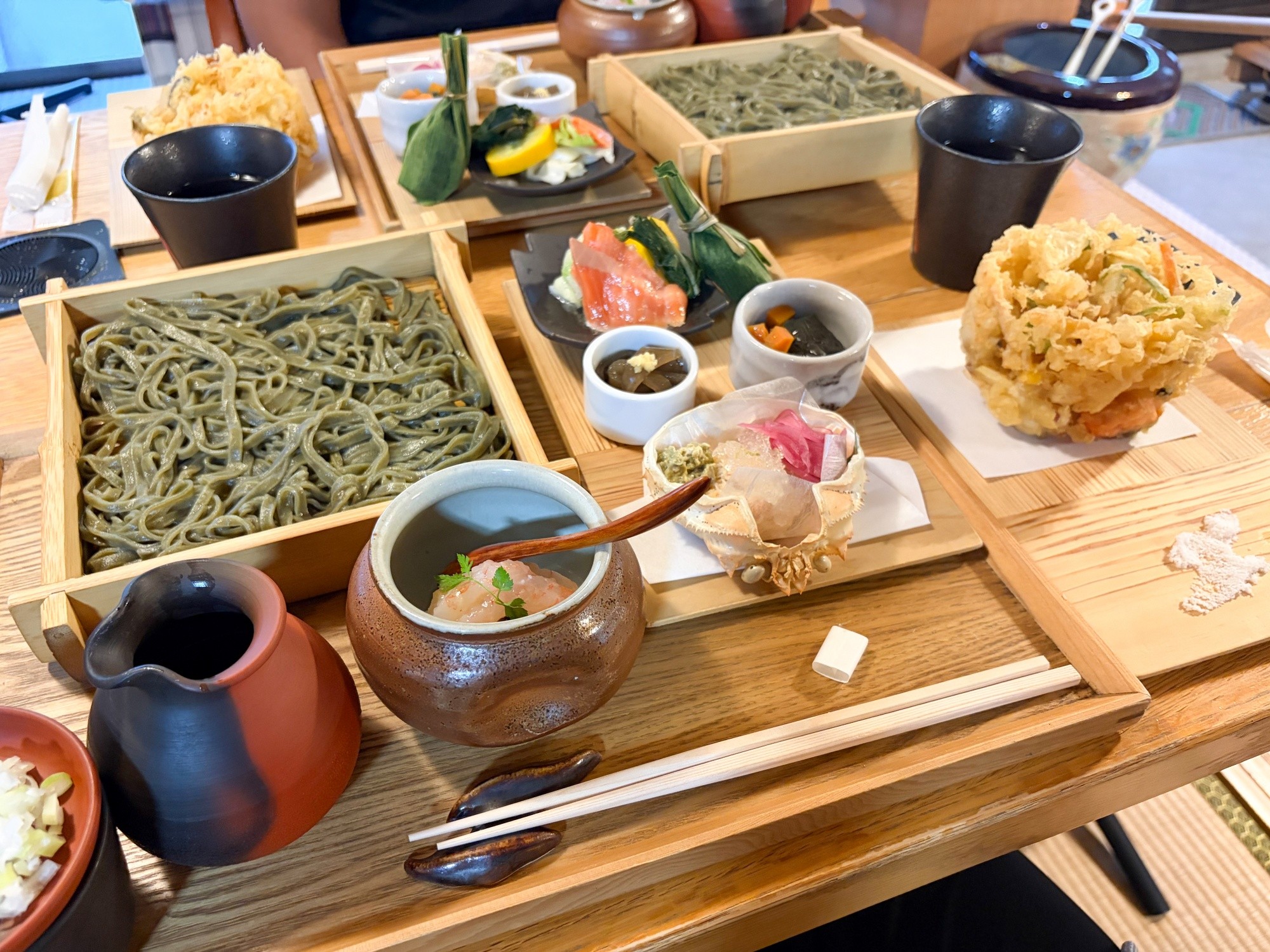
Food offered another introduction to the island, starting at Sado Udon Aoi. The restaurant’s signature noodles are immediately distinctive: instead of the familiar white of conventional udon, Sado udon is green.
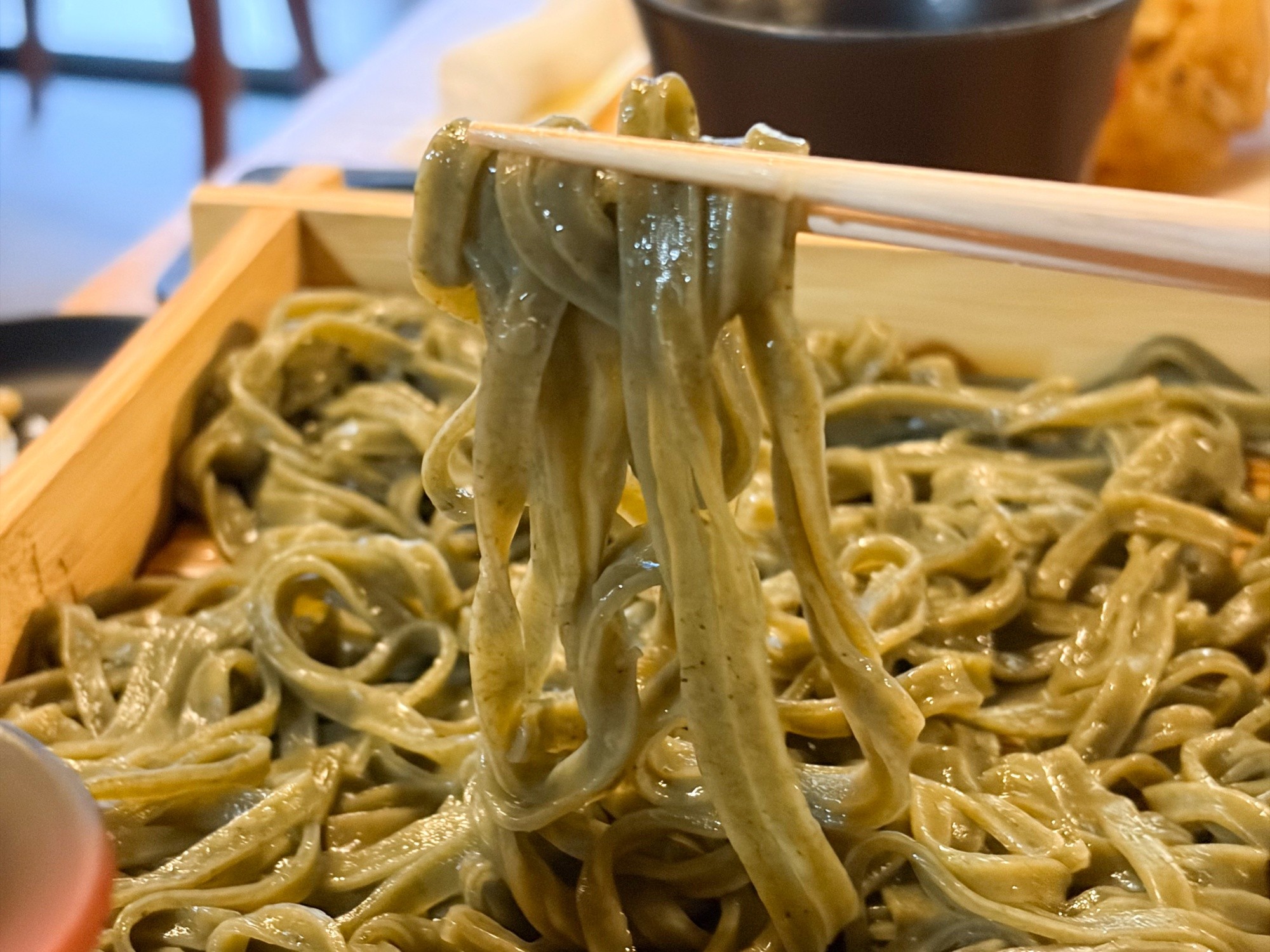
The colour comes from nagamo (akamoku), a type of seaweed found in the waters around Sado and kneaded directly into the dough. Flat and chewy with a smooth texture, the noodles carry the subtle aroma and flavour of the seaweed with each bite.
- Address: 153-1 Chigusa Otsu, Sado, Niigata
- Access: Approximately 20 minutes by car from Ryotsu Port
- Opening Hours: 11:00–15:00 / 17:00–20:30 (last order 20:00)
- Website: Sado Udon -Aoi-
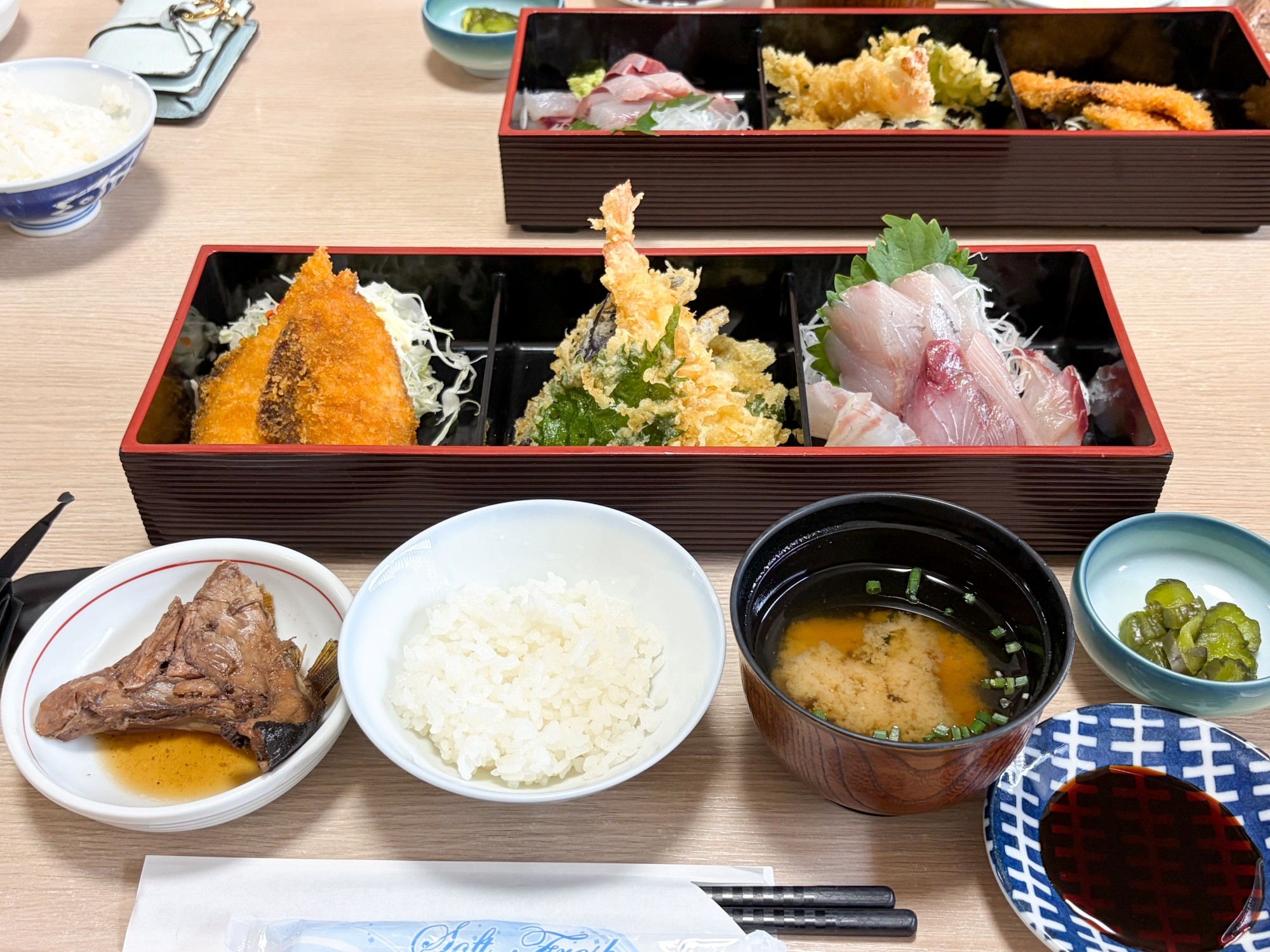
Seafood is another Sado staple. Warm and cold ocean currents meet around the island, bringing a wide variety of fish to its waters throughout the year. At Kitchen Yorokonde, we tried locally caught yellowtail three ways: as sashimi, breaded and fried as buri katsu, and simmered as ara-ni. Fresh and clean in flavour, the fish needed little embellishment. Even the aubergine, shiso leaves and other vegetables in the tempura had been grown on the island.
It was a chance to taste ingredients that are much harder to come across in Tokyo, and to experience Sado through the produce of both its waters and its fields.
- Address: 109 Haraguro, Sado, Niigata
- Access: Approximately 5 minutes by car from Ryotsu Port
- Opening Hours: 11:00–21:00 (last order 20:30)
- Website: Kitchen Yorokonde
Day 3: Discovering Sado’s Local Culture and Natural Beauty
A Taste of Sado: Rice Grown Alongside the Crested Ibis
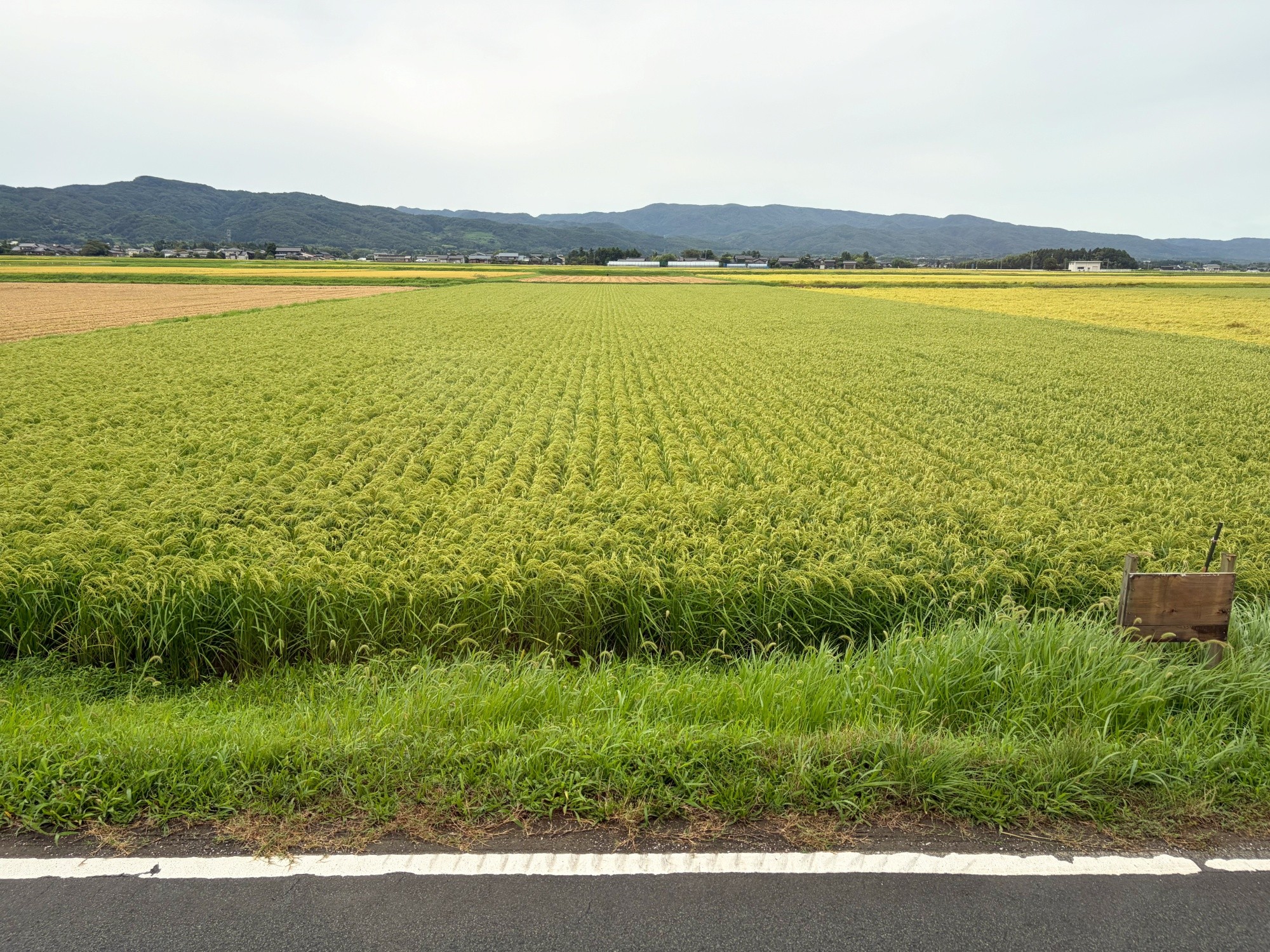
Our final day began in Sado’s rice paddies, where one of the island’s best-known agricultural products has been cultivated for some 3,000 years. Today, that long tradition continues alongside efforts to protect the surrounding ecosystem, with local farmers using more sustainable practices to create an environment where wildlife, including the Japanese crested ibis, can thrive.
As we looked out across the golden paddies, almost ready for harvest, we spotted one of the birds among the rice stalks. More than 300 crested ibises now live on Sado, and seeing one right there in the fields offered a glimpse of how agriculture and wildlife conservation can exist side by side.
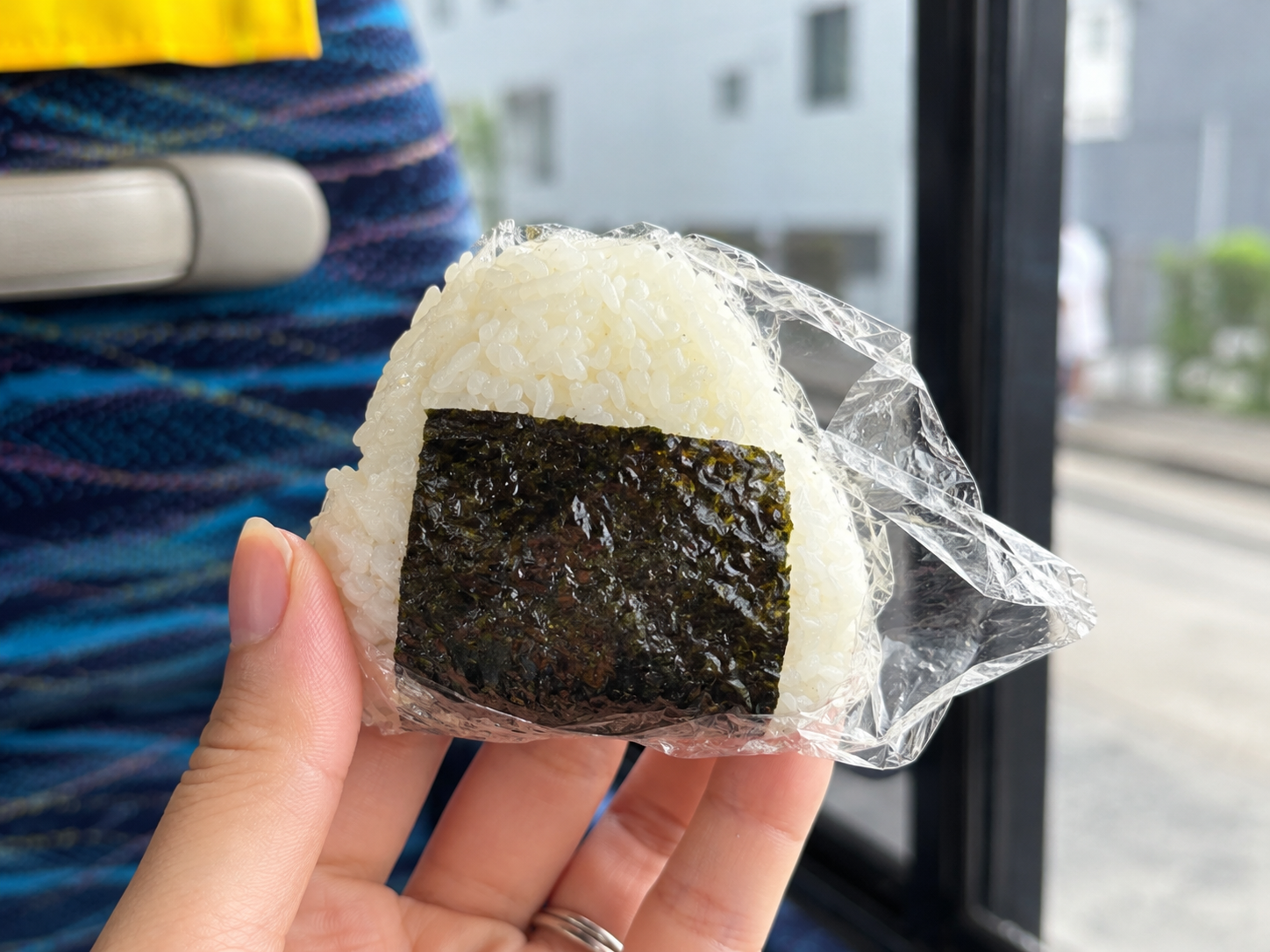
Next came the chance to taste rice grown in those same paddies, served simply as salted onigiri. Without elaborate accompaniments, the rice took centre stage, its gentle sweetness and satisfying texture coming through with every bite.
Having just seen where it was grown and learned about the farmers’ efforts to protect the surrounding environment, we appreciated it in a new way. The simple onigiri carried with it something of Sado’s landscape and the people who cultivate it.
Ondeko Experience: Feeling the Power of a Sado Tradition
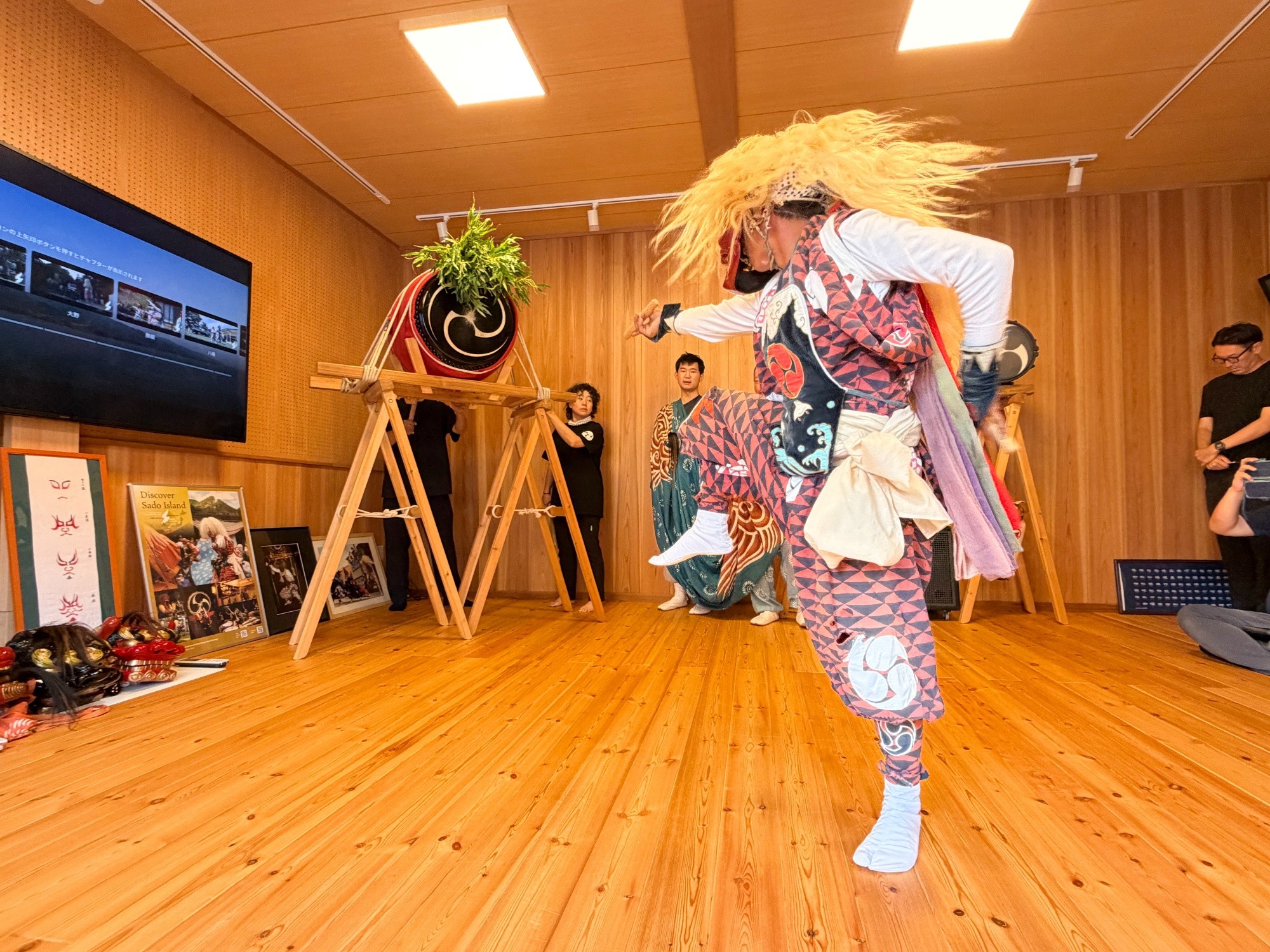
Our final cultural experience was Ondeko, one of Sado’s best-known traditional performing arts. Passed down through communities across the island, it sees masked oni (demons) and a lion dance to the powerful rhythm of taiko drums.
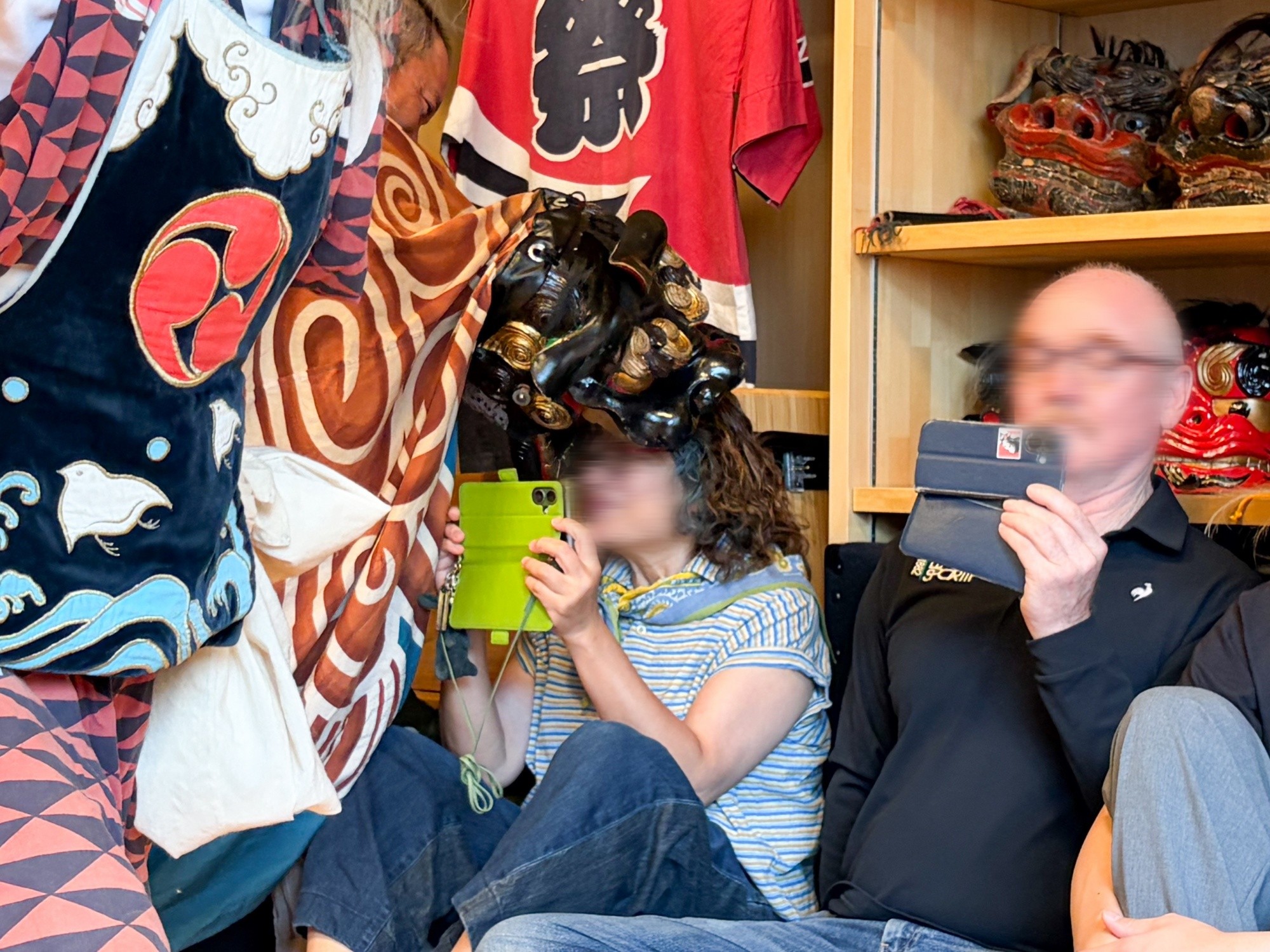
The audience can become part of the tradition, too. Having the lion playfully “bite” your head is said to make you smarter.
There are 126 Ondeko groups across Sado, and each has its own version of the tradition. Masks, costumes, dance styles and drum rhythms vary from community to community, with performances held from May to November to coincide with annual shrine festivals around the island.
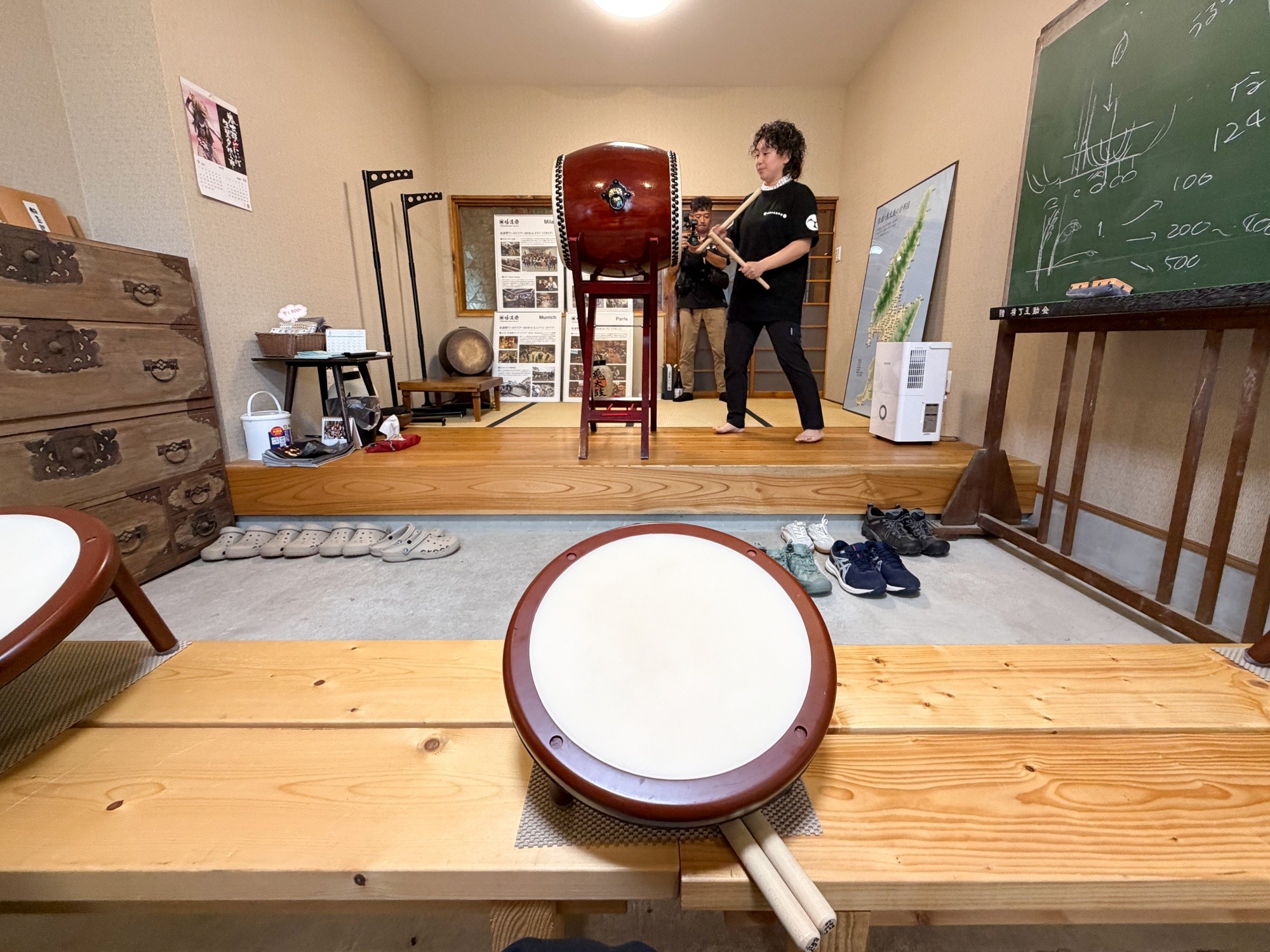
Then it was our turn. With a spirited cry of “Saa, ikuzo!” (“Here we go!”), we took up the drumsticks and soon found ourselves settling into the rhythm with more confidence than expected. The oni dance was another story: moving both arms and legs at different angles and timings proved far trickier than it looked.
The powerful play on the pitch had made an impression in Niigata; on Sado, it was the sheer energy and intensity of Ondeko that took us by surprise.
Go Beyond the Match: Exploring a Deeper Side of Japan
By the end of three days, the rugby match felt less like a standalone event and more like the beginning of the journey. From the atmosphere of an international fixture in Niigata, the trip had taken us across to Sado for kendo, Ondeko, local food, rice farming and a glimpse of island life.
Some of the most memorable moments came from doing more than simply visiting the sights. Trying local traditions for ourselves and hearing from the people who keep them going gave us a closer connection to the places we visited. Even within a short itinerary, combining sport with these hands-on experiences made for a varied and immersive trip.
Japan is now looking ahead to the possibility of welcoming the rugby world back in 2035. The Japan Rugby Football Union began its bid activities for the Men’s Rugby World Cup 2035 in January 2026, with “NO SIDE SPIRIT” at the heart of its message.
A rugby trip doesn’t have to begin and end at the stadium. Make the match the starting point, and it can lead somewhere entirely different.
Comments