
*AI Translated
Currently, over 1,000 different Pokémon have been discovered. At the “Pokémon Observatory,” you can explore the mysteries of the vast universe while delving into the fascinating ecology of Pokémon. It truly brings to mind the famous line from the Pokémon game series: “The power of science is amazing!”
This is a special exhibition that will make you want to look up at the sky on your way home. Be sure to visit the venue and experience it for yourself!
Pokémon Returns to Toyohashi After Four Years Since the “Pokémon Fossil Museum”!
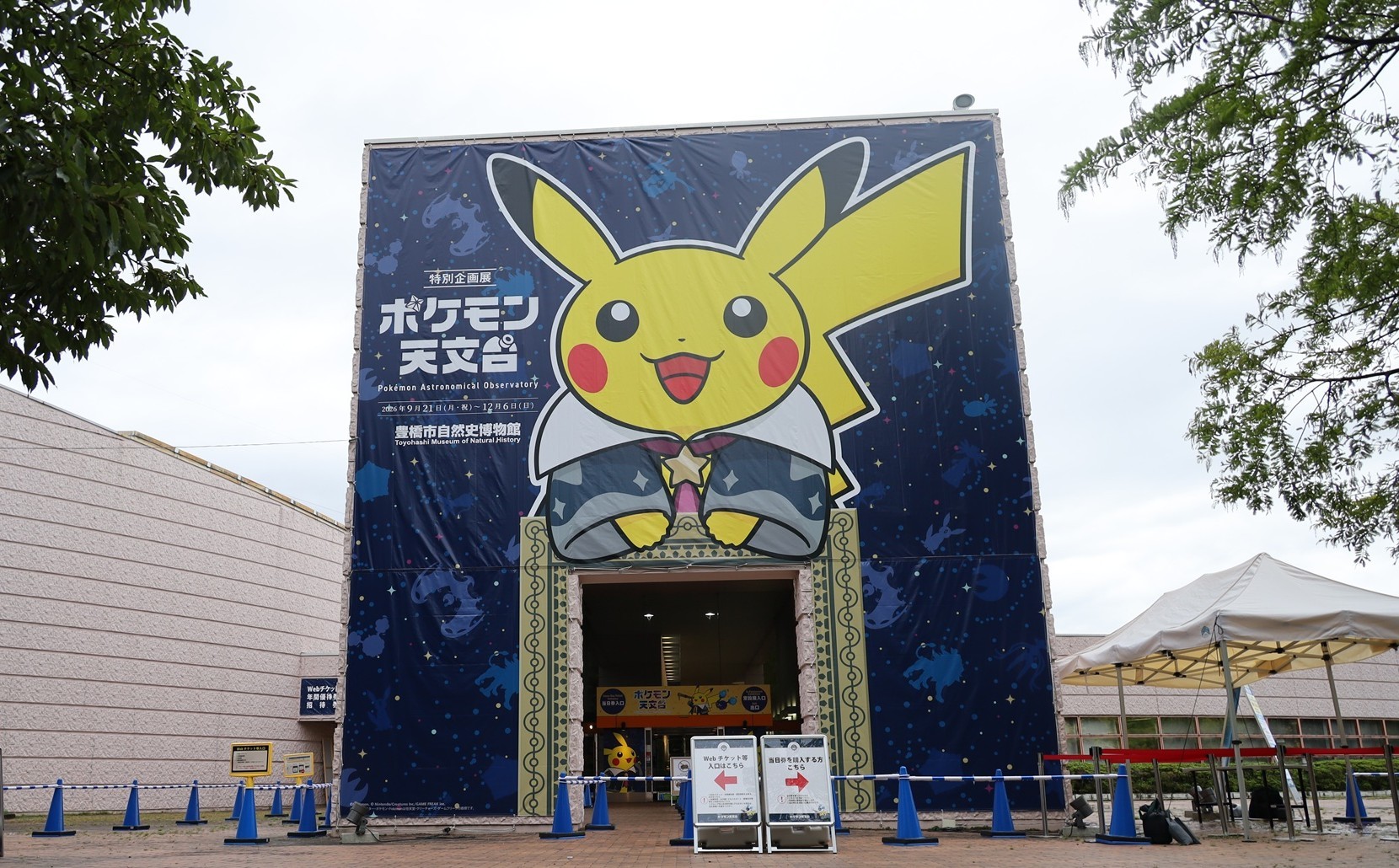
At the Toyohashi Museum of Natural History, the “Pokémon Fossil Museum” attracted about 140,000 visitors in 2022. Four years later, the stage shifts to space with the “Pokémon Observatory,” an exhibition that introduces the mysteries of the universe and the excitement of discovery and exploration through Pokémon. This special exhibition is touring venues across Japan, and Toyohashi Museum of Natural History is the fourth stop. It’s also the first time the exhibition is being held in the Chubu region and further west.
From Earth to Space, and Back to Earth Again
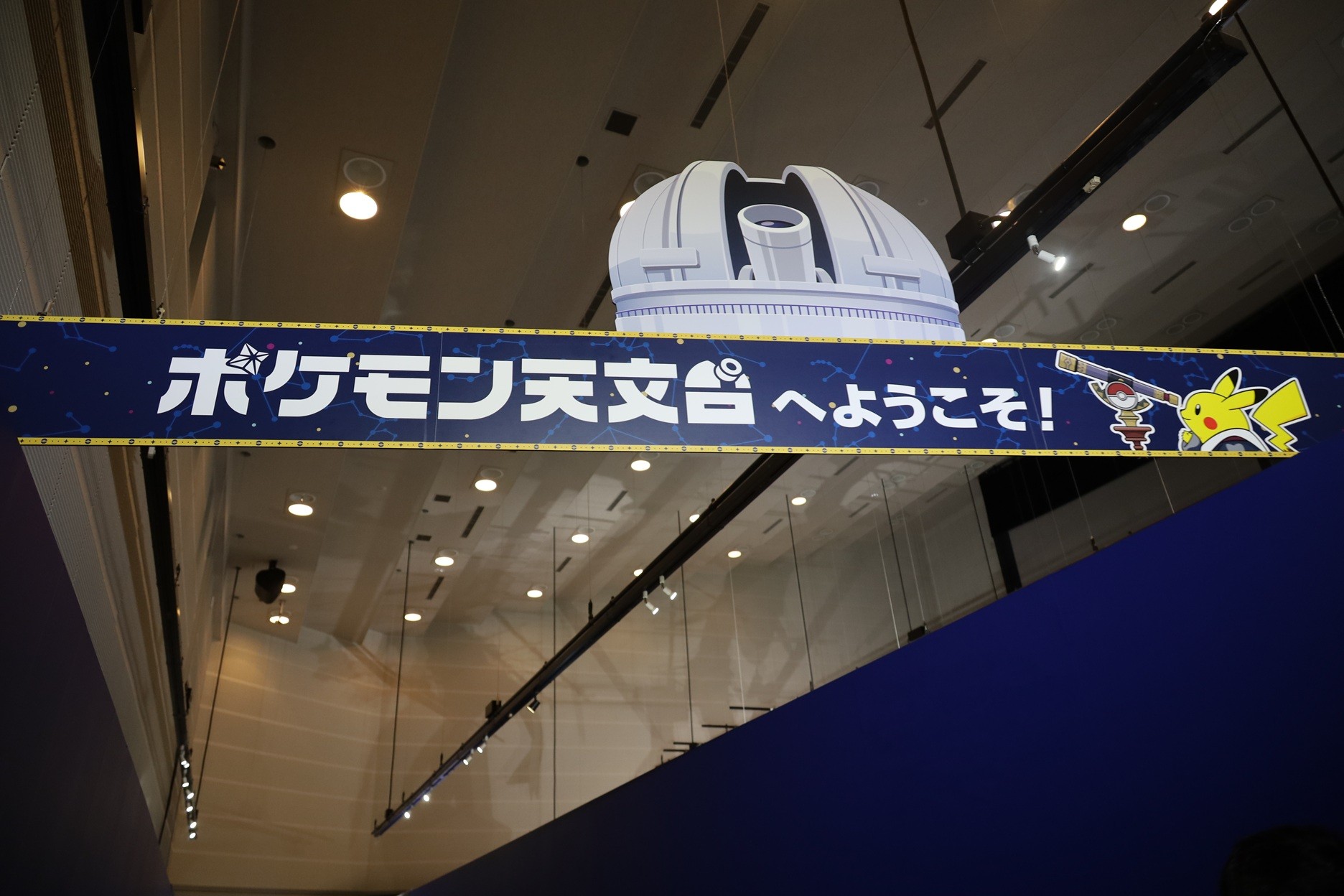
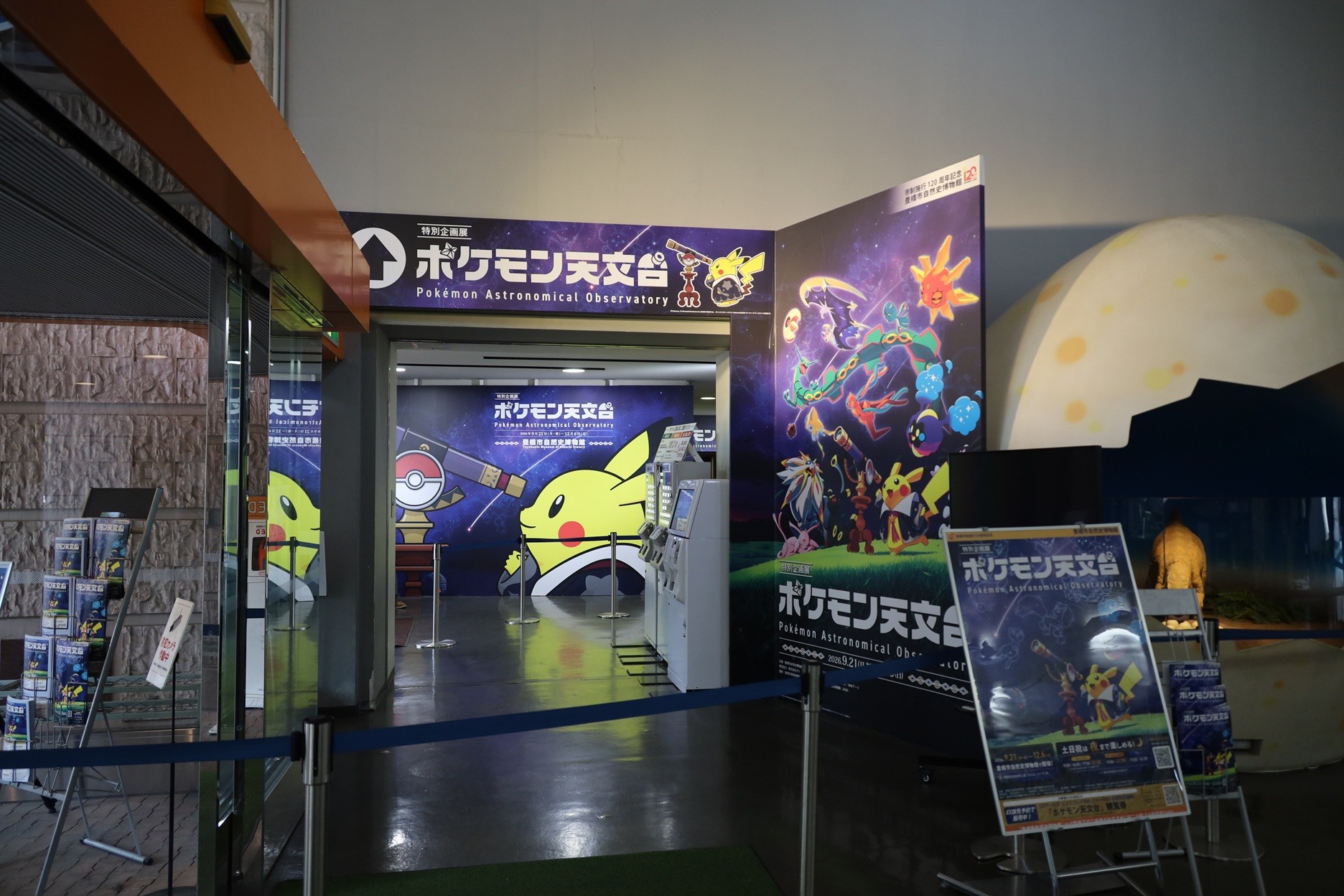
The exhibition begins on Earth, then moves on to the Moon, the Sun, the solar system, and even farther into space. In the end, you return to Earth along with meteorites, reflecting on the vastness of the universe, the diversity of planets, and the uniqueness of Earth’s environment where life is born.
It’s Easy to Understand When Compared with Pokémon! Various Hands-On Exhibits
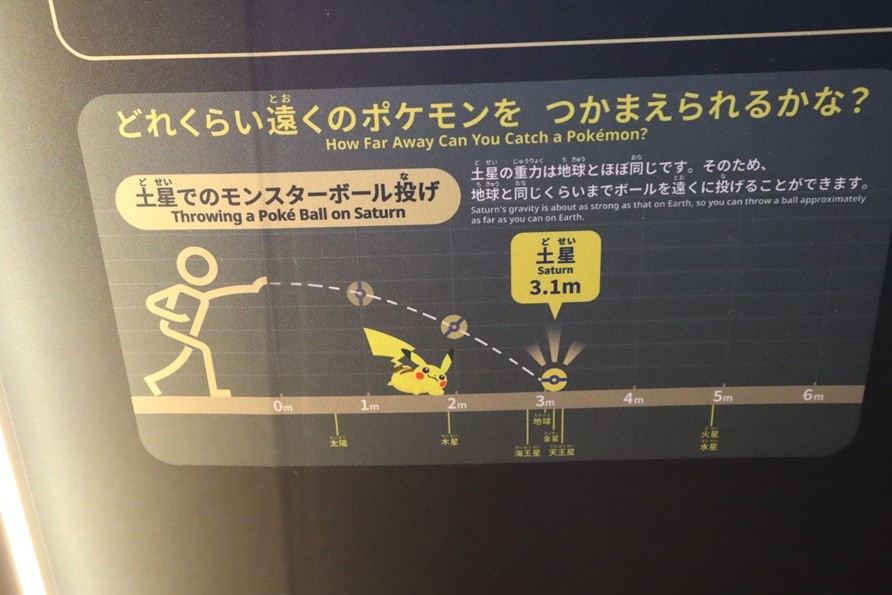
It’s hard to imagine what it means when someone says, “Gravity is X times that of Earth.” But the exhibition explains it in a way that’s easy to picture: “If someone can throw a Poké Ball 3 meters on Earth, how far could they throw it on Mars or Jupiter?” This helps you concretely imagine the differences in gravity.
Experience the Differences in Gravity! “Pokémon Observatory Simulation Lab”
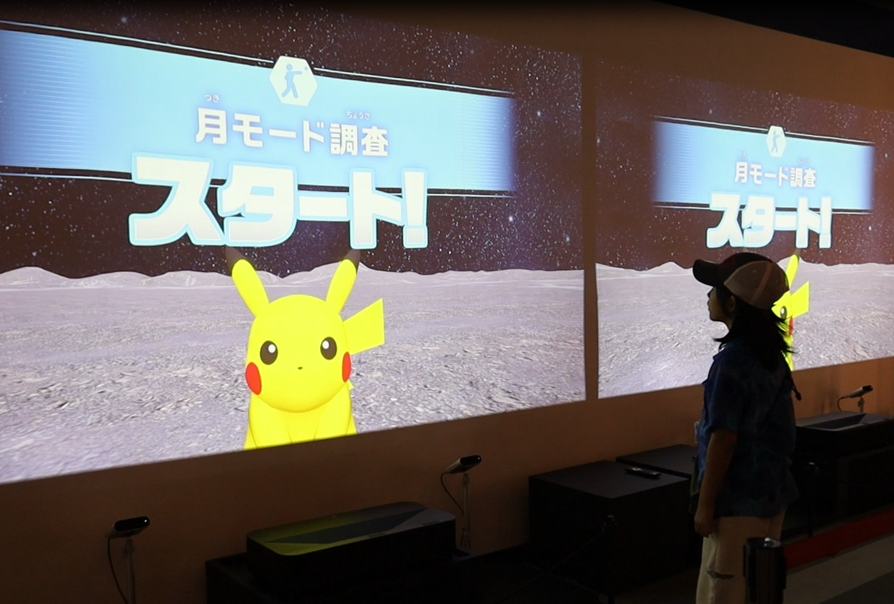
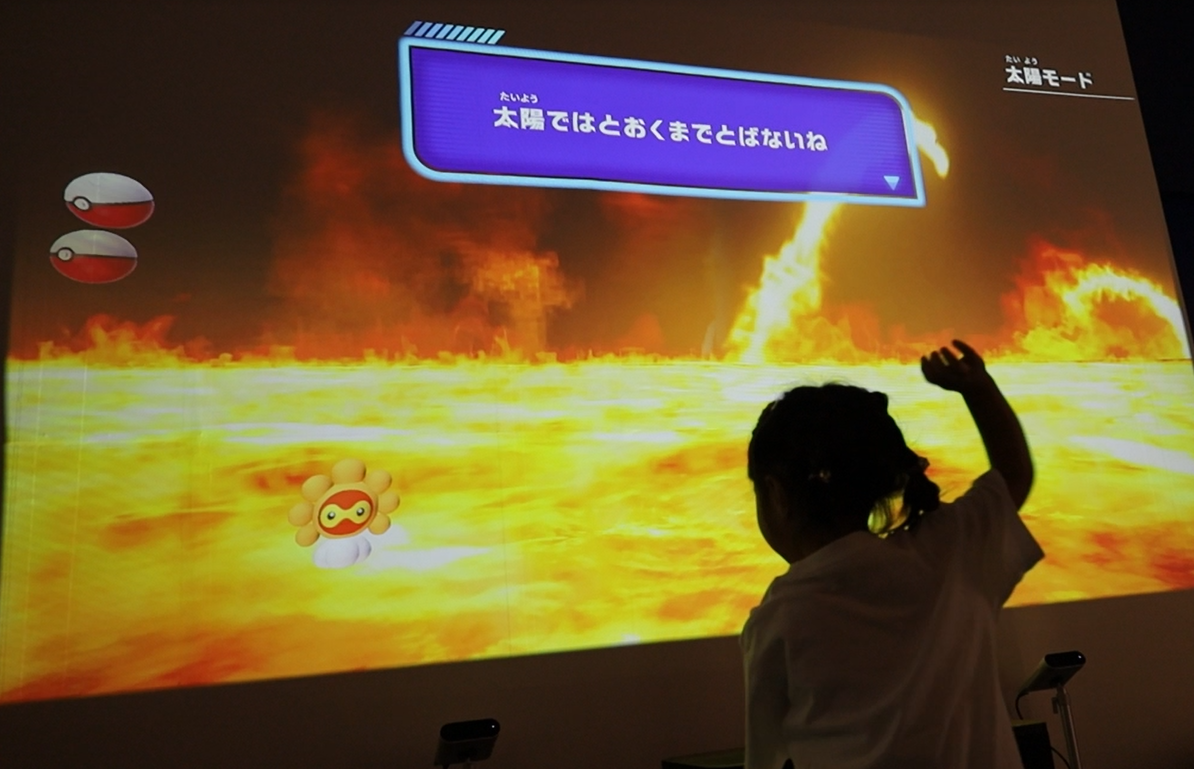
You can use a computer simulation to see “What happens when you throw a ball on Earth, the Moon, or the Sun?” Even if you throw it the same way, sometimes it flies far, and sometimes it drops nearby. Pokémon related to each location also appear in the video simulations.
Experience Sunspots Using Magnetism-Related Pokémon
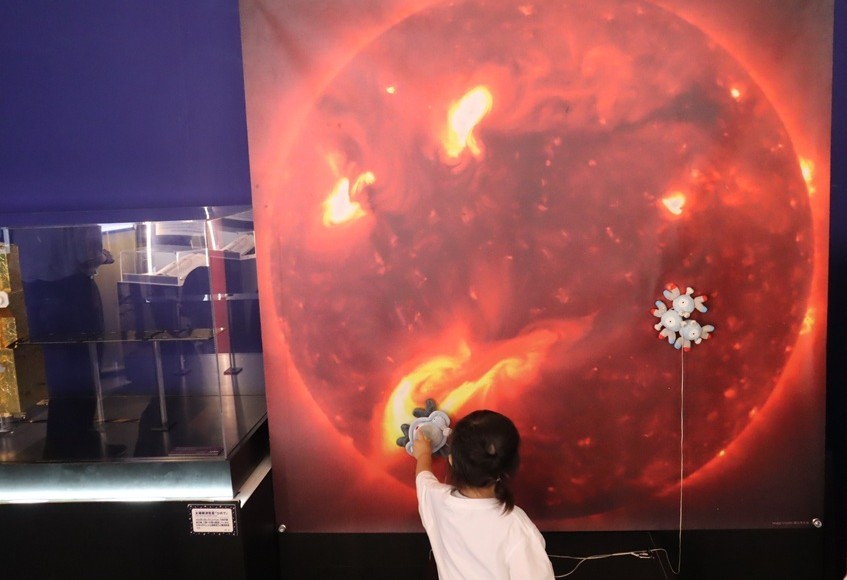
The dark "sunspots" that appear on the surface of the Sun are regions with strong magnetic fields. In this exhibit, you can experience the magnetic force of sunspots using the Pokémon "Magnemite" and "Magneton," both of which are related to magnetism.
World Premiere! Exhibiting "Fossil Meteorites" and Touchable Meteorites!
Approximately 470 Million-Year-Old "Fossil Meteorite" Ark 017
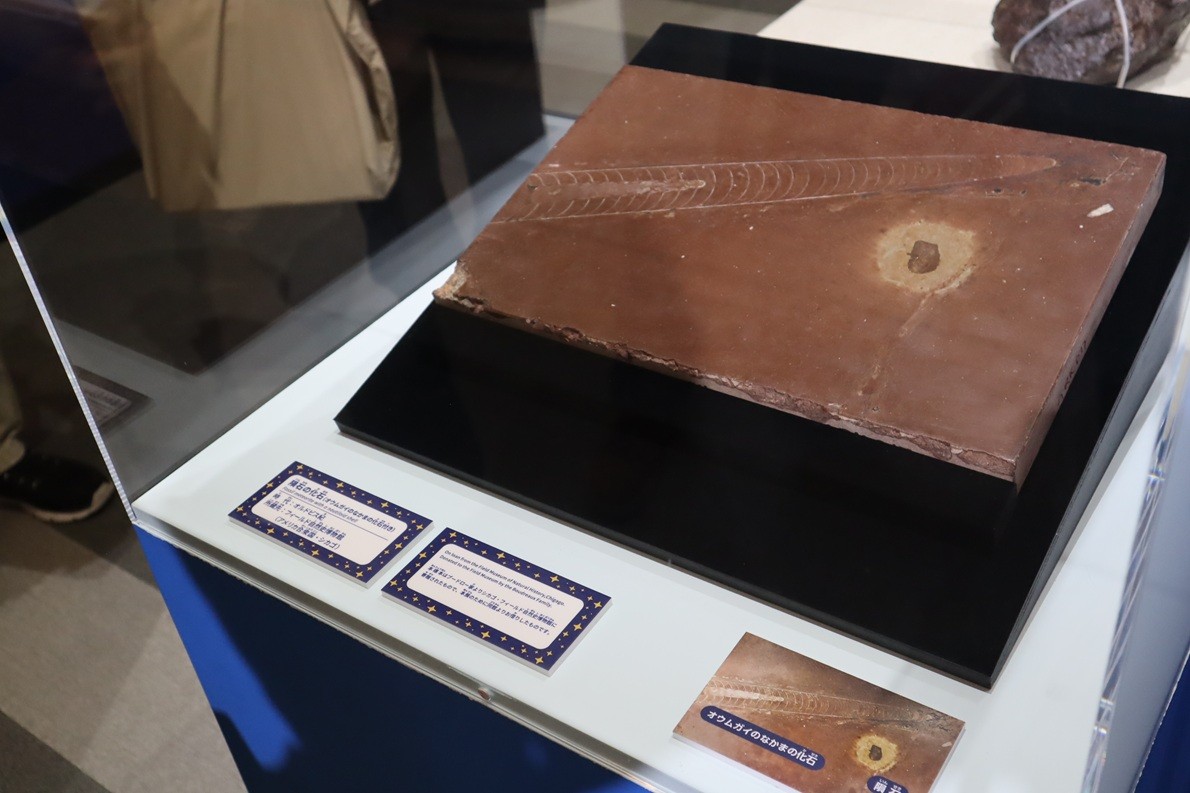
Newly added to the Toyohashi venue is the "fossil meteorite" (Österplana 017, hereafter referred to as "Ark 017"), discovered in strata dating back about 470 million years. This specimen is part of the collection at the Field Museum of Natural History in Chicago, USA, and has never before been shown to the public. Its display at the "Pokémon Observatory" in Toyohashi marks the world’s first public exhibition of Ark 017.
The most remarkable feature of this specimen is that both a meteorite that fell to Earth from space and a fossil of a nautiloid (a marine creature that lived in the sea at the time) are preserved together in a single piece of rock.
After its debut at the Toyohashi venue, Ark 017 will continue to travel with the "Pokémon Observatory" exhibition across Japan, where it will be on display at various locations. For more detailed information about Ark 017, please refer to this article (https://prtimes.jp/main/html/rd/p/000001031.000025583.html). Be sure to check it out!
Meteorites from the Toyohashi Museum of Natural History on Display
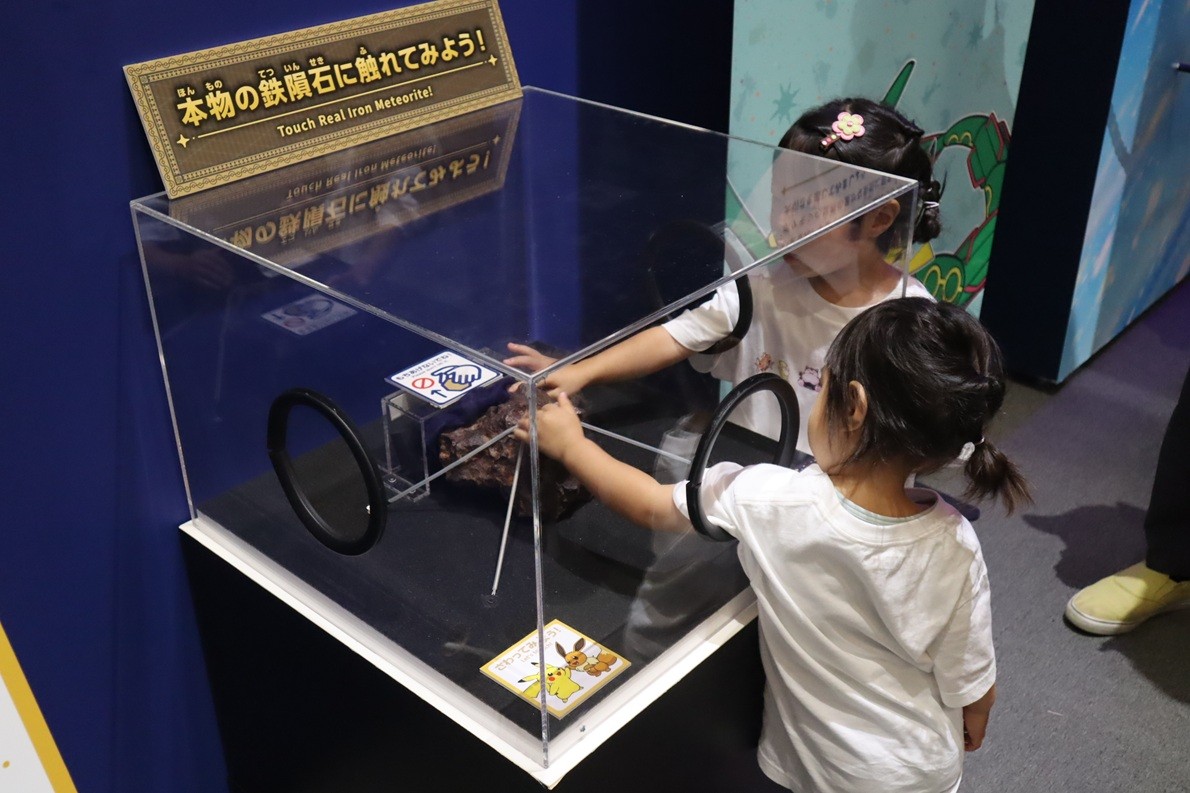
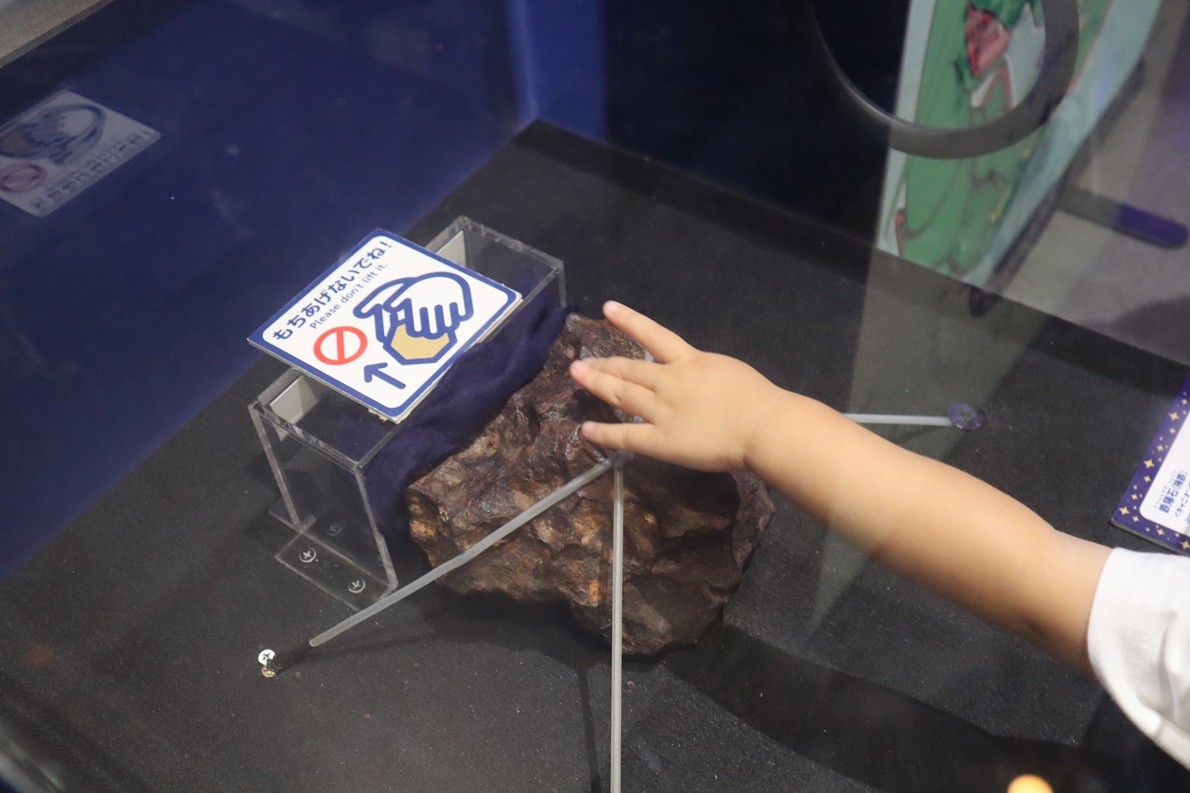
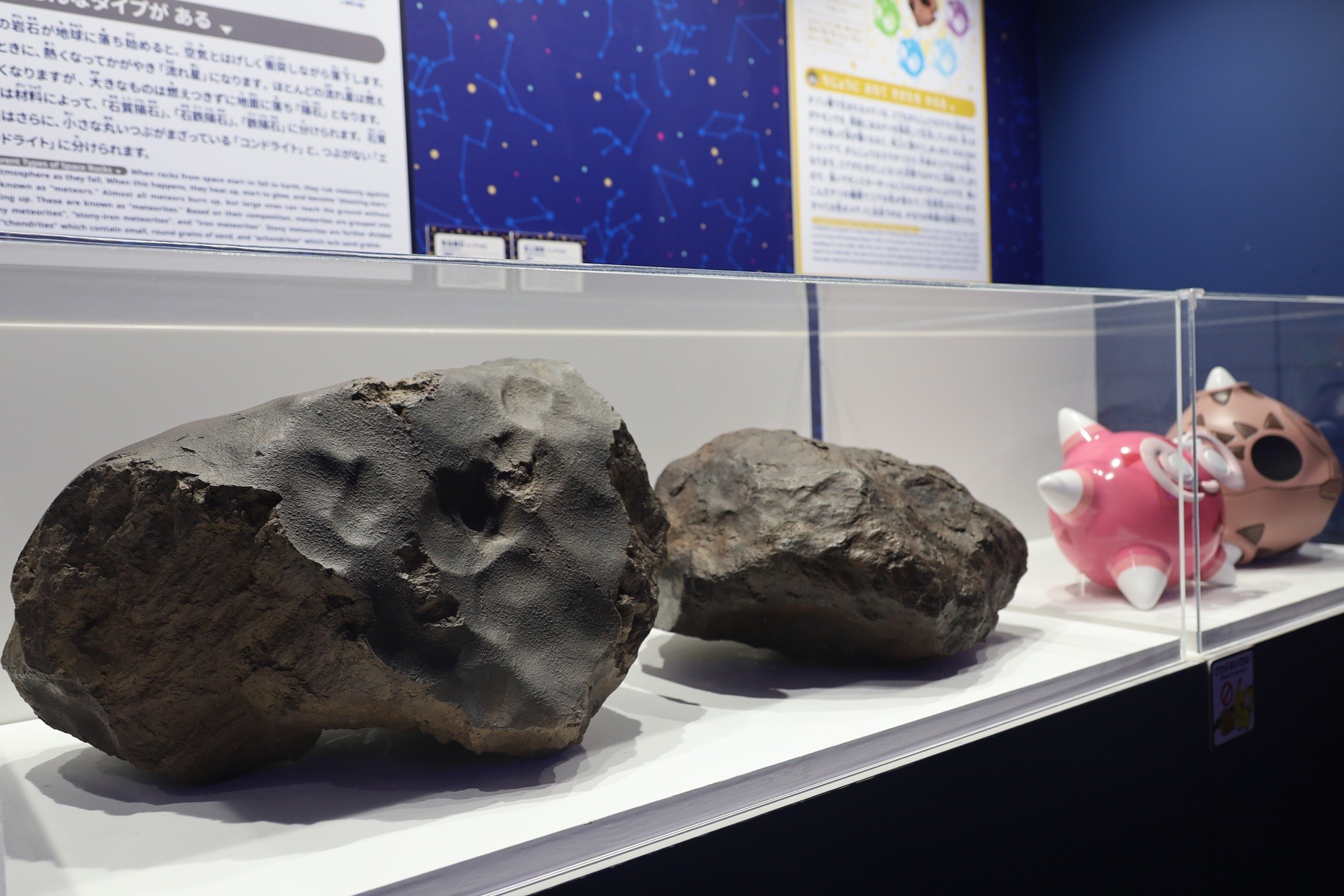
Meteorites are classified into "stony meteorites," "stony-iron meteorites," and "iron meteorites," each with its own unique patterns and textures.
At the Toyohashi venue, in addition to the traveling exhibits, meteorite specimens from the Toyohashi Museum of Natural History will also be on display. Some of these meteorites can actually be touched. What does a rock from space feel like? Be sure to touch and observe them for yourself!
A Wealth of Space-Related Samples, Models, and Images!
Samples from Asteroid Ryugu Brought Back by the Hayabusa2 Spacecraft
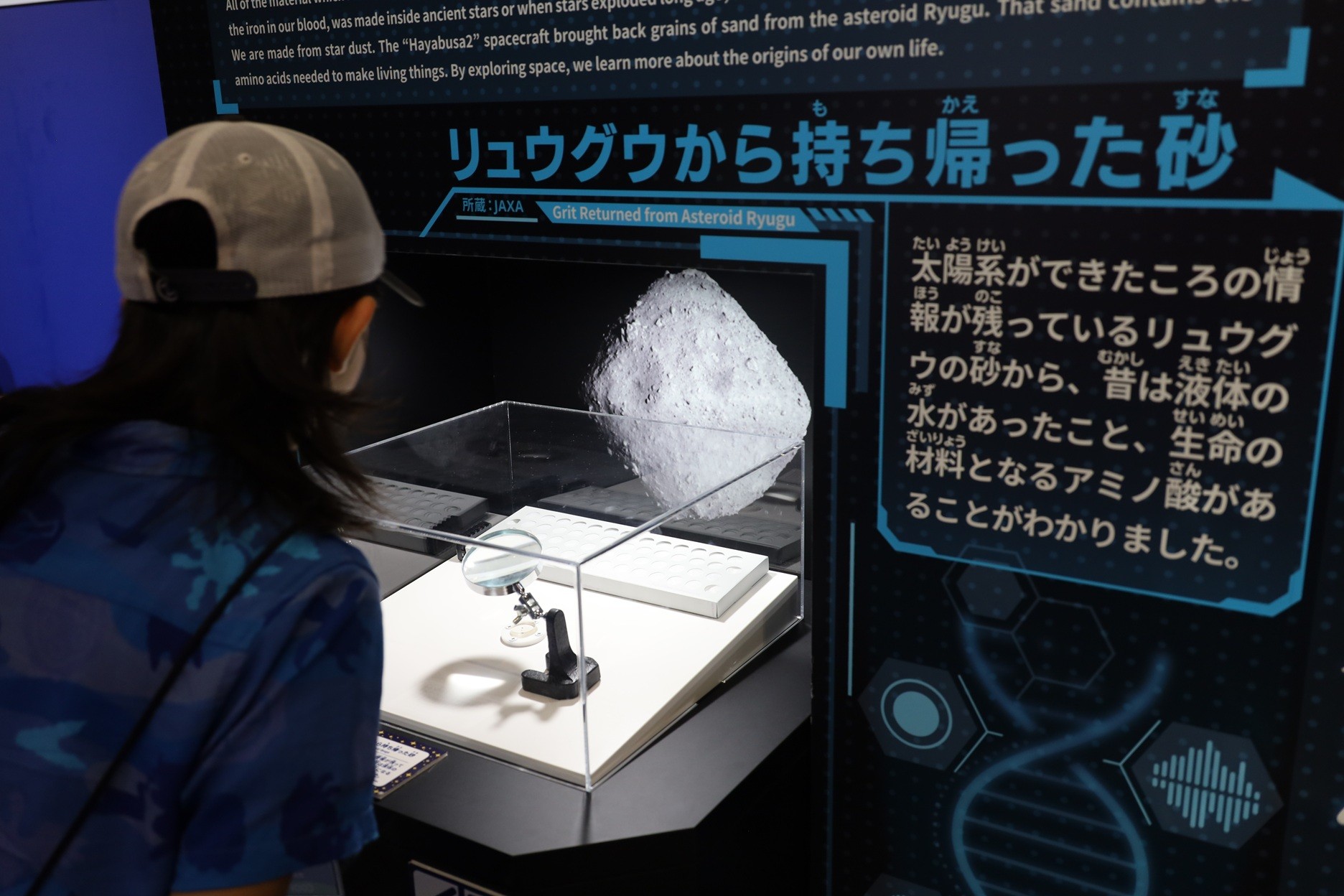
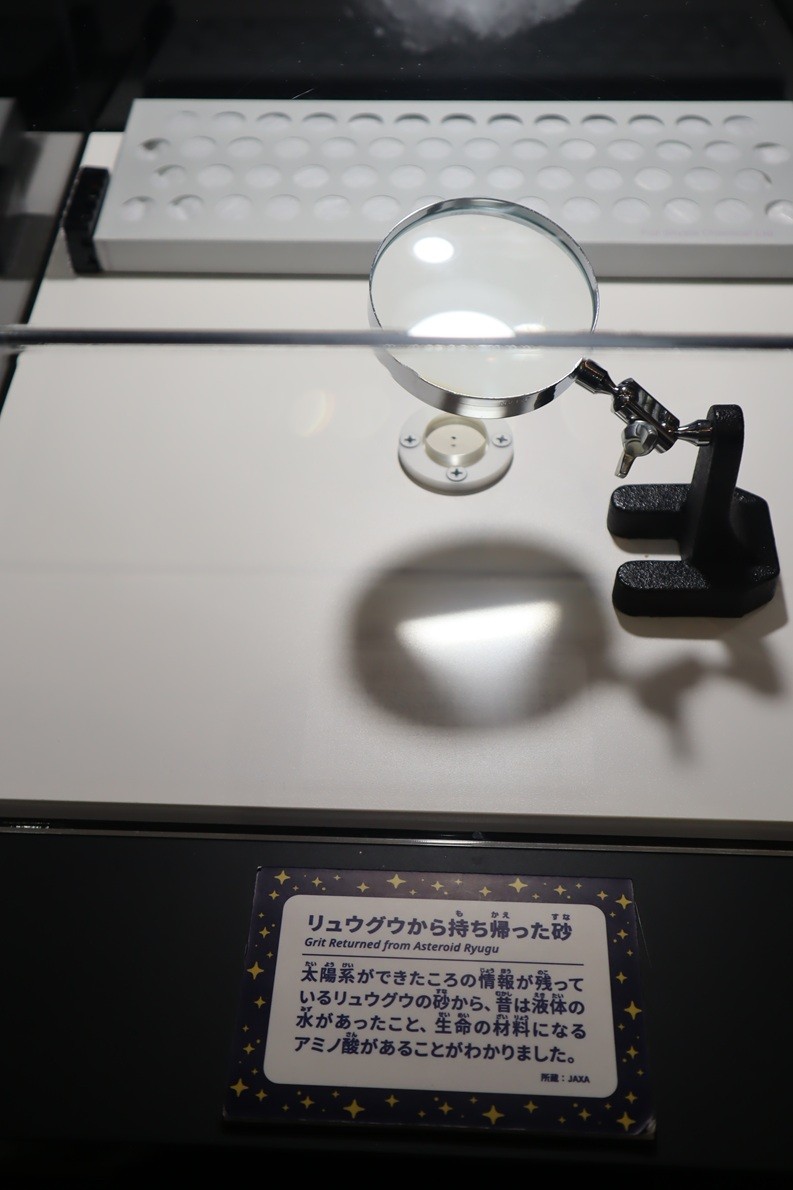
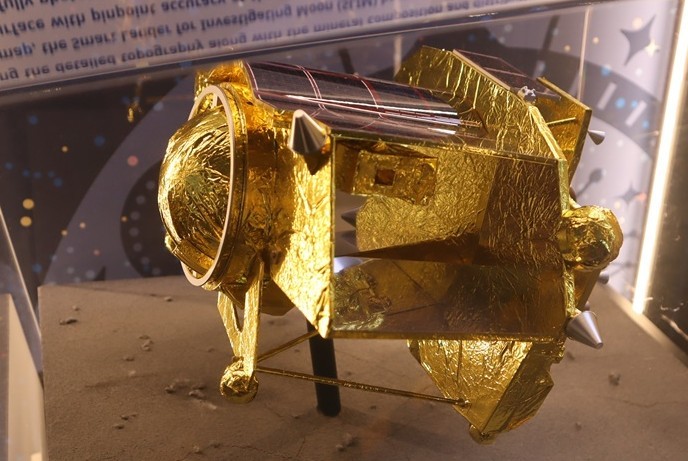
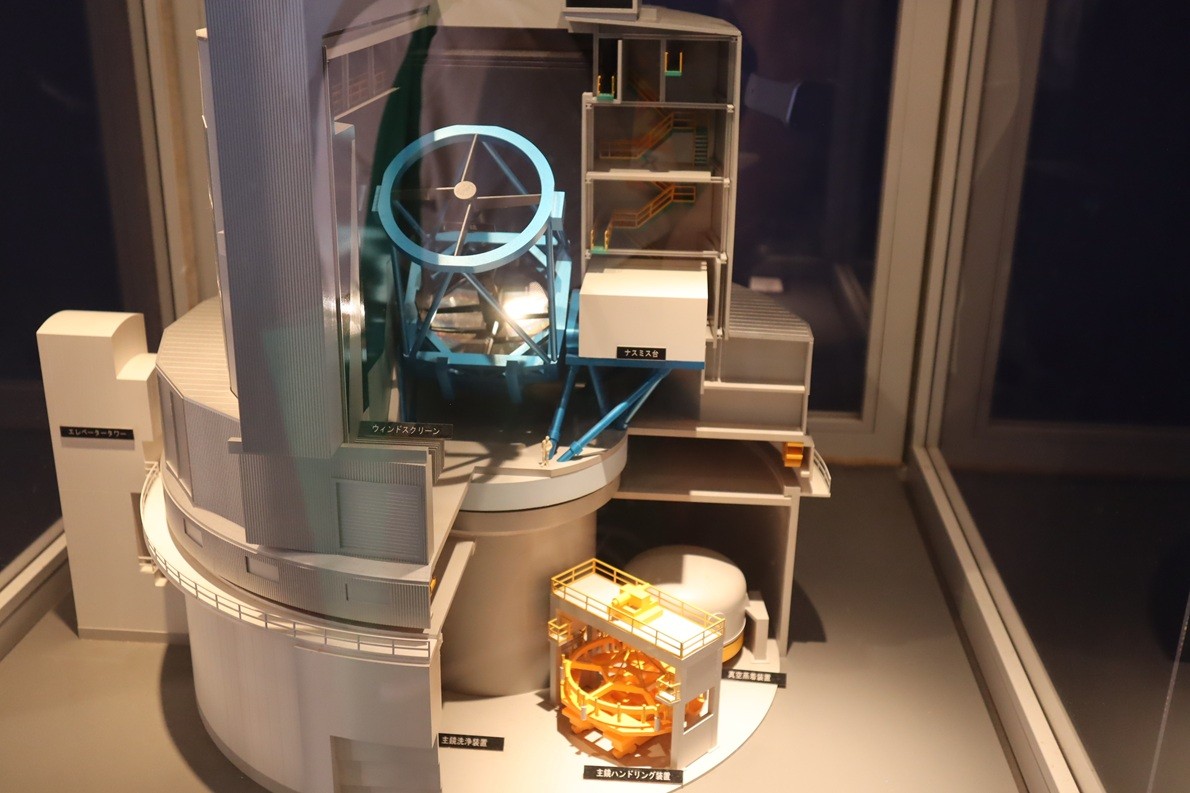
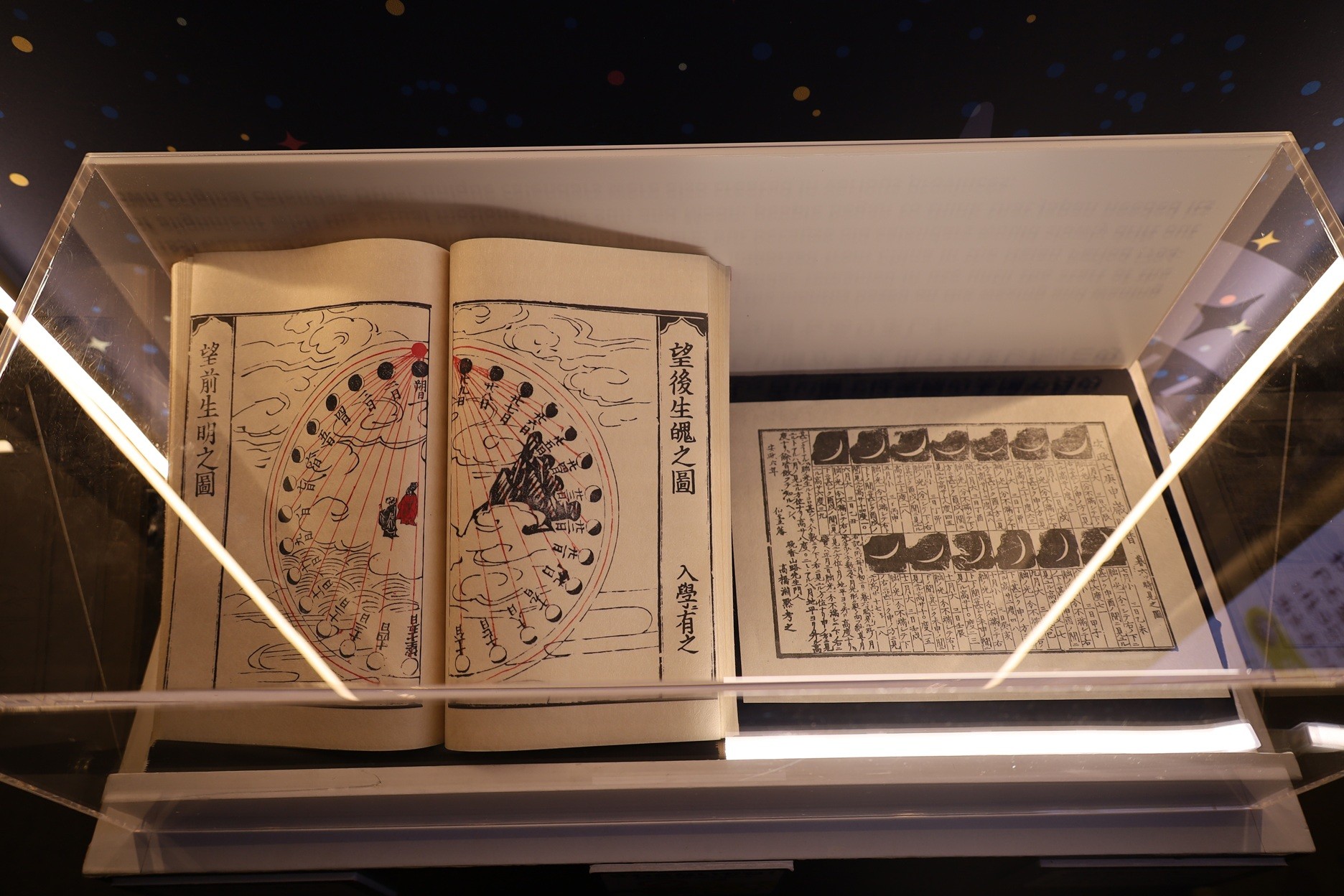
The asteroid "Ryugu" is located between Earth and Mars. At this exhibition, you can see valuable samples collected from Ryugu by the asteroid explorer "Hayabusa2" and brought back to Earth. This is the first time these samples are being exhibited in the Mikawa region.
In addition, there are many other valuable samples, models, and astronomical images on display, provided by institutions such as the National Astronomical Observatory of Japan, JAXA, and the National Museum of Nature and Science.
Comparing the Life Cycle of Stars with the Evolution of Cosmog
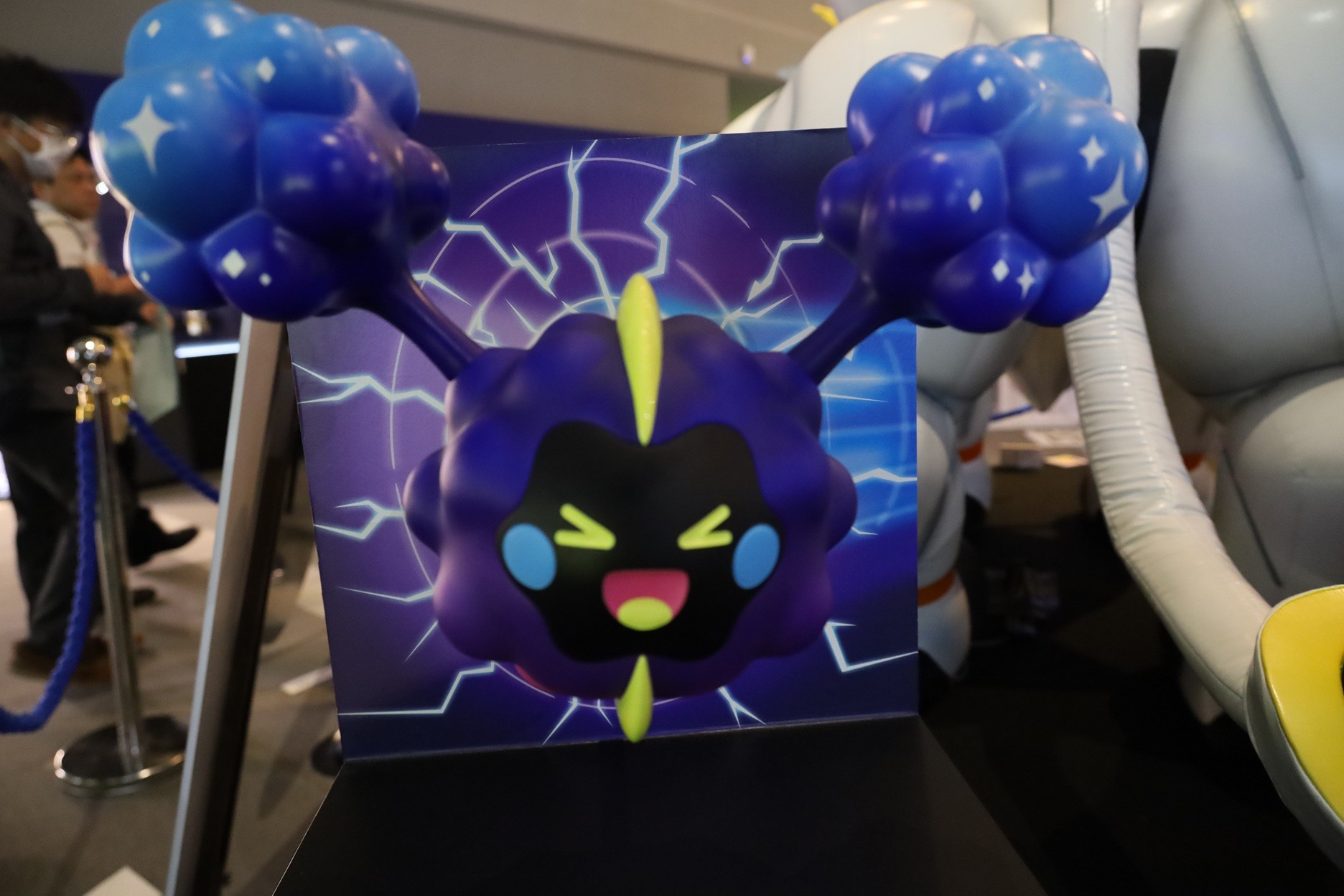
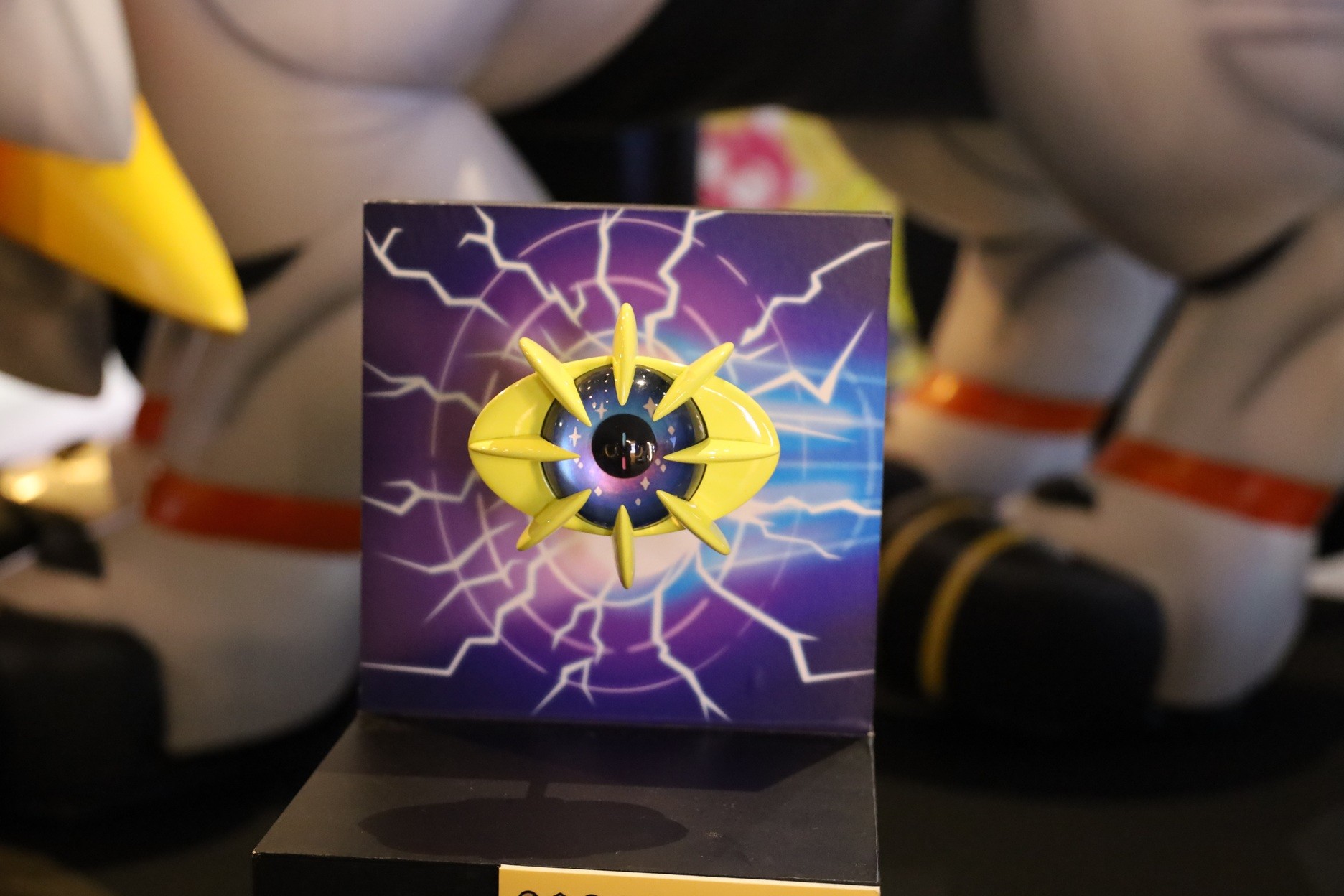
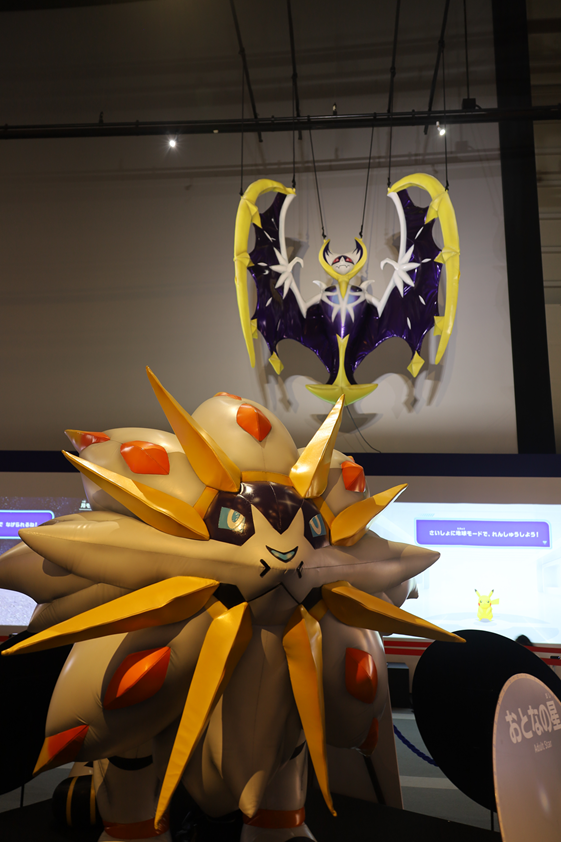
The life of a star begins in a "nebula," where various gases and tiny grains of dust gather. From the nebula, a baby star called a "protostar" is born, which grows by absorbing the surrounding gas and dust. As the protostar becomes larger and heavier, it turns into an adult star known as a "main sequence star." As stars age, they expand and appear redder. In the end, massive stars explode in a "supernova," blowing away their gas, while lighter stars slowly release their gas over a long period. These gases become new nebulae, providing the material for the next generation of stars.
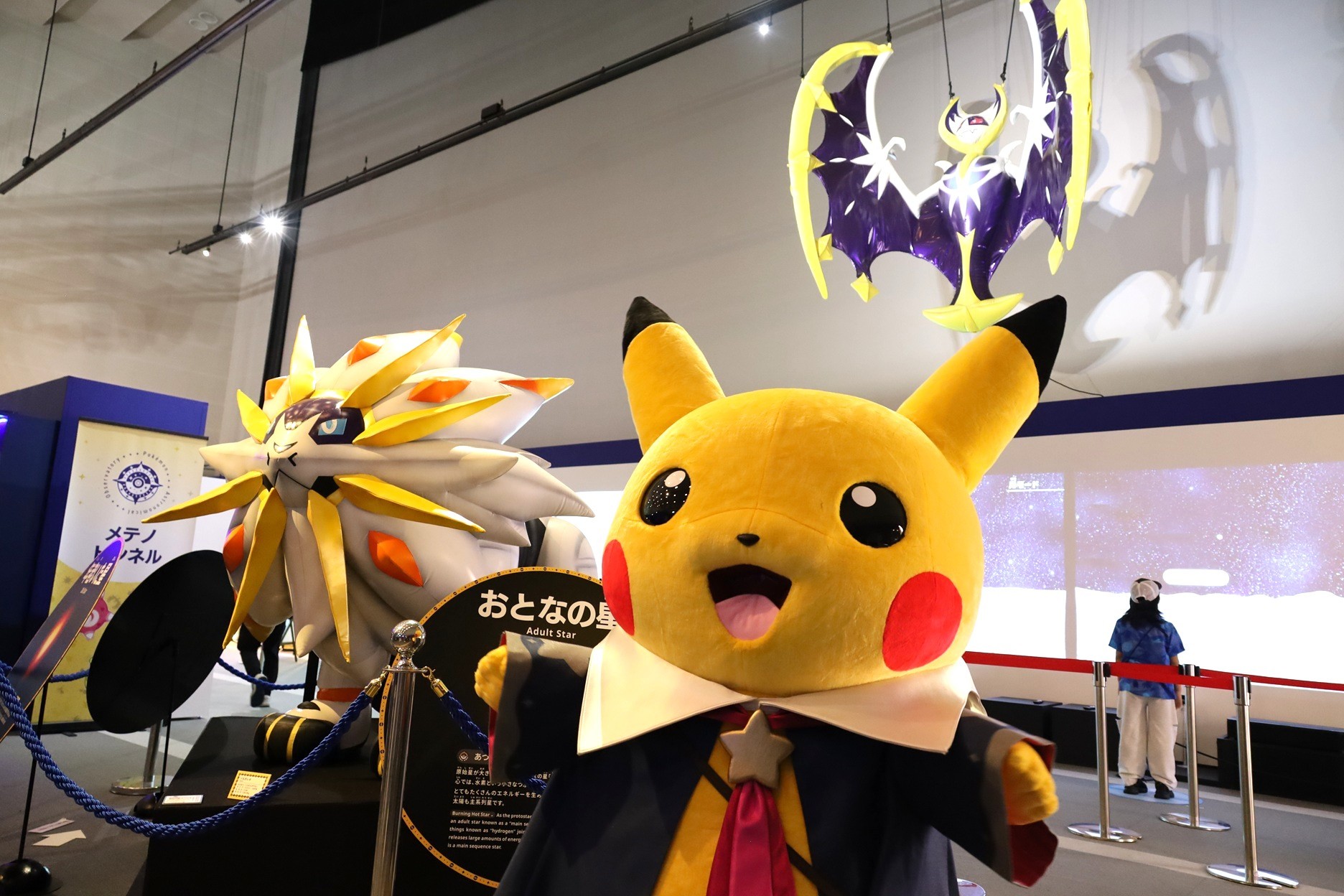
The "Nebula Pokémon" Cosmog evolves into the "Protostar Pokémon" Cosmoem. Further evolution leads to the "Sunne Pokémon" Solgaleo or the "Moone Pokémon" Lunala. The way Cosmog's gaseous body evolves closely resembles the life cycle of a star.
New at the Toyohashi Venue! Experience Invisible Light with MR!
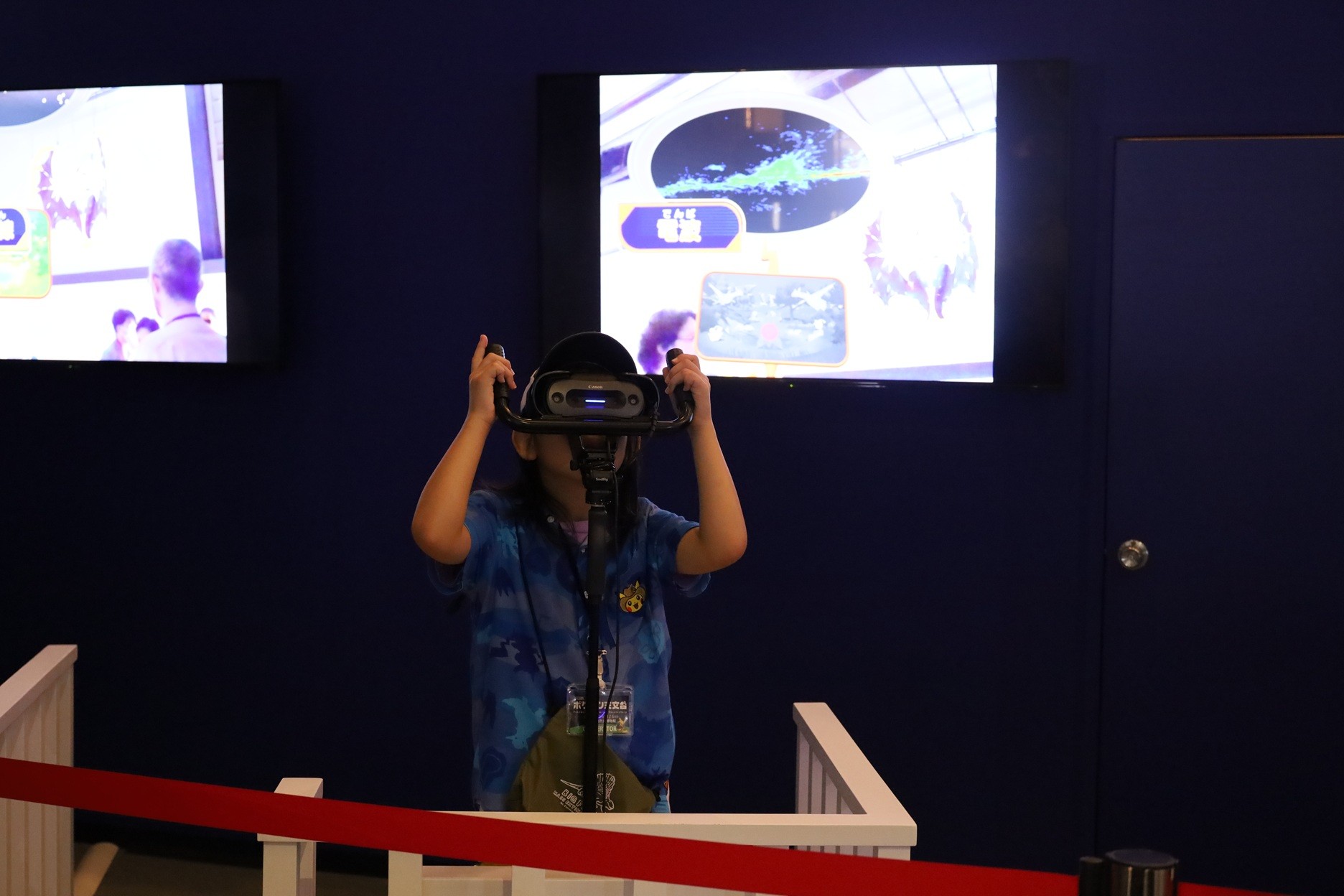
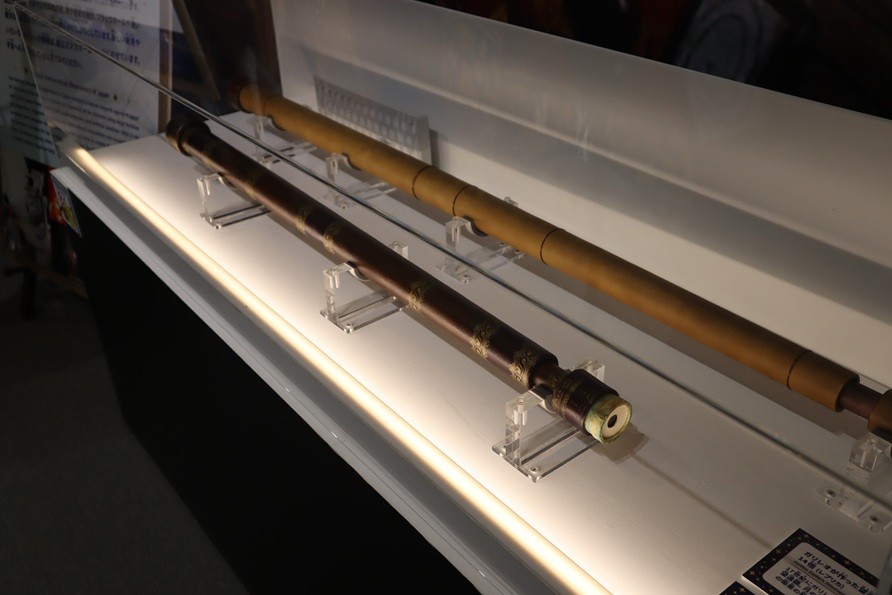
In the 17th century, Galileo Galilei used a telescope for astronomical observation. Today, modern space observation uses not only visible light, but also radio waves, infrared, X-rays, and other types of electromagnetic waves that are invisible to the human eye.
This new exhibit, debuting at the Toyohashi venue, lets you use MR goggles to compare how the universe and Pokémon look in different types of light.
*For safety reasons, children under 6 years old cannot participate in the MR experience.
Life-size Displays of Various Space-related Pokémon!
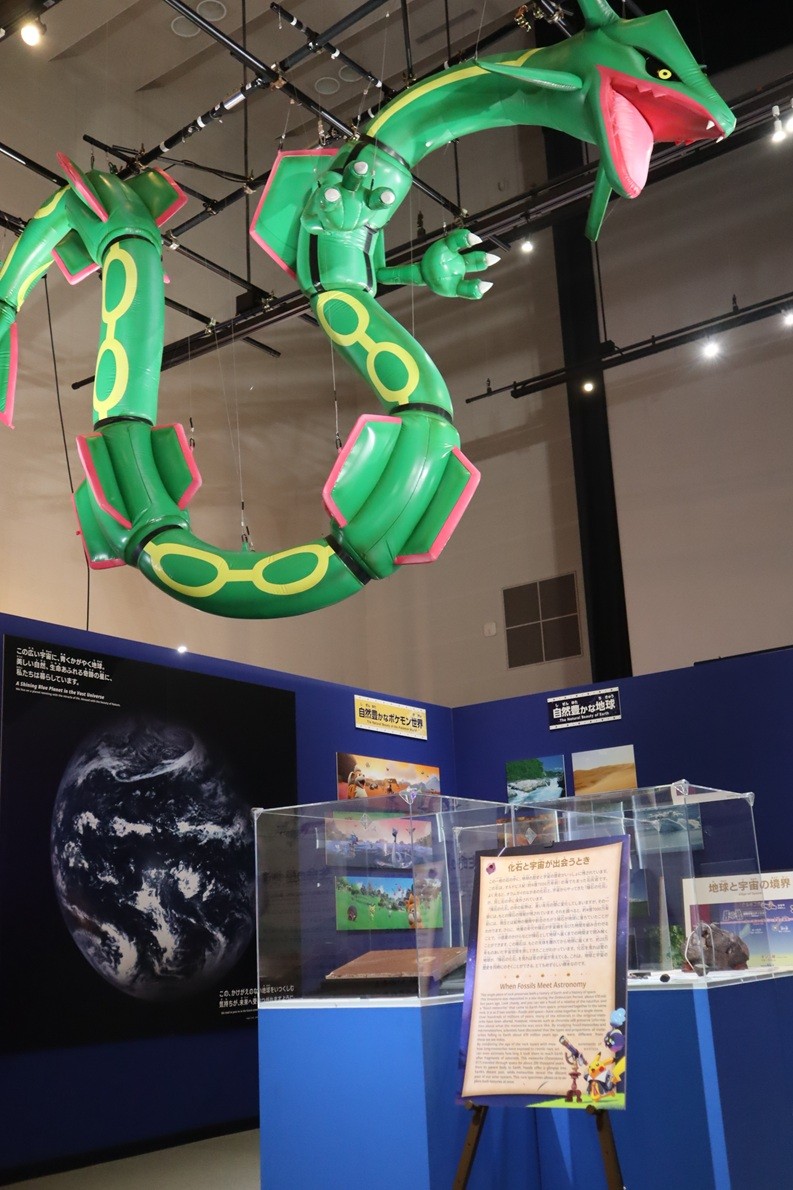
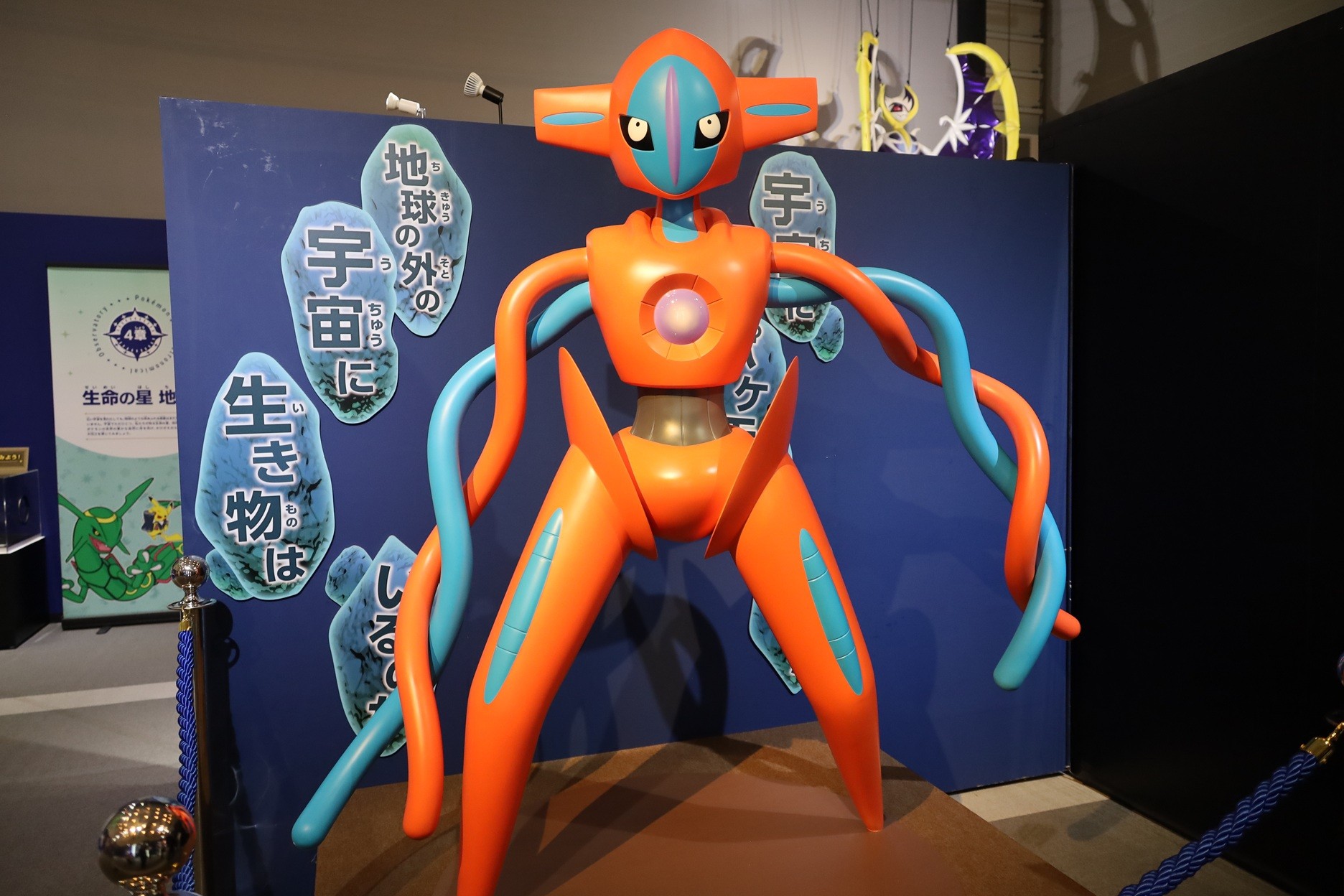
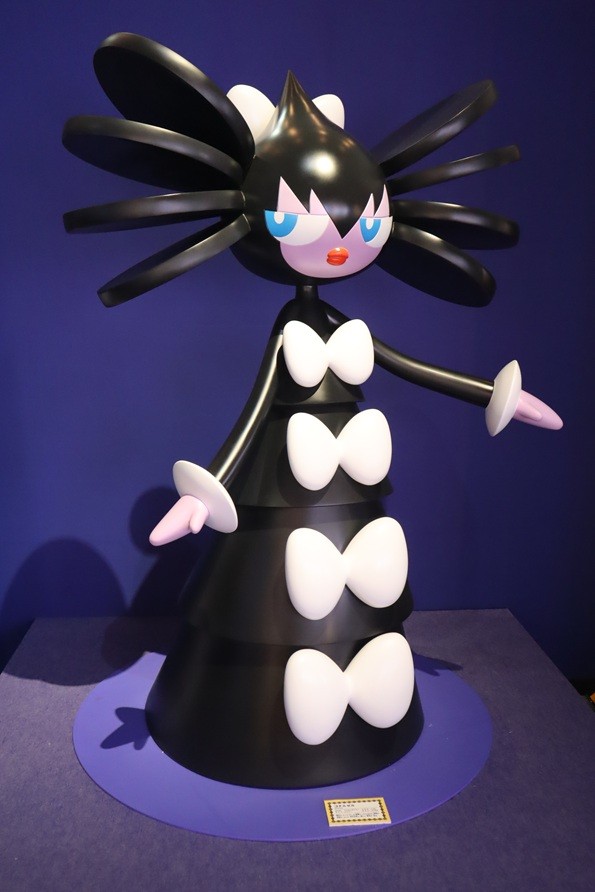
Life-size models of many Pokémon, such as Rayquaza, the "Sky High Pokémon," Deoxys, the "DNA Pokémon," and Gothitelle, the "Astral Body Pokémon," are displayed throughout the venue.
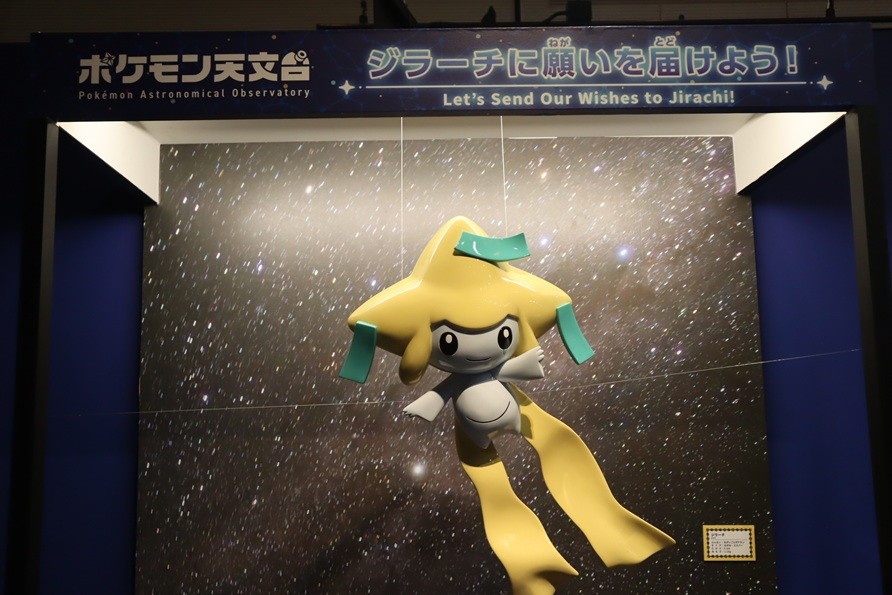
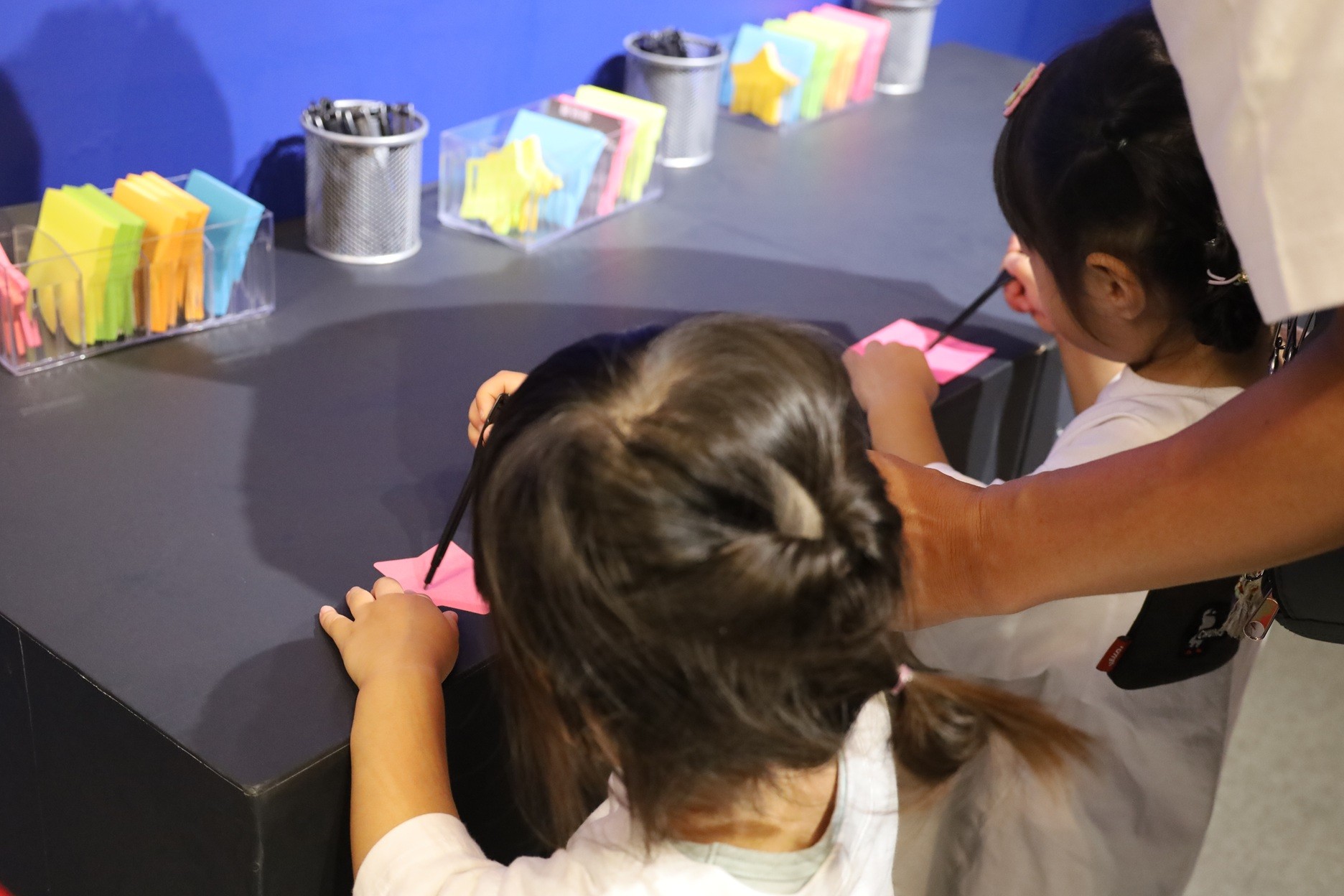
At the end of the exhibition, there is also a special area where you can send your wishes to Jirachi, the "Wish Pokémon."
Opening Ceremony Held on Monday, September 21, 2026 (National Holiday)
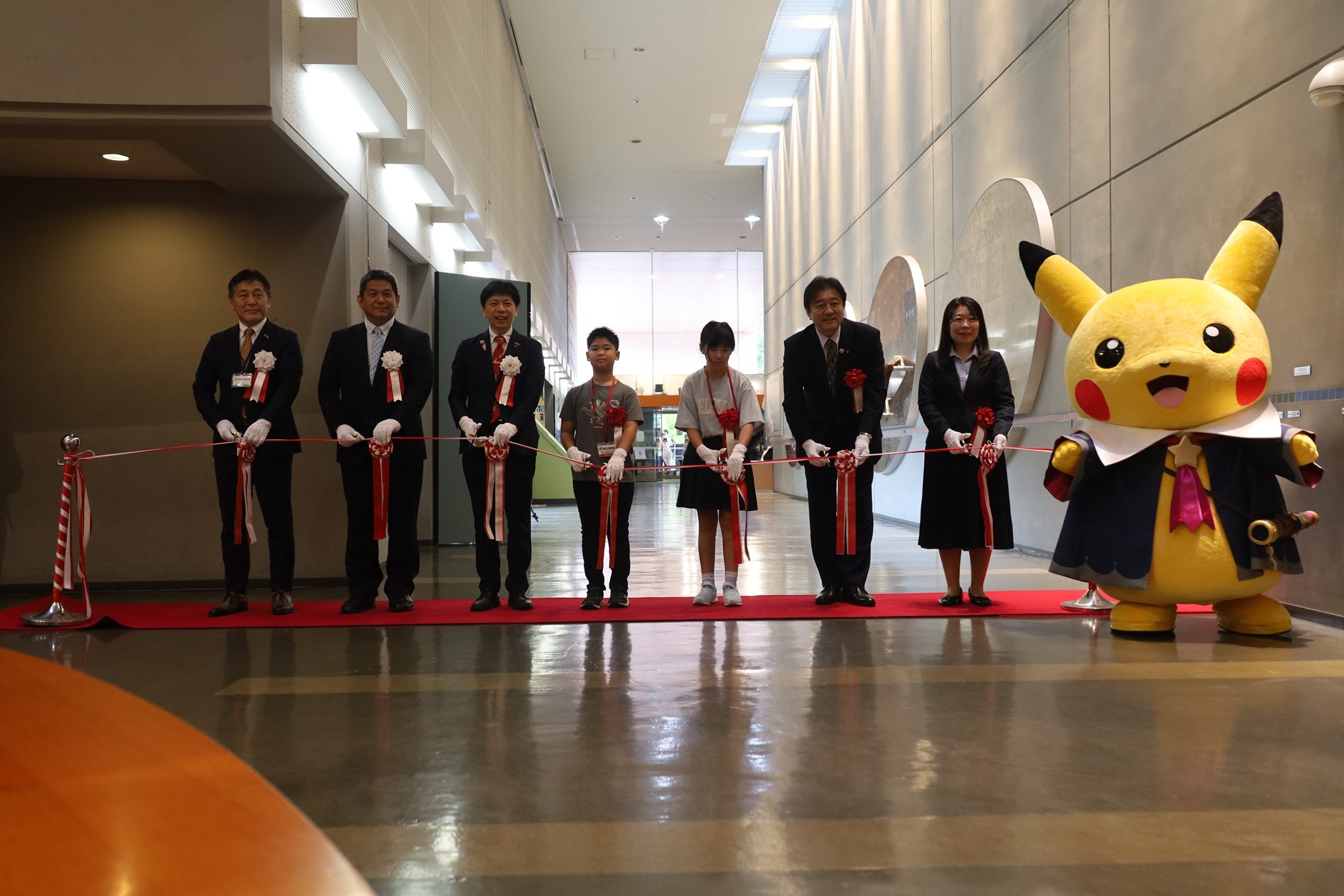
Thirty elementary and junior high school students from Toyohashi and surrounding areas, selected in advance by public application, participated in the opening ceremony. There were 255 applicants, and the participants were chosen by lottery.
At the ceremony, Mayor Nagasaka of Toyohashi said, "This special exhibition will be held for a long period of three months. Please come and visit as many times as you like. I also hope that not only children, but also the 'former' children who grew up with Pokémon, will enjoy it."
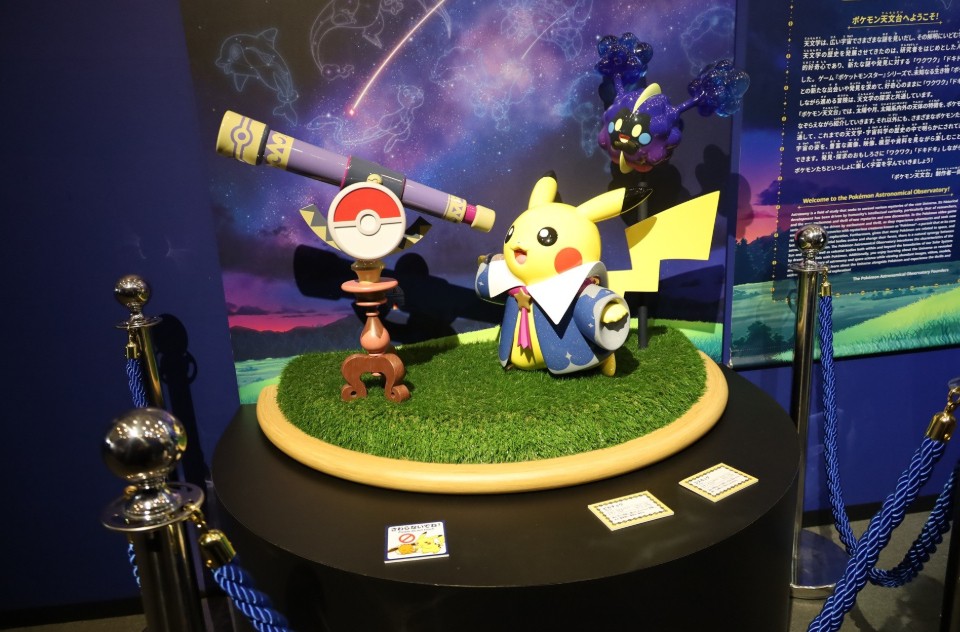
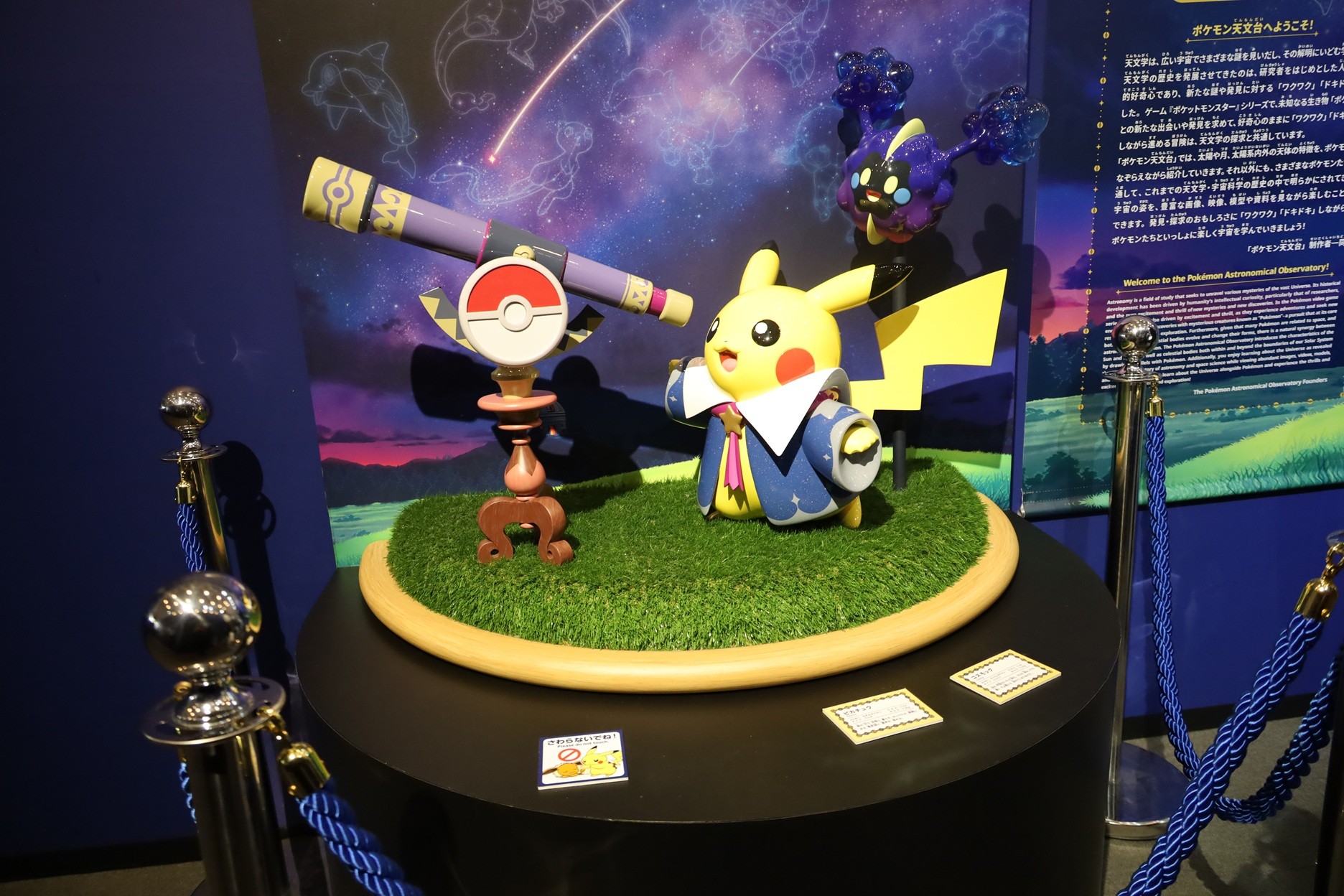
On the first day of the exhibition, about 2,700 people visited. Starry Sky Pikachu, holding a telescope, also appeared and helped liven up the venue.
Special Exhibition "Pokémon Observatory" Toyohashi Venue - Event Overview
- Exhibition Period: September 21, 2026 (Mon, National Holiday) – December 6, 2026 (Sun)
- Venue: Toyohashi Museum of Natural History, Special Exhibition Room
- Closed: Every Monday (If Monday is a national holiday, closed the following weekday)
- Opening Hours
- Weekdays: 9:00 AM – 4:30 PM
- Saturdays, Sundays, and holidays in September: 9:00 AM – 4:00 PM, 5:00 PM – 9:00 PM
- Saturdays, Sundays, and holidays from October to December: 9:00 AM – 9:00 PM
*Last admission is 30 minutes before closing.
- Admission Fees
- Same-day tickets: Adults 1,000 yen, Elementary & Junior High School Students 300 yen, Preschoolers free
- Web tickets: Adults 840 yen, Elementary & Junior High School Students 250 yen
*Separate admission fee required for Toyohashi General Botanical & Zoological Park.
- Organizers: Toyohashi Museum of Natural History, National Astronomical Observatory of Japan, National Institutes of Natural Sciences
Special Cooperation: The Pokémon Company - Production Cooperation: NHK Promotions
Exhibition Production: NHK Art - Supervision: National Astronomical Observatory of Japan, National Institutes of Natural Sciences
Cooperation: Japan Aerospace Exploration Agency (JAXA) - Special Website: https://www.toyohaku.gr.jp/sizensi/03event/tokuten/pokemon/index.html
Nighttime Admission Recommended!
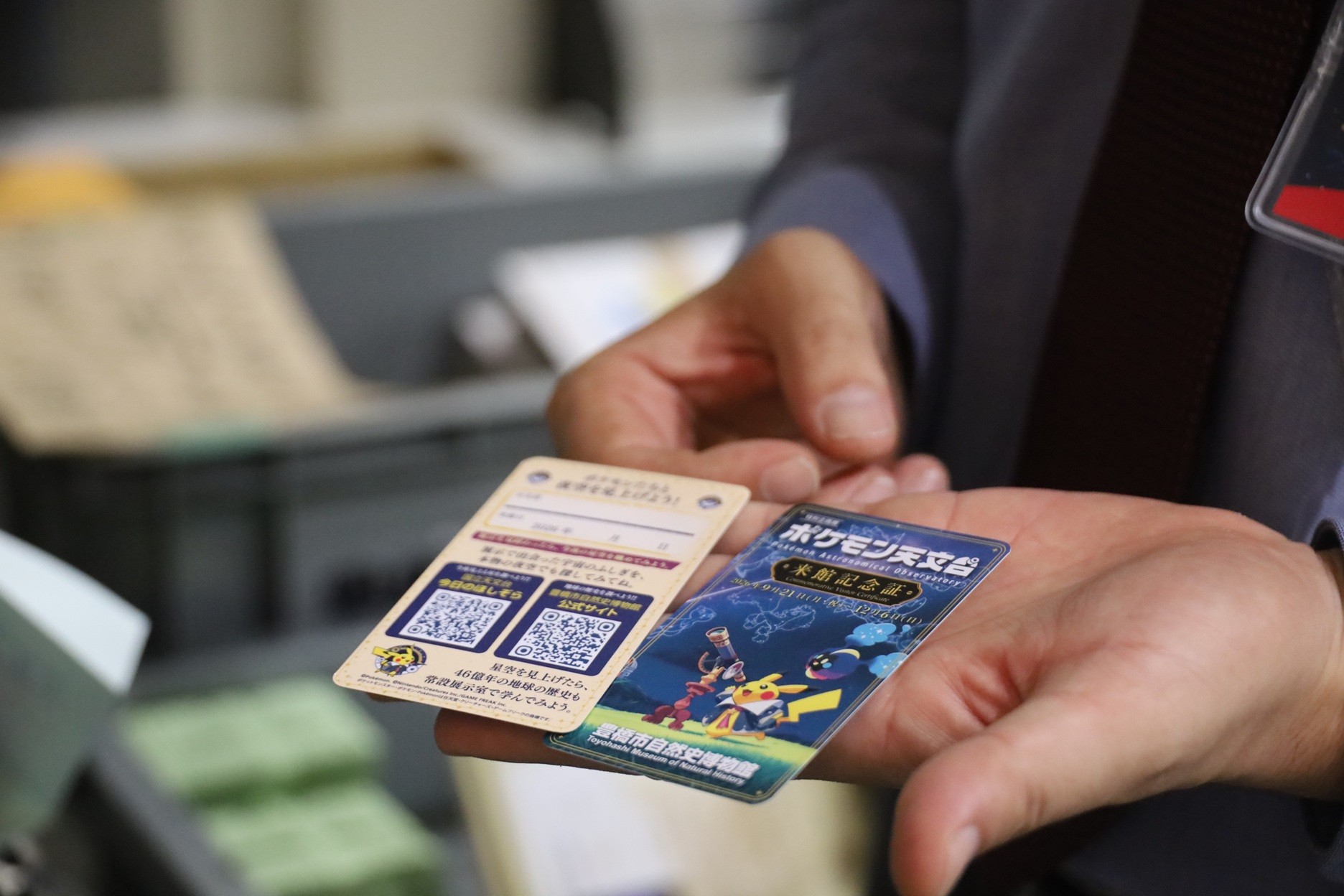
From October to December, on weekends and holidays, the Toyohashi Museum of Natural History will, for the first time, remain open until 9:00 PM, continuing from regular opening hours.
In addition, visitors who enter on weekdays, or those who enter the "Pokémon Observatory" after 5:00 PM on weekends and holidays, will receive an original visitor certificate! This special admission bonus, available only at the Toyohashi venue, features a design that will make you want to look up at the night sky. *Limited quantity. Distribution ends when supplies run out.
©Pokémon. ©Nintendo/Creatures Inc./GAME FREAK inc. Pokémon, Pocket Monsters, and Pokémon are trademarks of Nintendo, Creatures, and Game Freak.
Source: PRTIMES
👉Book Hotels & Ryokan on JAPANiCAN🏨


Comments