
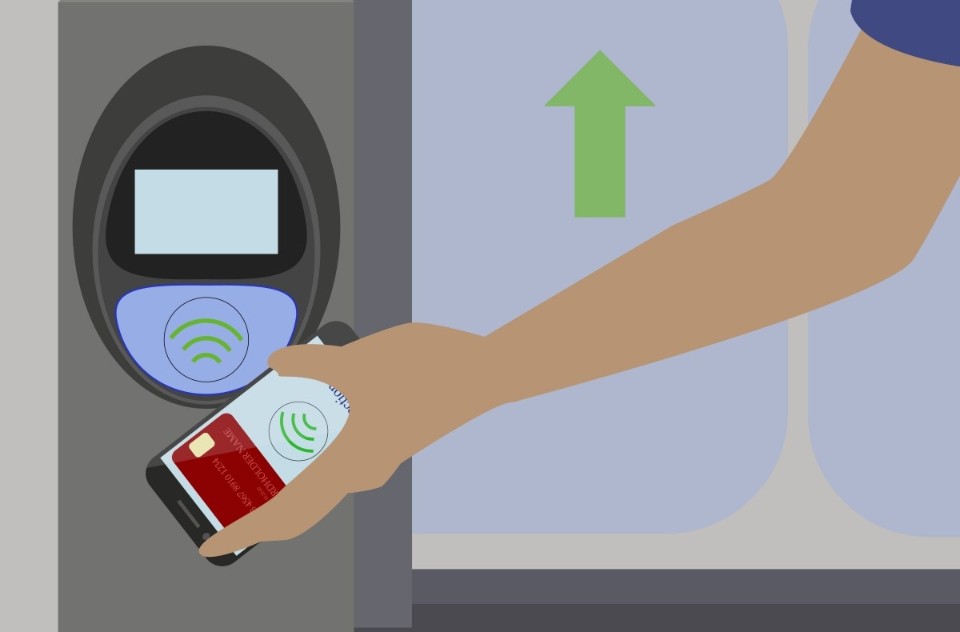
When traveling in Japan, many people have struggled with the “overly complex Tokyo railway network” and “managing transportation IC cards (like Suica or PASMO).” Especially for international visitors, the deposit required for cards and the hassle of recharging at ticket machines whenever your balance runs low can be surprisingly troublesome.
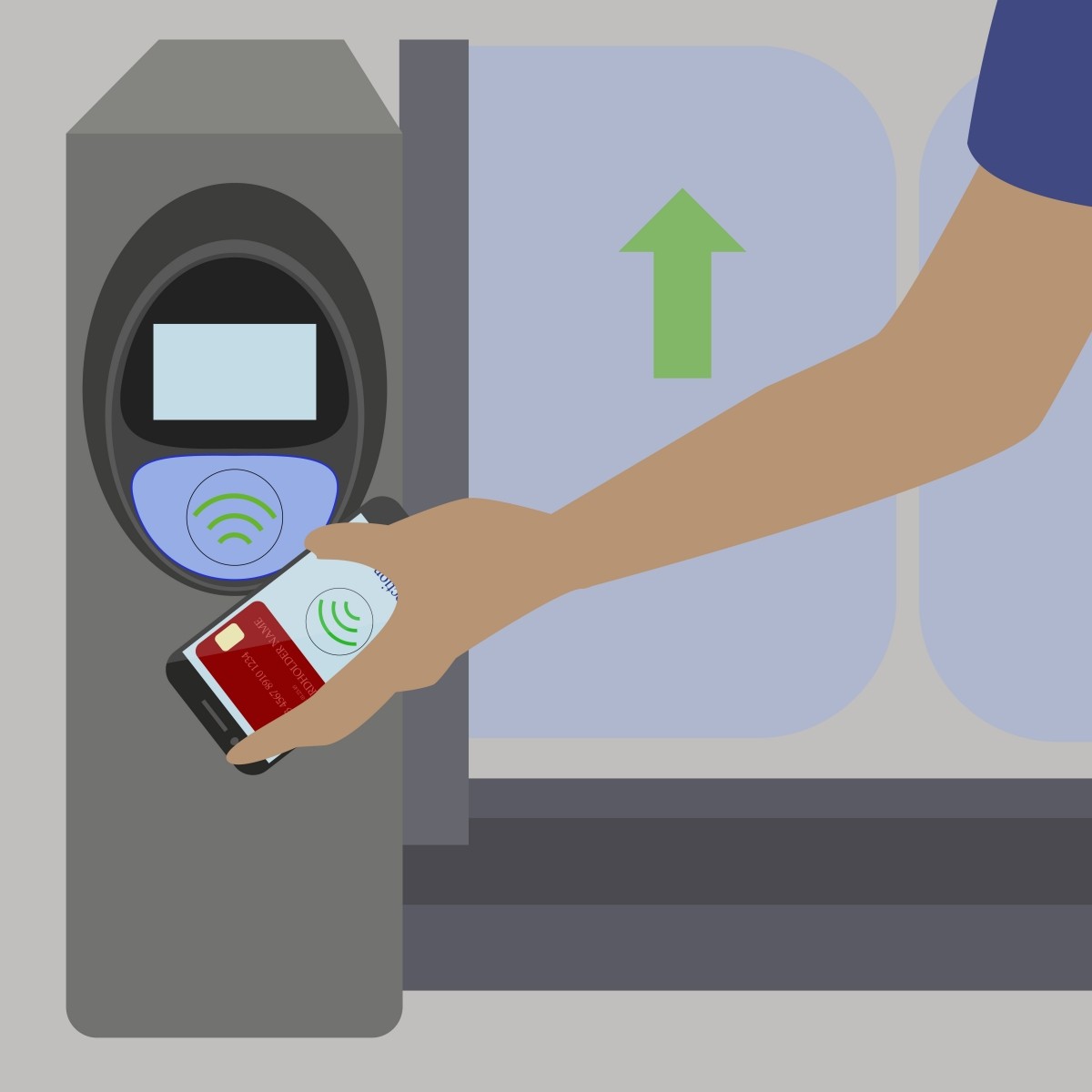
However, starting Wednesday, March 25, 2026, 11 major railway and subway operators in the Kanto region will launch full mutual interoperability for contactless credit card payments on trains. Simply tap your smartphone or card at the ticket gate reader to board instantly. No need to recharge in advance or download a dedicated app, making travel in Tokyo dramatically more seamless.
This time, we’ll thoroughly explain the latest information on “Contactless Credit Card Boarding,” which lets you ride just by tapping your smartphone or card—no recharge needed! The days of relying on the Suica Penguin may be coming to an end by the close of fiscal 2026.
What’s Changing? The Power of “Mutual Use” and Previous Issues
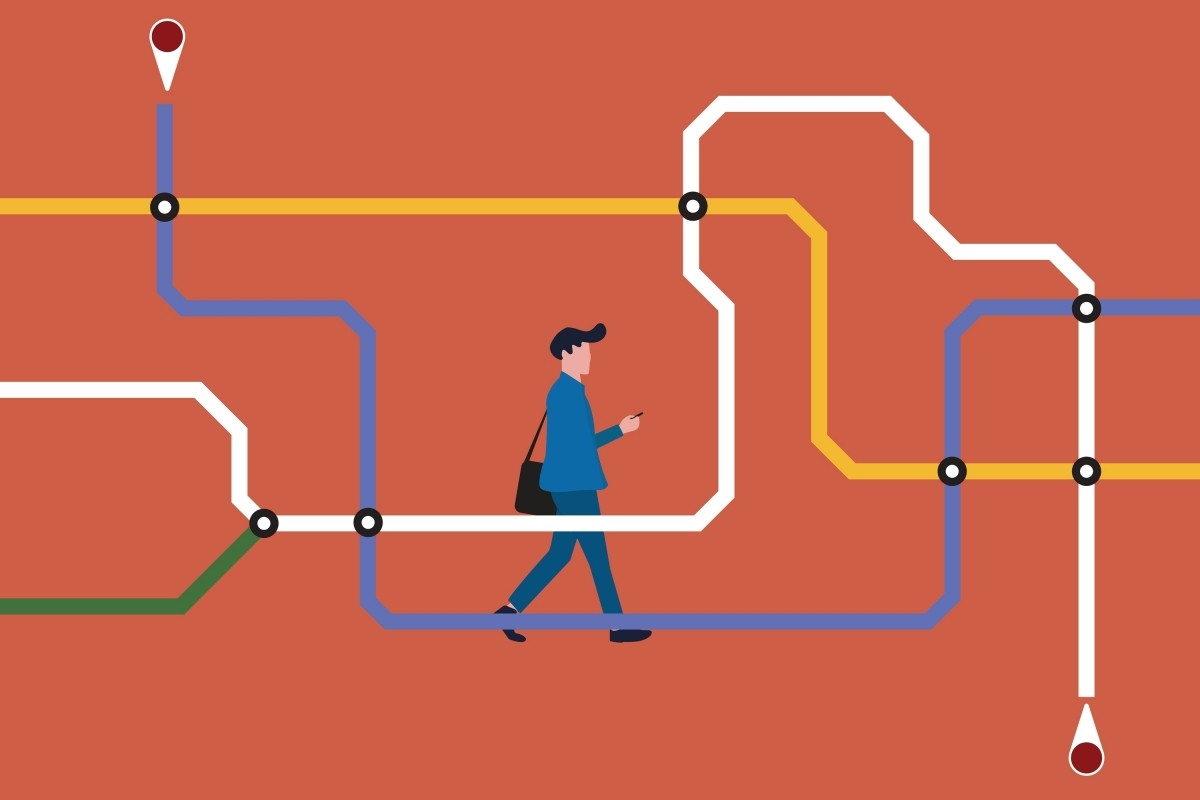
Until now, some lines and stations had already introduced contactless credit card payments on a trial basis, but there was a major drawback: “You couldn’t transfer between different companies.”
For example, if you were traveling directly from the Tokyu Line onto the Tokyo Metro, you previously had to exit the ticket gate and settle your fare again if you were using credit card payment. This meant that the convenience of contactless payment couldn’t be fully utilized.
Major Change from March 2026: 11 Operators Connected!
From March 25, 2026, the barriers between railway companies will be removed, connecting 11 operators, 54 lines, and 729 stations into one unified network. This means that even if you travel across multiple railway companies—such as from Yokohama through Shibuya to Shinjuku or Ikebukuro—you can do it all with a single tap, without exiting the ticket gates.
You may finally say goodbye to that awkward moment when the “ping-pong” warning sound suddenly goes off at the gate and you feel sorry for the people behind you—an experience everyone has had at least once.
List of the 11 Participating Operators
The following 11 operators will begin mutual use under this project:
- Tokyo Metro
- Bureau of Transportation, Tokyo Metropolitan Government (Toei Subway, etc.)
- Tokyu Corporation
- Keio Corporation
- Keikyu Corporation
- Odakyu Electric Railway
- Odakyu Hakone
- Seibu Railway
- Tobu Railway
- Sotetsu (Sagami Railway)
- Yokohama Minatomirai Railway (Minatomirai Line)
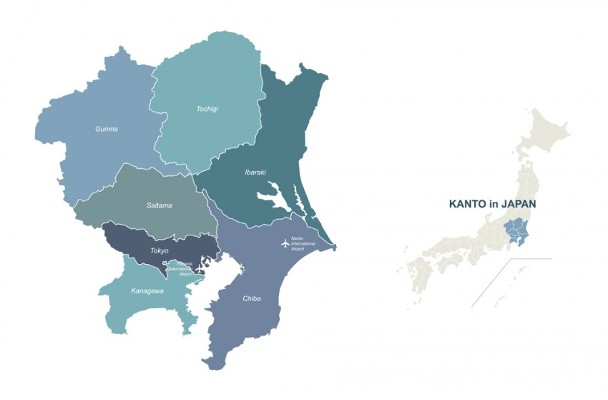
This will cover the major sightseeing areas of Tokyo, Kanagawa, Chiba, and Saitama.
Train “Contactless Credit Card Payment” Usage Guide
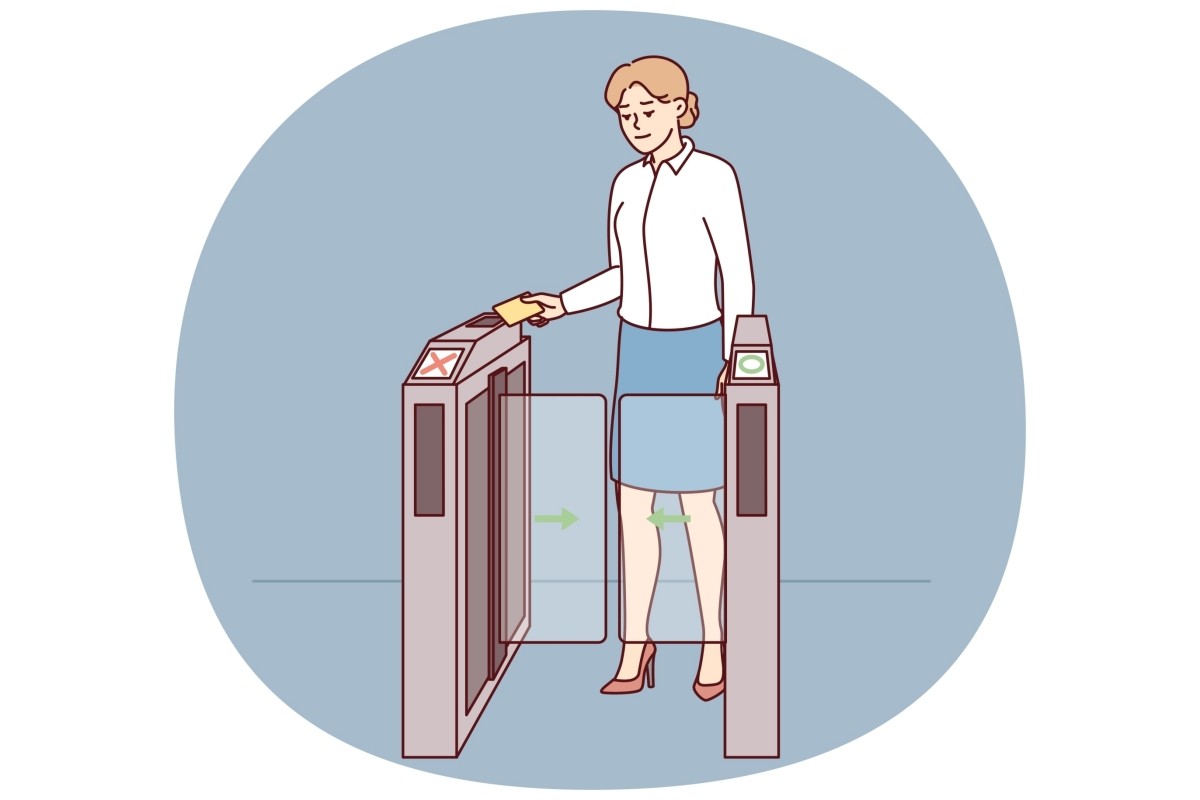
Using it is surprisingly simple. You can board the train just like you would make a payment at a convenience store or supermarket.
(1) What You Need
Prepare a card with the “contactless symbol”* or a smartphone registered with such a card.
*The contactless symbol refers to the four curved lines on the card that look like a Wi-Fi symbol. If your card has this mark, you can simply hold it over the ticket gate reader to make a payment, just like at a register.
Supported Brands
- Visa
- Mastercard
- JCB
- American Express
- Diners Club
- Discover
- UnionPay
Devices
- Smartphone
- Smartwatch (Apple Pay / Google Pay)
(2) How to Ride
- Check the Ticket Gate: Use the ticket gate equipped with a dedicated reader displaying the credit card/contactless symbol.
- Touch: Hold your card or smartphone over the reader. If you hear a beep, you're good to go.
- Touch at Your Destination: At your destination station, simply touch the same card or device again. The fare will be automatically deducted from your card later.
(3) Fare System
The same "regular fare (in 10-yen increments)" as when purchasing a ticket applies. In addition, the transfer discount between Tokyo Metro and Toei Subway (70 yen off) is also available. The fact that this discount, previously limited to IC cards, is now available with credit cards is a major benefit.
Important Points! Please Be Careful Here
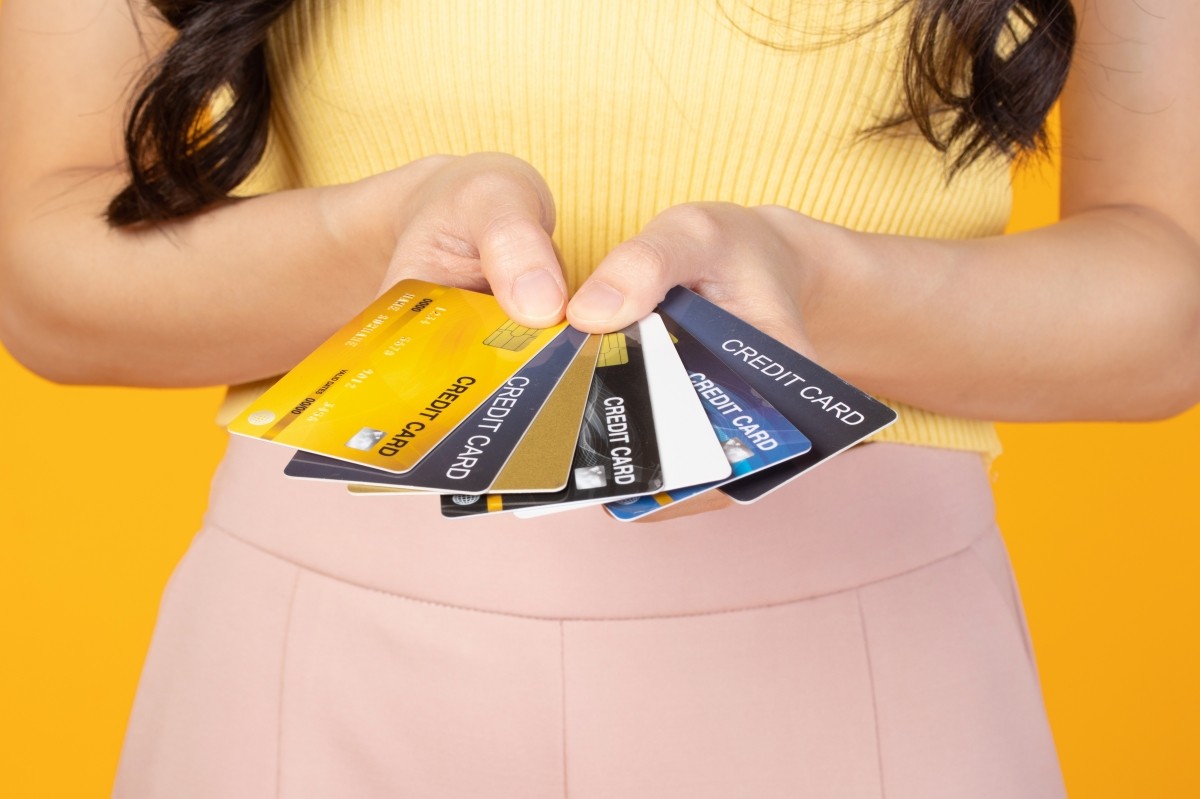
Credit card touch payment is extremely convenient, but it isn’t perfect. Please pay attention to the following points.
(1) No Child Fare Setting
Currently, only adult fares are available. If you are traveling with children, you will still need a child IC card or a paper ticket for them.
(2) Mutual Use with JR East is "Undecided"
JR East is not included among the 11 companies participating this time. When transferring to JR lines, you will likely need to exit the ticket gate and make a separate payment, so please be aware.
(3) One Card Cannot Be Used by Multiple People
Each person needs their own card or smartphone.
(4) Pre-Settings Required for "Touch and Go"
To pass through the ticket gates smoothly like with Suica, it is very important to set up your device in advance. If you do not set it up, you may be asked for authentication every time you touch the reader, and may not be able to pass through smoothly.
If you use an iPhone or Apple Watch, set up "Express Mode" in the Wallet app. By enabling this, you can pass through the ticket gate just by touching your device, without needing to wake it up or authenticate with Face ID or Touch ID.
For Android users, it is recommended to turn off "Require device unlock for transit" in Google Wallet settings. Normally, Android devices respond when woken from sleep, but turning off this setting allows you to skip unlocking, making it easier to pass through crowded ticket gates quickly during rush hour.
(5) Be Aware of "Foreign Transaction Fees" for Cards Issued Overseas
For credit cards issued overseas (or when using a Japanese card abroad), a "foreign transaction fee" set by the card company will be charged for each payment. While each fare is small, these fees can add up if you ride frequently. It is smart to use this service with the understanding that the convenience of saving "the time and hassle of exchanging coins" comes at a price.
So, Which is Better: “Suica” or “Credit Card Tap Payment”? (Comparison Table)
| Item | Credit Card Touch Payment | Transit IC Card (Suica/PASMO) |
| Preparation | None needed (use your existing card) | Required (purchase or app setup) |
| Charge | Not required (postpaid) | Required (need to manage balance) |
| Child Fare | Not supported (adult fare only) | Supported |
| Use on JR East | Not available for mutual use at this time | Available nationwide in Japan |
| Recommended for | Short-term tourists People who find charging troublesome |
Traveling with Children |
Whether you should use “Suica” or “credit card touch payment” depends on your travel style.
If you are a “short-term tourist” or someone who “wants the easiest option,” you should definitely choose credit card tap payment. Not only will you be free from the hassle of the 500 yen deposit and recharging, but you will also receive the same 70 yen transfer discount between Tokyo Metro and Toei Subway as with IC cards.
On the other hand, if you are “traveling with children” or “traveling widely across Japan,” Suica or PASMO will continue to be your best friends. Currently, credit card tap payment only supports adult fares, and seamless interoperability with JR East is still undecided as of March 2026, so transportation IC cards are the better choice.
[Life Hack] Use Overseas Travel Insurance with Credit Card Touch Payment! (For Japan Residents Only)
The new habit of passing through ticket gates with credit card tap payment not only makes getting around more convenient, but is actually the “ultimate life hack” for smartly and reliably activating your overseas travel insurance.
Many credit cards come with overseas travel insurance, but recently, more cards are switching from “automatic coverage” (just by owning the card) to “usage-based coverage,” which only becomes valid when you pay for travel expenses with the card.
In other words, if you use credit card touch payment for your trip from the airport to the city center after arriving in Japan, that payment may trigger your travel insurance to become valid!
Let’s imagine some specific scenarios where this “life hack” could work after the start of interoperability in March 2026.
Example Scenarios for Using This Hack
[When Departing from Japan for Overseas]
You enter the ticket gate of a nearby private railway or subway (for example, Tokyu Line or Tokyo Metro) using touch payment, and head directly to Haneda or Narita Airport. Even if you paid for your airline ticket or tour by other means, the moment you use credit card tap payment for the “train fare to the airport,” your travel insurance becomes valid.
Checklist Before Using This Hack
To make the most of this life hack, be sure to check the following three points in advance.
(1) Always Check Your Card Company’s “Coverage Conditions”
Not all cards accept train fares. Some cards only cover “packaged tours,” so it’s important to read the terms and conditions beforehand.
(2) Know How to Access Your Payment History
If you ever need to make a claim, you’ll need proof of payment by card. Remember that you can check and print your touch payment history from the dedicated “Q-move” website or your card statement.
(3) Confirm Supported Brands
As of March 2026, 11 major operators will accept seven brands: Visa, Mastercard, JCB, American Express, Diners Club, Discover, and UnionPay.
Coverage conditions (such as when coverage starts and what is included) differ by card company, so always check your card’s terms and conditions in advance.
Travel Around Tokyo Seamlessly!
March 25, 2026. From this day, getting around Tokyo will change from an “adventure” to a “comfortable stroll.” With 11 major operators and 729 stations in the Kanto region connected as one, even complicated journeys across multiple lines can be completed with just “one touch.” The convenience of being able to explore the city smoothly with just your familiar card or smartphone will bring a new experience to everyone traveling by train.
While systems have already been introduced in places like Fukuoka City Subway and Osaka Metro within Japan, the impact of connecting the 11 major railway and subway operators in Tokyo is truly significant. Be sure to include “credit card tap payment for trains” in your travel plans for 2026!
References:
- PR TIMES (Tokyu Corporation)
- PR TIMES (Sumitomo Mitsui Banking Corporation)
- JCB Brand Site “Even More Convenient with Express Mode”
- Google Wallet Help “Using Google Wallet for Public Transportation”
- Tabisapo (Powered by Sumitomo Mitsui Card) What are the fees for using credit cards overseas? Explanation of calculation methods and benefits (Published 2025.07.15)
- Starting from Zero: Credit Cards (Powered by Sumitomo Mitsui Card) “Conditions for Use-Linked Coverage” (Published 2025.08.18)
- Tabitomo (HS Insurance) “2. Is it OK to use for train fares? Conditions for use-linked overseas travel insurance with credit cards” (Updated 2023.11.6)


Comments